Tag: expansion

  • Why Is China The Center-Piece Of Starbucks’ Growth Story?

    Why Is China The Center-Piece Of Starbucks’ Growth Story?

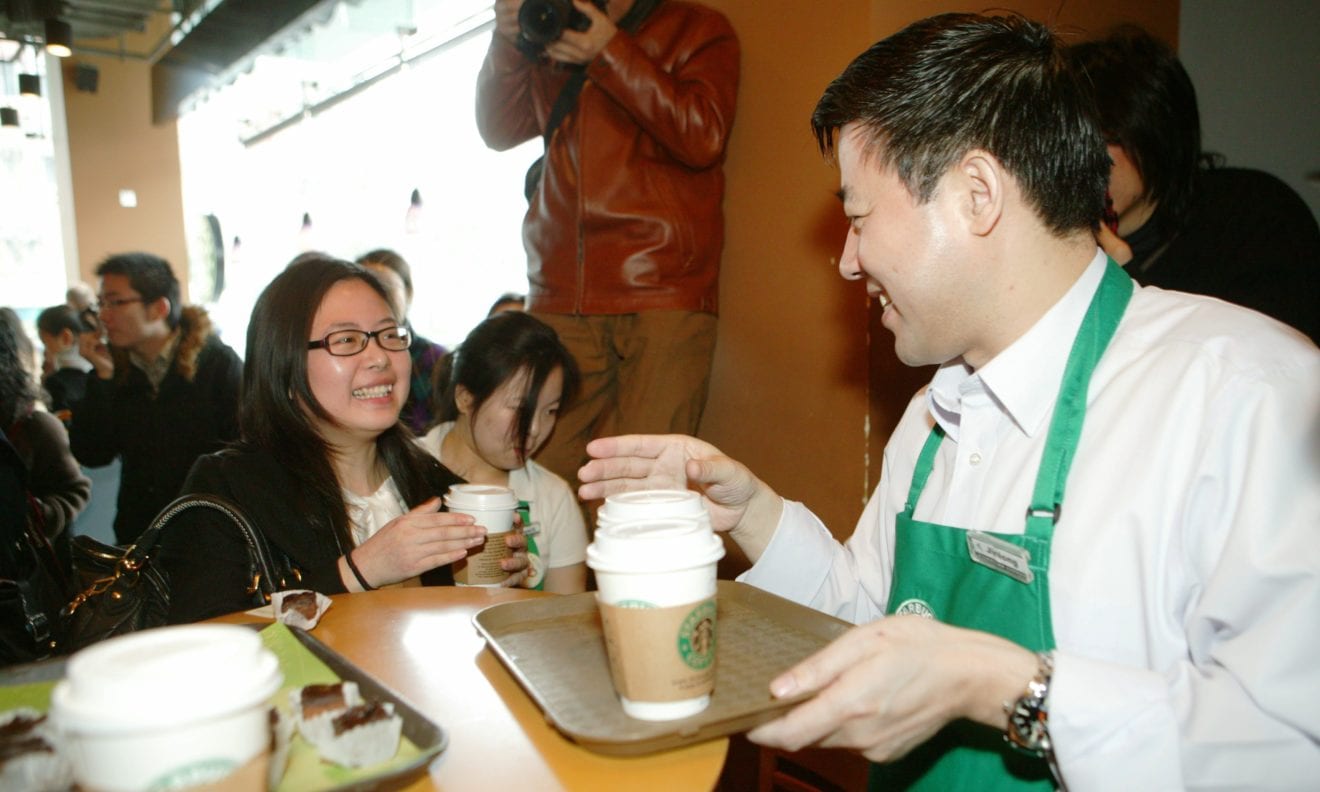
    China is the brightest star of the Starbucks growth story. The company has almost 2,300 stores in over 100 cities in China, and continues to open more than one store per day. China outshone the other regions in the June quarter, by posting 7% comparable sales growth due to increased traffic. Further, China accounts for over 10 million of the 19 million Starbucks Reward members in China and Asia Pacific (CAP). To reinforce China’s growth potential, Starbucks has plans to open up 2,500 stores for the next five years in the region.

    s1

    Why Is The Focus On China?

    Starbucks is facing intense competition from western brands like McDonald’s, Dunkin’ Donuts, and Burger King, to establish a foothold in China, not to mention the existing domestic players. However, Starbucks differs from the other food chains in the fact that it is seeing continued success in the region, while others, like McDonald’s, which is selling-off its restaurants in mainland China, are seeing their business flailing. The question to be asked here is why is everyone focusing on China. There are a number of reasons. Firstly, the American market is largely mature. Consequently, a large growth impetus cannot be expected from the U.S. That means Starbucks, like others, needs to look at emerging countries and markets with low penetration to drive revenues. This leads us to China, which is the second largest economy in the world. The middle income class in China is expected to double over a period as short as five years. Although, its economy has slowed down recently, China is still among the fastest growing nations, far ahead of Europe and the States.

    s2

    What Is The Reason Behind Starbucks’ Success In China?

    According to data from Roland Berger, Starbucks dominated the Chinese coffee market with an impressive 60% share, while McDonald’s and Costa only make for 13% and 11% of the total. One of the major reasons behind Starbucks’ success in China, when others are failing, is its commitment towards delivering what customers want. Instead of trying to pitch the U.S. bestsellers in China, it came up with new and innovative products, such as green-tea flavored coffee, which holds appeal for the country’s masses. Secondly, rather than pushing take-out orders, which account for the majority of American sales, Starbucks adapted to local consumer wants and promoted dine-in service. Although dine-in services bring in lesser revenue per square meter, Starbucks’ high pricing strategy in the area results in China being as profitable a market as the U.S.

    In addition to all this, Starbucks proved itself to be an employee-friendly workplace. While most western conglomerates treat their Chinese employees like cheap labor, causing the turnover rate to be high, Starbucks has invested in its employees through programs like student loans and subsidized accommodation. This further strengthened Starbucks position in China as satisfied employees are the best marketing agents a company can possibly ask for as they are the ones responsible for customer experience. Moreover, it has smartly partnered with local companies in various parts of China to overcome hurdles, deal with the complex foreign laws, and thus, grow effectively. The recent partnerships with the Chinese company, Tingyi, to manufacture and sell “ready to drink” products in China, is one example.

    s3

    What Is Next For Starbucks In China?

    According to the management, Starbucks plans to make China its largest retail market by the end of 2019. As mentioned before, it plans to open 2,500 new stores over the next five years in the region, even as the concerns about the slowdown in China increase. In 2017, it plans to open up a 30,000 square-foot Starbucks Shanghai Roastery and Tasting Room to appeal to the growing and increasingly rich upper class of China.

    Starbucks has also begun sourcing its coffee beans from areas within China, to seem less foreign and help the domestic coffee industry flourish. Further, Starbucks has branched out into selling tea drinks, such as Teavana, in China. According to Euromonitor, the size of China’s retail tea market was nearly $10 billion in 2014, the largest in the world and far ahead of second-positioned Russia.

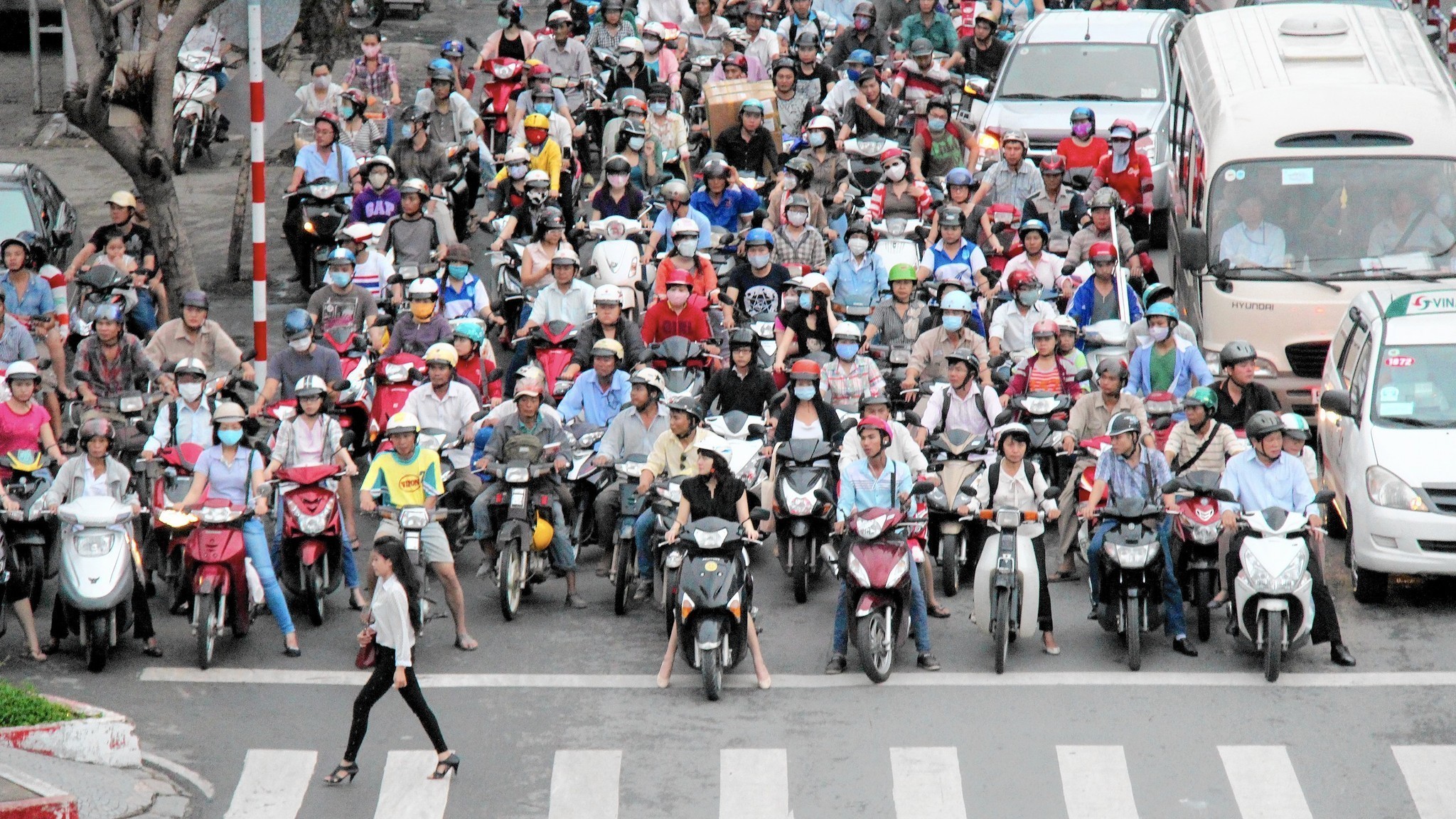
    s3

  • Việt Nam retail market attracts international investors

    Việt Nam retail market attracts international investors

    Việt Nam’s growing retail market has attracted the attention of foreign retailers. A series of famous retailers from Japan, Thailand, South Korea and France have flocked to the country, hoping to penetrate the market, a recent JLL Việt Nam report said.

    As penetration of foreign retailers into the country has increased, fierce competition in the retail space has become more intense. This will put the retail market to the test and only retailers with the right positioning to meet market demand will gain market share.

    In 2014, the Berli Jucker acquisition of Metro Cash & Carry Việt Nam for an enterprise value of 655 million euro (US$700 million) – the largest-ever Merger & Acquisition deal in Việt Nam at that point – signalled entry of the Thailand retailer into the country.

    Later, another Thailand giant, Central Group, acquired Nguyễn Kim Trading – Việt Nam’s top electronics retailer, and BigC Việt Nam- the second largest supermarket chain in terms of store number in the nation.

    In October 2015, Emart – the leading South Korean retailer – officially marked its entrance with a US$60 million shopping centre in north HCM City. Also from South Korea, Lotte Mart is quite successful with 11 supermarkets, a number expected to increase to 60 stores by 2020.

    Most Japanese investors consider the success of Aeon in Việt Nam a praiseworthy case in overseas investment. Aeon has four malls and expects to reach 20 malls before 2020. Also from Japan, Takashimaya arrived in July 2016 as anchor tenant of downtown HCM City’s Saigon Centre retail mall.

    Adding to three Simply Mart stores in HCM City, AuchanSuper, a major retail brand from France, is planning to open another 17 supermarkets by end-2017 in the city and 20 stores by 2020 in northern Việt Nam.

    Thanks to increasing disposable incomes, big fashion brands such as Gap, Mango and Topshop have become the top choice of many young Vietnamese. In September 2015, Zara opened its first flagship store in HCM City. H&M will reportedly enter Việt Nam early next year.

    With 90 million people, Việt Nam has attracted retailers with its relatively young population – 70 per cent are aged between 15 and 64 years – who promise to be a key driver of robust market growth. Việt Nam’s urban population is expected to grow 2.6 per cent annually from 2015 to 2020, the highest rate among regional peers.

    “Increasing disposable incomes, rapid urbanisation and rising living standards make Việt Nam one of the most dynamic emerging economies in South East Asia,” says Bùi Trang, Commercial Leasing Director at JLL Việt Nam.

    According to the Boston Consulting Group, Việt Nam has the fastest growing middle and affluent class (MAC) in the region, which will double in size between 2012 and 2020, from 12 million to 33 million. MAC consumers, whose income is VNĐ15 million (US$700) or more a month, will be a key group of potential customers for retailers.

    Việt Nam e-commerce is set for strong growth thanks to its growing consumer and online population. According to the Nielsen’s report, nine out of ten consumers in Việt Nam (91 per cent) own smartphones, compared to 82 per cent in 2014, and the rapid up-take of connected devices, especially smartphones and tablets are instrumental in media consumption shifting.

    “Significantly increasing the amount of the credit card holders has also had an impact on the change in consuming behaviour. It is observed that people now are more willing to spend as they can afford more with credit and it tends to make shoppers less canny,” she said.

    Additionally, increasing international arrivals and continuously improving infrastructure are also factors that make Việt Nam an alluring market for retailers.

  • Apple Korea to launch first official store

    Apple Korea to launch first official store

    Apple Korea is to open the brand’s first official store in Seoul, but no date has been revealed.

    A lease has been signed for a property in Garosu-gil Road, an upmarket, tree-lined street, with Apple Korea paying a 1.6 billion won (US$1.44 million) deposit for the lease, which runs to February 29, 2036.

    Without an Apple Store in Korea, consumers have had to turn to third-party suppliers, leading to complaints about delays and poor service, reports the Korea Times.

    In response, the Korea Fair Trade Commission told Apple in December to rectify its policy.
    Apple has started recruiting staff for the Seoul store, advertising positions covering marketing, store crew and customer service.

  • Owndays Europe marks first foray outside Asia-Pacific

    Owndays Europe marks first foray outside Asia-Pacific

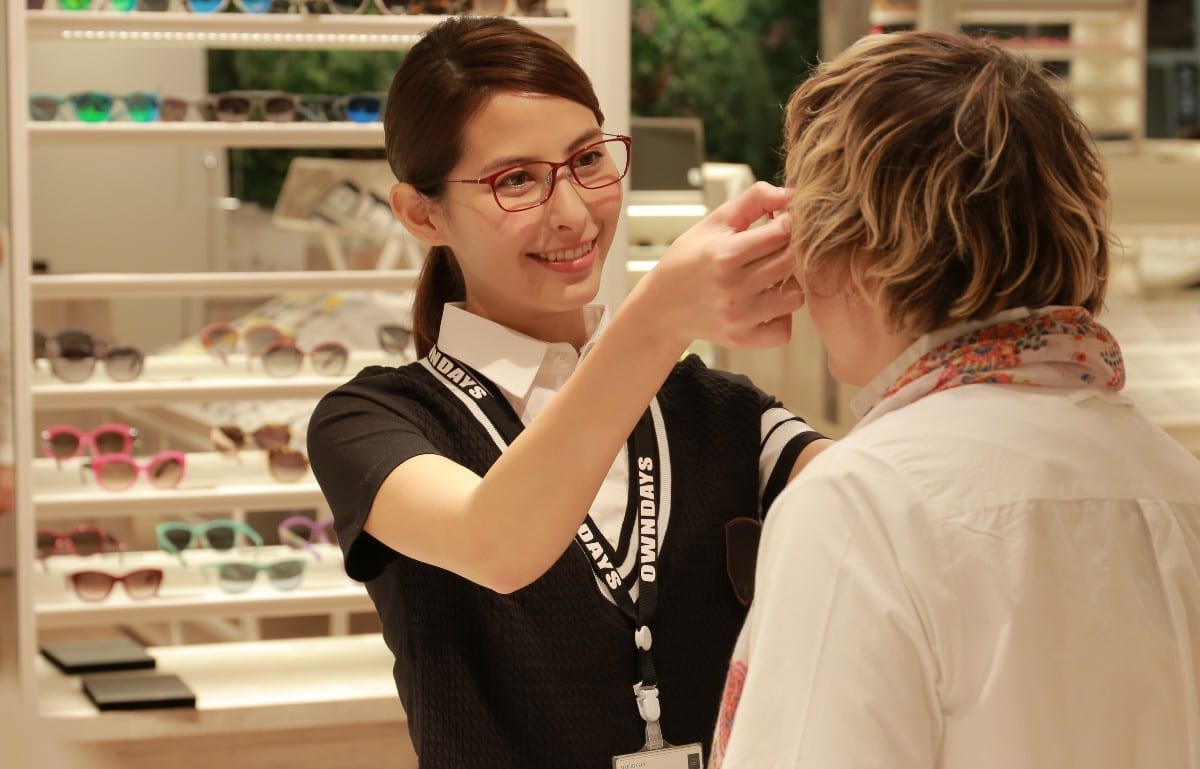
    After rapidly building a network of stores across Asia, Japanese eyewear retailer Owndays has made its European debut.

    Owndays Europe has opened its first store in the Netherlands, the design largely true to its Asian format and its simple pricing model seamlessly converted into local currency with frames and lenses paired at between 98 euros and 198 euros.  A 20-minute “quick processing” promise is also included in its in-store marketing, two two promises being the eyewear chain’s unique selling points.

    Owndays Netherlands 1


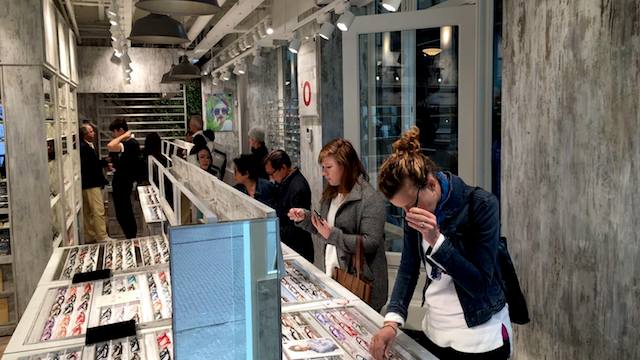
    The 80 sqm Dutch store opened last week in a traditional street-front location, rather than a shopping mall, where most of its stores are located in Asia; at Passage in The Hague, a trendy area bustling with retail and food & beverages establishments.

    Owndays Europe plans to open 30 stores in the Netherlands in the next three years.

    The brand began its international expansion just three years ago and is already trading in Singapore, the Philippines, Australia, Vietnam, Taiwan, Thailand, Cambodia and Malaysia, making the Netherlands its 10th market.

    owndays-netherlands

    Owndays Europe stores carry more than 1500 designs of frames ranging from basic and functional to stylish and fashion-forward so customers can pick the right pairs of glasses to suit their lifestyles or to match occasions and functions. With a team of in-house designers based in Japan, the brand regularly adds new designs to its existing collections so customers always see something new each time they visit the shop.

    Owndays already has more than 170 shops in Asia-Pacific and sells more than 1.5 million pairs of glasses a year. It is one of the few optical retailers internationally which has adopted an entirely private label system, managing the entire process from design and manufacturing to inventory management and retail.

  • UFC Gym plans 30 outlets for Philippines

    UFC Gym plans 30 outlets for Philippines

    UFC Gym plans to open the first of 30 MMA-inspired gyms in the Philippines early next year.

    Under a new 10-year partnership with the Fitspiration Philippines Corporation, the first signature branch will be at Glorietta mall in Makati.

    “Filipino fight fans understand our brand, and partnering with Fitspiration PH is a perfect fit to help Manila’s fitness enthusiasts ‘train different’ while working to achieve their individual fitness goals,” says UFC Gym CEO Brent Leffel.
    “In almost two decades of bringing major players in the fitness industry to the country, I know a winner when I see it – and make no mistake, UFC Gym is a winner,” says Fitspiration PH president Mark Dayrit.

    “Asia is one of the UFC’s fastest-growing markets, and fight fans in the Philippines are some of the most passionate around the world,” says UFC Asia executive VP/GM Kenneth Berger. “We are excited to be leading the way, making MMA [mixed martial arts] more accessible for Filipino fans to train and increase their fitness through the sport.”

    Since its debut in 2009, UFC Gym franchise has opened more than 135 locations throughout the US, Australia, Canada, South America and the UAE. Offering a range of fitness classes, group and private MMA training, group fitness, personal and group dynamic performance-based training, plus MMA youth programming, UFC Gym has programs to suit all ages and fitness levels.

    Membership includes unlimited access to UFC’s Octagon and signature classes such as Daily Ultimate Training, Muay Thai, Brazilian jiu-jitsu, kickboxing, boxing and women’s self-defence.

  • New Challenger subsidiary set-up in Malaysia

    New Challenger subsidiary set-up in Malaysia

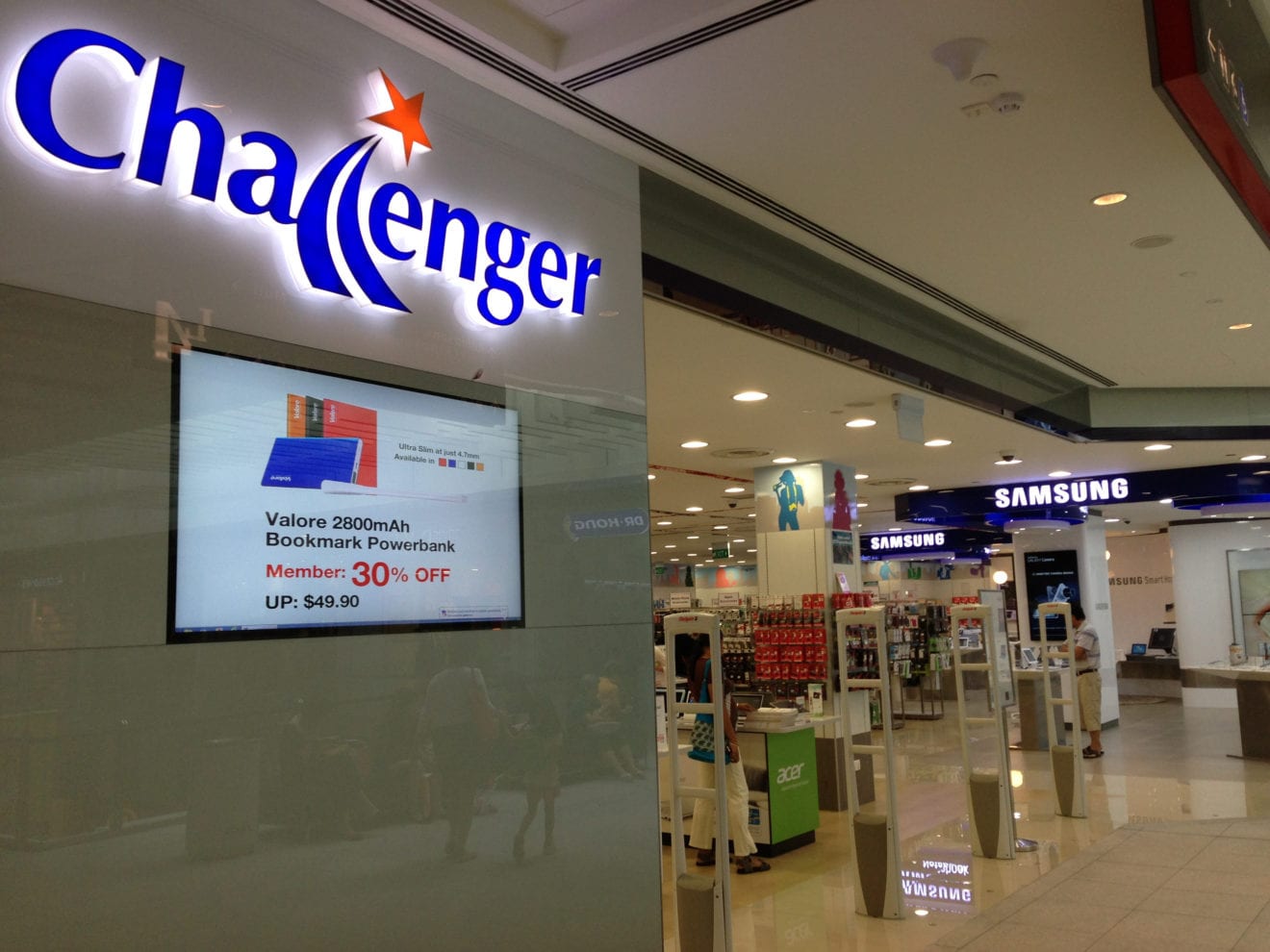
    Singapore-based retailer Challenger Technologies has set up a new wholly-owned susbidiary in Malaysisa. The new subsidiary, which is called Hachi MY, has been set up by Challenger Technologies’ wholly-owned Challenge Ventures unit. Announing the incorporation of the new subsidiary, Challenger stated that its principal business would be trading, retail, distribution and online trading if IT and lifestyle products and services.

    Established in 1984 as an IT products retailer, Challenger Technologies now operates 40-plus stores consisting of superstores, mini stores, Valore concept stores and Musica stores across Singapore.

  • Korea’s Whoo to make debut in Cannes

    Korea’s Whoo to make debut in Cannes

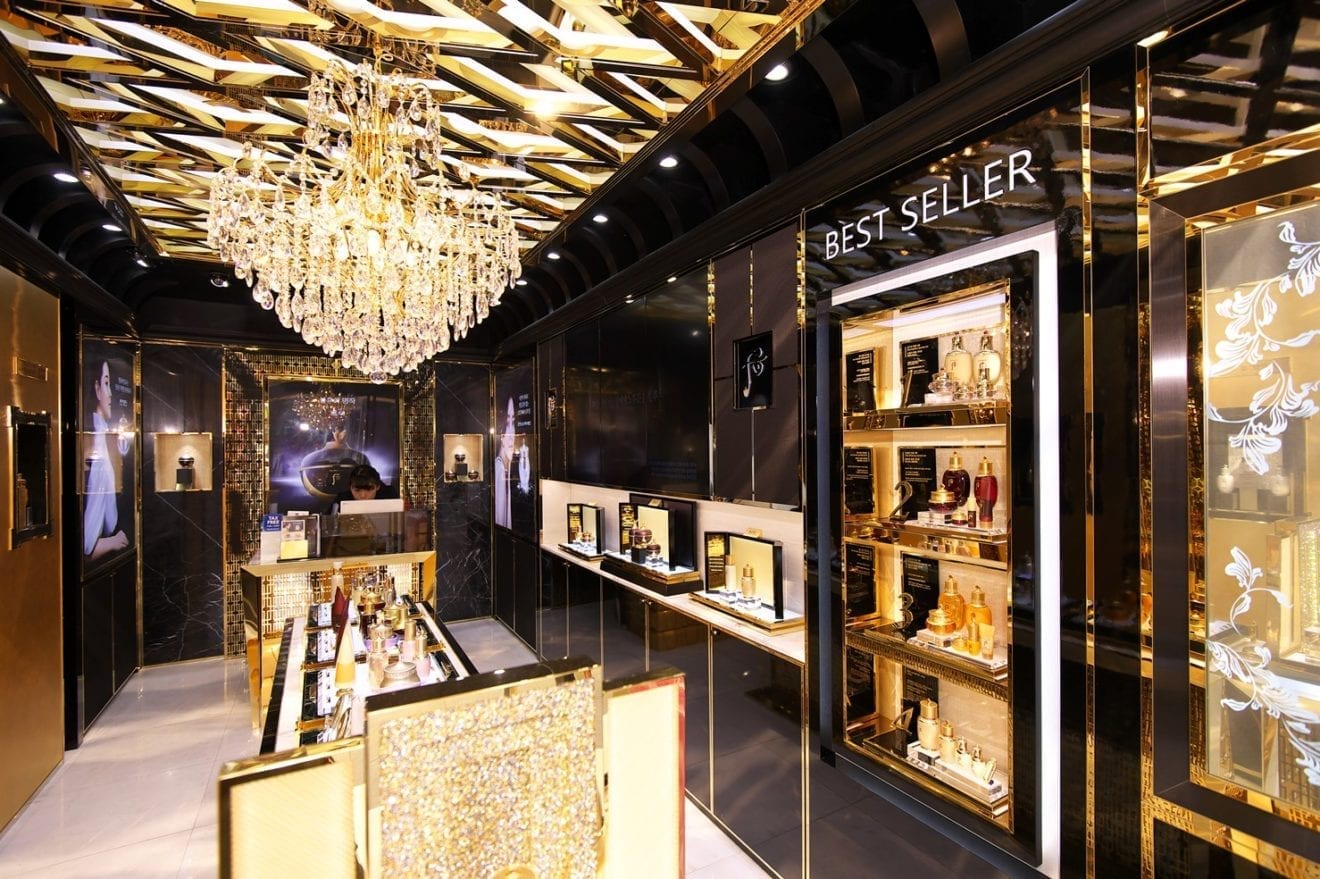
    Korean cosmetics brand Whoo is set to make its debut at TFWA Cannes as parent company LG Household & Health Care Co., Ltd. aims to introduce the Asian oriental medicinal cosmetic brand to the world and “take a leap to a global brand”.

    LG Household & Health Care Co., will introduce Whoo to the travel-retail market as it seeks opportunities to expand beyond Asia.

    As it celebrates its 13th anniversary this year, Whoo, which took its brand name ‘后’(whoo) from the image of fiddle, has already experienced rapid growth in Asia. The brand’s products are based on remedies and formulas popular among emperors and empresses of the historical Korean courts.

    The brand has been present in the top ranks of sales among large duty-free shops in Korea, according to the company, and set a remarkable record reaching $20m of monthly sales in just one store  – Lotte Duty Free Shop Sogong. The company stated this trend continues across the duty-free market with retailers in China, Hongkong and Thailand reporting sales have doubled for the brand compared to the previous year.

    The brand’s best seller is the Whoo Bichup Self-Generating (Jasaeng) Essence, which is an oriental medicinal essence that helps to repair skin balance that has been damaged through aging with  three formulas originated from oriental medicinal remedies Gongjinbidan, Gyeongokbidan, Cheongsimbidan, adding to the Chojahabidan formula.

    The Whoo brand was the first Korean cosmetic brand that participated in The 20th French Louvre Museum Wedding Fair held in Louvre Museum, France in October 2014 where it received a good reception with its court stories of emperors and empresses, and sophisticated design exhibiting Korean beauty.

  • Metro China launches chain’s first green store

    Metro China launches chain’s first green store

    German retail and trading giant Metro China has launched its first global green store in the Pearl River delta city of Dongguan.

    It aims to upgrade its sustainable development in the Chinese market, where it had double-digit growth in its latest fiscal year.

    Metro China president Jeroen de Groot says the green renovation of its Dongguan Wanjiang store is estimated to help it cut its annual energy consumption by as much as 50 per cent. It makes full use of clean energy, namely solar and wind power.

    The renovation cost more than 5 million yuan (US$75,700), and Metro plans to convert all its mainland stores to become green.

    “Innovation and change have always been the driving forces for sustainable growth at Metro, and the green renovation of the Dongguan Wanjiang store is our new endeavour in the field of energy conservation and environment protection, aiming to promote long-term social sustainability,” says de Groot.

    Metro opened its first mainland store in Shanghai in 1996 and now has 84 stores employing more than 11,000 people in 58 Chinese cities. Its annual sales volume reached €2.66 billion (US$3 billion) during the fiscal year to September 30 last year, up 17.4 per cent.

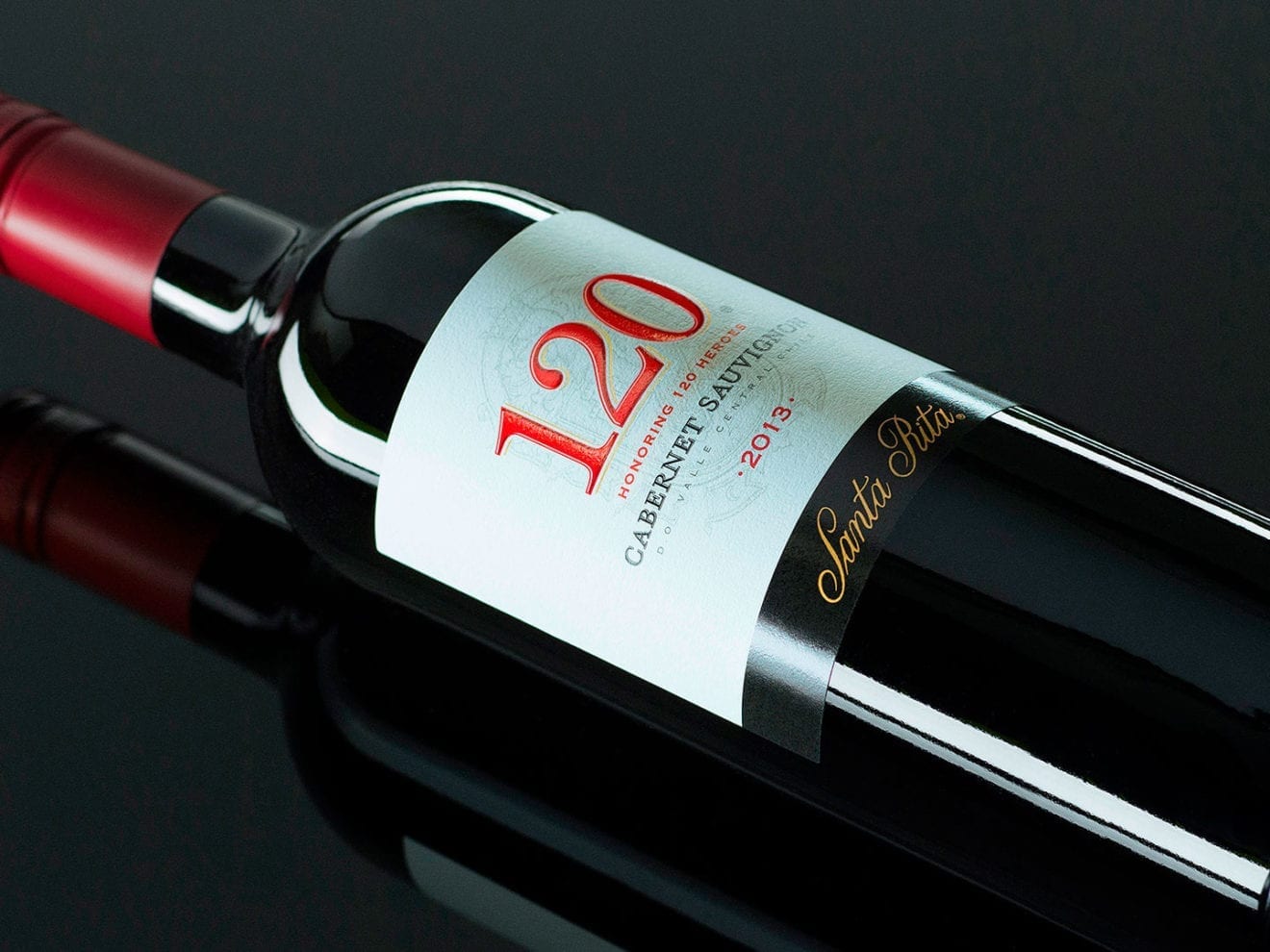
  • Santa Rita launches on Tmall

    Santa Rita launches on Tmall

    The Alibaba Group which operates Tmall is the biggest e-commerce platform in China with more than 400 million users and 120 million clicks per day. Tmall is Alibaba’s B2C online retail platform that has recently listed other big brand wine accounts, such as Wine Australia, Mondavi andASC Fine Wines.

    Earlier this year, Jack Ma, founder and executive chairman of Alibaba Group announced the launch of the first ever ‘Wine Day’. Hoping to emulate the success of ‘11.11 Singles Day’ which recorded a massive US$14.32 billion in sales in just 24 hours, this event, called the “9.9 Wine & Spirits Festival”, took place today at 9am CST.

    The Santa Rita online flagship store will offer key wines from their portfolio along with specific offers and promotions targeted China’s 688 million internet users – most of whom connect to Tmall via their smartphones.

    Terry Pennington, Santa Rita’s east region export director, said the listing was a “significant milestone” in the estate’s route-to-market in China.

    “This opportunity provides an excellent platform not only for retail but one from which we can communicate to and with the many millions of Chinese e-consumers our brand heritage, values and story,” he said.

    Established in 1880, Santa Rita is one of Chile’s oldest and most renowned wineries and owns over 2,500 hectares in the wine valleys of Limarí, Casablanca, Leyda, Maipo, Colchagua, Apalta, Maule, Rapel and Curico.

    Brands in the Santa Rita portfolio include 120, Secret Reserve, Reserva, Medalla Real, Floresta, Pehuen, Triple C and Bougainville with the top wine being Casa Real.

    Santa Rita is part of the Santa Rita Estates (SRE) stable comprising three key wine brands: Santa Rita and Carmen from Chile and Doña Paula from Argentina.

  • Dsquared2 Vietnam makes debut

    Dsquared2 Vietnam makes debut

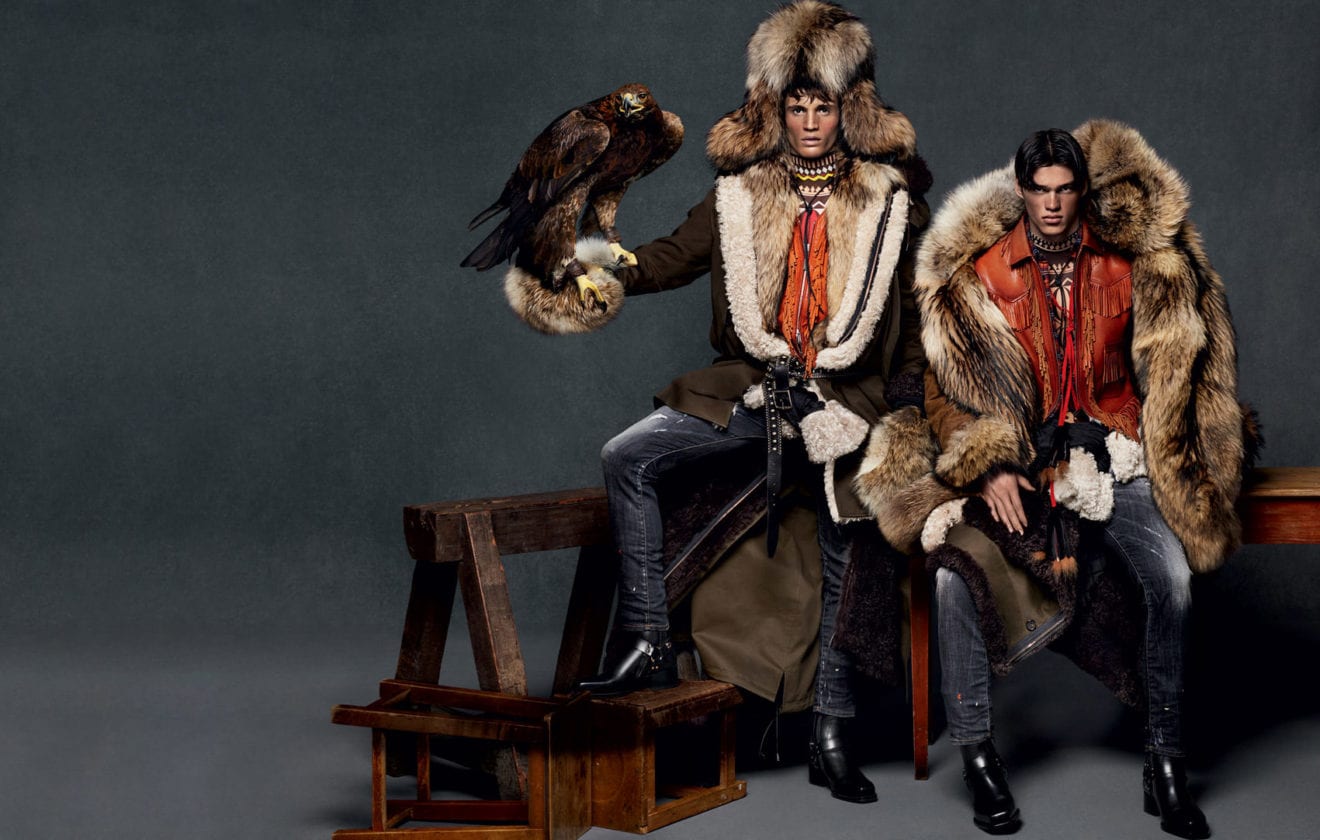
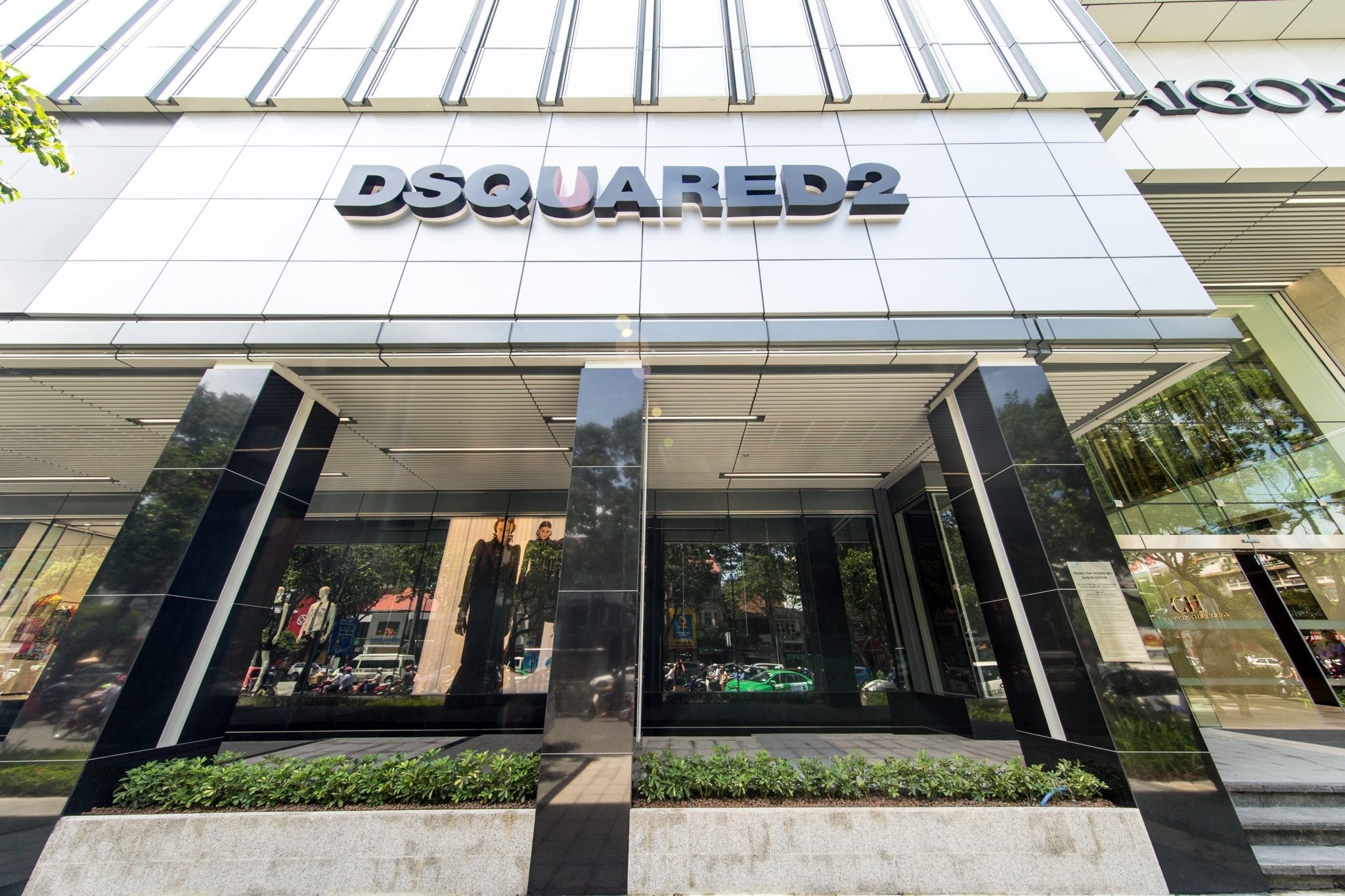
    Canadian fashion brand Dsquared2 has opened its first Vietnam boutique at the newly-revamped Saigon Center.

    Dsquared2 Vietnam is located at unit 11-12 on level 1 with the front spreading out over 18 meters onto Le Loi Street – one of main thoroughfares of the city center.

    The store’s interior is decorated with marble stones, ash gray and brown silk wool carpets. For the Vietnam store, Dsquared2 introduces its collections including Italian classics for men and a capsule line of cocktail and evening gowns for women. Also available in the store are underwear and accessories.

    Dsquared2 Vietnam 1

    Dsquared2 was founded by Canadian twins Dean and Dan Caten, who are its creative directors. The two worked together on the interior design of the Vietnam store in order to maintain the brand’s DNA.

    Dsquared2 Vietnam 2

    Dsquared2 Vietnam is the third Southeast Asian store after Singapore and Hong Kong. Talking about the opening of the store, Dean and Dan said, “We are proud to have a retail presence here, in a market where consumers that care about international fashion are constantly increasing and we believe this store represents a new chapter and an energetic retail future in Asia for our brand!”

    The brand was brought into Vietnam through Maison, a fashion distributor launched in 2012 and home to more than 17 international brands including Coach, Dorothy Perkins, Karen Miller, Mango and Topshop.

    dsquared2-vietnam

  • Uniqlo overseas push pays off for Fast Retailing

    Uniqlo overseas push pays off for Fast Retailing

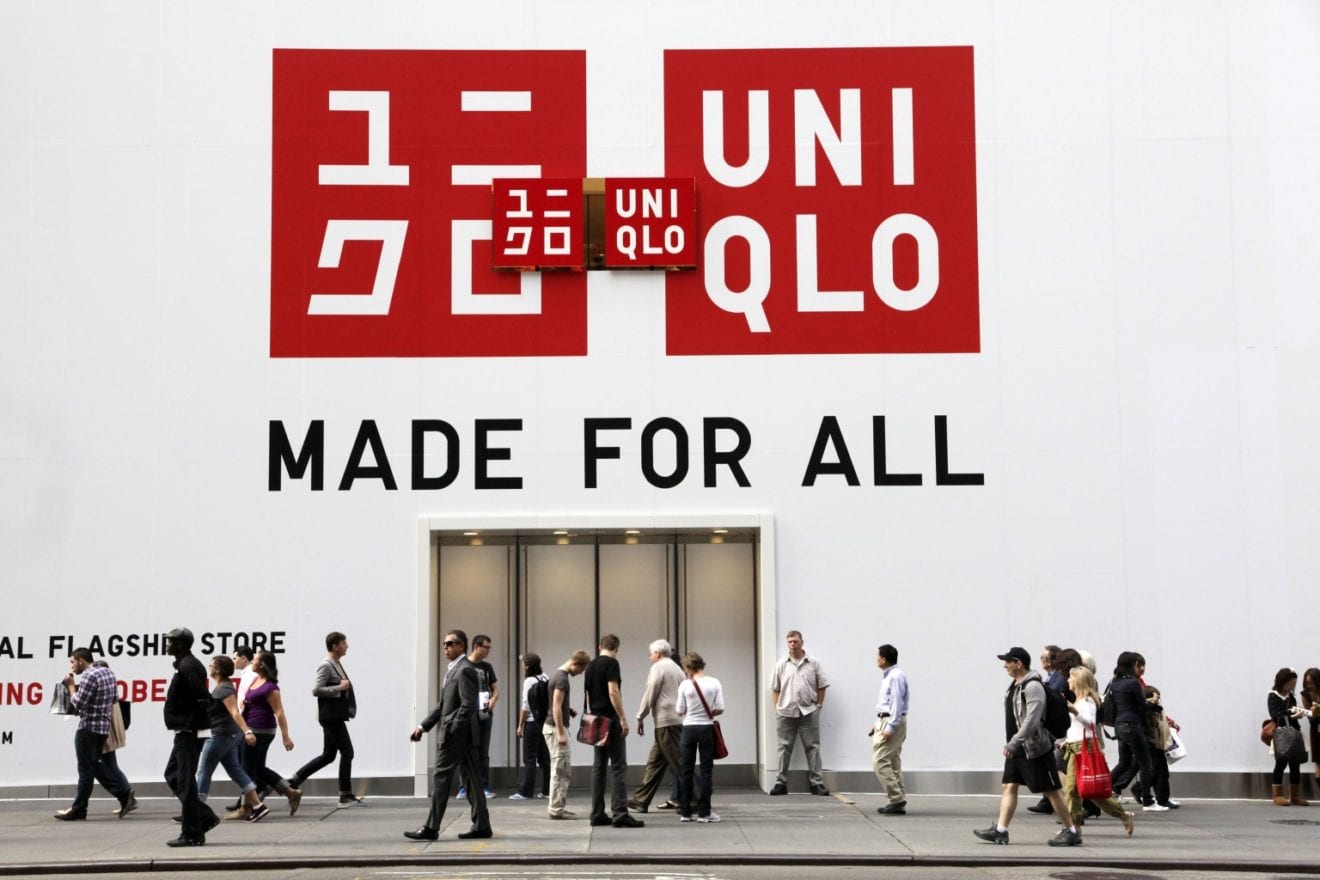
    Fast Retailing raised its full-year earnings forecasts after sales at its Uniqlo casual-wear stores in China and South Korea grew more strongly than expected during the first half of the financial year, showing its overseas expansion is bearing fruit.

    Overseas growth is key to the Japanese firm’s goal of becoming the world’s top apparel retailer by 2020 ahead of Zara owner Inditex, Hennes & Mauritz and Gap.

    Chief executive Tadashi Yanai said Fast Retailing would have more Uniqlo outlets overseas than in Japan by this autumn, with openings in mainland China, Hong Kong and Taiwan to continue at break-neck pace.

    “Maybe in about five years, we’ll have 1,000 stores [in China],” he said, compared with 415 at the end of February. “Eventually we want to have about 3,000 stores [there].”

    Uniqlo, known for its HeatTech fabric technology and rainbow-coloured basics, now has close to 1,600 stores globally, with about 46 per cent of those outside Japan.

    Fast Retailing said it now expected operating profit of 200 billion yen for the financial year to August, up from its previous estimate of 180 billion yen. The average forecast of 22 analysts was for 197.25 billion yen.

    Asia’s biggest apparel retailer also bumped up its revenue forecast to 1.65 trillion yen from 1.6 trillion yen and its net profit estimate to 120 billion yen from 100 billion yen.

    Overseas sales at Uniqlo jumped 49 per cent in the first half from a year earlier, led by China and Korea, although the United States remained a weak spot. The firm did not break out sales results by country, only saying whether they met its targets.

    In Japan, sales rose 12 per cent during the period as shoppers snapped up items like its ultra-light down jackets and extra-fine merino sweaters.

    Fast Retailing also got a boost from the yen’s depreciation, booking a 13.5 billion yen foreign-exchange gain for the six-month period.

    But the company also warned it was facing rising import costs from the weaker yen. As a result, it will raise prices by 10 per cent on average for roughly a fifth of its products in the next autumn/winter season at Uniqlo Japan.

    Shares in Fast Retailing have gained 10 per cent in the year to date, while the Topix Index is up 13 per cent.

    Separately, Britain’s Co-operative Group, the supermarkets-to-funerals operator that almost collapsed in 2013, said it had been rescued by selling assets including its pharmacies and could now focus on rebuilding.

    Co-operative reported pre-tax profit of £124 million for the year to January 3, against a loss of £255 million a year earlier, on revenue of £9.4 billion, helped by disposals.

    The mutually owned group said it had emerged from the rescue phase of a three-year turnaround as a slimmer business focused on its food stores, funerals, insurance and legal services. It has cut net debt to £808 million from £1.4 billion.

    Chief executive Richard Pennycook said the hard work of rebuilding the group was under way after the completion of its rescue plan.

  • Citilink recruits 70 new pilots for business expansion

    Citilink recruits 70 new pilots for business expansion

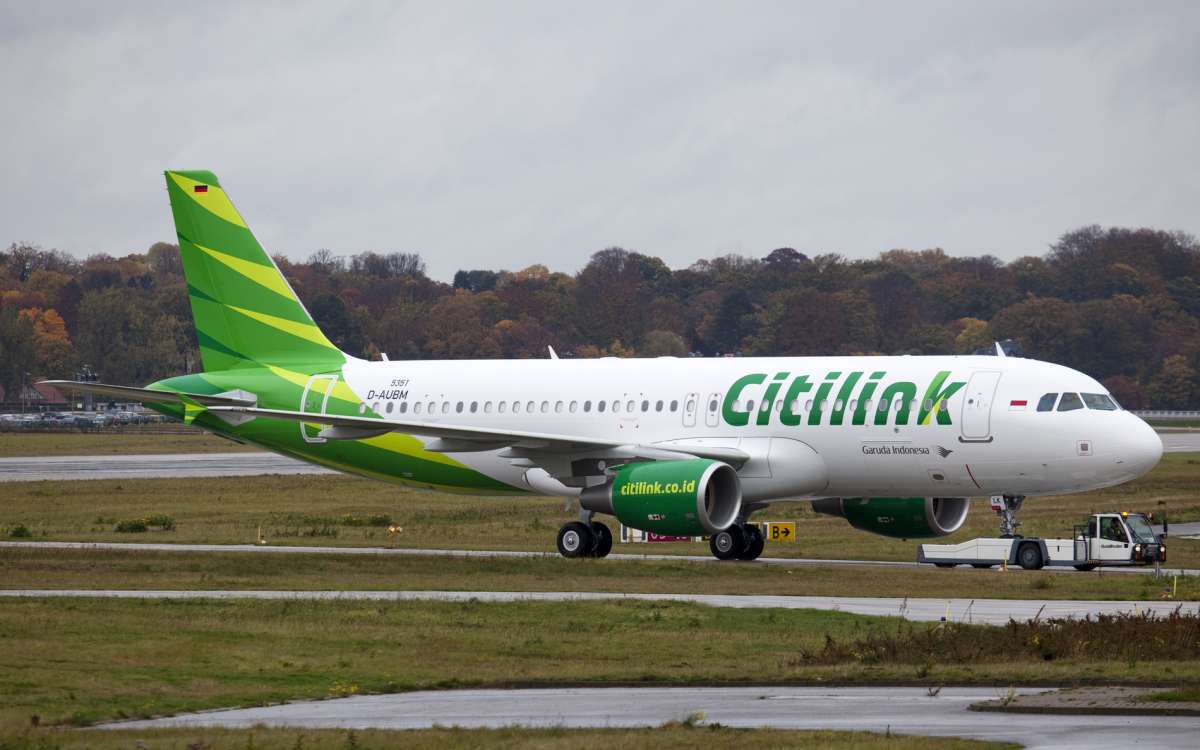
    Low-cost carrier Citilink, a subsidiary of national flag carrier Garuda Indonesia, recruited 70 candidate pilots to boost the company’s business expansion after a three-month enrollment process from June to August this year.

    Citilink president director Albert Burhan said that the company had chosen the candidates out of 897 applicants from across country.

    “We need to recruit more pilots to undertake our expansion and open new routes,” Albert said at the Garuda Indonesia Training Center (GITC) in Jakarta on Monday.

    The recruited pilots will undergo a series of training at the GITC and at the Airbus training centers in Toulouse, France, and Florida, US, for at least six months. They will exercise to achieve a “type rating” as is required to operate an Airbus A320.

    Garuda Indonesia human resources director Linggarsari Suharso warned the candidate pilots that working as a pilot was a difficult job. A pilot must prioritize the safety of passengers over other considerations, he said.

    “Safety is the top priority in the transportation business,” he said at the training center on Monday.

    According to data from the Transportation Ministry last year, Indonesia needs at least 600 new pilots every year. Meanwhile, 24 pilot schools across the country graduate from 15 to 24 students each annually.

  • Menswear milestone: Hugo Boss opens 200th airport store

    Menswear milestone: Hugo Boss opens 200th airport store

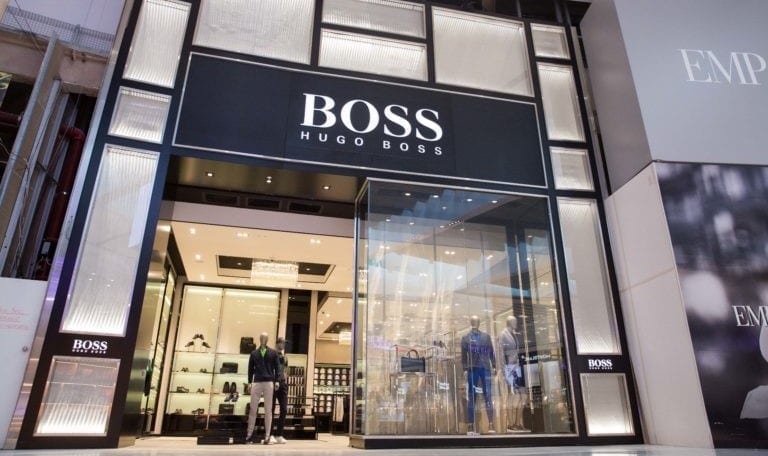
    Luxury menswear specialist Hugo Boss opened its 200th airport store earlier this year at Sydney Airport, as the brand maintains its strong focus on growth in travel retail.

    The store, which opened in April, measures 187sq m and is located at Sydney Airport Terminal 1. It offers Boss menswear including ready-to-wear, shoes, accessories as well as sportswear lines such as Boss Green.

    The opening takes the brand’s total number of airport stores in Asia Pacific to 47.

    Hugo Boss entered travel retail in the 1990s and has four lines: Boss, Boss Green, Boss Orange and Hugo. The company has a dedicated global travel retail team, with offices in Zürich, New York and Hong Kong.

    The company said growth in the channel over the years has been stable apart from 2001/2002 and 2008/2009 when the travel retail and fashion industries were shaken by global events such as 9/11 and the financial crisis.

    Hugo Boss Travel Retail Director Jesper Gustafsson said Hugo Boss had proven a success in travel retail because it offers all three product pillars in men’s fashion: formalwear, sportswear, shoes and accessories. “The share among the three pillars is equal today, with shoes and accessories the fastest growing product segment for the past two to three years.”

    Gustafsson continued: “Last year’s exceptional growth of fashion and accessories in the travel retail industry was mainly driven by womenswear and by the accessories category in particular. For Hugo Boss, this has been a blessing in disguise. On the one hand, it has given us tough times as some airport authorities have been chasing the accessories segment for women blindly, sometimes deciding to dedicate 100% of the available stores in their airports to this product category.

    Hugo2_32 - Copy

    Hugo Boss Travel Retail Director Jesper Gustafsson says there is limited competition in men’s fashion in travel retail

    “On the other hand, it has given us little competition in our area of expertise, namely fashion for the male customer at the airports. Our strategy has always been to be the number one menswear brand in travel retail, a vision we have kept and fulfilled for several years now.”

    The importance of travel retail to Hugo Boss’ business is highlighted in the brand’s investments in new stores and renovations, he said. “On average we finalise between 40 to 50 store projects per year, with a strong distribution network as a result,” noted Gustafsson.

    “We develop both through franchise partners and directly operated stores, which enables us to act fast and balance our distribution in a way that we can learn from direct contact with the traveller. It is imperative to learn how the needs of the travelling customer develop and how we can adapt as a brand to become better, and more responsive in the way we develop our business.”

    Opening Photo

    According to Gustafsson, fashion is not considered a priority by many male travellers. “Fashion, especially for men, often comes after the core categories, food & beverage and sometimes also behind technology. This means that a clear, powerful message is needed in your offer as well as good customer service to enable the purchase to happen within the restricted time limit for the customer.

    “Another important factor is omnichannel. If we can start the buying process before our customer leaves his home, we have a head-start and our airport conversion rates will be affected positively.

    “Like many other fashion companies out there, Hugo Boss is investing heavily in this area and in due time several functions such as click & collect for example will be available at our airport stores.”

    So, where does Gustafsson see Hugo Boss’ travel retail business in five years’ time? “Having 200 airport stores is certainly a milestone, but the road ahead is filled with more opportunities, which does not necessarily have to be more stores. It can also mean new ways of connecting to the customer through an omnichannel approach, or, for example, to offer a deeper customer service with tailoring at the airport and free home delivery of an altered suit.”

    Gustafsson continued: “Airports will develop more and more towards downtown shopping centres, where customer experience takes precedence rather than the spur-of-the-moment or last-minute approach used today by airport authorities when they develop their retail areas.

    “I also think that we will see the fashion & accessories category continue to outpace the traditional airport categories in growth, leading to a welcome shift in focus from how the main duty free stores should develop separately from the rest of the stores and cafes/restaurants, to how the entire airport shopping area should develop to give the customer a better experience.”

    “A brand like Hugo Boss can make gains as there’s still a mismatch between demand and supply for men’s and women’s fashion at airports today if you compare it to downtown,” concluded Gustafsson.

  • Pelican BioThermal expands in Asia

    Pelican BioThermal expands in Asia

    Pelican BioThermal, providing temperature-controlled packaging solutions serving the life sciences industry, has expanded its operations in Asia with the launch of a new network of distribution partners in the region.

    Pelican BioThermal announced it has joined forces with the region’s distinguished distributors, Pharmaserv Express of the Philippines and CMC Element of China, to further enhance its operations offering in Asia.

    Pharmaserv Express works closely with national health services to skillfully transport pharmaceutical products throughout the complex geography of the Philippines.

    CMC Element distributes a variety of health care products, including pharmaceuticals protected in temperature controlled packaging, across the vast Chinese market using their extensive network.

    The latest development demonstrates Pelican BioThermal’s continued growth in Asia and follows the company’s recent launch of its new operational facility in Singapore.

    The new industry partnerships with these key distributors signals another major development in it’s expanding presence and support network in Asia, further enhancing the extending range of products and services offered by the company in the region.

    In particular, the new distributors enhance customer support for global customers shared with Pelican BioThermal, by offering local hours, local language and local service and inventory at the point of final distribution of pharmaceuticals.

    Pelican BioThermal’s growing global network supports customers wherever they are located and establishing productive partnerships with reliable, reputable, dedicated distributors further strengthens the Asia based business offering.

    The increasing network of distribution partners complements the company’s newly established Asia headquarters, which is co-located with Pelican BioThermal’s authorized distributor for Singapore, Enviropac.

    Benson Teo, Pelican BioThermal’s Senior Director of Sales for Asia, said: “We are delighted to announce the latest additions to our expanding network of dedicated distributors. We welcome Pharmaserv Express and CMC Element to our Asia operations; these well-established partners will play a pivotal part in our expansion efforts in Asia.

    “As the global cold chain logistics industry continues to thrive we want to further demonstrate we have the critical capabilities to support the growing Asia pharma marketplace.”

    The region continues to be an area of pronounced growth for Pelican BioThermal and forging links with these well-established distribution partners will increase the company’s global reach and support network for customers.

  • More stores in Asia for Guzman y Gomez

    More stores in Asia for Guzman y Gomez

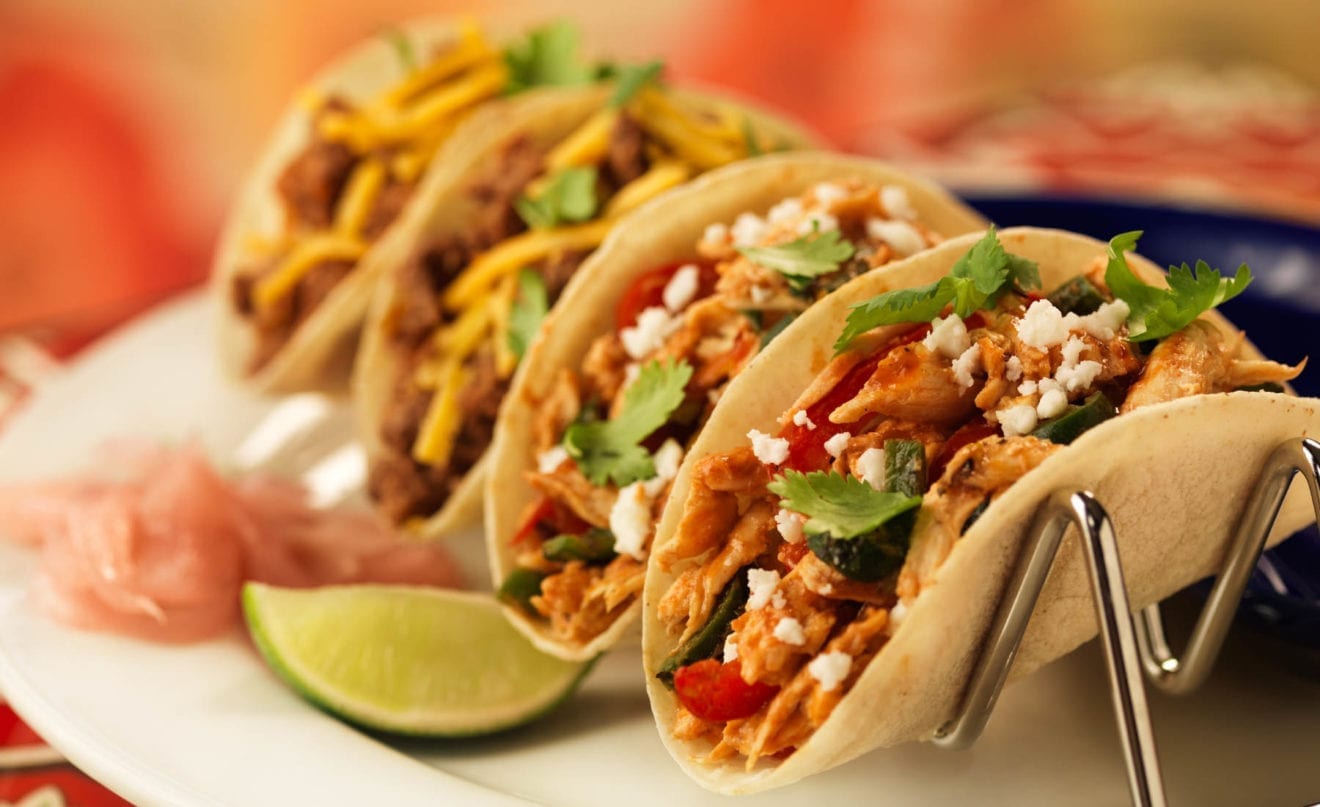
    Australia’s Mexican food chain Guzman y Gomez (GYG) has done so well in Japan and Singapore it is planning to open more outlets in both countries this year.

    It opened its first taqueria in Singapore in 2014, since adding three more, plus a second in Tokyo. It plans to open at least five more in Japan this year, plus two in Singapore.

    Guzman y Gomez Japan 1

    “We have outstanding partners in both Japan and Singapore who are incredibly experienced in introducing Australian brands into their local markets,” says CEO Mark Hawthorne. “They are executing the brand to a very high standard.”

    GYG opened its first restaurant in Sydney in 2006, and now has 73 outlets across Australia. It was named Australia’s fastest-growing fast-food brand in the latest Consumer Report on Eating Share Trends.