Tag: export

  • Thailand’s Export Boom: Record-Breaking $35.16B Earned in March 2026 Amid Threats of Global Volatility

    Thailand’s Export Boom: Record-Breaking $35.16B Earned in March 2026 Amid Threats of Global Volatility

    Thailand’s merchandise exports experienced a surge for the 21st month in a row in March 2026, reaching a new high of US$35.16 billion, an increase of 18.7% when compared to the previous year. The Ministry of Commerce reported these figures, highlighting a significant growth compared to the 9.9% increase recorded in February. This data further underscores the crucial role of exports in boosting the Thai economy.

    Driving Factors for Growth

    This remarkable performance can largely be attributed to the strength of technology-related products, a robust global supply chain activity, and the temporary relief from certain U.S. tariff measures. Nantapong Chiralerspong, the Director-General of the Trade Policy and Strategy Office (TPSO), added that the recovery in global manufacturing, evident from the stable demand and new orders from international markets, also contributed to this export growth.

    Despite the positive indicators, Chiralerspong issued a word of caution. He pointed out the presence of emerging challenges, particularly the disruptions in shipping through the Strait of Hormuz, which is starting to impact Middle Eastern markets, indicating a potential slowdown.

    Imports and Trade Deficit

    On another note, Thailand witnessed a significant rise of 35.7% in imports in March, bringing the figure to $38.50 billion. This resulted in a trade deficit of $3.34 billion. The first quarter of the year saw total exports from Thailand reaching $96.17 billion, marking an increase of 17.6%. On the other hand, imports surged by 32.4% to $105.65 billion, leading to a trade deficit of $9.48 billion.

    Future Outlook

    The Ministry of Commerce expressed concerns over the uncertain future of export prospects due to global volatility. The ongoing tensions in the Middle East are driving up logistics, energy, and production costs, thereby increasing the pressure on Thailand’s export sector.

    Questions & Answers

    What are the main drivers of Thailand’s recent export growth?
    The recent export growth in Thailand can mostly be attributed to the robust sales of technology-related products, active global supply chain activity, and the temporary relaxation of certain U.S. tariff measures. The recovery in global manufacturing has also supported this growth.

    What challenges is Thailand facing in its export sector?
    Emerging challenges, including disruptions in shipping through the Strait of Hormuz, are starting to impact the Middle Eastern markets, indicating a potential slowdown. Additionally, ongoing Middle East tensions are escalating logistics, energy, and production costs.

    How has the import activity been in Thailand recently?
    Thailand has seen a sharp increase in imports, rising by 35.7% in March 2026 to $38.50 billion. In the first quarter of the same year, imports surged by 32.4% to $105.65 billion.

  • Pepper Power: Vietnam’s Exports Leap 31% in Q1 Amid Supply and Shipping Challenges

    Pepper Power: Vietnam’s Exports Leap 31% in Q1 Amid Supply and Shipping Challenges

    In the first quarter of 2026, Vietnam’s pepper exports rose by 31.7% to a value of US$430 million, despite challenges related to global supply and logistics. The export volume increased by 39.2% to 66,350 tonnes, according to the Vietnam Pepper and Spice Association.

    March Exports

    The month of March saw a significant surge in exports. Shipments totaled $199.3 million, equating to 30,638 tonnes of pepper. This marked an increase of 119.3% from February and a year-on-year rise of 51.3% in value.

    Black pepper comprised the majority of these exports, with 26,190 tonnes worth $167.3 million. White pepper accounted for a smaller portion, with 4,448 tonnes worth $32 million. Even though black pepper prices dipped by 0.7%, the average export prices remained high, with black pepper costing an average of $6,520 per tonne and white pepper $8,735 per tonne. On the other hand, white pepper prices experienced a slight increase of 1%.

    Main Buyers

    The United States and China continued as Vietnam’s largest pepper buyers in March, with imports of 8,059 tonnes and 3,663 tonnes, respectively. Compared to the previous month, exports to the United States increased by 121% while those to China rose by 134.7%. Other markets such as Egypt, the Netherlands, Canada, and the Philippines also displayed substantial month-on-month growth.

    Import Increases

    Alongside increased exports, Vietnam also registered a surge in pepper imports as businesses sought to supplement domestic supplies for processing and re-export. In March, imports amounted to 10,313 tonnes, up 66.2% from February and 108.8% year-on-year. The total imports for the first quarter reached 21,201 tonnes, valued at $121 million, marking a year-on-year increase of 118.9%.

    Cambodia was the primary supplier to Vietnam, accounting for 55.1% of imports, followed by Brazil and Indonesia.

    Issues and Outlook

    Despite the encouraging export results, the association highlighted concerns about growing supply-demand imbalances. The 2026 harvest is anticipated to yield only 170,000–180,000 tonnes, a decrease of 15–20% from the previous crop due to unfavorable weather conditions and ageing plantations. This limited supply has driven domestic pepper prices to around VND140,000–150,000 (US$5.32-5.69) per kilogram.

    Farmers are not replanting extensively as they switch to higher-value crops and face decreasing land availability. Globally, this year’s pepper output is likely to be approximately 530,000 tonnes, slightly more than in 2025 but still less than in 2024, while demand remains strong.

    Exporters also face increasing logistical difficulties due to escalating tensions in the Middle East, which has led to a three to four-fold increase in shipping costs. The closure of the Strait of Hormuz to commercial container traffic has disrupted key shipping routes, causing severe congestion at major transshipment hubs. This has forced some exporters to pause new orders to mitigate risks associated with rising costs and delivery delays. Persistent disruptions may impact the sector’s export growth outlook for 2026.

    Questions & Answers

    What was the value of Vietnam’s pepper exports in the first quarter of 2026?
    The value of Vietnam’s pepper exports in the first quarter of 2026 was US$430 million.

    Who were Vietnam’s primary pepper buyers in March of 2026?
    The United States and China were Vietnam’s primary pepper buyers in March of 2026.

    What concerns does the Vietnam Pepper and Spice Association have for the future?
    The Association has concerns about growing supply-demand imbalances, unfavorable weather conditions, ageing plantations, and increasing logistical difficulties due to escalating tensions in the Middle East.

  • Vietnam Targets $11.5B from Seafood Exports in 2026: A Sustainable Growth Strategy

    Vietnam Targets $11.5B from Seafood Exports in 2026: A Sustainable Growth Strategy

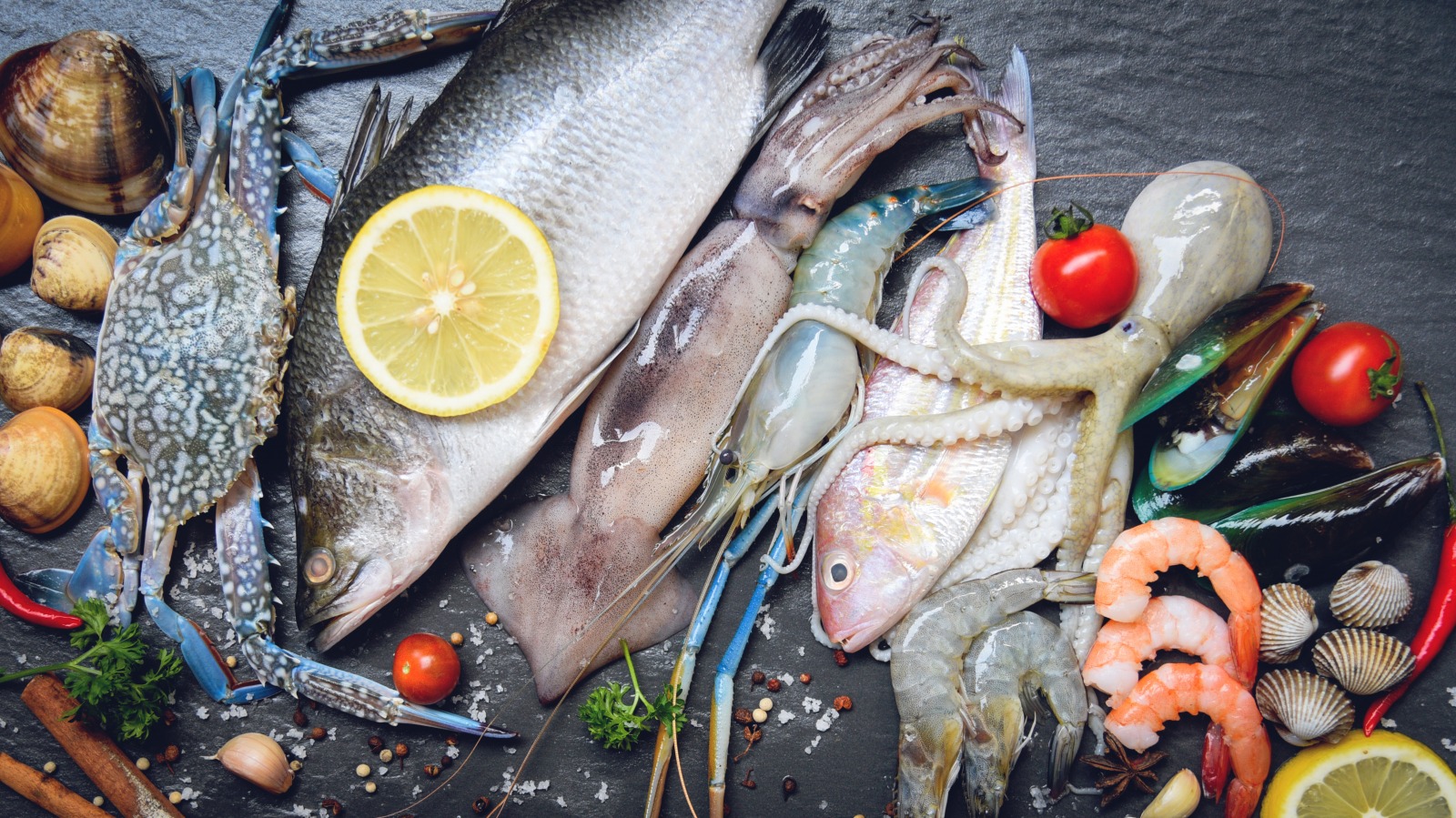
    Vietnam has set its sights on exporting more than 10 million tonnes of seafood, valued at $11.5 billion, in the course of the current year. This anticipated export volume signals a slight increase of 0.6% as compared to that of 2025, according to Pham Quang Toan, the deputy director general of the Department of Fisheries and Fisheries Surveillance who spoke at a recent conference.

    Understanding the Figures

    The forecast suggests that exports from capture fisheries may experience a slight decrease of 2.1%, landing at roughly 3.75 million tonnes. However, the aquaculture sector is projected to see an increase of 2.2%, amounting to approximately 6.25 million tonnes.

    The director general of the department, Tran Dinh Luan, shared insights into the future direction of Vietnam’s seafood sector. According to him, the sector is poised to progressively scale back capture fisheries while concurrently enhancing aquaculture practices. This transition is intended to be sustainable and resilient to climatic changes in order to boost competitiveness.

    Luan also emphasized a strategic shift from a production-oriented approach to a fisheries economy perspective. Moreover, the focus will be on moving from singular value growth towards integrated multi-value development.

    A Look at Past Performance

    Based on data from the Department of Fisheries and Fisheries Surveillance, the total output of seafood in 2025 was 9.95 million tonnes. This represents an increase of 3% from the previous year. Of this, capture fisheries contributed 3.83 million tonnes, which was almost identical to the volume in 2024. In contrast, the output from aquaculture rose by 5.1% to reach 6.1 million tonnes.

    The revenue from seafood exports was more than $11 billion last year, marking an impressive increase of 12.7%.

    Questions & Answers

    What is the projected seafood export volume for Vietnam in the current year?
    The anticipated seafood export volume for Vietnam is over 10 million tonnes.

    What changes are expected in the export volumes of capture fisheries and aquaculture?
    Capture fisheries exports are expected to decrease by 2.1%, while aquaculture exports are projected to increase by 2.2%.

    What was the seafood export turnover for Vietnam in 2025?
    The seafood export turnover for Vietnam in 2025 was estimated at over $11 billion.

  • Vietnam Navigates Stormy Trade Seas, Eyes $11B Seafood Export Milestone Amid Global Demand Surge

    Vietnam Navigates Stormy Trade Seas, Eyes $11B Seafood Export Milestone Amid Global Demand Surge

    Vietnam’s seafood export industry is on track to hit its projected target of $11 billion this year, despite experiencing slower growth in exports to the U.S. due to increased tariffs. In the first 10 months of the year, exports witnessed a 15% year-on-year increase and reached a figure of $9.5 billion. This surge was primarily driven by shrimp exports, which contributed to more than 40% of the total exports, according to the Vietnam Association of Seafood Exporters and Producers (VASEP).

    U.S. Export Slowdown

    The third quarter saw a slow down in exports to the U.S., particularly in shrimp and pangasius, following the 20% tariff on seafood imports from Vietnam, which was implemented in August. However, this slump has not hampered overall growth.

    Emerging Markets and Opportunities

    Promising opportunities for export growth are emerging in other markets, particularly China. In the first 10 months of the year, China purchased over $2 billion worth of seafood from Vietnam, marking a significant increase of 32%. The main products exported to China include lobster, marine fish, and live crab, with demand consistently on the rise.

    Despite a weakening yen, exports to Japan also increased, witnessing a 15.2% rise to $1.4 billion. Other rapidly expanding markets include Canada and Australia.

    Challenges Ahead

    Despite the promising figures, VASEP has cautioned that the fisheries sector could encounter challenges in the coming year. The main concerns comprise the increased tariffs, potential impacts of the U.S. Marine Mammal Protection Act, and the likelihood of the E.U. maintaining its yellow card on Vietnam due to illegal, unreported, and unregulated fishing.

    The competition presented by India, Ecuador, and Indonesia is also expected to intensify in the near future, adding to the list of potential hurdles.

    Questions & Answers

    What factors have contributed to Vietnam’s seafood export growth this year?
    The main factors include a surge in shrimp exports and increasing demand from markets such as China, Japan, Canada, and Australia.

    What challenges could potentially impact the seafood export industry in Vietnam?
    Increased tariffs, potential ramifications from the U.S. Marine Mammal Protection Act, the likelihood of the E.U. continuing its yellow card on Vietnam for illegal fishing practices, and rising competition from India, Ecuador, and Indonesia could pose challenges.

    What is the projected seafood export target for Vietnam this year?
    Vietnam aims to achieve a seafood export target of $11 billion this year.

  • Unlocking New Trade Horizons: Vietnam’s Fresh Jackfruit Wins Approval for Export to China

    Unlocking New Trade Horizons: Vietnam’s Fresh Jackfruit Wins Approval for Export to China

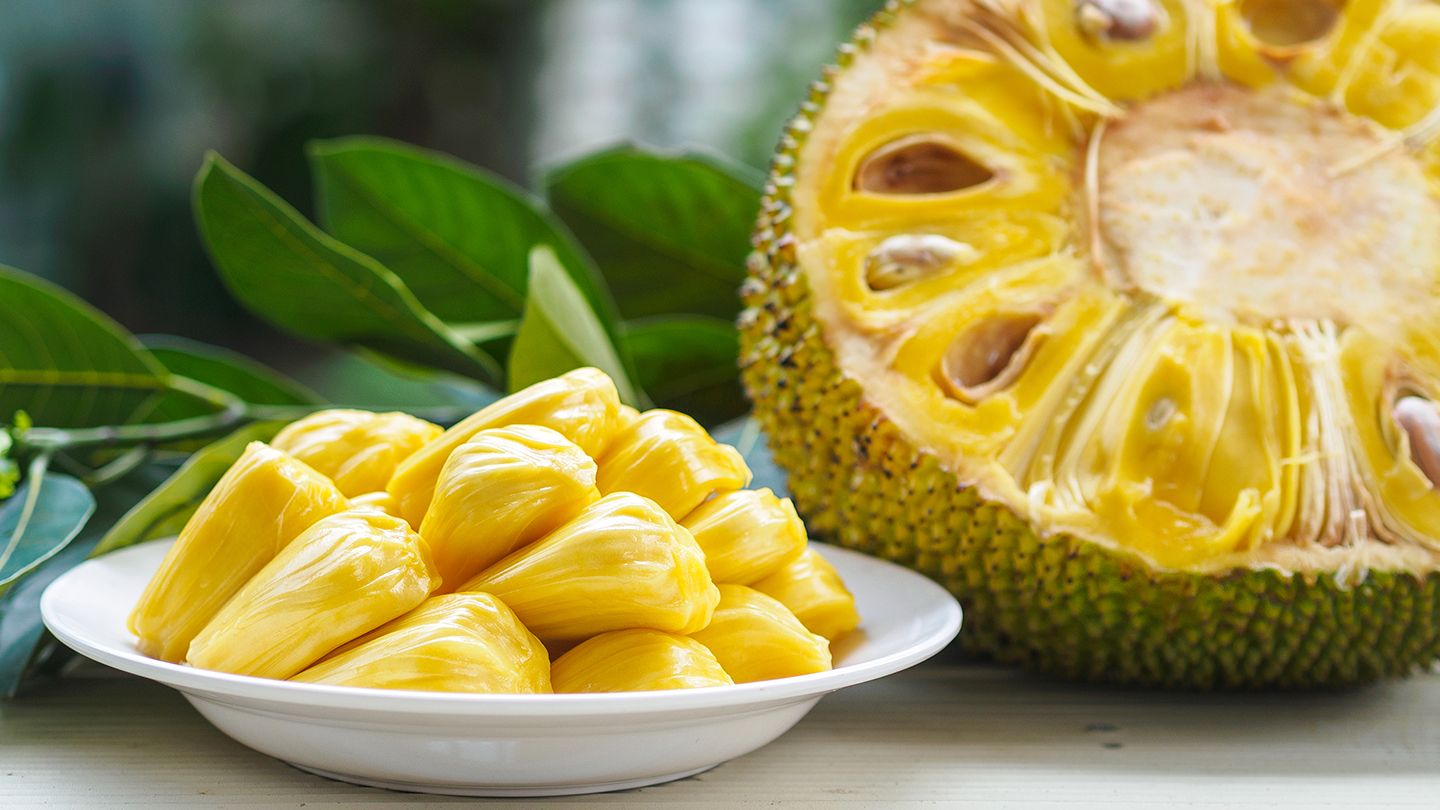
    Vietnam has received approval to export their fresh jackfruits directly to China, following a protocol agreement between the two nations’ respective agricultural authorities.

    Significant Trade Agreement

    The protocol was established during a business meeting involving Tran Duc Thang, Vietnam’s Minister of Agriculture and Environment, and Zhao Zenglian, the Deputy Director of the General Administration of Customs of China. This accord signifies a noteworthy advancement in the bilateral agricultural commerce, adding to this year’s series of protocols encompassing chili, passion fruit, rice bran, and raw swiftlet nests.

    China’s General Administration of Customs (GACC) has underlined its commitment to opening its markets to premium Vietnamese agricultural products. Simultaneously, Vietnam reiterated its focus on augmenting collaboration in the agriculture and environment sector.

    Fresh Jackfruit Trade

    With this protocol, fresh jackfruit will be standardized, minimizing trade risks and aligning with stringent quality standards. This regulation supports the proliferation of jackfruit cultivation under Good Agricultural Practices (GAP). This progression is anticipated to amplify value-added production and improve farmers’ earnings.

    As per the Vietnamese Ministry of Agriculture, the nation’s fruit and vegetable exports reached an impressive nearly $7.1 billion during the initial 10 months of 2025. This denotes a growth of 15.1% compared to the previous year, with China absorbing 62.9% of these shipments.

    The fresh jackfruit export protocol looks set to bolster this growth further. It is hoped that this new agreement will help the sector achieve its export goal of $8.5 billion for the entire year.

    Questions & Answers

    What is the significance of this fresh jackfruit protocol between Vietnam and China?
    This protocol signifies a noteworthy advancement in the bilateral agricultural commerce between the two nations, potentially leading to an increase in the value-added production and earnings of Vietnamese farmers.

    What does the standardization of fresh jackfruit entail?
    The standardization of fresh jackfruit will minimize trade risks, align with stringent quality standards, and support the proliferation of jackfruit cultivation under Good Agricultural Practices (GAP).

    How much did Vietnam’s fruit and vegetable exports reach in the first 10 months of 2025?
    Vietnam’s fruit and vegetable exports reached nearly $7.1 billion during the initial 10 months of 2025, marking a growth of 15.1% compared to the previous year.

  • Vietnam’s Coffee Exports Skyrocket, Set to Surpass $8B in 2025 Thanks to Quality Boost and Market Expansion

    Vietnam’s Coffee Exports Skyrocket, Set to Surpass $8B in 2025 Thanks to Quality Boost and Market Expansion

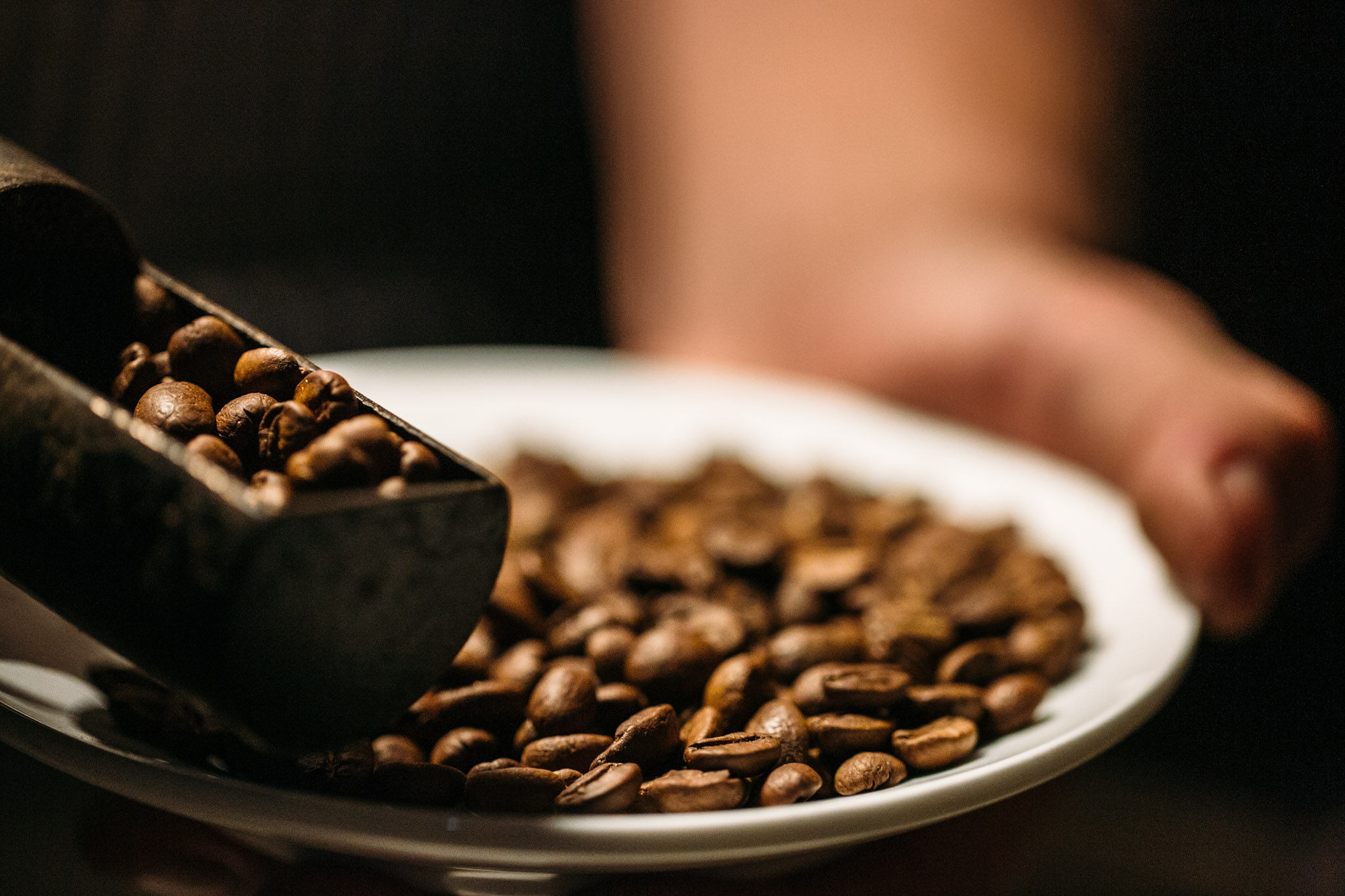
    The Vietnam Coffee-Cocoa Association has recently projected that coffee exports for this year could greatly exceed expectations, potentially reaching over US$8 billion. This is a substantial increase from the previously set target of $6 billion for 2030. The association attributes this optimistic forecast to three primary factors, namely enhanced product quality, an increased proportion of processed products, and strategic long-term market expansion.

    According to the Ministry of Agriculture and Environment, Vietnam’s coffee exports in the first ten months of this year amounted to 1.3 million tonnes, bringing in $7.41 billion. This indicates a remarkable growth of 61.8% compared to the same period last year. Notably, shipments to several markets, including Mexico, experienced exceptional growth. Specifically, exports to Mexico increased by a factor of 34.7.

    The average export price of coffee also saw a significant increase, reaching $5,653 per tonne, a 42.5% surge from the previous year. The association cited that the low coffee prices prior to 2020 resulted in farmers reducing their plantations, thereby decreasing the overall supply. Conversely, businesses have increased their investments in sustainable production chains to enhance quality in compliance with international standards.

    The tight global supply paired with the continued rise in demand led to a spike in coffee prices, propelling export revenue to unprecedented levels. The Association went further to analyze that free trade agreements, particularly the EU-Vietnam Free Trade Agreement (EVFTA), have encouraged both businesses and farmers to adjust their practices to meet stricter emission and quality standards.

    This year saw the coffee industry develop a comprehensive ecosystem focused on responsible production, ranging from raw-material sourcing to processing. This move is expected to pave the way for sustainable growth in the years to come.

    Questions & Answers

    What led to the surge in Vietnam’s coffee exports?
    Enhanced product quality, an increased proportion of processed products, and strategic long-term market expansion are major factors that have contributed to the surge in Vietnam’s coffee exports.

    How have free trade agreements impacted the coffee industry in Vietnam?
    Free trade agreements, specifically the EU-Vietnam Free Trade Agreement (EVFTA), have encouraged businesses and farmers in Vietnam to adjust their practices to conform to stricter emission and quality standards.

    What steps have been taken towards sustainable growth in Vietnam’s coffee industry?
    The industry has developed a comprehensive ecosystem focused on responsible production, which spans from raw-material sourcing to processing. This is a strategic move towards achieving sustainable growth in the future.

  • Vietnam’s Fruit Exports Skyrocket to $4.06B in China: Durian and Banana Leading the Charge

    Vietnam’s Fruit Exports Skyrocket to $4.06B in China: Durian and Banana Leading the Charge

    In the first three quarters of 2025, Vietnam set a new export record, shipping out fruits and vegetables worth US$4.06 billion to China, marking a 19% increase in comparison to the previous year. This growth was largely driven by the export of durian and banana.

    Vietnam’s Market Share in China

    According to the data from Chinese customs, these exports accounted for 20% of China’s total fruit and vegetable imports, marking an increase from 17.9% a year earlier. Durian was the leading export product, with shipments valued at $2.3 billion. The average export price per ton was $3,696, which is 14-15% less than that of Thai durian. This fact has positioned Vietnam as the second-largest exporter of this fruit to China, preceded only by Thailand.

    The Popularity of Vietnamese Bananas

    Bananas were another significant export product, with shipments totaling $232 million, a 16% annual increase. With an average price of $409 per ton, Vietnamese bananas were considerably less expensive than those from the Philippines and Ecuador, which cost $589 and $757 respectively. This has made Vietnamese bananas a favorite among Chinese importers, particularly in border provinces such as Guangxi and Guangdong, where consumers value fresh, affordable, and high-quality products.

    China’s Fruit and Vegetable Imports

    Chinese imports of fruits and vegetables amounted to nearly $20.3 billion in the first nine months of 2025. Thailand was the leading supplier, with its exports to China accounting for $6.7 billion, representing a yearly increase of 10% and a 33% share of the market.

    Vietnam’s Export Strategy

    Dang Phuc Nguyen, the general secretary of the Vietnam Fruits & Vegetables Association, noted that Vietnamese exporters benefit from the close geographical proximity to China, resulting in lower transportation durations and costs. A representative from an exporter in Can Tho, a major durian producer, confirmed this, stating that this advantage enables them to maintain the freshness and quality of the fruit while cutting shipping costs by half compared to their Thai competitors.

    Free trade agreements, like ASEAN-China and RCEP, as well as bilateral quarantine protocols, have also facilitated exports. In response to China’s stricter import requirements, many Vietnamese businesses have improved their orchards and packaging lines and invested in cold storage facilities this year.

    Despite durians accounting for over half of Vietnam’s fruit and vegetable exports to China, export specialists have advised against over-reliance on a single product. To enhance its market share in China, they recommend that Vietnam diversify its products, improve storage technology, and adhere to quality standards.

    Questions & Answers

    What is the main fruit exported from Vietnam to China?
    Durian is the main fruit that Vietnam exports to China.

    How have Vietnamese businesses upgraded in response to China’s stricter import requirements?
    Vietnamese businesses have upgraded their orchards and packaging lines and invested in cold storage to meet China’s stricter import requirements.

    What are the recommendations for Vietnam to increase its market share in China?
    To increase its market share in China, Vietnam should diversify its products, improve its storage technology, and adhere to quality standards.

  • Nissan India Celebrates Export of 1.2 Million Vehicles: Triumph for Made-in-India Cars Globally

    Nissan India Celebrates Export of 1.2 Million Vehicles: Triumph for Made-in-India Cars Globally

    Nissan India Reaches Export Milestone

    Nissan India has marked a significant achievement with the announcement of its 1.2 millionth vehicle export. The Japanese automotive company has primarily centred its focus on the Magnite model, with occasional offerings of fully imported models such as the X-Trail. Nissan India exports vehicles to the AMIEO region, comprising Africa, Middle East, India, Europe, and Other markets.

    The milestone vehicle, a Magnite, is destined for the Gulf Cooperation Council (GCC) region. It was officially unveiled by Saurabh Vatsa, the Managing Director of Nissan Motor India, at Kamarajar Port in Ennore, Tamil Nadu. While the Magnite has been the mainstay, Nissan India has a history of exporting various models. These include the Sunny, Kicks, and Micra, which have been shipped to regions such as Africa, the Middle East, Latin America, and Southeast Asia.

    Changes in Model Exports Over Time

    Over time, however, these models were phased out due to lacklustre sales performance following the introduction of BS6 emission standards. At present, the Magnite is exported to 65 countries and is available in both left-hand (LHD) and right-hand (RHD) drive versions.

    Saurabh Vatsa, Managing Director, Nissan Motor India, commended this achievement, attributing it to the collective efforts of their teams and the global trust in their Made-in-India cars. He stated, “The Nissan Magnite continues to be a global success story, representing our focus on design, quality, and innovation that transcends borders.”

    Updates to the Magnite Model

    In December of the previous year, Nissan introduced a minor facelift to the Magnite, including subtle cosmetic changes and additional features. However, the mechanical aspects of the vehicle remain the same. The Magnite is offered with two petrol engine options: a 1.0-litre naturally aspirated engine and a 1.0-litre turbocharged engine. The former delivers 72 bhp and 96 Nm of peak torque, while the latter offers 99 bhp and 160 Nm (or 152 Nm with automatic transmission) of torque.

    Questions & Answers

    What milestone has Nissan India recently achieved?
    Nissan India has recently announced the export of its 1.2 millionth vehicle.

    Which regions does Nissan India export its vehicles to?
    Nissan India exports its vehicles to the AMIEO region, which includes Africa, the Middle East, India, Europe, and other markets.

    What changes were made to the Nissan Magnite in its latest update?
    In its latest update, the Nissan Magnite received a mild facelift with subtle cosmetic enhancements and additional features. The mechanical aspects of the vehicle, however, remain unchanged.

  • Despite Shipping 7 Million Tonnes, Vietnam Rice Exports Witness Slump Amid Falling Prices and Weak Global Demand

    Despite Shipping 7 Million Tonnes, Vietnam Rice Exports Witness Slump Amid Falling Prices and Weak Global Demand

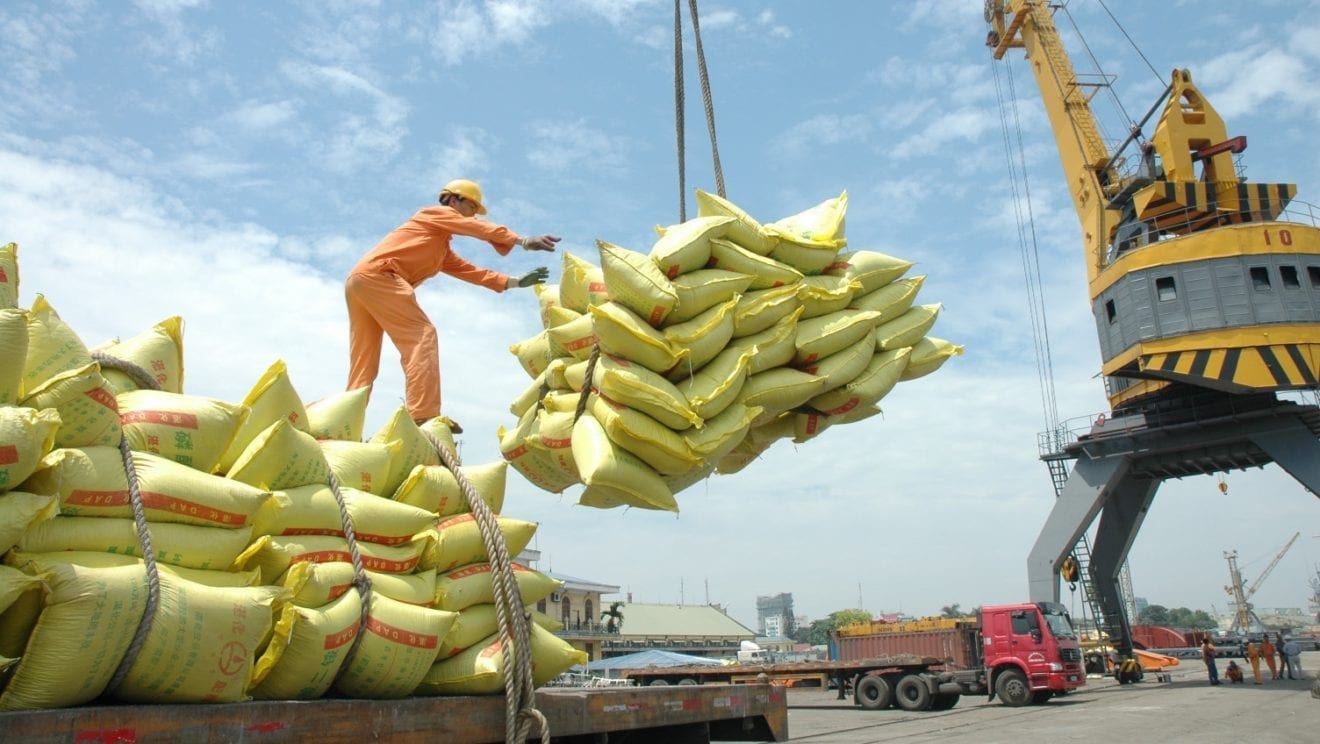
    From the start of the year through October 15, Vietnam exported more than 7 million tonnes of rice. Despite this significant export volume, domestic paddy and rice prices have seen a decline due to reduced purchases from exporters.

    Rice Export Data

    The cumulative rice exports from Vietnam for the mentioned period were 7.02 million tonnes. These exports were valued at approximately $3.59 billion. When compared to the same time frame from the previous year, there was a 4.4% decrease in volume and a 21.9% reduction in value, according to data from the Vietnam Food Association (VFA).

    Last week, the cost of 5% broken jasmine rice was between $420 and $435 per tonne, which is close to a two-month low. A trader based in Ho Chi Minh City reported that domestic trading activity has been relatively stagnant. This is primarily due to many exporters slowing their paddy purchases from farmers as a result of weak overseas demand.

    Domestic Market Performance

    In the domestic market, jasmine paddy was trading at approximately $0.20 per kilogram, reflecting a decrease from the previous week. Conversely, the price of ordinary paddy saw an increase to an average of $0.20 per kilogram, as reported by the VFA.

    In Can Tho, a city in the Mekong Delta region, prices for various types of paddy remained steady. For instance, jasmine paddy was priced at $0.36 per kilogram, OM 18 at $0.29, IR 5451 at $0.27, and ST25 at $0.40, as per the data shared by the Institute of Policy and Strategy for Agriculture and Environment.

    In An Giang province, the Department of Agriculture and Environment reported that fresh paddy prices ranged from $0.21 to $0.25 per kilogram, depending on the variety. Retail rice prices within the province were observed to range between $0.52 and $0.95 per kilogram.

    Production Updates

    Regarding production, the Ministry of Agriculture and Environment stated that by October 20, nearly 1.24 million hectares of the 2025 summer-autumn crop were sown across the Mekong Delta provinces. Harvesting has been completed with an average yield of approximately 6.06 tonnes per hectare, or an estimated total of 7.51 million tonnes of paddy.

    For the autumn-winter crop, 763,000 hectares were planted, surpassing the planned area by 102.8%. Of this, 263,000 hectares have been harvested with an average yield of 5.68 tonnes per hectare.

    Questions & Answers

    What is the total volume of rice that Vietnam exported from the beginning of the year through October 15?
    Vietnam exported more than 7 million tonnes of rice during this period.

    How have domestic paddy and rice prices in Vietnam been affected?
    Domestic paddy and rice prices have seen a decline due to reduced purchases by exporters.

    What has been the impact on domestic trading?
    Domestic trading activity has been relatively stagnant due to many exporters slowing their paddy purchases from farmers because of weak overseas demand.

  • Vietnam’s Soybean Imports From U.s. Surge Amid Aquaculture Sector Growth

    Vietnam’s Soybean Imports From U.s. Surge Amid Aquaculture Sector Growth

    In the first three quarters of 2025, Vietnam saw a 9% year-on-year increase in its imports of U.S. soybeans, reaching a total value of $300 million. This surge has been attributed to ongoing efforts to incorporate these soybeans into the country’s aquaculture sector.

    U.S. Soybean Imports Rise

    Customs data indicates that the U.S. supplied 670,000 tons of soybeans to Vietnam, marking an almost 30% increase compared to the previous year. These imports accounted for roughly 33-34% of Vietnam’s total soybean imports, which is a slight increase from the previous year.

    Vietnam’s Growing Soybean Market

    According to the U.S. Soybean Export Council, Vietnam ranks as the third largest buyer of U.S. soybeans within Southeast Asia and maintains a strong position in the global market. The country’s rapidly evolving food and animal feed sectors, combined with an increasing consumer preference for plant-based products, are expected to stimulate further demand for soybeans.

    To further bolster the use of U.S. soybeans in Vietnamese aquafeed, the U.S. Soybean Export Council recently entered into a three-year memorandum of cooperation with the Vietnam Fisheries Association.

    Vietnam’s Aquaculture Industry

    Vietnam is among the top five global fisheries producers, with its aquaculture sector contributing 4-5% to the country’s GDP. In June, Do Duc Duy, the Minister of Agriculture and Environment, led a delegation of nearly 50 agricultural businesses and associations on a trip to the U.S. to participate in business dialogues aimed at fostering balanced and sustainable trade. During the visit, approximately 20 memorandums of understanding were signed, amounting to $3 billion in agricultural trade, including soybeans.

    Questions & Answers

    What accounted for the rise in Vietnam’s imports of U.S. soybeans?
    This increase is largely attributed to efforts to incorporate more U.S. soybeans into Vietnam’s aquaculture sector.

    What position does Vietnam hold in the global soybeans market?
    Vietnam is the third largest buyer of U.S. soybeans in Southeast Asia and is considered one of the most robust markets for soybeans globally.

    What measures have been taken to promote the use of U.S. soybeans in Vietnam?
    Recently, the U.S. Soybean Export Council and the Vietnam Fisheries Association entered into a three-year memorandum of cooperation to promote the use of U.S. soybeans in Vietnamese aquafeed.

  • Coffee Exports Surge 61% in 2025, Boosting Global Market and Retail Opportunities

    Coffee Exports Surge 61% in 2025, Boosting Global Market and Retail Opportunities

    Vietnam exported 1.23 million tons of coffee worth US$6.98 billion in the first nine months of this year. In a remarkable surge, Vietnam’s coffee exports jumped 61% compared to the same period last year, fueled by climbing global coffee prices, according to the Import-Export Department. Among these shipments, Robusta beans dominated, contributing $4.9 billion, followed by processed coffee and Arabica varieties.

    Prices for coffee reached historic highs in early 2025 before stabilizing at levels comparable to last year from May to July. However, a rebound in August and September saw Robusta futures for November delivery on the London exchange hitting $4,200 per ton, while December Arabica futures traded in New York at $8,258.

    The rise in global prices has been attributed to a weaker U.S. dollar, coupled with supply disruptions in Brazil and Indonesia, primarily due to the ongoing effects of the El Niño weather phenomenon. Notably, a recent 50% tariff on Brazilian coffee imports imposed by the U.S. has opened a lucrative window for Vietnamese coffee, particularly as the U.S. remains one of the world’s largest coffee importers.

    Moreover, Vietnam stands as one of the few coffee-exporting nations equipped to meet the stringent standards outlined in Europe’s new EU Deforestation Regulation, set to take effect at the end of 2026. This readiness could bolster Vietnam’s position in the international market amid evolving demands.

    Yet, the road ahead is not without its hurdles. Exporters have raised concerns about the long-term challenges of enhancing processing capacities, ensuring consistent quality, and crafting a strong national brand. Industry experts opine that the U.S. tariffs will play a pivotal role in shaping the future landscape for Vietnam’s coffee exports, underscoring a transformative moment in the global coffee trade.

    Questions & Answers

    What factors contributed to the increase in Vietnam’s coffee exports this year?
    The 61% surge in coffee exports is primarily attributed to rising global coffee prices, supply disruptions in key producing countries, and an advantageous U.S. tariff on Brazilian coffee, which opened opportunities for Vietnamese coffee in the U.S. market.

    How is Vietnam preparing for future market regulations in coffee export?
    Vietnam is among the few coffee-exporting nations that can meet the upcoming EU Deforestation Regulation standards, which will be implemented from the end of 2026. This positions Vietnam favorably as market demands evolve.

    What challenges do Vietnamese coffee exporters face in maintaining growth?
    Exporters are concerned about upgrading processing capacities, maintaining consistent quality, and building a robust national brand, which are critical for long-term competitive success in the global market.

  • Australian Beef Exports Surge Amid Us-china Trade Tensions: A Shift In Global Market Dynamics

    Australian Beef Exports Surge Amid Us-china Trade Tensions: A Shift In Global Market Dynamics

    The Australian beef industry has recently experienced a surge in exports to China, taking market share formerly held by the US. This shift has transpired in the wake of US President Donald Trump’s return to the White House and the ensuing trade tensions between the US and China. The shift of trade from the US to Australia has channelled hundreds of millions of dollars that were once funneled into the US cattle industry into Australian coffers.

    A Shift in Beef Trade

    US beef exports to China, which were valued at approximately A$182 million per month, experienced a significant decline when permits at several American meat facilities were allowed to expire by Beijing in March. This situation was further exacerbated by the trade war initiated by Trump. Other agricultural exports from the US to China have also taken a hit since Trump resumed power. The most notable among these is soybeans, with US farmers missing out on billions of dollars’ worth of exports in the current harvest season.

    In addition to these factors, US beef exports have generally been on a downward trend in recent years due to drought conditions shrinking the national cattle herd, leading to reduced production and record high prices. However, the slump in trade with China has been both more sudden and severe.

    According to Chinese trade data, the value of US beef exports to China dropped dramatically to just $12 million in July and $14 million in August, compared to $179 million and $189 million during the same period a year earlier.

    Australia’s Beef Boom

    Simultaneously, Australia has seen a surge in its beef exports to China. These shipments have soared from $212 million a month in the two years leading up to March to $335 million in July and $342 million in August. From April through August, US beef exports to China were valued at $587 million less than if trade had remained at the average levels from the previous two years. During this same period, Australian shipments were worth $474 million more.

    While Brazil, China’s largest beef supplier, has also increased its exports in recent months, Australia has reaped the most benefits due to its grain-fed beef, which most closely resembles US products.

    Matt Dalgleish, a meat and livestock analyst at Australian consultancy firm Episode 3, noted that this shift has been beneficial for Australia, helping to drive up cattle prices.

    The Future of Beef Trade

    Despite these changes, there is potential for US beef exports to rebound. Trade negotiations between Beijing and Washington could potentially end the current impasse, according to Joe Schuele, a spokesperson for the US Meat Export Federation.

    Even in the case of a trade agreement being reached, it could still take several years for the US to regain its former market share, according to Dalgleish. This is due in part to Australia’s beef production reaching an all-time high and its meat being significantly cheaper than that of the US.

    Adding another layer of complexity to the situation is an ongoing investigation by Beijing into beef imports, which could potentially result in trade restrictions to address a surplus of beef in China. The outcome of this investigation is expected to be released by November 26.

    Questions & Answers

    What caused the shift in beef exports from the US to Australia?
    This shift can be attributed to a combination of expired permits for American meat facilities, initiated trade war by President Donald Trump, and drought conditions in the US which led to reduced beef production.

    How has this shift impacted Australia’s economy?
    This shift has resulted in a boom for the Australian beef industry, driving up cattle prices and channeling hundreds of millions of dollars into the Australian economy.

    What could potentially alter the current state of beef trade?
    Potential changes in the beef trade could be prompted by the ongoing Beijing investigation into beef imports and the outcome of ongoing trade negotiations between the US and China.

  • Thailand’s Rice Exports Face 10-Month Decline: What It Means for the Global Market

    Thailand’s Rice Exports Face 10-Month Decline: What It Means for the Global Market

    Thailand’s rice exports have plunged 30% year-on-year, reaching just US$3.94 billion in August, marking a grim milestone as the country endures a 10th consecutive month of decline.

    According to the Ministry of Commerce’s Trade Policy and Strategy Office, export volume also slipped, down 16.9% to 739,497 tonnes during the same month. The downturn has impacted major markets, including the U.S., South Africa, Senegal, Iraq, and Mozambique, with few bright spots in shipments to Cameroon, China, Malaysia, Hong Kong, and Canada, where demand surprisingly increased.

    Over the first eight months of the year, Thailand’s total rice exports have exceeded 5 million tonnes, reflecting a significant drop of 24.1% compared to the previous year. This substantial decrease comes at a time when domestic rice prices are also trending downward. As reported by the Thai Rice Millers Association, the price of white rice stood at THB6,500-6,700 (approximately US$201-208) per tonne as of Wednesday, which is a THB200 reduction from just a week earlier. Meanwhile, jasmine rice prices appear to be holding steady at THB15,500-16,000 per tonne.

    Market Forces at Play

    With rice being a staple in many households, these shifts in Thailand’s export landscape are raising eyebrows and prompting discussions about broader agricultural strategies. While exports slump, rice’s domestic pricing trends indicate potential shifts in supply and demand that could reverberate throughout the economy.

    Unexpected Bright Spots

    As Thailand grapples with these export challenges, the uptick in shipments to certain countries could signal changing consumer preferences or emerging markets that are keen to fortify their rice supply chains. Amidst the sea of declines, it’s a little like finding a pearl in an oyster—a rare but valuable indication that opportunities still exist.

    What’s Next for Thai Rice?

    Analysts are now closely monitoring how this continuing export decline could affect local farmers, as agricultural livelihoods hang in the balance. As Thailand strives to maintain its position as one of the world’s top rice exporters, the path forward is uncertain but undoubtedly crucial.

    Questions & Answers

    How significant is the decline in Thailand’s rice exports?
    The decline is quite significant, with a 30% drop year-on-year in August, reflecting continued challenges in Thailand’s rice export market.

    Which markets experienced a decrease in rice imports from Thailand?
    Major markets like the U.S., South Africa, Senegal, Iraq, and Mozambique reported declines in rice imports, demonstrating the broad impact of these export challenges.

    What are the current domestic rice prices in Thailand?
    As of Wednesday, domestic prices for white rice were reported between THB6,500-6,700 (about US$201-208) per tonne, showing a slight decrease, while jasmine rice prices remained stable at THB15,500-16,000 per tonne.

  • Mekong Delta Mango Prices Surge 50%, Exciting Retail Opportunities Await!

    Mekong Delta Mango Prices Surge 50%, Exciting Retail Opportunities Await!

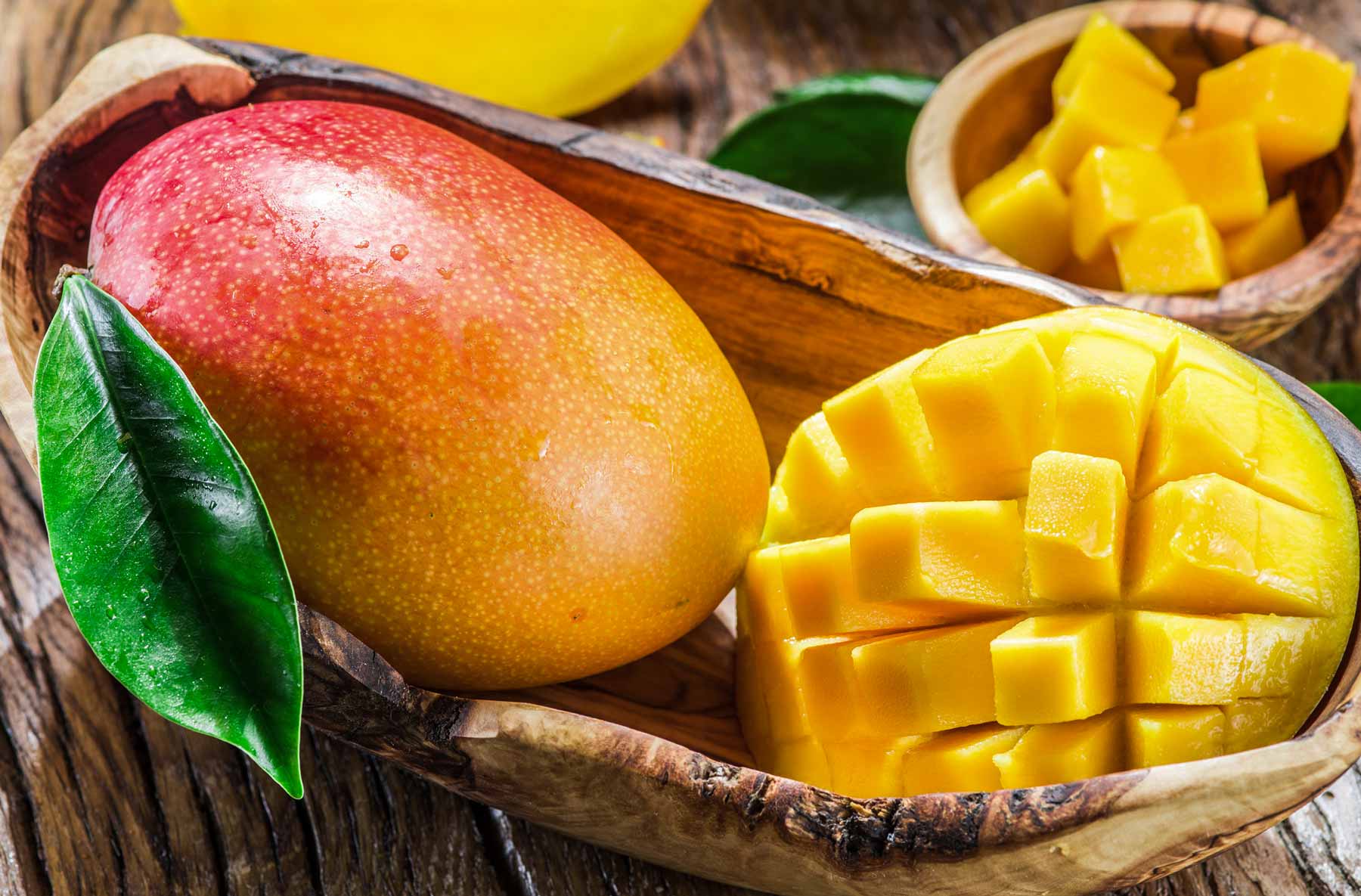
    In Hon Dat Commune of An Giang Province, mango prices are taking a significant leap, with traders now paying between VND40,000 and VND60,000 (US$1.5-2.2) per kilogram at the farm gate. This marks an increase of VND15,000 to VND20,000 since the beginning of the year, offering farmers a profit margin of VND10,000 to VND20,000 ($0.4-0.8) per kilogram.

    However, the sweet fruit is becoming scarcer. Nguyen Thanh Do, director of the Hon Dat Hoa Loc Mango Cooperative, indicates that off-season mango harvests have dropped by 20%. Heavy rains have not only diminished the fruiting rate but also impacted the overall quality. “Many households have no mangoes left to sell, as they are preparing to induce flowering for the Lunar New Year crop. This has led to a short supply and rising prices,” he explained.

    Costs for maintaining mango trees have also surged, reaching VND35,000 to VND40,000 ($1.3-1.7) per kilogram between August and October. Meanwhile, some farmers are pivoting away from mangoes altogether, opting for more lucrative crops like jackfruit and durian.

    A Taste of Luxury in HCMC

    In Ho Chi Minh City, the prices for Hoa Loc mangoes have climbed even higher, retailing for VND80,000 to VND140,000 ($3-5.3) per kilogram, the highest recorded this year. Hanh, a fruit shop owner in An Hoi Dong Ward, notes that first-grade mangoes cost around VND100,000 to VND110,000 ($3.9-4.1) at wholesale markets, and she sells them for VND120,000. At Ba Chieu Market, shop owner Hoang Anh claims mangoes have now claimed the title of the most expensive local fruit.

    Weaving through the market, you might find organic mangoes pre-ordered at an eye-popping VND180,000 to VND200,000 ($6.8-7.6) per kilogram—a price that could make even die-hard mango lovers pause for a moment. Nevertheless, the low supply at the Thu Duc wholesale market coincides with a spike in demand, particularly as customers scrambled to buy fruits for ancestral offerings during the Ghost Festival on September 6.

    Export Predictions Shine Bright

    Premium retail chains showcase Chu Chin-branded Hoa Loc mangoes priced at VND189,000 ($7) per kilogram. Nguyen Dinh Tung, CEO of Vina T&T Group, noted that while Vietnamese mango exports to the U.S. remain steady, the current scarcity of high-quality fruits has pushed prices even higher. “Hoa Loc mangoes are particularly challenging to preserve and are mostly sent by air to maintain their quality, which significantly raises costs,” he added. However, he anticipates a rebound in supply and exports as the main mango season arrives next month.

    In the first seven months of the year, Vietnam netted USD265.9 million from mango exports, with fresh mangoes contributing USD189.7 million—a rise of 12.2% compared to the previous year, as reported by the Vietnam Fruit and Vegetable Association. The nation cultivates over 114,000 hectares of this beloved fruit, predominantly located in the Mekong Delta, with An Giang accounting for more than 12,000 hectares, half of which is in Cho Moi District.

    Questions & Answers

    How have mango prices changed recently in Vietnam?
    Mango prices have increased significantly, with traders in An Giang Province now paying VND40,000-60,000 (US$1.5-2.2) per kilogram at the farm gate, up from earlier this year.

    What factors are contributing to the rising mango prices?
    The decline in output due to heavy rains affecting the fruiting rate and quality, alongside a shift by some farmers towards more profitable crops, has led to a decrease in supply and consequently higher prices.

    What is the current status of Vietnamese mango exports?
    Vietnamese mango exports to the U.S. are steady, but high-quality mangoes are currently scarce, driving prices up. The country earned USD265.9 million from mango exports in the first seven months, marking a year-on-year increase of 12.2%.

  • Rice Exports Poised for Record-Breaking Surge, Targeting Over 8.2M Tonnes!

    Rice Exports Poised for Record-Breaking Surge, Targeting Over 8.2M Tonnes!

    In a surprising twist for the global rice market, Vietnam’s rice exports are anticipated to exceed 8.2 million tonnes this year, despite a temporary suspension of rice imports from its biggest buyer, the Philippines. This surge is powered by increased shipments to countries like Bangladesh, China, and South Africa.

    The Philippines, recognized as the world’s largest rice importer, purchased 4.8 million tonnes of rice from international markets last year, with Vietnam supplying an impressive 3.6 million tonnes of that total

    In the first half of this year, Vietnam exported 5.5 million tonnes of rice, generating a revenue of US$2.81 billion. Unsurprisingly, the Philippines remained its principal market, though the revenue saw a notable drop of 13.5% year-on-year.

    Though shipments to the Philippines have slowed down, exporters are optimistic, having secured new contracts at higher prices and successfully expanded their clientele across ASEAN and South African markets.

    Earlier this month, in response to falling domestic prices, the Philippine government announced a two-month pause on rice imports starting September 1. Nevertheless, market analysts remain upbeat, predicting strong overall exports for Vietnam, driven by rising demand in other regions.

    The United States Department of Agriculture (USDA) has updated its forecast, now estimating Vietnam’s total rice exports at 8.2 million tonnes for the year, an increase of 300,000 tonnes from previous predictions. As the year wraps up, shipments are expected to rise, propelled by heightened demand from Africa and China. Even with the Philippine import suspension expected to reduce its purchases by 500,000 tonnes, it may still lead the world with total rice imports of around 4.9 million tonnes.

    Do Ha Nam, Chairman of the Vietnam Food Association, expressed strong confidence that with the robust performance recorded in the first seven months, Vietnam’s rice exports will indeed surpass 8 million tonnes this year. He emphasized the country’s unique brand identity and increasing international recognition, solidifying its position as the world’s second-largest rice exporter.

    Questions & Answers

    How has Vietnam managed to maintain high rice export levels despite the Philippines’ import suspension?
    Vietnam has effectively diversified its customer base by expanding shipments to countries in the ASEAN region and South Africa while securing new contracts at improved prices.

    Why has the Philippines suspended rice imports temporarily?
    The Philippine government announced a two-month suspension of rice imports due to falling domestic prices, aiming to stabilize the local market.

    What role does the USDA play in forecasting Vietnam’s rice export numbers?
    The USDA provides crucial projections for agricultural exports, and it recently adjusted its forecast for Vietnam’s rice exports upwards, reflecting growing global demand.