Retail News CRM

Tag: export

  • Vietnam Rice Prices Plummet as Philippines Suspends Imports: What’s Next for the Market?

    Vietnam Rice Prices Plummet as Philippines Suspends Imports: What’s Next for the Market?

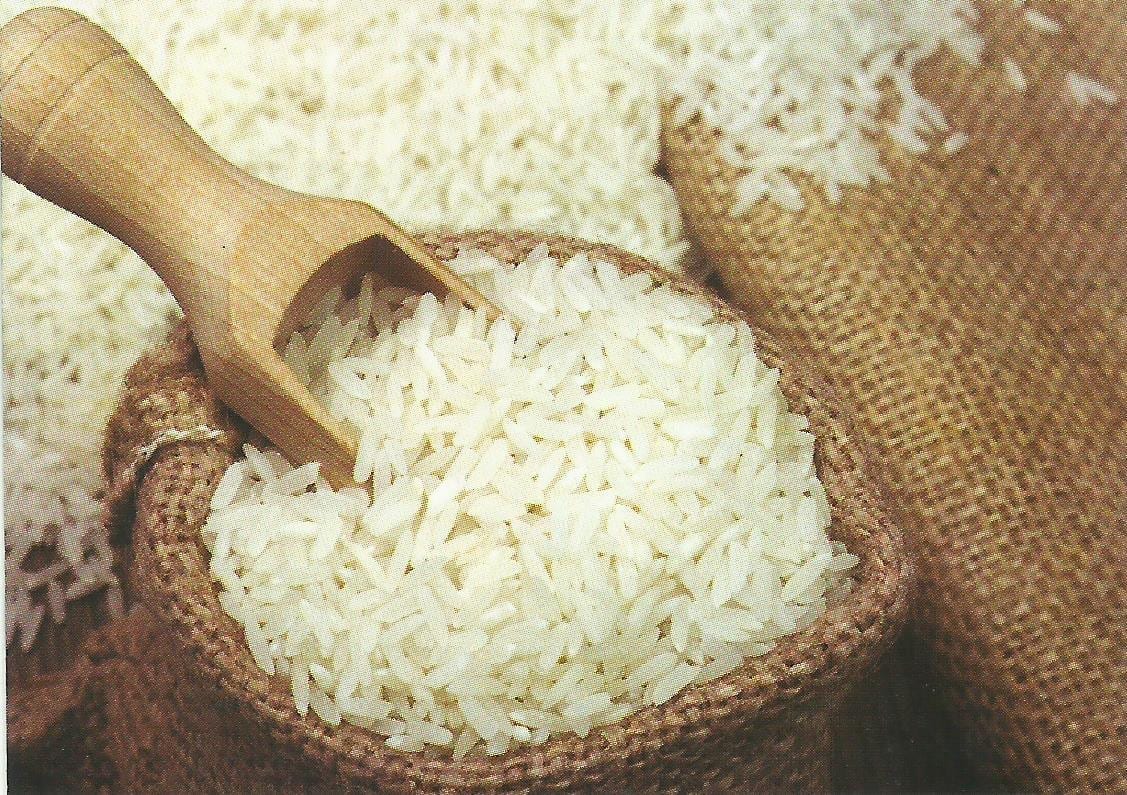
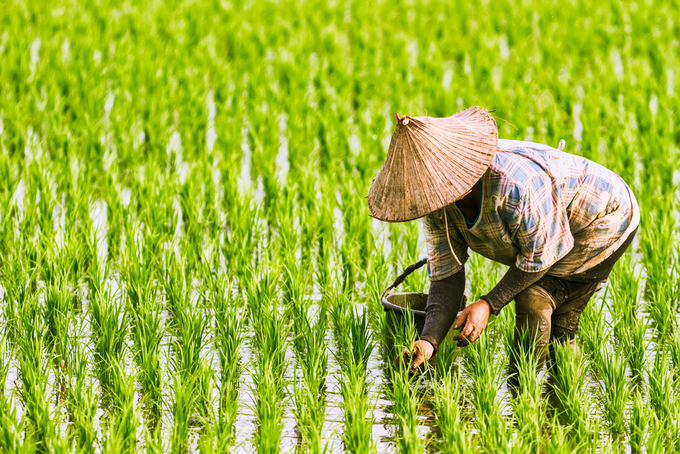
    In Vietnam’s Mekong Delta, often dubbed the nation’s “rice bowl,” traders are becoming increasingly cautious in their purchasing decisions. This hesitation stems mainly from uncertainties regarding rice exports to the Philippines, a key market. “I am only buying cautiously to sell domestically, as export shipments are on hold, awaiting new signals from buyers,” said Huyen, a seasoned trader from An Giang Province.

    Prioritizing Existing Contracts Amid Export Challenges

    Meanwhile, in Dong Thap Province, rice mills are working diligently to fulfill existing contracts with the Philippines, focusing on old agreements as new orders have noticeably dwindled. Recent market shifts have seen prices for popular varieties like Dai Thom 8 and OM18 rice decrease by 4%, landing at VND11,000 (US$0.42) per kilogram.

    An anonymous rice export company in Dong Thap voiced concerns over the impact of the Philippines’ two-month import suspension, a significant disruption for a market that represents almost 45% of Vietnam’s rice export revenue. “The business plans have been thrown into disarray,” the company representative lamented.

    Seasonal Struggles and Rising Costs

    The timing couldn’t be worse, coinciding with peak harvest season. The slowdown in contracts has caused inventory levels to swell while storage expenses have surged. Nguyen Chi Thanh, the rice division director of agriculture exporter Angimex, remarked that prices for the summer-autumn and autumn-winter seasons are likely to decline drastically, making the struggle to find new markets even more daunting. “Other importing countries might seize this opportunity to negotiate lower prices,” he warned.

    Additionally, exporters have faced long-standing challenges in obtaining phytosanitary certificates required by the Philippines, a lengthy process that has complicated the establishment of long-term contracts since 2019. While online licensing began on July 7 of this year, the extensive paperwork and rising costs continue to put pressure on profit margins.

    Impact on Farmers and Future Strategies

    The ripple effects of the Philippines’ import suspension are widespread. According to Do Ha Nam, chairman of the Vietnam Food Association, halted contracts have led to mounting inventories and intensified downward pressure on domestic rice prices. The Ministry of Industry and Trade highlighted that these developments have depressed export prices and narrowed profit margins, severely impacting farmers’ incomes. It urged businesses to maintain reserves and avoid panic selling while fostering collaboration among agencies to explore new markets, particularly in the Middle East, Africa, and Northeast Asia.

    The Philippines justified its decision by aiming to protect its domestic market amid plummeting local rice prices. In response, the Vietnam Food Association has called on the trade ministry to engage in dialogue with the Philippines to clarify which rice types are affected and to resolve procedural hurdles to sustain trade, minimize losses, and safeguard farmers’ interests.

    Seeking Support and New Opportunities

    Both nations are implementing a memorandum on rice trade cooperation that was signed on January 30 last year and remains valid until the end of 2028. The Vietnamese rice sector now seeks assistance from various ministries to ensure seamless production and exports amidst market volatility. The trade ministry has appealed to Prime Minister Pham Minh Chinh to direct financial measures, including expediting value-added tax refunds for exporters, and to plan national rice reserve purchases to mitigate unfavorable market fluctuations.

    Remarkably, in the first seven months of this year, rice exports to the Philippines saw a decline of 13.5% year-on-year, while other markets flourished, including Ghana (53.5%), Ivory Coast (96.6%), and an astonishing increase in exports to Bangladesh by 188 times.

    Questions & Answers

    How has the rice export market been affected by the Philippines’ import suspension?
    The suspension has disrupted contracts, increased inventories, and pressured domestic prices, with exports to the Philippines dropping by 13.5% in the first half of the year.

    What are the primary concerns for Vietnamese rice exporters?
    Concerns center around rising storage costs, reduced profit margins due to decreased prices, and challenges in obtaining necessary export certifications.

    What steps is the Vietnamese government taking to address these market challenges?
    The government is urging companies to maintain reserves while exploring new markets and has called for expedited financial measures to support rice exporters facing losses.
  • Lychee Exports Surge to $35M in June, Tripling Previous Figures!

    Lychee Exports Surge to $35M in June, Tripling Previous Figures!

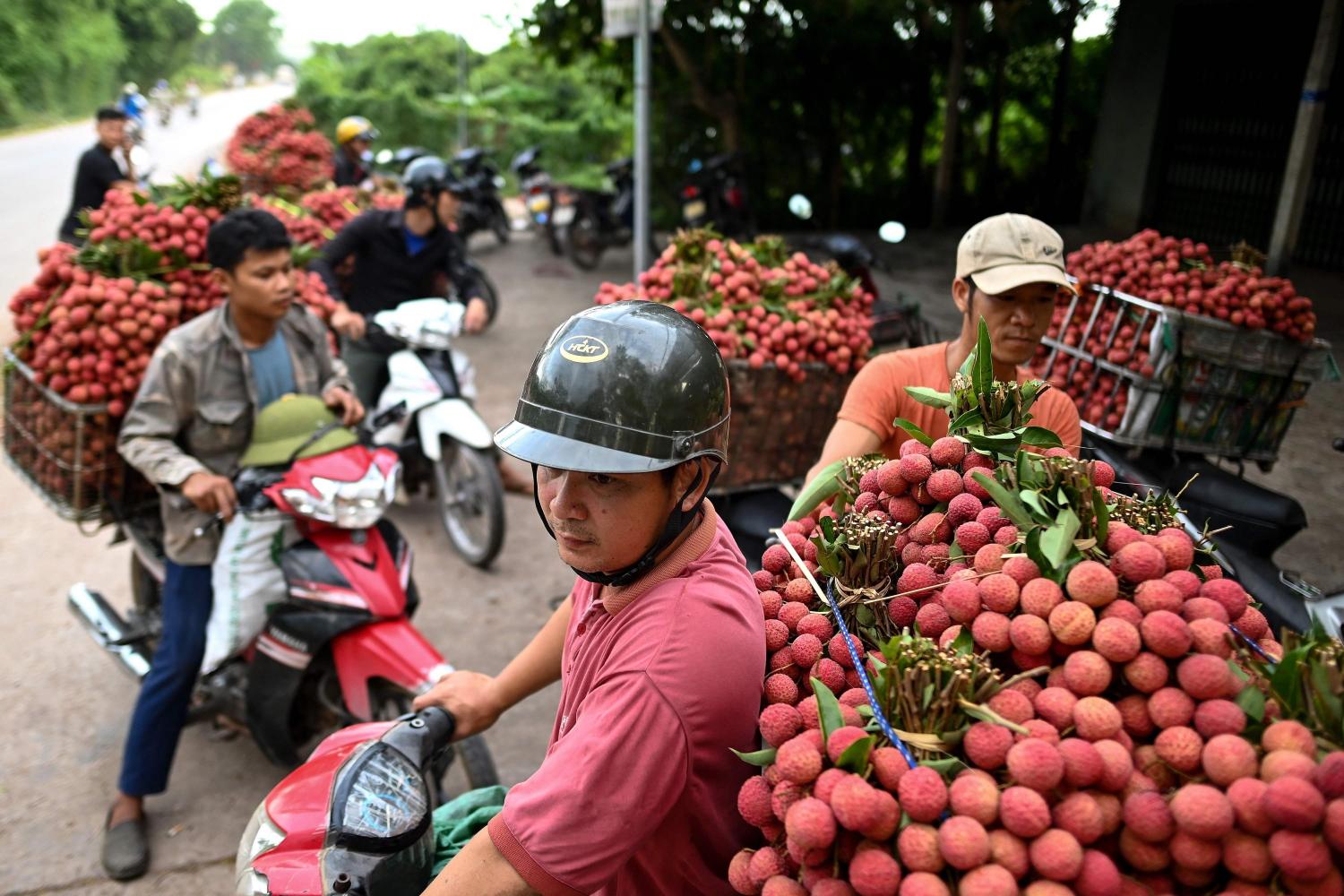
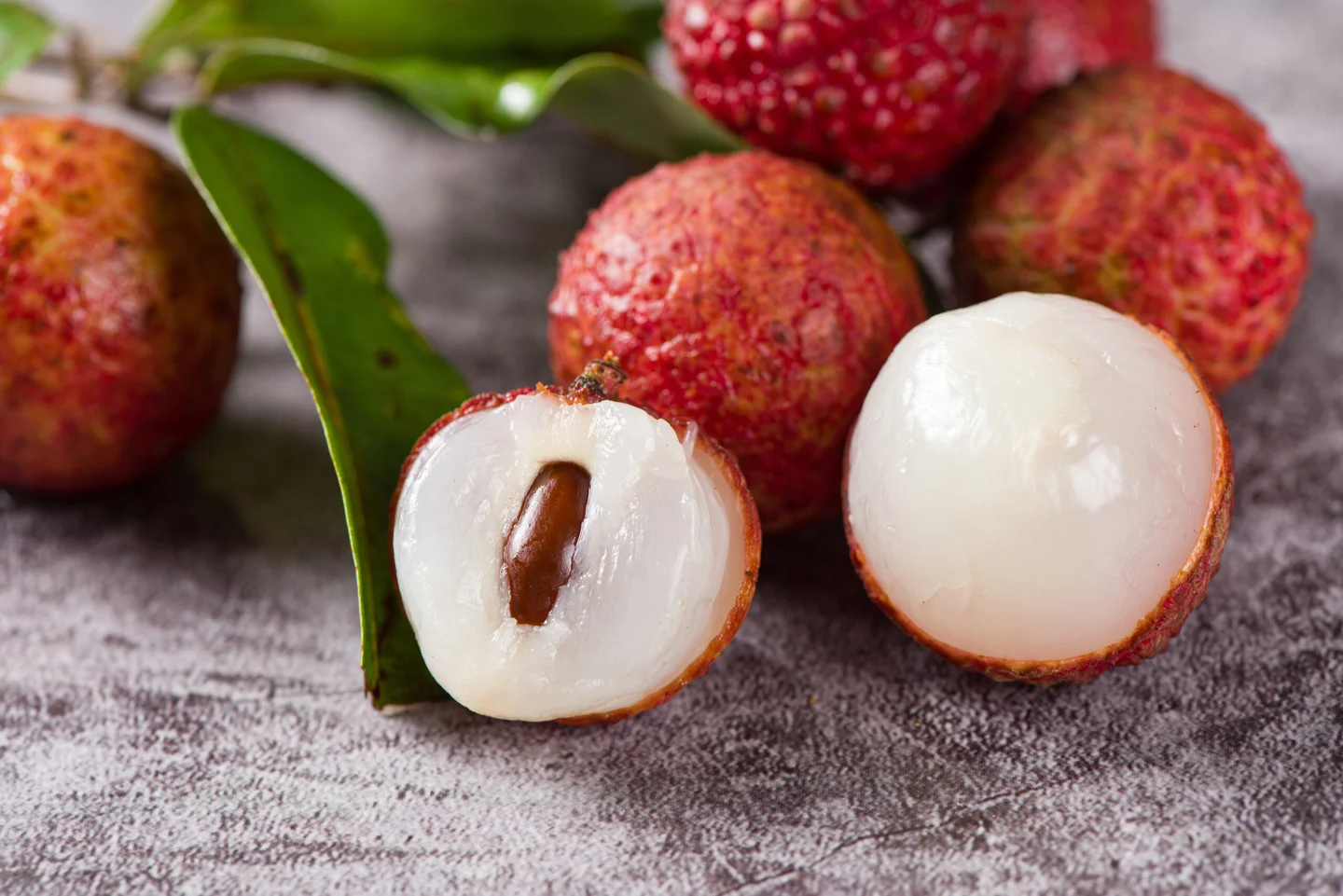
    Vietnam’s lychee exports are soaring, with figures revealing a remarkable $27 million in sales to China alone—an astonishing 3.63 times increase compared to June of the previous year, according to customs data. Even in premium markets like France, Australia, the U.S., Canada, and the U.K., purchases of this luscious fruit surged by two to five times, showcasing the growing international appetite for Vietnamese lychees.

    Record-Breaking Exports Propel Local Farmers

    In the first half of 2025, total lychee exports reached an impressive $45.4 million, reflecting a remarkable 92% increase year-on-year. Shipments to the top ten markets saw staggering growth rates, ranging from 10% to a jaw-dropping 2,000%. These figures paint a vibrant picture of the fruit’s rising prominence on the global stage, capturing the taste buds—and wallets—of consumers around the world.

    Quality Meets Affordability in a Sweet Package

    One exporter highlighted that Vietnamese lychee’s appeal lies in its combination of affordability and high quality, making it a hit among international buyers. As Vietnamese and global quality standards like VietGAP and GlobalGAP are increasingly met, the credibility of these exports has skyrocketed, especially in demanding markets such as the U.S., Japan, and the U.K. Modern harvesting and preservation techniques, according to Dang Phuc Nguyen, general secretary of the Vietnam Fruit and Vegetable Association, have drastically enhanced the fruit’s quality and shelf life. Businesses are now collaborating directly with farmers to boost productivity and quality at every phase—from planting to harvesting.

    Price Trends and Export Markets

    Lychee is currently in season, with farm gate prices ranging from VND 8,000 to VND 20,000 (31-76 U.S. cents) per kilogram. Notably, lychees from orchards certified for export command higher prices, fetching between VND 25,000 and VND 30,000. At the beginning of the season in May, prices were higher, sitting at VND 35,000 to VND 40,000, while the fruit sells abroad for an impressive VND 200,000 to VND 300,000 per kilogram. Lychee, a staple summer delight in Vietnam, thrives predominantly in the northern regions, especially in the provinces of Bac Giang and Hai Duong.

    The Fruit’s Origin and Growing Regions

    This year’s harvest is expected to hit 250,000 tons, a 25% rise from 2024, with Bac Giang contributing a significant 165,000 tons. Luc Ngan, renowned as the “lychee capital” of the country, has approximately 18,000 hectares of lychee cultivation and yields over 100,000 tons annually. The Luc Ngan variety is particularly renowned for its size and sweetness, making it a favorite among discerning markets like Japan, Australia, the EU, and China. Meanwhile, Hai Duong, which made history as the first province to export lychees to Japan in 2020, boasts nearly 10,000 hectares of orchards producing the highly sought-after Thanh Ha lychees, recognized for their thin skin, thick flesh, aroma, and sweetness. Other areas like Hanoi, Quang Ninh, and Hung Yen also cultivate lychees, although on a smaller scale. The Central Highlands and some southern provinces have attempted to cultivate the fruit, but climate challenges have proven to be a significant hurdle.

    Questions & Answers

    What factors have contributed to the increase in Vietnam’s lychee exports?
    A combination of affordable pricing, high quality, and compliance with international standards has made Vietnamese lychees increasingly appealing in global markets.

    How has the production and quality of lychees evolved in Vietnam?
    Modern harvesting and preservation techniques, along with partnerships between businesses and farmers, have significantly improved the lychee’s quality and shelf life.

    Which provinces are the main producers of lychee in Vietnam?
    Bac Giang and Hai Duong are the primary provinces for lychee production, with Bac Giang accounting for a large portion of the national harvest.

  • China Overtakes US as Vietnam’s Leading Shrimp Export Market in First Half of the Year

    China Overtakes US as Vietnam’s Leading Shrimp Export Market in First Half of the Year

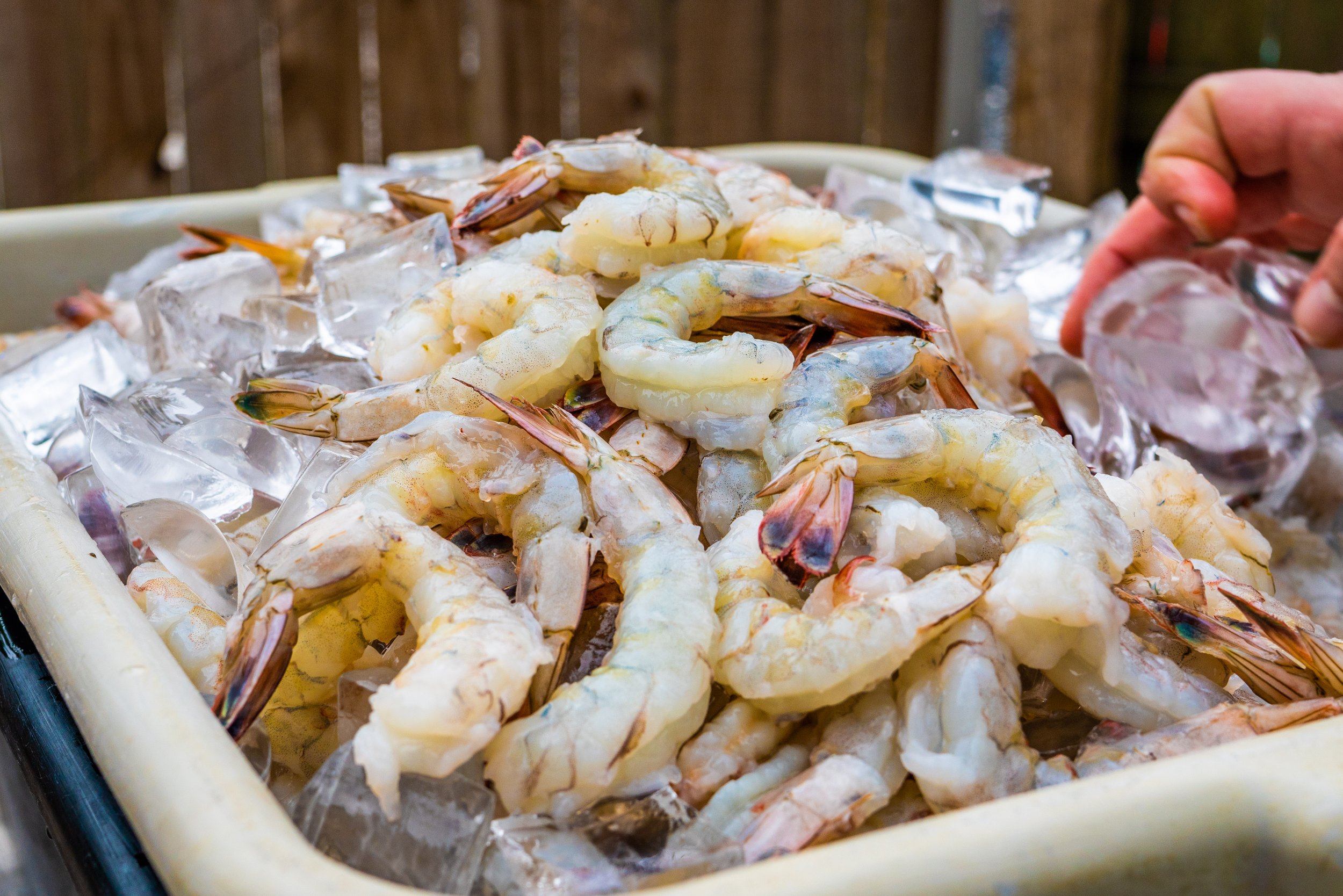
    China has emerged as a vital avenue for Vietnamese shrimp exporters, importing nearly US$595 million worth of shrimp, as reported by the Vietnam Association of Seafood Exporters and Producers (VASEP). A supply shortage in China, coupled with a seasonal spike in demand for premium seafood delights like lobster, has created an auspicious window for Vietnam’s seafood industry.

    Captivating Competitive Edge

    The geographic proximity of Vietnam to China adds to the appeal, allowing exporters to offer competitive prices that capture the attention of Chinese importers. Traditional markets remain steady, with Japan, South Korea, and the European Union contributing to this growth. Of particular note, Japan—the third-largest market for Vietnamese shrimp—has showcased a robust appetite for deeply processed, ready-to-eat shrimp products that cater to busy lifestyles.

    A tantalizing lobster on display in Ho Chi Minh City, showcasing the allure of premium seafood. Photo by VnExpress/Quynh Tran

    Navigating New Trade Waters

    Export dynamics to Europe have also enjoyed a boost thanks to the E.U.-Vietnam Free Trade Agreement. This agreement has positioned Vietnam favorably against other Southeast Asian competitors like Indonesia and Thailand. Conversely, the United States—once the leading market—has shown signs of decline in shrimp imports. Although exports to the U.S. increased by 13% to $341 million in the first half of the year, much of this surge was attributed to a pre-emptive rush in May, as businesses scrambled to fulfill orders ahead of the new tariffs introduced by the Trump administration.

    In June, the situation took a turn, with exports plummeting by 37%. In April, the Trump regime imposed a 10% retaliatory tariff on various imports, which is set to escalate to 20% on shrimp from August 1. In addition to this tariff hike, Vietnamese exporters face the looming threat of preliminary anti-dumping duties that could exceed 35%, alongside countervailing duties expected by year’s end.

    Shifting Strategies for Sustainability

    Amid these turbulent market conditions, VASEP has highlighted that U.S. tax policies are instilling caution among American importers, complicating pricing and order planning for Vietnamese businesses. This upheaval has prompted many seafood companies to explore alternative markets, with China appearing as an increasingly attractive option.

    Global shifts are also pressuring domestic shrimp prices. The cost of large black tiger shrimp has recently soared to a record VND201,000 (US$7.69) per kilogram, primarily driven by limited supply against consistent demand. Overall, Vietnam’s shrimp exports surged by 27% in the first half of the year, totaling $2 billion. However, VASEP forecasts a slowdown in exports as July approaches, following the rush of orders in May and June.

    With the U.S. delaying tariff increases until early August, some firms were able to expedite shipments, but the future remains uncertain, hinging on the final tariff levels and the capacity to diversify markets effectively. Many shrimp producers are now focusing on revising their export strategies to reduce dependency on the U.S. market, leveraging trade agreements like the EVFTA and the Comprehensive and Progressive Agreement for Trans-Pacific Partnership.

    A notable trend is the emphasis on deeply processed products, which attract higher value. Major markets like the U.S. and the EU are implementing stricter traceability and origin requirements, driving firms to enhance productivity throughout their supply chains—from certified farming practices and disease control to optimized processing and logistics.

    As Vietnam’s seafood industry navigates a volatile global market, the implementation of proactive financial and legal strategies will be crucial for sustaining growth and competitiveness.

    Questions & Answers

    How has China become a significant market for Vietnamese shrimp?
    China’s domestic supply shortage, combined with a rising demand for premium seafood products, has opened the door for Vietnamese exporters, leading to substantial imports worth nearly US$595 million.

    What impact have U.S. tariffs had on Vietnamese shrimp exports?
    The new tariffs imposed by the U.S. have caused export volatility, with a significant drop in shipments in June following a May spike as businesses rushed to beat the tariff deadline.

    What strategies are Vietnamese seafood businesses adopting for future growth?
    Producers are shifting focus away from reliance on the U.S. market and are capitalizing on trade agreements like the EVFTA, while also prioritizing the production of deeply processed shrimp products to meet evolving market demands.

  • Thailand Braces for $6B Export Setback as US Considers Tariff Increase

    Thailand Braces for $6B Export Setback as US Considers Tariff Increase

    Thailand could face a staggering loss of up to 200 billion baht (approximately US$6.14 billion) in export revenue this year if the United States moves forward with proposed tariffs ranging from 25% to 36% on Thai goods, warns a forecast from the University of the Thai Chamber of Commerce (UTCC).

    Tariff Hurdles Ahead

    Thanavath Phonvichai, the President of UTCC, highlighted a critical window for Thailand to negotiate a more favorable tariff outcome, aiming to reduce these rates to 20% before the tariffs are set to be implemented on August 1. However, Phonvichai cautioned that reaching a final deal with U.S. officials remains uncertain, adding an extra layer of uncertainty to the already precarious situation.

    Political Instability Threatens Economic Stability

    The stakes are further raised by Thailand’s internal political landscape. Phonvichai indicated that potential political unrest, including a possible dissolution of parliament or delays in passing an economic stimulus budget, could slash GDP growth by up to one percentage point. If such outcomes unfold, economic growth might dip below 1% for the year, significantly lower than the previously projected 1.7%.

    Impact on Exports and Consumer Confidence

    If the 25% to 36% tariffs are implemented for the entire year, the UTCC projects that exports valued between 400 billion and 600 billion baht could be adversely impacted. This anticipated setback comes in the wake of a significant decline in consumer confidence, with the index dropping to 52.7 in June, marking its lowest point in 28 months. Public optimism appears to be wilting, perhaps just like a garden in the harsh heat of the Thai summer.

    Questions & Answers

    What are the potential consequences of the U.S. tariffs on Thailand’s economy?
    Thailand could lose up to 200 billion baht in export value, which could push its GDP growth below 1% for the year.

    When are the potential U.S. tariffs set to take effect?
    The tariffs are scheduled to be implemented on August 1, leaving Thailand limited time to negotiate more favorable rates.

    How has consumer confidence been affected recently in Thailand?
    The consumer confidence index fell to 52.7 in June, the lowest level in nearly two and a half years, reflecting widespread public concern about the economic outlook.

  • Lychee Farmers Brace for Hardships as Prices Plummet Below $1 Per Kilogram

    Lychee Farmers Brace for Hardships as Prices Plummet Below $1 Per Kilogram

    Fruits from certified export orchards in Vietnam now command prices between VND25,000-30,000 per kilogram, a drop from VND35,000-40,000 at the season’s outset. Luc, a seasoned lychee farmer from Bac Giang Province’s Luc Ngan District—the country’s leading lychee producing region—revealed that prices have plummeted by a third compared to last year, putting his profit margins at risk.

    Despite producing high-quality lychees from his one-hectare orchard, Luc warns he may barely break even if market prices do not rebound. Growers report that the production cost for a kilogram of lychee, including packaging, hovers between VND8,000-12,000. In southern Vietnam, retail prices range from VND25,000-40,000 per kilogram, reflecting a nearly 30% dip from earlier this month and a staggering 50% drop compared to the same time last year.

    Giang, another farmer from Hai Duong Province’s Thanh Ha District, explains that an oversupply of lychees coupled with fierce competition from other tropical fruits has contributed to the current price slump. The situation has been exacerbated by a 26.6% year-on-year decline in lychee exports during the first four months of this year, with 17 markets pulling back on imports, notably the Netherlands and France, which reduced purchases by 84% and 40%, respectively. However, markets such as the U.S. and China have seen increases in demand, ranging from 25% to 116%.

    Transportation costs, propelled by ongoing tensions in the Middle East, have also played a significant role in suppressing imports. Competing with Vietnam, China has stepped up its own lychee exports, putting additional pressure on the market.

    This year, Vietnam’s lychee output is projected at about 250,000 tons—up 25% from 2022—with Bac Giang accounting for a substantial 165,000 tons. Yet, since the season launched, the province has managed to sell only 13,000 tons locally, with export figures remaining modest.

    In a move to ease the situation, the Bac Giang Department of Industry and Trade is advocating for processing initiatives, such as drying, juicing, or freezing the fruit, as a strategy to broaden sales channels. They launched a promotional program in both Hanoi and Ho Chi Minh City this week, aiming to boost the visibility and demand for this seasonal delicacy.

    Questions & Answers

    How has the lychee market in Vietnam changed this year?
    This year, Vietnam’s lychee market has experienced a significant downturn, with prices dropping by a third compared to last year, largely due to oversupply and competition from other fruits.

    What factors are affecting lychee exports from Vietnam?
    Lychee exports have fallen due to reduced demand from several markets, including notable decreases from the Netherlands and France, alongside rising transportation costs and increased competition from Chinese lychee exports.

    What steps is Bac Giang Province taking to improve lychee sales?
    Bac Giang Province is encouraging businesses to process lychee into products like dried fruit and juice to diversify sales channels, while also rolling out promotional programs in major cities like Hanoi and Ho Chi Minh City.

  • Vietnam Coffee Prices Plunge 14% in a Week as Global Market Reaches Yearly Low

    Vietnam Coffee Prices Plunge 14% in a Week as Global Market Reaches Yearly Low

    In the Central Highlands provinces of Dak Lak, Gia Lai, and Kon Tum, coffee prices have taken a significant dip, plummeting 30% from the peak of VND135,000 reached in March. This downward trend in coffee prices is not limited to Vietnam; it mirrors a broader decline seen across the global market in recent months.

    Currently, Robusta coffee for September delivery is priced at $3,737 per ton, while Arabica fetches $6,950. The cause of this price shift can largely be traced back to Brazil, the world’s foremost coffee exporter, which initiated its harvest in May, yielding more than anticipated. This surplus has contributed to a notable increase in global supply, putting further pressure on prices.

    In Asia, Indonesia is ramping up its robusta exports in response to rising production levels, adding to the already steep competition and exerting downward pressure on prices. It’s a classic case of supply and demand, where larger harvests create a buyer’s market. Meanwhile, as global capital flows gravitate toward the stability of the U.S. dollar amid economic uncertainties, coffee—priced in dollars—has become comparatively more expensive for consumers using other currencies. This shift has dampened international demand, prompting necessary price corrections.

    In light of these market conditions, coffee sellers are keen to capitalize on quick sales, actively seeking to ensure profits which, in turn, has accelerated the short-term decline in prices. Despite these challenges, the U.S. Department of Agriculture predicts that Vietnam’s coffee production for the 2025-2026 season will reach 31 million bags, a 6.9% increase from the previous year.

    Farmers in key growing regions like Dak Lak and Kon Tum are finding reason for optimism this year, buoyed by favorable weather conditions that have thus far limited the impacts of climate change on their crops. Notably, plantations that were replanted four years ago are now entering a high-yield phase, reinforcing production forecasts.

    Vietnam’s coffee exports have also been strong, with the country shipping 823,900 tons in the first five months of 2025, raking in $4.7 billion, according to the Ministry of Industry and Trade. This translates to an average export price of $5,709 per ton—including processed coffee—a staggering 63% increase year-on-year. Major markets driving this demand include Germany, Italy, Spain, the U.S., and Japan. Emerging markets in the Middle East, Africa, and the Americas are also stepping up, making significant contributions to Vietnam’s burgeoning coffee export landscape. Hold onto your coffee cups; the retail brew scene is definitely brewing up a storm.

    Questions & Answers

    What recent trend has been observed in coffee prices in Vietnam?
    Coffee prices in Vietnam’s Central Highlands have dropped by 30% from their March peak of VND135,000, reflecting a global decline in coffee prices.

    How is Brazil impacting global coffee supply?
    Brazil’s coffee harvest, which began in May, is exceeding expectations, leading to a substantial increase in global supply and putting downward pressure on coffee prices worldwide.

    What are the projections for Vietnam’s coffee production?
    The U.S. Department of Agriculture projects that Vietnam’s coffee production for the 2025-2026 season will reach 31 million bags, marking a 6.9% increase compared to the previous season.

  • India Pursues Trump Tariff Agreement Following UK Trade Pact Breakthrough

    India Pursues Trump Tariff Agreement Following UK Trade Pact Breakthrough

    Starting July 9, U.S. President Donald Trump’s vast array of global trade tariffs is set to roll out, posing serious implications for economies and businesses worldwide.

    In a race against time, India is working diligently to forge an agreement that could shield its exports from a hefty 26% tariff imposed on goods shipped to its largest market. However, unlike many nations navigating these choppy waters, New Delhi has a fresh strategy in place: the recently announced free trade agreement (FTA) with the U.K. This deal not only highlights India’s proactive stance but also mandates some tough choices as it seeks to solidify its trading relationships.

    With the clock ticking down to the implementation of these tariffs, all eyes are on how India can maneuver its way through the evolving trade landscape. Meanwhile, business owners and consumers alike watch anxiously, wondering how these changes will ripple through their wallets and shopping carts.

    Questions & Answers

    Questions & Answers

    What are the main implications of the U.S. tariffs for India?
    The tariffs could impose a 26% levy on Indian goods, significantly increasing costs for exporters and potentially leading to a drop in trade volumes.

    How is India responding to the impending tariffs?
    India is actively seeking trade agreements and has recently announced a free trade agreement with the U.K. as part of its strategy to mitigate the impacts of U.S. tariffs.

    What does the future hold for India’s trade relationships?
    The path ahead is uncertain, but with proactive measures like the FTA with the U.K., India is positioning itself to adapt and thrive in the changing global trade landscape.

  • Vietnam eyes $300 bln exports in 2020

    Vietnam eyes $300 bln exports in 2020

    Vietnam targets its export revenues of $300 billion next year despite concerns over trade deficits amid a global economic slump.

    The target, announced by Prime Minister Nguyen Xuan Phuc at an online meeting with leaders of cities and provinces on Monday, means exports would need to rise by 13.8 percent from this year’s $263.5 billion to give the country a trade surplus for the fifth year in a row.

    It would mean a higher growth rate than the 8 percent recorded this year.

    “After a subsidy period, Vietnam turned into a major global exporter. The country now has most products in excess and can find a market to sell them,” the PM said.

    Although Vietnam in 2019 recorded the fourth trade surplus in a row at $9.94 billion, government officials worry the winning spree would be broken by a deficit next year.

    Minister of Industry and Trade Tran Tuan Anh told the National Assembly in November as growth in exports slow to 6-7 percent in 2020, and imports grow at a faster rate of 8-10 percent, there could be a minor trade deficit.

    The coming into force of the EU-Vietnam Free Trade Agreement (EVFTA) and the worsening impact of the U.S.-China trade war could lead to a surge of imports into Vietnam next year, according to a government report submitted to the legislative body.

    PM Phuc demands all government bodies create favorable conditions for exporters and cease any bureaucratic activity that could hinder the process.

    The country needs to reduce logistics costs to increase exports value, he added, citing the case of mango export as an exported Vietnamese mango now bears a logistics cost of 50 percent its price.

    Vietnam’s GDP growth of 7.02 percent in 2019 exceeded the parliament’s target of 6.6-6.8 percent as well as forecasts by several international organizations like World Bank and Asian Development Bank.

    The country’s foreign trade for the first time reached $517 billion this year, up 8 percent year-on-year.

  • Rice exports surge to new record

    Rice exports surge to new record

    According to the Ministry of Agriculture and Rural Development, Vietnam set a new record in rice export revenue in the first nine months of 2023 thanks to price increases.

    The ministry has reported that the country earned US$3.66 billion from exporting rice in the period, up 40.4% year-on-year.

    The result was attributed to the increasing price of Vietnamese export rice, and the decreasing rice supplies in many markets during the reviewed period, it said.

    Vietnam’s average price of exported rice in the first three quarters reached $553 per tonne, a 14% increase over the same period in the previous year.

    The Philippines was the largest buyer of Vietnamese rice products in the first eight months, accounting for 40.3% of the total rice export. China and Indonesia ranked second and third, accounting for 13.5% and 12.4%, respectively.

    According to Vice General Director of the Export-Import Department under the Ministry of Industry and Trade Tran Thanh Hai, the price of exported rice is expected to remain high until the end of this year due to the continued demand for rice imports in major consuming markets such as the Philippines, China, Indonesia, Malaysia, and Africa. This is coupled with the limited supply of rice from leading rice exporters like India and Pakistan.

    President of the Vietnam Food Association (VFA) Nguyen Ngoc Nam stressed that there is ample room for rice exports to grow, especially as the Philippines needs to import an additional 1.1 million tonnes, while Indonesia plans to buy 2.3 million tonnes by the end of the year.

    China’s demand for rice imports is also forecast to increase in the remaining months of the year, Nam said.

    Rice exporters are advised to have appropriate strategies to ensure the ability to meet exports.

  • Coffee Exports Surge to All-Time High, Driven by Growing Demand from EU and US Markets

    Coffee Exports Surge to All-Time High, Driven by Growing Demand from EU and US Markets

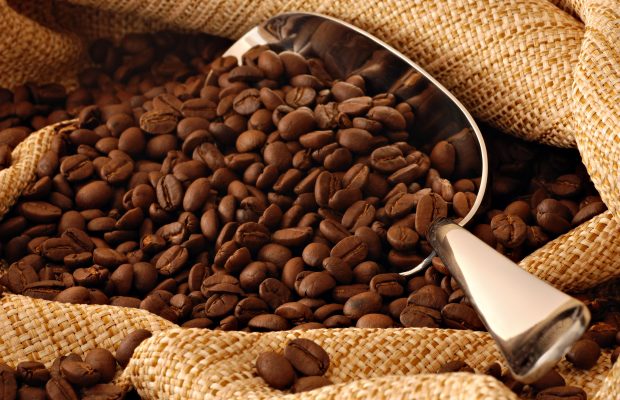
    Vietnam’s coffee scene is brewing up some interesting developments! Although there was a slight dip in volume, with a 0.6% year-on-year decrease, the value of exports leapt by an impressive 62.3%. This surge was largely driven by a significant rise in average prices, which soared by 63.2% to reach $5,709 per ton, according to the latest customs data.

    Steaming Exports in May

    In May alone, Vietnamese coffee exports reached nearly 149,000 tons valued at $860 million. This marks a robust increase of 60.5% in volume and nearly 2.2 times more in value compared to the same month last year.

    Interestingly, the European Union continues to be the primary consumer of Vietnamese coffee, importing over 367,000 tons worth approximately $2 billion. This reflects a 10.2% rise in volume and a staggering 81.9% increase in value. Meanwhile, shipments to the United States also demonstrated impressive growth, climbing 6.3% in volume to 54,310 tons and skyrocketing 72.4% in value to $299 million.

    Emerging markets are also getting a taste of this coffee boom, with shipments to Algeria doubling and exports to Mexico and South Africa soaring by 39 and 17 times, respectively. Who knew coffee could create such a buzz?

    Challenges on the Horizon

    Despite these encouraging numbers, Vietnam’s coffee exports are not without hurdles. Global uncertainties and a downward trend in prices loom as potential challenges ahead. Analysts caution that coffee prices are likely to drop due to increased supply from major producers. By June 11, Robusta futures in London closed at $4,409 per ton, reflecting a 15.6% decline from the previous month, while Arabica on the New York exchange saw an 8.4% drop.

    Domestically, coffee prices in the Central Highlands have dipped to their lowest levels since November, now hovering around VND112,000 (approximately US$4.3) per kilogram—a 12% decrease. The price drop coincides with the new harvest seasons in Brazil and Indonesia, with Brazil’s coffee production anticipated to rise by 0.5% to 65 million bags for the 2025-26 harvest. Simultaneously, Vietnam’s output is projected to increase by 6.9% to 31 million bags, as per the U.S. Department of Agriculture.

    However, there’s a silver lining: the Import-Export Department under Vietnam’s Ministry of Industry and Trade remains optimistic about the coffee export outlook, estimating total annual exports could hit $7 billion—a significant leap from $5.4 billion in 2024.

    Questions & Answers

    What drove the recent spike in the value of Vietnamese coffee exports?
    The sharp increase in average prices, which rose by 63.2% to $5,709 per ton, contributed significantly to the surge in export value, despite a slight drop in volume.

    Which markets are leading in Vietnamese coffee imports?
    The European Union remains the largest market, with imports exceeding 367,000 tons, while there’s also notable growth in the U.S. and emerging markets like Algeria, Mexico, and South Africa.

    What are the potential risks facing Vietnam’s coffee exports?
    Key challenges include global price declines due to increased supply from major producers and uncertainties in global policies affecting market dynamics.

  • US Implements Anti-Dumping Duties Targeting Vietnamese Shrimp Exporters Amid Trade Tensions

    US Implements Anti-Dumping Duties Targeting Vietnamese Shrimp Exporters Amid Trade Tensions

    In a recent decision that has sent ripples through the seafood industry, the U.S. Department of Commerce (DOC) released its 19th administrative review of frozen warmwater shrimp imports from Vietnam. This review, covering shipments between February 1, 2023, and January 31, 2024, has raised eyebrows among exporters, revealing surprising outcomes that are reshaping trade dynamics.

    Unexpected Outcomes for Vietnamese Shrimp Exporters

    The Vietnam Association of Seafood Exporters and Producers (VASEP) announced that the DOC found Thong Thuan Co.—including its Cam Ranh branch—has not sold shrimp below fair value, resulting in a commendable zero dumping margin for the company. However, the situation turned grim for STAPIMEX, which was slapped with a staggering preliminary dumping rate of 35.29%. This hefty rate was also assigned to 22 other companies with separate rate status that were not selected as mandatory respondents, diverging from the customary practice of using a weighted average of the mandatory respondents’ rates.

    VASEP and the affected companies expressed astonishment and concern over the unexpectedly high preliminary rate. “In the 19 years that Vietnam has participated in the administrative reviews of the anti-dumping case, no company has ever been subjected to a double-digit preliminary duty,” the association stated in frustration. This sentiment is compounded by memories of the 12th review, when a preliminary rate of 25.76% assigned to FIMEX was later revised to a mere 4.58% due to calculation errors.

    The possibility of miscalculations looms large as VASEP and the affected enterprises call for a review of the current findings. Confident in its meticulous accounting records, STAPIMEX plans to submit supplementary evidence in a bid to sway the outcome. Both VASEP and the company remain optimistic that the final ruling, expected in December 2025, will accurately reflect the true state of Vietnamese shrimp exports, reaffirming their position against any claims of dumping.

    Though these preliminary results are not final, they have already cast a shadow over U.S. importers, disrupted trade plans, and shaken the confidence of Vietnamese shrimp farmers. This unsettling development emerges amidst the U.S. administration’s broader strategy of imposing high reciprocal tariff policies on Vietnam and other nations, presenting yet another hurdle for the industry.

    VASEP has urged the DOC to meticulously review and reconsider its preliminary calculations, highlighting the necessity for fairness, consistency with previous reviews, and protection of Vietnamese seafood exporters’ interests to ensure stable trade relations between the two countries.

    Vietnam ranks as the fourth-largest supplier of frozen shrimp to the U.S., trailing only India, Ecuador, and Indonesia, with an impressive $691 million in export value last year. As the shrimp saga unfolds, one can only wonder what other surprises lie ahead for this vibrant industry.

    Questions & Answers

    What was the DOC’s preliminary finding regarding Thong Thuan Co.? The DOC determined that Thong Thuan Co. did not sell shrimp below fair value, resulting in a zero dumping margin for the company.

    Why are VASEP and companies concerned about the high dumping rate assigned to STAPIMEX? The 35.29% preliminary dumping rate is unprecedented; VASEP noted that no company has ever faced a double-digit rate in the 19 years of reviews, raising concerns about potential miscalculations.

    What impact could these preliminary findings have on the shrimp industry? The preliminary findings have already unsettled U.S. importers, disrupted trade plans, and shaken the confidence of Vietnamese shrimp farmers, complicating an already challenging trade environment.

  • Fruit Export Crisis: Major Markets Tighten Import Rules, Causing Significant Decline

    Fruit Export Crisis: Major Markets Tighten Import Rules, Causing Significant Decline

    Overall shipments of fruits and nuts have taken a significant hit, plummeting by 23% to a staggering US$1 billion, as exports of six out of the eight leading fruits face stark declines. Among the most affected is the beloved durian, which, following a surge last year, experienced a dramatic 61% drop in exports, falling to $183 million.

    Fruit Exports Dwindle

    The news gets even juicier; watermelon exports have dropped by 52% to $33 million, while jackfruit has seen a 20% decline, now at $98 million. Even bananas and dragon fruit shipments reflected slight decreases. The Fruits and Vegetables Association attributes this downturn largely to the tightening of import standards in key markets such as China, South Korea, the Netherlands, and Thailand.

    China, which is Vietnam’s largest buyer of agricultural goods, has ramped up its quarantine and inspection protocols. Durian has suffered greatly under these new regulations, with Chinese authorities now inspecting every shipment for cadmium residues and other potentially harmful substances. This has led to rising costs for exporters and lengthened customs clearance times, leaving many businesses reluctant to enter new contracts with buyers.

    Jackfruit, heavily dependent on the Chinese market, is experiencing similar issues, as stricter controls on chemicals push firms to limit purchases from farmers, focusing primarily on domestic consumption. Dragon fruit exports have also been hindered as China moves toward self-sufficiency, sourcing from Vietnam mainly during its off-season.

    Stinging Price Drops

    This slump in exports has hit domestic fruit prices hard. Off-season durian now averages VND40,000–80,000 per kilogram, which is a steep decline from the previous year. Jackfruit prices have hit rock bottom, plummeting to historic lows of VND4,000–10,000. These steep declines have placed many farmers in key growing regions in a precarious position, struggling to recover their costs—especially those who expanded their cultivation heedlessly.

    In a recent meeting, Minister of Agriculture and Environment Do Duc Duy underscored the urgent need for action, stating, “We must review cultivation areas to avoid uncontrolled expansion and misuse of forest land while tightening planning to ensure safe production and ecological protection.” The ministry aims to bolster the legal framework surrounding agricultural exports by tightening regulations on farms, packing facilities, and testing laboratories.

    The focus will be on standardizing technical processes from production to export, promoting deep processing to enhance value, and reducing reliance on fresh fruit exports. Businesses are also encouraged to diversify their markets in order to mitigate risks stemming from policy changes by major importing countries.

    It’s a challenging time for Vietnam’s fruit industry, but isn’t it also a reminder that the world of agriculture is as unpredictable as a fruit fly in a locker room?

    Questions & Answers

    What caused the sharp decline in fruit exports?
    The primary reason for the fall is the tightening of import regulations in major markets like China, which has intensified quarantine and inspection standards.

    How have these changes affected farmers?
    Many farmers are struggling to cover their costs due to plummeting prices. Those who expanded their production without planning are feeling particularly vulnerable.

    What actions are being taken to address these challenges?
    The Ministry of Agriculture plans to review cultivation areas, tighten regulations on agricultural exports, and encourage businesses to diversify their markets for greater stability.

  • Vietnam speeds up efforts to overcome durian export challenges amid China’s stricter quality controls.

    Vietnam speeds up efforts to overcome durian export challenges amid China’s stricter quality controls.

    Vietnam’s durian exporters are currently facing a tough dilemma as they navigate the aftermath of a tremendous growth spurt. With China tightening its quality control measures and facing stiff competition from Thailand, the Philippines, and local Chinese production, the landscape is shifting dramatically. Now, preserving market share and ensuring sustainable growth have become critical imperatives for the industry.

    In a staggering indication of this trend, Vietnam’s durian exports plunged to a mere $130 million in the first four months of 2025, marking a 74% drop compared to the same period last year. China, being the world’s largest durian market, has significantly reduced its imports, creating a ripple effect throughout the industry.

    Nguyen Van Thanh, a trader hailing from the Mekong Delta—an area known for its substantial durian output—noted that this year’s fruits have largely failed to meet China’s stringent inspection criteria. The situation has fueled calls for better compliance and management within the sector.

    General Secretary of the Vietnam Fruit and Vegetable Association, Dang Phuc Nguyen, emphasized the need for establishing new testing labs to satisfy Chinese safety standards, following a successful model observed in Thailand. These facilities would enable local farmers to conduct necessary tests and obtain vital certifications. He stressed that certified orchards would gain priority among traders and businesses, with products undergoing further testing at labs accredited by China.

    To enhance the reputation of Vietnamese produce, Nguyen urged for penalties against fraudulent practices, stating, “Effective control at source will facilitate smoother negotiations with and customs clearance in China.”

    Explaining the complications further, Henry Bui, General Director of the China-approved Hoan Vu Inspection Center, revealed that cadmium found in durians often originates from fertilizers. However, he warned that sample testing isn’t a panacea for contamination; proper oversight of illegal fertilizers is crucial. If soils are significantly compromised, remediation efforts are essential.

    Meanwhile, authorities from the Department of Crop Production and Plant Protection are not sitting idle. They have joined forces with local governments to research and implement solutions. Short-term measures include soil remediation techniques to lower cadmium absorption, using lime to adjust soil pH, and introducing cadmium-absorbing crops as temporary biological solutions. Farmers are also being encouraged to cultivate high-biomass, short-cycle crops, restoring soil health and limiting cultivation during critical periods.

    Long-term strategies focus on the careful application of fertilizers, combined with improved education to ensure farmers utilize the right types and amounts, thereby reducing the buildup of harmful substances. Nguyen Dang Nghia, the former director of the Soils and Fertilizers Institute, is already testing cycle-specific remedial treatments for contaminated soils across different localities in the Mekong Delta.

    Bui also flagged potential hazards from auramine O, an industrial dye used to enhance fruit appearance. While it may not affect the flesh of the fruit, it can contaminate entire storage facilities if not managed correctly. Should it be detected, thorough disinfecting—or in extreme cases, even complete rebuilding of packing spaces—would be necessary.

    “If businesses and testing centers collaborate effectively with farmers, the durian industry can maneuver through these formidable challenges,” Bui posited with hope.

    Looking ahead, Ha Phuc Mich, chairman of the Vietnam Organic Agriculture Association, believes there’s much to learn from Thailand’s systematic approach—encompassing everything from planting zones to soil testing and legal frameworks. “It’s a lesson Vietnam must embrace immediately—not just for durians, but for other vital crops as well. We must address the root causes rather than rely on temporary fixes,” he advised.

    Questions & Answers

    What challenges are Vietnamese durian exporters facing?
    They are dealing with stringent quality checks from China and fierce competition from Thailand and local Chinese production, leading to a steep decline in exports.

    Why did Vietnam’s durian exports drop so significantly?
    In the first four months of 2025, durian exports fell by 74% to $130 million as China, the largest durian market globally, reduced its imports.

    What measures are being taken to improve the situation?
    Authorities are focused on developing new testing labs and implementing soil remediation strategies, while farmers are encouraged to use proper fertilizers and grow specific crops that help restore soil health.

  • Coffee Exports Surge to $4.2 Billion in Just Five Months!

    Coffee Exports Surge to $4.2 Billion in Just Five Months!

    Vietnam’s coffee exports have made a remarkable leap this year, with the country shipping over 736,000 tons valued at an impressive US$4.2 billion from January to mid-May, as reported by the Department of Customs. While this marks a 5.5% decline in volume year-on-year, the surge in value—up by 56%—can be attributed to rising average prices.

    Domestic Prices Face a Dip

    In an unexpected turn, coffee prices in Vietnam’s Central Highlands experienced a noticeable decline over the weekend, dropping between VND2,500 and VND3,300 (about 9.6 to 13 US cents) per kilogram. As a result, prices now sit at VND122,500 (US$4.82) per kilogram in key provinces like Dak Nong, Dak Lak, and Gia Lai, with Lam Dong posting slightly lower figures at VND122,000.

    Experts in agriculture are looking ahead, predicting that domestic prices may continue their downward trend, potentially settling around VND120,000 per kilogram. This forecast is influenced by a cooling in global market dynamics, as concerns about weather disruptions and trade tensions appear to be subsiding.

    To offset recent market fluctuations, the industry is investing heavily in cultivation and replanting initiatives. This is expected to enhance supply in the near future, bringing fresh optimism to farmers.

    With coffee being such a beloved beverage, will we soon see a “roasted revival” in prices, or is the market on a steady decline? Only time will tell, but one thing’s for sure: coffee lovers and producers alike are watching closely.

    Questions & Answers

    What was the total value of Vietnam’s coffee exports from January to mid-May this year?
    The total value reached US$4.2 billion, despite a decrease in export volume.

    What has caused the recent decline in domestic coffee prices?
    A combination of easing global market conditions and the expectation of increased supply is leading to lower domestic prices.

    What future trends are anticipated for coffee prices in Vietnam?
    Experts predict that prices may drop further to around VND120,000 per kilogram as the market adjusts to better supply conditions.

  • Malaysia Anticipates 20% Surge in Durian Exports to China, Led by Musang King

    Malaysia Anticipates 20% Surge in Durian Exports to China, Led by Musang King

    As consumer demand for premium durian varieties surges in China, Malaysia projects a significant increase in its durian exports this year. Loh Wee Keng, chairman of the Malaysia Chamber of Commerce and Industry in China, shared insights on the growing market, setting the stage for brand expansion amidst shifting global consumer trends.

    Strong Demand for Premium Varieties
    The allure of Malaysia’s premium durian varieties, particularly Musang King and D24, continues to captivate Chinese consumers. Loh noted that despite recent heavy rains in Malaysia leading to some premature fruit drop, he anticipates total export volumes to rise by 15% to 20% compared to last year. “Even with challenges, we see robust growth ahead,” he remarked in an interview with state-owned news outlet Bernama.

    Market Pricing Dynamics
    In terms of market pricing, Grade A Musang King currently commands $7.12 per kilogram at Malaysian farms—a price that can more than double during off-seasons, enhancing its appeal as a luxury fruit. Last year alone, China imported $212 million worth of durians from Malaysia, marking a strong foothold since the two nations signed a special protocol on durian imports in 2022.

    Navigating Competition
    While Thailand remains the historical leader in durian exports to China, Loh clarified that Malaysia is not in a race to surpass its neighbor. “We are not competing on the same playing field,” he emphasized, highlighting the fundamental differences in pricing and quality between Thai Monthong durian and the more premium Musang King.

    Maintaining Authenticity and Consumer Education
    A critical focus of Malaysia’s export strategy involves preserving the authenticity of the Musang King brand. Loh expressed concern over practices where traders mislabel lower-grade durians as Musang King to maximize profits. Educating Chinese consumers about the distinctions between these varieties is essential to maintaining the brand’s integrity.

    Challenges in Cultivation Abroad
    Loh also addressed the initiatives to cultivate Musang King on China’s Hainan Island, which, despite initial excitement, have not met Malaysian standards. “The taste and quality remain unmatchable due to differences in soil and climate,” he added, reinforcing that Hainan-grown durians cannot replicate the original Malaysian experience.

    Conclusion
    The projected growth in Malaysian durian exports highlights the evolving consumer trends within the premium fruit market, particularly among Chinese buyers. As Malaysia seeks to solidify its position, the focus on brand authenticity and consumer education may reshape the dynamics of the retail sector.

    Questions & Answers

    1. What growth rate is expected for Malaysian durian exports this year? Loh Wee Keng anticipates a 15% to 20% increase in overall export volume compared to last year.
    2. How does the Musang King durian compare to Thai varieties like Monthong? Musang King is a premium variety with higher prices and quality, while Thai Monthong durians are generally lower in price and quality.
    3. What measures are being taken to preserve the authenticity of Musang King durians? Educating consumers about the differences between Musang King and other durian varieties is crucial to maintaining brand integrity and preventing mislabeling.