Retail News CRM

Tag: export

  • Vietnamese rice exporter rejects ‘price inflation’ allegation amid corruption scam in Indonesia

    Vietnamese rice exporter rejects ‘price inflation’ allegation amid corruption scam in Indonesia

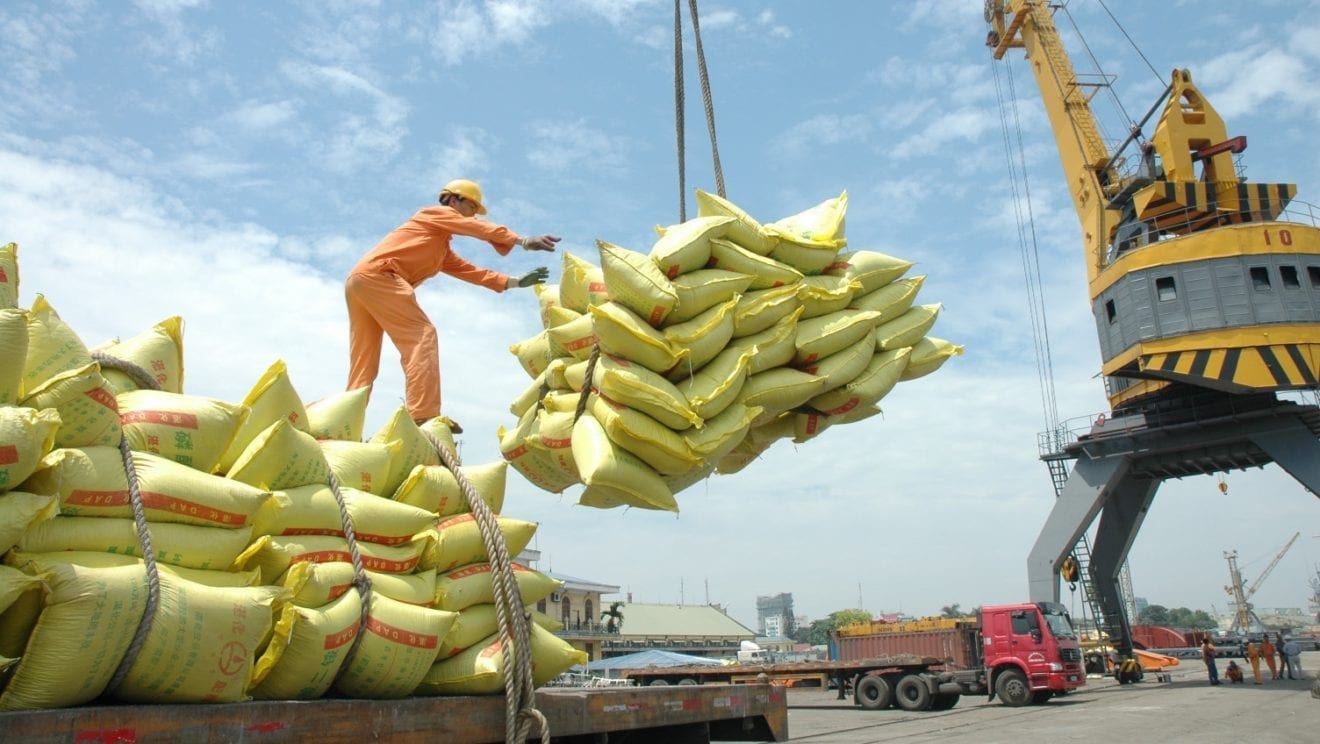
    Vietnamese exporter Tan Long Group has refuted an allegation by an Indonesian civil society organization that it sold rice to that country at much higher than market prices.

    According to the Vietnam Trade Office in Indonesia, the People’s Democracy Study (SDR) recently complained to an Indonesian corruption watchdog that the government bought Vietnamese rice at “inflated prices,” which indicates corruption.

    The National Logistics Agency (Bulog) and National Food Agency are the two government entities accused of wrongdoing.

    Tan Long Group allegedly sold 100,000 tons of rice to Indonesia in May at US$538 per ton, 18% higher than market rates, according to SDR.

    SDR claimed that since Indonesia imported 2.2 million tons of rice in the first five months of this year – from various sources — the estimated loss to the country was around $180.4 million.

    Tan Long Group has rejected the allegation, with a spokesperson telling VnExpress that it has never won any bid to sell directly to Bulog.

    It did win a bid in January to export to Indonesia through a partnership with South Korean company Posco, but the price was $620 and the delivery took place in April, not May, the spokesperson added.

    Another Vietnamese rice exporter, Loc Troi Group, also rejected the allegations.

    Loc Troi won a bid in May to sell 100,000 tons to Bulog, but at $563 per ton, which was below the market rate at the time, it said.

    Exports to Indonesia remain unaffected by the allegations, it added.

    But the Vietnam Trade Office in Indonesia has warned that the allegation could affect Vietnam’s rice exports to Indonesia in the second half of the year.

    If Indonesian authorities decide to start an investigation, they would stop importing from Vietnam for some time, it added.

    Vietnamese customs data shows $444 million worth of rice has been exported to Indonesia this year, up 82.1% year-on-year.

    In volume terms, it was up 44.6% to 712,400 tons.

    Indonesia accounted for 15.4% of Vietnam’s exports, and was the second biggest buyer behind the Philippines.

    Indonesia expects to import 5.18 million tons this year, up from an earlier forecast of 3.6 million tons.

  • Durian exports soar by 74%

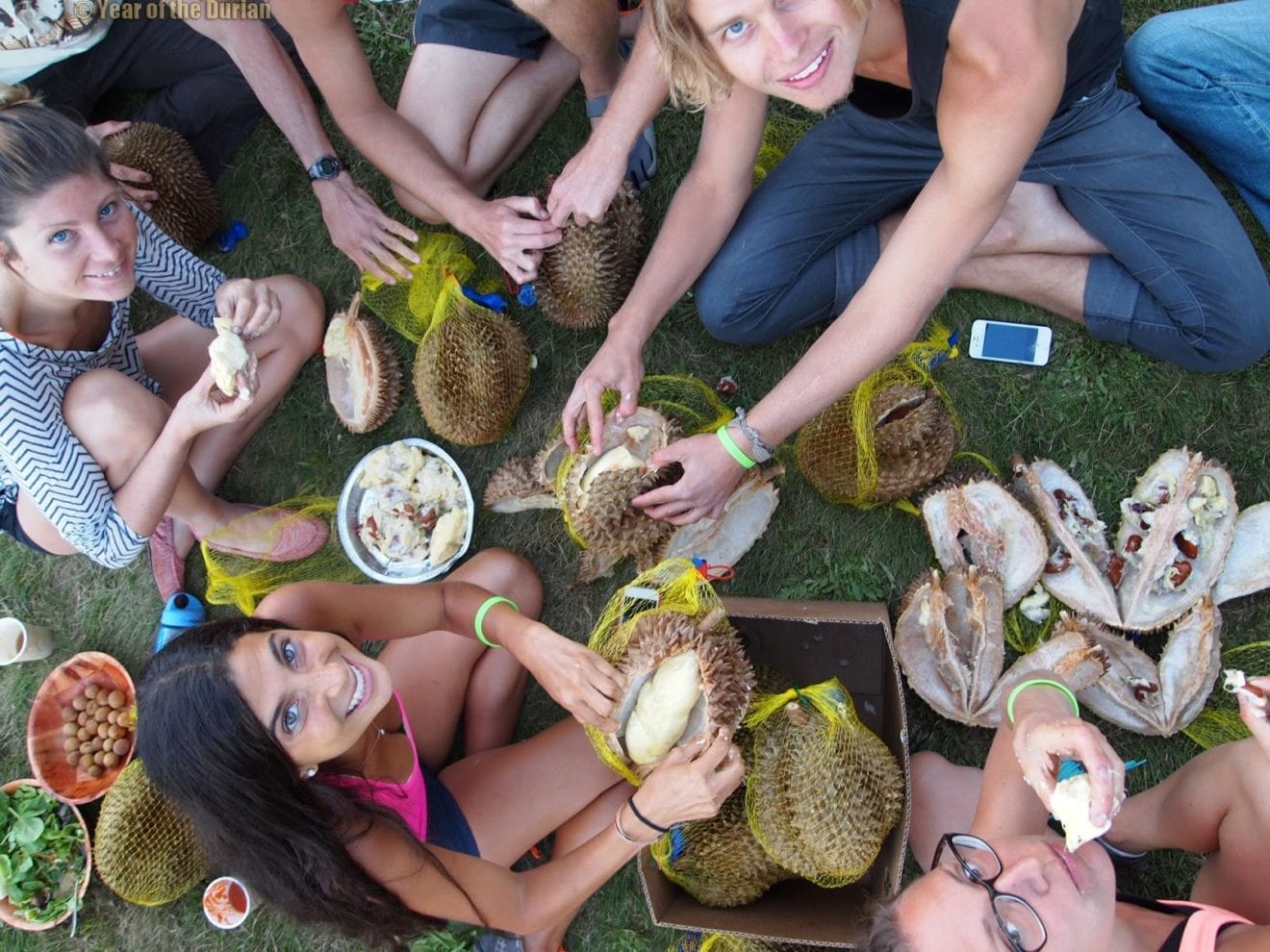
    Durian exports soar by 74%

    According to customs data, Vietnam exported US$919 million worth of durian in the first five months, up 74% year-on-year.

    This made durian its top fruit export at 3.5 times that of dragon fruit in second place.

    Exports of the odoriferous fruit were worth $450 million in May alone, more than double the previous month’s value and an 34% higher than a year ago, the General Department of Customs reported.

    They were estimated at $600 million in June, according to Dang Phuc Nguyen, general secretary of the Vietnam Fruit and Vegetable Association (Vinafruit).

    China has been Vietnam’s largest durian importer this year, he said.

    Vietnam harvests the fruit all year long, helping it avoid direct competition with durian from Thailand as the latter’s harvest is seasonal, he said.

    Being closer to China it also has lower transportation costs and faster shipping times.

    But some of its shipments have recently been flagged in China for containing banned substances, damaging the reputation of Vietnamese durian, Nguyen said.

    He underlined the need to strengthen quality control at both orchards and packaging facilities to ensure no contaminated fruit is shipped.

    In the first five months of 2024 Vietnam exported over $2.65 billion worth of fruits and vegetables, up 30.9% from the same period last year.

  • Philippines lowers rice import tax to 15%

    Philippines lowers rice import tax to 15%

    The Philippines, one of the world’s largest rice buyers, has announced a reduction in rice import taxes from 35% to 15%, effective from early this August through 2028.

    This can be seen as the latest action by the Philippine government to tackle inflation, especially increasing rice prices in the market so far this year.

    In the first quarter of 2024, the Philippines’ economy was relatively stable, except for the price increase of some essential consumer goods, particularly rice, which saw an increase of about 24.4%. The rice prices account for approximately 9% of the Consumer Price Index (CPI) of the Southeast Asian country.

    According to the Vietnam Trade Office in the Philippines, Vietnam’s largest buyer to date, accounting for over 80% of the total rice imported into the Philippine market.

    As of May 23, Vietnam exported 1.44 million tons of rice to the Philippines, accounting for 72.9% of the country’s total grain imports. The Philippines’ reduction of the rice import tax is said to increase opportunities for Vietnamese rice in the market.

    Latest data from the Department of Agriculture’s Bureau of Plant Industry, the Philippines’ total rice imports rose by 20.3% to 1.97 million tons in the reviewed period. The country’s total rice imports are estimated to reach about 4 million tonnes in 2024.

  • Food exports beginning to recover

    Food exports beginning to recover

    Food exporters are seeing a recovery in orders though admittedly they have yet to climb back to the levels of past years.

    “We have gotten orders worth tens of millions of dollars so far this year,” Le Thi Giau, chairwoman of instant noodle exporter Binh Tay Food, said at a trade promotion forum earlier this month in HCMC.

    Minh Phu Seafood reported a 30% increase year-on-year in processed seafood exports in the first quarter, having received more orders from the U.S. and EU after a two-year slump in demand.

    It hopes to boost revenues by 50% this year.

    Ly Kim Chi, chairwoman of the HCMC Food and Foodstuff Association, said exports of food products have increased by over 30% this year.

    Businesses have received enough orders to maintain steady production though volumes remain lower than in previous years, and need to expand to new markets and get more customers, she said.

    According to the Vietnam Association of Seafood Exporters and Producers, Vietnam’s seafood exports were worth nearly US$2 billion in the first quarter, up 8% year over Year.

    The figure is set to grow in the coming months as businesses get more orders, the association said.

    Chi said though exports have improved, firms are not making much profits due to high costs.

    “We have to keep prices steady to achieve sales, but both local and imported inputs have become more expensive, eating away at profits.”

    Vietnam’s export competitiveness has taken a hit due to high transportation costs caused by geopolitical conflicts, she added.

    Maritime research consultancy Drewry’s World Container Index, which provides a weekly assessment of container freight rates on 11 major trade routes, was at $2,795 per 40-foot container last week, up 64% year-on-year.

    In the long term food exporters would also face challenges in complying with increasingly strict sustainability regulations in large markets like Europe, experts said.

    The regulations require businesses to meet standards regarding energy and water consumption, greenhouse gas emissions and other environmental and social indicators.

    Nguyen Thi Thanh Phuong, environmental services manager at food testing laboratory Eurofins Sac Ky Hai Dang, said meeting these requirements helps businesses access foreign capital and expand into new markets.

  • Rice exports rise 42%

    Rice exports rise 42%

    Vietnam exported 2.1 million tons of rice in the first three months, worth $1.4 billion in total, up 42% year-on-year in value.

    According to the Ministry of Agriculture and Rural Development, main buyers such as the Philippines, Indonesia, China, Ghana, Malaysia, and Singapore all posted growth.

    The Philippines and Indonesia, however, are making efforts to increase production to reduce their dependence on Vietnamese rice.

    African countries, which have long been a buyer of Vietnamese rice, are now also being supported by other countries to grow their own rice.

    The ministry therefore urged rice exporters to diversify their markets and increase their product quality to make Vietnamese rice more competitive.

    Vietnam’s 5% broken rice export price is now at $576 per ton, down 12% from the beginning of the year and lower than competitors in Thailand and Pakistan.

    Vietnam, which ranks third globally in rice exports, aims to ship $5 billion worth of rice this year, up from a record $4.7 billion last year.

  • Fruit, vegetable exports rise 38%

    Fruit, vegetable exports rise 38%

    Vietnam’s fruit and vegetable exports surged 38% to about $749.7 million in the first two months and is expected to peak at nearly US$7 billion this year.

    Durian alone would will bring in $3.5 billion after the Vietnamese Ministry of Agriculture and Rural Development and the General Administration of Customs of China signed a protocol on phytosanitary requirements for the Vietnamese fruit exported to the neighboring country last year, said Dang Phuc Nguyen, General Secretary of the Vietnam Fruit and Vegetable Association.

    Although shipments to Europe and the U.S. are forecast to be hindered by the Red Sea tension in the time ahead, exports to China will be boosted, driven by durian, dragon fruit, jackfruit, banana, and mango, he added.

    Deputy Minister of Agriculture and Rural Development Phung Duc Tien said four more Vietnamese products will be shipped to China via the official channel in the time ahead, comprising medicinal herb, coconut, frozen fruit, and watermelon, thus contributing greatly to Vietnam’s agricultural export revenue.

    According to statistics from the General Department of Customs, Vietnam’s fruit and vegetable export turnover hit an estimated $5.6 billion last year, up 66% year-on-year. Surpassing dragon fruit, durian recorded the highest export value.

    The largest importers of Vietnamese fruits and vegetables included China, the U.S., the Republic of Korea, Japan, Thailand, the Netherlands, Australia, the United Arab Emirates, and Russia.

    China remained the biggest buyer, with the import turnover reaching $3.7 billion in the year, up nearly 250% in value and 65% in market share compared to 2022.

  • Opportunity for Vietnam as Indonesia to import 1.6M tons more rice

    Opportunity for Vietnam as Indonesia to import 1.6M tons more rice

    Indonesia plans to increase rice imports by 1.6 million tons this year, giving Vietnamese exporters a big opportunity, the Vietnam Trade Office in that country said.

    The import licenses for the additional quota would be issued soon by its Ministry of Trade once legal procedures are completed, it said.
    It will increase the country’s rice imports to 3.6 million tons this year.

    Vietnamese exporters could capitalize on this opportunity, but would have to compete on price with many other countries, according to the head of a government agency in Dong Thap Province, one of the largest rice producers in the Mekong Delta.

    According to the official, Vietnam has advantages in terms of delivery times and quality, but its prices are high.

    “If businesses offer competitive prices, the chances of winning bids will be better.”

    The trade office advised businesses to push exports in the early months of the year since Indonesia’s main rice harvest has been delayed by two to three months due to a water shortage caused by the El Nino phenomenon.

    Indonesia imported 441,930 tons of rice in January, an 82% increase year-on-year, including 32,340 tons from Vietnam.

    Thailand accounted for 129,780 tons.

    Last month seven Vietnamese companies won a bid to export 300,000 tons of rice to Indonesia.

    Last year Indonesia was the second largest importer of Vietnamese rice, buying over 1.1 million tons or nearly nine times the volume it had imported in 2022.

  • Vietnam’s coffee export value doubles in January

    Vietnam’s coffee export value doubles in January

    Vietnam shipped 230,000 tonnes of coffee abroad in January, earning $623 million, up 61.6% in volume and 100.3% in value year-on-year, according to the Ministry of Agriculture and Rural Development.

    In the last days of the Year of the Cat, the average coffee price in the Central Highland provinces continued to increase compared to the previous week. Coffee is being purchased at prices ranging from VND78,200 – 79,400 ($3.2-3.25) per kg in some localities. With the current upward trend, domestic coffee prices are likely to exceed VND80,000 per kg soon.

    A surge in domestic coffee prices was attributed to the fact that traders actively purchased coffee before the Lunar New Year (Tet) holiday while exporters were afraid of supply shortages like last year so they tended to buy more.

    The coffee output of the 2023-2034 crop in Dak Lak province is forecast to reach 580,000 tonnes, thus the coffee export volume is estimated at 330,000 tonnes. If prices stay as high as they are now and fluctuate slightly in the near future, the province’s coffee export turnover could hit $900 million.

    Lam Dong province has about 175,700 ha of coffee and the output for 2023-2024 crop is expected to hit 535,000 tonnes.

    In 2023, Vietnam exported over 1.6 million tonnes, down 8.7% in quantity but up 4.6% in value compared to last year, reaching a record turnover of $4.24 billion.

    According to the Vietnam Coffee-Cocoa Association (Vicofa), Vietnam’s coffee production in the 2023-2024 crop will be 1.6-1.7 million tonnes, lower than 1.78 million tonnes in 2022-2023.

  • Vietnam wins bid to export 300,000 tons of rice to Indonesia

    Vietnam wins bid to export 300,000 tons of rice to Indonesia

    Seven Vietnamese firms have won a bid to export 300,000 tons of rice to Indonesia, or more than half the volume that country’s plans to import in January.

    Their lowest quote was US$648 per ton, including transportation costs.

    Earlier this year Indonesia said it wanted to import 500,000 tons of rice in January to increase its food reserves.

    Last year it imported more than one million tons of Vietnamese rice, making it the second biggest customer.

    According to the Vietnam Food Association and the Thai Rice Exporters Association, the current export prices of standard 5% broken rice are $656 per ton in Thailand, $642 in Vietnam and $638 in Pakistan.

    Last year Vietnam exported eight million tons of rice to rank third in the world after India and Thailand.

  • Fruit, vegetable exports rise by 89%

    Fruit, vegetable exports rise by 89%

    According to the Vietnam Fruit and Vegetable Association, fruit and vegetable exports have risen by 89.2% this year to US$459 million due to a surge in demand from China.

    China has imported large volumes of durian, bananas and dragon fruit.

    Cold snaps in many places in that country have limited domestic banana supply since the fruit turns black when the temperature drops.

    China harvested dragon fruit in abundance last year, but the season is over, and Vietnam is able to export the fruit from January to May.

    Chinese use dragon fruit as an item of worship during the Lunar New Year, and so demand for imports from Vietnamese has skyrocketed.

    During President Xi Jinping’s recent visit to Vietnam, the Chinese side said it would open its market to many Vietnamese agricultural products, including fresh coconuts, frozen fruit products, citrus fruits, avocados, custard apples, and water apples.

    The two sides also signed a protocol for watermelon export.

    In addition to China, the U.S., the EU and some Asian countries are also set to open their doors to more Vietnamese fruits.

    The U.S. and Australia plan to import passion fruit, Japan, South Korea, Australia, and India want to buy grapefruit with India also eyeing durian imports.

  • Rice exports reach record high

    Rice exports reach record high

    Vietnam’s rice exports soared to 8.13 million tons, valued at US$4.7 billion in 2023, setting a new national record, as per the General Department of Customs.

    This marked a 14.4% increase in volume and a 35.3% rise in value from the previous year, despite challenges from the El Nino weather pattern.

    The export surge is partly attributed to India’s export ban on non-basmati white rice, which has affected global rice trade.

    India, a major player in the global rice market, contributes 40% to the worldwide rice trade. Its largest buyers include Iran, Saudi Arabia, and China.

    In 2023, several countries increased their rice imports from Vietnam as the global supply dwindled. A rice export business director from Dong Thap Province said some countries that typically imported little rice from Vietnam began placing substantial orders.

    The ongoing Indian export ban has left many countries seeking reliable rice sources, creating an optimistic outlook for Vietnam’s rice exports in 2024.

    In 2023, the Philippines was the largest importer of Vietnamese rice, purchasing 3.1 million tons, followed by Indonesia, China, and Ghana. Vietnam now is the world’s fifth-largest rice producer and third-largest exporter.

  • Rice exports expected to hit $5B this year

    Rice exports expected to hit $5B this year

    In 2023, the rice farming area nationwide is 7.1 million ha with productivity estimated at 6.08 tonnes of unmilled rice per ha and total output at 43.1 million tonnes, up about 420,000 tonnes from last year.

    Some 7.75 million tonnes of milled rice was exported during the first 11 months of this year to bring home an estimated $4.41 billion in revenue, rising 16.2% and 36.3% year on year, respectively. Export prices averaged $568 per tonne, up 17.3%, according to the Department of Quality, Processing and Market Development under the Ministry of Agriculture and Rural Development (MARD).

    The export volume has been kept at around 6 million tonnes and increased over years, with annual value continually topping $3 billion, statistics show.

    At a workshop held in the Mekong Delta province of Hau Giang on Dec. 13, MARD Deputy Minister Tran Thanh Nam said the rice sector plays a crucial role in the agriculture of Vietnam and many other countries in the region and the world.

    Domestic and international rice markets will remain vibrant in the time ahead due to big import demand from China, Indonesia, the Philippines, the Middle East, and Africa, he forecast.

  • Rice export prices soar to new record

    Rice export prices soar to new record

    Vietnam rice export prices have reached a new peak of US$663 per ton, the highest price in the world right now, amid rising global demand.

    On Monday prices rose 2% in a single day to $663. Rice from Vietnam’s competitor Thailand has also risen 8% in the last four weeks to $625 while Pakistan’s prices have risen 9% to $600.

    Traders say that rising global demand and declining supply in Vietnam are the reasons for the price hike.

    Dinh Ngoc Tam, deputy CEO of rice exporter Co May, said that India, which used to account for 40% of the global rice market, has not shown any sign of lifting its non-basmati white rice export ban since July.

    Concerns of trade restrictions and the impact of El Nino weather have prompted countries to increase their purchase to pump up reserves, which has sent export prices skyward.

    Up to 90% of Vietnam’s rice varieties are high quality and the country has enough for both domestic needs and exports. It can ship up to 8 million tons globally this year, according to Deputy of Ministry of Agriculture and Rural Development Phung Duc Tien.

    In the first 11 months, Vietnam exported 7.75 million tons worth a total of $4.4 billion, up 36% in value. Many buyers from the Philippines, Indonesia and China are competing to buy the rice.

  • Vietnam’s coconut export to reach $1B in 2025

    Vietnam’s coconut export to reach $1B in 2025

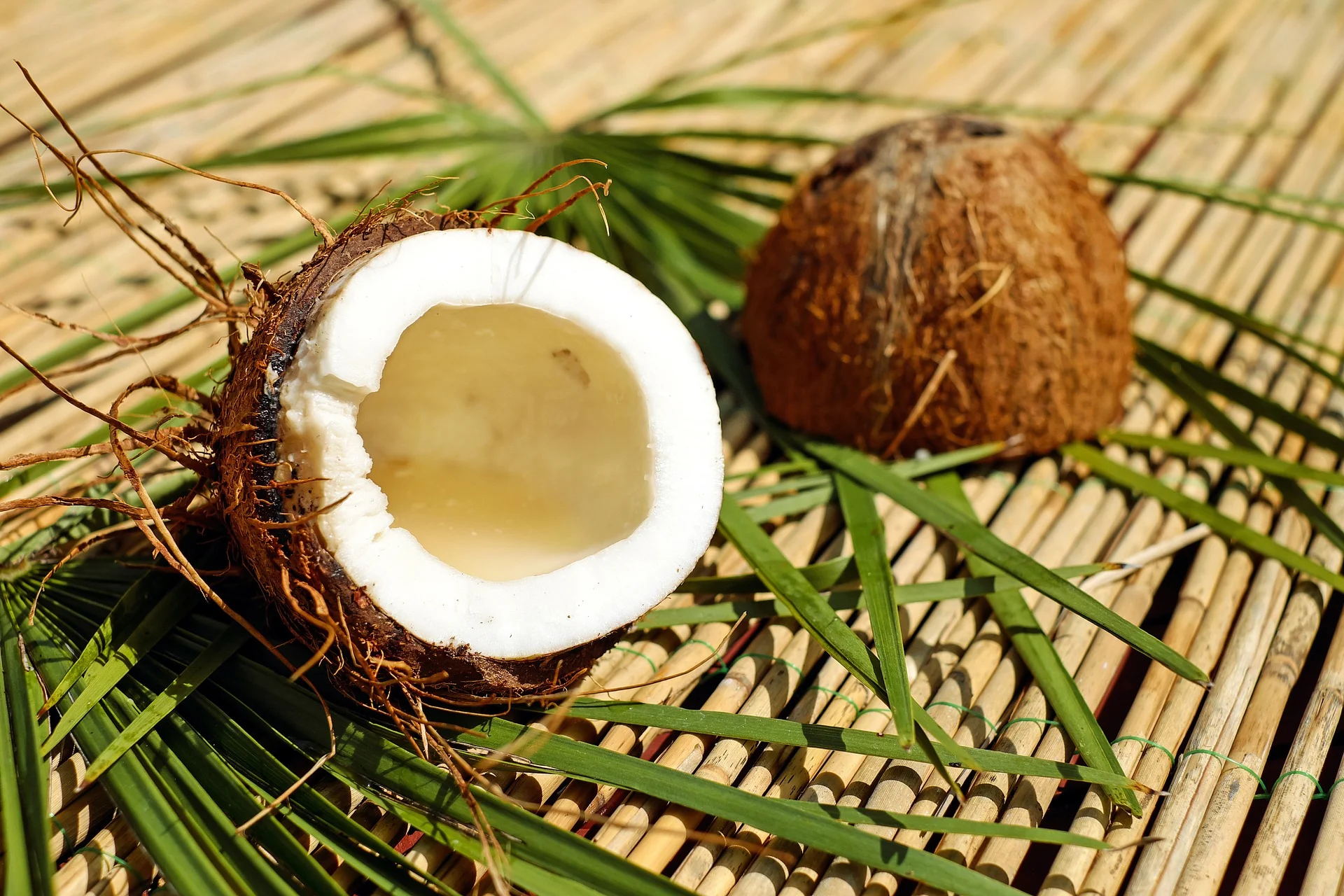
    Vietnam’s coconut export is expected to reach US$1 billion in 2025 after the U.S. and China agree to allow Vietnamese coconuts to enter the two markets, according to the Vietnam Coconut Association.

    As the U.S. is about to open the market for Vietnamese coconuts and China allows official coconut import, local businesses are trying to develop raw material areas, apply for growing areas codes, and register to build organic material zones to meet the needs of the world market.

    At the end of 2022, coconut export turnover was over $700 million. But based on the momentum of the U.S. and China agreeing to import Vietnamese coconuts, around the end of 2024 and early 2025, coconut export turnover will be up to $1 billion.

    In 2021, the fruit was listed as one of Vietnam’s key industrial crops.

    About 20 large enterprises in the country have exported coconuts to the world. Up to 35 countries and territories are Vietnam’s importers.

  • Prices of Vietnam’s exported rice highest in the world

    Prices of Vietnam’s exported rice highest in the world

    Prices of Vietnam’s exported rice are still the highest in the world, with that of 5% broken rice reaching 638 USD per tonne, and 25% broken rice $623 per tonne, according to the Vietnam Food Associaion.

    Meanwhile, Thailand’s 5% broken rice is sold at $628 per tonne, and that of Pakistan at 598 USD a tonne.

    In the Mekong Delta – the largest rice granary of Vietnam, the price of paddy rice remains at an unprecedented high level in many localities, helping farmers achieve good profits.

    In July, the United Nations Food and Agriculture Organisation (FAO)’s rice price index rose to its highest level in nearly 12 years. The move was due to a spike in prices in key rice exporting countries after India imposed export restrictions.

    Recently, the Vietnamese Ministry of Industry and Trade announced the list of 210 businesses that are eligible to export rice.

    According to the ministry, in the first seven months of this year, Vietnam exported 4.83 million tonnes of rice. The country plans to export about 2.67 million tonnes in the remaining five months of the year.