Retail News CRM

Tag: export

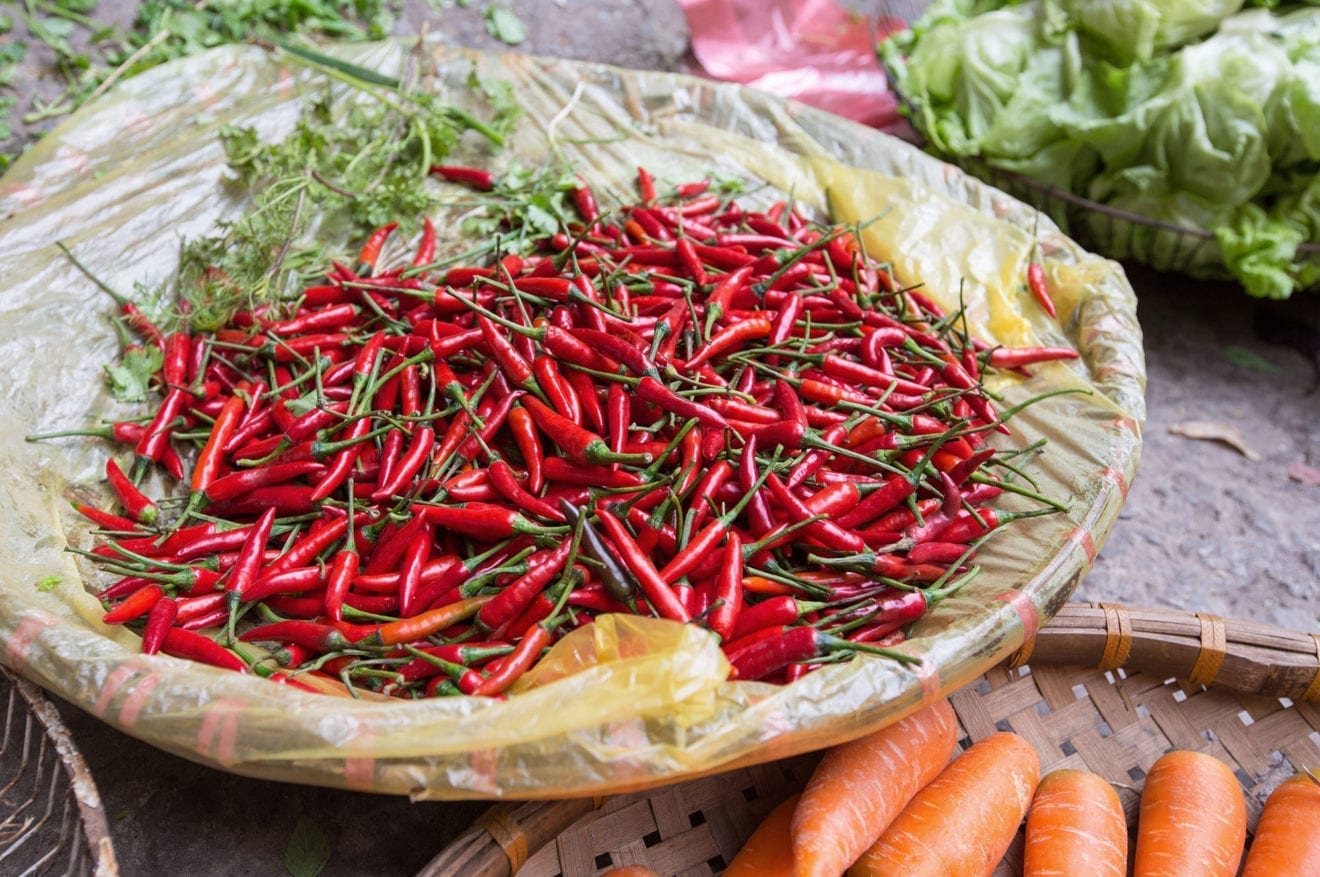
  • Pepper exports rise in volume

    Pepper exports rise in volume

    Vietnam exported 153,000 tons of pepper worth US$483 million in the first half of this year, up 24% in volume but down 13.7% in value year-on-year.

    According to the General Department of Vietnam Customs, the average price stood at $3,184 per ton, a decrease of 29.7% from a year earlier, due to weaker global demand.

    Pepper exports to the U.S., UAE, India, Germany, the Netherlands, the U.K., and South Korea declined by 20-70%.

    China and the U.S.were Vietnam’s biggest markets, accounting for 35% and 16% of its exports.

    According to the Vietnam Pepper Association, China has large inventories of pepper and so will import less in the second half of this year. It had imported 46,169 tons in the first five months of the year.

    Other major importers like the U.S. and the European Union will also import less pepper due to their economic situation and high inventories.

    The price of black pepper in Vietnam is currently VND67,000-69,000 ($2.8-2.9) per kilogram, down VND3,000-5,000 from a year ago, and that of white pepper is VND103,000, down VND6,000.

  • Export of fruits, vegetables spike in H1

    Export of fruits, vegetables spike in H1

    The export of rice, fruit and vegetables to China and other markets posted surges of 34.7% and 64.2%, respectively in the first half, according to the Ministry of Agriculture and Rural Development.

    Director of the ministry’s Agro-Forestry-Fisheries Quality Assurance Department Nguyen Nhu Tiep predicted export growth of fruit and vegetables to be maintained in the second half if exporters pay attention to quality, design, packaging and origin tracing to meet market demand.

    He said the ministry will sign a Memorandum of Understanding on cooperation in agriculture development and trade in agro-forestry-fisheries China’s Guangxi and Yunnan provinces in September, on the occasion of the 20th China-ASEAN Expo in Guangxi.

    It will also consider working with the Vietnam Trade Office in China’s Nanning to increase farm produce consumption at the expo.

    Efforts will be made to establish the Vietnam-Guangxi association of agro-forestry-fisheries enterprises and the Vietnam-Yunnan association of agro-forestry-fisheries businesses. The ministry will also expedite technical measures to conclude soon a Protocol with the General Administration of Customs of China on food safety requirements, quarantine and inspection for aquatic products imported and exported between Vietnam and China.

    Deputy Minister of Agriculture and Rural Development Tran Thanh Nam said the ministry will focus on trade promotion and market development to boost the export of key agro-forestry and aquatic products to three major markets of China, the US and Japan.

  • Vietnam’s vegetable, fruit exports likely to hit $4B this year

    Vietnam’s vegetable, fruit exports likely to hit $4B this year

    As one of the few sectors reporting export turnover increase in the first quarter of 2023, Vietnam’s vegetable and fruit sector has a bright outlook to earn $4 billion in export revenue this year.

    Vietnam exported nearly $1 billion worth of fruits and vegetables in Q1, up 8% from a year earlier, with the Chinese market recording an impressive growth of 23%.

    Dang Phuc Nguyen, Secretary General of the Vietnam Fruit Association (Vinafruit), attributed the result to the signing of protocols on exports of durian, sweet potato and banana to China through official channels.

    The export of pomelo to the U.S., and passion fruit to New Zealand was also a driver for the overall growth of the sector.

    Durian was a big contributor to the impressive export results in the first months of this year. The export turnover of this fruit is expected to hit $1 billion, helping the sector’s total figure to $4 billion this year, up 20% year-on-year, said Nguyen.

    The implementation of free trade agreements is also an important driving force helping fruit and vegetable exports to increase sharply in the first months and make an important contribution to boosting the sector’s exports throughout the year.

    Good demand for fruit imports in China can help raise total fruit and vegetable exports in Q2 by 10% or higher, Nguyen noted, predicting that the revenue can reach about $2 billion in the first half of 2023.

    Vinafruit has proposed the Ministry of Industry and Trade (MoIT) and other ministries and agencies, especially the Vietnam Trade Office in China, study and negotiate for the signing of more protocols for several officially-exported products such as dragon fruit, mango, watermelon, jackfruit and rambutan, together with the opening of markets for other fruits such as green-skinned pomelo, fresh coconut, avocado, lemon, pineapple and star apple.

    Besides China, it is also necessary to step up trade promotion activities in other markets such as the U.S., China, the Republic of Korea and Australia, said Nguyen.

    According to the Vinafruit Secretary General, the greatest difficulty at present is that there are not many planting area and packing facility codes to meet the requirements of the Chinese market. Currently, there are only 246 planting area and nearly 100 packing facility codes granted, much lower than the respective 20,000 and 2,000 of Thailand.

    With an area of nearly 110,000 hectares, and an output of around 1 million tonnes per year, there will be a bottleneck in durian exports to China, if no more planting area code is granted this year.

    He also suggested the MoIT and other ministries and sectors to call on investment and advanced technologies for processors to improve the export value, and gain a firmer foothold in such choosy markets as the U.S. and the EU.

    Vietnam Trade Offices abroad were advised to regularly organize Vietnamese fruit festivals to introduce the fruits to people in their host countries and international visitors.

    Vietnam earned nearly $3.4 billion from vegetable and fruit exports last year.

  • Seafood exporter Minh Phu suffers $4.1M loss in Q1

    Seafood exporter Minh Phu suffers $4.1M loss in Q1

    Minh Phu Seafood, one of the country’s biggest shrimp processors, reported a loss of VND95 billion ($4.1 million) in the first quarter, ending its seven-year profitability streak.

    Its revenues fell by half year-on-year to VND2.1 trillion.

    The gross profit margin almost halved from over 11% to less than 6%, while interest on borrowings nearly tripled, contributing to the huge loss.

    In the comparable period last year it had earned profits of VND100 billion.

    For the full year it targets revenues of VND18 trillion and profits of VND1.1 trillion.

    Last year profit growth was in double digits and the highest in a decade.

    According to Agribank Securities JSC, the results of shrimp export companies, including Minh Phu, are bleak because demand in key markets such as the U.S. and EU was weak during the quarter.

  • Five motorbikes sold in Vietnam every minute

    Five motorbikes sold in Vietnam every minute

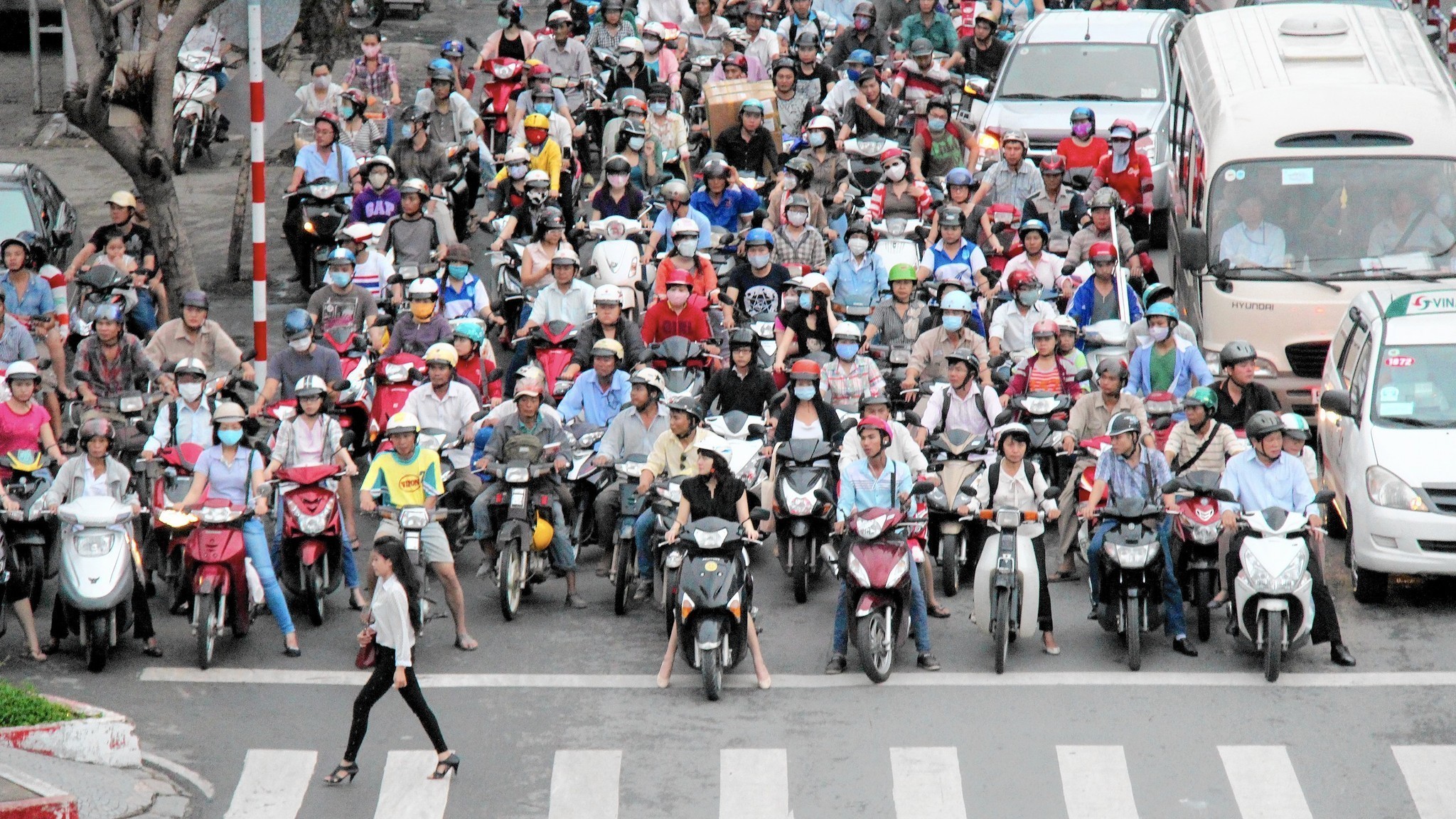
    Over 634,000 motorbikes were sold in Vietnam in the first three months, translating to almost five units every minute.

    The figure dropped by nearly 16% year-on-year, according to the Vietnam Association of Motorcycle Manufacturers, which comprises Honda, Yamaha, Piaggio, Suzuki and SYM.

    The motorbike sales figure was 7.3 times that of cars, showing that two-wheelers remain Vietnam’s dominant means of transport.

    In ASEAN, Vietnam ranks second only to Indonesia in motorbike sales with Honda accounting for roughly 80% of the market share.

    Earlier this month Honda hiked the prices of most motorbikes following an increase in costs with the biggest increase being of VND2 million ($85).

  • Rice export prices on the rise

    Rice export prices on the rise

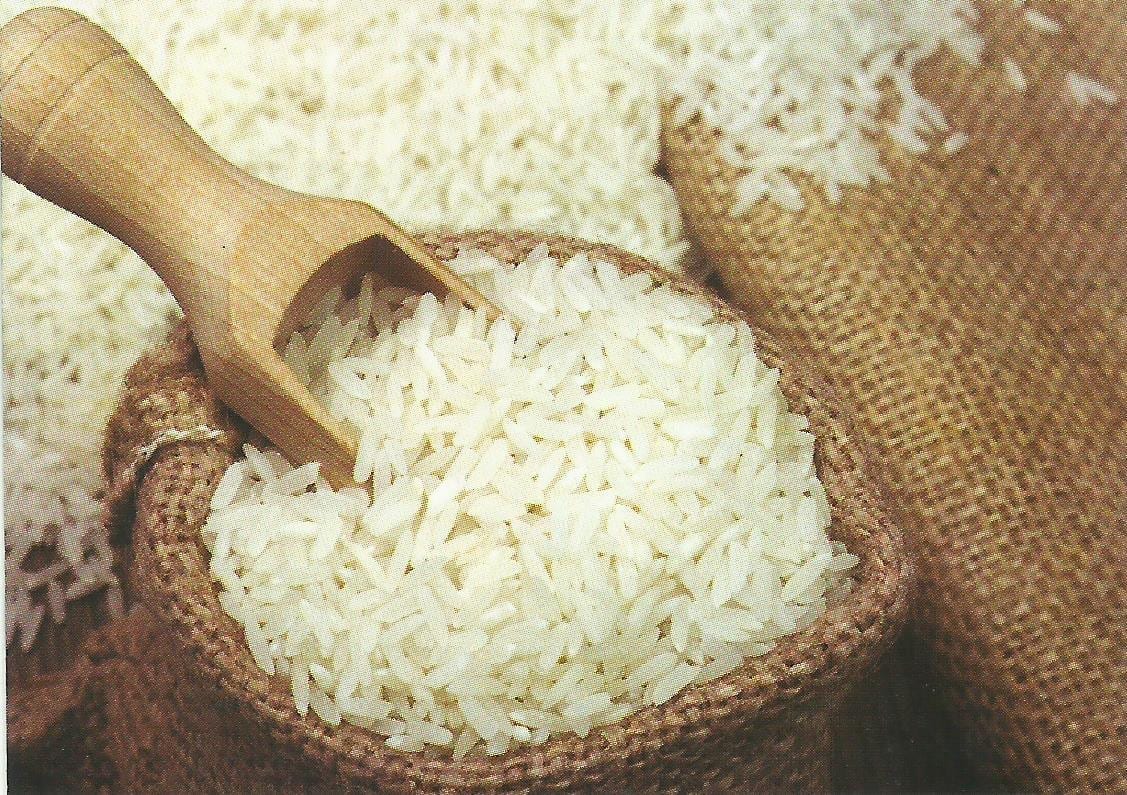
    Vietnam’s rice export prices grew 9.2% year on year to $532 per tonne in the first quarter of 2023, said the General Department of Vietnam Customs.

    The price increase was attributed to a surge in the proportion of high-quality rice such as fragrant, glutinous, and specialty rice.

    High-quality rice is accounting for 50% of the total export volume and sold at $600-1,000 per tonne at present.

    Experts predicted that favourable conditions will remain for rice export and prices will stay good in the short term as the share of high-quality rice is increasing and global economic and political uncertainties are boosting food stockpiling demand.

    Vietnam exported 1.79 million tonnes of rice, earning $952 million between January and March.

  • Tuna exports to UK triple

    Tuna exports to UK triple

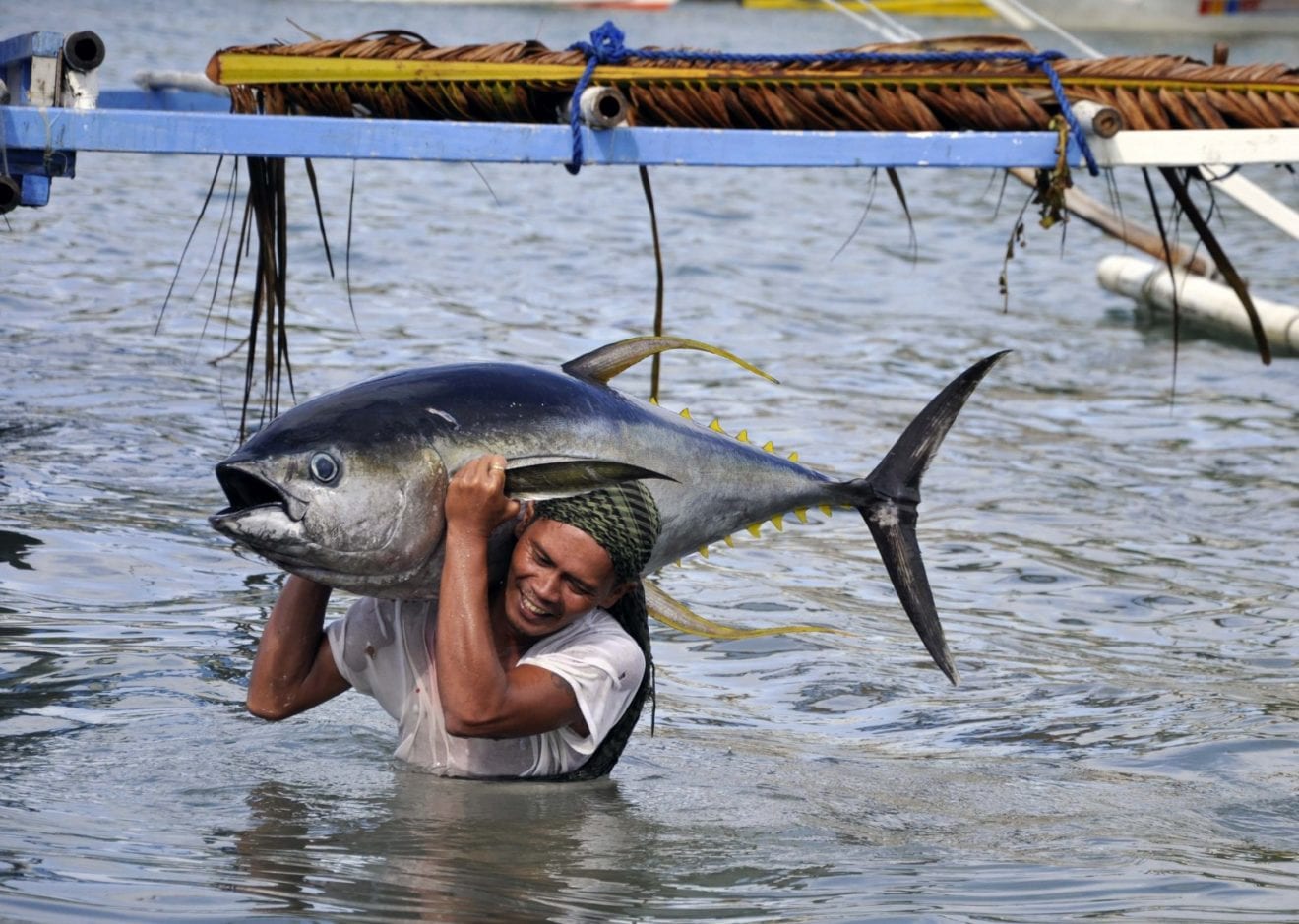
    Tuna exports to the U.K. tripled year-on-year in the first two months even as shipments to some main markets like the U.S. and E.U. plunged.

    Exports to the U.K. were worth US$1.3 million, enabled by a 13-fold rise in February, according to the Vietnam Association of Seafood Exporters and Producers (VASEP).

    Vietnam now ranks 13th out of 45 countries and territories that export tuna to that country.

    Last year its exports to the U.K. rose by 10%.

    Other markets to which Vietnam’s tuna exports grew by 32-99% in the first two months were Japan, Thailand, Germany, and Israel.

    They made up the country’s top five markets in the first two months along with the U.K.

    Vietnam’s total exports, however, dropped 30% year-on-year to $109 million in the period.

    The U.S. and the E.U. each posted a 50% decline, which VASEP attributed to rising inflation and a change in consumers’ shopping habit.

    The fact that Vietnam still has a yellow card given by the E.U. for illegal, unreported and unregulated fishing also pose challenges to exports, VASEP added.

    The association expects global demand for tuna to recover in the second half of this year.

    Vietnam has nine tuna species across its seas, with an estimated reserve of 600,000 tons. The three biggest tuna fishing localities are Binh Dinh, Phu Yen, and Khanh Hoa.

  • Vietnam exports 1.7 million tonnes of rice in Q1

    Vietnam exports 1.7 million tonnes of rice in Q1

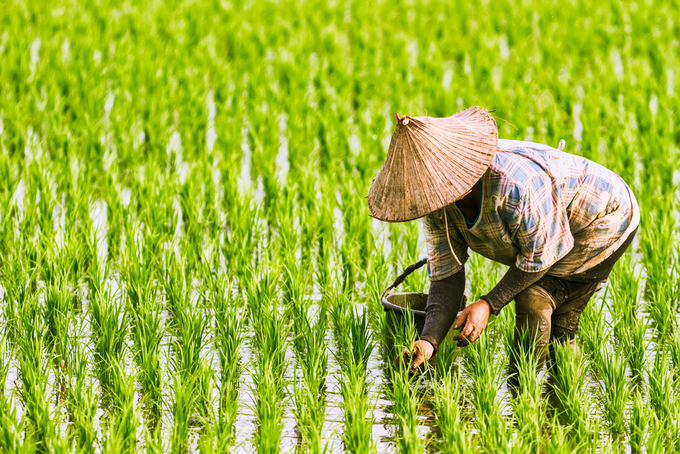
    Vietnam exported 1.7 million tonnes of rice in Q1 worth over $900 million, a 19% increase in quantity and 30% rise in value over the same period last year, according to Vietnam Customs.

    According to the Ministry of Industry and Trade (MoIT), Vietnamese rice has seen some success in improvements in quality and demand over the last several years.

    The majority of exported rice came from the Mekong Delta, with the rest of the country’s rice production centres mainly serving the domestic market.

    Le Thanh Tung, deputy head of the plant cultivation department under the Ministry of Agriculture and Rural Development (MARD), said rice production this year for the Mekong Delta alone is projected to reach 24 million tonnes. Consumption for the Delta and Ho Chi Minh City, Vietnam’s most populous city, will stay around 11 million tonnes, leaving 13 million tonnes for export.

    Of which, premium-quality rice for export accounts for 3 million tonnes, specialty rice 2.1 million tonnes and regular rice 1 million tonnes.

    Vietnamese rice will likely continue to be sought after in the second quarter of the year as demand has been on the rise in major markets including the Philippines, China and Africa, said the Vietnam Food Association (VFA).

    Nguyen Ngọc Nam, President of the VFA, said Vietnamese rice has been fetching good prices on the international market despite a gloomy outlook for the global economy as countries look to stock up on food for uncertain times ahead.

    In addition, major free trade agreements including the European Union – Vietnam Free Trade Agreement (EVFTA) have seen tariffs on Vietnamese rice reduced by as much as EUR175 per tonne, giving Vietnamese premium rice an advantage in the European markets.

    As demand soars, exporters have been trying to purchase additional amounts from farmers to maximise efficiency and profit. However, many have voiced concerns over a lack of capital.

    Phan Van Chinh, Director of MoIT’s Agency for Foreign Trade, said the ministry has been working closely with exporters to find solutions to minimising logistic costs and dealing with import/export protocols in international markets.

    On the other hand, the ministry said it is to keep a close watch on the amount of rice being exported to ensure the country’s food security.

    In an earlier development, the State Bank of Vietnam (SBV) has ordered commercial banks to review and streamline the borrowing process for rice traders to help them access additional capital sources.

  • Sanctions hit Vietnamese exports to Russia

    Sanctions hit Vietnamese exports to Russia

    Vietnam’s exports to Russia fell by nearly 60% year-on-year to US$205 million in the first two months of this year.

    Iron and steel, footwear and electronics exports almost came to a halt while those of agriculture produce like rice, vegetables and seafood fell by 20-50%, according to the Vietnam Trade Office in Russia.

    Rubber, garment and coffee were the only items whose exports increased.

    The ongoing Russia-Ukraine war is said to be the main cause as sanctions on Russia limit its trade with other countries, including Vietnam.

    Major shipping firms and airlines have stopped their Russia operations, and so Vietnamese business have trouble sending goods to the country.

    Bilateral trade fell by nearly 62% to $402 million.

    The trade office said Russian businesses are increasingly interested in establishing trade partnership with their Vietnamese counterparts, and the number of Russian companies participating in Vietnam’s fairs and exhibitions is rising.

    Many Russian retailers want to sell agricultural products, clothes and footwear from Vietnam, it added.

  • Durian prices plunge by half

    Durian prices plunge by half

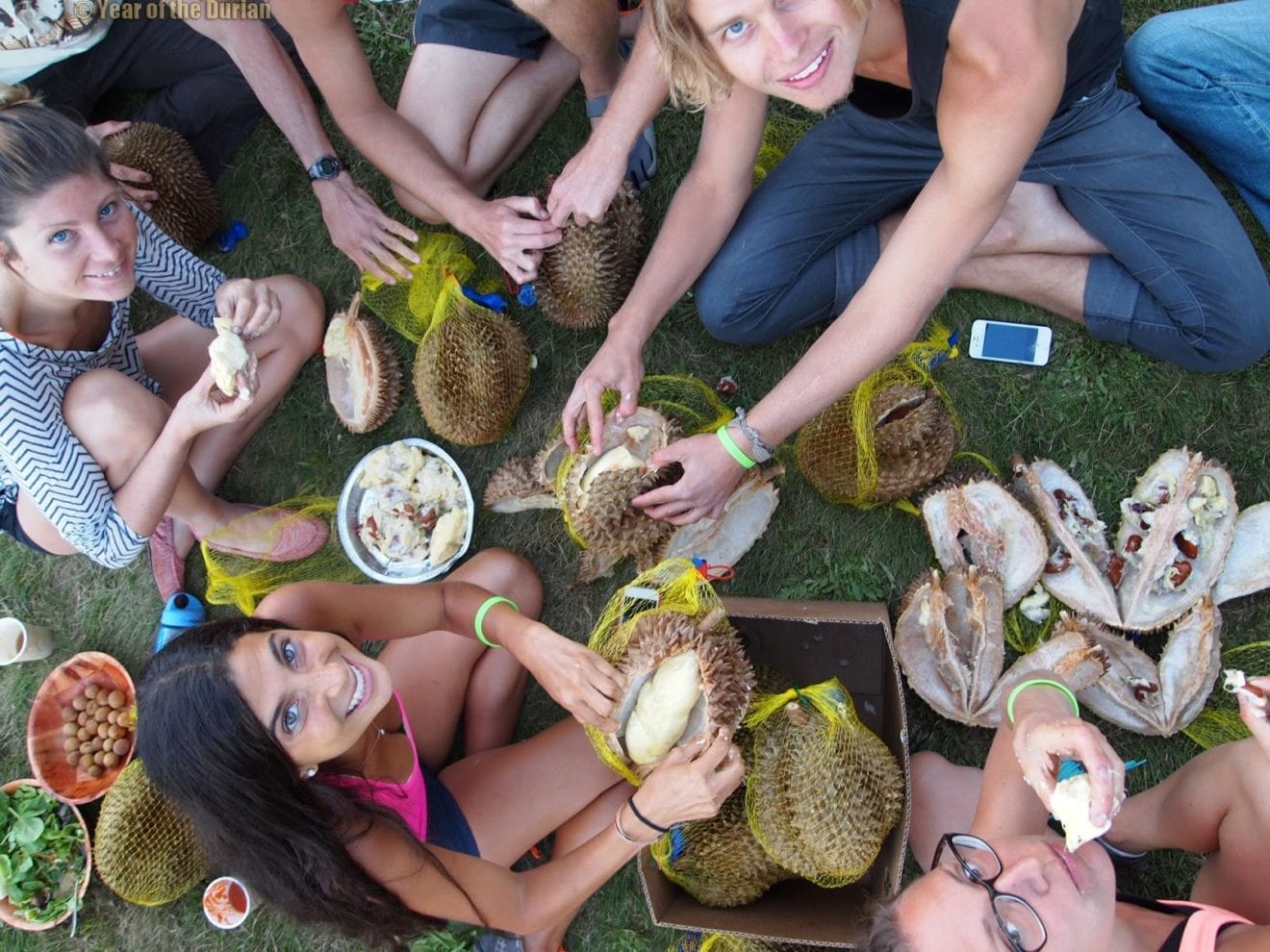
    Durian prices have plunged by half in nearly two months as harvest season approaches and supply is abundant.

    Farmers in the southern provinces of Tien Giang, Long An, Binh Phuoc, and Dong Thap sell their Ri6 durian for VND75,000-VND85,000 per kilogram ($3.19-$3.62), down from VND190,000 in earlier February.

    Lanh, a farmer in Tien Giang, said he sold seven tons of durian for VND75,000.

    “I sold quickly due to a fear of a steeper plunge,” Lanh said.

    In Can Tho City, Hanh is selling the lower quality durian for VND45,000 per kilogram, down by half from last month.

    Prices are set to fall further as harvest season in Binh Phuoc and Dong Nai provinces approaches, she added.

    Van Hoa Investment and Development, which buys durian from farmers for export, is offering VND95,000 per kilogram for the highest quality and VND75,000 for the medium segment. The company buys 20-30 tons a day from suppliers.

    Traders say that the increase in supply as the harvest season approaches has pulled down durian prices. Furthermore, other fruits, such as rambutan and plums, will be harvested soon, which will make durian less attractive.

    Prices could fall even further in May when durian farms in the central highlands begin to harvest.

    Vietnamese durian will also have to face competition in the summer with durian from Thailand and the Philippines.

    Vietnam’s durian farming area reached 110,000 hectares by the end of last year after the country was allowed to export the fruit officially to China. This exceeded the government’s plan by nearly 47%.

    In the first two months this year some farmers in the southern and central highlands regions even chopped down coffee, pepper and rice to grow durian as prices surged.

    China is also growing its own durian to meet domestic needs. The country has 93.3 hectares of the fruit on Hainan Island.

    The Laos government has agreed to set aside 30,000 hectares of agriculture land to grow durian specifically for the Chinese market. This is equivalent to around 27% of Vietnam’s durian farming area.

    The Philippines, which earlier this year received permits from China for fresh durian exports, plans to send 54,000 tons of the fruit to the market of 1.4 billion people this year.

    The Vietnamese Ministry of Agriculture and Rural Development has advised farmers to stop switching en masse to durian farming to prevent an oversupply.

  • Fruit, vegetable exports rise 17.8%

    Fruit, vegetable exports rise 17.8%

    Vietnam’s fruit and vegetable exports in the first two months of this year increased by 17.8% year-on-year to US$592 million.

    China accounted for 57.5% of the exports, according to the Ministry of Agriculture and Rural Development’s department of agricultural products processing and market development.

    Since early February when it reopened after Covid, China has been importing large volumes of Vietnamese agricultural products like durian, jackfruit, watermelon, and sweet potato.

    Exports to Laos have tripled.

    The U.S. and Europe have also imported large volumes of Vietnamese fruits and vegetables.

    A Tien Giang Province-based company told VnExpress that its exports of durian and pomelo to the U.S. and China have been increasing steadily this year. Freight rates have decreased to pre-Covid levels, creating favorable conditions for exporters.

    Surveys in the Mekong Delta show that the prices of durian, dragon fruit, jackfruit, and sweet potato have all doubled or tripled from 12 months ago, with the durian price surging to a record high of VND190,000 ($8) per kilogram at the farm gate.

    Last year exports were worth $3.34 billion, down 5.9% from 2021, according to the agriculture ministry.

    Vietnam imported fruits and vegetables for $289 million in the first two months of this year, a 12% increase, the department said.

  • Shrimp exports set for difficult year

    Shrimp exports set for difficult year

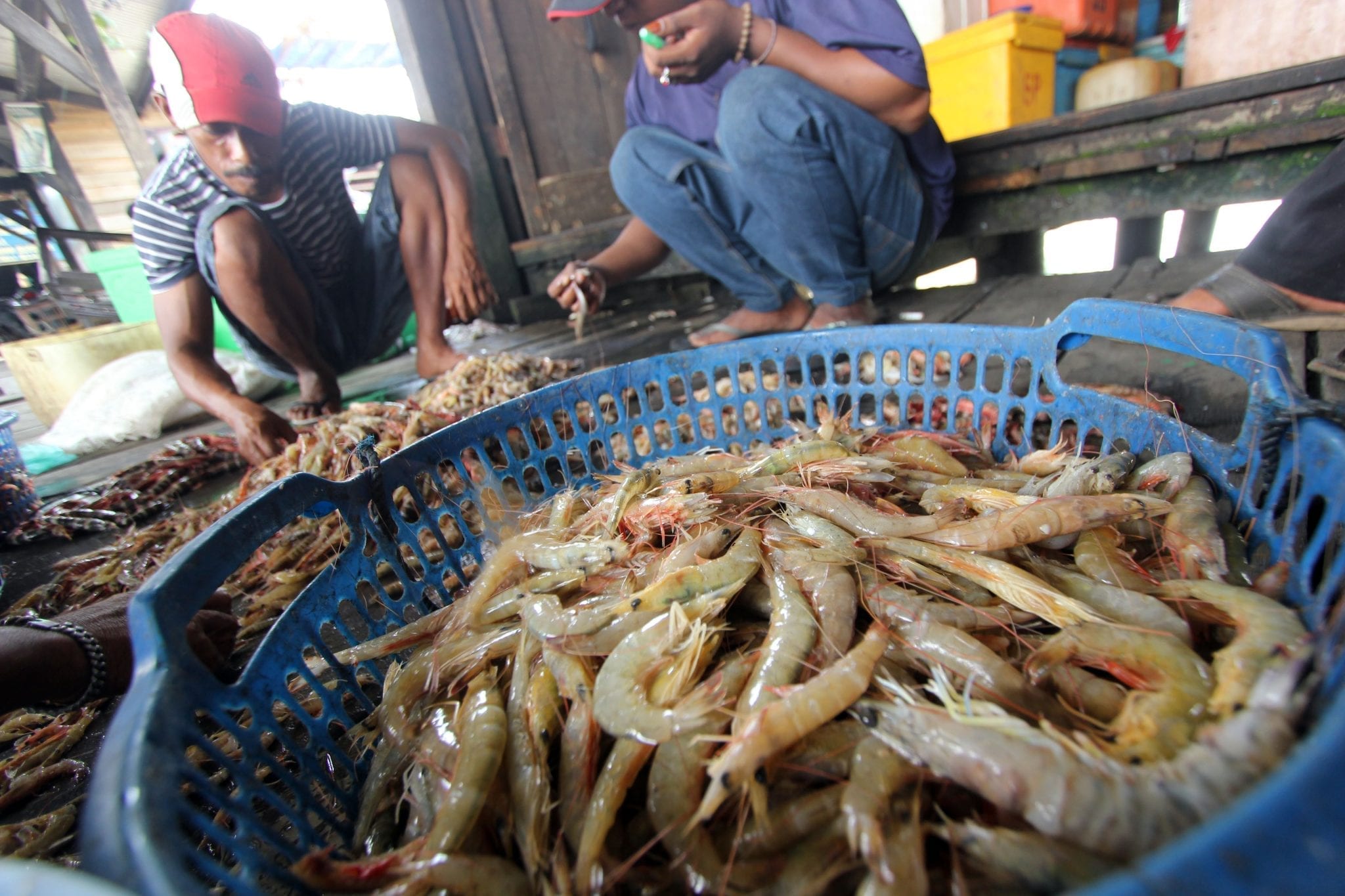
    Vietnam’s shrimp exports face challenges with prices decreasing and competition from Ecuador and India intensifying, according to the Vietnam Association of Seafood Exporters.

    Global prices have decreased since the second half of last year and are expected to fall further this year as supply rises sharply to six million tons, VASEP general secretary Truong Dinh Hoe said Friday at a shrimp industry conference.

    VASEP general secretary Truong Dinh Hoe says shrimp exporters face fierce competition from Ecuador and India this year. Photo by Anh Minh

    The U.S. has extensive shrimp inventories, and so is sure to reduce imports in the first half of this year.

    When it increases imports in the second half, it will likely opt for small shrimp from Ecuador because of its abundant supply and geographical proximity.

    Vietnamese exports to European markets will be affected by the economic turmoil there.

    Le Van Quang, chairman of Minh Phu Seafood Corp., said Vietnamese shrimp costs are too high due to low aquaculture productivity, making it difficult to compete with Ecuador and India.

    “Our shrimp farming success rate is less than 40%. It is over 90% in Ecuador and more than 60% in India.”

    According to the Directorate of Fisheries, the shrimp output this year is likely to be 1.08 million tons, and exports will fetch US$4.3 billion.

    But VASEP forecast exports to be worth only $4 billion out of total seafood exports of $10 billion.

    Last year shrimp exports had risen by 11% to $4.3 billion.

  • Seafood exporter Minh Phu reports surge in profits

    Seafood exporter Minh Phu reports surge in profits

    Minh Phu Seafood Corp., a leading shrimp exporter, reported consolidated after-tax profits of nearly VND840 billion (US$35.6 million) last year, up 27% from 2021 and its highest since 2015.

    Its revenues rose by 20% to VND16.43 trillion.

    According to the Vietnam Association of Seafood Exporters and Producers, shrimp exports were worth a record $4.3 billion last year after rising by 11% on high demand and high prices in the first half.

    In the second half high inflation in major economies affected demand, and exports declined.

    In 2022 shrimp exports to China grew by 61%.

    Vietnam’s shrimp exports to it are expected to continue to surge this year after China’s reopening.

  • Vietnam needs to build national brands for fruits

    Vietnam needs to build national brands for fruits

    Experts said that Vietnam must develop national fruit product brands to increase added value and competitiveness in international markets.

    Although fruits bring in billions of U.S. dollars in export revenue annually, Vietnam has no well-established fruit brands.

    “When talking about apples, we think about the US,” said Nguyen Dinh Tung, Director of Vina T&T Import-Export Company. “Talking about kiwis, we think about New Zealand. Talking about melons, we think about Japan. Talking about Monthong durians, we think about Thailand. Talking about Musang King durians, we think about Malaysia… Meanwhile, where many types of fruits are grown, Vietnam has no famous fruit brands.”

    Tung said Vietnam has Ri6 durian, which could compete with durian from Thailand and Malaysia in terms of quality and is chosen by many companies as an export product.

    However, it is still falling behind in terms of brand identity and value.

    “Because there is no brand, the price of Ri6 is always about 20% lower than Monthong and much lower than Musang King,” he said.

    Le Thi Kieu Oanh, Director of Apple LLC, which exports Vietnam’s agricultural products to Japan, said Japan imported dragon fruit from Vietnam, but only 10% were sold at supermarkets under Vietnamese brand names.

    According to Ta Duc Minh, Vietnamese Trade Counselor in Japan, Vietnamese lychees are exported to many countries and have become popular with the Japanese market.

    However, Vietnamese lychees remain inferior to their Japanese counterparts in terms of economic value, even though Japan does not have a production advantage in lychees.

    Japanese lychees are grown in Miyazaki over an area of around 10,000 hectares, and Japan has built a brand for its lychees as a precious fruit. There was a time when each Japanese lychee was sold for as much as $10 each, and people still waited in line to buy them, Minh said.

    According to Tung, Vietnam must develop national fruit brands to increase their value and competitiveness in the international market.

    “We should select several types of fruits to build national brands for,” Tung said. “Like New Zealand, this country successfully built brands for kiwis, which have markets around the world with the export value of over $3 billion per year, equal to the whole fruit and vegetable export of Vietnam.”

    To build fruit brands of national pride, Tung said it was necessary to pay attention to factors including varieties associated with soil, Vietnamese culture, quality, food hygiene and safety, planting area, high yield and preservation technology.

    Tung said that grapefruit, coconut and durian were fruits with large potential for export.

    He said that to build national fruit brands, it was vital to control the granting of geographical indication certificates strictly.

    Each type of fruit is only suitable for the climate and soil of certain localities. However, many kinds of fruit, such as pomelo, dragon fruit and lychee, are grown all over the country, which can affect branding, according to Tung.

    Therefore, it is important to select products associated with local culture and history to grant and manage geographical indication certificates.

    For example, the best quality coconuts are from Ben Tre province, lychees from Bac Giang and Hai Duong, white-flesh dragon fruit from Binh Thuan and red-flesh dragon fruit from Long An. Vietnam could choose typical products of each locality and upgrade them to national brands.

    Ngo Tuong Vy, General Director of Chanh Thu Company, said that among dozens of fruits exported, Vietnam could choose from three to five fruits to focus the resource on to build brands of Vietnam’s pride.

    “It’s time for Vietnamese fruits to focus on improving quality and adding cultural and creative elements to farming methods so that products contain stories that appeal to consumers,” Minh said.

    Minh pointed out that Japan focused on the quality of some world-famous fruits of the country. Even output was controlled to maintain selling prices. For some, special farming techniques were incorporated into the story to ensure the best quality.

    Building national brands and quality management databases and traceability systems would be the focus of the Ministry of Agriculture to increase the export value, Deputy Minister Tran Thanh Nam said, adding that growth should not be based on output any longer.

    He said that the agriculture ministry must work with the Ministry of Industry and Trade to propose to the Government a program to build national brands for agricultural products.

    The branding should also be integrated with a digitalization process in traceability, field diary, fruit chain management, and registration and protection of fruit brands in foreign markets.

    Vietnam’s export of fruit and vegetables reached nearly $3.34 billion in 2022, 80% of which were fruit exports.
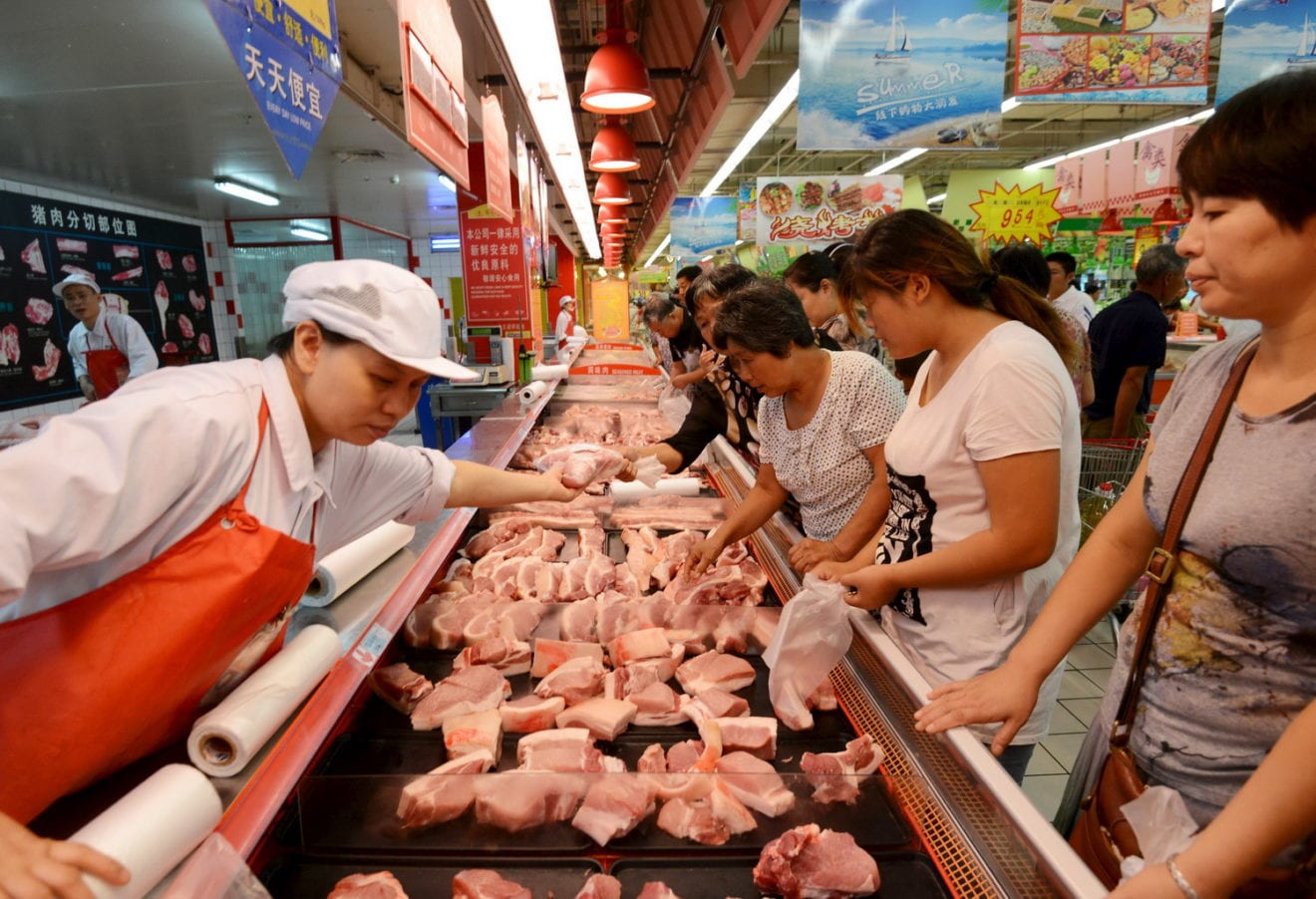
  • Pork producers struggle with losses last quarter

    Pork producers struggle with losses last quarter

    Major pork producers posted losses in the last quarter of 2022 as animal feed costs rose and consumer demand dropped as people tightened spending.

    Dabaco Vietnam, the country’s biggest husbandry firm, recorded a VND79 billion ($3.34 million) loss in the last quarter, the first quarterly loss in five years.

    BaF Vietnam saw expenses exceed revenue by VND6 billion for the first time since 2021, but thanks to selling some assets the company posted an overall profit of nearly VND7 billion.

    Masan MeatLife posted a loss of VND170 billion during the last quarter of the year, and recorded a loss of VND230 billion for the entire year, the first loss since it started releasing financial figures in 2016.

    Since the end of 2021 the company stopped producing animal feed and focused only on meat, contributing to its losses.

    Hoang Anh Gia Lai recorded VND110 billion in profit from its pork sales in the last quarter, a 36% drop from the third quarter.

    Hoa Phat Group’s agriculture and husbandry business was in the red with more than VND34 billion in losses in the last quarter.

    For the whole year, the company saw this business posting a profit of VND22 billion, its lowest profit since 2016.

    BaF said that pig diseases, disruptions in supply and rising input costs negatively impacted the company’s earnings. Dabaco added that the decline in consumer demand also contributed to the losses.

    Pork prices in December dropped 15%-20% from October to VND50,000 per kilogram as supply exceeded demand.

    Last year, pig supply rose 11% from 2021.

    Analysts of brokerage expect pork prices to rise 5% this year as demand recovers and input costs begin to stabilize globally.

    However, SSI Research forecast that pork prices are set to rise 20% to VND60,000 per kilogram this year, with the reopening of China helping to pump up demand.

    However, the strong U.S. dollar and the African swine fever will remain possible risks to the sector, they added.