Retail News CRM

Tag: export

  • Enterprises not exporting rice regularly to lose licenses

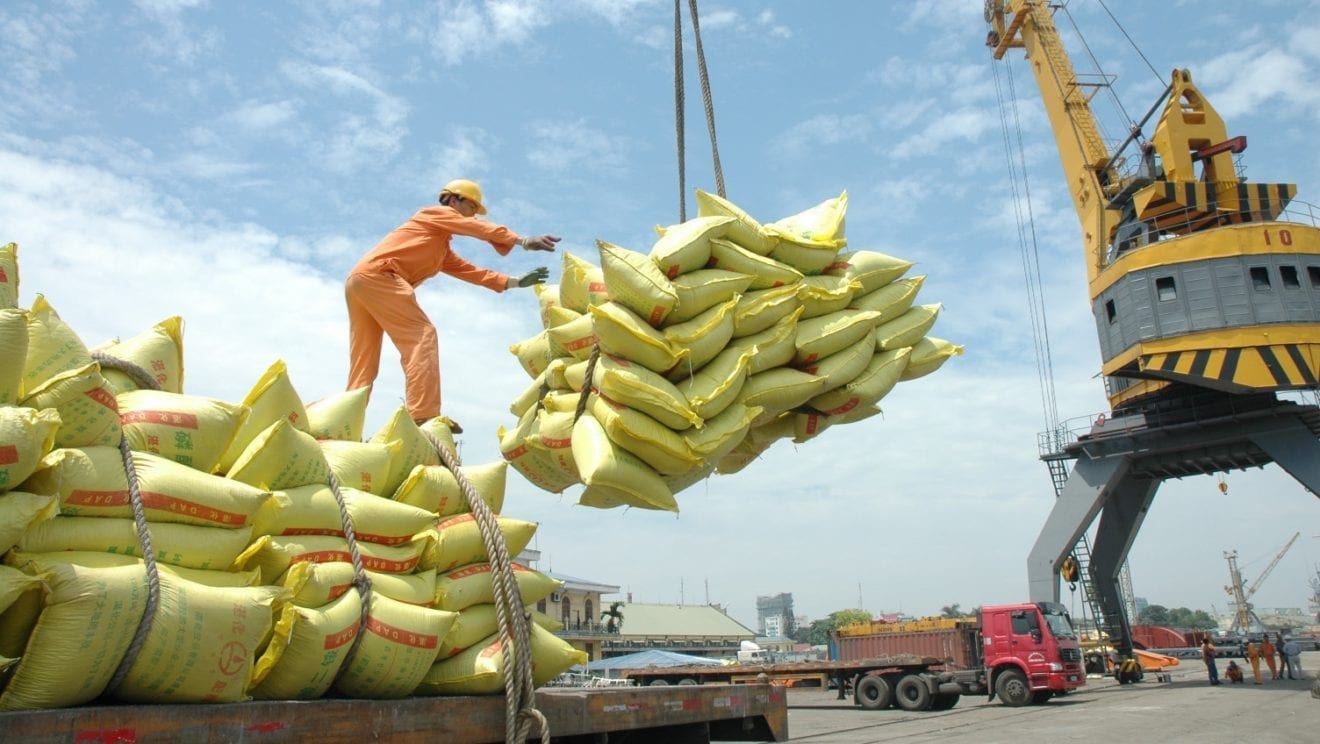
    Enterprises not exporting rice regularly to lose licenses

    Rice exporters will have their licenses canceled if they fail to ship for a long time.

    Out of 205 businesses with export licenses, 39 have not exported the grain since December 2019.

    The Ministry of Industry and Trade said: “Many traders have no rice market or capacity to export. This along with the impact of the Covid-19 pandemic means they have not been able to export rice for nearly two years.”

    Under further changes to a decree, the ministry wants local authorities which issue rice export licenses to strengthen inspection of business conditions.

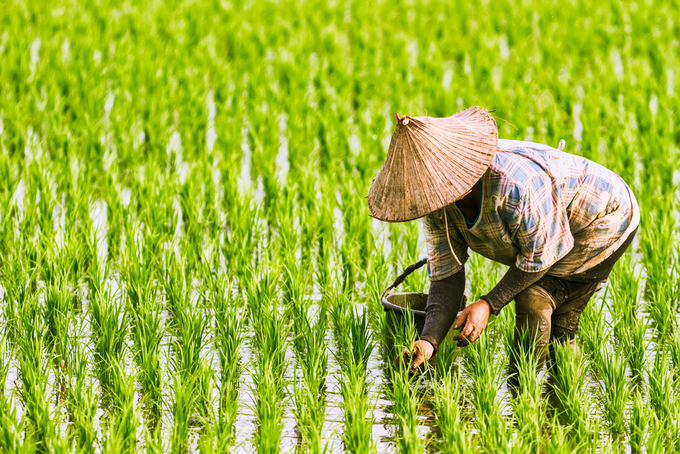
    Vietnam exported 5.7 million tons of rice worth $3 billion in the first 11 months of this year, year-on-year increases of 0.8 percent and 7.3 percent.

    The country is unlikely to achieve the export target of 6.5 million tons this year, the Vietnam Food Association said, predicting that even next year exports would only be around 6.3 million tons.

  • Pork imports nearly triple

    Pork imports nearly triple

    Frozen pork imports nearly tripled in the first 10 months of this year to 332,000 tons, according to the General Department of Vietnam Customs.

    Also imported were 350,000 pigs on the hoof from Thailand, a 50 percent increase year on year.

    Together they cost US$617 million. Its five biggest pork suppliers were Russia, Germany, Brazil, the Netherlands, and Canada.

    Vietnam also imported 50,000 tons of beef worth $220 million, half of it from Australia, the department added.

    Over 800 enterprises from 19 markets have been allowed to export pork to Vietnam, according to the Ministry of Agriculture and Rural Development.

  • Alerts on Vietnam rice exports

    Alerts on Vietnam rice exports

    Vietnam’s coffee exports in the first 11 months of this year are expected to show a 4.4 percent drop from a year earlier to 1.36 million tonnes, while rice exports will likely post a 0.8 percent increase, government data released on Monday showed.

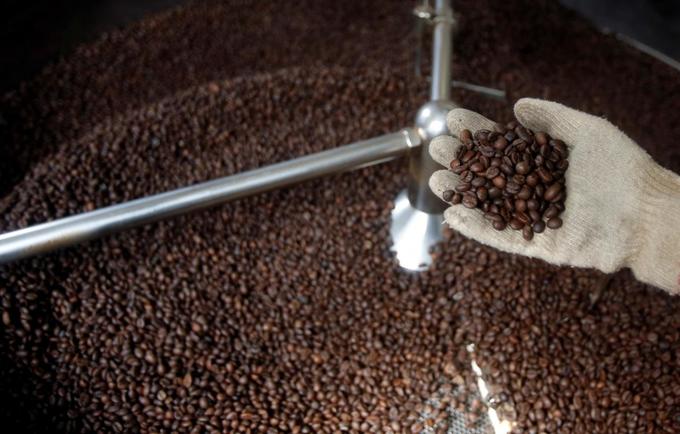
    Coffee exports are estimated to have fallen 4.4 percent in the first 11 months of this year from a year earlier to 1.36 million tonnes, equal to 22.67 million 60-kg bags, the General Statistics Office said in a report on Monday.

    Coffee export revenue for Vietnam, the world’s biggest producer of the robusta bean, will likely show a 12.6 percent increase to $2.6 billion in the 11-month period, the report said.

    The country’s coffee shipments in November are estimated at 78,000 tonnes valued at $181 million, it said.

    Rice exports in the first 11 months of this year from Vietnam were forecast to have risen 0.8 percent from a year earlier to 5.7 million tonnes.

    Revenue from rice exports in the period was expected to rise 7.3 percent to $3.04 billion.

    November rice exports from Vietnam, one of the world’s largest shippers of the grain, totaled 563,000 tonnes, worth $297 million.

    Vietnam’s Jan-Nov crude oil exports were seen falling 31.4 percent from the same period last year to an estimated 3.01 million tonnes.

    Crude oil export revenue in January to November is expected to rise 14.9 percent to $1.69 billion.

    Oil product imports in the first 11 months of the year were estimated at around nine million tonnes, down 16.6 percent from the same period last year, and the value of product imports were expected to rise 31.2 percent to $4.6 billion.

  • Cambodia’s exports to Vietnam quadruple

    Cambodia’s exports to Vietnam quadruple

    Cambodia’s exports to Vietnam nearly quadrupled to $3.7 billion in the first nine months of this year, according to statistics from the General Department of Vietnam Customs.

    Cambodia increased its exports of vegetables and fruits by 61 percent, cashew by 595 percent, soybeans by 549 percent, and rubber by 391 percent.

    Exports of wood products, fabric, scrap, and other goods grew by 5-300 percent.

    Trade between Cambodia and Vietnam increased by 90.9 percent year-on-year in the first nine months of this year to US$7.2 billion.

    According to the Cambodian Ministry of Agriculture, Forestry and Fisheries, the country exported agricultural products to 90 countries and territories though Vietnam (64.11 percent), Thailand (21.49 percent) and China (9.69 percent) accounted for most of it with all others accounting for only 4.71 percent.

  • Fruit exports to South Korea surge

    Fruit exports to South Korea surge

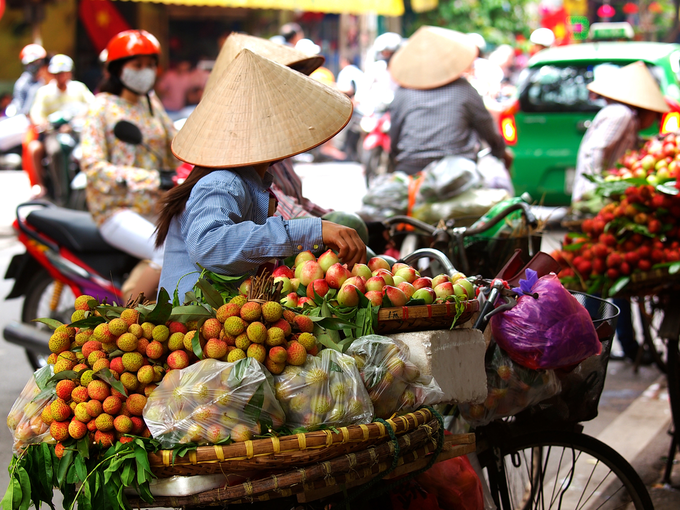
    Vietnam exported $107.25 million worth of fruit and vegetables to South Korea in the first eight months of this year, up 3.47 percent year-on-year.

    The export value of vegetables and fruit to this market reached $11.1 million in August, up 13.66 percent over the same period last year, according to the General Department of Vietnam Customs.

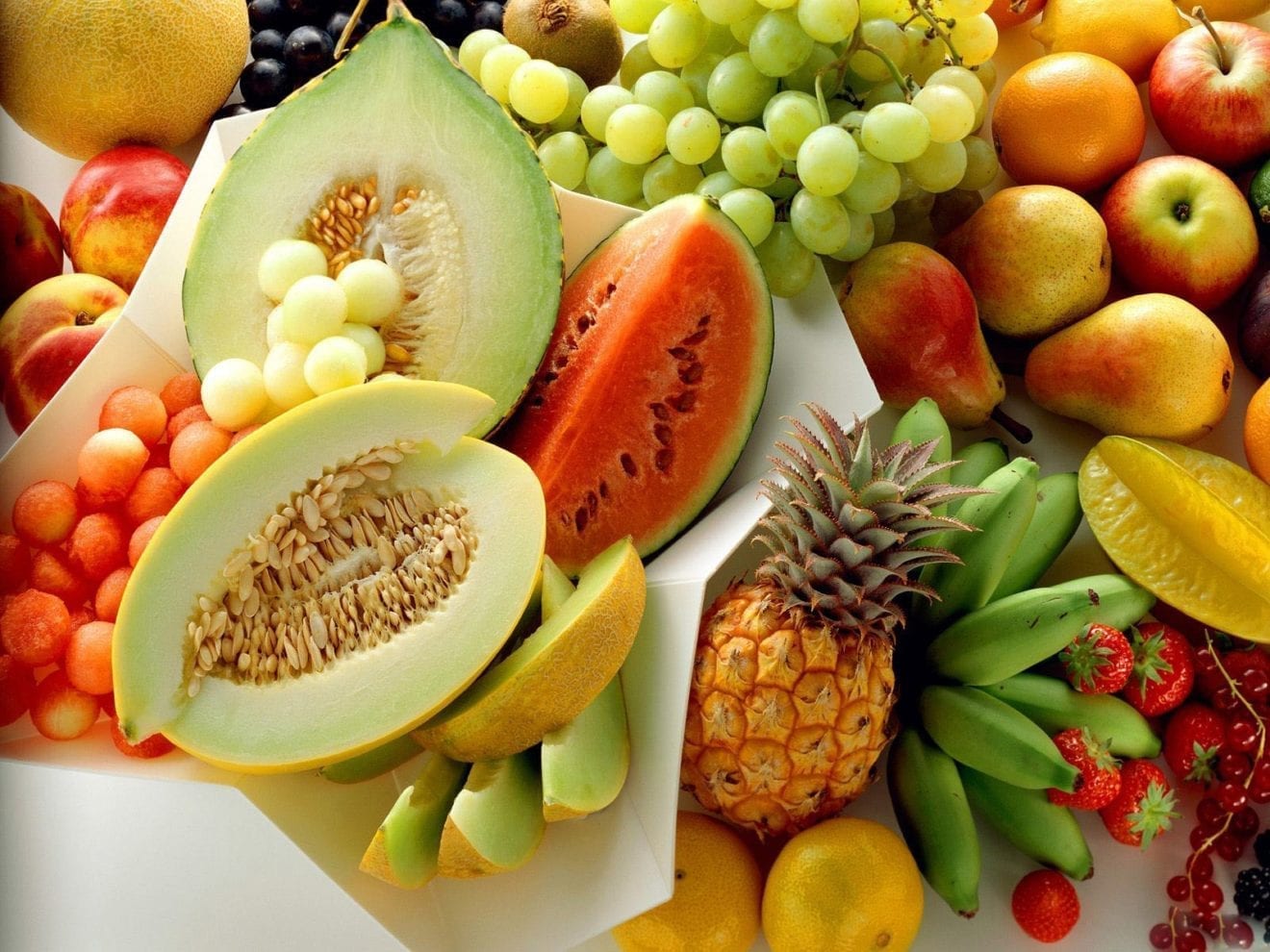
    Six kinds of Vietnamese fruit have been exported to the Asian market including: coconuts, pineapples, white and red dragon fruit, mangoes and bananas.

  • Seafood companies fear lack of raw materials as Covid hits farm output

    Seafood companies fear lack of raw materials as Covid hits farm output

    The decline this year in shrimp and fish farming in the Mekong Delta threatens to cause a serious shortage of raw materials for processors in the coming months.

    “We have increased shrimp prices, but many farmers are still worried that Covid outbreaks will affect prices later, and so have reduced their production,” Le Van Quang, general director of Minh Phu Aquaculture Group Joint Stock Company, said.

    Speaking at a conference held online on Friday to discuss how to restore processing and exports of agricultural and aquatic produce, he forecast a big shortage in the next three months, and said businesses would be unable to meet foreign orders.

    In Tien Giang and An Giang provinces, farmers have been unable to sell their fish, shrimp and crab harvests for months due to Covid-19 restrictions.

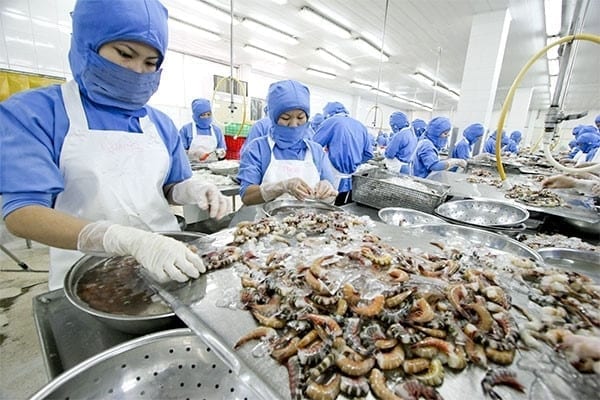
    Many processing plants have been running at 30-40 percent of capacity as stay-at-work requirements cause a labor shortage.

    Nguyen Hoai Nam, deputy general secretary of the Vietnam Association of Seafood Exporters and Producers (VASEP), said the government should come up with policies to encourage shrimp farmers right now so that they could harvest in November to enable exports.

    He also wanted it to prioritize Covid-19 vaccination for seafood companies’ workers so that normal production could resume.

    The southern provinces and Ho Chi Minh City could be divided into three in terms of likely resilience if certain epidemic prevention measures are adopted after September 15, he said.

    The first, where the infection rate is lowest, includes Ca Mau, Bac Lieu, Hau Giang, Soc Trang, Ben Tre, and Vinh Long provinces. Businesses in this shrimp processing hub are expected to return to 60 percent of capacity by October and 80 percent by year-end.

    The second, where the epidemic is gradually being controlled, includes An Giang, Kien Giang, Tra Vinh, and Dong Thap provinces and Can Tho city, and here the rates would be 50 percent and 70 percent.

    The area with the highest risk of infection, including Long An, Binh Duong and Tien Giang and Ho Chi Minh City, would recover to 40 percent and 60 percent.

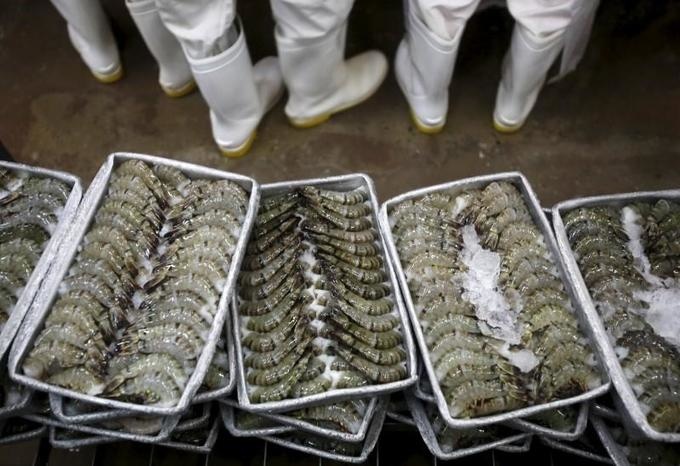
    Vietnam’s seafood exports were worth $5.5 billion in the eight months of 2021, a year-on-year increase of 6 percent, according to the Vietnam Association of Seafood Exporters & Processors (VASEP).

  • Vietnam Steel exports surge

    Vietnam Steel exports surge

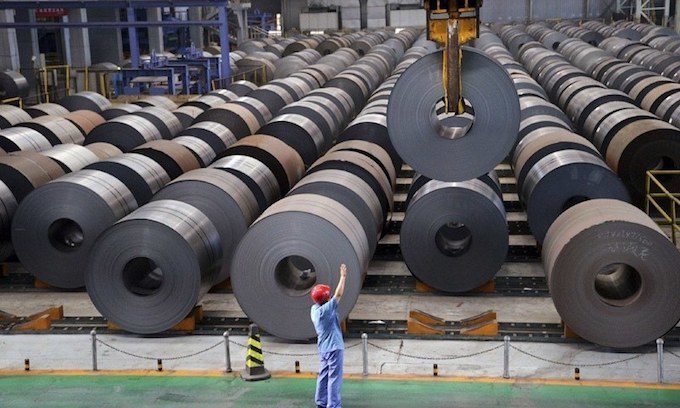
    Steel exports increased by 43.4 percent year-on-year in the first eight months to 8.54 million tons, and were worth US$7.1 billion, a 127 percent rise.

    In August, for a second month in a row, the billion-dollar mark was breached, with the value of shipments increasing 2.5-fold to nearly $1.5 billion.

    The main export markets were Southeast Asia, which bought 2.7 million tons and China (1.8 million tons).

    Exports to the E.U. and U.S. skyrocketed 7.5-fold and four-fold from 12 months earlier as demand there continued to soar.

    Exports to Europe also benefited from the EU-Vietnam Free Trade Agreement, with many companies taking advantage of lower tariffs.

    According to the Vietnam Steel Association, the country’s production capacity is around 24 million tons a year. Output this year is expected to reach 21.2 million tons, enough to meet domestic and export needs.

  • Vietnam coffee exports to UK drops

    Vietnam coffee exports to UK drops

    Vietnam’s coffee exports to the U.K. have declined in H1 after its products failed to meet quality requirements and consumer preferences. The fourth wave of Covid-19 that hit the country also affected export activities.

    Coffee exports to Britain fell by 48.4 percent in volume terms and 49.3 percent in value to 16,400 tons and $29 million. Vietnam’s share of that coffee market decreased from 27.32 percent to 16.35 percent.

    The U.K.’s coffee imports from most of its suppliers increased during the period, except from Vietnam and Honduras. Vietnam’s exports to the country are in the form of raw or semi-processed coffee, while the British mainly consume instant coffee.

    Experts said the Vietnamese coffee industry should strive to meet its increasingly stringent requirements and British consumers’ tastes to boost exports.

    Vietnam is the second-biggest coffee producer globally behind Brazil. Last year, its exports fell marginally and were worth $2.74 billion.

  • Vietnamese Seafood export falls in August

    Vietnamese Seafood export falls in August

    Vietnam’s seafood export turnovers stood at $520 million in August, down 36 percent against the same month last year due to Covid-19 outbreaks.

    Last month, only 30-40 percent of seafood enterprises in the south ensured the stay-at-work mode, mobilizing 40-40 percent of employees to work, eat and sleep at factories, so their production capacity dropped 50-60 percent, said the Vietnam Association of Seafood Exporters & Processors (VASEP).

    Meanwhile, material supply chains were broken or met with difficulty in transport. Seafood firms saw higher input costs and freight ones, and some exporters failed to deliver goods on time, losing clients to their foreign rivals.

    However, seafood export turnovers in the first eight months of this year rose 6 percent on-year to $5.5 billion.

    The VASEP forecast seafood export turnovers will decrease at least 20 percent on-year to $660 million in September, because the pandemic is still progressing complexly in the South, while vaccination among workers in industrial parks and export processing zones is limited.

    Some southern provinces, including Soc Trang, Cau Mau, Bac Lieu and Kien Giang, which are major prawn producers and exporters, have contained the pandemic fairly well, so they are expected to export more prawns and shrimps in the remaining months of this year.

    Major catfish producing and exporting provinces are still being hit hard by the pandemic, with over half of factories having to close down, so tra fish export is unlikely to bounce back in September.

    HCMC and localities in the Mekong Delta, home to many squid, octopus, tuna processing plants, are still experiencing complex Covid-19 situations, so their seafood production and export are predicted to continue to be sluggish this month.

    In the fourth quarter, when most of seafood processing workers will have been vaccinated against Covid-19, seafood export can recover slightly, reaching turnovers of $8.5-8.6 billion, the VASEP forecast.

  • Seafood firms net big catch from export recovery

    Seafood firms net big catch from export recovery

    A seafood export recovery has helped bigger firms boost profits while smaller ones have struggled with the spike in shipping rates.

    Seafood exports topped $4 billion in H1, a year-on-year increase of 15 percent, according to the General Department of Vietnam Customs. In Q2 particularly, seafood export turnover increased by more than 21 percent over the same period last year, reaching nearly $2.4 billion. This led to firms reporting positive business results.

    Vinh Hoan JSC earned over VND2.3 trillion in revenue and over VND260 billion in post-tax profit, up 41 percent and 16 percent year-on-year, respectively. According to its monthly report, VHC’s exports to most markets increased, with the two largest ones being the U.S. and China.

    The Kien Hung JSC (KHS) said its net profit increased 10 times in Q2 as demand from Europe, America, Japan and South Korea temporarily recovered and stabilized. The firm also actively sought imported materials at competitive prices to maintain stable production.

    The Minh Phu Seafood Corporation has yet to announce its H1 business results, but estimates a pre-tax profit of over VND300 billion, a year-on-year increase of 11 percent.

    However, not all seafood exporters reported positive business results, partly because of high freight rates. The Vietnam Association of Seafood Exporters and Producers (VASEP) said that by May, freight rates in some ports had doubled compared to late 2020 and sextupled compared to early 2020.

    The Nam Viet Corporation reported an increase of over 20 percent in revenue in Q2 but a decrease of 26 percent in net profit year-on-year. The corporation attributed the decline in profit to a sharp rise in financial and selling expenses, that latter shooting up 137 percent compared to last year due to a hike in freight and transportation rates.

    The Thuan Phuoc Seafood and Trading Corporation (THP) saw its profit fall even further to VND10 billion, half that of the same period last year, because of rising selling expenses.

    The sea freight, which ups nearly times, cost the firm VND26 billion.

    In early July, VASEP requested the Ministry of Agriculture and Rural Development to report to PM the issues of container shortage and sea freight rates, seeking intervention to have the latter reduced to pre-November 2020 levels.

  • Vietnamese rice faces competition from India in Philippines

    Vietnamese rice faces competition from India in Philippines

    The Philippines is set to import a lot of rice from India at $100 cheaper per ton than Vietnamese rice as it diversifies its supply sources.

    A report by the Agricultural Products Processing and Development Department (Agrotrade) shows that in the first five months of this year, Vietnamese rice exports reached 2.7 million tons at $1.48 billion, down 11.3 percent in volume and 5 percent in value over the same period last year.

    There’s no significant demand by foreign traders as they wait for the summer-autumn harvest season, the report said.

    On the other hand, the price of Vietnamese rice is much higher than that of India and Thailand. A ton of Vietnamese rice is $20 higher than that of Thai rice and over $100 per ton over Indian rice.

    On average, Vietnam’s rice export price in the first four months of this year reached $543 per ton, up 15.4 percent year-on-year. The Philippines is Vietnam’s largest rice-consuming market, accounting for 35.6 percent, but export to this market decreased 20.7 percent in volume and 4.9 percent in value over the same period last year. Similarly, rice exports to Indonesia also decreased sharply by 71.1 percent year on year.

    According to Agrotrade, market demand in the coming time will be high, but Vietnamese rice will face competition in the international market when the prices of Thai and Indian rice are more attractive to buyers.

    Recently, the Philippines eliminated import duties for ASEAN, non-ASEAN, and “Most Favored Nation” (MFN) nations with the goal of increasing imports of cheaper rice from India and Pakistan.

    Specifically, the Philippines has lowered import duties for MFN on rice to a single rate of 35 percent. It had previously imposed a 40 percent in-quota tariff rate and 50 percent out-of-quota tariff rate.

    On June 7, Philippines Finance Minister Carlos Dominguez announced that the country would seek more rice from countries outside Southeast Asia with the goal of diversifying supplies and keeping import prices at a reasonable price. Accordingly, India is a country with cheaper rice that can become a main supplier.

    Vietnam has been the main rice supplier to the Philippines so far. In addition, the Philippines also buys rice from Thailand and India, apart from other countries outside Southeast Asia.

    Vietnam is set to produce 43 million tons of paddy and export 6.5 million tons of rice this year, according to the Ministry of Agriculture and Rural Development.

    The nation was the world’s second-largest rice exporter last year at 6.25 million tons.

  • Higher shipping fees hurt smaller firms

    Higher shipping fees hurt smaller firms

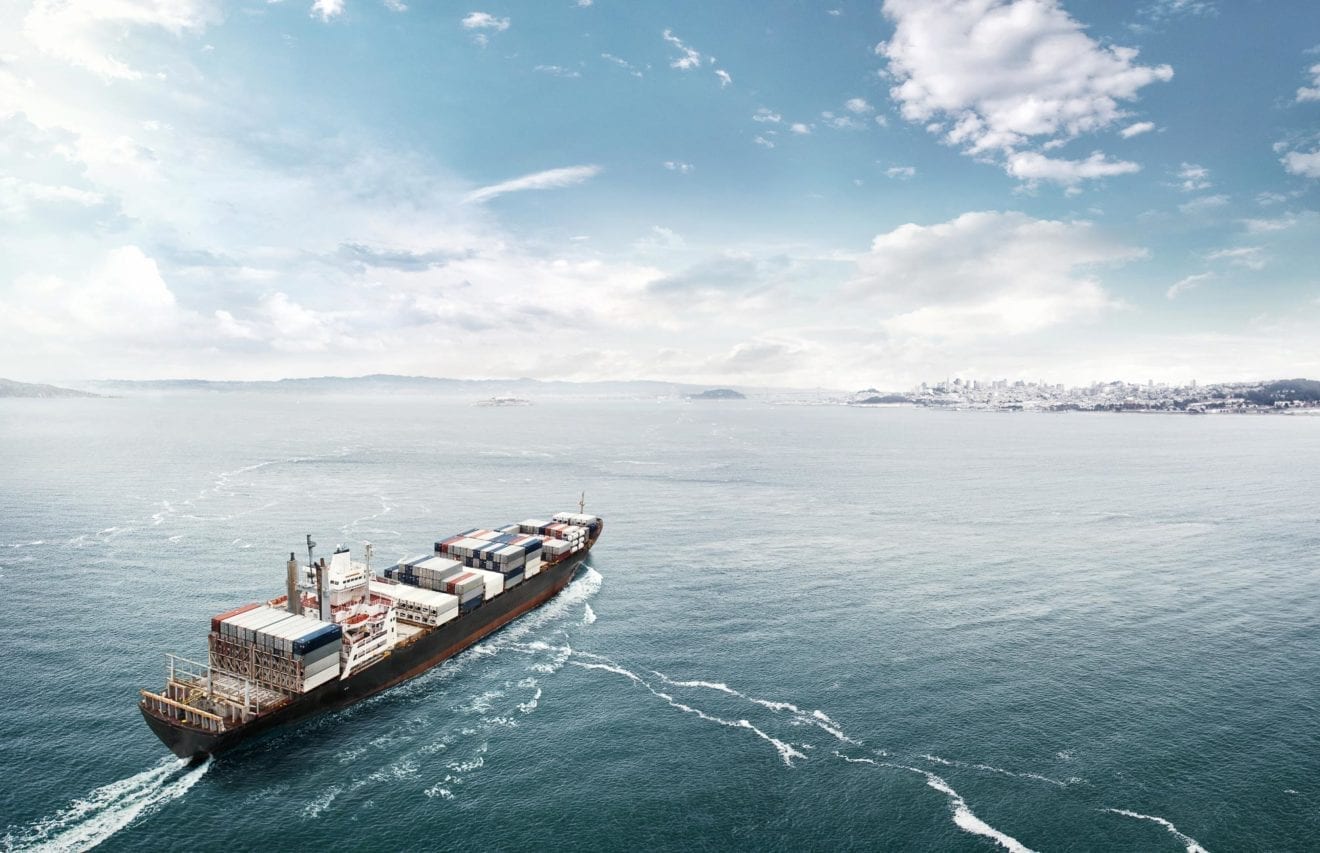
    Vietnamese exporters are struggling to send goods abroad despite high demand because of a nearly five-fold year-on-year surge in container shipping costs.

    Shipping costs from Asia to Europe rose above $10,000 per container for the first time on record last week, a 485 percent increase year-on-year, according to the Drewry World Container Index.

    Ho Van Hiet, CEO of Prime Logistics Vietnam, said that while foreign direct investment giants with established contracts are mostly unaffected by the price increase, small and medium Vietnamese exporters were fighting to secure container slots for their shipments.

    “Exporters who used to send 10 containers per shipment are having to cut it to a few as most ships are filled up,” he said.

    Nguyen Dinh Tung, CEO of fruit exporter Vina T&T, said that that rising transportation costs has become a global issue and it has pushing smaller companies out of the market.

    A shortage of containers also means longer transportation time and this affects the export of some products like fruits.

    Mangoes from Vietnam, for instance, can be preserved for 35 days. Before, it took 25 days to deliver the product to Western buyers, but now it takes 30-35 days, Tung told local media, adding that many buyers have stopped importing because there is not enough time to sell the products.

    Industry insiders say that container transportation charges have risen as demand rises in the Europe and the U.S., with their economies beginning to recover from Covid-19 impacts. Companies are beginning to restock and make more purchases.

    Nguyen Thi Anh, the spokeswoman for a HCMC-based logistics company, said that as container costs rise so do related fees like storing and moving them out of ports.

    Since last year, many exporters have been struggling to negotiate logistics costs with buyers; some have either left the market or accepted losses in order to retain customers, she told local media.

    Some small exporters of garment products, furniture and seafood have stopped exporting altogether after not being able to negotiate a contract with buyers, she added.

    Hiet said he sees another increase in shipping rates in June, sending prices of shipping a 40-foot container from Vietnam to Europe to around $11,000, up 10 percent from now.

    The rates could go even higher as demand typically peaks in August and September, he added.

    The only solution for Vietnamese exporters is to book their delivery soon so to ensure they have secure container slots on ship, he said.
  • Tuna exports soar

    Tuna exports soar

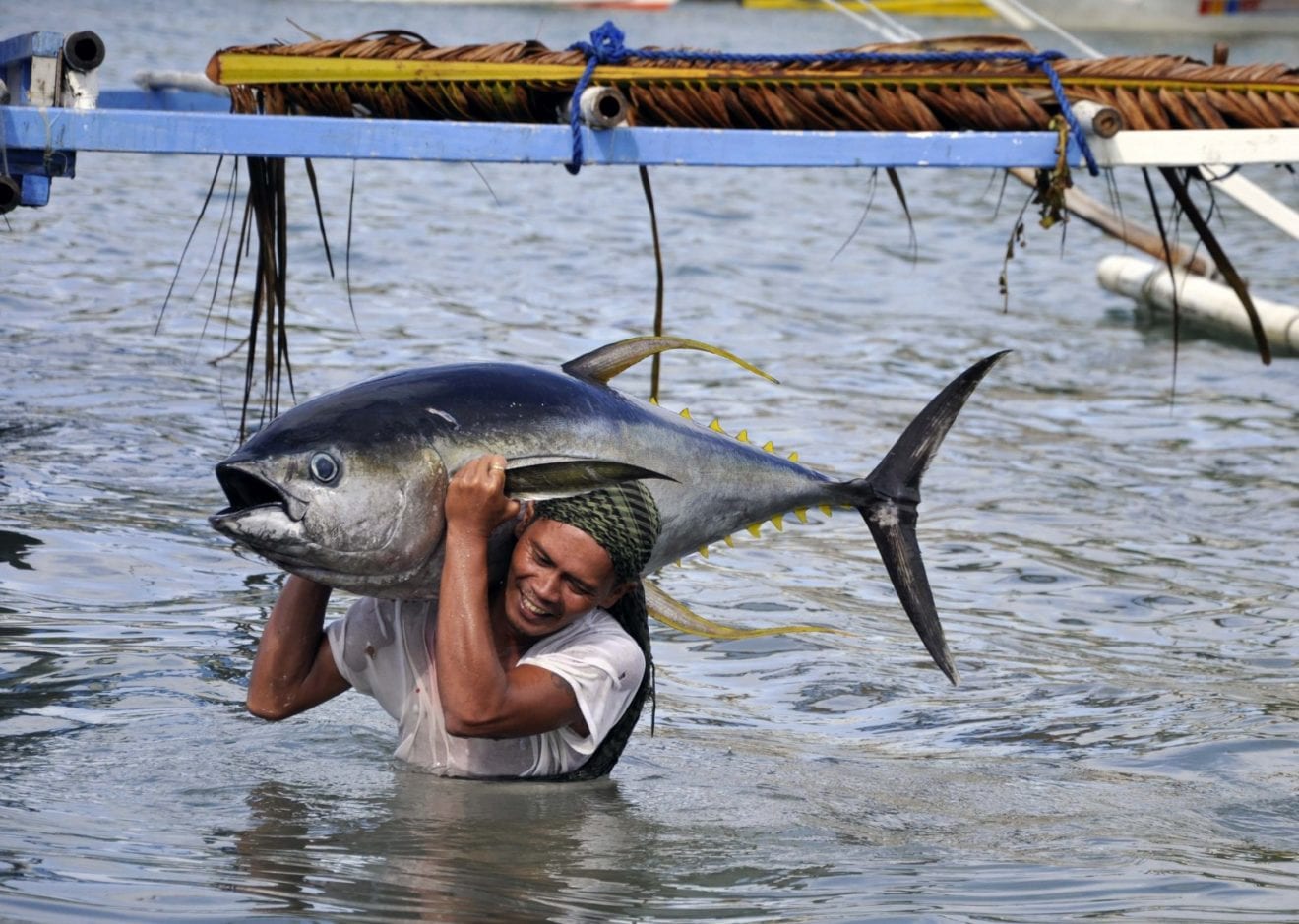
    Vietnam exported $74 million worth of tuna in April, a 50 percent year-on-year surge, with the U.S. and E.U. buying more.

    According to the Vietnam Association of Seafood Exporters and Producers (VASEP), tuna exports to the U.S. saw the highest growth with a 56 percent year-on-year surge in April.

    The association also reported a change in the export structure with the export of fresh and frozen tuna to the U.S. rising in April, while that of canned products decreased. Exports to the E.U. and members of the Comprehensive and Progressive Agreement for Trans-Pacific Partnership (CPTTP) trade pact also saw increases of 31 percent and 42 percent in April, respectively.

    The association said tuna exports to these major markets will continue to rise because preferential tariffs under free trade agreements are attracting foreign importers.

    Vietnam has exported $226 million worth of tuna by the end of April this year, up 15 percent year-on-year, even as the number of importing markets reduced to 63 from 90 last year.

  • Australia looks into delays to 20 per cent of grape exports to China

    Australia looks into delays to 20 per cent of grape exports to China

    Australia is looking into delays in table grape exports to China, with Trade Minister Dan Tehan saying about 20 percent of fruit shipped to the mainland is stuck at the border in yet another sign of deteriorating relations.

    “We’re trying to work out what is the cause of the hold-up,” Tehan told the Australian Broadcasting Corp in an interview published on Thursday.

    “I’ve been in discussions with the industry around what they’re seeing and what they’re hearing and we also have our post talking to Chinese officials about this.”

    Bilateral ties have sunk to their lowest point in decades after Prime Minister Scott Morrison led calls for a global inquiry into the origins of Covid-19, angering China which has since restricted imports of Australian products such as barley, cotton, wine, and lobsters.

    China was Australia’s largest customer for table grapes last year, taking about 60,000 tonnes worth around A$240 million ($186 million), or about 40 percent of total exports.

    Reuters reported last month that shipments of Australian table grapes were struggling to enter Chinese ports, leaving some exporters thousands of dollars out of pocket.

    Australian grape exporters said the majority of custom delays were across southern Chinese ports, most notably the Port of Shenzhen.

    “About 80 percent of table grape exports seem to have got in seamlessly. It seems to be the last 20 percent where there are some issues,” Tehan said.

    “We don’t want to jump to any conclusions,” he added when asked if table grapes were the latest target of the trade spat.

    “We’re trying to work through all of this and we’ll keep assessing it,” Tehan added.

    Despite the row, the value of Australia’s overall exports to China has held up due to strong prices for iron ore, its single biggest trade item. In the 12 months to March, Australia exported A$149 billion ($116 billion) of goods to China.

  • Rice exports cross $1 bln on higher prices

    Rice exports cross $1 bln on higher prices

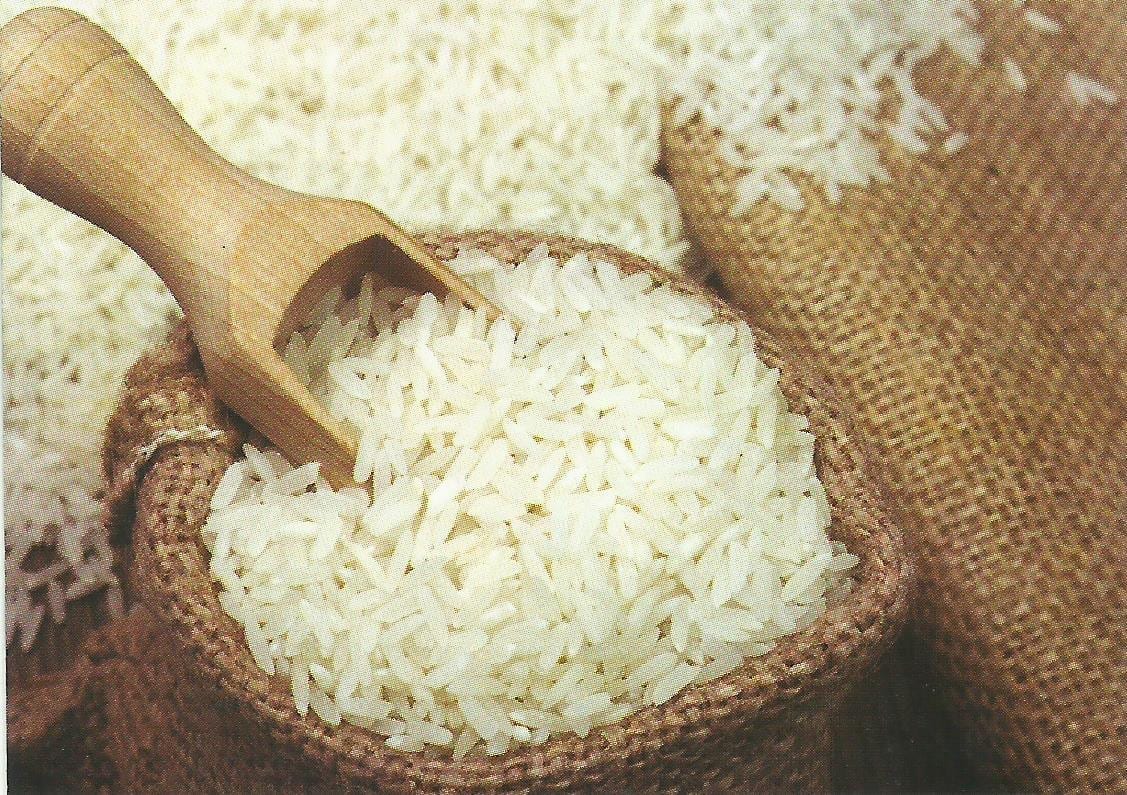
    Vietnam has exported $1.01 billion worth of rice in the first four months of 2021, up 1.2 percent year-on-year, thanks to higher rice prices.

    The volume of rice exports during the period dropped 11 percent year-on-year to 1.9 million tons, according to the Ministry of Industry and Trade.

    However, as the average export price rose 13.4 percent year-on-year to $534 per ton, its value topped that of last year.

    The Vietnam Food Association has forecast that the nation’s rice export value will continue to rise because of higher selling prices.

    Vietnam plans to produce 43 million tons of paddy and targets exporting 6.5 million tons of rice this year, according to the Ministry of Agriculture and Rural Development.

    The nation was the world’s second-largest rice exporter last year at 6.25 million tons.