Tag: export

  • Tuna exports soar

    Tuna exports soar

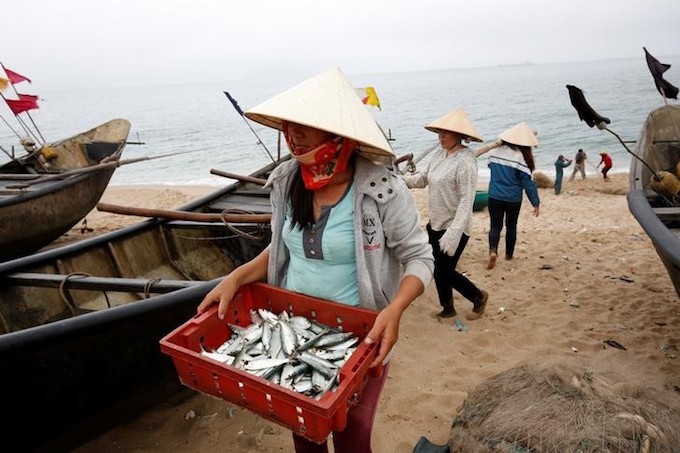
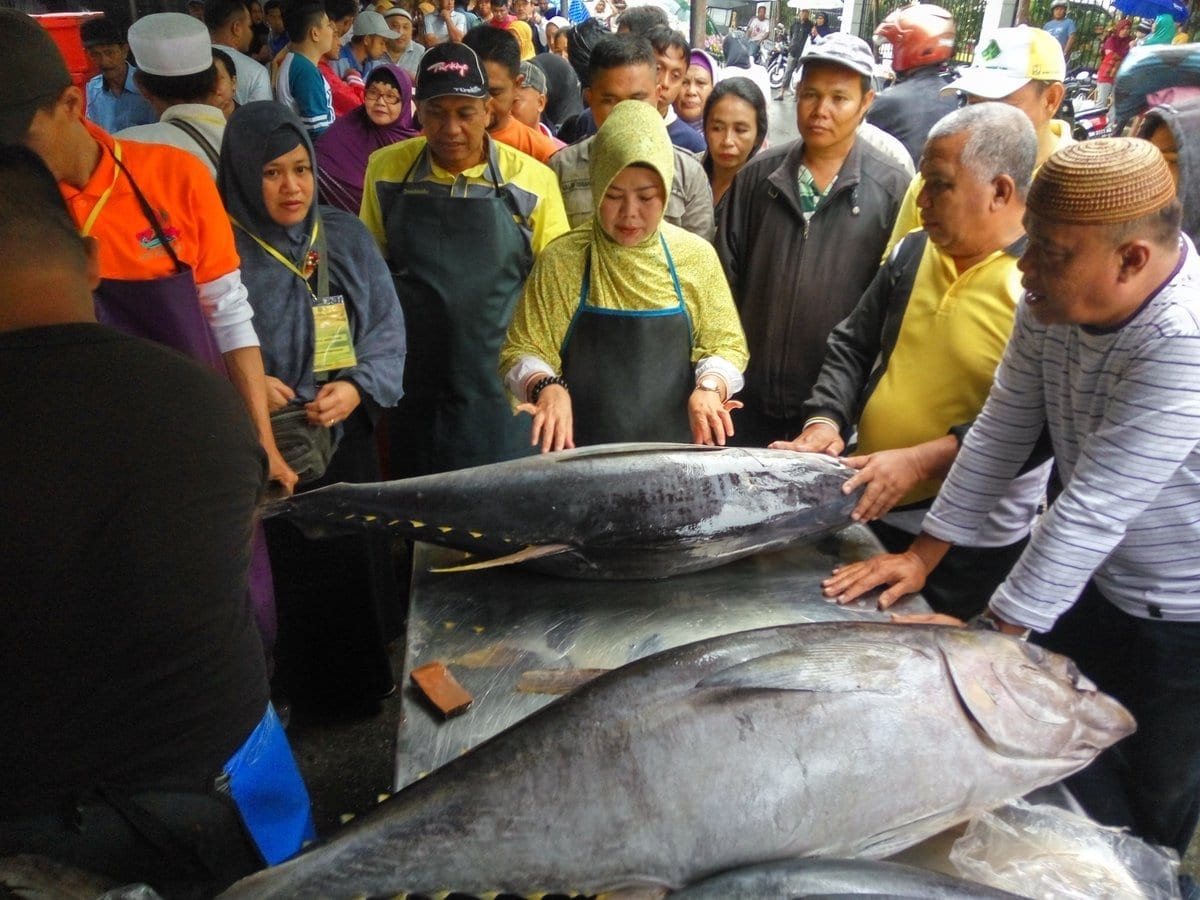
    Vietnam exported $74 million worth of tuna in April, a 50 percent year-on-year surge, with the U.S. and E.U. buying more.

    According to the Vietnam Association of Seafood Exporters and Producers (VASEP), tuna exports to the U.S. saw the highest growth with a 56 percent year-on-year surge in April.

    The association also reported a change in the export structure with the export of fresh and frozen tuna to the U.S. rising in April, while that of canned products decreased. Exports to the E.U. and members of the Comprehensive and Progressive Agreement for Trans-Pacific Partnership (CPTTP) trade pact also saw increases of 31 percent and 42 percent in April, respectively.

    The association said tuna exports to these major markets will continue to rise because preferential tariffs under free trade agreements are attracting foreign importers.

    Vietnam has exported $226 million worth of tuna by the end of April this year, up 15 percent year-on-year, even as the number of importing markets reduced to 63 from 90 last year.

  • Australia looks into delays to 20 per cent of grape exports to China

    Australia looks into delays to 20 per cent of grape exports to China

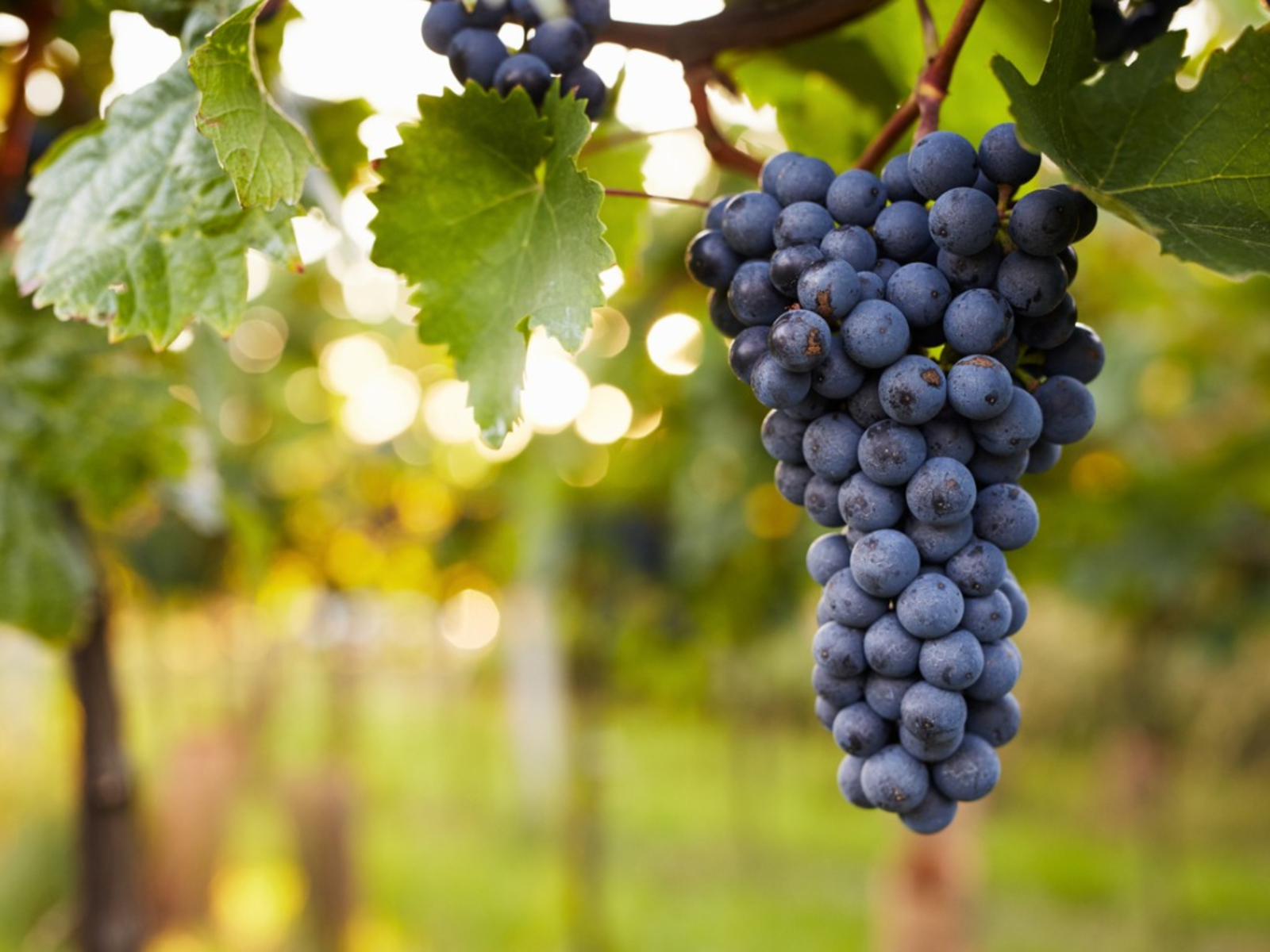
    Australia is looking into delays in table grape exports to China, with Trade Minister Dan Tehan saying about 20 percent of fruit shipped to the mainland is stuck at the border in yet another sign of deteriorating relations.

    “We’re trying to work out what is the cause of the hold-up,” Tehan told the Australian Broadcasting Corp in an interview published on Thursday.

    “I’ve been in discussions with the industry around what they’re seeing and what they’re hearing and we also have our post talking to Chinese officials about this.”

    Bilateral ties have sunk to their lowest point in decades after Prime Minister Scott Morrison led calls for a global inquiry into the origins of Covid-19, angering China which has since restricted imports of Australian products such as barley, cotton, wine, and lobsters.

    China was Australia’s largest customer for table grapes last year, taking about 60,000 tonnes worth around A$240 million ($186 million), or about 40 percent of total exports.

    Reuters reported last month that shipments of Australian table grapes were struggling to enter Chinese ports, leaving some exporters thousands of dollars out of pocket.

    Australian grape exporters said the majority of custom delays were across southern Chinese ports, most notably the Port of Shenzhen.

    “About 80 percent of table grape exports seem to have got in seamlessly. It seems to be the last 20 percent where there are some issues,” Tehan said.

    “We don’t want to jump to any conclusions,” he added when asked if table grapes were the latest target of the trade spat.

    “We’re trying to work through all of this and we’ll keep assessing it,” Tehan added.

    Despite the row, the value of Australia’s overall exports to China has held up due to strong prices for iron ore, its single biggest trade item. In the 12 months to March, Australia exported A$149 billion ($116 billion) of goods to China.

  • Rice exports cross $1 bln on higher prices

    Rice exports cross $1 bln on higher prices

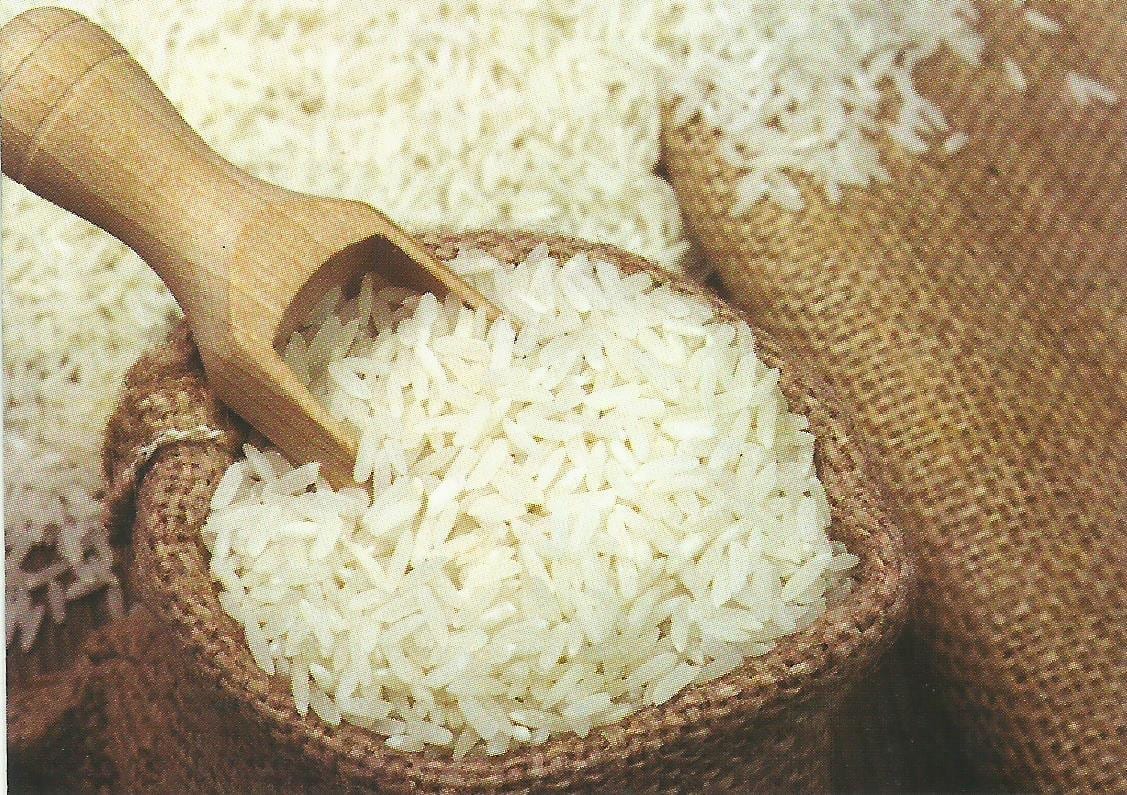
    Vietnam has exported $1.01 billion worth of rice in the first four months of 2021, up 1.2 percent year-on-year, thanks to higher rice prices.

    The volume of rice exports during the period dropped 11 percent year-on-year to 1.9 million tons, according to the Ministry of Industry and Trade.

    However, as the average export price rose 13.4 percent year-on-year to $534 per ton, its value topped that of last year.

    The Vietnam Food Association has forecast that the nation’s rice export value will continue to rise because of higher selling prices.

    Vietnam plans to produce 43 million tons of paddy and targets exporting 6.5 million tons of rice this year, according to the Ministry of Agriculture and Rural Development.

    The nation was the world’s second-largest rice exporter last year at 6.25 million tons.

  • Honey exports set for anti-dumping probe in US

    Honey exports set for anti-dumping probe in US

    The U.S. Department of Commerce has received demands for anti-dumping investigations into honey imported from Argentina, Brazil, India, Ukraine, and Vietnam.

    According to the Trade Remedies Authority of Vietnam, for the first time ever the country’s honey products face the risk of being investigated for trade remedies in the U.S.

    The complainants are the American Honey Producers Association and the Sioux Honey Association, who have listed 12 Vietnamese firms in the petition and calculated the dumping margin at 207.08 percent.

    They want the anti-dumping investigations to be done for the period from October 1 last year to March 31 this year, and want damage investigation done from the beginning of 2018.

    Data from U.S. customs shows Vietnam exported 50,700 tons of honey products in 2020, or 25.8 percent of that country’s total honey imports.

    The DOC will decide whether to launch an investigation within 20 days.

    The U.S. International Trade Commission is reviewing the two associations’ lawsuits to assess the damage done to the U.S. honey production industry.

  • Doors open wider for Vietnam exports to the US

    Doors open wider for Vietnam exports to the US

    A large demand for agricultural produce and electronics products as well as rising e-commerce potential give Vietnamese exporters greater opportunities in the U.S. market, experts say.

    The U.S. is a market with much potential for Vietnamese companies, especially as Vietnam has been able to keep the Covid-19 pandemic under control, said Nguyen Huu Tien, director of the HCMC Investment and Trade Promotion Centre.

    The U.S. was Vietnam’s largest export market in the first four months with the value of shipments surging 50 percent year-on-year to $30.3 billion.

    Top export categories included machinery and equipment, textile and garment, and computers and electronics.

    Last year, Vietnamese exports to the U.S. ranked third in Asia after China and Japan.

    Ken D. Duong, director of international law firm TDL, said that traditional categories such as agriculture produce and fisheries were posting strong figures despite the pandemic.

    U.S. companies have stopped purchasing some hardwood products from China and are looking for alternative markets, he said, adding that last year, many Vietnamese companies were able to take advantage of this and got large orders.

    Many Vietnamese-Americans are looking for suppliers in Vietnam to export products to the U.S., he added.

    There are a lot of opportunities for electronics export because a number of American and Taiwanese firms have established factories in Vietnam to research and develop internet of things products.

    “There are signals that indicate that Vietnam could become a hub for researching and manufacturing advanced tech products,” Duong said.

    Amazon Global Selling Wednesday announced a new campaign in partnership with the Vietnam e-Commerce and Digital Economy Agency (iDEA) that would help Vietnamese sellers sell more products on Amazon.

    But other experts said there were challenges that Vietnamese exporters face, such as trademarks. They cited the latest example of a Vietnamese rice brand, ST25, which won an international contest as the world’s best variety, being trademarked by a U.S. company.

    Duong said that usually it costs $1,000-1,800 to register a trademark in the U.S. Around 50 percent of mid-sized Vietnamese companies in the U.S. register their brand and the ratio is just 10 percent for small firms.

    Vietnamese suppliers need to understand U.S. regulations on intellectual property to step up in the global supply chain, he added.

    Dang Hoang Hai, head of the iDEA, said that as many Vietnamese sellers are reluctant to export their products to the U.S. via e-commerce, his organization will provide more training to help hundreds of small and medium companies sell their products on Amazon.

    Although there has been speculation about the U.S. rejoining the Comprehensive and Progressive Agreement for Trans-Pacific Partnership (CPTPP), U.S. officials have said that this would not happen in the short term.

    Mary Tarnowka, executive director of American Chamber of Commerce in Vietnam, cited a report by a Fulbright University professor to show that U.S. President Joe Biden will not consider signing another free trade agreement until the middle of his term.
  • Australia wine exports to China almost wiped out

    Australia wine exports to China almost wiped out

    Australian winemakers shipped just A$12 million ($9 million) of wines to China in the four months from December to March, from A$325 million a year earlier, industry figures showed, confirming that hefty new tariffs have all but wiped out their biggest export market.

    The figures from industry body Wine Australia on Thursday show the swift impact of measures taken by China’s commerce ministry and the country’s anti-dumping probe into imports of Australian wines last year.

    The figures also put a dollar value on a broader geopolitical dispute between Australia and its biggest trade partner which has spread to the sugar, lobster, barley, and coal and copper ore industries.

    From December to March, the period after China said it was investigating the Australians on suspicion of exporting wine at a loss to gain market share, or “dumping”, Australian wine shipments collapsed to almost nothing and stayed there at the start of 2021, the figures showed.

    That marked the end of a years-long run of double-digit growth in Australia-China wine exports, by dollar value, which lasted into October before crashing the following month, according to the figures.

    For the year to March, sales to mainland China, which takes nearly a third of Australian wine exports, fell 24 percent to A$869 million. The next biggest export market was the United Kingdom, up by a third to $461 million as winemakers redirected exports there.

    “They were out to play political games, they wanted Australia to get on its knees, unfortunately, we said no,” said Bruce Tyrrell, managing director of Tyrrell’s Wines, in the Hunter Valley north of Sydney, which previously sent up to a quarter of overseas sales to China.

    “We’ve got countries like U.S., UK, Canada, the traditional markets. We’ve now got to increase our distribution in the counties we deal with,” he told Reuters by phone.

    The value of wine exports to the United States rose 4 percent to A$432 million in the year to March, the Wine Australia figures showed.

  • Vietnam targets $10 bln worth of fruit, vegetable exports

    Vietnam targets $10 bln worth of fruit, vegetable exports

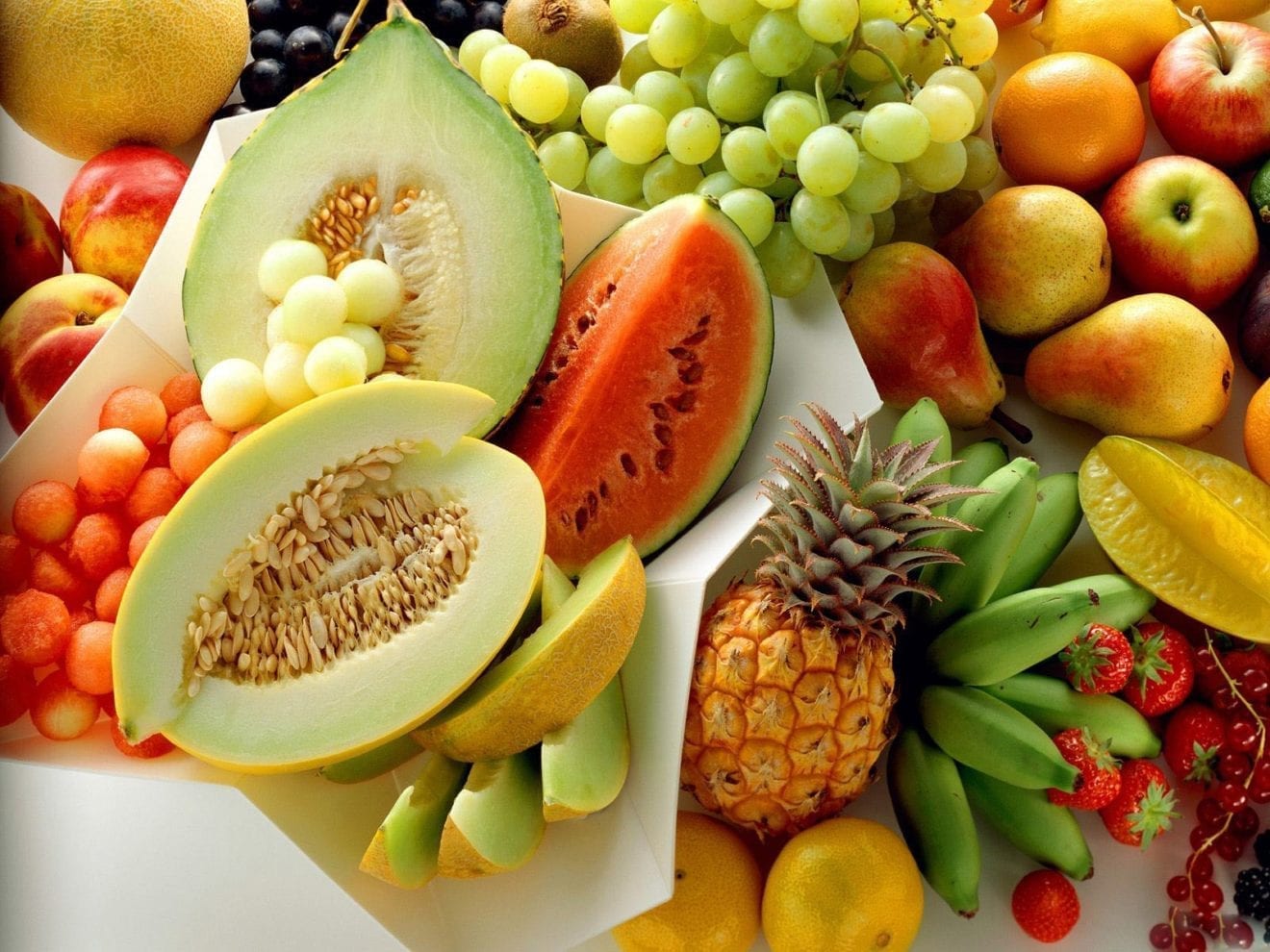
    A fruit and vegetable sector development plan approved by the government seeks to increase exports to $8-10 billion by 2030.

    Processed fruits and vegetables are expected to account for at least 30 percent of this, with two million tons expected to be shipped abroad, double the volume in 2020.
    The plan also seeks to attract investment to establish 50-60 medium and large-scale fruit and vegetable processing facilities with modern technologies that can compete in the international market.

    The government will offer incentives for such investment

    Existing fruit and vegetable warehouses and processing facilities will be upgraded, and farms, processing plants and distribution channels will be linked.

    Exports of fruits and vegetables fell by 13 porcent last year to $3.26 billion due to the impact of Covid-19, according to the Ministry of Agriculture and Rural Development.

    But exports to some countries with stringent quality standards, such as the U.S, South Korea and Japan, increased by 5-11 percent.

  • Seafood Exports Edge up in Vietnam

    Seafood Exports Edge up in Vietnam

    Seafood exports in the first two months of 2021 rose by 2.2 percent year-on-year to over $1 billion, according to the Vietnam Association of Seafood Exporters and Producers.

    Pangasius fish accounted for 21 percent of the exports at $214 million, up 1.7 percent. Shrimp exports topped $380 million, a year-on-year decrease of 0.8 percent.

    VASEP explained that, due to the impact of Covid-19, global demand is high for products that could be preserved for long, are easy to cook at home and are reasonably priced such as frozen and processed white leg shrimp.

    Black tiger shrimp exports plunged due to high prices.

    VASEP estimated exports would be worth $640 million in March, with shipments to the U.S., E.U. and CPTTP trade deal member countries continuing to rise.

  • Vietnam, New Zealand to expand fruit trade this year

    Vietnam, New Zealand to expand fruit trade this year

    Vietnamese limes and pomelos could be exported to New Zealand soon, following a commitment made Wednesday during the first agricultural dialogue between the two countries.

    The virtual dialogue was co-chaired by Ray Smith, Chief Executive of the New Zealand Ministry for Primary Industries, and Dr Le Quoc Doanh, Vice Minister of Vietnam’s Ministry of Agriculture and Rural Development (MARD).

    A New Zealand embassy press release said the two leaders had confirmed their shared commitment to finalizing new fruit access for each other this year, so consumers can enjoy New Zealand strawberries and squash in Vietnam and Vietnam’s limes and pomelos in New Zealand.

    The two sides signed an Agriculture Cooperation Arrangement (ACA) after the dialogue.

    The ACA will enable both sides to advance their key agricultural interests in enhancing bilateral trade, reducing agricultural greenhouse gas emissions, promoting food safety, utilizing agriculture research and technology, and fostering rural development, the release said.

    The New Zealand Ministry for Primary Industries is already supporting agriculture cooperation with MARD through activities in plant health, veterinary epidemiology and electronic certification.

    These activities complement New Zealand’s ongoing development program in the country, which has a number of agriculture projects including one on premium fruit development in the southern province of Tien Giang, another on rural dam safety project in central Vietnam, and yet another on safe vegetables in central Binh Dinh Province.

    Smith and Doanh affirmed that the strategic partnership between the two countries has created a solid foundation for increasing bilateral agricultural cooperation and connections.

    Vietnam is New Zealand’s 14th largest trading partner, with two-way trade valued at over $1.4 billion as of September 2020.

    Vietnam has received licenses to export fresh mango, dragon fruit and rambutan to New Zealand so far. It imports apple, kiwi fruit, kiwi berry, blue berry, cherry and persimmons.

  • Electronics exports boom driven by FDI

    Electronics exports boom driven by FDI

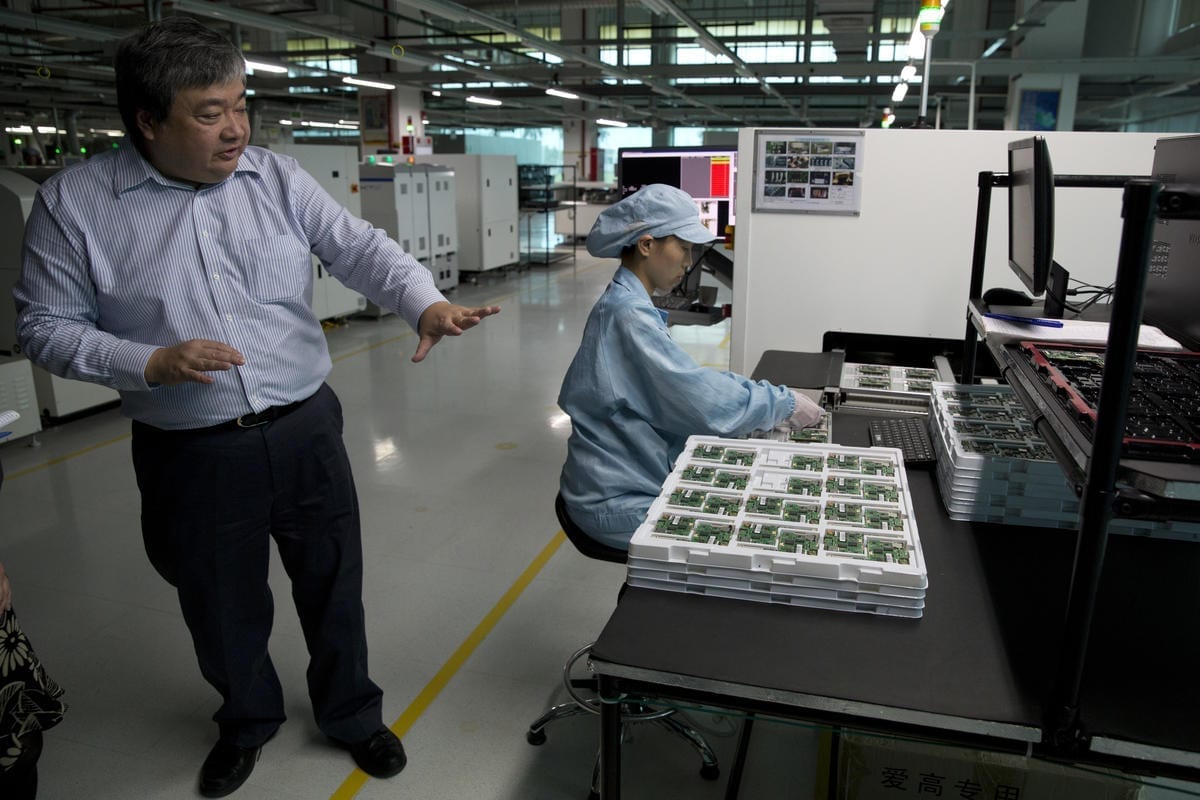
    Vietnam’s electronics exports have been booming due to consistent foreign investment in the sector, HSBC said in a recent report.

    The country’s exports rose by 50.5 percent year-on-year in January, with the primary driver of growth being Samsung’s recently released Galaxy S21 smartphone.

    Electronics exports last year were a record $96 billion, or a third of the country’s total exports.

    It attributed the rapid rise to Samsung’s investments since 2008. The South Korean company now has six plants in Vietnam.

    The country has also emerged as a growing supplier of chips with over 11 percent of the global market share in 2019 after growing at 300 percent that year.

    Its increasing production of computers has also supported chip production.

    U.S. company Intel set up a $1-billion chip assembly and testing facility in 2006, and in January 2021 reportedly injected another $475 million to manufacture 5G products and core processors.

    U.S. tech giant Apple has been producing Airpods since May 2020, and is likely to start producing iPads as early as mid-2021.

    Foxconn, a key supplier for Apple, received a license in January to build a $270-million plant in the northern province of Bac Giang. The Taiwanese contract manufacturer has so far invested $1.5 billion in Vietnam.

    Vietnam’s competitive policies will continue to attract quality FDI, which is crucial in helping the country move up the value chain.

    The country has to improve labor productivity through better education and vocational training. The other priority is improving infrastructure, said the report.

  • January auto imports surge 85 percent in Vietnam

    January auto imports surge 85 percent in Vietnam

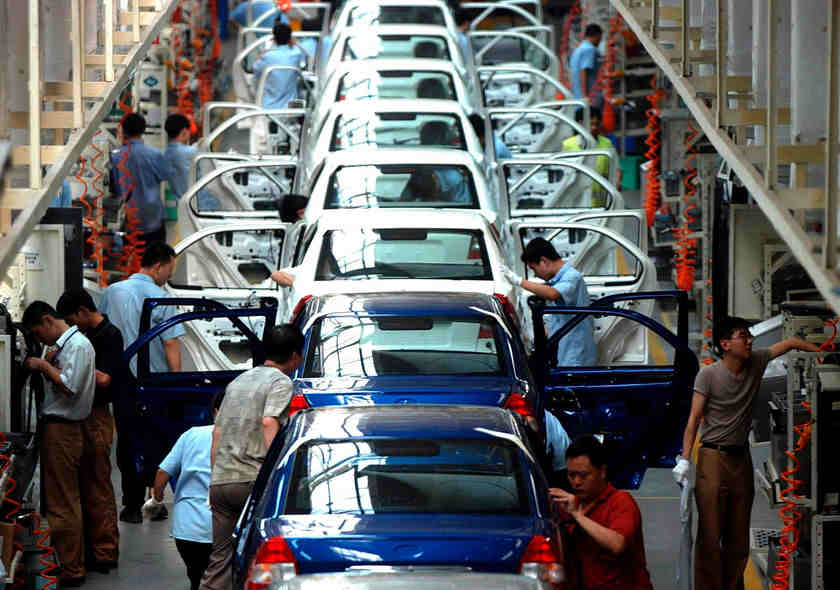
    Auto imports in January rose to 8,343 completely built units worth $212.5 million, up 84.7 percent and 76.2 percent year-on-year, respectively.

    Most of car imports are from Thailand and Indonesia, at an average price range of VND350 million ($15,000) to VND 1.2 billion.

    Experts have said that the scale of manufacturing, tax exemptions and affordable auto models are elements that have allowed these nations to acquire large market shares in Vietnam.

    A Vietnam Customs report notes that auto imports had fallen 24.5 percent to 105,200 units last year as the Covid-19 pandemic slashed demand and forced dealers to stop working for weeks in April.

    Industry insiders say it is still early to forecast this year’s performance by Vietnam’s auto industry because the Covid-19 situation has become increasingly unpredictable.

  • Phones continue to lead exports

    Phones continue to lead exports

    Exports of phones and phone parts were worth $51.18 billion last year, a whopping 18 percent of Vietnam’s total exports, according to the General Statistics Office.

    The phones were exported to over 50 countries and territories, with China being the largest market, accounting for almost a quarter.

    The second-largest market was the EU with 19 percent, followed by the U.S., South Korea, and the UAE.

    But for the first time in 10 years, phone and component exports fell, by 0.4 percent.

    Samsung was the biggest contributor to the exports. Its smartphone manufacturing factories in the northern provinces of Bac Ninh and Thai Nguyen are its two largest in the world and are also its largest home electronics factory in Southeast Asia.

    About 60 percent of all Samsung smartphones are produced in Vietnam.

  • January exports up 50 pct

    January exports up 50 pct

    Exports rose by 50.5 percent year-on-year in January to $27.7 billion with triple-digit increases in shipments of smartphones and machinery.

    The U.S. was the largest market, followed by China, the E.U., ASEAN, Japan, and South Korea, according to the General Statistics Office.

    Six products saw exports exceed $1 billion, including smartphones (up nearly 115 percent), electronics and computers (up 50 percent), and machinery and equipment (up 115 percent).

    Some agricultural products also achieved strong increases, including rubber (nearly 120 percent), cashew (52 percent) and pepper (42 percent).

    Imports rose 41 percent to $26.4 billion, giving Vietnam a trade surplus of $1.3 billion, with China remaining the largest seller, followed by South Korea, ASEAN and Japan.

    Last year exports had risen by 6.5 percent to $281.5 billion.

  • Another gloomy year forecast for tuna exports

    Another gloomy year forecast for tuna exports

    Vietnam’s tuna exports declined by 9.8 percent in 2020 due to the impact of the Covid-19 pandemic, and are showing no signs of recovery.

    Analysts point to two reasons for the continuing slump: the unpredictability surrounding the pandemic and intense competition from low-priced Chinese canned tuna in its largest market, the U.S.

    Besides, consumers prefer tuna with the blue MSC label representing certification of the sustainable fishery by the Marine Stewardship Council.

    Tuna exports were worth $649 million last year, according to the Vietnam Association of Seafood Exporters and Producers. Vietnam exports the fish to 108 markets.

    Vietnam’s largest markets after the U.S. are the E.U., Canada, Southeast Asia, and Israel.

  • UAE among top export destinations of Cebu Pacific for Philippine produce and goods

    UAE among top export destinations of Cebu Pacific for Philippine produce and goods

    Cebu Pacific (CEB), the Philippines’ largest national carrier, continues to fly Philippine produce and goods via its direct flights to the UAE amidst the current pandemic.

    In its steadfast commitment to serving the Filipinos in the UAE including in months with stern movement restrictions, CEB has conducted 12 cargo flights from the second and third half 2020 (Q2 to Q3 of 2020) for Manila to Dubai and vice versa. Prior to the onset of the global health crisis, the airline had operated in first quarter (Q1 of 2020) 75 cargo flights on the same route for the export of food commodities from the Philippines.

    According to the cargo data released by CEB from January to September 2020, the UAE is one of the top global export destinations of the airline for Philippine produce. Of the total 37,405 kilograms of fruit exported to various international destinations, 29 percent or a total of 10,674 kilograms were delivered to Dubai. It ranked second to Hong Kong, where the airline delivered 55 per cent or a total of 20,641 kilograms of fruit in the same period.

    The Philippine mango topped CEB’s list of most exported fruits, amounting to 27,132 kilograms. This was followed by Philippine lime or calamansi, soursop or guyabano, sapota or chico, and turnip or singkamas at 6,178 kilograms.

    According to Charmaine Yalong, Commercial Attaché of Philippine Trade and Investment Centre (PTIC) of the Department of Trade and Industry, the increasing demand for Filipino food products in the UAE may be attributed to the high disposable incomes of consumers, primarily owing to the large presence of Filipinos in the country, as well as the growing proportion of Filipino brands being mainstreamed in the market.

    “The continued support to Philippine exporters, through trade referrals and organization of Philippine participation in trade exhibitions and outbound business missions, contributed to the increasing presence of Philippine products in the UAE. As such, aside from gratifying the cravings of our kababayans for native Philippine products, the cosmopolitan tastes of locals and expatriates in the UAE are now being catered to as well. A wide range of these products are now available side-by-side with other products from Asia, Europe and the United States in the shelves of supermarkets here in the UAE,” Yalong said.

    Yalong highlighted that during the first half of 2020, Philippine food exports to UAE has seen sustained growth. Aside from fruits, the Philippines saw an uptick trend on the export of its processed food and beverages to the UAE which accounted for a whopping US$20.86 million or AED76.61 million. Also on the list were pineapple and by-products, US$14.02 million; fresh bananas, US$12.9 million; tuna, US$3.3 million; and fresh/processed fish, US$0.59 million.