Tag: export

  • Seafood exporter Minh Phu reports surge in profits

    Seafood exporter Minh Phu reports surge in profits

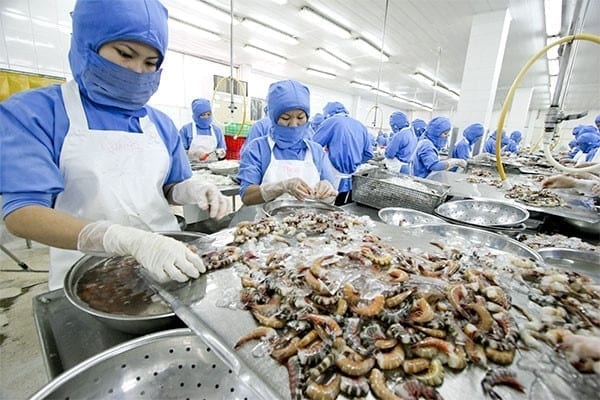
    Minh Phu Seafood Corp., a leading shrimp exporter, reported consolidated after-tax profits of nearly VND840 billion (US$35.6 million) last year, up 27% from 2021 and its highest since 2015.

    Its revenues rose by 20% to VND16.43 trillion.

    According to the Vietnam Association of Seafood Exporters and Producers, shrimp exports were worth a record $4.3 billion last year after rising by 11% on high demand and high prices in the first half.

    In the second half high inflation in major economies affected demand, and exports declined.

    In 2022 shrimp exports to China grew by 61%.

    Vietnam’s shrimp exports to it are expected to continue to surge this year after China’s reopening.

  • Vietnam needs to build national brands for fruits

    Vietnam needs to build national brands for fruits

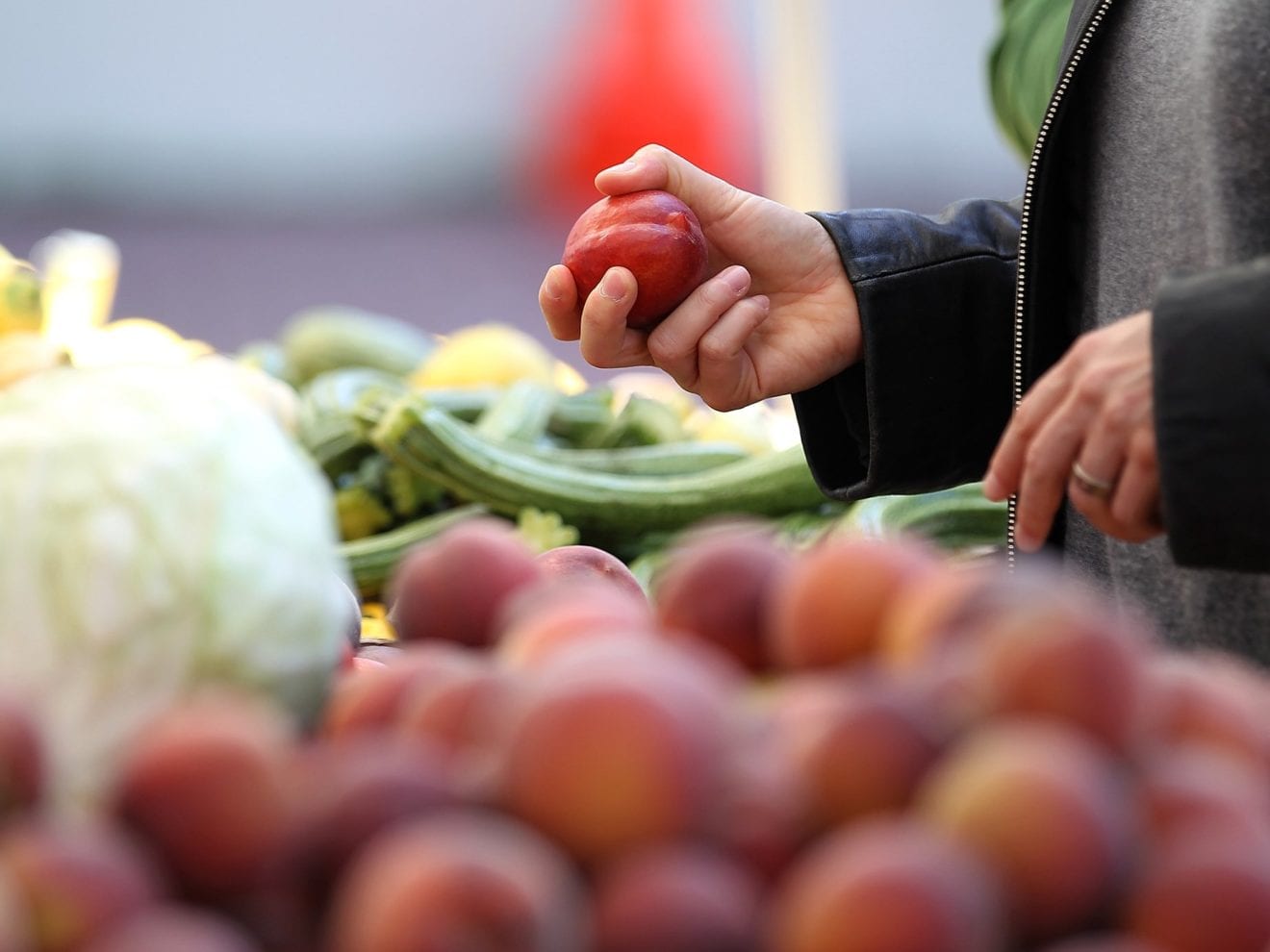
    Experts said that Vietnam must develop national fruit product brands to increase added value and competitiveness in international markets.

    Although fruits bring in billions of U.S. dollars in export revenue annually, Vietnam has no well-established fruit brands.

    “When talking about apples, we think about the US,” said Nguyen Dinh Tung, Director of Vina T&T Import-Export Company. “Talking about kiwis, we think about New Zealand. Talking about melons, we think about Japan. Talking about Monthong durians, we think about Thailand. Talking about Musang King durians, we think about Malaysia… Meanwhile, where many types of fruits are grown, Vietnam has no famous fruit brands.”

    Tung said Vietnam has Ri6 durian, which could compete with durian from Thailand and Malaysia in terms of quality and is chosen by many companies as an export product.

    However, it is still falling behind in terms of brand identity and value.

    “Because there is no brand, the price of Ri6 is always about 20% lower than Monthong and much lower than Musang King,” he said.

    Le Thi Kieu Oanh, Director of Apple LLC, which exports Vietnam’s agricultural products to Japan, said Japan imported dragon fruit from Vietnam, but only 10% were sold at supermarkets under Vietnamese brand names.

    According to Ta Duc Minh, Vietnamese Trade Counselor in Japan, Vietnamese lychees are exported to many countries and have become popular with the Japanese market.

    However, Vietnamese lychees remain inferior to their Japanese counterparts in terms of economic value, even though Japan does not have a production advantage in lychees.

    Japanese lychees are grown in Miyazaki over an area of around 10,000 hectares, and Japan has built a brand for its lychees as a precious fruit. There was a time when each Japanese lychee was sold for as much as $10 each, and people still waited in line to buy them, Minh said.

    According to Tung, Vietnam must develop national fruit brands to increase their value and competitiveness in the international market.

    “We should select several types of fruits to build national brands for,” Tung said. “Like New Zealand, this country successfully built brands for kiwis, which have markets around the world with the export value of over $3 billion per year, equal to the whole fruit and vegetable export of Vietnam.”

    To build fruit brands of national pride, Tung said it was necessary to pay attention to factors including varieties associated with soil, Vietnamese culture, quality, food hygiene and safety, planting area, high yield and preservation technology.

    Tung said that grapefruit, coconut and durian were fruits with large potential for export.

    He said that to build national fruit brands, it was vital to control the granting of geographical indication certificates strictly.

    Each type of fruit is only suitable for the climate and soil of certain localities. However, many kinds of fruit, such as pomelo, dragon fruit and lychee, are grown all over the country, which can affect branding, according to Tung.

    Therefore, it is important to select products associated with local culture and history to grant and manage geographical indication certificates.

    For example, the best quality coconuts are from Ben Tre province, lychees from Bac Giang and Hai Duong, white-flesh dragon fruit from Binh Thuan and red-flesh dragon fruit from Long An. Vietnam could choose typical products of each locality and upgrade them to national brands.

    Ngo Tuong Vy, General Director of Chanh Thu Company, said that among dozens of fruits exported, Vietnam could choose from three to five fruits to focus the resource on to build brands of Vietnam’s pride.

    “It’s time for Vietnamese fruits to focus on improving quality and adding cultural and creative elements to farming methods so that products contain stories that appeal to consumers,” Minh said.

    Minh pointed out that Japan focused on the quality of some world-famous fruits of the country. Even output was controlled to maintain selling prices. For some, special farming techniques were incorporated into the story to ensure the best quality.

    Building national brands and quality management databases and traceability systems would be the focus of the Ministry of Agriculture to increase the export value, Deputy Minister Tran Thanh Nam said, adding that growth should not be based on output any longer.

    He said that the agriculture ministry must work with the Ministry of Industry and Trade to propose to the Government a program to build national brands for agricultural products.

    The branding should also be integrated with a digitalization process in traceability, field diary, fruit chain management, and registration and protection of fruit brands in foreign markets.

    Vietnam’s export of fruit and vegetables reached nearly $3.34 billion in 2022, 80% of which were fruit exports.
  • Pork producers struggle with losses last quarter

    Pork producers struggle with losses last quarter

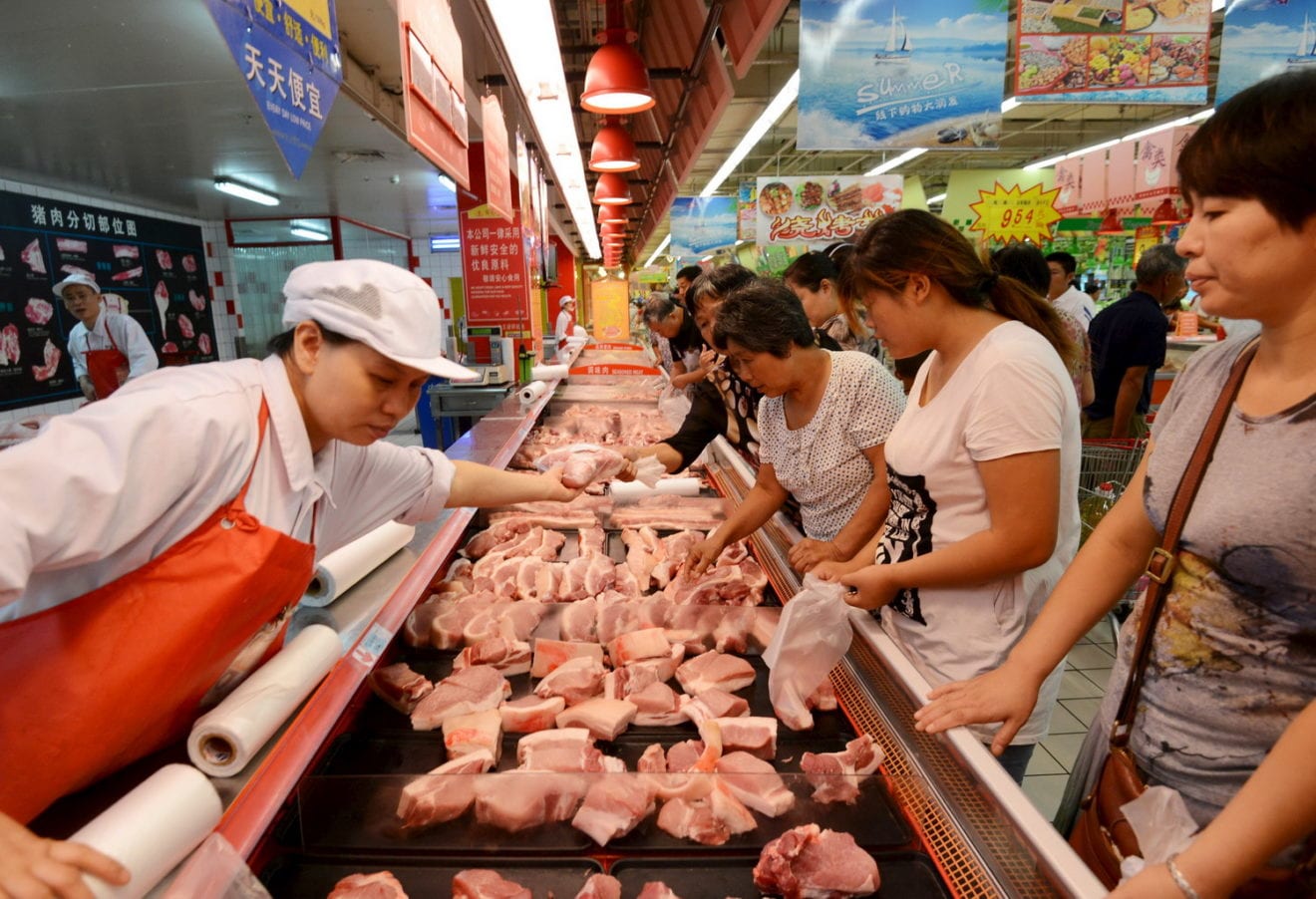
    Major pork producers posted losses in the last quarter of 2022 as animal feed costs rose and consumer demand dropped as people tightened spending.

    Dabaco Vietnam, the country’s biggest husbandry firm, recorded a VND79 billion ($3.34 million) loss in the last quarter, the first quarterly loss in five years.

    BaF Vietnam saw expenses exceed revenue by VND6 billion for the first time since 2021, but thanks to selling some assets the company posted an overall profit of nearly VND7 billion.

    Masan MeatLife posted a loss of VND170 billion during the last quarter of the year, and recorded a loss of VND230 billion for the entire year, the first loss since it started releasing financial figures in 2016.

    Since the end of 2021 the company stopped producing animal feed and focused only on meat, contributing to its losses.

    Hoang Anh Gia Lai recorded VND110 billion in profit from its pork sales in the last quarter, a 36% drop from the third quarter.

    Hoa Phat Group’s agriculture and husbandry business was in the red with more than VND34 billion in losses in the last quarter.

    For the whole year, the company saw this business posting a profit of VND22 billion, its lowest profit since 2016.

    BaF said that pig diseases, disruptions in supply and rising input costs negatively impacted the company’s earnings. Dabaco added that the decline in consumer demand also contributed to the losses.

    Pork prices in December dropped 15%-20% from October to VND50,000 per kilogram as supply exceeded demand.

    Last year, pig supply rose 11% from 2021.

    Analysts of brokerage expect pork prices to rise 5% this year as demand recovers and input costs begin to stabilize globally.

    However, SSI Research forecast that pork prices are set to rise 20% to VND60,000 per kilogram this year, with the reopening of China helping to pump up demand.

    However, the strong U.S. dollar and the African swine fever will remain possible risks to the sector, they added.

  • Wood exports to hit record of $18B this year

    Wood exports to hit record of $18B this year

    The export turnover of wood and wood products is expected to set a record high of $18 billion in 2023, with wood pellets and woodchips forecast to enter the one-billion U.S. dollar club.

    President of the Vietnam Timber & Forest Products Association (Viforest) Do Xuan Lap said that the figure will represent a 7-9% growth rate.

    To that end, the industry will focus on raising the competitiveness of enterprises by reducing the use of imported wood, applying science and technology to improve labour productivity, and stepping up digital transformation to cut production costs.

    In fact, in the fourth quarter of 2022, the number of orders decreased, and the gloomy atmosphere may linger on until the end of the first quarter of 2023. However, most of the businesses believe that the situation may begin brightening from the second quarter.

    Pellets and woodchips are also hoped to be a motivation for the development of the sector this year.

    Nguyen Thanh Phong, head of the wood pellet branch under the Viforest, said that Vietnam earned over $700 million from exporting nearly 4.7 million tonnes of pellets last year, up 35% in volume and 81% in value year-on-year,

    Currently, Vietnam is the world’s second-biggest exporter of wood pellets, and the export value of this product is predicted to surpass $1 billion this year.

  • Vietnam reaps new fruit export benefits

    Vietnam reaps new fruit export benefits

    Several Vietnamese fruits have found their way to major markets in China and the U.S. in 2022, opening up the door for Vietnam to send more high-quality produce overseas.

    After four years of negotiation, Vietnam finally exported its first batch of fresh durian to China for the first time in September The fruit came from the central highlands province of Dak Lak.

    In October alone, durian exports to China surged 4,000% year-on-year to $50 million, according to Vietnam Customs. It exceeded dragon fruit as the top fruit exported to China.

    China has so far approved 113 codes for durian farming and packaging areas in Vietnam, up from 76 in September. The figure is set to increase as there are still 300 codes awaiting approval.

    “If China approves all of these codes, Vietnam will have an abundant durian supply to China,” said statement by the Plant Protection Department at the Ministry of Agriculture and Rural Development.

    Durian prices in Vietnam have nearly doubled year-on-year to VND70,000-90,000 per pound in southern provinces.

    “Durian has become a new rising star replacing dragon fruit exports to China,” said Dang Phuc Nguyen, General Secretary of the Vietnam Fruit & Vegetables Association (VinaFruit).

    He added that thanks to Vietnamese trade agreements and protocols with China and the latter’s relaxing of Covid-19 policies, durian and other Vietnamese fruits are easily exported to China.

    This all stands in stark contrast to last year when hundreds of fruit containers were stuck at Vietnam’s northern border gates due to Covid-19.

    Agriculture, forestry and seafood exports surged 11.8% year-on-year to $49.04 billion in the first 11 months. Agriculture alone accounts for more than 42% of that figure, according to the Ministry of Agriculture and Rural Development.

    Vegetables and fruits are among Vietnam’s top eight biggest agriculture export items, along with coffee, rubber and rice.

    Grapefruit in November became the seventh fruit officially exported by Vietnam to the U.S., one of the most difficult markets globally.

    Industry insiders say that Americans consume about 12 million tons of fruit a year, but domestic supply accounts for only 70% of demand.

    Vietnamese exporters have been trying to take advantage of this opportunity. Exports to the U.S. surged 18% year-on-year in the to $240 million in the first 11 months. This is a quadruple from the total figure of $59 million in 2015.

    Other fruits that have also found the way to the global market include lime and pomelo shipments to New Zealand starting from November 15, 2022. This country has already been buying mango, dragon fruit and rambutan from Vietnam.

    Nguyen said that now that more Vietnamese fruits have found their way to overseas, it is even more important that buyers’ demands are met in terms of farming and delivery.

    “Whether these markets and opportunities last is up to the farmers and the exporters.”

    Ngo Tuong Vy, CEO of exporter Chanh Thu, warned that China is not yet a sustainable market for Vietnam as some regions are still struggling with Covid-19 and their safety measure policies are unpredictable.

    The agriculture ministry has set a surging $5 billion target for fruit exports by 2025, up from last year’s $3.1 billion forecast.

  • Exports to China no longer subject to Covid testing

    Exports to China no longer subject to Covid testing

    Vietnamese exports to China will no longer be subject to Covid testing from January 8th, the Ministry of Industry and Trade has announced.

    The ministry urged localities and businesses to update goods clearance processes at border gates in order to streamline trade according to the new easing of restrictions.

    The government has asked major agricultural producers and other exporters to coordinate with northern border province authorities to better facilitate the transport of exports — especially fresh and frozen agricultural products – to China.

    The northern neighbor had previously tightened quarantines to curb the spread of the Covid 19 pandemic, leading to congestion and the bottlenecking of Vietnamese exports at border gates in northern provinces, including Lao Cai, Lang Son and Quang Ninh.

    On Dec. 26, China’s National Health Commission announced that it would downgrade it’s “Covid-19 response level,” suspending mandatory isolation for passengers entering the country from January 8, 2023.

    Michael Kokalari, chief economist at investment fund VinaCapital, said China’s reopening would have less of an impact on Vietnam’s economy than other Southeast Asian countries because Vietnam’s exposure to China’s domestic market was still modest.

    The most important upcoming economic event for Vietnam is that the number of tourists is likely to return to normal in the second half of 2023, Kokalari said, adding that this will be a driving force behind Vietnam’s GDP growth for the year.

    Vietnam’s GDP expanded 8.02% in 2022, the fastest pace annually since 1997, backed by strong domestic retail sales and exports. The country has targeted GDP growth of 6.5% in 2023.

    Vietnam is China’s biggest trade partner in Southeast Asia and sixth biggest globally.

    China is Vietnam’s biggest trade partner. Their bilateral trade topped US$165.8 billion in 2021, up 24.6% from 2020.

  • Mango export to South Korea rises

    Mango export to South Korea rises

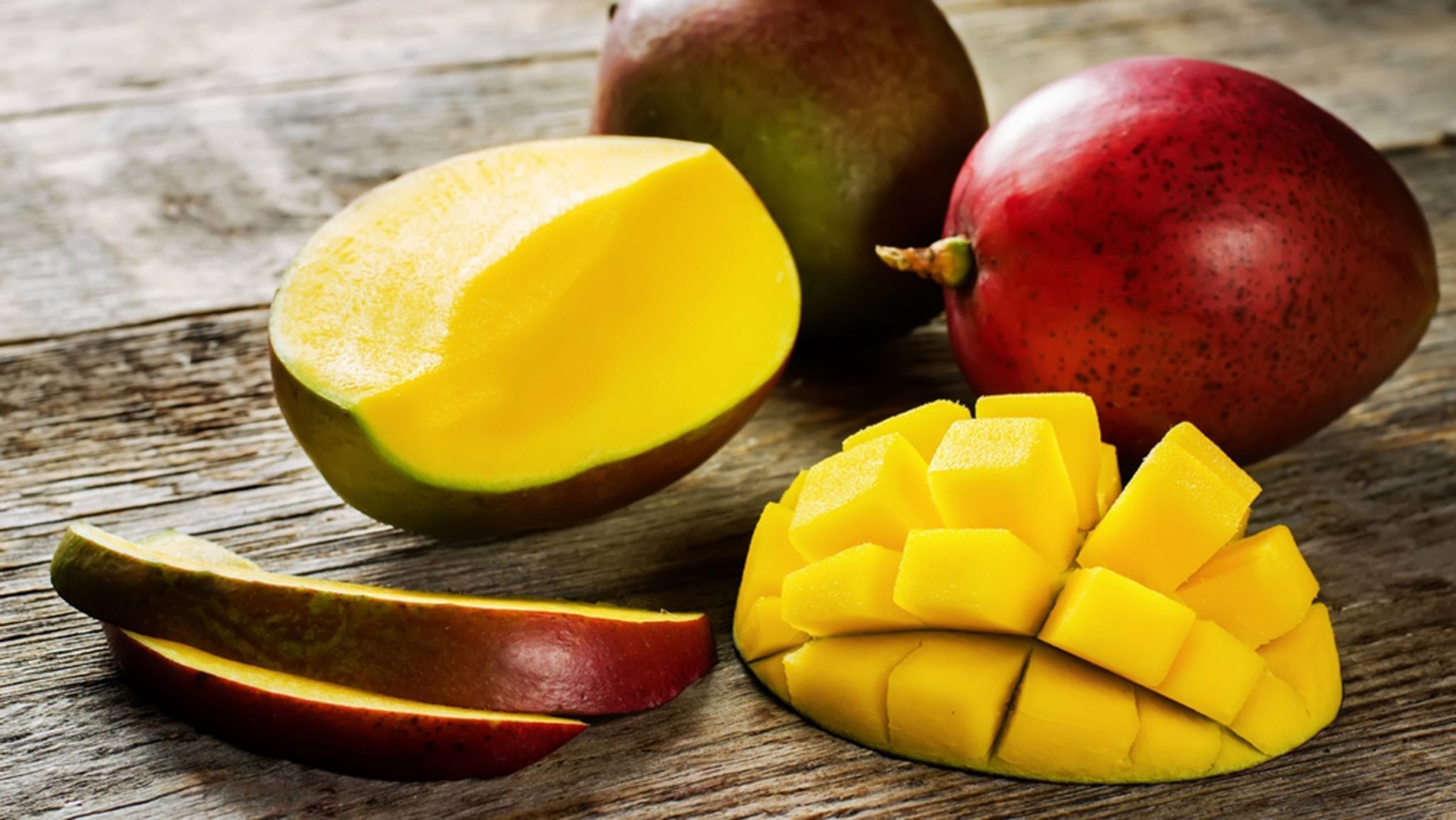
    Vietnam exported 1,700 tonnes of mango to South Korea for $7.4 million over the past 11 months of 2022, up 19% in volume and 25% in value year-on-year, according to the Agency for Foreign Trade under the Ministry of Industry and Trade.

    These figures helped Vietnam become the third largest mango supplier for the South Korea in the period, the agency said, adding that the average export price of Vietnamese mangoes hit over $4,230 per tonne, 5% higher than that of the same period in 2021.

    The agency also cited statistics from the Korea International Trade Association (KITA) as saying that this country’s mango import in the 11-month period reached 22,000 tonnes, worth $95.3 million, marking yearly rises of 4% in volume and 8% in value.

    Thailand and Peru were the two largest mango suppliers for the South Korea in the period, accounting for 81.2% of this country’s total mango imports.

    According to the department, Korea has a high demand for fresh fruit. Each year, the market imports over $1.6 billion worth of fresh fruit and this number has been growing significantly.

    However, Vietnam’s fresh fruit now makes up a very modest market share in the South Korea. Therefore, there remains room for Vietnamese firms to foster their exports of fresh fruits, typically mangoes to this market.

    In order to promote exports to this market, trade experts recommend that businesses needed to improve their competitiveness and product quality. This was the core element to meet the increasingly strict requirements of the Korean market.

    In addition, enterprises were advised to develop appropriate production and business plans, actively operate according to the market mechanism and have solutions to participate in the production chain and distribution network of Korean enterprises. That would help businesses take advantage of their strengths, their brand, as well as their development experience in the market.

  • Vietnam’s seafood exports nearing $11 bln in 2022

    Vietnam’s seafood exports nearing $11 bln in 2022

    Vietnam’s seafood exports this year could reach $11 billion for the first time, spearheaded by shrimp, pangasius and tuna, according to the Vietnam Association of Seafood Exporters and Producers (VASEP).

    Truong Dinh Hoe, VASEP general secretary, said at a conference in HCMC Saturday that by November, seafood exports had already crossed $10 billion, so by the end of the year, it could reach $11 billion for the first time.

    The largest seafood export markets for Vietnam are the U.S., Japan, China and the EU. The EU, the U.S., and China account for 60% of the global seafood trade and 50% of Vietnam’s export turnover in the first ten months of this year.

    Hoe said all sectors of the seafood industry grew 18-77%, but exports began to slow down amid lower purchasing power, higher interest and fluctuating exchange rates. He added that as the world enters a recession and inflation increases, demand is falling globally.

    As such, Vietnam’s seafood industry would face tough competition from competitors that offer lower costs and prices, like Ecuador or India.

    Economist Dinh The Hien said that the global economy would worsen in 2023, directly affecting the seafood industry.

    “However, businesses shouldn’t be too pessimistic; they should search for new opportunities to grow,” he said.

  • Seafood exports to US surge 22% in 9 months

    Seafood exports to US surge 22% in 9 months

    Vietnam’s seafood exports to the U.S. rose 22% year-on-year to $1.8 billion in the first nine months as Americans remain the biggest buyers of Vietnamese seafood.

    Exports to China surged 76% to $1.35 billion, while to the EU the value went up 41% to $1 billion, according to the Vietnam Association of Seafood Exporters and Producers (VASEP).

    In total Vietnam’s seafood exports reached $8.5 billion in the first nine months, up 38% year-on-year.

    Shrimp exports rose 23% to nearly $3.4 billion, and pangasius fish went up 82% to $2 billion.

    Exports of pangasius fish in September alone nearly doubled year-on-year as inflation pressure urged consumers to tighten their spending and buy more of the affordable protein.

    VASEP forecast that Vietnam’s $10 billion exports target for this year will be achievable.

    China is expected to be a key market for the remaining months as consumption demand is rising while its geographical proximity with Vietnam is an advantage amid rising transportation costs worldwide.

  • Rice exports jump 20 pct

    Rice exports jump 20 pct

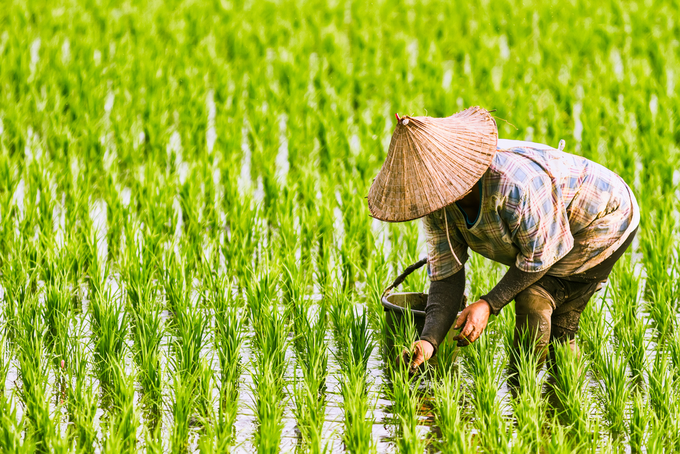
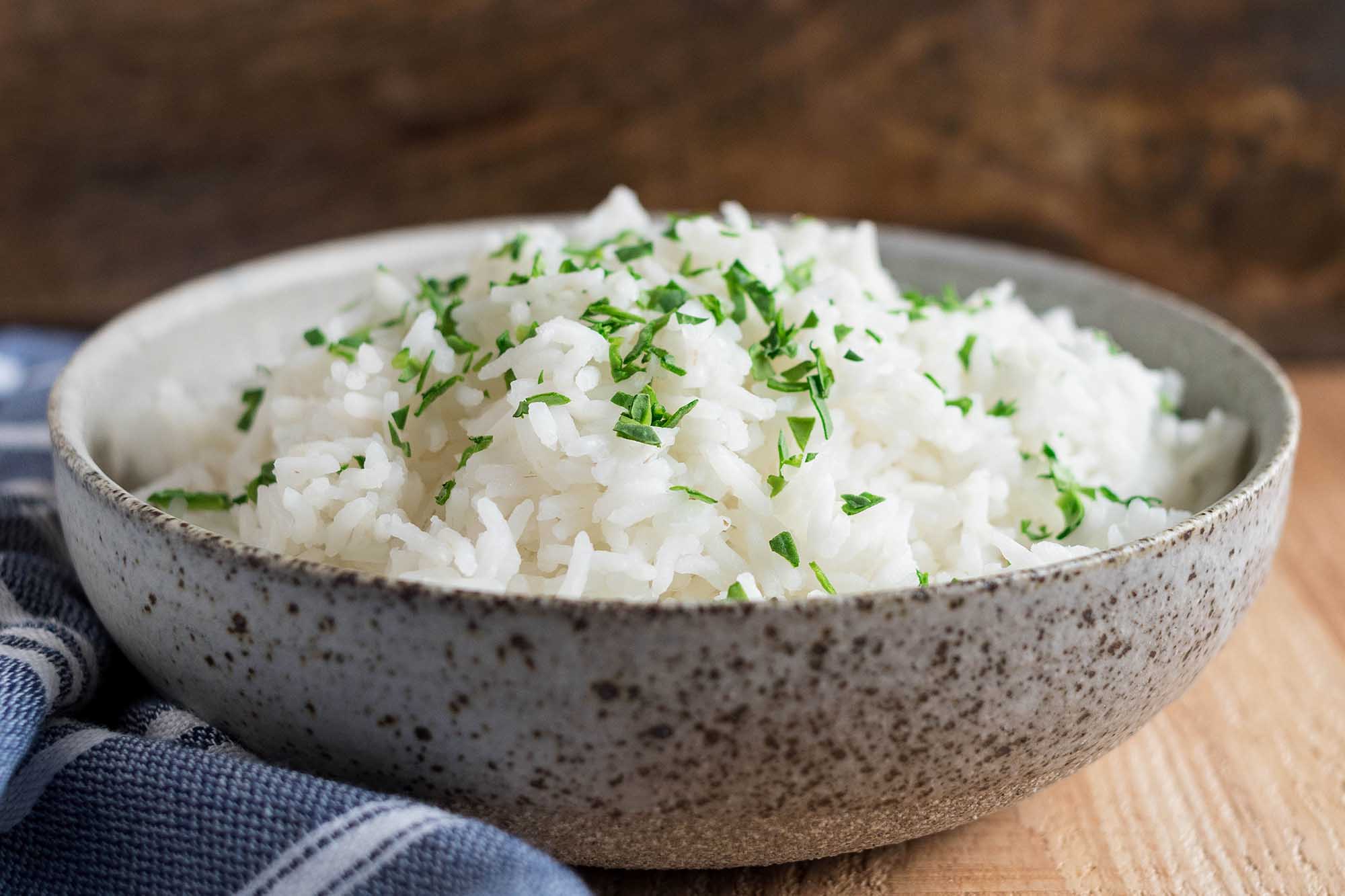
    Vietnam exported 4.2 million tons of rice in the first seven months, 20 percent up year-on-year, according to the Ministry of Agriculture and Rural Development.

    But earnings were only 9 percent higher at US$2 billion since global rice prices have fallen by over 10 percent to $489 a ton.

    Exports to the U.S. grew fastest at 65.3 percent, followed by the Philippines, Vietnam’s top market, at 48.6 percent.

    Domestic prices also fell as adverse weather affected rice quality and demand was low compared to previous months.

    Exporters have slowed down purchases from farmers and await the peak harvest season.

  • Tuna exports jump by 56 percent in H1

    Tuna exports jump by 56 percent in H1

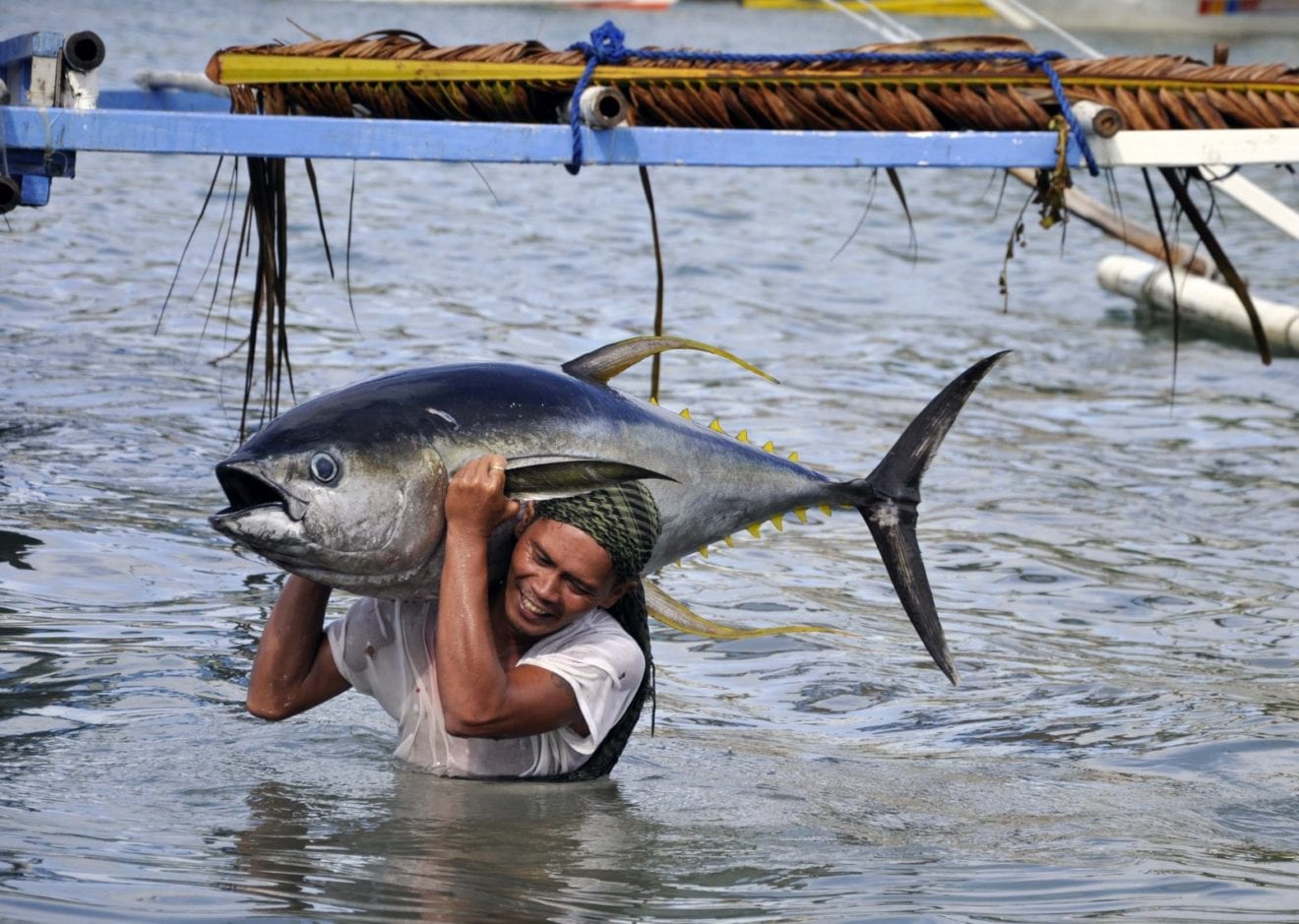
    Tuna exports in the first six months were worth US$553 million, a 56 percent rise year-on-year, according to data from the Vietnam Association of Seafood Exporters and Producers.

    Exports to the U.S. all but doubled thanks to higher demand, especially for canned tuna.

    Exports to members of the Comprehensive and Progressive Agreement for Trans-Pacific Partnership (CPTPP) also rose sharply, especially to Canada (up 68 percent), Japan (up 26 percent) and Mexico (up 30 percent).

    The EU market grew the slowest at 7 percent.

    The association expected high growth for tuna export in the second half of the year, with export rising 45 percent from 2021 to $1.1 billion.

    It warned rising fuel prices, which have kept fishing boats on shore, would affect supply.

  • Rice firms to see profits fall as input costs grow

    Rice firms to see profits fall as input costs grow

    Vietnam’s rice firms are having to lower their profit plans and targets this year as input costs rice and demand falls.

    Prior to the annual meeting of its shareholders, the Trung An Hi-tech Farming JSC adjusted profits down to VND100 billion ($4.3 million), six times lower than its earlier plan.

    An Giang Import Export Company expects pre-tax profit to fall to VND25 billion, or less than half of last year’s VND57.6 billion, and revenues halved to around VND2 trillion.

    The Loc Troi Group has lowered its profit estimates by 4 percent to VND400 billion for this year and the next.

    The fall in profit is happening because fertilizers, which accounts for over 50 percent of agricultural inputs, have seen prices increase by double-digit or even triple digits over last year.

    Fertilizer and animal feed price hikes are placing huge financial burdens on farmers and firms, the Ministry of Agriculture and Rural Development has acknowledged.

    Vietnam National Seed Group said adverse weather would be another concern this year, with earlier monsoon in the Mekong Delta and heavy flooding in the central provinces.

    Restructuring of land use and shortage of human resources due to urbanization and industrialization further inhibit cultivation and other post-harvest processing, it said.

    Rice firms also expect transportation costs to eat into their profit. Trung An said transport fees to Asian locations have doubled, and to Europe have tripled from last year.

    Local demand has fallen by 15-20 percent year on year as consumers stop stockpiling commodities in the aftermath of the Covid-19 pandemic peak, Du Phuc Thinh, modern trade sales manager of Lotus Rice Company said.

    “Gasoline, transport and input costs have all surged to unprecedented levels and showed no signs of decrease […] which have forced firms to raise prices, while demand has been low,” Thinh said.

    But demand may start to recover in the second half of this year as the year-end shopping spree gets underway, he added.

    In the first five months of this year, Vietnam exported 2.86 million tons of rice, fetching $1.39 billion, according to preliminary data from the Ministry of Industry and Trade.

    Vietnam will export 6-6.2 million tons of rice this year, the Vietnam Food Association has estimated.

  • Banana exports to China boom despite Covid restrictions

    Banana exports to China boom despite Covid restrictions

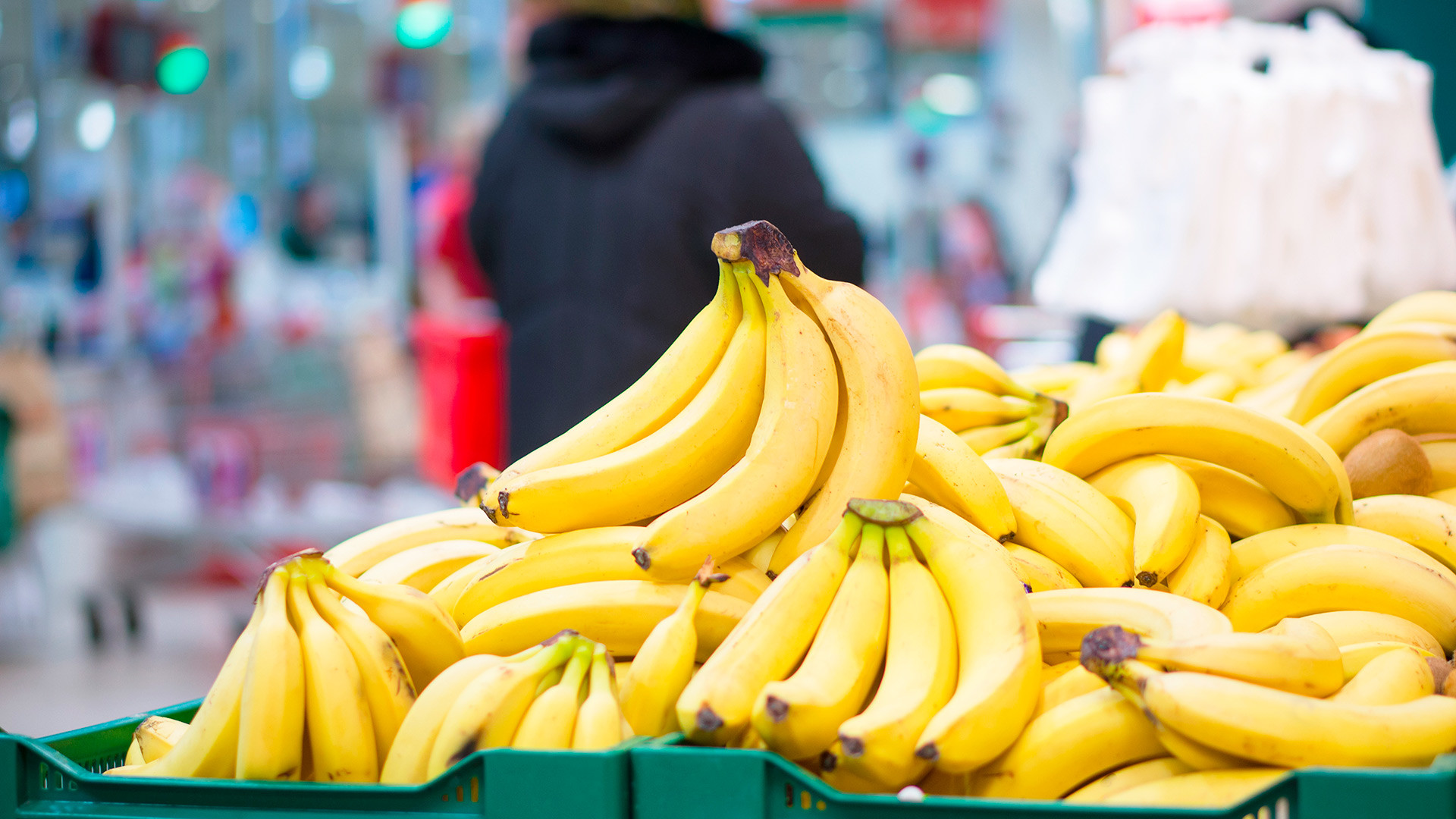
    Banana exports to China increased by 10 percent in the first five months though total vegetable and fruit exports to that country were down 28 percent.

    Vietnam was China’s largest supplier of bananas at 742,000 tons or 43 percent of its total imports, according to the Vietnam Fruit & Vegetables Association (Vinafruit).

    Vo Quang Huy, director of agriculture firm Huy Long An Co. Ltd, said his company’s banana exports to China were up almost 30 percent year-on-year despite the Covid-19 restrictions and safety measures in place there.

    Nguyen Van Cu, director of a northern exporter, agreed, saying his company’s exports doubled to around 500 tons.

    “Prices have surged from VND3,000 (13 U.S. cents) a kilogram last year to VND5,000-8,000.”

    Vinafruit chairman Dang Phuc Nguyen attributed the rise to falling output in China, where banana farms have been plagued by Fusarium wilt, a lethal fungal disease that has no cure, and rising input costs.

    But packaging and logistic costs of up to VND13,000 a kilogram eat up profits, exporters said.

    They expect exports and prices to rise sharply in the second half of this year.

    Vietnamese exports need to improve their quality and origin traceability to increase their chances of entering the Chinese market, Nguyen added.

  • Fruit exports to China slump on tightened Covid-19 restrictions

    Fruit exports to China slump on tightened Covid-19 restrictions

    Vietnam’s vegetable and fruit exports to China fell 28 percent year-on-year to $625 million in the first four months as the major importer extended its zero Covid strategy.

    The plunge resulted in a 14 percent drop in total fruit and vegetable export value, as China accounts for over 50 percent of Vietnam’s $1.17 billion worth of fruits and vegetables export.

    China has been tightening control over imported agro products through stricter monitoring of farm and packing facilities, said Le Thanh Tung, deputy head of the Department of Crop Production under the agriculture ministry.

    Its stringent lockdowns have also lengthened the export negotiation process, with Chinese experts unable to inspect farming areas in person.

    Chinese authorities have also strengthened quarantine regulations and clearance procedures, causing congestion of fruit trucks at border gates.

    On May 23, some 815 and 287 trucks were stuck in the northern provinces of Lang Son and Quang Ninh, respectively, with 35 percent of them carrying fresh fruits.

    Tung also pointed out that Vietnamese farmers were suffering skyrocketing input costs, driven by higher fertilizer and pesticide prices.

    Vietnam mainly exports fresh fruits and other agricultural produce due to limited domestic capacity in processing, so the sector has been severely impacted by adverse conditions.

    Tung called on the agriculture ministry to restructure the production chain of agro produce, including issuing guidelines on building chain-based logistical supply systems.

    It is also necessary to boost cooperation with global partners to open up new markets, he said.

  • Steel stocks belie expectations, in deep slump

    Steel stocks belie expectations, in deep slump

    The Vietnamese steel industry was expected to benefit from the Russia-Ukraine crisis, but stocks of companies have been plunging due to rising input costs and declining demand.

    The shares of industry leader Hoa Phat Group fell Thursday to a 14-month low. HPG has dropped by over 27 percent this year as against a 14 percent fall for the VN-Index.

    Hoa Sen Group’s share price fell to its lowest in 15 months in May and has barely risen since. It has lost 42 percent this year. Nam Kim Steel is down 23 percent and Pomina Steel Corp, 40 percent.

    After Russia launched military operations in Ukraine in February, some top Ukrainian steel manufacturers said they would have to cut production to a minimum this year, while Russian producers face an embargo from western countries.

    The two together exported 57 million tons of steel last year, or 3.1 percent of global demand, and there was an expectation that Vietnamese manufacturers would fill the gap.

    Stock brokerage VNDirect said in March, “We believe that top Vietnamese exporters have the opportunity to increase their production in the near future.”

    Steel stocks soared in February, with NKG rising by 60 percent that month even as the VN-Index inched up by less than 1 percent.

    HSG rose by 36 percent, POM by 21 percent and HPG by 17 percent.

    But after reaching a new peak of nearly US$1,600 a ton in early April, steel prices have dropped to around $1,160 now.

    Analysts blamed this on slower than expected economic recovery and the resultant drag on demand.

    In its latest forecast, the European Steel Association said consumption could fall by 1.9 percent this year instead of rising by 3.2 percent as it projected in February.

    This is because high energy prices, disruptions in the supply chain and the Russia-Ukraine crisis could lead to a slump in demand for cars and consumer electronics, and lockdowns in China’s major cities are likely to have negative impacts on the global economy, it said.

    In a double whammy, production costs are surging.

    Analysts at KIS Vietnam Securities expect the rising costs to drag Hoa Phat Group’s profit margin down by 4.4 percentage points this year to 23 percent.

    In the first quarter its pre-tax profits were nearly 14 percent lower than in the second quarter last year when steel demand was booming.

    Hoa Sen saw profits decline for a fourth quarter in a row, while Nam Kim’s fell by 40 percent from the second quarter of last year.

    “Shareholders will see dreadful earnings figures in the second quarter,” Hoa Phat chairman Tran Dinh Long said at the company’s annual general meeting on May 24.

    HPG dived by 5 percent that day.

    But analysts at SSI Research expect the steel industry to begin recovering when China eases its Covid restrictions.