Retail News CRM

Tag: FamilyMart

  • 7-Eleven Taiwan in MyDay eCommerce partnership

    7-Eleven Taiwan in MyDay eCommerce partnership

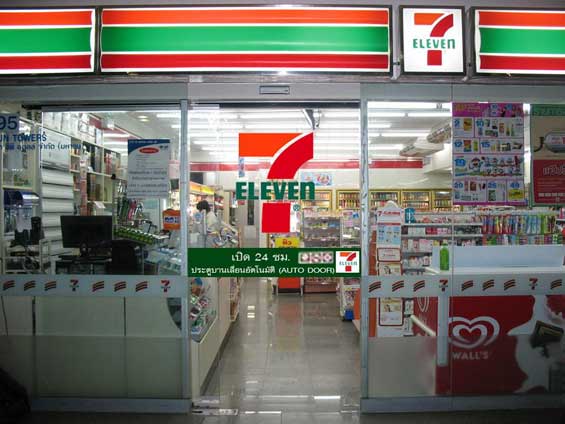
    Taiwan’s largest convenience store chain, 7-Eleven, says it will work with local shopping website MyDay to have online purchases from overseas delivered to its 5000-plus stores around Taiwan.

    The convenience store introduced the delivery service on Wednesday (November 25), allowing shoppers on the MyDay website to have their purchases delivered from Japan, the US and South Korea in as little as five days.

    Myday has over 10 years’ experience in cross-border eCommerce services and also partners with other sites such as Amazon in the US, Rakuten in Japan, and Gmarket in South Korea, said 7-Eleven.

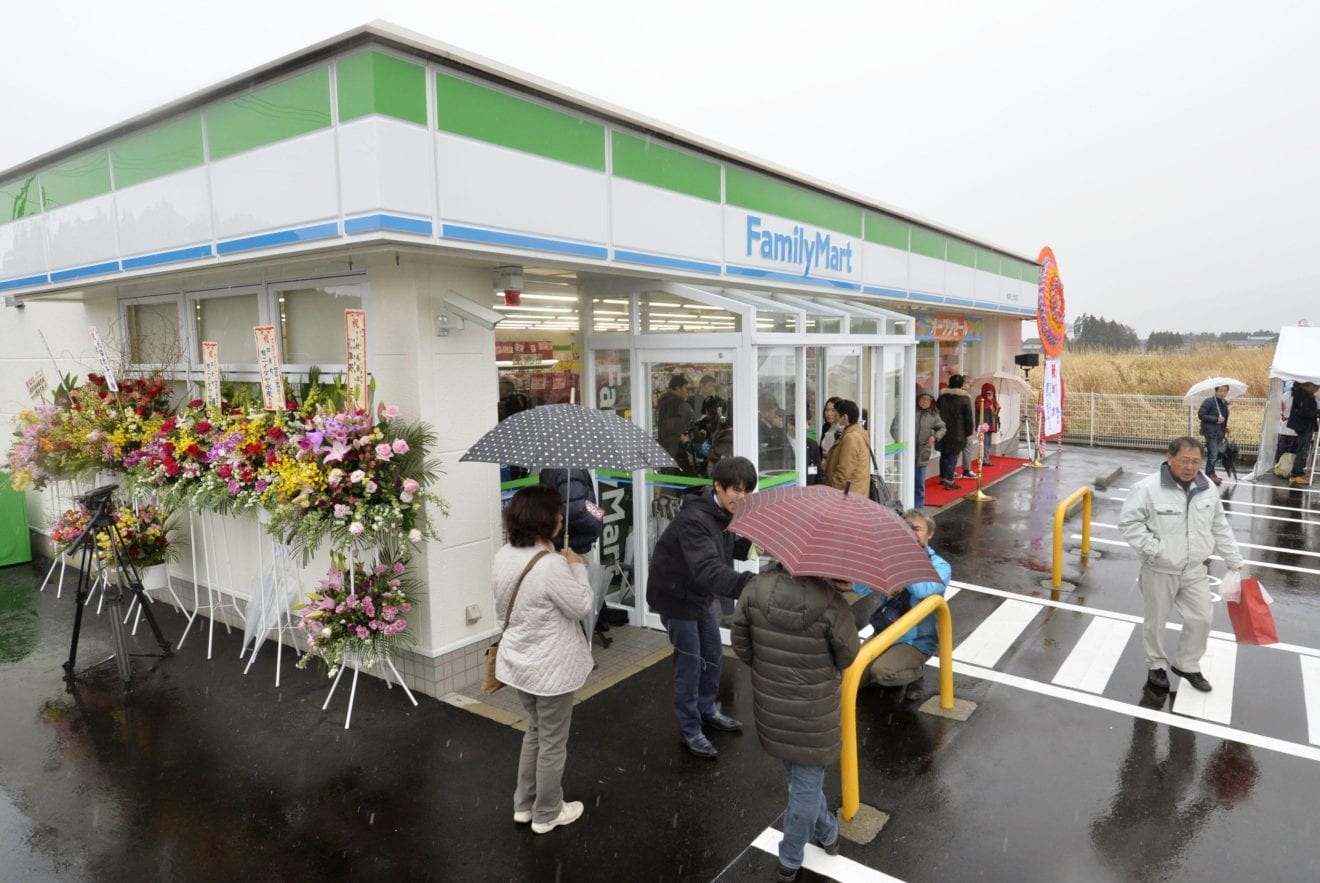
    7-Eleven is the second convenience store chain in Taiwan to offer such a service, following FamilyMart, which established a similar partnership with the Japanese shopping site Tenso in September.

    Registered members of Tenso can have their purchases delivered to FamilyMart stores in Taiwan in about six days.

    Over 43 per cent of online shoppers in Taiwan buy products on overseas sites six times per year on average, according to a 2013 survey by the Market Intelligence & Consulting Institute under the Institute for Information Industry.

  • FamilyMart-Uny seal merger

    FamilyMart-Uny seal merger

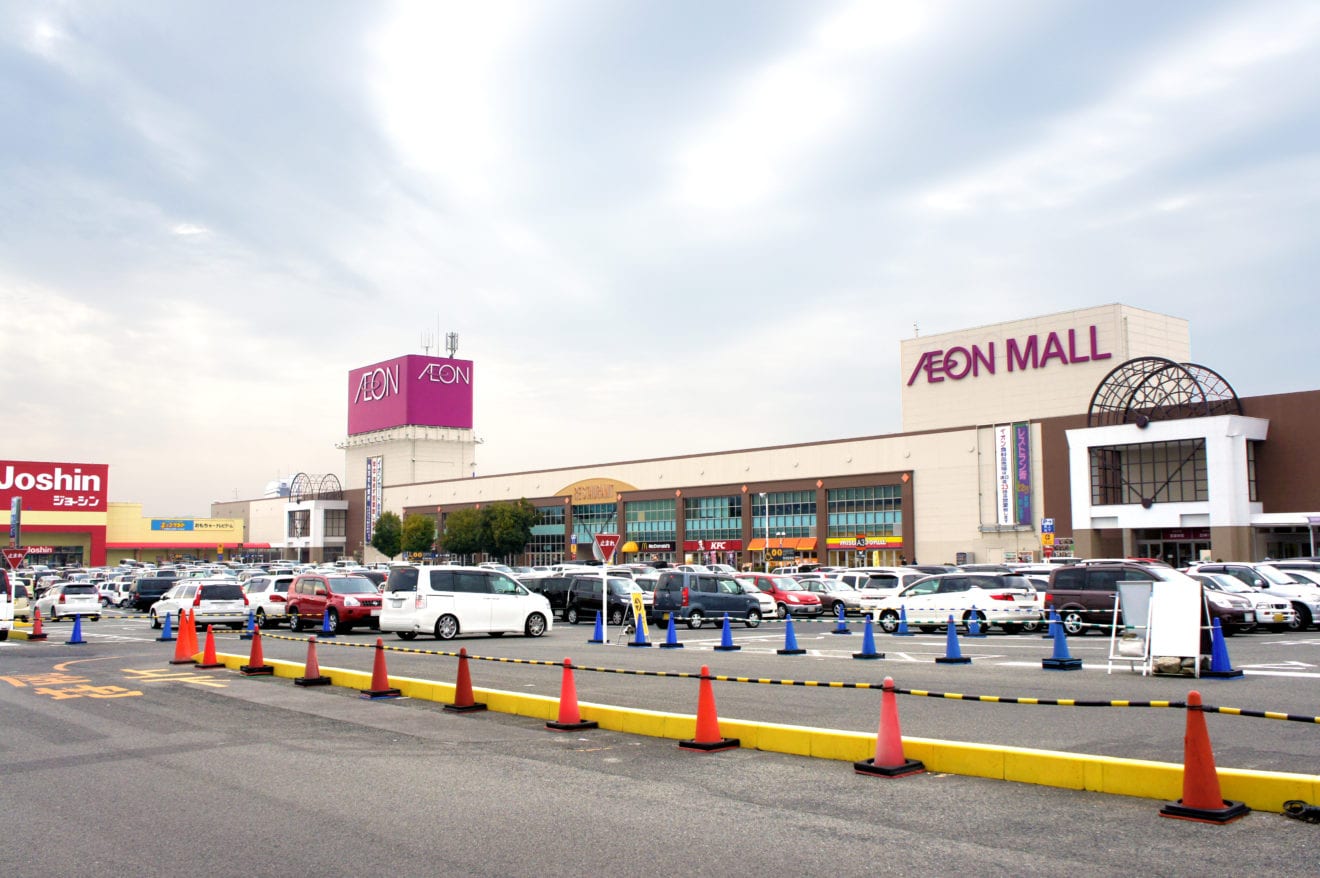
    A merger of Japan’s third and fourth-ranked convenience store operators is set to create a “third force” in Japanese retailing behind Seven & I and Aeon.

    The FamilyMart-Uny merger terms have now been agreed and the two companies are now working towards an implementation date of September 2016.

    FamilyMart will soak up smaller Uny, which operates the Circle K Sunkus convenience store network in Japan. A new holding company will be created, 30 per cent owned by Japanese trading house Itochu, which currently owns three per cent of Uny and is FamilyMart’s single largest shareholder.

    Once merged, the new business will turn over around US$42.2 billion from some 18,000 stores, a network larger than current second placed Lawson and on a par with Seven Eleven Japan.

    The merger has already taken some eight years to negotiate making it nine years by the time the merged entity begins trading. It was back in 2007 when FamilyMart first approached Uny, an offer initially rebuffed.

    Some details have yet to be finalised – or announced – such as the future of Uny’s 230 or so general merchandise stores in what will essentially become a convenience store operator.

    Uny president Norio Sako says there will be some store closures, decided “on their individual merits”.

    There is also no final agreement yet on whether a single operating brand will be adopted.

  • FamilyMart, Uny may put off business integration accord

    FamilyMart, Uny may put off business integration accord

    Retailers FamilyMart Co. and Uny Group Holdings Co. are mulling putting off the conclusion of a basic accord on their planned business integration to September or later, it was learned on Thursday.

    This is because Uny’s work to draw up measures to shore up its slumping general merchandise store operations has been delayed, informed sources said. The two firms originally planned to reach a basic accord this month.

    Still, there is no change in their goal of realizing the integration in September 2016 after obtaining approval at their respective general shareholder meetings in May the same year, according to the sources.

    FamilyMart, a major convenience store operator, and Uny said in March this year that they had started negotiations on integrating their operations.

  • Five trends in Vietnam retailing

    Five trends in Vietnam retailing

    Vietnam’s retail market is set to grow by 8.4 per cent annually until 2020, making it one of the fastest-growing markets in south-east Asia.

    Against a backdrop of increased disposable income, rapid urbanisation and an appetite for change among younger shoppers, we take a look at five trends defining the marketplace for pan-Asian retailers right now.

    Confident investment

    January 2015 marked the first time non-domestic retailers could take full ownership of commercial property in Vietnam, following commitments made to the World Trade Organisation. Now, new trade agreements with Japan, Korea and the countries that make up the Association of South-East Asian Nations (ASEAN) look set to support further growth for international retailers in Vietnam:

    Tailoring the best of international retail

    Domestic retailers may have the advantage when it comes to local shopper knowledge but
    international retailers are drawing on their own strengths to help them compete.

    Dairy Farm, FamilyMart and Aeon have brought their expertise in loyalty schemes, private label and innovative marketing to their stores in the region.

    Other points of difference include appealing to busy office workers with a fast food to go counter (seen at Family Mart and B Mart) and bringing an international flavour to the in-store hot food offer (Aeon Mall).

    Alternative store concepts

    Many retailers have established themselves in Vietnam with a hypermarket presence in one of the major retail hotspots like Hanoi or Ho Chi Minh City.

    Lotte and hypermarket chain Aeon are appealing to families and experimental shoppers with department store formats that act as wider shopping and entertainment destinations. Aeon is also making its mark with a loyalty scheme that includes tailored offers for mums – such as birthday treats or discounts on baby care.

    In the convenience channel, Guardian is the first combined-format health, beauty and drugstore in Vietnam. The store is making waves with its clean layout, colourful signage, bold promotional activity and sales assistants offering a superior level of service.

    Product innovation for a changing market

    A new concept in Vietnam, private label is appealing to young, experimental shoppers thanks to its lower prices and alternative products.

    Aeon has introduced its TopValu private label range, which taps into the popularity of Japanese culture by offering authentic Japanese ingredients and home cooking kits. The retailer is now working with local suppliers to explore domestic production.

    An increasingly affluent middle class is also supporting demand for exclusive and imported novelties. Dairy Farm is well-known for attracting these shoppers with its packaged food, household, health and beauty ranges.

    Expanding to national coverage

    A priority for most retailers is to create a nationwide presence. Lotte has built a network of ten hypermarkets spanning six big cities across Vietnam, making them the first pan-Asian retailer to achieve such a spread of coverage. Meanwhile, Ministop (Aeon), Guardian (Dairy Farm) and Shop&Go are pushing their convenience format in retail hotspots.

    Major retailers are seeing good growth from their franchise models, making partnerships, mergers and acquisitions hot topics.

    Aeon has partnered with local retailers Citimart in the south of the country and Fivimart in the north. The domestic chains are helping Aeon speed up its expansion plans by using their existing store networks. In return, their own customers are benefitting from the retail giant’s private label ranges and investment in infrastructure.
  • Migros to sell private label in Japan

    Migros to sell private label in Japan

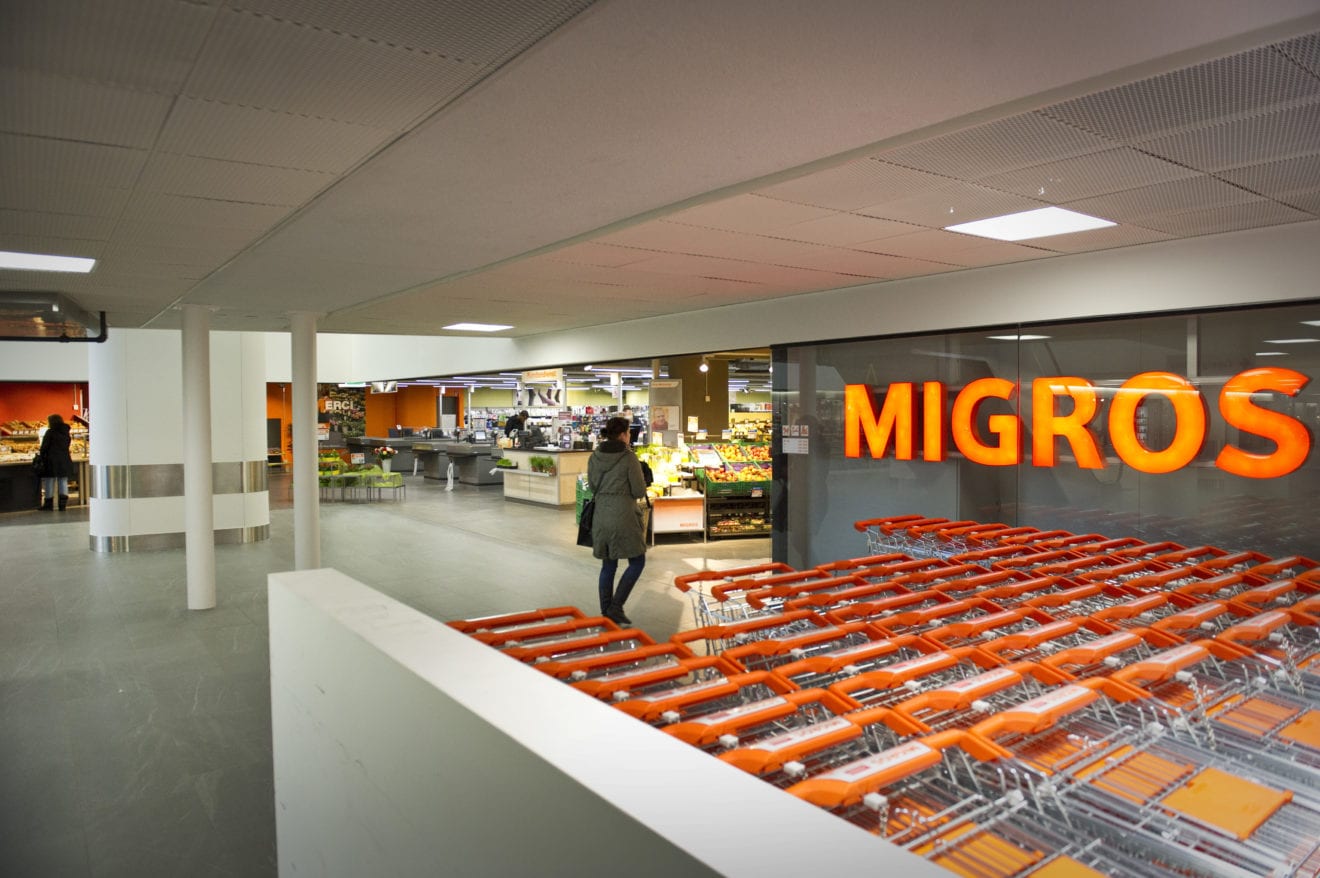
    Swiss retailer Migros is to sell private label products into two Japanese retail chains.

    Switzerland’s largest grocer, and one of the world’s 40 largest supermarket chains, is to sell lines to Lawson’s Seijo Ishii stores and Seiyu, which is Walmart’s Japan business.

    According to the Nikkei Asian Review, Migros will start with 16 premium products including Swiss Delice biscuits and iced tea, which will go on sale in 400 supermarkets trading under the Seiyu and Seijo Ishii banners.

    By 2020, Migros hopes to expand the range to 300 items, including desserts, snacks, cosmetics and skincare products, projecting sales of US$16 million annually.

    Retail research house IGD describes the move as “particularly surprising” for Seiyu, whose range already includes private label lines from Walmart’s own network, including Asda’s Extra Special wines.

    IGD describes Japan as “the most sophisticated private label market in Asia,” with strong players including Seven & I, Aeon, FamilyMart and Lawson.

    “These retailers are exploring the higher margin opportunities that premium private label ranges offer, focusing development around high quality, special ingredients and unique products.”

    Those ranges include Seven Gold and FamilyMart’s Platinum Line.

    But IGD says European influenced products are likely to appeal to shoppers’ increasingly cosmopolitan tastes, and the early line-up includes items which are mutually popular in the Swiss and Japanese markets: ice cream and iced tea.

    “Migros follows in the footsteps of European retailers Waitrose and Carrefour, whose private label products are already available in Japan through partnerships with Aeon.”

  • FamilyMart in talks to buy Cocostore

    FamilyMart in talks to buy Cocostore

    FamilyMart Co. is in talks to buy Cocostore Corp., which operates convenience stores in central and western Japan, sources familiar with the matter said on Friday.

    FamilyMart, Japan’s third largest convenience store chain, recently announced it is negotiating with the smaller rival operating Circle K Sunkus stores, Uny Group Holdings Co., in an attempt to obtain the number two position behind industry leader Seven-Eleven Japan Co.

    If the integration is realized, FamilyMart’s acquisition of Cocostore will add momentum to moves toward the reorganization of the domestic convenience store industry.