Tag: Fashion

  • Desigual Singapore unveils new store in Singapore

    Desigual Singapore unveils new store in Singapore

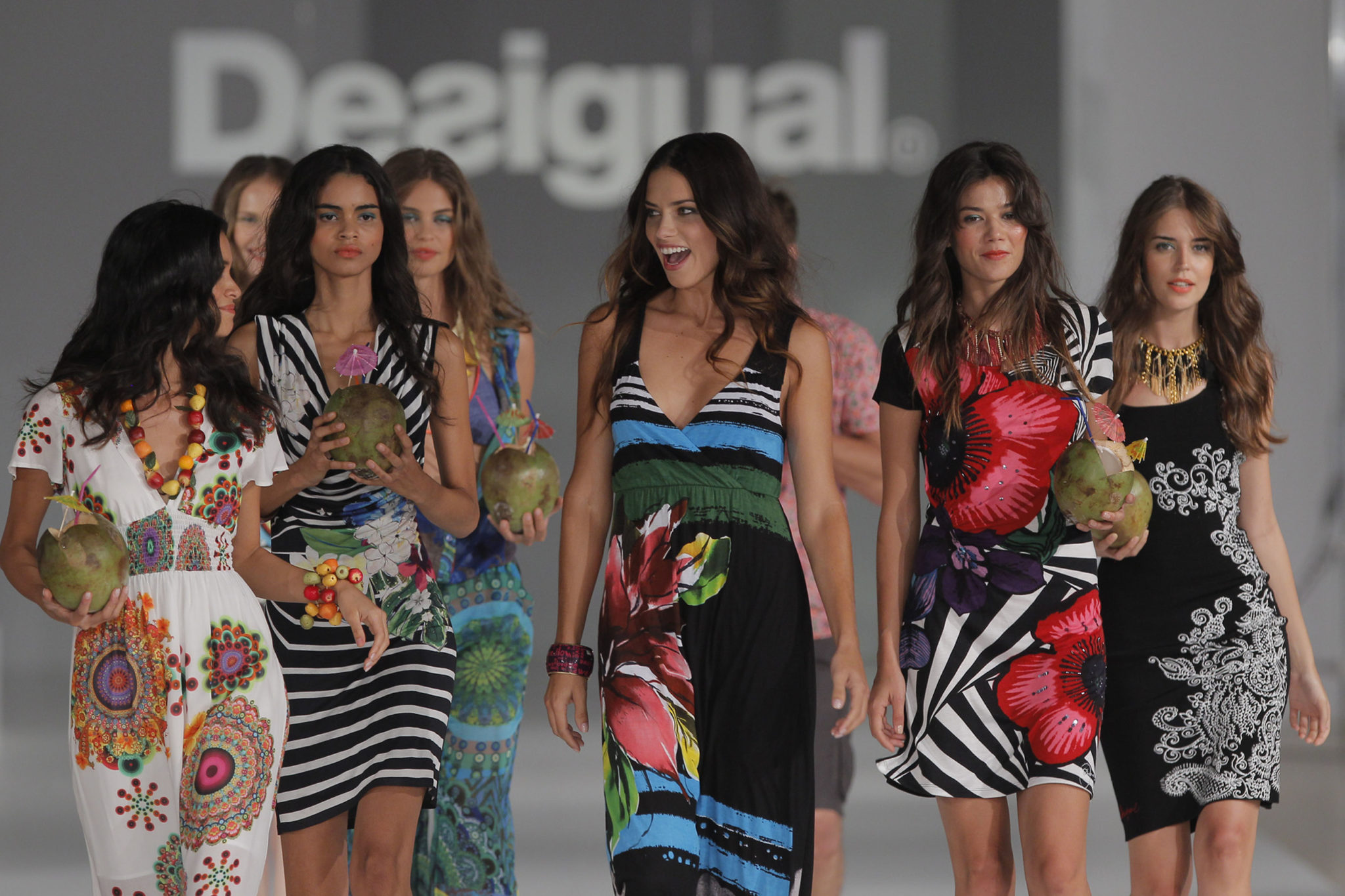
    Desigual Singapore reopens its Orchard Road store today, the first to feature the fashion brand’s new design concept with its customer-oriented shopping experience.

    The 300sqm space will also be the first Singapore outlet for the brand’s sports category, along with women’s and men’s shoes and accessories.

    Created in collaboration with architect Lazaro Rosa Violan, the store draws its inspiration from the Mediterranean with bright tones and such elements as coffered walls.

    Desigual’s sports category features garments designed for women who want to embrace physical exercise while still following fashion trends.

    Established in Barcelona in 1984, Desigual has more than 4500 employees and a presence in nearly 100 countries through 13 sales channels, more than 500 branded stores and eight product categories.

  • Helly Hansen sold off to a Canadian Tire Corporation

    Helly Hansen sold off to a Canadian Tire Corporation

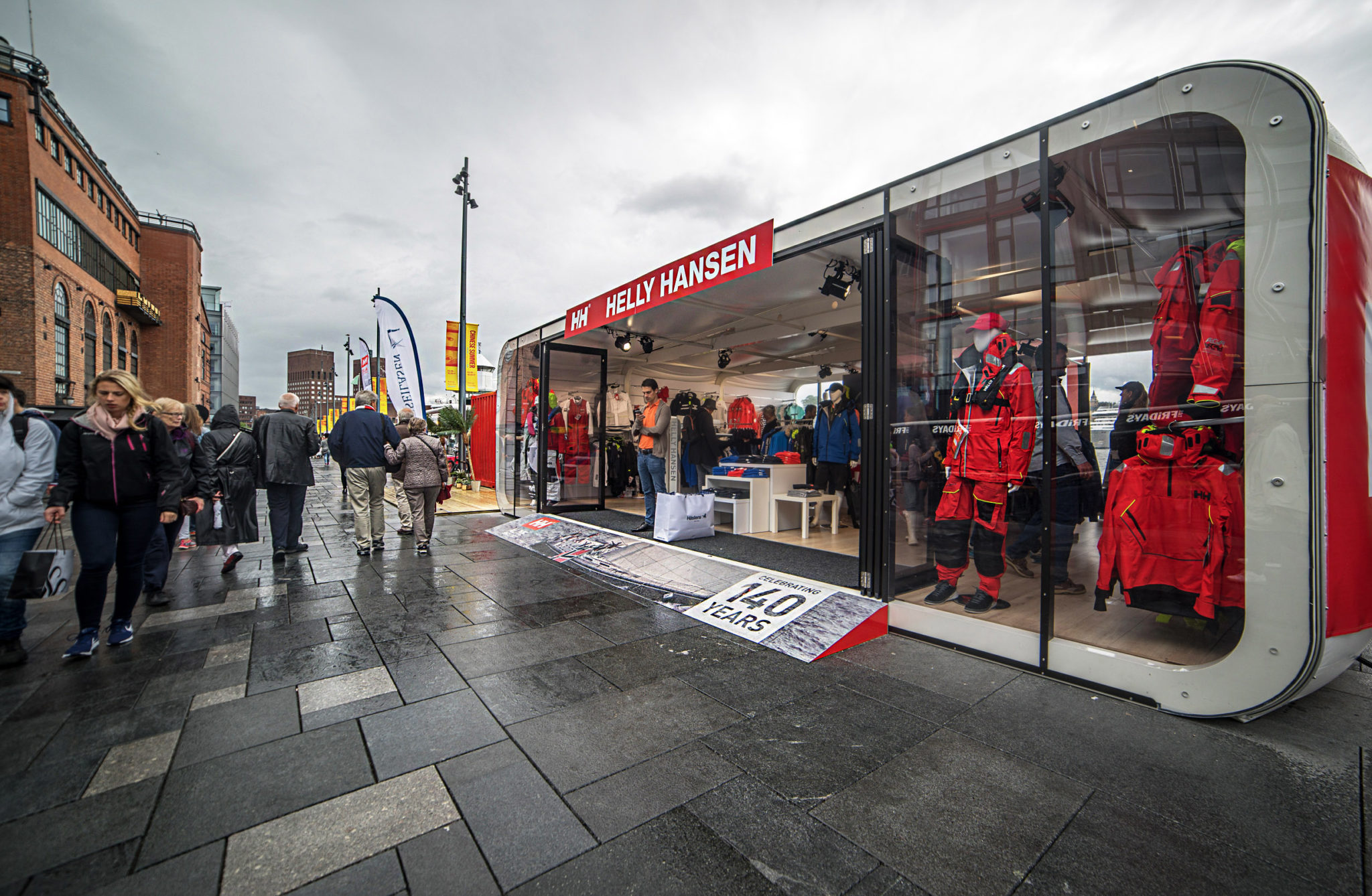
    Canadian Tire Corporation (CTC) is set to buy Norwegian sportswear brand Helly Hansen for US$771 million.

    Helly Hansen, founded in 1877, has been progressively expanding its footprint to cover 40 countries, specialising in clothing for sailing, skiing, mountain sports, wet weather gear and workwear. The business was previously owned by the Ontario Teachers’ Pension Plan.

    Despite its name, CTC is Canada’s largest retail operator with interests in apparel, food, car tyres, sports and homewares. Its brands include Mark’s, SuperCycle and FGL (formerly Forzani). Mark’s is one of Helly Hansen’s largest retail customers.

    “For more than 10 years, Helly Hansen has been an exceptional fit with CTC and this acquisition will strengthen our assortment across all of our banners,” said Stephen Wetmore, president and CEO of CTC.

    “With our capabilities and Helly Hansen’s trusted global brand and management team, we see tremendous opportunity for CTC and Helly Hansen, in Canada and internationally.”

    Helly Hansen’s CEO Paul Stoneham and his management team based in Oslo, will continue to lead the business.

  • Adidas sees ongoing shift from China to Vietnam

    Adidas sees ongoing shift from China to Vietnam

    Factories in Vietnam produced 44 percent of Adidas footwear volume in 2017, up from 31 percent in 2012.

    The chief executive of Adidas expects a shift in its sourcing of footwear from China to Vietnam to continue although he shrugged off concerns on Wednesday about the possible imposition of U.S. tariffs on Chinese-made shoe.

    Factories in Vietnam produced 44 percent of Adidas footwear volume in 2017, up from 31 percent in 2012, while Chinese suppliers made 19 percent, down from more than 30 percent in 2012, Kasper Rorsted told a annual meeting of shareholders.

    “I’m not going to rule out that this trend is going to continue,” he said, adding: “China is still an important procurement market, irrespective of trade duties.”

    Rorsted noted that there was still a lot of uncertainty over what sectors could face new U.S. tariffs. “We might be hit by import duties but it will also apply to our competitors.”

    German rival Puma, which makes about a third of its products in China, said last month that it is working on contingency plans to move some production from China to other Asian markets if U.S. tariffs are imposed.

  • Sa Sa holiday sales numbers look positive

    Sa Sa holiday sales numbers look positive

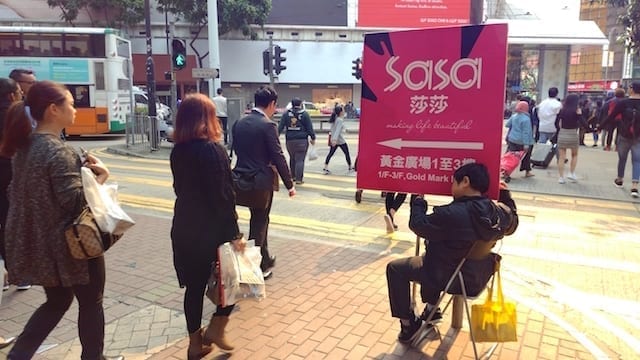
    Sa Sa holiday sales were strong enough to fuel optimism for the beauty products retailer’s full-year performance. Its unaudited sales for the Labour Day holiday show retail sales in Hong Kong and Macau increasing by 34.4 per cent year on year. Sales attributable to mainland customers grew by 41.5 per cent, driven mainly by 23.4 per cent growth in transaction volume and a 14.6 per cent increase in average sales per transaction.

    On a same-store basis, sales rose 31.7 per cent, with sales to local and mainland customers up 12.5 and 38.9 per cent respectively. The overall sales performance was in line with expectations.

    Apart from external factors, Sa Sa says it is starting to bear fruit from the relocation and consolidation of its warehouses.  Continuing efforts to improve product offerings and the balancing of sales growth against gross profit margin have led to increased sales while containing gross profit margin within an acceptable level.

    Benefitting from the retail market recovery, the group says it will continue to optimise product offerings and enhance the customer experience.

  • Ermanno Scervino explores Hong Kong with Shops

    Ermanno Scervino explores Hong Kong with Shops

    Italian fashion label Ermanno Scervino has opened its first boutique in Hong Kong, in Ocean Center Harbour City.

    With four large windows and an external light box, it covers more than 130sqm and houses ready-to-wear collections and accessories for women and men.

    The flooring is in black marble and carpet, while the walls are embellished with canneté glass and polished steel while the external cladding is Belgian black marble.

    “Hong Kong is a dynamic metropolis with a deeply international soul, an authentic place to be for those who, like me, conceive of fashion as transcendent of geographical boundaries,” says Ermanno Scervino.

    Describing the Far East as an important market, group CEO Toni Scervino says that with partner Requing the brand will continue to expand its retail network in the territory.

  • Manolo Blahnik opens store in Marina Bay Sands

    Manolo Blahnik opens store in Marina Bay Sands

    Manolo Blahnik’s Spanish footwear styles have arrived in Singapore with a standalone store in Marina Bay Sands.

    Architect Nick Leith-Smith, who has overseen all of Blahnik’s brick-and-mortar projects, designed the space, drawing inspiration from the cultural and contemporary architecture of Singapore. The floor has colonial-style monochromatic tiles, with woody elements, while sharp corners and matte-black frames reflect the modernity of its retail surroundings.

    Manolo Blahnik brand CEO Kristina Blahnik says Marina Bay Sands has been at the forefront of combining innovative architecture, luxury shopping and leisure, “so I am very excited now Manolo Blahnik will be part of this special concept”.

  • Fashion reigns as Vietnam’s online shopping queen

    Fashion reigns as Vietnam’s online shopping queen

    With busy schedules occupying people’s lives, e-commerce sites are catching up with the rising demand. With e-commerce booming in Vietnam, shopaholics have been switching from walking from store to store to just sitting back and relaxing with their computers and phones to choose their favorite fashion items.

    Despite spending almost ten hours per day at work, Ha, an office worker in Binh Thanh District, HCMC, can still find the time to buy herself new clothes every month.

    Her computer is bombarded by advertisements for new fashion items that stream from the social media channel she uses to the news sites she usually follows since she searched online for a new dress.

    “I don’t have much free time to stop by every store to find the clothes I want, but I can easily do it online. Of course there are risks buying clothes online, but if I order products from shop and receive exactly what I expected, then I go back to that shop,” she said.

    The trend has become so popular that many Vietnamese women say they spend time almost every night watching online retailers livestreaming their products on Facebook.

    A survey released in October last year by Vietnamese market research firm Q&Me showed fashion standing on top of all products purchased online in Vietnam, followed by IT products, cosmetics, food and beverages, and books and stationary.

    Out of a pool of 966 respondents aged between 18 and 39, 73 percent said they went online to buy fashion products, the survey found.

    Tapping into this trend in Vietnam, online shopping platform Lazada has launched a partnership with Au Chau Fashion and Cosmetic Co. Ltd (ACFC), a distributor of world-leading brands such as Calvin Klein Jeans, Levi’s, Dune and Diesel.

    Lazada said the move expresses its ambition to boost the development of its clothing and cosmetics sector, and its target to become the leader in Vietnam’s e-commerce market by 2020.

    “Last year, Lazada’s revenue from fashion products doubled, and the number of fashion providers registering on its platform rose 4.5 times,” said Nguyen Thanh Thuy, director of brand marketing solutions at Lazada Vietnam.

    Vietnam’s e-commerce market grew by 25 percent last year and is expected to maintain its growth in the next three years, according to the Vietnam E-Commerce Association.

    Revenue from online retail is forecast to hit $10 billion by 2020, accounting for 5 percent of the country’s retail market, it said.

    The thriving market has attracted global giants.

    American e-commerce giant Amazon month entered the Vietnamese market last month, just four months after Chinese e-commerce conglomerate Alibaba officially entered Vietnam by investing in Lazada.

    Earlier this year, China’s second biggest online e-commerce firm JD.com Inc announced plans to invest in Tiki, a Vietnam-based online retailer that it intends to help with fulfillment, logistics and more. JD.com co-led the financing with Vietnamese entertainment and social media firm VNG Corp.

  • Moncler thrives in Hong Kong

    Moncler thrives in Hong Kong

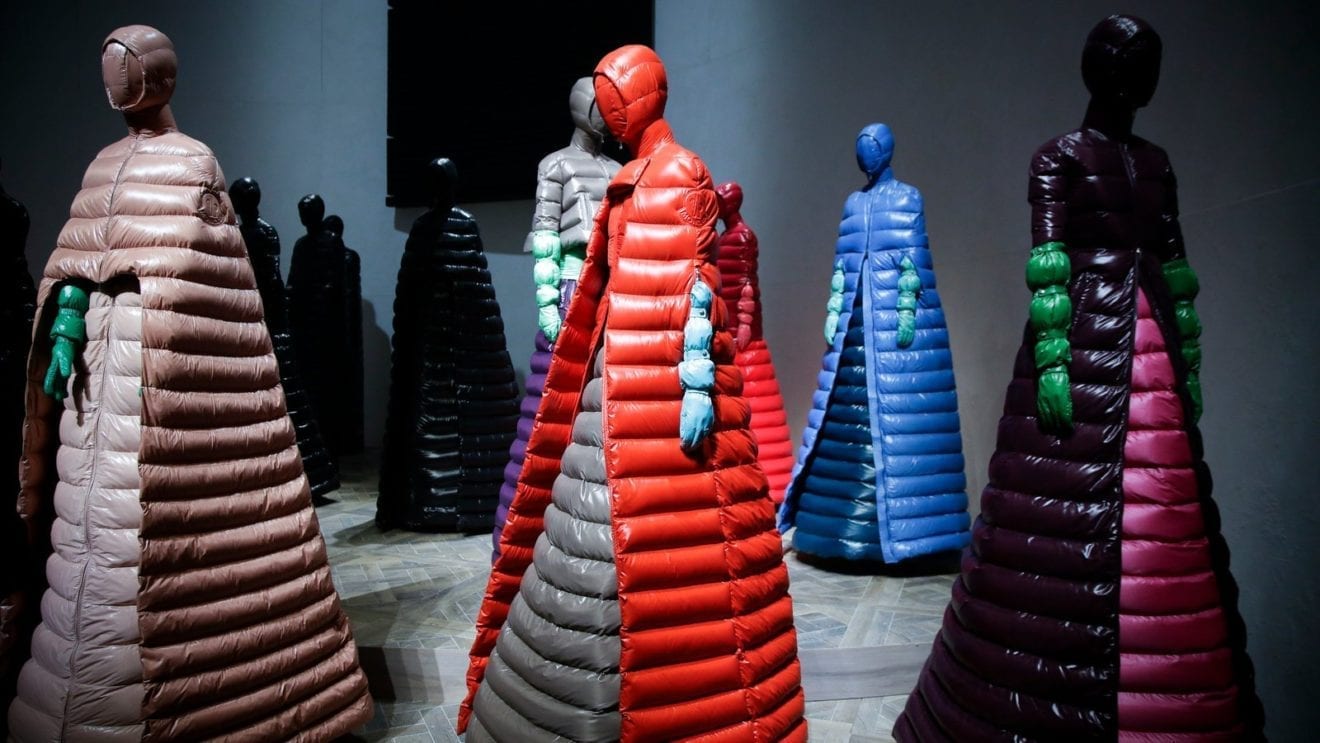
    Hong Kong and China were the fastest-growing markets globally for edgy Italian outdoor-wear brand Moncler in the first quarter of this year.

    In every market in which the company operates, it achieved double-digit growth, even when unfavourable currency exchange rates in some were taken into account. Sales in Asia and other markets outside Europe and the Americas, rose 39 per cent at constant exchange rates, the highest growth rate of any region, reaching €146.4 million (US$175.1 million).

    Within Asia, according to Moncler’s chairman and CEO Remo Ruffini, “China’s mainland and Hong Kong largely outperformed the growth of the region”.

    Worldwide, Moncler’s sales rose 28 per cent at constant exchange rates, to €332 million. Retail revenue rose 35 per cent and wholesale revenue by 9 per cent.

    Ruffini attributes the success to the Moncler Genius project – a creative hub, which has “reimagined Moncler’s soul by going beyond the season’s concept”.

    “The idea for this was born from a desire to seek innovative forms of expression, to constantly dialogue with the clients, fuelled by a new digital approach. Each collection will be singularly dropped, starting from June 14 with Moncler Fragment Hiroshi Fujiwara, followed by all the others on a monthly basis”.

  • Sales remains steady for Hermes

    Sales remains steady for Hermes

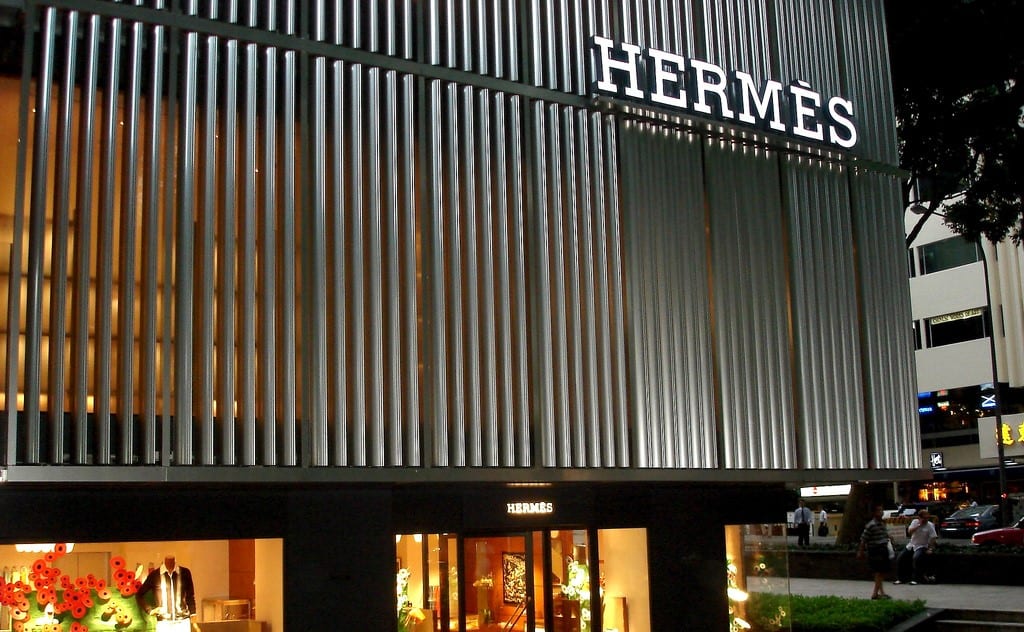
    Despite currency fluctuations knocking out €104 million (US$124.5 million) of revenue, Hermes International reports solid first-quarter sales with China again a hero.

    Excluding Japan, Asia achieved 16 per cent growth. Japan continued with outstanding growth of 8 per cent. In January, the group opened a Landmark Prince’s flagship store in Hong Kong.

    The French luxury fashion group’s consolidated revenue for the period amounted to € 1.3 billion, up 11 per cent at constant exchange rates and 3 per cent at current exchange rates with the strengthening of the euro.

    “This solid performance is the result of the well-balanced sales growth,” says executive chairman Axel Dumas. “It is particularly healthy as it is mainly based on an increase in volumes in the group’s stores.”

    Performance was driven by sound growth across all business lines, led by a 17 per cent jump in the ready-to-wear and accessories division. Perfumes also performed with 16 per cent growth.

    Meanwhile, Hermes Group finalised the sale of its former Galleria store on April 12, expected to generate a net capital gain of about €50 million.

  • Gap looks to Old Navy to gear up sales numbers

    Gap looks to Old Navy to gear up sales numbers

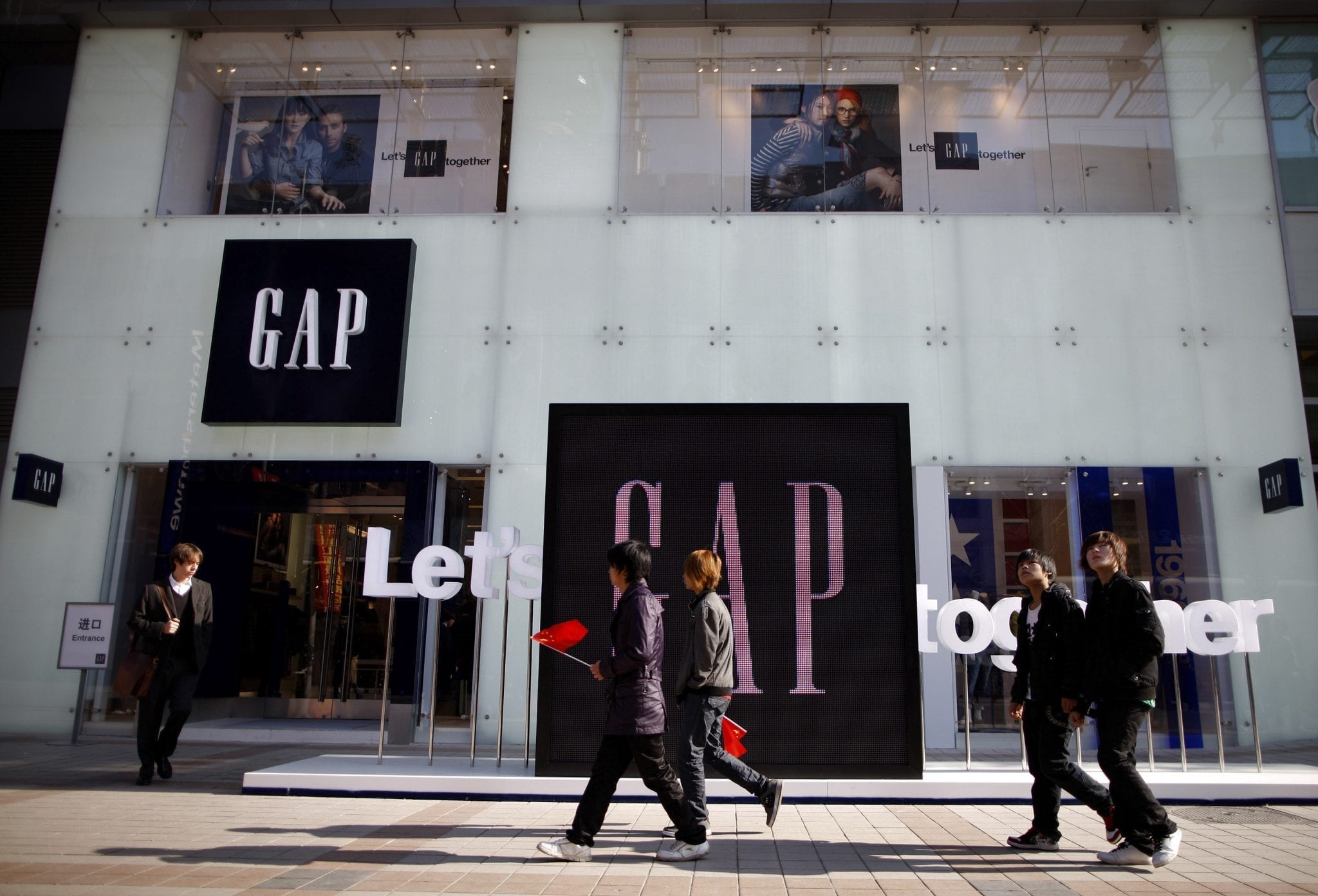
    Gap is ramping up its roll-out of Old Navy stores as the budget brand drives growth for the embattled US apparel giant.

    Gap Inc says it will open 60 new stores this year in the US, Canada and Mexico – twice the number of new stores it opened last year. It will refurbish a further 150 stores, upgrading fitting rooms, bathrooms and checkout facilities.

    The new focus on Old Navy, revealed last September, comes at the same time about 200 underperforming Banana Republic and Gap-bannered shops will be closed. Over a three-year timeframe, Gap Inc plans to open about 270 new Old Navy and Athleta stores, leaving a net network growth of 70 shops.

    Old Navy sales rose 9 per cent in the last quarter, on top of a 5 per cent rise a year earlier. Gap expects Old navy to reach US$10 billion in annual sales within the next few years, and its athleisure brand Athleta, to reach the $1 billion threshold.

    Analyst Retail Dive observes that while Gap store sales are showing signs of stabilising, lower-priced Old Navy has been hitting a stride that the flagship banner has failed to do for years now”.

    “Old Navy is the jewel in the portfolio,” added Ray Hartjen, director of marketing at RetailNext.

    “Shoppers have shown their preference for value across the board, and off-price retail has been one of the few consistent bright spots for the industry the last several years,” he said. “Moreover, Old Navy repeatedly resonates with its loyal core shopper, season after season, with its merchandise assortment.”

  • Tory Burch opens Hong Kong boutique for Elements

    Tory Burch opens Hong Kong boutique for Elements

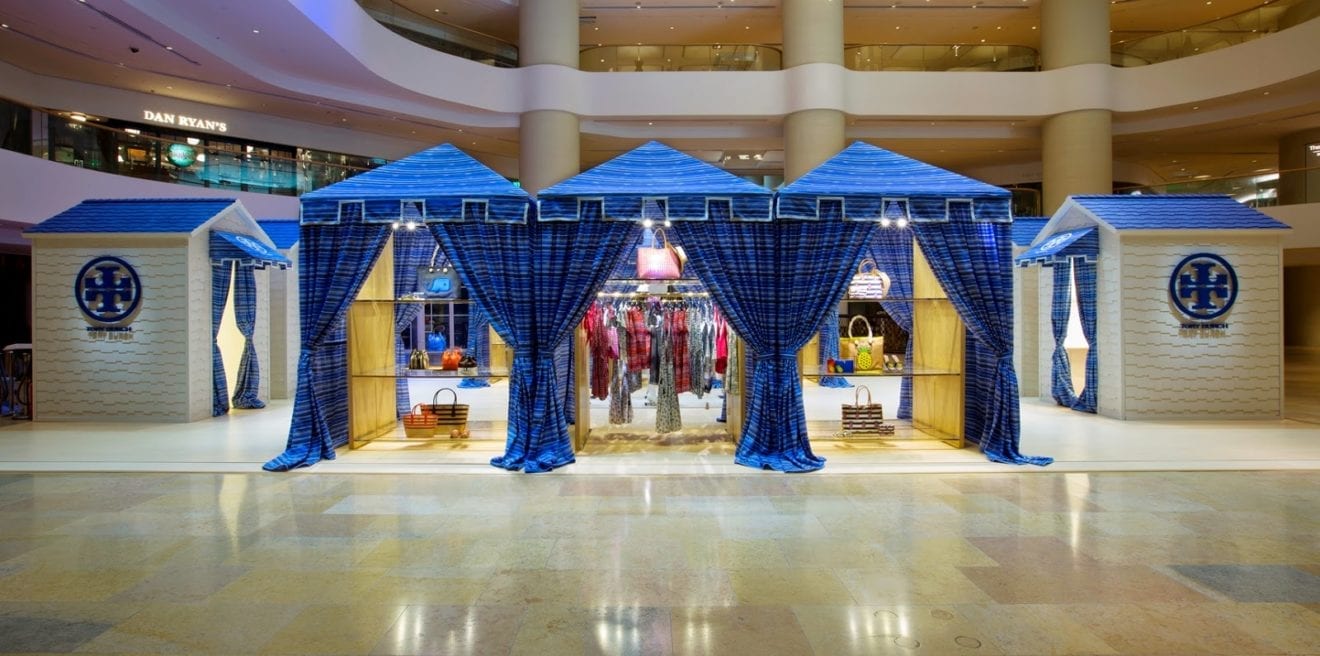
    Tory Burch Hong Kong has opened a boutique at Elements in Kowloon, its eighth retail outlet in the colony.

    Its facade features orange lacquer doors, a signature detail of the US fashion designer, and large windows. The interior has travertine floors in a basketweave pattern, oak panel walls and brass etageres.

    An eclectic mix of furnishings adds colour and texture throughout the store, from lotus lamps and banquettes with a floral covering inspired by Burch’s home in the West Indies, to leopard rugs and mocha-striped drapes.

    The boutique will carry Tory Burch ready-to-wear clothing, handbags, shoes, eyewear, watches, accessories and fragrance.

  • Hugo Boss performing well

    Hugo Boss performing well

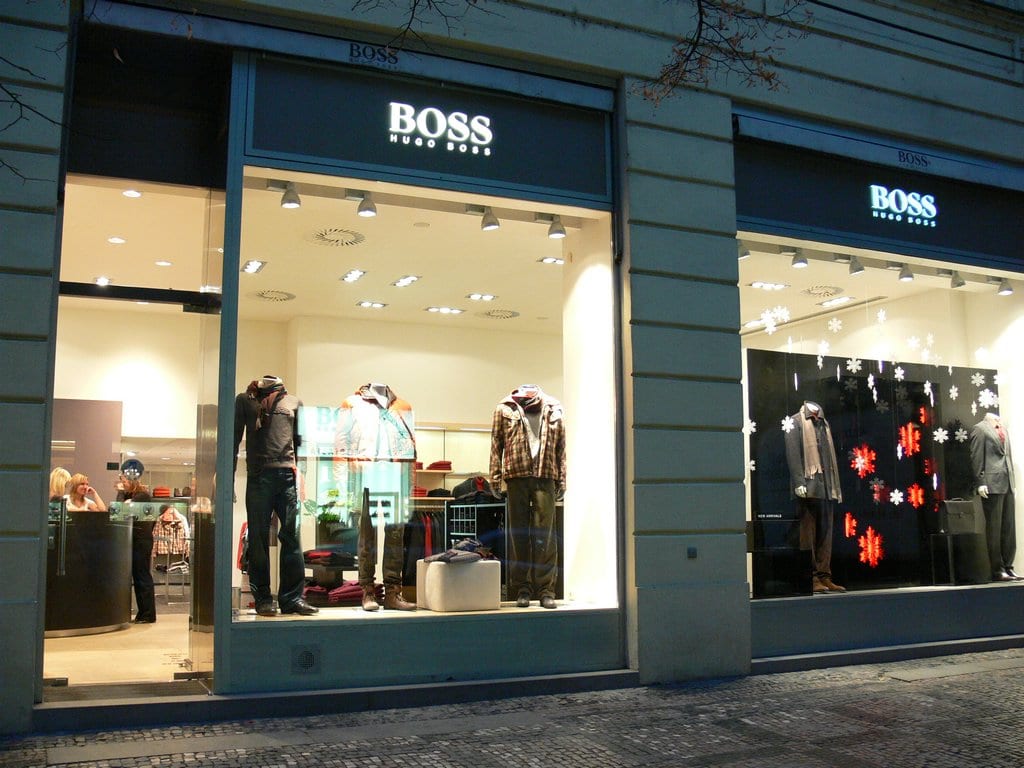
    German fashion house Hugo Boss has posted better-than-expected sales growth helped by a pick up in sales in China and North and Latin America.

    The business posted a five per cent increase in sales for the first quarter to €650 million (AUD$1.03bn), in currency adjusted terms, boosted by strong growth in China and the Americas. Operating profit has increased slightly at €99 million (AUD$158m) compared to the previous corresponding period, confirming its 2018 outlook.

    Investments in product quality, the digital transformation of the business model and the strong euro have curbed the profit increase.

    Mark Langer, Hugo Boss CEO, said that thanks to the its performance in the first quarter of 2018, they are feeling more confident that the business will achieve its sales and earnings targets for the full year.

    “The strong increase in the group’s own retail business shows that our new collections are being well received by customers,” Langer said. “Our investments in the quality of our products and the desirability of our brands are therefore paying off.”

    Langer said the substantial progress achieved in their online business is also encouraging.

    “This positive performance strengthens our confidence that we will achieve our sales and earnings targets for the full year.”

    Hugo Boss has been making efforts to take the brand more upmarket and expand in womenswear and refocused on premium men’s clothing.

  • Asia Pacific helps Under Armour to get up

    Asia Pacific helps Under Armour to get up

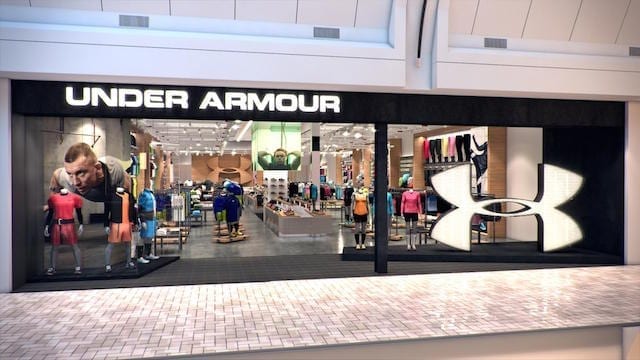
    US-based sportswear brand Under Armour has unveiled better than expected first quarter revenue growth of 6 per cent to US$1.2 billion, as weakness in its home market was offset by growing momentum overseas.

    Asia Pacific was the strongest individual operating region for the business, with sales increasing by 28 per cent, currency corrected.

    However, Under Armour booked a net loss of $30 million in the first quarter, although excluding $37 million in costs associated with its restructuring plan net income was $1 million.

    North American revenue declined by 1 per cent in currency corrected terms while its international business saw sales increase by 27 per cent, up 19 per cent in currency corrected terms.

    Under Armour chairman and CEO Kevin Plank affirmed the company’s $20-30 million operating income guidance for 2018 on Tuesday in the US.

    “Our first quarter results demonstrate measured progress against our focus on operational excellence and becoming a better company,” Plank said.

    “As we continue to build our global brand by delivering innovative performance products to our athletes, amplifying our story, further strengthening our go-to-market process, and leveraging our systems to create even deeper consumer connections – we remain confident in our ability to deliver on our full year targets.”

    GlobalData Retail MD Neil Saunders said that while there are some positives in the latest result the figures still give the impression that the business has “run out of steam”.

    “Overall revenue looks good enough with a 5.8 per cent increase in sales,” he said.

    “However, all of this comes from newer markets where Under Armour is buying growth through expansion. There is nothing wrong with this strategy, but it comes with costs attached – which means the contribution to the bottom line is less than impressive.”

    Saunders says Under Armour’s poor performance is solely of the brand’s own making.

    “Within North America, we believe that Under Armour’s image is still off-pitch and that its brand strategy remains extremely muddled. Strategically and in terms of its store and distribution footprint, it is clear that Under Armour wants to be a strong lifestyle brand with a wide reach.

    Indeed, recent partnerships, such as the collaboration with rapper A$AP Rocky, suggest a push to appeal to younger demographics more interested in fashion than sports.”

    Saunders says most consumers do not see Under Armour as a lifestyle brand; they see it as a specialist sports performance brand.

    “This limits Under Armour’s ambitions and means that many of the lifestyle initiatives it pursues fall on stony ground. The brand needs to have a much clearer identity, possibility by using sub-brands, before it can gain wider acceptance. Throwing out new products and lines before this clarity is developed is folly.”

    He also believes “the masculine nature of the brand” has made it hard to expand its reach to women.

    “While store design, marketing, and products remain male-focused, Under Armour will continue to struggle with women. This is a lost opportunity as female sports and fitness remain a fast-growth part of the market.”

    He says Under Armour is paying the price for growing too fast and has too broad a set of ambitions.

    “The result is a company that lacks a clear vision or point of view. In today’s crowded marketplace this has made it indistinct and easy to overlook. Until this is remedied, growth will remain problematic.”
  • Asia Pacific drives Estee Lauder’s third quarter sales record

    Asia Pacific drives Estee Lauder’s third quarter sales record

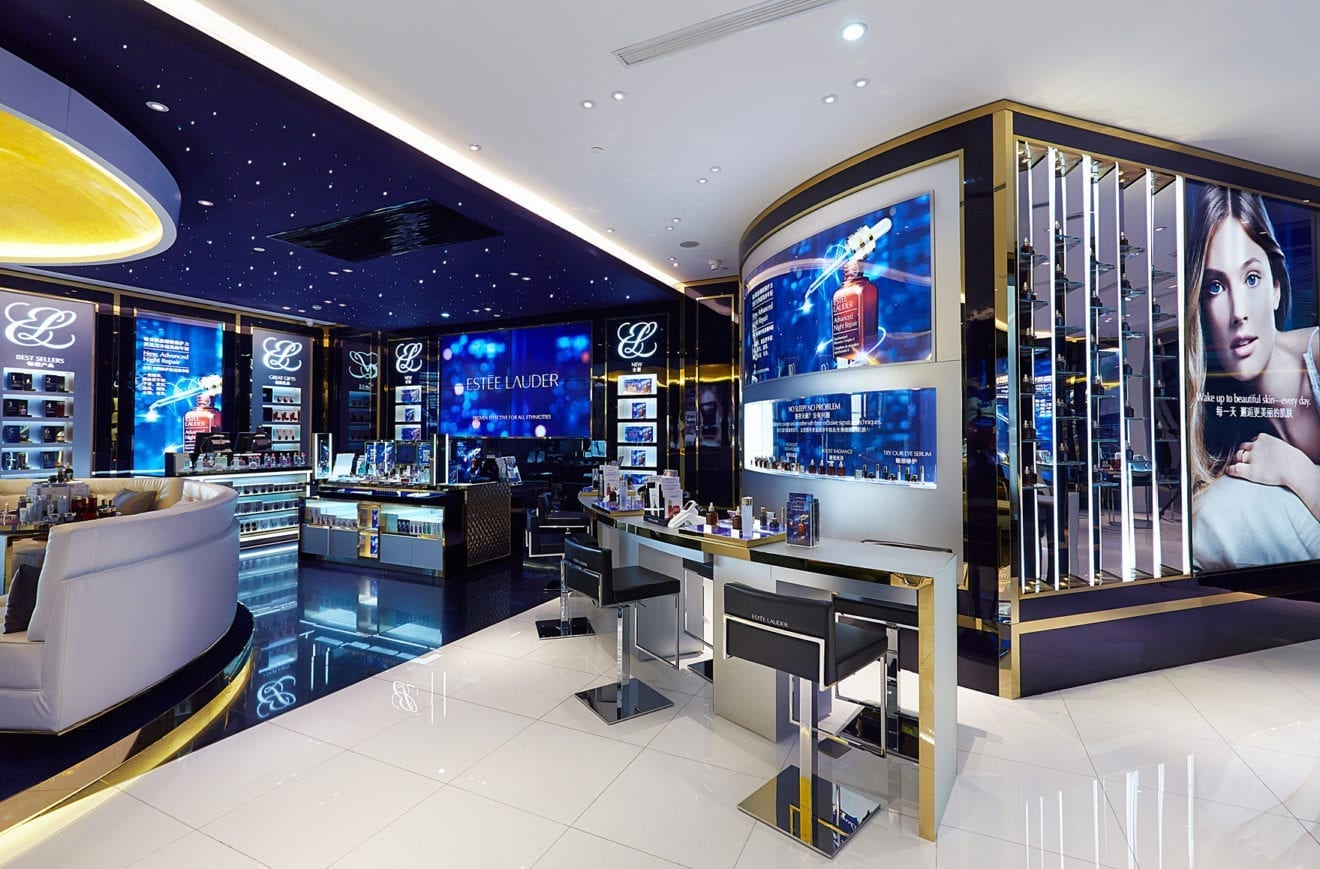
    Solid growth in Asia Pacific, including in Australia, has helped cosmetics giant Estee Lauder deliver an 18 per cent increase in third quarter sales, ahead of Wall Street estimates.

    Delivering its financials for the quarter ended 31 March in the US on Wednesday, Estee Lauder said “solid sales increases” in Australia, Japan and Thailand, alongside double-digit sales growth in China, drove a 30 per cent increase in net sales from Asia Pacific to US$773 million.

    Asia Pacific operating income was up 57 per cent to US$179 million, offsetting a 62 per cent fall in American earnings to deliver the company a total 16 per cent increase in operating income to US$497 million for the period.

    Declining retail traffic weighed on Estee Lauder’s US-based bricks-and-mortar stores, but momentum in Asia Pacific has buoyed the business, which expects full year revenue to increase by 15 – 16 per cent, slightly higher than market consensus forecasts.

    President and chief executive Fabrizio Freda said it was an “excellent” quarter for the business in what he expects will be an “outstanding fiscal year”.

    “Among our multiple engines of growth, travel retail, online and Asia again were standouts, and we experienced strong momentum in other high growth channels and markets,” he said.

    “Our performance this quarter reflected robust global demand across our portfolio, with virtually all our brands posting sales growth.”

    Asian skincare sales and fragrance were standouts for the business, offsetting operating losses in make-up and relatively flat growth in haircare products during the quarter.

    The company’s MAC makeup brand performed particularly well in Asia Pacific during the quarter, while La Mer and Estee Lauder drove growth in skincare.

  • Kipling announces global organisational changes

    Kipling announces global organisational changes

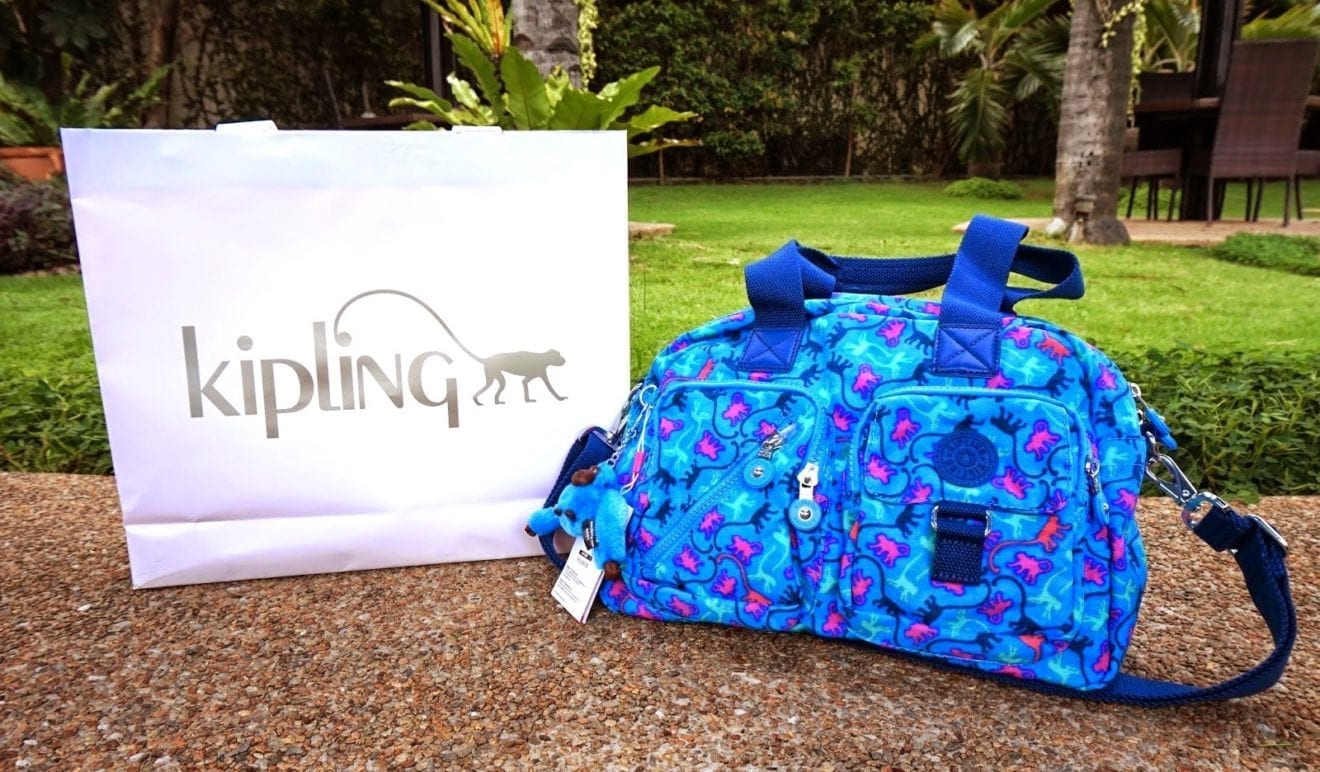
    VF Corporation-owned Kipling has announced several key global organisational changes.

    Vera Breuer has been appointed as Global President. She succeeds Richard Macey who retired earlier this year after 18 years at the company.

    Breuer reports to VF Group President EMEA Martino Scabbia Guerrini and is based at the VF office in Bornem, Belgium.

    Breuer is accountable for delivering brand strategies and helping to define Kipling’s long-term vision. She also will manage the brand’s asset creation through product, design and marketing, and help to pursue Kipling’s five-year plans and global P&L targets.

    Breuer has a successful track record of managing luxury brands for L’Oréal and has spent the majority of her career in Asia. Most recently, she was General Manager South Asia for The Body Shop. Breuer previously worked in Hong Kong and Germany where she gained relevant international experience managing major businesses.

    Olivier Gay, who joined Kipling in 2016 as Vice President Sales and Retail for Europe, Middle East and Africa, has been promoted to VP & General Manager Kipling EMEA. In his role, Gay is responsible for delivering Kipling’s strategy and P&L for EMEA and setting up the brand’s short-term and long-term strategy for the region.

    Gay has over 17 years’ experience in the luxury business and held several positions at Cartier.

    International Sales Manager Distributors & Travel Retail Thomas Falcy has been promoted to Sales Director Global Travel Retail & Distributors EMEA, effective 1 May. He will report to Vera Breuer for global travel retail and Olivier Gay for the EMEA distributor business.

    “The main focus for managing our travel retail business globally will be presenting the brand consistently across the globe. Defining and implementing a go-to market strategy with a global product assortment and marketing support in all travel retail touch points will allow us to further build strong relationships with global key accounts,” said Kipling.

    Wolfe has worked for high-profile brands such as Tumi, Kate Spade and Coach

    Wolfe will lead Kipling’s Global Product and Design teams, supporting the Kipling brand in identifying ongoing and seasonal product directions, innovation opportunities and new capabilities for markets. She will play a key bridging role across merchandising, sourcing, design and development.

    Prior to joining Kipling, Wolfe worked for her own accessories brand, which she started two years ago. Before that she had a 15-year career at Tumi New York, most recently as Vice President, Product Development and Design. Wolfe has also held positions at Kate Spade and Coach, and has extensive experience in design and development across the globe.