Tag: Fashion

  • Cartier parent fined for violating drug kingpin sanction

    Cartier parent fined for violating drug kingpin sanction

    Cartier owner Richemont North America has been fined for shipping jewellery to a Hong Kong company blocked by the Treasury Department’s Office of Foreign Assets Control (OFAC).

    Based in New York City, Richemont has agreed to pay US$334,800 to settle its “potential civil liability” for four apparent violations of the Foreign Narcotics Kingpin Sanctions Regulations, says the OFAC.

    Richemont exported four shipments of jewellery to Shuen Wai Holding in Hong Kong in 2010 and 2011.

    OFAC had put Shuen Wai on its SDN List (List of Specially Designated Nationals and Blocked Persons) on November 13, 2008. Kingpin Act designations are tagged on the SDN List, reports the FCPA Blog.

    “On four separate occasions, an individual purchased jewellery from one of Richemont’s Cartier boutiques in California or Nevada, providing Shuen Wai’s name and mailing address to Richemont as the ship-to party,” says the OFAC.

    “Although the information and documentation provided to Richemont contained the same name, address and country location for Shuen Wai as they appear on the SDN List, Richemont did not identify any sanctions-related issues with the transaction before shipping the goods,” OFAC says.

    Businesses in the US are prohibited from doing business with people or companies designated under the Kingpin Act. The law targets “significant foreign narcotics traffickers” as identified by the President.

    OFAC says Richemont did not voluntarily self-disclose the apparent violations, nor did it “exercise a minimal degree of caution or care with respect to the conduct that led to the apparent violations”.

    Nevertheless, says the OFAC, the offences were “a non-egregious case”, and Richemont had had a clean record with the office for the previous five years. It co-operated with the OFAC investigation and took remedial action to correct deficiencies that gave rise to the apparent violations.

    OFAC discounted the penalty down from $620,000.

  • Kathmandu lifts full year profit

    Kathmandu lifts full year profit

    Adventure gear retailer Kathmandu has posted a 13.5 per cent increase in full-year profit to NZ$38.04 million (A$34.8 million), helped by strong winter sales and improvements in promotions.

    Revenue for the 12 months to July 31 was up 4.6 per cent to NZ$445.35 million, the company stated.

    Earnings before interest and tax (EBIT) increased from NZ$50.9 million to NZ$57.0 million for the same period. A final dividend of NZ 9.0 cents per share will be paid, bringing the full year payout to a record NZ 13.0 cents per share.

    “We were pleased to achieve strong same store sales growth driven by innovative new products and inspiring digital content,” said chief executive Xavier Simonet. “In addition to top line growth, continued cost control and working capital efficiency delivered very solid profit growth.”

    Simonet said the company’s financial position continued to strengthen during FY2017, and they ended the year with lower inventory and record low net debt.

    According to Simonet, sales grew strongly in their two largest markets, Australia and New Zealand.

    Online sales now comprise 7.5 per cent of group sales.

    “We have now delivered two successive years of strong profit growth and four successive quarters of same store sales growth,” Simonet said. “As a product and brand led business, we are focused on engaging our customers by creating distinctive, sustainable, quality products and by promoting our brand authenticity.”

    Simonet said in the year ahead, it is their aim to continue to grow in their core markets, with gross margin and operating efficiency a key management focus.

    “As we look forward, I am excited about the wholesale trials we are conducting in Europe, and remain committed to developing new international channels for the Kathmandu brand,” he said.

  • Kate Morris’s award-winning collection on display

    Kate Morris’s award-winning collection on display

    British designer Kate Morris has her winning collection from the EcoChic Design Award on display at Lane Crawford department store in IFC Mall.

    It will be featured until October 4.

    Also to go on display, at Hysan Place, will be the outfit designed for an indie musician by Gao Qing Zi, who took the Hong Kong Best title of the award. Other select pieces from finalists will also be featured, with the display running from October 5 to 19.

    Run by Redress, the sustainable fashion award was sponsored by Create HK and drew entries from 46 countries. It culminated in a runway finale.

  • Downhill slide for Bossini International

    Downhill slide for Bossini International

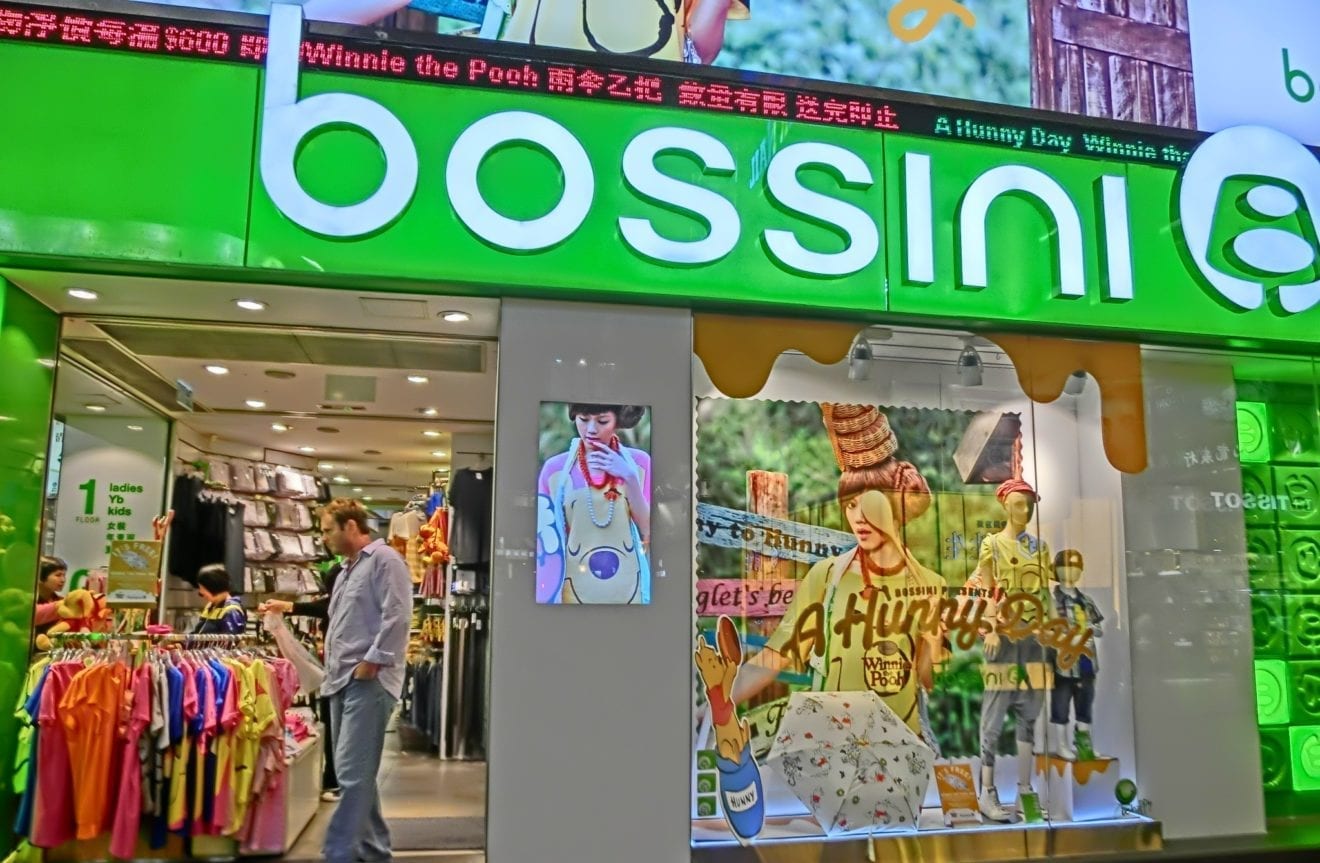
    “Severe” competition in core markets and continuing weak consumer sentiment have shredded profits for apparel company Bossini International Holdings for its fiscal year to the end of June.

    It was hit hardest at home in Hong Kong, where despite more positive business sentiment the its retail business continued to languish.

    Strong growth continued, however, in the wider Asia-Pacific market in the face of widespread concerns about growing protectionism, a rapidly aging society and slow productivity growth, says the company, which saw its overall revenue and gross profit drop 13 and 8 per cent respectively.

    Same-store sales declined 8 per cent for the year while there was a 5 per cent drop in gross profit.

    The group’s revenue for the year was HK$2 billion (US$256 million) compared to $2.3 billion last year. Gross profit dropped to $1 billion from $1.1 billion, with the gross margin rising three points to 51 per cent.

    Operating profit for the year was $10 million, EBITDA was $42 million (down from $356 million) and profit attributable to owners of the company was $5 million, compared to 4292 million the previous year.

    At the end of June, the group had a presence in 30 countries and regions with a total of 940 stores (down from 947) comprising 284 (2016: 280) directly managed stores and 656 (667) franchised stores.

    The Hong Kong and Macau market held its position as the major contributor to group revenue, with 40 stores, two down from the previous year.

    Non-performing stores in Singapore and Taiwan were consolidated, the portfolio reducing to 18 (21 the previous year) and 63 (70) respectively.

    Meanwhile, Bossini is celebrating its 30th anniversary with campaigns and events throughout this year, and launched its On-the-Go collection that targets the expanding market for travel and outdoor apparel.

  • How fast fashion is emerging at pace in Vietnam

    How fast fashion is emerging at pace in Vietnam

    Vietnam is one of the fastest developing countries in the world with a huge population, and the number of middle and high income shoppers and consumers is steadily increasing.

    As a result, international brands such as Zara, H&M and Uniqlo have spotted a great opportunity for them to roll out new concepts and increase sales. Today, this is happening in a lot of industries, and fashion is one of them.

    Vietnamese people (especially women) take a lot of pride in their appearance, and with a growing middle class, more consumers have the cash to pay more for quality international brands and up-to-date products.

    Of course, price remains the most important factor when it comes to making a purchasing decision for most people in Vietnam, but fashion products also convey image and status which are very important in Vietnamese culture.

    The millennials (aged 15-35 years old), accounting for a third of the population, are now the country’s driving force, and have higher standards of fashion and higher exposure to global trends via internet/social media and travel experiences.

    This young population is key to the development of international fashion brands since they have the desire to buy, the money to do so, and are already sold on these brands as most of them know them and sometimes buy their products from overseas.

    These factors offer a good perspective for the entrance and development of international fashion brands in Vietnam and a platform to acquire new customers.

    Can foreign fashion brands really change the way Vietnamese consumers shop?

    Vietnam is following the global trend of standardization. These brands want to offer the same customer experience everywhere in the world, so they have strict guidelines to meet customer demands and roll-out concepts that are proven to work in multiple countries.

    This potential roll-out in Vietnam is a real opportunity for Vietnamese people to gain access to these products, some of which they are already aware of.

    Vietnam is a country where local brands and local makers can offer more unique and individualized products, but what Vietnamese want today, especially the younger generation, is to have international brands that offer modernity and a feeling of being part of the wider world.

    These brands may be offering mass market products, but that’s what young shoppers are aspiring to, and new store openings will likely drive increased traffic to the numerous shopping malls that have popped up in key cities.

    At a basic level, they will raise the shopping experience in Vietnam by offering a comfortable, spacious and premium shopping area with a clean store lay-out and iconic shopping bags to make the shopping experience easier and more interesting. Expect trendy music and cool staff to greet shoppers when they enter the store.

    Beyond this, another advancement we can expect from international brands is the adoption of technology to enhance the shopping experience.

    Fashion, as an industry, is continually evolving and fashion retailers must constantly innnovate to stay relevant. These brands have the financial backing and experience to roll out new technologies quickly, which will reshape the way Vietnamese shop for fashion. Expect to see iPads in the hands of staff helping customers to track down what they want, and even customers doing it for themselves at pop-up kiosks.

    Social media interaction, fashion competitions and mobile app membership could all be used by international retailers to drive interest in their stores. We can also expect their e-commerce websites to start offering a link between bricks and mortar and online. This will help reach a wider customer base (nationwide) when it’s hard to find spacious and affordable locations in Vietnam.

    Consumer expectations of foreign brands

    The fashion market is very scattered in Vietnam. Branded products account for a very small part of the total fashion/clothes market and are mainly targeted at the upper class.

    Currently most of the population buy either unbranded products made by local tailors, products from local fashion brands, or imported products from Thailand or even China. When international brands enter Vietnam, it is unlikely that they will be adopted by the major part of the population.

    Even if disposable incomes ares increasing, the low and middle classes are not ready to change their purchasing behavior to buy much more expensive products all the time.

    While these international fashion brands can be considered mainstream by global standards, they will probably be more considered “affordable premium” or even “premium” by most Vietnamese shoppers.

    If these brands want to make a real mark on the market, they must make themselves affordable to most of the population. However, if they do this they risk losing their main target consumers. As such it will be difficult for them to find the right positioning.

    There are some major mistakes these brands will have to avoid in Vietnam.

    The first mistake would be charging more for the same products than in other countries. Vietnamese consumers are connected/informed and will buy from overseas if the price in Vietnam is higher. We have already seen affordable brands become luxury brands when they entered Vietnam.

    The second mistake they have to avoid is to believe that Vietnam is a country where they can sell their collections from previous years: Vietnamese are looking for the latest trends and do not want old stock from other countries. These international brands will provide a new alternative to young consumers and will probably have great success in the short term if the price is not too disconnected from what they currently pay for local brands. The only question is whether these brands will fully replace what people currently buy or if they will just be bought as a treat, as an add-on to the current purchases of a specific demograph only.

    To sum-up, they should be affordable enough not just to attract a very small part of the population, not too cheap to stay aspirational, showcase the latest collections, offer an “international” look and feel, and take into consideration local tastes and sizes.
  • Zara’s parent records strong first half

    Zara’s parent records strong first half

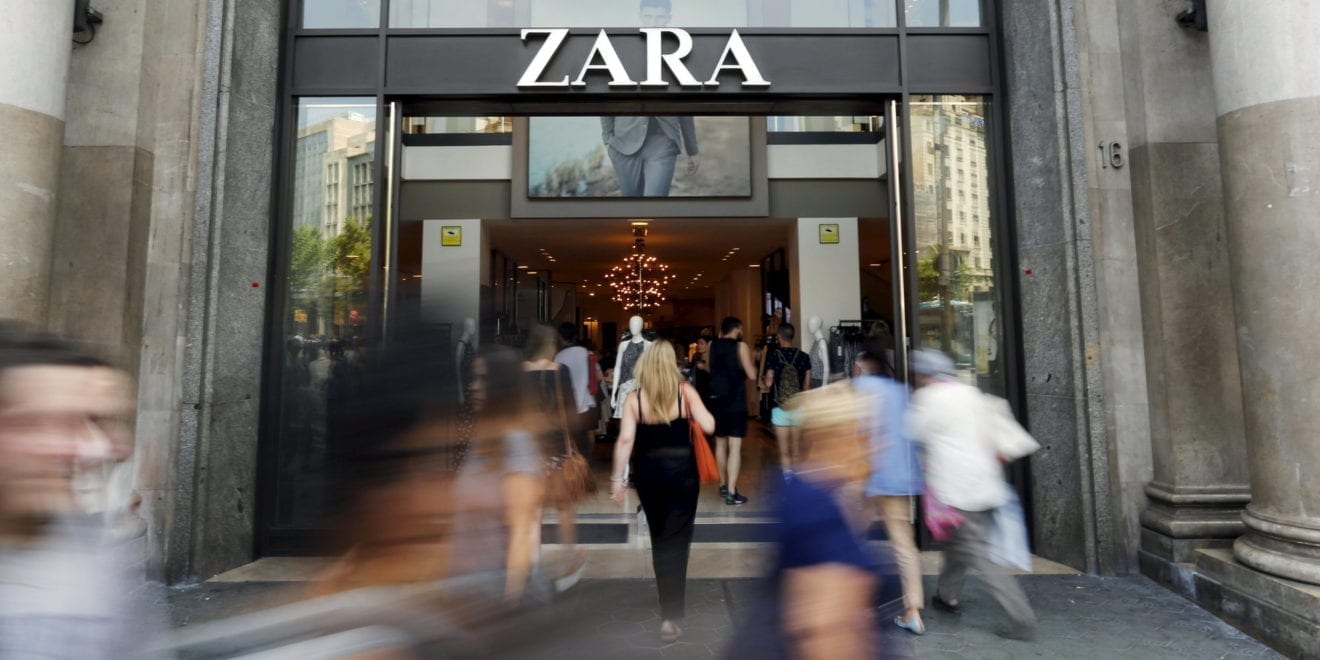
    Zara’s parent company Inditex Group has seen its first half revenue rise 11.5 per cent, underpinned by growth across all markets and brands.

    First-half net profit amounted to €1.37 billion, seeing year-on-year growth of 9 per cent, while like-for-like sales growth was 6 per cent.

    Inditex´s chairman and CEO, Pablo Isla, said the result underlined the “strength and sustainability of the company´s integrated offline-online store model, which year after year continues to demonstrate its ability to deliver growth”.

    All of the Group´s brands including Pull&Bear and Massimo Dutti, expanded their international footprints, adding stores in 35 countries to take the global store count to 7,405, 113 more than at the start of the year.

    Inditex’s capital expenditure for the year was estimated at €1.5 billion, following its opening, refurbishing and renovating of stores as well as upgrading and modernising its facilities and logistics platforms.

    The Zara store in Marineda in A Coruña (Spain) saw the introduction of a prototype where an automated order delivery point allows shoppers to pick up orders placed online.

    The prototype is articulated around an optical barcode reader which scans the QR code or accepts the PIN codes received by customers when they place orders online.

    In a few seconds, the system delivers the order to a mailbox platform. Behind the platform, a dynamic robot moves through a shaft 8m tall by 2.5m wide with capacity to handle 700 packages simultaneously as seen here.

    Inditex said sales in local currencies in stores and online grew 12 per cent for the start of its second half.

  • Revenue drop for Esprit Holdings

    Revenue drop for Esprit Holdings

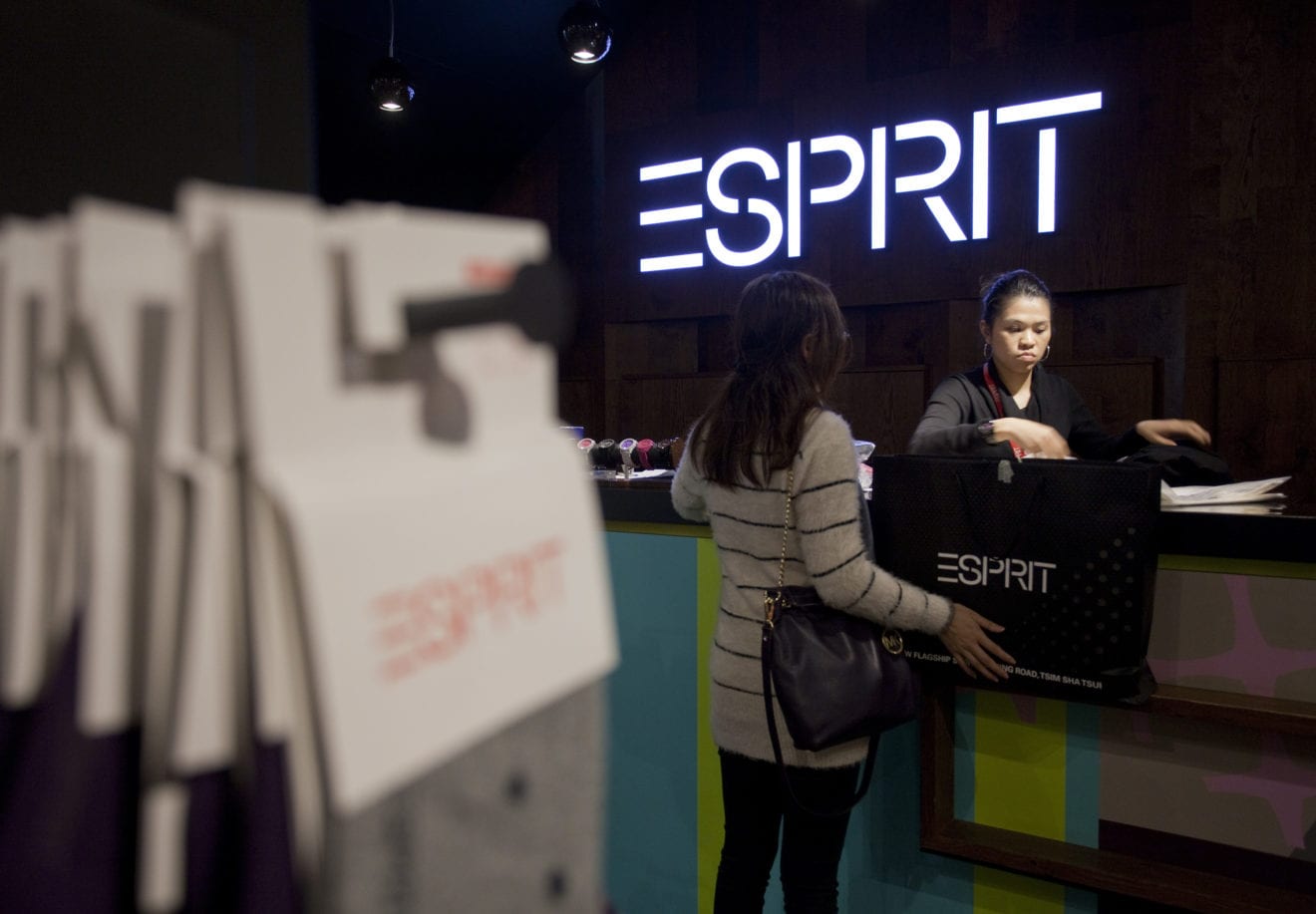
    Asia Pacific revenue fell 17.5 per cent year on year for Esprit Holdings for its fiscal year to the end of June, offset by a 43 per cent e-commerce boost.

    The drop was 18.8 per cent in the first half, easing to 16 per cent.

    Esprit says it faces “certain difficulties” in APAC that differ from its challenges in Europe.

    Firstly, in China, its largest market, retail space is concentrated both in POS in department stores that are attracting less traffic, and in off-price outlets that are usually brand dilutive.

    “To this end, we are implementing an aggressive restructuring of our network in China, and have made good progress,” says the company, which closed 29.7 per cent of controlled space (retail and wholesale combined) during the year. “Moreover, a new concept has been developed to adapt to the small spaces in these POS.”

    With specific product requirements in APAC, the company is complementing its global collections with a dedicated product line for the region.

    Esprit says the reduction in sales area is in line with its plan to accelerate a restructuring of the store network. With APAC lease terms fortunately generally short, the leases of most of the heavy loss-making stores will expire in the next two financial years.

    Meanwhile, e-shop APAC reached HK$221 million (US$28 million) revenue for the year, an increase of 43.1 per cent. This was fuelled by actions such as the integration of the Esprit Friends loyalty program into the e-shop, the strengthening of its business with Tmall, the expansion of its online presence in China through such platforms such as WeChat and Weibo, and collaborations with celebrities and key opinion leaders through social media.

  • H&M Singapore offering Narelle Kheng collection

    H&M Singapore offering Narelle Kheng collection

    H&M Singapore is offering an exclusive collection in collaboration with actress/singer Narelle Kheng.

    The Swedish fast-fashion brand is known for partnering with celebrities, also tying up with Naomi Campbell for its Fall 2017 campaign. The collection is all about mixing power dressing with glitz and glamour, using sharp lines, statement pieces and sophisticated silhouettes. It includes oversized knits, high-waisted trousers, velvet tops and even a puffy jacket.

    Kheng’s picks accentuates her feminine yet edgy side with a dash of ’90s glam, says Nylon Singapore. Her “Selected by Narelle” collection and the Fall outfits will be available from tomorrow.

  • Ray Ban transforming optical retailing

    Ray Ban transforming optical retailing

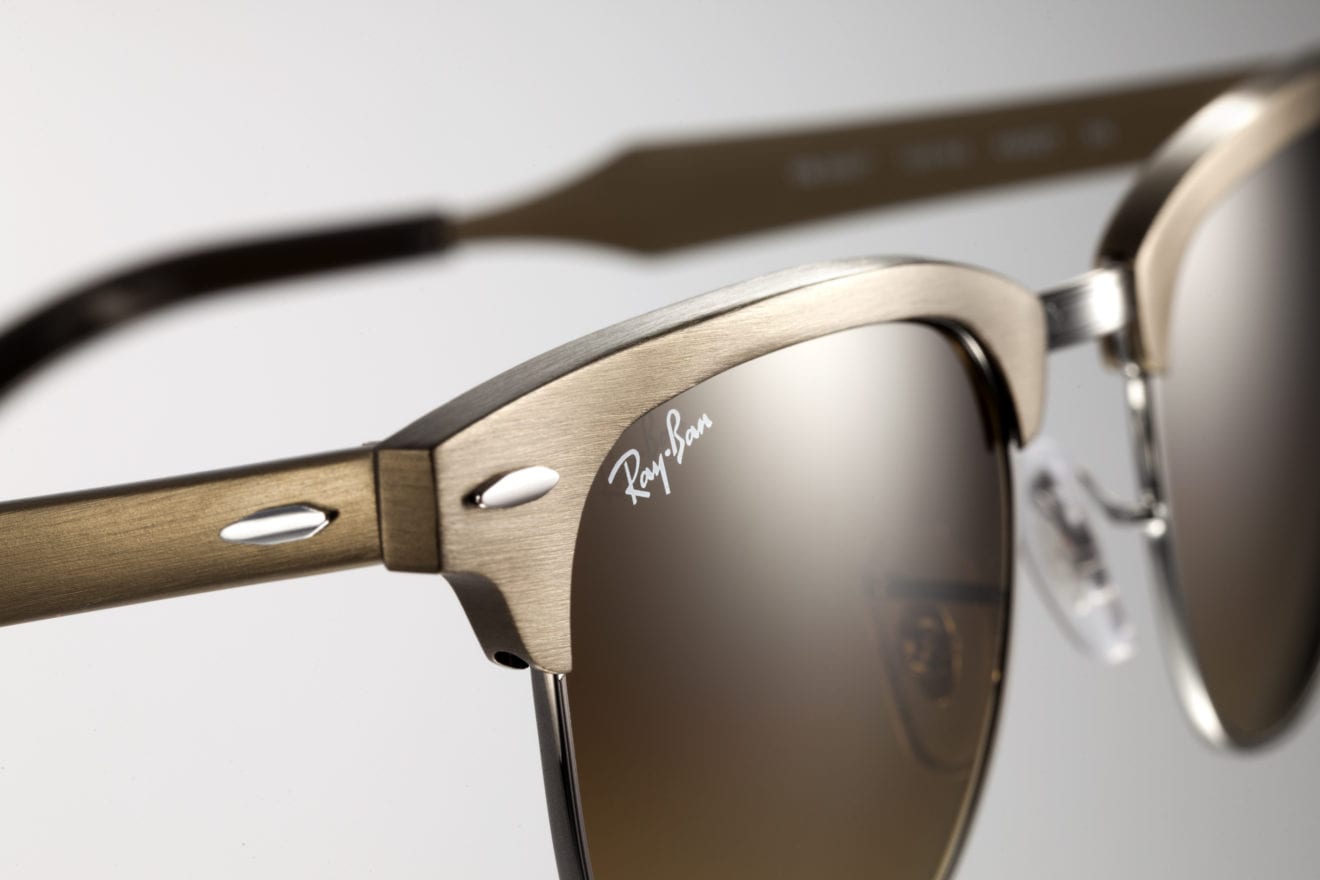
    Is Arnie, the most famous Ray ban wearer of all? Possibly, although celebrities from Justin Bieber, Kate Moss, Tom Cruise to the late James Dean in his 1955 wayfarers, or Audrey Hepburn in 1961’s breakfast at Tiffany’, or Peter Fonda, the original easy rider (1969) might hold a different view,

    Oh, did I mention Roy Orbison, Bob Dylan John Lennon, or Michael Jackson as contenders?

    Although the common element of the Ray ban brand is disruptive to cool, a brand cache that still largely holds true today, and so we explore the retailing of this iconic brand, one of Eboltoft’s Global Retail Innovation 12 finalists in the interactions category.

    Let’s look at Ray-Ban’s flagship store in SoHo, New York City because after all, every cool brand needs a cool flagship in one of the world’s coolest cities.

    Although Ray-Ban New York’s shop demonstrates and sells ‘cool’, there is no sign that says how cool they are and that’s cool in itself.

    They have successfully transformed their flagship store into a retail store, music hall, artist exhibition space and community cultural haven hybrid, featuring everything from live performances to film screenings. The store’s breadth of offerings embraces and showcases the brand’s long history and history in being cool.

    The brands DNA echoes throughout the fit out, it’s a little edgy, irreverent, playful, anti-establishment and is the absolute physical manifestation of the RayBan brand, and that’s what makes it so entertaining. Many retailers can and do try to transform their brand into cross categories, such as in this store, and leave emotion missing in the customer experience.

    Great brands don’t include as much as they exclude and Ray Ban lives this creed.

    This shop embodies its brand as not functional but aspirational- doesn’t matter if the price is $69 or $799 they all carry the essence of cool, the function of sunglasses and the form of an invitation to join a new tribe.

    And they have some cool devices in-store as well including:

    3D Magic Mirrors is the secret ingredient

    Customers can touch, feel and try on products in an innovative setting with 3D Magic Mirrors to an optician on site. The innovative technology helps customers find the perfect pair of sunglasses giving the ultimate augmented reality experience, where they can virtually try on the latest Ray-Ban styles.

    Product Customisation Service

    Customised glasses are delivered within a week, after customers use an instore iPad or similar device to create the perfect pair of sunglasses. Embroidery on the temples or cases featuring name or symbol personalises the product for the customer. As we know personalisation or customisation is a key trend to maximise and Ray Ban deliver here.

    Additional on-site service: eye examination

    The store offers appointments during operating hours making it a one-stop shop. Not only can you look cool, you can check how well you see too, taking the typical sunglasses store to the next level by having an on-site optician.

  • Amazon Find offers fresh fast-fashion challenge

    Amazon Find offers fresh fast-fashion challenge

    The new Amazon Find fashion collection features a 500-piece womenswear offering plus 200 items for men.

    It is the online retailer’s challenge to fast-fashion giants like H&M, Uniqlo and Zara that are being slow to optimise their online offerings.

    Already being noticed on Facebook and Instagram, Find taps on fast-fashion professionals like Frances Russell (Amazon’s own-label VP and former Marks & Spencer head of womenswear), designer Karen Peacock and Glen George (former buyer for Primark).

    Also new is the Amazon Echo Look camera that works alongside its voice-controlled assistant Alexa. It enables customers to take fashion selfies their mobile app, which will then show them similar clothing items available from Amazon.

  • H&M cuts prices to shift leftover summer clothes

    H&M cuts prices to shift leftover summer clothes

    ‘The rapid shift from offline to online in the young value fashion market has been one factor behind disappointing sales trends in the past couple of years.’

    Budget fashion group H&M has slashed prices to shift unsold summerwear, in the latest sign the Swedish company is struggling to keep pace with rivals as young buyers move online.

    Seemingly unstoppable for decades, H&M has been hit by tougher competition in the past couple of years from cut-price brick-and-mortar rivals. It is also trying to improve its e-commerce offering to counter new online-only players.

    H&M entered its third quarter with higher-than-usual inventories that needed to be sold before autumn collections arrived. On top of that, overall demand has been sluggish in some of its key markets, such as Germany.

    “The rapid shift from offline to online in the young value fashion market has been one factor behind disappointing sales trends in the past couple of years,” said Societe Generale analyst Anne Critchlow, who has a “sell” rating on H&M’s shares.

    “In most countries, online is not yet integrated with the stores and free delivery and free returns are not available.”

    Sales at H&M, the world’s second-largest clothing retailer after Zara owner Inditex, reached 51.2 billion crowns ($6.4 billion) in its June-to-August financial quarter against a forecast 51.6 billion in a Reuters poll.

    Local-currency growth was 4 percent, just below forecast.

    H&M said the aggressive summer markdowns had led to an improved inventory position ahead of the fourth quarter and that autumn sales were off to a good start.

    H&M’s shares, which have tumbled from all-time highs near 370 crowns in 2015, were up 2.2 percent to 218.10 crowns at 1400 GMT.

    The company has launched several independent and mostly higher-end brands in recent years to broaden its customer base in the face of growing competition in its budget segment, but the core H&M chain still accounts for the bulk of its sales.

    H&M is also intensifying efforts to catch up with services offered by pure-online players such as Asos and Zalando as shopper behaviour and expectations transform even faster than H&M had expected.

    It is now testing “click-and-collect” – picking up items bought online in stores – in Britain, and rolling out faster delivery options and online returns in stores in some markets.

    RBC Capital Markets Richard Chamberlain with an “outperform” rating on H&M, said he expects sales and gross margin trends to improve next year helped by the online improvements. ($1 = 7.9924 Swedish crowns)

  • The Kooples is looking to Asia for expansion

    The Kooples is looking to Asia for expansion

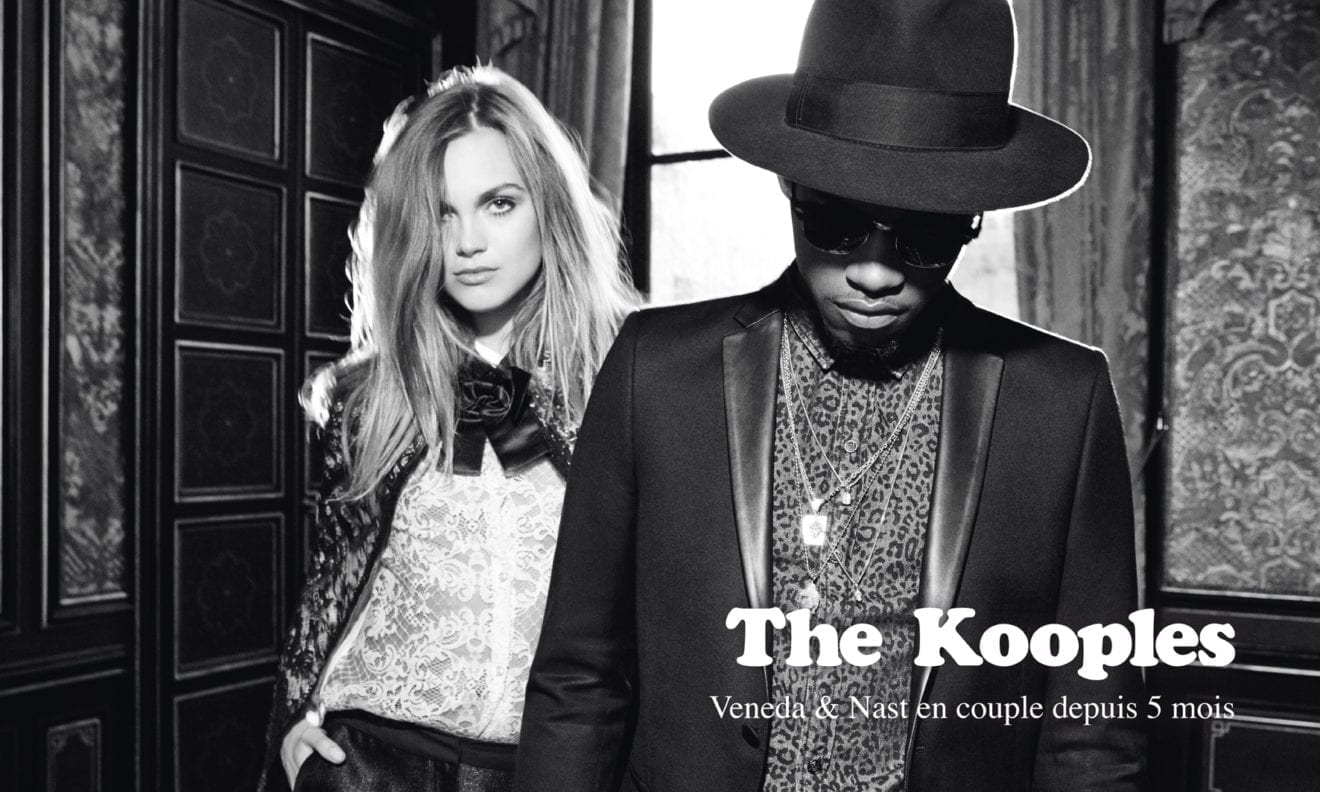
    Parisian fashion label The Kooples is looking to Asia for expansion, starting with two monobrand stores in Hong Kong in November.

    It is about to sign a partnership deal with a regional retail group, with its Hong Kong stores to be in the Harbour City and Pacific Place shopping malls.

    This will build on the handful of retail outlets it currently has in Asia, stores and retail corners mainly in Thailand and South Korea.

    Above all, the new partnership will lead to the opening of the label’s first stores on Mainland China, from next year. The Kooples’ only presence in China is a retail corner at the Galeries Lafayette department store in Beijing. Similar formats could follow as Galeries Lafayette is a partner, and is planning further stores in China.

    Meanwhile, The Kooples is evaluating the launch of a dedicated China e-commerce site.

    Following Hong Kong and China, the Parisian label and its local partner are also considering Japan.

    In the fiscal year to August 31, The Kooples’ revenue was around €220 million (US$263.1 million), on par with the previous year, and the company sees Asia as a crucial growth driver for the 400-store brand.

    “Asia’s the next challenge” says GM Nicolas Dreyfus.

    The Kooples has appointed the director for its Asian subsidiary: former Balmain Asia COO Laetitia Mergui.

  • In Good Company expands to the Philippines

    In Good Company expands to the Philippines

    Singapore-based fashion label In Good Company has expanded into the Philippines with its first shop in The SM Store Makati.

    The store, located on level 2, offers all seasonless clothing, classic silhouettes and accessories.

    In Good Company also brings its latest collection called Capsule 11. Using draping techniques, the collection is inspired by the 80s and 90s trends.

    “We explored new shapes and draping techniques that create more movement and dimensionality, as well as new hardware such as oversized grommets, hanging ties and d-rings that give the capsule a modern utilitarian look, in an ultra-wearable way,” said creative director and co-founder Sven Tan.

    Besides the Philippines, In Good Company has recently launched in Dubai at Robinsons Department Store.

    The brand also has standalone lifestyle stores in Hong Kong, Indonesia and Thailand

  • Furla sales soar 63 per cent in Asia-Pacific

    Furla sales soar 63 per cent in Asia-Pacific

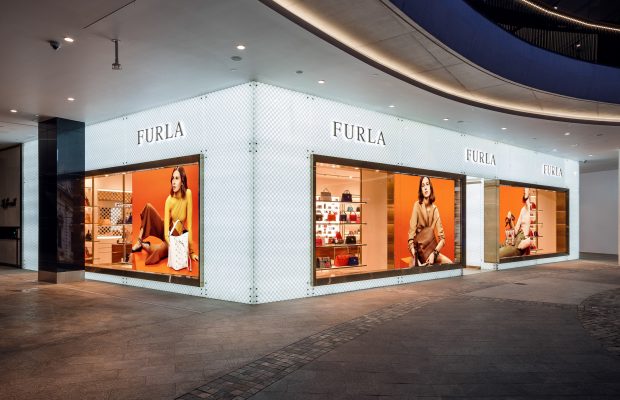
    Italian fashion group Furla continues to thrive in Asia, the region now accounting for half its global sales.

    After recording its highest-yet turnover and profit in 2016, Furla sales rose a further 23.5 per cent in the half year to June 30, reaching euro 238 million.

    The Asia-Pacific region registered 63 per cent growth, with China, South Korea and Australia standout markets. Sales in Japan rose 16 per cent.

    With products available in over 100 countries, Furla Group has 444 mono-brand stores, about half of which are directly managed, and is present in over 1200 multi-brand and department stores.

    “The results of the first half of 2017 make us very proud and underline the way turnover has doubled over the last three years,” commented CEO Alberto Camerlengo.

    “This growth, in extremely complex scenarios, is important in all markets as is the improvement in the quality of our distribution network and of our relationship with our strategic partners,” he said.

    Our intent is to continue growing organically both in our diverse product categories and in our geographic footprint.”

    Japan is by far Furla’s largest country market, accounting for 24 per cent of its sales. The rest of the Asia-Pacific region accounted for a further 24 per cent in the half year. Europe, Middle East and Africa accounted for 45 per cent and the US for 7 per cent.

    Furla’s travel retail channel has also grown substantially: up 47 per cent, thanks to a presence in 52 countries, with a total of 292 sales points ranging from boutiques to corners, shop-in-shops, aircraft and cruise ships.

    Across all channels, organic growth was a major factor in the group’s success, but like-for-like sales in directly operated stores also registered double-digit growth.

    In the second half of this year, Furla plans to open new stores in Hong Kong, Beijing, Tokyo and Prague.

  • Vans/Karl Lagerfeld collaborate on capsule collection Featuring 12 styles

    Vans/Karl Lagerfeld collaborate on capsule collection Featuring 12 styles

    Featuring 12 styles, the collection reinterprets the US skateboarding shoe brand’s classic styles through the lens of the iconic German fashion house. The designs were revealed at the Bread & Butter trend show in Berlin, and launches worldwide tomorrow at Karl Lagerfeld boutiques, select Vans accounts, Vans.com and Kar.com.

    Covering both apparel and accessories, the offering makes a bold statement with a black and white palette, says Vans. Styles include a t-shirt and sweatshirt with the Vans x Karl Lagerfeld logo, a t-shirt with an image of Lagerfeld wearing a checkerboard tie, a black-and-white raglan-sleeve bomber, a leather backpack with K-quilted stitching, and a cap with a checkerboard brim.

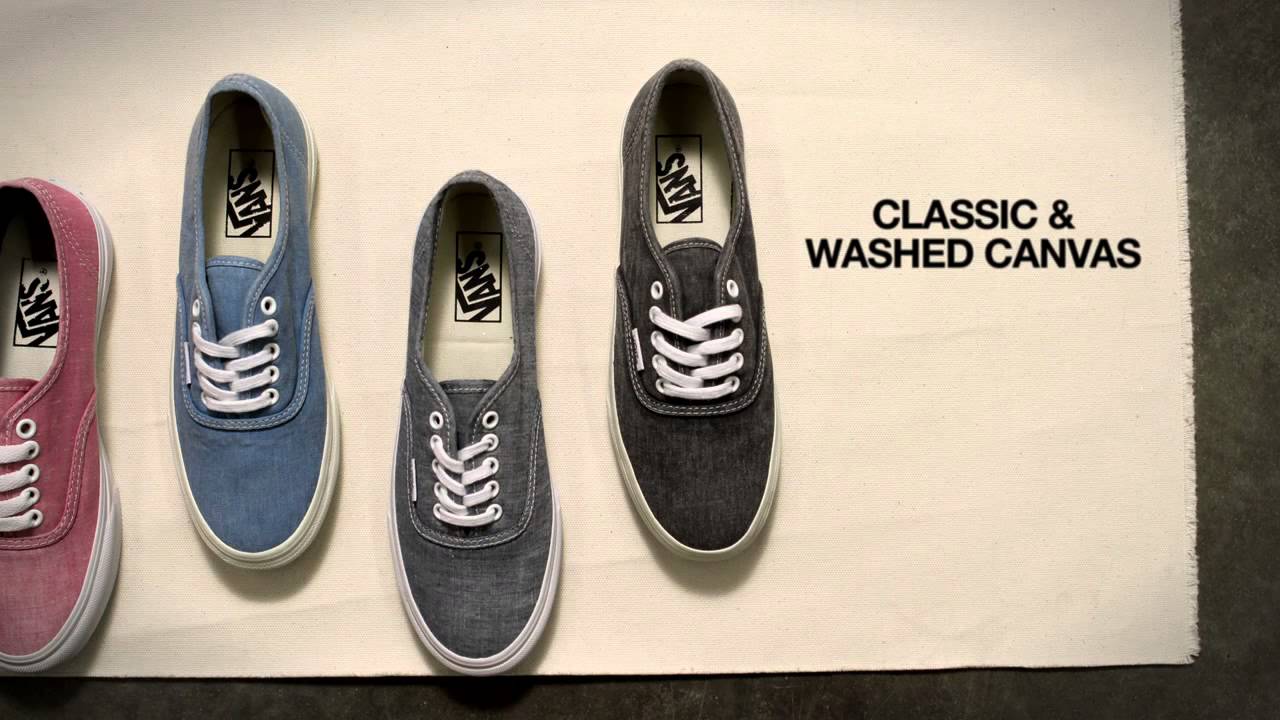
    For the footwear there are six interpretations of Vans Classic styles, including the debut of the SK8-Hi Laceless platform and the Old Skool Laceless platform, both outfitted in luxe leather with K-quilted stitching atop white platform soles.

    There is also a black leather Classic Slip-On finished with K-quilted details. The Old Skool and Sk8-Hi Reissue have leather uppers outfitted with bouclé fabric quarter-panels atop a black outsole.

    Rounding out the assortment, the Vans Checkerboard Classic Slip-On has been remastered with a Vans x Karl Lagerfeld cameo print.

    “Working in close partnership, our teams designed this collection to reflect the unique histories of our respective brands,” says Vans senior footwear designer Angie Dita. “As a tribute to Karl Lagerfeld’s fashion DNA, we highlighted elements like boucle fabric and K-quilted stitching, and we reinterpreted Vans’ signature checkerboard pattern with Karl’s cameo silhouette motif.”