Tag: Fashion

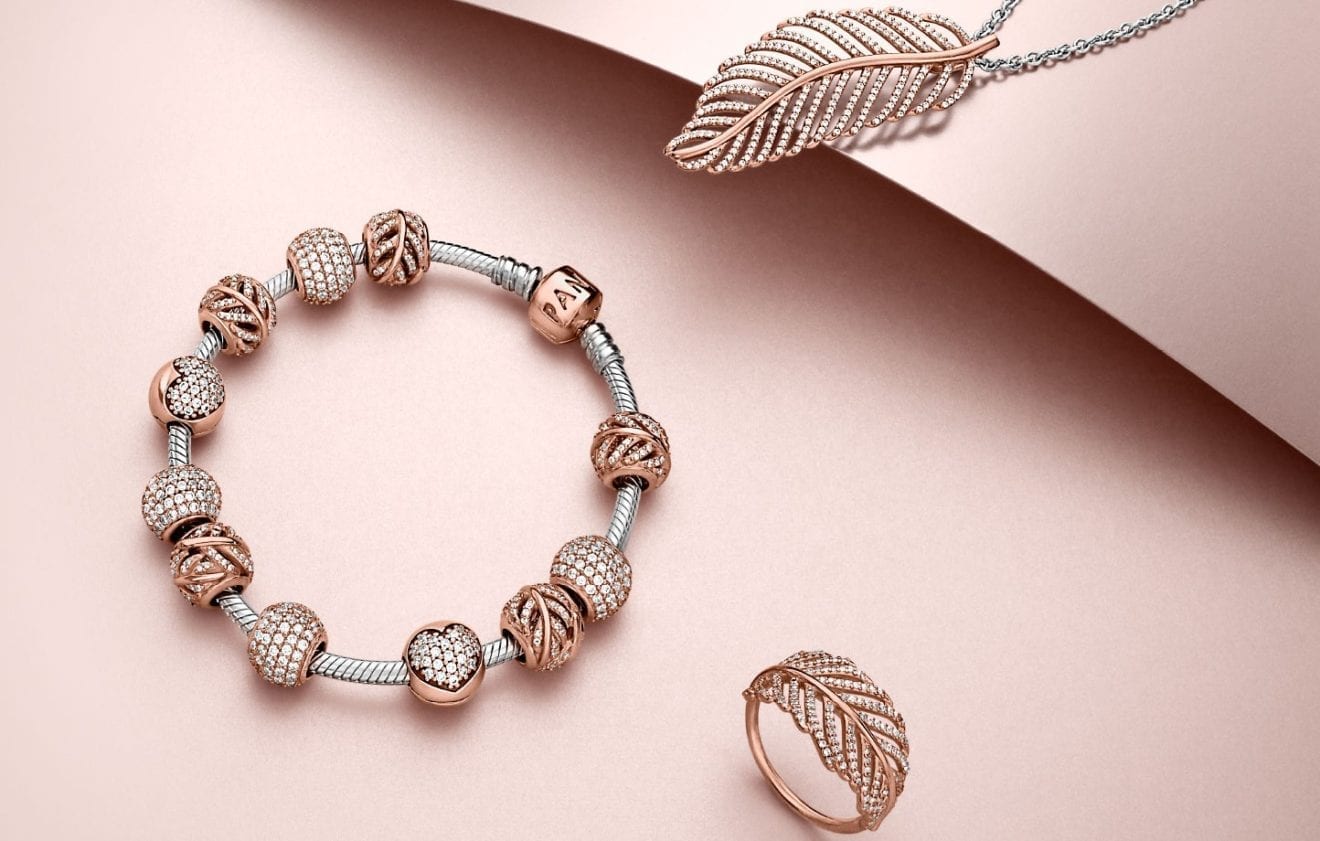
  • Pandora APAC sales up 34%, eyes 60 more China stores

    Pandora APAC sales up 34%, eyes 60 more China stores

    Danish jeweller Pandora posted a surge in its APAC sales for the second-quarter period, as the Copenhagen-based firm signalled a shift toward the Chinese market to fight trading headwinds in the U.S.

    The jewellery maker known for its customisable charm bracelets said total revenue hit DKr4.83bn ($770m) – a 12 per cent gain on the previous year, but short of analysts’ expectations for DKr4.91bn.

    Net profit for the period dipped from DKr1.2bn to DKr1.1bn – analysts had expected it to be flat, said the news source. EBITDA reached DKr1.61bn, compared with an expected 1.74 billion.

    “We are pleased with the results for the second quarter delivering double digit top-line growth and continued healthy profitability,” said Anders Colding Friis, chief executive of Pandora.

    By market, Pandora said the US “remains challenging,” despite a comparable sale increase of 8 per cent. The EMEA increased 10%, driven by the UK, while APAC (China and Australia) revenues grew 34 per cent.

    “Markets like China, Italy, the UK, and Australia performed well, reflecting the significant growth potential for our product offering in both our newer and more developed markets. We also continue to make strides in improving the quality of our global store network and added net 70 new concept stores during the quarter.”

    The news follows on from Pandora’s first quarter period announced earlier in the year where it was reported that China revenues grew 91% in local currency.

    As a result, the company elevated its strategic focus in China to open 60 Pandora-branded stores in the nation this year, up from its previous estimate of 50.

  • Bally opens first-ever India store

    Bally opens first-ever India store

    Bally has brought its luxury offerings to India, opening its debut location in New Delhi in partnership with local licensee Reliance Brands.

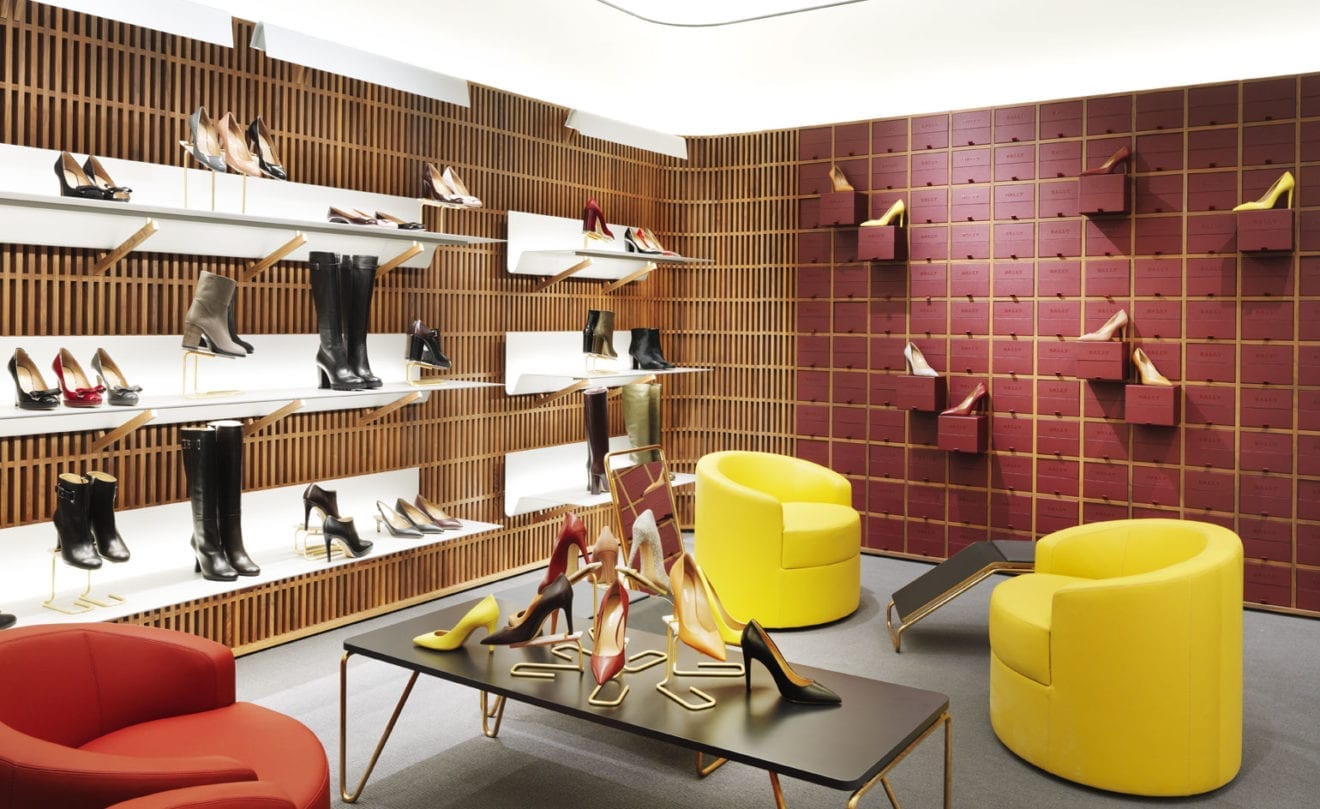
    Situated in Delhi’s DLF Emporio, the flagship store is lavishly designed with a focus on the high-end products consisting of bags, belts, shoes, jackets, and accessories.

    Opening its doors inside the high-end mall August 2, the Swiss luxury brand joins fellow international brands such as Louis Vuitton, Burberry, Dior, and Giorgio Armani.

    The launch of Bally’s brick and mortar store comes after twelve months worth of talks with Reliance Brands, part of Reliance Retail and the Reliance Group.

    Founded in 1851 in Switzerland, Bally rose to fame in 1890 for inventing the Zurich pump, before launching its ready-to-wear and accessories lines in 1976.

    After launching internationally in 1990, Bally has launched in many Asian countries and with India the latest market entry.

    It is also due to open up an outlet store in Australia this month, with the reopening of Sydney discount centre, Birkenhead Mall.

  • Subway theme for Coach Hong Kong pop-up

    Subway theme for Coach Hong Kong pop-up

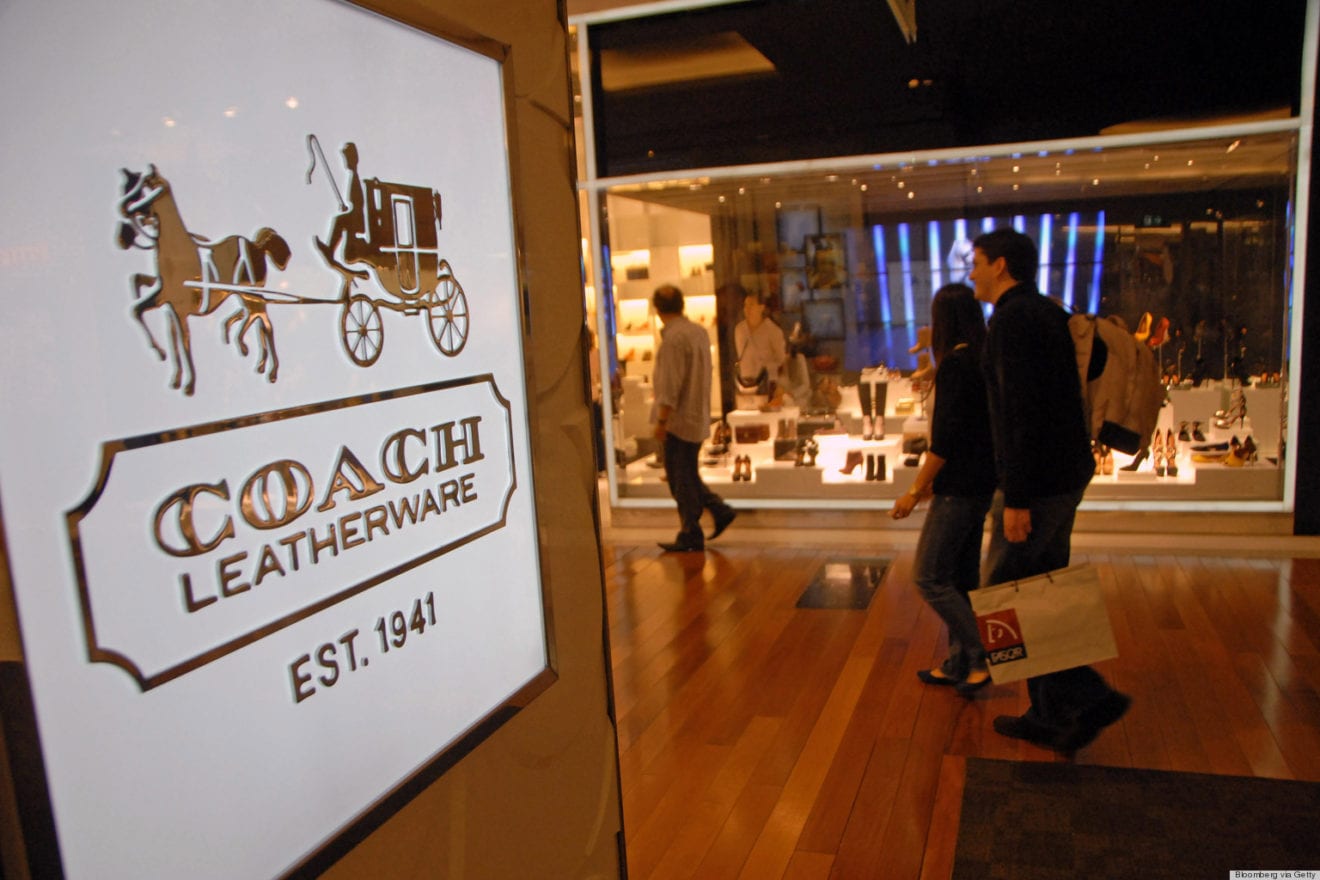
    A pop-up shop designed like a New York subway car has been launched by luxury brand Coach Hong Kong at Lane Crawford in IFC, Central.

    As well as showcasing Coach’s latest collections, the Art of Expression pop-up shop offers customisation of leather bags for customers.

    Running until August 22, the rose gold pop-up shop pays homage to the home of Coach, New York City, and features graffiti and music to match. The life-size subway recreation also includes a mosaic wall ideal for selfies, which can be pimped in an interactive photo booth by adding Coach stickers, graffiti and other effects before being emailed.

    Inside the subway car, Coach showcases its pre-fall and fall collections for women and men, including floral print dresses and skirts reminiscent of the ’30s, embellished t-shirts and high-top trainers with NASA details.

    A Coach craftsman is available to add the brand’s signature leather Tea Roses to iconic Dinkys, personalise leather bags and wallets with a monogram or Coach stamp, or add a new glove-tanned leather strap of choice to bags.

  • Fast Retailing Indonesia taking Uniqlo to East Java

    Fast Retailing Indonesia taking Uniqlo to East Java

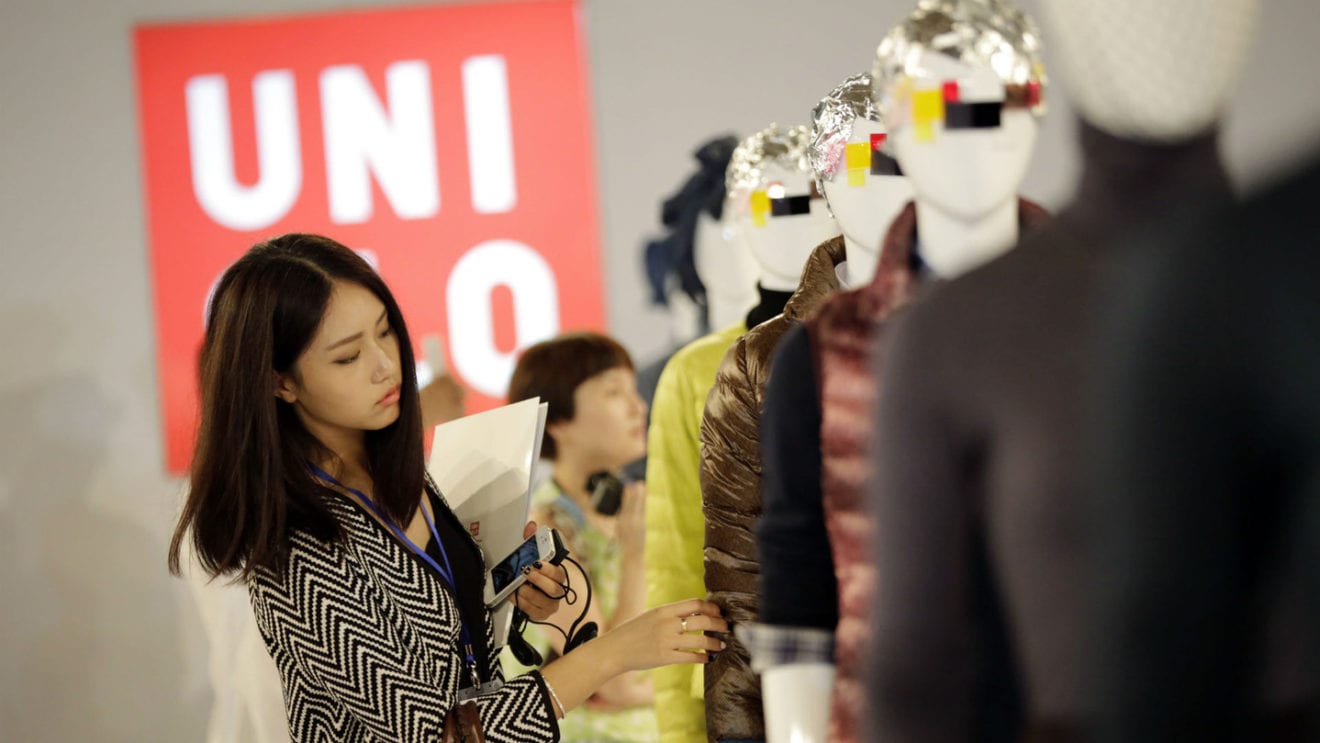
    Fast Retailing Indonesia is reaching out to new markets with the impending opening of two Uniqlo fashion stores in Surabaya, East Java.

    The Japanese retail giant’s expansion to the provincial capital adds to the 11 Uniqlo stores already in Indonesia.

    Fast Retailing Indonesia president/director Michiaki Tanaka says the Surabaya stores are part of his company’s plan to reach all customers across the country.

    Being launched next month, the stores are being built in Surabaya’s biggest shopping centres, Pakuwon Mall and Tunjungan Plaza.

    Uniqlo has 1800 stores in 18 countries.

  • Cabbeen Fashion scrambles for market share

    Cabbeen Fashion scrambles for market share

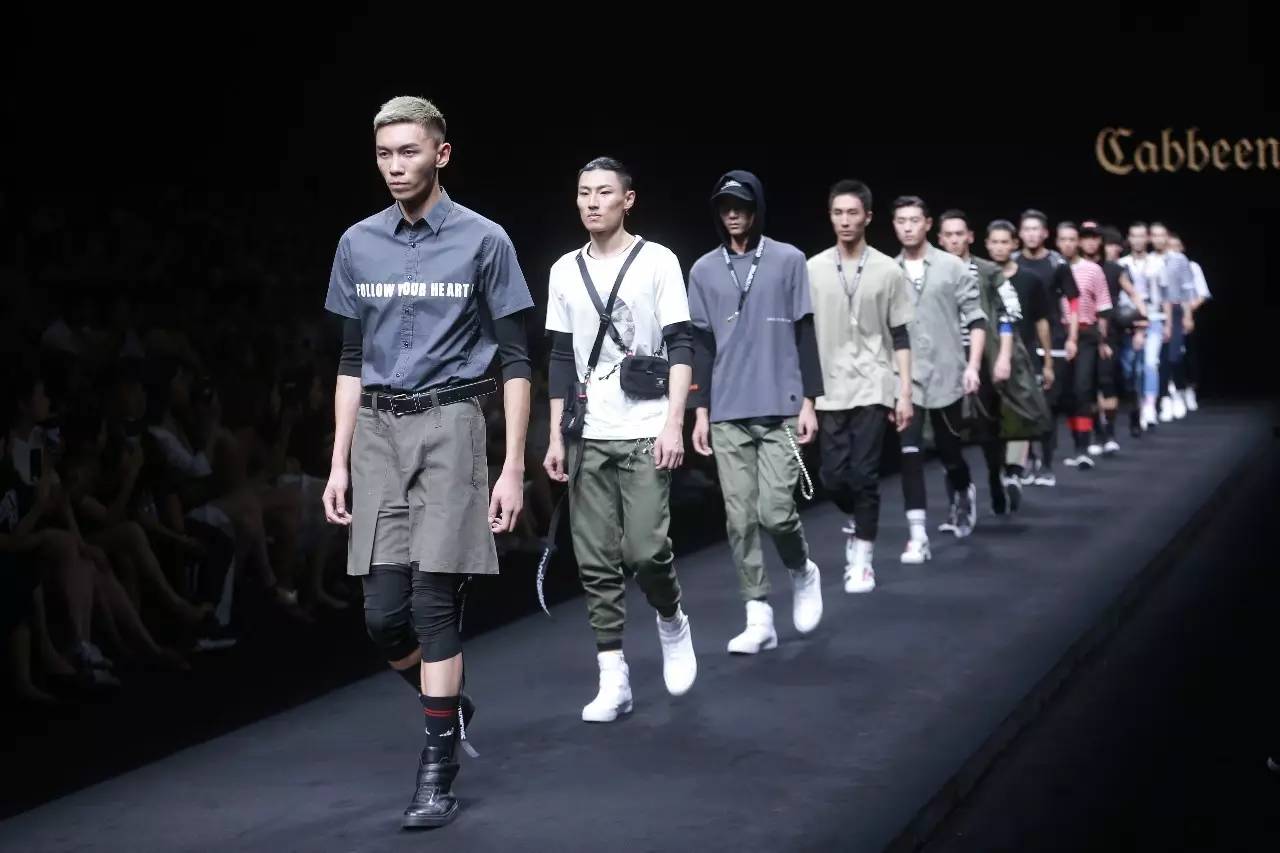
    Both revenue and net profit for Chinese menswear designer brand Cabbeen Fashion fell for its half-year to the end of June.

    In the face of China’s economic slowdown plus fierce competition, the company initiated restructuring and cost-saving measures during the period, also streamlining its retail network with a greater focus on shopping malls. It closed 59 underperforming shops to end the half-year with 840 outlets.

    Its unaudited consolidated results show the group achieving 24.3 per cent less revenue at RMB406 million (US$60 million). Operating profit fell 3.7 per cent to RMB138.1 million.

    Gross profit margin increased to 53.5 per cent from 50.2 per cent.

    Total retail revenue generated by stores declined by 11.8 per cent, compared to 5.3 per cent for the same period last year, mainly because of the shop closures. This also resulted in same-store sales growth declined by 4.9 per cent, compared to 6.9 per cent for the same period last year.

    However, retail sales revenue from online shops grew by more than 32 per cent to RMB128.2 million. Its online stores include JD.com, Tmall, Wechat and the official website.

    With consumer preferences becoming more sophisticated, the company says it invested in its in-house design and R&D capabilities. It tightened the team to 72 from 133, including 21 (down from 28) designers from Mainland China, Hong Kong, other Asian countries and Europe. The company also works with design institutes and contract designers around the world.

  • Under Armour Asia sales skyrocket

    Under Armour Asia sales skyrocket

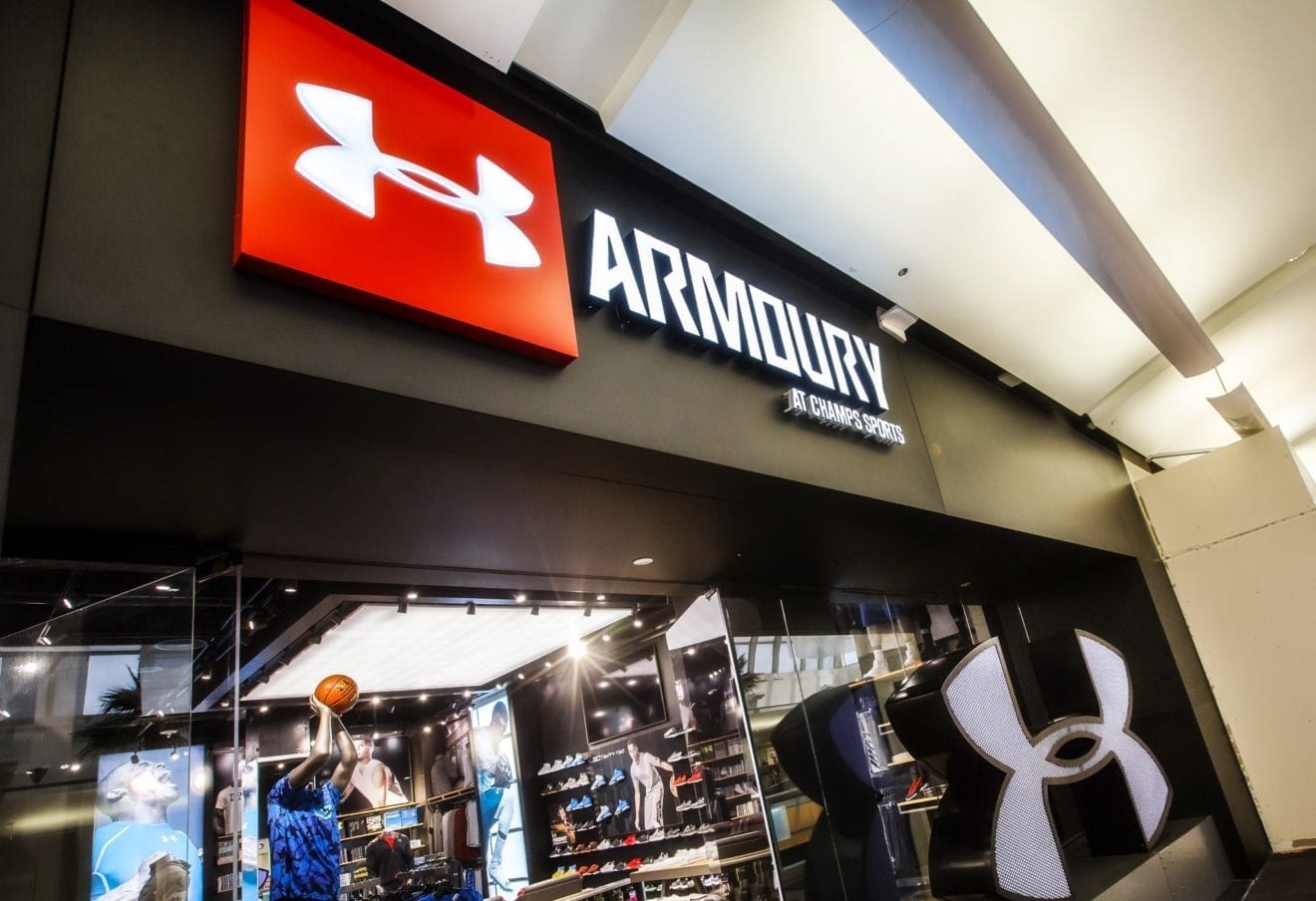
    Under Armour Asia sales soared 89 per cent in the latest quarter to US$93.6 million as Chinese continued to embrace the sports brand.

    Profit in the region rose an equally spectacular 53.8 per cent to $15.2 million.

    The US-headquartered sportswear company said the Asian regional performance was driven by China, Taiwan and Korea as it continued to resonate with consumers in key categories such as basketball and running.

    But the Under Armour Asia results were a bright spot in an otherwise disappointing quarter which ended with the company downgrading its sales and profit expectations and announcing a restructure which will reduce its workforce by 277, or about 2 per cent. Investors responded by punishing the company’s share price, which fell 10.4 per cent on Tuesday.

    Ironically, the second-quarter sales results were actually better than Wall Street had expected – it was a surprise decline in the footwear category and the decrease in growth projection for the full year from between 11 and 12 per cent to between 9 and 11 per cent which gave the market the jitters. Under Armour had previously targeted $10 billion in annual sales by 2020 – a huge increase from last year’s $4.8 billion.

    “We enjoyed hyper-growth for several years and I want to be clear we still believe we’re a growth company,” CEO Kevin Plank told analysts on a conference call, describing the layoffs and restructuring program as “a demonstrative sign that we’re not standing still, but acting quickly to evolve Under Armour to become a stronger, faster and smarter company”.

    “Some of the growing pains that we feel, while difficult, are the ones we believe necessary in securing the infrastructure, systems, processes, leadership and discipline to realise the full strength and potential of the Under Armour brand. Reinforcing and building the Under Armour brand remains a vision for our company, and we’re in this fight. We’ve got a couple of competitors in front of us, there’s a number behind us, and you’ll see us continue to separate ourselves as we move forward in building the brand that we believe is the brand of the future.”

    Total second quarter sales rose 8.7 per cent to $1.1 billion. Gross margin declined 190 basis points to 45.8 per cent, hit by currency rates, rising air freight costs and the implementation of a new enterprise resource planning system. The company posted a net loss of $12.3 million, significantly lower than the $52.7 million loss of the same quarter last year.

    Regionally, North America sales rose a mere 0.3 per cent and Latin America by 10.4 per cent. Total revenues outside the US rose 57 per cent.

  • Mixed half-year for Salvatore Ferragamo Group

    Mixed half-year for Salvatore Ferragamo Group

    While retail revenue rose, net profit fell 15.4 per cent for Italian luxury goods company Salvatore Ferragamo Group for its first half to the end of June.

    Retail revenue was up 4.7 per cent, offset by a 4.7 per cent drop in wholesale revenue because of destocking activity.

    Revenues reached €718 million (US$848 million), up 1.1 per cent year on year, yielding a net profit of €76 million compared to €90 million for the same period last year. Revenue growth at constant exchange rates was 0.1 per cent.

    Led by China, Asia Pacific was the group’s top market in terms of revenues, increasing by 6.1 per cent (4 per cent at constant exchange rates), despite a soft trend in South Korea mainly because of a significant drop in the number of Chinese tourists, and a still negative performance in Hong Kong in particular.

    China’s retail revenues grew 12.2 per cent (15.5 per cent at constant exchange rates) for the half-year.

    In Japan, the company’s sales fell 3.4 per cent (3.5 per cent at constant exchange rates) because of a strategic rationalisation of the wholesale channel. Retail stores had a positive performance.

  • American Eagle Outfitters exits UK

    American Eagle Outfitters exits UK

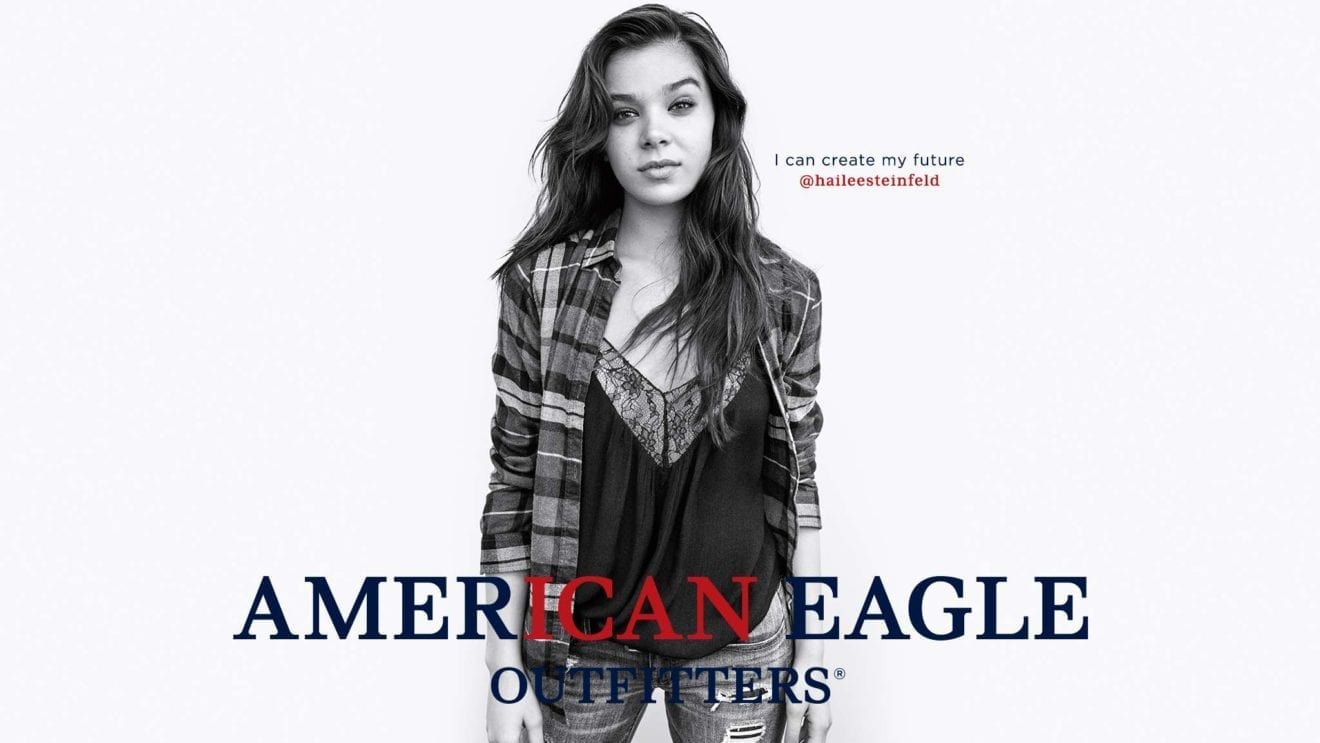
    After three years trying to crack the UK market, US fashion retailer American Eagle Outfitters is heading home.

    The Daily Telegraph reports online that stores at Bluewater shopping centre in Kent, Westfield Stratford and Westfield Shepherd’s Bush have all ceased trading.

    The first American Eagle Outfitters UK store opened in November 2014 and at the time the brand said it planned as many as 30 stores across the region. But the brand has failed to gain any brand traction with London’s 15- to 25-year-olds.

    Confirming the exit, an American Eagle Outfitters spokesperson said UK customers would still be able to buy its products online.

    Based in Pittsburgh, the company has about 950 stores in the US.

  • Puma sportswear finds traction with footwear

    Puma sportswear finds traction with footwear

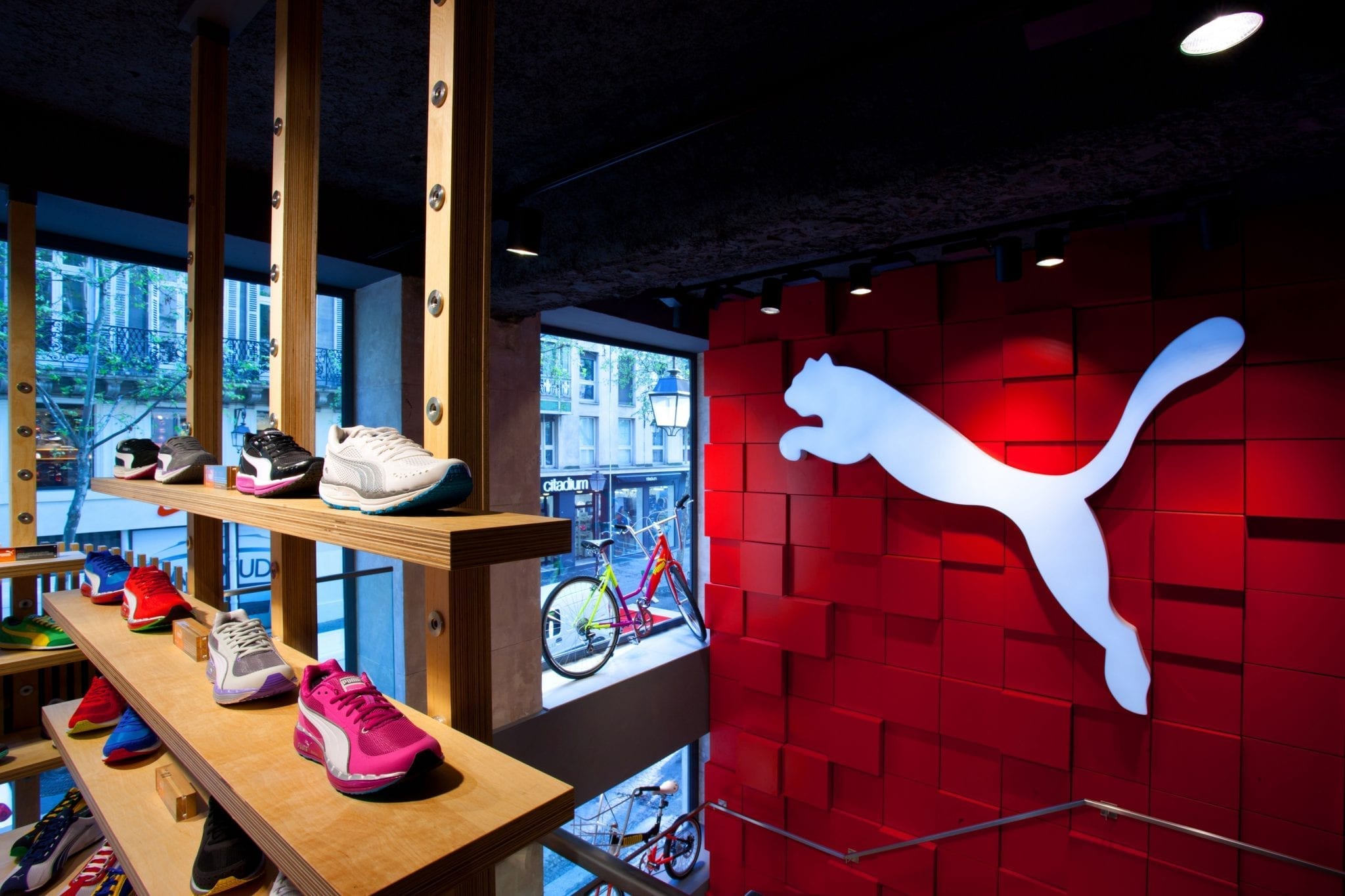
    German sportswear brand Puma achieved double-digit growth in all regions and in both footwear and apparel in the second quarter.

    CEO Bjørn Gulden says the company’s gross margin improved 90 points and sales grew 16 per cent on a currency-neutral basis. He credits the success to re-establishing strong traction in the footwear category and success with its women’s lines.

    In Asia/Pacific, sales increased 19.5 per cent on a currency-neutral basis in the quarter to €229 million (US$268.8 million).

    Overall sales jumped to €968.7 million (US$1.14 billion), footwear leading the way with sales of €463 million, up 27.2 per cent on a currency-neutral basis.

    Apparel revenues were €334.8 million, up 11.4 per cent, while accessory sales reached €170.9 million, up 1.3 per cent.

    Despite negative currency effects, the gross profit margin improved from 45.6 per cent in the quarter last year to 46.5 per cent, thanks to improving sourcing and price adjustments.

    EBIT increased from €11.9 million to €43.4 million, or 4.5 per cent of sales.

    Gulden says Puma started its turnaround plan four years ago with a mid-term aim to re-establish the brand “stone by stone”, but says revenues grew faster than expected.

    He says footwear is leading the way, which is critical for a sports brand because that’s where innovation and technology lie “and that’s where you get a niche for your brand”.

    But Gulden says there is still much that needs to improve, with the turnaround still a work in progress. But it is a step in the right direction as its operating margins still significantly lag competitors.

    “We feel more comfortable now than a year ago, and a year ago we felt more comfortable than the year before.”

  • Michael Kors should tread carefully with Jimmy Choo

    Michael Kors should tread carefully with Jimmy Choo

    Both Michael Kors and Jimmy Choo can extract significant benefits from the acquisition announced this week, says Pascal Martin, partner with OC&C Strategy Consultants.

    But he warns there “are limits” to how much and how fast a luxury brand can expand its network before starting to dilute its equity.

    “Michael Kors has been enjoying very rapid expansion and could be feeling that it has reached saturation in certain markets – for example, 300+ stores in the US, 50+ in Japan and 50+ in China.

    “Louis Vuitton and Coach have run into this problem where they really pushed growth but realised they had to slow down and even shut down a few stores to regain some level of “scarcity”.

    “Burberry is another brand which flirted with that risk, particularly in China and Hong Kong, before it also took some measures to prune its network. When this happens, and if the brand is cash-rich, the best way to continue to grow is to buy another brand that is still relatively under-distributed and has room to grow without the risk of brand erosion – this is probably how Michael Kors sees the Jimmy Choo opportunity. Likewise, we could potentially see Burberry adopt a similar strategy under the leadership of its new CEO Marco Gobbetti,” says Martin.

    “Being acquired by Kors is a great opportunity for Choo to benefit from Kors’ global reach and experience to help accelerate its growth. There is good complementarity between the two brands, in terms of target customers: more premium for Choo; geographies – Asia and US are more developed for Kors, but Europe stronger for Choo; and product range – Kors isn’t really strong in shoes.”

    Martin says that looking forward, Kors will need to keep an eye on Choo’s positioning within the premium shoe market, as it is more selective than Kors’ positioning within luxury.

    “Kors is more like Coach or Tory Burch on the access luxury side of the market. Choo is closer to a Christian Louboutin – very high-end and expensive, with a significant custom-made offering.”

    Martin says there is a risk that expanding Choo’s distribution too fast – as Kors has done with its own brand – may create operational issues relating to quality and logistics, and brand damage.

    Furthermore, stock management in shoes comes with added complexity due to multi-sizing, and possibly multi-shapes – for example to cater to Asian customers.

    “Shoe retail channels are more complex than for accessories. There is actually a lot of value from a customer’s standpoint in being able to try shoes in an multi-brand environment. Therefore, the Choo distribution expansion will be different in nature to that of Kors, with much more reliance on department stores than on stand-alone branded stores,” Martin concludes.

  • H&M continues New Zealand expansion

    H&M continues New Zealand expansion

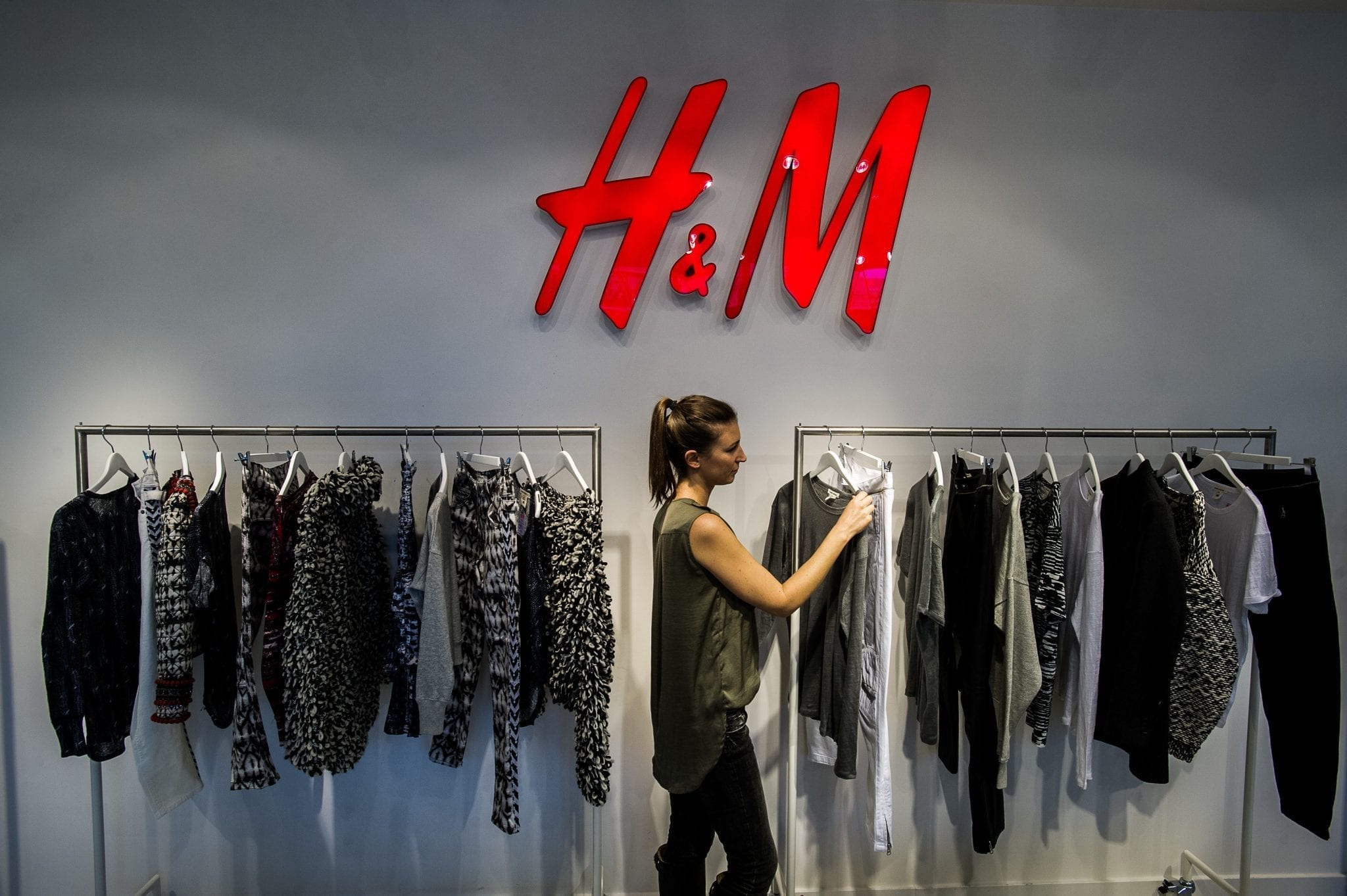
    Swedish fast fashion chain, Hennes & Mauritz AB (H&M), has confirmed its second store in New Zealand will open on September 9.

    Located at The Crossing in Christchurch’s CBD, the new location follows the opening of H&M at Sylvia Park Shopping Centre in Auckland last October.

    Spanning 2535 square metres and set over two levels; the Christchurch store will house apparel, underwear and accessories for men, women, kids and baby, as well as being the first H&M store in New Zealand to offer the Home concept.

    “We are also looking forward to introducing our H&M Home concept to our customers for the first time and cannot wait to see the response on opening day,” said Hans Andersson, Australia & New Zealand Country Manager for H&M.

    The global fashion chain entered the New Zealand market in 2016 with the opening of its first store in Sylvia Park Shopping Centre, Auckland, and will open its first store in Wellington at Queensgate Shopping Centre later this year.

    In its most recent results, H&M saw revenue including VAT increase by 7 per cent in local currencies during June compared to the same month the previous year.

    The total number of stores in the group amounted to 4,517 at the end of June compared to 4,095 the previous year.

    In its recent half-year results, sales, including VAT, grew by 9 per cent to SEK113.907 billion (US$13.4 billion) for its first half.

    Meanwhile, H&M said it will no longer publish monthly sales figures, instead opting to report its results on a quarterly basis and begin holding capital market days for company shareholders.

    Karl-Johan Persson, CEO of H&M, said that a month is “far too short a period over which to assess how sales are developing and in fact, a single month’s sales can actually be misleading, since calendar and weather effects – among other things – may significantly affect the outcome.”

  • Esprit restructures its marketing division

    Esprit restructures its marketing division

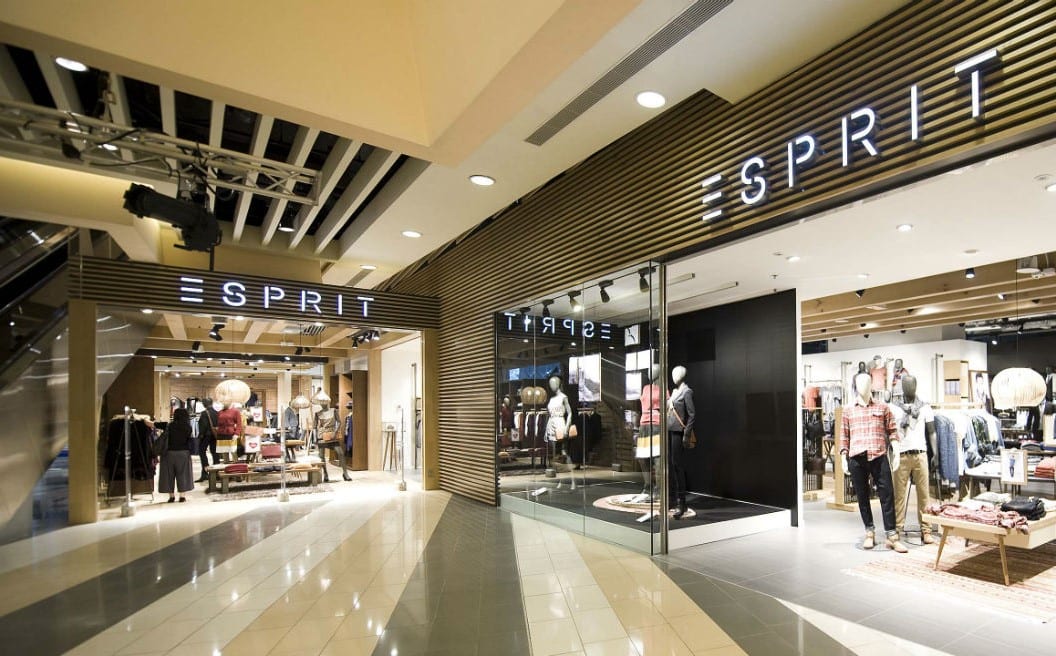
    Back in April, Vincent Jeanniard already joined the Esprit fashion group as Head of Global Marketing. The 46-year-old executive is leading the fusion of the company’s brand and go-to-market marketing teams into one department.

    The move is intended to ramp up Esprit’s marketing efforts and make them more dynamic to be able to react more quickly to customer needs and a younger target group. The fusion is also part of the restructuring program Esprit has rolled out to fight its recent decline in sales.

    “Vincent and the merged team will be responsible for the development and implementation of the marketing strategy and activities across all departments, markets and channels,” the company said in a statement.

    Vincent Jeanniard has held various positions in the global brand and marketing sector, especially executive roles in the beauty and fashion industry. Most recently Jeanniard was vice president of Burberry Beauty in London.

    Between 2006 and 2013, he worked as a general manager in the beauty industry for companies like Christian Dior in the UK and Ireland, L’Oréal Luxury Division in Brazil and Shu Uemura in Tokyo.

    He will be assisted by Rob McIntosh, who will join the brand as Chief Brand Officer on 1 August 2017 and a member of the Executive Management Team (EMT) at Esprit.

    McIntosh has already worked in various creative positions for major brands such as Apple, J.Crew and BMW. Most recently, he was Head of Experience Design at AKQA London, an innovative creative agency.

    Esprit Holdings Ltd. currently operates 6,137 stores in 40 countries. Its recent sales posted a double-digit loss when adjusted for exchange rates, which management says will continue unchanged in the fourth quarter as well.

    Further changes under the restructuring plan include the closure of unprofitable stores, the reduction of advertising measures, price reductions and streamlining of operating costs.

    Esprit’s headquarters are located in Ratingen near Düsseldorf, Germany and in Hong Kong. The brand will be celebrates its 50th anniversary in 2018.

  • Sephora Studio store concept unveiled in Boston

    Sephora Studio store concept unveiled in Boston

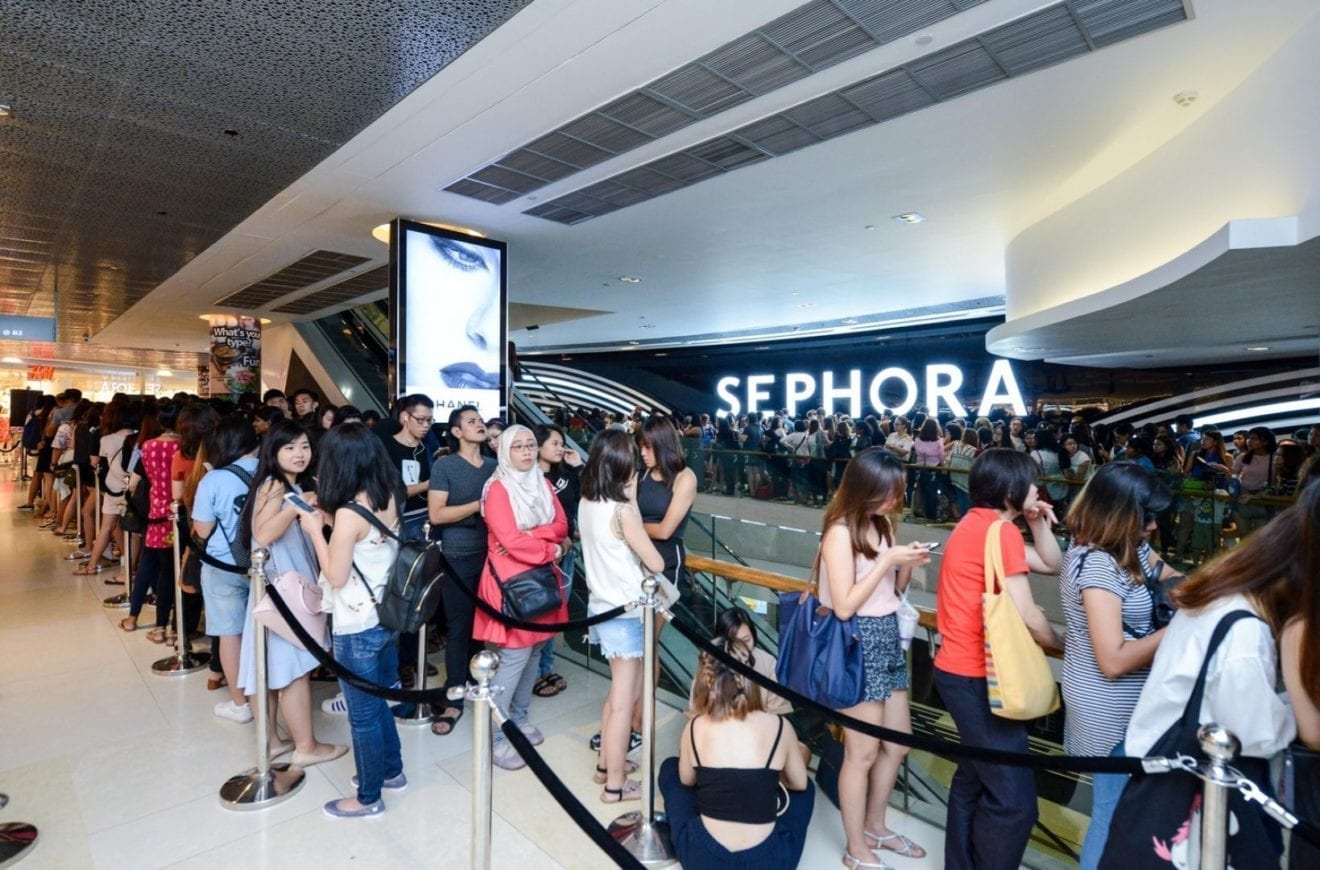
    Global beauty retailer Sephora has unveiled its first new concept mini-store format, in Boston. The Sephora Studio is contained within just 2000 sqft (190 sqm) and – in the company’s words – has an “emphasis on artistry and skincare services”.

    The store opened on Boston’s high-end shopping strip, Newbury Street, on Friday.

    “The Sephora Studio presents clients with an optimised store design and intimate format that fosters personalised connections between our clients and the store’s top-ranking beauty advisors,” said Calvin McDonald, president and CEO of Sephora Americas.

    “In today’s retail environment where very little is constant and clients’ expectations are ever-evolving, one thing has remained true for Sephora: there is no better way to create meaningful connections with clients than through personalised experiences and a customised approach to beauty. We could not be more focused on that notion than we are with the opening of Sephora Studio.

    “The Studio merges the best of an inclusive neighbourhood retail environment with best-in-class digital tools that enable our expert beauty advisors to customise recommendations on an individual basis,” said McDonald.

    Online to Offline strategy

    Sephora Studio integrates a variety of digital tools to optimise client experiences before, during and after their store visit. Among them are digital welcome and service menu screens for easy navigation and self-help, and beauty advisors with mobilised devices that can quickly service clients with appointment check in, looking up their Beauty Insider loyalty program status, and retrieving Sephora.com ratings and reviews on any product throughout the store.

    Additionally, Sephora Studio features two omnichannel product delivery options: order in store and same day pick-up. Both delivery features offer ease and convenience for purchase of product not available at the store. With order in store, Sephora staff can place the client’s order through Sephora.com with complimentary standard shipping or reduced next day shipping. For those who may need products faster, Sephora Studio will partner with another Boston store, Sephora Prudential Center, one of the first Sephora US stores to offer same day pick up.

    From October, Boston area clients can purchase on their device via the Sephora app and pick it up at Sephora Prudential Center the same day.

    Teach, inspire and play

    Meanwhile, Sephora’s innovative retail concept designed to Teach, Inspire, Play will extend to Sephora Studio by encouraging clients to freely test products from a curated selection of brands across prestige cosmetics, skincare, hair care and fragrance.

    “Sephora Studio is a destination for iconic, cult and emerging prestige beauty brands, including makeup, skincare, haircare and fragrance such as Benefit, Bite Beauty, Bobbie Brown, Bumble and bumble, Caudalie, Drunk Elephant, Drybar, Fresh, Kat Von D Beauty, Milk Makeup, Ole Henriksen, Ouai, Sunday Riley, NARS and Verb. The studio will offer clients a safe place to learn, play and master new looks with ongoing inspirational group learning-style Sephora Beauty Classes,” the company said.

    Clients can drop by to check makeover availability or book a premium service at one of the eight beauty studio seats in advance using Sephora’s client reservation system available online, through its app and via Facebook Messenger.
  • Uniqlo releasing JW Anderson collaborative range

    Uniqlo releasing JW Anderson collaborative range

    A JW Anderson collaborative range will roll out at Uniqlo stores and at Uniqlo.com in September. Featuring British classic designs, the fall/winter range comprises 33 pieces for men and women featuring the signature London fashion brand’s graphic design aesthetic.

    “The point of this collaboration is that I believe in democracy in fashion, and what I hope will be achieved is that any age demographic can pick up and find something within the collection to relate to,” says JW Anderson founder Jonathan Anderson. “Doing something with Uniqlo is very interesting. It means you come up with a wardrobe that is universal and quirky.

    “The idea of reducing something to its essence is a very Japanese cultural thing. It can be culturally, textile or silhouette driven, but it’s about the idea of reducing something down so you can create the most impact.”

    “This line embodies our shared vision of offering elegance, simplicity, timeless comfort and individuality through LifeWear,” says Fast Retailing senior VP Yuki Katsuta, who is head of research and design at Uniqlo.

    “The inspiration for much of the clothing we wear today was the uniforms, workwear and sportswear that originated in the British Isles. We have combined the energy, creativity and traditional touches of JW Anderson with our fit, fabrics and functionality as part of our quest to craft wardrobe essentials that are enduringly appealing.”

    Design is a key focus for the collection, notably through such classics as a double-breasted belted trench coat, a wool-blend quilted jacket, a Fair Isle sweater and a striped scarf. The trench coat is accented by a tartan lining, and tartan is also used for a selection of down jackets, shirts and padded tote bags.

    Also in the line are multi-border cut-and-sewn pieces, knits, stoles in vivid hues, ruffle blouses and skirts. There are tweed coats in signature herringbone and shirts in extra-fine cotton, as well as knits in extra-fine Merino wool.

    Northern Irish designer Anderson established his company in 2008, attracting attention with his debut collection in that year’s London Fashion Week.

  • LVMH’s Louis Vuitton launches e-commerce website in China

    LVMH’s Louis Vuitton launches e-commerce website in China

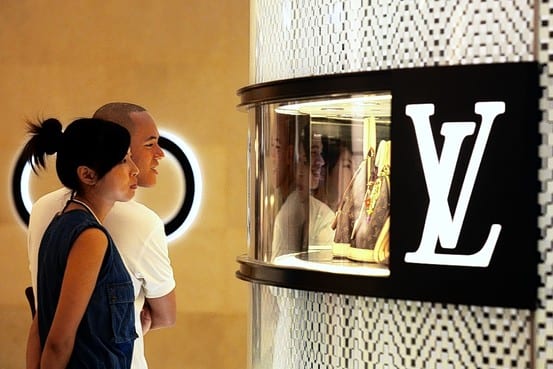
    French fashion brand Louis Vuitton, part of luxury giant LVMH , said on July 21st it had launched an e-commerce website in China to tap a booming online shopping market.

    Louis Vuitton, which opened its first store in Beijing in 1992, said the website offered leather goods, small leather goods, shoes, accessories, watch and jewellery, luggage, and the newly launched Les Parfums Louis Vuitton.

    Payments can be made via UnionPay, Alipay and WeChat, the statement said.

    The website will be available in 12 cities – Beijing, Shanghai, ChongQing, Chengdu, Guangzhou, Shenzhen, Hangzhou, Nanjing, Shenyang, Dalian, Haerbin, Wuhan. More cities will be added later on.

    It is the 11th e-commerce market for Vuitton since it launched its first site in France in 2005.