Tag: Fashion

  • The Garnered comes to ground at Landmark Hong Kong

    The Garnered comes to ground at Landmark Hong Kong

    Online retailer The Garnered, which offers mainly handmade fashion, craft and design products, is showcasing its wares at a pop-up in Landmark in Central.

    In a first for Hong Kong, the London-based venture will have its creations on show until November 12.

    Former Selfridges head of fashion Anna Gardner launched the e-commerce site last year to offer designers a more flexible, supportive platform through which to express their vision and highlight their creative processes.

    Garner started in the fashion industry at the Paris office of American Vogue and Vanity Fair, as an assistant to André Leon Talley. It was the springboard for an international career that has encompassed being head of communications for London retailer Joseph Ettedgui, and fashion director for Henri Bendel.

  • Under Armour sales numbers hit the wall

    Under Armour sales numbers hit the wall

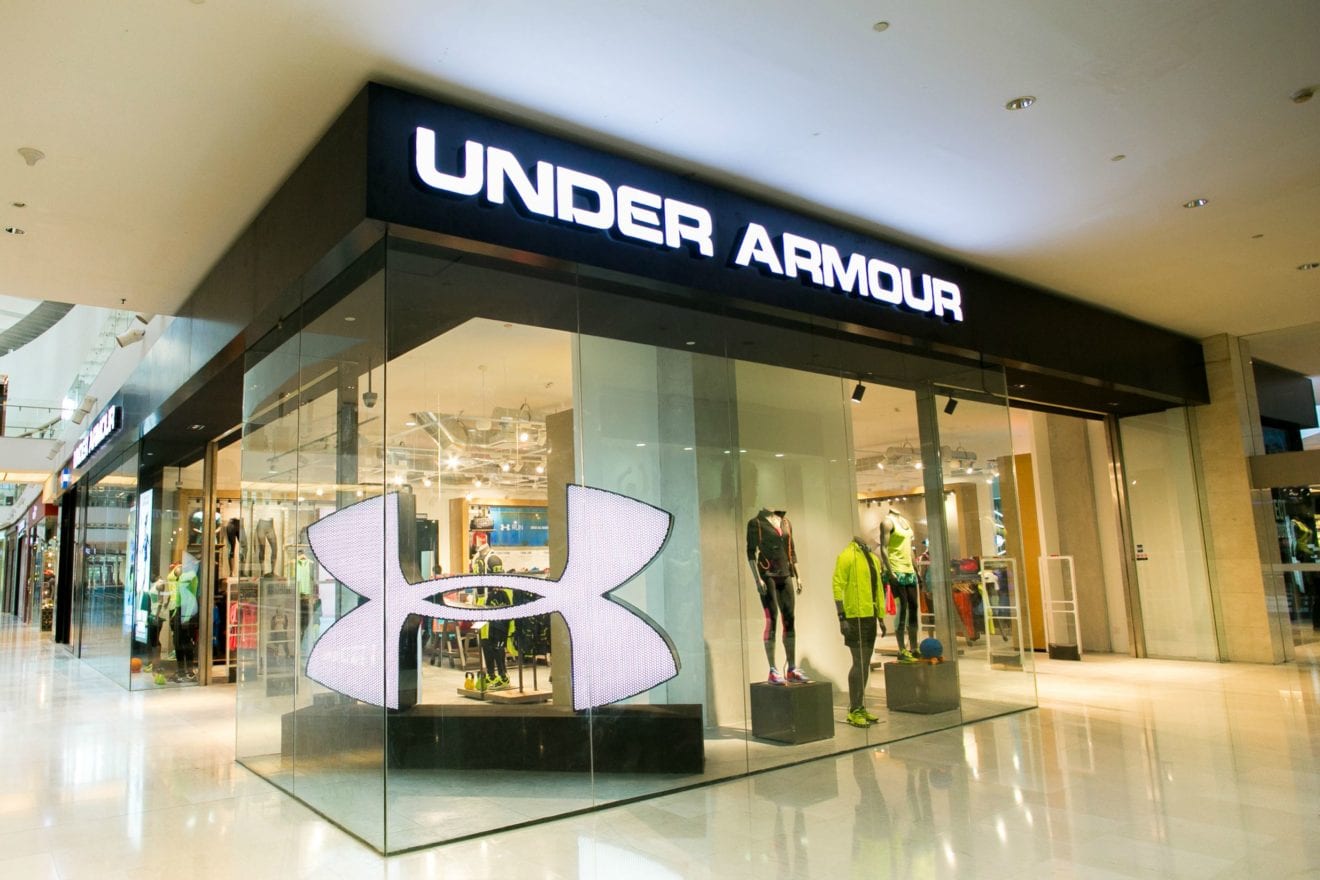
    Sportswear brand Under Armour sales have dropped by 12.1 per cent in North America, part of a worldwide trend to hit the once powerhouse brand of sports retail. In its third quarter update, Under Armour said revenue was down 5 per cent to $1.4 billion while revenue to wholesale customers declined 13 percent to $880 million and direct-to-consumer revenue was up 15 percent to $468 million.

    Profit has slumped nearly 60 per cent.

    Apparel revenue decreased 8 percent to $939 million, as growth in golf and sportstyle was more than offset by declines in outdoor, women’s training and youth. Footwear revenue was up 2 percent to $285 million, driven by strength in running and outdoor, offset by basketball and youth. Accessories revenue increased 1 percent to $123 million led by golf and men’s training, tempered by a decline in outdoor.

    “While our international business continues to deliver against our ambition of building a global brand, operational challenges and lower demand in North America resulted in third quarter revenue that was below our expectations,” said Under Armour Chairman and CEO Kevin Plank.

    “Based on these issues in our largest market, we believe it is prudent to reduce our sales and earnings outlook for the remainder of 2017.”

    “Against this difficult backdrop, our management team is working aggressively to evolve our strategy and level of execution to proactively address these challenges.

    “We understand that success in our next chapter requires managing with focused financial discipline and driving excellence into every area of our business while we amplify innovation, deliver fresh product and connect even more deeply with our consumers.”

    “The question arising from the latest set of results is: how did the one-time powerhouse of sports retail lose so much traction so quickly?”, asked Neil Saunders, managing director of GlobalData Retail, who added that with revenue growth moderating for the past couple of quarters, and with North American sales down across the first half of the year, the signs of a slowdown have been present for some time for the retailer.

    “Given the gentleness of these previous shifts, it has been easy to pin the blame on external factors such as a tapering down of demand for athleisure apparel, or the bankruptcy of leading sports retailers,” he said.

    “The third quarter numbers represent a marked deterioration from those previously modest declines.”

    “In our view, this is now about more than external factors; it demonstrates issues with the brand and its proposition. Especially so since other brands and retailers, including Lululemon, have not posted such calamitous figures.”

    “This is an abrupt about-turn for a company that, until recently, was on a mission to challenge the might of Nike and other major brands. In our view, there are several reasons for this fall from grace.”

    The first of these, said Saunders, is that Under Armour has put down very shallow roots.

    “While awareness has soared over recent years and customer numbers have risen, loyalty to the brand is not deep-rooted in the same way that it is at Lululemon and Nike. What this means is that as demand moderated, Under Armour has been quick to drop off the radar of many consumers.”

    The second reason relates to Under Armour’s focus with Saunders pointing to Lululemon and Nike possessing “a unifying purpose” to its brand.

    “As it has expanded, Under Armour appears to have lost some of its brand essence, and its proposition and purpose have become confused. Admittedly, communication in its own stores and online is better, but in third-party shops the focus is completely lost and, in some instances, Under Armour has become just another brand in a sea of brands.”

    Saunders added that a “failure to connect with women” despite attempts to increase its appeal to female shoppers – its brand remains “very masculine” and has limited appeal outside the professional sports market.

    “Under Armour is not so broken that it cannot be fixed. But the days of glory, when it would post double-digit uplifts in sales, are over,” said Saunders.

  • Fast fashion competition bursting at the seams in Vietnam

    Fast fashion competition bursting at the seams in Vietnam

    An increasingly wealthy population has global designer brands looking to stitch up the market. Nguyen Minh Ngoc jostles for space in a Mango store as she rummages through a dizzying array of marked-down clothes in search of a perfect blue sweater for the upcoming winter.

    It’s a routine shopping excursion for Ngoc, who admits to spending at least VND4 million (some $180) per month in Mango, Ninewest, Zara, Forever21 and H&M, while ignoring home-grown labels like Nem, Blue and PT2000.

    “I’m more inclined to foreign brands because of their quality. I don’t mind spending more if the quality is better,” the 28-year-old PR worker said.

    In the past, Ngoc either bought clothes on overseas trips or ordered them online. This obsession with foreign brands among young customers like Ngoc has emboldened global brands to open outlets in Vietnam.

    Last month, the opening of Swedish giant H&M’s first store in Saigon attracted around 4,000 shoppers. The firm will open its second outlet in Hanoi on November 11.

    By setting prices for selected items at 15-20 percent less than its stores in Malaysia and Singapore, Zara has triggered a craving for fashion in Vietnam.

    Its cousins, Stradivarius, Pull & Bear and Massimo Dutti, have also dipped into the market of over 90 million potential Vietnamese customers. Other brands like Mango (Spain), and Nine West and Old Navy (U.S.) have also stepped foot into the country.

    Japanese giant Uniqlo and American brand Forever 21 are also expected to arive soon. Fast Retailing, the operator of Uniqlo, began recruiting staff in Hanoi and Saigon in May to launch stores in several cities.

    There are some 200 international fashion brands in Vietnam, accounting for more than 60 percent of the market share.

    Lucrative market

    An increasing middle-class population has made Vietnam a magnet for international fast fashion brands.

    Vietnam’s economy has experienced rapid growth in recent years, and average annual income reached $2,200 last year, according to the World Bank.

    The so-called “middle and affluent class” earning $714 a month or more in Vietnam will double to 33 million people, about a third of the population, by 2020, citing the Boston Consulting Group.

    Customers are well aware of the latest fashion trends and have a desire to buy fast fashion brands, which refer to those that mass-produce and sell inexpensive clothing by rapidly copying the latest trends.

    “The from brands like Mango, H&M and Zara suit me because their designs are simple and modern, and their prices are reasonable,” Le Thu Trang, a student from Hanoi University, said.

    Trang, 22, also likes to wear Zara and H&M clothes. “The two brands occupy nearly half of my wardrobe. When they open outlets in Hanoi, I will definitely visit them,” she said.

    Le Viet Thanh, CEO of local brand K&K Fashion, said some local retailers are worried about international brands penetrating the domestic market. “They are big enterprises with strong financial backing. They have the ability to launch promotions that could stitch up local rivals.”

    Change to survive

    Pham Thai Binh, head of retail at consulting firm Savills, said competition in the local fast fashion industry is heating up, and most of the key players are foreigners. Domestic fashion retailers need to be more sensitive to changes in consumer behavior in order to stay in the game, he said.

    Le Quoc An, former chairman of the Vietnam Textile and Apparel Association, said the entry of foreign brands could be a big challenge to local fashion retailers such as Ninomax, Blue, Foci and PT 2000.

    But in the long term, local brands should be able to hold their own as long as they adopt business strategies with cheaper production costs.

    Echoing him, an industry insider said: “Competition is good for everyone. Local brands just need to step up.”

    The story of how coffee chains Highlands and Trung Nguyen have stood their ground despite Starbucks’ attempted invasion has proved there is room for everyone, he said. Homegrown coffee chains like Highlands and Trung Nguyen have beaten foreign rivals by being more attuned to local tastes and limited budgets.

    Serial shopper Ngoc said that better value would make her rethink her opinion of Vietnamese products.

    “If Vietnamese brands could improve their quality, I would think about shopping at local shops again,” she said.

  • Lumine Singapore features fashion plus food

    Lumine Singapore features fashion plus food

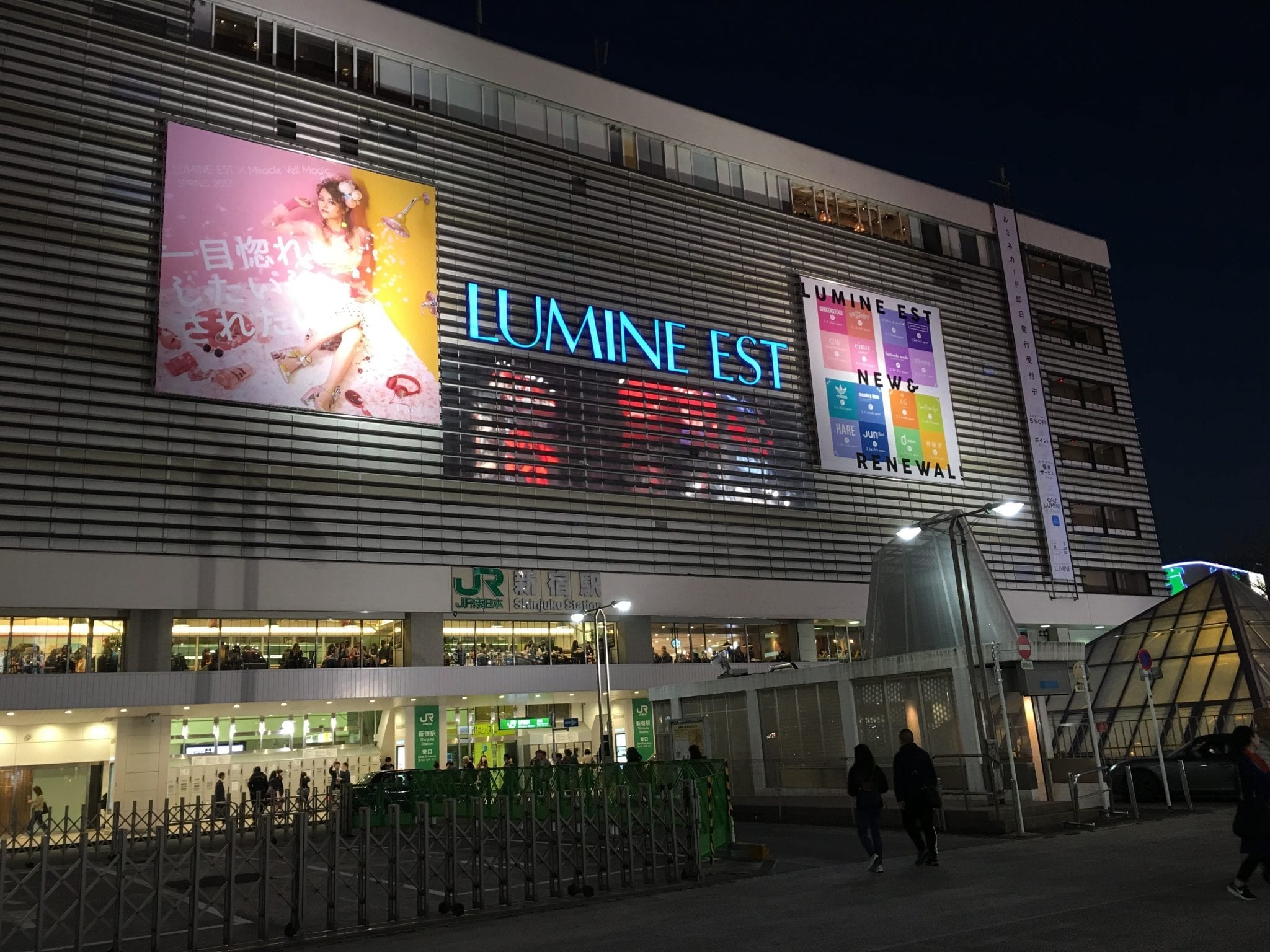
    Japanese fashion and food both feature in the new Lumine Singapore fashion mall in Clarke Quay Central.

    For its launch, in line with its philosophy “I am who I am”, the mall invited Japanese and Singapore personalities known for their individuality.

    “Singapore is an important milestone in our business plan because it is an important gateway to the Asian market and pivotal in positioning the brand on the world map,” says Lumine Singapore MD Naokazu Kozakai.

    With expertise in direct management and subleasing, plus access to more than 2200 tenants in its malls, Lumine intends its Singapore mall to be a platform for Japanese brands to jumpstart their entry in the city and other markets in the region.

    As tipped in July, the 10,000sqft (930sqm) specialty lifestyle store targets independent, sophisticated women, offering the same shopping experience as its 15 malls in Japan. Included is Lumine cafe, which will be run by Create Restaurants Asia.

    Lumine Singapore offers a collective of 20 fashion brands that are iconic in Japan including Fray ID, Ien, Lagunamoon, Lily Brown, Mila Owen, Moussy, Sly, Snidel, Spick & Span, Tomorrowland and Ungrid. There are also shoes and accessories from Drama HP France, Le Talon and RoomsShop, plus exclusive Zoff eyewear.

    A brand incubation program is part of Lumine’s business strategy. “We have created a space as a testbed for Japanese brands in the new store called Lumine Lab,” says Kozakai. “It aims to share and explore the diversity in Japanese fashion and craftsmanship.”

    Featuring first in the space are influencer-based Japanese brands including And Couture, Emoda, MercuryDuo, Murua and Rienda.

    Among women attending the official opening were musician/entrepreneur Aarika Lee, entrepreneur Savina Chai, food artist Suwa Ayako, model/DJ Una and musician Yuuki (YJY).

  • Nike CEO says Undifferentiated, mediocre retailers won’t survive

    Nike CEO says Undifferentiated, mediocre retailers won’t survive

    Sportswear giant Nike has a message for its thousands of retail partners around the world: shape up or ship out.

    Speaking at an investor day in the US yesterday, Nike brand president Trevor Edwards outlined a step-change for the iconic business in the way it deals with its retail partners, saying that “undifferentiated, mediocre retailers won’t survive,” and committing Nike to “moving away from this over the next five years.”

    Nike, which currently has 30,000 retail partners globally, plans to select around 40 “differentiated retailers”, such as Nordstrom, Footlocker and Amazon, for special collaborations and branded space in-stores.

    No-names were mentioned in terms of who might be on the chopping block in the coming years, but the company is drastically stepping up its direct-to-consumer efforts as part of its plan to reach its $50 billion annual sales target by 2020 – a goal set in 2015 that investors have previously expressed scepticism about.

    To service its ambitions Nike laid out a raft of new targets under a “triple double strategy” laid out by chairman, president and CEO Mark Parker.

    “The consumer today expects a premium experience, with innovative product and services delivered faster and more personally,” Parker said. “Fueled by a transformation of our business, we are attacking growth opportunities through innovation, speed and digital to accelerate long-term, sustainable and profitable growth.”

  • Miele Hong Kong joining Redress in clothing drive

    Miele Hong Kong joining Redress in clothing drive

    Miele Hong Kong, the appliance brand, is joining forces with environmental charity Redress in a bid to challenge residents to be less wasteful with unwanted apparel.

    It is using a citywide clothing drive from November 6 to 19 to re-direct wardrobe items away from landfill and back into the fashion loop.

    While new studies suggest that more than 60 per cent of Hong Kong residents now consider recycling their clothes, 111,690 tonnes of textiles are still being dumped each year. This means that about 15,000 garments or textile items go into landfills every single hour

    The Get Redressed x Miele Clothing Drive is seeking donations of used clothing, shoes and accessories that will directly benefit such charities as Christian Action, Friends of the Earth (Hong Kong), Green Ladies and Green Little of St James’ Settlement, Pathfinders and the Tung Wah Group of Hospitals.

    High-quality clothing and accessories will be sold at the Get Redressed charity/secondhand pop-up shop from November 22 to 25 to raise funds for Redress, enabling it to continue its 10-year legacy of cutting waste out of fashion.

    Partner locations where donations can be left include Caelum Greene in Central, the Miele Experience Centre in Lee Garden Six, and PizzaExpress outlets in K11 Art Mall, V City and Yoho Mall.

    Miele Hong Kong marketing director Richard Green says the company sees the importance of sustainability and is keen to promote laundry care through a holistic approach, including motivating consumers to keep their clothes in use for longer.

    Redress hopes to raise consumer awareness of the importance of clothing care to keep garments in active use longer. It says that extending the life of clothing by nine months is estimated to reduce carbon waste and water footprints by around 20 to 30 per cent each.

  • HKIA seeks luxury retailer for boutique space

    HKIA seeks luxury retailer for boutique space

    Hong Kong International Airport (HKIA) is seeking a retailer to run a luxury boutique concession.

    Tenders have been invited for a 57sqm space in the restricted area of Level 6 Departures in Terminal 1’s East Hall.

    With air, sea and land links around the clock, HKIA serves more than 100 airlines and 70.5 million passengers and is still growing. Of the international travellers passing through the airport, about 45 per cent are executives, professionals and proprietors.

    Tenders, accompanied by a non-refundable cashier’s order of HK$500, must be submitted by December 14.

  • Asics tapped a DJ for its new brand campaign

    Asics tapped a DJ for its new brand campaign

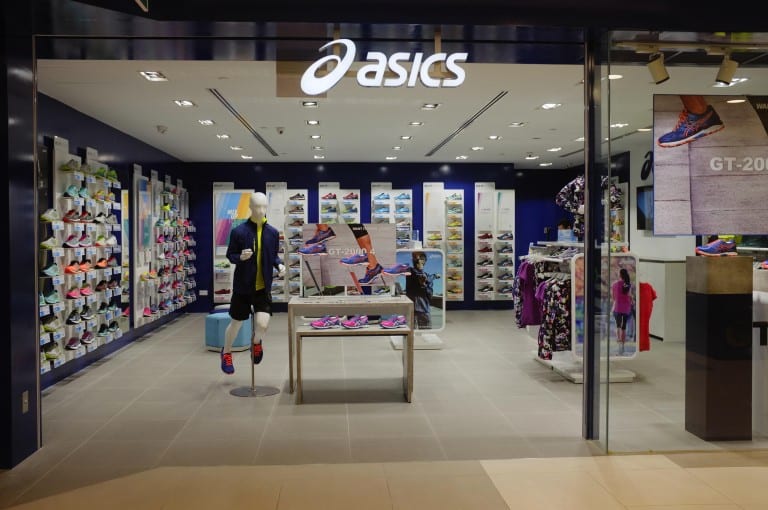
    Asics is debuting a new brand campaign called “I Move Me,” which features DJ Steve Aoki. The athletic shoe and apparel company aims to reset what shoppers know its products for.

    The sports retail market was already facing headwinds before Amazon decided it wanted to encroach on the space. Now, those pains are only being exacerbated.

    In October 2017, Amazon declared that is working with some of the sporting goods’ industry’s biggest suppliers, looking to create its own private-label lines. It is a move that could threaten companies ranging from Dick’s Sporting Goods and Foot Locker, to Lululemon and Gap’s Athletanameplate.

    The sports world could take some “important lessons” from so-called fast-fashion players like Zara, analysts say.

    After he took the helm at Asics, Asics America Group Chief Executive Gene McCarthy  brought in new management, pulled product out of some third-party retailers and even held a “tough” conversation with Amazon, deciding it was best to renegotiate that relationship.

    Asics will sell directly to Amazon, he said, but shoppers can still find the brand on Amazon.com through third-party sellers, or those relationships McCarthy has made a priority as CEO.

    Nike, in comparison, caved earlier this year when it announced plans to sell some of its product assortment on Amazon’s U.S. e-commerce platform.

    Asics is repositioning its brand by telling a story that dates back to the company’s inception in Japan in 1949. Founder Kihachiro Onitsuka built the brand around motivating children to “move” and be active, McCarthy explained.

    Today, Asics is still publicly traded in Japan, and its name is an acronym for the Latin phrase “anima sana in corpore sano,” which translates to “healthy soul in a healthy body.”

    Asics’ “I Move Me” campaign, which rolls out online and in Asics’ handful of stores on Wednesday, was crafted by working with international DJ Steve Aoki. The shoe company has taken a nontraditional approach, using a brand ambassador who isn’t a star athlete, but Asics aims to be unique and hopes to reach a larger audience with its refreshed messaging.

    “My life is not only about music and fashion, but also fitness, nutrition and health,” Aoki said in a statement.

    Aoki is also of Japanese descent. He is already begun promoting the brand on his social media channels, where he boasts millions of followers.

    Asics has also promised more nontraditional brand ambassadors for an athletic shoe company to come. The goal is to have a greater voice in an increasingly crowded market.

    To many shoppers, Asics is considered a brand for “performance” activity, not so much for casual wear. While McCarthy said he doesn’t want Asics to get away from its core and what it does best, he wants to reach more consumers and encourage a healthier lifestyle, just as Onitsuka was trying to do in the ’40s in Japan.

    In addition to beefing up its online platform, Asics is opening a slew of new stores and growing its relationships with its closest third-party retailers, like Foot Locker, McCarthy said.

    To be sure, companies like Foot Locker, Hibbett Sports and Finish Line are facing their own challenges, as big-name brands decide to scale back product in stores and sell more online or through their own channels, like Nike.com.

    McCarthy said he’s noticed the environment become tumultuous and competitive in recent years. But he doesn’t see a world without retail, or without brands.

  • Charlotte Tilbury makeup coming to Hong Kon

    Charlotte Tilbury makeup coming to Hong Kon

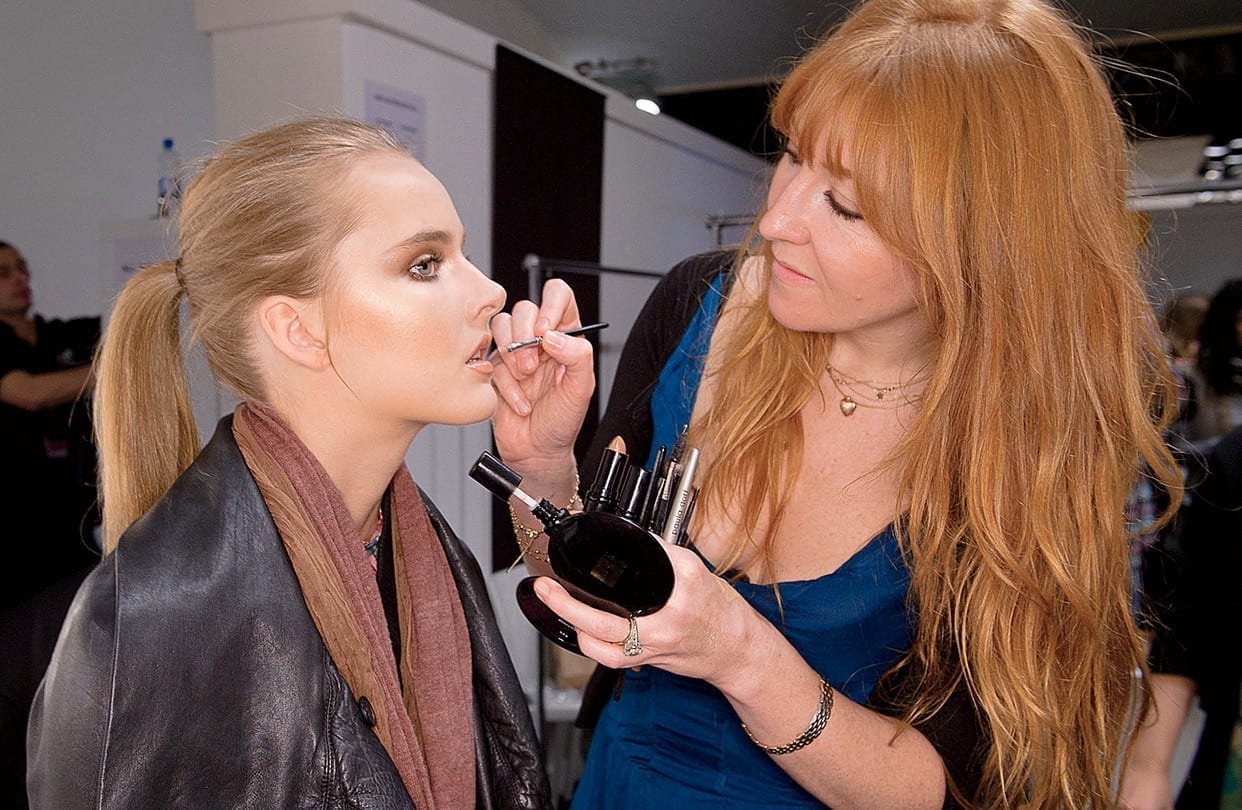
    Makeup artist Charlotte Tilbury is bringing her award-winning makeup, skincare and scent collections to Asia.

    Her Makeup Revolution will be launched in Asia next year, starting at Lane Crawford in Hong Kong.Further details have yet to be announced.

    This follows her opening her first store outside of the UK, in Kuwait last week, one of three stores for the Middle East.

    Tilbury says there has been a huge demand already from loyal customers in Asia, while Lane Crawford chief brand officer Joanna Gunn says the exclusive launch of the brand in Hong Kong will be supported on the store’s online platform.

    With more than 25 years in the makeup industry working with A-list models, celebrities and designers, Tilbury has poured her best-kept secrets into her “all you need” skincare, makeup and scent collection.

    Her products have won more than 110 industry awards.

    Her colour products are curated into 10 colour-wardrobes: The Bombshell (inspired by Marilyn Monroe, Scarlett Johansson), The Dolce Vita (Beyonce, Penelope Cruz, Sophia Loren), The Glamour Muse (Jennifer Lopez, Jerry Hall), The Golden Goddess (Elle McPherson, Kate Moss, Ursula Andress), The Ingenue (Alexa Chung, Kirsten Dunst, Mia Farrow), The Rebel (Debbie Harry, Grace Jones, Lady Gaga), The Rock Chick (Anita Pallenberg, Brigitte Bardot), The Sophisticate (Audrey Hepburn, Natalie Portman), The Uptown Girl (Grace Kelly, Gwyneth Paltrow, Kate Middleton) and The Vintage Vamp (Lauren Bacall, Rihanna).

    Tilbury has created cover looks for such fashion magazines as GQ, Vanity Fair, W and Vogue. She has also created runway trends for designers and brands including Alexander McQueen, Bottega Veneta, Donna Karan, Lanvin, Miu Miu, Prada and Tom Ford; and crafted campaigns for brands including Burberry, Louis Vuitton. Missoni, Roberto Cavalli and Stella McCartney.

    Her client list includes Carina Lau, Jennifer Aniston, Jennifer Lopez, Kate Moss, Penelope Cruz, Rihanna and Salma Hayek.

  • Puma sales step up in third quarter

    Puma sales step up in third quarter

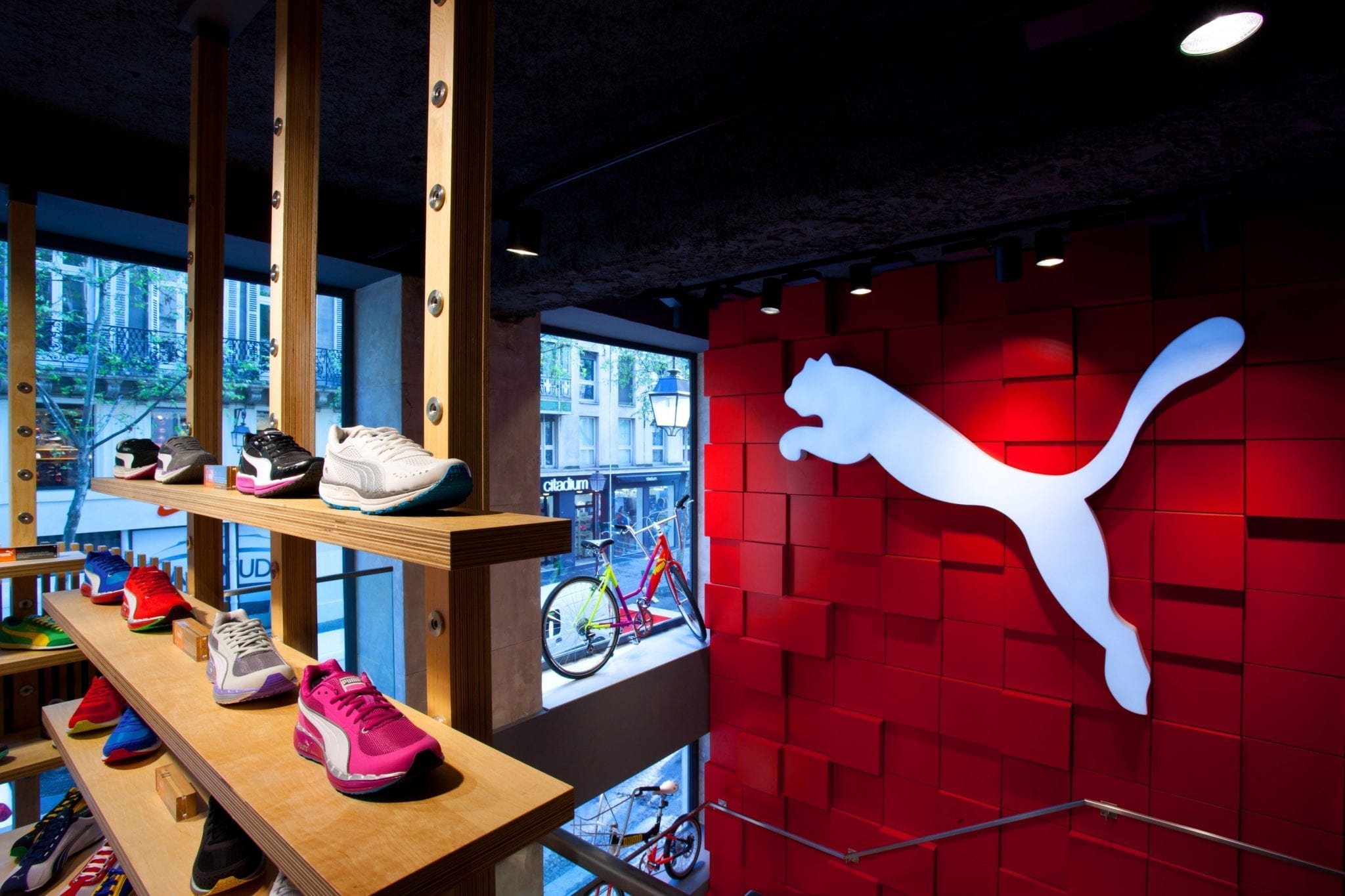
    Global footwear retailer, Puma, has posted an increase in sales globally for the third quarter.

    Puma announced third quarter sales rose a currency-adjusted 23 per cent in Europe, the Middle East and Africa, and 16 per cent in the Americas and 10 per cent in the Asia-Pacific region.

    Operating expenses increased by 11 per cent driven by higher marketing, selling and retail expenses. Operating result (EBIT) rises to €101 million from the €60 million last year.

    Footwear continued to be the main growth driver and Accessories also increased in double digits, while Apparel grew at a more modest rate.

    The gross profit margin improved by 230 basis points from 45.8 per cent to 48.1 per cent in the third quarter. Further improvements in sourcing, higher sales of new products with a higher margin and selective price adjustments helped to improve the gross profit margin despite negative currency impacts.

    “The third quarter was another good quarter for us with double-digit growth in all regions and strong growth in all product segments,” said Bjørn Gulden, CEO of PUMA SE. “With gross profit margin exceeding our expectations and a continued focus on operating expenses, we were able to deliver a very positive and better than expected operating result (EBIT).”

    Gulden said this development in the third quarter combined with a good orderbook for the fourth quarter made them raise the outlook for the full year.

    “We now expect currency adjusted sales to increase between 14 per cent and 16 per cent and the operating result (EBIT) to come in between €235 million and €245 million.”

    Puma has also partnered with singer and actress Selena Gomez and said its women’s business was further strengthened through the second Rihanna collection this year, launched in September.

  • Makeup brand 3ina arrives from Singapore

    Makeup brand 3ina arrives from Singapore

    Spanish makeup brand 3ina has arrived in Singapore, opening stores in Ion Orchard and Tampines Mall.

    Pronounced Mina, the brand offers products in trending colours especially suited to younger women and those who like experimenting. Standouts include coloured mascara, liquid liners in iridescent finishes and nail polishes.

    All products are made in Europe, and as well as being vegan are free of paraben and are “cruelty-free”.

    There is also makeup for the less adventurous with staples such as a three-in-one foundation to brow pencils, matte lipsticks, chubby lip pencils, brushes and other makeup tools.

  • Global sourcing has stuffed fashion – globally

    Global sourcing has stuffed fashion – globally

    Like all good things, global sourcing was a seductive morsel that led to a kind of economic gluttony that has had huge ramifications. Most of them for the worse.

    While the idea of sourcing at a lower cost than a business could make themselves on paper looks like an obvious endeavour to exploit, taken to the level that has now occurred, the only sustainable benefits have been achieved by the owners of the factories and supply chain providers to which production and distribution has been outsourced.

    Global fashion for the mass market has denigrated to the lowest common denominator. “Disposable fashion” is no longer an option but pretty much all you can buy at mass market and has led to the destruction of quality, embellishment, differentiation and true innovation.

    The fashion industry – globally – is caught in a deflationary cycle of its own making, producing an endlessly recycled ‘play-book’ of looks from mass-produced fabrics, made to standard blocks and production techniques in order to hit buy-sell prices and margins that are creating nothing but increasing volumes and decreasing profits.

    On top of that, the customers are bored.

    Even Zara – arguably the master of ‘cheap chic’ disposable fashion – has dulled its armoury. Once upon a time, Zara made its goods in Spain – when Spain was a country that had a low labour cost. Thanks to European equalisation laws, Spain’s minimum wage compliance destroyed that advantage. Zara now produces most of its products outside the European Union in cheap labour zones like China and Vietnam. As a result, both quality and an important part of the DNA of the product have evaporated leaving scale and stock turn as its primary weapons. But Zara is lucky that it still sustains those two weapons.

    For those without the armoury of global reach and massive scale, the allure of global sourcing has left them exposed as peddlers of the ‘emperor’s new clothes’. Forced to choose the same fabrics, the same trends, the same blocks and the same factories, the outcome is (you guessed it)…sameness.

    Fashion is about design and look. Without new ideas, individual personality and real choice every season it becomes functional at best. Functional fashion is not what excites customers to spend up. Instead they shop down. And ‘bagging bargains’ favours the few who have and can maintain scale advantage. Everybody else needs to seduce customers to buy with something they can’t get everywhere else. The current cycle of formulaic trend to factory source will not survive the next decade without massive casualties.

    And don’t blame the customer. That is a cop-out. Time for the fashion industry – outside the scale monsters – to rediscover how to design again. How to create original looks. How to invest in monetising quality. How to find a manufacturing advantage outside pure cost. How to create real differentiation and real integrity.

    That – and only that – will save the fashion industry from the massive failure that global sourcing is going to deliver.

  • Paul & Shark Thailand opens store in duty-free mall

    Paul & Shark Thailand opens store in duty-free mall

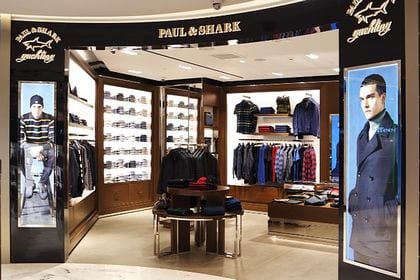
    Paul & Shark Thailand has opened a store at the Downtown Duty Free Mall in Rangnam Road, Bangkok.

    Run by King Power, the complex combines both international and local brand shopping with a hotel and theatre.

    Offering key pieces from the luxury Italian sportswear brand’s autumn/winter collection, the outlet follows the new Paul & Shark store concept characterised by high-tech steel, smoked glass and the brand’s signature blue.

    It is one of several stores the brand has opened this year, and comes in the final quarter of what the company says has been a successful year.

    It also opens in time for the Trinity Forum airport commercial revenues conference, which is being hosted at the King Power Pullman in Bangkok, “so we very much hope delegates will have the chance to see if for themselves”, says Paul & Shark worldwide travel retail director Catherine Bonelli.

  • Adairs upgrades guidance

    Adairs upgrades guidance

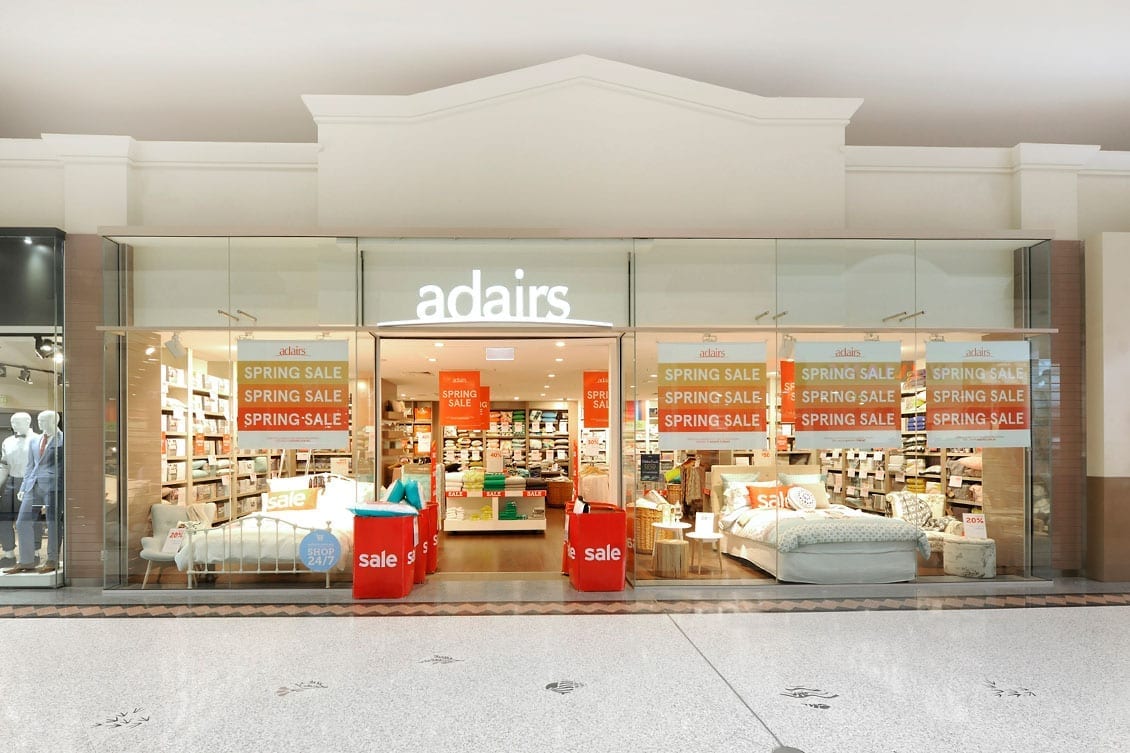
    Bedding retailer Adairs has upgraded its guidance for FY18 after experiencing a bumper start to the financial year.

    Adairs CEO Mark Ronan told the market on Wednesday afternoon that year-to-date LFL sales  were up 13 per cent to October 15.

    It’s a continuation of trading momentum kicked-up in the second-half of FY17, with July LFL sales growth spiking to 10.4 per cent after a disastrous first half that drove FY17 profits down 19.6 per cent.

    The company now anticipates FY18 earnings before interest and tax (EBIT) of $34.5 – 39 million, up from its prior guidance of $33 – 37 million on the back of a $5 million bump in its total sales growth estimates.

    However, Ronan did say that the company anticipates its year-to-date sales to moderate somewhat as trading heads into the upcoming holiday promotional period in the December quarter.

    “While our year-to-date sales have been pleasing, the key trading periods and promotional events lay ahead in the financial year,” he said.

    Adairs anticipates LFL sales growth in the 5 – 10 per cent range for FY18, saying it will provide an update on its strategy at its upcoming Annual General Meeting.

    Ronan has previously said that the company’s poor performance in the first-half of FY17 was due to mistakes made by management which are unlikely to be repeated, and that its new range of high-end linen and velvet doonas were doing extremely well with customers.

    He’s also indicated that Adairs is evaluating whether to sell on Amazon marketplace when it launches in Australia in the coming months, something that he’s previously identified as a strategic opportunity for the business.

  • Acne Studios launching 48-hour online pop-up

    Acne Studios launching 48-hour online pop-up

    Swedish fashion brand Acne Studios is about to launch a 48-hour online pop-up store offering a handpicked selection of its classic style, show pieces and exclusive items.

    Discounts of up to 75 per cent are being offered during the retrospective, which launches on October 24 “exclusive” to Hong Kong, India, Japan, Malaysia, New Zealand, Singapore, South Korea, Taiwan and Thailand.

    Based in Stockholm, Acne Studios is a multidisciplinary luxury fashion house, founded in 1996 as part of the creative collective Acne, an acronym for Associated Computer Nerd Enterprises but later changed to Ambition to Create Novel Expressions. The fashion house specialises in men’s and women’s ready-to-wear fashion, footwear, accessories and denim.