Tag: Fashion

  • Steve Madden Asia eyes 150 China stores with new JV

    Steve Madden Asia eyes 150 China stores with new JV

    Madden Asia has entered into a joint venture with C.banner International Holdings Limited, as the distributor of Steve Madden shoes looks to roll out more than 100 new stores in China.

    The joint venture group, named SM (Jiangsu), is co-owned 50% by Xuzhou C.banner and 50% by Madden Asia. SM (Jiangsu) will oversee the promotion, marketing, and sales and distribution of Steve Madden products in China “through integration of both online and offline channels,” said C.banner, in a press release.

    In addition, the new group will open around 150 Steve Madden retail outlets in China by the end of 2020.

    The JV’s distribution rights cover brand names Madden and Steve Madden, along with variations including Madden Girl and Steven By Steve Madden.

    “We believe the brand value of Madden and Steve Madden not only offer a valuable opportunity for C.banner to further enhance its brand image, but also enable the group to further expand its business in the mid-to-high end footwear market of China,” said Hen Yixi, chairman of C.banner International Holdings Limited, in statement.

    “In addition, the company considers this will add synergy to the group’s diversified brand portfolio and overall business, as well as assist the group to enhance its market share and influence in the industry, which will further consolidate the group’s status as an international integrated retailer.”

    Footwear designer Steve Madden founded his namesake shoe brand in 1990. The Long Island, New York-headquartered company recorded revenue of $1.4 billion in 2015.

  • Breguet relocates Singapore store, eyes Asia sales

    Breguet relocates Singapore store, eyes Asia sales

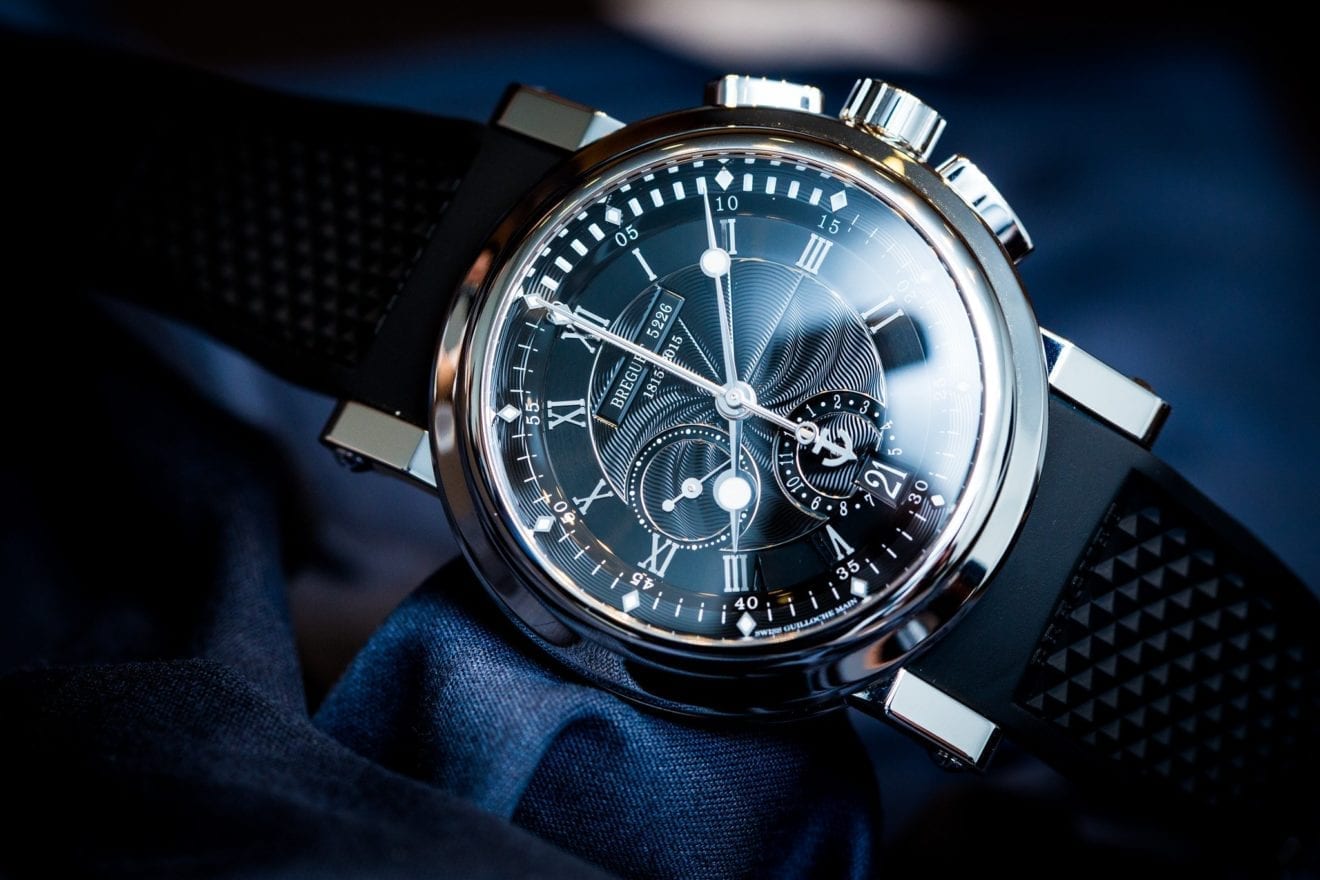
    Swiss watchmaker Breguet has relocated its standalone store in Singapore, in a bid to improve retail operations in Asia, as watch sales look to increase in the region.

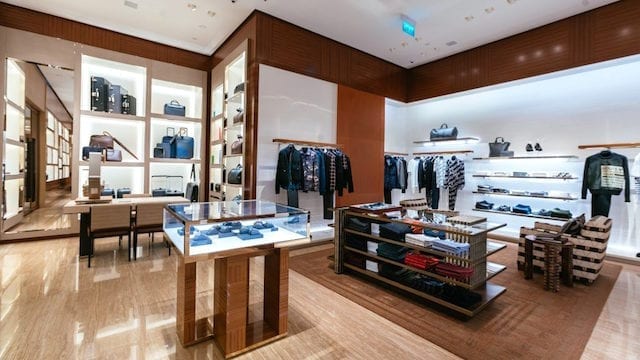
    Located in Marina Bay Sands, the new boutique was reopened with a ribbon-cutting ceremony attended by brand management and clients. The luxury watchmaker relocated from its 115 square-metre store to a 134 square-metre space in the premier luxury shopping destination The Shoppes.

    The Swatch Group Singapore & Malaysia management, the operators of Breguet in the region, welcomed sixty VIP guests for an evening doused in the theme “East-meets-West”, said the brand.

    It’s been a tough twelve months of trade for Swatch. In February, Swatch Group said profits were nearly halved in 2016 as global watch market weakness took its toll. However, an uptick in sales in Asia toward the end of last year, namely in China, saw the watchmaker predict a healthier year ahead.

    Watch and jewellery sales dropped by just under 11 per cent as a marked slowdown in 2015 ran into early 2016, it said.

    The end of last year, however, saw fresh movement in sales, especially in China, Swatch said.

    “The months of November, December and January showed, particularly in mainland China, very good growth in the watches and jewellery segment, with a substantial improvement in operating margin,” the group said in a statement.

    “Based on the positive development of the last three months, healthy growth is expected for the year 2017,” it said.

    Founded in 1775, Montres Breguet is synonymous with prestigious Swiss watchmaking. Swatch Group acquired Breguet in 1999 from Investcorp, placing it alongside Swatch stable mates Omega, Longines, Hamilton and Calvin Klein watches.

  • Levi’s to start company owned stores, e-commerce platform in India

    Levi’s to start company owned stores, e-commerce platform in India

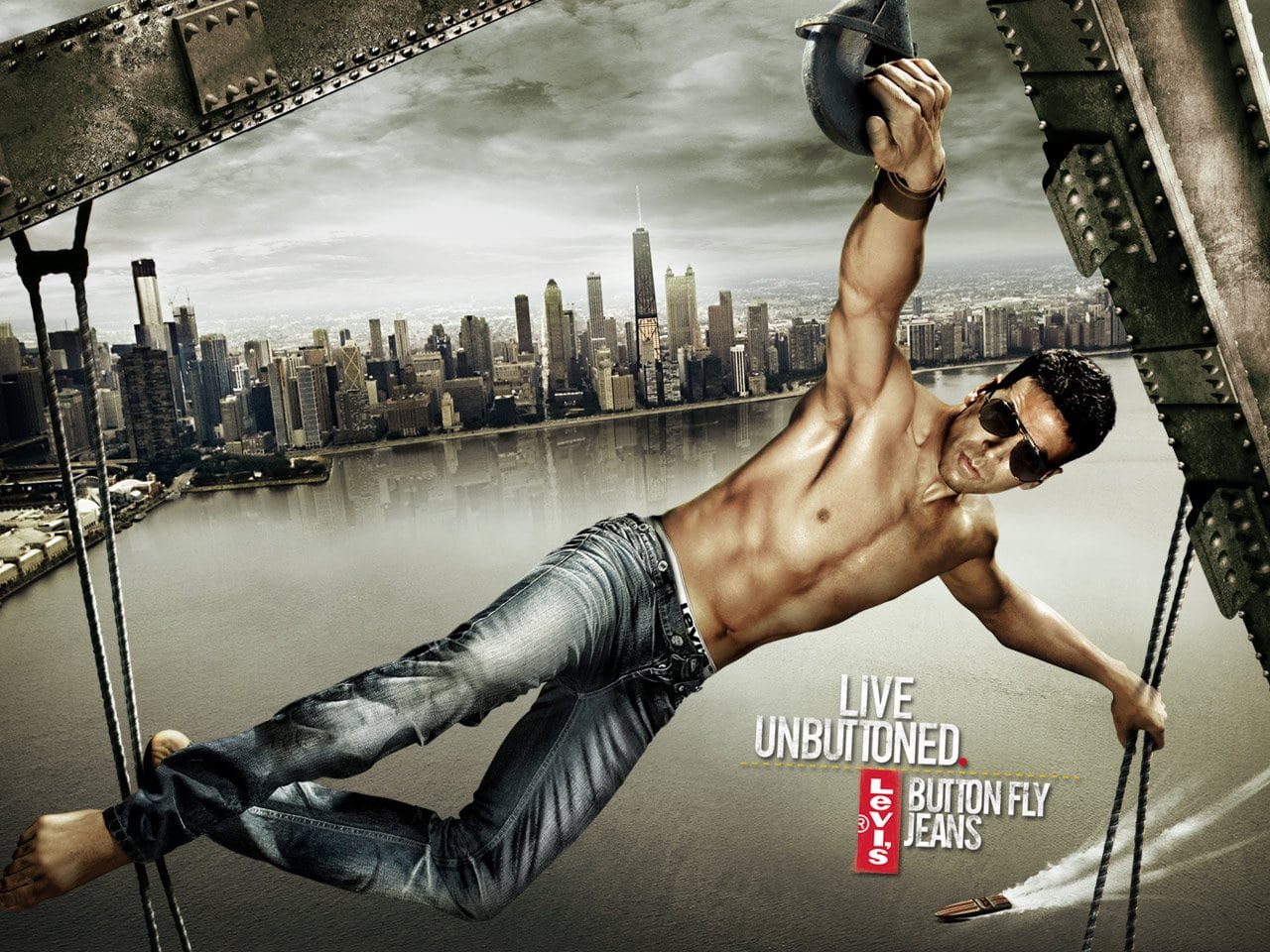
    Iconic apparel brand Levi’s is planning to open company owned stores and launch its e-commerce platform to reach deeper in India, president and CEO Chip Bergh said.

    “One of the company’s growth algorithms is to try and reach deeper into countries like India,” Bergh told the Times of India. “Our business could be twice the size of what it is now in the next five years. Investments in e-commerce and retail will help us do that.”

    When Bergh took over, the company had around 150 franchisee partners, who operated one or two stores each. Currently, it has 22 franchisee partners, each of whom operates a larger number of stores. This has helped channelise more investment into the brand.

    Currently, for one pair of jeans, Levi’s sells three tops globally and Bergh wants to reduce that number. In India, however, the ratio is 1:1 for the clothing company.

    While globally Levi’s has been reporting consecutive years of revenue and profit growth and slashed its debt by more than half, in India, it turned profitable in 2014 after nearly two decades of lull.

    It reported a net profit of around Rs 79 crore in 2015-16, up 64% over the previous year with sales growing at 18.5% to Rs 753 crore.

  • Amazon appoints new fashion head

    Amazon appoints new fashion head

    US e-commerce conglomerate Amazon has appointed a new head of its fashion division. The Seattle-based Amazon has selected Christine Beauchamp to be president of Amazon Fashion, the section that operates the corporation’s online fashion marketplace.

    Beauchamp replaces Catherine Lewis Beaudoin, following her departure last month. Beaudoin had held the role since 2013.

    Beauchamp has an extensive professional resume. She was previously CEO at Victoria’s Secret Beauty; served as brand president at Ann Taylor; and spent nine months as global brand president for the brands Lauren, Chaps, American Living and Ralph for the Ralph Lauren group in 2015.

    Beauchamp returned to the Boston Consulting Group as a senior consultant back in 2016, where she was most recently.

    A Harvard and Princeton graduate, she will oversee Amazon Fashion and continue to promote its current range and by seeking out partnerships.

    Beauchamp will take up the role as president of Amazon Fashion before the start of the summer.

    Amazon has made its fashion presence well known by sponsoring the Met Gala in 2012 and sponsoring CFDA’s NYFW: Men’s fashion week alongside Cadillac and Samsung. The deal with the CFDA ended after NYFW: Men’s in February 2017. In addition, the online retailer announced plans to launch private-label intimates and an athleisure line.

    Amazon has been reported by Yahoo to be larger than the 8 largest retailers in the U.S. combined (Macy’s, Best Buy, Target, Nordstrom, JCPenney, Walmart, Kohl’s and Sears), and is poised to surpass Macy’s this year as the biggest apparel retailer in the U.S.

  • European firms lose confidence in Vietnam’s market

    European firms lose confidence in Vietnam’s market

    The overall business climate index has fallen 7 points since the last quarter. The number of European businesses and companies with links to Europe that have a positive outlook about their futures in Vietnam has fallen slightly, according to the Vietnam Business Climate Index (BCI) for the first quarter released on Monday by the European Chamber of Commerce (EuroCham).

    When asked about their business outlook for the next quarter, 9 percent said the outlook was “excellent”, compared to 10 percent the previous quarter, and 60 percent said it was “good”, compared to 67 percent.

    The number of firms that forecast their outlook as “not good” jumped from zero to 7 percent, and “very poor” climbed from 2 to 4 percent.

    With regards to their current business situation, 67 percent of respondents described theirs as “excellent” and “good”, around a 5 percent drop from the previous quarter.

    A slight rise was seen in the “not good” and “very poor” answers, with 9 percent and 3 percent, respectively, compared to 3 percent and 2 percent in the last quarter.

    EuroCham members that expressed confidence in a stable and continuously improving macroeconomic scenario for Vietnam in the next quarter have dropped by around 10 percent to 43 percent.

    Conversely, businesses that believe the macroeconomic conjuncture could get even worse has risen 11 percent to 18 percent.

    In general, the index for the first quarter stood at 78, dropping 7 points.

    In an interview with Bloomberg at the Government Office in Hanoi on Saturday, Vietnamese Prime Minister Nguyen Xuan Phuc said he is confident that Vietnam’s economic growth this year will meet the government’s goal of 6.7 percent without adding to inflation, despite weak expansion in the first quarter.

    “The main economic indicators in May are all very good with a strong pickup in exports, foreign investment and agriculture production, laying the ground for faster growth in the third and fourth quarters,” he said, adding that the growth target was difficult but not impossible.

  • Louis Vuitton brings its spirit of travel to South Korea

    Louis Vuitton brings its spirit of travel to South Korea

    French leather good house Louis Vuitton is embracing its traveler heritage to bring its “Volez Voguez Voyagez” exhibit to Seoul, South Korea.

    Described as a 161-year voyage, Louis Vuitton’s Volez Voguez Voyagez retrospective opened in 2015 at Paris’ Grand Palais, a special site for the brand as it displayed its bags and luggage there during the Universal Exhibitions in 1900. The title of the exhibition translates to “Fly, Sail, Travel” to celebrate Louis Vuitton’s tradition of trunk making that dates back to 1854.

    Now a traveling exhibit dedicated to Louis Vuitton’s spirit of travel, Volez Voguez Voyagez is curated by Olivier Saillard.
    The exhibit’s story is told through nine chapters, designed by Volez Voguez Voyagez’s artistic director Robert Carsen. This starts with an antique malle from 1906, design and modern enough to carry the brand through its more than 150-year history.

    Throughout this exhibition, Louis Vuitton makes the connection between the old and new, focusing on how modern pieces were inspired by antiquities; and highlighting the people behind the brand throughout its history.

    Since its original opening in Paris, Louis Vuitton’s Volez Voguez Voyagez has traveled to Tokyo.

    The Tokyo adaptation of the exhibit gave Louis Vuitton an opportunity to interact with its Japanese consumers and demonstrate its relationship with the country. Louis Vuitton has maintained ties with Japan since the end of the 19th century, citing the Mon, or family crest, as an inspiration of its iconic Monogram canvas.

    Now, Louis Vuitton is packing its bags and heading to Seoul, South Korea to stage the exhibit.
    From June 8 to August 27, consumers in South Korea will be able to view the free Volez Voguez Voyagez exhibit at the Dongdaemun Design Plaza.
    Similar to its stop in Tokyo, Louis Vuitton has added a chapter to the exhibit devoted to South Korea. South Korea is a popular destination for luxury branded heritage exhibits. For example, nearly two years after its London debut, French couture house Chanel took its “Mademoiselle Privé” exhibit to Seoul, South Korea.

    Originally showcased in 2015 at London’s Saatchi Gallery, the public exhibit explored the spirit of brand founder Gabrielle Chanel and current creative director Karl Lagerfeld. Taking this exhibit abroad allowed Chanel to share its story with a larger, global audience.

  • Jeweler Tse Sui Luen Suffers from Hong Kong Slowdown

    Jeweler Tse Sui Luen Suffers from Hong Kong Slowdown

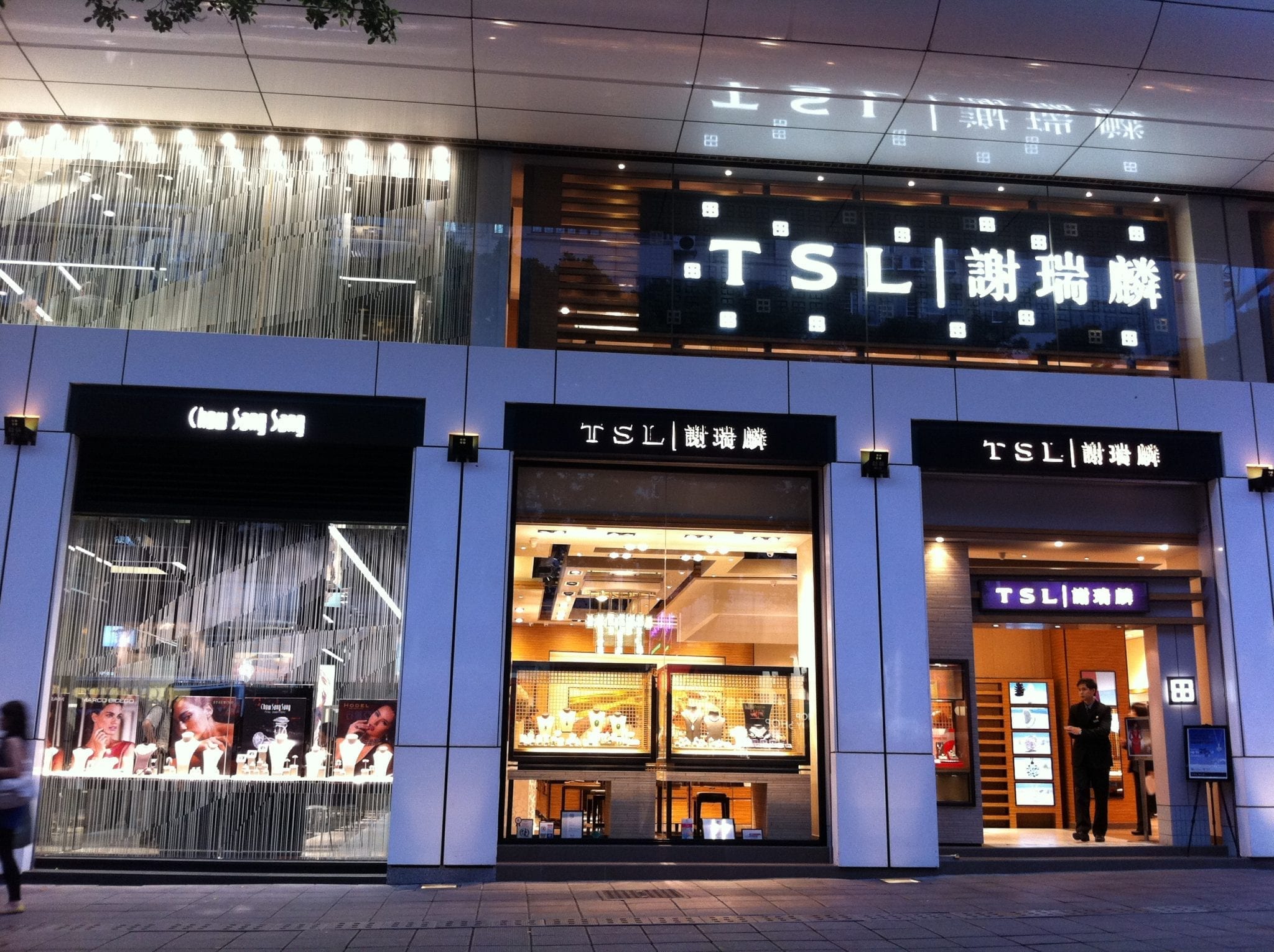
    Sales and profit at jewelry retailer Tse Sui Luen (TSL) weakened in the past fiscal year, as improved demand in mainland China failed to compensate for sustained sluggishness in Hong Kong.

    Revenue fell 3.6% to $438 million in the 12 months that ended February 28, the Hong Kong-based jeweler reported Tuesday. Profit dropped 2.6% to $3 million (HKD 23.2 million).

    “A continuing reduction in tourists visiting Hong Kong from mainland China, together with the ongoing instability of both the global and local economic and political environment, conspired to create unfavorable consumer sentiment for the group’s retail outlets during the year,” the company said.

    The devaluation of the Chinese yuan, as well as slower economic performance on the mainland — resulting from uncertainty about US trade policy — dented Chinese consumer confidence, the retailer explained. This in turn hampered the Hong Kong tourism industry, it added.

    Even so, sales in China jumped 15% to $265.5 million, partially offsetting a 23% slump in revenue from Hong Kong and Macau, which came to $167.1 million. The group had 28 self-operated stores in Hong Kong and three in Macau at the end of February, while its store network on the mainland consisted of 198 self-operated outlets and 132 franchised stores.

    Despite the stronger performance in mainland China, the company will take a “prudent” approach there, particularly given the lack of clarity over the US government’s policies, it added. The group plans to keep costs under close control and work to reduce the number of days it takes to replenish inventory.

  • Hermes’s to Debut Store in Second-Tier Chinese City to Meet Surging Demand

    Hermes’s to Debut Store in Second-Tier Chinese City to Meet Surging Demand

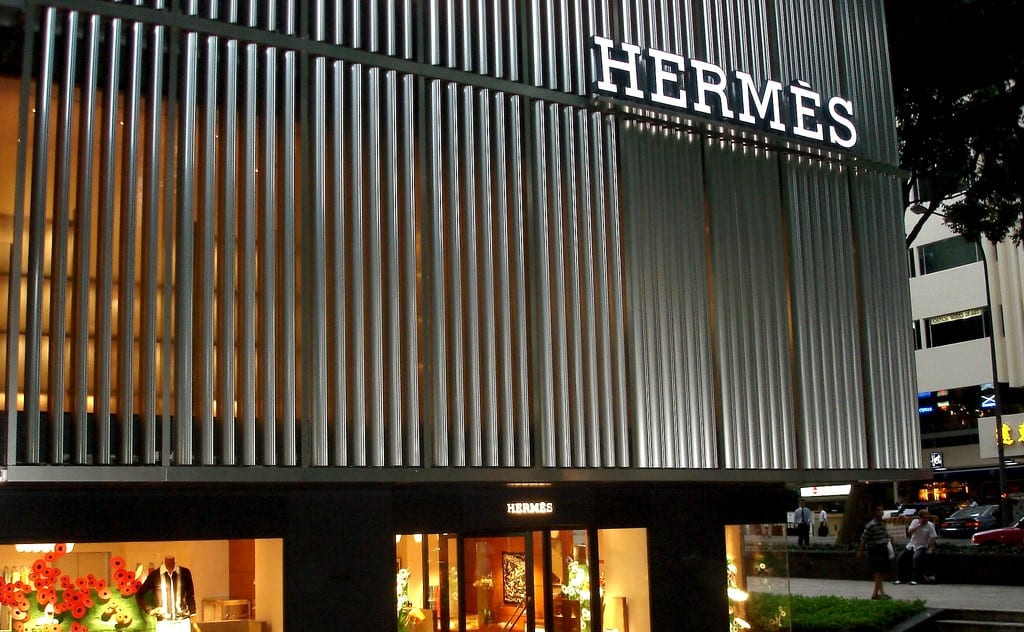
    French luxury house Hermès is set to open a new store in the city of Changsha by summer. The move marks the debut of an Hermès store in a second-tier city in China.

    Chinese cities are divided into four tiers according to their GDP and other factors. First tier cities, like Bejing, Shanghai, and Chengdu, have a GDP of over $300 billion, while second tier cities generally have a GDP ranging between $68 billion and $299 billion.

    International luxury brands have typically chosen to set up physical stores in the country’s metropolitan areas and first-tier cities. But recent studies have shown that lower-tier cities like Changsha will have more “high-income” residents and consumers than Beijing by 2030.

    Hermès has become the latest player in the sector—following the success stories of Gucci and Louis Vuitton—to benefit from the recovery of the luxury retail sector in China. According to the company’s first quarter financial report for 2017, it scored to a double-digit growth rate of 11.2 percent, growing to 1.35 billion euros. This increase was mainly driven by the strong demand of Chinese consumers for its silk scarves and Birkin bags.

    “All geographical areas have grown and we saw an acceleration of sales in mainland China, Hong Kong and Macau, which we have not seen for a while,” global chief executive of Hermès International Group Axel Dumas told.

    Dumas said that the strong China market helped to offset the downward trend in the home market of France and helped the brand re-emerge from its latest wave of doldrums.

    Hermès expanded its distribution networks in the Greater China region throughout 2016. It opened a store in the MixC Shopping Mall in Chongqing—which is one of the most popular tourist destinations in China and has garnered the nickname “Mountain City”—as the brand expected to cash in on the influx of travelers there. Hermès also launched a pop-up store in the China World Shopping Mall in Beijing, according to the annual report, and renovated its store inside the Beijing Peninsula Hotel.

    The French luxury label further stepped up its game in Hong Kong and Macau over the past year despite the fact that the retail environment in the region suffered from a “tourism winter” from mainland China. According to the firm’s annual report, in July, it re-opened the store in Hong Kong International Airport and, in August, launched a new store inside the Wynn Palace Hotel in Macau.

    The aggressive expansion into the Greater China region stands in stark contrast to Hermès’ European markets. The annual report indicated that it closed down stores in several mid-size cities in France. Another benefit to the brand, as per Dumas, is the evolving fashion taste in China, including Chinese consumers’ waning interest in showing off big logos.

  • Japanese retail brand opens store in Davao City

    Japanese retail brand opens store in Davao City

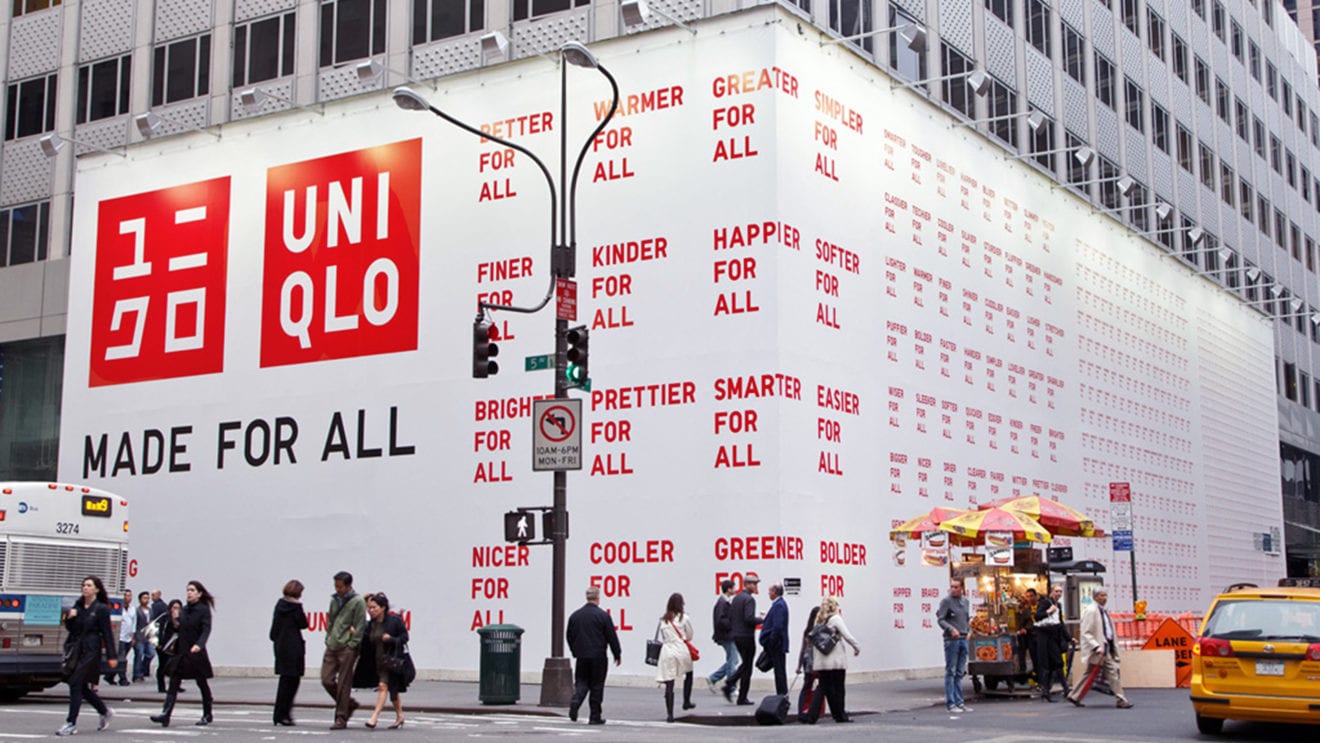
    Top Japanese fashion retail brand Uniqlo will open its first store in Davao City at SM Lanang Premiere this Friday.The store opened its doors today for a special preview to about a hundred selected shoppers mostly members of the media, bloggers, social media influencers and VIPs.

    Uniqlo Philippines chief operating officer Katsumi Kubota said the opening is in time for the 5th year anniversary of the brand’s presence in the Philippines.

    The fashion brand will open two more branches in SM City Davao located in Ecoland this June 2 and in SM Cagayan de Oro by the end of June.

    The SM Lanang branch is the 37th branch in the country. Combined the stores in the Philippines has about 3,000 square meters of retail space.

    Kubota said the three stores in Mindanao will have 100 local personnel. It will also offer the same clothes and accessories sold in its other stores.

    “We recognize the economic growth of the region, we are very excited as we are looking forward to bringing our high-quality and innovative LifeWear pieces closer to Dabawenyos.” Kubota said.

    The brand is known for its LifeWear; innovative, high-quality clothing clothing following the Japanese principles of simplicity, quality and longevity.

    The opening of the stores in Mindanao comes in the heels of the martial law declaration by President Rodrigo Duterte across Mindanao.

    Councilor Mabel Sunga-Acosta of the first district of Davao City and a guest of the store’s special preview said the opening of the store means that the current situation more or less is business as usual but with heightened security measures.

  • Australia’s Cotton On group top performing eco fashion retailer of 2017

    Australia’s Cotton On group top performing eco fashion retailer of 2017

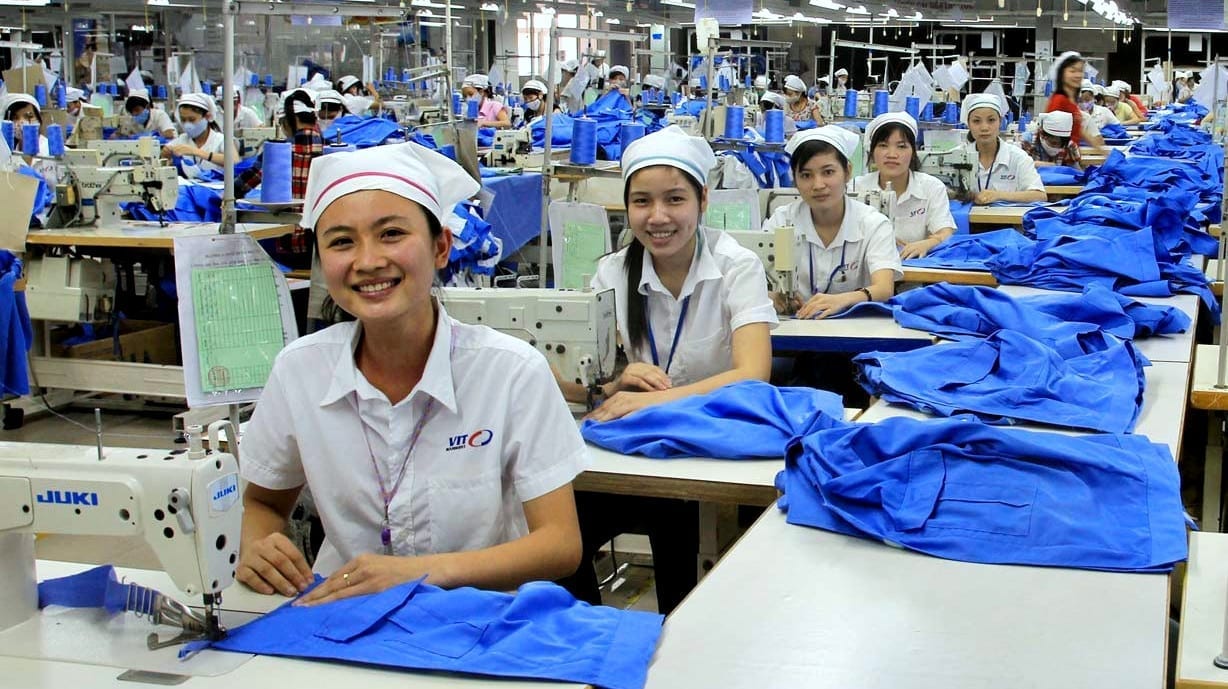
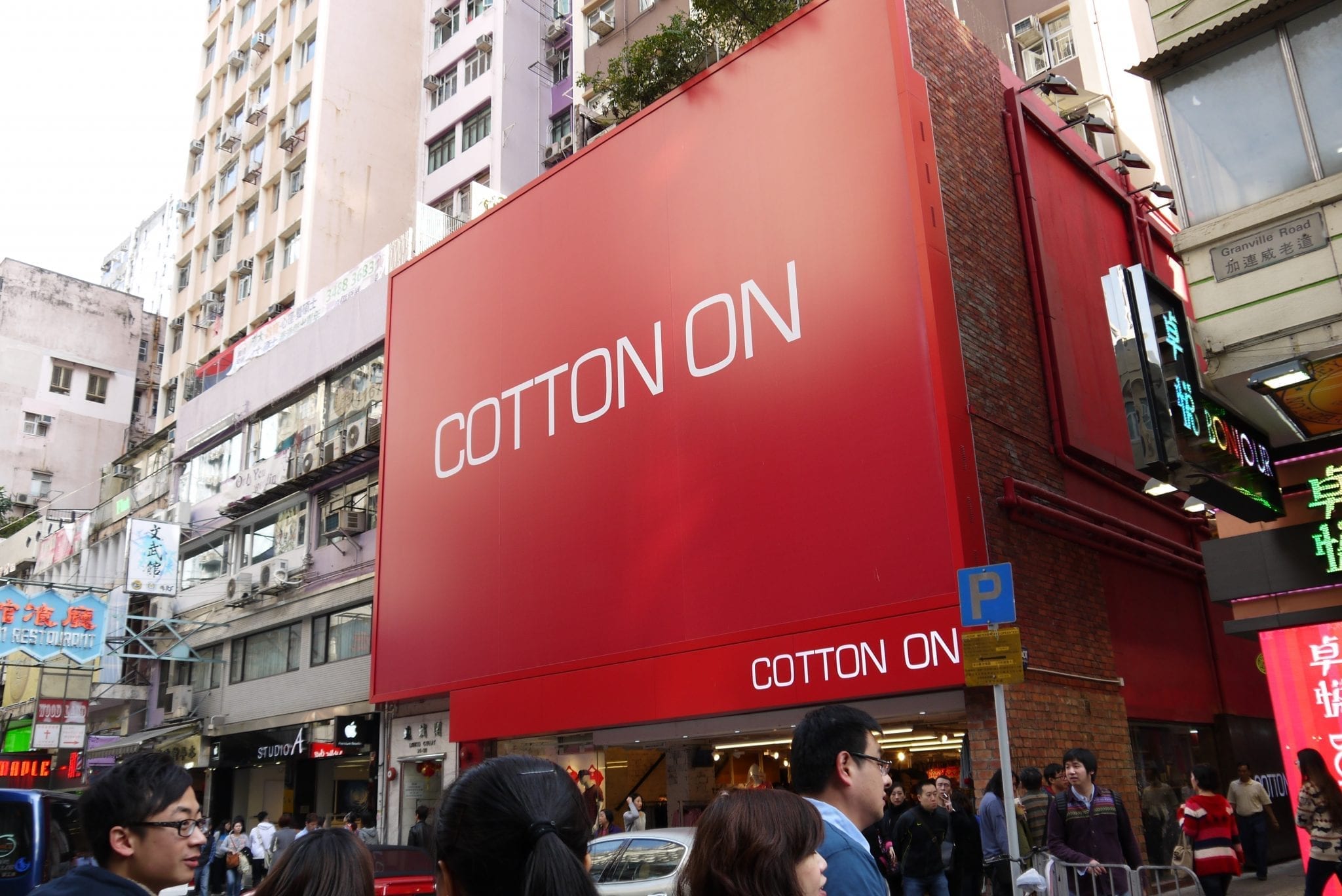
    Cotton On Group has become the top performing fashion retailer of 2017 in Australia, says a fashion report. The recognition solidifies the Group’s commitment to ethical and sustainable retailing, highlighting the steps it takes towards ensuring a safe, fair and sustainable environment in which its products are being sourced and manufactured.

    The Ethical fashion report by Baptist World Aid (BWA) grades companies on the efforts put in for a transparent and eco-friendly working condition. The research team assesses each company’s labour rights management system according to 40 specific criteria. These assessments consider three critical stages of the supply chain as a proxy for the entire supply chain: raw materials, inputs production and final manufacturing.

    “The environment in which our products are made and the materials used to make them form a critical part of our ethical responsibility – it’s just the right way to do business,” Cotton On Group’s ethical sourcing manager David Nesbitt said.

    “Over the last five years, we have worked closely with BWA to build on the strength of our existing ethical sourcing programme, allowing us to sense check and continually enhance our programmes with a focus on end-to-end mapping of our suppliers,” added Nesbitt. “We know we are on a continuous road to improvement and are committed to an ever-better supply chain for the long haul.”

    The Group’s ethical sourcing programme, including its 14 Rules to trade, has been in existence since 2009 and governs the sourcing, manufacturing and supply of products. Adherence to this code of conduct relies on the strength of the relationships the Group holds with its suppliers – some of which have been partners of the business for over 20 years.

  • Ralph & Russo Debuts Pop-Up Shop in Hong Kong Boutique

    Ralph & Russo Debuts Pop-Up Shop in Hong Kong Boutique

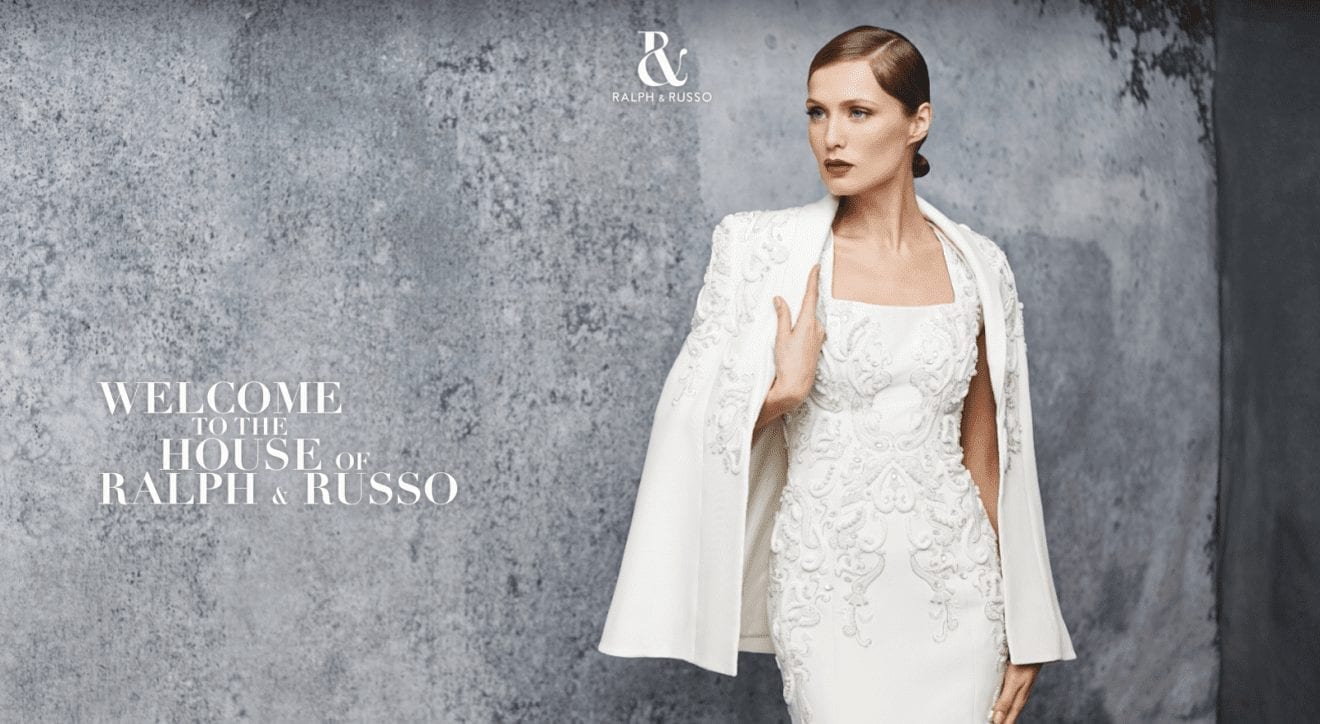
    The luxury British fashion label favored by Angelina Jolie, Gwyneth Paltrow and other celebrities is getting its own starring moment in Asia. This week, Ralph & Russo celebrated the debut of a pop-up shop in On Pedder’s New World Tower location in central Hong Kong.

    The space, situated on the mezzanine level of the luxury footwear and accessories boutique, features a curated selection of some of Ralph & Russo’s most decadent shoe designs, including the floral-print satin Eden boots (which retail for $1,650) and the Eden pumps with ornamental filigree.

    The Eden pumps range in price from $1,450 for a simple style with an embellished heel, up to $2,300 for a version with Swarovski crystals.

    Ralph & RussoRalph & Russo’s Eden ankle bootie with embellished heel, $1,650.
    Ralph & RussoRalph & Russo’s Eden pumps with ornamental filigree, $1,900.

    Like its collections, Ralph & Russo designed the pop-up space with sophisticated detailing, such as oversized mirrors and wooden paneling that turn the attention firmly to the product. And a raw wood tabletop in the center of the space offers a striking artistic juxtaposition and adds natural warmth to the tableau.

    Ralph & Russo On Pedder pop-upThe Ralph & Russo pop-up space in On Pedder in Hong Kong.

    The brand’s chairman and CEO, Michael Russo, who co-founded the label in 2007 with Tamara Ralph, said in a statement, “As soon as we visited On Pedder, we knew that there was perfect synergy between our collections and the values that the store represents — both are the epitome of luxury.”

    The pop-up space will be open from now until the end of July.

  • Introducing Māzŭ Resortwear, luxury swimwear brand for men

    Introducing Māzŭ Resortwear, luxury swimwear brand for men

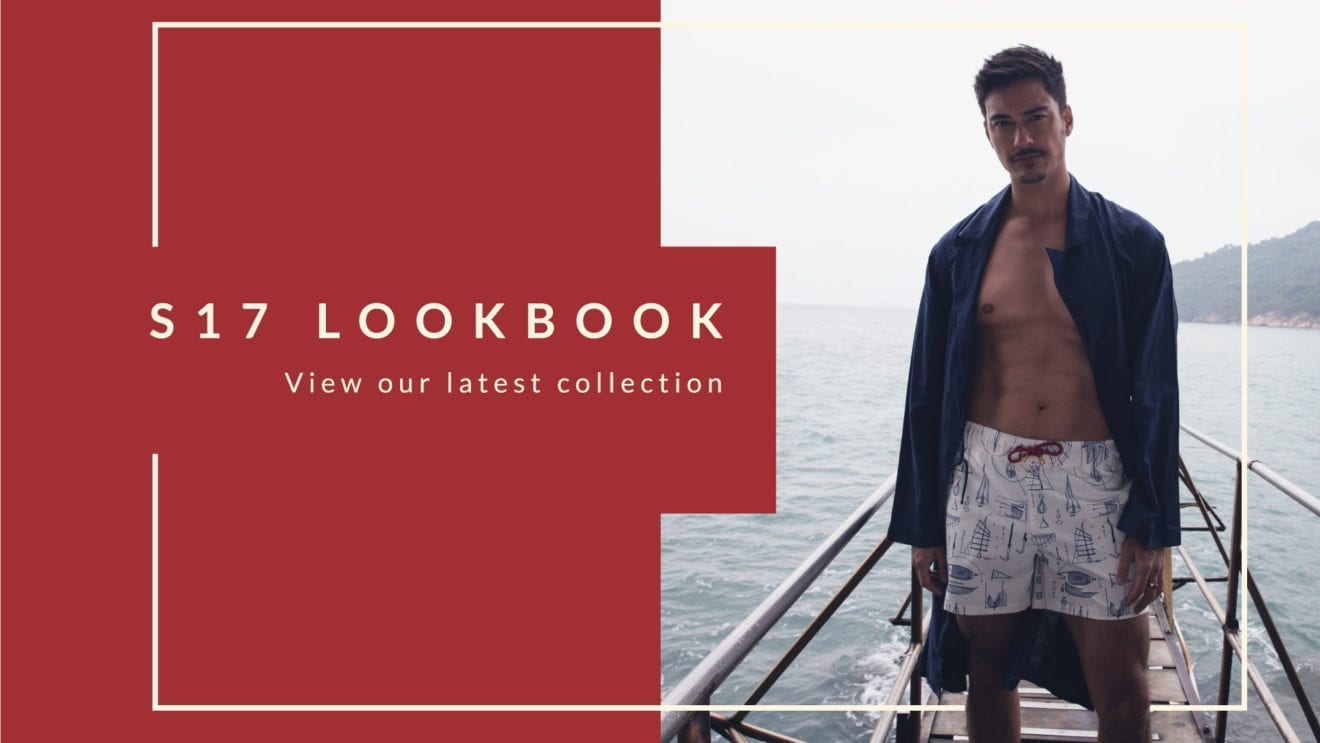
    Inspired by Hong Kong and Asia’s maritime history, Māzŭ allies West to East culture and quickly settles in the Asian swimwear industry.

    Māzŭ Resortwear is a Hong Kong based luxury men swimwear brand founded in 2015 by Adam Raby. The company was built upon the concept of transmitting the Asian maritime heritage to its customers. Its name, Māzŭ, stands for the goddess of the sea in Chinese, a figure which is often represented in Hong Kong temples situated by the sea. Moreover, it is no surprise for the brand’s founder that “Hong Kong has an intimate relationship with the water, as it is called Perfumed Harbour in Chinese”.

    According to Raby, “the typical Māzŭ customer would be someone who essentially cares about fashion, conscious about what he wears to look good by the pool, on its yacht or by the beach”. He defines his company as a swimwear fashion brand and distinguishes it from a functional swimwear brand.

    Going back to its debuts, the company was financially settled by a friend who injected small capitals. Today, in perspective of taking the business to a new level to better impact the market, Māzŭ is looking to raise more funds. Currently having 23 points of sale opened across Asia, the brand plans to increase its numbers up to 55 points of sale by the end of 2018.

    In order to deliver 2 collections a year; the summer collection in April and the cruise collection in November, Māzŭ tries to stay aligned with its customers’ constant needs. According to its founder, there is a shift now; “people want to look good by the water instead of being functional in the water”. Hence, his role is “all about making them feel comfortable, confident and inspired while wearing a swimwear”.

    From a marketing and advertising background, Raby thinks that branding is the key to success. So as to reinforce the brand’s image, it was also important for the founder to make sure that a Hong Kong fashion business would be manufactured in China, hence stating: “I have to believe where we are from”. For him, China is operating a shift in its manufacturing quality process, meaning that efforts are made with the help of “better workers with better skills”, to produce better quality garments.

    This philosophy has thus led Māzŭ to grow within Asia year after year, plans to develop the brand regionally and to develop new categories of products in the future. As Raby says, “the idea is that if a gentleman from Asia is looking to go on holidays to get some sun, I would like to be that one stop solution where the Māzŭ customer could go into our shop and buy anything he needs to go on a summer, beach or luxury yacht holidays.”

  • Adidas’ slavery buster hopes technology can give workers a voice

    Adidas’ slavery buster hopes technology can give workers a voice

    As apparel and footwear industries rely heavily on outsourcing, sportswear companies have faced growing scrutiny. Adidas executive Aditi Wanchoo is on a mission – to wipe out any slavery in the German sportswear company’s supply chain, and she hopes giving workers the technology to speak out will help.

    With a background in corporate social responsibility at consultancy firm Accenture, Wanchoo was hired 18 months ago in a new position created by Adidas, one of the first companies to set up a role dedicated to fighting slavery.

    In recent years modern-day slavery has increasingly come under the spotlight, putting regulatory and consumer pressure on companies to ensure their supply chains are free of forced labour, child labor and other forms of slavery.

    As apparel and footwear industries rely heavily on outsourcing, sportswear companies have faced growing scrutiny.

    Wanchoo said Adidas had been actively working on this issue since it was revealed at the 1998 World Cup that footballs were produced by child laborers in India and companies realized they did not have control over their suppliers.

    Governments are now trying to tackle the problem with new legislation, such as the UK’s 2015 law requiring companies to disclose how they are ensuring supply chains are slavery free.

    “We have found that the UK Modern Slavery Act and recent legislative action in France and Australia have helped take the conversations to the boardroom,” Wanchoo told the Thomson Reuters Foundation in an interview this week in London.

    “My role was created to look at building relevant partnerships to continue our work on addressing potential modern slavery risks for our extended supply chain, i.e. our Tier 2 processing facilities and Tier 3 raw material sources.”

    Slavery has emerged as a major global problem with the Global Slavery Index by the Walk Free Foundation estimating there are nearly 46 million slaves in the world.

    The United Nations has a global goal to eradicate forced labor and slavery by 2030 and end all child labor by 2025.

    Wanchoo said she was tackling the issue in various ways such as collaborating with other companies, NGOs and governments, and training suppliers about the risks of bonded labor and the impact of recruitment fees on workers.

    Tech to give workers a voice

    She said Adidas was also on a major drive to encourage workers to speak up and use this information to eradicate slavery and improve workers’ conditions.

    The company already has “worker hotlines” giving 300,000 factory workers in China, Indonesia, Vietnam and Cambodia the opportunity to anonymously ask questions, make suggestions or express concerns via text messages and smart phone applications.

    But the company found this was not enough, and over the past year Adidas has run a pilot project in China with apps for workers to anonymously report issues – data that is collected and then analyzed.

    Wanchoo said the aim is to introduce such a system in all of the company’s 105 or so primary factories in the next five years and then look at cascading this down to second-tier suppliers.

    In Turkey these worker grievance systems had uncovered concerns about child labour and reports of illegal workers from Turkmenistan, while in Asia workers had complained about abuse by supervisors, wage issues and food, she said.

    She added that efforts to hear directly from workers was paying off. Last year campaign organisation KnowTheChain ranked Adidas top out of 20 firms, chosen because of their size, for its efforts to eliminate forced labor and human trafficking.

    “We want to make it as easy and anonymous as possible for workers,” said Hong Kong-based Wanchoo, whose official title is senior manager – development partnerships, social and environmental affairs at Adidas.

    She acknowledged this did not always go down well with suppliers who aim to keep costs as competitive as possible.

    “Sometimes there can be resistance from suppliers, but we work with them to demonstrate how this can help them in the long run by improving supply chain transparency, communication, productivity and worker retention,” she said.
  • Amazon launches entry-level celebrity-esque eyewear line

    Amazon launches entry-level celebrity-esque eyewear line

    Amazon‘s latest product launch through Amazon Exclusives is a Hollywood-backed affordable but luxury-like eyewear line Privé Revaux Eyewear.

    The line will include 100 styles of frames and polarized lenses. Each will retail for $29.95.

    The brand was founded by fashion entrepreneur David Schottenstein who comes from the same family that created DSW and American Eagle. Schottenstein has enlisted major Hollywood talent in actors Jamie Foxx, Hailee Steinfeld, Ashley Benson and Jeremy Piven. They will not only contribute to marketing but also to product development and the overall brand vision.

    Privé Revaux Eyewear is the latest brand diving in to disrupt the premium eyewear market. With heavy hitters Marchon and Luxottica holding virtually the entire market, it joins an energetic group of small brands attempting to change the landscape and make luxury eyewear more affordable. The brand’s advertising tagline is appropriately “Now everyone can be anyone.”

    “I wanted to get involved with a sunglasses company and create something that was fly and affordable for people” says Foxx.

    Privé Revaux Eyewear features styles designed to invoke iconic personas. Style names include The Supermodel and The Jetsetter. The brand’s digital campaign shows Foxx, Steinfeld, Benson and Piven asking “Who do I want to be today?” with answer being “reframe yourself”.

    In addition to digital, Privé Revaux Eyewear will release a full length video featuring the actors who will also appear in individual ads. A full catalog is available both on Amazon and on the company’s site.

    Privé Revaux Eyewear is available now through presale on the brand’s own website. It will officially launch globally through Amazon Exclusives on June 2, 2017.

  • Zara stays strong in Australia despite profits slowdown

    Zara stays strong in Australia despite profits slowdown

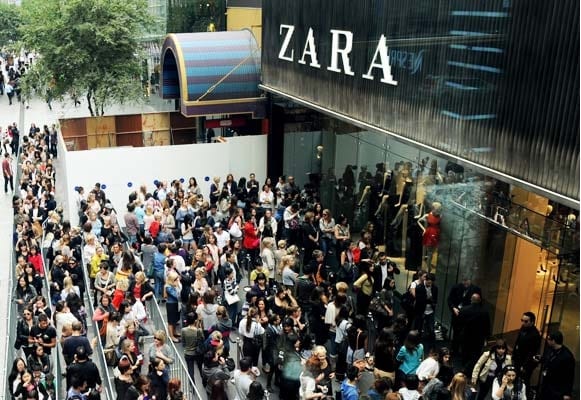
    While some chains struggle in the Australian market, Inditex’s Zara is committed to the country and is seeing its operations growing although profit has fallen, according to local press reports.

    On Wednesday, the same day that rival Topshop’s local franchisee announced a voluntary administration filing, The Age reported that the Spanish chain by contrast has enjoyed another year of double-digit growth in the country.

    It saw A$256.36m in sales in the year to January 31 2017, boosted by the opening of three new stores in the Sydney suburb of Parramatta, the Gold Coast and Brisbane. That figure was up 15.5% year-on-year, although this was slower than the 24% rise seen in the previous year. And its profit was slower too with the company making A$10.3m compared to $15.26m in the prior year.

    Like Topshop, Zara arrived in Australia in 2011 and had 18 stores by the end of January this year. It had 1,700 employees, several hundred more than it had working for it in Australia a year earlier.

    The local operation is 90% owned by Inditex and 10% by Peter Lew through his International Brand Management unit. Lew is the son of retail entrepreneur Solomon Lew.