Tag: Fashion

  • Jabong launches ‘The mood store’ – shopping innovation rooted in fashion insights

    Jabong launches ‘The mood store’ – shopping innovation rooted in fashion insights

    Jabong, India’s leading online fashion retailer, launches the ‘Jabong Mood Store’, which redefines how India shops for fashion online. The Mood Store is the first-ever comprehensive fashion store that allows consumers to shop the entire look per their mood. The store is based on deep consumer understanding and analytics around preferences of the Indian fashion customer.

    The Mood Store will help users understand the best choices across moods like hanging out with friends, out for a road trip, stay at home pampering, and working at the office, among many others. Users will also be able to select the entire look based on different price points basis their needs. Building on Jabong’s brand philosophy of ‘Be You’, the Mood Store is the next step in Jabong innovating for growth.

    The Mood Store launch is supported by a 360-degree marketing campaign across TV, outdoor, cinema, CRM and social media. The overall brand campaign will focus heavily on digital promotions where various influencers will showcase their looks in different moods and for different occasions. The commercial will be aired on leading TV channels in entertainment, music, movies, lifestyle and other genres.

    The Mood Store brand campaign will feature day-to-day fashion that is easily shoppable and wearable, as against the typical industry trend of showcasing outlandish, runway fashion that the shoppers grapple to find anywhere. Digital shoppable videos on YouTube and Facebook will allow customers to buy the fashion shown in the video directly by clicking on its product card

    Gunjan Soni, Head of Jabong, says, ‘We understand both fashion and our consumers really well. Jabong consumer is more affluent, well-travelled, fashion forward and likes to buy complete looks, not just apparel. Fashion shopping behaviour tells us that people buy for a specific mood or occasion, not by categories. This insight led to the mood store innovation where consumers can shop entire looks together for a specific mood. With the launch of mood store and several new brand launches we are well set for a growth momentum. Our strategy is to use ‘tailored to fashion’ innovations to attract and retain the experienced fashion shopper. ‘

    Jabong is credited with launching several industry-firsts in Indian fashion ecommerce such as ramp walk video, online shoppable fashion week and the concept of online shop-in-shop. It has also brought several top global brands exclusively to the Indian market. Its high-quality product curation, top international brands, and a deep assortment that caters to the needs of a complete wardrobe make Jabong ideal to launch this unique fashion proposition as a one-stop destination for all moods and styles of a fashion shopper.
  • Kenzo Kids deploys its unique style in store-in-stores and international boutiques

    Kenzo Kids deploys its unique style in store-in-stores and international boutiques

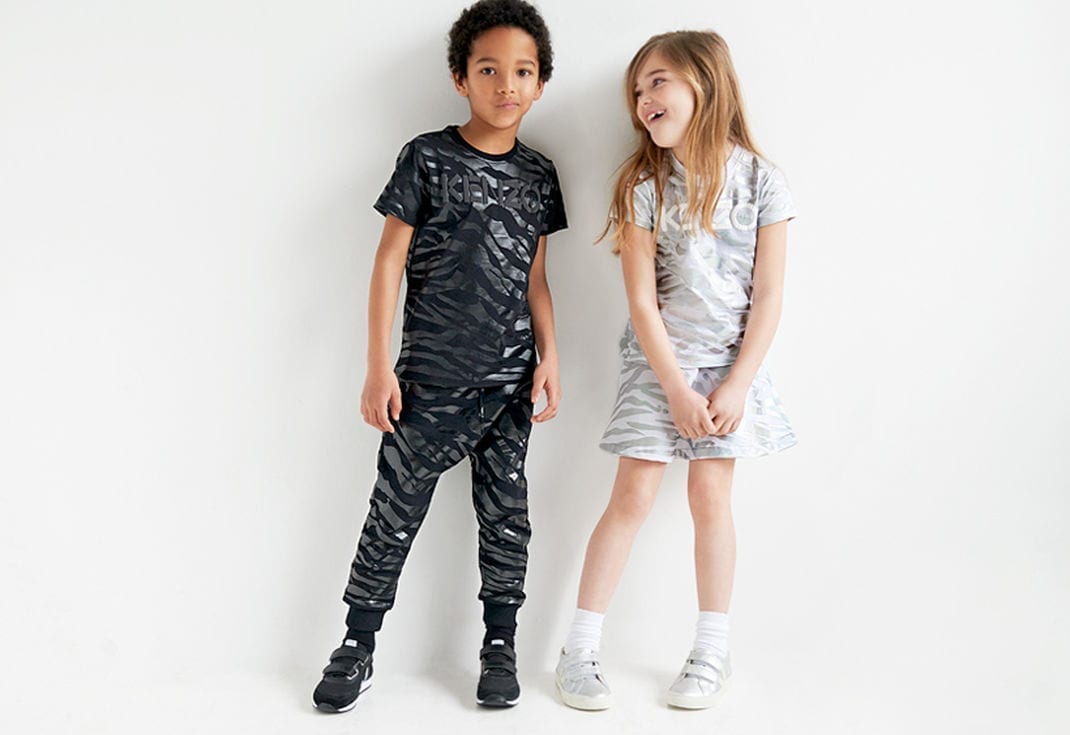
    Kenzo was revitalised by its 2011 change in creative direction, with the arrival of Opening Ceremony founders Carol Lim and Humberto Leon at the helm. The change has also benefitted the label’s children’s line, Kenzo Kids, for which the Kidiliz group (ex-Zannier) has held the licence since 2006. In fact, in a very competitive childrenswear market, Kenzo Kids has recorded annual growth fluctuating between 20 and 30%.

    The reason for its success? An urban style coupled with strong iconography – in the form of the tiger and eye brand motifs – which has proved appealing to a wider and more international clientele. “Under Antonio Maras, the Kenzo Kids style was closer to Catimini – fresh and feminine. Now it’s more on-trend so our network has changed. We are more international, in the department stores, in pure-player, designer-oriented stores,” explains Anne Michailidis, Head of Sales and Marketing of the three designer brands under Kidiliz.

    Resulting in the Kenzo Kids line being distributed at 750 sales points worldwide and even the opening of its own first monobrand boutiques. The first opened in Singapore in February (next to Paul Smith Junior) and others are planned for Hong Kong and Dubai. In Europe, the line is present in the form of stores-in-stores, expressing the world of Kenzo Kids across 30-square-metre spaces. Some 20 openings are forecast this year, including at La Rinascente in Milan. In France, the line is stocked at Printemps and at Galeries Lafayette Haussmann, with a network set for further development.

    Another ‘new’ feature: the line is aimed at boys as much as at girls, whereas previously the line was oriented almost exclusively towards girls. “Since winter 2016 we have had as many girls’ garments as boys’, and customers come to us for both, which is rare for children’s labels,” explains Michailidis.

    Every season some 350 Kenzo Kids items are available, from children aged 0-16 years. The price range is from around 50 euros for garments such as T-shirt to 200 euros for more ‘inspirational’ pieces from the runway. “We work directly with the parent company, we attend the show, we visit the showroom and keep the strongest design elements and use it to up our childrenswear savoir-faire,” says Laetitia Orlandi, head of collections at Kenzo Kids, who adds that her objective is to create for Kenzo Kids its own style world without imitating the adult version. In ‘kid format,’ the famous Kenzo tiger is surrounded by new friends including a little wolf with an extraordinarily long nose, and the Kenzo eye gives a mischievous wink.

  • Decathlon to open first Hong Kong stores in August

    Decathlon to open first Hong Kong stores in August

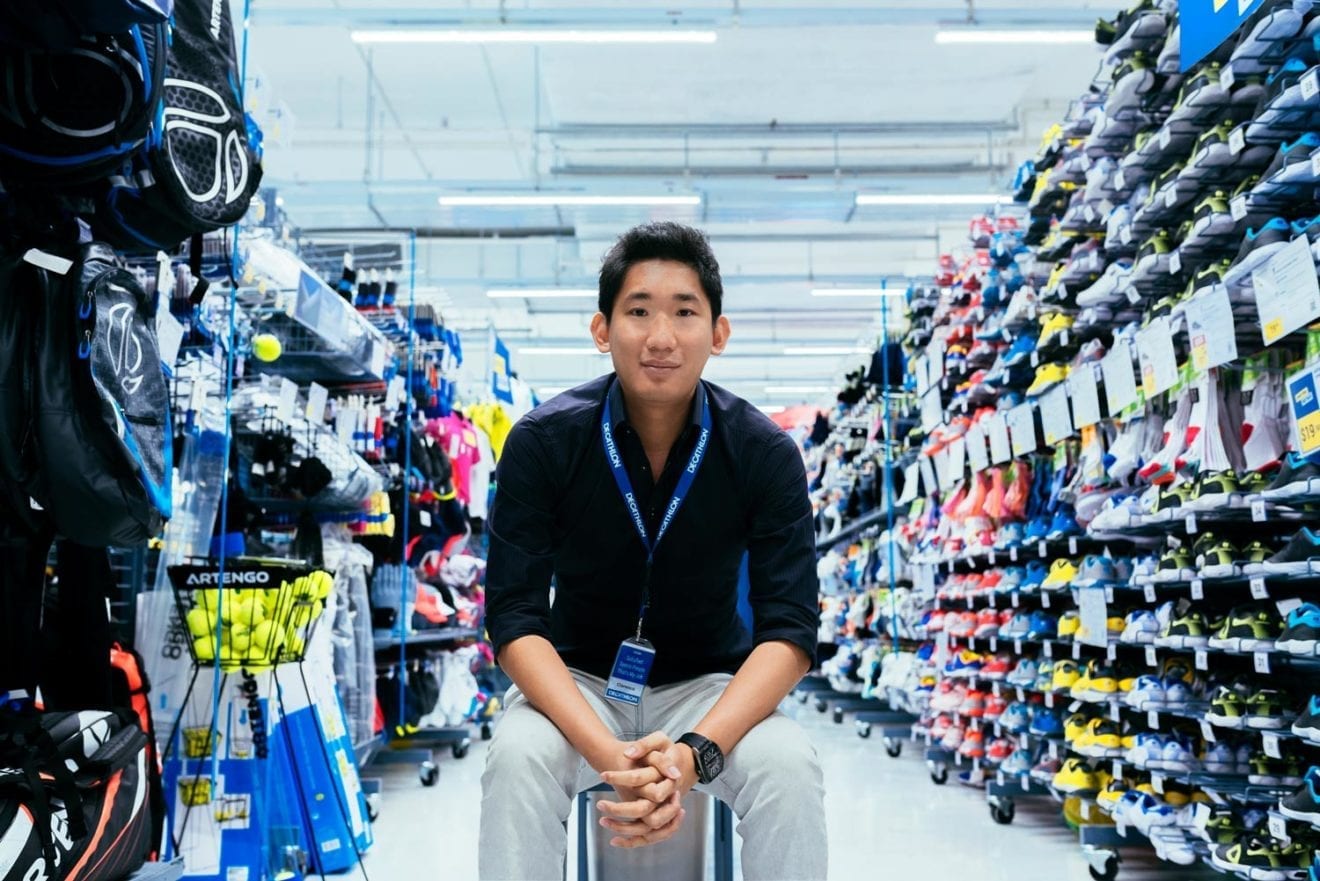
    Decathlon will open its first Hong Kong store this year, with plans for two locations – one in Mong Kok and the other in Causeway Bay.

    The French multibrand sports retailer will bow its first Hong Kong stores in Mong Kok Grand Plaza Basement and Causeway Bay Park Lane, according to a post on Decathlon Hong Kong’s Facebook account.

    While store specifics or dates have not been given, Decathlon Hong Kong said the openings would take place in August.

    “Finally, your new sports stores open in August,” said a post on Facebook.

    Decathlon first entered Hong Kong in 2015 with the launch of country-dedicated website and e-commerce platform.

    In February 2017, the French group reported a 12% lift in revenues during 2016 (+4.4% on a like-for-like basis), reaching 10 billion euros, excluding taxes.

    Earlier in the year, it launched sub-brands Itiwit — a paddle-board line, and Subea — an underwater sports brand, to bolster its current sporting goods offering

    A recent report published by corporate finance advisory firm Capitalmind pinned the global sporting goods market at $388 billion in 2015, up 5%. The report said Intersport, Decathlon and Foot Locker currently dominate the sporting goods distribution market worldwide.

  • Esprit looks to open physical stores in India

    Esprit looks to open physical stores in India

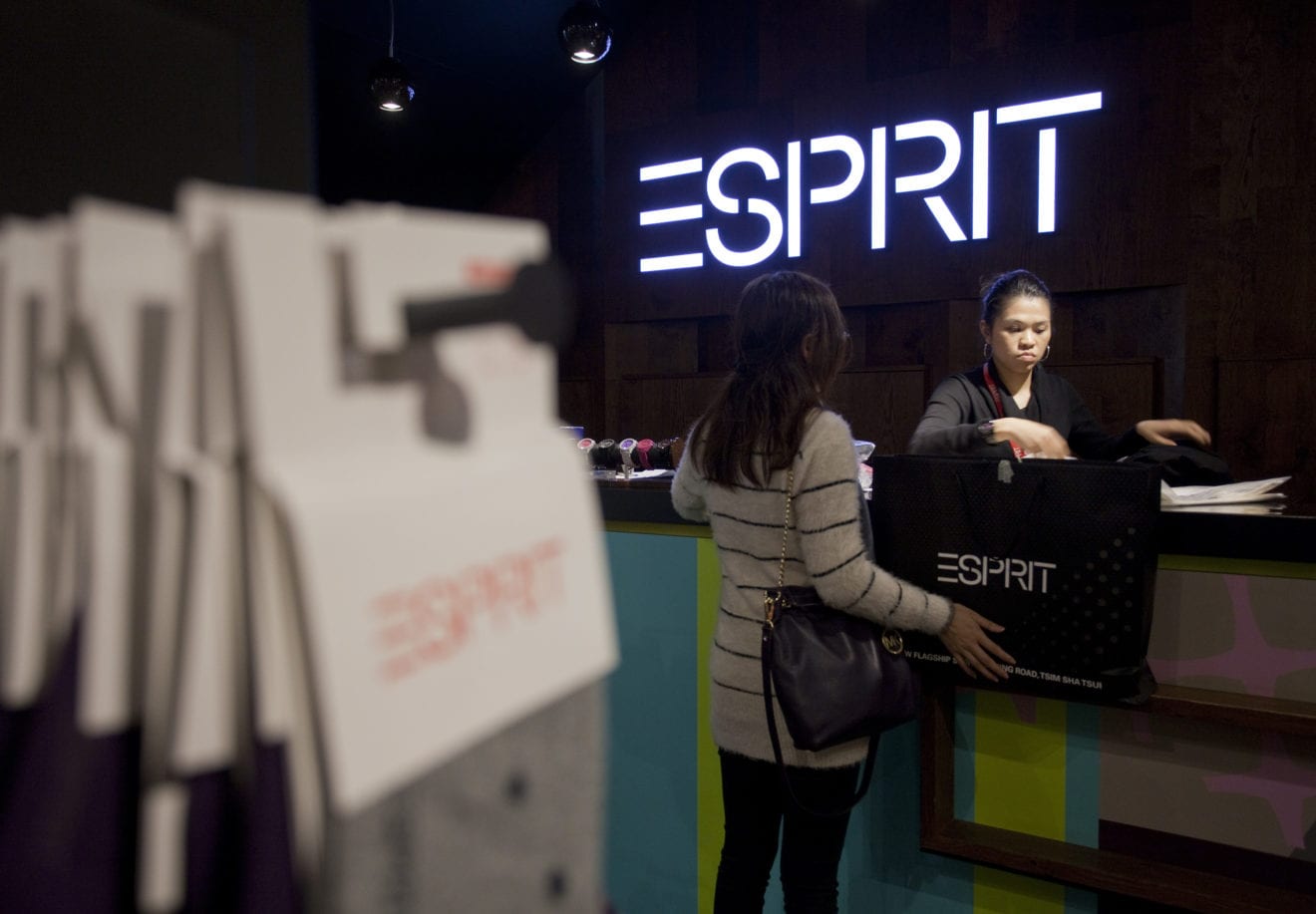
    Hong Kong-based fashion brand Esprit is planning to make a comeback in the Indian market and looking for mall space to open stores. Esprit is also in talks with online fashion retailer Myntra to boost offline presence of the brand, citing sources.

    Esprit is reportedly in talks with online fashion retailer Myntra to open Esprit-branded physical store in the country.

    “Yes, Esprit is coming back. The top guys from abroad had come about three weeks ago and they were looking for (mall) space,” a person familiar with the matter told ET.

    The second person said Esprit is in talks with online fashion retailer Myntra to open Esprit-branded physical store in the country. Myntra already sells Esprit products online through an exclusive deal signed with the fashion brand late last year. Esprit and Myntra did not respond to queries on the matter.

    Esprit had entered India in 2005 in a distribution partnership with Aditya Birla Group. However, poor business growth forced the company to shut operations in the country in 2013.

    The fashion brand operates in 40 countries through more than 700 retail stores and over 6,000 points of sale, including franchise stores and shop-in-shops in department stores.

  • Myer signs We Are Kindred to exclusive one-year deal

    Myer signs We Are Kindred to exclusive one-year deal

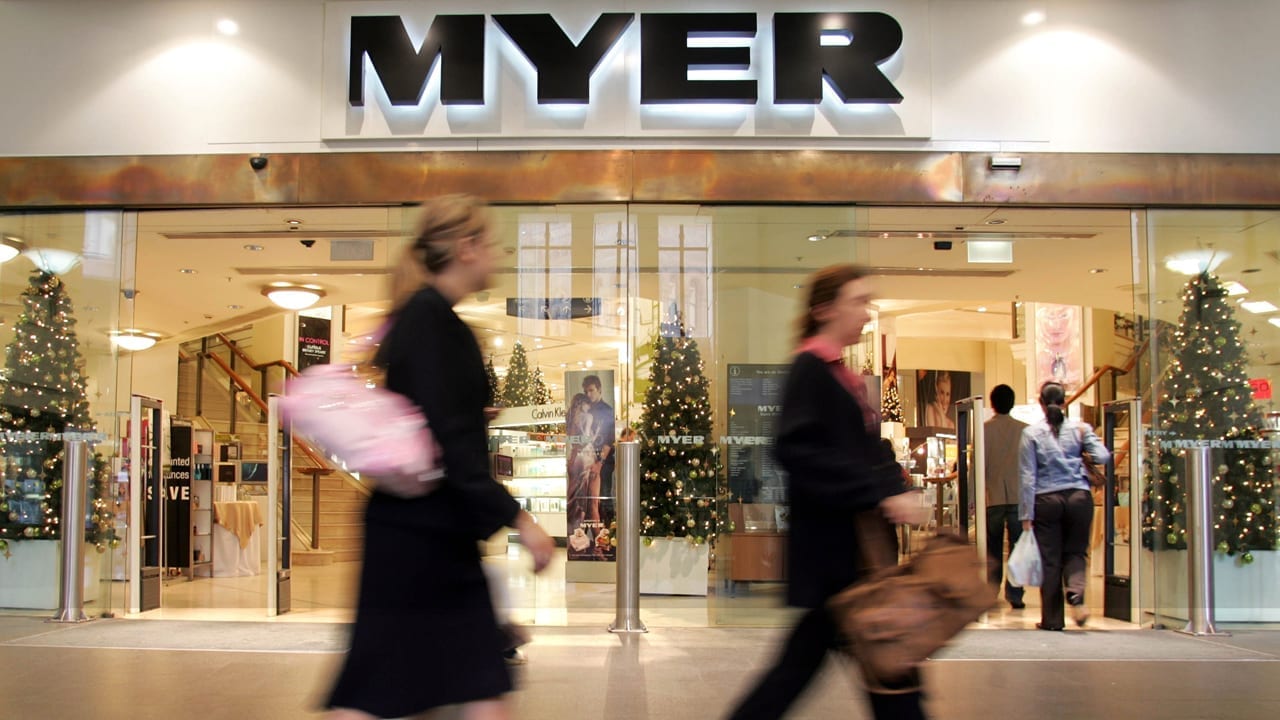
    Australian department stores giant Myer has signed growing local fashion label We Are Kindred to its roster. The three-year-old label has been signed up for an initial one-year deal with the retailer saying that two seasons are the minimum time it needs to judge a label’s appeal.

    Founded by Georgie Renkert, a fashion industry veteran, and her sister Lizzie, the latter said the We Are Kindred strategy was always to link-up with a major name retailer and they feel that the firm is ready for the increased scale this will mean in terms of logistics.

    She told the Sydney Morning Herald that Myer has “a good strategy in place for launching emerging brands like ours. We’re not a brand that they have.”

    The move comes as the Australian department store space gets increasingly competitive in terms of brands being signed to exclusive deals. Myer is also investing in its own Maticevski label and opening concessions for French brand The Kooples and Zadig & Voltaire. Meanwhile, in the past fortnight, major Myer rival David Jones has struck deals with well known labels Aje and By Johnny.

    Both Myer and David Jones are facing tough times and are positioning themselves to compete with a raft of international newcomers as well as with each other. More international fashion retail giants are opening in their market and the arrival of Amazon in Australia also means the stakes have been raised for online fashion and homewares retail there.

  • Etude House opened its flagship store in Seoul

    Etude House opened its flagship store in Seoul

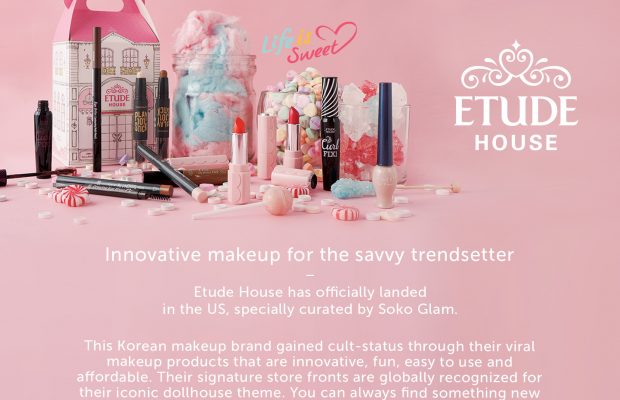
    Etude House opened its flagship store in Myungdong on May 10. The flagship store was designed as part of a customer-focused campaign that embodied the brand’s slogan “Life is sweet”, which means positive energy and value in their twenties. A three stories Etude House flagship store provides various service. The store allows customers to have a variety of experiences by trying diverse colour and to purchase all products of Etude House.

    Under the theme of “House of Colour Play”, exterior design of trendy mood stands out. There is also a special photo zone inside and outside the elevator, where customers take a picture.

    On the first floor, customers can see all Etude house products and various beauty items. There is also a “FIND YOUR LOOK” corner, which are nine different looks of Etude House brand value. The “FIND YOUR LOOK” corner is made up of visuals that allows customers to look at the nine different looks, and the make-up products used in each look are displayed on the bottom of visuals so that customers can pick up their favorite look and experience make-up.

    “Personal Colour Studio” on the 2nd floor, customers can check their personal colour tones with the colour meter, and get recommendation for ‘four season worms and cool tone shadow palette”. Four seasonal worms and cool tone shadow palette with four colour eye shadows was rolled out in four different colour.

    The ‘Personal Colour Palette’, which is currently being sold as an online exclusive product, will be sold exclusively in the second floor of Myungdong flagship store.

    The ‘Colour Factory’ in the 3rd floor, which will be released from the first of the next month, is a space where customers experience the service to make your own lipstick by choosing your own colour and design. Personalised lipstick, which is the most noticeable service, can be booked in advance and Etude House artist recommends personal colour through colour meter and colour draping service.

  • Hugo Boss opens menswear store at Singapore Changi

    Hugo Boss opens menswear store at Singapore Changi

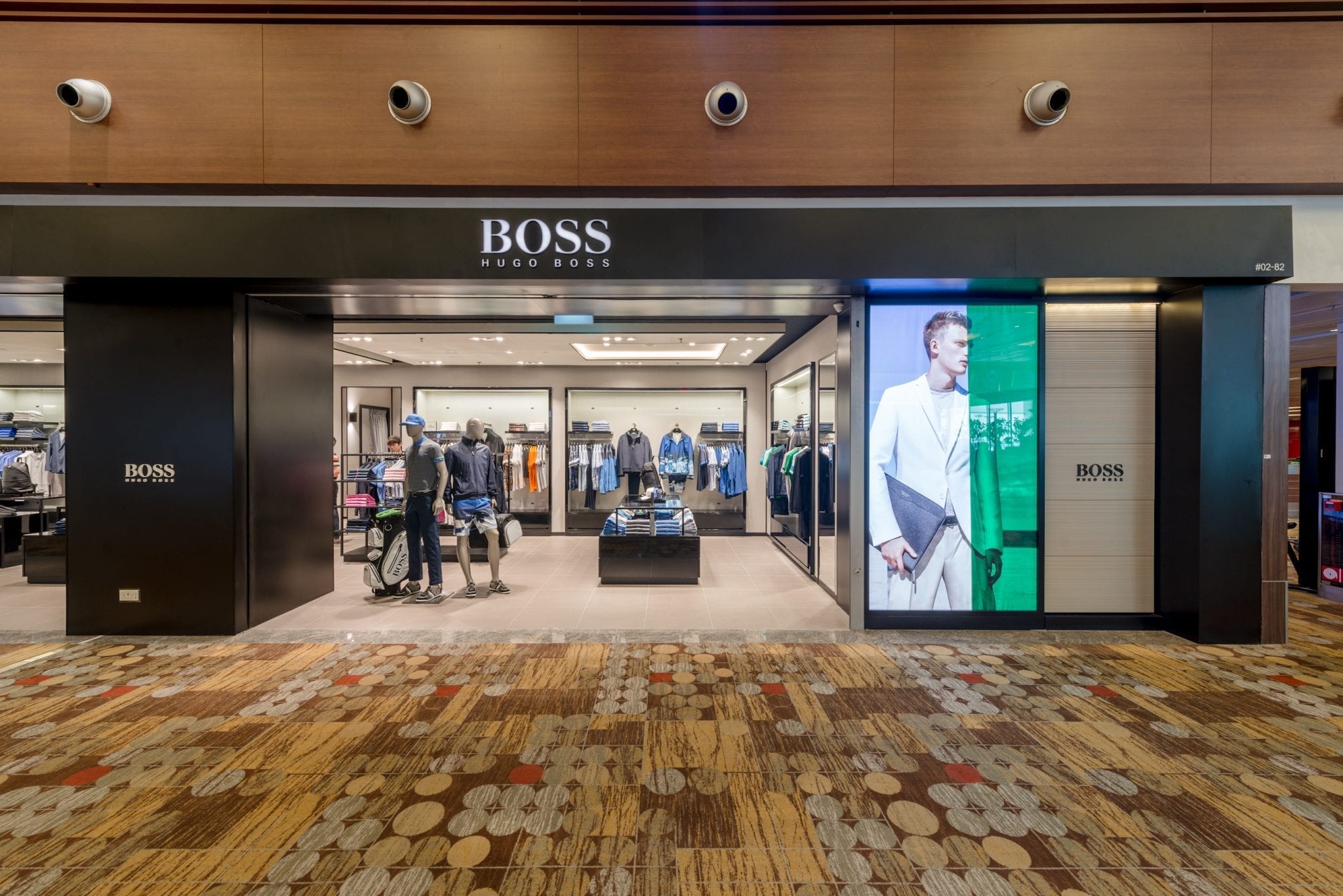
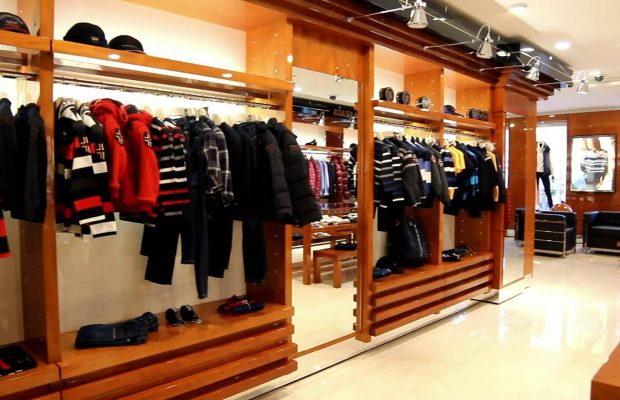
    Hugo Boss has opened a 95sq m store at Singapore Changi Airport Terminal 1.

    The Boss Menswear Store features a new interior concept featuring “clean, angular aesthetics” that has already been adopted by select stores in other cities.

    Hugo Boss considers the travel retail channel to be a dynamic part of the fashion business, and has opened its latest store at Changi Airport.

    The design is said to embrace harmony between lines, shapes and colours, and showcases the brand’s collections.

    “Throughout the store layout, matte and textile surfaces contrast with high-gloss and mirrored materials,” noted Hugo Boss. “The overall outcome is a refined space with a classic, yet airy, modern feel.”

    The store offers Boss Clothing, Boss Sportswear, Boss Green, and men’s shoes & accessories.

  • LVMH confirms launch of multi-brand fashion site

    LVMH confirms launch of multi-brand fashion site

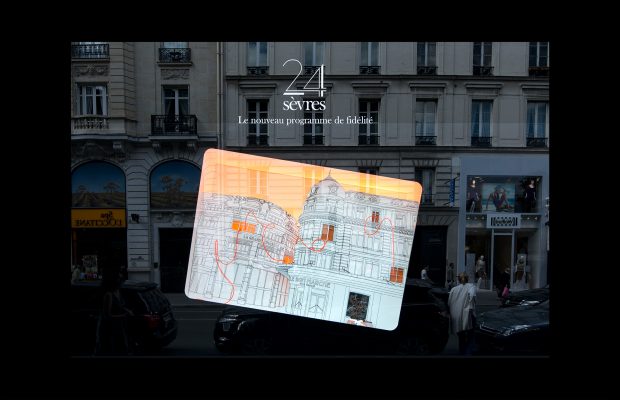
    LVMH is launching a multi-brand e-commerce website inspired by its exclusive Parisian department store Le Bon Marche, as the world’s biggest luxury goods group steps up the digital side of its business.

    The new website, named “24 Sevres” after the Rue de Sevres location of Le Bon Marche in the chic 7th arrondissement, will offer fashion, cosmetics and luggage products from LVMH’s own portfolio as well as brands from outside the group.

    Overall more than 150 labels, including 20 of LVMH’s own stable such as Louis Vuitton, Dior, or Fendi, will be featured.

    The size of the investment amounted to several million euros and marks the biggest digital initiative taken by LVMH since it hired former Apple music executive Ian Rogers in 2015 to craft its digital strategy and capitalise on the luxury sector’s online sales expansion.

    LVMH, controlled by French billionaire Bernard Arnault, said the new site would go live on June 6 in more than 70 countries.

    Competing with established rivals such as Yoox Net-a-Porter , MyTheresa, Matchesfashion.com or LuisaViaRoma, it echoes the high-end positioning of the Le Bon Marche store.

    It will give international clients “very Parisian choices” in the selection of exclusive products, Rogers told Reuters.

    “The idea is to be attractive with unique products, not necessarily have a huge offering,” said Rogers.

    E-commerce is still a relatively small part of the global luxury goods market, representing 7 percent of industry sales, but this is expected to rise to 12 percent of industry sales by 2020, according to the Boston Consulting Group.

    Luxury goods companies face a dilemma over trying to reach young Internet-savvy shoppers while preserving the sense of exclusivity that drives up the value of their products.

    LVMH has already tapped into the increasing importance of online social media by setting up LVMH Luxury Ventures to invest in start-up luxury goods projects.

    Until now each LVMH brand has had its own separate digital strategy, with some brands such as Fendi and Kenzo putting significant resources into this area while other brands such as Celine had no E-commerce website of their own.

    The new website will complement the offering available on the respective websites of the LVMH brands, Rogers said.

    Big fashion brands such as Prada, Gucci or Valentino will be sold on the site as well as Maison Margiela, seen as a more cutting-edge label, or others such as Kitsune or APC.

    LVMH’s online sales of €2 billion ($2.2 billion) last year equated to 5.3 percent of overall group revenues.

  • Paul & Shark opens stores in Singapore and takes control of Asian business

    Paul & Shark opens stores in Singapore and takes control of Asian business

    Italian sportswear label Paul & Shark, produced and distributed by Dama Ltd, has opened two new monobrand stores: one in London, its first in the UK, and another in Singapore.

    The 200 m2 London store is located inside St. James’s Market, a newly re-developed business and retail complex in the West End featuring starred restaurants and a luxury shopping parade. The Paul&Shark store overlooks Regent St. and showcases the label’s men’s, women’s and children’s collections.

    The Singapore store, also extending over 200 m2, is instead located inside the Marina Bay Sands shopping mall, one of the city’s most popular retail destinations. “This is more than just a new opening, it is where we will directly manage our Asia business,” said Andrea Dini, CEO and owner of Paul & Shark, at the store’s inauguration, which marked the operational debut of the Paul & Shark Asia Pacific company.

    From January 2017, the newly created company manages the label’s Asian operations, having taken over the franchised stores opened by Paul&Shark’s former local partner, the ImagineX Group, a satellite of the Lane Crawford Joyce Group.

    The Italian label celebrated its new Typhoon 20000 technology, with three performances staged at the Singapore Wine Vault, inside refrigerated cells recreating different climactic conditions, and presenting a trailer of the ‘Typhoon Planet’ short film by director Wong Kar-wai.

    Paul&Shark is distributed in 73 countries via over 250 monobrand stores, featuring men’s, women’s and children’s total-look collections and several capsule collections inspired by the world of sailing and adventure.

  • Estée Lauder And DFS Create Beauty Digital First With #BEAUTYALLNIGHT Campaign

    Estée Lauder And DFS Create Beauty Digital First With #BEAUTYALLNIGHT Campaign

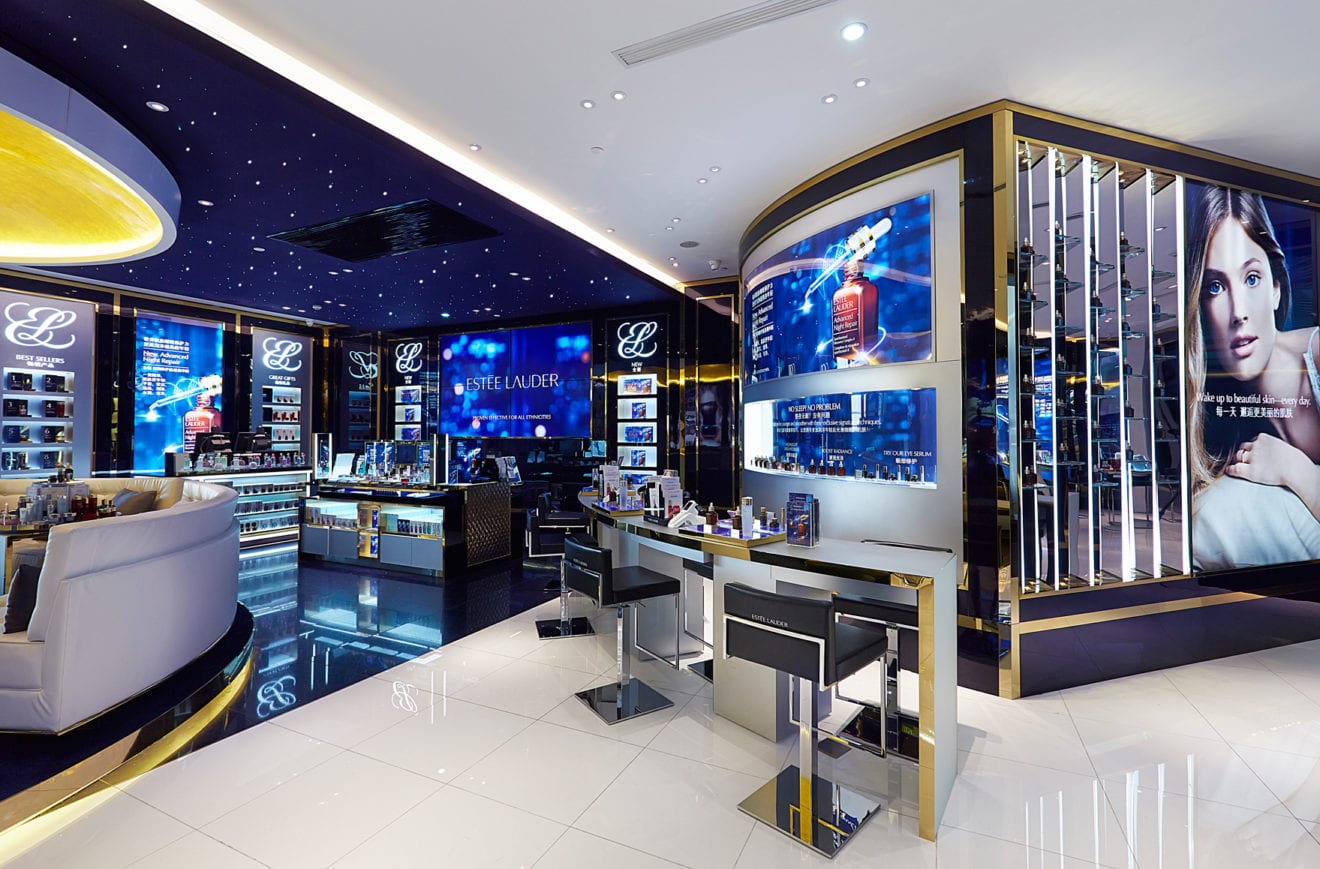
    DFS and Estée Lauder are transforming fans into influencers with the launch of the exclusive #BeautyAllNight campaign this May. Inspired by the popularity of online beauty tutorials, DFS partnered with Estée Lauder to create the perfect #BeautyAllNight look whether you stay in or go out. From May 1 – 31, customers can discover the best of beauty at DFS locations worldwide with a DFS exclusive Love of Night set and the launch of latest Pure Color Love lipstick shades.

    The campaign creative follows three travelers visiting New York, Venice and Hong Kong as they unpack and apply their beauty travel essentials, snapping selfies and sharing their look on social media. To bring the #BeautyAllNight look to life for fans, followers of DFS’ WeChat channel can place themselves in the campaign and share their #BeautyAllNight look with friends on social media. In a beauty digital first, the dedicated WeChat page leverages facial recognition technology that allows the user to choose whether they would like the “staying in” or “going out” look. Fans can then select products from the DFS exclusive Love of Night set or Pure Color Love lipsticks to virtually try-on and share their #BeautyAllNight selfie on their WeChat Moments.

    “Today’s beauty shopper wants to see, test and share her next beauty look before even stepping into the store to purchase. She crowdsources everything, from where she should shop to what are the must-have products, often trusting peer-to-peer recommendations above all else,” said Ariel Gentzbourger, Senior Vice President Beauty, Fragrances and Wellbeing. “We’re proud to partner with Estée Lauder to harness the power of the social network and deliver this beauty digital first on WeChat with our #BeautyAllNight campaign. We’re confident that through this innovative online approach we’ll drive awareness and engagement of these beauty essentials in store with the growing Millennial segment.”

    To build excitement in store, DFS kicked off the campaign with an event at T Galleria Beauty by DFS, Causeway Bay in Hong Kong on May 4. The event centered around a #BeautyAllNight pop-up featuring an interactive photo booth, a skincare animation featuring the Advanced Night Repair Collection and a “Wall of Kisses” highlighting the latest Pure Color Love lipstick shades. In addition to Hong Kong, customers can discover dedicated #BeautyAllNight pop-ups at T Galleria by DFS, Hawaii and T Galleria by DFS, Macau, Studio City.

    Throughout the campaign, customers can enjoy 30 percent savings versus individual purchase when they buy the DFS exclusive Love of Night set featuring fan favorites including Advanced Night Repair (50ml), Advanced Night Repair Eye Gel (15ml), Advanced Night Repair Eye Serum (15ml), Advanced Night Repair 7ml Deluxe Sample, Resilience Lift Night Cream 5ml Deluxe Sample and Re-Nutriv Ultimate Lift Age-Correcting Eye Cream 5ml Deluxe Sample.

    Discover the #BeautyAllNight campaign and DFS exclusive Love of Night set at the below locations:

    T Galleria by DFS, Hong Kong, Canton Road

    T Galleria by DFS, Hong Kong, Tsim Sha Tsui East

    T Galleria Beauty by DFS, Hong Kong, Causeway Bay

    T Galleria by DFS, Macau, City of Dreams

    T Galleria by DFS, Macau, Shoppes at Four Seasons

    T Galleria by DFS, Macau, Studio City

    T Galleria by DFS, Hawaii

    T Fondaco dei Tedeschi by DFS

    DFS, Los Angeles International Airport

  • Uniqlo wants to double EU store count by 2020

    Uniqlo wants to double EU store count by 2020

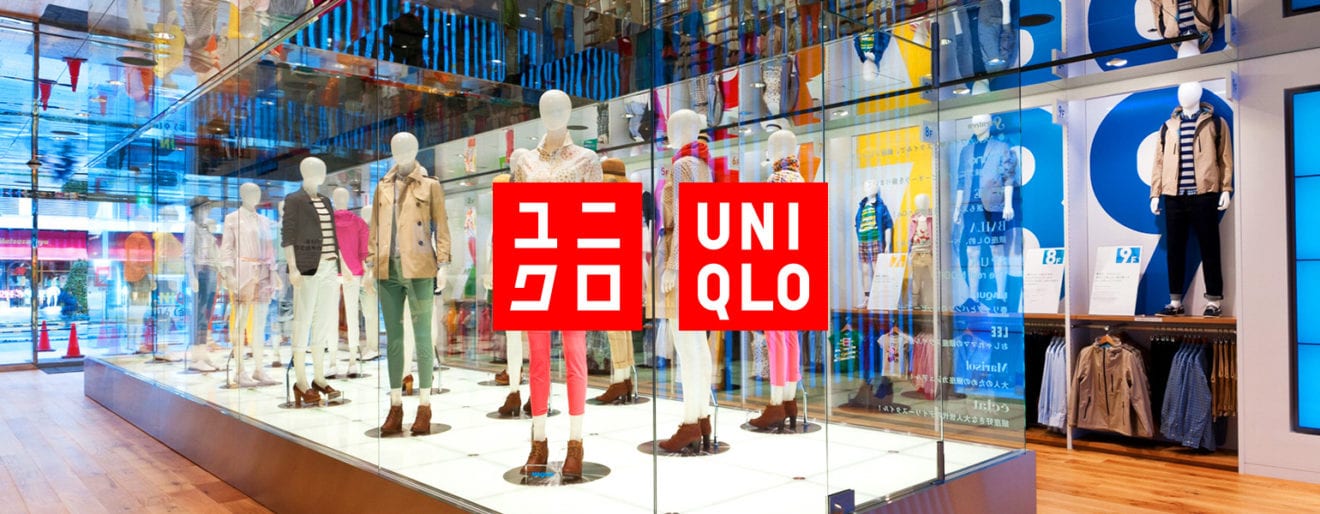
    Uniqlo said it plans to take its European store count to 100 outlets over the next three years, in a bid to strengthen its retail presence outside of Asia.

    In doubling its current store number from 50 to 100, the fast-fashion chain will make its first foray into Spain and Italy, according to local media.

    A planned Barcelona location will mark Uniqlo’s entry into Spain this autumn, while a Milan store will open in Italy, according to a report by the Nikkei Review.

    The Fast Retailing-owned brand already operates some 50 stores in France, Russia, Germany, the UK and Belgium.

    The firm said it would be opening new locations in regional cities in some European countries too, those it is already selling in. This includes regional stores in smaller French cities such as Bordeaux and Toulouse.

    With the store openings in the EU, Uniqlo will be facing stiff competition from two global fast-fashion moguls. Namely Zara, which is operated by Spain’s Inditex, and Sweden’s H&M, both of which have a solid history on the continent and a loyal consumer following.

    The Japanese chain told the Nikkei Review that demand for its highly functional basic apparel, however, is strong enough to warrant such fast-paced and vast expansion. This is particularly apparent now, given the Japanese firm’s domestic sales growth has plateaued.

    “Overseas operations are what our growth hinges on,” said Fast Retailing CEO Tadashi Yanai.

    However, Uniqlo is heavily reliant on Asia.

    Overseas sales came to 655 billion yen in 2016, with China accounting for half of the firm’s fiscal 2016 revenues made in foreign markets.

    Yanai said Uniqlo is eyeing global sales of 3 trillion yen ($26.6 billion) by the fiscal year ending August 2020. Japanese sales lifted just 3% to around 800 billion yen in fiscal 2016. Meanwhile, the number of stores in Japan has remained steady at around 840 for several years.

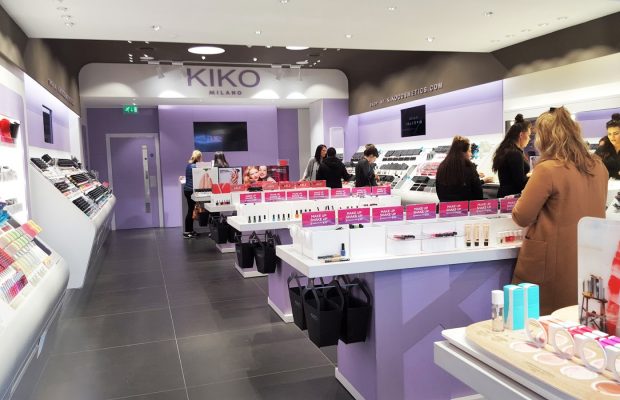
  • Kiko Milano seeks to open 100 stores in India

    Kiko Milano seeks to open 100 stores in India

    Beauty isn’t skin-deep: It’s mega business for specialist cosmetics brands such as Kiko Milano. The Italian company, at the forefront of Europe’s expanding beauty and wellness industry, now seeks to harness an increasingly affluent India’s desire to look better, and would invest about GBP 25 million to open 100 stores in the country in the next five years.

    Millennials’ obsession with digital platforms and more disposable cash with them would be the ideal investment draw-cards for Kiko Milano, which expects the South Asian nation to be among its top ten markets in a decade.

    “Potentially, India is absolutely huge and I don’t think it is an immediate market and it is changing, and it will take 6-8 years,”said Stefano Percassi, founder of the 20-year-old specialist cosmetics company Kiko. “In the next ten years, India will be among the top ten markets for us. But it depends on the availability of malls and the (overall) economic situation.”

    Like Europe, where the number of new beauty and wellness shops exceeded that of any other type of retailing outlet in 2016, India is witnessing a boom in the fashion and beauty industries. Beauty salons are now ubiquitous across most Indian towns and cities, with larger shopping malls in metropolitan centres stocking beauty products of major mainstream cosmetic brands.

    The demand for beauty and wellness products has risen exponentially as telecom tariffs reduce in India, and the social media become available to its 1.3-billion people.

    “In countries with not much entertainment or low access to entertainment, people take to the social media dramatically,” Percassi said.

    “For example, in the Middle East, it is either shopping centres or their homes. So, what they do is a lot of social media: They have look good and that means more and more business for us.” Euromonitor expects India’s beauty and personal care market to swell 67 per cent to Rs.1.43 lakh crore by 2020 from about Rs.85,414 crore in 2016.

    Kiko entered India in September last year in a 51-49 per cent joint venture with DLF Brands, and has so far opened three outlets here. Percassi is in New Delhi to roll out its 1,000th global outlet at Ambience Mall in Gurgaon, on the outskirts of the capital. Kiko chose India over the Netherlands for opening its 1,000th shop.

  • Chloé opens a new store in Singapore

    Chloé opens a new store in Singapore

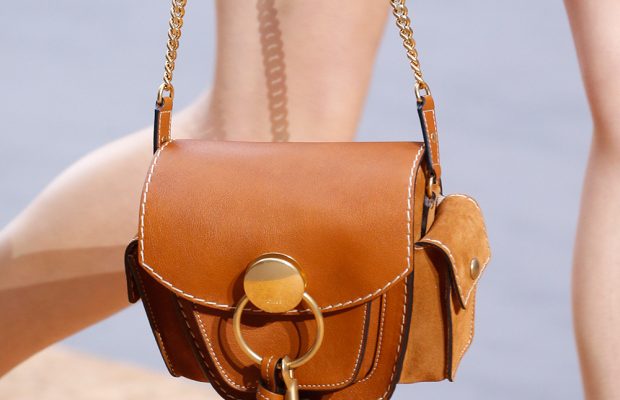
    To inaugurate the opening of the first Chloé boutique in Singapore at The Shoppes at Marina Bay Sands, the Maison has created a limited edition Faye bag inspired by the iconic local symbols of the orchid and the phoenix.

    The Faye, adorned with a colourful, decorative patchwork crafted from smooth calfskin and supple suede, is finished with light gold and silver hardware. Only eight pieces of the exquisite bag are available for sale.

    The boutique it celebrates is no less gorgeous. Situated on Level One of The Shoppes, the 184 meters square space boasts an expansive glass storefront, robust architectural details, and a play of rough and delicate textures. Also, expect Chloé’s signature palette to be present: from powdery rose beige to shades of white and a touch of mustard, all brought to life by the glow of brushed or polished natural brass.

    Accessories are the first thing you will see upon stepping into the store; handbags and small leather goods are presented in luminous shelving framed in brushed brass, or beneath the glass cabinets..

    Ready-to-wear is separated from accessories by warm wooden archways and several steps. Here, the stone floors meet a central ‘carpet’ of golden spider marble. Ready-to-wear styles are suspended on oxidised brass racks or presented on white mannequins suspended from the ceiling, with jewellery, sunglasses, and scarves displayed nearby.

    And if you are keen to try on anything, boudoir-style fitting rooms hidden behind sliding doors feature elegant textile screens for added intimacy. Very Chloé.

  • Under Armour braces for first loss since IPO

    Under Armour braces for first loss since IPO

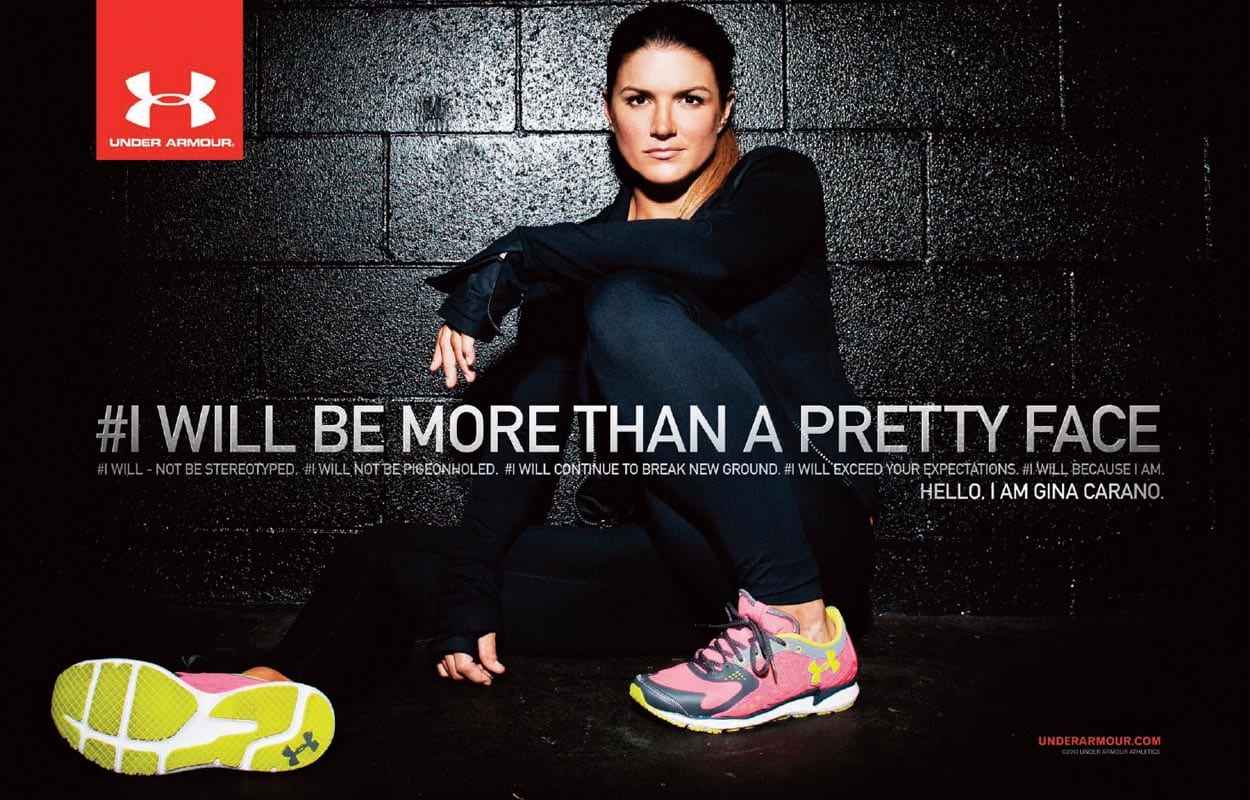
    Under Armour is poised to report its first quarterly loss since going public in 2005, a setback for a high-flying growth company that’s already had a tumultuous start to the year.

    The sports-apparel maker in January cut its growth forecast, sending the stock plummeting. Soon after, Chief Executive Officer Kevin Plank’s favorable comments about President Donald Trump sparked a consumer backlash. Plank, who founded the company, also raised eyebrows this month when a proxy filing showed that businesses he controls received $73 million in payments from Under Armour.

    “Under Armour has gone from being an incredibly loved stock to now having a lot of concern around it,” said Simeon Siegel, an analyst at Instinet LLC. Negative sentiment on Wall Street, he said, “has hit a fever pitch.”

    On Thursday, the athletic brand will probably post a loss of about 4 cents a share in the first quarter, according to the average of analysts’ estimates. Revenue projections call for 5.9 percent growth to $1.11 billion. That would mark the company’s first dip below double-digit gains since the height of the recession in 2009.

    Under Armour’s prospects have done an about-face as it struggles to recapture the rapid growth that saw revenue double about every three years. Plank has blamed the company’s woes on overall retail weakness and store closings, including the liquidation of key customer Sports Authority. The result has been a glut of merchandise, meaning profit margins took a hit as discounting was needed to clear it. In January, the company lowered its forecast of 2017 revenue growth to as much as 12 percent from the low-20-percent range.

    Under Armour shares have fallen 33 percent this year after dropping 30 percent in 2016. They slid 0.5 percent to $19.44 at 9:35 a.m. in New York on Wednesday, with its price trading at about half the level of seven months ago.

  • Pandora opens first store in India

    Pandora opens first store in India

    Denmark-based jewellery brand Pandora has entered India’s jewellery market by opening its first store in the country. Pandora has granted exclusive distribution rights for their jewellery in India to Pan India Charms & Jewellery Private Limited (Pan India).

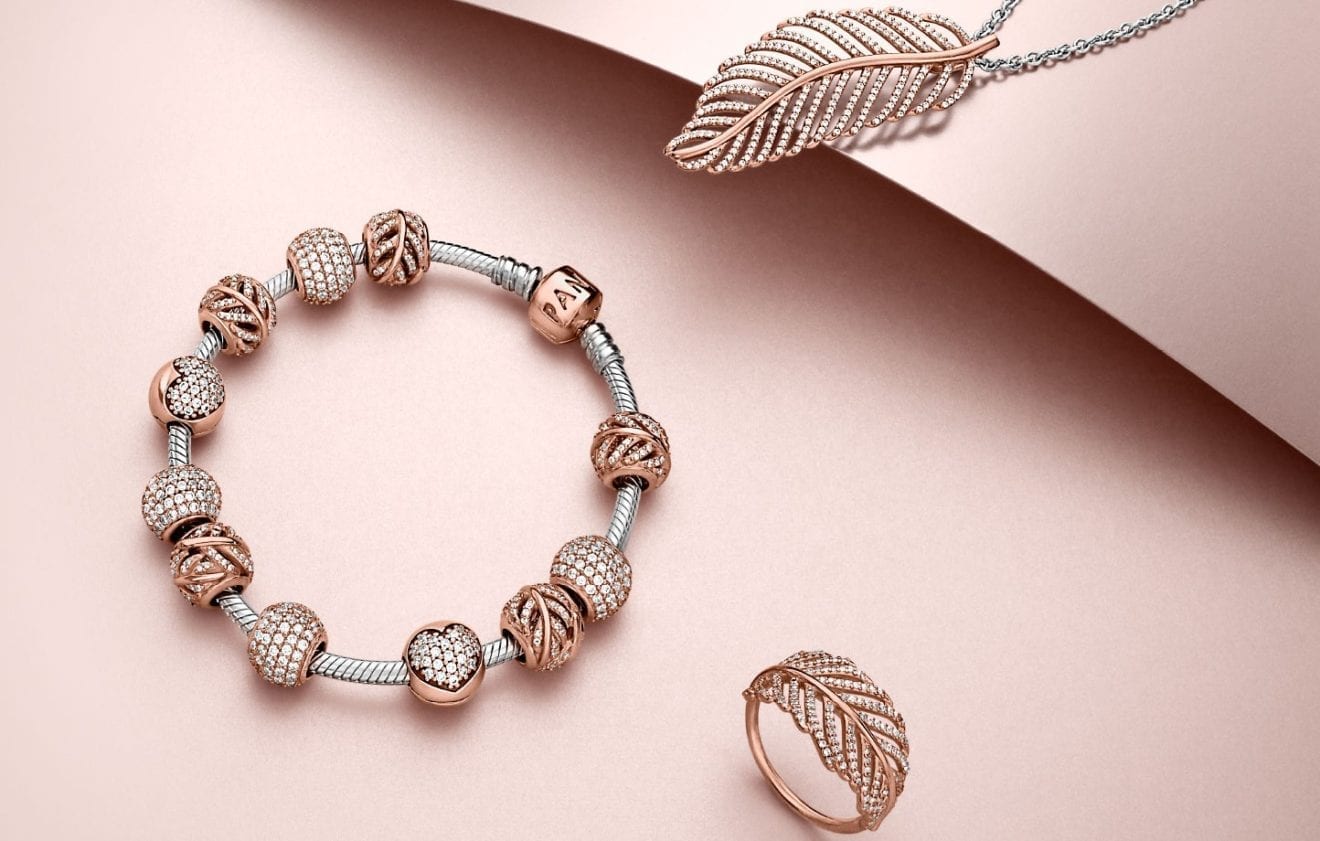
    The concept store is located on the ground floor of DLF Mall in Noida and carries Pandora’s jewellery collections, including the brand’s Moments collection, the Essence collection as well as the Rose collection.

    “The modern aspirational Indian woman is a section that represents the veering away from wearing predominantly gold jewellery and becoming more fashion conscious and finding unique ways to express their style. Making the brand Pandora accessible to these very customers is what excited us to pursue this business,” Devika Bakshi and Kanika Bakshi Talwar, Managing directors of Pan India, said in a joint statement.

    Through its distribution partner Pan India, Pandora is aiming to establish branded sales distribution focusing on concept stores and shop-in-shops, initially in Delhi, Mumbai and Bangalore.

    Pan India is expected open around 50 concept stores in India over a three year period, with around five stores expected to be opened in 2017.

    The jewellery market in India, which is predominantly a gold and diamond market, is one of the largest jewellery market in the world and in 2015 had a value of INR 2,947 billion (approximately DKK 300 billion), corresponding to an increase of 18% compared to 2014.

    In the period 2016-2021, the market is expected to grow with a compound annual growth rate (CAGR) of 7%, according to Euromonitor.