Tag: Fashion

  • Ralph & Russo Debuts Pop-Up Shop in Hong Kong Boutique

    Ralph & Russo Debuts Pop-Up Shop in Hong Kong Boutique

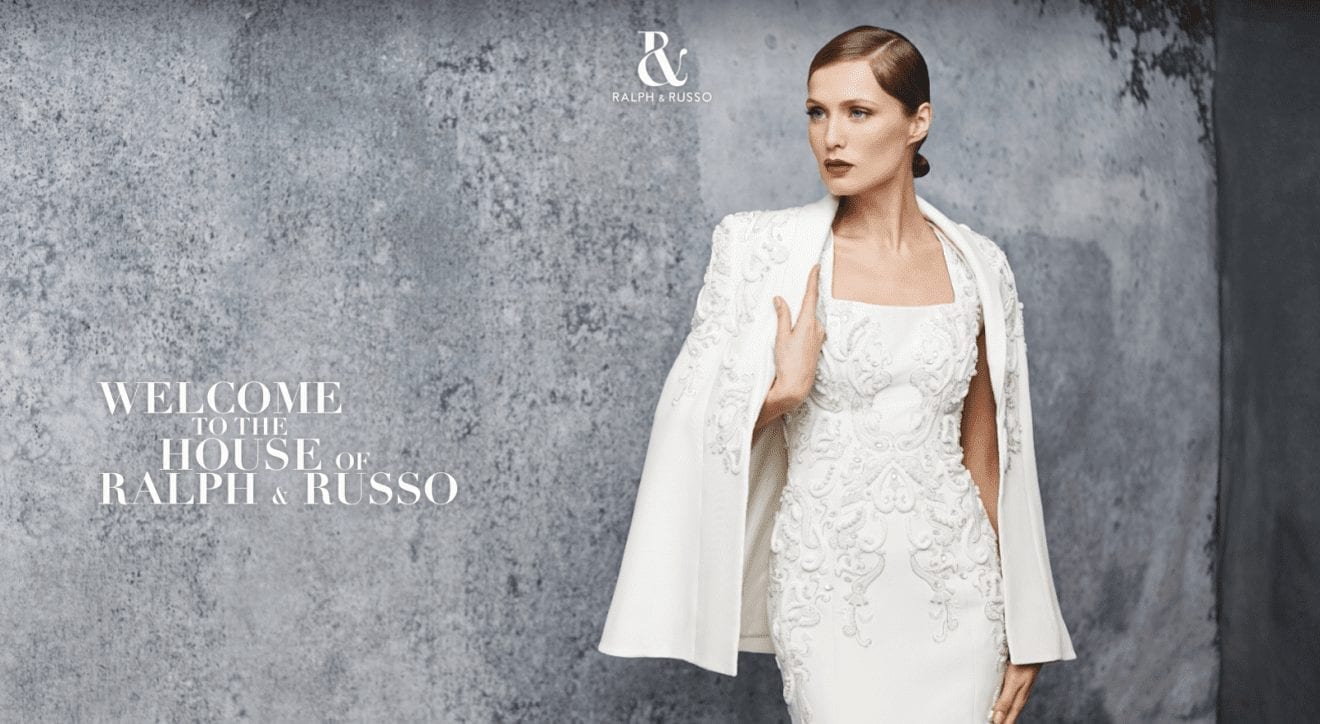
    The luxury British fashion label favored by Angelina Jolie, Gwyneth Paltrow and other celebrities is getting its own starring moment in Asia. This week, Ralph & Russo celebrated the debut of a pop-up shop in On Pedder’s New World Tower location in central Hong Kong.

    The space, situated on the mezzanine level of the luxury footwear and accessories boutique, features a curated selection of some of Ralph & Russo’s most decadent shoe designs, including the floral-print satin Eden boots (which retail for $1,650) and the Eden pumps with ornamental filigree.

    The Eden pumps range in price from $1,450 for a simple style with an embellished heel, up to $2,300 for a version with Swarovski crystals.

    Ralph & RussoRalph & Russo’s Eden ankle bootie with embellished heel, $1,650.
    Ralph & RussoRalph & Russo’s Eden pumps with ornamental filigree, $1,900.

    Like its collections, Ralph & Russo designed the pop-up space with sophisticated detailing, such as oversized mirrors and wooden paneling that turn the attention firmly to the product. And a raw wood tabletop in the center of the space offers a striking artistic juxtaposition and adds natural warmth to the tableau.

    Ralph & Russo On Pedder pop-upThe Ralph & Russo pop-up space in On Pedder in Hong Kong.
    The brand’s chairman and CEO, Michael Russo, who co-founded the label in 2007 with Tamara Ralph, said in a statement, “As soon as we visited On Pedder, we knew that there was perfect synergy between our collections and the values that the store represents — both are the epitome of luxury.”

    The pop-up space will be open from now until the end of July.

  • Introducing Māzŭ Resortwear, luxury swimwear brand for men

    Introducing Māzŭ Resortwear, luxury swimwear brand for men

    Inspired by Hong Kong and Asia’s maritime history, Māzŭ allies West to East culture and quickly settles in the Asian swimwear industry.

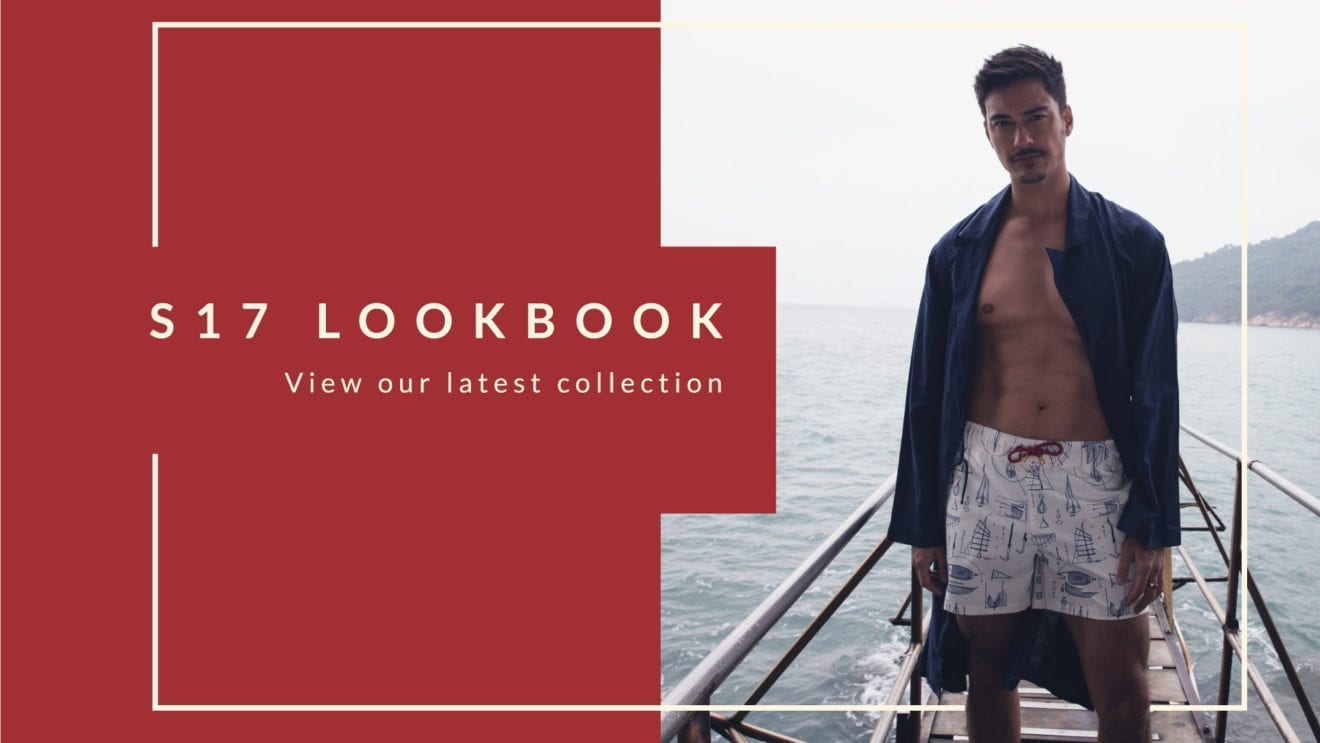
    Māzŭ Resortwear is a Hong Kong based luxury men swimwear brand founded in 2015 by Adam Raby. The company was built upon the concept of transmitting the Asian maritime heritage to its customers. Its name, Māzŭ, stands for the goddess of the sea in Chinese, a figure which is often represented in Hong Kong temples situated by the sea. Moreover, it is no surprise for the brand’s founder that “Hong Kong has an intimate relationship with the water, as it is called Perfumed Harbour in Chinese”.

    According to Raby, “the typical Māzŭ customer would be someone who essentially cares about fashion, conscious about what he wears to look good by the pool, on its yacht or by the beach”. He defines his company as a swimwear fashion brand and distinguishes it from a functional swimwear brand.

    Going back to its debuts, the company was financially settled by a friend who injected small capitals. Today, in perspective of taking the business to a new level to better impact the market, Māzŭ is looking to raise more funds. Currently having 23 points of sale opened across Asia, the brand plans to increase its numbers up to 55 points of sale by the end of 2018.

    In order to deliver 2 collections a year; the summer collection in April and the cruise collection in November, Māzŭ tries to stay aligned with its customers’ constant needs. According to its founder, there is a shift now; “people want to look good by the water instead of being functional in the water”. Hence, his role is “all about making them feel comfortable, confident and inspired while wearing a swimwear”.

    From a marketing and advertising background, Raby thinks that branding is the key to success. So as to reinforce the brand’s image, it was also important for the founder to make sure that a Hong Kong fashion business would be manufactured in China, hence stating: “I have to believe where we are from”. For him, China is operating a shift in its manufacturing quality process, meaning that efforts are made with the help of “better workers with better skills”, to produce better quality garments.

    This philosophy has thus led Māzŭ to grow within Asia year after year, plans to develop the brand regionally and to develop new categories of products in the future. As Raby says, “the idea is that if a gentleman from Asia is looking to go on holidays to get some sun, I would like to be that one stop solution where the Māzŭ customer could go into our shop and buy anything he needs to go on a summer, beach or luxury yacht holidays.”

  • Adidas’ slavery buster hopes technology can give workers a voice

    Adidas’ slavery buster hopes technology can give workers a voice

    As apparel and footwear industries rely heavily on outsourcing, sportswear companies have faced growing scrutiny. Adidas executive Aditi Wanchoo is on a mission – to wipe out any slavery in the German sportswear company’s supply chain, and she hopes giving workers the technology to speak out will help.

    With a background in corporate social responsibility at consultancy firm Accenture, Wanchoo was hired 18 months ago in a new position created by Adidas, one of the first companies to set up a role dedicated to fighting slavery.

    In recent years modern-day slavery has increasingly come under the spotlight, putting regulatory and consumer pressure on companies to ensure their supply chains are free of forced labour, child labor and other forms of slavery.

    As apparel and footwear industries rely heavily on outsourcing, sportswear companies have faced growing scrutiny.

    Wanchoo said Adidas had been actively working on this issue since it was revealed at the 1998 World Cup that footballs were produced by child laborers in India and companies realized they did not have control over their suppliers.

    Governments are now trying to tackle the problem with new legislation, such as the UK’s 2015 law requiring companies to disclose how they are ensuring supply chains are slavery free.

    “We have found that the UK Modern Slavery Act and recent legislative action in France and Australia have helped take the conversations to the boardroom,” Wanchoo told the Thomson Reuters Foundation in an interview this week in London.

    “My role was created to look at building relevant partnerships to continue our work on addressing potential modern slavery risks for our extended supply chain, i.e. our Tier 2 processing facilities and Tier 3 raw material sources.”

    Slavery has emerged as a major global problem with the Global Slavery Index by the Walk Free Foundation estimating there are nearly 46 million slaves in the world.

    The United Nations has a global goal to eradicate forced labor and slavery by 2030 and end all child labor by 2025.

    Wanchoo said she was tackling the issue in various ways such as collaborating with other companies, NGOs and governments, and training suppliers about the risks of bonded labor and the impact of recruitment fees on workers.

    Tech to give workers a voice

    She said Adidas was also on a major drive to encourage workers to speak up and use this information to eradicate slavery and improve workers’ conditions.

    The company already has “worker hotlines” giving 300,000 factory workers in China, Indonesia, Vietnam and Cambodia the opportunity to anonymously ask questions, make suggestions or express concerns via text messages and smart phone applications.

    But the company found this was not enough, and over the past year Adidas has run a pilot project in China with apps for workers to anonymously report issues – data that is collected and then analyzed.

    Wanchoo said the aim is to introduce such a system in all of the company’s 105 or so primary factories in the next five years and then look at cascading this down to second-tier suppliers.

    In Turkey these worker grievance systems had uncovered concerns about child labour and reports of illegal workers from Turkmenistan, while in Asia workers had complained about abuse by supervisors, wage issues and food, she said.

    She added that efforts to hear directly from workers was paying off. Last year campaign organisation KnowTheChain ranked Adidas top out of 20 firms, chosen because of their size, for its efforts to eliminate forced labor and human trafficking.

    “We want to make it as easy and anonymous as possible for workers,” said Hong Kong-based Wanchoo, whose official title is senior manager – development partnerships, social and environmental affairs at Adidas.

    She acknowledged this did not always go down well with suppliers who aim to keep costs as competitive as possible.

    “Sometimes there can be resistance from suppliers, but we work with them to demonstrate how this can help them in the long run by improving supply chain transparency, communication, productivity and worker retention,” she said.

  • Amazon launches entry-level celebrity-esque eyewear line

    Amazon launches entry-level celebrity-esque eyewear line

    Amazon‘s latest product launch through Amazon Exclusives is a Hollywood-backed affordable but luxury-like eyewear line Privé Revaux Eyewear.

    The line will include 100 styles of frames and polarized lenses. Each will retail for $29.95.

    The brand was founded by fashion entrepreneur David Schottenstein who comes from the same family that created DSW and American Eagle. Schottenstein has enlisted major Hollywood talent in actors Jamie Foxx, Hailee Steinfeld, Ashley Benson and Jeremy Piven. They will not only contribute to marketing but also to product development and the overall brand vision.

    Privé Revaux Eyewear is the latest brand diving in to disrupt the premium eyewear market. With heavy hitters Marchon and Luxottica holding virtually the entire market, it joins an energetic group of small brands attempting to change the landscape and make luxury eyewear more affordable. The brand’s advertising tagline is appropriately “Now everyone can be anyone.”

    “I wanted to get involved with a sunglasses company and create something that was fly and affordable for people” says Foxx.

    Privé Revaux Eyewear features styles designed to invoke iconic personas. Style names include The Supermodel and The Jetsetter. The brand’s digital campaign shows Foxx, Steinfeld, Benson and Piven asking “Who do I want to be today?” with answer being “reframe yourself”.

    In addition to digital, Privé Revaux Eyewear will release a full length video featuring the actors who will also appear in individual ads. A full catalog is available both on Amazon and on the company’s site.

    Privé Revaux Eyewear is available now through presale on the brand’s own website. It will officially launch globally through Amazon Exclusives on June 2, 2017.

  • Zara stays strong in Australia despite profits slowdown

    Zara stays strong in Australia despite profits slowdown

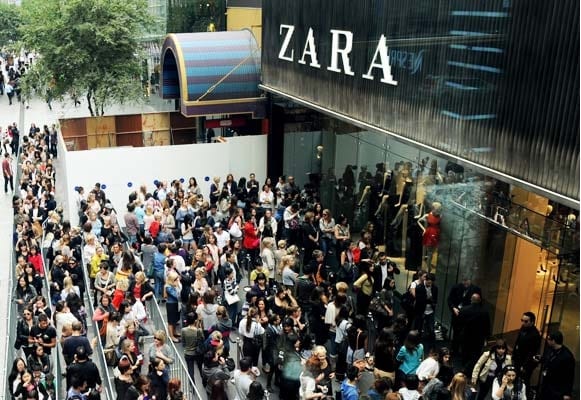
    While some chains struggle in the Australian market, Inditex’s Zara is committed to the country and is seeing its operations growing although profit has fallen, according to local press reports.

    On Wednesday, the same day that rival Topshop’s local franchisee announced a voluntary administration filing, The Age reported that the Spanish chain by contrast has enjoyed another year of double-digit growth in the country.

    It saw A$256.36m in sales in the year to January 31 2017, boosted by the opening of three new stores in the Sydney suburb of Parramatta, the Gold Coast and Brisbane. That figure was up 15.5% year-on-year, although this was slower than the 24% rise seen in the previous year. And its profit was slower too with the company making A$10.3m compared to $15.26m in the prior year.

    Like Topshop, Zara arrived in Australia in 2011 and had 18 stores by the end of January this year. It had 1,700 employees, several hundred more than it had working for it in Australia a year earlier.

    The local operation is 90% owned by Inditex and 10% by Peter Lew through his International Brand Management unit. Lew is the son of retail entrepreneur Solomon Lew.

  • Jabong launches ‘The mood store’ – shopping innovation rooted in fashion insights

    Jabong launches ‘The mood store’ – shopping innovation rooted in fashion insights

    Jabong, India’s leading online fashion retailer, launches the ‘Jabong Mood Store’, which redefines how India shops for fashion online. The Mood Store is the first-ever comprehensive fashion store that allows consumers to shop the entire look per their mood. The store is based on deep consumer understanding and analytics around preferences of the Indian fashion customer.

    The Mood Store will help users understand the best choices across moods like hanging out with friends, out for a road trip, stay at home pampering, and working at the office, among many others. Users will also be able to select the entire look based on different price points basis their needs. Building on Jabong’s brand philosophy of ‘Be You’, the Mood Store is the next step in Jabong innovating for growth.

    The Mood Store launch is supported by a 360-degree marketing campaign across TV, outdoor, cinema, CRM and social media. The overall brand campaign will focus heavily on digital promotions where various influencers will showcase their looks in different moods and for different occasions. The commercial will be aired on leading TV channels in entertainment, music, movies, lifestyle and other genres.

    The Mood Store brand campaign will feature day-to-day fashion that is easily shoppable and wearable, as against the typical industry trend of showcasing outlandish, runway fashion that the shoppers grapple to find anywhere. Digital shoppable videos on YouTube and Facebook will allow customers to buy the fashion shown in the video directly by clicking on its product card

    Gunjan Soni, Head of Jabong, says, ‘We understand both fashion and our consumers really well. Jabong consumer is more affluent, well-travelled, fashion forward and likes to buy complete looks, not just apparel. Fashion shopping behaviour tells us that people buy for a specific mood or occasion, not by categories. This insight led to the mood store innovation where consumers can shop entire looks together for a specific mood. With the launch of mood store and several new brand launches we are well set for a growth momentum. Our strategy is to use ‘tailored to fashion’ innovations to attract and retain the experienced fashion shopper. ‘

    Jabong is credited with launching several industry-firsts in Indian fashion ecommerce such as ramp walk video, online shoppable fashion week and the concept of online shop-in-shop. It has also brought several top global brands exclusively to the Indian market. Its high-quality product curation, top international brands, and a deep assortment that caters to the needs of a complete wardrobe make Jabong ideal to launch this unique fashion proposition as a one-stop destination for all moods and styles of a fashion shopper.

  • Kenzo Kids deploys its unique style in store-in-stores and international boutiques

    Kenzo Kids deploys its unique style in store-in-stores and international boutiques

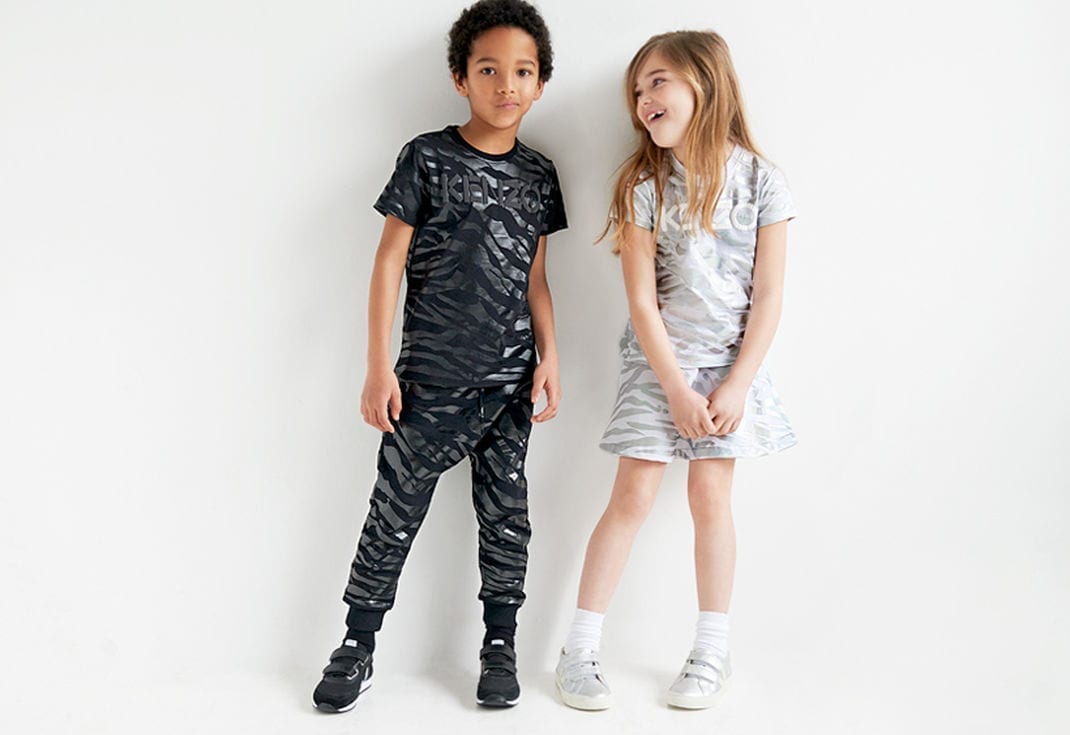
    Kenzo was revitalised by its 2011 change in creative direction, with the arrival of Opening Ceremony founders Carol Lim and Humberto Leon at the helm. The change has also benefitted the label’s children’s line, Kenzo Kids, for which the Kidiliz group (ex-Zannier) has held the licence since 2006. In fact, in a very competitive childrenswear market, Kenzo Kids has recorded annual growth fluctuating between 20 and 30%.

    The reason for its success? An urban style coupled with strong iconography – in the form of the tiger and eye brand motifs – which has proved appealing to a wider and more international clientele. “Under Antonio Maras, the Kenzo Kids style was closer to Catimini – fresh and feminine. Now it’s more on-trend so our network has changed. We are more international, in the department stores, in pure-player, designer-oriented stores,” explains Anne Michailidis, Head of Sales and Marketing of the three designer brands under Kidiliz.

    Resulting in the Kenzo Kids line being distributed at 750 sales points worldwide and even the opening of its own first monobrand boutiques. The first opened in Singapore in February (next to Paul Smith Junior) and others are planned for Hong Kong and Dubai. In Europe, the line is present in the form of stores-in-stores, expressing the world of Kenzo Kids across 30-square-metre spaces. Some 20 openings are forecast this year, including at La Rinascente in Milan. In France, the line is stocked at Printemps and at Galeries Lafayette Haussmann, with a network set for further development.

    Another ‘new’ feature: the line is aimed at boys as much as at girls, whereas previously the line was oriented almost exclusively towards girls. “Since winter 2016 we have had as many girls’ garments as boys’, and customers come to us for both, which is rare for children’s labels,” explains Michailidis.

    Every season some 350 Kenzo Kids items are available, from children aged 0-16 years. The price range is from around 50 euros for garments such as T-shirt to 200 euros for more ‘inspirational’ pieces from the runway. “We work directly with the parent company, we attend the show, we visit the showroom and keep the strongest design elements and use it to up our childrenswear savoir-faire,” says Laetitia Orlandi, head of collections at Kenzo Kids, who adds that her objective is to create for Kenzo Kids its own style world without imitating the adult version. In ‘kid format,’ the famous Kenzo tiger is surrounded by new friends including a little wolf with an extraordinarily long nose, and the Kenzo eye gives a mischievous wink.

  • Decathlon to open first Hong Kong stores in August

    Decathlon to open first Hong Kong stores in August

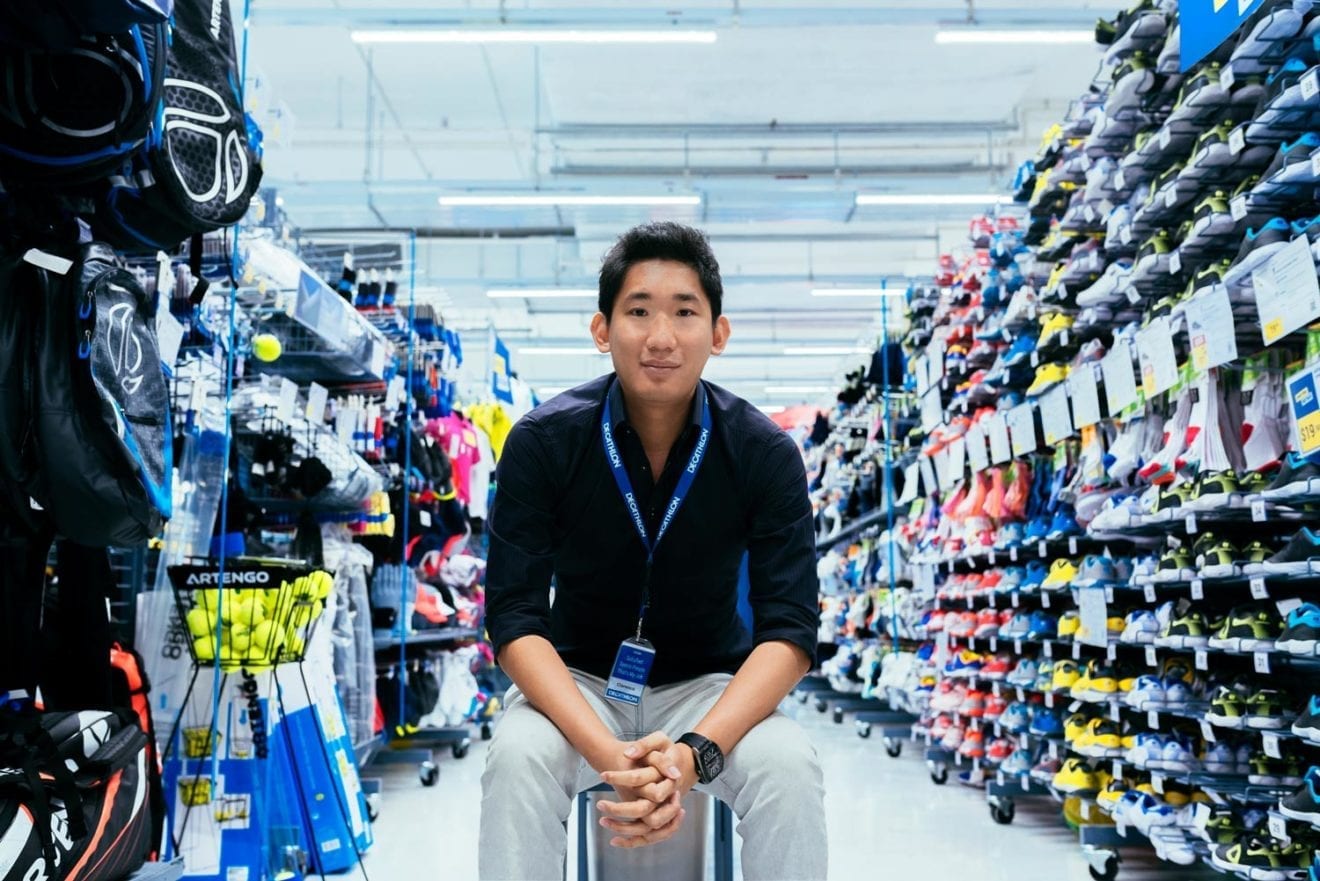
    Decathlon will open its first Hong Kong store this year, with plans for two locations – one in Mong Kok and the other in Causeway Bay.

    The French multibrand sports retailer will bow its first Hong Kong stores in Mong Kok Grand Plaza Basement and Causeway Bay Park Lane, according to a post on Decathlon Hong Kong’s Facebook account.

    While store specifics or dates have not been given, Decathlon Hong Kong said the openings would take place in August.

    “Finally, your new sports stores open in August,” said a post on Facebook.

    Decathlon first entered Hong Kong in 2015 with the launch of country-dedicated website and e-commerce platform.

    In February 2017, the French group reported a 12% lift in revenues during 2016 (+4.4% on a like-for-like basis), reaching 10 billion euros, excluding taxes.

    Earlier in the year, it launched sub-brands Itiwit — a paddle-board line, and Subea — an underwater sports brand, to bolster its current sporting goods offering

    A recent report published by corporate finance advisory firm Capitalmind pinned the global sporting goods market at $388 billion in 2015, up 5%. The report said Intersport, Decathlon and Foot Locker currently dominate the sporting goods distribution market worldwide.

  • Esprit looks to open physical stores in India

    Esprit looks to open physical stores in India

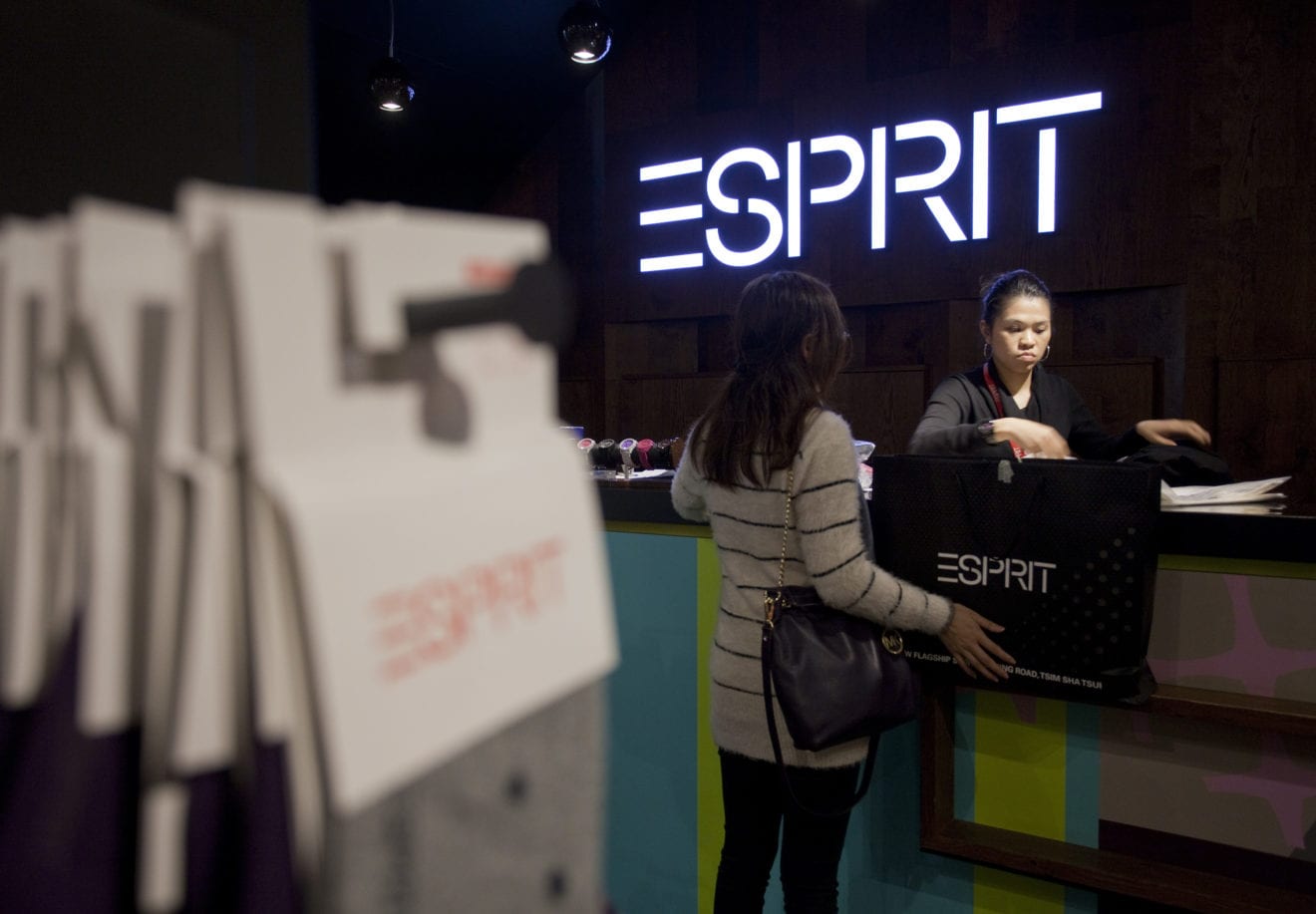
    Hong Kong-based fashion brand Esprit is planning to make a comeback in the Indian market and looking for mall space to open stores. Esprit is also in talks with online fashion retailer Myntra to boost offline presence of the brand, citing sources.

    Esprit is reportedly in talks with online fashion retailer Myntra to open Esprit-branded physical store in the country.

    “Yes, Esprit is coming back. The top guys from abroad had come about three weeks ago and they were looking for (mall) space,” a person familiar with the matter told ET.

    The second person said Esprit is in talks with online fashion retailer Myntra to open Esprit-branded physical store in the country. Myntra already sells Esprit products online through an exclusive deal signed with the fashion brand late last year. Esprit and Myntra did not respond to queries on the matter.

    Esprit had entered India in 2005 in a distribution partnership with Aditya Birla Group. However, poor business growth forced the company to shut operations in the country in 2013.

    The fashion brand operates in 40 countries through more than 700 retail stores and over 6,000 points of sale, including franchise stores and shop-in-shops in department stores.

  • Myer signs We Are Kindred to exclusive one-year deal

    Myer signs We Are Kindred to exclusive one-year deal

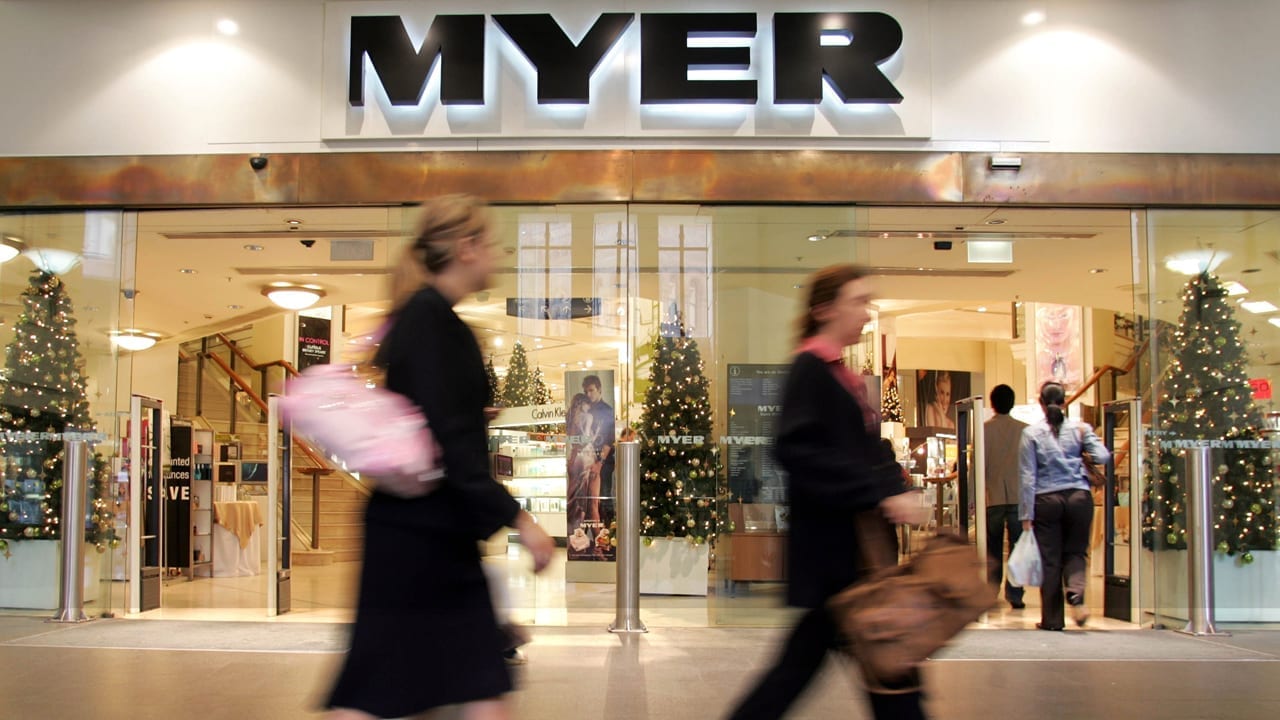
    Australian department stores giant Myer has signed growing local fashion label We Are Kindred to its roster. The three-year-old label has been signed up for an initial one-year deal with the retailer saying that two seasons are the minimum time it needs to judge a label’s appeal.

    Founded by Georgie Renkert, a fashion industry veteran, and her sister Lizzie, the latter said the We Are Kindred strategy was always to link-up with a major name retailer and they feel that the firm is ready for the increased scale this will mean in terms of logistics.

    She told the Sydney Morning Herald that Myer has “a good strategy in place for launching emerging brands like ours. We’re not a brand that they have.”

    The move comes as the Australian department store space gets increasingly competitive in terms of brands being signed to exclusive deals. Myer is also investing in its own Maticevski label and opening concessions for French brand The Kooples and Zadig & Voltaire. Meanwhile, in the past fortnight, major Myer rival David Jones has struck deals with well known labels Aje and By Johnny.

    Both Myer and David Jones are facing tough times and are positioning themselves to compete with a raft of international newcomers as well as with each other. More international fashion retail giants are opening in their market and the arrival of Amazon in Australia also means the stakes have been raised for online fashion and homewares retail there.

  • Etude House opened its flagship store in Seoul

    Etude House opened its flagship store in Seoul

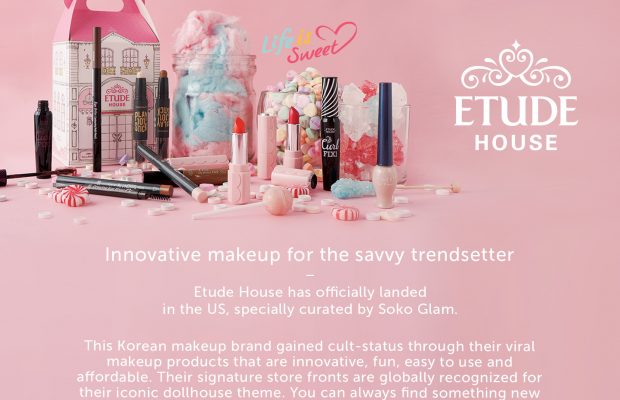
    Etude House opened its flagship store in Myungdong on May 10. The flagship store was designed as part of a customer-focused campaign that embodied the brand’s slogan “Life is sweet”, which means positive energy and value in their twenties. A three stories Etude House flagship store provides various service. The store allows customers to have a variety of experiences by trying diverse colour and to purchase all products of Etude House.

    Under the theme of “House of Colour Play”, exterior design of trendy mood stands out. There is also a special photo zone inside and outside the elevator, where customers take a picture.

    On the first floor, customers can see all Etude house products and various beauty items. There is also a “FIND YOUR LOOK” corner, which are nine different looks of Etude House brand value. The “FIND YOUR LOOK” corner is made up of visuals that allows customers to look at the nine different looks, and the make-up products used in each look are displayed on the bottom of visuals so that customers can pick up their favorite look and experience make-up.

    “Personal Colour Studio” on the 2nd floor, customers can check their personal colour tones with the colour meter, and get recommendation for ‘four season worms and cool tone shadow palette”. Four seasonal worms and cool tone shadow palette with four colour eye shadows was rolled out in four different colour.

    The ‘Personal Colour Palette’, which is currently being sold as an online exclusive product, will be sold exclusively in the second floor of Myungdong flagship store.

    The ‘Colour Factory’ in the 3rd floor, which will be released from the first of the next month, is a space where customers experience the service to make your own lipstick by choosing your own colour and design. Personalised lipstick, which is the most noticeable service, can be booked in advance and Etude House artist recommends personal colour through colour meter and colour draping service.

  • Hugo Boss opens menswear store at Singapore Changi

    Hugo Boss opens menswear store at Singapore Changi

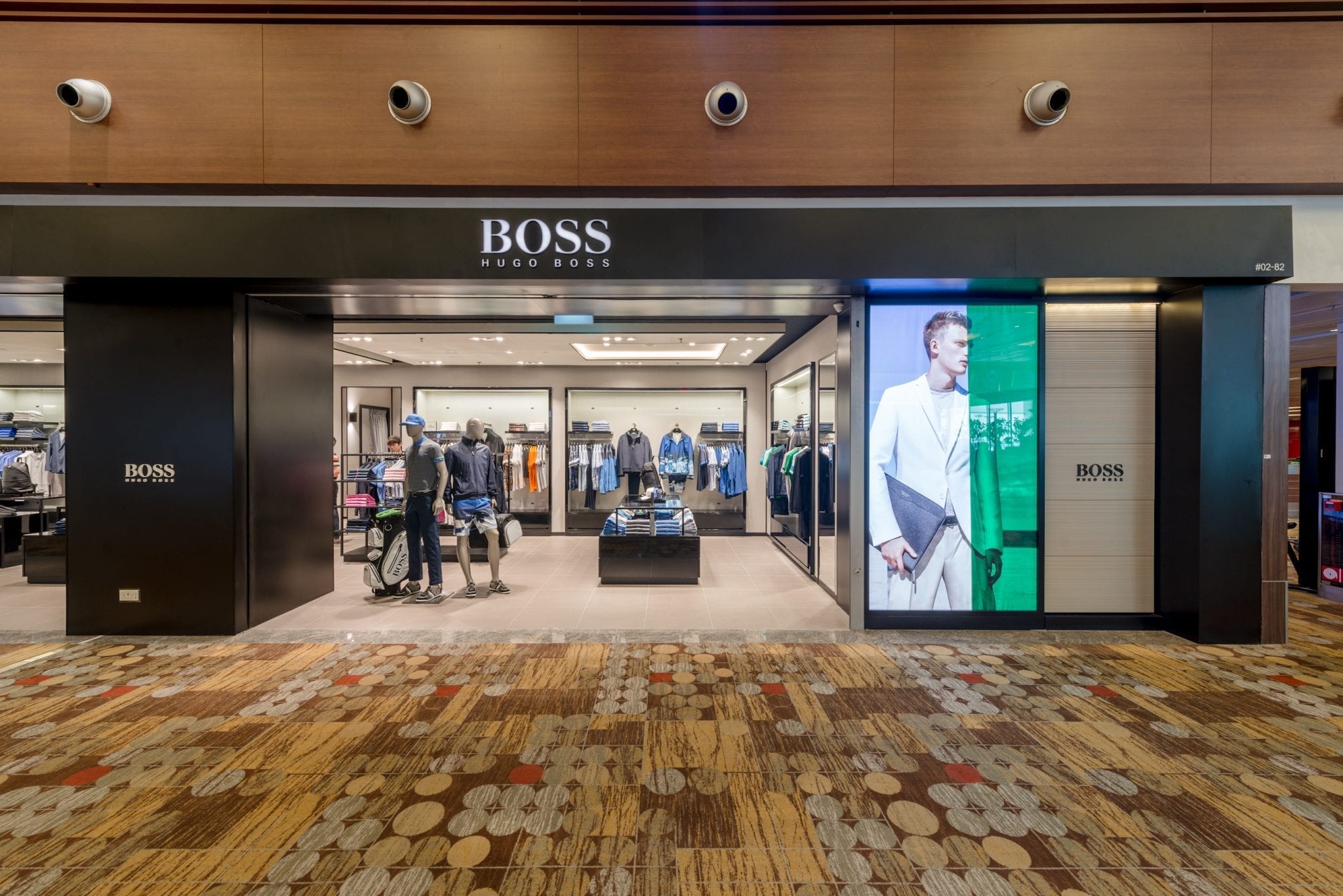
    Hugo Boss has opened a 95sq m store at Singapore Changi Airport Terminal 1.

    The Boss Menswear Store features a new interior concept featuring “clean, angular aesthetics” that has already been adopted by select stores in other cities.

    Hugo Boss considers the travel retail channel to be a dynamic part of the fashion business, and has opened its latest store at Changi Airport.

    The design is said to embrace harmony between lines, shapes and colours, and showcases the brand’s collections.

    “Throughout the store layout, matte and textile surfaces contrast with high-gloss and mirrored materials,” noted Hugo Boss. “The overall outcome is a refined space with a classic, yet airy, modern feel.”

    The store offers Boss Clothing, Boss Sportswear, Boss Green, and men’s shoes & accessories.

  • LVMH confirms launch of multi-brand fashion site

    LVMH confirms launch of multi-brand fashion site

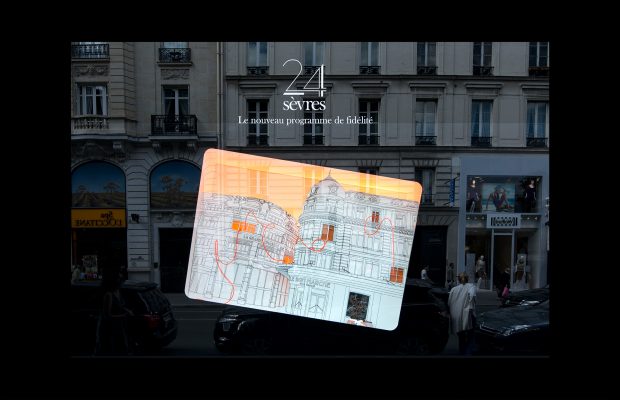
    LVMH is launching a multi-brand e-commerce website inspired by its exclusive Parisian department store Le Bon Marche, as the world’s biggest luxury goods group steps up the digital side of its business.

    The new website, named “24 Sevres” after the Rue de Sevres location of Le Bon Marche in the chic 7th arrondissement, will offer fashion, cosmetics and luggage products from LVMH’s own portfolio as well as brands from outside the group.

    Overall more than 150 labels, including 20 of LVMH’s own stable such as Louis Vuitton, Dior, or Fendi, will be featured.

    The size of the investment amounted to several million euros and marks the biggest digital initiative taken by LVMH since it hired former Apple music executive Ian Rogers in 2015 to craft its digital strategy and capitalise on the luxury sector’s online sales expansion.

    LVMH, controlled by French billionaire Bernard Arnault, said the new site would go live on June 6 in more than 70 countries.

    Competing with established rivals such as Yoox Net-a-Porter , MyTheresa, Matchesfashion.com or LuisaViaRoma, it echoes the high-end positioning of the Le Bon Marche store.

    It will give international clients “very Parisian choices” in the selection of exclusive products, Rogers told Reuters.

    “The idea is to be attractive with unique products, not necessarily have a huge offering,” said Rogers.

    E-commerce is still a relatively small part of the global luxury goods market, representing 7 percent of industry sales, but this is expected to rise to 12 percent of industry sales by 2020, according to the Boston Consulting Group.

    Luxury goods companies face a dilemma over trying to reach young Internet-savvy shoppers while preserving the sense of exclusivity that drives up the value of their products.

    LVMH has already tapped into the increasing importance of online social media by setting up LVMH Luxury Ventures to invest in start-up luxury goods projects.

    Until now each LVMH brand has had its own separate digital strategy, with some brands such as Fendi and Kenzo putting significant resources into this area while other brands such as Celine had no E-commerce website of their own.

    The new website will complement the offering available on the respective websites of the LVMH brands, Rogers said.

    Big fashion brands such as Prada, Gucci or Valentino will be sold on the site as well as Maison Margiela, seen as a more cutting-edge label, or others such as Kitsune or APC.

    LVMH’s online sales of €2 billion ($2.2 billion) last year equated to 5.3 percent of overall group revenues.

  • Paul & Shark opens stores in Singapore and takes control of Asian business

    Paul & Shark opens stores in Singapore and takes control of Asian business

    Italian sportswear label Paul & Shark, produced and distributed by Dama Ltd, has opened two new monobrand stores: one in London, its first in the UK, and another in Singapore.

    The 200 m2 London store is located inside St. James’s Market, a newly re-developed business and retail complex in the West End featuring starred restaurants and a luxury shopping parade. The Paul&Shark store overlooks Regent St. and showcases the label’s men’s, women’s and children’s collections.

    The Singapore store, also extending over 200 m2, is instead located inside the Marina Bay Sands shopping mall, one of the city’s most popular retail destinations. “This is more than just a new opening, it is where we will directly manage our Asia business,” said Andrea Dini, CEO and owner of Paul & Shark, at the store’s inauguration, which marked the operational debut of the Paul & Shark Asia Pacific company.

    From January 2017, the newly created company manages the label’s Asian operations, having taken over the franchised stores opened by Paul&Shark’s former local partner, the ImagineX Group, a satellite of the Lane Crawford Joyce Group.

    The Italian label celebrated its new Typhoon 20000 technology, with three performances staged at the Singapore Wine Vault, inside refrigerated cells recreating different climactic conditions, and presenting a trailer of the ‘Typhoon Planet’ short film by director Wong Kar-wai.

    Paul&Shark is distributed in 73 countries via over 250 monobrand stores, featuring men’s, women’s and children’s total-look collections and several capsule collections inspired by the world of sailing and adventure.

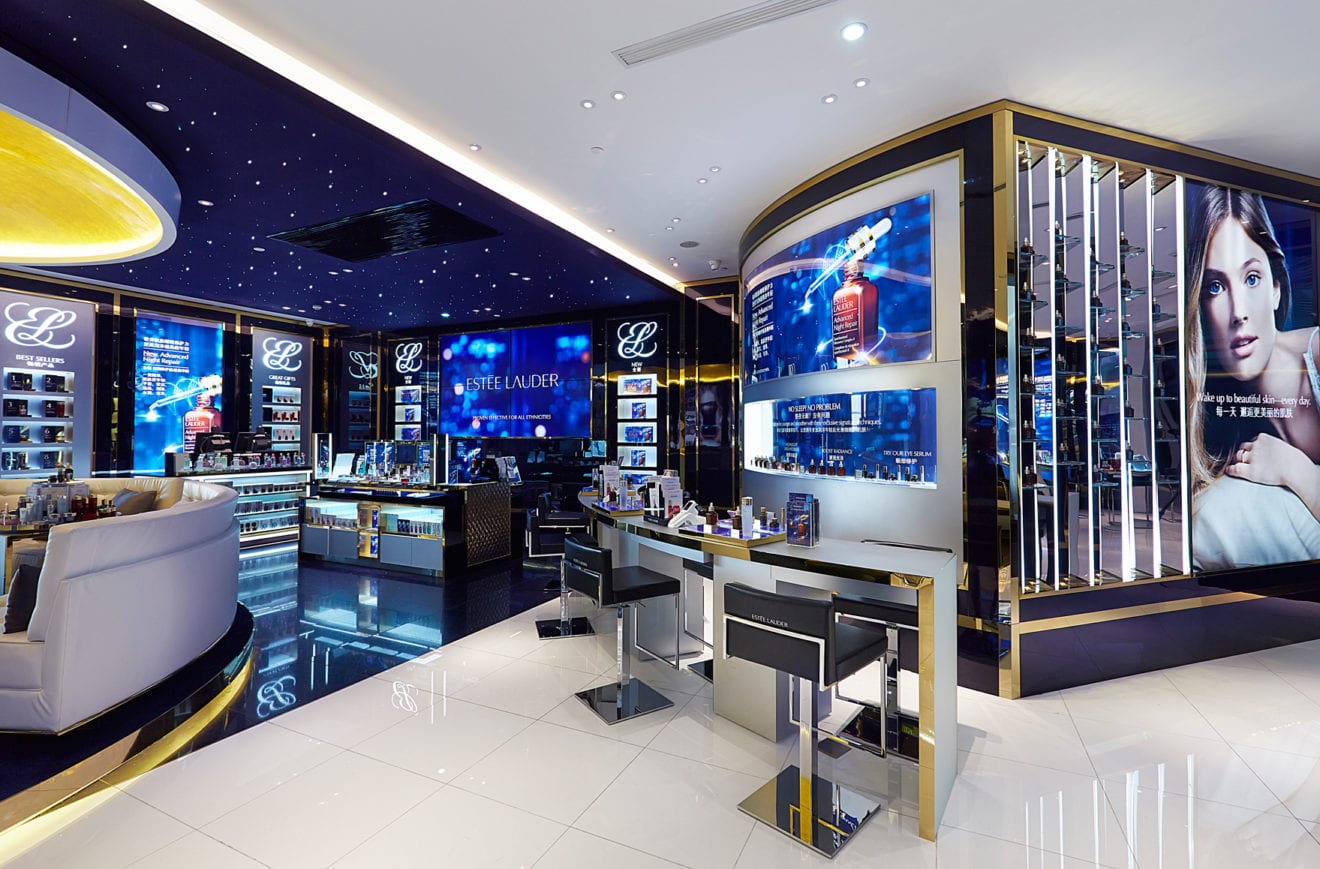
  • Estée Lauder And DFS Create Beauty Digital First With #BEAUTYALLNIGHT Campaign

    Estée Lauder And DFS Create Beauty Digital First With #BEAUTYALLNIGHT Campaign

    DFS and Estée Lauder are transforming fans into influencers with the launch of the exclusive #BeautyAllNight campaign this May. Inspired by the popularity of online beauty tutorials, DFS partnered with Estée Lauder to create the perfect #BeautyAllNight look whether you stay in or go out. From May 1 – 31, customers can discover the best of beauty at DFS locations worldwide with a DFS exclusive Love of Night set and the launch of latest Pure Color Love lipstick shades.

    The campaign creative follows three travelers visiting New York, Venice and Hong Kong as they unpack and apply their beauty travel essentials, snapping selfies and sharing their look on social media. To bring the #BeautyAllNight look to life for fans, followers of DFS’ WeChat channel can place themselves in the campaign and share their #BeautyAllNight look with friends on social media. In a beauty digital first, the dedicated WeChat page leverages facial recognition technology that allows the user to choose whether they would like the “staying in” or “going out” look. Fans can then select products from the DFS exclusive Love of Night set or Pure Color Love lipsticks to virtually try-on and share their #BeautyAllNight selfie on their WeChat Moments.

    “Today’s beauty shopper wants to see, test and share her next beauty look before even stepping into the store to purchase. She crowdsources everything, from where she should shop to what are the must-have products, often trusting peer-to-peer recommendations above all else,” said Ariel Gentzbourger, Senior Vice President Beauty, Fragrances and Wellbeing. “We’re proud to partner with Estée Lauder to harness the power of the social network and deliver this beauty digital first on WeChat with our #BeautyAllNight campaign. We’re confident that through this innovative online approach we’ll drive awareness and engagement of these beauty essentials in store with the growing Millennial segment.”

    To build excitement in store, DFS kicked off the campaign with an event at T Galleria Beauty by DFS, Causeway Bay in Hong Kong on May 4. The event centered around a #BeautyAllNight pop-up featuring an interactive photo booth, a skincare animation featuring the Advanced Night Repair Collection and a “Wall of Kisses” highlighting the latest Pure Color Love lipstick shades. In addition to Hong Kong, customers can discover dedicated #BeautyAllNight pop-ups at T Galleria by DFS, Hawaii and T Galleria by DFS, Macau, Studio City.

    Throughout the campaign, customers can enjoy 30 percent savings versus individual purchase when they buy the DFS exclusive Love of Night set featuring fan favorites including Advanced Night Repair (50ml), Advanced Night Repair Eye Gel (15ml), Advanced Night Repair Eye Serum (15ml), Advanced Night Repair 7ml Deluxe Sample, Resilience Lift Night Cream 5ml Deluxe Sample and Re-Nutriv Ultimate Lift Age-Correcting Eye Cream 5ml Deluxe Sample.

    Discover the #BeautyAllNight campaign and DFS exclusive Love of Night set at the below locations:

    T Galleria by DFS, Hong Kong, Canton Road

    T Galleria by DFS, Hong Kong, Tsim Sha Tsui East

    T Galleria Beauty by DFS, Hong Kong, Causeway Bay

    T Galleria by DFS, Macau, City of Dreams

    T Galleria by DFS, Macau, Shoppes at Four Seasons

    T Galleria by DFS, Macau, Studio City

    T Galleria by DFS, Hawaii

    T Fondaco dei Tedeschi by DFS

    DFS, Los Angeles International Airport