Tag: Fashion

  • Uniqlo wants to double EU store count by 2020

    Uniqlo wants to double EU store count by 2020

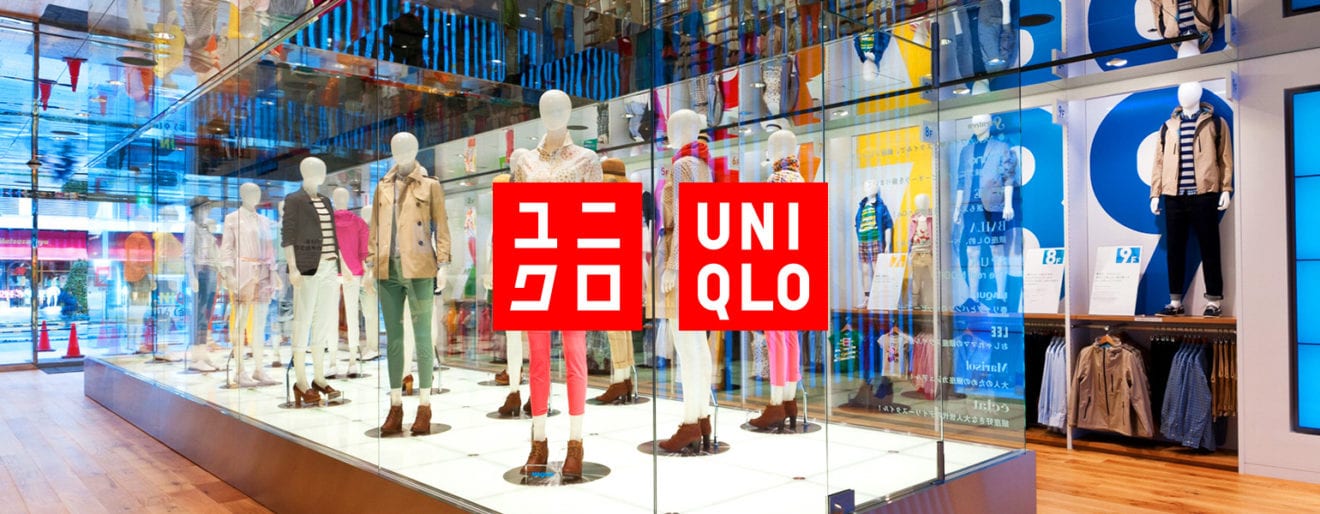
    Uniqlo said it plans to take its European store count to 100 outlets over the next three years, in a bid to strengthen its retail presence outside of Asia.

    In doubling its current store number from 50 to 100, the fast-fashion chain will make its first foray into Spain and Italy, according to local media.

    A planned Barcelona location will mark Uniqlo’s entry into Spain this autumn, while a Milan store will open in Italy, according to a report by the Nikkei Review.

    The Fast Retailing-owned brand already operates some 50 stores in France, Russia, Germany, the UK and Belgium.

    The firm said it would be opening new locations in regional cities in some European countries too, those it is already selling in. This includes regional stores in smaller French cities such as Bordeaux and Toulouse.

    With the store openings in the EU, Uniqlo will be facing stiff competition from two global fast-fashion moguls. Namely Zara, which is operated by Spain’s Inditex, and Sweden’s H&M, both of which have a solid history on the continent and a loyal consumer following.

    The Japanese chain told the Nikkei Review that demand for its highly functional basic apparel, however, is strong enough to warrant such fast-paced and vast expansion. This is particularly apparent now, given the Japanese firm’s domestic sales growth has plateaued.

    “Overseas operations are what our growth hinges on,” said Fast Retailing CEO Tadashi Yanai.

    However, Uniqlo is heavily reliant on Asia.

    Overseas sales came to 655 billion yen in 2016, with China accounting for half of the firm’s fiscal 2016 revenues made in foreign markets.

    Yanai said Uniqlo is eyeing global sales of 3 trillion yen ($26.6 billion) by the fiscal year ending August 2020. Japanese sales lifted just 3% to around 800 billion yen in fiscal 2016. Meanwhile, the number of stores in Japan has remained steady at around 840 for several years.

  • Kiko Milano seeks to open 100 stores in India

    Kiko Milano seeks to open 100 stores in India

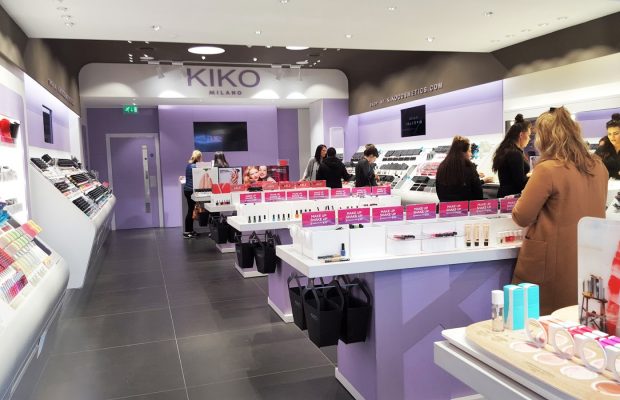
    Beauty isn’t skin-deep: It’s mega business for specialist cosmetics brands such as Kiko Milano. The Italian company, at the forefront of Europe’s expanding beauty and wellness industry, now seeks to harness an increasingly affluent India’s desire to look better, and would invest about GBP 25 million to open 100 stores in the country in the next five years.

    Millennials’ obsession with digital platforms and more disposable cash with them would be the ideal investment draw-cards for Kiko Milano, which expects the South Asian nation to be among its top ten markets in a decade.

    “Potentially, India is absolutely huge and I don’t think it is an immediate market and it is changing, and it will take 6-8 years,”said Stefano Percassi, founder of the 20-year-old specialist cosmetics company Kiko. “In the next ten years, India will be among the top ten markets for us. But it depends on the availability of malls and the (overall) economic situation.”

    Like Europe, where the number of new beauty and wellness shops exceeded that of any other type of retailing outlet in 2016, India is witnessing a boom in the fashion and beauty industries. Beauty salons are now ubiquitous across most Indian towns and cities, with larger shopping malls in metropolitan centres stocking beauty products of major mainstream cosmetic brands.

    The demand for beauty and wellness products has risen exponentially as telecom tariffs reduce in India, and the social media become available to its 1.3-billion people.

    “In countries with not much entertainment or low access to entertainment, people take to the social media dramatically,” Percassi said.

    “For example, in the Middle East, it is either shopping centres or their homes. So, what they do is a lot of social media: They have look good and that means more and more business for us.” Euromonitor expects India’s beauty and personal care market to swell 67 per cent to Rs.1.43 lakh crore by 2020 from about Rs.85,414 crore in 2016.

    Kiko entered India in September last year in a 51-49 per cent joint venture with DLF Brands, and has so far opened three outlets here. Percassi is in New Delhi to roll out its 1,000th global outlet at Ambience Mall in Gurgaon, on the outskirts of the capital. Kiko chose India over the Netherlands for opening its 1,000th shop.

  • Chloé opens a new store in Singapore

    Chloé opens a new store in Singapore

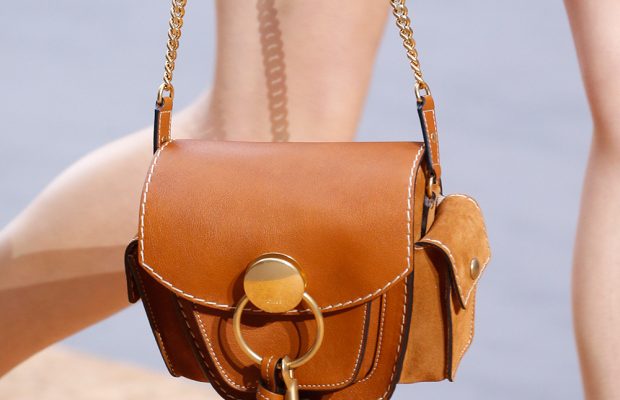
    To inaugurate the opening of the first Chloé boutique in Singapore at The Shoppes at Marina Bay Sands, the Maison has created a limited edition Faye bag inspired by the iconic local symbols of the orchid and the phoenix.

    The Faye, adorned with a colourful, decorative patchwork crafted from smooth calfskin and supple suede, is finished with light gold and silver hardware. Only eight pieces of the exquisite bag are available for sale.

    The boutique it celebrates is no less gorgeous. Situated on Level One of The Shoppes, the 184 meters square space boasts an expansive glass storefront, robust architectural details, and a play of rough and delicate textures. Also, expect Chloé’s signature palette to be present: from powdery rose beige to shades of white and a touch of mustard, all brought to life by the glow of brushed or polished natural brass.

    Accessories are the first thing you will see upon stepping into the store; handbags and small leather goods are presented in luminous shelving framed in brushed brass, or beneath the glass cabinets..

    Ready-to-wear is separated from accessories by warm wooden archways and several steps. Here, the stone floors meet a central ‘carpet’ of golden spider marble. Ready-to-wear styles are suspended on oxidised brass racks or presented on white mannequins suspended from the ceiling, with jewellery, sunglasses, and scarves displayed nearby.

    And if you are keen to try on anything, boudoir-style fitting rooms hidden behind sliding doors feature elegant textile screens for added intimacy. Very Chloé.

  • Under Armour braces for first loss since IPO

    Under Armour braces for first loss since IPO

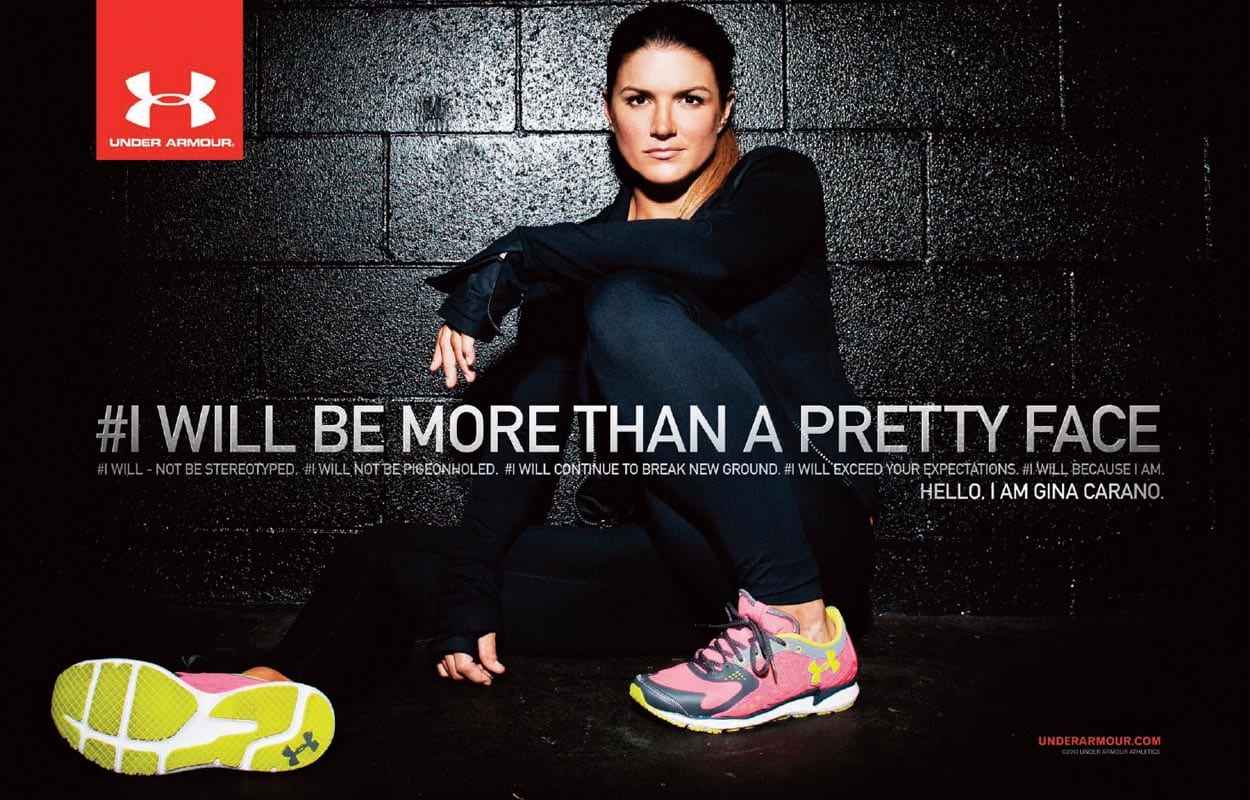
    Under Armour is poised to report its first quarterly loss since going public in 2005, a setback for a high-flying growth company that’s already had a tumultuous start to the year.

    The sports-apparel maker in January cut its growth forecast, sending the stock plummeting. Soon after, Chief Executive Officer Kevin Plank’s favorable comments about President Donald Trump sparked a consumer backlash. Plank, who founded the company, also raised eyebrows this month when a proxy filing showed that businesses he controls received $73 million in payments from Under Armour.

    “Under Armour has gone from being an incredibly loved stock to now having a lot of concern around it,” said Simeon Siegel, an analyst at Instinet LLC. Negative sentiment on Wall Street, he said, “has hit a fever pitch.”

    On Thursday, the athletic brand will probably post a loss of about 4 cents a share in the first quarter, according to the average of analysts’ estimates. Revenue projections call for 5.9 percent growth to $1.11 billion. That would mark the company’s first dip below double-digit gains since the height of the recession in 2009.

    Under Armour’s prospects have done an about-face as it struggles to recapture the rapid growth that saw revenue double about every three years. Plank has blamed the company’s woes on overall retail weakness and store closings, including the liquidation of key customer Sports Authority. The result has been a glut of merchandise, meaning profit margins took a hit as discounting was needed to clear it. In January, the company lowered its forecast of 2017 revenue growth to as much as 12 percent from the low-20-percent range.

    Under Armour shares have fallen 33 percent this year after dropping 30 percent in 2016. They slid 0.5 percent to $19.44 at 9:35 a.m. in New York on Wednesday, with its price trading at about half the level of seven months ago.

  • Pandora opens first store in India

    Pandora opens first store in India

    Denmark-based jewellery brand Pandora has entered India’s jewellery market by opening its first store in the country. Pandora has granted exclusive distribution rights for their jewellery in India to Pan India Charms & Jewellery Private Limited (Pan India).

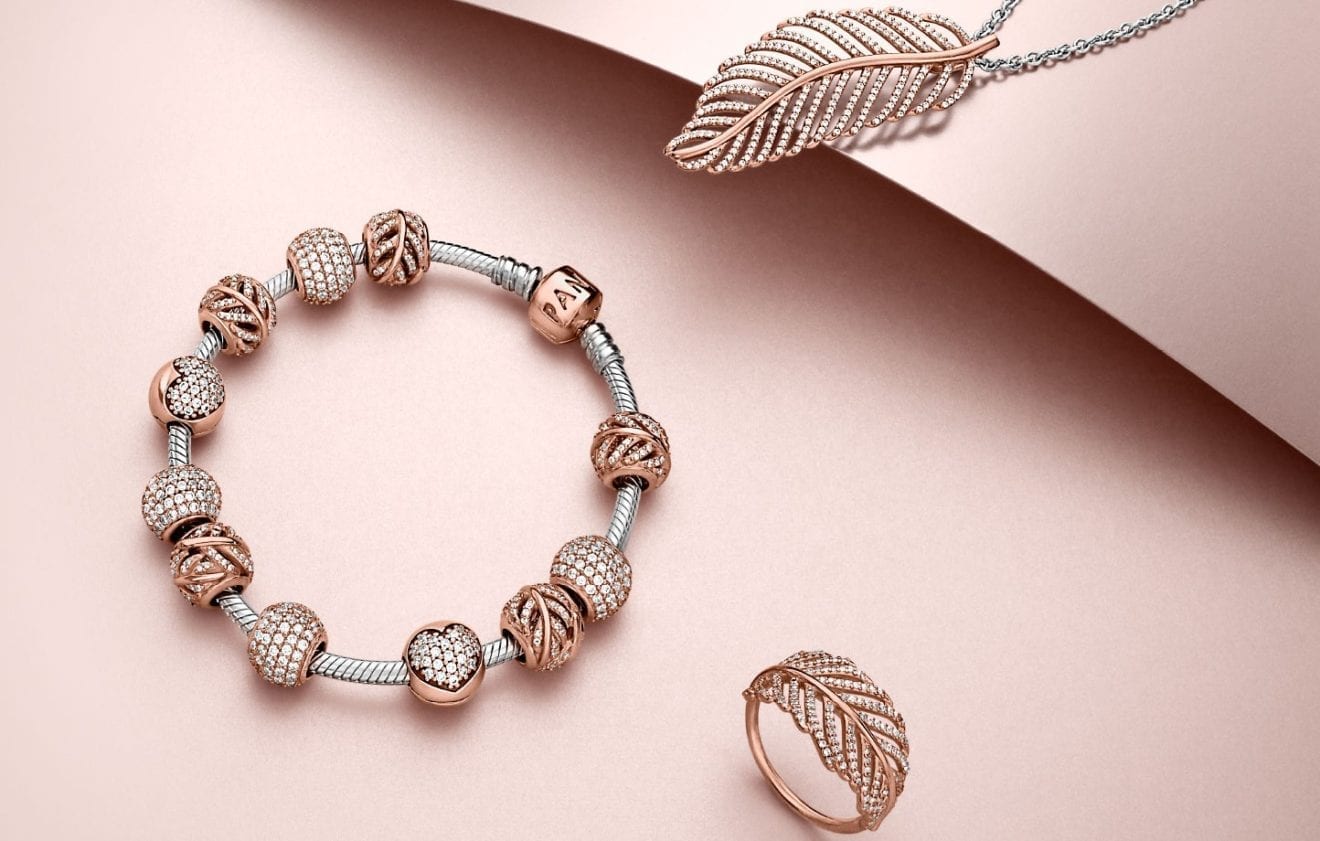
    The concept store is located on the ground floor of DLF Mall in Noida and carries Pandora’s jewellery collections, including the brand’s Moments collection, the Essence collection as well as the Rose collection.

    “The modern aspirational Indian woman is a section that represents the veering away from wearing predominantly gold jewellery and becoming more fashion conscious and finding unique ways to express their style. Making the brand Pandora accessible to these very customers is what excited us to pursue this business,” Devika Bakshi and Kanika Bakshi Talwar, Managing directors of Pan India, said in a joint statement.

    Through its distribution partner Pan India, Pandora is aiming to establish branded sales distribution focusing on concept stores and shop-in-shops, initially in Delhi, Mumbai and Bangalore.

    Pan India is expected open around 50 concept stores in India over a three year period, with around five stores expected to be opened in 2017.

    The jewellery market in India, which is predominantly a gold and diamond market, is one of the largest jewellery market in the world and in 2015 had a value of INR 2,947 billion (approximately DKK 300 billion), corresponding to an increase of 18% compared to 2014.

    In the period 2016-2021, the market is expected to grow with a compound annual growth rate (CAGR) of 7%, according to Euromonitor.

  • Memebox will no longer sell Korean beauty products to the US

    Memebox will no longer sell Korean beauty products to the US

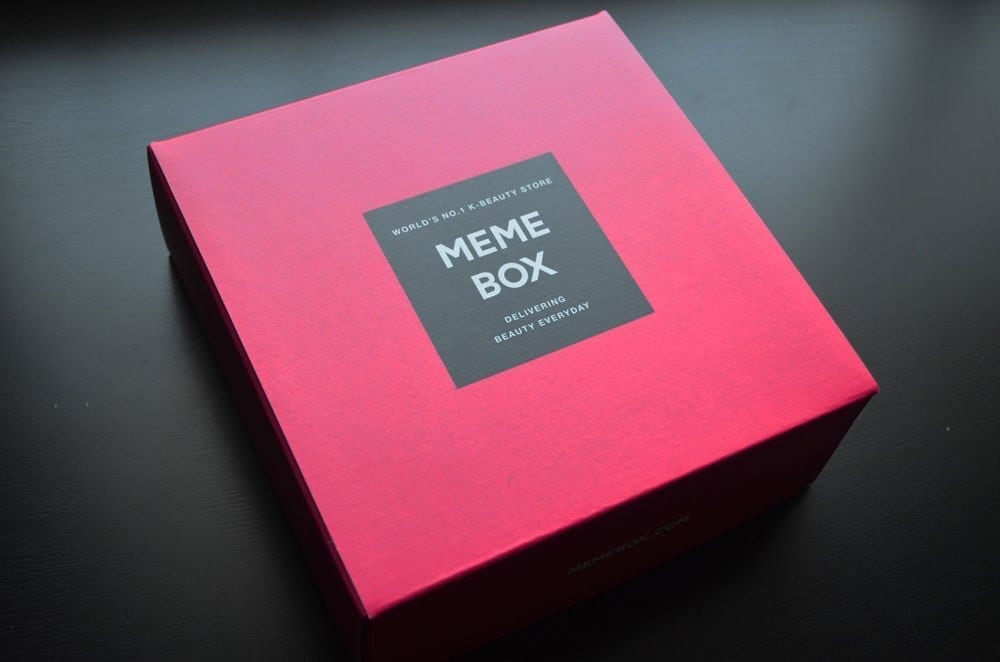
    Online Korean beauty shop Memebox was known for selling popular K-beauty products to the United States. However, the retailer revealed it will change its model from selling beauty products to focusing on educating consumers about Korean products through information, reviews and tutorials.

    Though it will continue selling K-beauty products to Korea and China, the site will send its US customers to Amazon to shop. According to Memebox founder Dino Ha, the restructuring will turn Memebox into an educational site and search function rather than online shop. “What we learned is that what we really need is the education and the content piece to let the users know what K-beauty really means,” he said. Memebox’s new model will also integrate YouTube tutorials and Instagram posts featuring K-beauty products into its search function, and allow users to search for products based on ingredient or skin type.

    With the new model, Memebox will earn money through affiliate links rather than direct sales. It currently has an affiliate agreement with Amazon, and Ha says the brand is in talks to create a similar deal with Sephora.

    Ha also says Memebox has seen longer engagement from visitors since introducing YouTube videos to the site. Though the site currently has no official agreement with YouTube or Instagram personalities, Ha says he has received requests from influencers to make their content more visible on Memebox. Eventually, the site may add a live chat feature with influencers.

    Memebox still maintains its four private beauty labels, and will soon introduce a fifth, but the site will send US shoppers to Amazon to purchase the products.

    Currently, Memebox has 1.5 million customers, and wishes to increase its customer base to 10 million by the end of the year. Ha says the site might see its profits dip with the new model, but hopes to see more engaged users and fruitful partnerships. “Whoever can do the best job sending these products to users is where we’ll partner as much as we can.”

  • Sa Sa International’s shares decline on profit warning

    Sa Sa International’s shares decline on profit warning

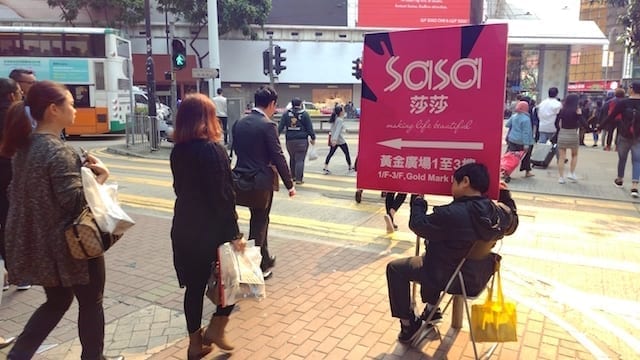
    Shares of Sa Sa International Holdings, Hong Kong’s largest cosmetics chain, declined almost 1% here on Wednesday morning after the company warned of a profit decline for the financial year ended in March.

    Although Sa Sa’s turnover during the three months through March was 2.02 billion Hong Kong dollars ($260 million), increasing 4.9% from the same period a year earlier, investors were discouraged by a separate filing that indicated net profit for the full financial year could fall anywhere from 10% to 20%.

    The group carries both its own brands and international cosmetics. It boasts over 280 stores across Asia. While sales in its major markets of Hong Kong and Macau recovered toward the end of 2016, online sales were below expectations.

    Simon Kwok Siu-ming, Sa Sa’s chairman and CEO, said in a statement that the group’s efforts to adjust its product lineups to better align with a market demanding trendy products has “caused a continued downward pressure on gross profit margin.”

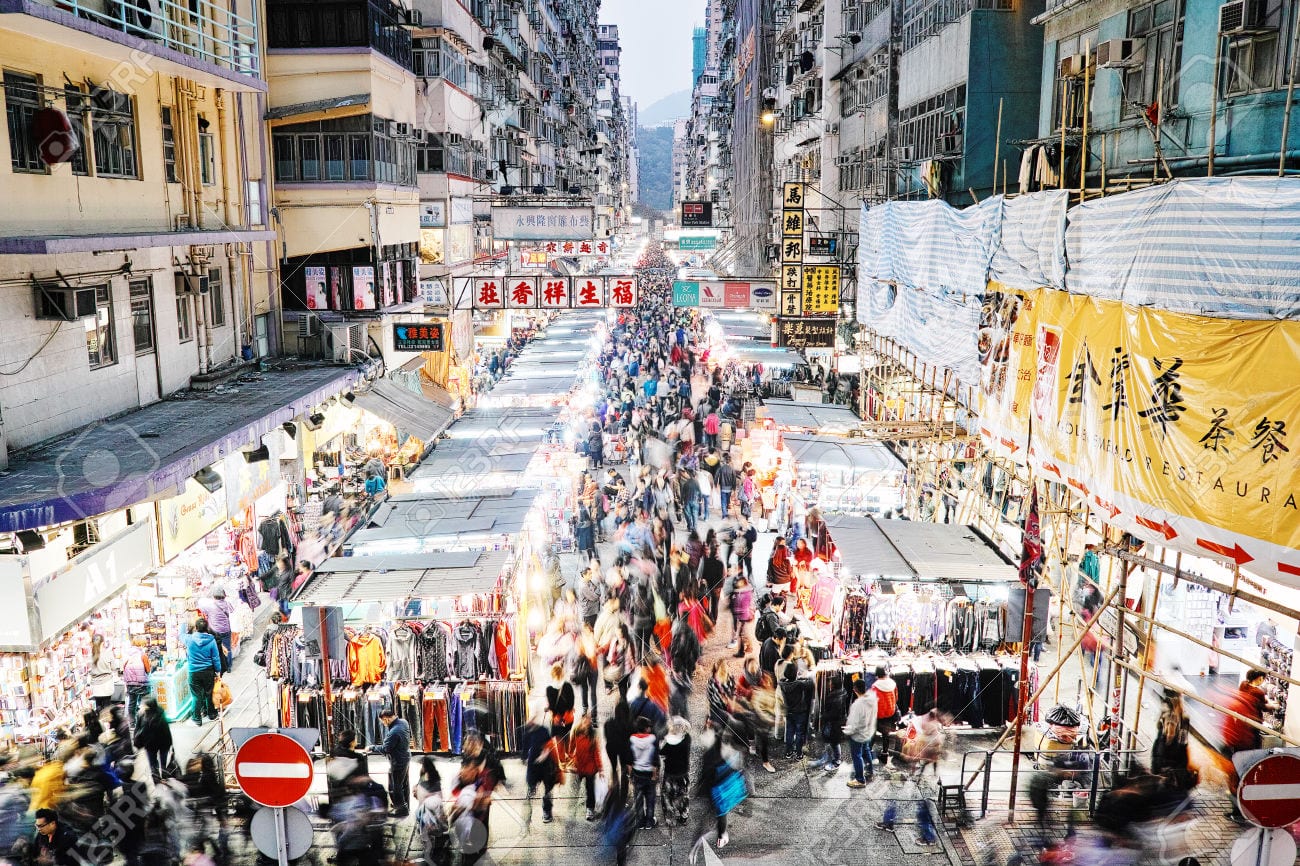
    Hong Kong’s entire retail environment is facing headwinds due to fewer tourist arriving from mainland China. Retail sales in the territory last year dropped 8.1%.

    Some analysts see a recovery — at least one led by mainland tourists — as hard to come by.

    “Retail sales in Hong Kong are not going to have a strong boost from Chinese tourists like before,” said Andes S.C. Lau of Prudential Brokerage in Hong Kong.

    Still, further big drops are unlikely.

    Lau sees Sa Sa’s share price, which is hovering at a year-to-date low, as being “supported by investors buying on weakness.”

  • Manhattan Associates Unifies Brand Experience  for Country Road Group Customers

    Manhattan Associates Unifies Brand Experience for Country Road Group Customers

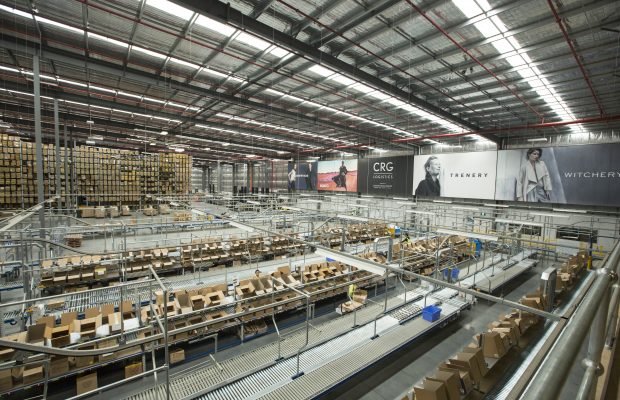
    Manhattan Associates, today announced that Country Road Group, one of Australia’s largest specialty fashion retailers, has completed a successful roll out of Manhattan’s Warehouse Management Solution (WMS). The technology deployment is a key component of a business transformation project designed to deliver a unified brand experience for customers across channels and to drive ongoing business growth.

    Country Road Group’s business and sales channels have evolved in complexity and scope as the company has expanded its operating footprint. With over 700 stores and a growing online operation, the retailer had outgrown its outsourced logistics services model and recognised the critical need to take greater command of its supply chain. The company made the strategic decision to invest in a new distribution centre (DC) and chose Manhattan’s solution to orchestrate goods flows through the new DC.

    Peter Fouskarinis, Head of Supply Chain Australasia, Country Road Group / David Jones, commented, “The Manhattan solution has enabled us to optimise our store replenishment and online order fulfilment processes, resulting in improved product availability and customer satisfaction.”

    The Manhattan solution’s advanced fulfilment logic for wave management, constraint-based selection and real-time replenishment has been critical in helping Country Road Group to realise its omni-channel commerce goals. The system eliminates costly physical counts with auditor-approved cycle counting and stores can now provide same day fulfilment as a result of a new cross-docking approach.

    Raghav Sibal, Manhattan Associates’ managing director for Australia and New Zealand, commented, “With our solutions, retailers can take ownership of their omni-channel operations and streamline their distribution processes. We’re confident our solutions will continue to unlock supply chain value for Country Road Group and support its commitment to strengthening customer relationships for many years to come.”

  • Study Reveals Hong Kong Shoppers Are Just Having a Fling with Fast-Fashion Retailers

    Study Reveals Hong Kong Shoppers Are Just Having a Fling with Fast-Fashion Retailers

    Global loyalty marketing agency ICLP surveyed 750 consumers in Hong Kong and asked them the brand that comes to their mind first of the retailers that they shop regularly. The survey reveals a correlation between characteristics of sectors and brand relationships, and found that the two “most named” retail sectors are supermarkets and fast-fashion retailers. The findings show that Hong Kong consumers lack passion and commitment towards supermarkets. On the other hand, though 64% of Hong Kong consumers naming fast-fashion retailers as their top-of-mind brands are Millennials, one of every three are in a ‘casual’ relationship with that brand. Brands need to understand the individual buying behaviours and purchasing decisions of their customers in order to map out suitable solutions to engage them and thus strengthen the customer relationship.

    The survey, which reveals underlying gaps in the retail experience of Hong Kong consumers, asked respondents to rate their expectation and experience of core relationship criteria to determine if their relationship contained commitment, intimacy and passion. These criteria were then mapped onto a model based on Sternberg’s Triangular Theory of Lovei in partnership with an expert on relationship dynamics, Professor Ron Rogge at the University of Rochester in the United States. While retailers should be aiming for a devoted customer relationship which incorporates commitment, intimacy and passion, the study showed that Hong Kong retailers are still far from achieving this.

    Missing Passion and Commitment towards Supermarkets

    In the ICLP survey, over 30% of the total respondents named supermarket brands as their top-of-mind brands. More than half of them are Generation Xers born between 1965 and 1980. This is may be because, while supermarkets target the mass public, their most frequent customers are from mature age groups such as the elderly and housewives. Among those who named supermarket brands in the survey, 35% are in a ‘liking’ relationship which lacks passion and commitment. They only feel intimacy towards the brand, meaning that many come into contact with the brand on a regular basis, and are willing to share information and interested in obtaining information about products.

    The nature of the business and characteristics of the sector could well be one reason for the results. Supermarkets are where consumers acquire their daily consumption needs, and players in this retail sector offer close to the same selection of products, consistent quality, standardised commodities and self-service. Supermarket customers emphasise value for money and are price-sensitive. They are likely to switch supermarket brands when the next best offer comes along. This is also reflected from the smallest gap of reliability between expectation and experience of relationship criteria according to the study. Minimal brand enthusiasm with no engagement has resulted in the large percentage of ‘liking’ relationships. 

    The study also reveals the disconnection between expectation and experience of core relationship criteria is mainly attributed to communication, followed by rewards, representing 26% and 25% of experience not meeting expectation, respectively.

    Looking into the gap in these relationship criteria, the respondents’ actual experience compared to expectation fell behind in the following areas:

         9% in getting access to special and exclusive offers

         8% in being asked how they would like to be communicated to, e.g. phone, email, SMS

         6% in feeling that their custom and loyalty is rewarded

         6% in feeling that they are rewarded with offers that are tailored to them

    Mary English, General Manager at ICLP, commented: “The distribution of relationship type for supermarkets best demonstrates the application of the Triangular Theory of Love. It is normal for supermarket to achieve ‘liking’ relationships as customers actively look for daily product information from supermarkets and emphasise value for money. However, supermarket brands should consider how to create stronger reward programmes and ensure consumers access to special and tailor-made offers in order to enhance the emotional connection between their brand and customers, thus developing ‘devoted’ relationships.

    Loyalty strategies for supermarket brands have to evolve as the market is changing. Nowadays, comprehensive personalised loyalty programmes are more significant than traditional points-based reward programmes. Supermarkets need to understand the key drivers that build more loyal relationships, which encourage customers to spend more and become better brand advocates. Communication is of paramount importance to create a reciprocal sense of passion that drives ‘devoted’ relationships. It is recommended that supermarket brands maintain a close, interactive and instant communication with customers in the way that their consumers prefer, and be mindful of the tone of communication with customers.

    Fast-Fashion Retailers Missing All Three Relationship Components

    In the survey, 15% of total respondents voted fast-fashion brands as their top-of-mind brands. Over 60% of them are Millennials born post-1980, as fast fashion targets the younger generation who keep updated of the latest trends and expect a rapid response. Among those who selected a fast-fashion brand, 33% respondents are in a ‘casual’ relationship with limited passion, intimacy and commitment; that is, they like the brand but avoid getting too engaged. This may be explained by the characteristics of the fast-fashion sector. Fast-fashion brands do not heavily emphasise brand character and identity, but focus on the availability of options and trendiness, coupled with relatively low prices.

    Disconnection between expectation and experience of core relationship criteria in this sector is mainly attributed to recognition, followed by respect, representing 42% and 33% of experience not meeting expectation, respectively. Looking into the gap in these relationship criteria, the respondents’ actual experience compared to expectation fell behind in the following areas:

         16% in sending them a message, gift or offer on their birthday

         9% in feeling that the brands have their interest at heart

         8% in feeling that their personal information is treated with respect and is used for their benefit

    Mary added: “As a majority of Hong Kong Millennials are less committed and passionate towards their favourite retailers, fast-fashion brands need a cohesive consumer engagement strategy to improve commitment and passion, and foster ‘devoted’ relationships with Millennials. While fast-fashion retailers keep customers updated with the latest trends and products information, they still have some way to go in structuring their brand character and identity, and incorporating these elements into their loyalty programmes, which are only price-driven, in order to enhance emotional connection between customers and their brand.

    As a segment with high spending potential, Hong Kong Millennials are seen as an influential generation that loves online shopping. They can easily access online shopping platforms to review product information and comment before making purchase decisions. Any brand that is able to develop an innovative online-to-offline customer engagement strategy will have a chance to stay ahead of the competition. While online shopping brings convenience to both brands and customers, the conversion of online shoppers into real-life foot traffic remains essential for brands to succeed in an increasingly digital retail environment.

    With the rise of digital platforms and e-commerce, retailers need to understand individual customers’ needs by leveraging customer data such as purchase preference and consumption habits, and by big data analysis. To build closer connections with Millennials, fast-fashion brands should fully utilise social media such as fan pages, forums and social media activities with incentives to engage Millennials who frequently use digital media during their shopping journey, and actively listen across channels to win long-term trust from customers. Relevant recommendations and insights on the latest trends from the brand based on their preferences are top of Millennials’ demands. ”

    No Standard Formula for Customer Loyalty Approaches

    When comparing the two sectors – fast fashion versus supermarkets, fast-fashion retailers have more ‘casual’ relationships than supermarkets by nearly double. The uniqueness of each sector plays a certain role in affecting the distribution of relationship type. Compared to supermarkets, the disconnection between the expectation and experience is also larger for fast fashion. However, all retailers should acknowledge their shortcomings in order to build devoted relationships with as many of their shoppers as possible.

    Mary concluded: “Despite the same backdrop, different sectors of the retail industry require different customer loyalty approaches. Brands should start by understanding individual buying behaviours and purchasing decisions with the aid of different customer data analytics, in order to map out integrated solutions to engage customers and thus strengthen the customer relationship.”

  • Challenge to build engagement among a fashion-loving clientele

    Challenge to build engagement among a fashion-loving clientele

    To marketers nowadays, the major challenge is to build engagement among target groups to provide first-hand experience and brand engagement inside of their own. However, one target group found very demanding in terms of engagement building is fashion lovers as they are very unique, and hard to persuade. Indeed, they do not just follow fashion trends but adapt the trends to suit their own character. This makes marketing planning for this target group complicated and difficult.

    But not for Siam Center The Ideaopolis, a shopping destination which is a hub of fashion in Thailand for more than 44 years. No matter how edgy fashion trends would be, Siam Center will enable Thai fashion lovers to be the first to get updated on up-to-date fashion trends.

    To build engagement among a fashion-loving clientele, Siam Center has done a fantastic job as if it is simple. Thanks to its long-term experience and support of Thai designer brands as well as being a catalyst for the promotion of Thai fashion industry to be equal to world fashion cities, Siam Center meets fashion lovers’ demands. Such demands mean how to wear clothes to reflect their own identity and not to create a distinct character but to shine at getting dressed with style and being fashionable for the society to see and admire.

    Siam Center devises a strategy to reach this kind of customers by presenting the latest collections of over 40 Thai designer brands at the end of last March.

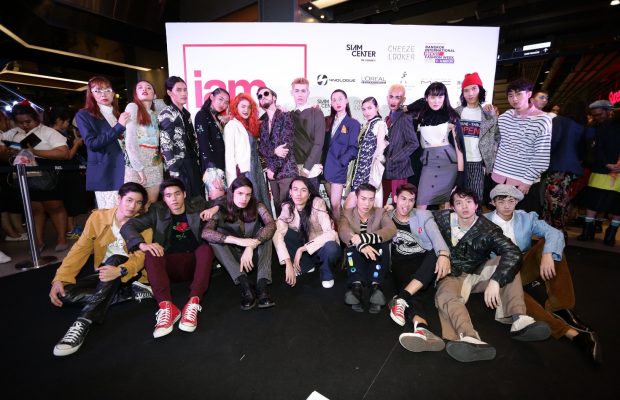
    Siam Center The Ideaoplois, joining hands with Cheeze and Looker magazines, held “#iamsiamish” campaign to fulfill the dream of youngsters who would like to become professional models. The campaign set up a casting room box to select 100 teens as #Nodels to strut on the catwalk of the fashion show of the year, “#iamsiamish Fashion Show [S/S Collection 2017].”

    Ms. Chanisa Kaewreun, Senior Deputy Managing Director for Marketing Events and Business Relations – Siam Piwat Co., Ltd., said, “Since the opening, Siam Center has always been the center of Thai fashion industry because we are the second home of many Thai designers, both top and young-blood designers. Housing many local brands, Siam Center is therefore the first place fashion-forward people think about when it comes to trend updates. As a place of inspiration for everyone, especially young generation wishing to enter the world of fashion, Siam center joined forces with Cheeze and Looker magazines in hosting “#iamsiamish” campaign. It opened a studio to cast talented teens as models. Out of 1,700 candidates, the judge panel selected 100 finalists to become #Nodels and walk in “#iamsiamish Fashion Show [S/S Collection 2017]”, which launched spring/summer collections of leading Thai brands in Siam Center.”

    “#iamsiamish Fashion Show [S/S Collection 2017]” mixed and matched the latest collections of 40 Thai fashion brands featured by 100 #Nodels. The fashion show presented the trends of this season, which encouraged fashionistas to find the perfect items that match their own style and create their own look. Moreover, the 1,600 fashion-loving candidates who did not join in walking on the catwalk were also invited to a party and enjoyed the fashion show of the latest collections. Let’s imagine that this event can gather those who are really interested in fashion to see the launch of the latest collections of 40 fashion brands. It is another fantastic marketing promotion activity that Siam Center created.

    #Nodels deserved big applause for their courage to express themselves and join a troop of professional models in “#iamsiamish Fashion Show [S/S Collection 2017].”

    At the same time, Siam Center earned praise for setting a new phenomenon to Thai fashion industry, giving customers the opportunity to have experience in fashion industry. Marketers have also realized an outstanding example of the strategy to build customer engagement and thus definitely contribute to sales of Thai designer brands.

  • ‘Korean Chaos’ Worries the Fashion Industry

    ‘Korean Chaos’ Worries the Fashion Industry

    SE“The last four or five months have been complete chaos,” admits Jung Kuho, executive director of Seoul Fashion Week. “Everyone is so concerned with politics and the economy that they don’t want to spend their money. You don’t buy luxury goods when there’s this much uncertainty.”

    Seoul is home to one of the most important luxury goods markets in the world, an entertainment industry that dominates Asian culture, beauty brands with global reach and a fashion week that sits firmly on the international calendar. But as editors, buyers and street style stars gather for Seoul Fashion Week, the collections this season will be overshadowed by serious political and economic upheaval.

    In October, a major corruption scandal in South Korea led to public outcry and widespread street protests which resulted in the recent impeachment of the country’s president Park Geun-hye. Now, in the wake of counter-protests and other domestic instability, a diplomatic crisis with China has emerged. One result of these crises is that related security concerns are deterring both local and foreign shoppers.

    According to Bain & Company, sales of luxury goods in Seoul reached $7.6 billion last year. To put that into perspective, it means that luxury sales in the South Korean capital alone are not far off those for the entire Middle East region (at $8.7 billion). Clearly there is a lot at stake.

    But last month, Global Blue reported that in January alone, travel retail sales in Seoul declined by an alarming 19 percent year-on-year and by 15 percent year-on-year for January and February combined. Earlier this month, shares of companies trading in cosmetics and travel dropped sharply in Seoul and, in January, the Baidu Index reported a 25 percent decline in growth for Korean beauty brands in China.

    Between a rock and a hard place

    At the beginning of March, the first pieces of a US-built missile defence system designed to ward off a threat from North Korea arrived at the Osan Air Base in South Korea. It is called the Terminal High Altitude Area Defense system (Thaad) and China has been particularly vocal in its opposition to it. The reason for this appears to be related to Thaad’s tracking devices, which have the potential to follow China’s missile systems and would give the United States an advantage in any potential conflict.

    Since the official launch of the programme, the Chinese government has retaliated to what it sees as a military threat by putting economic pressure on Korean firms. Dozens of supermarkets owned by the Lotte luxury department store group have been shuttered across China on the pretext of fire safety; Chinese visitors have been stopped from visiting South Korea in groups; K-Pop bands have been restricted from airing on Chinese television; licences for South Korean video games have been frozen; and even imports of 19 Korean cosmetics products have been refused on ambiguous-sounding quality-control issues.

    “The temperature that is felt within China can only be measured by those within the region,” says Inhae Yeo, the director of Oikonomos Fashion Consulting, “But here on the Korean side, there are constant media reports about it and on the Chinese government banning large groups of tourists travelling to Korea.”

    China has used these tactics to turn the popularity of Korean products into a method to spark anti-Korea sentiment. The Hallyu wave of Korean culture has been flooding China since 2010, helping to make everything from Korean shoes and lipstick to musicians and actors popular. But now, because of the restrictions on Korean imports in China, the media and ordinary Chinese citizens are being compelled to take a stand against Korean products in the name of patriotism.

    Luxury sales in the South Korean capital alone are not far off those for the entire Middle East region.

    This is proving problematic for Seoul as China is South Korea’s largest trading partner, with exports to the country worth $142 billion in 2014, and cultural products hitting a record $5.3 billion in sales the same year. So understandably, the Korean fashion and beauty industries have become increasingly reliant on both sales in China and the constant influx of Chinese tourists who fly to Seoul primarily to shop for Korean products and international luxury brands.

    “At the present, a wide range of Korean industries — not just beauty and fashion — have started to suffer from this strong Chinese national action,” says Julia Juyeon Kang, the editor-in-chief of Elle Korea. “Experts are saying that whether it continues or not depends on our new next government, which can negotiate between China and US.”

    Seoul Fashion Week’s Jung agrees: “I don’t think the numbers will pick up until May when we have an election and hopefully then we will get back on the right track,” he says.

    Domestic instability upsets retail

    Compounding upon the dramatic drop in their largest customer-base, fashion brands in South Korea have also been dealing with a major political fallout. On March 10, Park Geun-hye became the first president of South Korea to be forcibly removed from office. Park was accused of colluding with controversial figure Choi Soon-sil, the founder of the Church of Eternal Life, to extort millions of dollars in bribes from major South Korean firms and allowing Choi to interfere in government matters.

    The impeachment was preceded by months of protests both for and against President Park, which led to the closure of businesses, shopping malls and restaurants around Seoul as the public took to the streets. This unrest was undoubtedly another factor in China’s reluctance to allow its citizens to travel to Korea, partly for their safety but also because it is an example of the kind of public demonstration that Beijing both fears and detests.

    Meanwhile China is showing no sign of backing down its call for protests against South Korea, which are apparently erupting around the country with videos of bloggers destroying Korean goods going viral and the state-run Global Times running anti-Korea editorials. “We will not sacrifice the national interest for Korean cosmetics,” says one. “We should start increasing sanctions toward Seoul in an orderly way, comprehensively lower the level of Sino-South Korean exchanges [and] roll back all privileges that Seoul has gained from China,” says another.

    But can this newfound Chinese antipathy for Korean brands really last? And how widespread is it? There have been suggestions in the Korean press that some of these protests have been staged or at least exaggerated by the Chinese media.

    But if they are real and indeed grow, will loyal consumers remain undeterred in the long run?  Korean beauty brands saw an 84 percent year-on-year Baidu Index growth in December 2016, a rate more than double that of Western, Chinese, or Japanese rivals. That growth did sharply decline as the crisis took hold in January, falling below Japanese brands, but nonetheless it has managed to stay ahead of other competitors.

    China is showing no sign of backing down its call for protests against South Korea.

    “Chinese consumers have continued to show a high interest in Korean brands throughout the dispute,” says Liz Flora, the editor of Asia-Pacific research for business intelligence centre L2.

    “But of course, boycotts in the name of nationalism can have a significant impact on brands’ sales — we saw this in the case of China’s anti-Japan boycotts in 2012, and Korean sales are certainly taking a hit. But Japan was able to bounce back after about a year, and saw a massive influx of Chinese tourists in 2015 thanks to the declining value of the yen. This shows Chinese consumers will be nationalist in their consumption habits to a point, but price advantages and higher quality will ultimately win them over.”

    However, it is important to remember that Korean beauty brands are in a significantly more powerful position than their fashion counterparts. “Sure, Korean fashion is not yet as popular as Korean beauty [but] within the fashion industry, the delicate designer brands which are hard to find and more difficult for the Chinese to copy, are still highly valued,” says Park Yeon-joo from the Council of Fashion Designers of Korea.

    “But due to the restriction order, numerous events related to Korean fashion have been cancelled. So, yes, the chances of Korean fashion brands expanding into the Chinese market have now decreased. Therefore, we’re decreasing the dependency on the Chinese market, and focusing on the so-called ‘Post-China market’ of Vietnam, Indonesia, Thailand, and so on.”

    According to Yeo of Oikonomos, the continued professionalisation of South Korea’s fashion market and the role of the government will be key to its resilience in the face of recent challenges.

    “Fashion is a very complicated industry and there are layers and layers of strategies as well as key points that need to be addressed and developed. This is only possible when experts with experience can come together,” she says, referring to the need to build “network infrastructure” between the public and private sectors.

    The sting of anti-corruption legislation

    In addition to the current political and diplomatic crises, fashion brands in South Korea have other reasons to be worried. The country’s new anti-graft law, popularly known as the Kim Young-ran Act, took effect at the end of September 2016 and has had a marked effect on the luxury goods market.

    In an effort to stamp out corruption, this new law bars public servants, government officials and others from accepting gifts worth more than $45 and is being seriously enforced. Members of the fashion community are becoming increasingly concerned because some brands — both local and international — have become reliant on luxury gift-giving for a significant proportion of their profits.

    “I do think that the decrease of Chinese tourists is the main reason for the decline in sales we are seeing, but the anti-graft law has also had a huge impact on Korean society, which conventionally gives and takes gifts,” says Kang of Elle. “I’ve heard a PR person from one of the big French luxury house saying that some of the low-priced products like ties and scarves are still selling well but high-priced bags are selling very little.”

    Bom Lee, the editor-in-chief of Dazed Digital Korea goes one step further, insisting that this new law bears the most responsibility for the recent drop in sales in Seoul. “The Kim Young-ran law has caused at least 50 percent of the problem,” he says. “Thaad, the presidential impeachment and tension with North Korea are responsible for the other 50 percent. But I hope that the sensitive issue with Thaad will fade as soon as possible.”

    The anti-corruption law has certainly come at a sensitive time, while the presidential scandal makes the likelihood of it being repealed very slim. Members of the fashion industry are still pinning their hopes for a return to normalcy on the upcoming election that will lead to a recovery in sales.  But this relies on the assumption that the political and diplomatic events that provoked the crisis are temporary in nature and can be solved with the arrival of a new president in May. And that the underlying economy is in good shape — as assertion which some economists dispute.

    “Well, we have a lot Chinese buyers coming to Seoul Fashion Week now and they are confident that their customers will continue buying Korean fashion because a new president will solve the Thaad dispute,” says Jung. “But maybe this incident has taught us an important lesson that in future years we need to be more prepared for these types of event, and not be so reliant on China ever again.”
     

  • Diesel makes Myanmar debut at Yangon airport

    Diesel makes Myanmar debut at Yangon airport

    Diesel has opened a new monobrand store in Yangon airport as the brand makes its debut in the Myanmar market and reinforces its presence in global travel-retail.

    With the new 100sq m store, Diesel opens the doors to its renewed retail design concept. The store is the first monobrand boutique for Diesel across Asian travel-retail developed in collaboration with Japanese architect firm Wonderwall, headed by interior designer Masamichi Katayama.

    The Tokyo-based team, in collaboration with Diesel Artistic Director Nicola Formichetti, envisioned a simple yet unexpected concept: the idea of an apartment space, like a symbolic new house for the brand. The aim is to create a distinctive atmosphere, combining it with the brand’s identity, where the customer can feel “at home”.

    The new opening coincides with the perfect season for travellers to explore the Spring Summer 2017 Collection, ranging from apparel to accessories for women and men, not to mention the wide selection of denim and joggjeans. The Spring Summer offer is renewed every season with new fits and washes for denim, while innovative materials and unique fabrics are incorporated into  the authentic joggjeans.

    Diesel stated: “The travel-retail channel is extremely crucial for the brand, in fact Diesel is reinforcing its presence in the global travel-retail market and to confirm this, future openings are planned in Singapore, Waikiki and Guam.”

  • Record US$1.1 billion profit for Hermes

    Record US$1.1 billion profit for Hermes

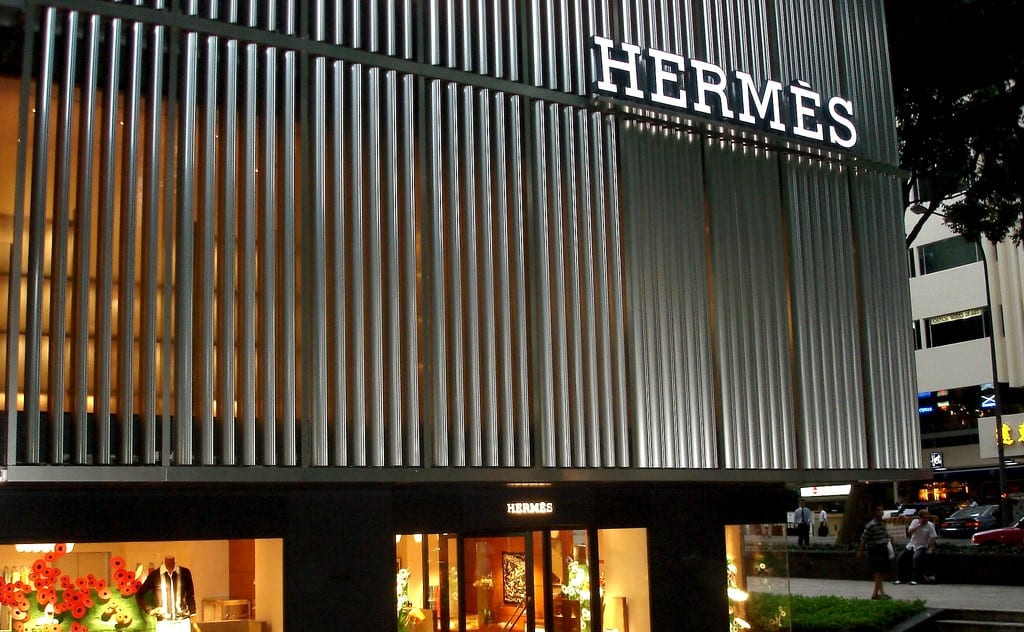
    French luxury goods brand Hermes made a record net profit last year of €1.1 billion (US$1.19 billion), doing “better than we expected”, according to CEO Axel Dumas.

    “We are entering this year on a solid base, but remain cautious in view of an uncertain environment.”
    Known for its $10,000 Birkin bags and $400 printed silk scarves, Hermes says its net profits rose by 13 per cent while its operating margin hit an historic high of 32.6 per cent of sales against 31.8 per cent in 2015.

    Its sales growth mainly stemmed from the strong performance of its leather goods, which accounts for half of group sales. Other divisions also performed well with the exception of its watches unit.

    Hermes joined other luxury companies such as Kering and LVMH in reporting an improvement in the luxury goods sector, which has been hit by slowing demand in China as well as terrorist attacks in France deterring tourism in Europe.

  • Jabong adds American fashionwear brand Forever 21 to its product portfolio

    Jabong adds American fashionwear brand Forever 21 to its product portfolio

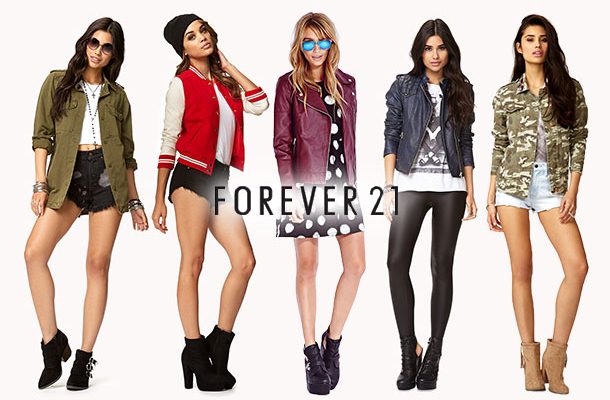
    India’s leading online fashion portal Jabong has announced the addition of American fashionwear brand Forever 21 to its product portfolio. The brand, which is the 5th largest specialty retailer in the United States, will be available on Jabong in variants across the apparel, accessories and footwear categories such as play-in tops, dresses, t-shirts, cosmetics, intimates and shoes with prices ranging from Rs.499 to Rs.2400. 

    “At Jabong, we continuously strive to offer the best of global fashion brands to our shoppers. Forever 21 is a pioneer and global leader in the fast fashion category and its addition will strengthen the comprehensive line of finely curated international portfolio on Jabong,” said Gunjan Soni, Head of Jabong.

    “We are thrilled to launch on Jabong, which has carved a unique niche among the upmarket fashionistas of India who swear by the hottest international designs. The combined strengths of Jabong and Myntra help us cover a major share of the online fashion retail market and uniquely curate our products to cater to the shopper preferences on each platform. This complements our aggressive offline strategy and we are excited to herald a long association with Jabong,” said Abhinav Zutshi, India Business Head, Forever 21. Since 1984, Forever 21 has redefined fashion for the youngsters and has expanded its footprint in more than 47 countries worldwide. 

    With Forever 21, Jabong has now added 20 new brands on its platform in March itself and will be taking the number to 35 by the end of this month. Brands added to Jabong this month include New Era Caps, WROGN, Mothercare, Roadster, Cover Story, AAY, Zivame and Mast and Harbor among others. Jabong now has approximately 2000 brands in its product portfolio, out of which 50 brands have been launched in 2017 alone. Jabong’s Head, Gunjan Soni adds, “We are super-charged with an array of top label launches on Jabong this month, which has injected fresh energy in our team. We have more compelling labels in the offing and will continue to delight our shoppers with the latest and hottest in fashion.”

    Jabong is known to have introduced a multitude of fashion brands in India in the past such as TOPSHOP, TOPMAN, Dorothy Perkins, Missguided, Next to name a few.

  • Daniel Wellington Expands Across Hong Kong

    Daniel Wellington Expands Across Hong Kong

    Leading watch company Daniel Wellington revealed its brand new Classic Petite collection and global marketing campaign featuring four a-list global icons today at LCX, Harbour City. Hong Kong expansion plans are also under way as the brand announced their goal to open around 10 new stores across the city over the next year.  

    Celebrity Cantopop singers Fiona Sit and Pakho Chau helped launch Daniel Wellington new Classic Petite collection and the brand’s global marketing campaign today at LCX, Harbour City.

    The new Daniel Wellington faces are world-famous, incredibly successful, young global icons: model and TV personality Kendall Jenner is featured across Daniel Wellington media wearing the brand new Classic Petite watch alongside highly sought-after model siblings Lucky Blue Smith and Pyper America Smith and model, TV personality, actress and singer ROLA.   

    Kendall Jenner is one of the most influential people on the internet, boasting a staggering 75.9 million Instagram followers. Lucky Blue (2.8 million followers) has been a successful model since a young age while his sister Pyper America’s (722K followers) modelling career has been skyrocketing over the past year. Rola, with 4.4 million Instagram followers, was discovered in Japan at the age of 16 and rose to fame in no time due to her character, sense of style and distinctive beauty.

    The campaign release comes hand in hand with four new watches launched under the brand’s newest Classic Collection named Classic Petite. Available in the signature rose gold and silver, they are inherently Daniel Wellington , the quintessence of classic sophistication and timeless design, intended to match any occasion and outfit. Thin, refined and perfectly round, the Classic Petite 32mm watch is the ideal staple especially for females.

    Inspired by an intriguing gentleman with impeccable style who caught Founder Filip

    Tysander’s eye on a trip across the globe back in 2011, Daniel Wellington watches are known and loved worldwide for their classic, minimalist design and interchangeable straps. Carried in all major cities worldwide, the company has firmly established itself as one of the most beloved watch brands in the industry, which is not traditionally known for being active on social media. Having started the brand with a no-traditional-advertising rule, Daniel Wellington is proof that carefully planned online content truly is the best brand catalyst. With over 2.9 million followers and over 1 million uses of the hashtag #danielwellington, their combined strategy of influencer activity and user generated content has clearly paid off and changed the watch industry forever. 

    The brand celebrated the campaign kick-off at a pop-up event at LCX, Harbour City, with celebrity Cantopop singers Fiona Sit and Pakho Chau taking centre-stage alongside the anticipated global icons campaign and coveted new watches. In line with the way the brand rose to fame, many of Asia’s top social influencers were invited to participate in the pop up event. The store will remain open to the public until Sunday, March 19 th .