Tag: Fashion

  • Jabong adds Virat Kohli’s breakaway fashion brand ‘WROGN’ to its product portfolio

    Jabong adds Virat Kohli’s breakaway fashion brand ‘WROGN’ to its product portfolio

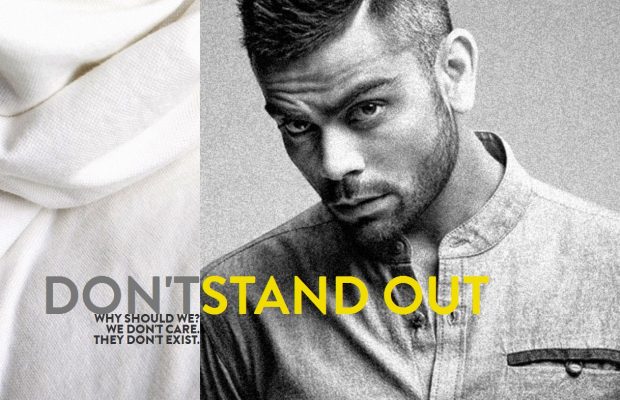
    India’s leading online fashion portal Jabong, has announced the addition of Virat Kohli’s breakaway fashion brand WROGN to its product portfolio. The men’s fashionwear brand will be available on Jabong in 450 variants with prices ranging from Rs. 799 to Rs. 3599.

    The launch will be supported by digital and social media campaigns including Virat’s selfie video announcing the brand’s launch on YouTube, Facebook, Twitter & Instagram. A separate Shop-In-Shop promotion will highlight the WROGN’s latest campaign images, videos, main categories & brand description on Jabong’s website & mobile app as well as the Jabong’s digital fashion blog. The top two highest spenders on the day of launch will be invited for a Meet & Greet with Virat Kohli while the remaining five highest spenders will receive merchandise signed by the Indian cricket captain.

    Rahul Taneja, Chief Business Officer, Jabong said, “We are pretty stoked to launch WROGN on Jabong, which comes from a similar philosophy of being comfortable in your own skin, and therefore, is a great fit for Jabong’s core shoppers. Virat Kohli is a true Indian icon, especially amongst the youth and is a great example of rising above the ordinary by just being himself. Jabong speaks the same language and it’s exhilarating that we will bring more joy to our customers with WROGN on board.”

    Kalyan Kumar Gunasekaran, Chief Merchandising Officer, Jabong added, “It brings great pleasure to us to launch WROGN on Jabong. The collection exudes candid and comfort fashion and allows one to carry their own style effortlessly. Each brand uniquely differentiates itself in its language, WROGN for us is just the right click and we are elated to welcome the brand in the cartel.” 

     Anjana Reddy, CEO Universal Sportsbiz & owner of WROGN, said, “WROGN is one of the fastest growing men’s youth fashion brand in India, and we are very excited to partner with Jabong and launch our latest SS’17 Collection. Jabong has a strong base of fashion forward consumers and I am sure WROGN as a brand will fulfill their needs”.

    Jabong is known to have introduced a multitude of fashion and sports brands in India in the past such as TOPSHOP, TOPMAN, Dorothy Perkins, Missguided, Next, ASICS, ALCIS, Hummel, DC and New Era Caps to name a few.

    Virat Kohli has made into the heart of millions and is touted as the best of all times with Kapil Dev even comparing him to the legendary Don Bradman. Virat has been the highest run scorer for India for 6 years straight and was the fastest in the world to reach 25 centuries in ODIs. He also holds the record for the fastest century by an Indian cricketer in ODIs (in 52 balls), the fastest to reach 7,000 runs in ODI’s, first cricketer to score three centuries in his first three innings as Test captain, first Indian Test captain to score a double century overseas and first Indian Test captain to score two or more double centuries.

  • Emerging markets like Vietnam help Zara-owner Inditex outpace H&M

    Emerging markets like Vietnam help Zara-owner Inditex outpace H&M

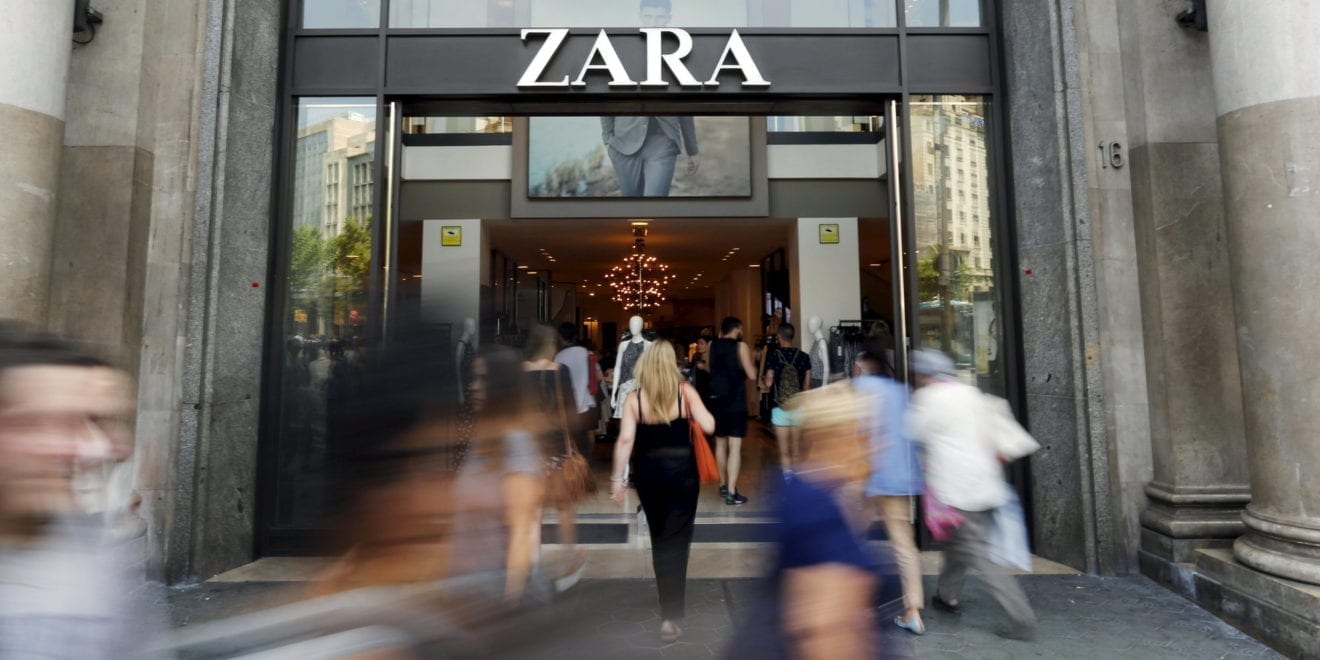
    Indite has consistently outperformed H&M in the past few years as a result of online growth and its push into new markets. Fashion retailer H&M’s sales fell unexpectedly in February while Inditex, which owns Zara, pulled further ahead of its Swedish rival, helped by its expansion online and a bigger emerging market presence.

    Inditex, the world’s biggest clothing retailer, has consistently outperformed H&M in the past few years as a result of online growth and its push into new markets. The Spanish company has also diversified more quickly into higher-priced brands, reducing exposure to the rise of discount chains like Primark.

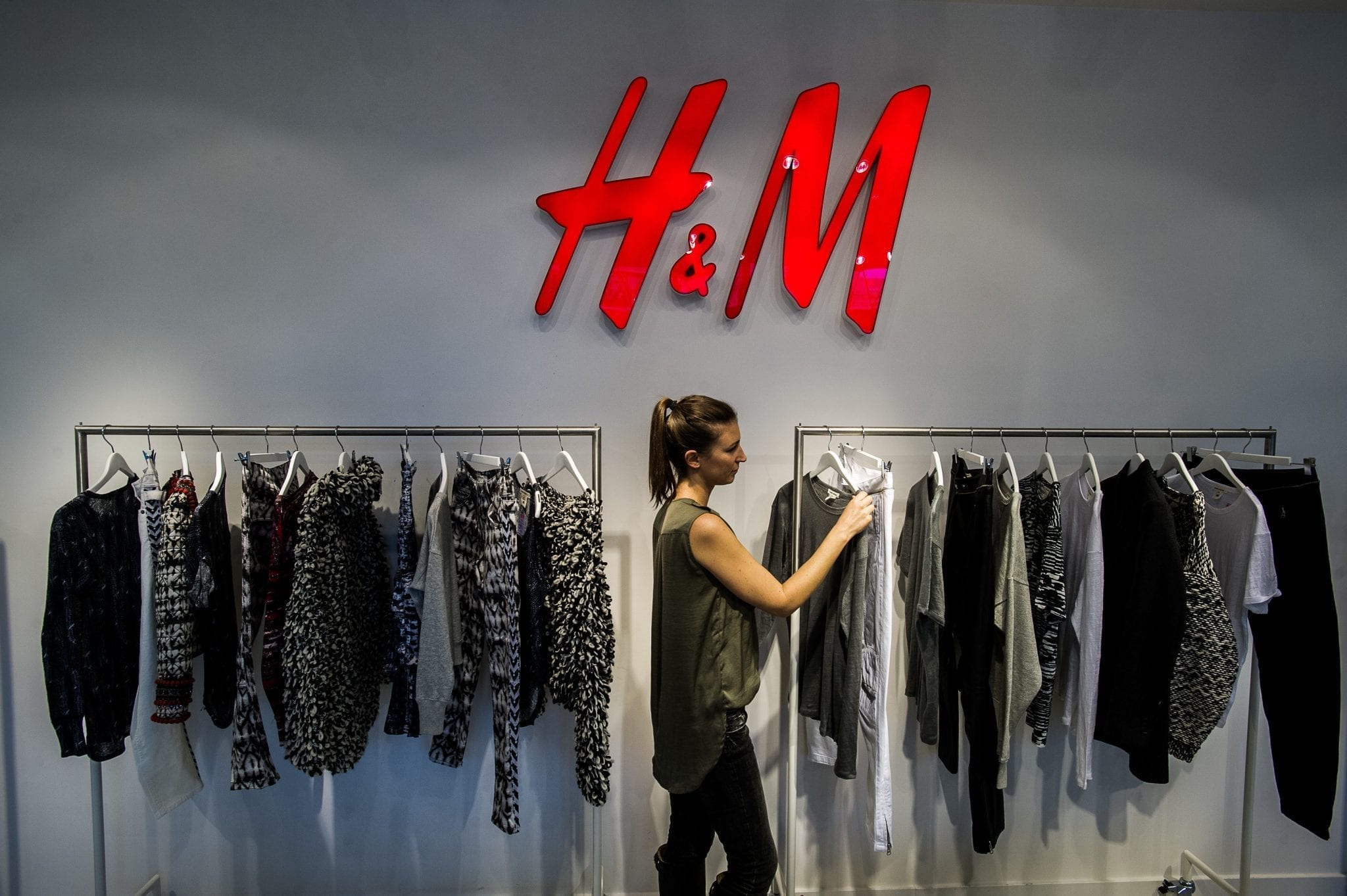
    H&M has embarked on plans to roll out ecommerce in more markets this year and speed up expansion of newer brands such as the mid-market COS and & Other Stories.

    But on Wednesday H&M revealed that local-currency sales fell in February for the first time in four years, slipping 1 percent year-on-year, against a forecast in poll of analysts for a 6 percent rise. H&M’s shares fell 5 percent.

    In contrast, Inditex’s local currency sales rose 13 percent from February 1 to March 12, as customers snapped up items from spring collections like double-breasted jackets, palazzo trousers and embroidered tulle tops.

    This was adjusted for an extra trading day in February 2016. H&M sales were up 3 percent in February, taking that calendar effect into account.

    Inditex results highlight the success of its strategy, with like-for-like sales up 10 percent in the year to end-January, helped by a shift towards opening bigger stores in prime locations that are then integrated with online operations.

    Inditex’s gross profit margin missed analyst expectations, falling to 57.0 percent in its 2016 financial year from 57.8 percent in 2015. This weighed on the company’s shares which were down 1.4 percent by 1014 GMT.

    Inditex, known for speeding the latest trends from runway to stores in a matter of days, reports in euros but makes more than half its sales in other currencies, exposing it to falls in the likes of the Mexican peso and the Russian rouble.

    Chairman and Chief Executive Pablo Isla said this margin metric would have increased on the year had it not been for the negative currency effects.

    Analysts expect this effect to swing in Inditex’s favor over the next 12 months with a consequent boost to profit margins.

    “We are very keen buyers of Inditex for 2017,” Anne Critchlow, analyst at Societe Generale, said. She said Inditex trades on 26 times forward earnings, compared to H&M on 21 times.

    Inditex opened stores in 56 countries during the year, including first openings in New Zealand, Vietnam and Paraguay, bringing its total store count to over 7,200. It launched online sales across its stable of brands in Turkey and said on Wednesday it would start online sales in India in 2017.

    H&M is more reliant on Europe than Inditex. In Germany, for example, which is H&M’s biggest market, apparel sales fell 9 percent in February, according to trade journal Textilwirtschaft.

    “Market conditions are the main driver of the weak February number,” UBS analyst Adam Cochrane said. “There’s a fear that they are losing market share on a like-for-like basis.” UBS has a “buy” recommendation on H&M.

    H&M reported that sales in local currencies rose 4 percent in its fiscal first quarter to February 28. That compares with a new target for annual sales growth of 10-15 percent. H&M is due to publish its full fiscal first-quarter report on March 30.

  • Retail woes a boost for Hong Kong indie fashion

    Retail woes a boost for Hong Kong indie fashion

    High-end international brands have long held court alongside local Hong Kong indie fashion designers – who are now enjoying greater visibility in the city’s vibrant retail market.

    The city’s deep-rooted love of luxury has seen names like Gucci and Hermes open multiple stores in the city – stores that have co-existed with a stable of local apparel brands, such as Giordano, Baleno, Bossini and Esprit.

    By 2014, consumers’ tastes had diversified and fast-fashion overseas brands began descending on Hong Kong. The arrival of names like Topshop, American Eagle, H&M, Zara and Mango added yet more to the mix in Asia’s favourite shopping destination. Now that shop rents are finally becoming more affordable, independent fashion retailers are increasingly making their presence felt.

    Structural change

    In a report by commercial real estate firm CBRE, Joe Lin, executive director, retail services at CBRE Hong Kong, said that the city is undergoing a period of structural change.

    “Over the previous decade, high-street shop landlords have reaped the benefits of strong demand from luxury retailers and massive rental growth.”

    Lin noted that in the past 12 months, luxury retailers have adjusted their leasing strategies to save costs. “Landlords have become more realistic on rental negotiations, enabling more mid-range brands to tap into prime locations at relatively affordable rental levels.”

    The trend has opened the door for mid-market brands to expand, and for the rise of independent labels.

    “More independent stores are coming back to the market, streets, malls, and even some up-and-coming revitalised buildings in the traditional industrial districts, such as Lai Chi Kok and Kwun Tong,” said Lin. “They modernise the decoration and with the decent F&B outlets that draw good foot-traffic to these areas, independent retailers also benefit from this new trend.”

    Refined taste

    British fashion designer Elizabeth Lau established The Refinery in 2014 after moving to Hong Kong with her husband. Lau said she saw an opportunity to “curate for individuals” in Hong Kong by introducing unique fashion, accessories and lifestyle brands from around the world.

    Her first store, at the creative and design hub PMQ in Central, found a steady following, and in January 2016, The Refinery opened a second retail outlet in Tai Koo.

    Fashion edit

    Partners in fashion Genevieve Chew and Jacqueline Chak, an accountant and architect respectively, launched Edit in Central in 2012 as a concept store stocking emerging brands. They later created their own in-house label, which is described as “one part eclectic femininity and the other relaxed ease.” Their collections are worn by fashion personalities such as Yasmin Sewell, Margaret Zhang and Amanda Strang. The partners have also designed uniforms for Hong Kong’s new boutique Tribute Hotel in Kowloon.

    Fé Valvekens is another career-change entrepreneur who found her fashion foothold in Hong Kong. German-born Valvekens is a qualified engineer who founded fashion label A Day with Fé, blending daywear with yoga wear. Her PMQ store in Central also holds yoga and fashion styling workshops

    Quality indie labels

    Building on her established career in fashion, US expat Jamie Dredge co-founded Polkadot Boutique on Hollywood Road, Central, in 2011. After moving to Hong Kong two years earlier, Dredge spotted a gap between high-end luxury designers and mass-market clothing in Hong Kong.

    Her idea was to offer quality, well-designed womenswear and accessories from indie labels in the US, as well as supporting upcoming local designers.

    “We still have our local-based designers, but are also working with hot new labels out of Los Angeles and New York,” she said. Examples include Yumi Kim and Blank NYC Denim from New York, Veronica M from Los Angeles, and Hong Kong’s What the Frock?!.

    Being an independent retailer in Hong Kong has its challenges, said Dredge. Rents remain high, especially for smaller operators who don’t have the negotiating leverage of a famous brand. The demise of free print lifestyle magazine HK Magazine, which folded last year after 25 years, closed one door for independents to build a profile – and paid advertising is expensive.

    “We now have to work harder on our social media channels – and be more creative in our promotions,” Dredge said.

    On the other hand, word-of-mouth networking is an advantage in a city as close knit as Hong Kong.

    Pop-ups and collaborations

    One of Polkadot’s strategies is to host events where customers can meet the designers for a social night out, which might involve hair and makeup as well as fashion. One of the “biggest perks of Hong Kong” is the willingness of businesses to collaborate with each other, Dredge said.

    “Hong Kong is great for doing pop-up events and collaborations, which get the customers involved,” she said.

    It also illustrates how a physical boutique can still be successful, despite the challenges of online shopping.

    “People still like to feel the clothes, to try them on, to talk to the designer,” she said.

    “A lot of our garments are unique, and many of them exclusive. Our customers aren’t walking around seeing other people dressed the same, and that’s why they come to us.”

    -HKTDC

  • H&M hiring staff for first store in Hanoi

    H&M hiring staff for first store in Hanoi

    The Swedish fashion giant Hennes & Mauritz (H&M) is preparing for its Vietnam debut this year. The Swedish low-cost clothing outlet, H&M, announced it would open a store in Vietnam this year, making it the fourth fast fashion label to enter Vietnam after Zara, Mango and Gap.

    The company has remained circumspect about where and when the first outlet would open, but a source at the Manpower Group, a multinational human resource consulting firm, told it is handling the entire recruiting process.

    According to a recruitment announcement, H&M’s first store in Vietnam will occupy about 2,000 square meters in Hanoi and employ roughly 100 people.

    The firm also plans to hire employees in Ho Chi Minh City, according to the Manpower announcement.

    H&M currently operates around 4,200 stores across 64 markets.

    In spite of falling earnings, the retailer has shown no sings of slowing down its global expansion.

    In addition to Vietnam, it has announced the plan to open stores in Georgia, Colombia, Iceland and Kazakhstan this year.

  • Malaysia’s shooting-star bauxite industry faces burn-up

    Malaysia’s shooting-star bauxite industry faces burn-up

    Already under fire for widespread environmental damage, Malaysia’s once lucrative bauxite mining industry is facing a likely death knell from neighbouring Indonesia’s move to allow a resumption of exports.

    This time last year, Malaysia was the world’s biggest supplier of the aluminium-making raw material to top buyer China, but its exports tumbled after government action aimed at reining in the little regulated industry.

    The latest move could spell the end for a sector that only sprang to life in late 2014 after Indonesia banned ore exports, and illustrates the risks facing miners across South-East Asia from increasingly uncertain government policy.

    Copper giant Freeport-McMoRan Inc warned last week it could slash output from Indonesia amid a long-running dispute with the government, while the Philippines has ordered the closure of more than half the country’s mines on environmental grounds.

    “Policy risk is huge in mining right now,” said Daniel Morgan, mining analyst at UBS in Sydney. “In supplier policy, you’ve got changes to Indonesia’s mining policy, the Philippines and Malaysia.” A host of mining operations sprang up along Malaysia’s bauxite-rich east coast to fill a supply gap after Indonesia in 2014 barred exports of mineral ores in a bid to push miners to build smelters.

    In 2015, Malaysia shipped more than 20 million tonnes to China, well ahead of nearest rival Australia and up nearly 700% on the previous year. In 2013, it shipped just 162,000 tonnes.

    But the dramatic rise came at a cost as largely unregulated miners failed to secure stockpiles of bauxite. The run-off from monsoon rains turned rivers and coastal seas red, contaminating water sources and leading to a public outcry.

    The government imposed a mining moratorium in early 2016, and shipments to China from existing stockpiles fell to 165,587 tonnes in December, with little indication the government is set to change its mind.

    Malaysia’s natural resources and environment ministry said any decision to lift the moratorium would be based on how well miners follow regulations to preserve the environment rather than economic gain.

    Recent rains in Kuantan have caused some bauxite runoffs from existing stockpiles, minister Datuk Seri Wan Junaidi Tuanku Jaafar told Reuters.

    “The heavy rains proved that the mitigation was not adequate. Now by having this before me, I am not yet prepared to allow them to start the operations,” he said, declining further comment on the topic.

    Indonesia introduced new rules last month that will allow exports of nickel ore and bauxite and concentrates of other minerals in a sweeping policy shift, but did not specify when it would resume exports.

    The announcement could be the final nail in the coffin for Malaysia’s industry, as its miners expect China to switch to Indonesia’s better quality and cheaper ore, due to lower production costs.

    “Indonesian bauxite miners kept a lot of stockpiles … They can sell cheap,” said a miner from local company based in Kuantan, a key bauxite mining area in the state of Pahang.

    “If the volume coming out of Indonesia is over 10 million tonnes, Malaysia has to say goodbye.”

    Unlike recent ructions in nickel supply from Indonesia and the Philippines that pushed up prices, Malaysia’s near exit from bauxite has had little impact on the supply chain as new suppliers emerged, particularly in Guinea in West Africa.

    “Some of these commodities are pretty plentiful, like bauxite for instance,” noted UBS’s Morgan.

    “When we talk to aluminium companies in China, we haven’t detected that they’re worried about a bauxite shortage.” The greater effect may be on Malaysia’s export-based economy where bauxite surged to become a key mineral shipped to China, its largest trading partner. At a bauxite price of US$50 a tonne, Malaysia’s 2015 exports were worth over US$1bil.

  • iFashion Group acquires lifestyle marketplace Megafash

    iFashion Group acquires lifestyle marketplace Megafash

    Singapore-based lifestyle venture platform, iFashion Group, announced today it has acquired Singaporean independent designer brands marketplace Megafash for S$3.5 million (US$2.23 million), in a cash and shares deal.

    iFashion group also appointed Jeremy Khoo, the CEO and founder of Dressabelle – an O2O fashion marketplace that it acquired last year for S$7.5 million (US$5.5 million) – as its new CEO.

    This new development will strengthen iFashion Group’s position as a major lifestyle portal in Southeast Asia. Megafash has both a strong online and offline presence, with its 7 stores occupying over 15,000 sq ft. It works with over 2,000 indie brands globally to sell over 300,000 unique products on its marketplace. In 2016, Megafash’s annualised revenue was reported to be S$8 million (US$5.7 million).

    “It’s an exciting time for us at Megafash. The brand has grown significantly, from 3 stores in 2015 to 7 stores currently. In times of economic downtown, we are pleased to say that our revenue grew five times from 2015. Megafash continues to grow as Singapore’s leading lifestyle marketplace. In fact, in December we received as many as 2,000 orders a day,” said Megafash’s CEO and Co-Founder, Jiawen Ngeow, in an official press release.

    The acquisition of Megafash will also accelerate iFashion Group’s plans to go public. A press release said that the company is mulling an IPO at the end of April or May.

    Last year. besides Dressabelle, iFashion Group made two other acquisitions: online retail real estate booking platform INVADE, and Malaysian fashion brand NOSE.

  • Clothing shoppers prefer stores

    Clothing shoppers prefer stores

    Shopping in-store is still the dominant means of buying apparel in Asia-Pacific, according to the latest study from research company YouGov.

    A poll of 9037 people across the region in December reveals that more than 79 per cent have shopped in a physical store in the past year. This is particularly prevalent for Hong Kong, Australia and Malaysia, where the figures were 88, 85 and 84 per cent respectively.

    Local markets and street vendors attracted 28 per cent of consumers in APAC. They were the most popular in Vietnam, the Philippines and Malaysia, where 41, 38 and 36 per cent of respondents respectively bought apparel.

    Websites turned out the second most popular way to buy apparel. Over the past year, 45 per cent of APAC respondents went online to shop for clothing and accessories, while in China the figure was 75 per cent.

    As yet, apps have not broken into the mainstream, being used for clothing purchases by only 15 per cent of those polled. Apps were most popular in Indonesia, China and Singapore (19, 18 and 18 per cent respectively).

    YouGov says young people are more than six times as likely to have shopped via an app than older generations, and more than twice as likely to have shopped using a website in the past year.

    Between the ages of 16 and 24, 51 per cent shopped using a website over the past year and 19 per cent used an app. By contrast, just 24 per cent of respondents 55 years and older shopped using a website and only 3 per cent via an app.

    Conversely, shopping in-store is most popular with older generations – 90 per cent of those 55 and older have shopped in store compared to 75 per cent of 16- to 24-year-olds. Yet local markets and street vendors seem to buck the trend, being more popular with young people (35 per cent in the 16 to 24 age bracket buy from markets compared with 23 per cent of over 55s.

    The most popular reason for shopping online is that it is quicker than going into a store, with more than half of online and app shoppers says prices are also an advantage.

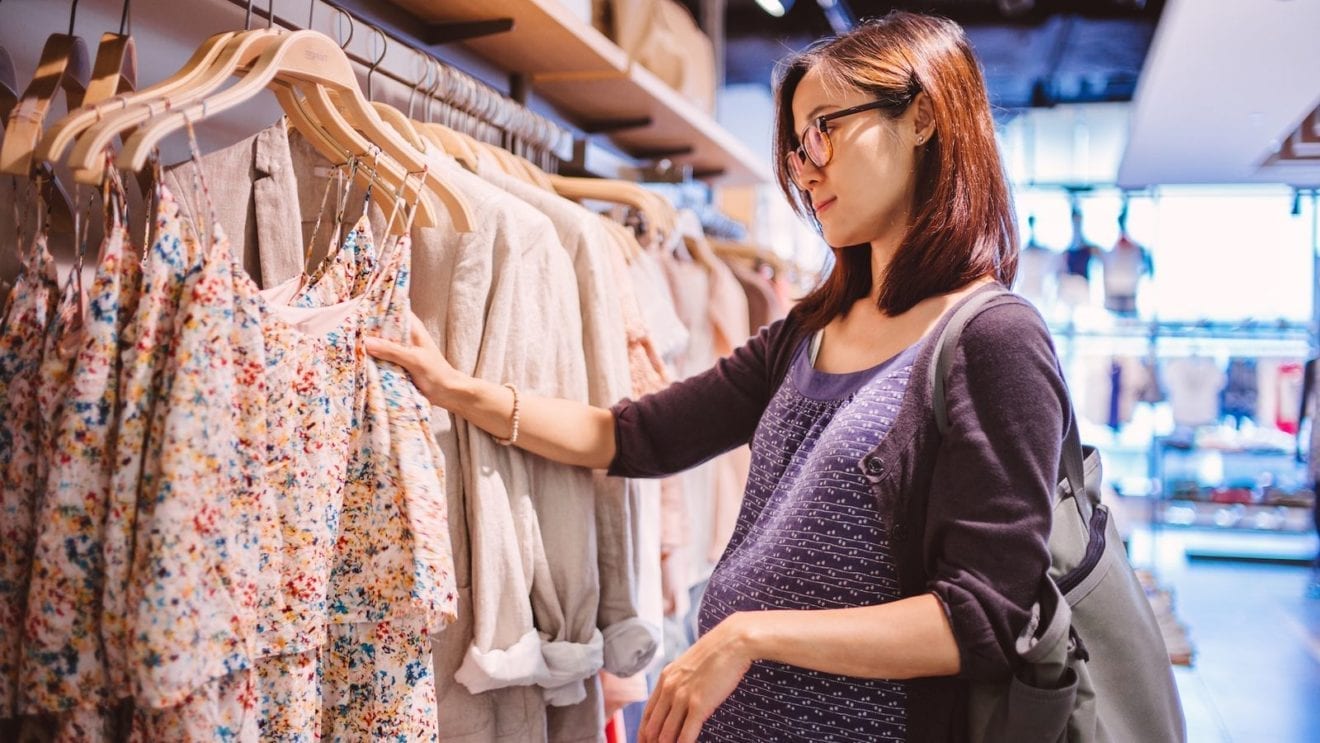
    However, 78 per cent of buyers like to try out apparel before they buy it, 73 per cent want to check the quality first, and 56 per cent simply enjoy shopping around.  

  • AmorePacific operating profit tops 1 trillion won in 2016

    AmorePacific operating profit tops 1 trillion won in 2016

    AmorePacific Group’s yearly operating profit surpassed 1 trillion won in 2016 for the first time on diverse retail offerings in Korea and momentum in the global market.

    The company’s operating profit rose 18.5 percent year on year, reaching 1.08 trillion won ($940 million). Its revenue also jumped 18.3 percent compared to the previous year, hitting 1.7 trillion won.

    The group’s main affiliate of the same name that owns brands like Sulwhasoo and Laneige raked in 5.6 trillion won in 2016. The country’s No. 1 cosmetics company explained such growth was due to expanded channels of some of its high-end lines.

    Sulwhasoo, the company’s luxury line that is popular among older women for its anti-aging products, opened a flagship store in affluent Cheongdam-dong last year. The company said the store played a pivotal role in building up the brand’s luxury image to Asian consumers.

    The company’s global business also grew thanks to its so-called five champion brands: Sulwhasoo, Laneige, Mamonde, Innisfree and Etude House. Their sales in Asian countries soared 38 percent year-on-year to generate 1.6 trillion won.

    Hera, another high-end brand under AmorePacific, entered the Chinese market last year for the first time with its fortified makeup line.

    Sulwhasoo expanded its retail offerings in China by opening storefront and shops inside department stores.

    AmorePacific’s sales performance in North America region also saw a boost. It grew 10 percent in 2016 compared to the previous year as the company opened Sulwhasoo and Laneige shops in Canada.

    Its European sales saw a 4 percent year-on-year growth.

    Sales of the group’s other affiliated brands that are not under AmorePacific, such as Innisfree and Etude House, also surged.

    Innisfree, a nature-friendly brand that is in the lower price range, had a 30 percent year-on-year soar in revenue of 767.9 billion won. Its operating profit was 196.5 billion won, a 56 percent growth compared to the previous year. Innisfree focused on adding a cultural kick to its stores so consumers could better understand its brand. The company opened a shop with a cafe inside and a shop with a virtual-reality zone where consumers could experience Jeju Island with model Lee Min-ho.

    Etude House’s operating profit skyrocketed 1,153 percent year-on-year in 2016 to 29.5 billion won.

    Meanwhile, the group’s household product business performed poorly last year due to the massive recall of its toxic toothpaste line in September.

    The recall cost the company an additional 10 billion won in the fourth quarter, following 35 billion won in the third quarter. The group’s operating profit in the fourth quarter tumbled 16.5 percent to 134.4 trillion won.

    “In addition to the recall cost, the depressed domestic economy took toll on the company’s Q4 performance in Korea,” said a spokesperson.

  • Fast fashion wears green

    Fast fashion wears green

    Few shoppers at Swedish fast-fashion chain H&M notice the collection bin next to the cash counter, an inconspicuous receptacle for old and unwanted clothing. But this is slowly changing.

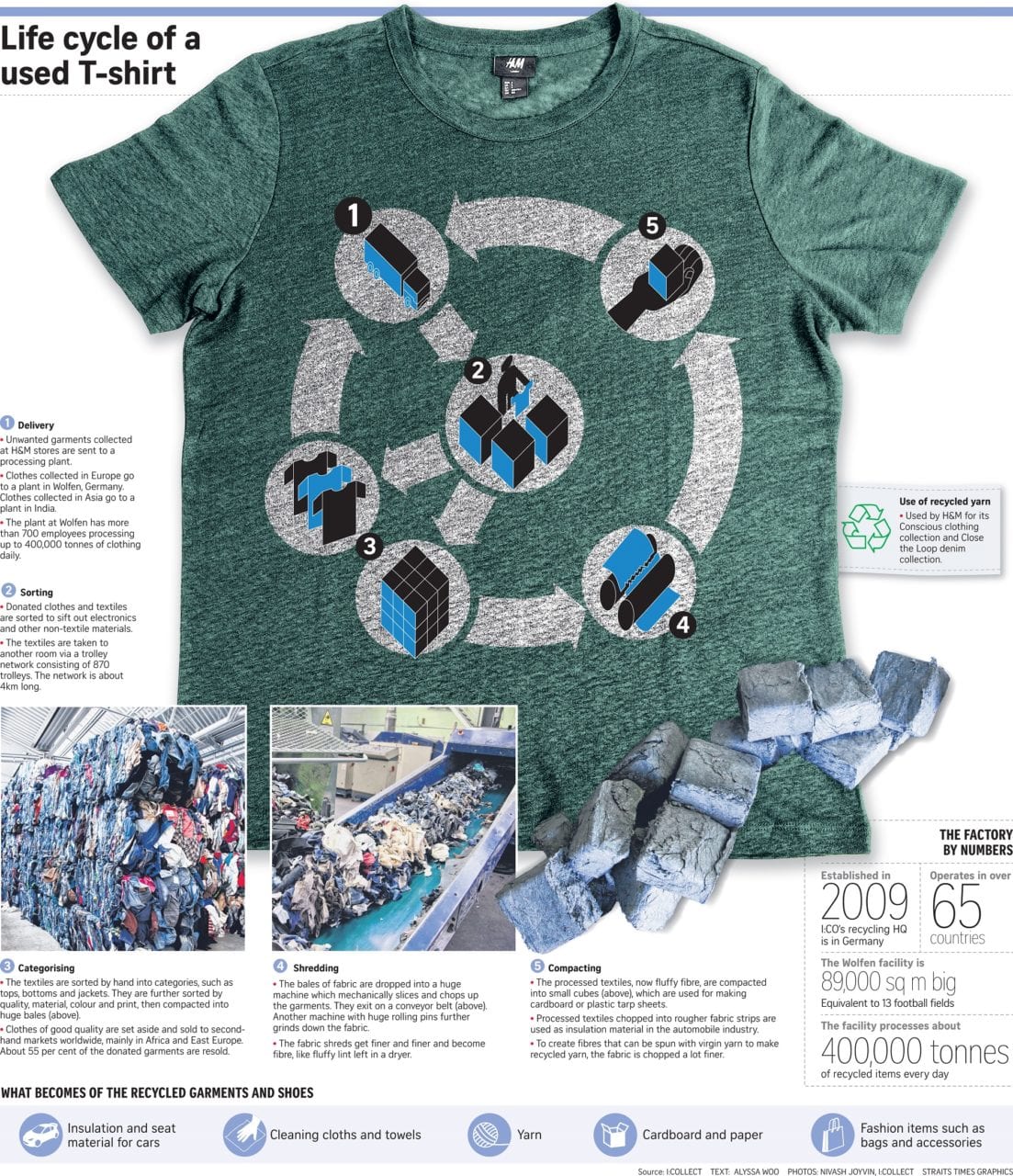
    The retailer, with 12 bins spread across its 10 outlets in Singapore, collected 64 tonnes of unwanted garments last year – about three- fifths the weight of a blue whale. This is almost triple the amount collected in 2015 (22.71 tonnes) and more than five times that collected in 2014 (12.09 tonnes).

    This year, H&M Singapore hopes to bag a record 88 tonnes, adding to the more than 40,000 tonnes of unwanted clothing it has amassed globally so far.

    Everything collected is sold to the chain’s recycling partner, I:Collect (I:CO), for a fee, which is donated to H&M Foundation, a non-profit global organisation .

    At I:CO’s processing plants in Germany, the United States and India, the clothing is sorted. About 55 per cent of it is resold in second- hand markets worldwide. The remainder is processed – chopped up into fabric shreds which are used as insulation material; or ground into finer fibres and made into cardboard and plastic tarp sheets; or spun with virgin cotton to create recycled yarn.

    It is this yarn that H&M uses for its two eco-friendly clothing lines Close the Loop and Conscious, comprising products made of up to 20 per cent recycled materials.

    The trend of more people donating their used clothes and more retailers accepting them seems to be growing.

    American fashion brand Levi’s launched its recycling drive, where shoppers can drop off their unwanted garments and shoes, in 2015 nationwide in the US after a successful pilot programme in 2014.

    Shoppers care more than just about how they look. They want to be part of a larger movement and they care about the social responsibility behind the brands they buy.

    LECTURER SARAH LIM, who says the time is ripe for fashion retailers to position themselves as environmentally responsible and not just profit-driven

    The North Face, which started collecting unwanted garments and footwear in 2013 in North America, expanded its collection drive to Germany and Canada last year. So far, it has collected 19.3 tonnes of unwanted clothing and footwear in the US alone.

    Fashion retail chain Forever 21 started its recycling efforts in San Francisco, California, in 2014.

    I:CO works with about 60 retail partners in 65 countries, including Levi’s, The North Face and Forever 21. H&M is its biggest partner.

    But recycling is more than just about reducing the amount of clothes headed for the dumpster.

    Mr Olle Blidholm, H&M’s environmental sustainability manager, says that, from a business perspective, it makes sense to take care of social and environmental issues.

    “To do good business long term, you need to take into account social and environmental responsibility in a more active way. You have to plan your business in line with what the planet can cope with,” he says.

    This comes as the global fashion industry cottons on to the environmental impact that the apparel industry has on the planet.

    Cotton production is a huge water guzzler. According to non-governmental organisation World Wide Fund, 20,000 litres of water are needed to produce just 1kg of cotton, equivalent to a T-shirt and a pair of jeans.

    A report in October, by management consulting firm McKinsey & Company, estimated that if 80 per cent of the population of emerging economies reached the same clothing-consumption level as that of the Western world by 2025, carbon dioxide emissions would increase by 77 per cent to 3,030 million metric tons, up from 1,714 million metric tons in 2015.

    This increases the amount of greenhouse gases released into the atmosphere, one of the key drivers of global warming.

    Singapore Polytechnic senior retail lecturer Sarah Lim says the time is ripe for fashion retailers to position themselves as environmentally responsible and not just profit- driven.

    “Shoppers care more than just about how they look. They want to be part of a larger movement and they care about the social responsibility behind the brands they buy,” she says, adding that by collecting old clothes, H&M lets customers participate in the greening process.

    She adds: “This also helps the brand establish a green reputation, which helps to build loyalty among the millennials of tomorrow.”

    According to a 2015 global report by research firm Nielsen, 72 per cent of Generation Z consumers – those aged between 15 and 20 – were willing to pay more for products and services from companies they viewed as committed to making a positive social and environmental impact.

    This is up from 55 per cent the year before.

    Over at H&M, the Conscious collection, launched in 2012, has been “well-received” here, according to the brand’s spokesman, who declined to disclose sales figures. The Close the Loop collection is not available in Singapore.

    Mr Fredrik Famm, country manager for H&M South-east Asia, puts the popularity of its eco-lines down to reasonable pricing and the fact that the products are also fashionable.

    Customers, he says, are also beginning to be more conscious and perceptive of the brands they consume.

    “There’s an increase in awareness about sustainability and being socially responsible,” he says, adding that the conveniently placed garment-recycling bins at stores make it easy for people to go green.

    For shopper Fabian Tan, H&M has given him an easy way to recycle his unwanted clothes.

    The market researcher has been donating his unwanted garments to the retail chain since it started its collection drive in 2013.

    The 29-year-old says he has donated about 150 items so far.

    “A lot of people have the intention to do good and recycle, but when it becomes troublesome to do so, they don’t do it in the end.

    “Retailers such as H&M make it easy for people to do the right thing.”
  • Hong Kong Fashion Week for Fall/Winter Closes

    Hong Kong Fashion Week for Fall/Winter Closes

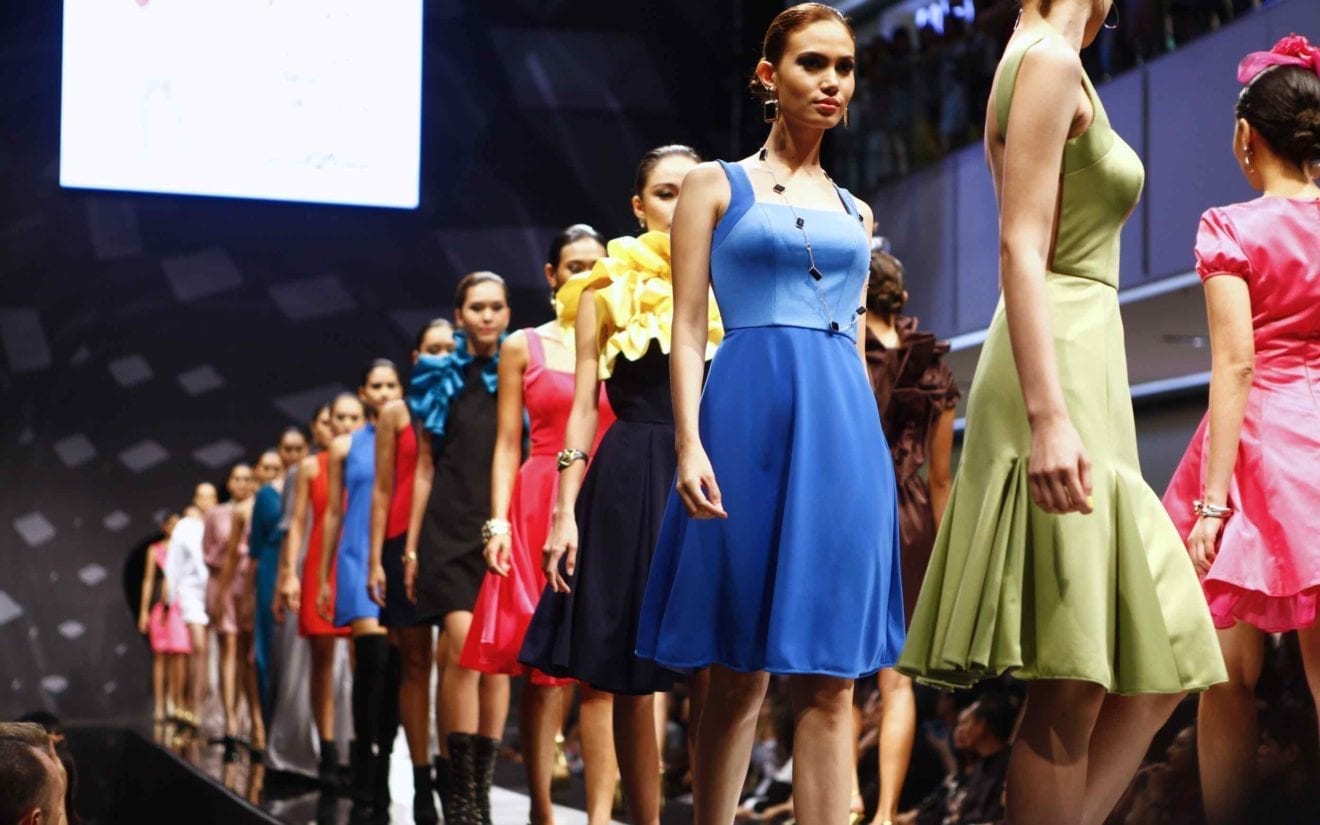
    he 48th edition of Hong Kong Fashion Week for Fall/Winter ended today at the Hong Kong Convention and Exhibition Centre. The four-day fashion fair (16 to 19 January), organised by the Hong Kong Trade Development Council (HKTDC), welcomed some 15,000 buyers from 77 countries and regions.

    HKTDC Deputy Executive Director Benjamin Chau noted that the fashion industry is facing immense challenges amidst economic and political uncertainties and lacklustre retail sales. “In spite of that, Hong Kong companies are versatile and with e-commerce developing steadily, companies can capture the opportunities to turn the situation around. At this year’s Fashion Week for Fall/Winter, buyer numbers from Italy, Iran, Germany and Israel saw good growth. This shows that buyers from certain regions are not as cautious as expected and their sourcing sentiment is gradually improving.”

    Buyers from emerging markets more upbeat

    In general, buyers from emerging markets demonstrated a more positive sourcing sentiment during the fair. Muhammad Yasin, owner of United Arab Emirates’ company Imperial Clothing FZE, said he had visited more than a hundred exhibitors on just the first day of the show, and had identified about 15 potential suppliers from Hong Kong, the Chinese mainland, Vietnam and Pakistan. He expected to work with two of the companies and initial orders would be worth about US$10,000.

    Israeli buyer Moshe Silverstain said that, after the fair, he would visit some of the supplier’s factories in Nanjing. He expected to place orders for 12,000 raincoats and 20,000 denim trousers.

    Russian company Forward Ltd, which supplies sports uniforms for Russian national teams, visited the fair. The company’s Head of Logistics Department, Ruben Nariyants, said his company had found three potential suppliers from the mainland. To facilitate smooth delivery to Russia, Mr Nariyants said his company is willing to offer logistics assistance; and he expected to finalise cooperation arrangements soon.

    Hong Kong’s designer collections in demand

    Hong Kong Fashion Week has long been a launch pad for up-and-coming young designers to showcase their designs to international buyers. This year, the HKTDC organised two FASHIONALLY COLLECTION shows to spotlight emerging local designers from 14 fashion labels. Buyer Takayuki Kubota from renowned Japanese fashion group H.P. France said he had found suitable Hong Kong designer collections through the FASHIONALLY COLLECTION shows and expected to place initial orders of five to ten styles per brand. He was glad that Hong Kong designers were willing to accept small-quantity orders.

    Yi Gao, owner of Shenzhen designer brand store MR. TOP, found Hong Kong designer brand Lapeewee’s designs fashionable and wearable. He said his company is likely to conclude business deals with the brand very soon.

    Singaporean buyer and designer Samuel Wong said customers in Singapore are receptive to designer brands. He attended the fair to source designer collections and was in talks with Hong Kong label MODEMENT for its women’s and men’s apparel.

    Online store buyers becoming a new force

    Online shopping has been growing in popularity in recent years and there has been an explosion of fashion e-shops, which are becoming a new force driving consumption. Korean department store Shinsegae has opened an e-shop to capture the opportunities in online shopping. Mae Hong, the company’s Buying Manager, said she came to Hong Kong Fashion Week for the first time to look for blouses and knitwear for kids and adults. She had found three potential suppliers on the first day and was in advanced talks with them. If her requirements were met, she would buy at least 1,000 pieces per item.

    Nitin V Tewari, Senior Manager of Flipkart, a leading e-commerce company in India, also visited the fair for the first time. He claimed that fashion is one of their biggest business segments. Through the fair, he hoped to find new brands and OEM manufacturers and he had already identified a number of suitable bags and sportswear brands. He anticipated the purchasing amount would be between US$50,000 to US$100,000 per order, after further discussions.

    Online shopping is also popular in Central Europe. Iva Tureckova, Project Manager of Czech company SLK Trade s.r.o, said her company is a young but fast-growing e-tailer selling women’s underwear in Central Europe. She said she came to Hong Kong to source different underwear brands and to seek opportunities to expand their business by becoming the distributor of brands from Hong Kong and other countries. Through the HKTDC’s business matching sessions, the company had found two potential underwear suppliers and would pursue negotiations with them.

    Fashion seminar explores “Omni-Channel Retailing” opportunities

    ZALORA’s Head of Acquisition, Giovanni Maria Musillo, spoke at the seminar titled “ZALORA: Navigating the Wave of Omni-Channel Retailing” and shared their keys to success and the opportunities in omni-channel retailing. He said ZALORA is a leading fashion e-tailer in Asia with a presence in Hong Kong, Australia, Taiwan, Malaysia, Brunei, Singapore, the Philippines and Indonesia. The website attracts some 30 million visits each month. “Localisation is key to ZALORA’s success. We offer different languages and interfaces to suit different markets’ needs,” he said. “We also ensure that consumers from different countries and regions can settle payments efficiently. These have helped to accelerate ZALORA’s growth.

    “Smart phone penetration in Southeast Asia is set to exceed 100 per cent by 2019 and that is conducive to e-commerce development. It is also expected that the market share of fashion in e-commerce would double from four per cent in 2015 to eight per cent in 2019. All these signify immense business opportunities. With the ‘Korean wave’ sweeping across Asia and Europe in recent years, ZALORA is also actively sourcing different Korean brands to further capture the opportunities.”

    HKTDC’s CENTRESTAGE to return in September

    Hong Kong Fashion Week for Fall/Winter gathered more than 1,500 exhibitors from 21 countries and regions to showcase the latest fashion collections of international brands, garment, accessories, fabrics and sewing supplies. More than 20 fashion events were organised during Fashion Week, including 10 fashion shows as well as industry seminars and networking activities. The Hong Kong Fashion Week for Spring/Summer will be held from 10 to 13 July, while the second edition of CENTRESTAGE will run from 6 to 9 September. CENTRESTAGE aims to provide an ideal promotion platform for Asian and international fashion brands and designers, further solidifying Hong Kong’s position as a fashion capital in Asia.

  • Burberry reports positive Q3, retail sales up 4 percent

    Burberry reports positive Q3, retail sales up 4 percent

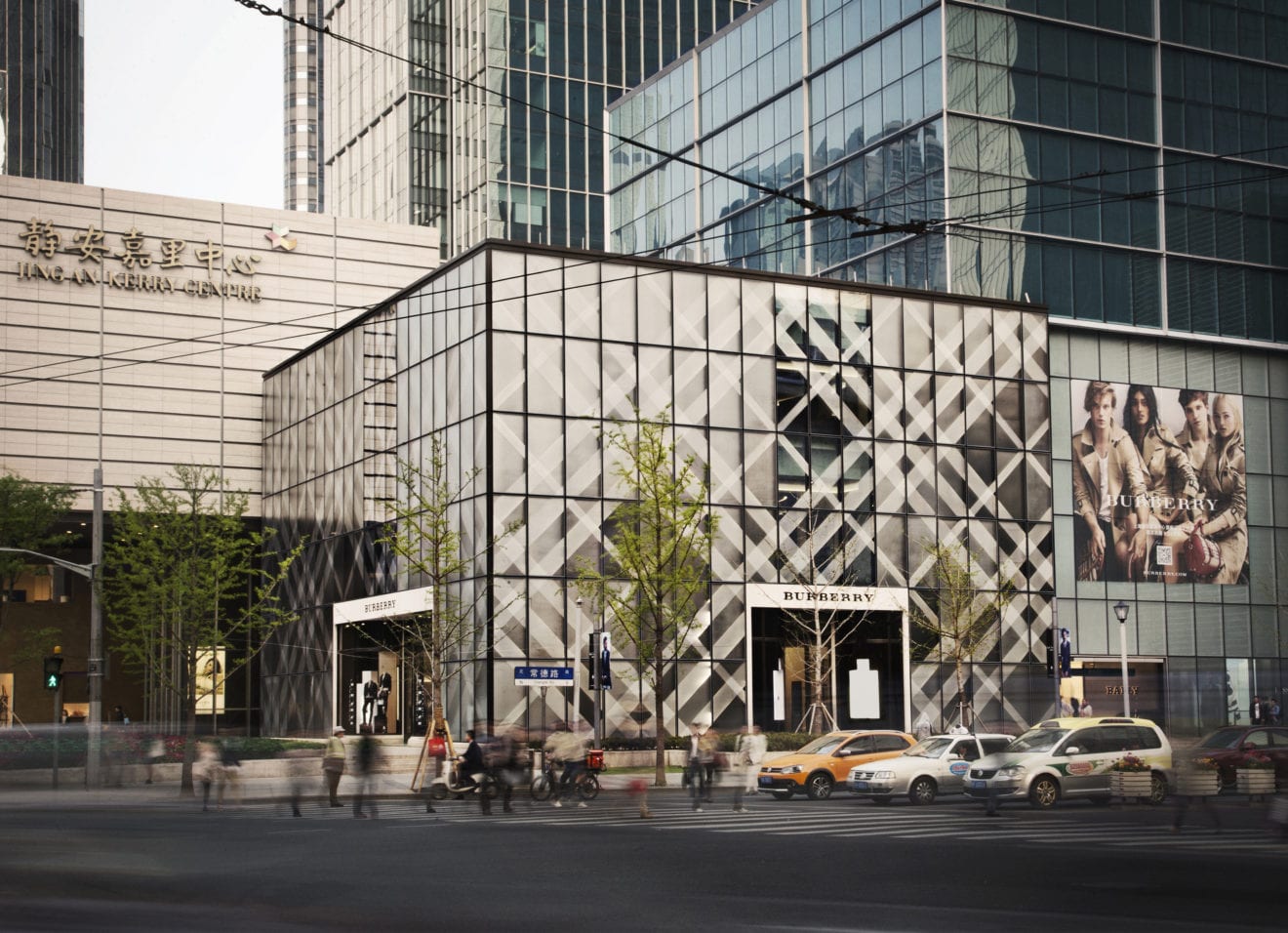
    For the three months to December 31, 2016, Burberry retail sales of 735 million pounds (907 million dollars) improved 4 percent underlying and 22 percent at reported FX. Comparable sales for the period increased 3 percent. The company expects FY17 adjusted PBT to be in line with current market expectations.

    Commenting on the third quarter trading, Christopher Bailey, Chief Creative and Chief Executive Officer, said in a statement, “With a record number of views of our festive film and strong demand for new products in our collections, this third quarter improvement reflects early progress from our plans to drive Burberry’s performance for the long term.”

    The company reported low single-digit percentage growth in Asia Pacific with acceleration in Mainland China, which posted a high single-digit percentage comparable sales growth, despite the impact of the elevation of the store portfolio in Beijing. Hong Kong, the company said, improved to a low single-digit percentage comparable sales decline, with positive conversion offsetting the majority of the footfall decline.

    EMEIA region witnessing a double-digit comparable sales growth, continued exceptional performance in the UK with comparable sales growth of around 40 percent. While Continental Europe remained weak, France saw some improvement compared to Q2. Americas posted a low single-digit percentage decline in the Americas with domestic and travelling luxury customer demand remaining uneven in the United States.

    Burberry said, fashion again outperformed replenishment and led growth across all categories and accessories outperformed, led by strength in bags.

  • Hong Kong Fashion Week for Fall/Winter Kicks Off Today

    Hong Kong Fashion Week for Fall/Winter Kicks Off Today

    The 48th Hong Kong Fashion Week for Fall/Winter, a superb fashion sourcing platform in Asia, opened today at the Hong Kong Convention and Exhibition Centre. The four-day show (16 to 19 January), organised by the Hong Kong Trade Development Council (HKTDC), features more than 1,500 exhibitors from 21 countries and regions, showcasing the latest fashion designs, garment, accessories, fabrics and sewing supplies.

    Under the theme “Hall of Games”, this year’s Fashion Week for Fall/Winter incorporates board game elements throughout the fairground to enhance the ambience.

    With healthy living becoming a priority among consumers, the demand for sportswear and fitness clothing is on the rise. To help buyers identify relevant products and suppliers, the HKTDC has added two new zones to this year’s show: Fashionable Sportswear and Denim & Casual Wear. The former showcases the hottest styles for various sports activities, including fitness and yoga while the latter focuses on trendy designs for a relaxed lifestyle.

    There are five pavilions at the fair from India, Indonesia, Japan, Macau and Pakistan. Companies from Italy, Sweden and Pakistan are fair debutants this year, bringing along names such as Italian brand Salto, displaying its eco-leather silver pleated skirt; Swedish company Yves Lansac, showcasing its colourful and fashionable watch and handbag collections; and Pakistani exhibitor Umar Garments Printing, introducing its automated screen printing technology that allows high flexibility and accuracy for producing simple to complex designs with advanced inks.

    Other product zones at the fair are: Cashmere, Wool and Thermal Clothing, Fabrics & Yarn and Men in Style. In addition, Emporium de Mode presents exquisite and distinctive brands, while the International Fashion Designers’ Showcase features collections from scintillating designers such as Mim Mak, Jean Du Che and Mountain Yam.

    As a global fashion sourcing hub in Asia, Hong Kong is a hotspot for many international trading houses and premier retailers. The annual Hong Kong Fashion Week for Fall/Winter is an important platform for buyers to discover the latest fashion products and accessories. To create more business opportunities for exhibitors, the HKTDC has arranged 90 buying missions from 43 countries and regions bringing more than 3,770 companies to the show. Among the participants are representatives of famous fashion labels, mega chain stores and distributors from both traditional and emerging markets, including Spain’s Beni Room, Japan’s H.P. France, Thailand’s Jaspal and the Chinese mainland’s The Fashion Door.

    Fashion shows showcasing creativity

    More than 20 fashion events are taking place during the four-day Hong Kong Fashion Week for Fall/Winter. In addition to trend forecasting seminars, thematic forums and networking receptions, a total of 10 fashion shows including designers’ collection and brand collection shows are being staged.

    Hong Kong Fashion Week has long been a launchpad for up-and-coming local young designers. To spotlight Hong Kong’s design talent, local fashion website FASHIONALLY presented two fashion shows today featuring the collections of 14 fashion labels by emerging local designers. Participants included established names as well as first-time participants, including Jane Ng, Yeung Chin, Kenson Tam, Winnie Chen and Key Chow.

    FASHIONALLY COLLECTION #8 featured chic womenswear for Fall/Winter 2017. It was a display of contemporary reinterpretations of feminine aesthetics. The design units that took part in the show were 112 mountainyam (Designer: Mountain Yam), FromClothingOf (Designer: Shirley Wong), phenotypsetter (Designer: Jane Ng), KEVIN HO, Lapeewee (Designer: Yannes Wong), Blind by JW (Designers: Walter Kong and Jessica Lau) and HANG (Designer: Mim Mak).

    FASHIONALLY COLLECTION #9 presented avant-garde designs for Fall/Winter 2017 that challenge the status quo for designs for both men and women. Participating brands included MODEMENT (Designer: Aries Sin), YEUNG CHIN, KENSON (Designer: Kenson Tam), SHERMAN KWAN, DEMO (Designer: Derek Chan), Winnie Witt (Designer: Winnie Chen) and Ka Wa Key (Designer: Key Chow).

    Tomorrow, local collections will be featured at the Brand Collections’ Show, including those from Ika Butoni and Artistic Palace, a house brand of Chinese Arts & Crafts. Renowned for their traditional workmanship, Chinese Arts & Crafts will display their exquisite cheongsam, traditional Chinese clothing and high-end bespoke collections.

    The Designers’ Collection Show will be held on 18 January. It will showcase the latest collections of such brands as Ophee’s (by Hong Kong designer Agnes Wong), ENGELEENA (by New Zealand designer Engeleena Padyachi), Vanilla Gate-Gala (from Thailand) and Bernadette Chan (Hong Kong designer brand).

    An ideal platform for exchange and collaboration

    To help industry players exchange and obtain market intelligence, the HKTDC has invited industry experts to share their insights and ideas on the latest trends and topics at a series of events, including trend forecasting seminars, thematic forums and networking receptions.

    Leading international fashion forecaster Fashion Snoops shared their forecast and analysis on “The Key Trend Stories for Men’s and Women’s Wear for S/S 2018”. Tomorrow, the HKTDC and The Hong Kong Research Institute of Textiles and Apparel (HKRITA) will host a seminar on “Knitting Tech – From Materials to Finishing”. On Wednesday, Asian e-tailer giant Zalora will explore the latest business opportunities of Omni-Channel Retailing, while The Woolmark Company, an authority in the wool industry, will host the “The Wool Lab S/S 18” seminar to discuss the leading trends for Spring/Summer 2018 and introduce purchasing guides to the best wool fabrics and yarns.

    This evening’s networking reception also provides an opportunity for industry players to expand their networks and explore collaboration opportunities.

  • Fast retailing bright faith

    Fast retailing bright faith

    Both consolidated revenue and profit rose for apparel retailer Fast Retailing Group in the first quarter of its latest fiscal year – the three months to November 30.

    Consolidated revenue rose 1.6 per cent year-on-year to reach ¥528.8 billion (U$4.6 billion), while profit soared 16.7 per cent to reach ¥88.5 billion.

    The gross profit margin held steady as the company continued its group-wide cost-cutting drive initiated in fiscal 2016.

    With the group recording a foreign exchange gain of ¥15.6 billion, the consolidated profit rose considerably in the quarter, with profit before taxes increasing by 34.2 per cent to ¥104.2 billion, and profit attributable to the owners of the parent expanding by 45.1 per cent to ¥69.6 billion.

    Breaking down the first-quarter performance into the three individual business segments, Uniqlo Japan increased both revenue and profit, Uniqlo International had a fall in revenue but a rise in profit, and Global Brands had a rise in revenue but a fall in profit.

    With its medium-term vision to become the world’s No. 1 apparel digital retailer, the group is focussing its efforts on expanding Uniqlo International and its low-priced GU casual-fashion brand.

    It is continuing to grow Uniqlo store numbers in each country where it has a presence, opening global flagship stores and large-format stores in major cities. It is also expanding GU, which has grown into a second-pillar brand for the group. It has opened more GU stores within Japan and has been accelerating the brand’s development and store numbers in overseas markets.

    “Another medium-term goal is to revolutionise our entire supply chain, spanning all procedures from planning to design, raw materials procurement, manufacturing and retail into a new supply chain system that can fully satisfy the needs of today’s digital era.

    “The customer-centric, information-driven supply chain is designed to support a comprehensive new digital retailing business model for the Fast Retailing Group.”

    Next month, the group will move all Uniqlo product-related and commercial activities to its central Ariake headquarters.

    Uniqlo Japan

    For the quarter, Uniqlo Japan increased revenue 3.4 per cent to ¥238.8 billion, and profit by 1.8 per cent to ¥45.6 billion. Same-store and online sales grew 2.5 per cent.

    During the period, the number of stores was reduced by six to 800 (excluding 41 franchise stores) at the end of November. Three stores shifted from being directly run to become employee franchise stores.

    Same-store sales declined in September and October because of unseasonal warm weather affecting demand for fall/winter items. Once temperatures dropped in November, same-store sales picked up.

    Uniqlo International

    Revenue eased 0.2 per cent to ¥196.5 billion for Uniqlo International, but there was a 44.6 per cent rise in profit. The fall in revenue was mainly because of the effect of the stronger yen, which pushed down yen-based sales by an average 16 per cent. However, in terms of local currencies, sales rose overall.
    Profit contributions from Uniqlo Greater China and Uniqlo Southeast Asia and Oceania were especially strong.

    Fifteen years after the first Uniqlo store outside Japan opened, the international network surpassed 1000 outlets, settling at 1009 stores at the end of November, an increase of 145.

    Global Brands

    For Global Brands, revenue rose 1.1 per cent to ¥92.7 billion while profit dropped by 22.7 per cent to ¥9.5 billion. The GU casual fashion brand grew revenue but had a profit fall after unseasonal warm weather. GU same-store sales expanded only marginally over the quarter as a whole.

    The group’s Princesse Tam.tam label in France and its J Brand premium denim label in the US continued to lose money, while fashion brands Comptoir des Cotonniers and Theory had steady profits. 

    Humanitarian aid

    In October, Fast Retailing Group decided to donate US$1 million to humanitarian aid efforts in south Sudan.

    In its “All-Product Recycling” initiative, the group delivers clothing collected at Uniqlo and GU stores to refugees and displaced persons, and in November head-office employees visited Myanmar to donate about 60,000 items of clothing. The beneficiaries were internally displaced persons in the Kachin and Rakhine states.

  • Lolalola closes online store

    Lolalola closes online store

    Indonesian online lingerie store Lolalola closed yesterday, but customers can still shop on its social-media platform.

    Lolalola says incoming orders will be processed “normally”.

    There has been no word yet from the startup on why it decided to close down the service, but it could be related to the increasingly tight competition among fashion eCommerce startups in Indonesia, says DailySocial. Berrybenka and SaleStock last year laid off employees in order to save their businesses, while Pink Emma temporarily shut down its service before resuming in September.

    Under CEO Donna Lesmana, Lolalola officially launched in March 2015 after being active for six months.

    Claiming to have been inspired by global lingerie brands such as Agent Provocateur and Victoria’s Secret, the startup aimed to “change the way Indonesian customers shop for lingerie” by providing products from local and international brands.

    Lolalola is backed by Ardent Capital and received logistics support from aCommerce. When the startup tested its service for Thai market, it claimed to have sold out within two weeks.

  • Topshop plans expansion in China

    Topshop plans expansion in China

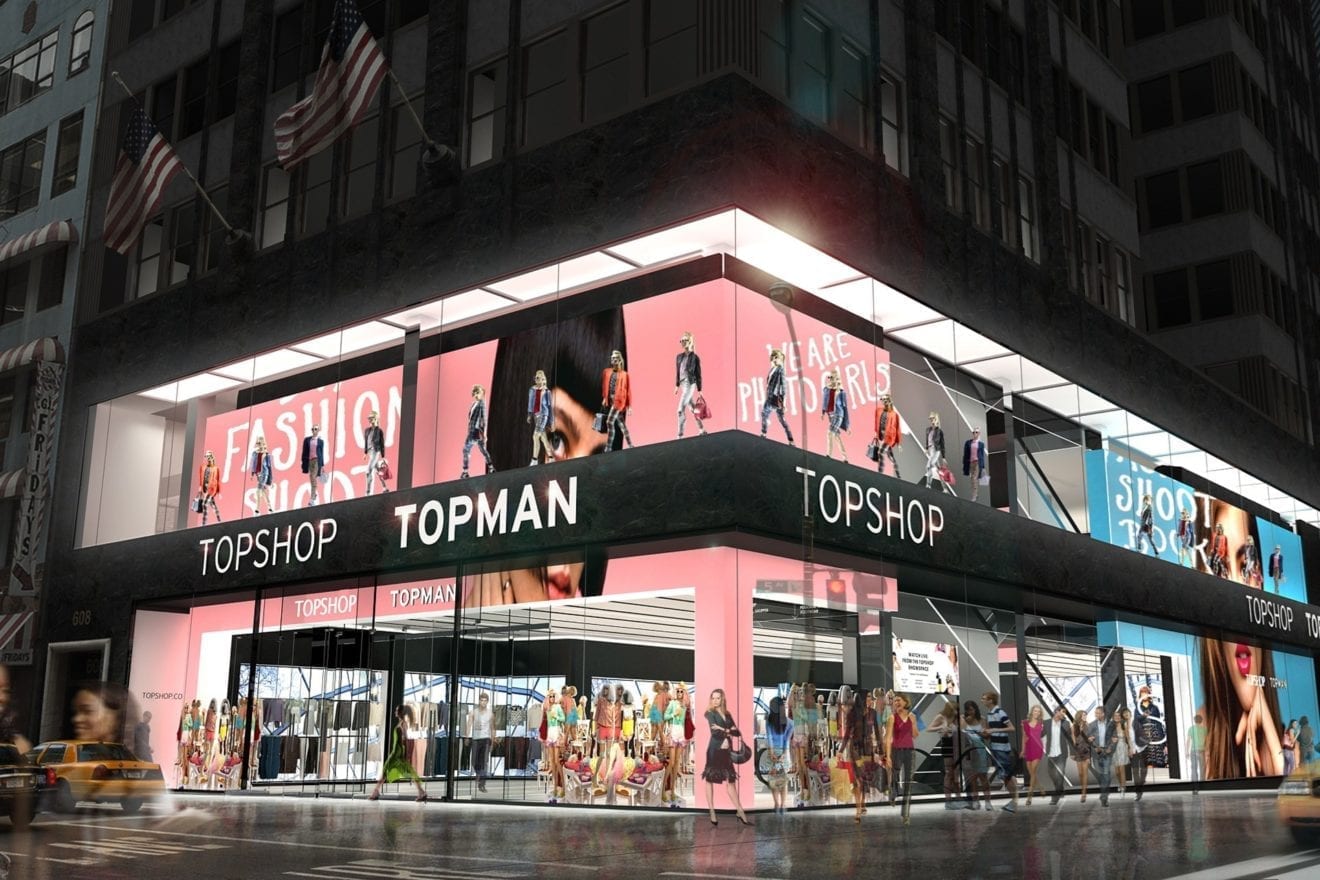
    UK fashion chain Topshop is the latest British retail company attempting to tap into China’s market by opening its first standalone store in 2018.

    The British high-street retailer has agreed a deal with Chinese partner and online fashion retailer Shangpin.com. The e-commerce business had already started to push Topshop into the Chinese mainland by selling the brand on Shangpin.com two years ago.

    Arcadia Group, Topshop’s owner company, said the first shop will open in top tier cities in the spring or summer of 2018 which could be either Beijing or Shanghai.

    Media reports said if the move was successful, as many as 80 outlets could be opened. Arcadia Group would not comment on the plans for 80 stores. Currently Topshop’s only presence in China is a small concession in the Galeries Lafayette department store in Beijing and a handful of shops in Hong Kong.

    Shangpin.com is a members-only website with 30 million registered subscribers, founder and chief executive David Zhao said: “It is gratifying to be trusted by such a world-renowned fashion brand to take them further in China.”

    Topshop is part of retail tycoon Sir Philip Green’s Arcadia Group fashion empire and he described the deal as “the start of a unique, exciting and exclusive partnership that will cement Topshop and Topman’s mission of becoming truly global businesses”.

    Green added:”For the first time, both brands will deliver high fashion to the shop floor and beyond by opening full-scale stores in China – host to the world’s fastest-growing retail economy.”

    The businessman was embroiled in the controversial sale and subsequent collapse of the long-establish UK department store BHS earlier this year. The high-street chain went into administration in April, less than a year after Green sold it for one pound to a consortium.

    The collapse led to the loss of 11,000 jobs and a 571 million pound pensions black hole.

    According to analysts, Topshop is by far the most valuable part of Arcadia Group. Sir Philip owns a 75 percent stake in Topshop after selling 25 percent to US private equity firm Leonard Green in 2012