Tag: Fashion

  • Printemps to close seven luxury stores in aftermatch of virus

    Printemps to close seven luxury stores in aftermatch of virus

    French division retailer chain Printemps, a magnet for overseas consumers looking for high-end items in Paris, will close some of its operations in France because it struggles to address the coronavirus pandemic, the CGT union stated.

    Retailers have been hit laborious by government-enforced lockdowns to curb the virus and people who rely upon vacationer flows have struggled to get well as a result of worldwide journey stays restricted.

    Printemps, which sells make-up and garments for high-end manufacturers like Burberry and Gucci, and is owned by Qatari buyers, is especially uncovered to vacationer flows, particularly at its Paris Haussmann flagship retailer.

    Four of the group’s 19 division stores underneath the “Printemps” banner will probably be shut down, together with one in the northern metropolis of Le Havre and in Strasbourg in the east of the nation, in accordance to the corporate’s discussions with unions, the CGT stated.

    One of the Printemps’ offshoots in a Paris mall has additionally been earmarked for closure, and three of the broader group’s sportswear Citadium stores will close.

    Some 450 jobs, or roughly 15 percent of all Printemps staff, at the moment are in danger, the CGT stated, together with store assistants and workers on the firm’s headquarters.

    Printemps couldn’t instantly be reached for remark. Le Monde newspaper quoted a spokeswoman who stated the measures have been geared toward stemming operational losses.

    Many French retailers have been already struggling earlier than the pandemic hit, due to transport strikes earlier this 12 months that hit footfall in stores, and a wave of anti-government protests final 12 months that compelled them to close on some weekends.

    They are additionally dealing with elevated competitors from on-line rivals.

    Luxury manufacturers have managed to offset some of the aches by means of their retailer networks abroad, together with within China, the place demand for high-end items stays robust.

    Printemps, based in 1865, is one of the oldest division stores in France together
  • VF Corp adds Supreme to its stable in US$2.1 billion deal

    VF Corp adds Supreme to its stable in US$2.1 billion deal

    VF Corp pays US$2.1 billion to purchase streetwear attire firm Supreme, including one other standard model to the Vans shoe maker’s portfolio. VF Corp, which additionally homes manufacturers reminiscent of The North Face and Timberland, mentioned it might make a further fee of up to $300 million, topic to satisfaction of sure post-deal closing milestones.

    Shares of VF Corp surged about 13 percent to $78.94 in afternoon buying and selling.

    The firm mentioned present buyers Carlyle Group and New York-based personal fairness agency Goode Partners had been promoting their stakes in Supreme, based by American-British businessman James Jebbia in 1994.

    Known for its pink field emblem with “Supreme” written in white, the model has gained a following amongst “hypebeasts,” or followers of the streetwear model, with product launches of the whole lot from hoodies to burner telephones promoting out in minutes and folks lining up outdoors its 12 shops worldwide for hours.

    The perceived shortage has helped Supreme to purchase a cachet amongst younger folks and allowed it to cost far increased costs than different streetwear manufacturers like VF’s Vans and Nike.

    “This scarcity, novelty and strong social influence model supports meaningful pricing power resulting best in class profitability,” VF Corp CEO Steve Rendle mentioned.

    VF Corp estimated the broader streetwear market to be a roughly $50 billion world alternative and that Supreme was on the epicenter of this market, he mentioned.

    The firm mentioned the Supreme deal will assist bolster its e-commerce enterprise, which has change into extra pressing for attire and footwear makers due to the Covid-19 pandemic.

    Supreme, which has collaborated with many outstanding style names together with Louis Vuitton in addition to Nike, Levi and Vans, will get over 60 percent of its income from the net enterprise.

    The deal, which is predicted to be accomplished late this 12 months, is anticipated to contribute a minimum of $500 million of income and adjusted earnings per share of 20 cents in fiscal 2022.

    Supreme doesn’t present group gross sales or revenue figures however its UK-based European arm is obliged to publish annual accounts and these have confirmed speedy development and industry-leading margins in current years.

    In the 12 months to the top of January 2019, Supreme’s European enterprise racked up the income of 100 million kilos ($130 million) regardless of having simply two shops and a revenue margin, earlier than curiosity bills, of 44 percent – a number of of the margins earned by different streetwear manufacturers like Vans, Abercrombie & Fitch and even luxurious manufacturers like Gucci, firm filings present.

    Analysts have questioned whether or not Supreme will probably be in a position to preserve its premium pricing as its merchandise change into extra ubiquitous, however, had been extra sanguine after Monday’s announcement.

    “Supreme is a strong streetwear brand …. and while the brand has built its appeal on scarcity, we believe the market will be excited at the margin and growth profile and its contribution to VFC,” Bernstein analyst Jaime Merriman mentioned.

  • Hugo Boss on the look for China growth as it returns to profit

    Hugo Boss on the look for China growth as it returns to profit

    German fashion giant Hugo Boss returned to profitability in Q3, after having reported losses in Q2, and also said that it was focused on business recovery via digital channels and in China as pandemic-linked uncertainty continues.

    Overall, it’s quarterly revenue fell 24% on a currency-adjusted basis to €533 million, which was lower than analysts had expected. But its operating profit was €15 million and that managed to beat analyst predictions. However, it was still down from €83 million a year ago.

    The company’s digital and Chinese focus is perfectly understandable given that sales in mainland China rose 27% during the quarter and online sales saw a massive leap of 66% as the company opened 24 more markets to e-tail sales between June and August.

    “Supported by the accelerated consumer demand shift towards digital, sales on hugoboss.com and the group’s self-managed offerings on key partner websites recorded strong improvements in both traffic and conversion rates,” it said. The period from July to September marks the 12th consecutive quarter with “significant double-digit online sales growth” for the firm.

    And while physical stores remained challenged, the company was upbeat. With the vast majority of its own stores back in operation, the group’s own retail business recorded a “considerably more robust performance” compared to the first half of the year, with its own retail revenues down by ‘only’ 20%, currency-adjusted.

    But the quarter clearly wasn’t all about good news. While local demand in key markets picked up noticeably as compared to the previous quarter, sales to tourists continued to suffer from international travel restrictions.

    Sales dropped 21% in Europe despite encouraging signs of demand bouncing back in key markets such as the UK and France. The tourism downturn that has had such a big impact on many luxury companies obviously weighed heavily on Hugo Boss.

    And like other companies at all price levels, the group has been adjusting its offer to meet the new normal with a bigger focus on casual clothing that had already started before the pandemic hit. The company said that its more youth-focused Hugo label saw casualwear sales down only in mid-single-digits during the quarter.

  • Asia underpins stable and strong Estee Lauder result

    Asia underpins stable and strong Estee Lauder result

    Estee Lauder Cos reported better-than-expected quarterly results on Monday, as people confined to their homes bought more of its skincare products online and sales improved in its Asian markets. The M.A.C brand owner has ramped up investments in its online business and seen growth in demand for its skincare products as customers opted for serums and moisturizers instead of make-up items during the Covid-19 pandemic.

    “Before, online was mainly the destination of younger people. Now it’s for everyone. Everyone is online,” CEO Fabrizio Freda told analysts on a call.

    The company’s shares rose as much as 8.3 percent to a record high on Monday as online sales soared 40 percent in the first quarter.

    Its sales in the Asia-Pacific market rose 9 percent on the back of strong growth in South Korea, with demand at the company’s duty-free shops in China getting a boost from the government’s move to raise the annual tax-free shopping limit for tourists in the southern province of Hainan.

    Total sales at the company’s duty-free shops were flat year over year, after dropping roughly 30 percent in the previous quarter due to widespread restrictions on air travel.

    Total net sales fell 9 percent to $3.56 billion but exceeded analysts’ expectations of $3.46 billion, Refinitiv data showed.

    Estee forecast net sales to decline between 3 and 5 percent in the second quarter, compared with estimates of a near 5 percent decline.

  • LG Electronics starts eco-friendly clothing line with Net-A-Porter

    LG Electronics starts eco-friendly clothing line with Net-A-Porter

    LG Electronics has unveiled an eco-friendly clothing line in collaboration with British online fashion retailer Net-A-Porter as the South Korean tech giant pushes marketing for its clothing-care appliances.

    The appliance maker said it joined with the premium online fashion marketplace to launch a limited-edition range named LG X Net-A-Porter Sustainable Collection.

    The two partners cooperated with global fashion brands, including Le Kasha of France, Mara Hoffman of the US, and Bondi Born of Australia, to release 13 types of environmentally friendly apparel.

    LG Electronics said the launch of the new clothing line is part of its “Care for What You Wear” global campaign that aims to protect the environment by reducing fabric waste.

    It added that the clothes from the new brand can be easily managed through its clothing care appliances, including the Styler, LG’s steam closet that keeps clothes fresh and deodorized without dry cleaning.

  • China sales rebounds for Ralph Lauren, after Covid-19

    China sales rebounds for Ralph Lauren, after Covid-19

    Luxury retailer Ralph Lauren says sales growth on the Chinese mainland returned to pre-Covid-19 rates in the second quarter, increasing by more than 30 percent year on year.

    However sales across greater Asia decreased 7 percent to US$237 million on a reported basis, with same-store sales down by 11 percent, and a 12-per-cent decline in brick-and-mortar store sales partly offset by a 32-per-cent increase in digital commerce.

    Globally, net revenue fell by 30 percent to $1.2 billion, with declines in all regions due to the impact of Covid-19 on consumer shopping behavior.

    But the company achieved a net income of $107 million, down from $182 million in the same period last year.

    Ralph Lauren, executive chairman, and chief creative officer said despite the tough time the world is experiencing he is optimistic the company can “take the great learnings and creativity that have emerged from this time to become even stronger”.

    He said the results reflected the strength of Ralph Lauren’s timeless brand “and the values that have always been our touchstone” are continuing to anchor the business through a time of change and uncertainty”.

    “Looking across the first half of the fiscal year, we continued our elevation journey while fast-tracking connected retail and our company-wide digital transformation,” said president and CEO Patrice Louvet. “We also began the hard but necessary work of simplifying our organizational and cost structures to position the company for future growth.

    “Looking ahead, we will continue to work proactively to deliver an elevated experience that inspires consumers around the world and creates value for all of our stakeholders,” concluded Louvet.

  • Guardian unveils revamped Singapore store

    Guardian unveils revamped Singapore store

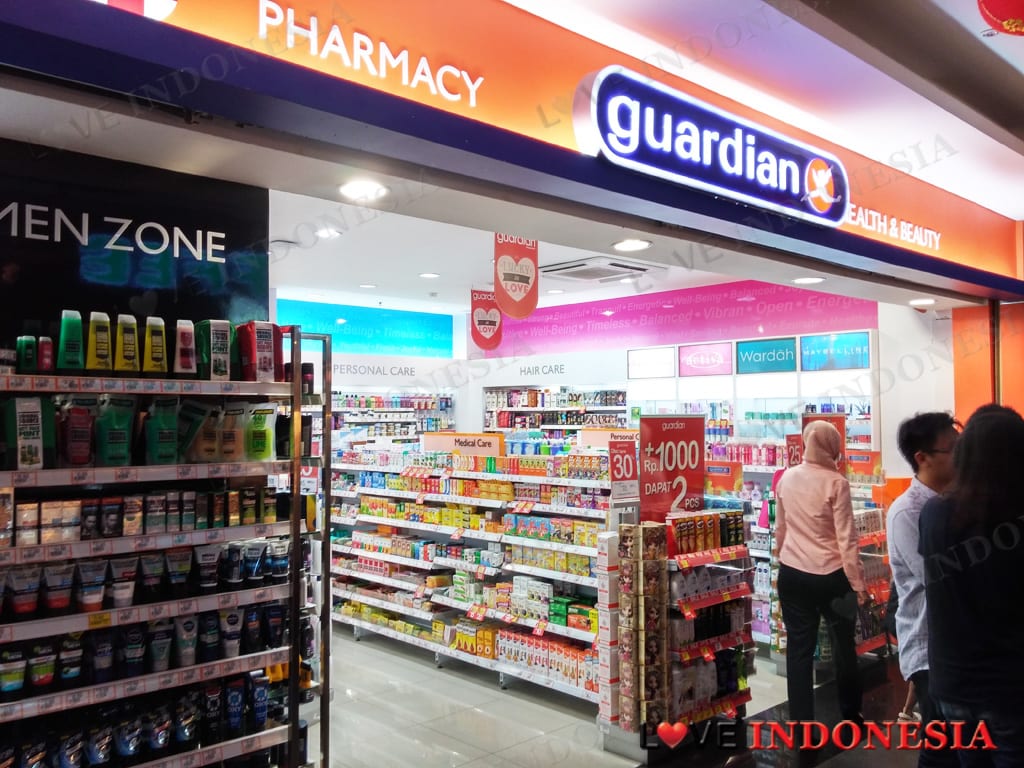
    Beauty Flash: Grooming giant Guardian’s latest and largest store, christened Guardian Plus, had officially opened at Takashimaya Shopping Centre, and boasts a number of firsts sure to make any beauty buff excited.

    For starters, the store at 6,000 square feet is an expansive wonderland of products and cool features, most notable of which is an interactive section outfitted with tablets and touchscreens. With a few swipes of their fingers, shoppers can pinpoint the location of a particular brand or product they’re looking for, as well as research on brands, compare prices and print out their own shopping lists.

    Another nifty touch is a Play, Trial & Test area. Here, you’ll get to test-drive products before you commit, get your skin analyzed by high-tech gadgets, and consult a power team of nutritionists, health, and beauty advisers.

    Choose from over 150 skincare brands and 85 haircare labels, some of which include insider favorites like No7, Mark Hill, Skincode, and Rodial. Guardian says that a mind-boggling 20,000 health and beauty products will be lining the aisles at Guardian Plus, so grab a girlfriend or two and have fun browsing over the weekend!

  • Adidas in talks to lay off Reebok

    Adidas in talks to lay off Reebok

    For some sneakerheads who may be unaware, Reebok is owned by Adidas. Back in 2005, the brand was bought by the Three Stripes for a large sum of $3.8 billion and they have been sharing warehouses and website assets, ever since. Now, however, this business relationship could very well be coming to an end, based on a brand new report from Manager Magazin.

    This publication is based out of Germany and typically has the inside track when it comes to what’s happening over at Adidas Headquarters. Based on the report, it noted that the brand is putting together a team that will try to have Adidas sell-off Reebok by early 2021. This news comes in the midst of a disappointing Q2 sales report that showed Reebok’s revenues dip by 42 percent as a result of COVID-19.

    As for potential buyers, Manager Magazin claims Anta Sports in China or the VF Corporation are suitors. The VF Corporation is certainly an interesting candidate as it boasts properties such as Timberland, Vans, and The North Face.

    So far, Adidas nor Reebok has commented on this story. Keep it locked to HNHH as we will be sure to keep you updated on this story. Also, stay tuned as plenty of other sneaker content is coming down the pipeline.

  • Tiffany sees earnings bump during legal case

    Tiffany sees earnings bump during legal case

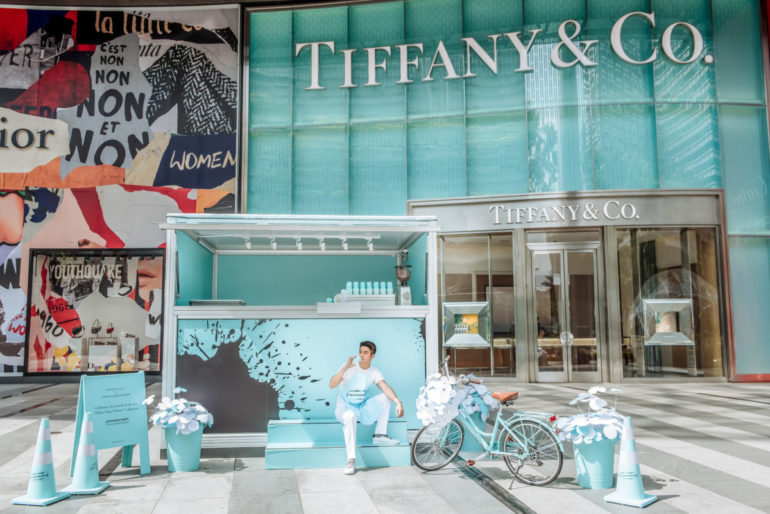
    In the midst of a legal stoush with one-time suitor LVMH, luxurious chain Tiffany has seen constructive gross sales momentum carry it by means of the final two months.

    Though worldwide web gross sales fell barely, working earnings grew 25 percent during August and September in comparison with the identical interval final 12 months. And e-commerce gross sales continued to point out resilience, making up virtually 13 percent of complete gross sales for the interval – virtually double the August – September interval final 12 months.

    “While we still expect full-year results to be substantially impacted by Covid-19, we are very pleased with the way the business has rebounded following the first quarter and continues to rebound in the third quarter, especially in Mainland China, and to recover in the United States,” stated Tiffany chief government Alessandro Bogliolo

    The enterprise does, nonetheless, anticipate fourth-quarter gross sales to be below these seen final 12 months, however expects greater earnings to proceed.

    The earnings announcement got here because the enterprise continues its legal battle with LVMH, which dedicated to buying Tiffany & Co. however pulled out on the grounds the enterprise had been mismanaged during the pandemic and that the French authorities had requested it to delay the acquisition – one thing Tiffany claims by no means amounted to a legal restraint.

    “LVMH’s specious arguments are yet another blatant attempt to evade its contractual obligation to pay the agreed-upon price for Tiffany,” Tiffany’s chairman Roger Farah stated in a press release final month.

  • Fast Retailing bullish about recovery as Asian expansion pays off

    Fast Retailing bullish about recovery as Asian expansion pays off

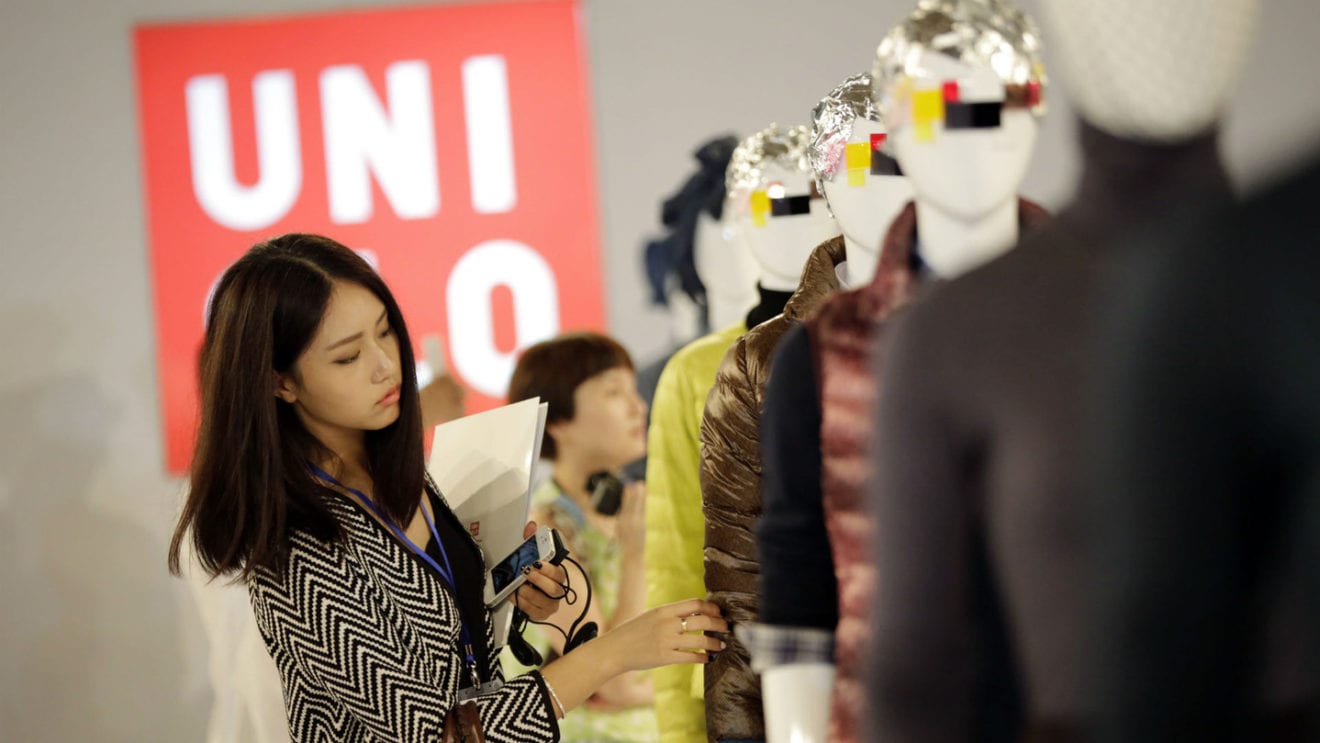
    Uniqlo father or mother Fast Retailing might have reported a 12-per-cent drop in gross sales in its full-year outcomes, however, that decline was far lower than predicted as not too long ago as July as a result of the Greater China and Japanese markets recovered at a sooner rate than anticipated.

    The firm reported full-year revenue of US$1.426 billion, down 42 percent, on gross sales of $19.185 billion worldwide.

    Same-store annual gross sales throughout Uniqlo shops declined by 6.8 percent in Japan, whereas fourth-quarter gross sales in Greater China have been up 20 percent yr on yr.

    In South Korea, the place the corporate has been impacted by a broad boycott of Japanese manufacturers by native customers for the final yr or so, gross sales fell sharply and Fast Retailing recorded a loss, regardless of closing its poorest-performing shops.

    Elsewhere, gross sales and revenue have been down throughout most of Southeast Asia and in Australia and India, however, Singapore, Malaysia, Thailand, and Australia recovered favorably within the fourth quarter. Losses have been reported in each North America and Europe.

    Sales by the GU model rose 3 percent for the yr, however working revenue was down by 22.5 percent.

    Looking ahead

    Given the quick recovery to this point for the reason that peak of the Covid-19 pandemic in Asia-Pacific, Fast Retailing is now projecting a 9.5-per-cent enhance in total income for the 2021 fiscal yr and revenue attributable to shareholders of $1.58 billion, which might characterize a rise of 82.6 percent on the yr simply ended.

    Revenue is predicted to say no within the first half as a result of persevering with the effect of Covid-19, “but we forecast large revenue and profit gains in the second half assuming the virus is brought under control,” the corporate stated in its outcomes announcement. “All business segments are forecast to generate full-year revenue and profit gains.”

    Quick revenue

    During the final monetary yr, Fast Retailing has continued its expansion into new markets, opening the primary Uniqlo in Milan in September final yr, the primary in New Delhi a month later, and making its Vietnam debut in Ho Chi Minh City in December.

    “While all those markets were impacted by Covid-19, Uniqlo Italy managed to post a full-year profit, and the Vietnam operation, which was only launched in December, turned a profit in the second half.”

  • Strong third quarter arrests LVMH’s sales decline for the year

    Strong third quarter arrests LVMH’s sales decline for the year

    Luxury items and liquor-retail group LVMH recorded a 21-per-cent decline in income throughout the first 9 months of this year in what it describes as a “very turbulent environment” in the wake of the Covid-19 pandemic.

    The decline in sales – 30.3 billion euros – largely occurred throughout the first two quarters of the three, with the decline recovering to an extra modest 7 percent in the third quarter, largely pushed by rebounding sales of cognac, vogue, and leather-based items. This was particularly sturdy in the US and Asia.

    Liquor sales fell 15 percent over the 9 months and three percent over the third quarter, whereas sales of vogue and leather-based items, led by Louis Vuitton and Dior, have been down by 11 percent for the full 9 months however surged at a double-digit rate in the third quarter. 

    Covid-19 noticed the suspension of the worldwide journeys and the closure of the group’s shops and manufacturing websites in most nations over an interval of a number of months.

    Sales in its watches & jewelry division led by Tag Heuer, Bulgari and Chaumet, declined by 30 percent in the first 9 months, however, a rebound in China throughout the third quarter was inadequate to arrest a general decline of 14 percent for the full interval.

    LVMH’s selective retailing division skilled a 31-per-cent drop in sales throughout the 9 months. The beauty-retail chain Sephora demonstrated “good resilience during the health crisis,” in keeping with the firm regardless of the closure of virtually all its shops globally for almost two months earlier than sales improved in the third quarter.

    Strong online sales noticed Sephora develop market share throughout its major markets. However, DFS predictably noticed a big decline in its exercise in most locations because of the suspension of a worldwide journey.

  • The Rise of Global Fashion Apps

    The Rise of Global Fashion Apps

    The past year has seen massive changes in the way that fashion retail stores operate and how customers approach retail shopping. The usual routine of visiting shops and trying on clothes is losing popularity and is slowly being replaced by a digital alternative.

    When Apple said, “There’s an app for that” nearly a decade ago, even they couldn’t have predicted just how influential mobile apps would become in our day to day lives.

    Mobile app development has exploded in the last ten years, meaning that your average smartphone user now has access to a massive range of apps from a multitude of sports and health trackers, to a games library that features everything from tiny indie games to rapidfire games of KO Poker, to the seemingly impossible Human to Cat Translator.

    With global e-commerce on the rise, one area of app development which is seeing significant growth is fashion apps that let customer digitally try on clothes before buying them, amongst other features.

    Fashion, as a whole, is increasingly turning to digital opportunities to offset a drop in retail sales. Dominican fashion designer Oscar de la Renta recently announced a partnership with Amazon to design for its Luxury Stores experience. Armani, on the other hand, have opened a traveling pop-up store on China’s Hainan Island that allows customers a “sensorial and playful immersion” and the opportunity to make their own film clips.

    What Are Fashion Apps?

    Broadly, fashion apps can be split into three categories of experience; discovery apps, personal shopping apps, and multiple-merchant apps.

    Discovery Apps

    Discovery apps allow customers to emulate the experiences of browsing through multiple stores looking for inspiration. These apps often don’t include a sales function; instead, they are a form of interactive advertising and social media.

    Some discovery apps also allow the user to virtually try on clothes, using their phone camera and technology similar to Snapchat’s filters to make it look like they are wearing a particular outfit.

    Examples of discovery apps include ShopStyle, which works a little like a Pinterest board for fashion, and The Hunt, which allows users to hunt out second-hand fashion clothing items.

    Personal Shopping Apps

    Personal shopping apps do pretty much what they say on the tin, giving the user the same personalized shopping experience that they might enjoy in high-end retail stores but from the comfort of their own home.

    An excellent example of this kind of app is Lookiero. Lookiero allows a user to upload a picture and some personal specifications. They will then be sent five clothing items, chosen specifically for them, which they can try on at home and return if they don’t like.

    Multiple-Merchant Apps

    Multiple-merchant, or universal shopping cart apps, mean users don’t have to hop between multiple shopping apps or websites in order to get their fashion fix. They can use the app to browse the inventory of merchants and then purchase and checkout from a single cart.

    The largest and most well known of these apps is Lyst, which gives its users access to thousands of different stores in one place.

    What Do Fashion Apps Offer?

    Obviously, different fashion apps offer different experiences, ranging from enjoying the services of a personal shopper to spending the day going from shop to shop looking for some inspiration.

    Some apps may be as simple as creating a wish-list of fashion products from multiple vendors. In contrast, others offer more complex services, such as digital try-ons, either by using cameras or sending products to your home, and multi-vendor shopping.


    However, taken as a collective, fashion apps replace an in-person experience that people are moving away from by offering new and exciting digital services that customers can access and use from their own homes.


    By adapting to changing circumstances in the global retail environment, fashion apps allow both retailers and customers to stay connected and, to an extent, replace some of the experience of in-person shopping.


  • Uniqlo opens massive store in Hamburg

    Uniqlo opens massive store in Hamburg

    Japan’s Fast Retailing Co. Ltd. opened Friday (October 9, 2020) its first Uniqlo store in Hamburg on Alter Wall adjacent to City Hall during festivities attended by Japanese Consul General Kikuko Kato and Astrid Nissen-Schmidt, Vice President of Hamburg’s Chamber of Commerce, and other guests. The new 1,750 square metre-store is spread out over four floors.

    The opening of the huge store in downtown Hamburg is an expression of the “belief in retail”, the daily Hamburger Abendblatt quoted Michelle Kronbergs, Head of Marketing and PR Germany at Uniqlo, as saying. Taku Morikawa, Chief Executive Officer of Uniqlo in Europe, stressed: “Hamburg is an impressive city known worldwide for its tolerance, culture and economic importance as a main European trading centre with its port. We are delighted to have found such an exceptional location for our first store in the heart of this great city.”

    The new fashion store, Uniqlo’s tenth in Germany, is located in the former premises of the Bucerius Kunst Forum. The brand highlights Japanese values of “simplicity, quality and durability”.  Since moving to Germany in 2014, Uniqlo has opened six stores in Berlin and one each in Stuttgart, Düsseldorf and Cologne. The company operates more than 2,200 stores in 25 countries.

    Uniqlo is a wholly owned subsidiary of Fast Retailing Co. Ltd, a leading international Japanese apparel retail group that designs, manufactures and sells eight major fashion labels. Fast Retailing achieved global turnover of more than USD 21.5 billion in 2019 making it one of the world’s largest clothing companies and Japan’s biggest fashion brand.

  • H&M recycles old garments into new clothes

    H&M recycles old garments into new clothes

    Fast fashion chain H&M wants to turn discarded clothes into something new to wear again — within five hours. The Sweden-based retailer is about to start giving consumers at its Stockholm store the option to turn in used garments that it will then transform into one of three different clothing items.

    Once the program begins Monday, customers will be able to bring in a garment they don’t want, which will be cleaned and put into a machine called Looop. The machine will disassemble it, shredding it into fibers that are then used to create new clothing. The effort comes amid a rising volume of global clothing waste and growing concern over fast fashion’s contribution to it.

    H&M is unveiling a garment-to-garment recycling system called Looop at its store in Stockholm. The company said the recycling process, which can handle more than one garment at a time, doesn’t use water or chemicals and sometimes might need “sustainably sourced” raw materials added in, but it hopes to make “this share as small as possible.”

    The entire process takes about five hours and is visible to shoppers. For now, customers can choose one of three items to be made — a sweater, a baby blanket or a scarf for a fee of $11 to $16.

    “We are looking to expand the range available as we get to know Looop better,” the company said in an email.

    The Looop machine dissembles old clothing, shreds it, turns it into yarn, which then is used to make new clothing. H&M said the system is currently only available in Sweden, where H&M is based. It declined to reveal what future plans it may have to expand Looop, if any. While the Looop system could help spread awareness about clothing waste and recycling, for now, it lacks the scale to make any widespread impact on the volume of clothing waste generated annually.

    According to the Environmental Protection Agency’s website, 16.9 million tons of textile waste was generated in the United States in 2017, the latest data available. The recycling rate was just 15.2 percent, with 2.6 million tons recycled.

    “Fast fashion has had an impact on this because so much of the clothing is not well constructed or made with synthetic materials that can’t be easily recycled,” said Jackie King, executive director of the Secondary Materials and Recycled Textiles Association, a trade group for the textile recycling industry.

    H&M and other fast fashion sellers like Zara have taken some steps to curtail textile waste.

    In 2013, H&M launched a global garment collecting program in all of its stores and has set a goal of having all clothing sold in its stores be made from recycled or sustainably sourced materials by 2030. That figure currently stands at 57%, according to the company.

    Similarly, customers can drop off used clothing, footwear and accessories in more than 1,300 Zara stores. Last year, Zara announced that all of the cotton, linen and polyester used by the company will be organic, sustainably sourced or recycled by 2025.

    “One of the biggest drivers of clothing overconsumption are fast-fashion sellers,” said Deborah Drew, analyst and social impact lead with the global research non-profit World Resources Institute. “Large companies like H&M and Zara can have a really big, transformational impact on the industry and on consumers if they lead the way in facilitating change.”

  • Manhattan Associates rolls out new eCommerce solution for global clothing company during COVID-19 lockdown

    Manhattan Associates rolls out new eCommerce solution for global clothing company during COVID-19 lockdown

    As COVID-19 swept its way across the globe, and many countries were forced into lockdown, businesses that were undergoing large-scale projects were subject to the challenge of no longer being able to operate under usual conditions. However, despite being caught in the grips of a global pandemic, Manhattan Associates’ was able to deliver its (WMS) remotely under COVID-19 lockdown to a global clothing designer and manufacturer.

    Many retailers across the Asia-Pacific region have experienced a huge spike in online orders during the COVID-19 period, which has stretched processes, technologies, and people. This has led to an increased focus on how to better manage eCommerce orders and the need for solutions to support the smooth flow of online goods to customers.

    Retailers today need warehouse systems that have the flexibility and agility necessary to adapt and grow alongside their business. However, the added challenge of how to deploy such solutions in a time when the movement and availability of technical experts is limited due to COVID-19 travel restrictions and lockdowns, is significant.

    In lieu of the usual in person deployment processes, Manhattan Associates can successfully design, implement, and deploy Warehouse Management System’s (WMS) remotely.

    “The ever-changing nature of eCommerce and consumer demands means that businesses can’t wait to improve their processes. Businesses need to constantly innovate to meet customer demands and COVID-19 lockdowns won’t stop this. Retailers must have agility and scalability built into their systems in order to seize new opportunities while still maintaining operational efficiencies. This is something our WMS works to achieve by being designed to meet consumer demands now and into the future,” said Richard Wright, Managing Director, SEA, at Manhattan Associates.

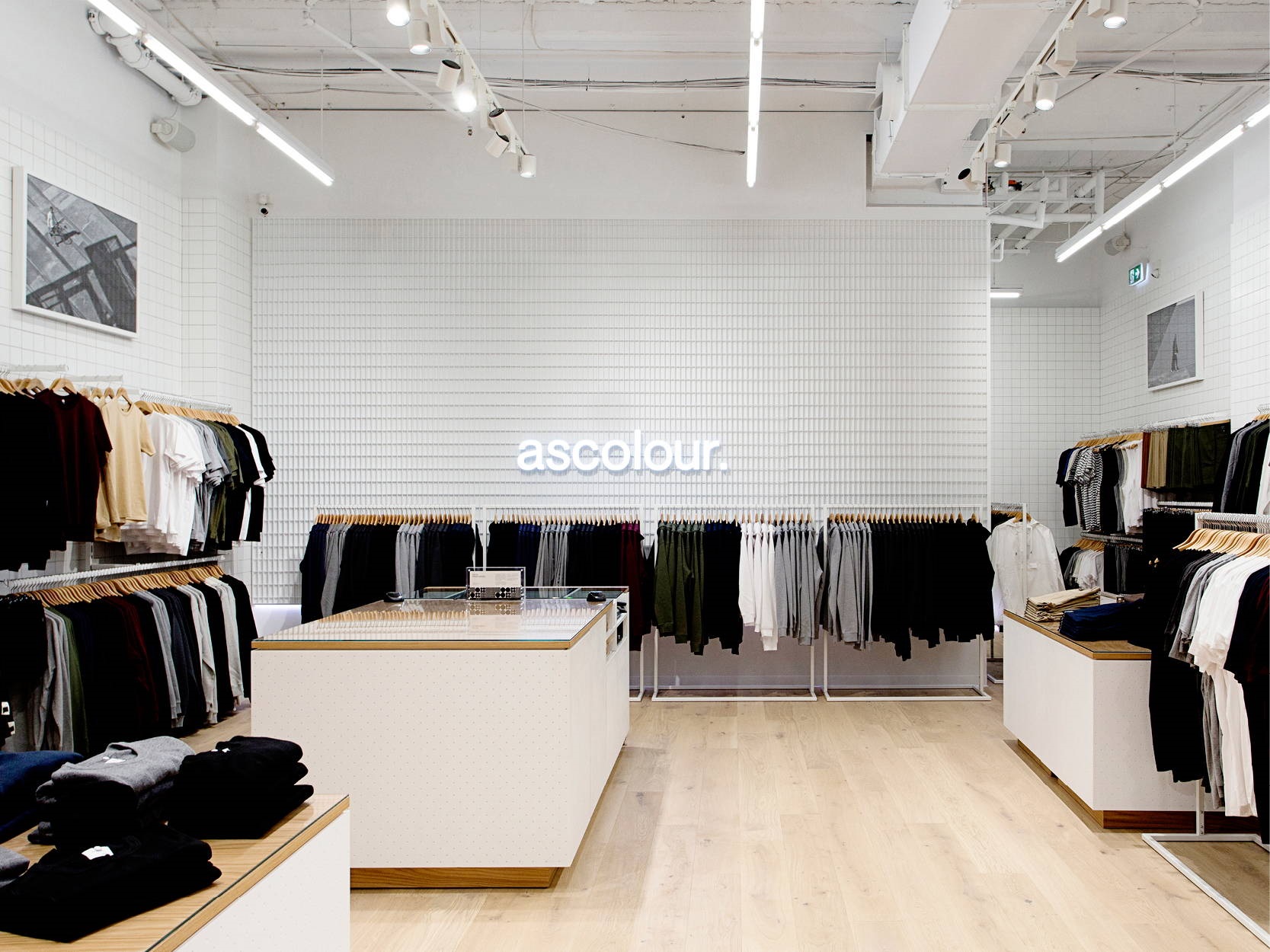
    Lawrence Railton, Managing Director and Founder of global clothing brand, AS Colour, found that after the company was forced into COVID-19 lockdown, more people were heading for the eCommerce space to buy goods, which increased the need to improve their warehouse operations, even if having a technical expert on-the-ground to deploy new technology was not possible.

    “With many lines of distribution brought to a halt in New Zealand, we saw an overflow of orders once restrictions eased, which put a lot of pressure on our DC to catch up,” said Lawrence. “This fluctuation in eCommerce demand is exactly the type of situation that drew us to implement Manhattan’s WMS technology in the first place, as it would prepare us for any future shifts in the market.”

    “When rolling out the new system, we really had to use remote working to our advantage, which in the end allowed us to launch the new system two weeks ahead of schedule and save plenty of money on travel and overheads in the process. Even under remote conditions, Manhattan’s expertise, motivation, and ongoing support ensured that the project was running smoothly, and that any issues were resolved quickly and efficiently,” added Lawrence.

    To hear more, Manhattan Associates will be hosting an APAC Virtual Summit from October 27-30. To register, go to: Manhattan Associates APAC Virtual Summit.