Tag: Fashion

  • Carmaker Hyundai launches fashion collection from up-cycled waste

    Carmaker Hyundai launches fashion collection from up-cycled waste

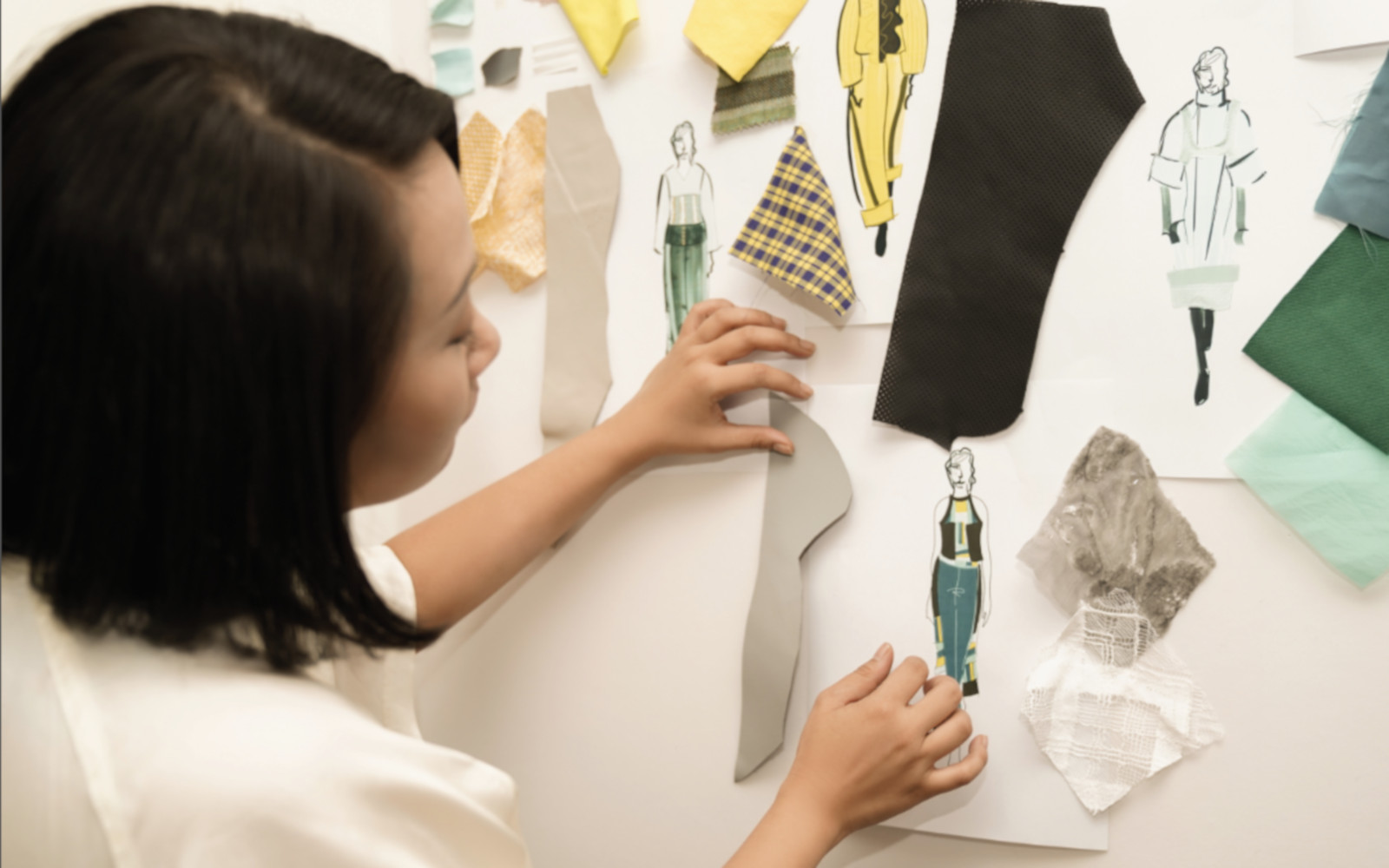
    Hyundai Motor has announced the launch of its sustainable fashion collection – Re:Style 2020 – created by upcycling discarded automotive waste materials from manufacturing and scrapping processes.

    The company says it has taken a creative approach to sustainable fashion by converting auto waste into marketable products in collaboration with artists – Alighieri, E.L.V. DENIM, Public School, pushBUTTON, Richard Quinn, and Rosie Assoulin.

    The eco-friendly fashion collection features a variety of products such as jewelry, jumpsuits, working vests, bags, and various other clothing. For example, Alighieri created a collection of necklaces, chokers, and bracelets with repurposed car seatbelts, car glass, and foam materials. A work vest with pockets has been made using airbag materials by pushBUTTON. The collection also includes a tote bag made of seatbelt webbings, carpet fabrics, and foam, designed by Rosie Assoulin.

    The idea behind Hyundai’s ‘Re:Style 2020’ has been to make use of waste materials from the auto scrapping process that ultimately ends up in landfills. Though materials such as iron and nonferrous metals are currently recycled as part of the scrapping process, some other materials such as leather, glass, and airbags cannot be. It was these leftovers that were sent to the collaborative partners of the fashion collection.

    The sales of sustainable fashion products will begin on October 13 at London’s Selfridges pop-up store and Selfridges online store. Proceeds from the sales will go towards the British Fashion Council’s Institute of Positive Fashion.

    Hyundai says that by demonstrating that discarded resources can be reimagined into valuable products, the company aims to encourage other industries to see waste as a recreative opportunity. “(And) work collaboratively toward an environmentally accountable and economically efficient future,” says Wonhong Cho, Executive Vice President and Global Chief Marketing Officer of Hyundai Motor Company.
  • Lancome opens smart store at Lotte Duty Free

    Lancome opens smart store at Lotte Duty Free

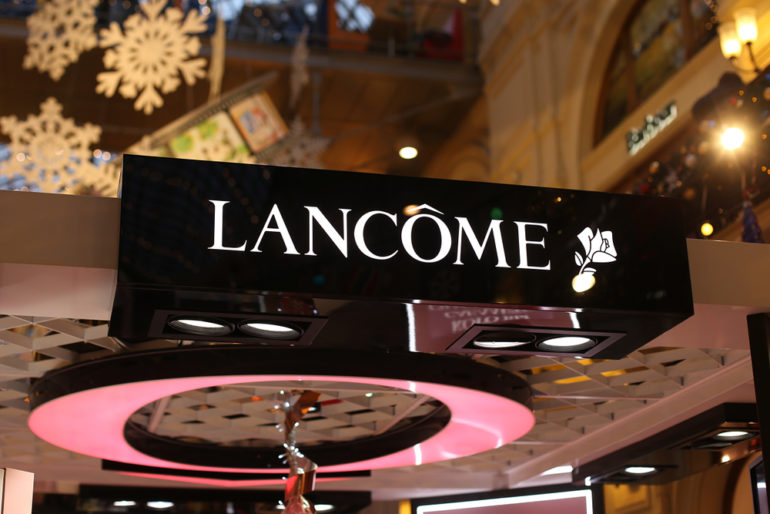
    Lancome has introduced a smart store in partnership with Lotte Duty-Free, occupying a 520sqm space and featuring contactless digital experiences with AR and AI.

    The smart store also houses a selection of skincare and makeup products, including the Advanced Genifique serum.

    The Lancome x Lotte Duty-Free Smart Store in Seoul is a co-creation of a fully integrated physical and digital experience, and a re-imagination of the brand’s relationship with travelers through dynamic, beauty tech innovations, according to Emmanuel Goulin, MD at L’Oreal Travel Retail Asia Pacific.

    Lancome has introduced its first augmented-reality makeup service Modiface, allowing customers to try on beauty products via a virtual mirror from an iPad or by scanning QR codes. The store also houses a giant Advanced Genifique serum LED bottle, featuring personalized engraving service.

    “Lotte’s partnership with Lancome Travel Retail Asia Pacific was a natural one,” said Kap Lee, CEO at Lotte Duty Free. “Both organisations saw technology’s potential to offer the travel retail industry a solution for recovery and growth –– all while offering consumers exciting digital innovations as part of a reinvented travel retail experience.”

  • Berluti opens first Malaysian store in KL

    Berluti opens first Malaysian store in KL

    French men’s fashion house Berluti has opened Malaysia’s first store in Kuala Lumpur in partnership with Indonesian retail firm Time International.

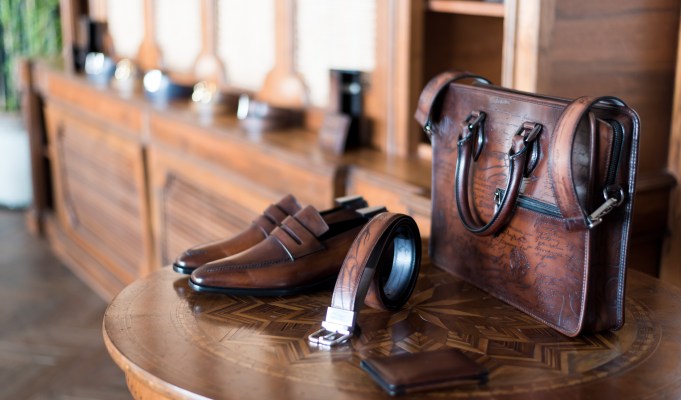
    Located at Suria KLCC, the Berluti store occupies a 105sqm space, offering a selection of men’s shoes, leather goods, ready-to-wear and accessories.

    The store’s facade features a wooden-patterned wall and a display box showing the latest Berluti collection. The interior design uses a warm brown beige palette to highlight the masculinity elements.

    “The ‘full-grain’ club ambiance flawlessly complements the speakeasy reference of the Patina Wall, a genuine ode to Berluti’s savoir-faire,” the company said in a statement.

    “This store shows our commitment to build and expand the brand’s presence in Malaysia and celebrate the iconic French brand with our clients,” said Irwan Danny Mussry, president and CEO of Time International.

    The store also houses the Fall/Winter 2020 ready-to-wear and accessories collection and the Maison’s first patterned canvas collection designed by Artistic Director Kris Van Assche.

  • Kenzo founder Kenzo Takada dies from virus

    Kenzo founder Kenzo Takada dies from virus

    Paris-based Japanese designer Kenzo Takada, famous for creating the international luxury fashion house Kenzo, died in Paris on Sunday due to Covid-19 related complications, a spokesperson for Takada’s luxury K-3 brand said in a statement sent to CNN. His death came in the midst of Paris Fashion Week, which, through a hybrid of physical and digital shows, has forged ahead despite rising Covid-19 cases in France.

    It is with immense sadness that the brand K-3 announces the loss of its celebrated artistic director, Kenzo Takada. The world-renowned designer passed away on October 4th, 2020 due to Covid-19 related complications at the age of 81 at the American Hospital, in Neuilly-sur-Seine, France,” the statement read.

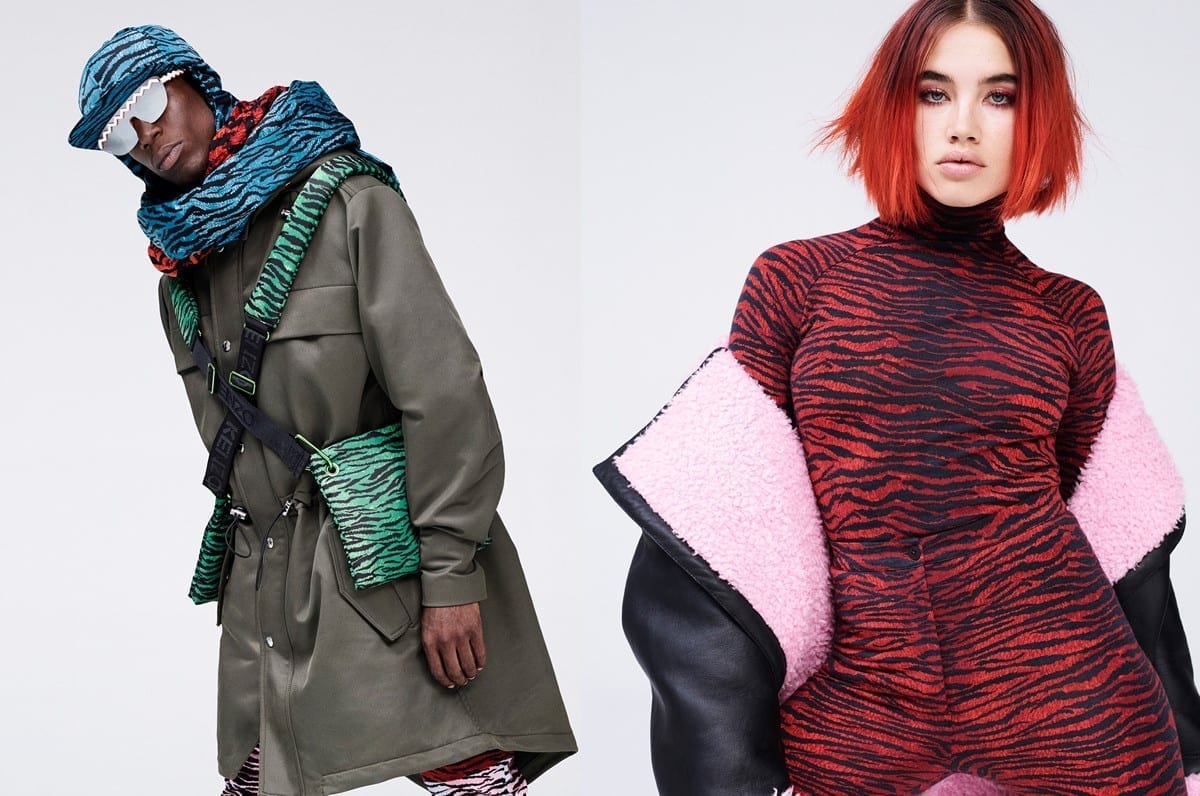
    In 1970, Takada rocked Paris with the debut of his namesake fashion line. Sold out of his first boutique, called Jungle Jap, his designs were a chaotic mix of loud colors and mismatched prints inspired by his travels.

    The world’s varied cultures would be a constant source of creativity — and everything from folk dresses to kimonos would be boldly reinterpreted for his runways. “There was much more of a cultural gap when you were traveling from one country to the next,” he said in a 2019 interview, reminiscing about trips taken in the 1970s. “So that really drove me and gave me a lot of influence and inspiration to work on different things around my trips.”

    On Paris, Takada would speak of its lasting influence. “A French way of working with fashion definitely influenced me and much later I started to blend other cultures into that specific fashion,” he said.

    “Of course now, fashion is everywhere; in New York, Paris, Milan, London, Tokyo, everywhere. But I think Paris stays very important.”

    The designer inaugurated his flagship store in the city’s Place des Victoires by 1976, and over the next three decades, he racked up numerous accolades and accomplishments — including a slew of magazine covers, the launch of a perfume empire and, in 1993, his brand’s purchase by luxury conglomerate LVMH — before retiring to pursue other creative projects in 1999.

    “Kenzo Takada was incredibly creative; with a stroke of genius, he imagined a new artistic and colorful story combining East and West — his native Japan and his life in Paris,” Jonathan Bouchet Manheim, CEO of Takada’s K-3 brand, launched in January of this year, said in a statement.

    “I had the chance to work alongside him for many years, always in awe, admiring his curiosity and his open-mindedness. He seemed quiet and shy at first, but he was full of humor. He was generous and always knew how to look after the people close to his heart. He had a zest for life… Kenzo Takada was the epitome of the art of living,” he added.

  • New investment venture UCG to buy hip brands and scale them for China

    New investment venture UCG to buy hip brands and scale them for China

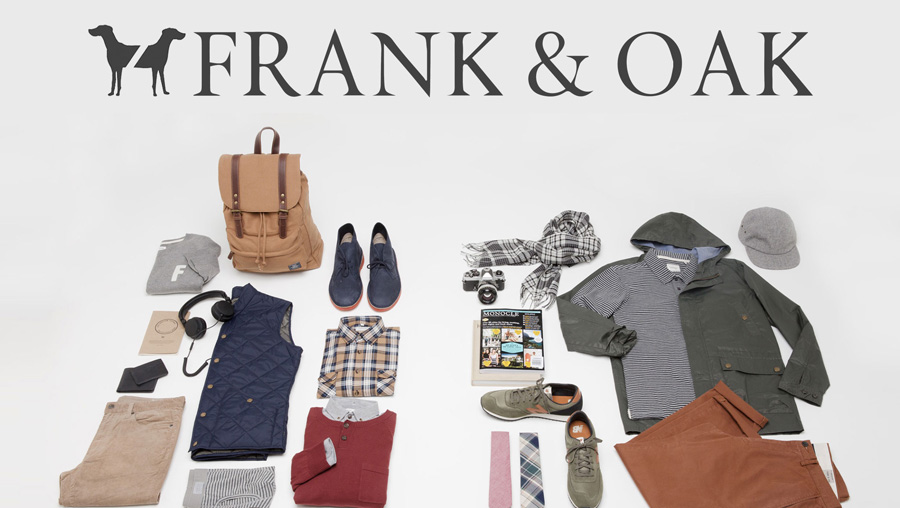
    Unified Commerce Group, an exciting new retail acquisition and advisory group designed to drive innovation in the retail industry, and Frank And Oak, Canada’s award-winning sustainable fashion brand, today announced UCG’s strategic investment in Frank And Oak. Through access to its multi-disciplinary retail experts and vast industry network, UCG will provide Frank And Oak with the necessary resources to continue to nurture the brand’s strong following within Canada as well as fuel its expansion into the United States and its growth into new markets, including Asia.

    UCG was founded in 2020 by Omnichannel & New Retail pioneer Dustin Jones and Wall Street veteran Greg Freihofner to build a portfolio of purpose-driven brands that connect with consumers on a global scale and in the world’s most dynamic markets. Frank And Oak is UCG’s first strategic investment and sets the stage for future global brand investments and acquisitions. UCG’s tech-enabled platform drives scale for its brands through unified services; harmonizing strategy and execution to design, operate, and push boundaries in retail.

    “We are delighted to welcome Frank And Oak to UCG,” said Dustin Jones, co-Founder and Chief Executive Officer of Unified Commerce Group. “Frank And Oak is exactly the type of brand we set out to work with and we are excited to embark on its next chapter. In collaboration with the brand’s skilled CEO Jeremy Brown and the talented team in Montreal, we look forward to furthering the brand’s success in Canada and abroad.”

    Launched in 2012 by long-time friends Hicham Ratnani and Ethan Song, alongside a small group of passionate creatives, Frank And Oak design men’s and women’s apparel and accessories from its Montreal headquarters that are made to last with the highest standards to keep up with our demanding lifestyles, while ensuring minimal impact on the planet. A certified B Corporation, Frank And Oak is beloved in Canada and the US for its core values of sustainability, transparency, and functionality that are reflected in both its products and business practices. Like many retail brands worldwide, Frank And Oak has been significantly impacted by the Coronavirus pandemic and, as a result, filed a notice of intention to make a proposal in June 2020. The brand’s restructuring and its newly announced partnership with UCG are to be implemented through an asset sale transaction for which Modasuite Inc., the current Frank And Oak operator, is seeking the approval of the Superior Court of Quebec. Provided such approval is obtained, it is anticipated that the transaction will close shortly thereafter.

    Jeremy Brown, Chief Executive Officer of Frank And Oak said, “We are privileged to partner with Dustin, Greg, and the multi-faceted team at UCG who truly embody our values and share our optimism and vision for Frank And Oak. The support and guidance from UCG will allow us to drive sustainable long-term growth for Frank And Oak.”

    Hicham Ratnani, co-Founder and Chief Operating Officer of Frank And Oak said, “UCG provides an exciting path forward with a group that appreciates and will invest in our unique assets, vision, and team. I’m immensely proud of all that we have accomplished and overcome and the direction we are moving in as a brand.”

    As UCG and Frank And Oak embark on their partnership, together they will work to further Frank And Oak’s commitment to sustainability, and introduce the brand to new markets. Frank And Oak will proudly remain headquartered in Montreal – the city that inspired its creation and continues to fuel its evolution.

  • H&M to close 250 stores globally as customers move online

    H&M to close 250 stores globally as customers move online

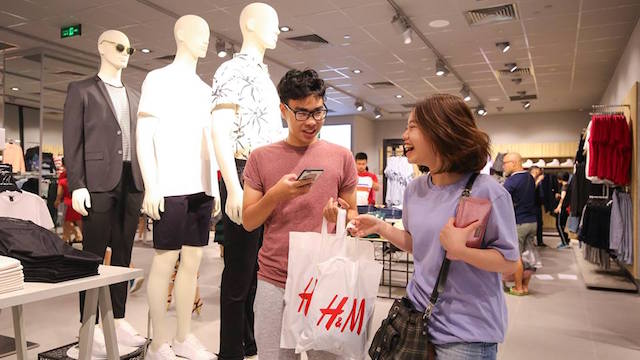
    The world’s second-biggest fashion retailer, Sweden’s H&M, says it plans to cut 250 of its stores globally. The closures will come next year after the firm said the Covid-19 pandemic had moved more shoppers online. Although it said sales had continued to recover in September, they were still 5% lower than the same month in 2019.

    The firm has 5,000 stores worldwide, but it is not yet clear how many closures will be in the UK.

    It said it was “too early for us to give any details on this, the numbers will differ from national market to market”.

    H&M has the contractual right to renegotiate or end leases on about a quarter of its stores every year. The retailer said that it planned a “net decrease of around 250 stores” next year.

    While its pre-tax profits fell to 2.37bn Swedish krona (£210m) for the nine months to 31 August, this was better than analysts had expected.

    However, it said 166 of its stores worldwide remained closed, and a large number still had local restrictions and limited opening hours

    Analyst Richard Lim of Retail Economics said: “What we have seen generally over the past few months of the pandemic has been a step-change in the number of sales going online.

    “That has affected all parts of the industry, but particularly clothing and footwear.”

    He also said that in terms of consumers physically visiting stores to do shopping, there had been a move from High Streets and shopping centers towards retail parks.

    “People can go in their cars instead of using public transport, and they are also able to buy in bigger bulk at retail parks,” Mr Lim said.

    H&M said it would now accelerate its plans to increase digital investment to cope with growing online demand.

    The Stockholm-based firm said it had taken “rapid and decisive action” to manage the impact of the coronavirus, including changes to purchasing, investments, rents, staffing and financing.

    Chief executive Helena Helmersson added: “Although the challenges are far from over, we believe that the worst is behind us and we are well placed to come out of the crisis stronger.”

    Sofie Willmott, from analytics firm GlobalData, pointed out that H&M’s sales in September “fell just 5% demonstrating the relevance of its product offer as shoppers start to feel more confident returning to stores”.

    But she said the firm “must enhance its online proposition given the importance of digital channels, to succeed in a very tough market”.

    In addition, Ms Willmot said H&M should consider “more significant changes” with regards to shop closures, or it will “continue to be hindered by its excessive store estate”.

  • Esprit reports US$503 million loss as Covid-19 interrupts reform plan

    Esprit reports US$503 million loss as Covid-19 interrupts reform plan

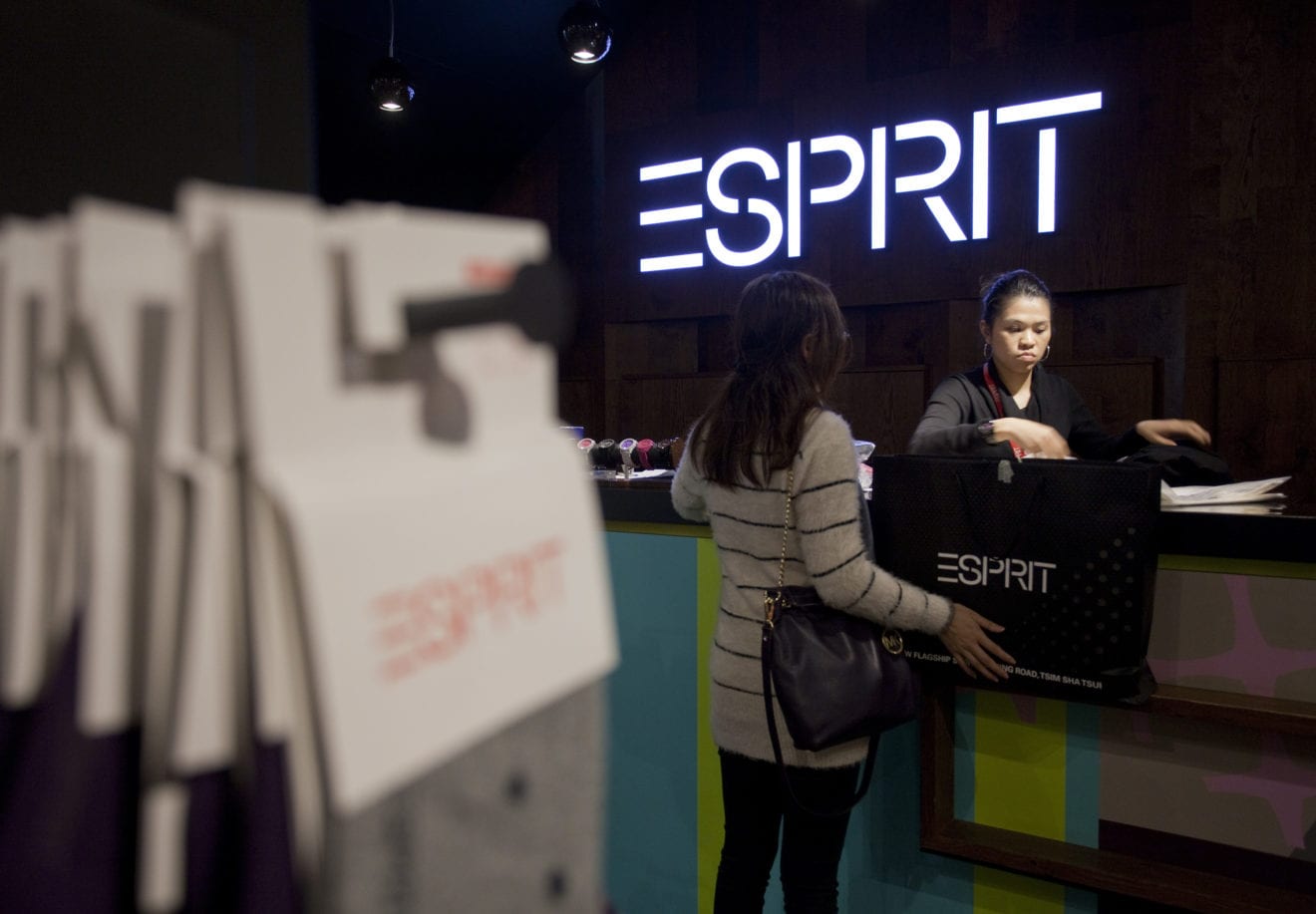
    Esprit has been facing difficult times much before the pandemic started owing to enfeebled sales and has now warned shareholders that it will be posting a loss of US $ 503.2 million in its annual report slated to release late next month.

    The European entities of the retailer are already under statutory administration and its shares were trading for as low as 12 cents in Hong Kong.

    Many analysts and investors believe the company has no reason left to continue trading.

    COVID-19 has had a significant impact on sales resulting in a 24 percent decline in revenue to US $ 1.277 billion from US $ 1.66 billion last year.

    The company also reported expenditure of US $ 310 million on trademarks, provisions for store closures, severance payments, property and plant and equipment.

    Apart from this, the management has also been seeing tough times with Karen Lo, part of the founder’s family, calling for the removal of CEO Anders Christian Kristansen and CFO Dr. Johannes Georg Schmidt-Schultes from the board in a special meeting of the shareholder in July.

    Earlier in July, Esprit said it would let go of 1,100 employees, mo

  • Mochi Shoes completes 20 years

    Mochi Shoes completes 20 years

    Awesomeness trends once again as Mochi, the stylish youthful Indian footwear and accessories brand, turns 20 this year. Since its debut in the year 2000, the brand has expanded its presence in 74 cities with 144 stores. The Big Birthday Bash of Mochi as it turns 20 begins with a pre-celebration of 14 days starting 26th Sept to 9th Oct, with 10th and 11th Oct being the two BIG BIRTHDAY DAYS! The brand is celebrating this milestone with special offers, lucky draw prizes, special surprises on the big days, lots of excitement via various gifts, engagement with its followers on its digital platforms.

    What began as the first store in the year 2000 on Commercial Street of Bangalore has now expanded rapidly over the years into a brand that is synonymous with vibrant, fresh designs, creativity, and spunk for young Indians. In the past two decades, Mochi has gained experience providing bright, vibrant stylish footwear trends to the youth and has guaranteed a unique strong identity in style. This brand provides a wide assortment of fashion footwear along with trendy handbags, belts, socks, wallets, and more

    Speaking on this special occasion, Alisha Malik, VP Marketing and Ecommerce, Metro Brands LTD, said, “Mochi, the young, vibrant, fun brand is turning 20 and that’s a milestone all of us are very excited about. It is a brand that is very special to all of us. This 16 day of birthday celebration will also bring a positive vibe to our customers in this current pandemic. It’s the Mochi spirit, after all ‘Awesome Never Stops’! We would like to thank all our customers, employees, partners, Karigars, who have been through this exciting journey with us and have helped us achieve this milestone.”.

    Leveraging its heritage, most of the products from Mochi Shoes are ‘Made in India’ with the skill and expertise of over 4000 local Karigars. The philosophy of durability, quality, and innovation has continued, and the brand now offers footwear styles for men, women, and children.

    Mochi is celebrating its 20 glorious years with a series of activities at the store as well as on e-commerce platforms such as – Spin a Wheel, wherein customers can win their offer, free shopping and much more and redeem. This is assured for anyone who spins. There is a Lucky draw at the end of the duration, wherein over 1000 prizes will be given out. Customers stand a chance to win Apple I-pads, Prime subscriptions, Echo, fire sticks, free shopping, and lots more. Customers can choose to shop either at the store or from their e-commerce site

  • Fosun finally completes acquiring fashion label Tom Tailor

    Fosun finally completes acquiring fashion label Tom Tailor

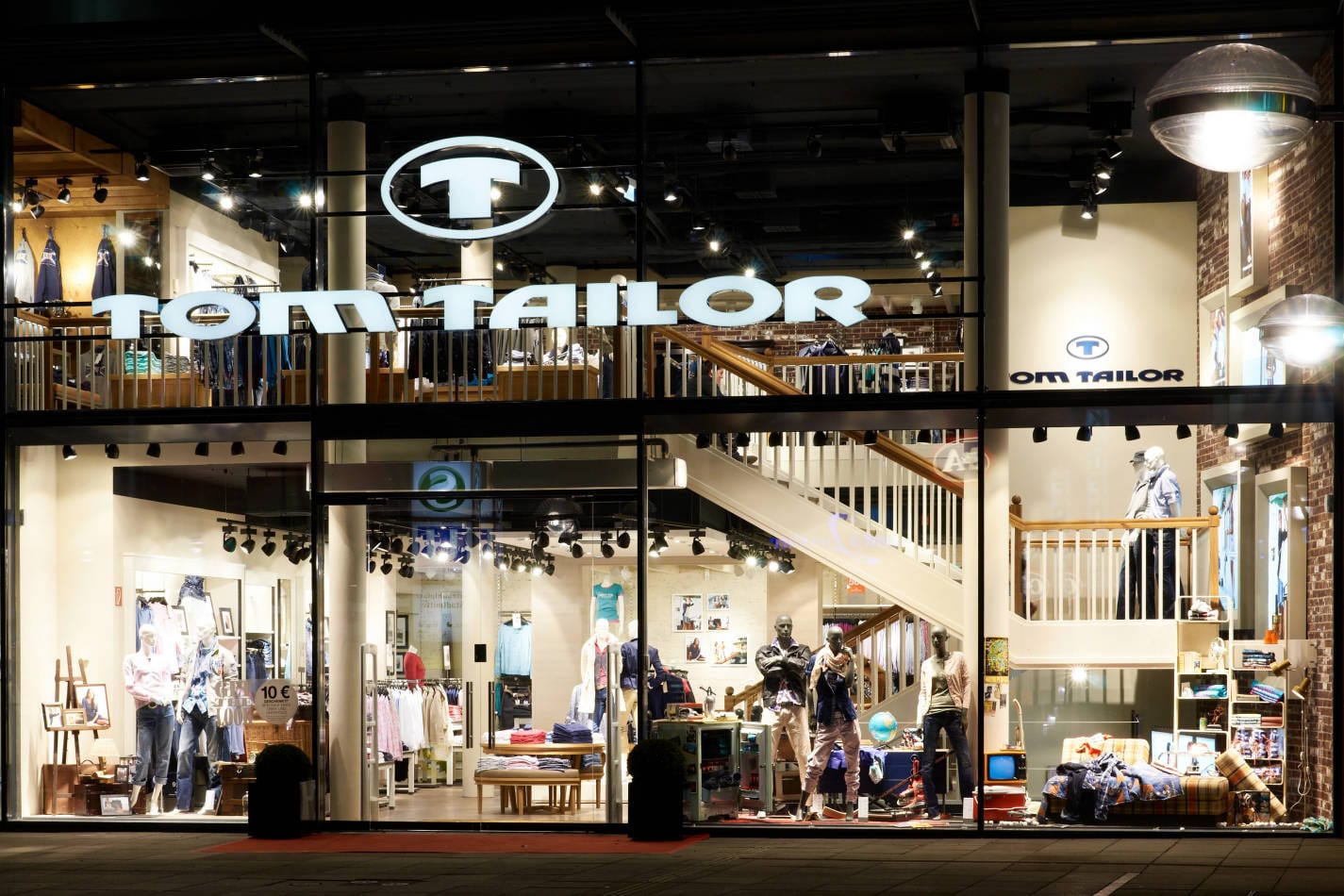
    Fosun International Limited (Stock Code: 00656.HK) today announces to acquire 100 percent of the shares in Tom Tailor GmbH, together with its subsidiary companies. This enables the fashion brand, with around 3,400 employees, to achieve long-term business development and sustainable growth through Fosun’s strategic empowerment and ecosystem.

    Fosun has always believed in the brand value of Tom Tailor since the beginning and has purchased the minority of brand shares of its listing company TOM TAILOR Holding SE as early as 2014. After years of investment and funding, Fosun finally acquired its controlling stake in 2019.

    “Since first becoming a shareholder in 2014, Fosun has been deeply committed to Tom Tailor – and has always believed in the brand and continued to invest in it, even in particularly challenging times for the entire Tom Tailor Group,” said Gernot Lenz, CEO of Tom Tailor GmbH. “The knowledge and experience we have gained together over the years make Fosun the ideal partner to take Tom Tailor GmbH to the next level once again, both during and after the coronavirus outbreak.”

    From now on, Tom Tailor GmbH is hoping for a stronger come back in the fashion market, being able to stay ahead in the competition with Fosun’s steady empowerment. Fosun Fashion Group (FFG), as an important industry sector within the Fosun ecosystem, is continually providing support through investments and aligning with management to ensure that capital and strategy are in place. Thanks to the continued financial support from Fosun, as well as new strategic measures with a clear focus, Tom Tailor GmbH is confident about its future in the industry, at the same time capable of contributing to the fashion ecosystem of Fosun.

    “Fosun is committed to making long-term strategic investments in companies that offer high-quality products and services to families around the world,” explained Xu Xiaoliang, Co-CEO of Fosun International. “As one of the largest fast-fashion brands in Germany, Tom Tailor GmbH has developed a firm market base and an extremely high level of brand recognition among consumers, as well as a fully developed supply chain and logistics system in German-speaking countries. We remain confident about this. We would like Tom Tailor GmbH to become an even more resilient and more fruitful partner for us.”

    Tom Tailor GmbH aims to overcome its current and future challenges and will be able to build on the growth recorded in 2019. With financing secured for all areas of the Tom Tailor GmbH business until September 2024, the company can implement the numerous operational and strategic measures as planned. These measures will primarily address the following five aspects:

    • Improve products: Tom Tailor GmbH will invest in effectively improving the quality and appeal of its products.
    • Increase customer loyalty: Tom Tailor GmbH will introduce a variety of individual initiatives to significantly improve and maintain the loyalty of its customers in the long term.
    • Continue with targeted internationalization: Tom Tailor GmbH aims to continue its successful growth trajectory in several countries outside of its existing core markets, particularly in South-Eastern Europe.
    • Strengthen online business: Tom Tailor GmbH will selectively expand its digital sales channels and online presence for a significant growth online revenue.
    • Improve efficiency: Tom Tailor GmbH will cope with the effects of the COVID-19 pandemic by implementing a bold program to streamline processes along the company’s entire value chain.

    Despite all the challenges, Tom Tailor GmbH’s clear ownership structure and financing arrangements make it one of the few players in the fashion industry, resting on a very concrete foundation for further development. This stability does not only ensure a solid ground for upcoming improvements. It is also going to provide all of the company’s stakeholders – particularly its trading partners, suppliers, financing partners and, of course, its employees – with the reliability required to successfully develop the business going forward.

  • Uniqlo launches initiative to recycle its products

    Uniqlo launches initiative to recycle its products

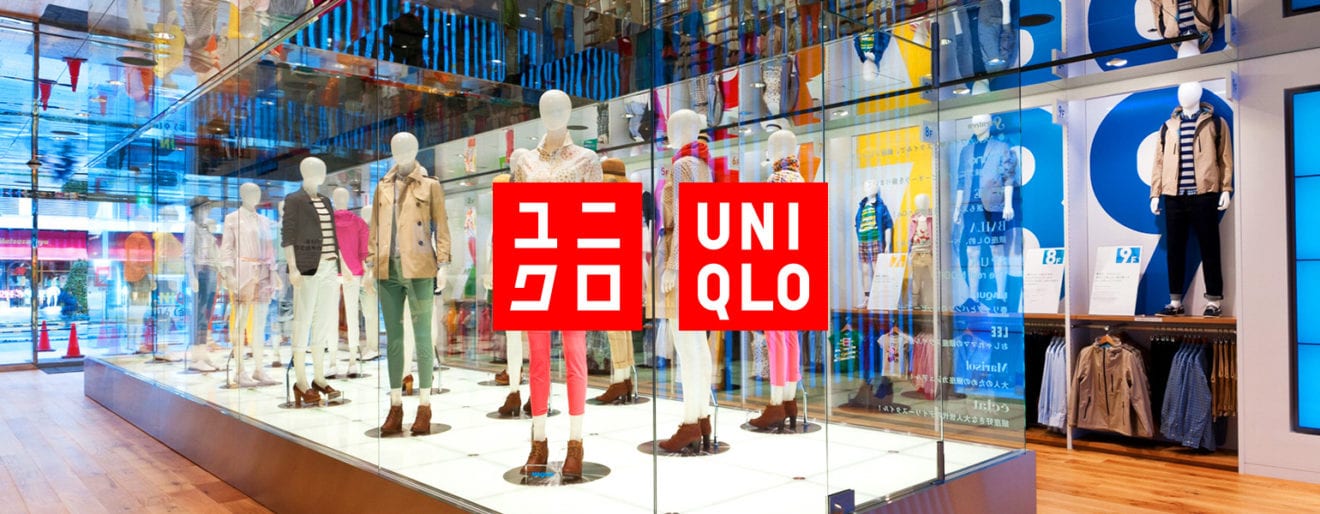
    Japanese apparel business Uniqlo has launched a recycling initiative aimed at reducing the footprint of its products being improperly disposed of.

    Called Re.Uniqlo, the program enables the business to recycle old clothes into new clothes, redistributing old clothes to people in need, and, in Japan only, recycling old clothes into fuel and materials.

    Goods to be recycled can be taken into Uniqlo stores and deposited within Re.Uniqlo boxes. All Uniqlo items are accepted, but the business asks that customers wash clothing beforehand and ensure there are no personal belongings included.

    “We collect second-hand Uniqlo clothes in stores for reuse and deliver them to people in need worldwide in the form of emergency clothing aid for refugee camps and disaster areas together with the United Nations Refugee Agency, NGOs and NPO,” Uniqlo said on its Re.Uniqulo website.

    “And recently, we have been actively recycling clothes into clothes, starting with our own products.”

    The business’s first recycled product, a down jacket, will be on sale later this month.

  • Arc’teryx Shanghai opens first global flagship

    Arc’teryx Shanghai opens first global flagship

    Performance apparel brand Arc’teryx has opened its first global flagship store in Shanghai, its largest store to date.

    Called the Arc’teryx Alpha Center, the store occupies an 8000sqft area, offering what the brand describes as an “experiential design and apparel from each of the brand’s performance, lifestyle, and Veilance collections”.

    “We wanted to create a shopping experience that was unique not only to our brand but also to our customers as well,” said Megan Cheesbrough, VP of Retail, Arc’teryx. “As a brand, we want to encourage everyone to enjoy the outdoors, and with this in mind, we’ve decided to bring the outdoors in by incorporating the concept of hut-to-hut touring into our store design.”

    The flagship features four different experiential huts. The Hardshell Hut is located at the store’s front, featuring a triangular kaleidoscope LED screen displaying views of the sweeping Canadian mountain landscape. The Gore-tex Hut features a “rain room,” allowing customers to try on and water-test the technical functions of Gore-tex products.

    While the Hardgoods Hut houses a selection of the brand’s hardgoods, the Brand Hut features a virtual reality module that changes seasonally, a community lounge, and an events board.

    “We want to create an unparalleled shopping experience at Arc’teryx Alpha Center, and one of the ways we could do this is to offer a selection of different products serving different purposes, all in one space,” said Cheesbrough. “Whether you’re looking for a pair of trail running shoes and a climbing harness, or an insulated hardshell and an urban-style coat, we want Arc’teryx to be available to everyone.”

    Arc’teryx operates 30 retail stores across China – 22 branded stores and seven factory outlets.

  • Bossini results in freefall as Covid-19 hits the entire fashion industry

    Bossini results in freefall as Covid-19 hits the entire fashion industry

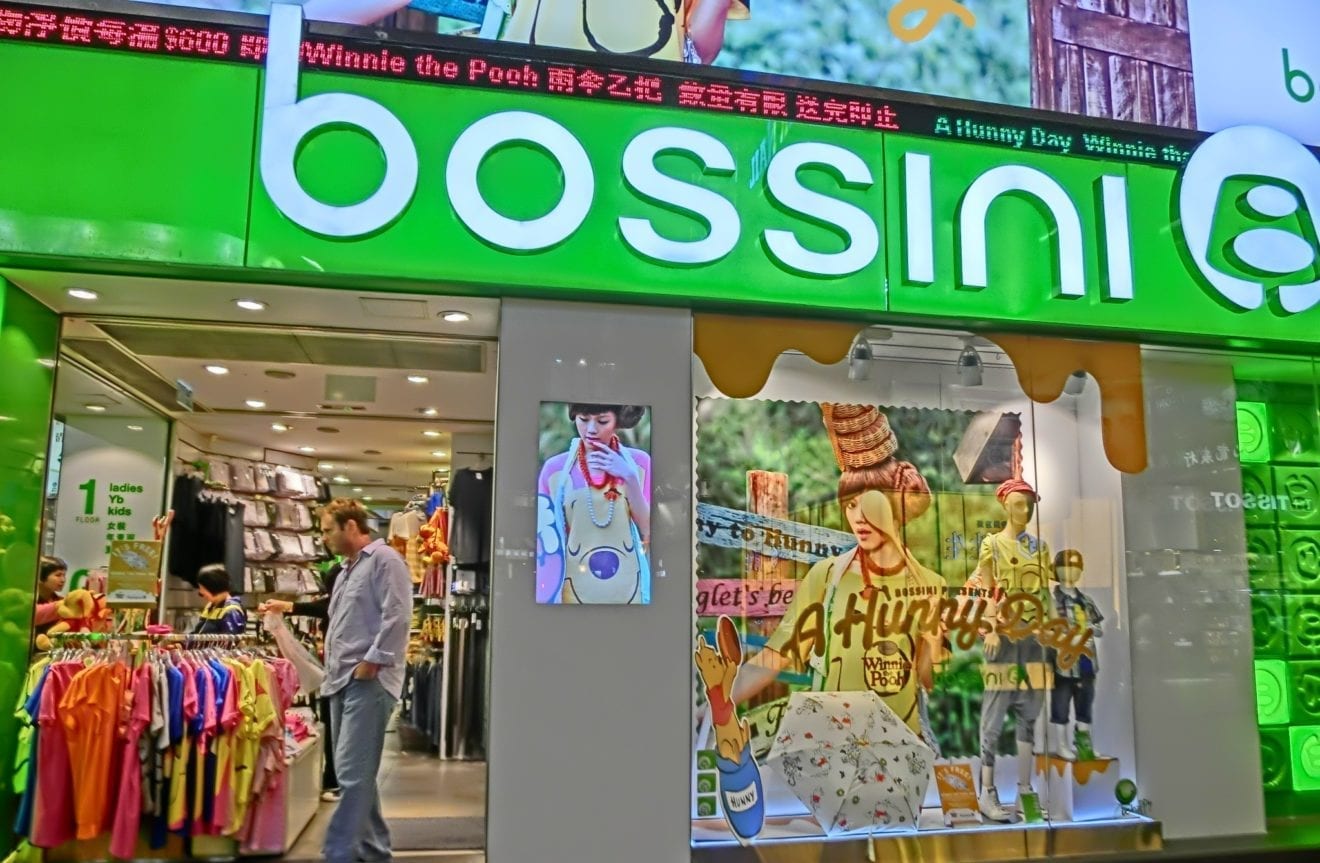
    Covid-19 has increased Hong Kong-listed apparel group Bossini’s loss attributable to shareholders by 174 percent from last year to US$48.85 million.

    Sales for the 12 months to June 30 hit $141 million, down by 27 percent, and gross margin fell to 49 percent, from 52 percent last year.

    “Since 2019 the economic environment of the core markets in which the group operates, comprising Hong Kong and Macau, Mainland China and Singapore, has been adversely affected by the Sino-US trade tensions, the local social incidents in Hong Kong and the global outbreak of Covid-19,” the business said.

    “Social distancing, lockdowns, curfews, and changing quarantines have created immense challenges for our retail operations. Moreover, major banks continue to tighten our credit facilities, and it is difficult to predict whether additional measures will  be implemented by the banking sector in the future.”

    In response, the business is working to reduce its costs by “streamlining business operations”, and reviewing inventory levels and its store portfolio in an effort to exit loss-making sectors. Bossini said its rental expenses are “very unreasonable”, that it will focus on renegotiating leases, and that should landlords be reluctant to drop rent it will close stores.

    Bossini’s new owner, Viva China Holdings, said it expects to continue facing headwinds in the short-term and that there isn’t enough information for it to form an optimistic opinion for the foreseeable future.

  • Zara parent posts US$229m first-half loss during Covid-19

    Zara parent posts US$229m first-half loss during Covid-19

    Zara-owner Inditex posted a net loss of US$229 million during the six months to 31 July, after a successful second quarter largely helped mitigate a disastrous start to the year.

    The first three months suffered a $481 million loss due to the sudden impact of the Covid-19 pandemic, while the second quarter rebounded to a profit of $253 million.

    Online sales soared 74 percent during the same period, as with many businesses during the pandemic, as customers moved online while up to 87 percent of the business’ stores were closed.

    Inditex executive chairman Pablo Isla said he is pleased with the online result, and that it shows the importance of an integrated omnichannel strategy.

    “This is a cornerstone of our unique business model with three key pillars – flexibility, digital integration, and sustainability,” Isla said.

    “Day to day this combination is proving its solidness.”

    The third quarter has continued to see a return to normalcy, the business said. Online sales have continued growing sharply, while store sales are recovering. Sales from August 1 to September 6 are improving, however down 11 percent year on year.

    And a number of new omnichannel initiatives that launched in the first half will be furthered moving forward, such as a plan to shut down smaller stores and absorb them into larger format locations that lend themselves better to an integrated model.

    During the first half 72 stores were refurbished, 35 of which were store expansions.

    Last week the business launched ‘Store Mode’, which saw 25 of its stores across Spain offer new features to customers using the Zara app: Click & Go, Click & Find, and Click & Try.

    Click & Go allows a click and collect offer that will see a product ready to be picked up within 30 minutes, Click & Find allows customers to find garments in-store using a RFID-enabled store map, while Click & Try allows customers to book time in a fitting room to avoid waiting.

  • H&M says it’s straightening its back from Covid-19

    H&M says it’s straightening its back from Covid-19

    Global fashion retailer H&M had warned its preliminary third-quarter results may well be below that of the previous corresponding period – but it beat profit forecasts and has recovered much faster than expected.

    The company’s pre-tax profit for the quarter to August 31 was US$227.3 million, well below the $570 million from the previous corresponding period. H&M attributed the success to selling more goods at full-price, combined with strong cost controls.

    “As a result of appreciated collections together with rapid and decisive actions, the H&M group’s recovery is better than expected,” the retailer said in a statement.

    For the period, H&M group’s net sales decreased by 16 percent in local currencies compared with the corresponding period last year.

    The company said the improving sales through the quarter reflected the Covid-19 situation: at the beginning of the quarter, about 900 of the group’s more than 5000 stores were temporarily closed. At the end of the quarter, the other stores had reopened and only about 200 stores remained temporarily closed.

    The final results for the third quarter will be published on October 1.

    Meanwhile, the company denied it had any ties with a Chinese yarn producer over accusations of “forced labor” that involves ethnic and religious minorities from China’s Xinjiang province, according to a report.

    The report stated the fashion retailer specified it didn’t work with any garment factories in the area and would no longer source cotton from Xinjiang, China’s largest cotton-growing region.

  • Prada reports China sales growing at a fast pace

    Prada reports China sales growing at a fast pace

    Sales of luxury Prada items in China have exceeded last year’s levels since the brand’s physical stores reopened following the coronavirus pandemic.

    The Chinese appetite for luxury items has rebounded strongly despite the impact of Covid-19, even as global sales are hit with a decline of 35 percent.

    “To date, the Prada Group’s sales in China have already largely exceeded the levels of 2019, showing double-digit growth since the beginning of the year,” said Prada CEO Patrizio Bertelli.

    Prada’s growth within China has exceeded more than 60 percent since March, with a sales record hit on August 25, this year’s Chinese Valentine’s Day.

    The firm’s projections suggest the trend will continue in the coming months, according to Bertelli.