Tag: Fashion

  • Julian Dunkerton made permanent Superdry CEO amid board reshuffle

    Julian Dunkerton made permanent Superdry CEO amid board reshuffle

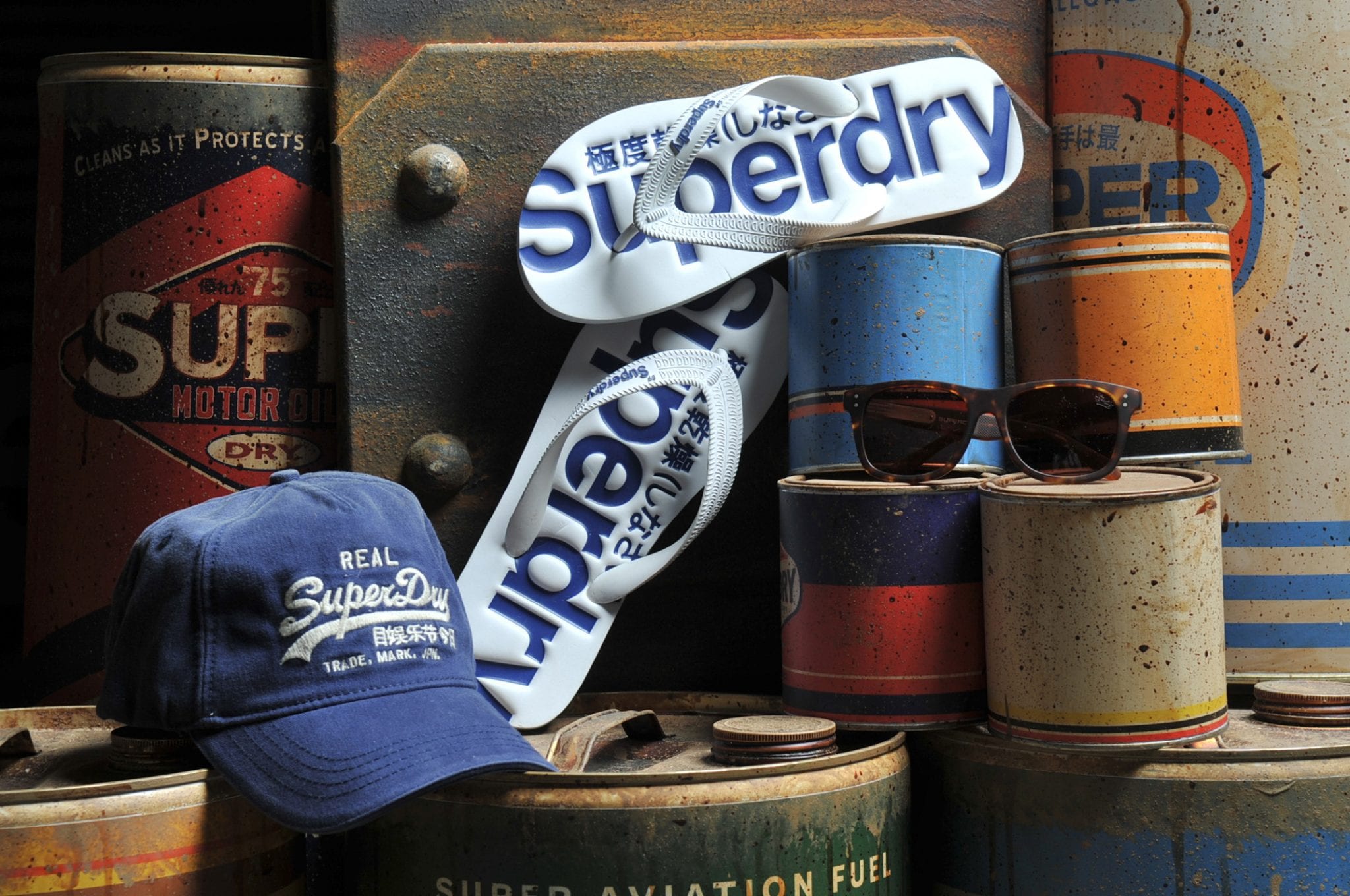
    Superdry has undergone a boardroom reshuffle that entailed the appointment of a new chief operating officer, the resignation of its chairman, and making co-founder Julian Dunkerton chief executive on a permanent basis.

    Dunkerton, who also holds a 20 percent stake in the fashion retailer, was first appointed interim chief executive after a boardroom battle last year that saw Euan Sutherland being ousted from the business.

    Dunkerton’s return as chief executive on a permanent basis comes as his interim contract was due to expire in April next year.

    His remit includes delivering the strategic plan across Superdry’s product, brand, and distribution channels, focusing on sustainability.

    Superdry also hired Silvana Bonello as a chief operating officer, effective from March 1 next year. She will report directly to Dunkerton.

    Bonello’s previous roles include 18 years spent at Nike in numerous senior operational and strategic positions in the US and The Netherlands, and most recently she was operations vice-president for Vans EMEA.

    As Superdry’s new chief operating officer, she will be responsible for enhancing operations and planning processes, covering merchandising, logistics, IT, business transformation, sourcing processes, and corporate strategy.

    Meanwhile, the fashion retailer confirmed that Peter Williams has decided to step down from the board and his role as chairman next year once a replacement is found.

    Williams was first appointed to the role in April 2019 to aid Dunkerton’s return to Superdry.

    The retailer added that the search for a new chief financial officer was still underway.

    “Since rejoining the business last year, Julian has been driving forward the transformation of the business and resetting the Superdry brand with the launch of the AW20 range in the most challenging of times,” Williams said.

    “There remains much to do – particularly against this current backdrop – and so we are also pleased to strengthen the team further with the appointment of Silvana as COO. She brings a wealth of relevant operational and strategic experience to Superdry.

    “I joined Superdry as chairman with a clear goal of ensuring a smooth transition following the change of management last year.

    “I am proud of the progress we are making to stabilize the business and reset the Superdry brand since last April.

    “Julian and Silvana’s appointments are among the last steps in putting the right team together to secure the turnaround of the business.

    “With the search for a new CFO well advanced, the completed executive team will be in place early next year and so 2021 is an appropriate time for me to step down.”

    Dunkerton said: “With Silvana joining the executive team, we now have the right operational leadership to steer the business through these most uncertain times and drive the brand reset as we seek to inspire our customers with design-led, sustainable product and engage with them through our digital channels.

    “Peter has been a key figure in getting Superdry back on track, and a great support to me and colleagues in the business over the past 18 months.
  • British retailer Next, US investor plan joint bid for Arcadia

    British retailer Next, US investor plan joint bid for Arcadia

    Fashion retailer Next is in talks with American investment firm Davidson Kempner Capital Management for a joint bid to gain control of Arcadia fashion group, which collapsed into administration last month, Sky News reported on Friday.

    The two companies were “likely, but not certain” to bid for Arcadia ahead of a revised deadline next Monday, the Sky News report added, citing sources.

    Under the plans being discussed, Davidson Kempner would provide the majority of the funding required to complete a takeover, Sky News reported.

    Next and Davidson Kempner Capital Management did not immediately respond to requests for comment.

    Arcadia’s collapse into administration in November put over 13,000 jobs at risk, with the company becoming one of the UK’s biggest corporate casualties of the COVID-19 pandemic.

    The fashion group, whose brands include Topshop, Topman, Dorothy Perkins, Wallis and Miss Selfridge, trades from 444 leased sites in the United Kingdom and 22 overseas.

    The Daily Telegraph earlier this month reported Authentic Brands was planning a takeover of Arcadia Group, which had declined sportswear group Frasers’ offer of a “lifeline” loan of up to 50 million pounds.

  • H&M sales dampened by second Covid-19 wave

    H&M sales dampened by second Covid-19 wave

    H&M said its net sales were down by 10% year-on-year in the fourth quarter, as a direct result of the coronavirus pandemic’s second wave. Shares ticked 0.14% lower on Tuesday morning in Stockholm.

    The world’s second-largest global clothing retailer said the first wave of the pandemic hit it the hardest, impacting its Q2 results due to “extensive social restrictions involving temporary store closures and large drops in customer footfall to physical stores.”

    It managed to gain some momentum in the third quarter, but “the recovery transitioned into a new slowdown as a result of the pandemic’s second wave.”

    For the 2020 financial year, net sales decreased by 18%.

    The group’s net sales were 52.5bn Swedish crowns ($6.2bn, £4.7bn) in Q4, down from 61.7bn Swedish crowns a year earlier.

    Its full-year report for the 2020 financial year will be published 29 January 2021.

    Meanwhile, rival Inditex, owner of Zara, posted a 14% fall in sales in the three months from August to October.

  • Uniqlo’s Seoul flagship to close

    Uniqlo’s Seoul flagship to close

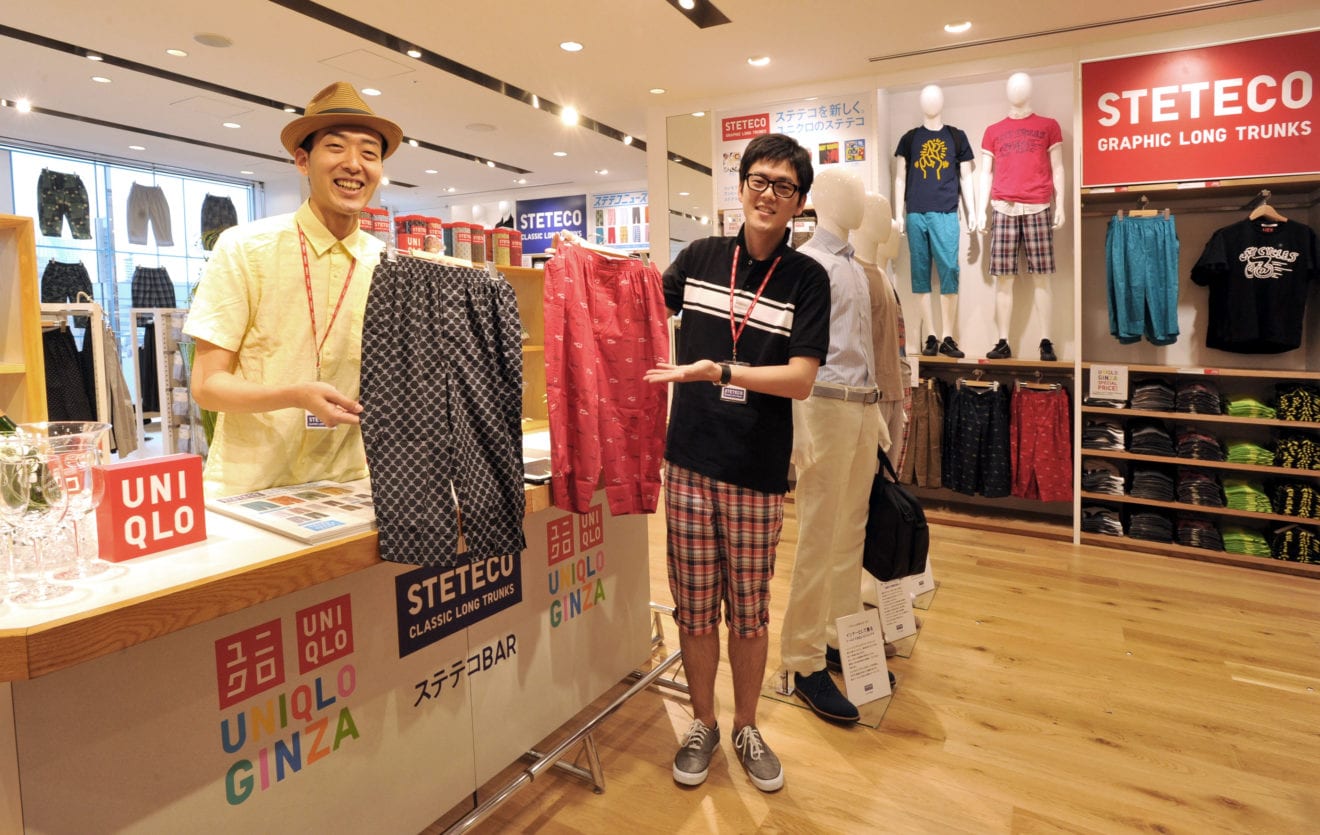
    Casualwear chain Uniqlo’s flagship store in Seoul, which raked in 2 billion won ($1.8 million at current rates) in sales a day when it first opened in 2011, will close its doors at the end of next month.

    The four-floor store, sitting in a prime location at an entrance to Myeong-dong, Seoul’s busiest shopping area, now carries a sign reading, “Thank you for your patronage.”

    The store was a highly visible symbol of one of Japan’s biggest brands — and a focal point of the South Korean boycotts of Japanese products that began in summer 2019. The boycott movement has not fully died down, though it has faded significantly since its early days.

    The reasons for the Uniqlo closure go beyond the boycott. “Foreign tourism has disappeared because of the coronavirus, which has devastated the whole retail sector,” a staffer said. Myeong-dong is a must-see spot for practically all visitors to the country, and with that traffic gone, stores have been shuttered all along the district’s main street.

    But the movement was a contributing factor. With the coronavirus coming on the heels of the boycott, Uniqlo operator Fast Retailing’s South Korean arm saw revenue drop by half for the year ended in August, and logged an operating loss of 88.3 billion won, or more than $80 million, for that period.

    The boycott followed Japan’s decision in July of last year to restrict exports of chipmaking materials to South Korea. While not talked about much now, it has not gone away completely.

    Products with symbolic significance, such as apparel, beer and autos, are still feeling the pinch. Sales of Japanese cars have yet to return to pre-boycott levels. Nissan Motor pulled out of the market entirely and has reported zero sales here since October.

    On the other hand, there are a few Japanese products that have transcended political frictions to gain wide followings in South Korea.

    Toymaker Bandai is set to release the Jordy Tamagotchi on Dec. 18. When preorders opened on Dec. 3, the company immediately sold out the available inventory.

    Jordy is a popular mascot character and stamp on the South Korean chat app Kakao Talk. In the Tamagotchi version, the user cares for Jordy until he lands a full-time job.

    Tamagotchi took the world by storm in the late 1990s. Sales of the device ceased in South Korea once the craze faded away. Last year, Bandai brought back newly designed Tamagotchi with displays in Hangul, the Korean alphabet.

    South Korea is in the middle of a retro boom. The combination of Tamagotchi’s nostalgia value with Jordy’s preexisting popularity (and his struggle to find employment) struck a chord with the younger generation.

    The Tamagotchi “broke the all-time record for toy orders in South Korea,” said a representative from Bandai Namco Korea.

    Sony sold out its PlayStation 5 in South Korea soon after the release. The console is still hard to come by on the Sony Korea online store.

    This spring, long lines formed at electronic shops across the country in anticipation of purchasing Nintendo’s new installment in the Animal Crossing series. Fishing gear made by Japan’s Daiwa and Shimano remain popular as well.

    What facilitated the boycotts of Japanese products are retailers who refrained from stocking the goods out of concern for the blowback from customers. For a time, Japanese-made beer went missing from every convenience store and supermarket.

    Online retailing helped cushion the damage from such business decisions.

    “Internet sales grew in proportion with what couldn’t be purchased at physical stores,” said a source close to a Japanese manufacturer.

    This approach now even has its own name: “selective boycotting.” The idea is that buying Japanese is sometimes unavoidable when there are no alternatives.

    Those who staunchly reject all Japanese products are critical of the selective approach. But some products, like the Tamagotchi and the PS5, continue to capture many South Korean hearts despite even amid anti-Japanese sentiments.

    Relations between Japan and South Korea are now considered to be at one of its lowest points in history. But about 10 million people used to travel between the two countries just two years ago, leading to an increase in South Koreas who have seen Japan firsthand. Many top-notch restaurants serving a range of Japanese foods from ramen to tempura rice bowls are also popping up in Seoul, attracting long lines of customers.

    There is little sign of a thaw in bilateral ties, and the countries still face a multitude of issues from historical disputes to wastewater disposal related to the 2011 Fukushima nuclear accident that could reignite boycotts. Still, strong products and services could override political rifts and pressures.

  • Sephora lost $6 million in FY19, and Covid-19 has made it worse

    Sephora lost $6 million in FY19, and Covid-19 has made it worse

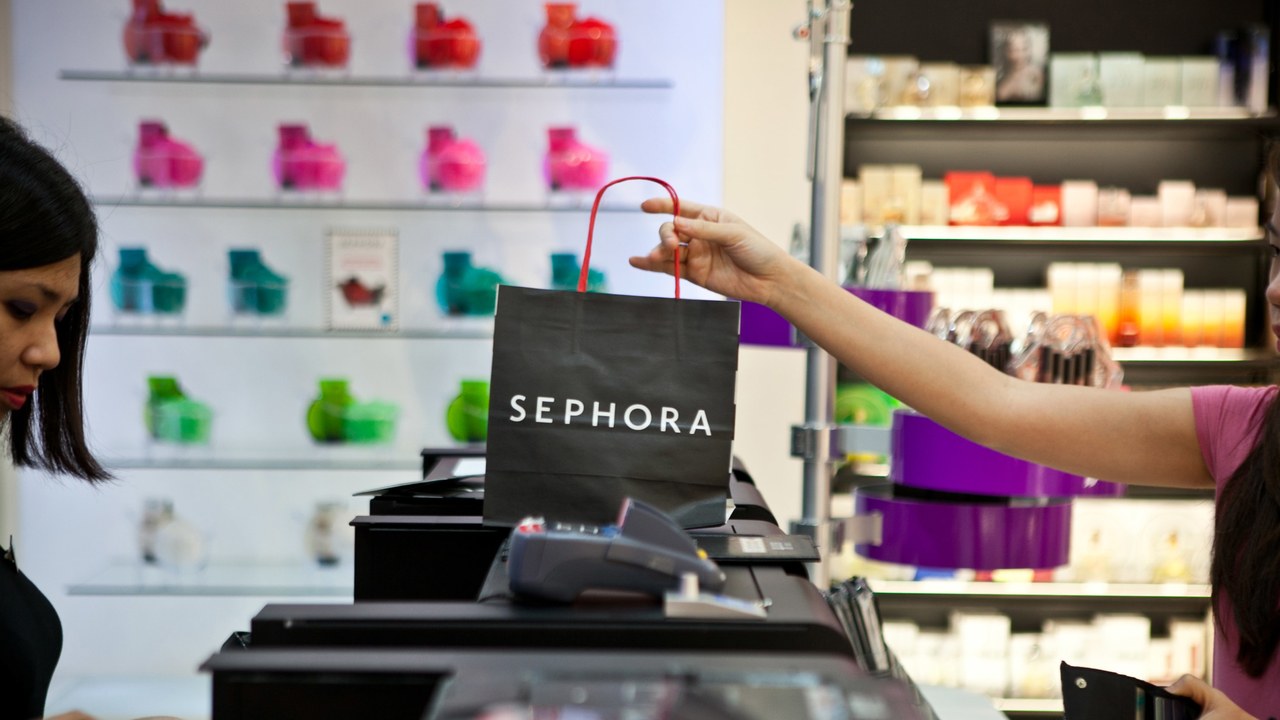
    Sephora has decided to close all North-American stores through April 3. In a statement, the brand states that corporate employees will be working from home, while retail employees will be compensated during their time off. “Following guidance from public health authorities, we understand that practicing social distancing and reducing dense public gatherings as much as possible is critically important at this time,” the company wrote. “This is truly a global effort that requires all of our participation.”

  • Ferrari’s Agnelli family buys into Shang Xia

    Ferrari’s Agnelli family buys into Shang Xia

    The Italian dynasty’s holding fund, Exor, will invest around €80 million ($96.5 million) to become the majority owner of the luxury Chinese brand established by Hermès and designer Jiang Qiong Er a decade ago.

    The Parisian luxury house, which previously owned 90 percent of the brand, will remain a shareholder alongside Exor and Jiang. Shang Xia is the first fashion brand to join Exor’s portfolio, which includes Ferrari, Italian football club Juventus and The Economist Group.

    It’s a bet on a home-grown brand with major fashion backing at a time when the Chinese market is booming. Shang Xia focuses its design on Chinese culture and craftsmanship, just as European luxury brands celebrate Italian or French savoire faire.

    Other luxury stalwarts have made similar moves. In 2012, Kering bought Qeelin, a Chinese jewelry brand founded by Jiang’s husband Guillaume Brochard. Richemont owned, but then sold Shanghai Tang in 2017. So far the results have been mixed, with younger Chinese consumers showing limited interest.

  • Moncler aqcuiring Stone Island

    Moncler aqcuiring Stone Island

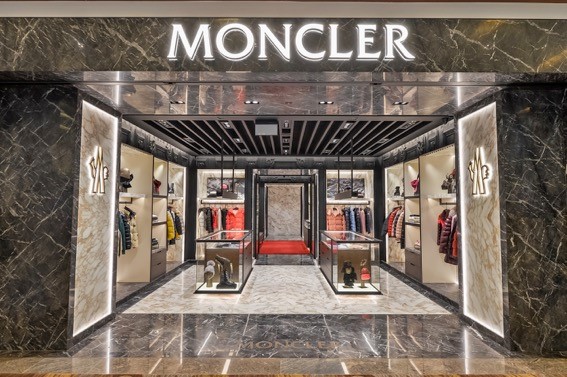
    Italian designer clothing brand Stone Island has just been snapped up by Italian winter wear’s favorite Moncler SpA (BIT: MONC). While some retailers are winding up operations and slipping into administration, others are seeing an opportunity to expand. Designer goods are selling surprisingly well this year, and many analysts think 2021 will see a massive recovery in the sector.

    Last month we discussed how exclusive streetwear brand Supreme was acquired in a $2 billion deal by VF Corporation (NYSE: VFC). Now it’s the turn of Stone Island, which is being acquired by Luxury Italian group Moncler for $1.39 billion.

    Family-owned Stone Island was founded in 1982 by Massimo Osti. In the prior years, he’d created an unusual fabric that went onto become an integral part of Stone Island’s popularity. The Tella Stella fabric is a tarpaulin like weight, heavily stonewashed, and dyed in a variety of colors. In 1983 Carlo Rivetti, the current CEO and owner of Stone Island, bought his 50% stake in the company. In the ensuing years, the brand enjoyed increasing popularity. Inspired by both the military and traditional workwear, the pair created innovative new jacket designs with unusual features. For instance, a color-changing jacket that responds to temperature through its liquid crystal coating and a reflective jacket coated in a thin layer of glass.

    The brand’s popularity spiked in the nineties as English football hooligans embraced it. The founder left the company in 1994. In 2009 the brand began collaborating with others such as Adidas and then Supreme in 2014. The Supreme collab caught the eye of rapper Drake, who loved it and became a major fan and unofficial ambassador of the brand. This transitioned it away from the hardman image of football thugs to the trendy streetwear image popularised by sports brands. And Drake’s fan base was a boon to Stone Island, increasing its popularity stateside.

    Stone Islands’ growth has surged in recent years. In 2018, Stone Island’s revenue was approaching €200 million from around €56 million in 2012. It sold a 30% stake to Singapore’s sovereign wealth fund in 2017.

    CEO and owner Carlo Rivetti still owns just over 50% of Stone Island, and his family owners own an additional 19.9%. Skiwear-turned-fashion-brand Moncler is buying it from them in cash. It is buying the other 30% from Temasek, which also has a small stake in Moncler. All parties are being offered the same terms, but Temasek also has the option of taking newly issued Moncler shares for up to 50% of the cash consideration.

    Chairman and CEO of Moncler, Remo Ruffini said: “We are coming together at a challenging moment both for Italy and the world, when everything seems uncertain and unpredictable but I believe it is precisely in these moments that we need new energy and new inspiration to build our tomorrow,”

    What the Moncler and VF Corp. deals signify is the arrival of streetwear in a world of its own. No longer simply cheap and cheerful clothes for skaters, tradesmen or football fans. These brands cover all manner of outdoor pursuits, but in a trendy, designer way that makes even the laziest youngsters look cool. The streetwear market has an estimated value of $50 billion and is expected to enjoy double-digit sales growth by 2024.

    VF Corp now owns Supreme, along with The North Face, Dickies and Vans, but this isn’t stopping Supreme taking part in its exclusive collaborations with other popular brands. These surprise drops are what keeps it in demand. Customers love it, and they’re often oversubscribed in next to no time. Supreme just joined forces with Stone Island last month, when they dropped another sell-out collection. They’ve been partnering on occasion since 2014, and their limited-edition outerwear remains as popular as ever.

    This latest collab features both Supreme’s logo and Stone Island’s compass. Pieces include hand-painted shearling jackets, which have become one of Stone Island’s signature edits, as well as wind-resistant crinkle down jackets in camouflage print. There are also corduroy jackets, hoodies and some of Supreme’s quirky accessories, such as a glow-in-the-dark balaclava and swimming goggle inspired sunglasses.

    Dual branding opens up potential buyers to a much wider audience. It also gives a unique spin to a garment, but keeps it exclusive and therefore highly profitable. Despite the economic uncertainty facing the world, designer streetwear is on the up, with social media the perfect place to showcase and drop their latest offerings. Emerging markets are bringing youth and wealth, hungry to add the coolest fashion garb to their image streams. Both Stone Island and Supreme look to be headed for several years of continued growth ahead.

  • I.T Group founder and CVC plans to delist from stock market

    I.T Group founder and CVC plans to delist from stock market

    Fashion retailer I.T Group has proposed to privatize its business in a cash deal worth $168 million on Sunday, according to a Hong Kong Stock Exchange filing.

    The deal, backed by private equity firm CVC Capital Partners, will see non-founder shares bought at $3 Hong Kong dollars apiece in cash, which is a 55 percent premium to the stock’s last closing price on Nov 30. Under the proposal, company founder Sham Kar Wai will retain 50.65 percent ownership, with CVC owning the remainder 49.35 percent after going private. The deal is still subject to shareholder approval.

    In recent years, I.T Group has faced a similar fate as its Hong Kong-based peers such as Lane Crawford, Joyce, and Swank, struggling to keep up with retail’s digital transformation, which is dominated by Alibaba and JD.com in the mainland Chinese market.

    “While the company has adopted online strategies, it has been unable to transform business operations sufficiently for online growth and related cost-savings measures to offset a decline in sales from retail outlets,” the filing read. “In the six-month period prior to August 31, 2020, turnover for the company declined by 31.9 percent, following an annual net loss for the financial year ending February 29 2020 of $745.8 million dollars.”

    “The company foresees a long and challenging journey ahead until a full restoration of consumer confidence across most regions where the company operates…These factors require the company to re-strategize, undertake a deeper business transformation, and restructure in order to achieve long-term sustainable growth,” the filing said.

    As with the wider industry, I.T has faced sharp declines in consumer spending across several key markets due to the outbreak of COVID-19, but it also earlier grappled with the impact of pro-democracy protests in Hong Kong. I.T’s outlets themselves also became targets in protests earlier this year because of a perceived pro-Beijing stance of its founder, Sham. Meanwhile, inbound tourism to Hong Kong has plunged this year, with arrivals during the third quarter declining by 99.7 percent from a year earlier.

  • Foot Locker flagship forced to close for virus outbreak

    Foot Locker flagship forced to close for virus outbreak

    Foot Locker’s Orchard Road flagship has been forced to suspend business due to breaching the Singapore government’s Covid-19 safe management measures.

    The suspension was enforced as the retailer conducted a product launch which drew huge crowds outside the store last Friday despite the advisories on crowd management.

    According to Singapore Tourism Board (STB) and Enterprise Singapore (ESG), the retailer will have to stop trading at the Orchard flagship store until December 14.

    During 10 days of suspension, Foot Locker is banned from holding physical retail activities but may continue to trade online.

    “STB and Enterprise Singapore are also engaging Foot Locker Singapore on the measures it will take for future product launches, including the potential cessation of all such physical launches at Foot Locker locations across Singapore,” the agencies said.

    Opened earlier this year, Foot Locker Orchard Gateway @Emerald is the brand’s largest outlet yet in Singapore.

  • Dunhill catches Chinese star Yang Yang for global ambassadorship

    Dunhill catches Chinese star Yang Yang for global ambassadorship

    Fashion brand Dunhill introduces Chinese actor Yang Yang as their newest Global Brand Ambassador. Yang and Dunhill’s creative director Mark Weston first meet at brand’s Fall Winter 2020.21 show in Paris. Chinese actor will represent Dunhill at this year’s GQ China Men of the Year Awards.

    As a British luxury House, Dunhill has always fascinated me and I am honoured to be their Global Brand Ambassador. When I met Mark in Paris at the show, it was clear to me that we hold many shared sensibilities and I am looking forward to continuing our work together. – Yang

    It’s great to work more closely with Yang Yang and I am excited for the new perspective he will bring. I was intrigued to hear about his personal and professional story and impressed by his drive and humility. His considered approach to his craft resonates with me personally. – Mark Weston.

  • It’s all over for Debenhams as liquidators appointed

    It’s all over for Debenhams as liquidators appointed

    British department store retailer Debenhams is to be liquidated after failing to find a buyer, administrators FRP Advisory announced on Tuesday.

    FRP will commence a wind-down of the business, which was founded back in 1778, spelling the end of 12,000 jobs, mainly in the UK. It has 124 stores there and in Denmark, where it owns Magasin du Nord.

    However, the liquidator said it would continue to seek offers for all or parts of the business during the process.

    The collapse comes a day after Sir Philip Green’s Arcadia Group was placed in administration.

    Debenhams was first placed in administration on April 9 last year in a pre-pack administration which resulted in 22 stores being closed and rent reductions secured for many more. A second administration came exactly 12 months later this year.

    Efforts to find a suitor have been underway for eight months, with the most recent being JD Sports which quit rescue talks on Tuesday following the demise of Arcadia.

    According to its website, Debenhams operated 45 stores under licensing agreements in 17 countries including Malaysia, the Philippines and Pakistan in Asia. An earlier foray into Vietnam failed.

    The remainder of the franchises are in Eastern Europe and the Middle East, with the first franchise opened in Bahrain in 1997.

    In a statement, FRP said that given the current trading environment and the likely prolonged effects of the Covid-19 pandemic, the outlook for a restructured operation is highly uncertain.

    “The administrators have therefore regretfully concluded that they should commence a wind-down of Debenhams UK, whilst continuing to seek offers for all or parts of the business.”

    Trading will continue at UK stores and online to clear current and contracted stocks.

    “On conclusion of this process, if no alternative offers have been received, the UK operations will close,” said FRP.

  • L’Occitane shrugs off Covid impact as Asian sales surge

    L’Occitane shrugs off Covid impact as Asian sales surge

    L’Occitane International is looking to boost development in the hand care category to keep up with demands generated by the novel coronavirus (COVID-19) outbreak. The company’s fourth-quarter net sales saw a decline of 0.7% at reported rates compare to the previous year while FY2020 net sales grew by 15.2% at reported rates.

    According to the company, it managed to maintain good sales momentum in January before COVID-19 impacted the business in the subsequent months due to travel bans, lockdowns, and shop closures mostly in China, Hong Kong, and Japan.

    Currently, almost 75% of the company network of stores throughout Europe, the Americas, Japan, and Australia remain closed.

    The company now plans to undertake certain initiatives to manage the future impact of the crisis.

    “While it is too early to gauge how the COVID-19 pandemic will impact our ongoing performance, we are taking various steps to minimize the fallout from the very serious turndown in business. This includes optimizing our cost structure while ensuring that we maintain the capacity to resume growth as strongly as possible when the conditions allow,” ​said Reinold Geiger, chairman and CEO of L’Occitane.

    The firm has observed demand for hand washes and hand creams. In South Korea, sales of those items helped to boost the company’s performance by 18.8%, making it one of the fastest-growing markets.

    “Sales in our hand care category have increased as a percentage of total sales since the outbreak of COVID-19. We have seen a pronounced boost in our e-commerce sales over the past few months, partly attributed to increased overall consciousness of hand hygiene and hand care — this is a sweet spot for us,” ​said André Hoffmann, vice chairman of L’Occitane International.

    As such, the firm plans to develop new products related to hand care and personal hygiene to keep up with the demands of the market.

    “We are also adapting further to this rising demand by launching new products such as a hand purifying gel, which we feel will be a great add-on product for travel retail,”​ said Hoffmann

    The company will be launching a new hand purifying gel in order to adapt to new consumer demands. The 75-millilitre bottles will be available for sale in key markets in Asia, Europe as well as travel retail.

    Hoffman believes the demand for hand care products will continue well after COVID-19.

    “Innovation has always been at the core of our DNA. But it is more than that. COVID-19 has led consumers to re-discover the premium hand care products that we are known for — we expect this trend to be sustained post-COVID-19 both online and offline as our physical stores around the world begin to re-open.”​

    In spite of the difficulties, L’Occitane remains committed to supporting the community with several relief efforts.

    The group has re-directed some of its manufacturing facilities in Manosque to the production of hand sanitizer and has donated a million bottles of care products in support of healthcare workers.

    “The global COVID-19 pandemic is an extremely challenging period for all of humankind. We are committed to doing everything we can to meaningfully support healthcare authorities and healthcare workers around the world,” ​said Geiger.

  • Zappos founder dies

    Zappos founder dies

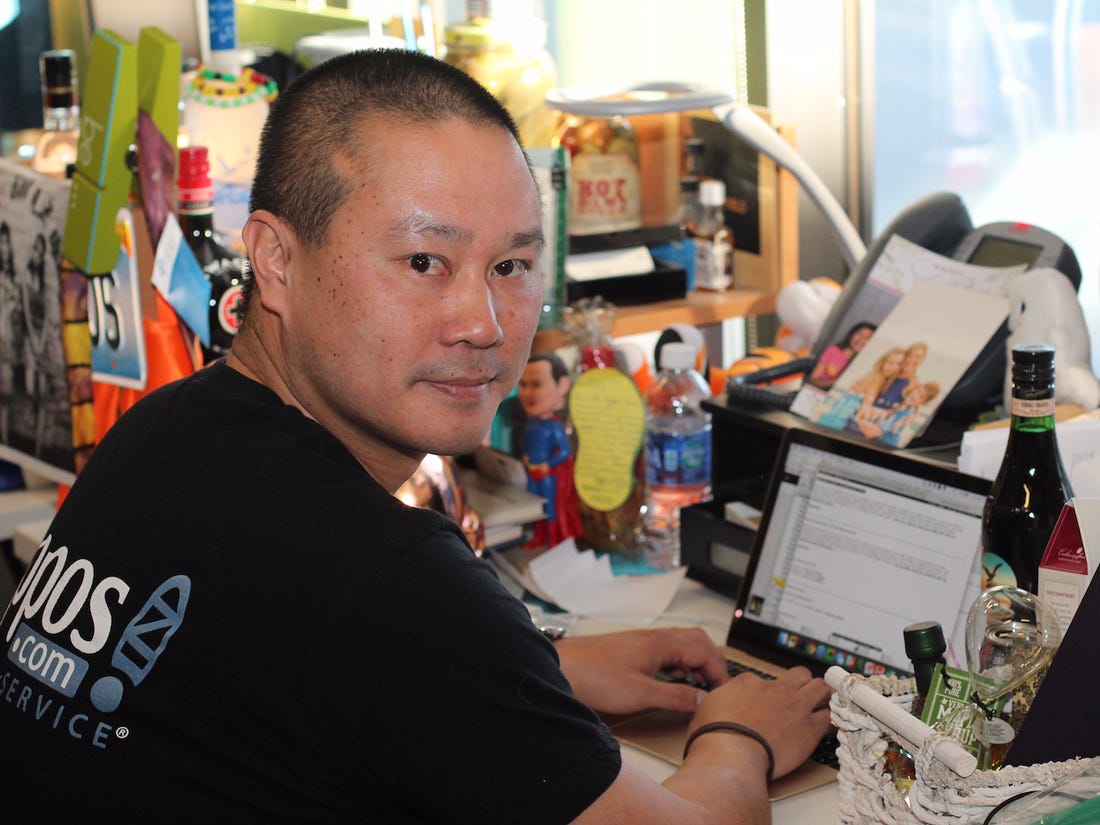
    Tony Hsieh, the former CEO of Zappos, died peacefully and surrounded by family on Friday, according to a statement emailed to CNN by Megan Fazio, a spokesperson for DTP Companies, a Las Vegas-based enterprise for which Hsieh served as the visionary.

    Hsieh, 46, died from injuries sustained in a house fire that occurred in Connecticut while he was visiting family, according to Fazio.

    “Tony’s kindness and generosity touched the lives of everyone around him, and forever brightened the world,” said a statement from his family that was shared with CNN by Fazio.

    His mantra: delivering happiness, his family says.

    “Instead of mourning his transition, we ask you to join us in celebrating his life,” their statement added.

    Hsieh was well known for his leadership of online shoe and clothing retailer Zappos. He had recently retired after spending 20 years with the company, Zappos CEO Kedar Deshpande wrote in a statement Friday.

    “The world has lost a tremendous visionary and an incredible human being,” Deshpande wrote. “We recognize that not only have we lost our inspiring former leader, but many of you have also lost a mentor and a friend.”

    Hsieh also played a “pivotal role in helping transform Downtown Las Vegas,” Nevada Gov. Steve Sisolak wrote on Twitter.

    “Kathy and I send our love and condolences to Tony’s family and friends during this difficult time,” he wrote.

    Las Vegas Councilman Cedric Crear said he was “saddened” to hear the news.

    “Such a creative & innovative person who positively helped change the landscape of Downtown Las Vegas,” he said on Twitter. “We have been working on some cool projects for Downtown. God speed to his family, coworkers and our community.”

    More tributes for Hsieh poured in on social media early Saturday — many from other business leaders and entrepreneurs.

    “Tony Hsieh was always generous with me,” Dan Price, the head of Seattle-based Gravity Payments, said. “He would talk to me about anything and it was always a good time. RIP Tony.”

    He was a “truly original thinker, a brilliant entrepreneur, and a kind-hearted and generous friend to so many,” wrote Max Levchin, co-founder and former chief technology officer of PayPal.

    “He questioned every assumption and shared everything he learned along the way,” said Chris Sacca, a billionaire tech investor, on Twitter. “The earth has lost a beautifully weird and helpful person.”

    And in a tweet, Nevada Gov. Steve Sisolak sent condolences to Hsieh’s family and friends, and said, “Tony Hsieh played a pivotal role in helping transform Downtown Las Vegas.”

  • The History of Whoo to open luxury Korean beauty flagship store in Canada

    The History of Whoo to open luxury Korean beauty flagship store in Canada

    LG Household & Health Care proudly announces the opening of a first-of-its-kind, The history of Whoo luxury concept store in Canada. The history of Whoo is a best-selling, record-breaking, prestigious Korean skincare brand known worldwide and recognized for its impeccable quality, use of precious ingredients, and unique formulas once reserved for royalty and members of the Royal Court. Each precious formulation is preserved in distinctly luxurious packaging including flacons and vials inspired by the Korean cultural heritage.

    Customers at the new flagship Canadian store can expect the same level of luxury and attention to detail that The history of Whoo has become synonymous with. Upon entering the space, customers are welcomed as guests and invited to experience a truly immersive shopping experience; from elegant gold-plated fixtures to Gani marble floors, mirrored ceilings, and a dramatic custom-crafted chandelier, all culminating into an elegant showcase designed to envelop the senses in luxury and reflect the royal heritage of the brand.

    The new Canadian store will open its doors at 10:00 a.m. on November 20th at Cadillac Fairview Richmond Centre, British Columbia. The first 75 customers will receive a complimentary limited-edition cosmetic case filled with deluxe samples valued at over $100, with the purchase of $8 or more, while supplies last. To ensure a clean, safe, and comfortable environment, Cadillac Fairview Richmond Centre has put all necessary safety and social distancing measures into place.

    Inside the store, highly trained beauty consultants specialized in Korean skincare will offer shoppers personalized one-on-one consultations with customized recommendations from a selection of luxury brands, including:

    The history of Whoo – Launched in 2003, the most luxurious skincare brand from LG Household & Healthcare, Whoo harmoniously balances modern-day technology with Ancient Eastern medicinal principals to deliver the most prestigious traditions to the Empresses of today. The Chinese character “后” (Whoo) translates into Empress.

    For the first time, a brand has uncovered the beauty secrets of the Royal Court, incorporating their rare and delicate nutritious ingredients from Gongjindan – a traditional herbal recipe. Each ingredient originating from the finest sources around the world, carefully blended and perfectly balanced to achieve harmonious, healthy, and youthful-looking skin.

    Its flagship product – Bichup Self-Generating Anti-Aging Essence is an all-in-one secret recipe that increases skin moisturization and improves the appearance of wrinkles for smoother and more radiant skin. According to a Kantar Worldpanel Beauty Evaluation, this globally renowned product has been the best-selling anti-aging essence in South Korea for nine consecutive years1. Each year, the serum is released with intricately designed limited-edition packaging inspired by the Royal cultural heritage, making it one of the most highly anticipated and most valued qualities about Whoo.

    Su:m37 – a traditional Korean luxury brand that utilizes cutting edge fermentation technology to achieve highly functional skincare products. Known for its best-selling “Secret Essence,” created using Cyto-FermTM technology, a three-stage fermentation process, to create a natural and fermented water achieved by aging and fermenting a variety of 80 plants for an entire year. The antioxidant-rich, renewed Secret Essence improves skin elasticity and barrier function to enhance the skin’s own natural strength and resistance.

    O HUI – a luxury cosmetic brand based on the concept of skin science to harmonize the skin and address its condition through the use of cutting-edge biotechnology and natural botanicals. Its iconic Prime Advancer Ampoule Serum contains the brand’s proprietary Skin Core Enhancing technology to help protect the skin’s barrier and improve its resilience to environmental stressors such as pollution and seasonal changes.

  • Bossini tells landlords it close stores if rents not reduced

    Bossini tells landlords it close stores if rents not reduced

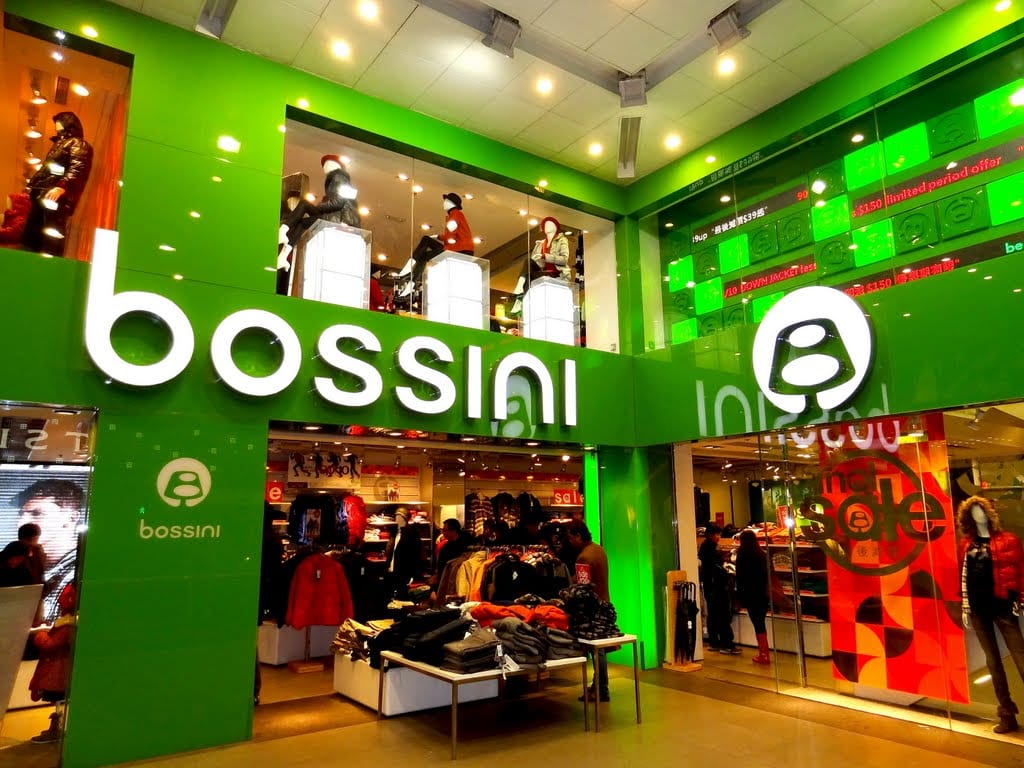
    Local clothing chain Bossini said it has suffered a loss of more than HK$367 million in its last financial year and warned that it may have to close some of its stores in the city unless landlords agree to provide more “reasonable” rent relief and reduction.

    The clothing chain’s reported loss is almost three times more than the loss it incurred in the previous fiscal year.

    It said the economy of its core markets, such as Hong Kong, had been hampered by the Sino-US trade tensions, social unrest last year, and the ongoing Covid-19 pandemic which affected local and tourist consumption in the SAR.

    It also laid the blame on the fact that several landlords have been unwilling to reduce rents despite the harsh business environment.

    “Social distancing, lockdowns, curfews and changing quarantine requirements have created immense challenges for our retail operations,” the company said on its outlook.

    “As the overall shop rental expenses remain at a very unreasonable level, we are renegotiating with landlords across all our core markets, particularly in Hong Kong and Macau, to seek rent relief and reduction.”

    “Where landlords are reluctant to respond reasonably to our requests, we will go ahead and close those shops.”