Tag: Fashion

  • Giordano opens largest retail store in Indonesia’s

    Giordano opens largest retail store in Indonesia’s

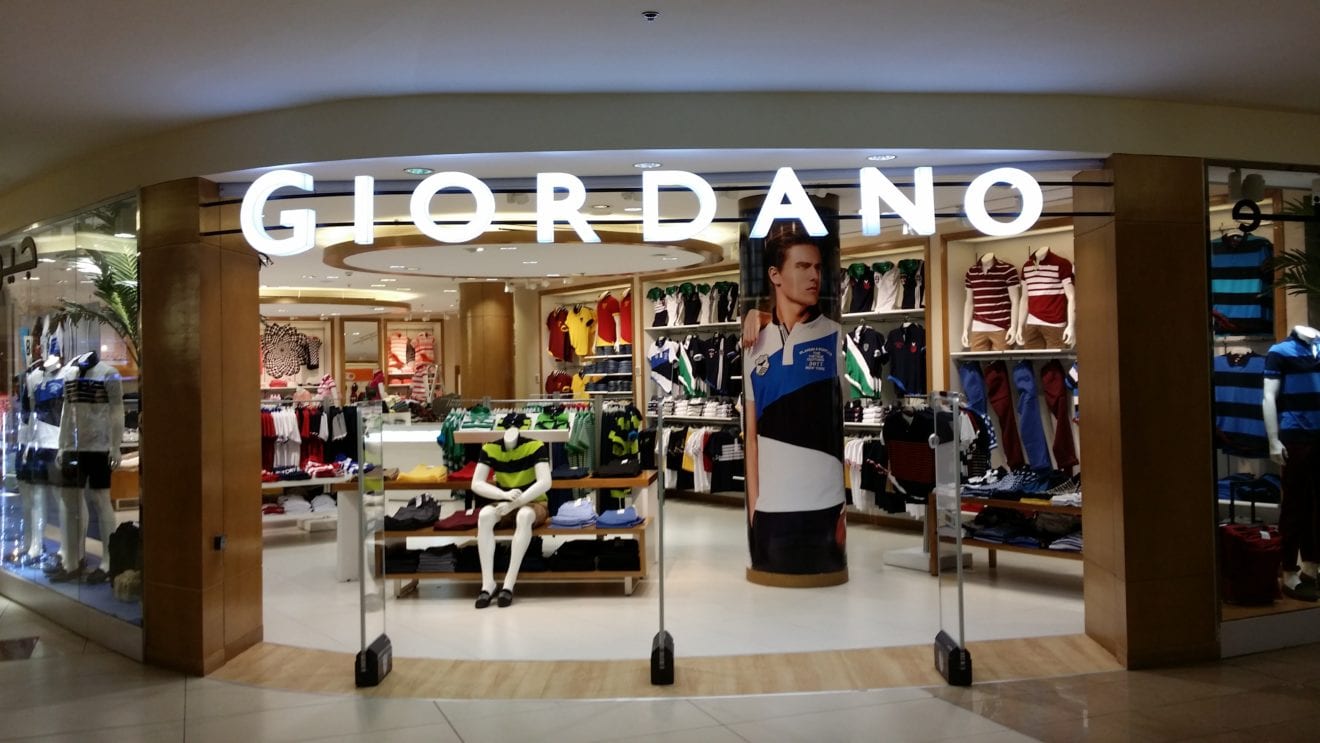
    Apparel retailer Giordano has unveiled a large-scale store in the newly opened Bumi Raya City Mall in Pontianak, Indonesia.

    Located on the mall’s first floor, the Giordano store spans 2300sqft and offers a complete range of men’s, women’s and children products.

    “This is our second store in Pontianak, which is one of the most culturally diverse cities in Indonesia and the entrance to Singkawang, the renowned ‘city of a thousand temples,” said Patrick Yeo, president director of Giordano Indonesia.

    Opened last month, Bumi Raya City Mall is home to more than 190 brands, including a host of international retailers and flagship stores. Bumi Raya City Mall is also the first family lifestyle mall to open in Pontianak.

    Founded in 1981, Giordano operates more than 2100 stores and counters in Greater China, South Korea, Southeast Asia, Australia, India and the Middle East.

  • Uniqlo dethrones Zara as most valuable fashion business

    Uniqlo dethrones Zara as most valuable fashion business

    Japanese retail conglomerate Fast Retailing, which owns and operates Uniqlo, is now the most valuable fashion retailer in the world, outstripping Zara’s parent company Inditex.

    Fast Retailing reached a market value of $103 billion last week, eclipsing the Spanish firm for the first time, which sits around $99 billion.

    The business’ focus on the Asia Pacific market, which has seen regions such as China and Australia weather the storm of the pandemic relatively well and, and on casual wear, which has seen a spike in relevance due to the ongoing working-from-home arrangements many workers find themselves in, has helped to deliver the growth needed to dethrone Inditex.

    The business was named the biggest apparel brand in China last year after achieving record revenue of $4.8 billion during FY19, and with China projected to overtake the US as the world’s leading apparel market according to GlobalData, Uniqlo is in a strong position for further growth.

    The difference between Uniqlo and other ‘fast-fashion’ brands is that it places an emphasis on quality than quantity, and makes clothing that is simple – with most of its range being fairly devoid of patterns and logos.

    “We don’t chase trends. People mistakenly say that Uniqlo is a fast-fashion brand. We’re not. We are about clothing that’s made for everyone,” Uniqlo chief executive Tadashi Yanai said, according to Forbes.

    “People will select clothes that are comfortable to wear as working clothes, as well as in their home. There will be no need for clothes that are worn for a year and then are discarded.”

  • Gentle Monster’s newest store Haus Dosan took a year to create

    Gentle Monster’s newest store Haus Dosan took a year to create

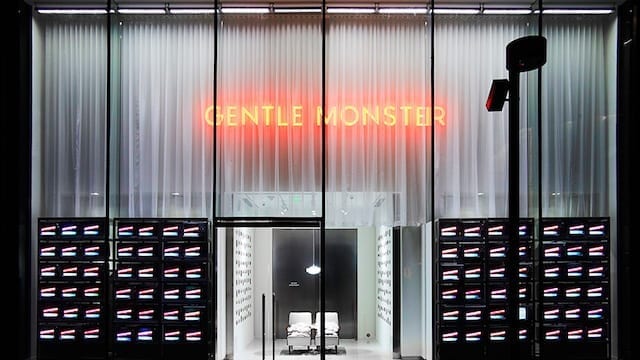
    Gentle Monster has launched Haus Dosan, a new retail concept featuring its dessert brand Nudake and cosmetic label Tamburins.

    Located at Dosan Park, the store spans five stories, housing Nudake’s first flagship store in South Korea. Named ‘Haus 0 10 10 10 1’, the number ‘01’ is derived from quantum mechanics, representing “the future-forward direction”, whereas ‘Haus’ is a metaphorical description of the future retail.

    Haus Dosan is the eyewear brand’s first project of many more to come under the theme of ‘Unopened:Future”.

    The first floor houses a gigantic structure in the centre, a collaborative artwork with Frederik Heyman, which creates “a bizarre scene that no one has seen before and represents Gentle Monster’s bold and daring philosophy”. Inspired by the installation, an exclusive soundtrack created by Venezuelan artist Arca will be played throughout the first to the third floor of the store.

    The second floor of the building, dedicated to Gentle Monster’s optical eyewear, is designed under the concept of minimalism and moderation, featuring a media installation by Jonas Lindstroem showing video artwork ‘Truth or Dare’.

    Haus Dosan’s third floor, which displays sunglasses range, houses The Probe, a six-legged walking robot made by Gentle Monster’s own robot lab after a year of research.

    The upper-floor is home to Tamburins’ second flagship store, showing art pieces by artists such as Chulan Kwak, Mercedes Vicente and Casper Kang. Meanwhile, Nudake’s first flagship store is located on the B1 floor, offering an array of artistic desserts.

    Starting with Haus Dosan, Gentle Monster aims to launch a larger scale ‘Haus Shanghai’ this May.

  • L’Oreal predicts ‘Roaring 20s’ retail resurgence post Covid

    L’Oreal predicts ‘Roaring 20s’ retail resurgence post Covid

    Beauty giant L’Oréal, besides posting financial results that beat expectations, is offering high-level optimism, promising a resurgence in sales and a new “Roaring ’20s.”

    “Like a flower after winter, beauty is ready to blossom after COVID goes away,” says Nicolas Hieronimus, the Paris-based conglomerate’s incoming chief executive officer, in a webcast for investors.

    Adding that the company is already seeing fiesta-like gains in China, “we are confident that, like in the roaring ’20s, there will be a big beauty party. Beauty is and always will be essential.”

    Those upbeat remarks are likely to cheer up many in the industry. Between working from home, wearing masks and keeping six feet away from anyone, consumers felt little reason to buy makeup or spritz on fragrances, depressing sales.

    The NPD Group, a market research company that tracks beauty sales, reports that prestige cosmetics tanked 19% for the full year, falling to $16.1 billion. Makeup dropped the most, down 34%.

    L’Oreal’s Hieronimus made his remarks as the company presented solid quarterly results. Even as industrywide sales tumbled, L’Oréal bucked the trend. Comparable sales rose 4.1% in its fourth quarter, and the company says it is winning significant market share gains in many categories.

    The company’s ecommerce revenues soared 62%, with gains in all geographic regions. It now accounts for a record 26.6% of the total sales for the year. “The huge surge is helping to democratize beauty,” he says. “And consumers of beauty remain strong. We saw rapid recovery everywhere when stores reopened.”

    Hieronimus also says he expects the company to continue to benefit from skincare’s growing importance, which now accounts for 40% of sales.

    In terms of marketing, he says digital spending now accounts for 60% of its budget.

    Describing beauty as “both a need and an aspiration,” Hieronimus says he believes the company will continue to outperform competitors because of its focus on data, AI, research and innovation. “We are ahead of the curve in digitalization.”

    And he says consumers will continue to reward companies with a strong brand purpose, a commitment to social values and “acting for the greater good. We create the beauty that moves the world.”

  • LVMH, Rihanna ‘suspend’ Fenty fashion label

    LVMH, Rihanna ‘suspend’ Fenty fashion label

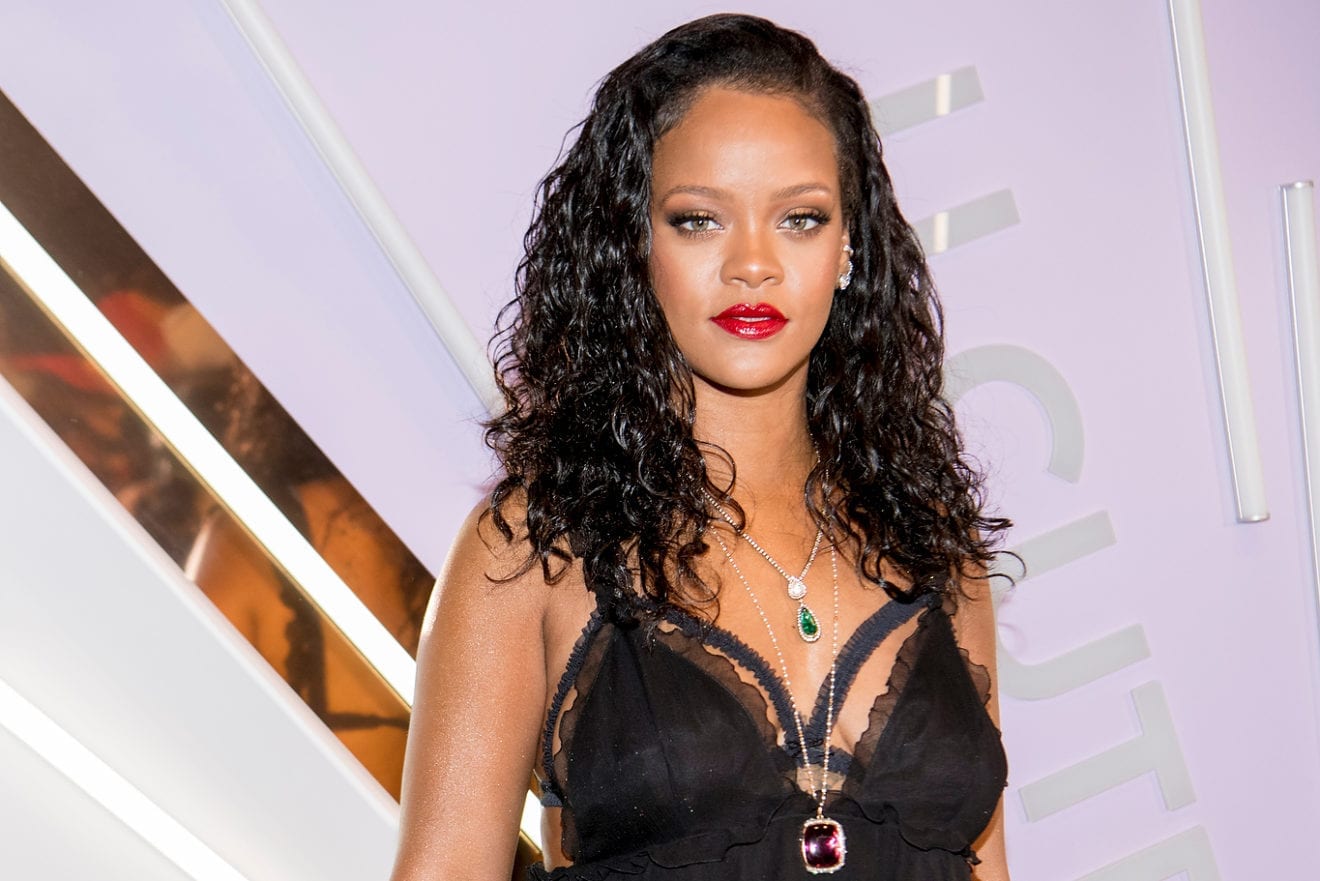
    LVMH and Rihanna are suspending the ready-to-wear operations of Fenty, the pop singer’s brand, less than two years after its debut as the pandemic pummels demand for clothing.

    “Rihanna and LVMH have jointly made the decision to put on hold the ready-to-wear activity, based in Europe, pending better conditions,” the French luxury conglomerate said in a statement Wednesday.

    Fenty was launched to great fanfare in May 2019 and represented a rare effort by LVMH to build a new fashion brand from scratch. The luxury giant has typically focused on acquiring businesses with prestigious legacies, whether it’s handbag maker Louis Vuitton or Champagne producer Moet & Chandon.

    In a separate statement on Wednesday, L Catterton, the private equity fund backed by LVMH founder and billionaire Bernard Arnault, led a $115 million series B funding along with other investors into Savage X Fenty, Rihanna’s lingerie brand.

    The funds will help power the underwear business’s next phase of growth and enable its retail expansion after it experienced an “explosive” rise in revenue in the past year, the fund’s statement said. The goal is to support “the Fenty ecosystem focusing on lingerie, cosmetics, and skincare,” according to LVMH.

    “Celebrity-originated brands can be very popular very quickly, but their staying power is questionable,” Luca Solca, an analyst at Sanford C. Bernstein, said by email. “The risk is that they end up being a flash in the pan.”

    Rihanna’s Fenty Beauty make-up brand has 10.5 million followers on Instagram, compared with one million for Fenty ready-to-wear. The pandemic has impacted the personal luxury goods sector differently, with the apparel category suffering the most, according to a study by Bain consultants.

    “We are still in a launching phase and we have to figure out exactly what is the right offer,” LVMH Chief Financial Officer Jean-Jacques Guiony told analysts about Fenty in October. “It’s still a work in progress.”

  • Italian fashion brand Kampos launches in Korea

    Italian fashion brand Kampos launches in Korea

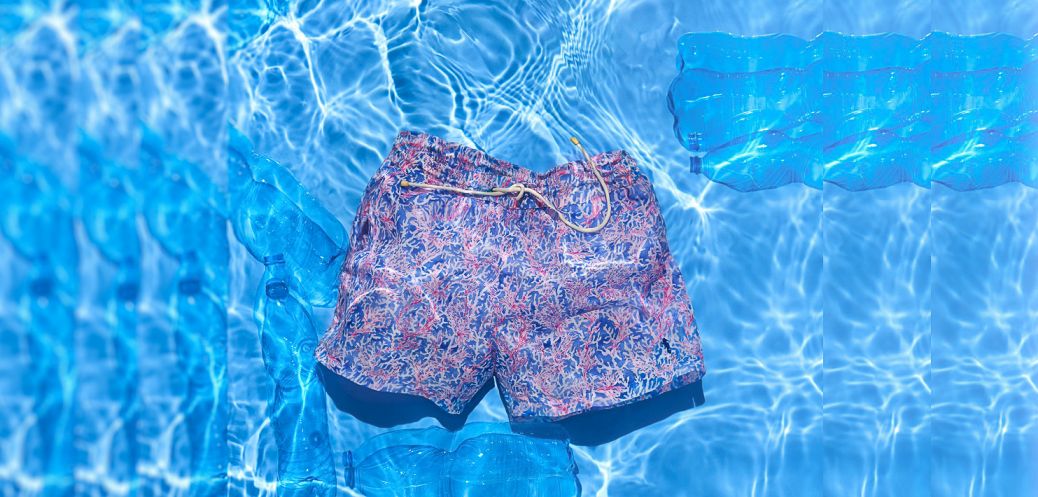
    Kampos, the ultimate Italian brand promoting luxury with integrity, is expanding overseas by entering the South Korean market.

    The brand has recently signed a partnership with a local distributor, Sanghyun Yu, based in the capital, Seoul, and has already established Kampos South Korea Ltd. As part of the strategy, the brand has just launched its South Korean website.

    When we ask the reason of this expansion to Alessandro Vergano, Founder & CEO of Kampos he declares: ”This international move is more than a business decision; it is a strategic and meaningful move to strengthen our sustainable mission. We are determined to transform the way of consumption by challenging the luxury industry’s norms, inspiring change, and reducing marine waste.” He adds: ”Sharing our message at an international has become obvious as we understand the need to reach further international customer profiles outside Europe. We believe South Korea is full of opportunities and we are thrilled to collaborate with Sanghyun Yu”.

    Sanghyun Yu is a well-recognized local distributor in South Korea with strong expertise in the market and luxury goods. ”I am extremely excited to be part of the Kampos journey. I believe in sustainability as the next big trend in South Korea. The younger generation wants to shop and hear about sustainable luxury brands. Today, there is a big market gap as we don’t give them access to those international changemakers. I’m determined to turn this gap into an opportunity by supporting Kampos”.

  • L Brands appoints new Victoria’s Secret CEO

    L Brands appoints new Victoria’s Secret CEO

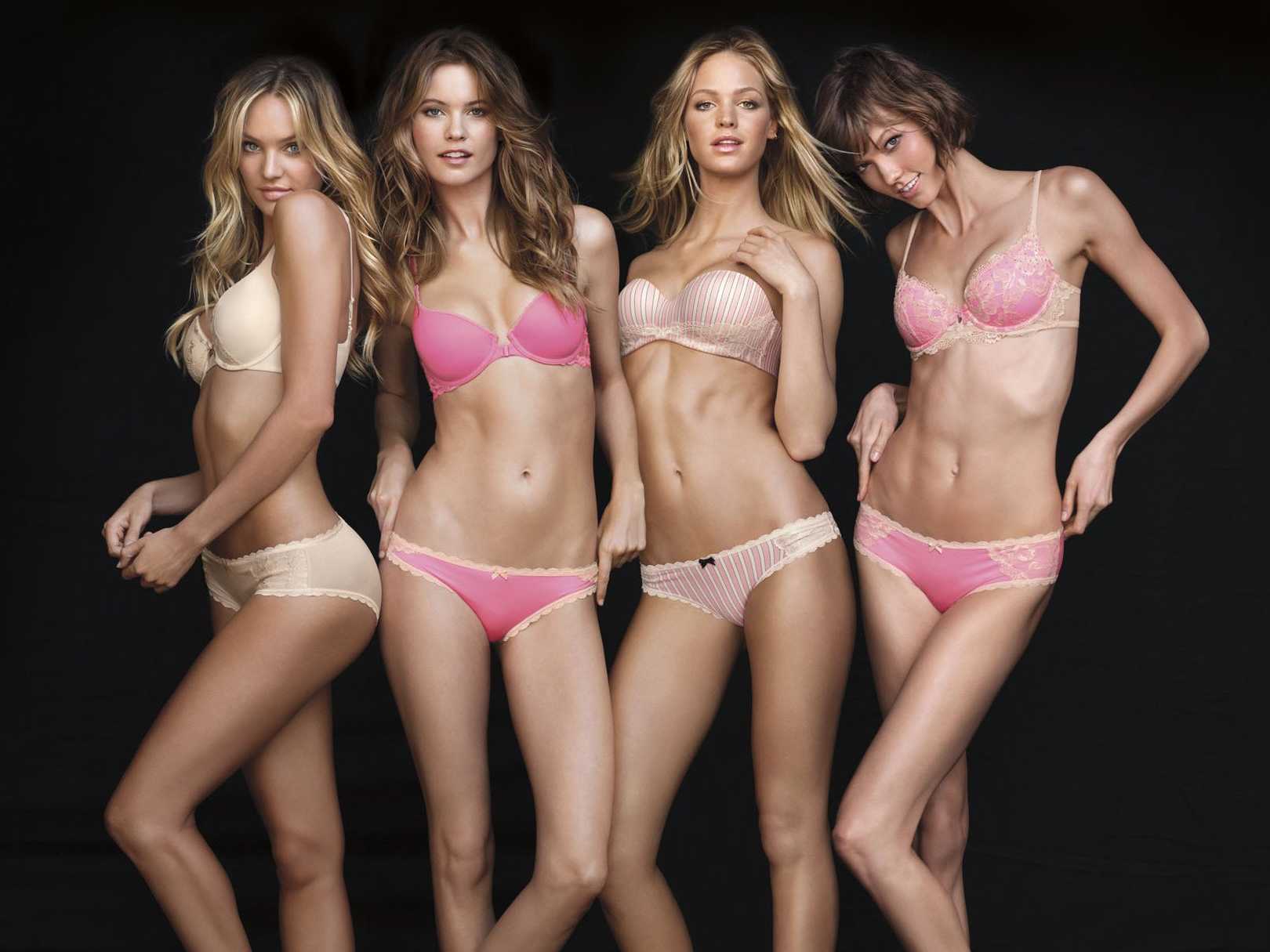
    Martin Waters, who currently leads the troubled brand’s lingerie division, has been promoted to CEO of business as a whole. He will take over from L Brand CFO Stuart Burgdoerfer who has served as interim chief executive at Victoria’s Secret for the past nine months.

    Burgdoerfer will retire this summer, the retailer announced Thursday, February 4. Waters, who joined the company in 2008 as head of the international division, will assume his new role effective immediately.

    L Brands said it expects the separation of Victoria’s Secret from Bath & Body Works to be completed in August. “All options, including a spin-off of the Victoria’s Secret business into a public company or a private sale of the business, are being evaluated,” L Brands said in a statement.

    L Brands had agreed to sell Victoria’s Secret to private equity firm Sycamore Partners in early 2020, but the deal fell through in the wake of the pandemic. With Sycamore out of the picture, the company said last May that it would still go forward with plans to separate its two entities and establish Bath & Body Works as a stand-alone public company.

    As part of the announcement Thursday, L Brands also raised its fourth-quarter earnings guidance and forecasted a comparable sales increase of 10 percent — a 22 percent increase at Bath & Body Works and a 3 percent decrease at Victoria’s Secret.

  • How the online sporting industry has influenced fashion retail

    How the online sporting industry has influenced fashion retail

    Sport can simply be recognized as a physical activity that involves competition between individuals or teams. That being said, it doesn’t seem clear where fashion fits into this notion, apart from the sportswear used to play such games. Though, traditionally, sports like football have always carried an aspect of fashion design in order to create sportswear that represents a team and allows them to stand out from their competition, fashion in sport has since come a long way.

    Now, with access to sport in person, on television, and online, such sports have influenced fashion trends and have diversified the fashion retail industry as a result of its accessibility. Sportswear has now become a part of everyday life, whether playing sport or not. That’s why big sports apparel brands like Nike and Adidas dominate the retail industry in China. It’s therefore not surprising that jeans have been exchanged for joggers and boots for trainers. We’ll take a look at this shift in the fashion retail industry below.

    Influencers

    First and foremost, while sport itself has of course influenced the fashion retail market through the exploration of clothing for active people, key figures in society have a lot to answer for this. In our modern society, a lot more people are aware of their health and fitness so are engaging in more physical activities. Naturally, this means a bigger sportswear wardrobe. This shift in wardrobe doesn’t stop there. Now, people are quick to share their sporting apparel across social media to engage with other like-minded fitness people.

    One Asian influencer in particular, Hana Giang Anh, has her very own fitness social media platform and can often be seen sharing her sportswear looks on Instagram. Since Instagram is a visual platform that creates aspiration amongst users, particularly since products can be tagged, those that follow influencers often get on board with fashion trends and can be seen flaunting sportswear themselves. For that reason, online sport has influenced the fashion retail market as it has exposed social media users to the benefits of sportswear.

    Online events and games

    With the online space so widespread, access to online sporting events and games is all the easier. Sites like William Hill offer access to sport via online betting across the world, allowing the sporting market to draw further attention to itself. This has led to the sporting audience has grown and interest in sport has increased: even those that don’t play sports themselves or take a keen interest in a particular sport or team are presented with the opportunity to participate in some way, whether it’s through betting on a game or playing an online sports game.

    Since fashion is a way of displaying your identity, more people are taking to sportswear to show that they belong to the sporting industry. For that reason, since sport has been introduced to the online sphere, it has capably influenced the fashion retail market through the increased accessibility to online users. This has had both a cause and effect – it has caused more people to directly or indirectly get involved with sport, and it has consequently had an effect on their lifestyle choices, including the clothes they choose to wear.

    This goes to show that with the idealization of and accessibility to sport online, more people are aware, not only of its health benefits and entertainment value but of its fashion value too. That’s why more retail brands are creating sportswear that pushes boundaries and makes a statement, all while being fashionable, comfortable, and ideal for physical activity. Hence, the fashion retail market is more sport orientated than ever.

  • Shiseido confirms sale of consumer business for US$1.5 billion

    Shiseido confirms sale of consumer business for US$1.5 billion

    Japanese beauty company Shiseido said it plans to sell its personal-care business, which includes its lower-priced hair care and skin care products, to private equity firm CVC Capital Partners for 160 billion yen (US$1.5 billion).

    Shiseido’s personal-care unit includes popular brands like Senka face wash and Tsubaki shampoo.

    Under this deal, the assets will be transferred in July to a new company. Private equity fund CVC Asia V will acquire a 65% stake in the venture and Shiseido will hold a 35% stake.

    “We see significant potential for growth by investing further in employees, brands, and R&D, as well as by driving digitalization and accelerating overseas expansion, with the possibility of going public in the future,” said Yukinori Sugiyama, partner and co-head of CVC Japan, in a statement.

    Founded in Tokyo in 1872, Shiseido is focused on its premium beauty brands such as NARS Cosmetics, Bare Escentuals, and its namesake Shiseido line. As part of this strategy, the company is planning.

  • The evolution of fashion week with see now and buy direct approach

    The evolution of fashion week with see now and buy direct approach

    The fashion industry loves a bandwagon, and the see-now-buy-now one keeps rolling along. A murderer’s row of major brands, from Burberry and Ralph Lauren to Tommy Hilfiger and Moschino, has incorporated at least some element of instant gratification into their recent collections. Burberry and Lauren presented immediately shoppable runway shows, with the latter inviting attendees straight into the store after his spring 2017 show.

    Hilfiger made his Tommy x Gigi collaboration available to buy fresh off the runway, and Moschino’s Jeremy Scott has been offering capsules of his most poppy, instantly recognizable pieces — like this season’s slogan sweatshirts and trash-can bag. But it’s been tough, from an outside perspective, to see how they stack up — when a collection is trumpeted as “sold out,” it’s rarely revealed how many pieces were even available, or how long that process took.

    In recent weeks, see-now-buy-now’s image as the silver-bullet savior of fashion has taken a hit. Designer Thakoon Panichgul, who had completely overhauled his business to focus on seasonless dressing and e-commerce, announced he was putting his brand on “pause” to rethink the concept. And Tom Ford, who tried out see-now-buy-now for one season, decided it wasn’t for him, telling Women’s Wear Daily, “The store shipping schedule doesn’t align with the fashion show schedule … you can’t have a show with clothes that have been on the selling floor for a month.”

    Fashion has been bullish on instant shopping for several years now, with the conventional wisdom claiming that our immediate-gratification culture has spurred a Veruca Salt customer. (“Don’t care how, I want it now.”) And for people who follow fashion religiously, that is definitely the case. When I interviewed Jeremy Scott several years ago, he told me that his young customer was impatient for fashion: “I live in a world of Instagram fans who ‘like’ things,” he said, “and don’t understand when they’re ‘liking’ it, why it’s basically not coming out of that phone right there for them.”

    But as Cathy Horyn pointed out after Lauren’s show, the strategy may work better for mid-price labels than it does for luxury ones. Contemporary brands like Rebecca Minkoff have been demonstrably successful at leveraging the possibilities of instant shopping — CEO Uri Minkoff tells the Cut that the brand’s sales were up 64 percent year after year, after adopting see-now-buy-now. “When we create an experience, the format is not as relevant as ‘What is the experience, who is involved?’” he says.

    For example, their show last month at the Grove in L.A. was open to consumers and was stocked with influencers whose combined following totals over 20 million on Instagram alone, including Chiara Ferragni and Aimee Song. Some pieces were available to buy right after the show, while others dropped 30-45 days later, and Minkoff said that both sold “way better than normal,” with even the dress the designer wore for her bow selling out briskly online. Still, says Minkoff, “That’s what works for us. I’m not saying that everyone should do it. In a luxury sense, having a longer-term relationship and a romanticizing of something over a period of time, that’s great.” Minkoff’s brand operates at what he calls “a more spontaneous purchase level.”

    To bridge that gap between romance and spontaneity, some high-end designers have waded into instant shopping by offering small see-now-buy-now capsules and continuing to show the rest of their collection as before. But according to Ken Downing of Neiman Marcus, “I don’t feel like doing just a capsule is the only way to attack this, because I actually think it confuses the consumer even more.” Downing is a strong advocate of see-now-buy-now as an overall approach – he mentions customers who come with photos of a runway model or a celebrity in something they just wore. “If they can’t find what they’re looking for that’s all about that moment, I’m sure they’re finding it in fast-fashion stores,” he says.

    Elizabeth von der Goltz of Bergdorf Goodman echoes this line of thinking. “When people have these see-now-buy-now capsules that they put enough marketing and social media behind, they work extremely well,” she says. “But you need to come up with a full strategy that’s not about this one shot. How do you continue driving your business through the season, versus this one time?”

    One surprising discovery that emerges is that this new world of immediate shopping has some old-school aspects to it. (Maybe not that surprising — if you think about it, the old-school couture fitting and trunk show was the original see-now-buy-now.) Stores are putting their muscle into experiences. Von der Goltz points to recent events Bergdorf has done with Kith, Nike, and Fenty, as well as what she calls its “right off the runway” events, where customers can meet designers, see and touch the clothes, and place preorders. Downing, who was on his way to a customer event in Houston when we spoke, says, “they’re actually very successful events because it’s an experience. You’re interacting with a fashion authority who can give them ideas on how to put clothes together. It’s making the clothes that they’ve seen for some time look new by the way that we’re styling it.”

    While its roll may have slowed slightly, everyone I spoke to agreed that see-now-buy-now is not going anywhere, even if a few brands have soured on it. Fashion consultant Julie Gilhart said she thought it would just become more commonplace, predicting that “many of the up-and-coming brands will just build this see-now-buy-now concept into their initial business start-up.” Minkoff even imagines consumer fashion shows becoming a draw in themselves. “Wouldn’t it be fun for consumers to be able to come to New York,” he muses, “and see three or four fashion shows rather than saying, ‘I’m going to see a Broadway show?’ He thinks that a few seasons from now, that could be the reality. “I don’t think the world is slowing down,” he says. “We are betting the ranch on this model.”
  • Pomelo, Senreve explain how to maximise sales conversions via social media

    Pomelo, Senreve explain how to maximise sales conversions via social media

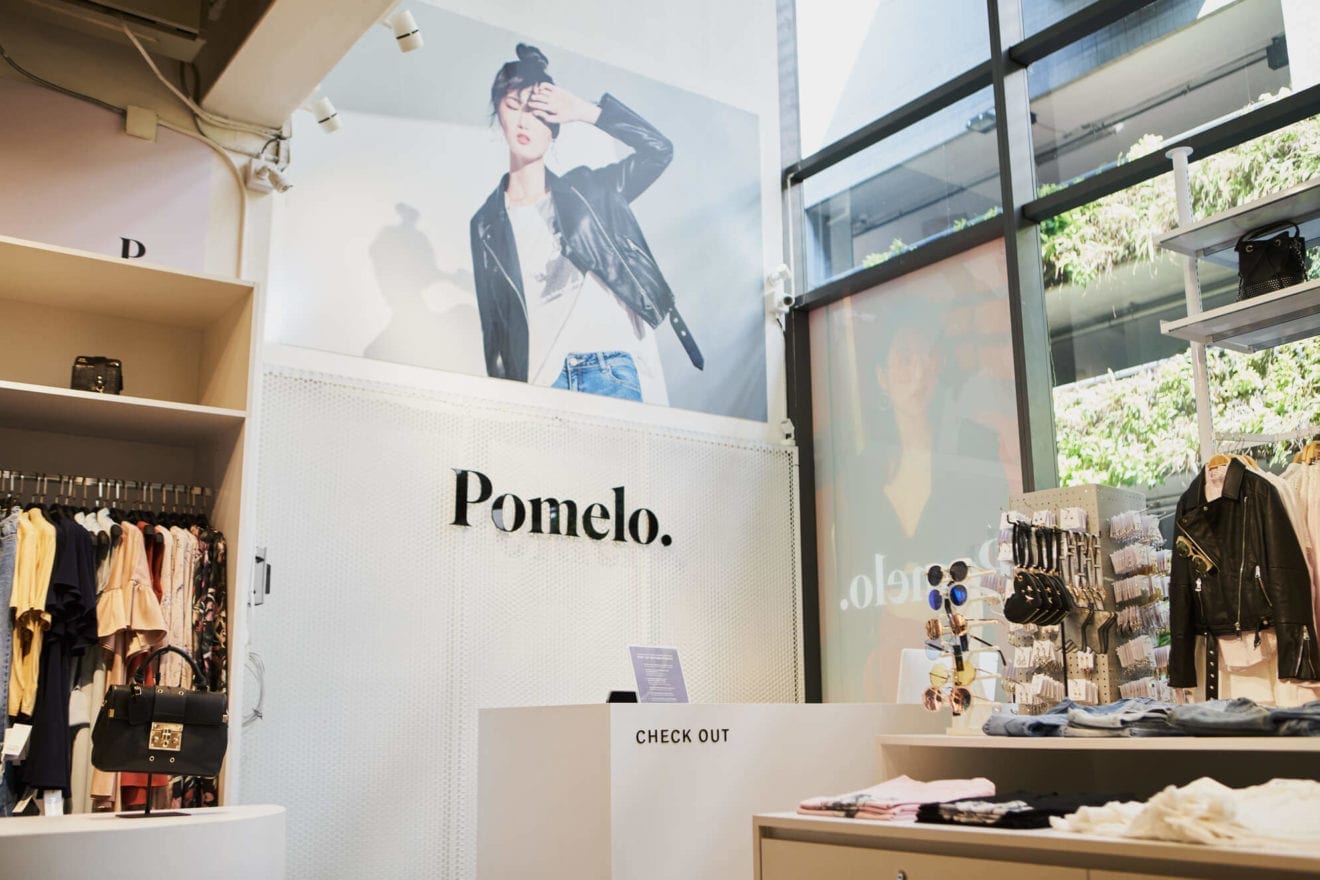
    Online retailers who follow their consumers along the customer journey can see where buyers trail off without completing a purchase. Worldwide, the online shopping abandoned cart rate is about 70%—representing a key challenge and opportunity for marketers. At leading fashion eCommerce brand Pomelo Fashion, which produces a range of stylish, affordable clothes for the digitally native female consumer, finding a way to meet that challenge was a major marketing priority, one they decided to address by leveraging Braze.

    Founded in 2013 in Bangkok, Pomelo Fashion has disrupted the fast fashion industry by providing a seamless shopping experience both online and offline. Pomelo has a strong presence in Asia, with over 4 million monthly visits to their website and a 60 million monthly reach on their social media pages. As a result of being a leading fashion brand in the region, styles frequently run out of stock as customers race to buy their favorite items.

    Customers take advantage of the purchase options Pomelo Fashion gives them, such as the ability to buy from specific store inventory and the ability to buy online and pick up in-store. Buying online and picking up in-store is so popular amongst customers that Pomelo has multiple pick-up only locations amongst its rapidly expanding retail portfolio. As a customer-centric company, Pomelo wanted to give customers a heads up when items they’re interested in are running low on stock. 90% of sales come from the Pomelo Fashion app, so communicating with push notifications and News Feed cards made the most sense.

    You’re reading Perspectives magazine, our new monthly hub for industry-shaking news and strategy—plus interactive experiences and refreshers to make the most of our platform. Want to see the whole story?

    At Pomelo Fashion, they knew that speaking to their customers as individuals was the key to encouraging users to re-engage after abandoning a cart. Pomelo Fashion utilized Canvas—the Braze lifecycle engagement tool—to target consumers based on their personal preferences and recently viewed items, as well as where they stopped along their purchase journey. The “Browsed Category” level and the “Added Item to Cart” level were the two stages where users were targeted for follow-up communications.

    At the “Browsed Category” level, the goal was to encourage users to return to the category and view a product. Push notifications and News Feed Cards mentioned the category of clothing that a user viewed, focusing on the scarcity of products within that category. This campaign saw a 5% increase in sessions, an 84% increase in conversion rate, and a 235% increase in revenue when compared to users who didn’t receive targeted messages.

    The campaign that targeted app users at the “Added Item to Cart” level also saw very successful results. The goal of this campaign was to nudge users to come back to the app to complete their order. Pomelo Fashion tested generic push notifications against hyper-personalized push that included a user’s name and an image of the low stock item that a customer had recently viewed, which was pulled into the message using the Braze platform’s Connected Connect dynamic personalization feature. This campaign drove a 126% increase in sessions and a 66% increase in conversions when compared to their generic push notifications.

    A user’s News Feed on the Pomelo Fashion app was leveraged by the brand to showcase relevant promotional content for each individual. By segmenting users based on whether they were new customers, existing customers or lapsing users, Pomelo was able to display different coupon codes in the News Feed based on user type, supporting a more targeted experience.

    Geo-triggered push notifications were also used by Pomelo to send out promotional messages. When target customers were close to brick-and-mortar locations, they received notifications triggered using Braze Geofence support. These notifications highlighted new collections and offers in stores that were relevant to users based on their preferences. Other notifications alerted users about items they had recently viewed in the app and items on users’ wishlists. By leveraging Braze APIs and Connected Content, Pomelo Fashion’s notifications were able to notify users when items were newly available in a given user’s size.

    Pomelo Fashion tackled one of the most entrenched problems ecommerce retailers face—namely, customers failing to complete a purchase after beginning the process. By skillfully utilizing data highlighting product scarcity, Pomelo sent out targeted notifications based on an app user’s viewed items that moved the needle for their engagement efforts. The success of these personalized push notifications and News Feed Cards shows how powerful testing campaigns against a control group can be.

  • H&M’s full year profit slides despite positive growth in online sales

    H&M’s full year profit slides despite positive growth in online sales

    Hennes & Mauritz released stronger-than-expected fourth-quarter results on Friday but flagged ongoing challenges in trading conditions, with more than 1,000 stores temporarily closed.

    “The ongoing restrictions along with the many temporary store closures will have a substantial negative impact on the first quarter,” said chief executive officer Helena Helmersson, speaking on a phone call with analysts to discuss the company’s full-year performance.

    The company said 36 percent of its sprawling retail network is temporarily closed, or 1,800 stores. Sales in the Dec. 1 to Jan. 27 period were down 23 percent in local currencies compared with the same period last year.

    The company posted a profit of 2.48 billion Swedish kronor, or $300 million, in the fourth quarter, from Sept. 1 to Nov. 30, and executives touted a strong financial position at the end of the year.

    “With strong, profitable online growth and good cost control we succeeded in ending the year in profit and with a strong financial position,” Helmersson said.

    Analysts said fourth-quarter results were better than expected thanks to lower operational expenditure than forecast but noted the sales update was weaker than expected.

    “Recent trading is in line with our fairly cautious estimate,” said Richard Chamberlain of RBC, noting the outlook was “tough.”

  • Arket bound to open its first retail store in China this autumn

    Arket bound to open its first retail store in China this autumn

    H&M-owned Arket has announced plans to open its first physical store in China this autumn.

    The flagship store will be located in Beijing and will stock a mix of the Stockholm-based brand’s wardrobe staples and seasonal fashion drops for both women and men.

    The store will also feature an Arket cafe and stock an assortment of beauty and home items.

    “We are incredibly happy to announce our upcoming opening in Beijing and we are looking forward to finally meeting our many Chinese customers in person,” said Arket managing director Pernilla Wohlfahrt in a statement.

    “The new store gives us an opportunity to welcome people into our world and invite them to experience the rich diversity of our collections – from beautifully-made fabrics and fashion designs to nature-inspired interiors, sustainable childrenswear and contemporary Swedish cuisine.”

    The physical store is the latest step of the Nordic band’s expansion into Asia. The company made its debut into the Chinese market in August with the launch of its digital flagship store on Alibaba Group’s B2C e-commerce platform Tmall.

    In late 2020 the brand also announced plans to open its first store in South Korea early this year.

  • Boohoo and Asos are acquiring collapsed retail brands

    Boohoo and Asos are acquiring collapsed retail brands

    British online fashion retailers Boohoo and ASOS made major expansion moves on Monday, with the former buying the Debenhams brand and the latter in talks to buy the key brands of Philip Green’s collapsed Arcadia group.

    The moves underline how online players have gained the upper hand over traditional bricks and mortar clothing retailers, a trend accelerated by the Covid-19 pandemic.

    Boohoo said it had acquired all of the intellectual property assets, including customer data, related business information and selected contracts of Debenhams from its administrators for 55 million pounds ($75.4 million).

    It will not take on Debenhams’ stores or its staff.

    Debenhams’ administrators said last month it was starting a liquidation process, putting 12,000 jobs at risk.

    Meanwhile, ASOS said it was in exclusive talks with the administrators of Green’s collapsed Arcadia group over the acquisition of the Topshop, Topman, Miss Selfridge and HIIT brands.

    “The board believes this would represent a compelling opportunity to acquire strong brands that resonate well with its customer base,” ASOS said, adding that any deal would be funded from cash reserves.

    However, it cautioned there was no certainty a deal will be sealed.

    Arcadia collapsed into administration in November, putting over 13,000 jobs at risk.

  • Prada CEO sees massive revenue growth during next years

    Prada CEO sees massive revenue growth during next years

    Italian luxury group Prada sees revenues rising to 5 billion euros ($6.1 billion) in four to five years, its chief executive said on Thursday.

    “We will reach five billion euros in a matter of four to five years. COVID-19 has given a strong shock to the whole system, we will see a strong acceleration when it will be over,” Patrizio Bertelli said in an interview with Italian daily Il Sole 24 Ore.

    “We have not grown as much as we would have liked so far, but we are the group that has best maintained its identity,” he added.

    The Hong-Kong listed group said it would close 2020 with an operating profit. Net revenues in 2019 were 3.226 billion euros.

    The fallout from the COVID-19 crisis triggered a 40% decline in Prada’s revenues in the first half of last year, leading to a 196 million euros operating loss.

    In the interview, Bertelli said there could be positive signs for the luxury sector as a whole from March, when lockdowns in many European countries may end.

    The executive, founder of the brand with wife Miuccia, said the company was not interested in acquiring other brands but would press ahead with buying production plants instead, investing 100 million euros per year in sites and shops in coming years.

    “Made in Italy’ production will be more and more important,” he said, noting 80% of Prada’s current production is based in Italy.