Tag: Fashion

  • Pre-owned Store Hula opens its first permanent boutique in Hong Kong’s Central

    Pre-owned Store Hula opens its first permanent boutique in Hong Kong’s Central

    Pre-loved designer brand, HULA will be opening its first boutique on Hollywood Road this Friday. The location will feature a curated selection of over 500 unique designer womenswear pieces. There is also a dedicated Chanel rail for fans of the iconic brand.

    The boutique is open daily and offers a range of new and vintage designer items including bags, clothing, shoes, and accessories. Each week new products will be added to the boutique, including pieces not available at its Wong Chuk Hang warehouse.

    For those looking for a tailored shopping experience, the boutique also offers a personalized styling session with its in-house stylists.

    Founded by Sarah Fung in 2016, HULA is an online marketplace that sells second-hand designer womenswear and handbags. The consignment store only sells items from invited sellers to guarantee their authenticity and quality. “If we aren’t sure, we don’t sell it,” says Fung.

    HULA previously hosted a pop-up on Hollywood road last year which encouraged Fung to think about a more permanent store. “After the success of our three-week pop-up on Hollywood Road last year, opening a permanent store space in Hong Kong Central was a no-brainer and we were lucky to have found the perfect location,” she says.

    The new shop will open on March 19 and is located at 56-58 Hollywood Road, Central. For more information visit HULA’s website and Instagram.

  • Nike sales crimped by pandemic and shipping issues

    Nike sales crimped by pandemic and shipping issues

    Nike’s quarterly sales missed estimates due to shipping issues and a pandemic-related slump at brick-and-mortar stores, and investors were disappointed by the world’s biggest athletic shoe maker’s full-year revenue forecast.

    Nike forecast “low-to-mid-teens” full-year revenue growth, falling just short of the 15.9% increase in sales that analysts were expecting, according to IBES data from Refinitiv.

    Nike shares were down about 3% in post-market trade.

    “I think the expectations for Nike into the call were very high with many analysts upping revenue and earnings expectations into the quarter,” said Ivan Feinseth, head of investment at Nike shareholder Tigress Financial Partners.

    Revenue rose to $10.36 billion from $10.1 billion, while analysts on average had expected $11.02 billion. The company said revenue from North America fell 11% on a currency-neutral basis because container shortages and U.S. port congestion held up inventory by more than three weeks.

    “We expect to capture this delayed revenue in the fourth quarter,” Nike Chief Financial Officer Matthew Friend said.

    U.S. container-freight traffic has slowed significantly in recent months due to COVID-19 outbreaks among dockworkers and safety restrictions aimed at stemming the spread of the virus. At the same time, ports are dealing with a cargo surge due to pandemic-led demand for bulk products.

    Nike’s net income nonetheless climbed to $1.45 billion, or 90 cents per share, in the third quarter ended Feb. 28, from $847 million, or 53 cents per share, a year earlier. Analysts were expecting earnings per share of 76 cents.

    In Europe, the Middle East and the Africa region, 45% of Nike-owned stores were closed for the last two months of the quarter. Currently, 65 percent of stores in EMEA are open or operating on reduced hours, Nike said.

    Rival Adidas ADSGn.DE said last week that it had reopened 95% of its stores after coronavirus lockdowns.

  • Tiffany & Co designer Elsa Peretti dies at 80

    Tiffany & Co designer Elsa Peretti dies at 80

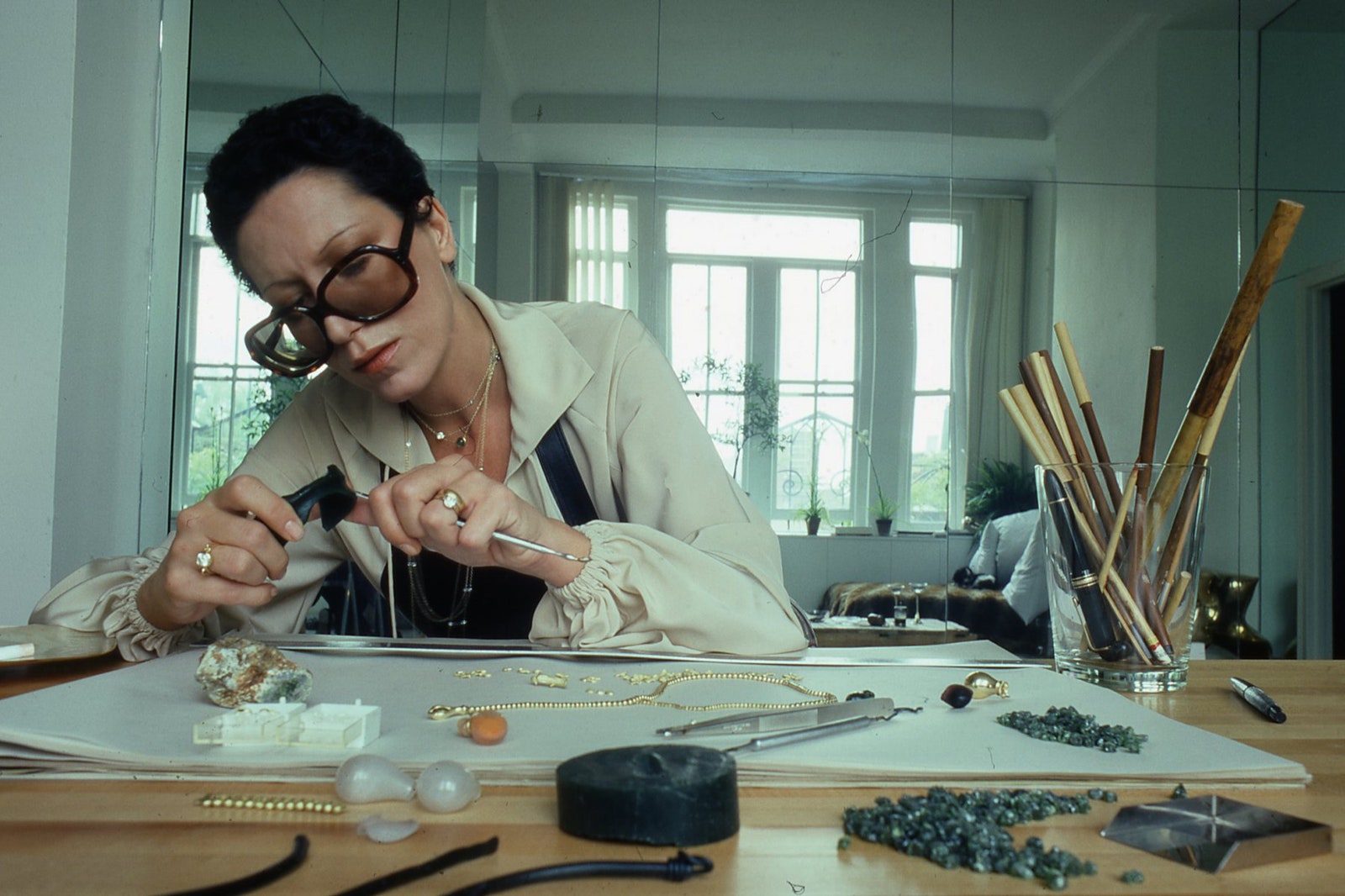
    Elsa Peretti, the famed jewelry designer for Tiffany & Co., has died, according to a statement from the company. She was 80 years old.
    Peretti died in Spain on Thursday, March 18, according to a statement from her foundation.
    “Elsa was not only a designer but a way of life,” the statement from Tiffany & Co. said, describing her as a “larger-than-life” person who “touched everyone at Tiffany & Co.”
    “A masterful artisan, Elsa was responsible for a revolution in the world of jewelry design. Her collections of organic, sensual forms have inspired generations,” the statement said. “Elsa’s relationship with style and the natural world was profoundly personal and strongly reflected in her creations. Over the past nearly 50 years Elsa has created some of the most innovative jewelry and object designs in the world.”
    Peretti was born in Florence, Italy. By 1964 she’d begun modeling in Spain and later moved to New York and met the fashion designer Halston, whom she collaborated with and who introduced her to Tiffany & Co. leadership. She joined the company in 1974. Vogue reported that Peretti’s designs eventually accounted for about 10% of Tiffany & Co.’s sales.
    Peretti was also the president and founder of the Nando and Elsa Peretti Foundation, the company said, which supported projects related to human rights, environmental conservation, and arts and cultural preservation. She believed, Tiffany & Co. said, that protecting the planet was “a duty of all of humanity.”
    “We could do so much better,” she said. “I’m trying to do something good.”
  • Burberry Japan opening a virtual showroom in partnership with Elle

    Burberry Japan opening a virtual showroom in partnership with Elle

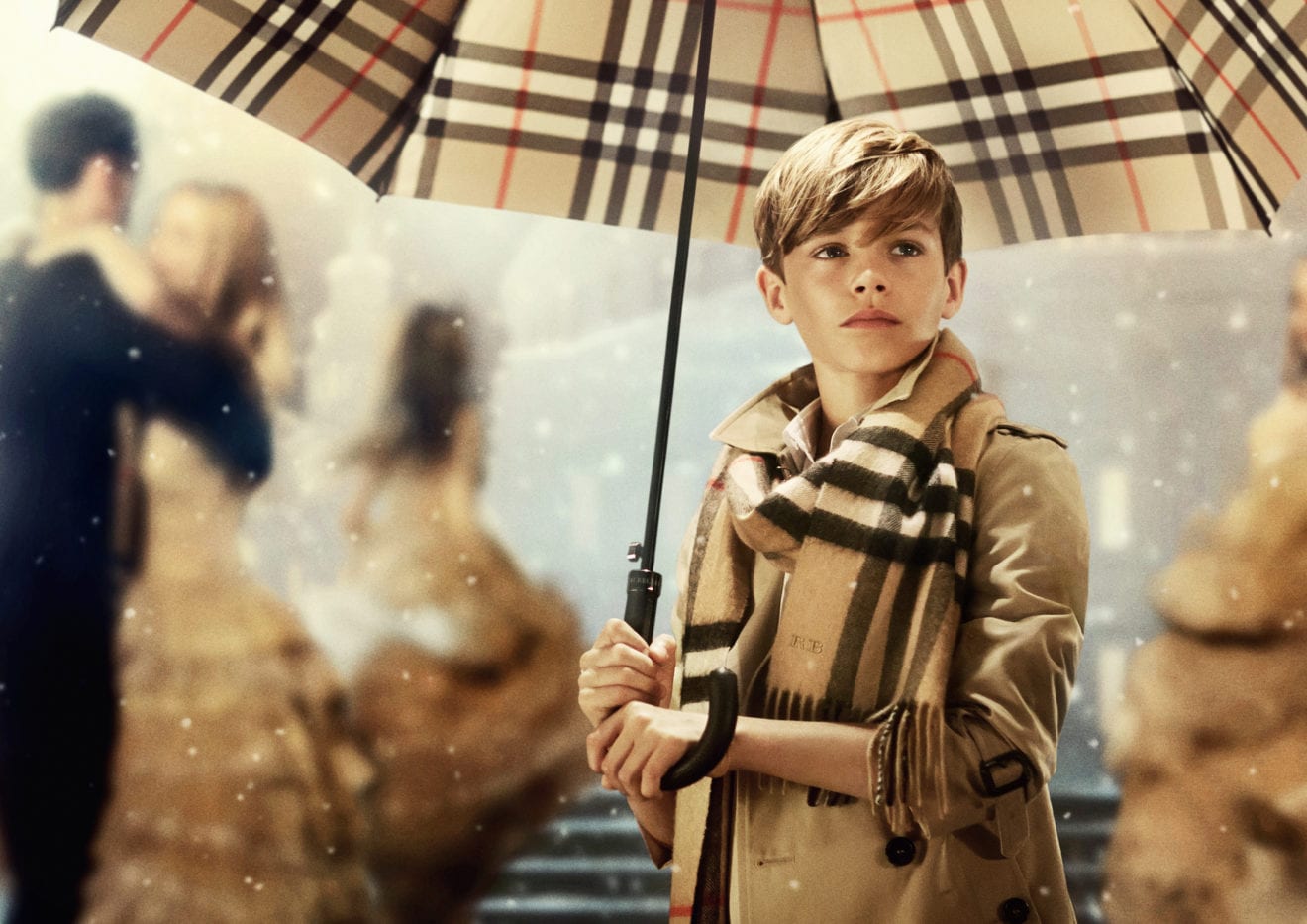
    The virtual and interactive experience will replicate the brand’s flapship Ginza store and will serve as a space to present its Spring/Summer 2021 collection. Customers will be able to purchase items from the collection by selecting the digital items in store for one month, beginning from March 19. The experience will live exclusively on Elle Japan and Ellegirl Digital Japan’s websites.

    Burberry is among the leading luxury players to have invested in digital innovation to merge digital and physical store spaces, with Louis Vuitton and Gucci also joining the market. As part of the new experience, Burberry has also collaborated with actress Elaiza Ikeda to create five styling videos that will appear throughout the virtual store and assist customer’s shopping experience.

  • New Levi’s store in Indonesia is its largest in SEA

    New Levi’s store in Indonesia is its largest in SEA

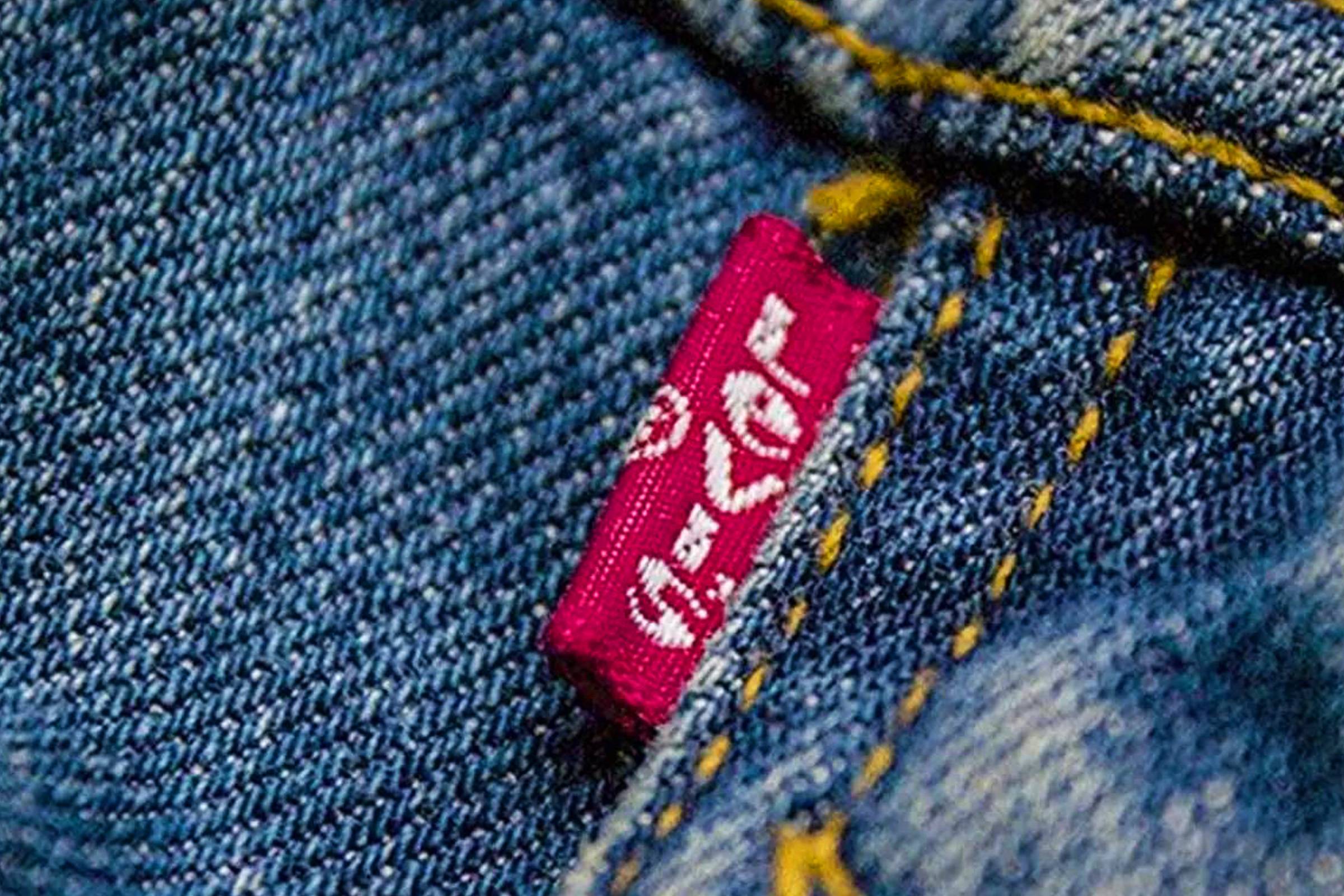
    The store represents the brand’s largest store yet in Southeast Asia, and features the brand’s new ‘Next Gen’ design concept.

    The new store is located in Grand Indonesia East Mall and features a range of technology features including Levi’s first associate ordering system, which is part of a broader omni-channel shopping experience. The new store also features a Tailor Shop where customers are able to customize their own items; options available include embroidery, hemming and alterations. Customers can also create their own t-shirt at the store’s print bar.

    Sameer Koul, Country Manager at Levi Strauss Indonesia, commented: “We are focused on bringing a highly personalized shopping experience to consumers and in a large format. This store can embody a bold brand image and vision for Indonesia. Levi’s Next Gen Store offers the most diverse products and brings our brand story to life with the feeling of being in a theatre.”

  • Fashion giant H&M’s sales recover in March as stores reopen after lockdowns

    Fashion giant H&M’s sales recover in March as stores reopen after lockdowns

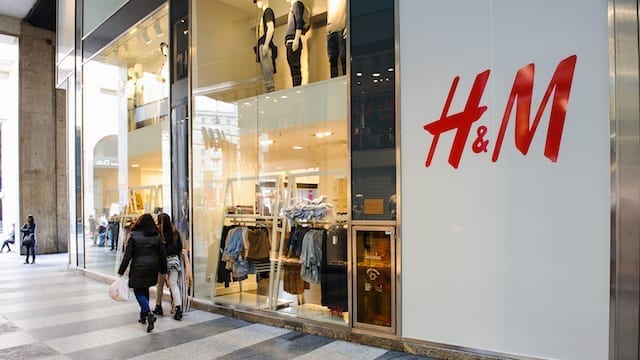
    Sales at fashion group H&M fell slightly less than expected in the three months through February and rose in the first half of March as pandemic restrictions were eased in some markets, allowing hundreds of stores to reopen.

    The world’s second-biggest apparel retailer said on Monday net sales fell 27% from a year earlier, or 21% when measured in local currencies, to 40.1 billion crowns ($4.72 billion).

    Analysts had on average forecast a 30% decline in net sales for the period – the Swedish group’s fiscal first-quarter – according to Refinitiv SmartEstimate.

    “Sales development was significantly affected by the COVID-19 situation, with extensive restrictions and at most over 1,800 stores temporarily closed,” H&M said in a statement.

    “Since the beginning of February, a number of markets have gradually allowed stores to reopen and at the end of the quarter around 1,300 stores remained temporarily closed,” it said, adding that online sales had continued to develop very well.

    RBC analyst Richard Chamberlain, who has a “sector perform” rating on H&M’s shares, said the figures implied that online sales had provided a stronger-than-expected boost in February.

    H&M said sales in the March 1–13 period were up 10% in local currencies as many countries, including single-biggest market Germany, began allowing some stores to reopen. However, about 900 of H&M’s approximately 5,000 stores remained closed due to pandemic lockdowns as of March 13.

    Chamberlain said most stores should be open by mid-April bar new lockdowns in Europe, H&M’s main market.

    “As such, we see the potential for a strong sales recovery in the remainder of the year, with potential for gross margin to surprise on the upside, due to the weaker U.S. dollar,” he said.

    Market leader Inditex, the owner of Zara, last week forecast a return to healthy sales as soon as lockdown are lifted, as it reported a 70% fall in profit for its fiscal year through January. It predicted all its shops would be open by mid-April.

    H&M, whose full December-February earnings report is due on March 31, is bracing for a loss in the quarter after the pandemic slashed 2020 profits by 88%.

    Shares in H&M were up 3% in early trading, taking a year-to-date rise to 32%

  • Hermes opens giant store in Tokyo’s ritzy Omotesando

    Hermes opens giant store in Tokyo’s ritzy Omotesando

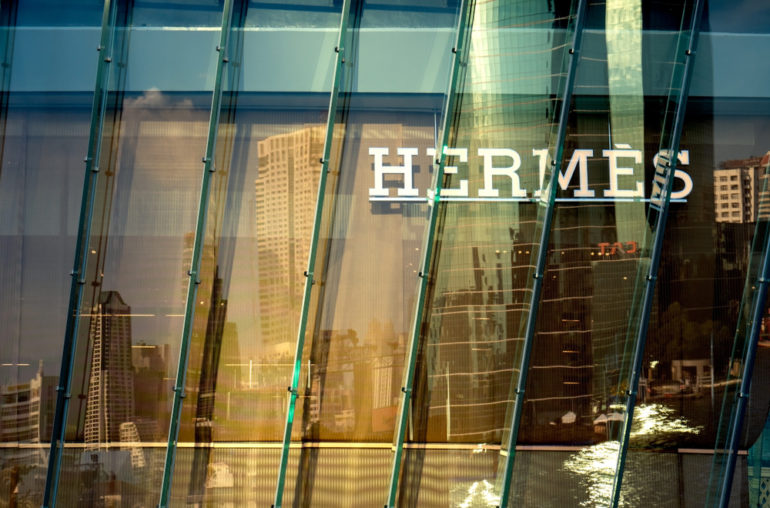
    Hermès is delighted to announce the opening of a new address in Tokyo’s Omotesando district on 28th February 2021. This new 488 square-meter home will be the house’s first free-standing store in Tokyo since the opening of Maison Hermès Ginza in 2001. A beautiful boulevard leading to Meiji Shrine, Omotesando Avenue is today lined on both sides with high-end boutiques and zelkova trees.

    Its intricate back streets are home to Tokyo’s vibrant street culture, attracting designers and artists from all around the world. It is here, on one of the city’s unique streets, adjacent to Shibuya and Harajuku, that the new Hermès store comes to life. The store’s distinctive façade opens directly onto Omotesando Avenue and incorporates the historic stone wall of one of the area’s most notable buildings, which has been preserved by the Parisian architecture agency RDAI.

    The façade is given a contemporary look with a copper-toned stainless-steel grid, adding depth and light to the exterior, just as light and shadows intermingle in a bamboo grove. Upon entering, visitors are greeted by the Ex-Libris in mosaic, inspired by the Hermès Faubourg SaintHonoré store in Paris. On the right side, they can peruse the colorful women’s silk collections, including the new carré Duo Cosmique designed by Kohei Kyomori, and presented exclusively here.

    The window display is also specially designed by this young Japanese artist to celebrate the opening. Further on, fashion jewellery, beauty, and perfume, including the latest men’s fragrance H24 are elegantly displayed. In the beauty corner, the Rouge Hermès lipstick collection will wait to encounter new customers from mid-April. On the left side of the entrance, home collections including tableware and men’s silk are introduced. A leather section at the back of the store welcomes bags, small leather goods, and equestrian collections.

    Walls are covered in wood paneling and bamboo marquetry, accented by fluid curves, and a selection of women’s shoes is displayed on wooden shelves extending from one of the large pillars. The floor is covered with two shades of greenstone, sourced in Asia and laid in a pattern resembling Japanese tatami mats. Custom rugs with a hue reminiscent of forest moss lend a softness to space. Behind the staircase is a refined area for watches and jewelry.

    Finally, customers can pause at a wide table, and enjoy books and a Leporello of unique drawings by French artist François Houtin, displayed in a specially made curved frame. As customers ascend the stairs, they will discover another piece of art, created by Japanese contemporary bamboo artist Shoryu Honda. Inspired by the shape of clouds and infinite Moebius strips, the bamboo sculpture is an example of the sophistication of Japan’s world-class modern bamboo artistry. The sweeping staircase is one of the most striking architectural elements of the store.

    The organic shapes of its vertical columns resemble tree branches, while the stairs call to mind pale green stepping stones. Light filters down from the upper level to the ground floor, just as sunlight glistens between the branches of a forest and invites customers upstairs to dive into the women’s and men’s universes. On the second floor, mobile partitions create an intimate space for each métier while giving the illusion of transparency. There are large fitting rooms for both men and women, with the former designed in order to incorporate made-to-measure orders in the future.

    Among the selection of special objects created for this opening are a skateboard and a surfboard, both revisited in a special edition with Jan Bajtlik’s design Cheval de Fête, and uniquely numbered Mega Chariot carrés and ties by Daiske Nomura. A newly unveiled Hermès bike made of ash wood will also be presented for the occasion. Paying tribute to local artists, materials, and know-how, this new store is a testimony to Hermès’ strong relationship with Japan and invites local customers and new visitors into a discovery of the house’s creativity and fine craftsmanship in a harmonious and warm environment.

  • Ted Baker appoints new Indonesian distributor

    Ted Baker appoints new Indonesian distributor

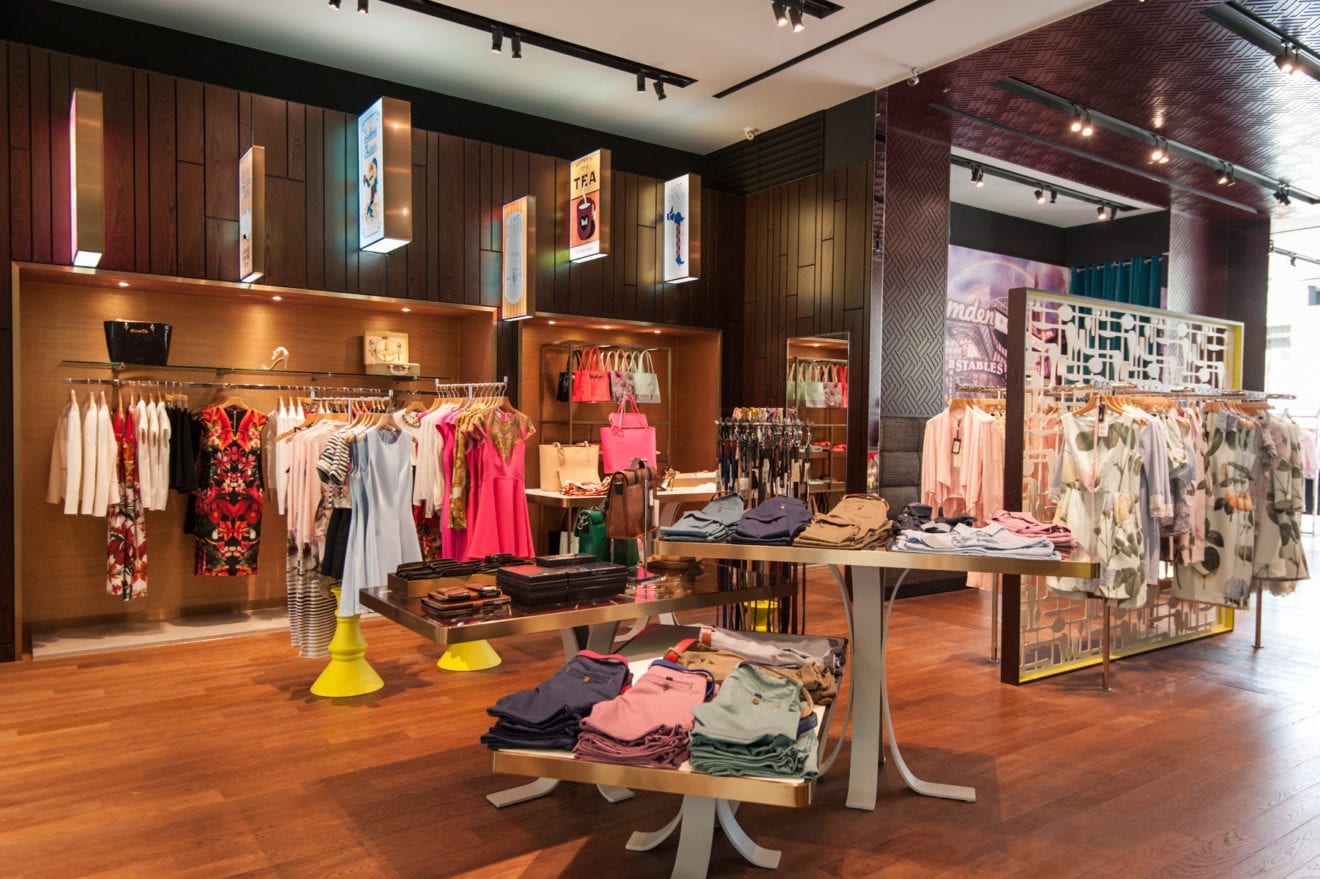
    The MENA deal is actually an extension to the current retail agreement Ted Baker has with Al-Futtaim Group but adds in new e-commerce and wholesale rights for the region. The all-new 10-year Indonesia dealx has been signed with PT Mitra Adiperkasa (MAP) for the retail license.

    The fellow-10-year Al-Futtaim agreement now means MENA will be Ted Baker’s first full omnichannel territory operated by a license partner. The complete integrated package across retail, digital and wholesale channels “is a key pillar of the group’s three-year transformation plan… which is designed to deliver a more profitable, more cash generative and higher return on capital employed business”, Ted Baker said.

    Al-Futtaim currently operates 24 Ted Baker stores and concessions across Bahrain, Egypt, Qatar, Saudi Arabia, and UAE. The addition of e-commerce and wholesale rights will aim to further strengthen the customer experience of the brand in the region, they said. Specific benefits to customers will include alignment of pricing and promotions across channels, and an improved e-commerce proposition with shorter delivery times, and ship-from-store and click-and-collect services.

    Meanwhile, under the terms of its retail and selective digital rights agreement, MAP has “committed to an ambitious store and concession opening plan and will sell via selective online platforms in Indonesia”. This expanded distribution will build brand awareness in the Asian region alongside the five other license partners and the group’s China JV, Ted Baker noted.

    Following these new license agreements, Ted Baker will have 17 retail license partners and 20 product license partners across the globe.

    Helen Costello, Group Commercial and Business Development Director at Ted Baker, said: “Having worked with the Al-Futtaim team for many years, we know they have an excellent understanding of Ted Baker and our customers. Al-Futtaim’s experience also means that they are particularly well-placed to fully realize the significant growth potential from the accelerating consumer shift to online channels in the region”.

    She added: “MAP is the leading retail expert in Indonesia, and they have the right team and experience in place to build on the strong foundations that are already in place. It is a testament to the strength of our brand that we continue to partner with the leading experts in their relevant categories across the world”.

  • Gap mulls sale of China business

    Gap mulls sale of China business

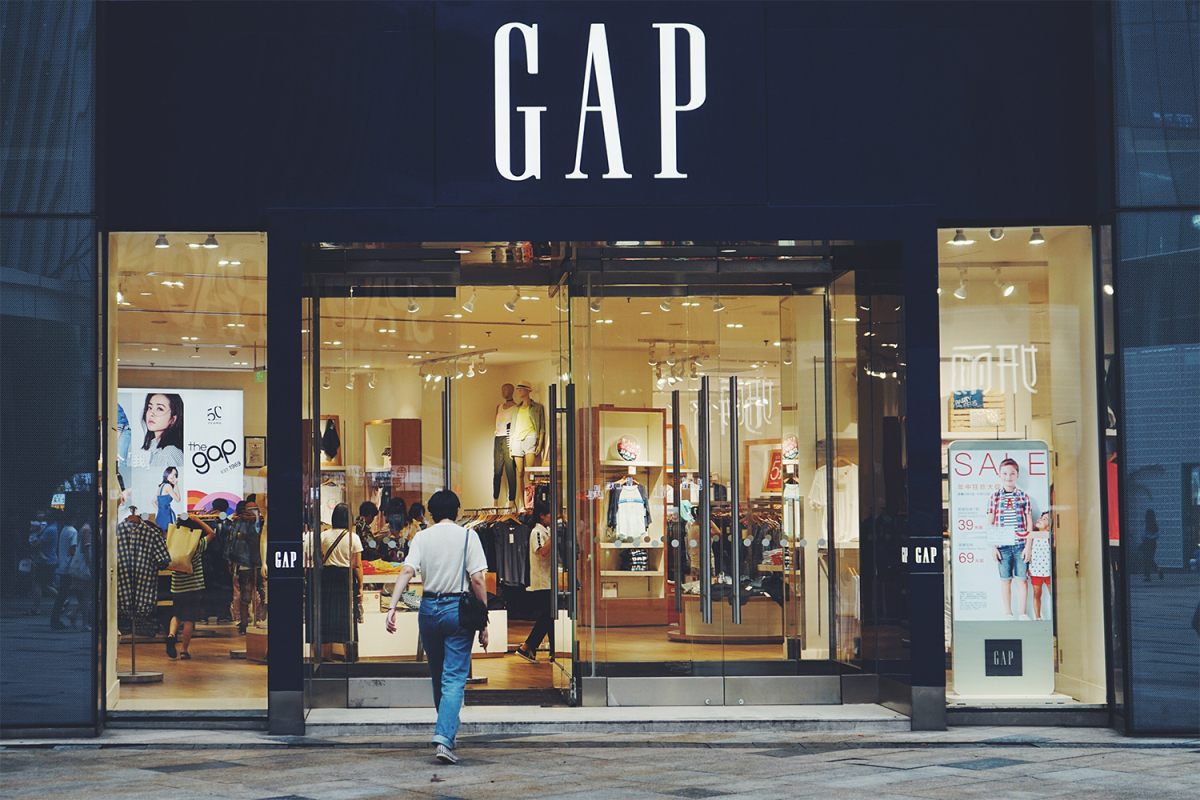
    Apparel retailer Gap is weighing options including a potential sale of its China business, citing people with knowledge of the matter.

    The report said the Old Navy parent was working with an adviser to explore its options and has contacted prospective suitors. It added there was a possibility that Gap could also keep the business.

    The company, owner of Banana Republic and Athleta brands, said it does not comment on rumors when contacted by Reuters.

    Gap entered the Chinese market about a decade ago, betting on rising incomes in the world’s second-largest economy to boost its sales. However, it stopped selling Old Navy apparel in the country last year to sharpen its focus on North America.

    Gap’s Asian market accounts for about 5 percent of its overall net sales, according to its latest regulatory filing. The company does not break out country-specific sales.

    Shares of Gap, up 43 percent this year, rose about 1 percent in extended trading after the report.

  • Fashion giant H&M pauses placing new orders in Myanmar

    Fashion giant H&M pauses placing new orders in Myanmar

    Sweden’s H&M, the world’s second-biggest fashion retailer, said on Monday it was shocked by the use of deadly force against protesters in Myanmar and that it had paused placing orders in the country.

    Police and military have killed more than 50 people to quell daily demonstrations and strikes against a Feb. 1 military coup, according to the United Nations last week.

    H&M has around 45 direct suppliers in Myanmar, it said on its website, and has sourced in the country for seven years.

    “Although we refrain from taking any immediate action regarding our long-term presence in the country, we have at this point paused placing new orders with our suppliers,” Serkan Tanka, Country Manager Myanmar, said in an email.

    “This is due to practical difficulties and an unpredictable situation limiting our ability to operate in the country, including challenges related to manufacturing and infrastructure, raw material imports, and transport of finished goods.”

    Two protesters were killed by gunshot wounds to the head in Myanmar on Monday, witnesses said, while shops, factories and banks were closed in the main city Yangon as part of the uprising against the country’s military rulers.

    Tanka said H&M was extremely concerned about the situation in the country and that it was in dialogue with UN agencies, diplomatic representatives, human rights experts, trade unions, and other multinational companies.

    “These consultations will guide us in any future decision in relation to how we as a company can best contribute to positive developments in accordance with the will of the people in Myanmar,” he said.

    Myanmar’s garment industry is smaller than that of neighboring countries Bangladesh, China and Thailand. However, its around 600 factories are significant employers, providing jobs for around 450,000 workers in 2020, according to the Myanmar Garment Manufacturers Association.

  • Property deal set to save Le Saunda’s bottom line

    Property deal set to save Le Saunda’s bottom line

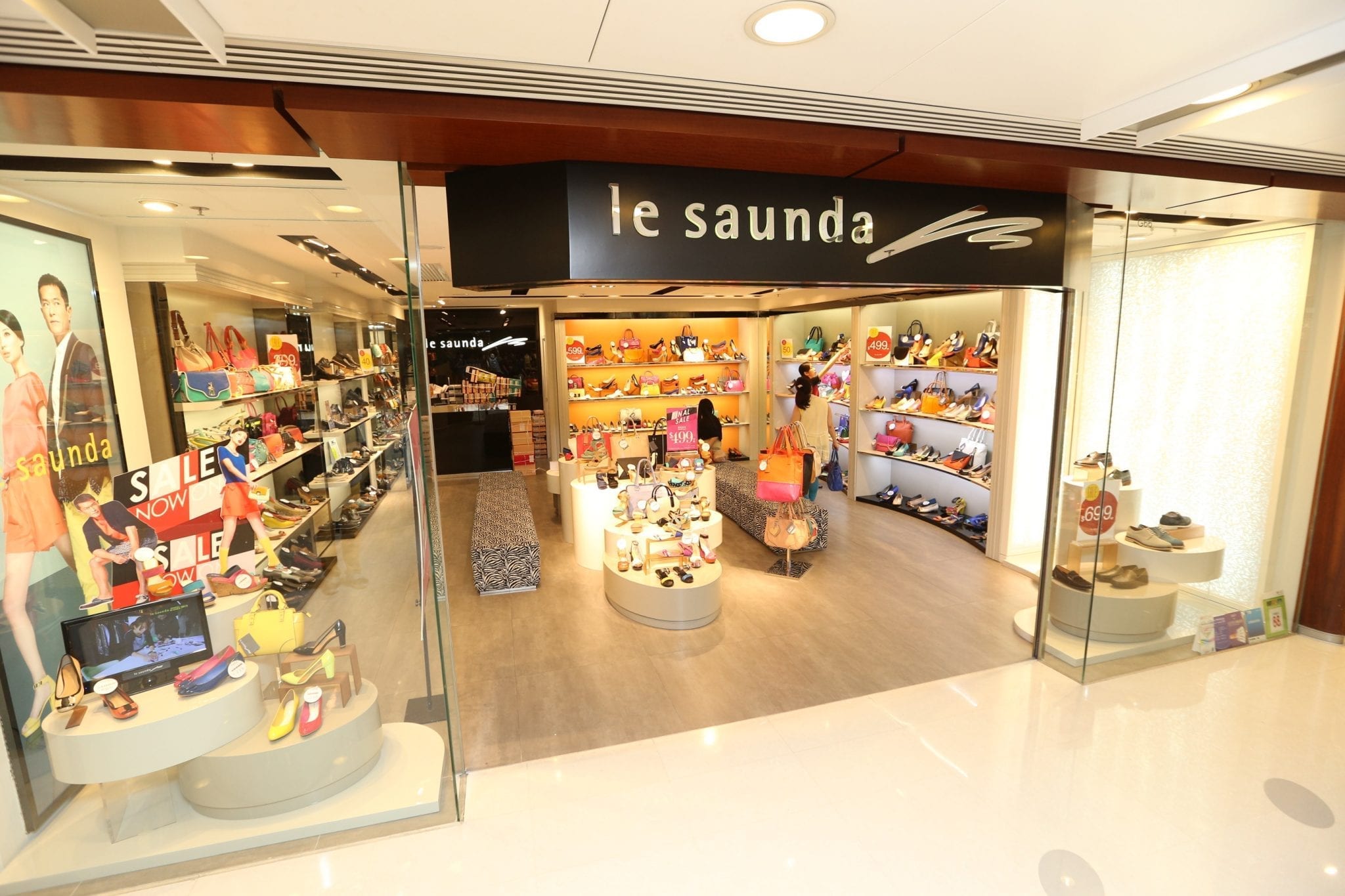
    Hong Kong-listed shoe retailer Le Saunda says same-store offline sales rose by 13.8 percent in the February quarter after it rationalized its store network.

    In a positive profit alert issued to the Hong Kong Stock Exchange, chairman James Ngai said group sales rose 5.2 percent year on year after a net 52 stores closed in Mainland China, Hong Kong, and Macau. As at February 28, the company had 389 outlets remaining, 347 of them self-owned across the three markets, and 42 franchised on the mainland.

    The company said a preliminary review of its full-year accounts shows the company “may” have recorded a profit, which would mark a significant turnaround from a US$4.7 million loss in the prior year.

    However, that was mainly attributable to the completion of the effective sale of its former factory in Shunde, Guangdong which it closed last May, and reached an agreement with the local government to hand back for $30 million. Le Saunda made a strategic decision to discontinue manufacturing and to contract production out to third parties.

    While in-store sales are on the rise after several years of decline, Le Saunda’s e-commerce business continues to underperform, with sales down 8.4 percent year on year in the fourth quarter.

  • UNIQLO to Launch Paul & Joe Collaboration Collection on March 29

    UNIQLO to Launch Paul & Joe Collaboration Collection on March 29

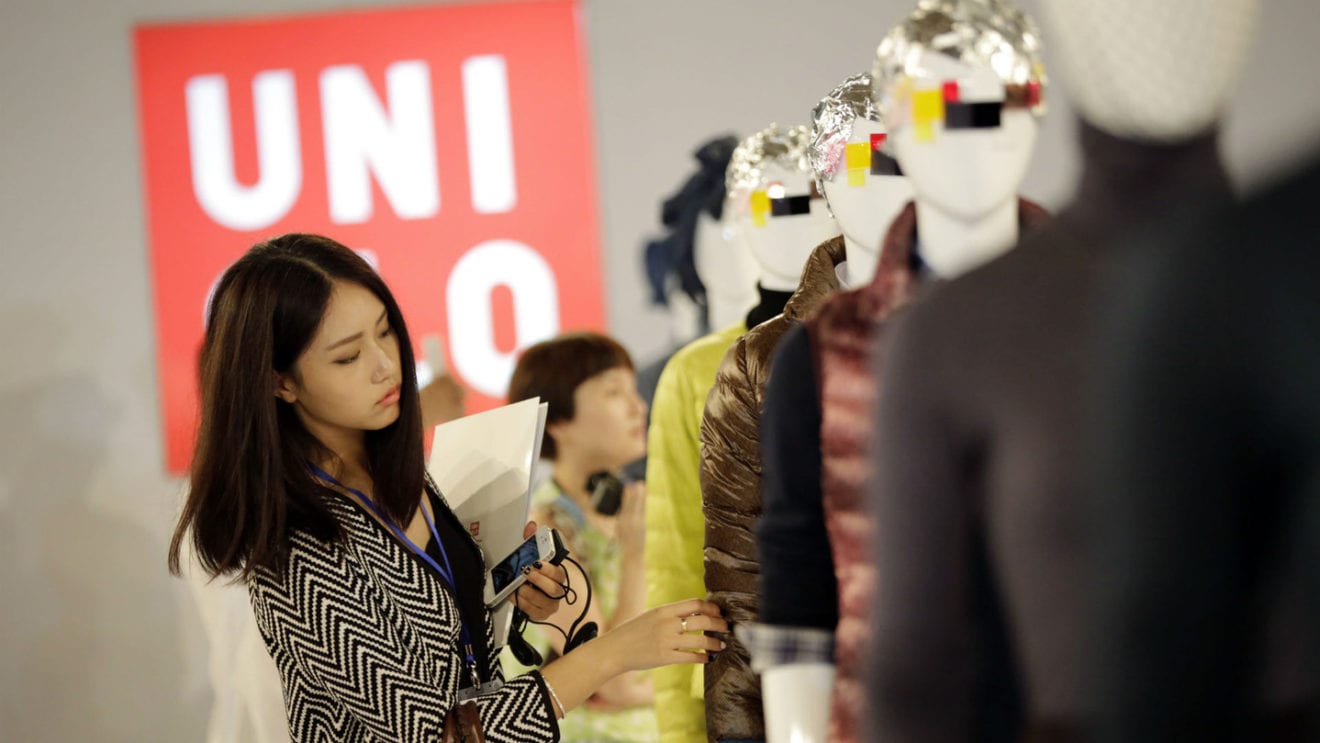
    “This collaboration with UNIQLO came about because their commitment to offering everyday clothing matches my desire to create apparel that finds favour with everyone. I also sympathised with the company’s approach to manufacturing, which pursues quality” commented Paul & Joe founder, Sophie Mechaly. “For this collection, I want people to coordinate items as they like, whether that’s by mixing plain and patterned pieces or matching patterns. I want to share the joys of spring.”

    The lineup features items in soft pastels with such motifs as chrysanthemums, characteristic of the Paul & Joe brand, and Lily of the Valley, a flower believed to bring happiness. It also presents bold designs of the brand’s iconic cats. Supplementing the UTs are such wardrobe essentials as dresses, blouses, scarves, and pochettes. There are also items for kids and babies for matching with mothers’ outfits.

  • Bulgari enters Vietnam with a comeback

    Bulgari enters Vietnam with a comeback

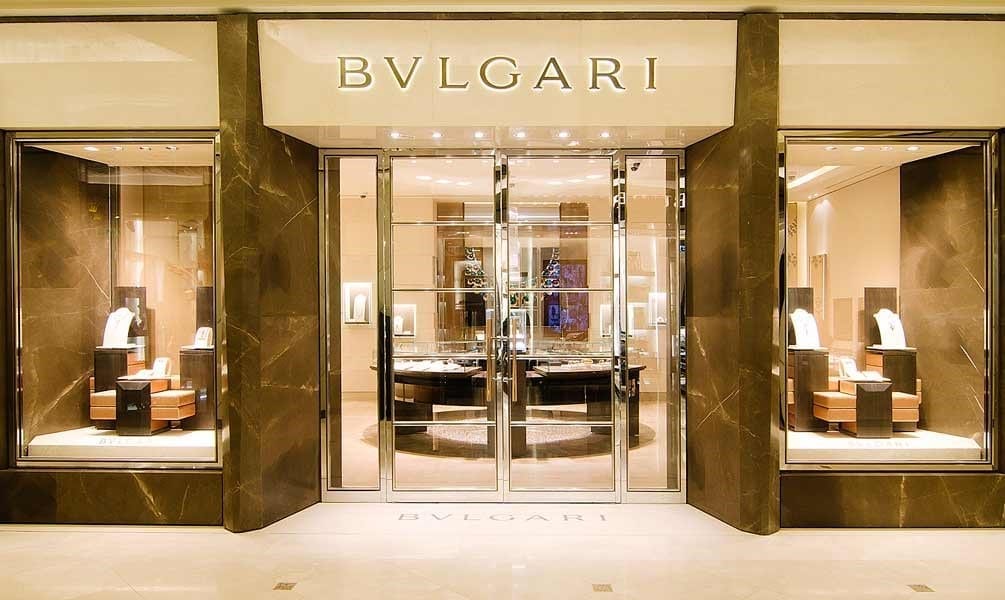
    Italian luxury house Bulgari has opened its first brick-and-mortar store in Ho Chi Minh City, marking its comeback in the country.

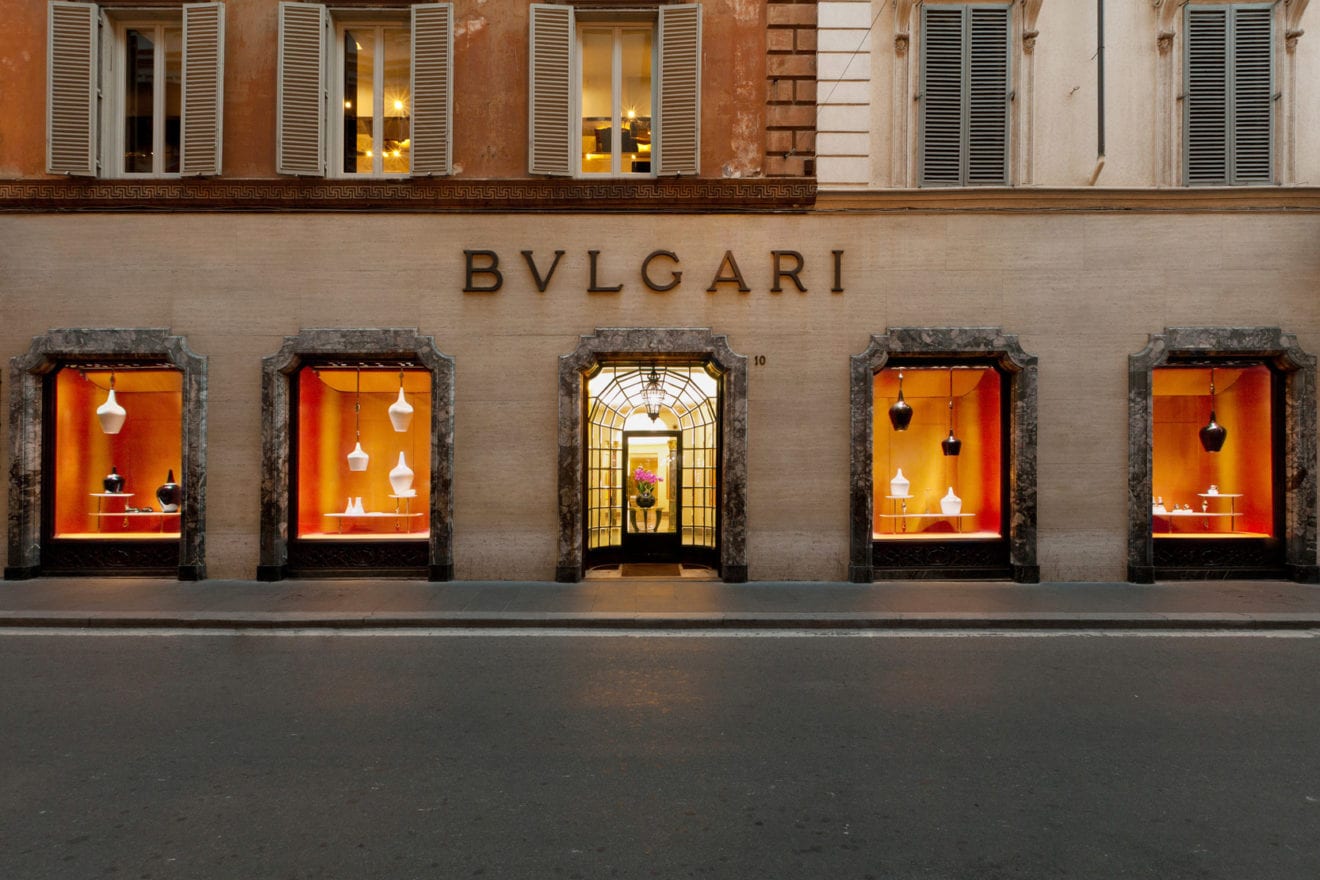
    Spanning 194sqm, the Bulgari Vietnam store is located at Union Square shopping centre, featuring the brand’s full range of jewelry, including its famous Serpenti rings, bracelets and necklaces.

    Bulgari first entered Vietnam in 2014 via local distributor Imex Pan Pacific Group and operated until March 2019. In this comeback, the brand set up a member company named Bulgari Vietnam in the country for direct import and distribution.

    According to the brand’s spokesperson, Vietnam is considered as a potential market for the luxury sector due to stable economy and rapid growth. According to data company Statista, Vietnam’s luxury goods market is estimated to reach US$1.14 billion this year and achieve 7.17 per cent growth annually until 2025.

    “We believe this is a good time to bring the brand back to Vietnam,” said the spokesperson. “Overcoming current obstacles will help us to reach a potential customer base that in normal circumstances, they would shop our products overseas.”

    Due to the on-going Covid-19 situation in the country, the brand operated without any launching event.

  • Bossini warns Hong Kong landlords over Rents

    Bossini warns Hong Kong landlords over Rents

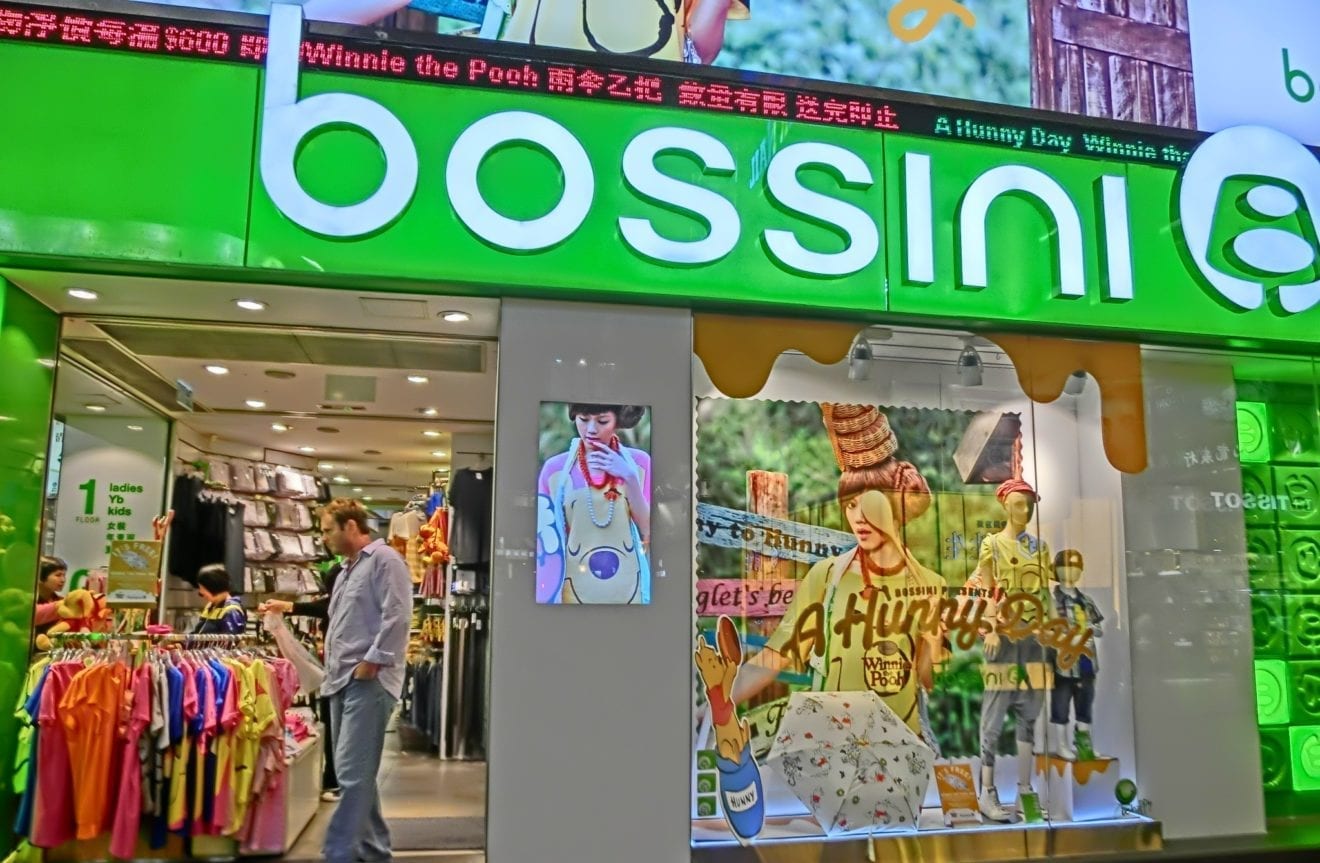
    Casual apparel retailer Bossini says it will close more stores in Hong Kong as many landlords remain unwilling to convert leases to turnover-based rents.

    The company has reported a loss of US$11.2 million for the December half after sales fell 25 percent.

    With Hong Kong and Macau accounting for 66 percent of sales in 2019, cross-border travel restrictions to both territories meant that share fell to 55 percent last year. Revenue in Hong Kong and Macau fell by 38 percent year on year.

    “The overall shop rental expenses remained at a very unreasonable level with several landlords still unwilling to provide rent concessions, despite some landlords had already switched to pure turnover-rent arrangement,” said chairman Victor Herrero in a stock exchange filing.

    “This will inevitably involve the closure of certain loss-making retail shops… We will continue to renegotiate with landlords to seek rent relief and reduction. Where landlords are reluctant to respond reasonably to our requests, we will close those shops.”

    Group revenue reached $60.3 million. Outside Hong Kong and Macau, sales rose by 2 per cent in Mainland China, but fell 9 per cent in Singapore. This was the first complete trading period not to include Taiwan, which the company exited by the end of last June.

    Looking forward, the company expects the pandemic to continue to impact its business.

    “The group’s performance is expected to remain under significant pressure for the remaining financial year with travel restrictions and social-distancing measures still largely in place,” said Herrero.

    But the company is upbeat about its ability to withstand the ongoing pressure caused by the pandemic.

    “Overall, the group is formulating and implementing strategies ranging from brand re-positioning, product segmentation and pricing, distribution channels, production and supply chain management, marketing and promotion to IT infrastructure,” he said.

    “We believe all of these would collaboratively equip us with a solid foundation and pave the way for our expansion and tap into market opportunities in the mid- to long-term.”

  • Bvlgari makes Vietnam comeback

    Bvlgari makes Vietnam comeback

    Italian luxury brand Bvlgari has returned to Vietnam and opened its first store in HCMC.

    The store opened in a shopping mall in District 1, HCMC, in February but without a formal opening ceremony due to the Covid-19 outbreak and official orders not to congregate in large numbers.

    The brand is known for its Bvlgari Serpenti jewelry and watches, the B.Zero1 Jewellery collection and Octo Finissimo watches.

    Some of its products cost more than €25,000 ($30,180).

    The brand used to be sold in Vietnam through a local distributor, Imex Pan Pacific Group, until March 2019. In October that year, it established a subsidiary in the country.

    A Bulgari Vietnam spokesperson told VnExpress it returns to Vietnam due to the potential of the market owing to rapid urbanization and economic growth.

    It is the right time to return since “we will be able to approach our potential customers, who usually buy luxury products when traveling to foreign countries,” the spokesperson said.

    According to the market and consumer data provider Statista, the Vietnamese luxury goods market is expected to be worth $1.14 billion in 2021 and grow at 7.17 percent annually until 2025.

    Bvlgari, founded in 1884 sold a majority stake in 2011 to French luxury group Moët Hennessy Louis Vuitton.