Tag: Fashion

  • Paul Frank parent Futurity Brands names China CEO

    Paul Frank parent Futurity Brands names China CEO

    Futurity Brands Limited announced today the appointment of Mr. Zhu Jianshi, as Chief Executive Officer of Futurity Brands China. Stan Wan, Futurity Brands Chairman and Group CEO, said: “After a rigorous search, the Board concluded that Mr. Zhu’s expertise and considerable experience in the licensing, fashion and retail sector, along with his exemplary track record of achievements as a CEO and COO made him the outstanding candidate for the role.

    Mr. Zhu is an accomplished leader and has consistently demonstrated throughout his career the ability to innovate and introduce high-performance strategies in challenging environments yielding impressive growth and significant value creation. I look forward to his partnership in China to create a new chapter of success for the Futurity Brands Group.”

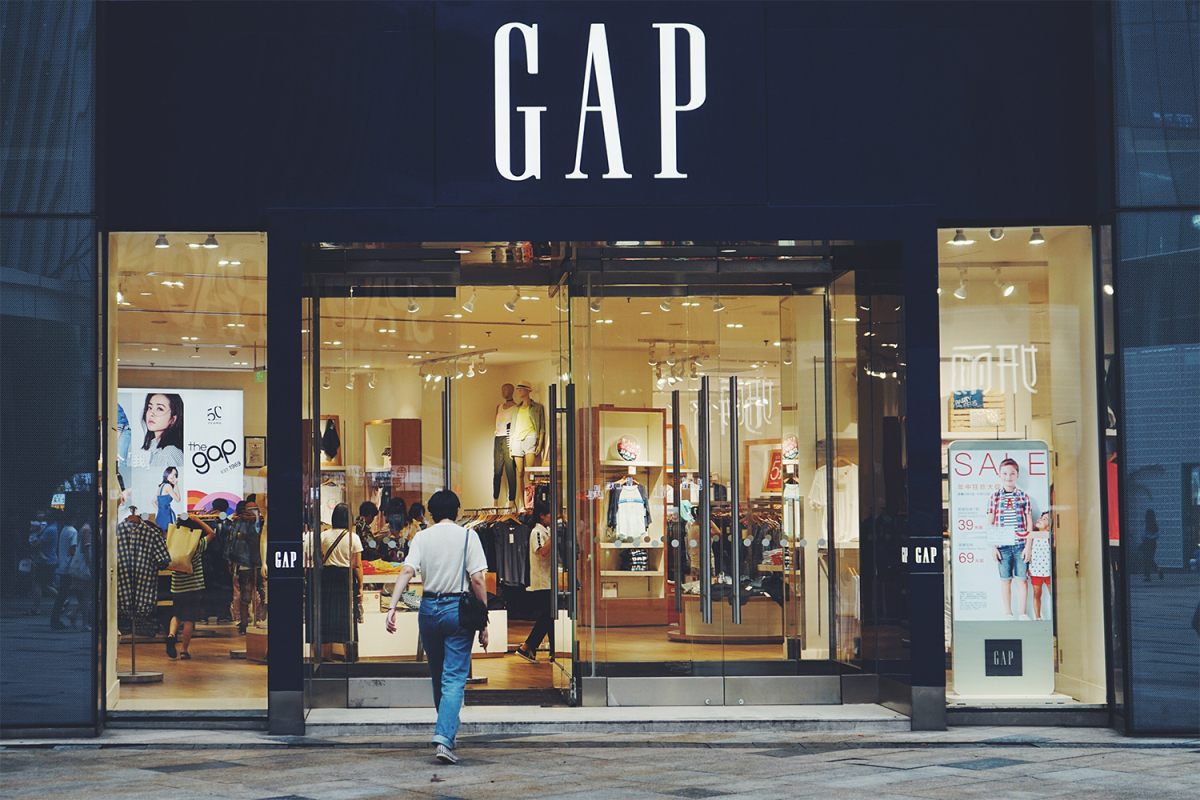
  • Gap to close all 81 stores across the UK, Ireland

    Gap to close all 81 stores across the UK, Ireland

    The firm said it would close all its stores “in a phased manner” between the end of August and the end of September.

    This includes 19 stores that were already scheduled to close in July as their leases were expiring.

    The company has not disclosed how many employees the closures will affect, but will shortly start a consultation process with the staff.

    The firm said it was “not exiting the UK market” and would continue to offer a web-based store when all the shops had closed.

    A Gap spokesperson said the decision followed a strategic review of its European business.

    Gap was a big hit when it first opened in the UK back in 1987, famous for its hoodies and sweatshirts. But in recent years, it has struggled to stay relevant, resorting to prolific discounting to pull shoppers in. That left Gap in a weak position to withstand the turmoil of a global pandemic.

    It launched a strategic review of its entire European operations last autumn, warning that it was considering closing all its UK stores. Just a few weeks ago, 19 store closures were announced – now the rest of them will close as well.

    Gap blamed what it described as market dynamics – in other words, the huge shift to internet shopping. It’s going online-only, just like Debenhams and Sir Philip Green’s Arcadia group. It’s yet another famous name bidding a retreat from our High Streets, adding to the challenge of what to do with empty shops.

    The closure is because Gap failed to keep up with the competition by not offering enough variety or being as cheap as competitors such as Primark.

    “The brands you want to shop within physical retail have to have so much more than just products on offer, they have to have a purpose,” she says.

    The company said it was in negotiations with another firm to take over all of its French stores.

    In Italy, Gap said it was in discussions with a partner for the potential acquisition of the stores there.

    “We believe in Gap’s global brand power. We are executing against Gap’s Power Plan and partnering to amplify our global reach,” the spokesperson said.

    “We are not exiting the UK market. We will continue to run and operate our Gap e-commerce business in the United Kingdom and Republic of Ireland.”

    A source close to the company said that it had seen rapid uptake of internet shopping for its clothes in the UK since the pandemic-enforced lockdowns.

  • Hugo Boss showcasts its first Japanese flagship store

    Hugo Boss showcasts its first Japanese flagship store

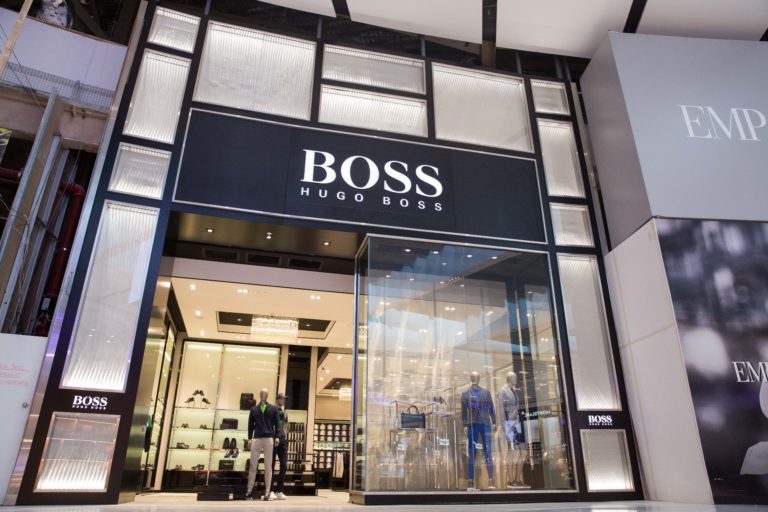
    German luxury fashion house Hugo Boss has launched its first Boss flagship store on Tokyo’s famous shopping street the Ginza.

    Spanning two stories, the Hugo Boss Japan flagship occupies 480sqm of the Tokyu Plaza Ginza shopping centre. The store features a giant glass facade where a digital wall is installed to showcase campaign videos and content.

    Meanwhile, the store interior design follows a white, black, and beige colour palette, using materials such as marble, wood and chrome. While the first floor houses men’s and women’s apparel, accessories, and fragrances, the second floor features a personalization space called ‘Made to Measure’, where customers can enjoy tailoring services.

    Marking the launch, the Hugo Boss Japan flagship store also houses a limited-edition capsule collection and a corner offering limited items with HB-Moji graphics, including hoodies, T-shirts, shorts, and caps.

  • H&M back to profit again, China sales hit by boycott

    H&M back to profit again, China sales hit by boycott

    Fashion retailer H&M’s global sales growth slowed in the second half of June and the Swedish company took a sales hit in China after its concerns over alleged human rights abuses in Xinjiang led to a social media-inspired boycott by shoppers.`
    The world’s second-largest fashion retailer aon Thursday reported a stronger-than-expected profit for its March-May quarter, after a loss in the same quarter last year.

    In China, sales were down 23% in local currencies when H&M was wiped off Tmall and domestic phone makers app stores in March after the retailer expressed concerns about the alleged Xinjiang human rights abuses.

    “With regards to China the situation remains complex. Beyond that we refer to what we have said before,” Chief Executive Helena Helmersson said, as H&M quantified for the first time the impact of the China boycott, which started on social media.

    H&M in late March said in a statement it was dedicated to regaining the trust of customers and partners China and that its commitment to the country remained strong.

    Helmersson said H&M was closely following the situation in Bangladesh – another main supplier – after a spike in coronavirus cases prompted the country to enforce a strict lockdown, although garment factories remain open.

    Group sales for June 1-28 were up a quarter year-on-year but 4% lower than in pre-pandemic 2019 as growth slowed from mid-June, highlighting a patchy recovery from the pandemic.

    Helmersson, speaking to analysts and reporters, attributed the easing in the second half of June to a combination of factors, including tough year-ago and 2019 comparisons, cold weather last week in some European markets, and how coronavirus restrictions were being eased.

    “We see signals of a strong recovery also in June, and that customers appreciate our collections,” she said.

    Analysts said the figures implied sales were down 9% on 2019 in the latter two weeks of June, and noted that rival Primark has also said trading was currently very volatile from week to week.

    “Recent weeks of trading highlight a mixed demand rebuild,” said Jefferies analyst James Grzinic.

    Quarterly pretax profit was 3.59 billion crowns ($419 million) against a year-earlier loss of 6.48 billion.

    “As more and more people are vaccinated and restrictions are eased, the world is gradually opening up and customers can once again visit our stores,” Helmersson said. “Online sales have continued to develop very well even as the stores have opened.”

    H&M said 95 of its 5,000 stores globally remained temporarily closed, against 1,300 at the start of March.

    Chief Financial Officer Adam Karlsson said the company was not unaffected by rising freight rates due to a global shipping backlog but it expected to mitigate them.

    H&M said prospects of paying a dividend for 2020 in the autumn were now very good after it failed to propose one at its annual general meeting in May.

  • Sweaty Betty opens first Singapore store

    Sweaty Betty opens first Singapore store

    British activewear retailer Sweaty Betty has made its Singapore debut, more than two years after entering Asia.

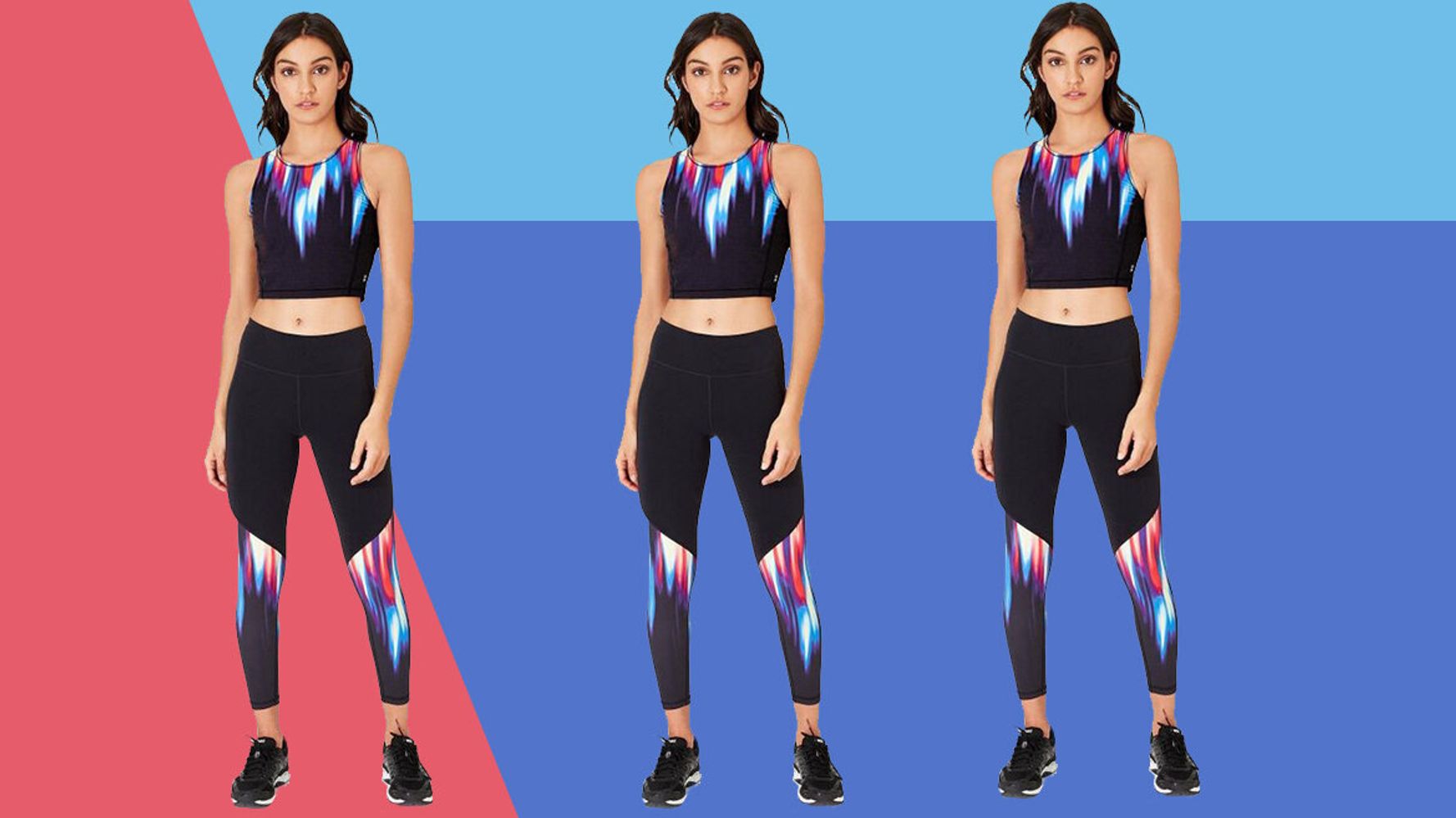
    Located in the city’s Ion Orchard mall, Sweaty Betty Singapore offers a full range of its lifestyle and activewear, including Pride Collection and Halle Berry x Sweaty Betty Collection.

    The Singapore launch is part of Sweaty Betty’s plan to expand and strengthen its presence in the Asian market. The brand, often referred to as a rival to Canada’s Lululemon, first entered Asia in 2019 opening a store in Hong Kong’s IFC mall.

    Founded in Notting Hill, London in 1998 by Simon and Tamara Hill-Norton, Sweaty Betty is renowned for its bum-sculpting leggings, innovative prints, and technical high-performance fabrics.

    The retailer now operates more than 60 outlets, mostly across the UK and the US.

  • Online marketplace YesAsia launching Hong Kong IPO

    Online marketplace YesAsia launching Hong Kong IPO

    Online marketplace YesAsia is set to raise US$17 million in an IPO launch in Hong Kong.

    The company aims to offer 39,540,00 new shares, 90 percent of which will be available for placing with institutional and professional investors while 10 percent will be available for subscription by the public in Hong Kong.

    Founded in 1988, YesAsia offers Asian fashion & lifestyle, beauty, and entertainment products to global customers. The company launched its key opinion leader initiative in 2018, and subsequently its YesStyle Influencer Program in 2019.

    Revenues generated from its influencer marketing initiatives accounted for 1.2 percent, 7.9 percent, and 17.4 percent of the total revenue of YesStyle for the three years ended last December, respectively.

    “We had been able to achieve above-industry revenue growth during the Track Record Period even in the midst of the Covid-19 pandemic, mainly due to our continuous effort in strengthening our marketing strategy to support customer retention and acquisition as well as long-term ecosystem development,” said Lau Kwok Chu, founder and executive director and CEO at YesAsia.

  • Bauhaus ekes profit out of store closures, refocuses on profitability

    Bauhaus ekes profit out of store closures, refocuses on profitability

    Fashion group Bauhaus saw turnover fall 58.1 percent to $47.9 million during the year to 31 March 2021, pushing gross profit down 55 percent to $31 million.

    The group was able to deliver a net profit result of $12.8 million – a vast improvement on last year’s $18 million loss – though this was primarily attributable to government subsidies and the cash gained in selling off over half of its retail stores.

    “The novel coronavirus outbreak in 2020 has severely hit not only local retail sectors but also depressed many economic activities worldwide,” the business wrote in an update to its investors.

    “The same-store-sales growth rate fell to about -40 percent for the year under review. In addition, to confront with ongoing challenges brought on by Covid-19, the group made essential strategic moves to refocus resources on its familiar markets.”

    In December, Bauhaus said it would close all stores in all markets outside of Hong Kong and Macau by the end of March 2021 in order to focus on profitability. This has led the brand’s store count of 102 in 2020 to plummet to 49 in 2021.

    During FY21, its Hong Kong and Macau segment saw sales fall 45.6 percent, compared to its other regions which fell by 89 percent. Hong Kong and Macau accounted for approximately 92 percent of the group’s total turnover.

    Given that the threat of Covid-19 still resonates in many parts of the world, the business expects strong headwinds for the year ahead, and is anticipating a “prolonged path to thorough recovery”.

    “The group will maintain a manageable scale of operations at a reasonable profitability level and does not intend to aggressively do fast and quantitative expansion in the near future until seeing strong signs of sustainable economic activity,” the business said.

    Instead, Bauhaus will focus on making its now-lean business profitable.

  • Zara joint venture records loss in India

    Zara joint venture records loss in India

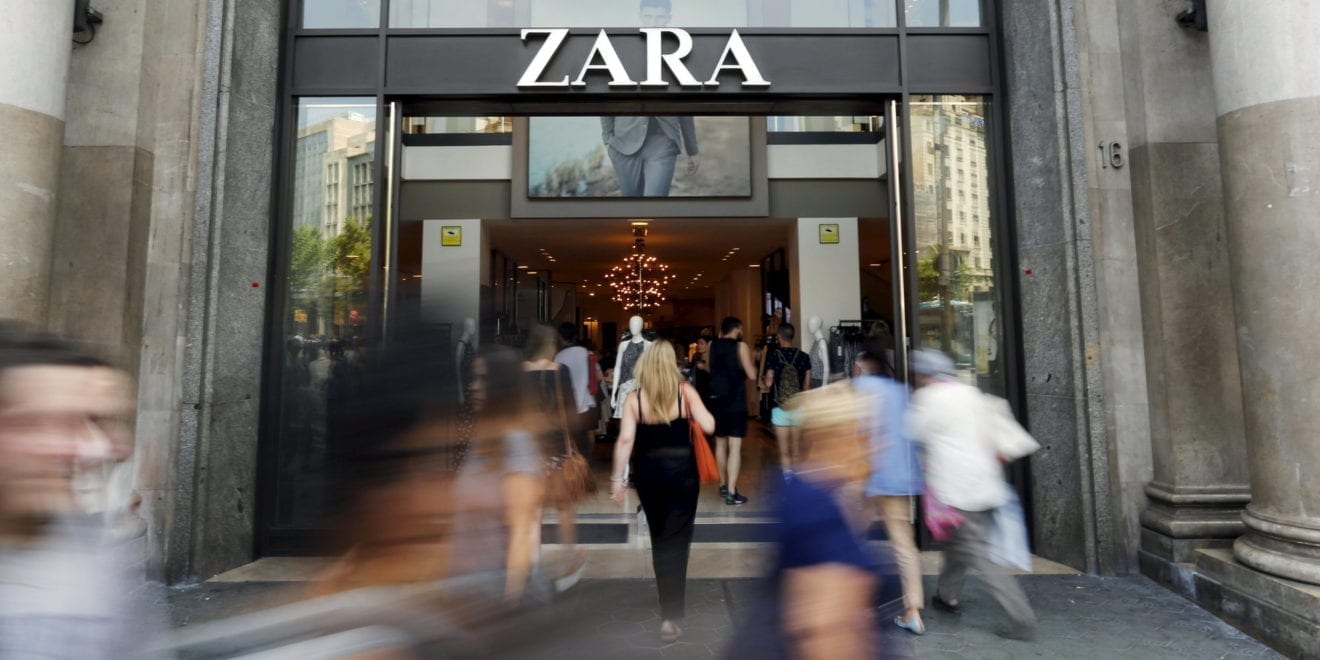
    Inditex, the Spanish owner of fashion brand Zara posted its first-ever loss in India as sales dipped by 28% due to Covid lockdowns and related staggered reopening during the financial year 2021 (FY21). The fashion house consistently posted profits in India since entering the country in 2010.

    Zara’s joint venture partner with Tata, Inditex Trent, which runs 21 stores in India saw its revenue decline to Rs 1,126 crore in FY21. The company posted a net loss of Rs 41 crore as per Trent’s annual report released Thursday. It posted a profit of Rs 104 crore in the previous year. It is one of the most profitable apparel retailers in the country.

    Trent’s annual report said FY21 started with significant uncertainty due to the pandemic. It added that operating profit was hit by a drop in sales and restaurants profits due to Covid-related lockdowns and trade restrictions.

    According to an Economic Times report, Trent has yet another association with Inditex group to operate Massimo Dutti stores in India. It saw revenues drop by 50% to Rs 34 crore in FY21 with a net loss of Rs 8 crore.

  • H&M closes Shanghai flagship

    H&M closes Shanghai flagship

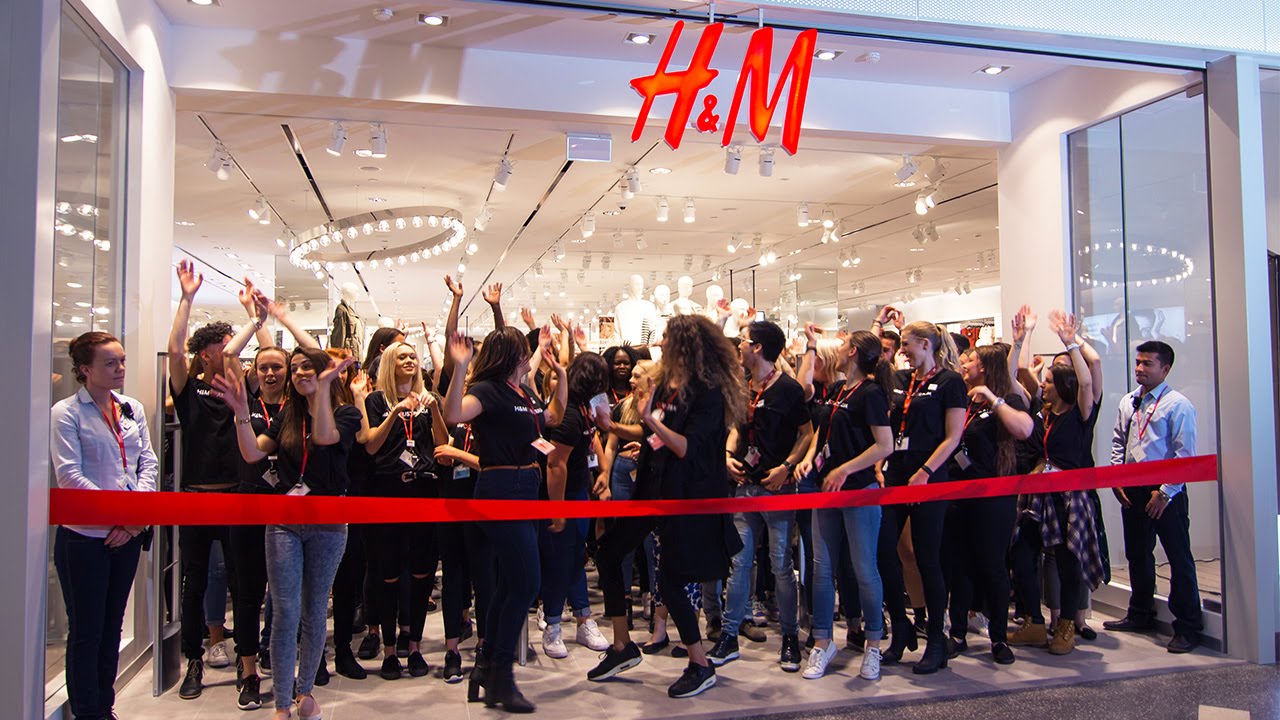
    H&M has closed one of its Shanghai flagship stores on the Nanjing West Road. The store, which was open for ten years, was considered a key part of the brand’s retail strategy as it was on a high-traffic shopping street.

    According to a statement made to Chinese media, H&M closed this store due to the lease ending. H&M says they will continue to review locations as business develops in China.

    Both Bloomberg and The New York Times have reported that landlords in China have forced the closure of H&M stores across the country after the controversy in late March regarding the company’s stance on using cotton sourced in China’s Xinjiang region. H&M products currently aren’t being sold on China’s top two e-commerce platforms, Tmall and JD.com.

    It’s been a tough year for H&M. In addition to taking a hit last year due to the global COVID-19 pandemic, H&M also saw a 21 percent fall in sales for Q1 2021. The company is projected to close 250 stores this year.

  • Abercrombie sales soar after online focus, store reopenings

    Abercrombie sales soar after online focus, store reopenings

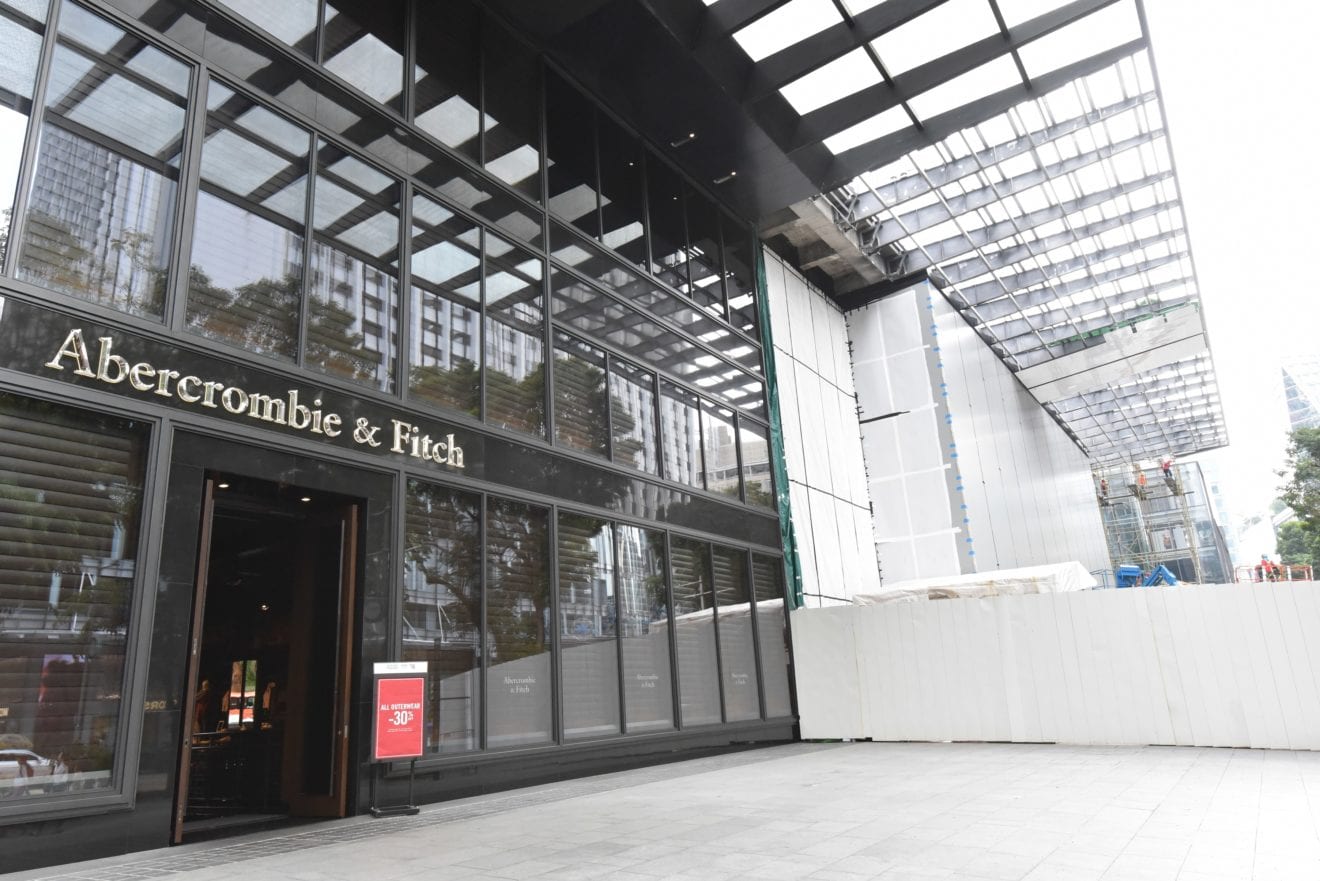
    With social distancing becoming the new norm due to the coronavirus pandemic, consumers have taken to digital shopping, which in turn is boosting online sales. Catching up with the current trend, the majority of retailers are improving their websites and mobile apps, and omnichannel capabilities to serve customers better. One such retailer is Abercrombie & Fitch Co. ANF, which has witnessed robust digital growth over the past few months.

    Despite a sluggish top line in second-quarter fiscal 2020 owing to pandemic-induced store closures and consumers’ altered shopping habits, a solid online show provided Abercrombie with the much-needed shield. Even as stores reopened after almost seven long weeks following local health guidelines, the company continued to witness the solid online performance. Digital net sales surged 56% year over year to $386 million in second-quarter fiscal 2020, representing nearly 55% of the top line. The upside can be mainly attributed to improved traffic, higher conversion, and AUR.

    Encouraged by the spike in online demand, management has increased focus on the omnichannel shopping experience, including home delivery, buy online and pick-up in-store, buy online ship-to-store facility, same-day delivery as well as mobile app services. Notably, combined total visits to the company’s website and mobile app increased 25%. Also, app visits alone rose approximately 50% in the quarter.

    Other retailers benefiting from the sudden surge in online sales include Hibbett Sports HIBB, Gap GPS, and PVH Corp. PVH. Notably, Hibbett’s online sales advanced 212.2% year over year in the fiscal second quarter on rising in new customers. Also, Gap’s e-commerce channel recorded 95% growth during the fiscal second quarter. Moreover, PVH Corp’s e-commerce sales improved more than 50% year over year during second-quarter fiscal 2020 driven by strong online sales growth in all regions, even after the reopening of stores.

    Coming back to Abercrombie, the company reopened roughly 90% of its store base at the end of second-quarter fiscal 2020. In the United States, nearly 85% of the company’s store base opened at the end of the second quarter. The company’s entire store base opened in the EMEA region, while the APAC region had 96% of its stores open at the end of the quarter. Further, it has been making efforts to optimize store fleet to improve store productivity. So far through Aug 27, 2020, the company has closed 14 stores, while opening nine. This move will help reduce expenses by nearly $200 million this year.

    All said, we believe that strong digital growth and improved trend in reopened stores are likely to aid this Zacks Rank #3 (Hold) stock, which has lost 21.3% year to date compared with the industry’s fall of 15.7%. You can see the complete list of today’s Zacks #1 Rank (Strong Buy) stocks here.

  • BTS stores to pop up in four Asian cities

    BTS stores to pop up in four Asian cities

    Hybe, the entertainment company behind Kpop superstars BTS, is to launch three more BTS pop-up stores across four Asian cities after success in Bangkok.

    The company said it will roll out the album-themed stores in Manila, Taipei and Singapore this year, due to the increasing demand for BTS merchandise.

    Following the launch in Bangkok earlier this month, the BTS Map of the Soul stores will be launched in Manila this week and Taipei this September. The two stores will offer products themed to the Kpop group’s hit album ‘Map of the Soul:7’.

    Meanwhile, the Space of BTS store will open in Singapore this Friday (May 28), featuring everyday items and fashion products. The store will remain open until August 15.

    “The K-pop act’s stores have made visits to fans across the globe even amid the new coronavirus pandemic,” the company said in a statement.

    The launch of BTS-themed pop-up stores follows the release of the group’s latest hit ‘Butter’ last week.

  • Hollister teams with social media stars to launch new brand Social Tourist

    Hollister teams with social media stars to launch new brand Social Tourist

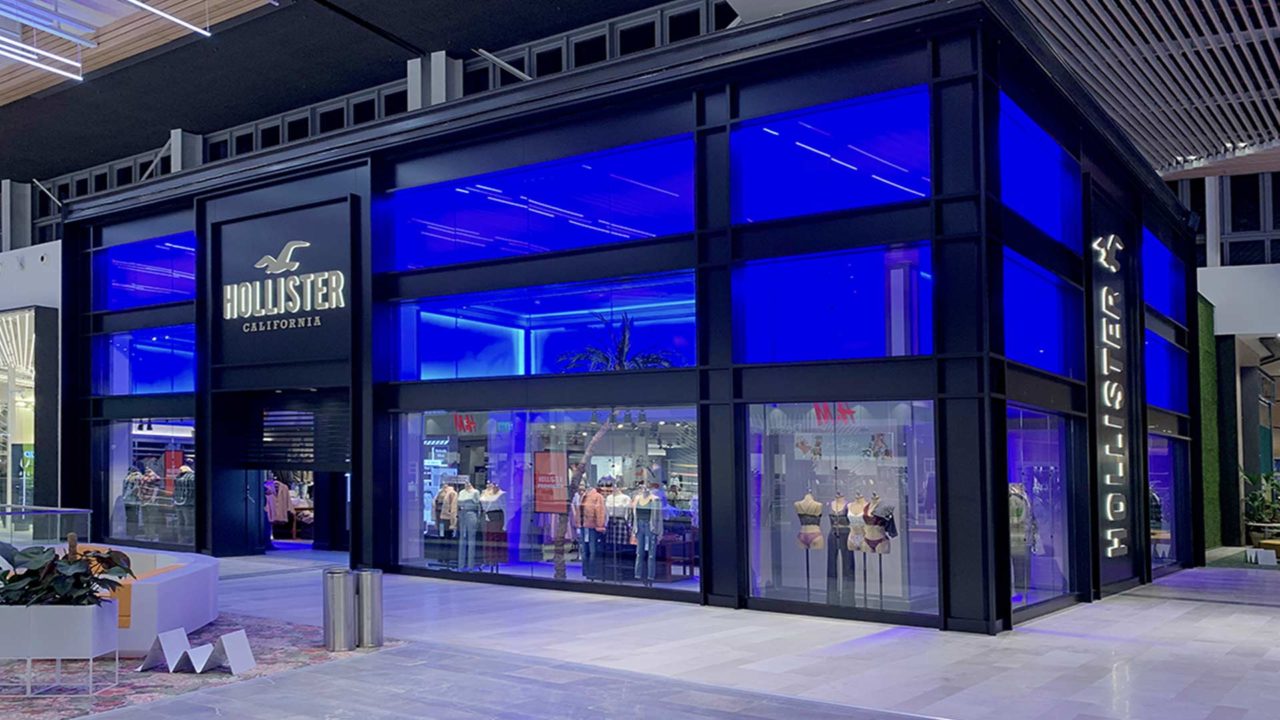
    Hollister Co., a division of Abercrombie and Fitch is building upon its successful relationship with leading social media personalities Charli and Dixie D’Amelio to launch Social Tourist, a new trend-forward apparel brand within the Abercrombie & Fitch Co. portfolio. For its initial May 20 launch, Social Tourist will be available exclusively in Hollister stores and online.

    The launch of Social Tourist marks the beginning of an exclusive, multi-year apparel agreement between Abercrombie & Fitch Co. and the D’Amelio sisters. The new brand has been imagined and inspired by Charli and Dixie’s experiences at the epicenter of social media, and also reflects Gen Z’s unique lens of living in a digitally native environment. Hollister has leveraged its pool of talent, resources, and global reach, as well as its connection to the global teen customer, to authentically bring Charli and Dixie’s vision to life.

    Working together with Hollister, Charli and Dixie have been involved in every aspect of Social Tourist, including product selection, design, branding, positioning and marketing. The family has a strong background in the apparel industry with their father, Marc D’Amelio, having over 30 years of experience in sales and design. Marc will serve as a consultant for Social Tourist.

    Social Tourist will have four distinct apparel lines: gender-inclusive items, trend pieces such as dresses and skirts, everyday essentials featuring premium basics, and swim. Each collection will include limited-edition items, with new products dropping approximately every month.

    “We’ve always loved fashion, and it’s been amazing to be so involved in this process. We feel like Social Tourist really represents both of us and explores how our generation is balancing who they are on social media with real life,” said Dixie D’Amelio. “The first product drop is all about introducing the brand to our fans, and the second drop in June reflects our individual personalities – designs that reflect Dixie’s personality are a bit edgier, with dark color palettes and patterns, where my vibe is shown through super feminine and cute styles. We can’t wait to put our vision out into the world!” added Charli D’Amelio.

    “Charli and Dixie are the quintessential example of what it’s like to grow up in the digital world, and we’ve always believed they authentically represent our teen customers’ mindset both online and in real life. We’re thrilled to unlock new opportunities for all of us beyond our co-created products, which strongly resonated with our global customers. Given the high demand, we knew we could take our relationship further,” said Kristin Scott, Global Brand President at Abercrombie & Fitch Co. “Creating a new brand virtually was no small feat, but the excitement and energy of the D’Amelio family, combined with the talent and experience of the Hollister family, has allowed us to push boundaries and make this a reality.”

    In working with Hollister since 2020, the social media stars have served as “Chief Jeanealogists,” where they tested and approved every aspect of Hollister’s denim; launched the #MoreHappyDenimDance TikTok challenge, which garnered over 5.4 billion views worldwide; and dropped a series of limited-edition, co-created collections. The sisters currently have a combined 250 million followers across their social media handles and in November 2020, Charli became the first TikTok user to surpass 100 million followers on the platform.

    Abercrombie & Fitch Co. is represented by Philip Daniels of Ginsburg Daniels Kallis and Bruce Paige of Vorys, Sater, Seymour and Pease. The D’Amelios are represented by UTA and Gary Stiffelman, Robert Kahan, and Kevin Yorn.

    Safe Harbor Statement under the Private Securities Litigation Reform Act of 1995

    A&F cautions that any forward-looking statements (as such term is defined in the Private Securities Litigation Reform Act of 1995) contained herein or made by management or spokespeople of A&F involve risks and uncertainties and are subject to change based on various important factors, many of which may be beyond the Company’s control. Words such as “estimate,” “project,” “plan,” “believe,” “expect,” “anticipate,” “intend,” and similar expressions may identify forward-looking statements. Except as may be required by applicable law, we assume no obligation to publicly update or revise our forward-looking statements.

    Risks and uncertainties related to the duration and impact of the COVID-19 pandemic on the Company and the factors disclosed in “ITEM 1A. RISK FACTORS” of A&F’s Annual Report on Form 10-K for the fiscal year ended January 30, 2021, in some cases have affected, and in the future could affect, the company’s financial performance and could cause actual results for fiscal 2021 and beyond to differ materially from those expressed or implied in any of the forward-looking statements included in this press release or otherwise made by management.

  • Zara launching beauty range

    Zara launching beauty range

    Soon, you’ll be able to wear Zara from head to toe and from face to toenails. Yesterday, the retailer unveiled Zara Beauty, the company’s first-ever comprehensive beauty collection. It will be launching online and in select stores on May 12.

    To help create a line of cosmetics that felt playful, innovative, and fresh, the brand tapped world-renowned makeup artist Diane Kendal, who regularly dreams up editorial and international runway looks we inevitably end up thinking about a lot.

    “When Zara approached me to lead the creative direction of Zara Beauty, I saw an opportunity to make something that everyone would want to use. Zara has always reached such a diverse audience, and I wanted to bring that same big vision to beauty with a collection that is clean, refillable, and accessible to all,” Kendal said in a release. “I am really proud of what we have created: an expansive array of consciously unique formulas for eyes, lips, face, and nails.”

    When Kendal says “an expansive array,” she isn’t exaggerating in the slightest. The collection is launching with over 130 colors, six lip products (matte lipstick, satin lipstick, demi-matte lipstick, tinted balm, lip oil, lip gloss), six-shade eye-shadow palettes, smaller shadow duos, a matte-black eyeliner, loose metallic pigment, bronzer, blush palettes, highlighter, 39 nail polishes, and six makeup brushes — and that’s just to start.

    To showcase the endless possibilities and combinations you can make within the world of Zara Beauty, Kendal created a series of different looks that were captured by nine different talents —Steven Meisel, David Sims, Marilyn Minter, Oliver Hadlee Pearch, Zoë Ghertner, Craig McDean, Nadine Ijewere, Mario Sorrenti, and Fabien Baron — who each shot and shared their own personal vision of beauty for the campaign.

    Scroll through to get a taste of what will be in store next week and start plotting what you’re going to add to your cart — prices will range from $8 to $26, with refills starting at $5, so you should be able to cram in a good amount.

  • Gucci opens Namiki flagship design

    Gucci opens Namiki flagship design

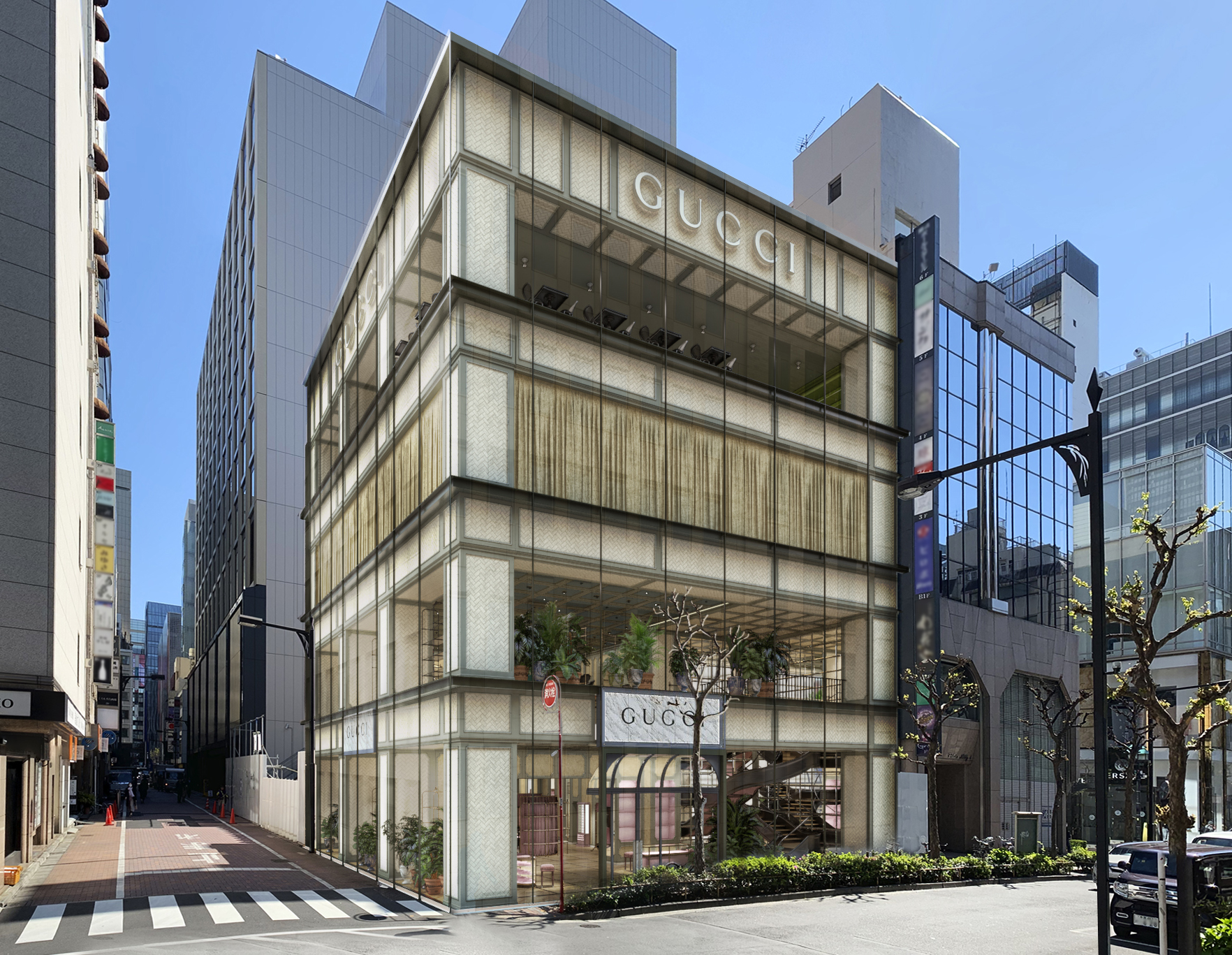
    The first store selling Gucci products in Japan, operated by Sun Motoyama, opened in Ginza in 1964 and the brand’s first boutique was unveiled in Tokyo in 1972. It was Gucci’s first store to open in Asia. Japan remains a stronghold, according to Gucci president and chief executive officer Marco Bizzarri. “We have never stopped believing in the Japanese market and continue to invest in it,” he observed. The most recent signal of this commitment is the opening of the Gucci Namiki unit in Ginza, the brand’s second flagship in Tokyo’s upscale district.

    The store also points to the “fundamental importance” of brick-and-mortar, said Bizzarri, despite the growing relevance of online transactions, which clearly accelerated during the pandemic and the lockdowns. “The narrative to connect with the customers, the moment in which you meet the brand, the one-to-one relations will continue to be very important, increasingly combined with the brand’s different distribution channels, and it’s all happening very quickly. The goal is to offer the best possible experience.”

    The concept conceived by creative director Alessandro Michele for the Namiki store is new and will not be replicated elsewhere, explained Bizzarri. The opening of the store, which covers three floors in a building on Namiki-dori Street — the same where Gucci started its business in Japan in 1964 — will unfold in three parts.

    The first two floors will be unveiled on April 29. Over a total space of more than 7,776 square feet, they will carry a full range of men’s and women’s ready-to-wear, handbags, luggage, accessories, shoes, jewelry, silks, belts, watches, eyewear, fragrances, and the Gucci Décor collection. The brand will also offer exclusive pieces, such as handbags in precious leathers and distinctive jewelry.

    Walls on the first and second levels use materials inspired by Japanese traditional bamboo work and are exclusively developed for #GucciNamiki.

    The third floor, scheduled to open in the fall, will house the Gucci Apartment, which, by appointment, will allow privacy and be dedicated to made-to-order, personalization and other special services. It will also showcase the Gucci Décor collection.

    Photos from François Pinault’s private collection will be on display. “This is the first Apartment in a Gucci store,” observed Bizzarri.

    Additionally, later in the year, a Gucci Osteria da Massimo Bottura will open on the fourth level of the building, curated by the three-Michelin-star chef Massimo Bottura, a childhood friend of Bizzarri’s.

    One way to differentiate the stores is through food, said Bizzarri, paying close attention to the territory and giving a local flavor to each. The restaurant will be the third in the world following the first at the Gucci Garden in Florence in 2018, followed by one in Los Angeles on the rooftop of the Beverly Hills flagship.

    Further linking with the country, artwork by Japanese artist and longtime friend of the house Yuko Higuchi will embellish the Osteria’s façade on Namiki-dori Street. Celebrating the opening, illustrations by Higuchi will also adorn limited-edition items, available in the store. Gucci has been collaborating with the Tokyo-based artist on several projects, including a special spring 2018 and fall 2020 kids capsule collection. One of her works also decorates one of the Galleria walls of the Gucci Garden in Florence.

    The store may attract some additional interest in light of the Tokyo Summer Olympics, expected to kick off on July 23, but Bizzarri said this was purely a coincidence and never meant to coincide with the event. “Gucci has been working on the store for a long time, and it was conceived for local customers,” he said.

    Japan accounts for 7 percent of Gucci’s revenues, which in 2020 amounted to 7.44 billion euros. There are a total of 67 Gucci stores in Japan.

    Kering chief financial officer Jean-Marc Duplaix, presenting the group’s annual results last month, said “Japan improved in the fourth quarter on a somewhat easier comp base, containing its decline to 10 percent, supported by nice growth with local customers,” in the wake of the pandemic and the lack of tourist flows.

    Courting local clientele and Asia are clearly a focus in 2021, as Bizzarri revealed Gucci will also open “a very important store in Seoul” by the end of the year. A fourth Osteria — and “last,” said Bizzarri — will also find a home in that venue. In that case, Gucci will work with a Korean artist for the facade.

    Gucci has recently launched several dedicated initiatives in Japan. Last June, debuting its first circular collection Gucci Off the Grid, an entire range of products were created in a special blue color exclusively for the Japanese market in a selection of genderless bags, wallets, sneakers, rtw and hats. Japanese musician Miyavi, another friend of the house, was featured in the ad campaign.

    In July 2020, for the opening of the Gucci Miyashita Park store, graphic designer Tadanori Yokoo and illustrator Shohei Otomo were invited to develop new artworks dedicated to the brand, inspired by Gucci key visual codes, displayed at the store and at the Shibuya station.

    Last October, Gucci released the second issue of the Chime Zine, including a special section focused on Japan, with essays, interviews and artwork related to feminism, gender and self-expression in Japanese society. Contributors include Yuki Chizui, a sushi chef and owner of a sushi restaurant with an all-female staff; Yume Morimoto, a queer feminist writer and founder of a bilingual zine, and members of WAIFU, a resistance nightlife party founded on the principles of intersectional feminism and inclusion. The cover of the Japan spotlight featured women of Bluestocking, Japan’s first feminist literary journal credited with helping to launch the feminist movement in Japan.

    Bizzarri said the Gucci 9 live video call experience, offered by the Gucci Live service that debuted last May in the Europe, Middle East and Africa region, which helped discover the collection remotely, is being expanded to Japan.

    Gucci, which marks its centenary this year, has been receiving additional attention from the Ridley Scott “House of Gucci” film that is currently being filmed in Italy. The film offers a dramatized version of the real-life events in the late 1980s and early ’90s that led to the murder of Maurizio Gucci — the grandson of Guccio Gucci, the founder of the Italian fashion house. In the film, Lady Gaga plays the role of Patrizia Reggiani, who commissioned the murder of her ex-husband Maurizio Gucci, played by Adam Driver.

    Asked to comment on the film, Bizzarri underscored that the Gucci family is no longer involved in the brand today, and that the movie will not extend to the post-Investcorp developments and thus not be related to the current owner, Kering, owned by the Pinault family. He added that the company is allowing “total creative freedom” to the production.
  • Fashion designer Alber Elbaz has died

    Fashion designer Alber Elbaz has died

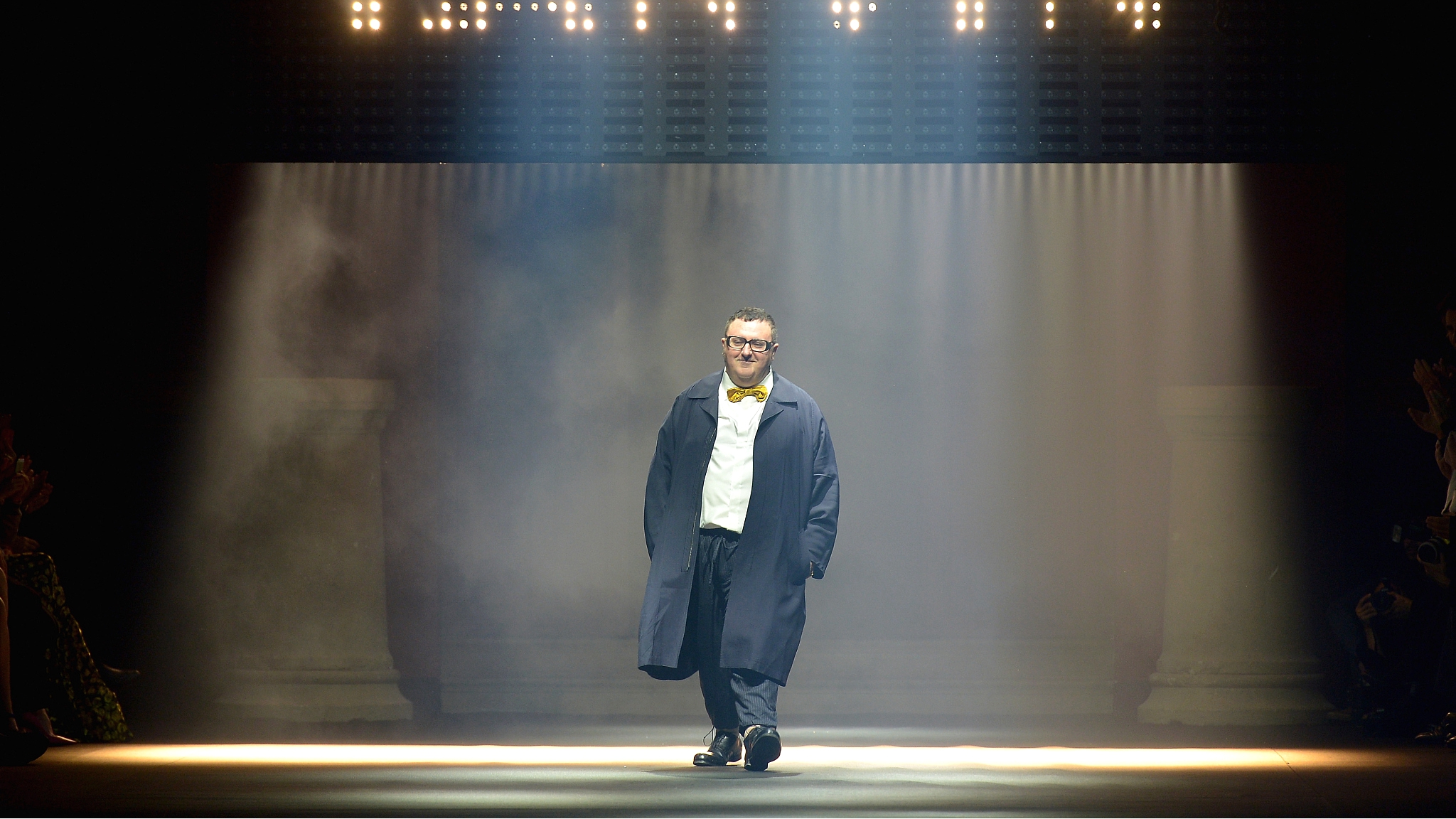
    Alber Elbaz, the fashion designer whose audacious designs transformed the storied French house Lanvin into an industry darling before his shock ouster in 2015, has died aged 59, the Richemont luxury group said Sunday.

    “It was with shock and enormous sadness that I heard of Alber’s sudden passing,” Richemont chairman Johann Rupert said in a statement. No cause of death was given.

    The veteran fashion journalist Suzy Menkes, citing Rupert in an Instagram post, said Elbaz “has left this world after a three-week struggle with Covid”.

    A company spokeswoman confirmed Elbaz had died from Covid on Saturday, but would not confirm reports he was being treated at the American Hospital in the Paris suburb of Neuilly-sur-Seine.

    Elbaz, an Israeli born in Morocco (as Albert), restored the luster to Lanvin during his 14 years at the helm of France’s oldest couture brand, giving classic tailoring a more playful edge.

    Hollywood stars including Cate Blanchett and Sienna Miller were devotees, in particular of his svelt black cocktail dresses, and the house flourished financially during his tenure.

    “Women are more independent, more daring,” he told L’Express magazine in 2008.

    “A dress has to accompany them. They want to move with it, live with it. Movement is essential for me — it’s life.”

    ‘True pioneer’

    Instantly recognizable with his oversize round glasses and his penchant for bow ties, Elbaz also earned fans an affable and ebullient demeanor that set him apart in an industry known for prickly personalities.

    After beginning his career with the American designer Geoffrey Beene in New York, he took over at Guy Laroche in 1996 before joining Yves Saint Laurent in 1998 to design ready-to-wear collections for the French master.

    In 2001 he was hired by Lanvin shortly after its acquisition by a group of investors led by the Chinese billionaire Shaw-Lan Wang.

    Under his guidance, the storied brand refound its lost glamour and Elbaz himself became one of the fashion world’s most respected figures.

    He was also attuned to the lower ends of the market, collaborating with the Swedish fast-fashion giant H&M in 2010 for a hugely popular capsule collection.

    “I always told myself I’d never do a collection for a mass retailer, but what finally intrigued me was the idea that H&M was embracing luxury, rather than having Lanvin adapt itself to mass retailing… and without losing its soul,” Elbaz said at the time.

    “He was one of the most creative, funniest men in fashion, and a true pioneer in the industry,” Edward Enninful, editor-in-chief of British Vogue, said on Instagram.

    “He was also one of the most talented designers I’ve ever worked with — even though he always preferred to call himself ‘a dressmaker’.”

    So it was all the more shocking when Elbaz was unceremoniously fired as Lanvin’s creative director in October 2015, reportedly after a clash with Wang.

    Elbaz never joined another fashion house afterward but formed a series of partnerships, including with the Swiss-based conglomerate Richemont in 2019.

    Lanvin, for its part, reported its first annual loss in a decade following his departure and has since cycled through a series of creative directors.

    “Alber had a richly deserved reputation as one of the industry’s brightest and most beloved figures,” Richemont’s Rupert said.

    “His inclusive vision of fashion made women feel beautiful and comfortable by blending traditional craftsmanship with technology — highly innovative projects which sought to redefine the industry.”

    French President Emmanuel Macron said the designer had “made French elegance shine around the world”.

    “He extended and enriched the line of designers who forged the legend of French elegance,” Macron said in a statement.