Tag: Fashion

  • Cartier unveils Oceania flagship in Sydney CBD

    Cartier unveils Oceania flagship in Sydney CBD

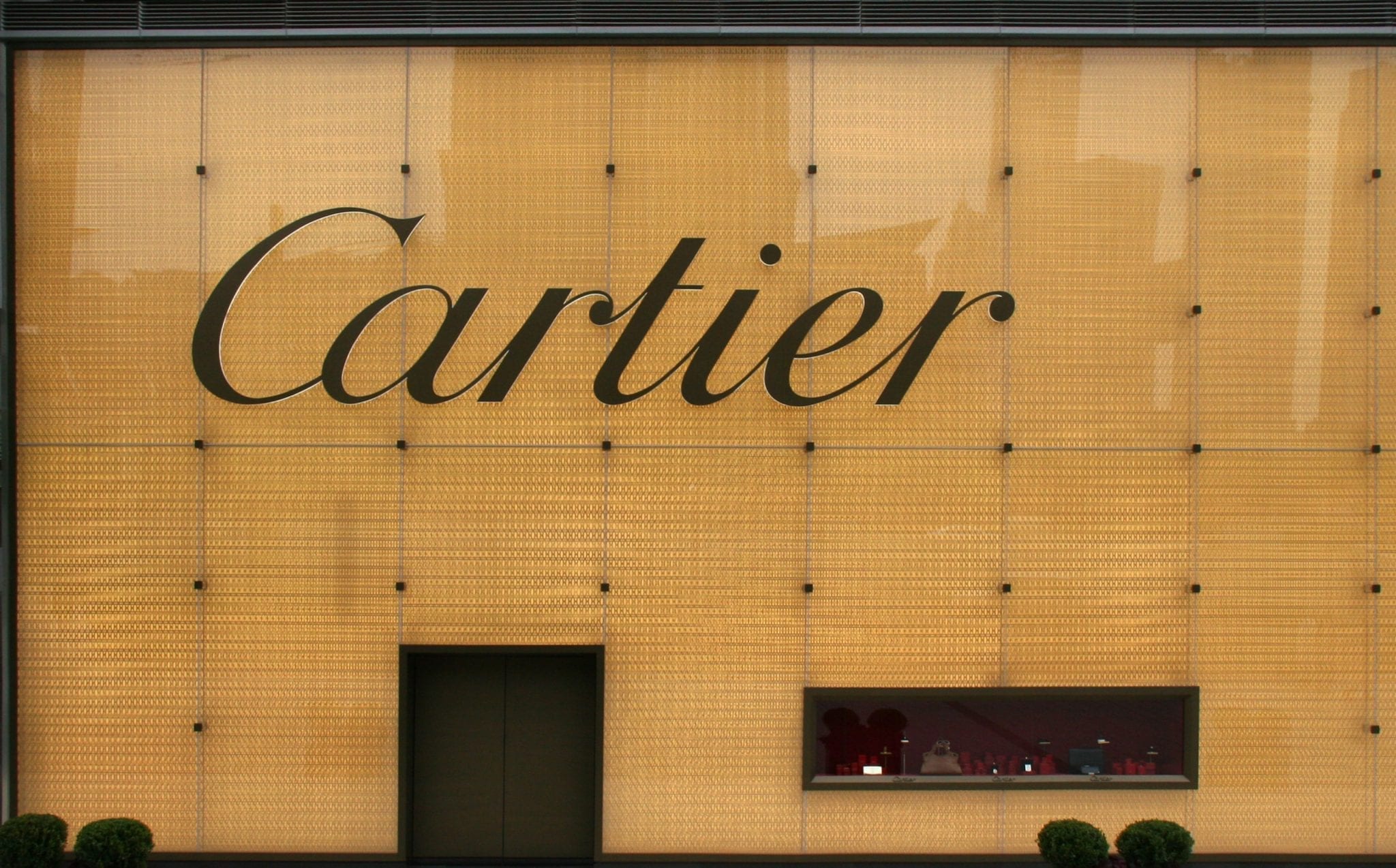
    French luxury Maison, Cartier, has announced a new Oceania flagship boutique in the heart of Sydney’s CBD. The flagship will be located at the 388 George Street Pavilion Building, on the corner of King Street and George Street, occupying approximately 783m2 on the Ground Floor and Level 1.

    388 George Street sits on one of Sydney’s busiest intersections on what is fast becoming the George Street Boulevard. Opening in Spring 2022, the new Cartier Oceania flagship is set to become a space of luxury reimagined.

    The contemporary landmark, with a modern architectural façade, features a custom-designed curved sandstone and translucent exterior. The Maison’s arrival at this location continues the momentum of the newly pedestrianized George Street becoming a major luxury precinct in the Sydney CBD.

    “After enjoying a longstanding presence in Australia for more than 45 years, the announcement of our new Oceania flagship marks a thrilling new chapter in the relationship between Cartier and Australians. The new Oceania flagship will merge Parisian elegance whilst paying tribute to Australia’s rich culture and natural beauty, featuring the savoir-faire and style Cartier is renowned for around the world. We look forward to welcoming our clients and offering them a unique experience full of discovery,” said Alban du Mesnil, Managing Director of Cartier Oceania.

    To celebrate the impending opening, Cartier has engaged Melbourne 3D artist Paul Milinski to animate the façade with an expression of his singular creativity. Milinski will create a unique art installation, The Australian Dreamscapes, that will evolve quarterly until the boutique opens, enlivening the streets of Sydney with a journey through Australian landscapes.

    Danny Poljak, Executive Vice President & Co-Head of Brookfield Properties, said: “388 George Street continues to set new benchmarks for the Sydney CBD and we are delighted it will now provide an anchor point for the city’s new luxury retail precinct. Cartier is one of the world’s most prestigious luxury brands and realises our vision for the retail space of this development.”

    Nicole Quagliata, Fund Manager, OIPP, said: “Cartier is a fantastic addition for 388 George Street, and we are thrilled to welcome this iconic, luxury brand to their new flagship store. The addition of Cartier to 388 George Street continues to elevate the ground plane and pavilion, bringing outstanding tenant amenity, and solidifying the building as a premium retail destination for the Sydney CBD.

    The ground plane and pavilion building was designed by architects FJMT and provides five levels of commercial and retail space, a rooftop bar and flagship retail stores including Bally and Locali. It was designed to complement the rich history of the site, incorporating a custom-designed curved sandstone and glass façade inspired by the topography of the surrounding CBD landscape.

    The property is owned and was developed by Brookfield Properties and Oxford Investa Property Partners (OIPP) as part of a $200 million transformation of the site that completed in November last year.

  • Valentino names new CEO for Southeast Asia, Australia

    Valentino names new CEO for Southeast Asia, Australia

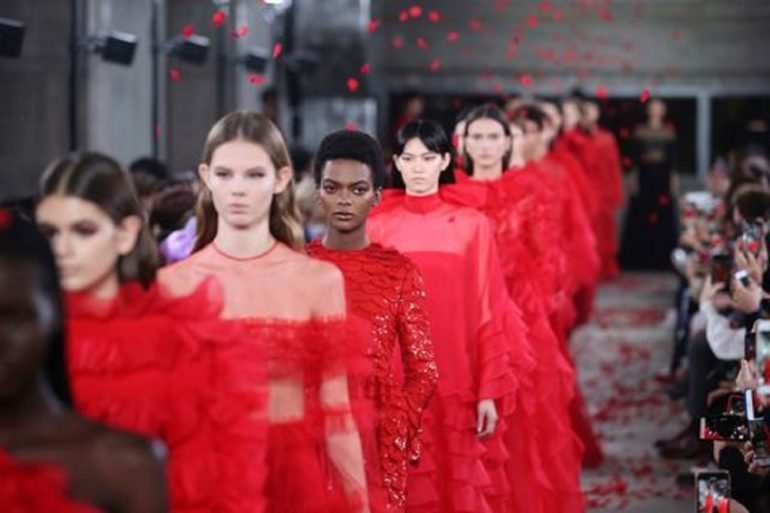
    Valentino has named Alessandra Andreani their new CEO for Southeast Asia and Australia. Andreani will be based in Singapore, and will report to Marco Giacometti, Valentino’s chief commercial officer. The news was reported by WWD.

    In her new role, Andreani will working on growing Valentino’s presence throughout Singapore, Malaysia, Australia, and Thailand. She takes over the duties of Mika Bailey, who was general manager of Southeast Asia and Australia.

    Andreani’s resume includes stints at Prada, Marc Jacobs, and Loewe. She is just one of many hires under new Valentino CEO Jacopo Venturini who has also appointed Mitchell Bacha CEO of Greater China and Laurent Bergamo as CEO of Americas.

    While most of Valentino’s growth has been driven by China, the U.S., and the Middle East, Southeast Asia and Australia are considered new target markets for growth. E-commerce is also now pivotal to Valentino’s growth as it is for most luxury brands.

  • Hermes reopens it’s Shanghai flagship

    Hermes reopens it’s Shanghai flagship

    On 29th October 2021, Hermès is delighted to open the doors of its newly renovated store in the prestigious Plaza 66 in Shanghai. Spanning over two floors and 656 m2, the vision for this store evokes the richness of the local culture and Hermès’ connection with the city of Shanghai, creating an engaging backdrop for discovering the 16 métiers of the house.

    The new design is established with the store’s powerful façade, which now features a long window carved into its impressive stone surface to allow more natural light to filter through. The transparency of the storefront below is also improved thanks to the generous addition of windows set in a deep-green tinted glass that mingles invitingly with the mineral hues of the stone tiles.

    Transformed by the Parisian architecture agency RDAI, the interiors feature a fluid, curved layout, drawn in response to the existing volumes of the space. Distinctive architectural gestures, like the sculptural lines carved into the soaring ceilings and the rounded walls, enhance the customer path from one side of the open-plan area to the other. Throughout the store, a richly evocative colour palette of deep blue-green, burgundy, and caramel, alternating between matte and lacquer surfaces with added accents of plush velvet, are employed in an impactful way to create a sense of intimacy for each métier. Three-dimensional custom designed carpets with superimposed geometric forms in vivid, saturated colour give structure and individuality to each universe.

    From the main street side entrance, guests are greeted with an animated display of women’s silk and a generous offer of fashion accessories. On the other side of the mall, there is a wider selection of women’s silk and accessories, perfume and beauty. These two entrances include mirroring features that are hallmarks of the house: the Hermès ex-libris underfoot and the iconic “Grecques” globe lighting overhead. The hand-assembled inlaid stonework reflects the house’s savoir-faire: based on the rue du Faubourg Saint-Honoré motif, the pattern disperses before merging again on the other side of the store. The surrounding terrazzo flooring is flecked with preserved pieces of stone from the existing interior façade. Intimate corner spaces and salons on the ground floor are dedicated to the jewellery and watches, as well as the perfume and beauty métiers – fitted out in saturated blue-green tones that contrast with the hand-painted walls and cherrywood cabinetry.

    A new, sweeping staircase serves as an architectural feature and an eye-catching exploration of form that undulates. Above the stairs floats a commissioned work by Chinese artist Xiaojing Yan. The delicate sculpture, almost 2m in height, is a cloud-like vision of a horse at full gallop, crafted from over 10,000 glass pearls suspended by threads. The ascent from the first to the second floor follows a gradient, hand-painted frescoed wall that carries on through to the men’s universe and home collections on the second floor. Natural light from the new window bathes the space in a lustrous warmth and a communal table encourages guests to linger for a coffee. Arriving from the mall through a third entrance here, the line of sight travels past the home and equestrian

    collections, the leather goods, enveloped in warm and glossy tones of red and deep burgundy, through to the spacious women’s universe. Elegantly clad fitting and VIP rooms, as well as numerous lounge areas furnished with deep leather sofas and armchairs, create an inviting ambience throughout the space.

    In the tradition of establishing a distinct identity for each Hermès locale, a collection of carefully selected artwork, contemporary photography, carré prints, and works from the Émile Hermès collection seamlessly blends the past and present.

    This new Hermès store offers local customers and new visitors an utterly bespoke retail experi- ence, set in an engaging and welcoming environment. It binds the culturally vibrant essence of Shanghai with the Parisian house’s contemporary creative spirit and fine craftsmanship.

    Since 1837, Hermès has remained faithful to its artisan model and its humanist values. The freedom to create, the constant search for beautiful materials, the transmission of savoir-faire of excellence, and the aesthetic of functionality all forge the singularity of Hermès, a house of objects created to last. An independent, family owned company, Hermès is dedicated to keeping the majority of its production in France through its 51 workshops and production sites and to developing its network more than 300 stores in 45 countries. The group employs almost 17,000 people worldwide, including nearly 10,600 in France, among whom more than 5,600 are craftsmen*. Axel Dumas, a sixth-generation family member, has been Hermès CEO since 2013.

    Founded in 2008, the Fondation d’entreprise Hermès supports projects in the areas of artistic creation, training and the transmission of savoir-faire, biodiversity, and the preservation of the environment.

  • Esprit chief exits after less than a year

    Esprit chief exits after less than a year

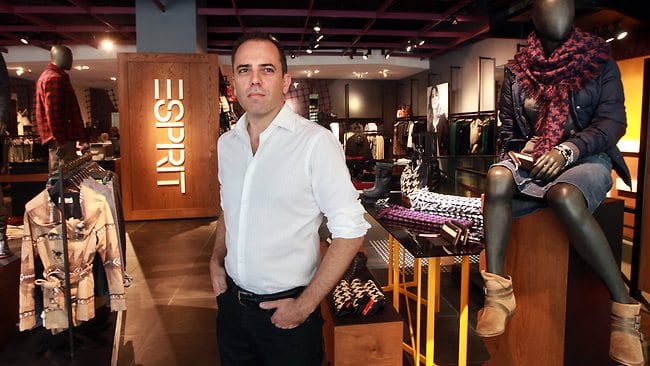
    Esprit CEO, president, and executive director Mark Daley has exited the company after less than a year at its helm due to personal family matters.

    “Mr Daley has confirmed that he has no disagreement with the board and there are no matters in relation to his resignation that need to be brought to the attention of the shareholders of the company,” the retailer announced on Thursday.

    Daley, who was previously CEO of Billy Reid and group president of Ralph Lauren’s Asia-Pacific region, was appointed to the top job at Esprit at the beginning of 2021 as part of a major restructuring at the business which had suffered from years of revenue decline.

    Daley joined as part of a shake-up that saw the departure of then-CEO Anders Kristiansen, who had been at the helm since 2018, as well as then-chief financial officer Johannes Schmidt-Schultes.

    “The board would like to take this opportunity to express its sincere gratitude to Mr Daley for his contribution to the company during his tenure of office,” Esprit said.

    William Eui Won Pak, who joined the company in September as executive director and chief operating officer, will take on the CEO position on an interim basis.

    He is a New York attorney with over a decade of experience in leading companies in the financial services and fund management industry, and also has expertise in technology, alternative energy, mining, and real estate.

    Pak is also the spouse of Esprit’s executive director and chair, Christin Su Yi Chiu.

  • Uniqlo owner Fast Retailing forecasts profit recovery as pandemic abates

    Uniqlo owner Fast Retailing forecasts profit recovery as pandemic abates

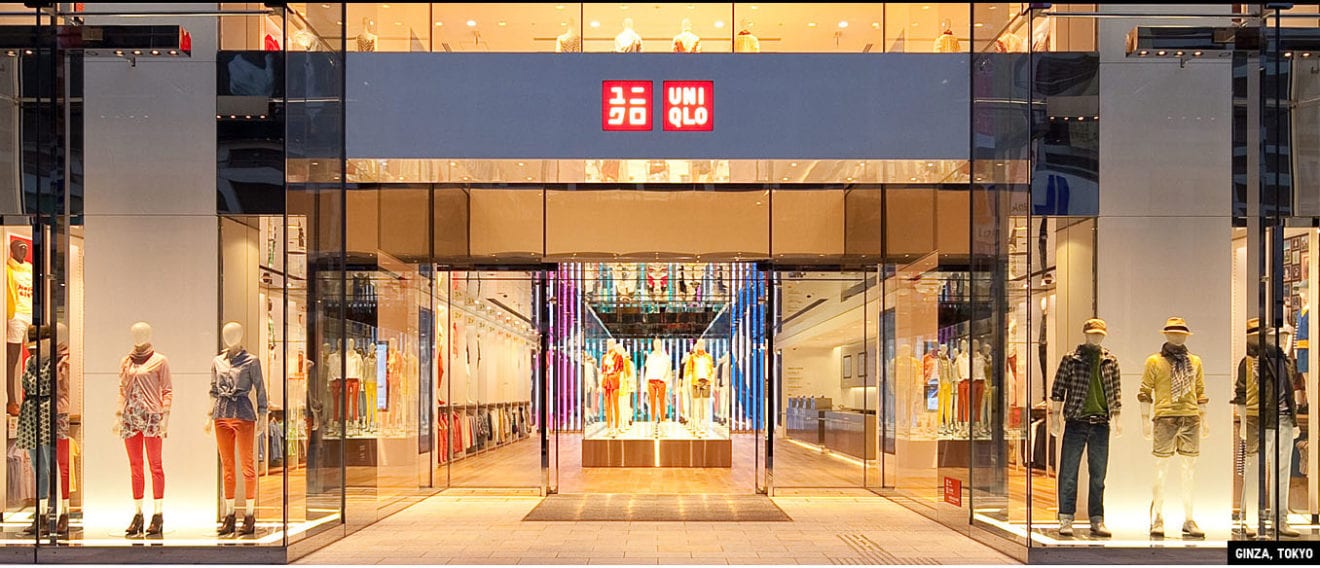
    Japan’s Fast Retailing expects continued recovery in sales and profits in the year to August 2022 as the pandemic abates, the owner of clothing brand Uniqlo said on Thursday.

    The company said it expects operating profit to climb 8.4% to 270 billion yen ($2.4 billion) in fiscal 2021-22.

    For the year ended in August, it reported 249 billion yen in operating profit, topping the 245.7 billion forecast in a Refinitiv poll of 13 analysts.

    “Vaccinations are being carried out all over the world to control the spread of the disease, and the economy is growing in earnest,” chief executive Tadashi Yanai told reporters.

    Fast Retailing expects the pandemic will still drag on results in the first half of the fiscal year but will then recover in the second half as shopping habits return to normal.

    The company said it expects some negative effects from production or logistic delays, problems that have plagued major clothiers and their global supply lines in recent months.

    In September, Fast Retailing said The company said in late September that its clothing releases will be delayed due to COVID-19 lockdowns at partner factories in Vietnam some clothing releases would be delayed due to pandemic-related lockdowns at partner factories in Vietnam.

    That followed crises in Myanmar and China that upset supply lines and created reputational challenges.

    Fast Retailing halted operations at some partner facilities in Myanmar as a military coup led to social unrest and lockdowns. In China, the company and other foreign brands faced a customer backlash over criticisms of alleged human rights abuses in Xinjiang province.

    Fast Retailing operates about 800 Uniqlo stores on the Chinese mainland, about the same number as in Japan.

    Yanai said the company carried out regular inspections of production sites and had built up a team to improve monitoring of how it gets raw materials for its clothes.

    “In the future, we will ensure a higher level of traceability of the materials we procure, including the farmers who produce the raw goods,” Yanai said.

  • Scotch & Soda plans new stores in capital cities

    Scotch & Soda plans new stores in capital cities

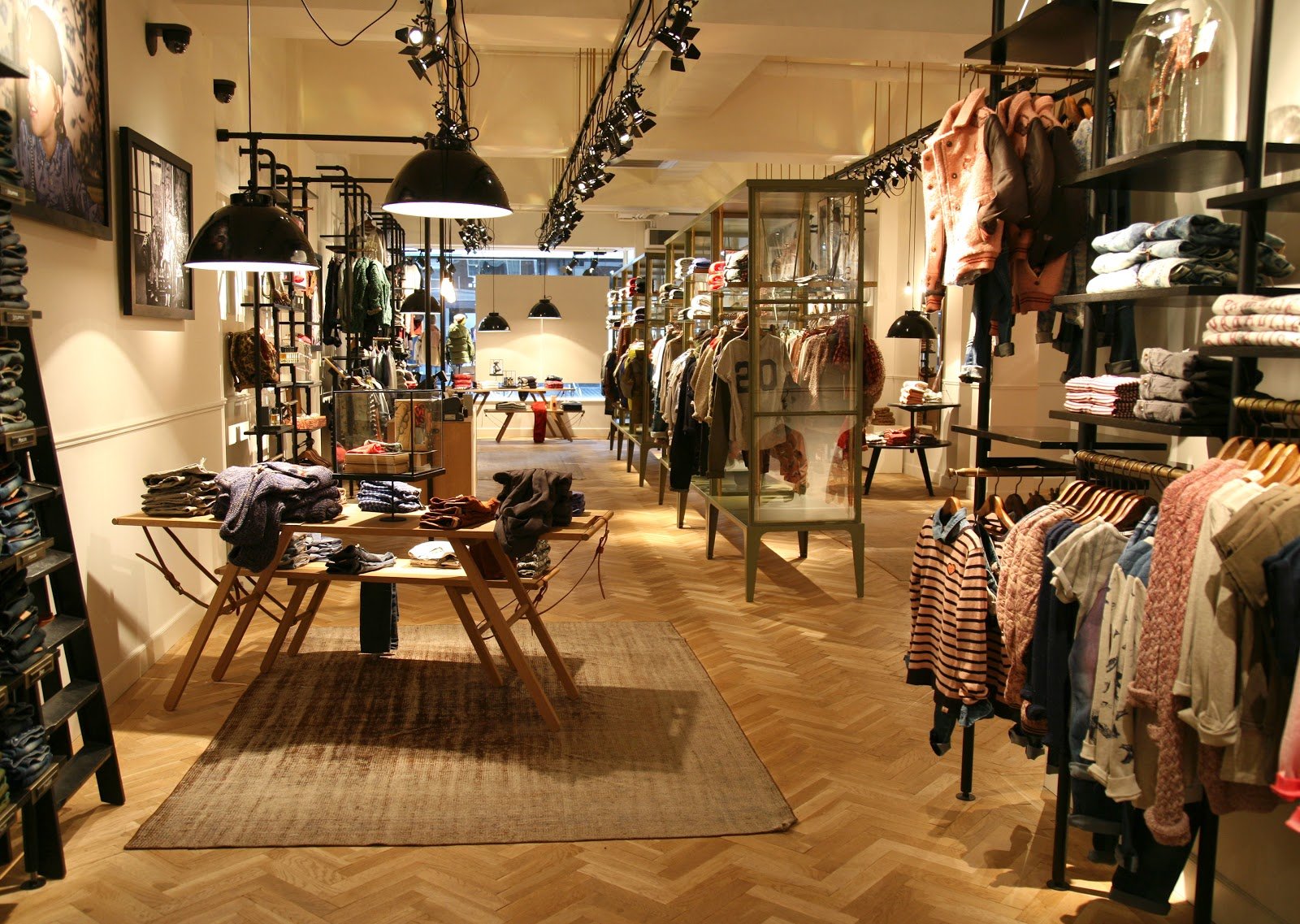
    Originally a wholesale brand, Amsterdam-based Scotch & Soda is pursuing a broad-based physical expansion that spans across Europe, Asia-Pacific, North America and the Middle East. Scotch & Soda, in March this year, debuted a new brand identity and logo, which will be present in its new locations.

    Ahead of the upcoming holiday season, Scotch & Soda is also expanding its lifestyle categories, including by introducing three new styles of bags and pursuing a deeper presence in fragrance with home, travel sizes and gift sets. Notably, the brand is prioritizing its own channels for the new bags, with those styles available exclusively online, as well as at franchise and directly operated stores, for the first season.

    The company is also opening its first digital store on Tmall in China, which comes after it launched in the country in July. Scotch & Soda has plans to open stores in “key Chinese cities” in the near future, and CEO Frederick Lukoff sees the country as one of the critical markets for the brand.

    “We are very proud to announce that Scotch & Soda is accelerating its growth strategy. It is indeed a very exciting time for our company despite the challenges caused by the COVID-19 pandemic in the retail industry,” Lukoff said. “We are pursuing the expansion of our retail network at a global level, strengthening our footprint in markets where we are already present, as well as entering key markets such as China, that we see as full of potential to reach new customers and introduce them to our brand.”

    When Scotch & Soda was acquired by private equity firm Sun Capital Partners in 2011, it was far more of a wholesale brand. The company had approximately 30 company-owned and franchised retail stores, in comparison to 7,000 partnership accounts. Scotch & Soda still boasts some 7,000 wholesale doors, but it now has 235 freestanding stores globally.

    By expanding its own fleet of stores, Scotch & Soda is taking a similar strategy to many other wholesale brands looking to make higher margins by selling more DTC. Well-known retailers like Nike and Adidas are pivoting a higher percentage of sales to the model, while cutting back on wholesale partners, to drive future growth.

  • Asos CEO, chairman resigning

    Asos CEO, chairman resigning

    Asos chief executive Nick Beighton unexpectedly announced that he is to step down with immediate effect from the U.K.-based online fashion retailer this morning, with Asos warning that the supply chain crisis and rising costs will hit its profits.

    The fast-fashion retailer, which has been one of the chief beneficiaries of the online shopping boom during the Covid pandemic – with revenues up by one fifth and profits rising by a quarter in the year to the end of August – said that the global supply chain shortage, tough comparables and this summer’s travel restrictions all affected sales.

    And profits could be off by as much as 40%, as the company pledged to push for international growth to take sales from $5.5 billion annually to $9.6 billion within four years.

    Asos said Beighton and the board had agreed that it was “the right time” for him to go after 12 years with the business and the past six of those in the role of chief executive, although no reason was offered for his departure. Synonymous with the brand, Beighton was expected to lead a revival next year and news of his sudden departure saw shares off by 15% in early trading before starting to recover.

    Since its peak valuation in March of this year, shares are down circa 60%, which no doubt played its part in the company’s change of direction, which it hopes will see the doubling in size of its combined U.S. and Europe business and the addition of at least $1.36 billion to its own-brand sales.

    Asos chairman, Adam Crozier, who is to stand down next month to take over as chairman at U.K. telecoms giant BT, said: “Asos’s management and board have spent considerable time over recent months developing and validating a clear strategic plan to accelerate international growth, building on Asos’s undoubted strength in the U.K.

    Ian Dyson will become the next Asos chairman, chief financial officer Mat Dunn will take on the role of chief operating officer and will lead the day-to-day business, while Katy Mecklenburgh will act as interim CFO.

    In addition, Dyson will succeed Adam Crozier as non-executive chairman, effective November 29, for a three-year term, while a search has started for a successor to Beighton.

    The company, which like many other U.K. businesses has been hit by the double blow of a global supply chain crisis and the impact of Brexit, said: “Industry-wide supply chain pressures are expected to continue through the first half, resulting in longer lead times and constrained supply from a number of our partner brands.”

    Asos added that there would be “notable cost headwinds” including inbound freight costs, labor cost inflation, outbound delivery costs and Brexit duty, although it predicted a recovery beginning in 2022.

    The company, which reported profits of $241.5 million in the year to the end of August, said it expects adjusted profits before tax to fall between $150 million and $191 million for its next financial year. This is below analysts’ expectations of $254 million.

    The retailer said it achieved particularly strong sales growth of 36% in the U.K., while sales in the U.S., E.U. and the rest of the world increased by 21%,15% and 6% respectively.

    Beighton is credited with helping turn Asos into a global online fashion powerhouse and recently the company bought the Topshop brand, following the collapse of billionaire Philip Green’s Arcadia empire.

    Of his departure, Beighton said: “I have enjoyed every moment of my 12 years at Asos. When I joined, there were fewer than 200 people and we had annual sales of around $300 million. I leave a business reporting turnover of almost $5.5 billion, with more than 3,000 fantastic ‘Asos-ers’ delivering for 26 million customers in 200 markets around the world.”

  • Levi beats quarterly estimates as people refresh their wardrobes

    Levi beats quarterly estimates as people refresh their wardrobes

    Levi Strauss & Co on Wednesday beat third-quarter revenue and profit estimates, boosted by an uptick in demand for jeans from people refreshing their wardrobes as they returned to normal social life following easing pandemic restrictions.

    Shares of the jeans maker rose 2% in extended trading after the Dockers brand owner said its board had approved a $200 million share repurchase plan. The company has a market capitalization of $49.49 billion, according to Refinitiv data.

    With schools and offices reopening and people even going on vacations, as cases of coronavirus infections trend down, many are splurging on new apparel.

    Levi, which has been expanding at major retailers including Target and Nordstrom, has also benefited from a reopening of the economy in its European markets and investments in its direct-to-consumer business.

    Analysts expect Levi to faceless supply pressure than peers due to its minimal reliance on Vietnam, an apparel manufacturing hub that has seen several factories close due to COVID-19 outbreaks and lower usage of the congested West Coast port.

    “We have taken pricing actions and believe we have the pricing power to mitigate inflationary pressures,” Chief Financial Officer Harmit Singh said in a statement.

    Net revenue for the company rose to $1.50 billion from $1.06 billion in the third quarter ended Aug. 29. Analysts on average had expected $1.48 billion, according to IBES data from Refinitiv.

    Excluding items, Levi earned 48 cents per share, beating estimates of 38 cents per share.

    The company said it expects holiday-quarter net revenue growth of 20% to 21% from a year earlier, while analysts were expecting growth of 22%.

    Levi also said it expects fourth-quarter earnings per share to be between 38 cents and 40 cents per share, compared with analysts average expectation of 40 cents per share.

  • Gap buys AI tech business

    Gap buys AI tech business

    Gap is investing on AI and machine learning technology through the acquisition with the New York and Tel Aviv-based start-up Context-Based 4 (CB4).

    CB4’s technology has been implemented by several fashion retailers, including Levi’s, Urban Outfitters, Lidl, and Kum & Go. Gap says the acquisition will help it transform its retail operations and improve the customer experience by enhancing predictive analytics and demand sensing.

    “We believe artificial intelligence and machine learning will shape the future of our industry,” said Sally Gilligan, chief growth transformation officer and head of the strategic growth office at Gap.

    “We understand the impact and the wide applications their science can have across sales, inventory and consumer insights, as well as its potential to unlock value and enhance the customer experience.”

    Since moving to the cloud last year, Gap has increased its investments in technology to enable growth and innovation that can impact its entire portfolio of brands. The value of the CB4 deal has not yet been disclosed.

    Before acquiring CB4, Gap bought e-commerce startup Drapr, which powers 3D-fit technology and virtual fitting rooms to reduce returns of online sales. Its strategic growth office also participated in the latest funding round for Obe Fitness, a digital fitness platform that partners with Gap’s Athleta Brand to bring entertainment, pop culture and design to fitness.

  • Chinese labels flock to Paris to go global in high fashion

    Chinese labels flock to Paris to go global in high fashion

    Chinese fashion labels, including Shang Xia, Icicle, and Fosun Fashion Group, are embracing Paris as a springboard for their international ambitions, opening flagship stores in the city and hiring French designers to burnish their credentials.

    Chinese shoppers are the biggest buyers of luxury goods worldwide, including those of big European players like LVMH and Gucci owner Kering. But China also has its own fashion companies that are growing fast at home and are now targeting the global market.

    Chinese-owned brands are looking to expand abroad, sparking a trend of new labels being established in the country with the goal of international growth, said Yishu Wang, co-founder of Half a World, a firm that offers marketing advice to brands seeking to expand overseas.

    “The Chinese market is very saturated and it’s just become very, very expensive to grow,” she said, noting that it was easier to find backing from investors when taking a global view.

    But in fashion’s upper echelons, Chinese companies, including ones that have purchased established European labels, have so far found it hard to take off in Western markets.

    Shang Xia, founded a decade ago by Jiang Qiong Er and French luxury group Hermes International, who both remain shareholders, started out as a lifestyle brand focused on showcasing Chinese craftsmanship and then expanded into ready-to-wear fashion.

    While the label is well-known in China, it has yet to achieve the broader commercial success that many in the industry had expected.

    “Chinese luxury brands are still quite niche,” Kathryn Parker, a luxury sector analyst with Jefferies, said.

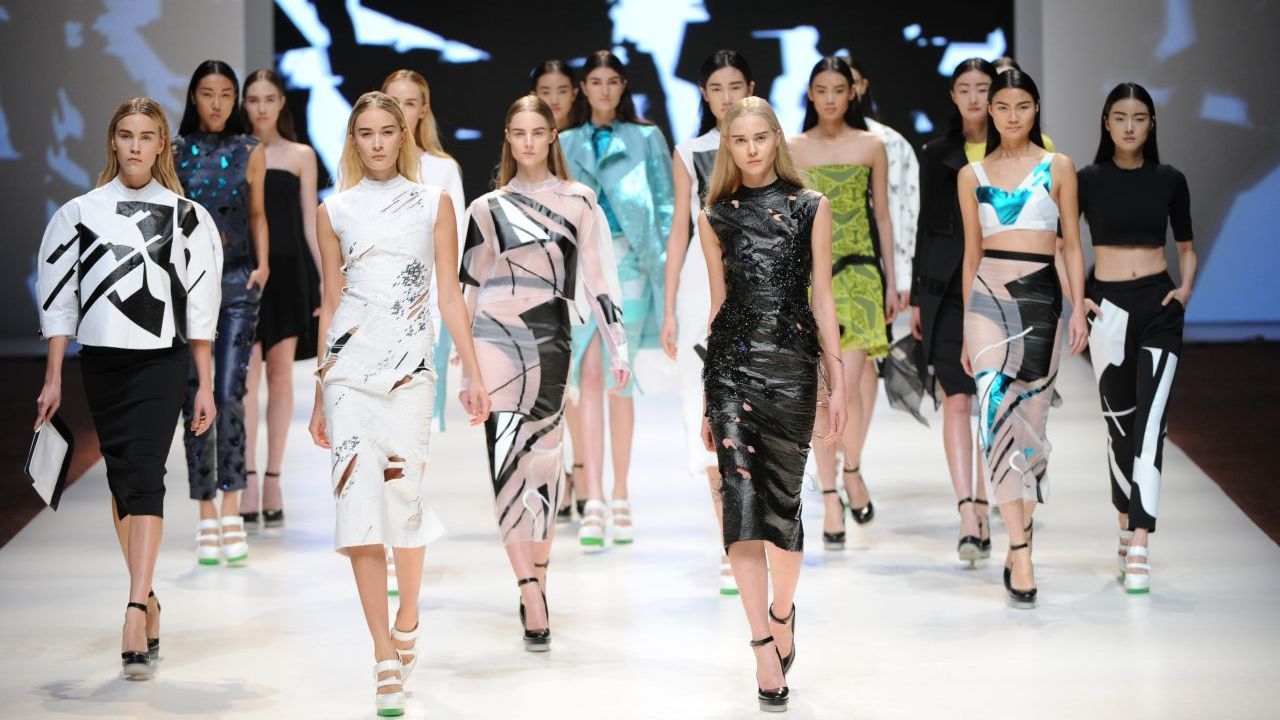
    Shang Xia showed its commitment to Paris when it held its first fashion show on Monday on the official Paris Fashion Week schedule, sending a lineup of models in polished suits in bright colors along a circular runway.

    With backing from a new majority shareholder, the Agnelli family holding company Exor, the label recently set up a design studio in Paris to complement production in Shanghai.

    “It’s a very bold move to do a show in Paris Fashion Week,” said Exor managing director Suzanne Heywood, who is also chairman of Shang Xia.

    FRENCH INFLUENCE

    “We are being watched closely,” said Isabelle Capron, international vice president at ICCF, the owner of Chinese label Icicle, noting that Chinese companies have so far had limited success in building high-end fashion businesses with an international reach.

    The French luxury executive was recruited in 2013 by Shouzeng Ye and Tao Xiaoma, founders of Icicle, which bought the historic French couture house Carven in 2018 and in July created the ICCF Group.

    Icicle, with sales of 334 million euros in 2020, up 12 percent from 2019, has 270 stores in 100 cities in China. The brand caters to urban professionals with earthy-toned overcoats and suits in high-quality materials, often made with natural dyeing techniques.

    Icicle’s founders chose Paris over London, New York and Milan for their investment, setting up design studios, and recruiting talent from French luxury labels.

    “It’s in Paris where you can find the talent to raise the level of the collections so that the label can reach an international level,” Capron said.

    LANVIN REVIVAL

    Fosun Fashion Group has been working to revive the historic French label Lanvin with younger, international consumers in mind, and hired Bruno Sialelli French designer from LVMH-owned Loewe label for the job.

    For the spring 2022 ready-to-wear runway show in Paris, the designer showed slim party dresses, worn by models in towering platform shoes with flared heels, along with an array of handbags and a new pair of futuristic sneakers – accessories are key to the label’s growth strategy.

    Supermodel Naomi Campbell closed the show, sweeping the runway with a long cape.

    Shang Xia executives said they are seeking to broaden their customer base among younger consumers, add new stores in Asia this year and push into the digital realm beyond China next year.

    “We are seeking new means to embrace digitalisation,” said Shang Xia founder Jiang Qiong Er, who flew in from Shanghai for the Paris show.

    Shang Xia’s new creative director Yang Li said he seeks to apply Asian and Eastern design principles to the products, pointing out a bag in the collection in the shape of a triangle.

    “In our culture, when we define shapes, they’re absolute and pure,” he said.

    “What I want to do here is to say that China is not just a market, but a creative force as well,” Yang Li added.

  • Garment exports hit hard by labor shortage

    Garment exports hit hard by labor shortage

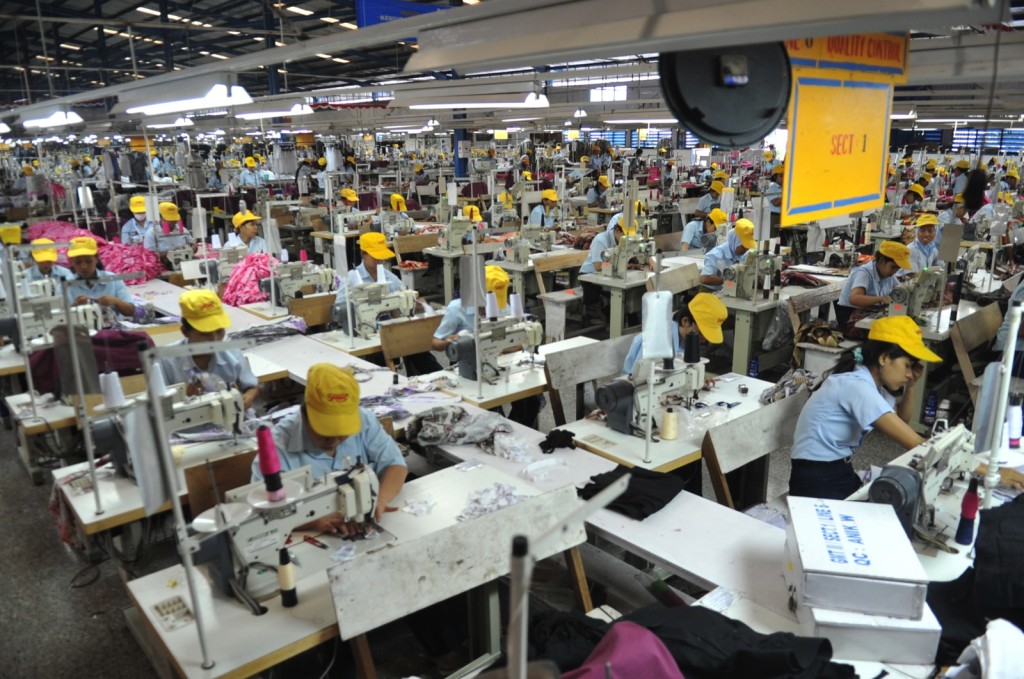
    Garment and textile firms face labor shortages and broken supply chains, and find it hard to fulfill their export orders, the Vietnam Textile & Apparel Association has said.

    The fourth and most intense wave of Covid-19, which caused many textile companies to close down or operate at partial capacity between July and September, remains a severe problem in many cities and provinces, especially in the south, and so migrant workers are making an exodus to their hometowns.

    Some one million workers in the sector, or one third the total number employed, have quit their jobs or are staying away from work with or without pay, VITAS estimated.

    Meanwhile, supply chains continue to be broken as a number of foreign clients shift their orders to other countries.

    Many companies in the south have adopted the stay-at-work and commute-to-work models, but managed to get only 10-30 percent of their employees, meaning they have found it hard to maintain production and ensure timely delivery of goods, VITAS said.

    Garment and textile exports fell 9 percent month-on-month in September to $3 billion. The figure for the year-to-date was $29 billion.

    VITAS has three different export scenarios depending on how the Covid situation pans out: it expects shipments of $33.5-34 billion this year if the pandemic continues until early December, $36-36.5 billion if until November and $37.5-38 billion if it is controlled by October.

    “It is very difficult for the sector to realize the export target of $39 billion set for this year,” Vitas vice chairman Truong Van Cam said.

  • Giordano opens store in Ghana

    Giordano opens store in Ghana

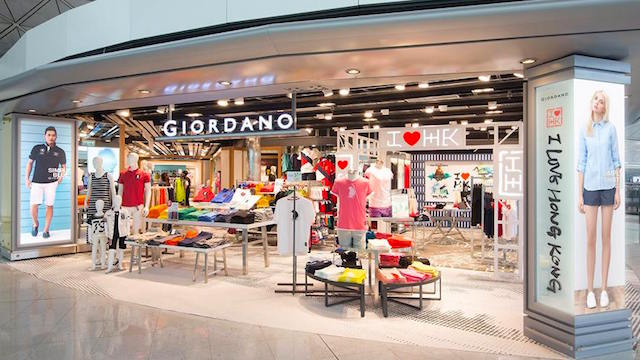
    Hong Kong-headquartered apparel brand Giordano has launched its first store in Ghana, adding to its African footprint, which already includes Kenya, Mauritius, South Africa, and Zambia.

    Partnering with local retail chain Melcom Plus, Giordano is planning to open more stores in the country this year at Achimota, Frafrah, Tema, and Weija – all inside in Melcom Department Stores.

    The first store includes wardrobe essentials and aims to “redefine simplicity” with maximised space for product displays.

    Mark Loynd, executive director and head of overseas market development in Giordano, said that the company is pleased to work with Melcom Plus, having a network of more than 50 wholesale and retail outlets.

    “We pride ourselves on being a ‘world brand’, and our overseas expansion initiative, which commenced several years ago, is now bearing fruit,” he added.

    Ramesh Sadhwani, joint group MD at Melcom, said there is a surge in demand for international fashion labels in Ghana, and they are looking forward to building a new retail landscape in West Africa by bringing in brands like Giordano.

    “With Giordano having over 2200 stores around the world, we are excited to carry the brand.” he said.

  • Esprit names new COO

    Esprit names new COO

    Hong Kong-listed apparel brand Esprit has appointed an experienced lawyer as its new COO to help continue to drive the brand’s renaissance.

    After four years of rolling losses exceeding US$1 billion, Esprit issued a shock profit warning last month projecting its first half year in the black since 2017. It lost US$503 million in the year to June 2000.

    This week William Pak assumed the role of executive director and COO. Biographable details provided by the company via a stock-exchange filing describe Pak, 42, as an attorney licensed by the New York state bar and the spouse of Christin Chiu, Esprit’s chairwoman and an executive director.

    “Mr Pak is a seasoned executive with extensive operating and management experience. He has over a decade of a successful career in leading companies in the financial services and fund management industry,” said the filing. “His industry expertise also includes technology, alternative energy, mining and real estate. He is experienced in identifying and revitalising underperforming areas and driving favourable results while ensuring sustainable growth.”

    Prior to his career in finance, Pak was a lawyer in the investment funds practise at White & Case’s New York and Hong Kong offices.

    He will be paid US$231,000 annually (HKD1.8 million) and report to CEO Mark Daley who was appointed in January.

    Chiu was appointed to Esprit’s board after Hong Kong company North Point Talent Ltd, became the company’s single largest shareholder mid last year. North Point is the investment vehicle of Karen Lo, a descendent of the Vitasoy founding family.

  • Nike’s Vietnam supply hurdles in focus ahead of quarterly results

    Nike’s Vietnam supply hurdles in focus ahead of quarterly results

    Nike’s updates to its full-year sales outlook on Thursday will likely answer that pressing question for Wall Street as the world’s largest sportswear maker deals with unprecedented supply challenges ahead of the holiday season.

    Three months ago, Nike gave a rosy outlook for the rest of the year as it benefited from consumers splurging on sneakers for running and hiking as they returned to their routines after over a year of staying at home.

    Still, some analysts have cut their outlook for Nike’s sales, predicting that lockdowns and factory closures in Vietnam, where about half of all Nike footwear is manufactured, will cause shortages during the crucial shopping season.

    “We believe the risk of significant cancellations beginning this holiday and running through at least next spring has risen materially for Nike as it is now facing at least two months of virtually no unit production at its Vietnamese factories,” BTIG analysts wrote in a note.

    Many factories in Vietnam’s manufacturing hubs have been shut or are operating with drastically fewer on-floor workers since mid-July as a surge in Delta variant cases forced the government to implement tight containment policies.

    Other apparel companies including Abercrombie & Fitch and Adidas AG have taken a hit to their businesses due to production issues in Vietnam. read more

    Some analysts, however, see Nike using its scale to offset the sales impact from Vietnam shutdowns.

    “The company should be able to mitigate some headwind by shifting production to other countries, like China, and prioritizing top sellers, key products, and its DTC (direct-to-consumer) channel,” Telsey Advisory Group analysts said.

    Since the start of September, analysts have cut their full-year sales expectations for Nike to $49.81 billion from $50.34 billion due to worries about supply shortages

    Full-year earnings per share estimates have also fallen to $4.24 from $4.33, according to IBES data from Refinitiv.

    Nike’s revenue for the reporting quarter is expected to have risen 17.7 percent to $12.46 billion from a year earlier.

    The blue-chip stock has gained 11 percent this year, but is down about 10 percent from its record high hit in August.

  • Puma celebrates women’s diversity with Mayu Girls campaign

    Puma celebrates women’s diversity with Mayu Girls campaign

    Look around you. Each and every woman you see has a story to tell — an inspiring one, a tickling anecdote or one that is hard to chew. These stories of everyday women represent their values and fighting spirit, as well as their goals and adventures that they carry with them all the time.

    PUMA Southeast Asia’s “We Are #MayuGirls” campaign celebrates the authenticity and diversity of everyday women. She embodies the Mayu Girl attitude of being confident, inspiring and passionate. She is a role model to her peers and those around her. She breaks free from societal limitations and pursues her passion and goals with grit.

    This is what she is and what she does. The Mayu Girl defines her own norms.Although the Mayu Girl is the go-to aspiration for most, she can’t always be expected to be the flawless, hard-pressed superhero. She is independent and strong, but stumbles and is vulnerable a times. But the Mayu Girl never gives in and always looks for the brighter side of things. She picks herself up, dusts herself off, and continues onward to get what she wants.

    “We Are #MayuGirls” doesn’t just celebrate the crowning glories of these individual women but changes the narrative through collective inspiration. Across all domains, PUMA strongly believes that women have the collective power to move the needle and to propel those around them forward through their own unique achievements. And that is the essence of the campaign — to be the zeitgeist of empowerment through real stories of diverse individuals with the common thread of a confident, inspiring and passionate Mayu Girl,” shares Eleanor Wang, PUMA Southeast Asia’s Head of Marketing.

    “We want women to know that no matter the background or profession, anyone can be Mayu Girl too, with the right attitude,” she adds.

    So, look around you. Look to your mother, wife, sister, daughter, colleague, and best friend. The spirit of the Mayu Girl is everywhere and can be found right beside you at your dinner table. Or, you can check out these trailblazing Mayu Girls below if you’re in need of some immediate inspiration!

    The Mayu Girl is the embodiment of a fighting spirit who struggles but forces her way forward to get what she wants. And that is quite literally why Nur Amisha Azrilrizal makes the perfect Mayu Girl specimen. She joins PUMA’s call as a professional Muay Thai fighter and to her, the Mayu Girl spirit is all about staying true to your passion and reaching for your goal with a never-give-up attitude.

    “Muay Thai has never just been a sport for me, nor has it ever been about medals. Since young, Muay Thai has been my pillar of strength and a torch to guide me through my darker days when bullying from peers was something I faced,” recalls Nur Amisha of her journey. “Staying true to who I am and persevering has allowed me to thrive despite the environment. Now I am standing tall and proud to be a part of PUMA’s “We Are #MayuGirls” campaign to inspire those who are facing similar challenges.”

    While Nur Amisha is an exemplary example, the Mayu Girl isn’t limited to one style of role model. The spirit of a Mayu Girl can be shown more subtly, but definitely does not burn any less intensely.

    Dentist and content creator, Dr. Kayla Teh addresses the importance of pursuing your goals with passion.

    Here is another excellent example of the quintessential Mayu Girl. Dr Kayla Teh, a Malaysian dentist, shares that the spirit of the Mayu Girl is not about pursuing the most illustrious career, but having the right attitude towards the everyday task.

    “As a content creator who’s also a full-time dentist, I often get asked on how do I do it all. Truth is, it’s not easy. But I am a firm believer in hard work and a positive attitude. Challenges to me are not hardships, but opportunities for growth. That’s the Mayu Girl spirit that truly resonates with me — that no matter what challenges we face, embrace it with the right attitude. Don’t be afraid to pursue our goals with passion and inspire those around us,” she shares.