Tag: Fashion

  • As western retail brands exit, Russia looks east for replacements

    As western retail brands exit, Russia looks east for replacements

    Russia is looking to China, India, Iran and Turkey to plug the gap created by an exodus of western retail companies, an industry body said on Friday, as Moscow grapples to find ways to combat its growing isolation in the face of sanctions.

    The Russian Council of Shopping Centres (RCSC), an organisation representing developers, shopping centre owners and retail chain operators, said it was negotiating with its corresponding representatives in the four countries about finding alternatives to western brands.

    “A list of foreign companies that have temporarily ceased operations in Russia was sent to them so that appropriate equivalents can be found,” a statement on the RCSC website read.

    “Over time this will help supplement or completely replace goods of the defunct brands with ones of a similar quality and design.”

    Dozens of big brands have temporarily shuttered operations or exited the country since Russia sent tens of thousands of troops into Ukraine on Feb. 24 in what it calls a special operation.

    Sanctions have hampered supply chains and fuelled panic buying among some Russians, with medicine and sugar shortages reported, and accelerating inflation is set to send prices higher.

    During an RCSC meeting of more than 100 market participants, the challenges facing Russian retailers were discussed.

    RCSC cited Igor Maltinsky, director of development at Melon Fashion Group, as saying that the main challenge facing domestic retail firms was the uncontrollable growth of production costs, due to huge increases in procurement and logistics costs, as well as many other related factors.

    Melon owns four, mainly women’s, fashion brands – Zarina, Befree, Love Republic and Sela and had 846 stores across Russia and CIS at the end of 2021. It had been planning to hold an initial public offering (IPO) this year.

    On Thursday, Swedish real estate firm Eastnine, a minority shareholder in Melon, said the planned IPO had been postponed. It said western sanctions had negatively affected the company, making valuing it very difficult.
  • Burberry opens new French flagship store

    Burberry opens new French flagship store

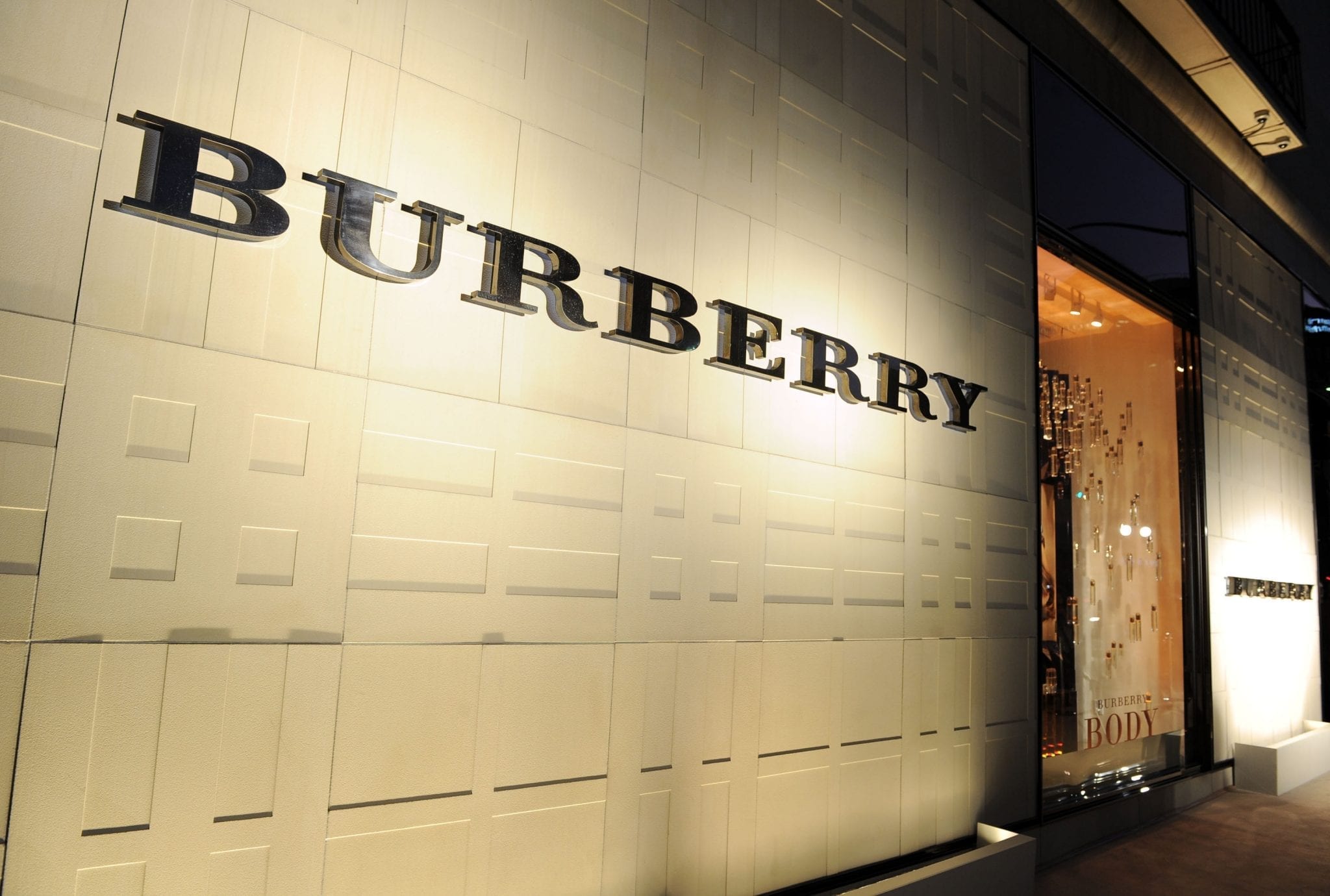
    British luxury brand Burberry has unveiled its new French flagship store on Rue Saint-Honore, designed by architect Vincenzo de Cotiis.

    Located in the heart of Paris, the flagship features the brand’s new global design concept and offers customers what Burberry describes as a chance to experience a space that connects Burberry’s past, present and future.

    “The store represents all that we stand for as a brand – being authentic, bold and creative – and we look forward to inspiring our customers with a truly elevated British luxury experience in this iconic setting,” said Gianluca Flore, chief commercial officer at Burberry.

    The store has three floors. Its design features Burberry’s famous check concept with the main colours of beige, black, white and red. Burberry says it has achieved modernity and openness by using mirrored ceilings with intersecting metallic grids and chequerboard-style tiled floors.

    On the ground floor a hand-painted, recycled fibreglass sculpture by Vincenzo de Cotiis stands at the entrance. The first floor houses menswear.

    The second floor features the brand’s womenswear range. The space is designed with traditional French doors with Haussmann-era glazing, white terrazzo and mirrored elements. A women’s shoe room integrates seating and fixtures into the windowsills that emphasise the view into the city of Paris.

    The third and final floor houses an apartment space, the largest private area of any of Burberry’s stores worldwide, offering a bespoke and elevated in-house experience for VIP customers who prefer to browse goods in privacy.

    “This Paris opening writes a new chapter of Burberry’s timeless story.” said architect Vincenzo De Cotiis.

  • Boss launches NFT in social impact project

    Boss launches NFT in social impact project

    Premium fashion brand Boss has collaborated with NFT company Boss Beauties to introduce the Boss x Boss Beauties Dream Like a Boss program, which aims to mentor young women.

    One of the Boss Beauties NFTs is on auction until March 12 and the revenue will be donated to the co-created mentorship program. In addition, a limited-edition T-shirt featuring the NFT is being sold on Boss’s website, with a share of sales going to the Dream Like a Boss program.

    According to Boss, the collaboration is an opportunity for both brands “to provide young women from historically marginalised and underrepresented groups with invaluable skills and insights for their professional development.”

    The program will offer mentorship talks, along with real-life business experiences by executives at Hugo Boss and all mentees will be funded by the Boss x Boss Beauties auction.

    “Establishing the Dream Like a Boss program will allow us to give back to our communities, to provide a space for creativity and growth, and to amplify voices that echo our brand values in a supportive and inclusive way,” said Rashmi Verma, head of global diversity and Inclusion at Hugo Boss.

    “Joining forces with Boss Beauties is an important step in creating equal opportunities for all women, and this is just the beginning of many great things to come.”

  • Italy’s OVS launches in Cambodia

    Italy’s OVS launches in Cambodia

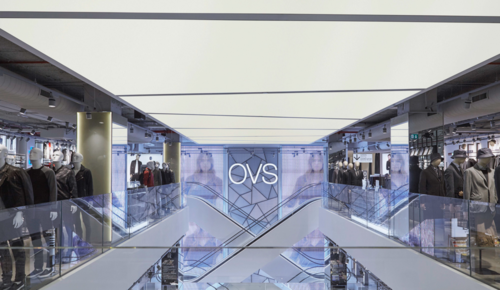
    The Italian-Cambodian Business Association (ICBA) is pleased to officially announce the launch of a new initiative called “Italy in Cambodia”– Everything Authentically Italian in Cambodia”.

    It is a non-for-profit program aiming to promote and celebrate Italian excellence and the 100% Made by Italy in Cambodia through an online platform.

    The initiative, which has received the endorsement of the Italian Embassy in Bangkok and the European Chamber of Commerce in Cambodia (Eurocham), wants to boost on-line shopping and digital consumption.

    Says Luisa Gentile, Creator and Director of the program “As a long- term Italian ex-pat, I have always been proud of the excellence of the Italians in the world and their ability to innovate without losing sight of tradition. With Italy in Cambodia, we will put our small but vibrant community of Italian professionals and entrepreneurs in Cambodia under the spotlight, albeit a “virtual” one.

    We will provide our on-line readers special promotions and deals to introduce the Italian lifestyle, food, culture, and products, help them to virtually meet and find Italian professionals and entrepreneurs who made Cambodia their home and, above all, make them discover and experience the true spirit of Italy in Cambodia.

    Our ultimate goal is to become the most trusted source online for everything genuinely Italian in the Kingdom of Wonder, addressing both the local community, international travelers, business investors, and anyone who loves Italy or wants to be connected with Italy while in Cambodia.”

    Says about the initiative Aurelio Flacco, Chairman of ICBA and Honorary Consul of Italy in Phnom Penh “Operating digitally is the key way to stay in business, through mandated shutdowns and restricted activity. ICBA aims to support the Italian businesses already established in Cambodia –through this newly created on-line platform, Italy in Cambodia.

    Our final goal is to help, particularly the small and medium-sized Italian companies, to grow and reach new customers online and, eventually, support them and their local staff, to thrive in these difficult times.“

    The registration to Italy in Cambodia is free of charge and is open to all Italian professionals or entrepreneurs residents in Cambodia.

  • Kering bullish on Chinese domestic luxury consumption

    Kering bullish on Chinese domestic luxury consumption

    French luxury goods Kering sounded a positive note on its forecasts for its performance this year in China, even if the country’s consumers are not expected to resume traveling abroad for at least a year.

    Group managing director Jean-Francois Palus told analysts on Thursday the company had deepened its presence in mainland China during the pandemic, notably through e-commerce on Alibaba’s Tmall platform as well as its own websites in the country.

    He also cited internal tourist flows to the duty-free shopping hub of Hainan as well as other parts of the country as fuelling luxury sales growth.

    The executive said he was optimistic about the health of Chinese consumption, noting a lot of new consumers beginning to buy luxury products, with “a good propensity to buy and to buy more.”

  • Louis Vuitton set to raise prices this week as costs climb

    Louis Vuitton set to raise prices this week as costs climb

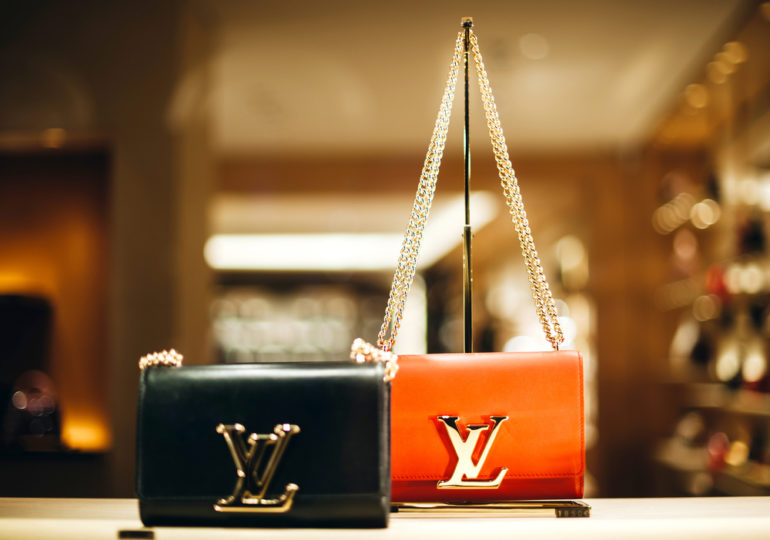
    Louis Vuitton, LVMH’s top fashion brand, will raise prices globally on Wednesday as a result of increased manufacturing and transportation costs, a spokesperson for the French luxury goods company in China told Reuters.

    Louis Vuitton, the world’s biggest luxury brand, will become one of the first big labels in the industry to hike prices widely this year to protect its margins as costs soar.

    The price increases will affect Louis Vuitton stores worldwide and cover leather goods, fashion accessories and perfumes, the spokesperson said on Tuesday. She did not give further details on the scale of the rises, beyond saying that they would vary depending on the product.

    “The price adjustment takes into account changes in production costs, raw materials, transportation as well as inflation,” the label said in a statement given to Reuters.

    Some bloggers on Chinese social media said the price of some models of handbags such as Capucines and Neverfull, now priced at 46,500 yuan (US$7,323) and 12,000 yuan ($1,890) respectively, would rise by 20 per cent or more in China, without citing sources.

    PurseBop, a website tracking the luxury market, cited speculation that the increase would be between around 4% on the lower end and 15-18% on average on the higher end.

    Presenting record 2021 sales and profits for the fashion and leather goods division, which is led by Vuitton and Dior, LVMH’s billionaire boss Bernard Arnault said in January the group had enough wiggle room to increase prices in an inflationary environment but would have to be “reasonable.”

    Throughout the coronavirus pandemic, luxury goods companies have been taking advantage of surging demand for high-end fashion and accessories to push their brands even more upmarket.

    Chanel increased prices on some of its handbags three times last year, with the popular Classic Flap bag, currently selling at $8,200, now costing $3,000 or nearly 60 per cent more than before the pandemic in 2019.

  • E-commerce saved fashion designer Tadashi Shoji during pandemic

    E-commerce saved fashion designer Tadashi Shoji during pandemic

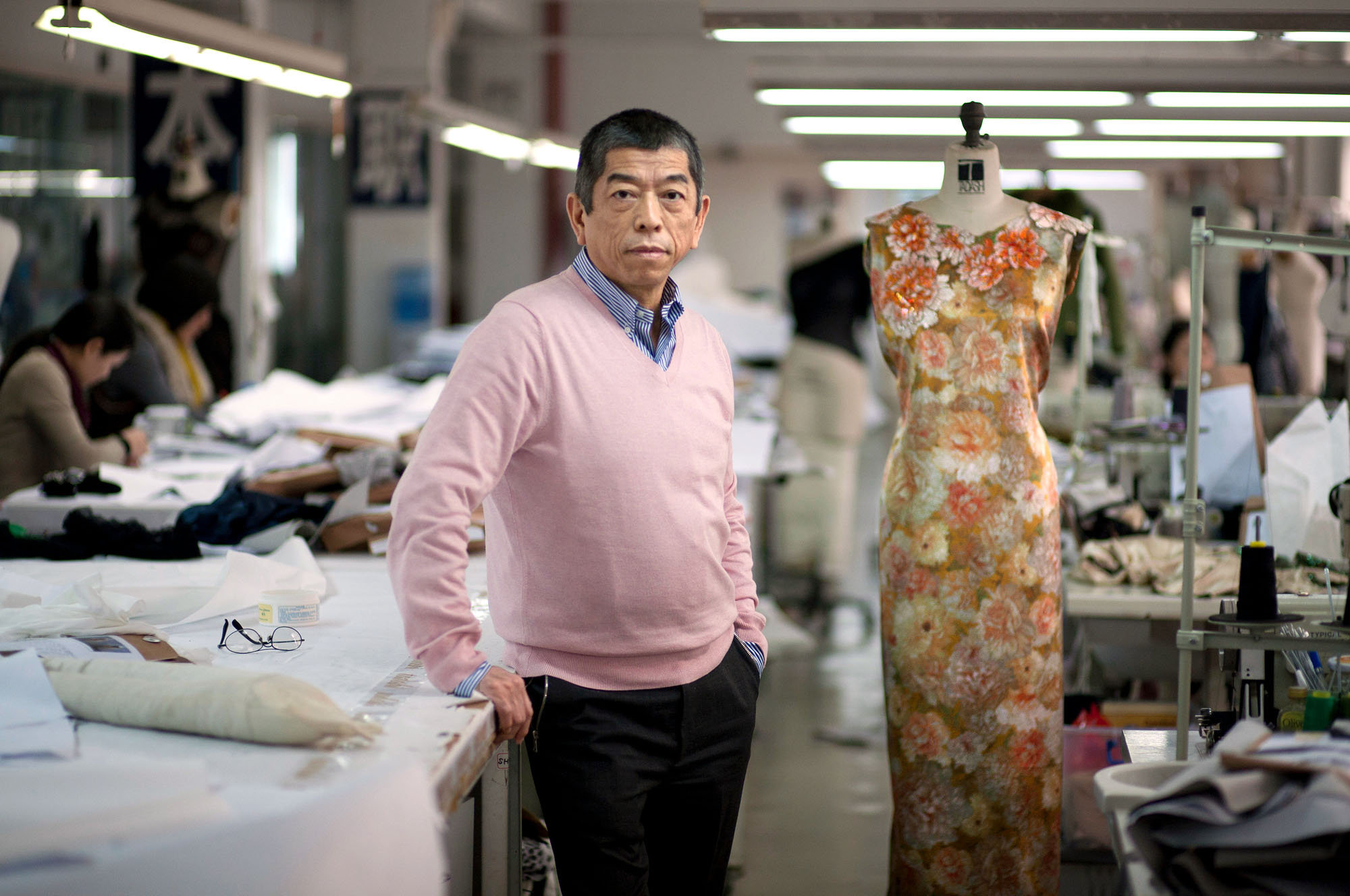
    After closing all his stores, veteran fashion designer Tadashi Shoji said he has been able to keep his business afloat during the Covid-19 pandemic thanks to the success of e-commerce and custom sales.

    The Los Angeles, California-based brand released its digital runway show online on Saturday during New York Fashion Week.

    Keeping costs low, the video was filmed in the company’s cafeteria with creative lighting and editing.

    “Logistically it’s very hard, but it’s very fortunate for us because of Covid our e-com is increasing tremendously. That’s helping me to survive in this Covid time,” Shoji said.

    “If we didn’t have this strong e-com infrastructure for us I think, I think our business went down,” he said.

    Shoji said this season was inspired by “boundless expression” and has added different silhouettes to his normal body-con repertoire.

    Menswear was the inspiration for many looks with stretch velvet, shimmer and slits providing femininity.

    The designer’s signature draped tulle, lace and hand beading made the collection look familiar to his long-time fans.

    New York Fashion Week will end on Feb 16 with over 150 designers having presented their collections live or online.

  • Cettire leaps into China, partnering with JD

    Cettire leaps into China, partnering with JD

    Online luxury fashion platform Cettire said it has penned a new deal to enter mainland China through a partnership with e-commerce giant JD.com, sending its shares up by more than 21 percent.

    Mainland China is expected to be the world’s largest market for personal luxury goods by 2025, representing around 25 percent of the $600 billion global markets.

    Cettire believes this is a $150 billion potential market opportunity for the group that sells luxury bags, clothing, and shoes for adults and children, and is making a push into the beauty segment.

    On Monday, Cettire shares jumped 21.79 percent to $2.85 each, clawing back nearly all of last week’s major slide lower, and pushing its market capitalization up over $1.1 billion.

    Chief executive and founder Dean Mintz said China represented a “vast” opportunity given the market size for personal luxury goods and the importance of e-commerce.

    Cettire’s brands ranging from Balenciaga to Burberry will be available to mainland Chinese consumers during the second half of the calendar year 2022.

    “Our entry into China is a significant milestone towards our goal of being the world’s largest luxury destination,” Mr Mintz said.

    “China represents a vast market opportunity, and it is core to our strategy to make our world-class proposition available to additional markets. Today’s announcement is another step in our strategic journey to achieve this goal.”

    E-commerce platform JD.com has 550 million active customers and is China’s largest online retail platform, with 745.8 billion yuan ($1.66 billion) in revenue in fiscal 2020. JD.com is a supply chain-based technology and service provider to help brands and partners drive sales.

    Through the Cettire partnership, Chinese consumers will have access to 1700 luxury brands and post-sales support, the company said.

    JD.com will help to drive traffic, brand awareness and accelerate growth for Cettire in China, with scope for Cettire to leverage JD.com’s extensive local logistics capability, which provides one of the largest fulfillment infrastructures globally.

    In late 2021, Cettire hired local Chinese engineers in mainland China to support the development of website features specific to China and Chinese speakers globally – including launching Chinese language websites to all Cettire’s existing markets.

    Cettire holds no inventory of its own, with products ordered via its website, and sent from third-party suppliers. Cettire’s fulfilment is fully automated.

    Unlike larger rival Farfetch, Cettire has only flagged one direct brand relationship with Italy’s Staff International. Brands like Gucci (owned by French-based multinational Kering) have no say on the pricing of its products on Cettire’s marketplace. Cettire has also geoblocked French and Italian IP addresses, making it more difficult for such fashion houses to see where product is coming from.

    Cettire was advised by Highbury Partnership on the deal.

  • Breitling unveils Seoul flagship with a cafe and its first restaurant

    Breitling unveils Seoul flagship with a cafe and its first restaurant

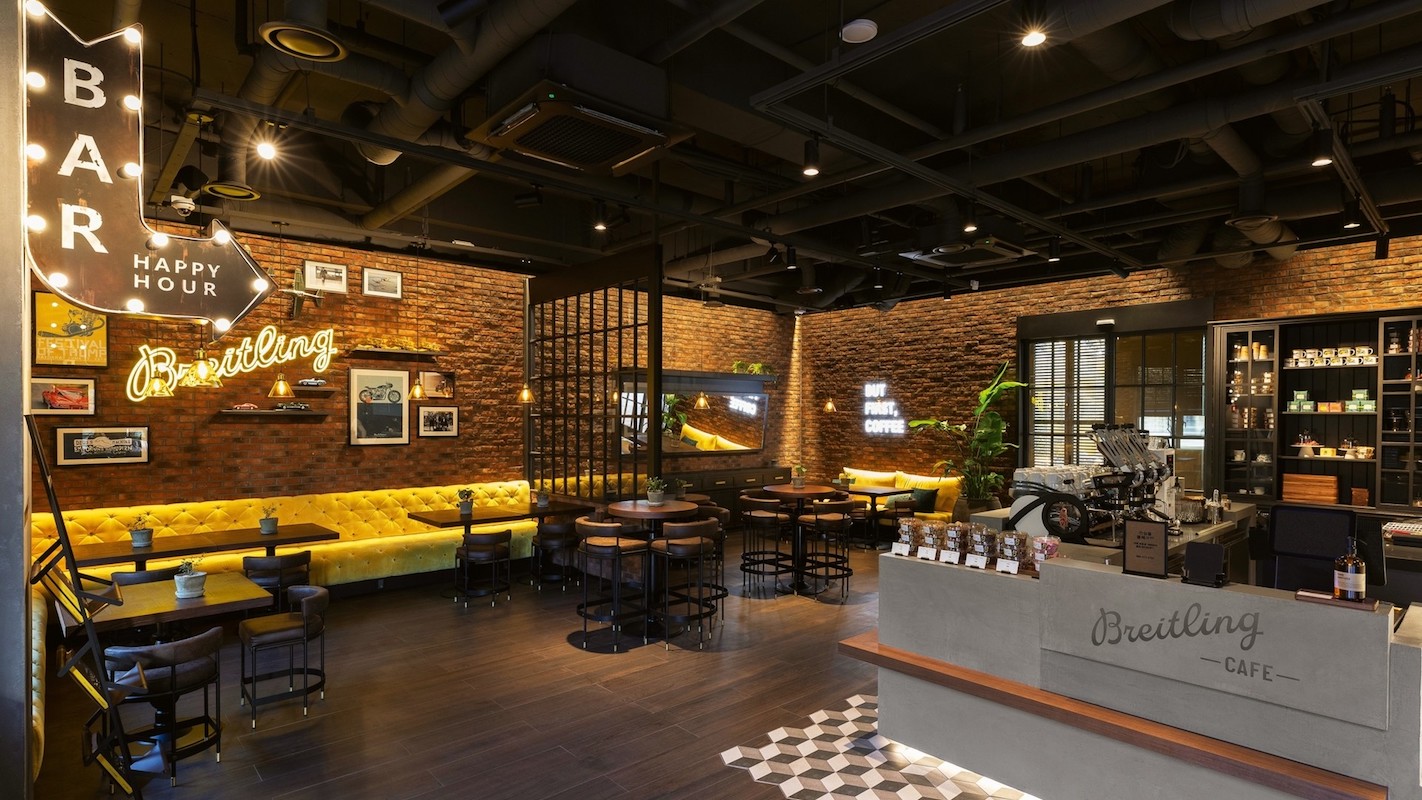
    Breitling opened its largest flagship, the 8,000-square-foot Breitling Townhouse Hannam. Located in the fashionable Hannam district of Seoul, South Korea, known for its international embassies and luxury fashion flagships, the space combines retail with a Breitling Café, terrace, and the first-ever restaurant, Breitling Kitchen. The Breitling Townhouse’s combination of retail with food and beverage will make it a top destination in this vibrant area.

    All Breitling boutiques are designed as chic industrial lofts that combine vintage decor with streamlined contemporary design for a modern-retro feel. A second recurring motif is “air, sea, and land” – the three universes that the Breitling watch families were developed for. In the Breitling Townhouse Hannam, these design themes are very prominent.

    The flagship boutique is a 2,000-square-foot retail space that has Breitling’s latest watch collections on display in an aviation-lounge-inspired atmosphere. The brand’s newest flagship is also home to Breitling Equipment – a shop-in-shop that carries tools and accessories inspired by Breitling’s universes.

    Breitling Kitchen is the brand’s first-ever restaurant led by chef Kim Hyeong-Kyu. Guests can choose from seating zones themed by air, sea, and land or reserve a private dining room in the Breitling universe of their choice. Breitling Café is an inviting street-level coffee shop that serves a well-crafted selection of specialty coffees, freshly baked goods, and fine patisseries.

    Customers and visitors can also enjoy an outdoor seating area that serves as both an extension to the café and private event space. Vintage Corridor is a walk-through heritage experience that tells the Breitling story with interactive displays.

    This opening gives a clue at what to expect from Breitling as a leader in the neo-luxury space.

  • Nike cries foul over virtual shoes, suing retailer that sells sneaker NFTs

    Nike cries foul over virtual shoes, suing retailer that sells sneaker NFTs

    Sneaker giant Nike sued online reseller StockX in New York federal court on Thursday for selling unauthorized images of Nike shoes, marking the latest lawsuit over digital assets known as non-fungible tokens.

    Nike said StockX’s NFTs infringe its trademarks and are likely to confuse consumers. Its lawsuit asked for unspecified money damages and an order blocking their sales.

    Detroit-based StockX, a platform for reselling sneakers, handbags, and other goods, was valued at more than $3.8 billion last year.

    A representative for the company did not respond to a request for comment, nor did Nike or its attorneys.

    Nike said StockX last month began selling unauthorized NFTs of its sneakers, telling buyers they would be able to redeem the tokens for physical versions of the shoes “in the near future.”

    The complaint said StockX has sold over 500 Nike-branded NFTs.

    The lawsuit said complaints about the NFTs’ “inflated prices and murky terms of purchase and ownership” and buyers’ doubts about the legitimacy of StockX’s model have hurt Nike’s business reputation.

    Nike said it will release “a number of virtual products” later this month in conjunction with the digital art studio RTFKT, which it acquired in December.

    NFTs have recently exploded in popularity, and lawsuits over them have begun to hit U.S. courts. Miramax sued director Quentin Tarantino in November over his plans to auction NFTs related to the 1994 film “Pulp Fiction,” which he directed and the studio distributed.

    Last month, Hermes sued artist Mason Rothschild over his “MetaBirkin” NFTs of the French company’s Birkin bags.

  • Uniqlo set to come to Hai Phong

    Uniqlo set to come to Hai Phong

    Japanese fashion brand Uniqlo plans to open its first store in the northern city of Hai Phong this summer.

    It will be a 2,000-square-meter outlet at Aeon Mall Le Chan.

    Uniqlo, which came to the Vietnamese market two years ago, now has 10 stores in Hanoi and HCMC.

    Globally, it has over 2,300 in 25 countries and territories.

    German research firm Statista estimates Vietnam’s fashion industry to grow at an average annual rate of 22.5 percent in 2017-22 to reach US$988 million.

  • First Adidas Brand Centre launches in Singapore, brand’s largest there yet

    First Adidas Brand Centre launches in Singapore, brand’s largest there yet

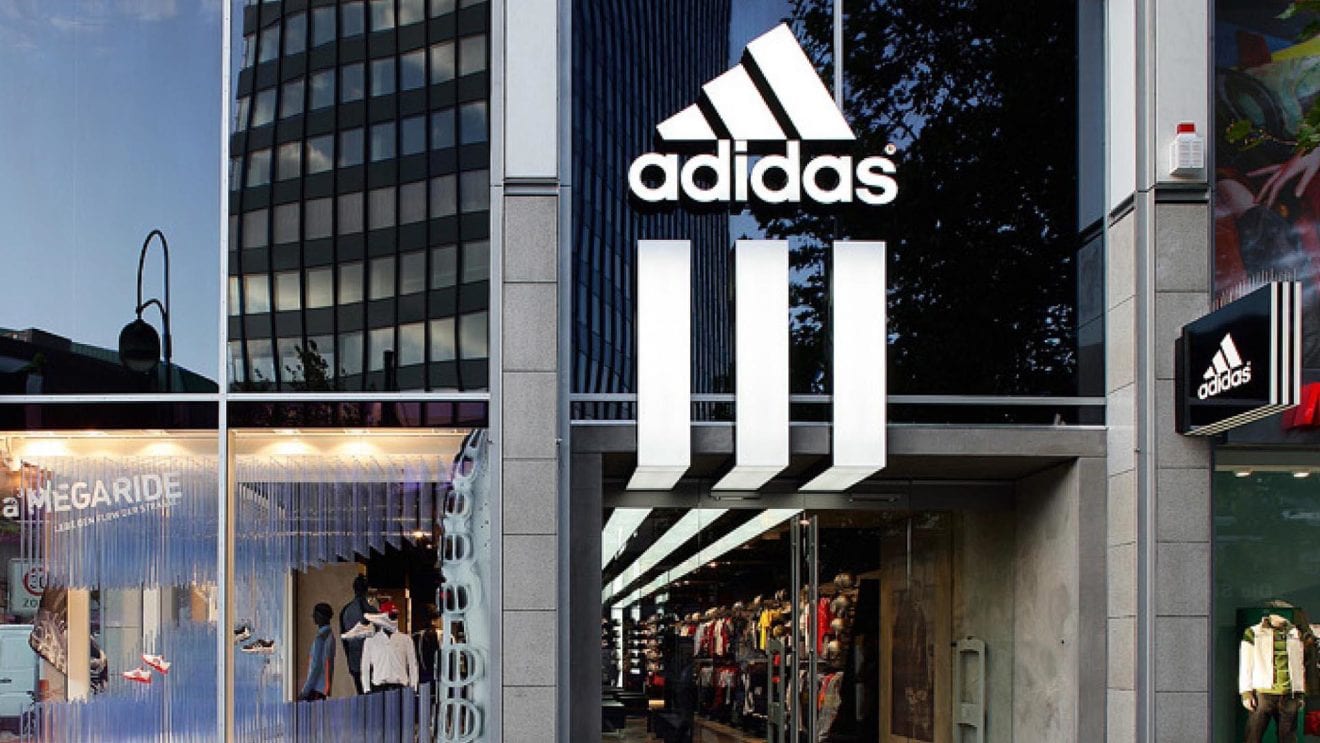
    Sportswear brand Adidas launched its first Singapore brand center, named Homeground, in Knightsbridge along Orchard Road. Occupying three floors, it claims to be the largest mono-brand retail sports destination in the country. It offers the largest array of Adidas performance and Originals apparel, footwear, as well as accessories in Singapore.

    Adidas claims that the design of the brand center is “deeply rooted in Singapore identity” and “celebrates its diversity as a multicultural country”. Created in partnership with numerous local designers, the design takes inspiration from iconic everyday Singapore scenes. For example, a wall-mounted mural that takes the form of an Adidas shoe is actually a collage of locally-inspired elements weaved together in a wall-mounted mural.

    In addition, the brand center’s sustainability wall is inspired by the coastline of the Singapore River and is made with layers of crafted reclaimed wood.

    The “Local Delights” section features vibrant artwork that is inspired by traditional cakes and snacks such as Tutu Kueh, Ang Ku Kueh, Kueh Bahulu, Muruku, and the colorful Kueh Lapis cake.

    There’s also an anamorphic ceiling installation in the MakerLab, where 180 pieces of stainless-steel trefoils come together to form an intricate ceiling artwork that is both a trefoil and the coastline of Singapore at the same time.

    Besides enjoying first-in-region launches and Singapore exclusives at the Homeground store, shoppers can look forward to the Singapore Key City Tee, a local-themed graphic print t-shirt.

    In line with the brand center’s launch, Adidas will be rolling out the “Bring it to Me” service over the next few months, which will be exclusive to the brand centre.

    Shoppers can have the products delivered to them as they continue browsing the other items at the store by scanning the footwear via the Adidas app or QR code to indicate their preferred sizes.

    For more information, you can check out the Adidas Homeground website, Adidas Singapore’s Instagram, and Facebook pages.

  • Uniqlo owner’s profits boosted by overseas surge as Japan sales fall

    Uniqlo owner’s profits boosted by overseas surge as Japan sales fall

    Japan’s Fast Retailing, owner of clothing brand Uniqlo, said on Thursday overseas markets powered profit growth in the first quarter, even as sales declined at home and in China.

    The results marked a reversal from the past few years when China and Japan were the big sales and profit growth drivers for the retailer.

    Operating profit rose 5.6 percent to 119.4 billion yen ($1.04 billion) in the three months ended Nov. 30. That beat the market’s consensus of 102.6 billion yen, according to the average of analysts’ forecasts from Refinitiv.

    The company maintained its forecast for operating profit to climb 8.4 percent to 270 billion yen in the fiscal year ending in August.

    Uniqlo’s international business reported record first-quarter results, driven by sales from South Asia, North America, and Europe. The pandemic weighed on results in China, while warm weather in Japan depressed sales of Fall and Winter clothes.

    The company said in October it expects a gradual recovery to pre-pandemic levels as Covid-19 vaccinations progress and as it makes further inroads in the Chinese market.

    Fast Retailing opened a flagship store in Beijing in November, its third megastore in mainland China, and plans to open 100 locations in the country each year going forward.

    But the company has also flagged the risk of continued production and logistic delays that have plagued major clothing groups. In September, Fast Retailing said some clothing releases would be delayed due to pandemic-related lockdowns at partner factories in Vietnam.

    In addition, the rapid depreciation of the yen is raising costs for raw materials and shipping, adding to domestic pricing pressure, chief financial officer Takeshi Okazaki told reporters in Tokyo.

    “We have reached a point where we have no choice but to raise the prices of some products,” he said.

    As the company becomes increasingly global, strength or weakness of the yen will become less important, and stable currency markets are ideal for operations, he added.

    Fast Retailing’s shares have fallen 9.5 percent year-to-date, compared with a 1.1 percent drop in the benchmark Nikkei 225 index.

  • Adidas Japan to launch brand centre in Harajuku

    Adidas Japan to launch brand centre in Harajuku

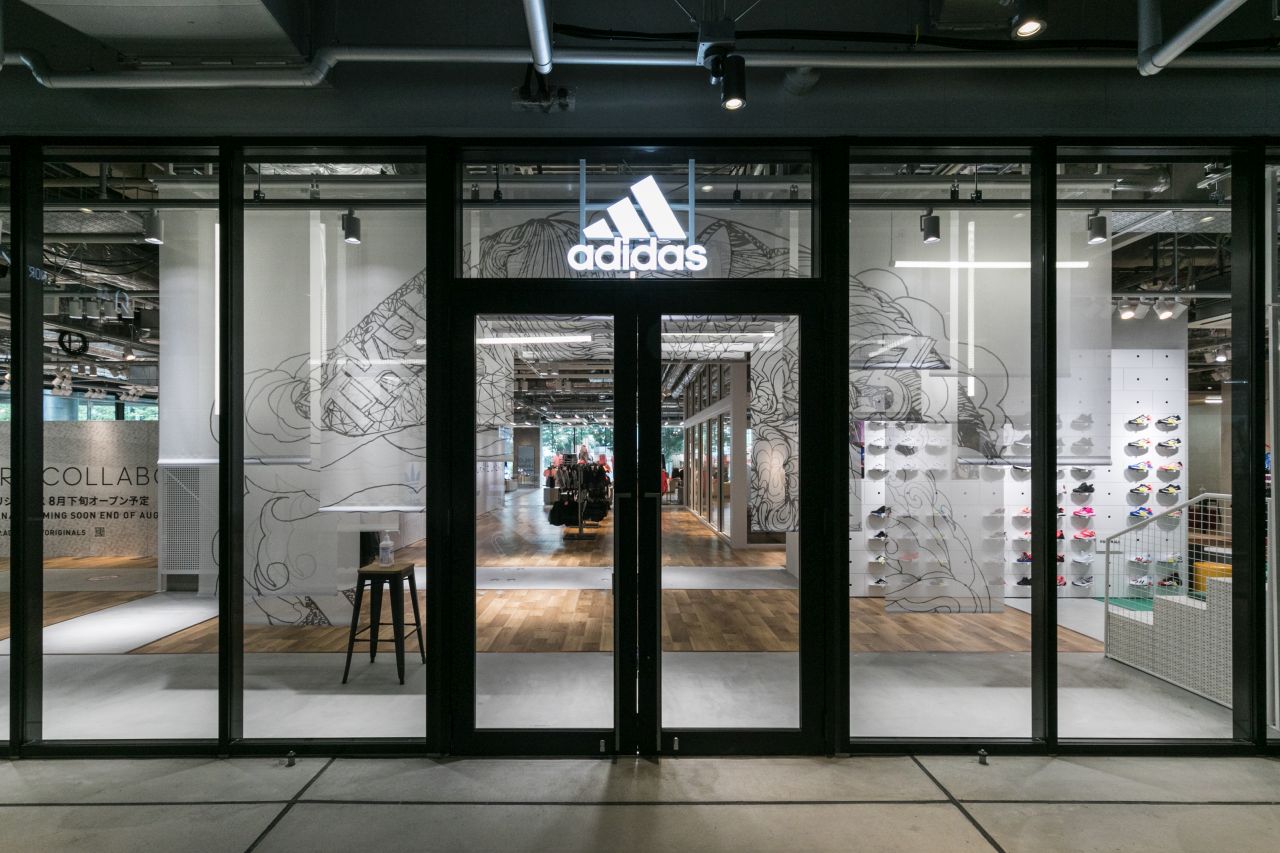
    The largest Adidas store to date on Japanese soil extends over two floors and a surface area of 1,000 square meters. In addition to countless products for a wide range of sporting activities, the new Adidas Brand Center, which is located just a few minutes’ walk from Shibuya Station, also offers an exclusive “Tokyo Collection”. This was designed especially for the new store and is exclusively available here.

    The “Digital Footwear Wall” offers space for up to 45 different shoe models and can be filled with matching campaign images as required. The store was designed in cooperation with a number of Japanese artists, whose works partly also decorate the salesrooms. In addition, characteristic design elements can be found throughout the store, which serves as references to the metropolis of Tokyo.

    On the occasion of the opening of the Brand Center at the end of July, visitors had the opportunity to purchase limited-edition T-shirts created in cooperation with the store’s artists and designers. According to Adidas, the store will continue to be used as a regular venue for events featuring local artists even after the opening-period.

    The Tokyo store also includes a special area dedicated to sustainability, offering Adidas Parley and Primeblue products and communicating information about the sustainability efforts of the Herzogenaurach-based sporting goods manufacturer. In partnership with the non-profit organization Parley, Adidas collects plastic waste before it can be discharged into the sea and uses it to produce high-quality sportswear. “Partnering with Parley on a shared mission to use 100% recycled polyester in our products by 2024, we created Primeblue. A high-performance recycled material made in part with Parley Ocean Plastic,” says the statement on the Adidas website.

  • Babeeni’s hand-smocked clothing for children meets diverse tastes

    Babeeni’s hand-smocked clothing for children meets diverse tastes

    Babeeni Co., Ltd satisfies customers from different markets with its designs for dresses, swimwear for children, women and families.

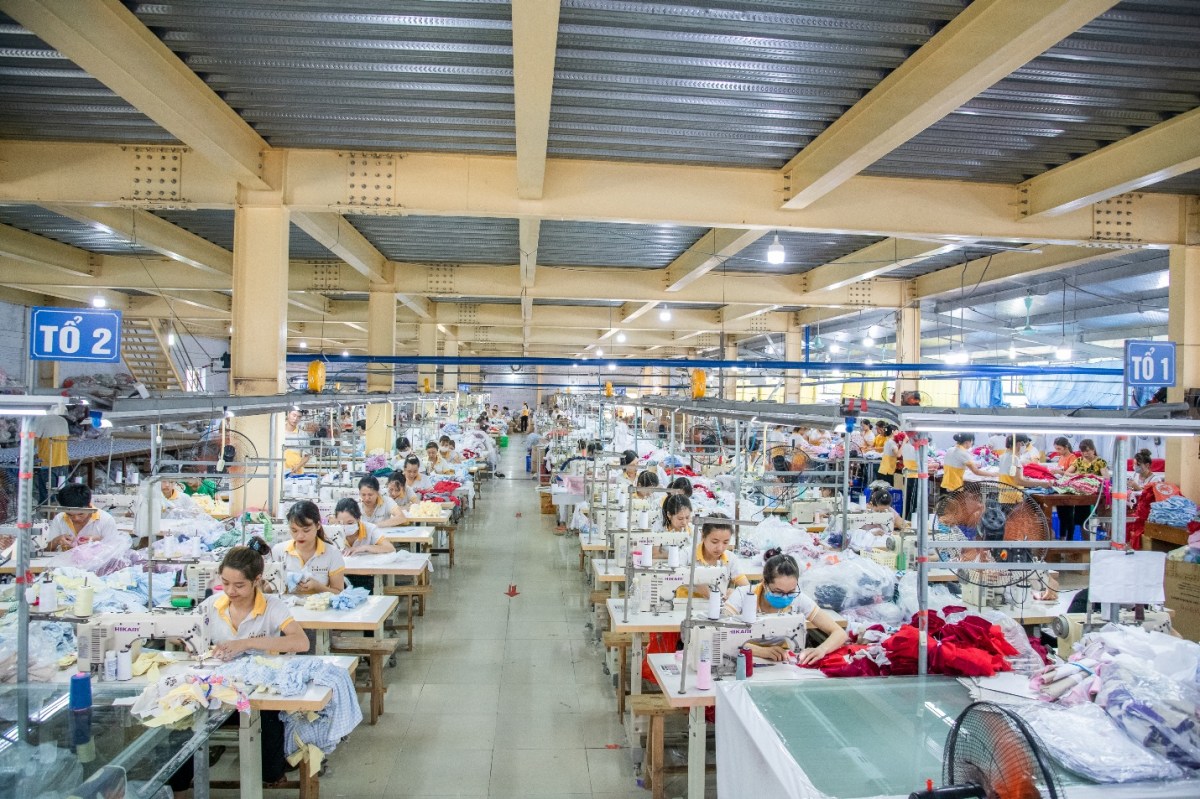
    Established in 2007, Babeeni has been a reputable manufacturer and exporter of children’s clothing in Vietnam. It has a head office at 66 Viet Hung Street, Long Bien District, Hanoi and five factories totaling 150,000 square meters in Hai Duong and Lao Cai provinces.

    With 2,120 employees in hand-embroidery and sewing techniques, as well as advanced machines and production lines, Babeeni meets an annual capacity of around 3 million pieces of all types of clothing for children, women, men and families.

    Target markets mainly include the United States and Europe, along with the Middle East and Asian countries like Japan, South Korea, and Thailand.

    Babeeni‘s clothing products feature an exquisite style with traditional hand-embroidery, hand-smocked patterns and appliqued motifs to meet customer needs. The garments are made of new and high-quality fabric guaranteed to be safe, with cotton certificated from an American origin.

    Besides, Babeeni is capable of meeting custom requests for different types of materials, designs or patterns.

    With the wish for long-term cooperation, Babeeni has product return policy that is ready to give feedback or solutions for merchandiser of the purchaser. Babeeni also provides 24/7 sales, design consulting and logistics services to serve orders with reasonable prices, satisfactory quality and on-time delivery.

    Until now, Babeeni has attracted thousands of customers, most of whom have cooperated with the manufacturer for many years. The company aims to expand into more international markets.

    Duong Thi Phuong Hien (Marry Le) – CEO and founder of Babeen, shared her business philosophy: “Business is not for profit but for promoting happiness and beauty. When you buy Babeeni’s products, you are getting the best from our heart and passion in fashion.”

    If you want to start up your own clothing boutique and have any idea on clothing designs, contact via phone +84-823 776 668 (Whatsapp).