Tag: Fashion

  • KFC and Hype team up in branded fashion drop

    KFC and Hype team up in branded fashion drop

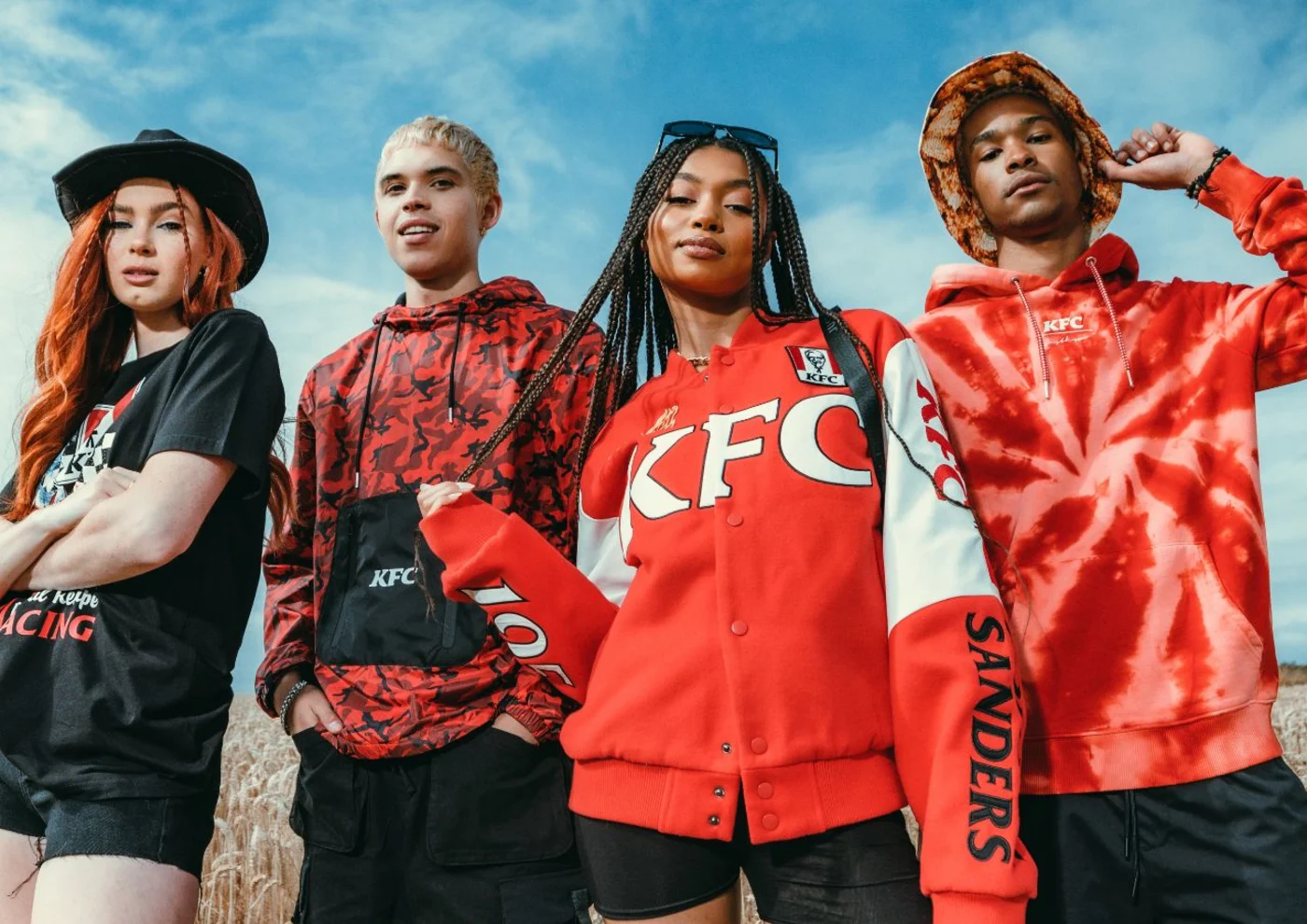
    KFC may be known for its fried chicken, but it’s about to make a move into the fashion world, teaming up with HYPE to launch a 47-piece clothing line.

    The fast food chain has collaborated with lifestyle brand HYPE to create a collection of clothes and accessories including hoodies, puffer jackets and bucket (no pun intended) hats.

    The line-up of co-branded clothing and accessories features designs inspired by both brands, mixing KFC’s tongue-in-cheek interactive messaging with HYPE bold heritage statements.

    The exclusive range has your everyday staples covered and features bralettes, joggers, tees, caps and backpacks, which the brands claim will ensure you look “festival-ready and feeling finger lickin’ good”.

    Inspired by KFC’s history, including its menus and slogans, the collection includes HYPE’s original dad cap shape with ‘Bargain Bucket’ emblazoned across the front.

  • Why We Need To Say Goodbye To Fast Fashion?

    Why We Need To Say Goodbye To Fast Fashion?

    The fashion industry is all about glamour, and being fashionable. Most of the time, it comes at the expense of the environment, especially when it is all about fast fashion. Fast fashion borrows the name from the fast food industry that is all about cheap, in-season and fast-moving products. Fast fashion is trendy, but it is not long lasting. Therefore, it is essential to take care of fast fashion. 

    Fashion is cheap and disposable, which is why it is a part of modern life, especially amongst the young people who can purchase such items. However, investing in fast fashion is similar to investing in Lottery Sambad and recklessly spending the winning amount after winning the Dhankesari ticket. It might give temporary benefits, but in the long run, it is harmful in several ways.

    The Impact Of Fast Fashion 

    Most fast fashion clothing is designed to last for a short period. Therefore, most of these clothes are thrown away after a short interval of time. Such garments end up in landfill and create nuisances for the environment. Not only does it pollute the land, but it also emits greenhouse gasses. The fashion industry is the second biggest consumer of water. Further, it is responsible for about 9% of global carbon emissions. To give you an idea, this is the carbon emission produced by combined international flights and maritime shipping. 

    Also, the process involving the creation of fast fashion products results in water pollution and further dries up the water sources. According to the UN Framework Convention on Climate Change report, textile emissions will increase by 60% in 2030. Therefore, now is the right time to say goodbye to fast fashion to avoid this damage. 

    It is common for fast fashion to use synthetic fibres like acrylic, nylon and polyester to create clothes. These fibres generate microplastics that often end up in the ocean. Microplastics are non-biodegradable plastic that can tragically harm the marine ecosystem. 

    Not only the impact of fast fashion is high on the environment, but also, it has many societal problems. Most fast fashion production occurs in developing countries where there has been evidence of forced and child labour. Now that we know the impact of fast fashion, here are a few ways to engage in a responsible fashion. 

    Invest In High-Quality Key Pieces Of Clothing 

    The sure shot way of eliminating fast fashion from life is by investing in high-quality key pieces of clothing. Not only will it last long but also, it ensures that it stays fashionable. The consumer can identify the key pieces of clothing that they wear the most and invest in it to stay fashionable. 

    Further, one can work out different permutations and combinations to create a wide variety of designs from the key pieces alone. Buy less and always invest in high-quality products. 


  • Puma raises revenue outlook, handling China woes better than Adidas

    Puma raises revenue outlook, handling China woes better than Adidas

    German sportswear maker Puma reported stronger-than-expected second-quarter earnings on Wednesday and raised its full-year revenue outlook, coping with headwinds in China better than rival Adidas.

    Puma said its earnings before interest and taxes (EBIT) rose 34.4% on the year to 146 million euros ($148 million), compared with analysts’ average forecast for 128.94 million euros.

    It raised its full-year sales forecast to a mid-teens percentage rise in currency-adjusted terms, from at least 10% – with upside potential – previously, and maintained its full-year EBIT guidance.

    Adidas on Tuesday cut its 2022 earnings target, citing a slower-than-expected recovery in China from pandemic restrictions.

    “It’s not easy for everyone,” Puma Chief Executive Bjorn Gulden said, adding his company “cannot expect growth in China in 2022”.

    But he said: “We feel that the increased investments into R&D, innovation and product development over the past years are starting to pay off.”

    Second-quarter sales rose 18.4% in currency adjusted terms to 2.002 billion euros. The company said it saw strong growth in all its performance categories, such as running, training, team sports, golf and basketball.

    Adidas blamed COVID-19 restrictions in China for a sales slump there. Puma’s Gulden saw the main reason as calls for boycotts against Western textile firms, which have been targeted on social media, in response to Western criticism of China’s treatment of the Uighur minority in the Xinjiang region.

    In late June, Puma rival Nike forecast first-quarter revenue below estimates as it expected to discount more and wrestled with pandemic-related disruptions in China, its most profitable market.

    “We do see an increased level of uncertainty around the world,” Gulden said, but added: “I remain optimistic for our sector in general and the PUMA brand in particular”.

  • Love, Bonito launches a flagship in Hong Kong

    Love, Bonito launches a flagship in Hong Kong

    ​Southeast Asia leading womenswear brand, Love, Bonito, officially opened its Hong Kong flagship store today (July 22), as part of its global expansion plan to capitalise on its growth momentum and develop a stronger presence in the city.

    The new flagship store is located in the heart of Central and measures over 2,000 square feet, offering Asian-centric fit and functional, yet trendy, women’s clothing. Since the brand’s debut in Hong Kong with a pop-up store in 2019, followed by its localised website launched in 2021, Love, Bonito has continued to grow its local customer base, according to the company’s Regional Director of Hong Kong and Taiwan, Ms Christina Wang.

    Ms Wang said, “We have seen tremendous double-digit growth in Hong Kong through our online channels and successful string of pop-ups. Our range is popular amongst local ladies who are financially independent, assertive, and career-focused. With the popular demand for Love, Bonito we are excited to finally have a physical footprint in the city.”

    She added, “Hong Kong as an international city is one of our key target markets. Aside from supporting omni-channel sales, expansion, marketing and retail operations in the city, the team is also looking to explore more experiential hub opportunities with the aim of developing a stronger direct-to-consumer omni-channel presence.”

    Associate Director-General of Investment Promotion Mr Charles Ng, welcomed the opening of Love, Bonito’s flagship store in Hong Kong. He said, “Love, Bonito has steadily grown in the Hong Kong market through creative use of pop-ups and online, and is now expanding their presence with the flagship store. Hong Kong is a great place for brands to reach out to both consumers and potential investors alike.”

  • Lululemon eyes massive growth in China

    Lululemon eyes massive growth in China

    Lululemon is on track to make China its second-largest market by 2026 through an extensive store expansion in the country, according to China Daily.

    The athleisure apparel brand said it aims to increase its store number in the country – currently 71 – to 220 over the next five years. These stores include flagship stores and community-based stores.

    “Our new goal is to quadruple our international business again by 2026,” Calvin McDonald, CEO of Lululemon, told China Daily in an exclusive interview. “The Chinese mainland will be a big part of that opportunity as we continue to invest in the market, in stores, in digital and build a community.”

    The China lockdowns caused nearly a third of Lululemon’s stores to temporarily close for a period of time. Lululemon aims to open the majority of its 40 new stores in Mainland China where it has achieved a cumulative annual growth rate of 60 per cent during the past three years.

    The retailer also forecasts its digital expansion will double the company’s revenue in five years after it tripled between 2018 and 2021.

  • Lululemon eyes massive growth in China

    Lululemon eyes massive growth in China

    Lululemon is on track to make China its second-largest market by 2026 through an extensive store expansion in the country, according to China Daily.

    The athleisure apparel brand said it aims to increase its store number in the country – currently 71 – to 220 over the next five years. These stores include flagship stores and community-based stores.

    “Our new goal is to quadruple our international business again by 2026,” Calvin McDonald, CEO of Lululemon, told China Daily in an exclusive interview. “The Chinese mainland will be a big part of that opportunity as we continue to invest in the market, in stores, in digital and build a community.”

    According to MarketBeat, the China lockdowns caused nearly a third of Lululemon’s stores to temporarily close for a period of time. Lululemon aims to open the majority of its 40 new stores in Mainland China where it has achieved a cumulative annual growth rate of 60 per cent during the past three years.

    The retailer also forecasts its digital expansion will double the company’s revenue in five years after it tripled between 2018 and 2021.

  • Gap CEO walks the plank as Old Navy’s woes worsen

    Gap CEO walks the plank as Old Navy’s woes worsen

    Gap shares slid more than 18% Friday after the company slashed its sales outlook for the first quarter of fiscal 2022, citing what it called “execution challenges” its Old Navy business, and announced the CEO of that division, Nancy Green, will leave her post this week.

    Gap is now projecting low- to mid-teens declines compared with the prior year, adjusted from an earlier forecast that called for mid- to high-single-digit declines.

    Chief Executive Sonia Syngal will work closely with the Old Navy team as it searches externally for Green’s successor, the company said Thursday evening.

    News of Green’s abrupt departure comes as Gap struggles to weather continued logistics disruptions and rising inflation that threatens to curtail consumer spending.

    A snarled supply chain has been particularly hard on its Old Navy division, which targets a lower-income consumer, the company said when it reported quarterly results in early March. Delayed shipments have meant the retailer hasn’t had enough merchandise on hand to meet shopper demand in some instances.

    In its fiscal fourth quarter, same-store sales at Old Navy were flat compared with 2019 levels.

    Gap said Thursday that it has also taken a “more aggressive approach” to balancing its merchandise assortment at Old Navy, which has resulted in higher promotional levels. It didn’t further clarify the issue, but more markdowns are likely weighing on the retailer’s profits.

    Gap said it will provide an updated fiscal 2022 outlook when it reports quarterly results on May 26.

    “As we look to seize Old Navy’s potential, particularly amidst the macroeconomic dynamics facing our industry, we believe now is the right time to bring in a new leader,” Syngal said, regarding Green’s departure.

    She added that the company is looking for someone with the “operational rigor and creative vision” to execute on the retailer’s plan.

    Gap’s stock is down about 35% year to date including Friday’s declines.

  • Burberry closes prominent Hong Kong flagship

    Burberry closes prominent Hong Kong flagship

    British luxury fashion house Burberry is the latest luxury brand to withdraw from Hong Kong’s famous shopping street Canton Road.

    The closure of the three-storey store came after Burberry shut its prominent Russell Street flagship last year, highlighting its struggles in a market still heavily impacted by Covid-19 restrictions.

    Canton Road is known as a hub for luxury brands and is home to the giant Harbour City shopping mall. The street was a common destination for Mainland tourists before the advent of Covid-19 and the closure of the border with the mainland. The Burberry Canton Road flagship opened in 2011 and was reported by WWD to have a monthly rent of US$1.12 million.

    The luxury retailer currently has 10 stores across the territory.

    Prior to Burberry, several luxury brands shut stores along the Canton Road retail strip due to the lack of tourists including Valentino, Tiffany & Co, and Coach. Earlier this year, Hong Kong introduced its strictest Covid-19 measures due to the spread of the Omicron variant, resulting in widespread retail and foodservice closures.

  • H&M closes Shanghai flagship after Covid lockdowns

    H&M closes Shanghai flagship after Covid lockdowns

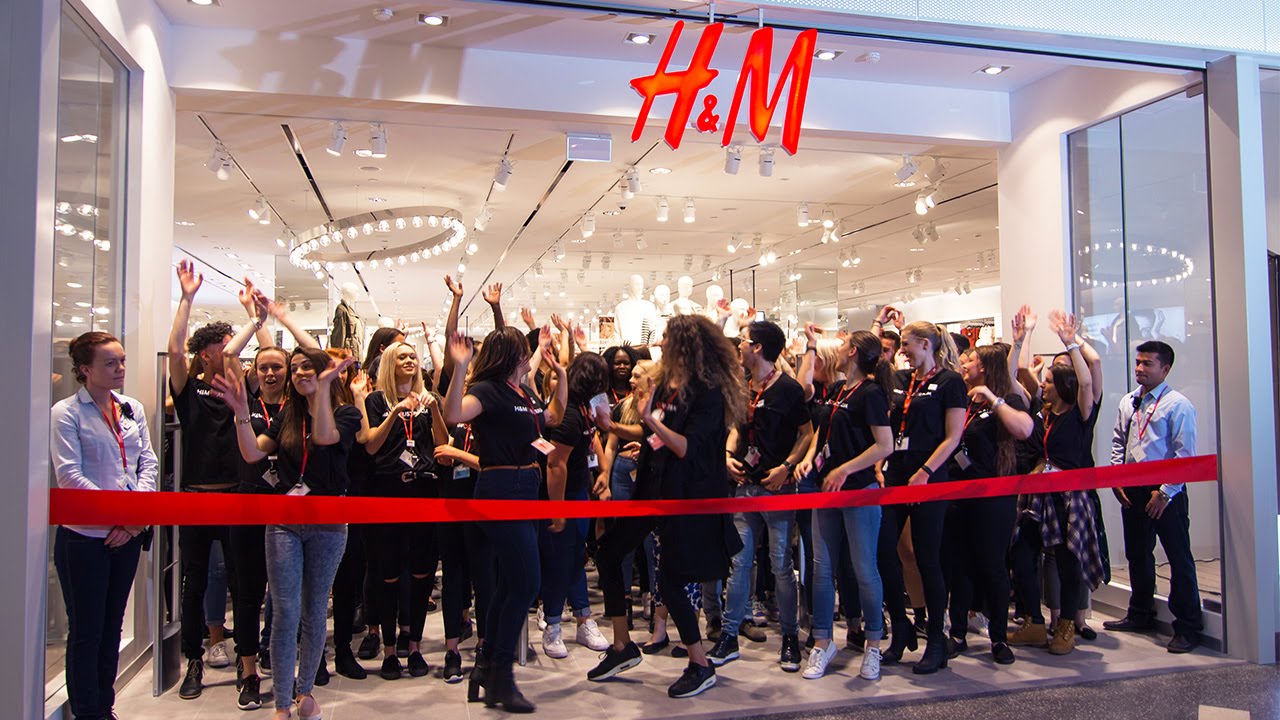
    H&M has shut its flagship Shanghai store, its latest closure in China where consumer demand has slumped amid COVID-19 lockdowns and the fast-fashion retailer has borne the brunt of a backlash against companies that refuse to use Xinjiang cotton.

    Although it was open earlier this month, the three-storey building in downtown Shanghai was on Friday boarded up with its H&M signage gone.

    The world’s second-biggest fast-fashion retailer entered China in 2007 with the opening of the Shanghai flagship store and rapidly expanded. It had more than 500 stores in mainland China early last year but its website currently only lists 376, including the flagship Shanghai store.

    The company declined to comment, citing a blackout period prior to its first-half earnings report on June 29.

    Although nearly a month has passed since Shanghai lifted a strict two-month lockdown, consumers have yet to return to malls in significant numbers.

    Chinese consumers have also beat a retreat from its products after a letter in which H&M expressed concerns about allegations of forced labour in the Xinjiang region came to light in 2021.

    Other brands that publicly disavowed Xinjiang cotton such as Inditex’s, Zara, Nike and Adidas have also suffered with Chinese netizens calling for boycotts and Chinese celebrities refusing to work with them.

    But the backlash against H&M, the first foreign retailer to express concerns, has been particularly harsh. Unlike other brands, its products remain unavailable on major Chinese e-commerce sites such as Tmall and JD.com.

    UN experts and rights groups estimate over a million people, mainly Uyghurs and other Muslim minorities, have been detained in recent years in a vast system of camps in China’s western Xinjiang region.

    Many former inmates have said they were subject to ideological training and abuse in the camps. China denies all accusations of abuse.

  • Zalando takes control of Highsnobiety

    Zalando takes control of Highsnobiety

    Zalando says the two companies will join forces to lead the way in engaging and inspiring customers, leveraging each other’s complementary strengths by bringing together Highsnobiety’s cultural relevance and insight, fashion authority and storytelling expertise with Zalando’s fashion network, e-commerce know-how and operational capabilities.

    While continuing independent operations, Highsnobiety will act as a strategic and creative consultant helping Zalando develop new inspiration-focused spaces and formats on its platform. In turn, joining the Zalando Group allows Highsnobiety to leverage Zalando’s expertise and resources to fuel its own e-commerce capabilities.

    Highsnobiety was founded in Berlin in 2005 by David Fischer as a blog that heralded the convergence of streetwear and high-end luxury fashion. Today, Highsnobiety comprises a publishing arm, creative consultancy, and a curated commerce platform. Teaming up with Highsnobiety will accelerate Zalando’s ambition to be a top destination for streetwear, new luxury, and fashion inspiration, especially for the younger, fashion-forward consumers.

    “Both of our companies share a passion for building strong brand partnerships and enabling brands to inspire audiences with their products and stories. Partnering with Highsnobiety will allow us to execute much faster on our ambition to offer the most relevant and engaging – as well as convenient – shopping experience to our customers,” says David Schneider, Zalando’s founder and co-CEO.

    As part of the deal, Highsnobiety will retain its editorial and curational autonomy, with the publishing and agency work remaining fully independent. Highsnobiety will continue to be led by its two managing directors, Fischer and Jürgen Hopfgartner, and Fischer will retain a minority stake in the business.

    Last month, co-CEO of Zalando Robert Gentz said the company remains confident it will achieve its ambition to reach more than EUR30bn (US$31.8bn) Gross Merchandise Volume (GMV) by 2025, despite the impact of macroeconomic factors in the first quarter.

  • Cult skincare brand MooGoo launches into New Zealand

    Cult skincare brand MooGoo launches into New Zealand

    As of this month New Zealanders are now able to walk into pharmacies across the country and buy one of Australia’s most popular skincare lines, MooGoo, as the number of Kiwis with skin disorders is on the rise.

    New Zealand has one of the highest incidence of eczema in the world, with the skin condition now affecting one in three Kiwis, and around 15% of children.

    MooGoo CEO Melody Livingstone says the brand’s expansion into New Zealand was driven by strong interest from local customers.

    “Given the climate in New Zealand, with so many people suffering from skin conditions, we fast-tracked our entry,” says Ms Livingstone.

    “The climate is very similar to Ireland, which per capita is our biggest market outside of Australia,” she added.

    MooGoo has more than 45 natural products that help a range of skin problems, including eczema and psoriasis. All of them are now available online in New Zealand, and more than half the range will be stocked on shelves.

    In Australia demand for the products has skyrocketed, with the company seeing some 30% growth and it’s now stocked in just about every pharmacy across the country.

    “Consumers are becoming a lot more knowledgeable about product ingredients and are increasingly seeking natural and eco-friendly treatments and remedie,” explains Ms Livingstone.

    “There’s also been a lot of anxiety surrounding the pandemic, which seems to have caused an increase in eczema, psoriasis and other skin flare-ups.

    “We’re also hearing a lot of people talking about acne and perioral dermatitis, caused by heat, moisture, friction, trapped dirt and bacteria from wearing a mask for long periods of time and also suffering with painful cracked hands from continuous hand sanitising and washing.

    “The crazy weather conditions haven’t been helping either.”

    In Australia, MooGoo products are also used in neonatal, paediatric and oncology wards and in the UK the business is supported by the British equivalent of the Medicare – the NHS.

    “At MooGoo, our ingredient philosophy is simple – to make effective products with healthy ingredients for you, your loved ones and the environment,” adds Ms Livingstone.

    “We understand all consumption has an impact, and our goal has always been to minimise our impact on the environment.”

    MooGoo products can now be purchased at 58 New Zealand pharmacies and health stores, it is also available online at www.moogoo.com.au
  • Uniqlo owner to raise prices on fleece products due to weak yen

    Uniqlo owner to raise prices on fleece products due to weak yen

    The owner of Japanese clothing brand Uniqlo said on Tuesday it will raise prices on some goods this fall, reflecting increasing cost pressures from the weak yen and logistical hurdles.

    Prices on fleece goods and down jackets in the fall/winter product lines will go up by 1,000 yen (US$7.54), a spokesperson confirmed, after an earlier report by the Jiji news service. The company is also increasing the use of recycled polyester in its fleece products to keep costs down.

    Consumer prices are surging in Japan after decades of deflation, driven by the yen’s drop to a 20-year low against the dollar and soaring energy costs.

    Fast Retailing has competed on low-cost basics like socks and underwear for decades, but its executives have warned recently that rising production costs would necessitate price hikes.

    Founder Tadashi Yanai in April railed against the decline in Japan’s currency, saying there was “absolutely no merit” in a weak yen.

  • H&M Group tests new tech in US Cos stores

    H&M Group tests new tech in US Cos stores

    H&M Group is piloting tech-enabled shopping solutions across its US Cos stores as part of its strategy to tap into the in-store technology-driven retail experience, to deepen its customer relationships.

    The initiatives include seamless payment options, personalised styling recommendations, faster checkout and upgraded delivery and return options.

    “We are developing and imagining how Cos retail spaces can inspire our customers, both now and in the future,” said Lea Rytz Goldman, MD at Cos. “Our ambition is to pilot new technologies that allow us to meet and exceed our customers’ in-store shopping expectations.”

    The program was first tried at the Cos Beverly Hills store, where fitting rooms are equipped with smart mirrors that recognise products brought into the room and allow customers to request items without having to leave the room. Meanwhile, there are other types of mirrors used for virtual try-on and styling.

    “With Cos Beverly Hills, we have seen first-hand how our customer experience can be elevated with tech enhancements. As a result, these innovations will be rolled out in more Cos’ US stores this year,” Goldman added.

    Chief technology officer at H&M Group, Alan Boehme, said the group will test a new frictionless and personalised shopping experience throughout this year.

  • Owndays launches premium concept store in Singapore

    Owndays launches premium concept store in Singapore

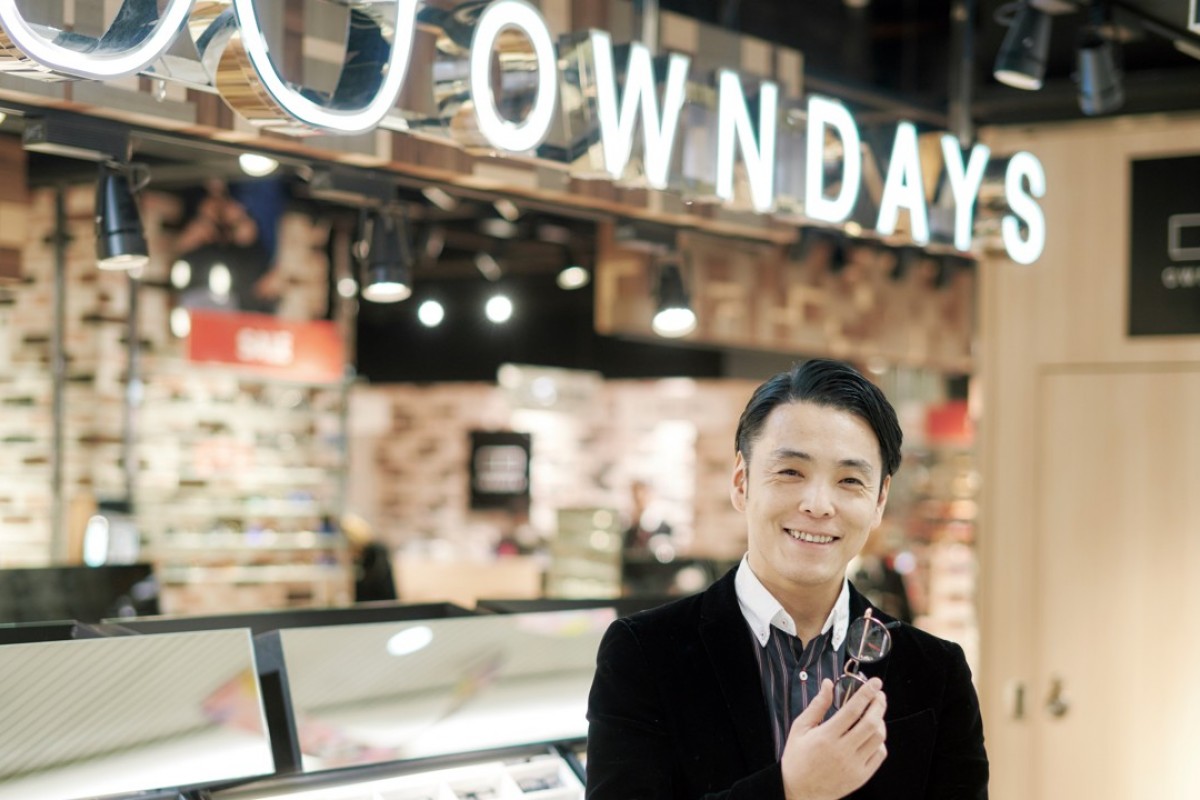
    Japanese fast fashion eyewear brand, OWNDAYS, is pleased to announce the opening of a new store at Takashimaya S.C., Ngee Ann City. This will be the brand’s second premium concept store in the world and its 33rd store in Singapore. The new store will open to public on 20 May 2022 and will house a collection of made-in-Japan eyewear and premium ophthalmic lenses curated exclusively for its premium concept stores.

    The Takashimaya S.C. store mirrors the concept of “Japanese Luxury” originally introduced at its first premium concept store at Marina Bay Sands, offering a premium eyewear shopping experience topped with Japanese hospitality and an extended product offering. Drawing inspiration from Ryoanji Temple, an UNESCO World Heritage Site and a popular attraction in Kyoto, Japan known for its famous rock garden, the new store features a distinct Japanese-styled aesthetics that pays homage to the origins of the brand while incorporating a touch of luxury.

    The main retail floor is flanked by a dry landscape complete with rock arrangements, gravel, moss and shrubs to achieve the Zen Garden interior. Beige wood elements are also heavily featured in the store interior to emphasise a sense of traditional Japanese-ness.

    Také Umiyama, Managing Director/COO of OWNDAYS INC. said, “The Takashimaya S.C. store reflects the core value of OWNDAYS, which is to constantly evolve and innovate in order to deliver quality eyewear to consumers at the best value. With a store that is located right in the heart of Orchard Road, it allows us to make well-designed, good quality eyewear more accessible to our customers. Besides, the new store is a space where we hope local consumers could enjoy a complete Japanese experience without having to physically travel to Japan. We welcome customers to visit the store even when they are not looking to purchase any spectacles and just to feel transported to Japan.”


  • Zilingo on the brink as loan recalled, financial advisor appointed

    Zilingo on the brink as loan recalled, financial advisor appointed

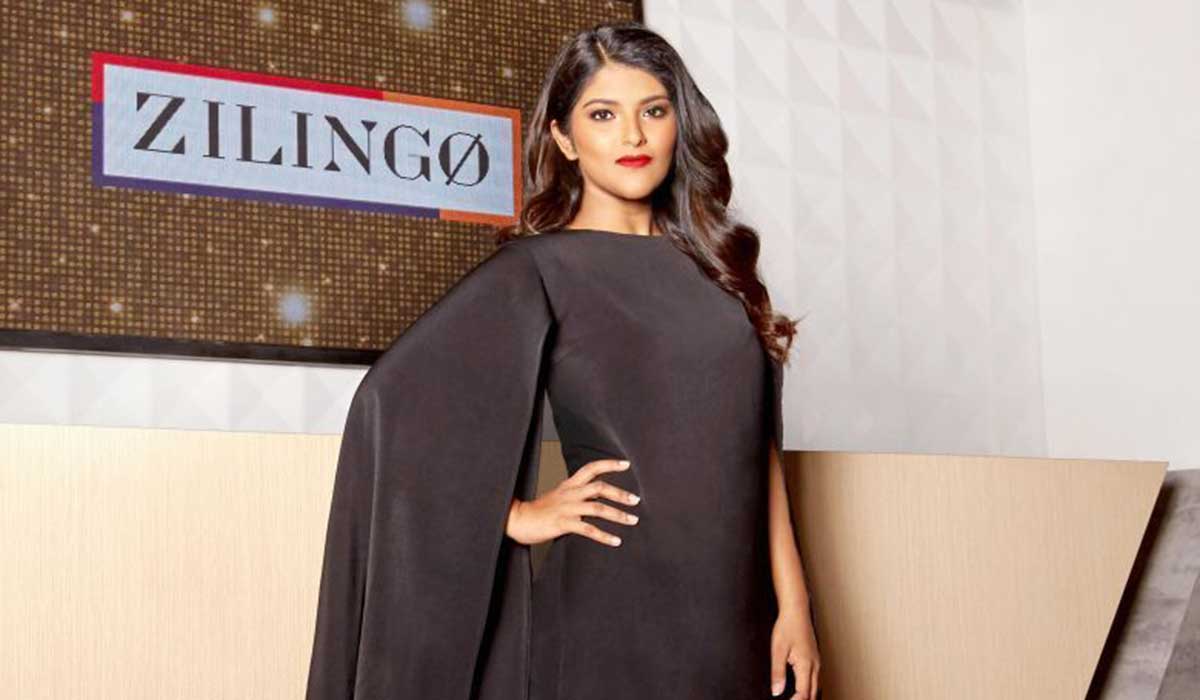
    Creditors of Zilingo Pte have decided to recall all of their loan, prompting the company’s board to appoint an independent financial adviser for options for the troubled Singapore-based fashion tech startup.

    “Due to Zilingo’s failure to fulfill prior obligations under the loan agreement, the company’s lenders have made the decision to accelerate the repayment of the entire loan,” Zilingo’s board said in a statement on Friday. “Further, the board has appointed an independent financial adviser to explore options for the company.”

    The development underscores a deepening crisis at Zilingo after Chief Executive Officer Ankiti Bose, 30, was suspended from her duties on March 31 while the firm’s board investigates the startup’s accounting practices. Kroll Inc. has been appointed to carry out the probe.

    Bose, who denies any wrongdoing, said in a statement to Bloomberg News that no debt repayments were missed when she was still the CEO.

    “The first event of default notification was after my suspension,” she said, adding that the creditors recalled debt on May 11. “There were several means of curing the event of default. However, it seems that the interim leadership possibly did not act on them.”

    The investigation into allegations against Bose is close to being completed, according to the board’s statement.