Tag: Fashion

  • Sportswear retailer Li Ning eyes in-store coffee brand

    Sportswear retailer Li Ning eyes in-store coffee brand

    As coffee gradually penetrates Chinese people’s daily life in recent years, some none-catering companies are starting to utilize the potential of this newly booming industry.

    Sportswear brand Li-Ning bursts into the coffee industry this year with Ning Coffee landing in its several offline stores in Beijing, Xiamen and some areas in Guangdong province.

    Li-Ning said it hopes to improve customers’ comfort level when shopping by optimizing its in-store services.

    In early February, China Post opened its first cafe in Xiamen, Fujian province, and will continue to open more stores in Beijing and Shanghai.

    Tongrentang, a traditional Chinese medicine pharmacy with a history dating back over 350 years, opened a shop featuring herbal coffee in 2020.

    According to market consultancy iMedia Research, China’s coffee market totaled 381.7 billion yuan in 2021, and is expected to maintain a high-speed development with a growth rate at about 27.2 percent.

  • Adidas seals long-term partnership with Foot Locker

    Adidas seals long-term partnership with Foot Locker

    Adidas, a global leader in the sporting goods industry, and Foot Locker, Inc. (NYSE: FL) (“Foot Locker”), the New York-based specialty athletic retailer, today announced a new and enhanced partnership built around product innovation, elevated experiences, and deeper consumer connectivity. This enhanced relationship will establish Foot Locker as the lead partner for adidas in the basketball category, accelerate energy and hype launches, as well as include the development and expansion of key franchises across women’s, kids, and apparel. Including all Foot Locker banners in North America, EMEA, and Asia-Pacific, the new strategic partnership will target over $2 billion in retail sales by 2025, nearly tripling levels from 2021. In 2022, adidas expects to generate incremental revenues of up to €100 million as a result of the new partnership.

    “We are delighted to be deepening our partnership with Foot Locker as we continue to execute our ‘Own the Game’ strategy,” said adidas CEO Kasper Rorsted. “Consumers will be at the heart of this exciting collaboration and will be able to experience the adidas brand and its key product franchises, as well as new product innovations, at Foot Locker, stronger than ever before.”

    “We are excited to build on our partnership with adidas as we continue our strategy to broaden our selection of footwear and apparel for the sport and sneaker communities,” said Richard A. Johnson, Chairman and Chief Executive Officer of Foot Locker, Inc. “This close partnership will enable us to bring consumers even more unique, pinnacle products from iconic brands, as well as accelerate our push into apparel, adding new dimension to our assortment and bringing more customers into our ecosystem.”

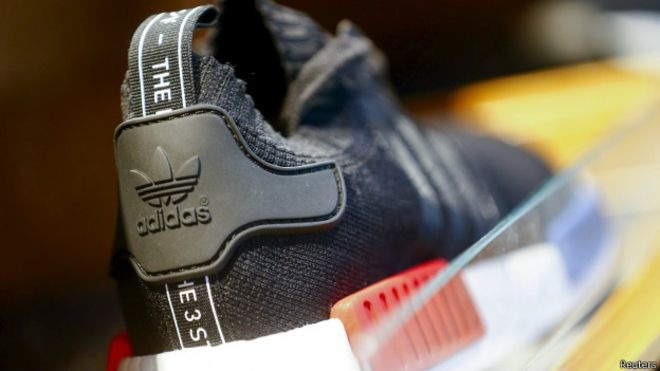
    Foot Locker will lead adidas’ basketball offering, led by Fear of God founder and designer Jerry Lorenzo, spanning the lifestyle and performance categories, and develop exclusive positions in both areas. In addition, the collaboration will focus on key Originals franchises including NMD, Superstar and Stan Smith, and on the adidas influencer partnership portfolio. It will also include a prominent role for Foot Locker in the launch of adidas’ new Sportswear product division targeting the lifestyle consumer.

    To execute the new plan, adidas will provide Foot Locker with a dedicated team to deliver an elevated consumer experience both in stores and online to help create demand and elevate the marketplace. This will involve partnership on product development, exclusive Foot Locker positioning, increased product allocations, shared marketing spend, and an elevated premium presence across Foot Locker’s entire portfolio of banners with a special focus on key cities and communities that the companies jointly serve. Lastly, to provide consumers with a seamless consumer journey, on and offline, both partners will increase their digital focus and accelerate the rollout of the adidas partner program at Foot Locker.

  • Hugo Boss thrives as it successfully connects with Gen Z

    Hugo Boss thrives as it successfully connects with Gen Z

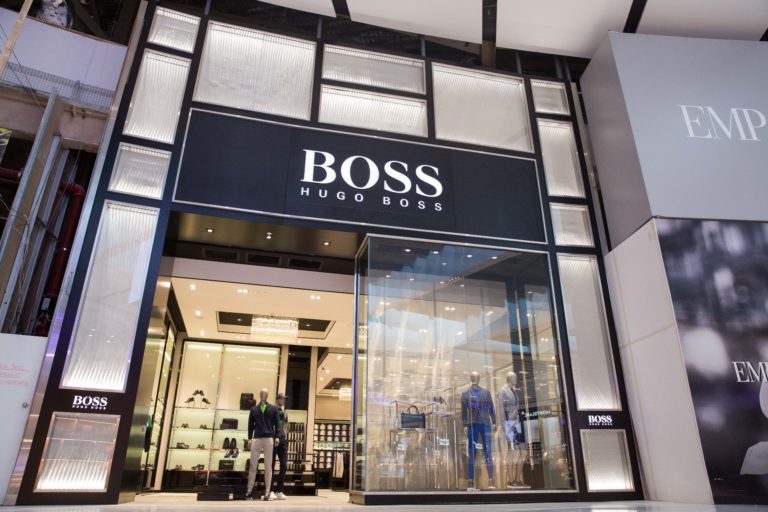
    Hugo Boss is making an executive decision. Under the leadership of CEO Daniel Grieder, who joined the almost 100-year-old German company in June of 2021, the clothing brand will get a new look aimed at millennials and Gen Z, who tend to be a more digitally wired audience. The executive who spent two decades at Tommy Hilfiger, reveals the new direction for its brand which effectively more clearly delineates Hugo Boss into two brands, Boss and Hugo, complete with new logos as part of its ambitious growth plan 2025 goal.

    While the split will result in two distinct labels, Boss and Hugo, it’s not the first time the brand had derivatives of the main brand Hugo Boss. Case in point, Hugo, Boss and Hugo Boss have all existed prior under the group with various labels such as Orange, Green, Red to denote the product’s use. In this new version, Boss will be firmly aimed at Millennials age 25-40 and Hugo at under 25 Gen Zs. It’s not clear where that leaves Boomers and Get X who appreciate the brand. Theoretically, Boss would be their go-to.

    Boss launched the new look with the Spring/Summer 2022 #BeYourOwnBoss campaign. The portrait-based series was shot by fashion photographer Mikael Jansson and shot on sets around the globe with celebrity lineup including Future, Hailey Bieber, Kendall Jenner, Joan Smalls, and more. The creative release is the first visual representation of the brand refresh. After almost 50 years, Hugo Boss is introducing a new logo for its core brand Boss along with a rebrand across all consumer touchpoints.

    The #HowDoYouHUGO campaign, also shot by Jansson, features South Sudanese top model Adut Akech, rappers Big Matthew, SAINt JHN, and American dancer Maddie Ziegler. A couple in real life, this is the very first time Akech and SAINt JHN are featured together in a campaign. Hugo also sports a new look for the first time since being first introduced in the early 1990s. Both logos feature a bolder, more graphic typeface conveying a more contemporary look and impactful visual experience.

    Grieder, based in Zurich, corresponded with me via email to share what’s driving this new shift for the slick, stylish label worn by ‘bosses’ of all kinds and genders for the last century.

  • Shein unveils a purpose-led clothing range

    Shein unveils a purpose-led clothing range

    SHEIN, an online retailer of fashion, beauty and lifestyle products, today announced the launch of evoluSHEIN, a purpose-driven collection available to SHEIN customers around the world beginning April 29. With inclusive sizing, responsibly sourced materials, and the collection supporting women’s empowerment projects worldwide, the new line will be an affordable option for customers seeking to make a positive impact with their product choices.

    By shopping the evoluSHEIN line, customers can proudly say they are supporting the work of Vital Voices – a leading international non-profit that invests in women leaders taking on the world’s greatest challenges, including gender-based violence, the climate crisis, economic inequities, and more.

    The first release of evoluSHEIN clothing will feature recycled polyester – a fiber obtained from plastic waste. To produce the fabric, materials such as used plastic bottles are carefully cleaned, shredded into pieces, melted down, and spun into polyester fiber. Compared to virgin polyester production, the recycled polyester process requires less source materials and significantly reduces the amount of water and energy needed. Reducing waste and introducing recycled materials are key pillars of SHEIN’s vision of a circular economy and a sustainable future for accessible fashion. EvoluSHEIN will serve as a testing ground for new purpose-drive innovations SHEIN will be adopting throughout its greater collection.

    These evoluSHEIN recycled polyester pieces and packaging have been produced exclusively with suppliers certified to the Global Recycled Standard (GRS). This globally recognized certification supports traceability of recycled material through all stages of the supply chain, and sets strict social and environmental requirements. The GRS is managed by Textile Exchange, a global non-profit leading the apparel industry toward a more sustainable future. With more than 700 members representing leading brands, retailers, and suppliers in the industry, Textile Exchange is a force for collaboration and positive impact, and SHEIN is proud to be a member of this community.

    “We are committed to building a more responsible fashion ecosystem,” said Adam Whinston, Global Head of Environmental, Social and Governance at SHEIN. “Launching evoluSHEIN is one important step in our sustainability commitments this year, which touches on each of our key focus areas – protecting the environment, supporting communities, and empowering entrepreneurs. We invite all our partners and customers to join us in the journey.”

    Founded in 2012 as an e-commerce retailer with the mission of making the beauty of fashion accessible to all, SHEIN’s strategic small-batch production and digital retail model have helped the brand avoid many of the environmental impacts associated with traditional retail store footprints. Over the last ten years, SHEIN has advocated for a fashion revolution and developed tools to help suppliers with advanced technologies that support the planet. These collective efforts include turning traditional factories into agile supply chains with collaborative technology systems that drastically reduce inventory waste and help conserve natural resources in the production process.

    Customers worldwide are invited to join the evoluSHEIN starting April 29. The initial evoluSHEIN product line will feature women’s tops, dresses, and bottoms, with extended sizes dropping early this summer. SHEIN plans to expand the line to more than 1,500 product SKUs by the end of September 2022, with future evoluSHEIN styles featuring additional preferred materials options, including forest-safe viscose, consciously cultivated cotton, and additional certification programs for recycled fibers.

  • Hugo Boss the latest lux brand to launch resale offer

    Hugo Boss the latest lux brand to launch resale offer

    Luxury fashion brand Hugo Boss has committed to a premium resale platform, which is set to launch in the third quarter of this year, encouraging customers to buy pre-owned items.

    According to the company, resale is a fast-growing market that helps reduce the fashion industry’s impact on the environment. Hugo Boss expects the initiative to extend its products’ life cycle and help limit its resource consumption.

    The online platform allows customers to return their used items to Hugo Boss in return for a credit that can be spent online on new or pre-owned items, or in-store. After a quality check, the pre-owned products will be sold on Hugo Boss Pre-Loved and ready for their second life in a new wardrobe.

    In addition, Hugo Boss will also launch a care and repair service to help customers cover the repair of their clothes and ensure the items can last longer.

    These are parts of Hugo Boss’s broader strategy unveiled on Earth Day to enhance its circular business model. The German fashion house also reports its circular products must meet three requirements: being made from renewable or recycled materials, being fully recyclable, and designed for longevity.

    “The high quality of our products allows them to have several lives, and our entry into the growing resale market is a natural step for us as a company,” said Heiko Schafer, COO of Hugo Boss.

  • Chinese shun foreign brands

    Chinese shun foreign brands

    Catwalks canceled, showrooms closed, stores shuttered: the pandemic has led to massive disruption across the fashion industry. Even in China, which has coped with the pandemic better than many countries, multi-brand store buyers have been forced to place orders online, rather than in the showroom. And they don’t like it much.

    All this has led many Chinese fashion buyers to order more conservatively this year or ignore international brands and opt for local Chinese labels.

    Olivia Chen, head of Assemble by Réel, a high-end store in Shanghai’s centrally-located Réel Mall, says that virtual ordering makes her feel like something is missing. “In a showroom, you’re immersed in an environment that conveys the season’s atmosphere. We can use a variety of sensory clues to gain insight into the story the designer wants to convey,” says Chen. “These elements create a certain kind of atmosphere, one that has a lasting and powerful influence. Images and other materials related to remote purchases can evoke some of that feeling, but it can’t achieve a high degree of resonance.”

    Chen emphasises the difference between an image of a product and the product in real life, whether it’s in the weight of the fabric or the way the fabric moves on the body.

    Eric Young, head of high-profile designer store Le Monde de SHC in Shanghai, agrees. “Many times you have no choice but to judge a product from a photo or small picture, but even with Zoom, the imaging quality of different showrooms is actually very different,” he says. In Paris, he points out, a whole series of brands can be viewed in the space of a day. By contrast, online ordering is a long repetitive process of frustration. “In the end, one grows numb to viewing things online,” he says.

    More buyers would prefer to make the long trip to Europe for a more immersive experience — it would let them buy more boldly, explore new hot brands and interact with designer brands on a more personal level. Frustrated that they can’t travel, some buyers have come up with alternative solutions: from the AW21 season, Shanghai buyer store Eth0s set up a small showroom for 15 foreign brands including Geoffrey B. Small, Marc Le Bihan and Antonio Marras.

    Chen also notes that extra materials are being provided to improve the online experience. “The main change since the pandemic started is that brands are providing auxiliary materials before a Zoom meeting, including introductions to a line, lookbooks and fabric samples,” she says.

    As Chen notes, a shift to online ordering already predated the pandemic to some extent. “Actually a lot of brands started doing online ordering before this,” agrees Jony, manager of Chengdu buyer store Clap. “But it’s a plan B at best. Physical ordering is still extremely necessary.”

    Like many Chinese buyers, Le Monde de SHC’s Eric Young is reluctant to take a risk with new foreign brands that he cannot physically touch and see for himself. That problem has encouraged buyers to play safe, making safer purchases. “It’s also an opportunity for local designers. As long as the lines they launch are good enough, they’ll definitely have a higher chance of getting orders than they would have before the pandemic. Shanghai Fashion Week this past April was more active than it’s ever been,” he says.

    At Eth0s, another leading Shanghai store, head Chen Fei has struggled to find the right Chinese brands that match his outlook. “We have been very committed to finding domestic brands, and we’ve met some good designers, but… we want a brand that shares our world view,” he explains.

    Chen Fei has not played safe, looking for bold special pieces to excite his customers. “Everyone was quite frustrated because of the lockdown, and we wanted to stimulate the pleasure they get from consuming. And we wanted customers to be happier.”

    Chen Fei argues that the brands, rather than store buyers such as himself, have played it safer. “One thing that got more conservative was their style designs; another was their business decisions,” he says.

    In Chengdu, Clap has reduced its budget for foreign designer brands by 30 to 50 per cent — instead, Clap has bought local high-impact brands. Fashion pieces with strong graphics are often bestsellers, says Jony. “Such styles may excite customers more easily, because when you’re not sure about the line itself or the fabric, the easiest way to decide what you’re going to buy is through graphic design.”

    Olivia Chen of Assemble by Réel believes that if an effective purchasing programme is maintained, sales can be guaranteed. Post-pandemic, Assemble has maintained a sell-out rate of around 85 per cent.

    The current situation has some time to run yet. Even the most optimistic forecasts do not predict normal travel resuming before the beginning of 2022. That means at least another season or two of ordering online.

    With that in mind, Chen Fei believes brands should find better ways of presenting every detail of their clothes, especially more high-priced products. “If we can’t see the brand information clearly, it’s possible we’ll consider reducing our order, but where the information is clear, we feel quite confident about placing an order. For example, Rick Owens is very good — they have a representative in China and will try to provide very complete information. For example, if a style has five fabrics they’ll do their best to provide samples. We’ve bought from them for a long time. We even know the body shape of the model the brand uses, so there won’t be any big deviations in our orders.”

    Foreign showrooms are looking to enter the Chinese market. At Shanghai Fashion Week in April, Antwerp agency Up Next brought a number of brands, including Casablanca, Botter and Sweetlimejuice.

    Fresh design ideas and exciting new brands remain a driving force for the most fashion-forward stores. While easy-to-wear brands at attractive price points are likely to sell well in China, as in any market, the new generation of buyer-led stores are also serving the tastes of some increasingly sophisticated customers. “A lot of female consumers have gotten really niche in their tastes, and wear the clothes really well, better even than the brand’s own styling,” says Chen Fei. “They wear the clothes in ways the brand didn’t expect them to.”

  • Fashion Brands Turn to NFTs for Latest Marketing Campaigns

    Fashion Brands Turn to NFTs for Latest Marketing Campaigns

    What exactly are NFTs?

    More and more brands are turning to digital trends to reach out to their audiences. Where many businesses are innovating how consumers experience their brand in the metaverse, others are dipping their toes into the uncharted world of NFTs.

    Before diving into tech-savvy terminology, let’s talk about what an NFT is exactly. An NFT is a digital format artists and businesses use to create all sorts of digital art, including pictures, GIFs, videos, music, games, and in some cases, virtual land. Often, people write off NFTs as something anyone can have just by downloading the art.

    While it may be true that art enthusiasts can download a piece of art, it’s important to remember it’s not the NFT itself. That’s to say, it is a copy of the NFT, but it is not the original. To demonstrate ownership of a piece of original art, owners can consult the blockchain technology that proves their connection to the artist and the piece.

    To give a real-life example, owning an NFT is like owning Michelangelo’s David. While anyone can make an exact copy of it or take pictures of it, there is only one owner. In the case of the famous marble statue, that owner would be the Italian government, which has the corresponding documents needed to prove its ownership. The same principle applies to NFTs.

    Similarly, in the fashion industry, owning original or limited edition pieces is part and parcel of what makes big brands like Louis Vuitton, Gucci, Burberry, and Hugo Boss as in demand as they are. The logical next step in their marketing strategy would be diving into NFTs, which favour and exude exclusivity.

    Louis Vuitton Releases Video Game

    To celebrate Louis Vuitton’s 200th birthday last summer, the emblematic brand released a mobile game app where players could learn about its rich history, play mini-games, and earn the chance to win Louis Vuitton NFTs, including postcards and avatars.

    The luxury fashion house has announced that players who reach a certain amount of points will be given the opportunity to enter a raffle, which will end on August 4th of this year. Ten random winners will be awarded Louis Vuitton NFTs of the game’s main character, Vivienne, the company’s logo fashioned into an adorable mini humanoid figure.

    Creating video games, which provide consumers with an intimate and interactive way to engage with the brand’s history and values, also puts the brand in favour of increasingly popular digital platforms and experiences like the Metaverse. Louis Vuitton appears to be taking the digital market and Metaverse by the reigns, its marketing strategy paving the way for other fashion houses.

    Top Fashion Brands Embrace NFTs

    Among many high fashion brands rushing to use NFTs in their marketing strategies, Burberry was one of the first to collaborate with the gaming industry. Joining forces with Mythical Games, Burberry created NFTs for Blankos Block Party, an online multiplayer shooter game. The NFTs feature a cute, human-shark hybrid surrounded by liquid silver and sporting Burberry logo print on its fins.

    Another brand that has taken to the thriving world of digital art is Hugo Boss. Like Burberry, Hugo Boss collaborated with Boss Beauties to create an NFT in an effort to help young, marginalized women succeed in the workplace. The NFT depicts a classic white t-shirt, with a confident young woman in the centre. Both brands intend to auction the NFT online and with the earnings, fund their Dream Like A Boss programme, which will provide young women with the resources they need to succeed in professional environments.

    IMAGE HERE>>>>>>https://images.unsplash.com/photo-1642525027649-00d7397a6d4a?ixlib=rb-1.2.1&ixid=MnwxMjA3fDB8MHxzZWFyY2h8NHx8bmZ0fGVufDB8fDB8fA%3D%3D&auto=format&fit=crop&w=600&q=60 >>> Photo

    The Future of NFTs in Fashion

    As experts, artists, and brands learn more about the Metaverse and the digital marketplace at large, it is still too early to tell in what direction NFTs will take art and fashion. In any case, it’s safe to say that in the few short years that NFTs have been accessible to the public, they have taken the market by storm.

    Considering the incredible advancements Bitcoin has reached in under fifteen years, NFTs seem to be following a similar path, gaining more and more relevance at an accelerated rate. Whether they might seem like an outlandish idea that’s too difficult and intangible to imagine its practical use, there’s no arguing that the new digital format is here to stay. Especially for their valuable assets for marketing and PR strategies, NFTs have built a niche tailor-made for the fashion industry.
  • Uniqlo owner sees big profit drop in China due to Covid restrictions

    Uniqlo owner sees big profit drop in China due to Covid restrictions

    Clothing brand Uniqlo’s Japanese owner said on Thursday its China operation would report a large profit decline in the current fiscal year owing to the country’s Covid-19 restrictions.

    Fast Retailing < is a bellwether for how major global retailers are being impacted by Covid-related shutdowns in China, one of the biggest growth markets for many Western brands.

    China is Fast Retailing’s biggest foreign market, with 863 stores on the mainland and almost 90 outlets in Shanghai, where stringent lockdown measures, introduced in late March, remain in place to contain the country’s worst outbreak of the pandemic.

    The fast fashion retailer said it expects revenue declines and a large drop in profit in its Greater China segment in the second half and for the whole of fiscal 2022 due to Covid restrictions.

    Sales in Greater China region which includes Hong Kong and Taiwan struggled in March, as up to 133 stores were temporarily shut down.

    Fast Retailing has more Uniqlo stores in China than in its home market of Japan. It opened a flagship store in Beijing in November, its third megastore in mainland China, and plans to open 100 locations in the country each year going forward.

    The weakening yen and higher costs for raw materials and shipping have forced Fast Retailing to consider price hikes, a major shift for a company that has long competed on the inexpensiveness of basic items like socks and underwear.

    The company reported a record half-year profit on Thursday, buoyed by sales growth in North America, Europe, and other parts of Asia, while revenue and profit declined in China.

    Operating profit climbed 18 per cent to 189 billion yen ($1.51 billion) in the six months through February from a year earlier.

    The company maintained its full-year profit forecast at 270 billion yen. That compares with a consensus forecast for a

  • Uniqlo owner sees big profit drop in China due to Covid restrictions

    Uniqlo owner sees big profit drop in China due to Covid restrictions

    The owner of Japanese clothing brand Uniqlo on Thursday flagged a big profit drop in China due to COVID-19 restrictions, while its chief executive sounded alarm about the weakening yen’s potential to drive up costs.

    Fast Retailing is a rare bellwether for both global retailers in China, its biggest foreign market, and consumer demand in Japan, where it has carved out a dominant position by offering casual clothing to famously price-conscious shoppers.

    It and other multi-national retailers are now being forced to deal with lockdown measures in China. Fast Retailing has 863 stores on the mainland and almost 90 outlets in Shanghai, where strict measures, introduced in late March, remain in place to contain the country’s worst outbreak of the pandemic.

    McDonald’s and Starbucks, which each have dozens of outlets in Shanghai, have also been impacted as has production for retailers such as H&M, and Nike.

    Fast Retailing said it expects revenue declines and a large drop in profit in its Greater China segment in the second half and for the whole of fiscal 2022 due to COVID restrictions.

    Sales in the Greater China region, which includes Hong Kong and Taiwan, were hit in March, as up to 133 stores were temporarily shut.

    It has more Uniqlo stores in China than in Japan. It opened a flagship store in Beijing in November, and plans to open in 100 locations in the country each year.

    Separately, luxury brand Hermes said it had a strong start of the year in China until the beginning of March and is confident stores closed in Shanghai will reopen quickly.

    But the weakening yen and higher costs have forced Fast Retailing to consider price rises, a major shift for a company that has long competed on price.

    “There’s absolutely no merit to a weak yen,” Chief Executive Tadashi Yanai told reporters.

    “Japan is engaged in the business of importing raw materials from all over the world, processing them, adding value to them, and selling them. In this context, there is no advantage if the value of a country’s currency weakens.”

    The yen has been hammered this year, falling to the weakest level in almost 20 years against the dollar. For many Japanese companies that manufacture offshore – like Fast Retailing – the weak yen is less of a benefit than for traditional exporters.

    The company reported a record half-year profit on Thursday, buoyed by sales growth in North America, Europe, and other parts of Asia, while revenue and profit declined in Japan and China.

    Operating profit climbed 18% to 189 billion yen ($1.51 billion) in the six months through February from a year earlier.

    The company maintained its full-year profit forecast at 270 billion yen. That compares with a consensus forecast for annual profit to total 278 billion yen, according to a Refinitiv poll of 11 analysts.

    The Ukraine crisis has created another headwind, leading the company to close its 50 stores in Russia, after it initially resisted calls to exit the market along with other major brands.

    Prior to the earnings release, shares in Fast Retailing closed up 2.1%, versus a 1.2% gain in the broader market.

  • Puma South Korea names new CEO

    Puma South Korea names new CEO

    Puma Korea announced on the 12th that it has appointed Lee Na-young as its new CEO. The new CEO is said to be a sales and marketing expert with more than 20 years of experience in the distribution industry related to sporting goods and food and beverages. She has been working as a sports brand expert for domestic and global offices of Reebok and Adidas for the last 10 years or so. She joined Puma Korea in 2020 and oversaw sales and marketing operations.

    Puma Korea expects that the new CEO Lee will actively and quickly respond to the rapidly changing market conditions in line with the brand slogan ‘FOREVER FASTER’ based on his rich experience in sports goods and distribution and marketing. In particular, Puma reflected an active and quick response strategy not only in its products, but also in its organization and management culture. In the rapidly changing era after the COVID-19 pandemic (global pandemic), we have organized an organization with an optimized brand and introduced a quick decision-making system. Product production has been promoted localization.

    New CEO Lee said, “While the overall growth of the sports goods and sportswear industry has been stagnant due to the recent COVID-19 impact, Puma has continued to innovate to target changing consumer tastes. We will develop an aggressive business centering on marketing,” he said.

  • Uniqlo launches online alteration service

    Uniqlo launches online alteration service

    Fashion is a great tool of self-expression, but it’s not always accessible for people with disabilities, illnesses, and injuries. Since a lot of clothes can be hard to put on when your mobility is limited, there are very few clothes available, and a lot of disabled people, especially in Japan, have a hard time finding clothing that’s easy to wear but also stylish.

    That’s why former Uniqlo employee Teppei Maeda started clothing alterations service Kiyasuku, which translates as “easy to put on” or “easy to wear.” After discussing clothing options for people with disabilities with a hearing-impaired coworker, Maeda decided to interview hundreds of people to learn more. That’s how he found out that the biggest fashion challenge for people with disabilities is that there just aren’t enough types of clothes they can wear.

    So Maeda began to think about what he could do to help, and that’s how Kiyasuku, Japan’s first-ever online tailoring service specifically for individuals with disabilities, was born. The company offers to modify the parts of clothes that make them difficult to put on. For example, they can alter T-shirts and sweatshirts so that they open up in the front, and remove zippers and buttons and replace them with velcro. They can work with all kinds of garments, from casual wear to outerwear. That’s a service that’s hard to find.

    The order process is also extremely easy and all done online. Once you have an item of clothing you want to be altered, you access the website, indicate what alterations you want, and choose your tailor. After a digital meeting with the tailor through the website, you send off your clothes via the post, and they’ll fix it up for you and send it back.

    The staff at Kiyasuku are highly dedicated to the cause with an earnest desire to help people in need, so you can rest assured that your clothing will be well taken care of. One member is even the parent of a child with a disability, who learned to sew by altering clothes for their child.

    Kiyasuku sounds like a great service that lets people wear clothes they want to wear, not just because it’s something they’ll be able to wear. Want to wear the latest Pokemon graphic tees from UNIQLO, but can’t pull them over your head? Want to be comfy and stylish at home with hakama pajamas but find them tricky to get on? Or have you always wanted to go gothic lolita but never thought you could be able to put all the different pieces together? Kiyasuku can probably help.

  • Sephora makes Vietnam debut

    Sephora makes Vietnam debut

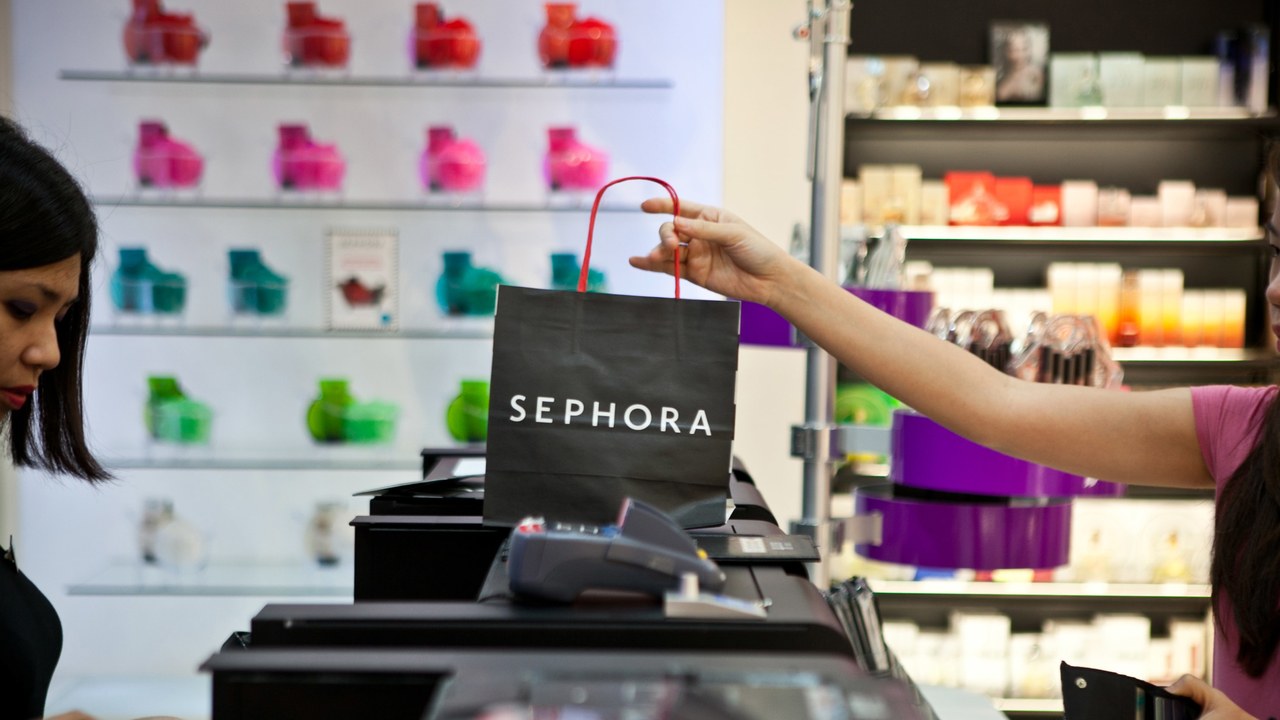
    Beauty retailer Sephora has entered the Vietnamese market with a dedicated ecommerce store after an initial trial period of five months.

    Local customers can now buy directly from Sephora online, but there is no word yet on whether the global brand will open a physical store.

    About 90% of Vietnam’s cosmetics market is filled with foreign brands, led by South Korean products and followed by European and Japanese names. Market revenue, on the other hand, is pegged at US$514 million.

    Sephora enhanced its Asian presence in 2019 with debuts in South Korea, Hong Kong, and New Zealand. It now has 200 stores in 16 Asian countries.

  • Shein overtakes Intidex, H&M with $100 billion valuation

    Shein overtakes Intidex, H&M with $100 billion valuation

    A Chinese fast-fashion company without a global network of physical stores of its own is seeking a valuation that could be more than the combined worth of high-street staples Hennes & Mauritz AB and Inditex SA’s Zara.

    Shein, an online-only retailer of inexpensive clothes, beauty and lifestyle products that pumps out over 6,000 new items daily, is in talks with potential investors including General Atlantic for a funding round that could value the company at about $100 billion, Bloomberg News reported Sunday.

    Should Shein succeed with the round, it would make the decade-old brand about twice as valuable as Tokyo-based Fast Retailing Co. — the owner of Uniqlo — which last year had more than 2,300 outlets in 25 countries and regions. It would also make Shein the world’s most valuable startup after ByteDance Ltd. and SpaceX, according to data provider CB Insights.

    While funding rounds indicate the value of a business broadly, initial public offerings offer a sharper peek into whether a wider base of investors shares the same enthusiasm, especially after the books are thrown open to the public for scrutiny. Most manage to get the valuation they seek, if not better, but some fail. Shein hasn’t unveiled any plans for an IPO.

    Since its launch in 2012, Shein has developed an extensive network of low-cost suppliers in southern China. During the pandemic, it worked with celebrities like Lil Nas X and Katy Perry to boost its profile among Gen Z shoppers outside China.

    Early in the pandemic, Shein benefited from changes in consumer behavior, as shoppers made even more of their purchases on phones or computers. Sales more than tripled in 2020 to $10 billion, making Shein the biggest web-only fashion brand in the world.

    The new investment round would reflect the impact of a surge in sales for Shein. At the time of a funding round in August 2020, Shein had a valuation of $15 billion, according to PitchBook.

    Shein’s potentially astonishing valuation also masks some of the adverse impacts the fast-fashion industry has on the environment. Though the closely held company hasn’t commented on its carbon footprint, the sector is often blamed for its heavy reliance on petrochemicals derived from oil. Fashion accounts for up to 10% of global carbon dioxide output, according to the United Nations Environment Programme. It also accounts for a fifth of the 300 million tons of plastic produced globally each year — a product that is the backbone of polyester, which has overtaken cotton as the primary material in textile production.

    In its 2021 “Sustainability and Social Impact Report,” Shein said fashion has an undeniable impact on the planet’s health and said it’s striving for zero waste and would announce its goal by the end of this year. In December, it announced a $10 million fund to support global non-profit organizations focused on empowering entrepreneurs, supporting underserved communities, ensuring animal health and welfare, and promoting recycling.

    The Chinese brand is also facing headwinds in the U.S., with lawmakers in Washington considering legislation that could hinder its sales in the world’s No. 1 economy. The House of Representatives in February approved the America Competes Act, which includes language that would prevent Chinese companies from using a current exemption that allows tariff-free imports of packages worth less than $800.

    The Senate passed a bill without that change, though, and lawmakers have yet to reveal the terms of the final version.

    In a sign that Shein expects to enjoy continued growth in the U.S., the company recently announced plans to open a distribution center in Indiana that will employ 850 workers. Last month, Shein also agreed to a new program with Indiana University to offer fellowships to students in the university’s business school.

  • Gross margin growth helps Esprit produce first profit in five years

    Gross margin growth helps Esprit produce first profit in five years

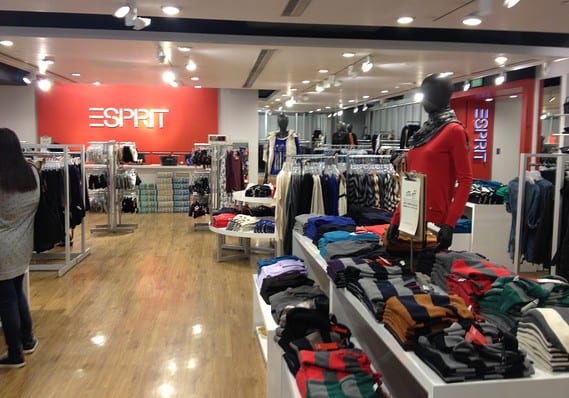
    After flagging an expected return to profitability for the full year earlier this month, Esprit on Wednesday announced its final results and said that revenues rose to HK$8.3 billion (€953m/£808m/US$1bn) in 2021.

    It didn’t give a comparable revenue figure but said that net profit surged “significantly” to $381 million. The company had made a $414 million loss in the final six months of 2020, the closest comparable period after it changed its financial year-end date.

    Revenue in the year was affected by lockdowns in the company’s major European markets in Q1 and further restrictions in Q4, but the group still generated strong revenue across all three of its channels combined (e-commerce, wholesale, and owned retail stores).

    Of course, a big chunk of sales came online — both its own and third-party sites — during lockdowns, helping it to make up for some of the negative impacts as far as physical stores were concerned. Another driver of growth came from selling fewer discounted products from the company’s retail business compared to 2020.

    Looking ahead, it expects to be negatively affected by the “lingering effects of the pandemic and the conflict in Ukraine”. The “already unstable logistics industry and disrupted supply chain” will also likely be further issues that will result in higher costs.

    But it believes it’s “on track to ongoing profit growth” nonetheless.

    CEO and COO Pal William Eui Won said: “The remarkable results are definitely a testament to the company’s collective efforts by devoted staff at Esprit, including the successful migration of selected strategic functions from Germany back to Hong Kong, Esprit’s new global headquarters.

    “Combining expertise from the two offices has created a stronger organizational balance and workplace synergy. It is also evident that the current management team has crafted the correct infrastructure to re-establish Esprit to become a market leader. We will continue to strengthen it by becoming a truly omnipresent brand and enhancing our product portfolio that fits with the company’s mission of making our customers ‘feel good to look good’.”

  • L’Occitane buys Australian skincare brand Grown Alchemist

    L’Occitane buys Australian skincare brand Grown Alchemist

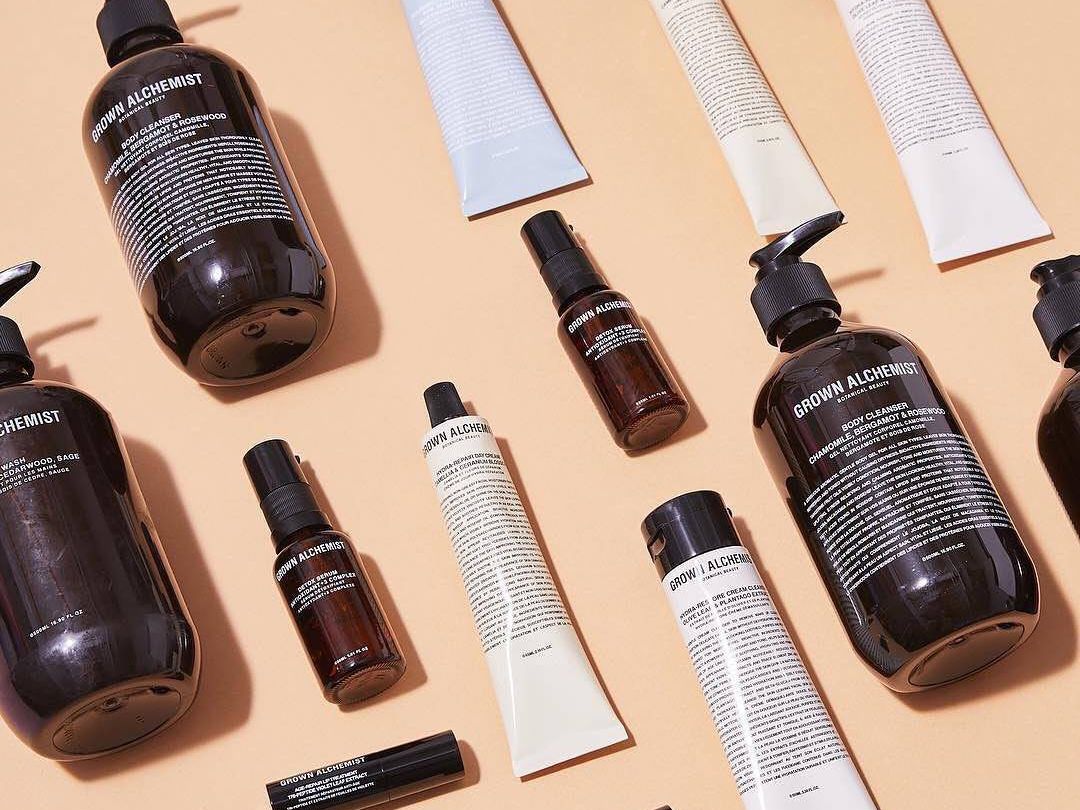
    Hong Kong-listed beauty giant L’Occitane Group has acquired a majority stake in Australian-based clean skincare brand Grown Alchemist for an undisclosed sum.

    Grown Alchemist was founded in 2008 by Melbourne siblings, Jeremy and Keston Muijis, with a focus on futuristic anti-aging technology and unique botanical skincare formulas for optimal skin health. The brand opened a flagship store in Melbourne in 2020, “gearing for the next phase of [our] journey with a full-scale omnichannel presence to further augment global sales”.

    “With a unique and inspiring brand story and international fan base, Grown Alchemist is poised for international scalability and rapid growth,” said Andre Hoffmann, vice chairman & CEO of L’Occitane Group.

    The acquisition of Grown Alchemist is part of L’Occitane’s plan to further broaden its health-conscious beauty portfolio, attracting influential millennial and Gen Z customers.

    The deal follows L’Occitane’s acquisition of Sol de Janeiro’s 83-per-cent stake last November, which is known for the Brazilian Bum Bum Cream brand.