Tag: Fashion

  • Adidas’s biggest brand centre in SEA launches at Sunway Pyramid

    Adidas’s biggest brand centre in SEA launches at Sunway Pyramid

    Adidas Malaysia has unveiled its largest brand center in Southeast Asia at Sunway Pyramid. Spanning 1575sqm and two stories, Adidas Sunway Pyramid worked with renowned Malaysian graphic designer, Valen Lim, to create localized experience zones in the store.  The brand incorporates Malaysian design elements, such as prominent local landmarks in the store interior, representing the Adidas Trefoil logo that mimics an authentic old-school local shop front. Adidas also collaborated with Sunway Pyramid.

    The brand incorporates Malaysian design elements, such as prominent local landmarks in the store interior, representing the Adidas Trefoil logo that mimics an authentic old-school local shop front. Adidas also collaborated with Sunway Pyramid to celebrate the launch with the medal of honor bestowed on Sunway Pyramid’s lion head.

    “The ongoing business expansion journey we are in is in line with our mission to be the best sports brand in Malaysia,” said Sharmin Photographer, country manager at Adidas Malaysia. “Despite the pandemic having been very tough for most of us, we emerge stronger as we continue to persevere with our consumer-first mindset.”

    The brand offers a range of sports performance and sports style products, together with an in-store customization zone.

    Meanwhile, the ‘sustainability zone’, designed to educate consumers on marine plastic pollution, is furnished with structures that are produced using reclaimed wood and recycled yarn to support our commitment.

    “The adidas Brand Center has been designed to meet the needs across all age groups and highlights the breadth and depth of the brand,” said Photographer.
  • Bimba Y Lola opening in China

    Bimba Y Lola opening in China

    Spanish contemporary fashion label Bimba Y Lola is launching in China with a joint venture with ImagineX, Lane Crawford Joyce Group’s distribution and brand management arm.

    With a corporate office to be set up in Shanghai, the brand aims to establish a retail presence on Alibaba’s Tmall and Tencent’s WeChat, and physical pop-ups by 2022, to ramp up brand awareness and customer following.

    It will be followed by store rollouts, with plans to open 30 points of sale across 15 major cities in China, including Shanghai, Beijing, Shenzhen, Chengdu, and Chongqing in the next five years.

    Founded in 2005, Bimba Y Lola targets fashion-forward Millennials and Generation Z with ready-to-wear, jewelry, and accessories. It operates more than 290 stores across 20 countries, including the U.K., France, Singapore, and South Korea.

    According to researchers at SEMrush, Bimba Y Lola’s website traffic saw some of the biggest surge pre-pandemic, outperforming traditional retail fashion leaders such as macys.com and online giant Amazon.

    Last month, Madonna’s daughter Lourdes Leon made her fashion campaign debut with the brand’s fall 2021 campaign, a jaunt through a digital landscape.

    Uxia Dominguez, founder and president of Bimba Y Lola, believes that in China, a market of strategic importance yet one that is unique and complex to navigate, ImagineX has the right channels to unlock the potential of the brand.

    Alice Wong, president of ImagineX, thinks that the brand will resonate well with “Chinese consumers, especially the Gen Zs and Millennials.”

    “They have an increasing appetite for international accessible-luxury and affordable brands with cutting edge design, which truly stands out from the crowd,” she added.

    ImagineX manages 25 brands, including Salvatore Ferragamo, Canada Goose, Ba&sh and Club Monaco, with 448 points of sale across 48 cities in the Greater China region.

  • Uniqlo clothes plans to produce from recycled materials by 2030

    Uniqlo clothes plans to produce from recycled materials by 2030

    Uniqlo owner Fast Retailing says its clothes will be made of 50% recycled materials by 2030 as it works toward its goal of carbon neutrality by 2050.

    The goal was announced on Thursday along with other sustainability targets and follows an announcement in February that Fast Retailing is shooting for carbon neutrality by 2050.

    Currently, about 15% of the polyester the apparel maker uses comes from recycled PET bottles. The company says it will start with synthetic fibers such as rayon and nylon as it begins to raise its garments’ recycled materials ratio.

    Fast also articulated its carbon emissions reduction plan toward 2030. In its own operations, the company intends to reduce these emissions by 90% from 2019 levels.

    Improving energy efficiency at its stores will be key as the stores account for the majority of the company’s total emissions. Fast aims to emit 40% less from its roadside stores and 20% less from its stores inside malls.

    It will accelerate its stores’ switch from electricity to renewable energy sources. Currently, 64 Uniqlo stores in nine European countries run on renewable energy. All stores in North America and some in Southeast Asia will follow suit and complete the switch by the end of this fiscal year ending next August, the company said.

    Fast also aims to encourage companies along its supply chain to reduce their emissions. Among its raw material providers and sewing factories, it is shooting for a 20% cut in emissions by 2030, based on 2019 levels.

    It will consider granting financial support to help factories invest in facilities.

    The fashion industry is widely considered the world’s second most polluting industry.

    Fast Retailing Director Koji Yanai told reporters that the company will reduce waste by improving the accuracy of its production volume forecasts and by reforming its logistics operations. It expects these steps to help it sell out of what it makes.

    The casual apparel maker will also collect more used clothes. Yanai said the company hopes to launch a collection service that utilizes the delivery personnel involved in bringing orders to customers’ doors. In Yanai’s vision, when a new jacket is delivered, the customer will be able to hand the driver an old jacket.

    Fast also plans to collaborate more with manufacturers in other industries, including carmakers and building material producers. It and material maker Toray will set up a research facility in 2022 that will specialize in the circulation of apparel and new material development.

    Other apparel brands are moving in the same direction. Patagonia, a U.S.-based maker of outdoor clothing, intends to make its garments with all recycled materials by 2025. Swedish fast-fashion giant Hennes & Mauritz has a 2030 goal for all of its clothing to be made of either recycled or sustainably sourced materials.

    Compared with other brands, Fast’s target is relatively lackluster. “We’re putting our customers first and presenting this as the maximum number our brand can commit to,” Yanai said. “We do not consider our target low.

    “From now on, people will evaluate what kind of responsibility each brand is trying to fulfill after selling clothes.”

  • Prada sees second-hand fashion as opportunity, weighs partnerships

    Prada sees second-hand fashion as opportunity, weighs partnerships

    Italian fashion group Prada sees opportunity in the booming second-hand fashion sector which it can develop both in-house and through partnerships, marketing chief and heir designate Lorenzo Bertelli said.

    The market for pre-owned chic bags and clothes has surged over the last three years, driven by younger, more environmentally conscious shoppers looking for affordable high-end goods.

    It is expected to reach 33 billion euros ($37.2 billion) in size this year after growing by 65% between 2017 and 2021, according to consultancy Bain. This compares with 12% growth for brand new luxury goods.

    Some rival luxury companies are already exploring the sector. Earlier this year, French conglomerate Kering took a 5% stake in Vestiaire Collective, a leading platform for second-hand clothes and handbags. Kering’s star brand Gucci also formed a partnership with U.S.-based resale platform The RealReal last year.

    “Second hand is a strategy we have been investigating for more than a year,” Lorenzo Bertelli, the eldest son of co-Chief Executives Patrizio Bertelli and Miuccia Prada, and the future brand leader, said in an interview.

    “I cannot disclose too much but for sure second-hand is there. We will take it as an opportunity.

    “It can be a partnership with a player or it can be something more in-house, or both of them, a sort of hybrid solution like for e-commerce,” he said.

    The heir to Prada’s empire, who said he wants to keep the family-controlled group independent when he takes the reins in a few years, doesn’t seem fazed by the future challenges of the ever-changing luxury sector.

    “Rallying and sport, in general, taught me a lot. (It) teaches you to never give up and also a lot of humility, in the sense that you have to learn,” he said. “Sometimes sport is cruel when you want to measure yourself.”

  • Armani banning angora wool from next winter season

    Armani banning angora wool from next winter season

    The Italian luxury company joins a string of brands banning the extremely soft wool removed from live rabbits, under pressure from animal rights organizations and more environmentally conscious shoppers.

    Last month, People for the Ethical Treatment of Animals (PETA) announced that luxury e-commerce platform Farfetch would stop selling angora wool by April 2022.

    The organization launched a campaign years ago to ban angora wool, which is mainly produced in China, describing the techniques used to strip the fur from rabbits as cruel.

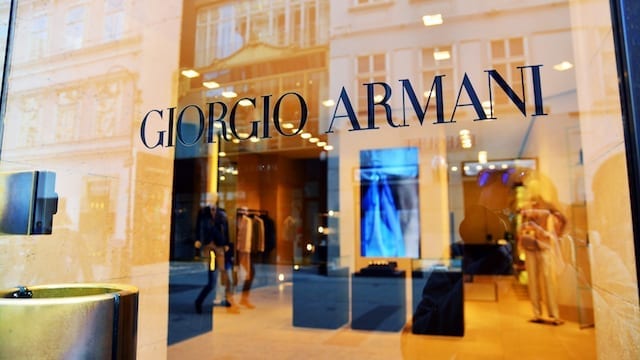
    Armani’s move marks another step towards sustainability after the group banned animal fur in 2016 and signed in 2019 the ‘Fashion Pact’ with other major industry players to address climate change, the company said in a statement.

  • Canada Goose under fresh fire in China over no-return policies

    Canada Goose under fresh fire in China over no-return policies

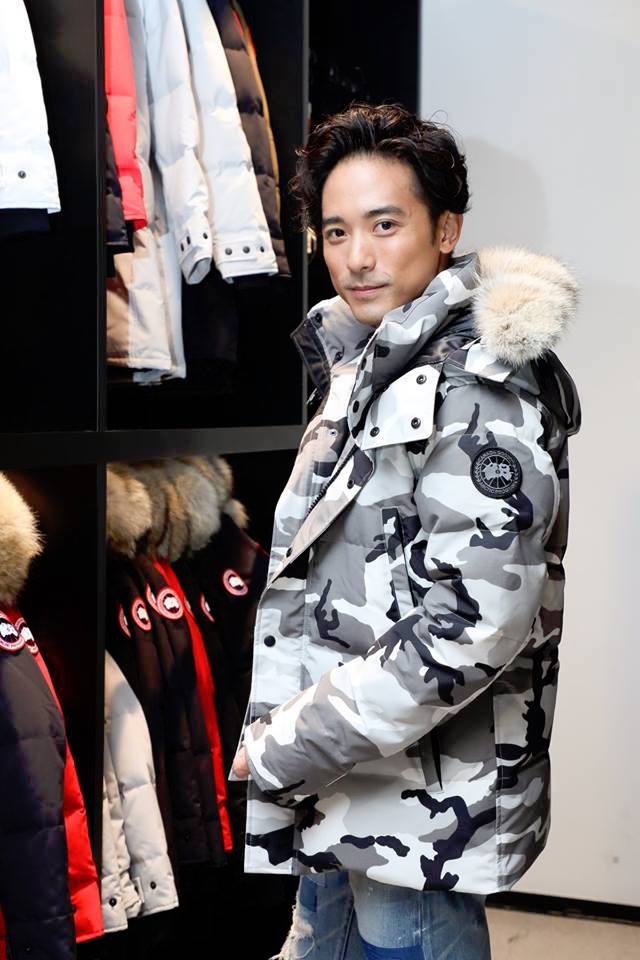
    China’s top consumer protection organization has warned Canada Goose Holdings Inc against “bullying” customers in China with its return policies, just three months after the winterwear brand was fined for false advertising.

    The premium down jacket manufacturer has been a hot topic on Chinese social media in recent days over its handling of a case involving a customer who wanted a refund of her purchases amounting to 11,400 yuan (US$1,790.17) after finding quality issues.

    She said she was told by Canada Goose that all products sold at its retail stores in mainland China were strictly non-refundable, according to her account which went viral online.

    State-backed media such as the Global Times newspaper later cited Canada Goose as denying that it had a no-refund policy and that all products sold at its retail stores in mainland China were refundable in line with Chinese laws. The company did not respond to Reuters’ request for comment.

    That has not failed to quell criticism of the brand.

    “No brand has any privileges in front of consumers,” the government-backed China Consumer Association (CCA) said in an opinion piece posted on its website on Thursday morning.

    “If you don’t do what you say, regard yourself as a big brand, behave arrogantly and in a superior way, adopt discriminatory policies, be condescending and bully customers, you will for sure lose the trust of consumers and be abandoned by the market,” the CCA said.

    Representatives of the brand were summoned for talks on Wednesday by the Shanghai Consumer Council to explain its refund policy in China.

    The dressing-down of Canada Goose comes as tension between China and Western countries has fuelled patriotism and driven some shoppers to turn to home-grown labels.

    Canada Goose was also fined 450,000 yuan in September in China for “misleading” consumers in its ads.

  • Balenciaga brings haute couture to Shanghai museum environment

    Balenciaga brings haute couture to Shanghai museum environment

    Balenciaga has taken its exclusive 50th Couture Collection to Shanghai, China, the first time it has introduced haute couture outside Paris.

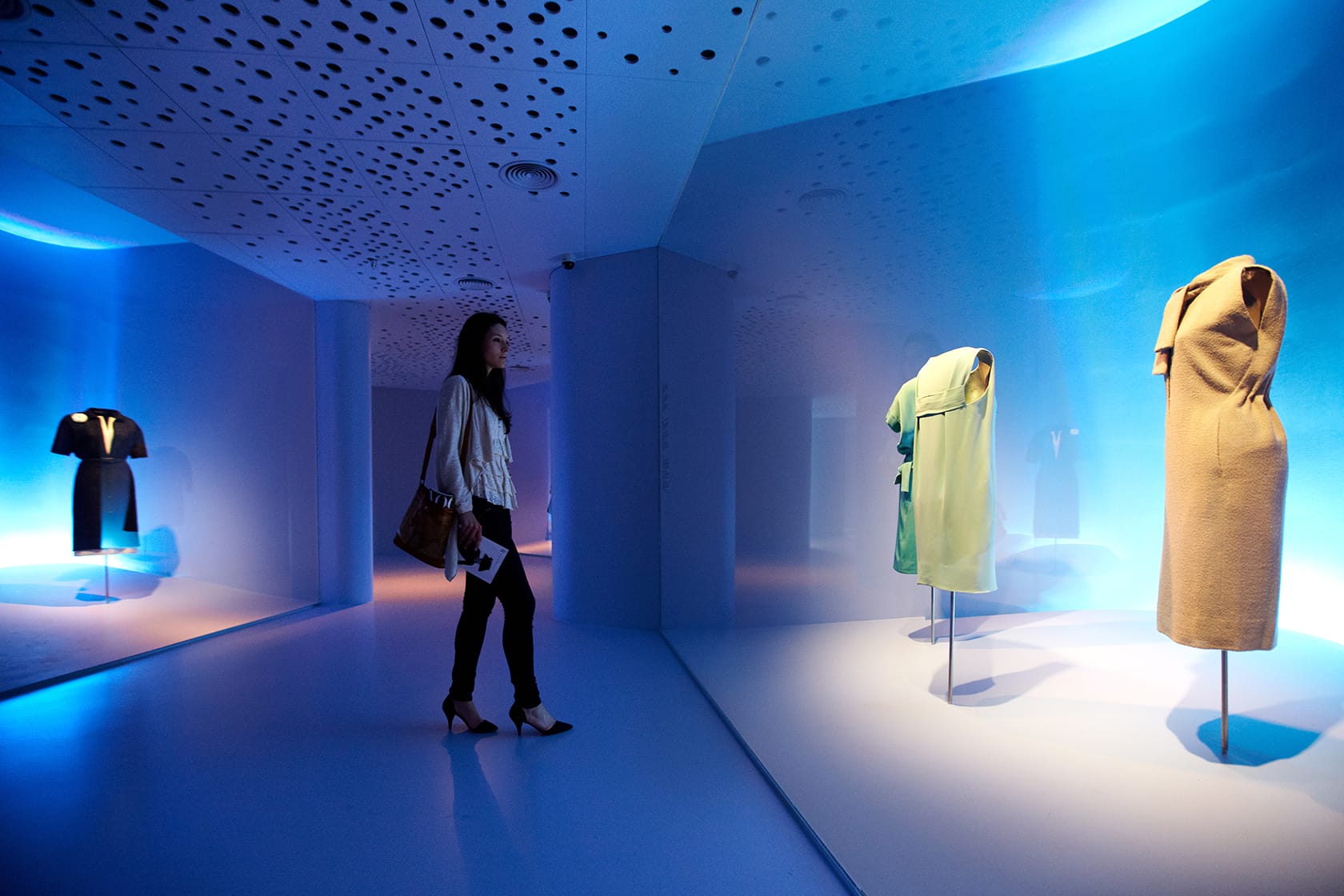
    Presented at the Tank Shanghai museum, the collection features 30 looks created by Demna Gvasalia, creative director at Balenciaga. The museum was refurbished for the five-day event, housing a couture salon, a showroom, a grand hall, and a banquet room.

    “As China isn’t able to travel to Europe, either, I felt it was our duty to bring the Balenciaga 50th Couture Collection there,” said Gvasalia. “I’m proud to share with China this very important moment celebrating the culture, craftsmanship, and heritage of Balenciaga in an exhibition featuring my first couture collection.”

    The exterior was decorated with cream-colored curtains to hide the spaces’ new interiors.

    “Once inside, guests experience an environment that draws on the aesthetic tropes of Balenciaga’s recently restored historic couture salon and atelier, 10 Avenue George V,” the company said in a statement.

    The launch of haute couture in China celebrates the 50th anniversary of the last collection by Cristobal Balenciaga, demonstrating the brand’s ambition to take a bigger bite out of the growing Chinese luxury market.

  • Pomelo’s growth shows hope for retailers

    Pomelo’s growth shows hope for retailers

    Pomelo’s triple-digit revenue growth after re-opening across the region has shown hope for retailers in Southeast Asia as retail bounds back post-Covid lockdowns.

    In Thailand, the omnichannel retailer saw a spike in the platform’s revenue growth of 127 percent between August and October as the country eased restrictions with malls and restaurants reopening in September. Across the broader Southeast Asia region, Pomelo saw an increase in retail foot traffic of 84 percent.

    “We are currently seeing a dramatic increase in spending across all of the Pomelo channels since the reopening,” said David Jou, co-founder, and CEO at Pomelo Fashion. “Both online & offline are benefiting from the pent-up demand and this is a global trend happening everywhere across the world.

    “With the borders slowly beginning to open up and travel resuming, we expect to see another uptick in terms of demand for the fashion industry.”

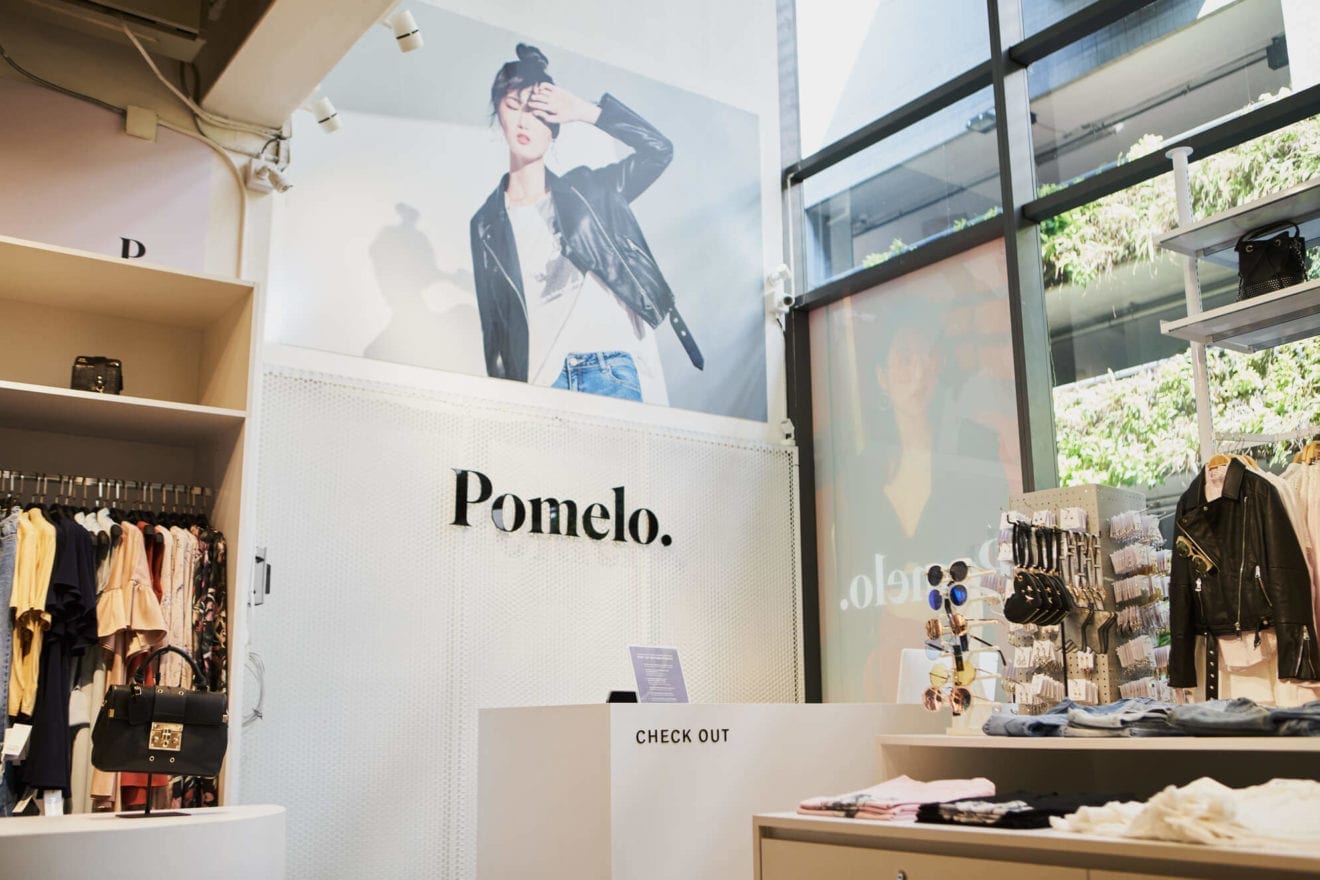
    Prior to the reopening in the region, the retailer launched seven stores, including new locations in Kuala Lumpur, Rayong, and Chiang Mai. Pomelo currently operates 26 brick-and-mortar stores and has more than 600 other brands on its e-commerce platform.

    The omnichannel retailer recorded around 40 percent in revenue growth last year, while the fashion industry in Southeast Asia was down 25.5 percent due to the pandemic, according to Euromonitor. About 90 percent of Pomelo’ revenue was generated from e-commerce channels.

  • China and South Korea boost Burberry sales

    China and South Korea boost Burberry sales

    Double-digit sales growth in China, South Korea, and the Americas underpinned a 37-per-cent lift in first-half sales for luxury fashion group Burberry to US$1.63 billion.

    The lift reflected a recovery in-store sales as Covid-related lockdowns and trading restrictions eased in the six months to September 25, compared with the same period a year earlier when a swathe of stores was closed across key markets.

    “We have made strong progress in the half,” said Burberry chair Gerry Murphy in a statement.

    “Full-price sales are growing at a double-digit percentage, driving margin expansion and strong free cash generation. We are seeing an acceleration in performance in countries less impacted by travel restrictions and we remain confident of achieving our medium-term goals.”

    The company reported an adjusted operating profit of $263 million, up 16.2 percent year on year.

    While the Americas, Korea, and China buoyed sales, the company said other regions continued to be impacted by reduced tourist levels.

    The company said its new store format – of which 15 are now complete with a target of 50 by the end of next March – was drawing higher-spending customers through the doors. Online sales were performing well with sales of goods at a full price almost doubling year on year.

    During the six months, Burberry announced its CEO Marco Gobbetti was to stand down early next year, to be replaced by Jonathan Akeroyd in April.

    Murphy paid tribute to Gobbetti’s “vision and leadership” during Burberry’s transformation and said the board expects Akeroyd will build on the strong foundations to accelerate growth and deliver further value for shareholders.

  • Fashion platform Miinto expands into China

    Fashion platform Miinto expands into China

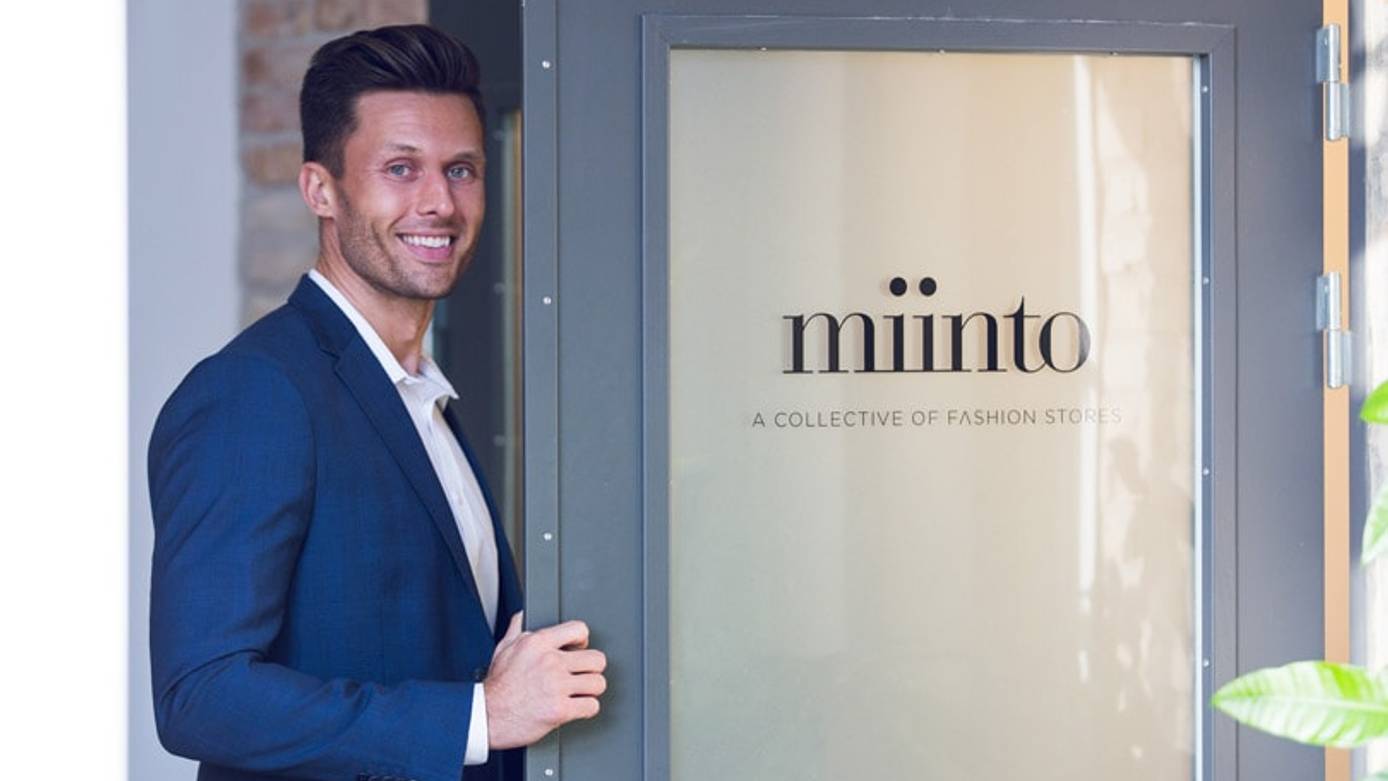
    As one of the largest and most popular fashion e-commerce platforms in Europe, MIINTO officially announced its launch in China on November 1, 2021.

    MIINTO was established in Denmark in 2009, and the online platform was officially launched in 2010. As one of Europe’s largest fashion e-commerce platforms, it has already entered 13 European countries, including Norway, Sweden, the Netherlands, Poland, Belgium, Switzerland, Germany, France, the United Kingdom, Italy, and Spain.

    MIINTO has a strong influence in the European market and continues to develop on the road of internationalization. The decision to enter the Chinese market this time also shows their determination to expand into the international market. Although China’s e-commerce industry is developing rapidly, the market for luxury brands and overseas fashion brands is still a blue ocean. From a global perspective, it has become a major trend for luxury brands and various fashion brands to accelerate their embrace of e-commerce platforms, but the scale of overseas fashion brands on domestic e-commerce platforms cannot be achieved overnight. The reasons behind this are complicated. For example, these brands have not yet considered the Chinese market, such as unable to find suitable cooperation channels and so on. Nowadays, many domestic consumers buy overseas fashion brands or luxury goods online, most of them choose overseas shopping or purchasing agents. The authenticity of the goods and the appropriate price are difficult to guarantee.

    As one of the most promising e-commerce platforms in Europe, MIINTO has redefined the traditional fashion e-commerce model and has become the first choice of many European consumers for online shopping. Based on high-quality services and strong fashion brand and boutique resources accumulated over the years, I believe MIINTO can give Chinese consumers a wonderful shopping experience and open a new chapter in the Chinese market.

  • The Best Way That You Can Start Your Own Fashion Business

    The Best Way That You Can Start Your Own Fashion Business

    Every iconic brand has an origin story, regardless of whether they are a marketing company, work in hospitality, or are a clothing line. All of those that dominate today’s high streets and stores will have started from somewhere, and if they can do it, why not you? Of course, there are a few steps to be taken in between starting your business and becoming a major fashion brand, but what are they? The industry can sometimes be so daunting that it is hard to know where you should start. Well, wonder no more. This article will go into more detail about the best ways that you can start your own fashion business.

    Look After Your Employees

    Before we dive into aspects that pertain to fashion specifically, there has to be an emphasis placed on how important it is to ensure that you are looking after your employees. This means getting health insurance quotes and cover to keep them safe if there are any accidents, making your workplace one of fun, and acknowledging their achievements. When you do this, you will ensure you have employees who genuinely want to help your business and will stay with you as you grow.

    Identify a Need in the Market

    The most successful clothing lines won’t be able to continue to succeed simply based on the vanity of their founding designer. You need to make sure that you are taking the time to find a niche in the market that isn’t currently filled. What is this niche? Well, that all depends on you. What is currently missing from the fashion world that you believe you are going to be able to provide?

    Develop a Business Plan

    Having a well-structured and easy-to-understand business plan is essential as it will act as your guide throughout the entire journey. You need to sit there and ask yourself what your end goal for the product is and how you plan on getting there. It is all well and good to have a goal in mind, but without the steps in between start and finish, you aren’t going to have any direction you can travel in.

    Identify your Target Audience

    Your objective is not to simply identify a clothing item that you plan on putting out into the world, but you will need to understand the target audience of said piece of clothing. You need to know this because then you will have a better idea of what you should be charging for your products and how you should be marketing them. A brilliantly designed piece of clothing is going to mean very little if you aren’t able to get it in front of the right sort of customers.

    Think about your demographic. For instance, young people tend to be much more style-conscious and so are going to be more receptive to online marketing. That being said, they might not have as much money to spend, so this will impact the materials you use and how much you charge.


  • Uniqlo’s Beijing global flagship store opens doors

    Uniqlo’s Beijing global flagship store opens doors

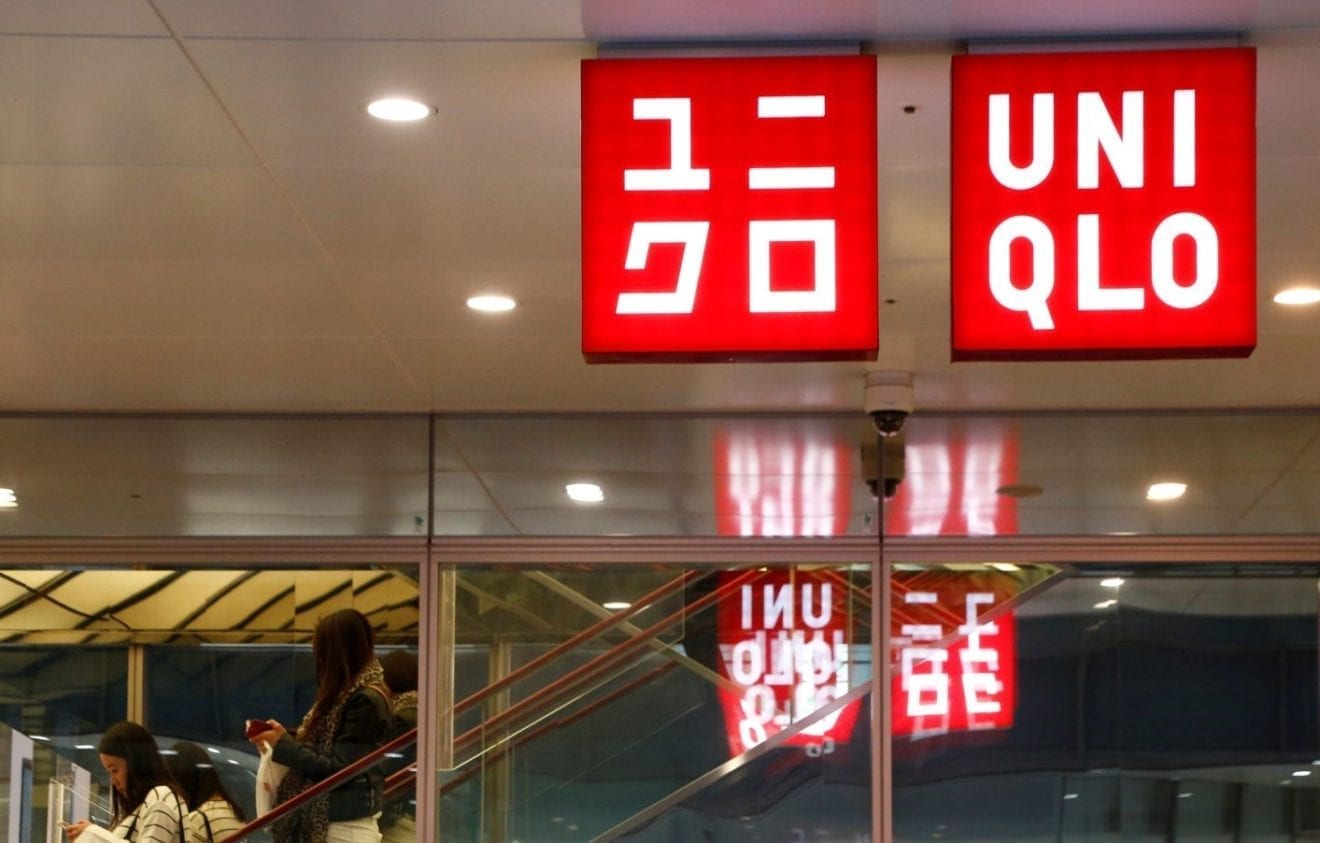
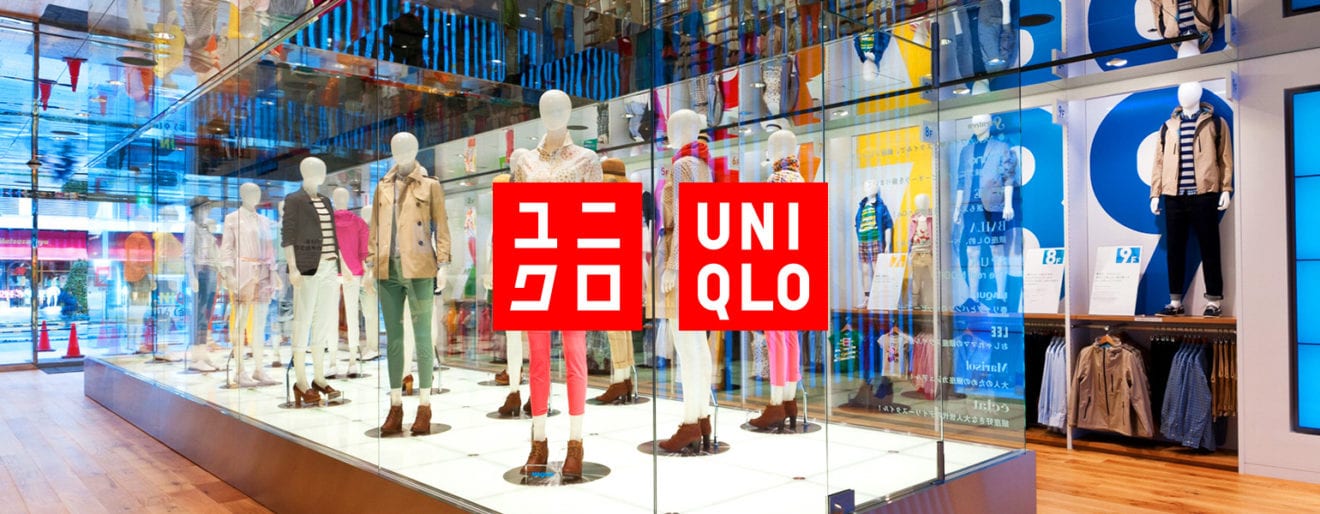
    Global apparel retailer UNIQLO today announces that UNIQLO BEIJING SANLITUN Global Flagship Store will open on Saturday, November 6. The company’s third global flagship store to open in Mainland China and the first in Beijing, the new store will engage with Chinese traditions and society, incorporating technology, art, culture, creativity, and sustainability to create China’s first in-store curated LifeWear experience. UNIQLO will also feature a preview of the new store at the China International Import Expo (CIIE) 2021, taking place in Shanghai from November 5 to 10.

    “Over the past nearly 30 years, UNIQLO has grown together with our customers and partners in China. The UNIQLO BEIJING SANLITUN Global Flagship Store, our first global flagship store in Beijing, is the latest achievement of this relationship,” said Tadashi Yanai, UNIQLO Founder and Chairman, President & CEO of the Fast Retailing Group. “We are very pleased to be offering customers in Beijing with the ever-evolving concept of LifeWear that meets the daily lifestyle needs of people everywhere. The new Beijing store is an important step in our vision to become a truly global digital consumer retailing company,” he added.

    The new UNIQLO BEIJING SANLITUN Global Flagship Store will provide customers inventive and unique shopping experiences through installations conveying the functionality of representative UNIQLO products, art displays, and Mainland China’s first UNIQLO FLOWER, which offers fresh flowers and potted plants as another way to brighten up the lives of everyone.

    As an extension of the UNIQLO Miao Embroidery Project – a sustainability initiative created to preserve the traditional embroidery techniques of the Miao people that helps ensure important cultural traditions are not lost – a huge Miao embroidery titled “Life and Growth in Nature” will be showcased for the first time at the store. The one-square-meter work created by Students from Tsinghua University in Beijing and Miao embroiderers expresses humanity’s desire to live sustainably for the benefit of nature and future generations.

    The new store features Beijing’s first special UT floor, where a range of popular global contents express the power of pop culture and creativity through t-shirts and other items, as well as Beijing’s first UTme! customization workshop, where customers can design their own UT using thousands of specially designed contents, including Chinese-style Universal Studios and Disney motifs, and Chinese-calligraphy-themed patterns.

    UNIQLO will also debut “New Culture Style,” the first UT collection created in collaboration with Chinese artist Lao Shu (real name Liu Shuyong), who specializes in depicting contemporary life with ink painting. Three dedicated artworks have been created for the new collection – “Genuine Affection,” “Benevolent Love,” and “Beautiful Thing” – to capture the traditional Asian aesthetic and philosophy of truth, virtue and beauty in this special collaboration.

    As a global flagship store, UNIQLO BEIJING SANLITUN will carry the full lineup of UNIQLO LifeWear, including Uniqlo U and such 2021 fall/winter collaboration collections as “UNIQLO and White Mountaineering”. The store will also carry limited-edition fleece available in 11 colors for the opening, as well as the Premium Cashmere Collection, seasonal essentials made from 100% cashmere to provide unparalleled softness and warmth.

    UNIQLO opened its first store in China in September 2002, and currently the company is operating nearly 850 retail locations throughout the mainland. Participating in the China International Import Expo (CIIE) for the second year, UNIQLO will demonstrate its commitment to the Chinese market and showcase innovative apparel created through the Art and Science of LifeWear at its 1,000-square meter “Tomorrow Wonderland.”

  • Under Armour raises forecasts amid supply chain snafus

    Under Armour raises forecasts amid supply chain snafus

    Under Armour on Tuesday raised its full-year forecasts, alleviating investor concerns regarding holiday inventory shortages flagged by nearly all its peers and sending its shares up 16 percent.

    Factories in Vietnam, where Under Armour sources about one-third of its products from, have begun reopening after months-long shutdowns that have caused severe distress to many apparel brands.

    Bigger rival Nike Inc has cut its fiscal 2022 sales estimates, expecting delays during the holiday season, while Puma SE advised people to shop early for Christmas.

    “Nearly all factories that Under Armour does business with, including those in Vietnam are open,” finance chief David Bergman said, noting port congestion and container availability at some Asian ports have improved.

    Under Armour still had to cancel some spring/summer 2022 orders to ease pressure on the factories that will take until the year-end to ramp-up to full capacity, it said.

    It also warned of a hit to its revenue in the first half of 2022 before the challenges, including congestion at U.S. ports, start to dissipate.

    However, analysts have said Under Armour, which has deployed pricier air freight to bring in goods, is navigating supply-chain challenges well.

    They also believe the athletic wear boom that is helping Under Armour, Nike and Adidas AG could last at least through next year.

    Under Armour has also been spending more on marketing, pulling out of discounter stores and sharpening its focus on its own stores to elevate its brand image.

    “UA remains one of the few that successfully raised its pricing power, rather than simply enjoyed higher prices on lower industry promotions,” brokerage BMO Capital Markets said.

    The athletic wear maker said it expected 2021 adjusted per-share earnings to reach 74 cents, above Refinitiv IBES estimates of 55 cents, after it posted better-than-expected third-quarter results.

  • Nike manufacturers in Vietnam resume operations

    Nike manufacturers in Vietnam resume operations

    Nearly 200 Vietnamese contract manufacturers for Nike have resumed production after a period of suspension due to Covid-19, a company executive told Vietnamese Prime Minister Pham Minh Chinh.

    Nike is committed to further investing and expanding in Vietnam, the company’s chief sustainability officer, Noel Kinder, told the PM Tuesday at a meeting on the sidelines of the 2021 United Nations Climate Change Conference in the U.K.

    The fourth wave of Covid, which began at the end of April, forced factories, especially in the south, to restrict production and impose stringent curbs to contain its spread.

    On October 1, HCMC allowed most commercial and business activities to resume as rapidly increasing vaccination rates helped bring the outbreak under control.

    Vietnam’s purchasing managers’ index (PMI) surpassed the 50-point threshold in October after four months of decline, indicating expansion in manufacturing.

  • Foot Locker promises strong growth for Atmos as takeover completed

    Foot Locker promises strong growth for Atmos as takeover completed

    Foot Locker, the New York-based specialty athletic retailer, today announced that, through certain subsidiaries, it has completed the acquisition of atmos, a digitally-led, premium, global retailer headquartered in Japan, for $360 million, subject to certain customary adjustments.

    Richard Johnson, Chairman and Chief Executive Officer of Foot Locker, said, “We are delighted to officially welcome atmos’s iconic founder, Hidefumi Hommyo, and the entire atmos team to the Foot Locker family. We deeply value atmos’s unique brand, innovative, experiential stores, premium offerings, collaborations, and understanding of sneakerhead culture. atmos expands our global reach in the rapidly growing Asia-Pacific market, establishes a critical entry point in Japan, and allows us to benefit from an immediate scale.

    We are excited about the many opportunities we will collectively be able to capture as a result of this partnership as we continue creating significant long-term value for our shareholders, consumers, vendor partners, and employees.”

    Mr. Hidefumi, CEO, Chief Creative Officer for atmos, said, “Today atmos enters a new era, well-positioned to bring our dynamic and exciting sneakers to more people around the world. atmos was founded with a love of sneakers and a passion for innovation, and with Foot Locker as our partner, we have the opportunity to drive global growth while maintaining what makes us unique.

    We have worked with Foot Locker for years on product collaborations and partnerships, and we are excited about what is ahead as we pursue our shared passion for sneaker culture, streetwear, creativity and self-expression.”