Tag: Fashion

  • Estée Lauder names Kōki as new Global Brand Ambassador

    Estée Lauder names Kōki as new Global Brand Ambassador

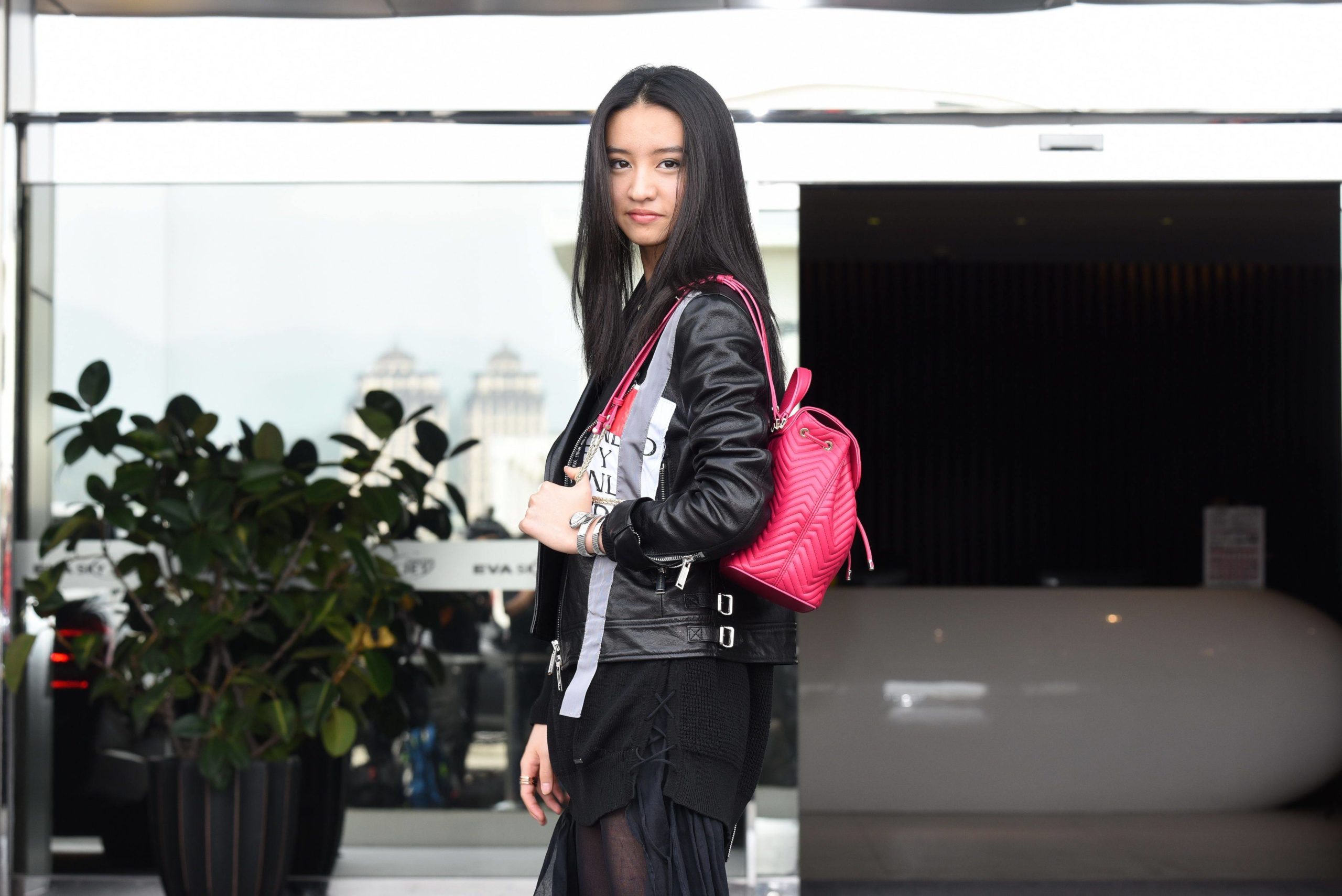
    The Estée Lauder Companies has named Japanese model Kōki as the newest global brand ambassador for its flagship Estée Lauder brand.

    She will feature across the brand’s digital, television, in-store, and print media, in domestic and travel retail markets, beginning with a makeup campaign in April. Kōki will also appear in all of Estée Lauder’s digital campaigns beginning in the Autumn.

    Kōki — real name Mitsuki Kimura — was born and raised in Tokyo. She began her modeling career in 2018 and appeared on the covers of several high-profile fashion magazines in Japan and in the wider Asia Pacific region. This includes Harper’s Bazaar Hong Kong, ELLE Japan, ELLE Hong Kong, Marie Claire Japan and InStyle China among others.

    In 2018, Kōki won the Elle Cinema Rising Star Award. The following year, she made her runway debut at the Chanel Cruise Collection fashion show. She is also currently serving as a brand ambassador for other leading luxury brands such as Bvlgari, Coach, and Louis Vuitton.

    Kōki joins a stellar roster of Estée Lauder brand ambassadors which include South Sudanese Model Anok Yai, Italian model/actress/socialite Bianca Brandolini D’Adda, American model Carolyn Murphy, Indian model Diana Penty, American models Grace Elizabeth and Karlie Kloss, Chinese Actress Yang Mi and recently-appointed Cuban actress Ana de Armas.

    “Kōki brings a fresh energy to the Estée Lauder brand,” commented The Estée Lauder Companies Group President and Estée Lauder and AERIN Global Brand President Stéphane de La Faverie. “We are excited to amplify her rising star power to connect our brand with a new generation of consumers in Japan and around the world while continuing the brand’s legacy of celebrating women across all backgrounds, ages, and ethnicities.”

    Commenting on her role, Kōki said: “It is a dream come true to join the Estée Lauder brand. It is such an iconic brand that is loved by so many women around the world. I am honored and grateful to be a part of it.”

  • Jewelry firm PNJ eyes 15-pct post-tax profits growth

    Jewelry firm PNJ eyes 15-pct post-tax profits growth

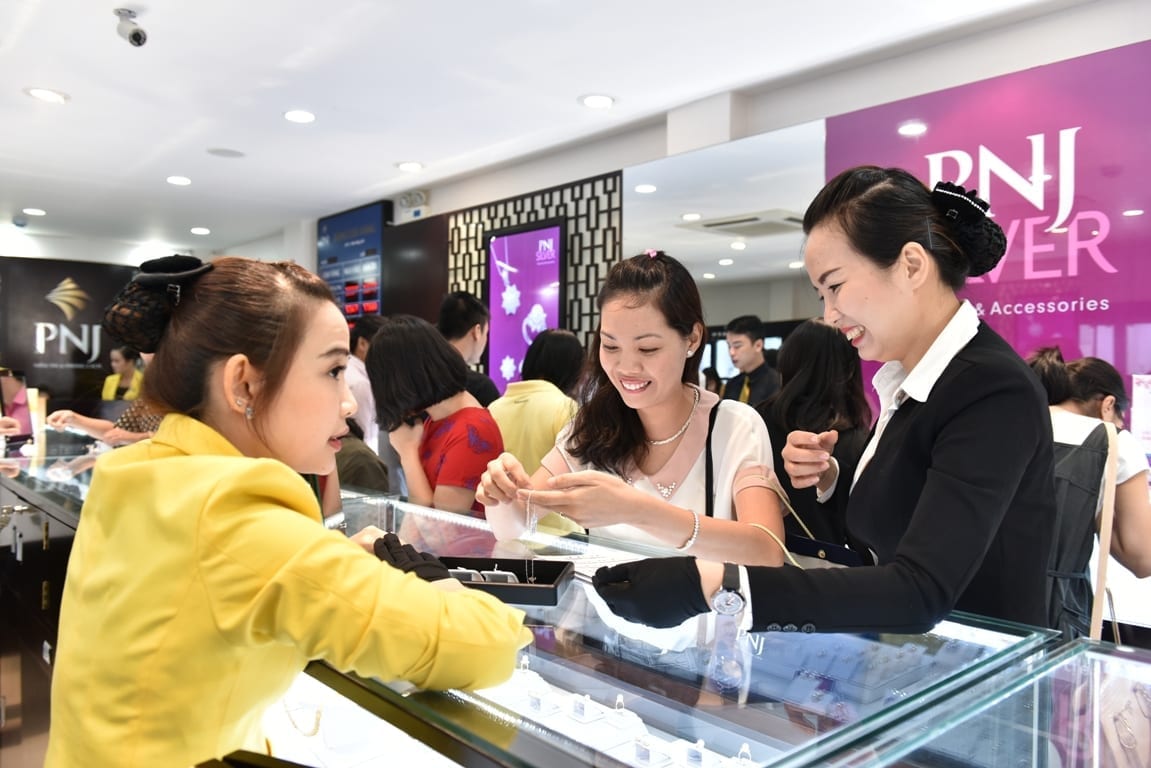
    At its annual general meeting Saturday, it also announced a revenue target of VND21 trillion, up 20 percent.

    But Phu Hung Securities Corporation has forecast revenues of VND18.4 trillion and profits of VND1.09 trillion, explaining that the volatility in gold prices and consumers’ increasing preference for imported jewelry would keep numbers down.

    BSC Securities expected the jewelry industry to recover this year, and forecast PNJ a 22 percent rise in profits to VND1.3 trillion on revenues of VND19.8 trillion (up 13 percent).

    PNJ chairwoman Cao Thi Ngoc Dung said the targets are achievable since the pandemic would be contained this year and the economy would recover.

    The company aims to open 40-45 stores in 2021 and buy machinery for its jewelry workshops.

    Its CEO, Le Tri Thong, said demand for jewelry among young people in major cities is high, and this would boost the company’s revenues and profits. Smaller cities and rural areas too however show promise, he said.

    Last year, revenues edged up 3 percent to VND17.5 trillion, but Thong pointed out though the growth was lower than the average of 32 percent in recent years, the fact that PNJ managed to grow its revenues amid the pandemic was a success for it.

    It opened 29 stores and closed 36 existing ones in 2020, most of them were silver jewelry stores in shopping malls with modest business and high rentals.

  • Korean fashion house ADLV lands in Australia this May

    Korean fashion house ADLV lands in Australia this May

    The Korean clothing brand Acmé de la Vie (ADLV) opened its first stationary store in Australia in May of this year in QV Melbourne in front of a local online shop.

    ADLV co-founders Jinmo and Jaemo Goo started the streetwear business in 2017 and opened their first store in the Korean district of Gangnam. Since then, the brand has opened more than 50 stores in Asia, partnering with Disney, Pink Fong, Kakaotalk and The Simpsons.

    ADLV’s Australian director Ying Yang said the company knew streetwear was a staple of Australian fashion.

    “We love to see how consumers adapt pieces to the Australian climate. Given the circumstances and the year we have all been through, we are both proud and grateful that we can continue our growth and better serve our customers on this side of the world. “

    The brand was inspired by the French passage “acme de la vie” ;, which means “the high point of life”.

    Focusing on high-end streetwear fashions like t-shirts, sweats, hoodies, accessories, and outerwear, ADLV is known for graphics and pop culture characters like the Baby Face series.

  • H&M marks Zalora launch with exclusive online collection

    H&M marks Zalora launch with exclusive online collection

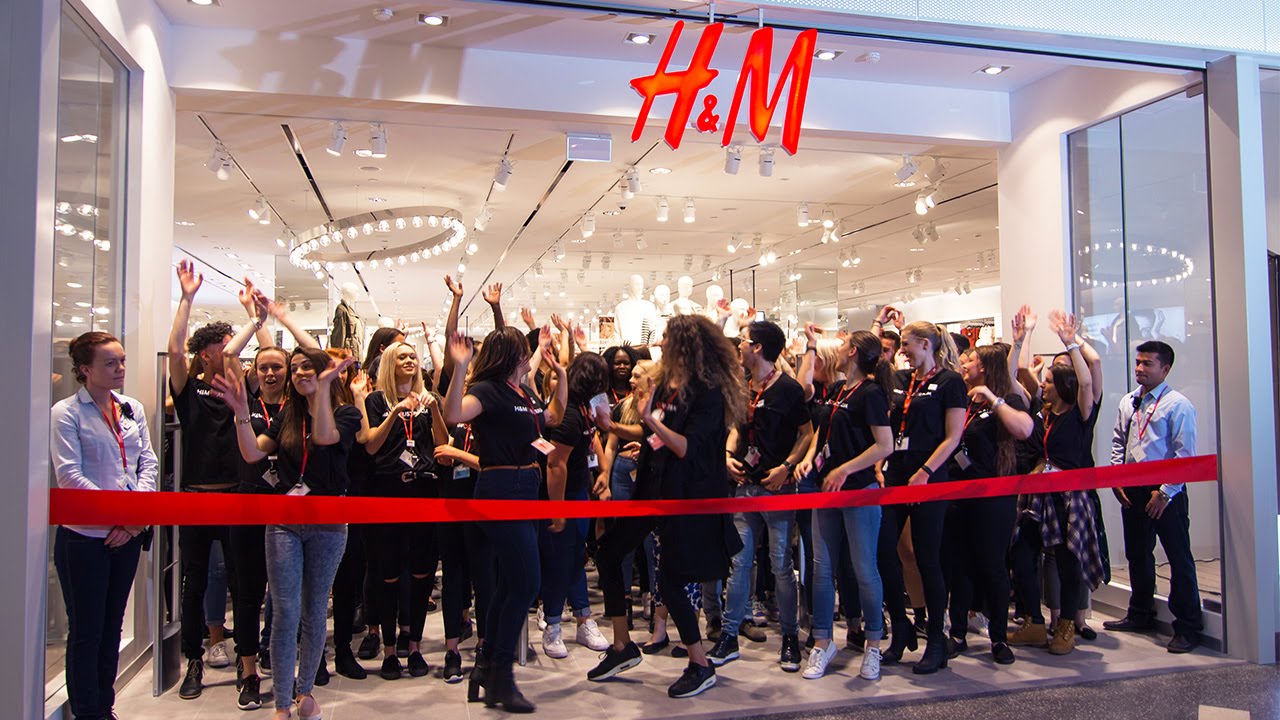
    The partnership with H&M and  Zalora as H&M’s e-commerce partner in Southeast Asia covering four markets namely Malaysia, the Philippines, Singapore, and  Indonesia. The tie-up debuted in Indonesia in mid-March, 1 April in Malaysia, and on 14 April in Singapore. H&M and Zalora also confirmed the extension of the initial two-month collaboration in the Philippines, which began in Q4 2020 to a long-term one.

    “Following our success in the Philippines these past months, we are excited to continue strengthening our partnership with Zalora by further extending our footprint across Southeast Asia. Backed by its strong presence in key markets, Zalora complements our extensive physical store portfolio as well as our digital stores at hm.com. We see great potential for substantial future growth and Zalora will be an important part of this to cater to the evolving needs and demands of our customers, so we can shape a more sustainable future for fashion and be even more locally relevant,”  says Oldouz Mirzaie, Regional Manager of H&M South Asia and Pacific.

    “We are excited to continue working with a globally renowned fashion brand like H&M and bring their extensive range to over 400 million digital consumers in Southeast Asia. As the largest online fashion and lifestyle vertical in the region, we will leverage our deep local expertise and strong fulfillment and logistics network to support H&M as they continue their strategy of integrating offline and online retail,”  shares Zalora’s CEO, Gunjan Soni.

    On 1 April 2021 , all online shoppers in Malaysia gained access to H&M´s fashion products on Zalora across all categories of customer groups: women, men, teenagers, and children. Online shoppers can now find everything with a klick of a button for any occasion –  from the casual weekend and sporty essentials to dressy workpieces and trendy must-haves.

  • Hong Kong chain AbouThai raided over labelling breaches

    Hong Kong chain AbouThai raided over labelling breaches

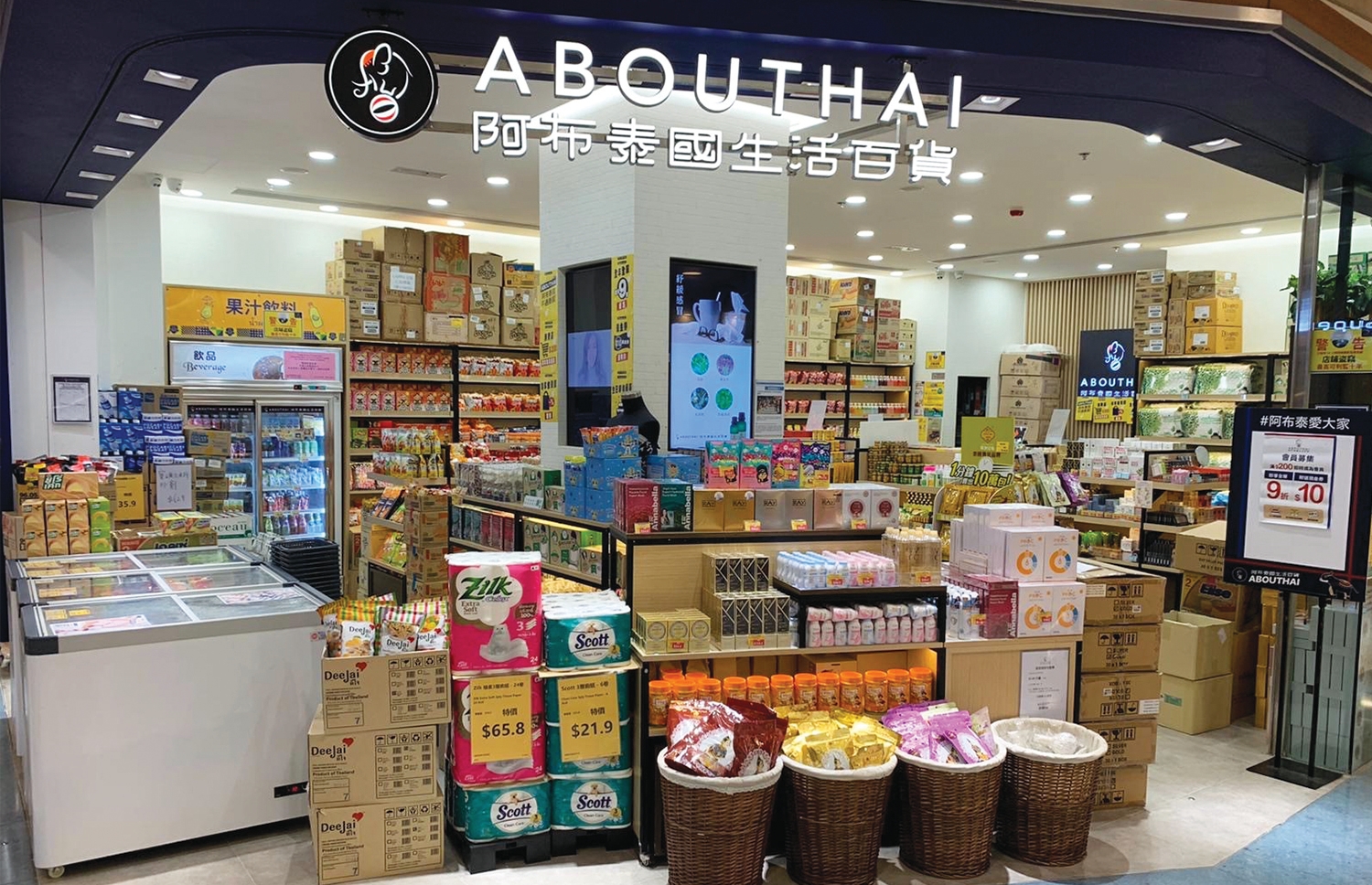
    Hong Kong authorities have seized nearly 9000 Thai cleaning products suspected to have wrong labeling from a shop founded by a pro-democracy activist facing charges under the city’s contentious national security law. Customs officers on Thursday raided 25 shops belonging to the chain, AbouThai, and arrested a 33-year-old male director of the group, the government said in a statement.

    The suspect had been released on bail and further arrests had not been ruled out, it added.

    “The product information marked on the packages of the products involved failed to bear Chinese and English bilingual warnings or cautions,” it said, adding the estimated market value of the 8805 products seized was about HK$400,000 (US$51,400).

    Under Hong Kong’s Consumer Goods Safety Ordinance, warnings or cautions on products must be in both English and Chinese and are required to be “legibly and conspicuously shown on the goods”.

    Customs chiefs said the raids were carried out in connection with missing safety warnings on cleaning products, with some only having warnings or cautions in Thai, while others bore warnings or cautions in Thai and English.

    The company’s founder, Mike Lam, is among 47 democrats charged under the city’s national security law on a charge of conspiracy to commit subversion and is currently on bail.

    Crowds queued outside branches of the shop across the city on Friday to show support for Lam, with some saying they believed the raid was politically motivated.

    “I find it unreasonable that the Customs targeted AbouThai. That’s why I come here to support. I am quite touched that many people come,” said Chris, who declined to give his full name due to the sensitivity of the national security law.

    The legislation punishes what Beijing broadly defines as secessionism, subversion, terrorism and collusion with foreign forces with up to life in jail.

    Local broadcaster RTHK quoted Vincent Chan, from the customs consumer protection bureau, as saying the department condemned any “false accusation” that the raid was an “act of repression”.

    Hong Kong anti-government protesters have queued outside businesses that openly support the democracy movement since anti-government protests flared in 2019.

    The former British colony returned to Chinese rule in 1997 with a promise of safeguards for its wide-ranging autonomy. Democracy activists say authorities are chipping away at those freedoms, accusations which officials in Beijing and Hong Kong reject.

  • Uniqlo owner Fast Retailing lifts full-year profit outlook

    Uniqlo owner Fast Retailing lifts full-year profit outlook

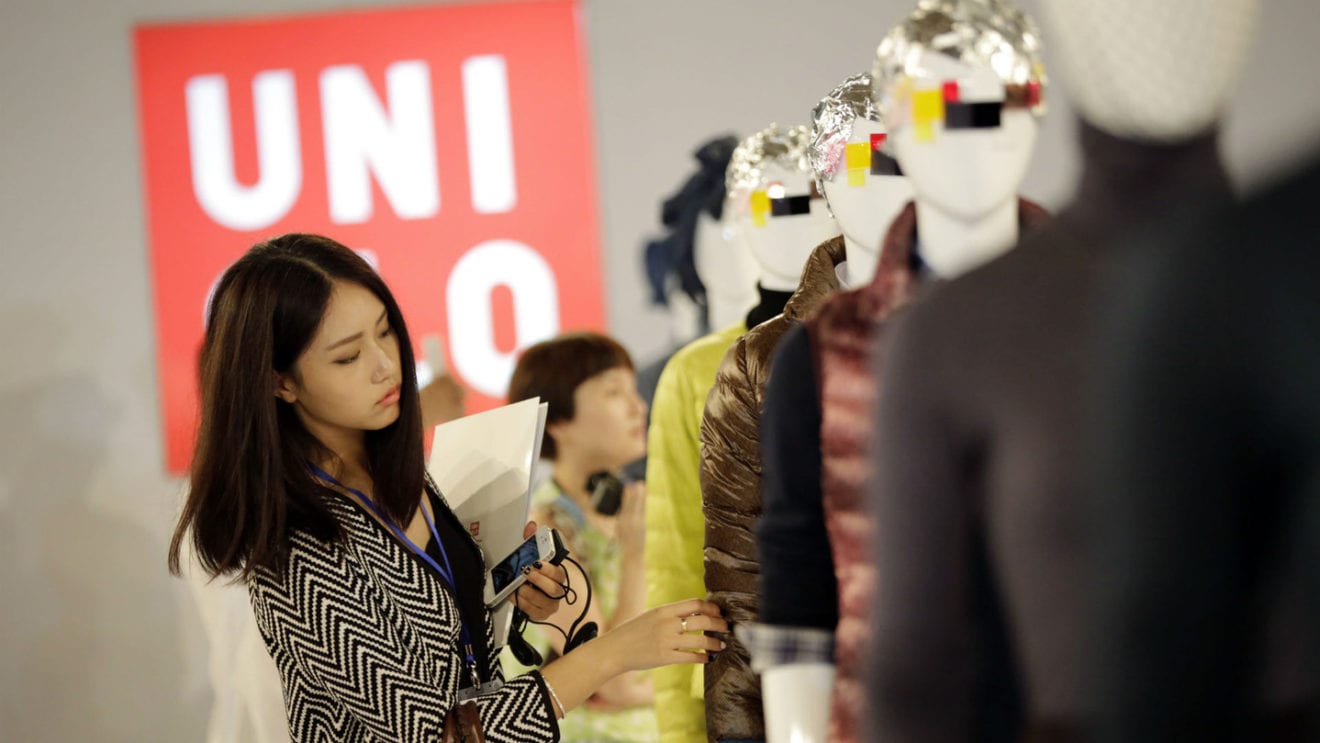
    Japan’s Fast Retailing, the owner of clothing brand Uniqlo, on Thursday reported a 23 percent jump in half-yearly operating profit and raised its full-year profit estimate.

    The company has been among the most resilient retailers during the COVID-19 pandemic, as Uniqlo’s focus on China and Japan helped it escape the worst of the downturn that hit the United States and Europe. Fast Retailing said operating profit was 168 billion yen ($1.53 billion) in the six months through February, against 136.7 billion yen a year earlier.

    The company raised its full-year operating profit forecast to 255 billion yen from 245 billion yen. The average estimate in a Refinitiv poll of 15 analysts was 262.9 billion yen. During the pandemic, Uniqlo briskly sold masks and saw strong demand for its stay-at-home jogging pants and other comfortable apparel.

    However, the company is now dealing with crises in Myanmar and China that are upsetting its supply chain and one of its most important foreign markets.

    Fires broke out at two of Fast Retailing’s partner factories in Myanmar last month amid unrest that followed a military coup. The company has had to halt operations at some facilities in the country due to martial law conditions.

    In China, the company and other Western brands are facing a backlash over criticisms of alleged human rights abuses in Xinjiang province. Fast Retailing operates about 800 Uniqlo stores on the mainland, about the same number as its home market of Japan.

    Western brands including H&M, Burberry, Nike and Adidas have been hit by consumer boycotts in China for raising concerns about forced labor in Xinjiang, a major producer of cotton. Five brand ambassadors for Fast Retailing in China have quit amid the backlash.

  • Dolce & Gabbana opens first DG Beauty boutique in Southeast Asia

    Dolce & Gabbana opens first DG Beauty boutique in Southeast Asia

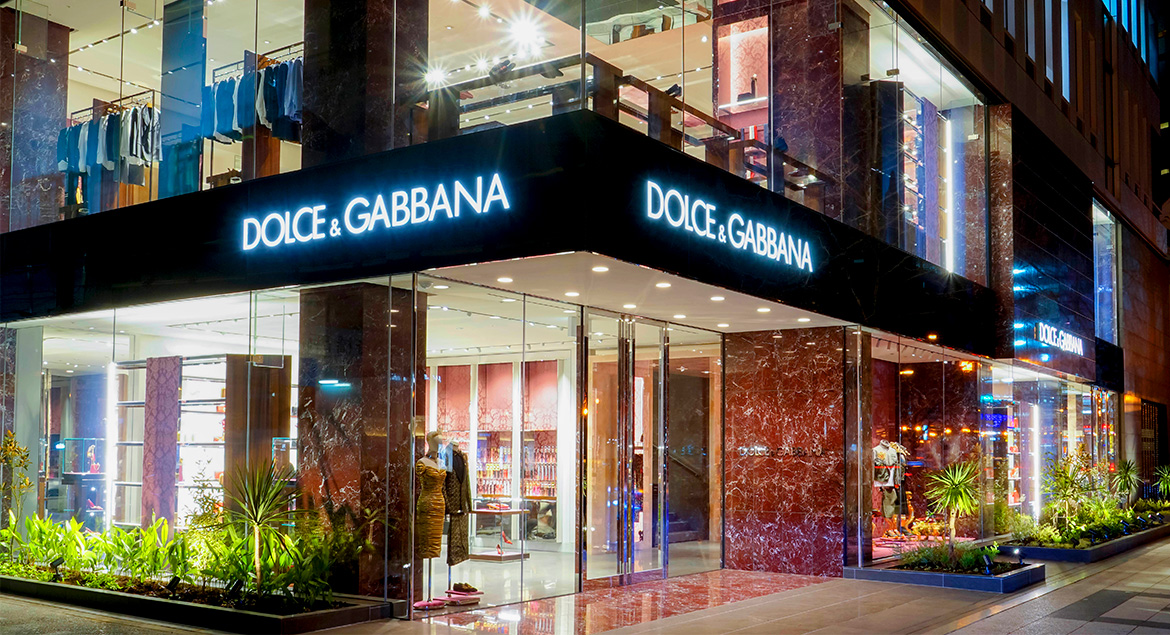
    Italian luxury brand Dolce & Gabbana has opened its first DG Beauty boutique in Southeast Asia at Ion Orchard, in Singapore.

    The 92sqm store will host a selection of fragrances, and for the first time will exclusively sell its makeup line in-store.

    Each corner of the boutique is adorned with details reflecting the brand’s “La Casa” DNA,  allowing customers to immerse themselves in Dolce & Gabbana’s aesthetic.

    According to the brand, its makeup collection will be luxurious, high-impact, and sensorial, inspired by its Italian heritage. Fragrances such as Light Blue, The One, and K by Dolce & Gabbana, will also appear alongside the brand’s latest novelties like the Fruit Collection, Dolce Rose, and Deva Cassel as the face of the fragrance collection.

    The DG Beauty boutique in Singapore will also offer the exclusive Velvet fragrance line, a collection of perfumes inspired by its designers’ vision of Sicily and the Mediterranean.

  • Shu Uemura’s first global flagship store to open this month

    Shu Uemura’s first global flagship store to open this month

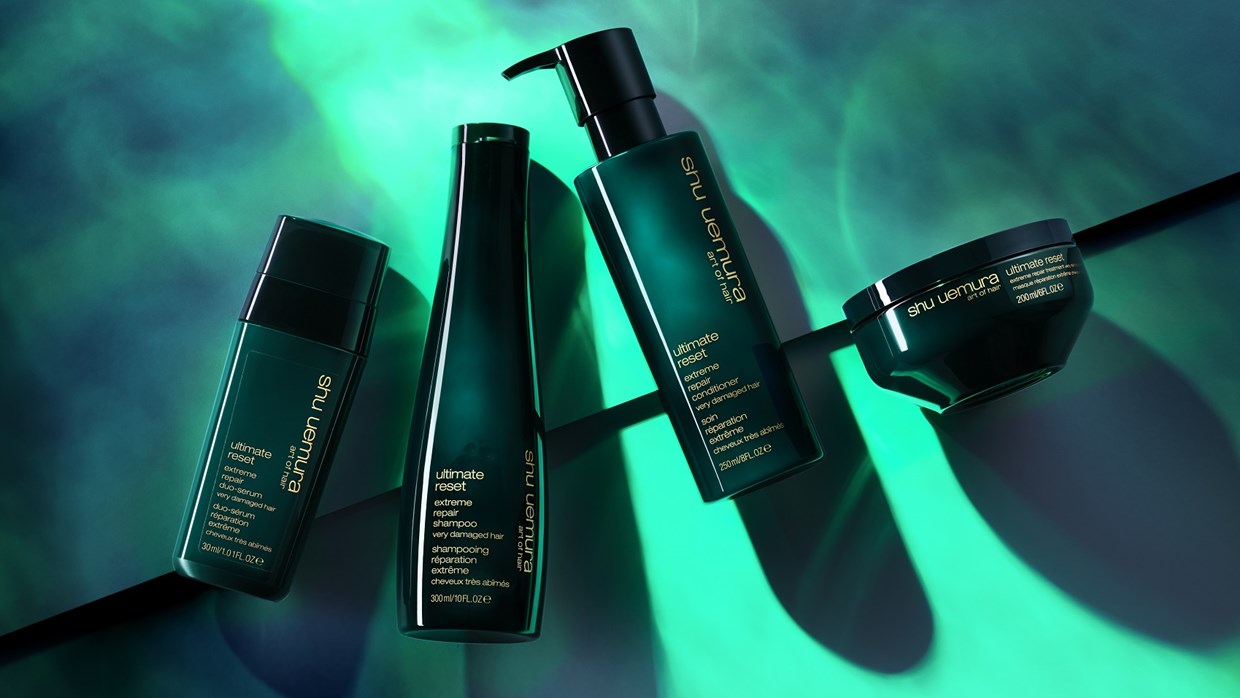
    Shu Uemura will open the world’s first global flagship beauty boutique in Omotesando, Tokyo.  The new “Makeup Box” flagship store is scheduled to open on April 16, 2021.

    The store features a jet-black design inspired by the brand’s icon.  Highlights from the flagship store include gift wrapping using red, black, and white Japanese paper that is inspired by kimono and origami.  A professional cleaning brush service will be offered to the customers.  In addition, limited items such as makeup products and accessories will be available at this store.

    The lineup includes tote bags, pouches, tumblers, and vanities.  Limited edition premium eyelashes will also be on sale for a limited time as well. Shu Tokyo Makeup Box

    Open Date: Friday, April 16, 2021

    Address: 5-11-2 Jingumae, Shibuya-ku, Tokyo

    TEL : 03-3427-258

  • H&M caught in a catch 22 as Vietnam boycott begins

    H&M caught in a catch 22 as Vietnam boycott begins

    H&M’s attempt to mend fences in China after angering consumers there with its stance against forced labor appears to have triggered another boycott next door in Vietnam.

    The Swedish fashion retailer drew Vietnam’s ire after it posted a map on its website that depicts islands in the South China Sea as Chinese territory. Vietnam has a competing claim on the islands. H&M changed the map at the request of authorities in China, according to Vietnamese media.

    Authorities in Shanghai said they summoned H&M’s local unit last week to address an issue with a map on its website, though it is unclear if this is the same map as the one angering Vietnamese citizens.

    In Vietnam, Twitter and Facebook users have been circulating images of a crossed-out map of China next to a map of Vietnam reflecting Hanoi’s claims to the islands and demanding the company apologize or have its 11 stores in the Southeast Asian country shuttered.

    The company has been attempting to win back consumers in China, where it became a lightning rod for public anger after multiple foreign brands stopped carrying items made using cotton from Xinjiang because of reports of human rights and labor abuses in the Muslim-majority region. It has been the subject of boycotts, and a number of its physical stores have been forced to close by landlords since the controversy flared up. H&M stores even disappeared from leading mapping service Baidu Maps and ride-hailing platform Didi Chuxing.

    The territorial dispute in the South China Sea is a hot-button topic in Vietnam. Hanoi has been one of, if not the most, vocal governments pushing back against Beijing’s claim to govern most of the sea, though the U.S. often calls for freedom of navigation in the region, calls which European powers have recently echoed.

    The dispute is not just a matter of government interest, either. When maps of the region are published, the Vietnamese public looks closely to see how the islands are portrayed. Backlash has followed perceived slights from an array of institutions, from the Hollywood film “Abominable” to the maps in passports issued by Beijing. Even the U.S. Embassy in Hanoi was accused of misrepresenting the territorial issue in September, when it posted on Facebook a Vietnam map with the islands, only to later delete the archipelagos.

    While the uproar in Vietnam adds to H&M’s recent headaches in Asia, the company is just one of several multinationals caught up in the Xinjiang controversy. Nike, Adidas, Burberry and others are also struggling with the balance between retaining Chinese shoppers and complying with Western laws against forced labor and other human rights violations. The U.S., Canada, the European Union and the U.K. all slapped sanctions on China in March, citing the country’s human rights violations against Uyghur Muslims.

  • H&M slips to loss, pledges to rebuild trust in China after backlash

    H&M slips to loss, pledges to rebuild trust in China after backlash

    Swedish clothing giant H&M said on Wednesday (Mar 31) it was doing “everything” to resolve a boycott in China that was sparked by its decision to stop sourcing cotton from Xinjiang over forced labor concerns.

    H&M and other fashion brands have been under fire in China for statements voicing concern about allegations of labor violations in cotton fields in the far west region.

    Chinese celebrities and tech firms pulled partnerships with H&M, Nike, Adidas, Burberry and Calvin Klein. H&M was even erased from Chinese shopping apps.

    “We are working together with our colleagues in China to do everything we can to manage the current challenges and find a way forward,” H&M said in a statement.

    “We are dedicated to regaining the trust and confidence of our customers, colleagues, and business partners in China,” it said.

    Australian Olympians were the latest to be embroiled in the row on Wednesday as the country revealed its uniforms for the upcoming Tokyo Games.

    The Australian Olympic committee faced criticism as it rolled out ASICS-branded sportswear, with the company facing questions over its use of cotton from the Xinjiang region.

    The vice president of the Olympic committee said it had been assured that none of the cottons came from that region.

    Rights groups say more than one million Uyghurs and other mostly Muslim ethnic minorities have been held in internment camps in Xinjiang, where they have also been forced to work in factories.

    H&M makes around 6 percent of its revenue in China, which is home to nearly 10 percent of its stores.

    China had become H&M’s third-biggest market before the boycott.

    The company has not released the figures on the financial impact of the boycott or which measures it has taken in response to the controversy.

    “China is a very important market to us and our long-term commitment to the country remains strong,” H&M said, noting it has been presented in the country for more than 30 years.

    “We want to be a responsible buyer, in China and elsewhere, and are now building forward-looking strategies and actively working on next steps with regards to material sourcing.”

    The statement was issued on the sidelines of quarterly results which showed a net loss of 1.07 billion kronor ( US$123 million) in the December to February period due to the coronavirus pandemic.

    In late March, about 1,500 of the company’s 5,000 stores were temporarily closed due to coronavirus restrictions, H&M said.

    Sales, however, jumped 55 percent in March compared to the same month last year.

  • Investors press companies on human rights in Xinjiang

    Investors press companies on human rights in Xinjiang

    A group of religious and socially conscious investors and other funds are ramping up pressure on Western companies over alleged human rights abuses in China’s Xinjiang region, highlighting the challenges for brands trying to maintain their business ties amid rising tensions.

    The group of more than 50 investors, backed by the Interfaith Center on Corporate Responsibility, said it is in the process of contacting more than 40 companies, including H&M, VF Corp, Hugo Boss and Zara-owner Inditex, requesting more information about their supply chains and urging them to quit situations that could lead to human rights abuses.

    Anita Dorett, program director for the Investor Alliance for Human Rights, which put together the request to the fashion brands and other big corporate names, said she was worried that some companies had moved to scrub language about policies on forced labor from their websites, or pledged to buy more cotton from Xinjiang, in fear of a backlash from Chinese social media and companies.

    “Companies do not prioritize resources to digging into their supply chains and mapping them out. As investors, we want transparency and accountability,” Dorett said in an interview. She added that “This is their business. If they don’t know what’s happening, who will?”

    Over the past week, H&M, Burberry, Nike, Adidas, and other Western brands have been hit by consumer boycotts in China after raising concerns about forced labor in Xinjiang.

    The wave of boycotts coincided with Britain, Canada, the European Union, and the United States over what they say are human rights abuses taking place in Xinjiang.

    The investor alliance alleged that companies removing or moving statements concerning Xinjiang were doing so in fear of commercial retaliation from the Chinese government. It also said compliance rules were being developed in other markets, including the European Union, obliging them to disclose their supply chains fully.

    The Human Rights section of H&M’s website hmgroup.com on Friday no longer carried a link to a 2020 statement on Xinjiang. The statement could still be accessed through the page’s direct address.

    Inditex’s statement on forced labor on its website was no longer available as of last Thursday. H&M and Inditex did not immediately respond to a Reuters request for comment on the investor group’s approach. H&M has declined to comment on the removal of details from its website. Inditex has not responded to requests to comment on the removal of information from its website.

    VF Corp’s original statement on Xinjiang was no longer available, with a new statement published on a different site section. ON TUESDAY, a VF spokeswoman said the company had “not changed our position, our policies or our practices” but did not address the new location of its statement.

    Hugo Boss said last week on Chinese social media that it would continue sourcing Xinjiang cotton. Company spokeswoman Carolin Westermann said on Friday an undated English-language statement on its website stating that “so far, HUGO BOSS has not procured any goods originating in the Xinjiang region from direct suppliers” was its official position and that the Chinese statement was not authorized.

    Westermann reiterated the company’s position on Tuesday, adding that it was in “active exchange with NGOs and other key stakeholders, including investors, to outline our standards, values and sustainability initiatives in more detail.”

    Among investors, environmental, social and governance funds have taken in big inflows of cash, putting companies on the spot and prompting new financial disclosures on topics that were once considered fringe issues best left to governments to address.

    Assets in sustainable funds hit a record $1.7 trillion in 2020, based on data from fund management industry tracker Morningstar.

    The Investor Alliance for Human Rights has more than 160 institutional investors and other organizations as members, representing more than $5 trillion in assets under management currently, its website said.

    The New York-based Interfaith Center on Corporate Responsibility, which is backing the companies’ approach, has a broad range of members, including religious groups, public and union pension funds, and several other asset managers.

    The investor alliance does not include top U.S. fund groups BlackRock Inc and Vanguard Group Inc. With $16 trillion in assets between them both companies are large shareholders in many of the companies under pressure in China Refinitiv data.

    Both companies have ramped up their ESG efforts by publishing more details of their engagements and proxy votes at portfolio companies and introducing new funds using ESG criteria to pick holdings.
  • Louis Vuitton launches Objets Nomades in Hong Kong

    Louis Vuitton launches Objets Nomades in Hong Kong

    Louis Vuitton’s Objets Nomades collection – a collection of travel-inspired furniture and objects made in collaboration with internationally renowned designers – first launched in 2012. Now, the Maison’s collaborative design showcase has landed in Hong Kong to exhibit the pieces created in partnership with celebrated designers around the world.

    The showcase will exhibit at Pedder Building, a historical landmark in the heart of Hong Kong, and will feature an extensive range of pieces that celebrate the heritage of Louis Vuitton with design details worked in, such as the classic LV monogram. Combining the power of art, design and fashion, the showcase will be a colorful one, built by Nelson Chow of  NC Design & Architecture, and will likely see interest from fans across all creative intersections, especially fans of the brand.

    “I was inspired by Hong Kong’s old mansions. I studied places like Haw Par Mansion on Tai Hang Road and King Yin Lei on Stubbs Road and transported their beams, curved walls, and cross motifs to the interior,” Chow said on his inspiration for the exhibition design. “We also looked at the way these houses were divided into different compartments.”

    Included in the exhibition, will be designed duo Zanellato/Bortotto‘s Lanterns, which accompanies statement chairs, sofas, trunks and more. Alongside this, Atelier Biagetti has created a new perspective of the Anemona table, as well as Objets Nomades featuring a collaboration with contemporary artist Wing Shya, whose movement-driven photographs will be on display throughout the showcase. The Objets Nomades 2021 exhibition runs until April 8, 2021.

    Since its inception in 2012, the Louis Vuitton Objets Nomades collection has employed the skills of international designers such as Atelier Oi, Atelier Biagetti, the Campana Brothers, Andre Fu, Raw Edges, and Tokujin Yoshikoka to bring the showcase to audiences across the globe. The only requirement once chosen, is that each designer must create functional pieces of art that nod to Louis Vuitton’s vision of exploration, embodying the brand’s design codes and savoir-faire.

    The collection, complete with hammocks, side tables, and transformative sofas showcases the House’s attention to complex craftsmanship and creative innovation.

  • Victoria’s Secret owner raises profit target again on stimulus boost

    Victoria’s Secret owner raises profit target again on stimulus boost

    VICTORIA’S Secret owner L Brands raised its current-quarter profit forecast for the second time this month as customers use stimulus checks to buy everything from scented candles to lingerie, sending its shares to a three-year high.

    The company on Friday also cited the unusual shifts in spending patterns and relaxation of COVID-19 restrictions for the upbeat first-quarter forecast.

    Analysts have said that retailers are set to benefit from the $1.9 trillion aid bill passed earlier this month that included $1,400 checks for eligible families.

    The company’s Bath & Body Works business has boomed in recent quarters as a sharper focus on hygiene standards and increased interest in skin-care by home-bound customers during the pandemic lifted demand for soaps, lotions, and sanitizers.

    This prompted L Brands to raise its profit target for the current quarter earlier this month.

    The Ohio-based company’s shares, which have gained about 60% since the start of the year, rose as much as 8% to a near three-year high of $64.08 on Friday.

    L Brands, which is separating its Victoria’s Secret business later this year, has managed its inventory well to avoid heavy discounting that has plagued some U.S. retailers.

    The company said on Friday it expects an adjusted profit of 85 cents to $1 per share in the first quarter, up from its previous raised forecast of 55 cents to 65 cents per share.

    Analysts were expecting 62 cents per share, according to IBES data from Refinitiv.

    Still, L Brands cautioned that it was not sure whether these improved trends would extend into the future.

    The company is scheduled to report its first-quarter results after markets close on May 19.

  • China says H&M should look into Xinjiang issue seriously amid boycott

    China says H&M should look into Xinjiang issue seriously amid boycott

    H&M, Burberry, Nike and Adidas and other western brands have been hit by consumer boycotts in China since last week over comments about their sourcing of cotton in Xinjiang. The growing rift comes as the United States and other Western governments increase pressure on China over suspected human rights abuses in the western region.

    Chinese social media users last week began circulating a 2020 statement by H&M announcing it would no longer source cotton from Xinjiang.

    H&M said at the time the decision was due to difficulties conducting credible due diligence in the region and after media and human rights groups reported the use of forced labor in Xinjiang – a charge that Beijing has repeatedly denied.

    Xu Guixiang, a spokesman for the regional government of Xinjiang, told reporters that a company should not politicize its economic behavior and said H&M won’t be able to make money anymore in the Chinese market because of its statement.

    Elijan Anayat, another Xinjiang government spokesman, said during the briefing that Chinese people do not want the products of companies such as H&M and Nike that have boycotted Xinjiang’s cotton. He invited companies to take trips to the region’s cotton fields to see for themselves what is happening.

    Washington on Friday condemned what it called a “state-led” social media campaign in China against U.S. and other international companies for committing not to use cotton from Xinjiang.

    The wave of consumer boycotts in China has coincided with a coordinated set of sanctions imposed by Britain, Canada, the European Union and the United States last week over what they say are human rights abuses taking place in Xinjiang. The U.S. government has publicly accused Beijing of genocide against the Uighur Muslim ethnic minorities in the region.

    Xu repeatedly rejected accusations of genocide and human rights abuses in the region and accused the Western powers of engaging in political manipulation to destabilise China with the sanctions.

    The United States in January announced an import ban on all cotton and tomato products from the area due to allegations of forced labour from detained Uighur Muslims.

    Western governments and rights groups have previously accused authorities in the far-western region of detaining and torturing Uighurs in camps, where some former inmates have said they were subject to ideological indoctrination.

    China has repeatedly denied all such charges and say the camps are for vocational training and combating religious extremism.

  • Covid-19 Fashion impact may threaten Esprit’s future

    Covid-19 Fashion impact may threaten Esprit’s future

    As the world faces this pandemic in unified isolation, we at Fashion Revolution are focusing on how the unfolding situation is affecting the people who make our clothes. Retailers are shutting their doors around the world, encouraging their customers to shop online instead. Yet the reality is that as we are forced to stay in our homes many of us are financially burdened by layoffs or new childcare responsibilities, and the desire to buy new clothes feels like a distant dream.

    For Fashion Revolutionaries, this unique set of circumstances can hopefully bring about the #LovedClothesLast movement that we have been pushing for many years. Given the level of clothing overproduction that preceded this crisis, we hope that our days indoors can bring about revolutions in caring for our clothes better, mending and making clothing, and adopting a mindset of longevity when it comes to our wardrobes.

    While we have been encouraging an end to overconsumption for many years, we also know that in the face of this unexpected halt in manufacturing, it is the most vulnerable, lowest paid people in the fashion supply chain that feel the worst effects. IndustriALL, the global trade union which works to give workers around the world a voice, says that millions of garment makers have already lost their jobs as a result of the virus and have no access to social or financial safety nets to help them weather this storm. Bangladeshi garment manufacturer Mostafiz Uddin reminds us, “Poverty is a killer too, and many more people die from poverty than from COVID-19”.

    In the global fashion industry, brands typically pay their suppliers weeks or even months after delivery, rather than upon order. This means that suppliers usually pay upfront for the materials or fibres used to make the brand of the product buy from them. In response to the pandemic, many major fashion brands and retailers are canceling orders and stopping payments for orders already placed, even when the work has already been done, taking no responsibility for the impact this has on the people working in their supply chains. Factories are left with little choice but to destroy or keep hold of unwanted goods already made and lay off their workers in droves.

    About 1,089 garment factories in Bangladesh have had orders canceled worth roughly $1.5 billion due to the coronavirus outbreak. The AWAJ Foundation says that many factories in Bangladesh have been shut down indefinitely. Some workers were given less than a month’s salary as severance and many others have received nothing at all. Nazma Akter the executive director of AWAJ explains, “These workers now don’t know how they will take care of their families in the coming days – how they will manage costs for food, rent and other necessities. They can’t even imagine what they’ll do if they or a family member needs medical treatment for COVID-19. The meager income these workers earned was barely enough to cover their living costs, and as a result, they have little to no savings set aside to deal with a crisis such as this.” Meanwhile, Labour Behind the Label estimates that 10% of factories in Yangon, Myanmar are now closed.

    On the other side of the world a similar situation is unfolding. The Garment Worker Center describes how garment makers in Los Angeles are often not eligible for unemployment benefits. This is partly because the underground nature of the industry, such as “off the books” work, makes applying for paid family leave or disability insurance uniquely challenging in the face of the pandemic.IndustriALL reports that while many fashion brands are offering compensation packages for retail and office workers who face layoffs due to this crisis, they are failing to protect the workers in their supply chains who are also suffering from the loss of income. Furthermore, the Solidarity Center believes that the inability to meet together in-person will inhibit workers’ abilities to unionise and collectively bargain for their rights.

    Of course, fashion isn’t just created in factories. Fashion is craft, artisanship and things that are often made by hand in informal environments. According to the Artisan Alliance, artisanal craft is the second largest source of employment across the so-called developing world. WIEGO estimates there are around two billion informal workers around the world that lack basic labour, social and health protections. As a result of COVID-19 threatening global trade flows, workers cooperatives, artisan groups, local crafts-based communities, home-based workers, agricultural workers and farmers face desperate economic circumstances.
    At Fashion Revolution, we have always tried to be honest with our community about the  problems that persist within the global fashion industry. Having formed in response to major human catastrophe – the Rana Plaza collapse in 2013 – we are no strangers to exploitation or disparity within the industry. But we have been, and will continue to be, focussed on solutions and dedicated to finding ways for citizens around the world to make a positive difference. We’ve already seen several visionaries within the fashion industry pose the question: what kind of world do we want to see emerge after this crisis is over? For us, the answer lies in our Manifesto for a Fashion Revolution, and we’ll be spending the next months (and years) mobilising our community to take action to build this future of fashion.

    Meanwhile, in this current crisis, we believe that our capacity for empathy is strengthened by our shared global experience. While we may be stuck indoors, using social media our voices can still be amplified, especially when we speak up together. That’s why we’re asking our global community to be louder than ever. To ask #WhoMadeMyClothes? and demand that fashion brands protect the workers in their supply chain just as they would their own employees, especially during this unprecedented global health and economic crisis.

    If we do nothing, the fashion industry will simply return to business as usual when this is all over. Instead, let’s come together as a revolution and build a new system that values the wellbeing of people and planet over profit. This means that right now we should stand together to protect and support the people who make our clothes.

    As Wangari Maathai said in her famous 2004 Nobel Peace Prize acceptance speech,