Tag: Fashion

  • Iconix Brand Group seeks white knight investor

    Iconix Brand Group seeks white knight investor

    Iconix Brand Group is considering selling itself or combining it with another company as the firm broadens its search for a financial lifeline.

    The brand-licensing company says its board has authorized management and its advisers to study options including a sale, merger, debt and equity financings, or other alternatives to keep the firm afloat.

    New York-based Iconix owns, licenses and markets consumer brands across fashion and sports, including Candie’s and Ed Hardy. It’s been shedding certain assets to raise cash, including Starter China, which it agreed to sell for US$16 million in June.

    The company retained Ducera Partners as a financial adviser, together with law firm Dechert, its existing legal counsel, to assist in the review efforts. The plans are in addition to the company’s previously announced agreements to sell the rights to the Umbro and Starter brands in China, it said.

    Iconix shares soared 58 percent in after-market trading. The company said the Covid-19 pandemic had a “meaningful impact” on its performance and it was cutting costs to preserve liquidity, according to its first-quarter financial report. In March, the firm said there was “substantial doubt” that it could continue to operate and it could be forced to file for bankruptcy or liquidate without a waiver from lenders.

    The retail industry has been hit hard by the coronavirus outbreak, which forced store closures nationwide and prompted sharp declines in spending on discretionary goods. J.C. Penney, Neiman Marcus Group and J Crew Group all filed for bankruptcy in May. RTW Retailwinds, the parent company of New York & Co, filed for bankruptcy Monday.

  • Calvin Klein to bring footwear collections in house

    Calvin Klein to bring footwear collections in house

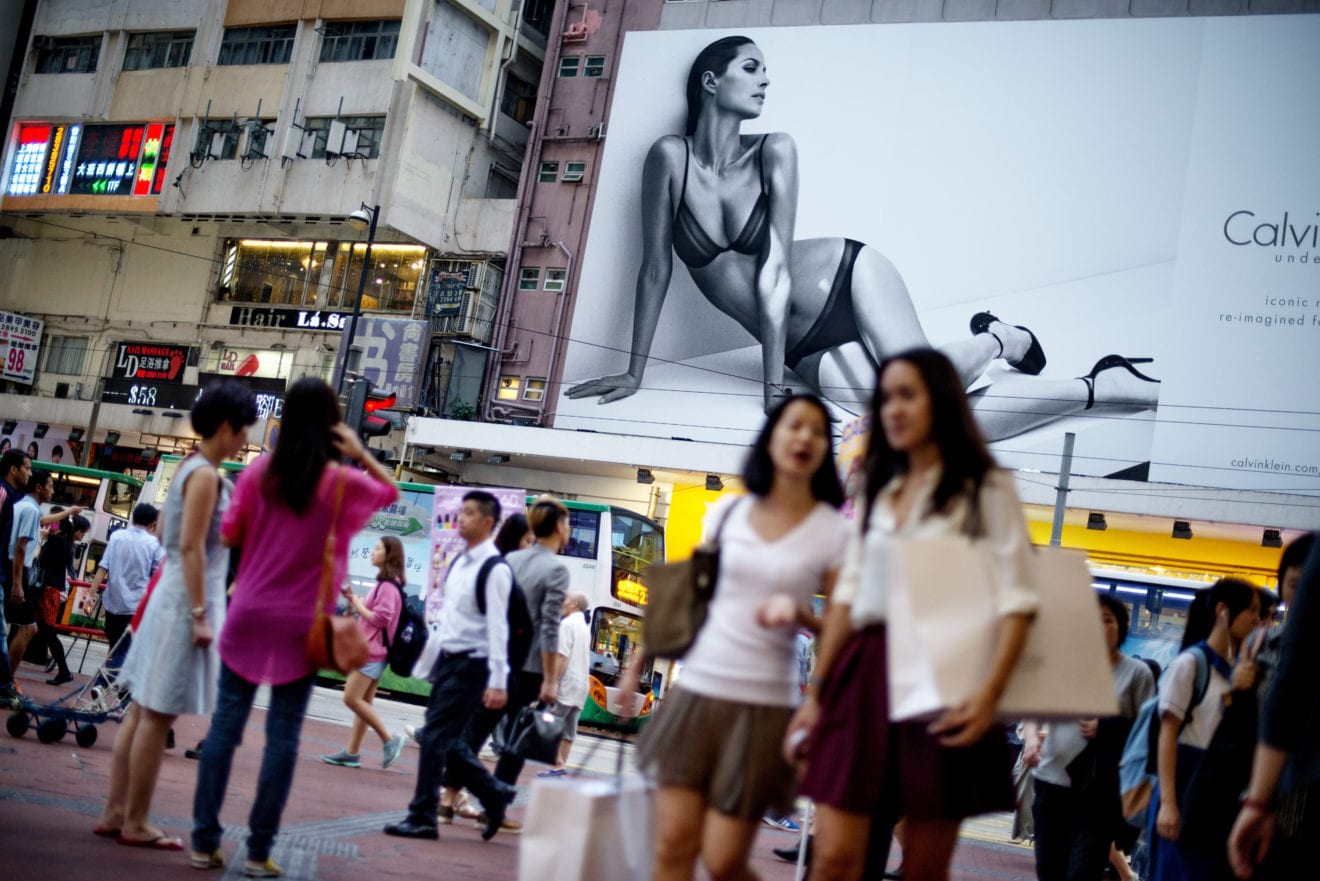
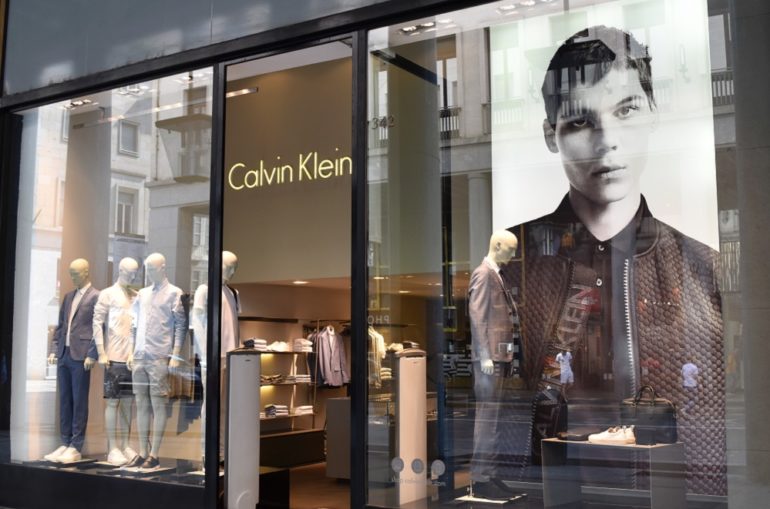
    US fashion house Calvin Klein is discontinuing its partnership with licensee Jimlar Corp to bring its footwear collections in-house for Asia and Europe.

    The brand, which is owned and operated by PVH Corp, has collaborated with Jimlar for a decade but will take over managing Calvin Klein footwear when Jimlar’s license expires at the end of this year.

    “Jimlar has been a best-in-class licensee for over 10 years and we’d like to thank them for contributing to the successful development of our footwear business,” said Calvin Klein’s president of global licensing John Van Glahn. “We … will continue the momentum by bringing the category in-house in Europe and Asia, leveraging PVH’s operations and expertise to take the business to the next level.”

    The new arrangement affects footwear lines under Calvin Klein Jeans, Calvin Klein and CK Calvin Klein. The footwear business will proceed from next year onwards under internal management, giving the firm greater control over development and design.

    CK’s existing networks will be employed to manage the distribution of footwear.

  • Tommy Hilfiger backs up BLM statement with US$15m plan to disrupt the fashion industry

    Tommy Hilfiger backs up BLM statement with US$15m plan to disrupt the fashion industry

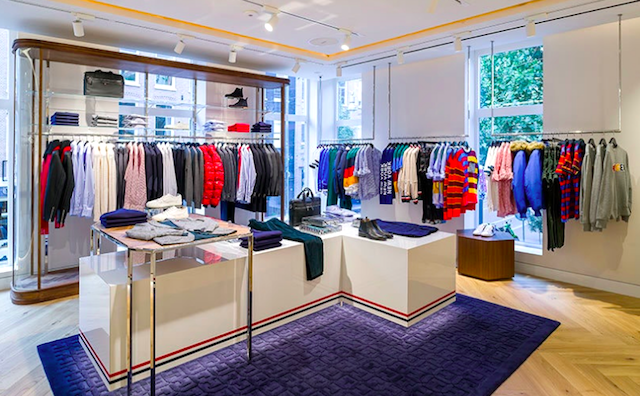
    Global fashion brand Tommy Hilfiger has unveiled a comprehensive plan to address racial inequality within its own organization and the fashion industry more broadly. On Monday, the PVH-owned brand announced the launch of the People’s Place Program, a new initiative that aims to increase the representation of minority communities in fashion in three ways: partnerships, career support, and industry leadership.

    Going forward, Tommy Hilfiger has said it will focus on “purpose-led collaborations” and partnerships with organizations and creative peers working to advance the representation of Black, Indigenous and people of color (BIPOC) in the fashion industry.

    It has also committed to providing to information, physical materials, specialist advice, industry introductions, and other actions to increase access to fashion and creative career opportunities for minority communities.

    And it will support independent, industry-wide analyses of diversity, equity, and inclusion and develop and share a concrete action plan to create long-term change.

    The People’s Place Program will be funded with US$5 million annually for the next three years as an initial minimum commitment.

    The name is based on designer Tommy Hilfiger’s first store, the People’s Place, which opened in 1969 and was meant to be a space for people from all walks of life to come together to enjoy art, music, fashion and pop culture.

    The initiative follows a statement made by the brand’s namesake founder in response to the death of George Floyd in police custody in the US in May.

    “What is happening to Black communities in the US and around the world has no place in our society,” Hilfiger said. “The fact that it has continued to exist in our industry – overtly and systemically – is unacceptable.”

    “We are far behind where we should be in achieving diverse representation. It shouldn’t have taken us this long to acknowledge that, but we are determined and committed to changing it going forward,” he added.

    Many brands and businesses issued similar statements condemning racism as Black Lives Matter protests gained traction around the world throughout June. Many of those statements, however, were quickly criticized as virtue signaling, or cynical attempts to benefit from consumers’ desire to support the movement.

    But according to Tommy Hilfiger, the People’s Place Program is not just about good PR, as demonstrated by the governance structure the brand is building to oversee the program and ensure its success.

    This includes appointing senior leadership to direct the program
    and accelerate its growth internally and externally, and conducting regular reporting on its progress and impact to maintain transparency.

    It also helps that the brand has a long history of supporting diversity.

    Tommy Hilfiger claims to be the first fashion brand to collaborate with hip-hop artists in the 1990s, and in recent years, the brand launched an adaptive range, catering to people with special needs.

    Martijn Hagman, chief executive of Tommy Hilfiger’s global business and PVH Europe, said the company acknowledges that it hasn’t done enough, but it is determined to do better.

    “We are taking immediate action to ensure that BIPOC communities in the fashion industry feel represented, heard and equally welcome to their seat
    at the table,” he said in a statement.

    “The People’s Place journey starts now with a dedicated internal governance structure that will drive and report regularly on the long-term objectives of the platform. This is a firm commitment and first step in a long journey for what the People’s Place Program can achieve.”

    Through its foundation, PVH has donated US$100,000 to The NAACP Legal Defense and Education Fund, which supports racial justice through
    advocacy, impact litigation, and education, and The National Urban League, a historic civil rights organization dedicated to economic empowerment, equality and social justice.

    During the month of June, it also matched 100 percent of charitable donations made by the company’s associates globally to organizations supporting racial justice.

    PVH’s brand portfolio includes Tommy Hilfiger, Calvin Klein, Izod, Van Heusen, Arrow, Warner’s, Olga and Geoffrey Beene. It employs more than 40,000 associates in over 40 countries and has US$9.9 billion in annual revenues.

  • Uniqlo to open its 24th store in Australia early September

    Uniqlo to open its 24th store in Australia early September

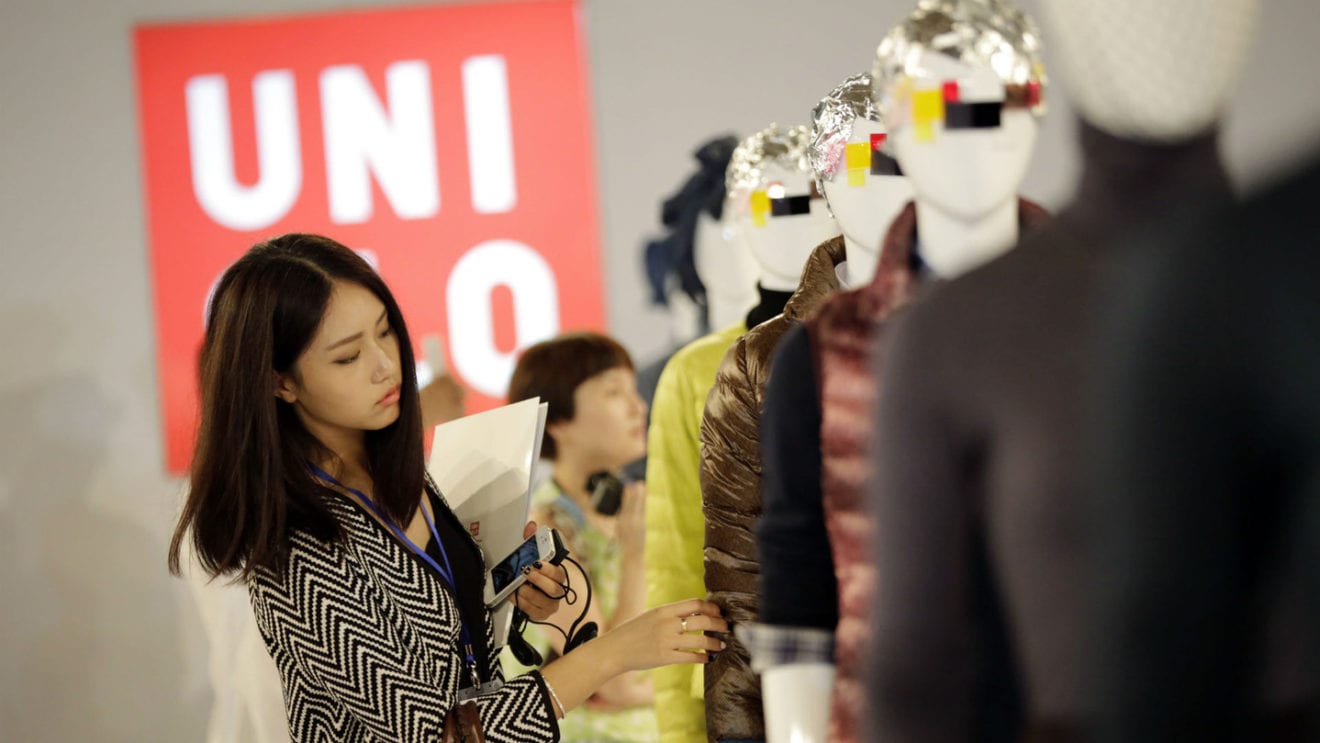
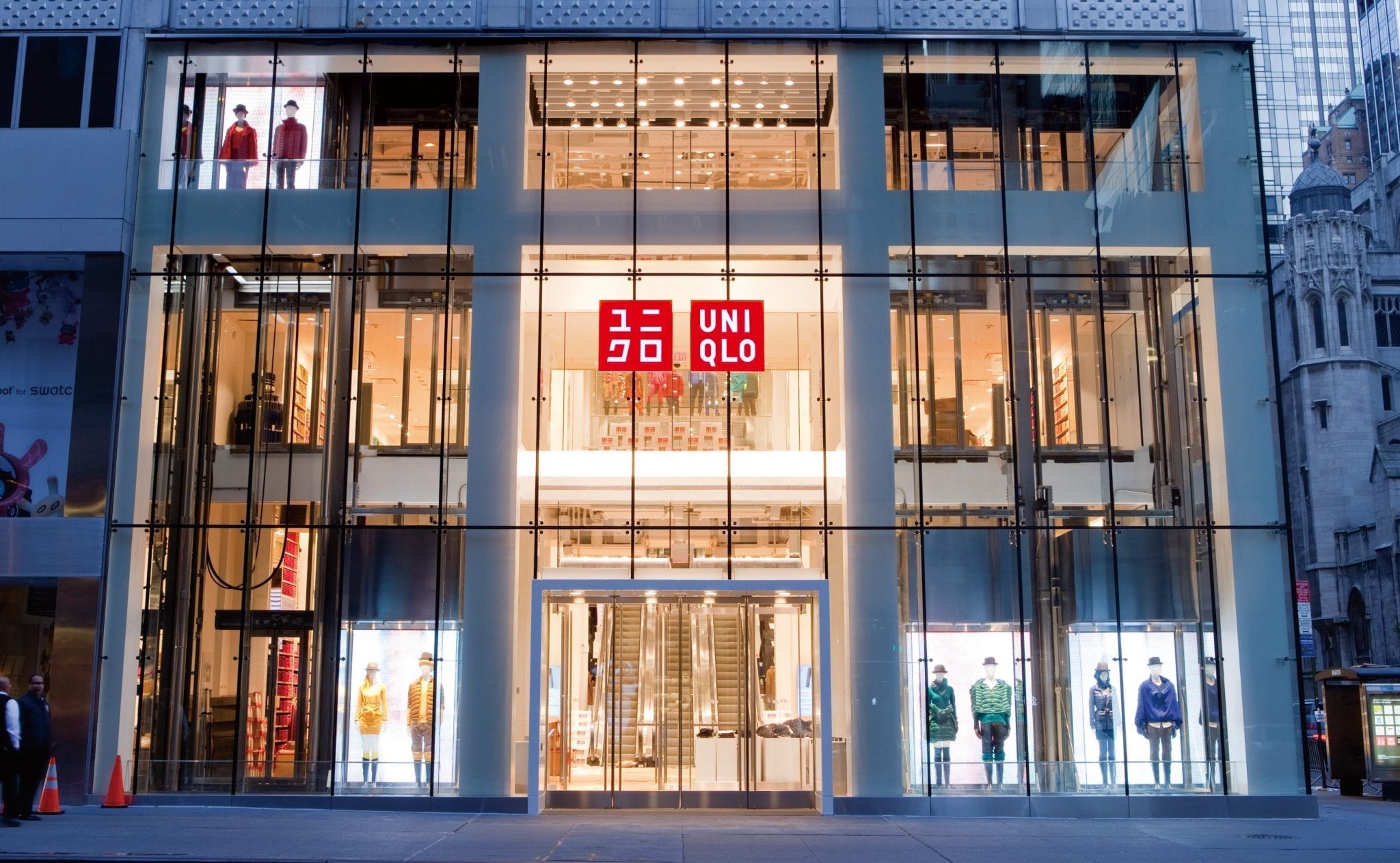
    Japanese clothing retailer Uniqlo will open a new store in the country at Bondi Junction this September, taking its store count in Australia to 24.

    The new store at Westfield Bondi Junction, which will span 1323sqm, will be the retailer’s ninth store in New South Wales.

    Uniqlo said this store will feature the biggest LED screen installation ever seen in the retailer’s Australian stores and will offer a full line-up of the brand’s LifeWear apparel for men, women, kids and babies.

    Kensuke Suwa, company chief operating officer, said since they’ve opened their first store in Australia in 2014, they have been able to consistently grow their retail footprint by leveraging their keen understanding of the local consumer and ensuring their products align with their needs.

    “We hope to keep the momentum going and look forward to making the brand even more accessible to Australians,” Suwa said.

    “We are excited by this milestone of bringing LifeWear from Tokyo to a truly iconic location in Australia and are looking forward to becoming a positive part of the Bondi community”

    This Uniqlo store is its eighth store with the Westfield Group, following Hurstville, Hornsby, Chatswood, Parramatta, Miranda, Chermside and Carousel.

  • Lush calls out Hong Kong landlords after flagship closing

    Lush calls out Hong Kong landlords after flagship closing

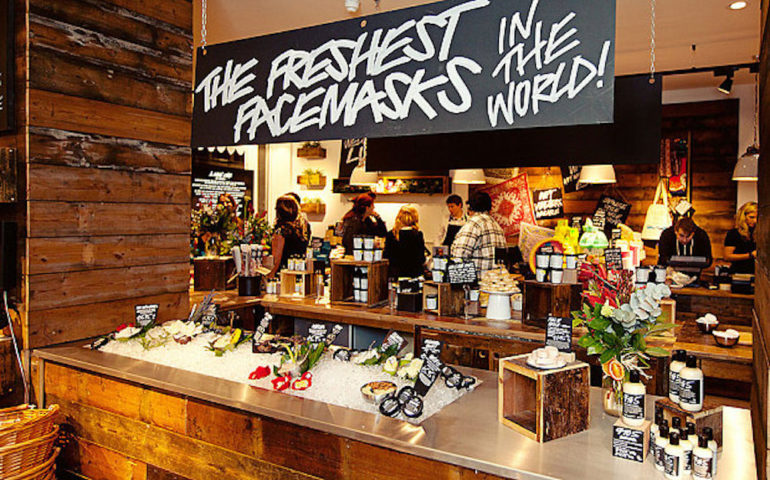
    Lush has taken a positive approach to its future in Hong Kong following the closure of its Central flagship store at the end of last month.

    But it has criticized the city’s landlords generally for failing to share the burden of a decimated retail market in the wake of the pandemic. The beauty products company said the decision to close the five-story flagship store, and its first spa in Asia at the end of its lease took “much consideration”.

    Lush said that all of its other stores in Hong Kong and Macau will continue to trade as usual.

    The Soho Square store’s closure reflected the challenges of dealing with reduced footfall during the Covid-19 crisis, the impact of “previous conditions” and a lack of early response from landlords and the government to help struggling businesses.

    “The pandemic has challenged many businesses around the world. Unfortunately, the measures to help in Hong Kong have been very late. Up until the end of January we had received little support from landlords or the government. However, the measure on salaries is very much needed and we are grateful for this.

    “Even though we are saying goodbye to Lush Soho Square Shop & Spa, we want to highlight the achievement of the team in the past five years and thank them for all their hard work. We have loved bringing the spa experience to customers in Hong Kong and we hope they have enjoyed every moment.”

    Elsewhere in Hong Kong, Lush has been engaging with landlords across the two territories because rent accounts for the majority of costs to businesses of all types.

    “We know it is also difficult for our landlords and as property owners, they also have a vested interest in the future of the retail industry,” Lush said in its email. “We would like to thank our partners who have to date been open to constructive discussion and particularly for those that have given discounts of 50 percent and above.

    “But this isn’t the time for one party to take all and one party left with all the burden. We believe there is collective social responsibility, and landlords and retailers should work collaboratively together to ensure retail survives in Hong Kong, which will benefit the local people and economy that in turn supports property owners that need rental tenants.

    “Some landlords gave us a slight discount on rent in February and March, following negotiations with us. However, this is not reflective of the reality we are facing. We have been in continual negotiations of the rent relief and payment plan with the landlords, and we are confident of keeping things under control with our strategic property plans, and where governments have offered pay schemes and guarantees we are making use of these to ensure staff payroll is protected as much as possible whilst there is little money flowing into the business.”

    Meanwhile, over the past few months, the company has worked to have a positive impact on the local communities during the pandemic.

    Underpinning the message of washing hands to keep the virus at bay, Lush donated more than 8 tonnes of soap to healthcare workers, non-profit organizations and minority groups.

    “We strongly believe that this is the time we have to help each other locally to overcome the unpredictable challenges so that we can support a positive future together.

    “We look to the future with optimism and sincere gratitude to our incredible staff and community. We are doing our best to make decisions and operate the only way we know how: honestly and transparently.”

    Lush founder Mark Constantine said the pandemic may bring many long-lasting changes to the way people live their lives.

    “Lush needs to adapt to these changes, stay agile and relevant, whilst holding true to our principles of being a business that is kind and caring. We will need the help of everyone as we enter this next phase.”

  • Uniqlo says sales recovery varies across Asian markets

    Uniqlo says sales recovery varies across Asian markets

    Japanese fast-fashion retailer Uniqlo is seeing a significant rise in sales in Japan despite the impact of the coronavirus pandemic.

    But performances varied in different Asian markets.

    While the company is suffering abroad, a recent uptick in sales in its home territory – partly boosted by a popular face mask – is likely to see 25-per-cent sales growth for the August quarter. Even so, the firm’s net profit forecast for the entire financial year has been re-estimated downward by a steep 47.7 percent, factoring in expected upcoming impairment costs.

    The firm saw a sales decline for the first three quarters of its financial year of 15.2 percent below figures for the same period a year earlier, as well as a net profit decline of 42.9 percent. Multiple outlets were temporarily closed during part of this period due to the outbreak.

    While Uniqlo’s performance is expected to continue to improve in both Japan and China, the business is expected to undergo a significant decline of up to 40 percent in its markets in South Korea, India, Southeast Asia and Oceania during the fourth quarter.

    A bright spot is Vietnam where trading was strong after the country returned to normal, virus-free, in May.

  • Calvin Klein Announces Decision to Bring In-House Footwear Collections in Europe and Asia

    Calvin Klein Announces Decision to Bring In-House Footwear Collections in Europe and Asia

    Calvin Klein, a wholly-owned subsidiary of PVH, announced today that it will be bringing in-house its footwear collections offered in Europe and Asia.

    This development comes after a successful and fruitful partnership with Jimlar Corporation, a division of Global Brands Group. Jimlar Corporation currently holds the footwear license agreements for the CALVIN KLEIN JEANS, Calvin Klein and CK Calvin Klein lines, which will expire at the end of 2020. Beginning in 2021, Calvin Klein Europe and Calvin Klein Asia will operate the footwear category internally, allowing for more control over product design and development. This strategic initiative will create an opportunity to build on the existing footwear business by leveraging the Calvin Klein businesses’ established infrastructure and distribution networks in each region.

    “Jimlar has been a best-in-class licensee for over ten years and we’d like to thank them for contributing to the successful development of our footwear business,” said John Van Glahn, President of Global Licensing at Calvin Klein, Inc.  “We are excited to continue the momentum by bringing the category in-house in Europe and Asia, leveraging PVH’s operations and expertise to take the business to the next level.”

    Calvin Klein Europe and Calvin Klein Asia will establish dedicated teams that will be responsible for design, production, and distribution of Calvin Klein footwear in the regions.

  • Uniqlo to open 24th store in Australia in September

    Uniqlo to open 24th store in Australia in September

    Japanese clothing retailer Uniqlo will open a new store in the country at Bondi Junction this September, taking its store count in Australia to 24.

    The new store at Westfield Bondi Junction, which will span 1323sqm, will be the retailer’s ninth store in New South Wales.

    Uniqlo said this store will feature the biggest LED screen installation ever seen in the retailer’s Australian stores and will offer a full line-up of the brand’s LifeWear apparel for men, women, kids, and babies.

    Kensuke Suwa, company chief operating officer, said since they’ve opened their first store in Australia in 2014, they have been able to consistently grow their retail footprint by leveraging their keen understanding of the local consumer and ensuring their products align with their needs.

    “We hope to keep the momentum going and look forward to making the brand even more accessible to Australians,” Suwa said.

    “We are excited by this milestone of bringing LifeWear from Tokyo to a truly iconic location in Australia and are looking forward to becoming a positive part of the Bondi community”.

    This Uniqlo store is its eighth store with the Westfield Group, following Hurstville, Hornsby, Chatswood, Parramatta, Miranda, Chermside, and Carousel.

  • Nike introduces Nike Rise concept store in China

    Nike introduces Nike Rise concept store in China

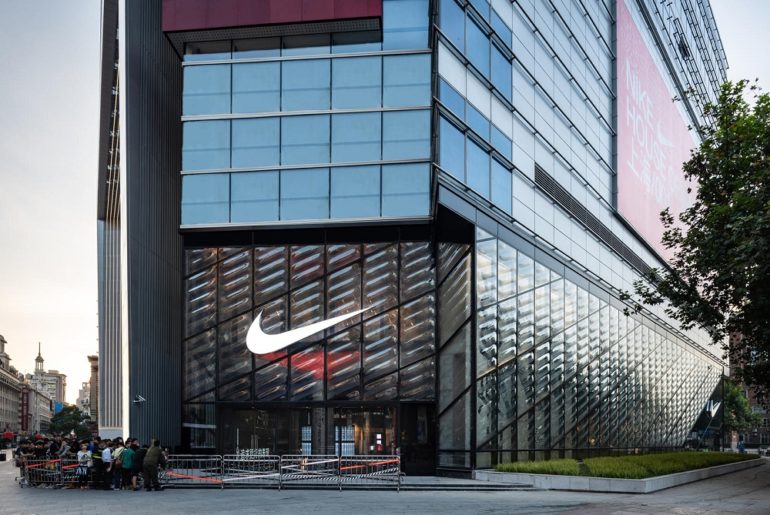
    Sneaker giant Nike has introduced its new retail concept Nike Rise in Guangzhou, China. The latest international store concept joins the brand’s innovative portfolio which already includes Nike Live in Tokyo and House of Innovation in NYC.

    The Nike Rise concept store features personalized shopping services with a focus on digital experiences.

    Nike Guangzhou has piloted a new app feature Nike Experiences, which connects members to “weekly sport-minded activations” to inspire and enable them to move.

    “Whether members are connecting through the Nike App or joining in-store, they’re invited to experience a digitally enabled journey at this store that links them to the energy and activity of the city, and unites communities across Guangzhou through the power of sport,” said Cathy Sparks, VP, and GM of Global Nike direct store & service.

    At Nike Rise, customers can experience Nike Fit which helps customers find the best fit for any footwear using scanning technology. Nike by You is a counter where members can find personalized items with designs inspired by the city’s sports culture.

    The brand’s members in Guangzhou will also have access to Nike’s events and workshops hosted by the city’s network of Nike athletes and experts.

    According to the company, more Nike Rise stores will be launched in other markets next year.

  • Vitasoy family behind bid to oust Esprit management

    Vitasoy family behind bid to oust Esprit management

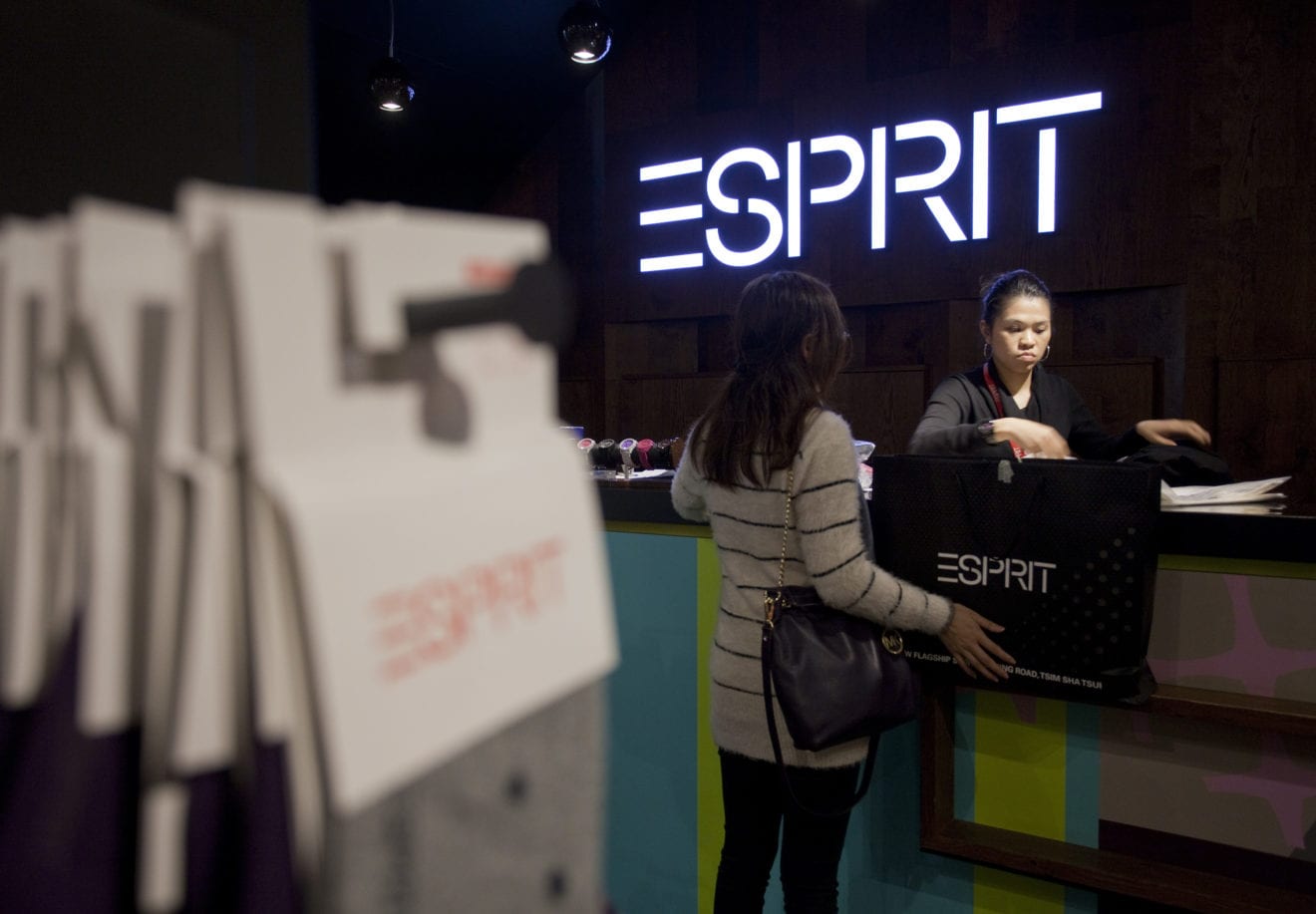
    Hong Kong-listed apparel retailer Esprit is facing a boardroom stoush seeking the immediate removal of CEO Anders Christian Kristiansen who is leading a restructuring of the long-ailing business.

    Trading in Esprit shares was suspended yesterday and this morning the company revealed that North Point Talent Ltd, now its largest shareholder with a nearly 13-per-cent stake, has sought an urgent extraordinary shareholder meeting to vote on the exit of Kristiansen and another director, Dr Johannes Georg Schmidt-Schultes.

    North Point is an investment vehicle of Karen Lo, a descendent of the family which founded the Vitasoy business.

    The move comes as North Point has boosted its holding in Esprit from 4.93 percent at a cost of US$17 million. After exceeding the 10-per-cent threshold, the investor has the right to call an extraordinary general meeting.

    The move reflects North Point’s lack of confidence in the current management team and a move to replace it with new leadership – and could signal a takeover bid is in the wind, despite Esprit’s European business effectively-being in bankruptcy protection.

    Last week Esprit revealed plans to axe 1200 jobs and close 50 stores in Germany under the court-protected administration process. The company had closed all of its stores in Asia by the end of last month in an earlier round of cuts as it attempts to reverse years of losses driven by a long-standing inability to design clothes that appeal to its core customer base.

    North Point is also seeking the appointment of Marc Andreas Tschirner, Christian Chiu, and Wai Wong as executive directors of the company with immediate effect.

    The precise reasoning behind the removals and appointments are detailed in a statement filed along with the meeting request, but these have not been made public as yet.

    “The board is looking into the allegations made by the requisitionist and will seek legal advice if necessary,” Esprit company secretary Ophelia Lo said in a stock-exchange filing.

    The trading halt was lifted this morning.

  • Burberry realigns business units, names new ready-to-wear head

    Burberry realigns business units, names new ready-to-wear head

    Burberry is reorganizing its creative team as the luxury label welcomes back Adrian Ward-Rees to lead its ready-to-wear business.

    The British-based luxury retailer will set up three new business units – ready-to-wear, accessories, and shoes and says it plans to “pool expertise within them” to improve its focus on products and improve quality.

    “The changes we intend to make will ensure we have the right structures in place as we enter the next phase of our strategy,” said CEO Marco Gobbetti.

    Ward-Rees held the role of senior VP and MD of Dior Homme with Christian Dior for the last four years and previously worked at Hong Kong-headquartered Lane Crawford, along with a merchandising role with Burberry.

    He takes up the new role as senior VP ready-to-wear on July 20, based in London and reporting to Gobbetti.

    “I am delighted to welcome back Adrian to Burberry to lead our newly created Ready-to-Wear business unit,” said Gobbetti.

    “Embedding product specialization will enable us to elevate quality and increase our agility, further supporting the momentum we have built across our brand and product and setting us up for future success as markets begin to recover.”

  • JW Anderson opens new outlet in Korea

    JW Anderson opens new outlet in Korea

    British fashion label JW Anderson has opened its second store in Seoul, South Korea. Located in Galleria Luxury Hall East, the store resembles the brand’s flagship in London’s Soho shopping district. Its facade features a floor-to-ceiling glass wall with the brand’s logo in neon.

    Customers can find a full selection of apparel for women, including the brand’s latest collection, at this store. The JW Anderson Korea store also offers handbags, footwear, and accessories

    The brand opened its first flagship store in Soho, London in March.

    Founded in 2008 by Northern Irish designer Janathan Anderson, JW Anderson’s design offers a “modern interpretation of masculinity and femininity by creating thought-provoking silhouettes through a conscious cross-pollination between menswear and womenswear elements”.

  • Senreve opens first Hong Kong pop-up store

    Senreve opens first Hong Kong pop-up store

    San Francisco-based online bag brand Senreve has opened a standalone pop-up store in Hong Kong, its first foray into a major city mall.

    Founded in 2016, the brand specializes in Italian-made luxury handbags. The new store has opened in the atrium of Pacific Place in admiralty.

    Designed by Hong Kong and London-based Editecture studio, the pop up features what the design team describes as an organic and open space to highlight Senreve’s core products and new lines.

    Operating until August 6, the pop-up will host workshops in collaboration with local female artists and entrepreneurs. Customers who make a purchase above a specific value will be invited to receive custom twilly scarf embroidery, tarot-card readings, and other benefits free of charge.

    Senreve previously opened a pop-up store-within-a-store last summer inside Khromis in Sheung Wan.

    The company also recently raised US$16.75 million in Series A funding for its upcoming Asian expansion.

  • Global Brands Group posts massive US$598 million loss

    Global Brands Group posts massive US$598 million loss

    Global Brands Group has reported a net loss attributable to shareholders of US$598 million in the year to March.

    That followed a loss of $400 million the prior year, but the company claims its restructuring program involving axing brands and stores is paying off, citing a pre-tax profit of $151 million for the year.

    Group sales fell 28.5 percent to $US1.082 billion, but the company cut $209 million in operating costs

    Last year, Global Brands ditched a raft of brands in the US, including Copper Fit, Kenneth Cole, Juicy Couture, Jones New York, BCBG, Goats and Taryn Rose and also shuttered brick-and-mortar stores there.

    But it noted, “exciting progress” of new and emerging brands including B New York, Magna Ready, which produces clothes for people with disabilities, and sports & swimwear labels Saga (pictured above) and Dakine.

    “During the reporting period, we have experienced one of our most rewarding and yet, one of our most challenging years,” said CEO Rick Darling. “Throughout the fiscal year 2020, we have diligently focused on executing our restructuring program, and this dedication has resulted in strengthening our balance sheet and in improving our performance despite the unprecedented impact of Covid-19.”

    The brand shake-up, reduced low-margin sales, and negotiation of new supply agreements helped boost the company’s gross margin by more than 640 base points from 30.2 percent last year to 36.6 percent this year. Another factor in the improved margin was a focus on expanding its direct-to-consumer business model.

    Darling said the rapid spread of Covid-19 in February and March negatively impacted the group’s sales during the last quarter. But he believes the restructuring process the company has been through during the last two years has equipped the company to face the ongoing challenges of the pandemic, leaving it “well-positioned for growth going forward”.

  • Japanese entrepreneur revisits nation’s golden apparel era with Factelier

    Japanese entrepreneur revisits nation’s golden apparel era with Factelier

    Toshio Yamada, the founder of Factelier, is a young Japanese entrepreneur who wants to preserve the craftsmanship of his country’s apparel industry.

    Yamada has created his own uniquely Japanese brand Factelier which designs and sources clothing and accessories for men, women and babies from experienced, typically family-owned, clothing factories spread all over the nation. They are sold online and shipped to 100 countries, through a small network of boutiques in Japan and Taiwan, and in selected department stores.

    Yamada’s vision is to preserve the rich heritage of apparel manufacturing and let the suppliers he works with emerge from the unavoidable anonymity that comes with supplying global brands.

    Thirty years ago, Japan, one of the world’s largest apparel markets, used to produce 50.1 percent of its domestic sales. Today, thanks to the rise of fast fashion and the outsourcing of manufacturing to countries like China, Bangladesh and Vietnam, that share has slumped to just 3 percent. More than three-quarters of the companies manufacturing clothing in Japan in 1990 are no longer trading today.

    Yamada was born into a family that ran a women’s clothing store for 100 years in Kumamoto, on the island of Kyushu. Living upstairs, he helped out on the shop floor from early childhood, surrounded by quality locally made clothes in an era when ‘made in Japan’ was familiar.

    Later, as a student, Yamada interned with luxury label Gucci in Paris. There the realization dawned on him that labels like Gucci, Hermes, and Louis Vuitton were all born in factories. “So they respect craftsmanship. Now I’m hoping to revive the local craftsmanship in Japan.

    “Our dream is to create world-class brands made in Japan, and build a sustainable and profitable link between these local artisans and consumers around the world, by selling clothes from Japanese factories directly to consumers, cutting out the middleman,” he told Inside Retail Asia.

    Factelier was created via an astonishing commitment to researching the industry. Yamada personally visited some 600 factories the length and breadth of Japan before selecting 55 of them as suppliers, all of them with experience in supplying top international brands.

    “A lot of these companies did not have a homepage, right, and Google did not know about them. So I would take a train and get off at a station and go to a telephone box and use the telephone book to find them.” He would then phone the factories he found listed and ask if he could stop by.

    Somewhat surprised, they invariably welcomed him. “It was a very old style approach,” he recalls.

    Having built the network he not only maintains constant personal contact with his suppliers, but their company names appear beneath Factelier on the clothing labels. The connection between craftsmanship and consumer runs even deeper: Yamada’s company runs regular factory tours for customers so they can see the art and commitment that goes into the clothing they buy.

    “We know the stories behind the factories, how they make the products, and it’s very interesting – when our customers go to the factories and they see the craftwork behind the clothes they become loyal customers.”

    It took Yamada three years to build the base of the business, living off a part-time job as he traveled from factory to factory and developed designs and products. Eight years since his mission began, Factelier has grown to a 50-strong team with four stores and a warehouse in Japan, two stores in Taipei – and even a cafe. Sales are currently doubling twice a year with 80 percent of orders from Japan. The largest overseas markets are the US, Mainland China, Taiwan and Hong Kong.

    “Fashion manufacturing used to be a declining industry in Japan, but I think if we have the passion and the vision, I think we can revive it. And more importantly, [our customers] will spend more for better products.”

    Factelier’s garments are of similar quality (but not design) to those being supplied to the likes of Gucci or Hermes – but sell for about half the price. It helps, of course, that Factelier is not paying for massive international advertising budgets and other overheads associated with luxury brands. Typically the factory gets a higher price for the clothing it produces for Factelier because the two parties jointly decide on the retail price, rather than the label dictating pricing and how much the factory gets for making it.

    “It’s a very, very different business model from traditional brands,” says Yamada.

    That said, the factories could not survive on Factelier alone – the Japanese label typically only accounts for between 5 and 10 percent of a partner factory’s production. But they are getting a better deal and Yamada says many are finding themselves able to employ more graduates to expand their business.

    The closer relationship between brand, manufacturer, and the customer has produced an unexpected spinoff: consumers are starting to influence the range and style of clothing being produced, especially in the field of functional clothing.

    “One day a customer asked us to manufacture clothes that would repel mosquitos. That’s a very, very difficult request.” Diligently working with factories and textile suppliers Yamada’s team succeeded, by incorporating a herb in the fabric that sends the mozzies packing.

    During our conversation, Yamada wore a stylish blue wrinkle-free jacket. “If I pack it in a trunk, it does not crease.” Another product uses baseball-uniform techniques to create 3D pattern effects.

    And Factelier sells stain-proof white jeans. Spill soy sauce, wine, coffee or ketchup over the denim and it comes off immediately without leaving a stain. This was another product designed to fulfill a customer’s request.

    Besides his interest in functional clothing, Yamada is committed to sustainability. The company uses natural fibers and biodegradable fabrics and it recently planted an organic cotton farm near Mount Fuji. Japan imports 99 percent of its cotton and he wants to change that reliance on other countries.

    Yamada is optimistic there is a strong future for direct-to-consumer brands. “The size of the B2C market in Japan expanded to US$180 billion in 2018. It grew by $160 million, or 9 percent, in that year.

    “Yes, craftsmanship is very big. I want to spread the idea of craftsmanship all over the world.”