Tag: Fashion

  • Hugo Boss expands online reach into Asia, Australia

    Hugo Boss expands online reach into Asia, Australia

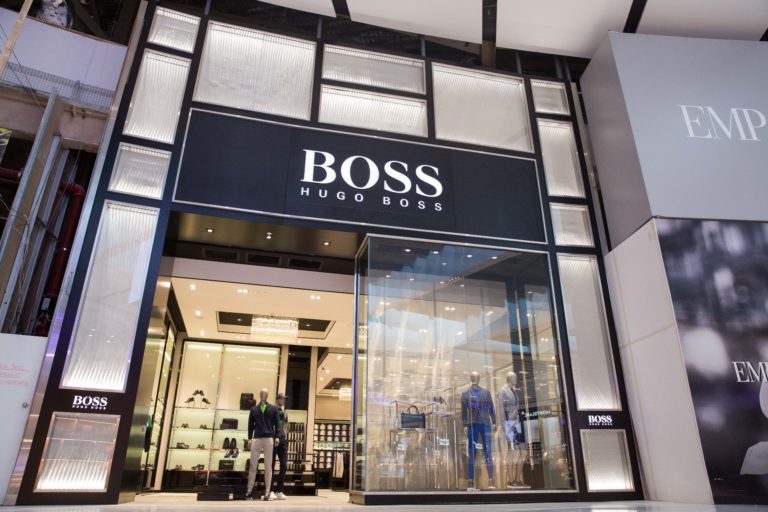
    Fashion label Hugo Boss is expanding its online reach to the Asia Pacific market.

    The German brand has added 22 more countries to its e-commerce portfolio, including Australia, New Zealand, Japan, and Singapore, along with markets in Europe. Customers from those countries can now access Hugo Boss’ latest collections from their home and have products shipped directly.

    “The importance of digital distribution channels for the global apparel industry is growing rapidly,” said Mark Langer, chairman of the company’s managing board.

    “The coronavirus crisis has further accelerated this trend. We are therefore rolling out our online store in additional countries as quickly as possible and … systematically pushing ahead with the digitization of our business model.

    The fashion label plans to add three more countries – India, Mexico, and Canada – later this year.

    Meanwhile, Hugo Boss says it plans to focus on the European and Asia-Pacific markets for growth, via concession stores, during the coming years.

  • Capri prospects ‘ugly’ as Michael Kors, Jimmy Choo underperform

    Capri prospects ‘ugly’ as Michael Kors, Jimmy Choo underperform

    US luxury group Capri has ended its fiscal year on an unsurprisingly gloomy note, largely due to the negative impact of the coronavirus.

    While the slip of 11.3 percent in total revenue does not look too bad compared to some other retailers, this is mostly because Capri’s quarter ends on March 28 and, therefore, does not include the massive disruption of April and May when the US and many other countries went into lockdown.

    These numbers are something of a prelude to a significantly uglier set of first-quarter results – indeed, Capri expects revenue for that period to be down by around 70 percent.

    On a brand basis, Jimmy Choo posted the worst performance with revenue down by 23 percent. On the bottom line, the division made an operating loss of US$23 million. While performance has been improving over the past couple of quarters, mainly thanks to enhanced collections of active footwear and accessories, the disruption of the pandemic badly affected the sale of more formal and fashionable footwear styles as consumers started to work from home and restricted socializing.

    Unfortunately, this is a trend that will continue for at least the next two quarters and it is hard to see Jimmy Choo regaining much momentum. That said, the year-old decision to transform Jimmy Choo into a more balanced luxury brand that sells high-end footwear for leisure, some fashionable sneakers for active occasions, and a wider range of accessories, now seems extremely prescient.

    This will not completely offset the challenges in other parts of the market but does give Jimmy Choo a lifeline that will stop it from completely sinking.

    Versace bucked the general trend with a 55.5-per-cent increase in sales. Some of this is due to softer comparatives from the prior year, when Capri had only just taken control of the business.

    However, the company also deserves credit for the various improvements it has made to the brand, particularly in terms of collections. A renewed focus on accessories, driven by a new Virtus range supported by strong marketing, has helped to boost sales. As GlobalData noted prior to the acquisition, the Versace brand was, admittedly by design, rather gaudy and off-putting for many consumers. Working with Donatella, Capri has begun to change this by creating a more understated, but still flamboyant, selection which has successfully improved both customer engagement and brought new shoppers to the brand.

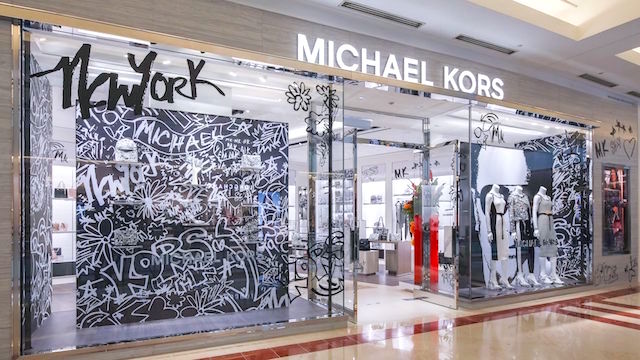
    While there is no doubt that Versace will be disrupted by the pandemic in the near term, the brand appears to have a renewed sense of purpose which will help it to deliver next year and beyond. While Versace thrived, the Michael Kors division remains in distress. Revenue was down by 18.4 percent off the back of a very modest decline in the prior year. This caps a year when sales have fallen in every single quarter.

    Although some parts of the assortment, such as sneakers and accessories, have performed well, the rest of the business is lackluster. Michael Kors still suffers from an identity crisis: the brand spans far too many different styles, products, and price tiers. As a result, it lacks integrity and is unable to build a business or aesthetic around a clear, core customer. In a highly competitive marketplace of luxury brands, this position simply isn’t good enough to drive sustainable growth.

    Unfortunately, these trends are not new and have been in play for at least two years. Now that Versace and Jimmy Choo appear to have more sound underlying strategies our hope is that management will turn its attention to untangling the Gordian knot of Michael Kors’ brand image.

    Overall, like other retailers, Capri is in for a rough ride over the next six months. It has the liquidity to survive the storm. But it must work on making its core brand seaworthy for the calmer waters ahead.

  • Struggling Esprit axes more stores, 1200 staff

    Struggling Esprit axes more stores, 1200 staff

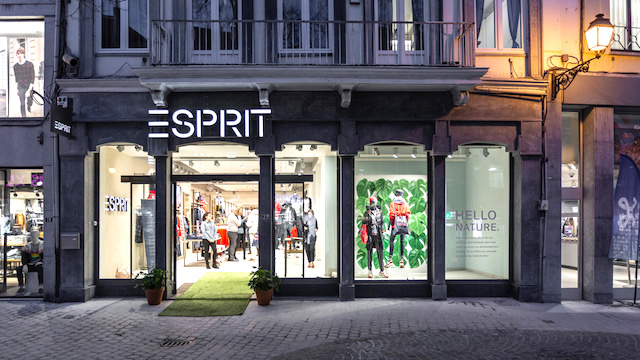
    Apparel chain Esprit will axe 1200 employees globally, including 100 in its Hong Kong office and 800 store employees in Germany as part of its ongoing restructuring program.

    A permanent reduction in salaries and benefits will be imposed on all remaining staff, except for those working in stores.

    Esprit has received court approval to open insolvency proceedings for its German subsidiaries allowing it to continue with the self-administration process under which it will streamline its business in Europe.

    In a filing with the Hong Kong stock exchange, Esprit said Dusseldorf District Court-appointed custodian Dr Biner Baahr, who has worked with Esprit executives since March to complete a restructuring plan, will continue in his role overseeing the plan’s implementation in a process similar to the US’ Chapter 11 restructuring process, called Protective Shield Proceedings.

    A creditors’ meeting will be held on August 19 to assess claims made before and during the Protective Shield Proceedings before a vote is held on the percentage of the creditors’ claims which will be paid out.

    The job cuts announced this week following the closure of all 56 Esprit stores across Asia, outside Mainland China, this week. Another 50 will now be axed in Germany – stores which accounted for 17.2 percent of the group’s total revenue in the year to June 30.

    Another part of the restructuring plan will see contracts with service providers renegotiated to obtain more favorable terms.

    Esprit calculates the combined savings from these initiatives will amount to US$116 million, but one-off costs of the restructuring will add up to about $64.5 million in the June 2021 year.

    Meanwhile, Esprit says its management team is currently working to strengthen the brand’s purpose, create a “consistent customer experience across all touchpoints,” improving production quality and sustainability credentials and focusing on “full-price sales”.

    A further update will be released along with the company’s annual results by the end of September.

    Esprit shares are currently trading in Hong Kong at around US 11 cents each.

  • Gap closing retail stores in Hong Kong

    Gap closing retail stores in Hong Kong

    Gap has become the latest retail victim of Covid-19 in Hong Kong, shutting its flagship store in Tsim Sha Tsui and at least one other store.

    The US apparel chain follows in the footsteps of fellow American retailer Victoria’s Secret, which abruptly closed its giant Causeway Bay flagship store last week.

    Gap has launched a clearance sale in Tsim Sha Tsui and its Hysan Place store in Causeway Bay, ahead of their closure sometime during the next few weeks. A notice outside the Tsim Sha Tsui store advises customers they will be able to shop at other stores or on the brand’s website.

    A staff member working at the Gap store reportedly leaked to local media that Gap Hong Kong will shut three more of its eight branches next month, including the recently-opened K11 Musea store. The three shops set to continue trading are at Queen’s Avenue in Central, V City in Tuen Mun and Citygate in Tung Chung.

    The US fashion brand was already struggling before the advent of the Covid-19 pandemic. Last year, Gap said it would close 230 stores worldwide within two years. Global sales recently recorded a 43-per-cent drop in the first quarter, worse than rival apparel retailers, in the wake of the pandemic crisis.

  • VF Corporation to boost Greater China management ranks

    VF Corporation to boost Greater China management ranks

    Apparel, footwear and accessories firm VF Corporation is making a series of organizational changes it says will “strengthen and accelerate” its business strategy in Asia Pacific, with a particular focus on China.

    The company, which owns a portfolio of outdoor and activity-based lifestyle and workwear brands, including Vans, The North Face, Timberland, and Dickies, expects China to account for 80 percent of its global sales by 2024, up from 65 percent now.

    VF is establishing a new position of president, Greater China, expecting to make the appointment later this summer. The person will be responsible for operations in Mainland China, Hong Kong, and Taiwan.

    “When we introduced our new global business strategy in 2017, we declared our commitment to invest in our Apac region and accelerate growth for our brands, all with a particular emphasis on China,” said VF Corporation chairman, president and CEO Steve Rendle.

    “By creating the new position of president, Greater China, we’re leaning even further into the many opportunities we see to elevate our business and brands in this fast-moving, digitally-driven marketplace. We look forward to announcing our appointment later this summer.”

    VF Corporation’s current group president Asia Pacific Kevin Bailey (right) will continue in his role but relocate to Colorado, where he will add the firm’s Emerging Brands portfolio to his responsibilities.

  • Gap, Kanye West launch new label Yeezy Gap

    Gap, Kanye West launch new label Yeezy Gap

    US fashion apparel retailer Gap has teamed with rapper Kanye West’s brand Yeezy to launch a range bearing the Yeezy Gap label.

    The partnership marks the circular relationship between the entrepreneur and Gap as Kanye used to work in a Gap store when he was a teenager in Chicago, before his music career took off.

    “We are excited to welcome Kanye back to the Gap family as a creative visionary, building on the aesthetic and success of his Yeezy brand and together defining a next-level retail partnership,” said Mark Breitbard, global head of Gap.

    The company said the new range will offer modern basic designs for men, women and kids with accessible price points. To celebrate the partnership, the Chicago Gap store features a giant message from West together with a logo for Yeezy Gap line.

    The products are scheduled to launch at Gap stores in the first half of next year.

  • Seafolly on the search for sales after entering administration

    Seafolly on the search for sales after entering administration

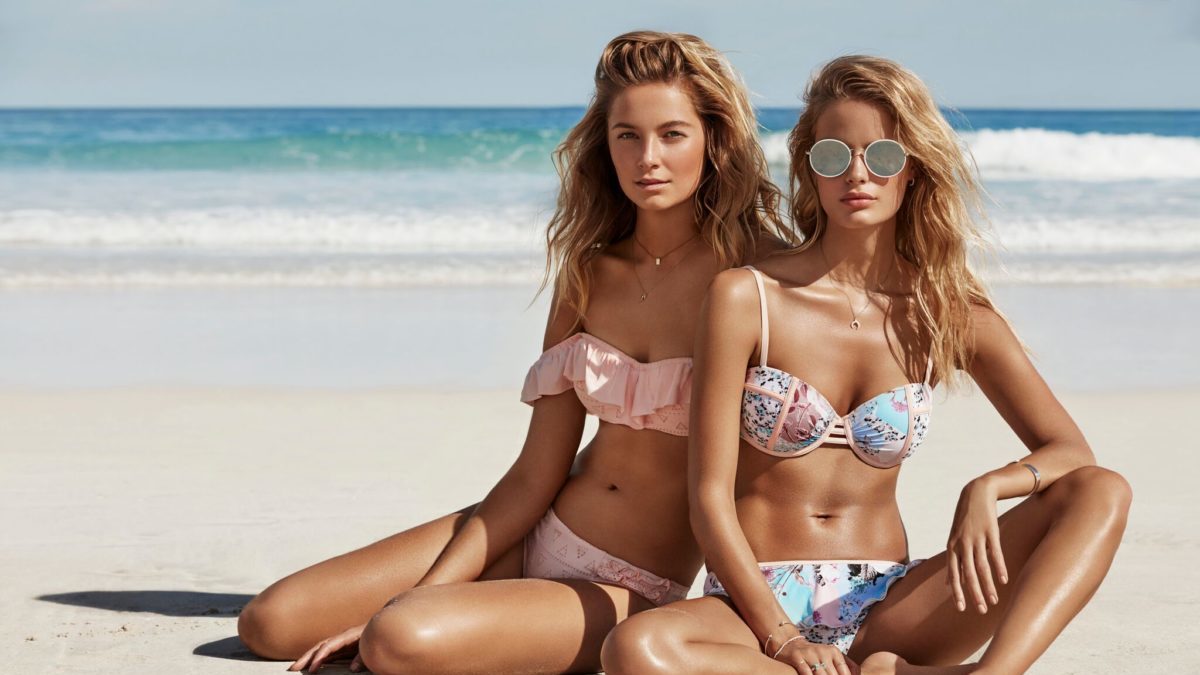
    The Covid-19 pandemic has claimed another regional fashion label, with Australian swimwear and beachwear brand Seafolly collapsing into administration yesterday.

    Scott Langdon and Rahul Goyal of KordaMetha Restructuring were named as administrators, citing the pandemic as a key reason for the collapse.

    Langdon confirmed KordaMentha will immediately begin a sale of the business process.

    Seafolly has 44 stores in Australia and 12 overseas including about four in Singapore. It recently launched on Tmall in Mainland China hoping to get traction in that market.

    “Given the quality of the brand and its reputation, there will inevitably be a high level of interest in purchasing the business,” Langdon said.

    Seafolly’s Australian stores will continue to trade, and all gift cards and reward points will continue to be redeemable.

    Seafolly joins Australian retailers including Tigerlily, G-Star Raw and Hong Kong-owned Jeanswest in collapsing under the pressure of the pandemic.

    Seafolly is owned by US private-equity investment company L Catterton, in turn controlled by the Arnault family which owns LVMH. The foreign ownership may have made it impossible for the business to receive the Australian government’s JobKeeper wage subsidy.

  • Diesel unveils a 360-degree selling platform and virtual showroom

    Diesel unveils a 360-degree selling platform and virtual showroom

    Diesel has unveiled Hyperoom, a 360-degree virtual selling platform and exhibition space.

    Conceived by Diesel’s parent company OTB, Hyperoom resembles the Diesel’s physical showroom in Milan. All Diesel’s products will be featured in the virtual store through a customised section of the platform, including the Spring and Summer 2021 Collections.

    At Hyperoom, customers can peruse the products in 360-degree displays or in 2D closeups with product descriptions.

    “One must look for silver linings whenever and wherever possible,” says Massimo Piombini, CEO of Diesel, referring to the challenge of the Covid-19 crisis.

    “This year has sparked an urgency to accelerate what we can offer and accomplish in the digital space. With this tool we have set a new benchmark for the industry, in regard to digital transformation.”

    “At Diesel, we aimed to keep as much of the buying’s physical element as possible”, the company says in a statement. “To digitally recreate the selling process, we have enabled remote buying sessions through enhanced and comprehensive digital assets.”

    Diesel believes the new virtual-store concept will be a solution for many fashion brands as it not only provides a unique online retail experience but also reduces the amount of clothing samples required at physical stores.

  • Victoria’s Secret Hong Kong flagship store abruptly shut down

    Victoria’s Secret Hong Kong flagship store abruptly shut down

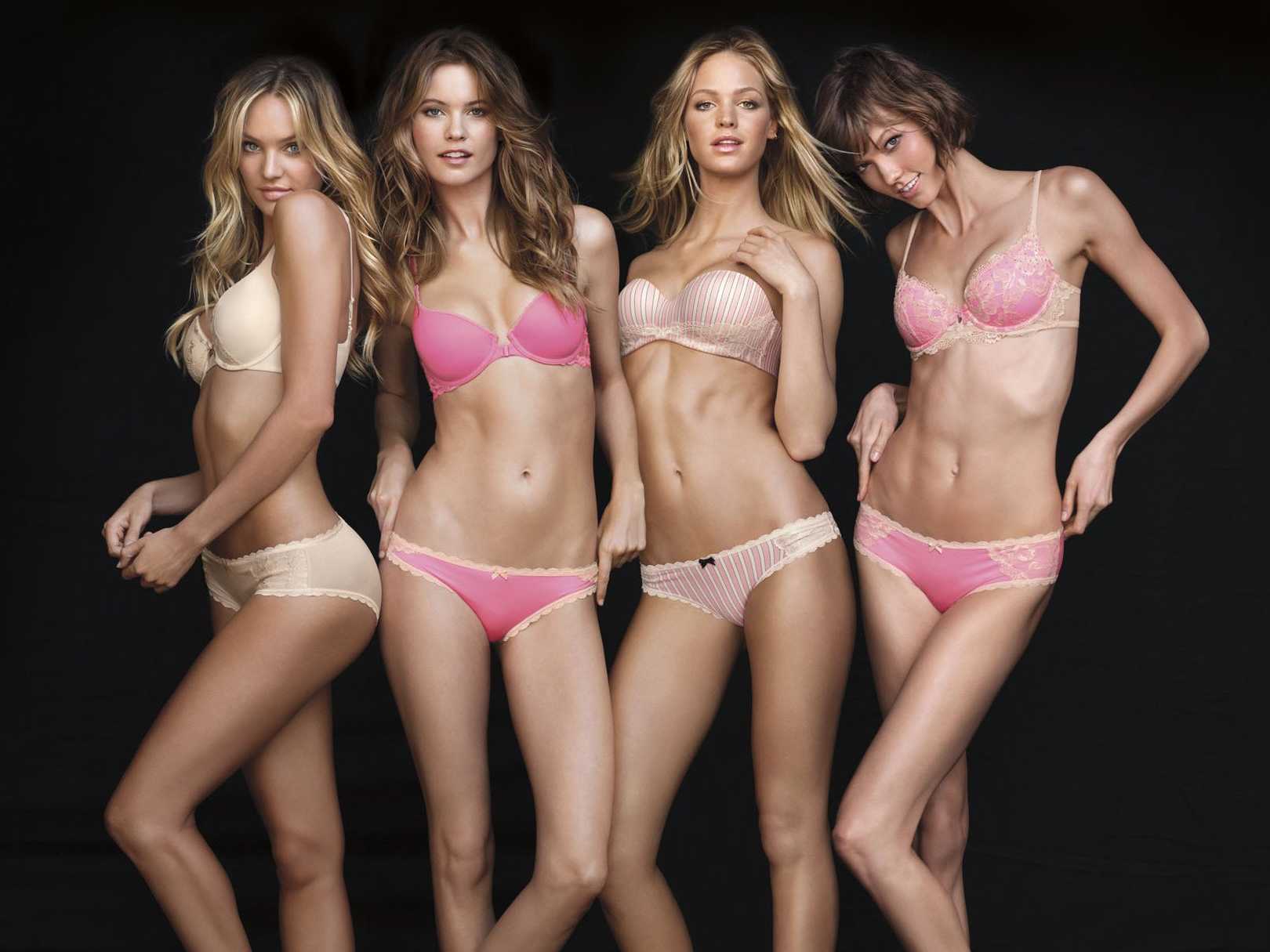
    The high-profile Victoria’s Secret Hong Kong flagship store has been closed suddenly. According to multiple reports, employees were all laid off last night (June 24) on the even of Hong Kong’s public holiday.

    Signs were placed on the store’s entrance announcing the closure and telling customers they could continue to shop online. People visiting the store today could see stock being boxed in the store.

    Operated by Victoria’s Secret’s US parent Limited Brands, the store’s future was questioned by Inside Retail on several occasions, most recently last month as part of a strategic review of the company’s Chinese operations.

    The Victoria’s Secret Hong Kong store opened two years ago after another struggling US retailer Forever 21 quit the site. The lingerie brand’s four-story flagship featured a whole level for its Pink brand, and a floor dedicated to high-end products, complete with the city’s most luxurious fitting rooms.

    Sources said that Limited Brands was paying US$903,000 a month for the 50,000sqft space, which is about half the rent Forever 21 reportedly paid previously. In return, they signed a 10-year lease in 2017 which runs until August 2027. It took nearly a year to fit the store out.

    It is not clear what deal – if any – Limited Brands has agreed to in order to exit the space, however, a senior real estate industry source said last month he doubted the then rumors that the store would close because of the length of the lease.

    “They have a long lease and can’t just walk away. I would be surprised if the landlord takes backspace voluntarily.”

    Our source said the site would be difficult space to fill as it is so large and needs significant capital expenditure to convert into multiple retail spaces or refurbish to suit another brand.

    “If the landlord did take it back, it would need to be sub-divided as it was before with multiple tenants.”

    Another source told a Hong Kong publication that Limited Brands would face a $77 million bill for terminating the contract early – equivalent to nearly 90 months rent.

    In May, Limited Brands reported a 37-per-cent slump in first-quarter sales to $1.65 billion, with revenue from Victoria’s Secret down 45.6 percent, in part due to store closures relating to Covid-19.

    Subsequent to that, a company executive told an analysts’ briefing that it was “evaluating strategic alternatives to reduce or eliminate losses in the UK and China”. The Victoria’s Secret UK business subsequently collapsed early this month.

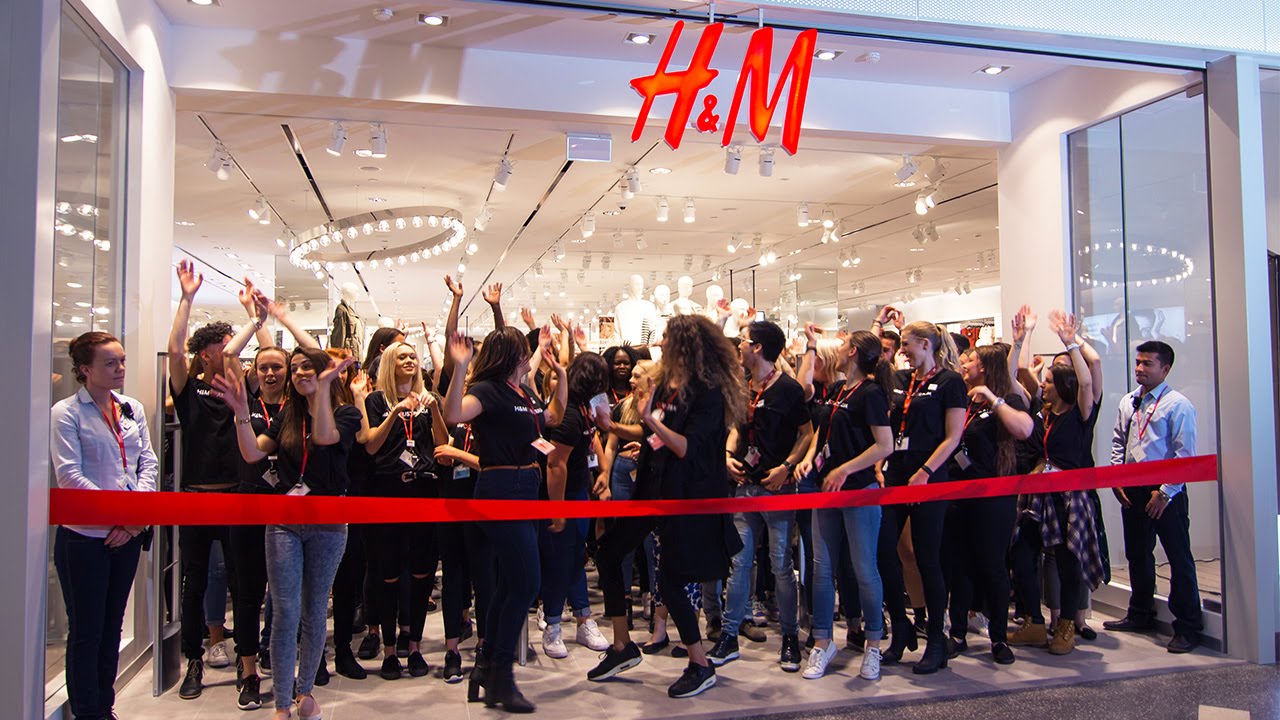
  • How H&M got glocal in Asia

    How H&M got glocal in Asia

    ‘Glocalisation’ is a trend retail chains have been embracing for more than a decade. It’s the art of fostering a local appeal to a globalised retail offer, empowering regional decision making in the hope of creating a bond with people in communities of consumers a world away from the company’s head office, but continuing to enjoy the advantages of critical mass in production, logistics and other back-of-house operations.

    But the fashion industry, trapped in the pressure cooker of seasonality-driven product design and release, has been slow to respond on a global scale. While luxury brands have always found an insatiable audience of consumers in markets like China, where wearing a brand is a sign of status and success, some mainstream global fashion brands have foundered abroad. Gap failed in Australia, Victoria’s Secret had mixed success after discovering its styles, fits and sizes weren’t really a natural match for typically petite Asian physiques. River Island and Banana Republic never took off in Singapore, Marks & Spencer quit Mainland China – and labels like Forever 21 and Macy’s struggled to make any headway on the mainland.

    And that’s before you consider some of the public-relations disasters in recent years by brands large and small who were tone deaf to cultural differences and regional geopolitical tinder points (think Versace, Coach and Givenchy, who learned the hard way not to project Hong Kong, Macau and Taiwan as territories separate from China…)

    Given that context, H&M has begun to stand out from its peers by steadily building affinities with local personalities, influencers and designers – and most recently models. Not just in China, but regionally, one of the few continents where the company is aggressively expanding its store networks as growth wanes in Europe and North America.

    The move has been subtle and undertaken without fanfare (H&M declined to comment for this feature) but it gained momentum last year when the company appointed musician and artist Lay Zhang Yixing as its spokesperson for its menswear collection in Greater China.

    Most recently, the company assembled a group of models from around Asia for a photoshoot for its up-scale H&M Studio Spring Summer 2020 collection, choosing women well known in their home markets. While H&M has long embraced diversity in the talent modelling its new lines, this was something quite unique for the label.

    From Gotland to Sumba

    While top international models posed in the new collections on beaches and sand dunes in America, far away on the island of Sumba in Indonesia, five Asian models created a very different look for the range. The five were Quynh Anh Shyn of Vietnam, who has her own fashion line, Iman Fandi Ahmad of Singapore, and three Malaysians: designer Kittie Yiyi, blogger Rachel Wong and fashion and beauty entrepreneur Bella Kuan.

    The move drove widespread exposure for the brand and the range across Southeast Asia as the models-cum-influencers shared their experiences during the photo shoot, which one Vietnamese fashion magazine described as an “island boot camp”.

    “Free, colourful and bravery – adjectives to describe H&M Studio Spring Summer 2020 – are also adjectives easy to relate to Quynh Anh Shyn’s fashion style during the past year,” it wrote.

    That’s grassroots glocal praise for a fashion brand bedded in Sweden and a range inspired by a research trip to the Swedish island of Gotland, according to H&M creative advisor Ann-Sofie Johansson.

    “The SS20 collection muse is a forward-looking free spirit – someone who surfs, climbs, explores and who wants to experience new things,” she explained at the US launch. “The collection is both raw and refined: natural fabrics with raw edges are mixed with refined elements, such as shiny metallics and futuristic accessories. There’s a freedom in the way the collection can be worn, too: we want our customers to feel that anything goes.”

    Some of the new Studio pieces went on sale in February this year and the balance will be launched in late May.

    China focus

    Unsurprisingly, perhaps, a core focus of H&M’s ‘glocalisation’ in Asia is Mainland China.

    Lay’s appointment was a first for the brand’s menswear collection. The 28-year-old Chinese singer was a member of the South Korean-Chinese boy group Exo and has starred in films including The Island and Golden Eyes. Lay has also served as an ambassador for other global fashion brands, including Converse, Mac Cosmetics, Chaumet Paris and Ray-Ban. Last year he also signed on as Calvin Klein’s first Chinese global spokesperson and publicly terminated a similar contract with Samsung after the company violated the One-China policy.

    When he was signed with H&M, the company said in a statement that the move was aimed at continuing to enhance its market competitiveness and brand influence.

    “The brand is taking a bigger step developing further its business in Greater China based on its menswear products with design and quality.”

    “I hope everyone can see the versatility of H&M men’s wear through Lay’s interpretation,” added Magnus Olsson, GM of H&M Greater China, at the time.

    In late September, H&M released its first collaboration with a Chinese designer Angel Chen, which it says was inspired by the theme of “Kung Fu”.  “The collection portrays a surprising, unique east-meet-west street style via a groundbreaking combination of vivid colour and embroidery,” Chen’s publicity explained.

    Educated in London but now Shanghai-based Chen has her own successful label, which is now sold through 70 retailers around the world, including department stores Bergdorf Goodman in the US, Lane Crawford in Hong Kong, Galeries Lafayette in France and Selfridges in the UK. She has tailored garments for influential celebrities including Bella Hadid, Chris Lee and Fan Bingbing, all influential pop culture figures in Mainland China.

    Lunar New Year provides an opportunity for many international brands to plug in to a core feature of China’s culture and H&M is no different.

    This year, the brand released what was probably its most extensive range yet, spanning women, men and children. Celebrating the Year of the Rat, items featured motifs, bold red colour swatches and comfortable silhouettes, spanning more than 100 SKUs. The accompanying campaign and photography focused on families sharing time together, a core aspect of the festive season across Asia.

    H&M has a long way to go in its Asian journey. While it has an established presence in Southeast Asia, there was – before the coronavirus pandemic – a plan to open stores in smaller cities.

    India is H&M’s fastest-growing market globally, with 47 stores in tier-one cities (compared to Zara’s 22) and an online presence achieving 49-per-cent year-on-year growth last year. It is now targeting smaller cities and has announced a collaboration with local designer Sabyasachi Mukherjee to launch a new collection this year.

    With their rapidly rising middle class, parts of Asia represent a huge opportunity for global fashion brands. Using local models, influencers and celebrities is a sure-fire way to engage with consumers, adding local context to a global brand name.
  • Singapore fashion labels get boost from OneOrchard online store

    Singapore fashion labels get boost from OneOrchard online store

    Singaporean non-profit trade association Textile and Fashion Federation (TaFF) will launch an e-commerce platform in support of local fashion labels.

    Oneorchard.store, scheduled to go live on June 19, is designed to showcase and facilitate exposure of a range of locally-based designers from emerging to established labels. The platform is conceived of as a means to face current challenges in the industry and present an opportunity for sustenance within the Singapore retail market.

    The initiative has been borne out by a TaFF consumer survey showing the popularity of shopping on label e-commerce platforms amongst respondents in spite of the impact of Covid-19.

    A key finding of the survey was that local brands are just as popular as foreign brands within the territory, with 86 percent of respondents willing to make a repeat purchase of a local brand.

    “The launch of oneorchard.store is an essential step in the development of our long-term commitment in boosting the local fashion industry and promoting the local retail ecosystem,” said TaFF spokesperson Jiayi Wong.

    “In support of the recovery and the opening of physical retail, we hope this platform can complement those efforts and carry on working towards building a sustainable retail landscape.”

    TaFF’s portfolio of homegrown talents range from retailers in womenswear to accessories and childrenswear. Participating brands include Adrian Furstenberg, Ans.ein, Bells & Birds, Carrie K, Forbidden Hill, Ginlee Studio, Hher, Josee P, Ling Wu, Minor Miracles, Oeteo,  Plain Supplies, Quintessential, Ranee of Sarawak, R y e, Shirt Number White, The Form, Top Middle Base (Nena), Weekend Sundries and Ying The Label amongst others.

  • New York fashion label Sies Marjan closes its door

    New York fashion label Sies Marjan closes its door

    New York-based luxury fashion label Sies Marjan has shut down its operations after five years in business.

    Although the brand was backed by billionaire investors, Sies Marjan was financially affected by the impact of Covid-19 pandemic.

    “What we have worked on has been a dream come true,” said Sander Lak, creative director of Sies Marjan. “Thank you to everyone who has given their time and talent to Sies Marjan over the years.

    “We have built a singular brand whose legacy is not just in the clothes and collections but within each person who contributed along the way.”

    Named after Lak’s parents, Sies Marjan made its debut at the New York Fashion Week in 2016 and became famous for its colourful palette.

    The luxury brand successfully secured funding from billionaires, Howard and Nancy Marks, with an estimated net worth of US$2.2 billion. However, Sies Marjan faced a setback after its major stockist Barney New York went bankrupt last year.

  • Superdry exiting Mainland China

    Superdry exiting Mainland China

    British clothing label Superdry is set to quit the Mainland China market after five years of mounting losses.

    Several Chinese-language fashion industry news channels on the mainland are reporting clearance sales in Superdry stores – a rare event in itself – with merchandise discounted by 25 or 30 percent.

    A staff member of a Superdry Xiamen store told Interface Fashion that sold stock was not being replenished. “We have received a notice from the Shanghai company that we will withdraw from the Chinese market in July,” she said, in a comment translated from traditional Chinese.

    News of Superdry’s withdrawal from Mainland China was confirmed by Azoya, which monitors multiple Chinese-language sources, in a LinkedIn post overnight. Azoya said steep discounts of the brand’s merchandise were also being offered on e-commerce platforms such as Tmall, JD and Vipshop.

    Superdry launched in China in September 2015 with a catwalk show at the British embassy in Beijing. In partnership with Trendy International Group which has around 3000 stores on the mainland, Superdry originally planned to open two to five stores in the first year. Each of the two companies pledged to invest £9 million each over 10 years to develop the brand.

    A spokesperson for Superdry’s Chinese partner neither confirmed or denied a decision for the brand to quit China in a note sent to Interface Fashion.

    “At present, due to the impact of the epidemic, Superdry and Trendy Group are currently reviewing the joint venture business and Superdry China operations.”

    Meanwhile, other sources have reported via Weibo that since April 1, about 90 percent of Superdry China employees, from store roles to head office, have been under pressure to take unpaid leave, while management and directors have accepted a 25-per-cent salary reduction.

    Ker Zheng, marketing & partnerships executive with Azoya said that Superdry failed to stand out as a brand in China.

    “Streetwear is trending upscale these days – while the prices at Superdry are high, I don’t think the brand has invested enough in marketing to really differentiate itself from other competitors. It’s not a popular brand,” he said.

    “Apparel is a tough and competitive industry and not many other foreign players besides Uniqlo and Zara have succeeded in China. In the past Chinese males have been less likely to splurge on shopping and prefer to buy simpler clothes, but this is starting to change, so there is hope.”

  • H&M sales tumbled in May quarter

    H&M sales tumbled in May quarter

    H&M says its sales decline in May was slightly below expectations, and less dramatic than during March and April as stores began to reopen across Asia and Europe.

    The Swedish-headquartered fast-fashion retailer said net sales in the three months to May 31 were down by 50 percent year on year to US$3.1 billion.

    More encouragingly, sales in the first 13 days of June were down 30 percent, suggesting a gradual return of customers to stores.

    H&M has 5058 stores worldwide and almost one in five of those remain shuttered due to the Covid-19 pandemic, the company said in a statement.

    The decline in sales was less than at rival Inditex, the parent of Zara, which last week reported a 34-per-cent decline in the week of June 2 to 8.

    But an H&M spokesperson said the pace of the sales recovery “varies largely between markets” around the world.

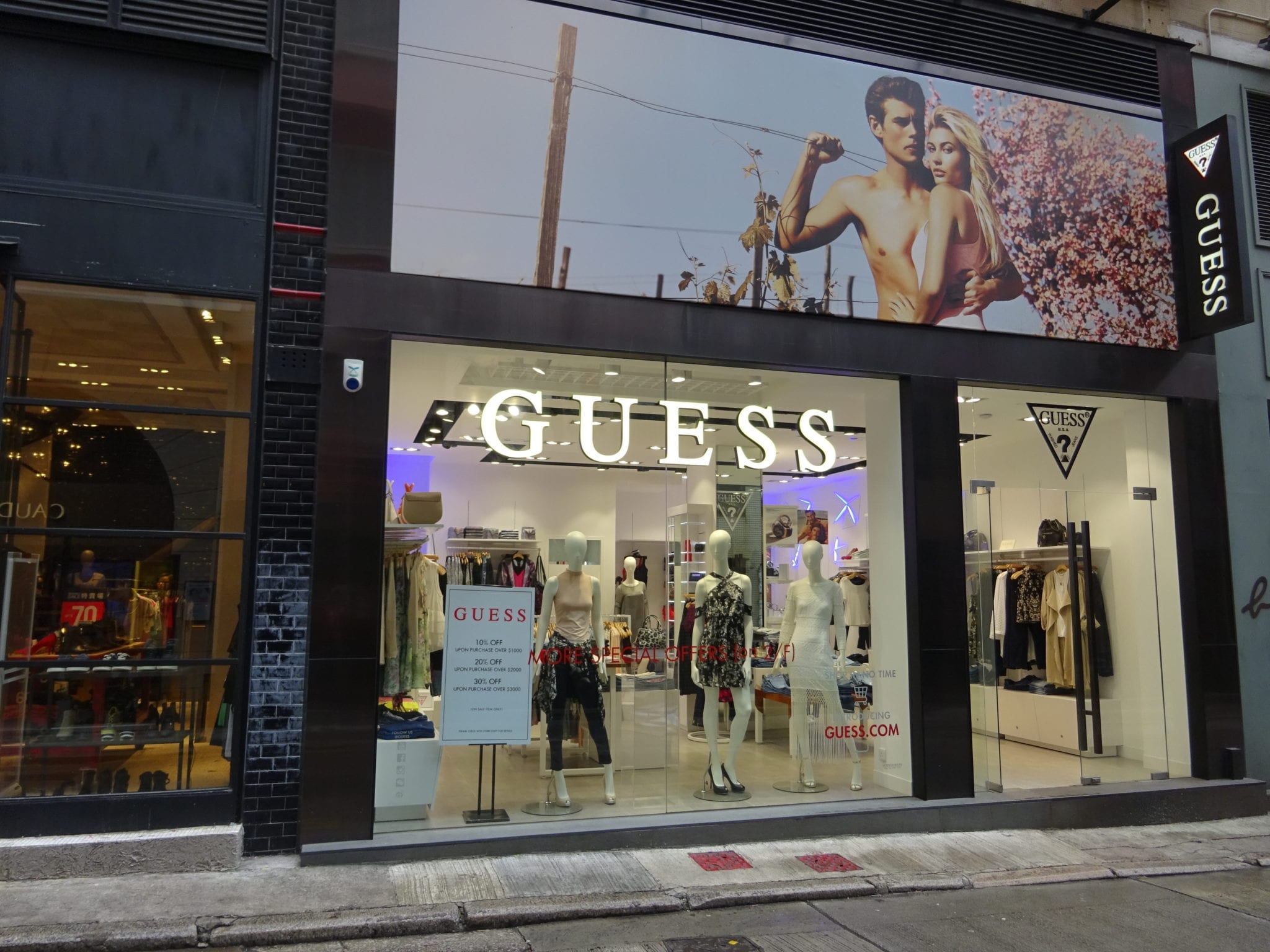
  • Guess Asia sales up, but store closures loom

    Guess Asia sales up, but store closures loom

    Guess Asia sales are recovering post-Covid-19, but the company will be exiting some stores in the region when leases come up for renewal, as part of a worldwide network trim of 100 outlets.

    The store closures represent about 9 percent of the global fleet and will take place over the next 18 months.

    CEO Carlos Alberini said last week that about 75 percent of the fashion retailer’s leases come up for renewal within the next three years, representing an opportunity to cut back unprofitable stores. Guess has 1169 company-operated shops along with 560 operated by partners.

    In the quarter to May 2, Guess sales globally fell by 51.5 percent to US$260.3 million, compared with $536.7 million in the same prior-year quarter. The company recorded an adjusted net loss of $118.9 million, compared to $19.6 million for the first quarter a year ago.

    In Asia, sales fell by 52.6 percent in US dollars and by 50.6 percent in constant currency terms.

    The Guess Asia regional operating margin decreased by 52.6 percent to negative 56.4 percent in the first quarter, due mainly to the negative impact of the Covid-19 pandemic which resulted in significantly higher inventory reserves.

    Since the end of the quarter, all Guess-run stores have now reopened, however, they continue to experience significant reductions in traffic and therefore, sales. The company said its e-commerce sites have experienced lower traffic, but this has been partially offset by a strengthening in conversion.

    Alberini said the Covid-19 crisis had a material impact on the company, including operations and financial results.

    “To minimize our loss and protect our liquidity, we challenged every aspect of our business which was being significantly impacted by extensive store closures and lower customer demand.”

    With all stores open in Asia, more than 400 in Europe and 180 stores in the US and Canada, Alberini says he is encouraged by initial trading results, which have been better than anticipated. “Our sales productivity for re-opened stores for the second quarter to date has reached roughly 75 percent in the US and Canada and 70 percent in Europe as compared to last year’s level.”

    He said the company was continuing to focus on improving its omnichannel platform centered around the consumer, and improving efficiencies in its global operations.

    “I fully expect to be on the other side of this crisis with a more efficient business model, a more focused and consistent global brand strategy, and a more nimble and agile organization.”