Tag: Fashion

  • Sephora launched Tmall flagship store in China

    Sephora launched Tmall flagship store in China

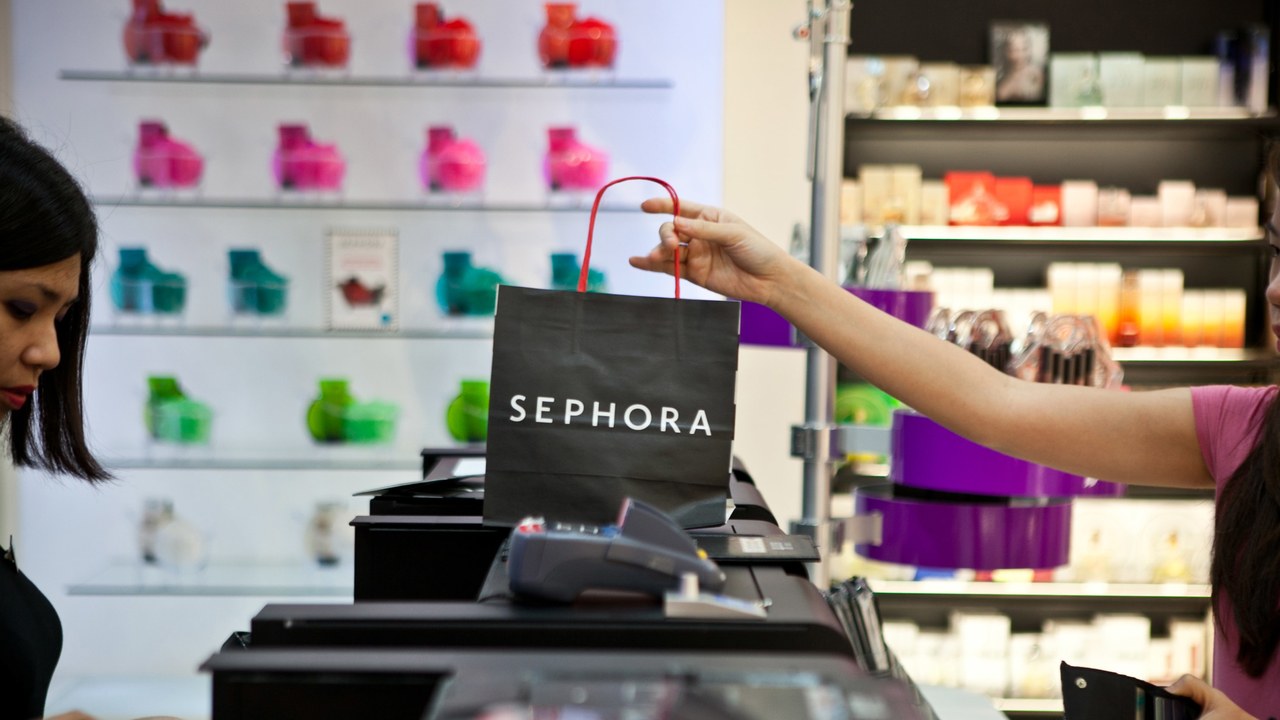
    Sephora China has launched a flagship store on Alibaba’s B2C platform Tmall Global.

    The Sephora Tmall Global flagship features a selection of beauty brands including Fenty, perfume house Bon Parfumeur, and skincare brands like Farmacy and Dermalogica. The cross-border store also introduced a series of beauty lines’ China debut such as Natasha Denona and Sunday Riley.

    As part of the launch, the beauty retailer unveiled its first showroom presenting cross-border beauty products with “cloud shelves” in a physical Sephora store.

    “Through the synergy of online and offline channels, consumers can access overseas brands to fulfill their emerging and evolving needs,” said Benjamin Vuchot, president of Sephora Asia. “This initiative is very special to us, as we are celebrating the 15th anniversary of Sephora China this year.

    “The opening of the Sephora Tmall Global flagship store offers a great opportunity for Sephora to continue reinforcing its commitment to the China market, by catering to the Chinese consumer’s ever-changing trends and evolving needs to enhance their beauty power,” Vuchot said.

    The Sephora Tmall Global flagship houses 600 products from 25 overseas beauty brands in the country.

  • Burberry sales growth was promising and stable

    Burberry sales growth was promising and stable

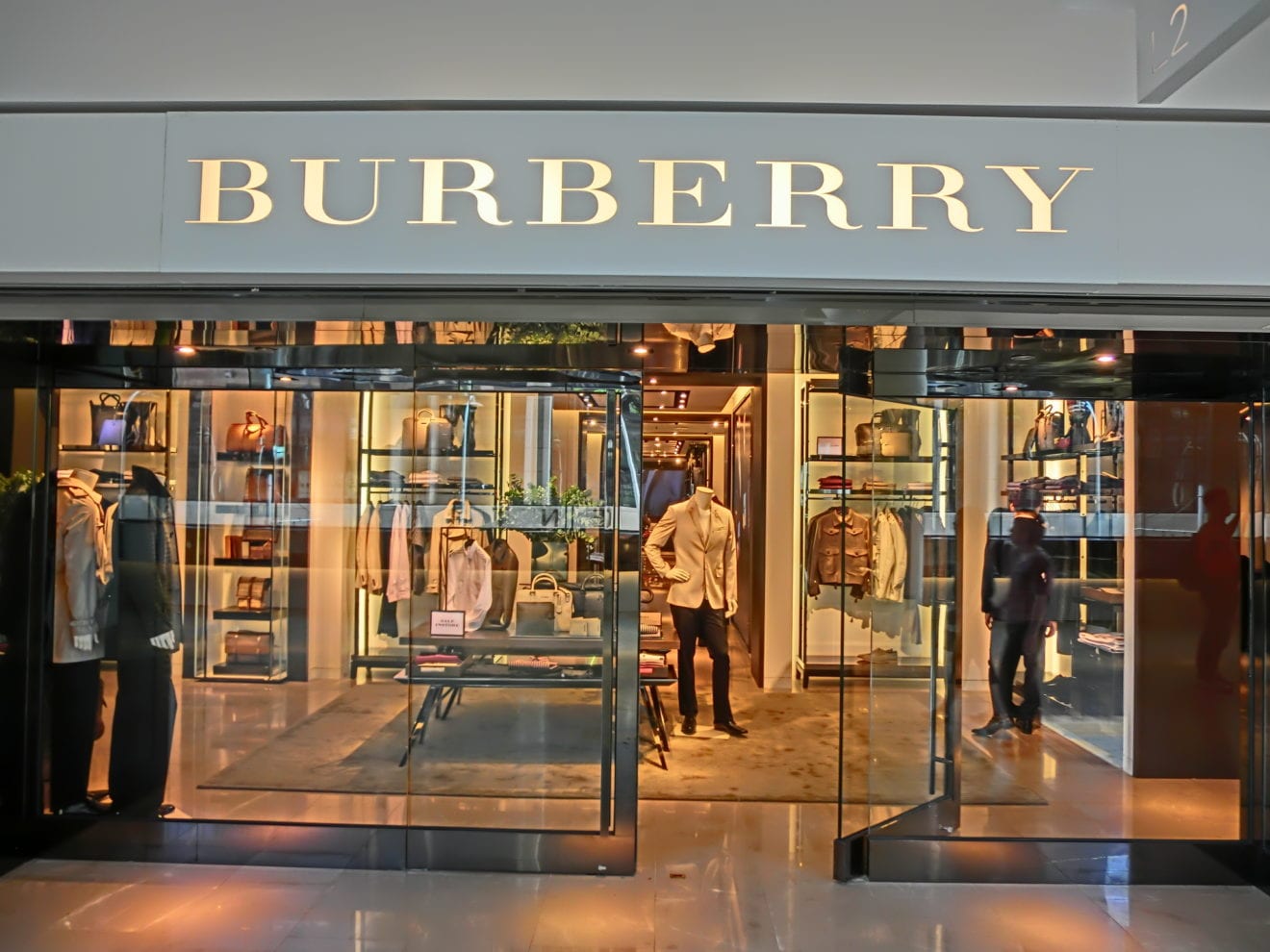
    Luxury fashion label Burberry was delivering growth in sales and profitability ahead of expectations last year – until Covid-19 stopped the momentum in its tracks.

    “Since then, the global health emergency has had a profound impact on the world, our industry and Burberry but I am very proud of the way we have responded,” explained CEO Marco Gobbeiit in the company’s preliminary results announcement.

    “We have taken swift action to mitigate the financial impact on our business while prioritizing the safety and wellbeing of our teams and customers. We have a strong balance sheet and liquidity, with space for investment when markets recover.”

    Fourth-quarter sales slumped by 27 percent year on year as the company was forced to shutter about 60 percent of its retail stores to comply with lockdowns and social-distancing measures around the world. Prior to that, sales were running at 4 percent ahead of the previous year.

    Full-year revenue of £2.633 billion was down just 4 percent.

    With a solid first three quarters, Hong Kong-listed Burberry ended the year to March 28 with an operating profit of £189 million, down 57 percent on a reported basis, primarily due to £244 million of adjustments such as impairments inventory provisions and other charges resulting from the expected impact of the pandemic.

    Despite the challenges, Gobbetti said Burberry had found new ways to strengthen its connection with consumers, drawing on its digital leadership. The company achieved double-digit growth in followers and engagement on social media platforms, including through the crisis.

    “We have also mobilized our resources in support of the relief efforts. It will take time to heal but we are encouraged by our strong rebound in some parts of Asia and are well-prepared to navigate through this period. Now, more than ever, our strategy to secure our position in luxury fashion is key,” he said.

    Year-to-date sales since March in Mainland China and South Korea are already ahead of last year and continue to show an improving trend, the company said, suggesting consumers are returning to stores once lockdowns are lifted.

    During the last financial year, Burberry has opened flagship stores in IFC Shanghai, China World Beijing and Tokyo’s Ginza district. The transformation program converting stores into the company’s new format has seen 64 completed including one in every major city around the world. To date 23 ‘non-strategic’ stores have been closed with the pre-announced rationalization due to be completed this year.

    Gobbetti said he cannot forecast the company’s performance for the current year as the course of the pandemic and longer-lasting economic impact is difficult to predict.

    “We currently have 50 percent of our store network closed and we expect our first quarter (to June 2020) to be severely impacted with store closures likely to be at or near peak for most of the quarter. We are leveraging our digital platforms to forge stronger connections with our customers and have mitigation plans to conserve cash and reduce operating costs, whilst retaining flexibility to respond rapidly and optimize revenues in markets as they start to recover.”

    Burberry finished March with a strong balance sheet with cash of £887 million to hand.

    Sofie Willmott, lead retail analyst at GlobalData, said Burberry’s performance prior to the impact of Covid-19 was showing “green shoots of recovery” in Europe.

    She said that with many consumers apprehensive about traveling abroad this year, Burberry will see its sales in the US, Europe and the Middle East – markets usually boosted by Asian tourists – move to Asia Pacific until shoppers feel confident traveling globally again.

    “Burberry has a robust online proposition which will help to protect its overall sales throughout the pandemic. It is in a better position than most luxury brands considering it has heavily invested in online in recent years, has an engaged digital following and regularly brings innovative concepts to its customer base, such as a live-streamed tour of its flagship Shanghai store with influencer Yvonne Ching, which attracted 1.4 million viewers,” said Willmott.

    “Other luxury retailers pale in comparison to Burberry when it comes to their digital presence and the brand’s commitment to the online channel will help to weather the coronavirus storm.”

    She added that improvements Burberry has made to its product range to focus on new collections and its monogrammed logo, have reignited the brand’s appeal in the last year, attracting younger consumers which will help to boost sales in the long term.

  • French Connection will collapse without fresh investments

    French Connection will collapse without fresh investments

    Without securing an imminent financial lifeline, ailing UK-headquartered fashion chain French Connection is likely to collapse. The Retail Gazette reports the company has warned that if urgent funding is not secured its cash resources will be eroded within the next couple of months. Like most retail chains entering administration or bankruptcy – or likely to – French Connection was in trouble well before Covid-19 destroyed the brick-and-mortar retail sector this year.

    For the 12 months to January 31 last year, the company’s operating loss almost tripled, from £3.8 million (US$4.97 million) in 2018 to £9.3 million ($12.2 million). It did, however, record an underlying profit, a somewhat modest £100,000 which was a stark contrast to the previous year’s £2.1 million loss.

    With falling sales – both at home and in markets like Asia and Australia – French Connection has been reducing its store network for years. Founder and CEO Stephen Marks has been seeking a buyer for the company since mid-2018 while in the meantime trying to right-size the business.

    This week the company said that having agreed to new payment terms with suppliers, negotiated rent relief with landlords, and reduced its factory orders as the Covid-19 crisis impacted its sales, the company was confident of securing funding to survive.

    Online sales during the last six weeks have been up 44 percent in both the UK and the US.  But Sofie Willmott, lead retail analyst at GlobalData, says the online channel accounted for only around a quarter of revenue prior to Covid-19. “In addition, online revenue fell 8.1 percent to the end of January, highlighting that its strong digital performance is coming from a low base and is not as impressive as it first appears.”

    French Connection said in a statement reported by Retail Gazette: “In the light of the company’s current cash position and the continued expected weak trading environment, we have been inactive discussions with a number of potential funding partners.”

    “This process is proceeding well and we are making good progress on due diligence and agreeing on terms.”

    French Connection – once internationally famous for printing its initials FCUK on its t-shirts – has fallen from consumer favor since its heyday. In September 2016, Sarah Johns, of GlobalData predecessor Verdict Retail, observed of the brand: “The FCUK branding on selected lines is outdated, collections can be hit-and-miss while upper-mid and premium price points make it difficult for shoppers to justify paying full price for items when similar styles and quality can be found elsewhere for less.”

    Those comments followed the company reporting a first-half loss of £7.9 million.

    “The clothing and footwear retailer is struggling to compete with the likes of H&M, Zara, Topshop, Asos and Coast due to its inability to communicate clear brand identity and gain a loyal customer following.”

    Nearly four years on, little has changed. Today, Willmott described French Connection’s prospects as “bleak”.

    “French Connection’s brand desirability has continued to dwindle as designs lack originality, and therefore struggle to excite shoppers or justify premium price points. With its close competitor Reiss far outperforming (pre-Covid-19) and French Connection failing to find a buyer, after being for sale for a significant period of time, it raises the question once again whether French Connection can rebuild relevance as it will fail in the post-Covid-19 market if a product, pricing, and branding remain unchanged.”

  • Japanese clothing firm Renown collapses

    Japanese clothing firm Renown collapses

    Heritage Japanese clothing firm Renown has filed for bankruptcy. The company is best known for its D’Urban and Arnold Palmer brands, although business has been in decline since its heyday in the 1990s due to increasing competition and the rise of e-commerce. It was once one of the largest apparel manufacturers on the globe.

    According to a report in Nikkei, the 118-year-old firm – now under the majority ownership of Chinese textiles and clothing firm Shandong Ruyi – has become Japan’s first such victim of the Covid-19 pandemic, cauterized from its revenue stream by the closures of department stores and regular retailers.

    The bankruptcy was approved on Friday, the same day it was filed with the Tokyo District Court, listing ¥13.9 billion (US$130 million) in liabilities. Renown had previously posted a net loss of ¥6.7 billion ($62.55 million) in the last financial year. Shares in the firm are now likely to be delisted from the first section of Tokyo’s stock exchange.

    Analysts expect the clothing firm Renown to take about a month before the company identifies a turnaround partner to enable it to resume business.

  • Puma searching sustainable technologies with Central St Martins students

    Puma searching sustainable technologies with Central St Martins students

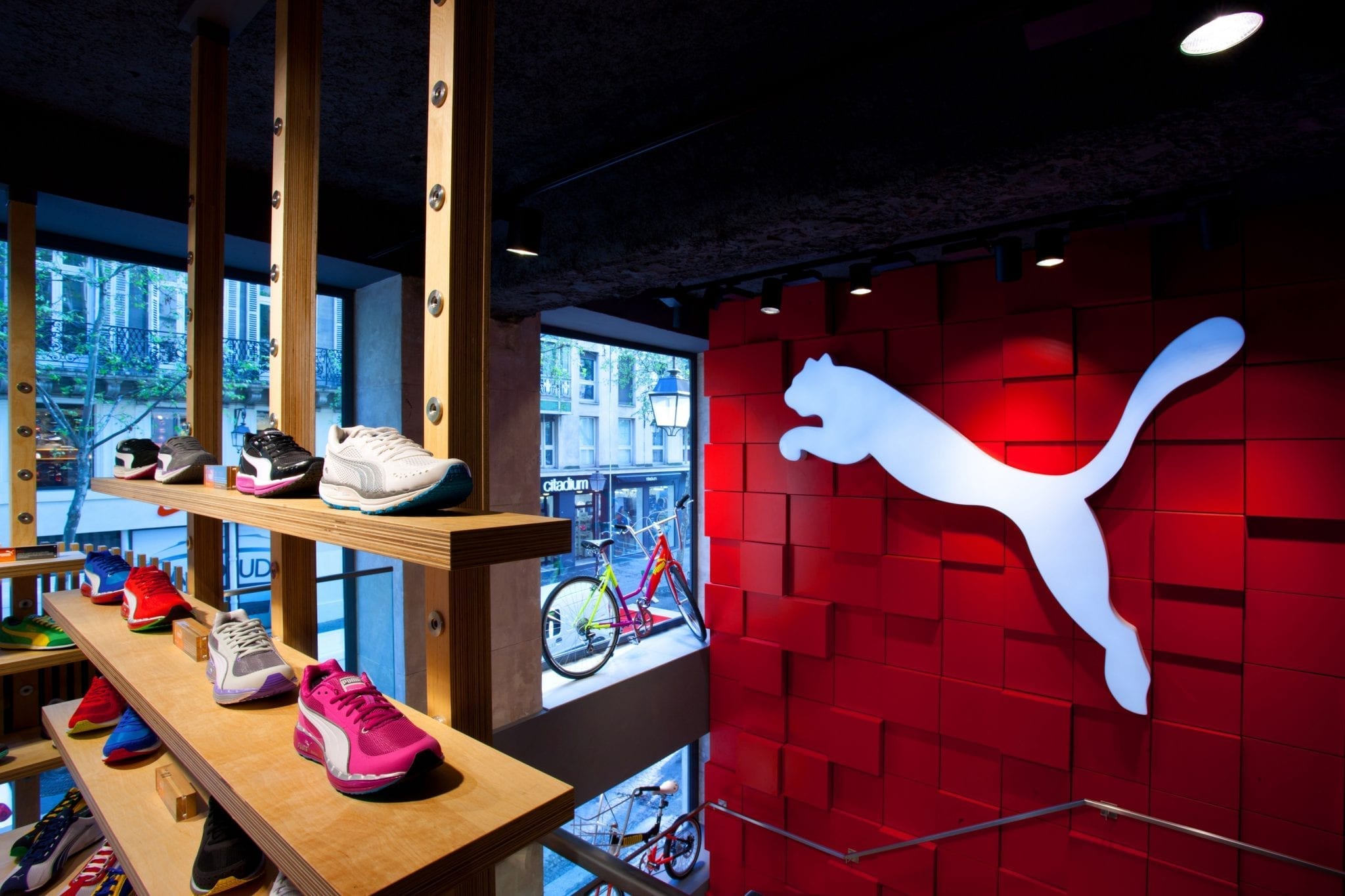
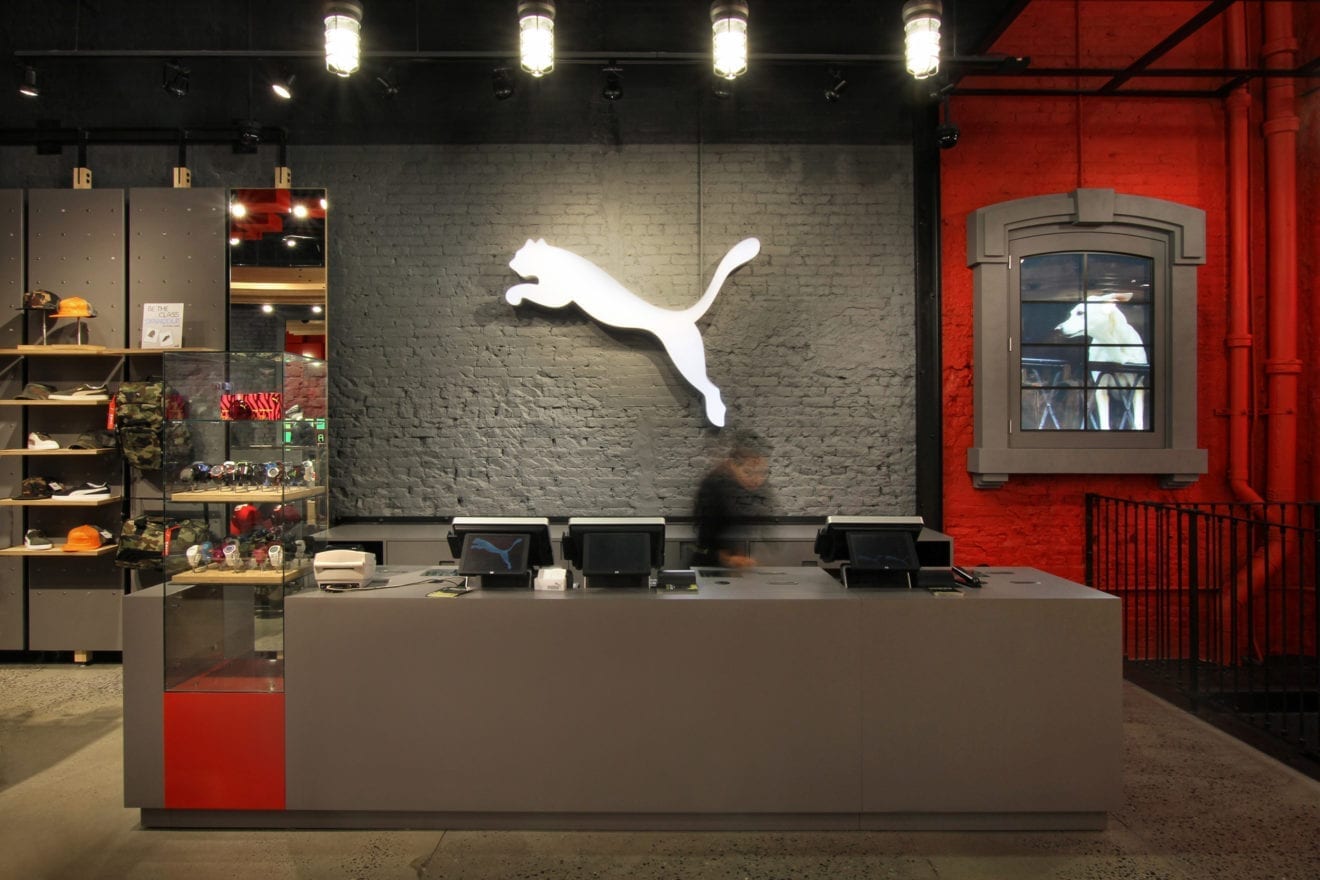
    Puma has partnered with London design school Central St Martins to launch a new collection using sustainable technologies.

    The Puma x CSM Collection uses new dyeing technologies including “Dope Dye”, which is a process using less energy, water, and chemicals than conventional wet processing, and digital printing technology which reduces waste and chemicals.

    With these technologies, Puma is able to reduce water consumption during making the clothing by up to 17.4 percent. These technologies will be rolled out in other sectors of Puma’s product range after being tested in this collection.

    “Reducing waste goes beyond the production cycle, which is why Puma also delved into new ways to make its marketing more sustainable,” the company said in a statement.

    The Puma x CSM collection, which includes footwear, apparel, and accessories for both men and women, is available on Puma’s website and in selected stores.

  • Under Armour sales down with almost 25%

    Under Armour sales down with almost 25%

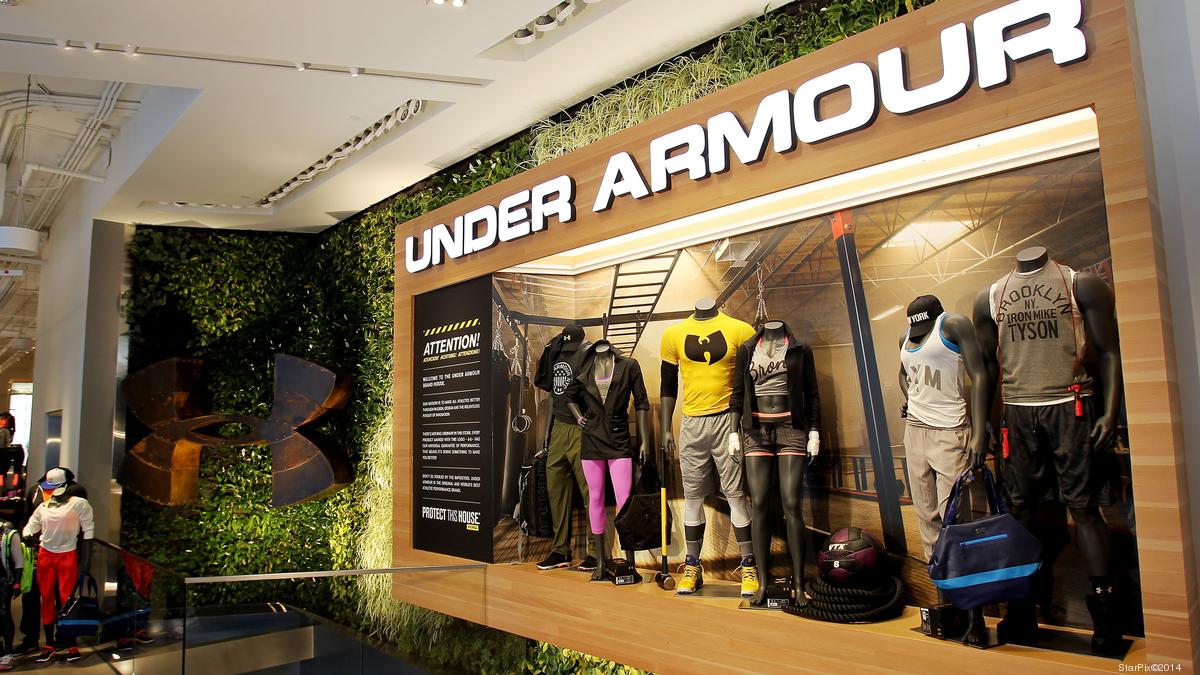
    Under Armour sales fell 23 percent in the first quarter, with about two-thirds of the decline attributed to the Covid-19 pandemic.

    The sports-apparel manufacturer and retailer recorded a loss of $589.7 million for the quarter after restructuring charges of $436 million were included.

    Total sales were $930 million, with wholesale revenue down 28 percent and direct-to-consumer revenue down 14 percent.

    Under Armour sales were down by 34 percent in the Asian market

    “During the first quarter, our results in January and February were tracking well to our plan,” said Under Armour president and CEO Patrik Frisk.

    “Since mid-March, as the pandemic accelerated dramatically in North America and EMEA and retail store closures ensued, we’ve experienced a significant decline in revenue across all markets. As a result, like so many businesses, we’ve had to make very difficult decisions, including temporarily laying off teammates in our US retail stores and distribution centers, along with other actions to ensure we protect Under Armour’s financial stability.”

    In China, which accounts for about half Under Armour sales within Asia, the Covid-19 pandemic saw both company-owned stores and partners closing from late January, reopening from late March. By the end of that month, about 80 percent of stores had resumed trading.

    “However, traffic in these locations, while recovering steadily in recent weeks, continues to be down year-over-year,” the company said in an earnings brief.

    “Business results and trends in South Korea have been similar to those in China, while retail and partner locations outside of these countries in the Asia-Pacific region have remained predominantly closed since the end of the first quarter.”

    Frisk said Under Armour management was taking decisive actions to continue the company’s transformation and improve efficiencies so it emerges from the restructure and the pandemic “with stronger and greater capabilities over the long-term”.

  • Uniqlo Japan same-store sales down in April

    Uniqlo Japan same-store sales down in April

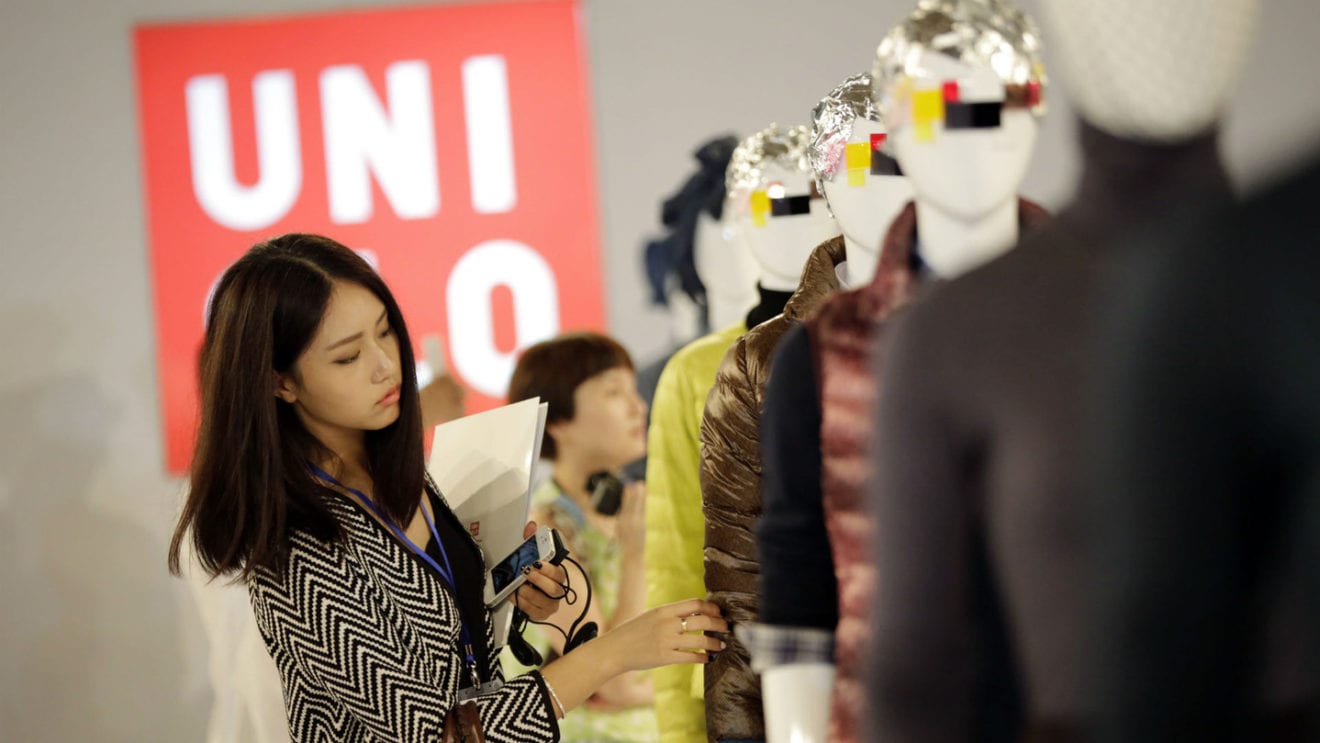
    Uniqlo Japan same-store sales, including online, plunged 56.5 percent in April as the Covid-19 crisis led to restricted store opening times.

    According to data released by parent Fast Retailing, total sales, including those of new stores, decreased by 57.7 percent.

    The company said customer visits to stores “dropped sharply”. Sales were “adversely impacted by the temporary closure or reduction in operating hours at more of our stores, and consumers deciding to stay at home to combat Covid-19,” the company said.

    During the month of April, 311 stores were temporarily closed due to the advent of the coronavirus, and 299 operated on reduced trading hours.

    Fast Retailing said the monthly data was calculated without excluding stores that were either open for fewer hours or closed temporarily from the total number of same stores or own stores.

    While Uniqlo Japan same-store sales data has been released, the company has not as yet shared data on its international operations.

  • Louis Vuitton raises retail prices in South Korea

    Louis Vuitton raises retail prices in South Korea

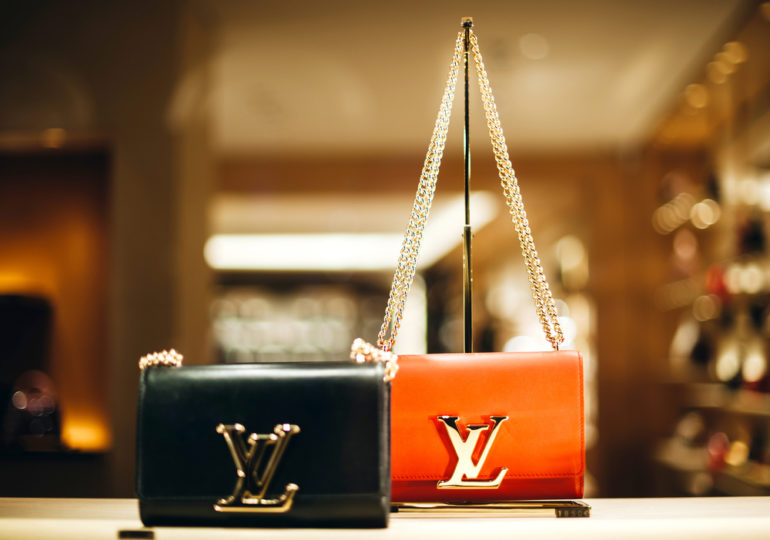
    French fashion house Louis Vuitton is raising prices for its luxury items in the South Korean market, allegedly in a bid to take advantage of a prospective surge in buying following the coronavirus outbreak.

    According to Pulse News Korea, the brand has raised prices by between 5 percent and 10 percent across its various product lines, its third price increase within the past seven months.

    “We have decided to raise the prices starting on May 5,” said a representative of Louis Vuitton Korea. “It was part of our pricing policy based on the long-term view.”

    Poor exchange rates and the closure of production facilities in France and Italy may have contributed to the brand’s decision to raise prices, although some consumers remain suspicious that the price rises are timed to take exploitative profits from coronavirus-related restrictions.

    In general, the luxury industry has seen some sales increase as high-end consumers spend disposable income on expensive treats instead of traveling. South Korean department stores Shinsegae, Lotte, Hyundai, and Galleria have all reported increased luxury sales at their outlets.

    Rival luxury brands Tiffany & Co. and Bulgari have also hiked prices within the last month.

  • Puma focuses on survival and recovery as sales goes down

    Puma focuses on survival and recovery as sales goes down

    Outlining a survival strategy for the coronavirus pandemic, Puma says its global operations are split into three phases: Survive, Recover and Grow Again. The sportswear retailer and manufacturer reported a 1.3-per-cent decrease in first-quarter sales to €1.3 billion, with strong growth during the first 10 weeks undermined by the widening impact of the pandemic. Net earnings fell 61.6 percent to €36.2 million.

    However, in the current quarter, global revenue is running at about 50 percent of normal levels.

    CEO Bjorn Gulden said the year started very well with a great order book, strong sell-through, and record retail numbers. “Then, at the end of January, the Covid-19 virus hit China. Since then we have worked to minimize the damage short-term without hindering the mid-term momentum of Puma.

    “The different markets are at different stages. Asia Pacific with China and South Korea is recovering. Europe is hopefully also moving towards recovery while the Americas, with almost all stores closed, are in the middle of the Survive phase.”

    Describing the first quarter as “difficult,” he believed Puma had done “a decent job”.

    “The second quarter will financially be even worse with more than 50 percent of global sports and sports lifestyle space being closed. We are mitigating the impact on our revenues wherever we can by focusing on e-commerce and the markets that are opening up again. We are working with our factories and other partners in our supply chain to minimize the damage, assure timely deliveries, avoid excess stock as much as possible and to find fair solutions for all of us.”

    Puma has secured a €900 million revolving credit facility to tide it over the crisis and has asked all partners to get additional financing to ensure operations can continue.

    “The goal is to get through this without any Puma employee losing their job. To survive this crisis in cooperation with all our partners such as retailers, suppliers, landlords, financial institutions, authorities, investors, and customers is crucial. We can only get through this together. So far, cooperation with most of them has been great.”

    Puma’s gross profit margin declined by 140 basis points to 47.6 percent, during the first quarter, impacted by negative currency valuation, lower China sales, inventory devaluation, and return provisions.

    The almost complete shutdown of China retail from the last week of January caused the most damage to Puma’s sales and profitability during the quarter.

    “Over the [ensuing] six weeks, the whole business in China, except for e-commerce, basically disappeared,” the company said in a statement. “As China started to recover in mid-March, Covid-19 had started to spread globally and by the end of the month basically 80 percent of Puma’s retail doors, both owned and operated as well as partner stores, we’re closed.”

    A significant challenge for Puma going forward is the inventory levels resulting from the lack of trading. The total inventory value is up 24.5 percent to €1.13 billion.

    However, the company has struck a positive note on its mid-term prospects. Sales in China and South Korea are already improving and the first stores are reopening in some European markets. Offsetting that is the almost full shutdown in the Americas. While e-commerce sales are rising, it is not at a pace that can compensate “in any way” for the declining sales across other channels, the company said.

    While short-term prospects are not bright, the company said it is committed to managing the crisis in the short term “without hindering the midterm momentum”.

    “This year is, and will continue to be, a difficult year, where the goal for Puma is to survive, recover and then emerge stronger with growth again. Different markets will go through these phases at different times and execution, therefore, must be very locally driven,” the company said.

    Puma expects all markets to recover by the year’s end and to return to growth next year.

    “The industry is expected to be in a strong position after the crisis. People have already now started doing more sports wherever it is possible, even under difficult circumstances. There are many indications that health and sports will be even more important than before the crisis.”
  • Sa Sa International tips record loss of up to HK$600 million

    Sa Sa International tips record loss of up to HK$600 million

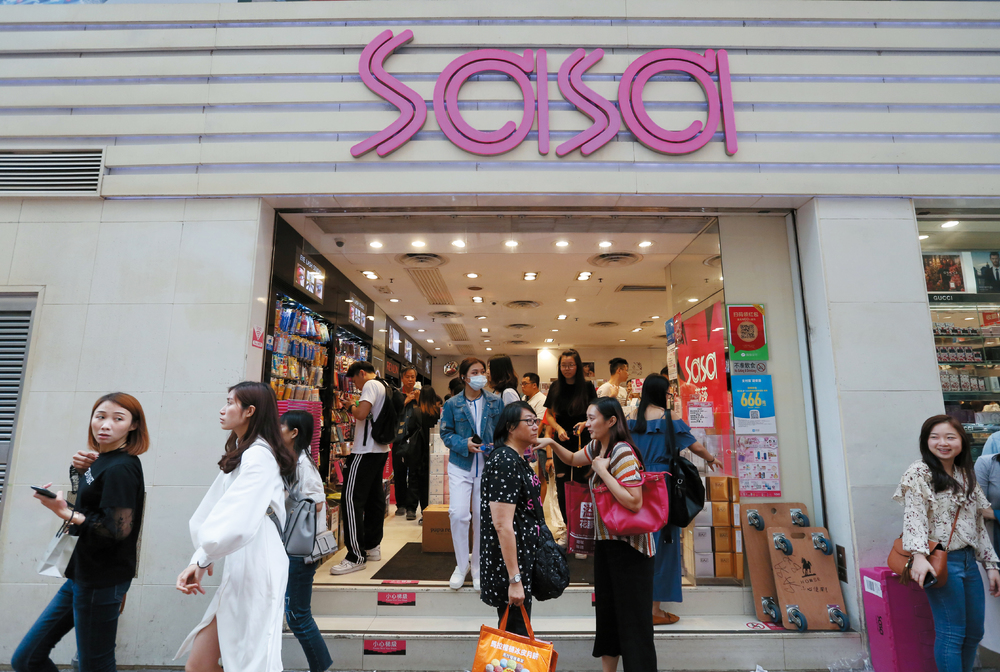
    Beauty-products retailer Sa Sa International says it expects to post a record loss as high as HK$600 million (US$77.4 million) for the March year due to the collapse of Hong Kong’s tourism market in the wake of the Covid-19 crisis.

    In a profit warning, chairman Simon Kwok said the figure – which contrasts with a $471 million profit for the prior year – includes a $40 million loss resulting from terminating leases when it exited the Singapore market, and trading deficits in other markets adding up to between $220 million and $260 million. The rest of the potential loss, which the company expects will be between $500 million and $600 million, is the result of impairments, including on property, plant and equipment.

    Kwok said sales through its retail store network has been in “drastic decline” amid the Covid-19 outbreak.

    “The provision for the impairment losses is a non-cash accounting treatment, as such, it has no impact on the group’s cash position for the financial year.”

    He said the group has no borrowing currently, has adequate cash to meet its current business needs and expects to recover about $20 million from the closure of Sa Sa Singapore.

    The ranks of mainland Chinese visitors has been in decline since July 1, following the outbreak of social unrest in Hong Kong. But numbers fell to near zero when the border was effectively closed in the wake of the pandemic at the beginning of this year. Local consumer sentiment has also dampened.

    “The Covid-19 epidemic also caused the foot traffic and retail sales to fall significantly at our stores outside of Hong Kong SAR, including the Macau SAR and Mainland China,” said Kwok. “The group’s e-commerce business was also affected as logistics services were disrupted by the epidemic.”

    As previously reported, Sa Sa’s fourth-quarter sales plunged by 62 percent in Hong Kong and Macau and sales to mainlanders in Hong Kong and Macau slumped by 80.8 percent.

    Even in Malaysia, a market that has always been profitable for Sa Sa International, Covid-19 has been impacted by the epidemic since February.

    The company has been trimming its store network in Hong Kong as leases come up for renewal and the company will continue to pursue rent relief from landlords. It is also taking steps to reduce costs and streamline operations to work through the slump in sales.

    Sa Sa International will publish its audited results prior to June 30.

  • Panerai opens world-first watch accessories room in Hong Kong

    Panerai opens world-first watch accessories room in Hong Kong

    Luxury watchmaker Panerai has launched a world-first watch accessories room in Hong Kong.

    Located in its Canton Road flagship boutique, the room offers a collection of 670 straps and bracelets, a full range of buckles and an interactive trap-display design.

    The watch accessories room’s design features a distinctive concept incorporating oak and burnished brass aimed at creating a contemporary yet cozy ambiance. A torpedo displayed at the center of the room is, according to the company, “a reminder of the world of the sea and the glorious past of the brand whose roots are embedded in the history of the Italian Navy”.

    Founded in 1860 as a workshop, Panerai now sells watches around the world through exclusive distributors and the brand’s own boutiques.

  • Muji Japan moves online as Covid-19 crisis closes stores

    Muji Japan moves online as Covid-19 crisis closes stores

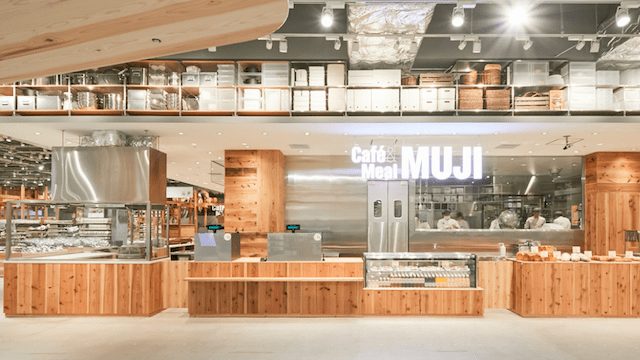
    Muji Japan has launched an online store on Amazon, strengthening its e-commerce presence as the Covid-19 crisis closes stores.

    According to the Nikkei Asian Review, the new Muji Japan online store will feature 250 items, mostly beauty products, storage containers, and cooking utensils.

    It is the first time Japan’s Ryohin Keikaku has sold Muji products via an online platform outside its own e-commerce store. With Amazon’s extensive user base, the company hopes to attract more potential customers.

    The launch with Amazon follows the closure of 280 physical stores across Japan and many others having to trade for reduced hours due to social-distancing requirements in the wake of the Covid-19 pandemic.

  • Taiwanese fashion platform Pinkoi lands in Hong Kong

    Taiwanese fashion platform Pinkoi lands in Hong Kong

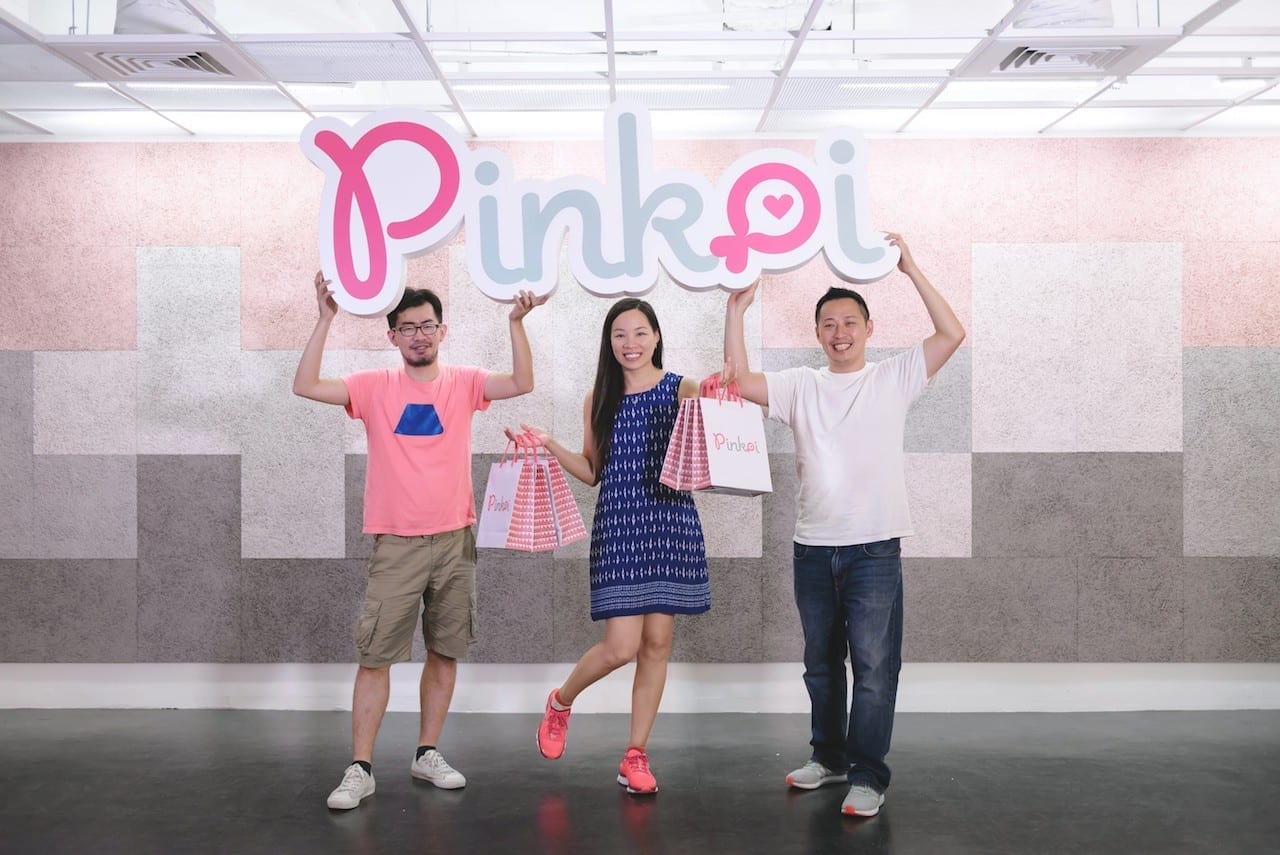
    The firm predominantly represents indie brands and independent designers, taking orders on its platform and passing on notifications to sellers who then ship their products to consumers directly.

    Pinkoi is expanding into Hong Kong against the backdrop of the coronavirus pandemic, which has seen the firm reduce its transaction fees for orders worth less than US$10 to 5 percent – a reduction of 10 percent – until June 30.

    The firm has also pledged to invest more than US$660,000 in advertising in order to strengthen promotion for member shops before the end of May. This investment will go towards advertising on platforms such as Google, Facebook, Criteo, Instagram, and Twitter, amongst others. It will simultaneously launch a range of themed online promotions and discounts in order to promote partner designs to its 3.2 million members.

    Pinkoi has opened a physical store in Hong Kong at The Mills.

  • Esprit closing all of its Asian stores before June 30

    Esprit closing all of its Asian stores before June 30

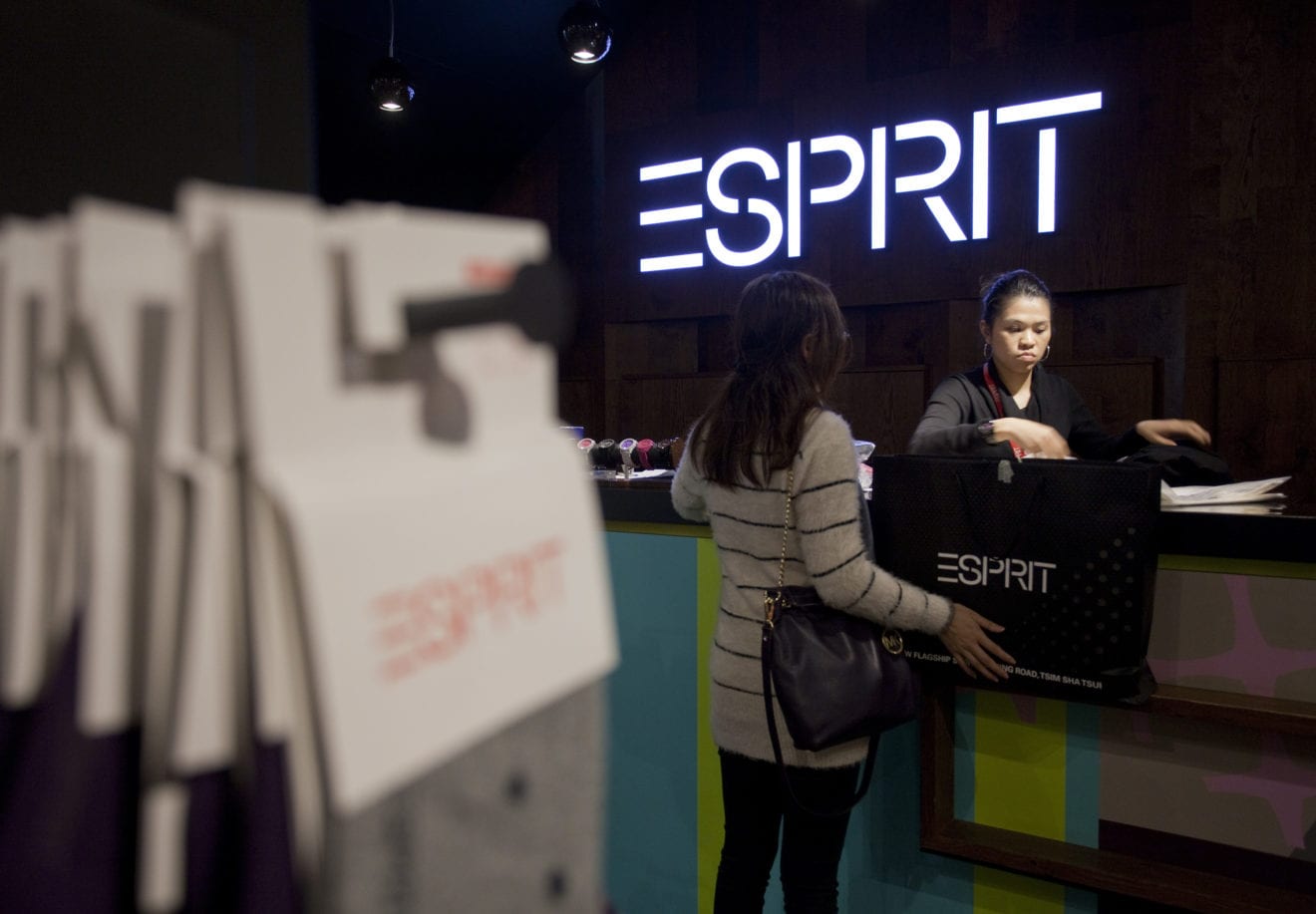
    Crippled apparel group Esprit is to close all its stores in Asia, except those in Mainland China, by the end of June.

    The decision follows an appalling slump in sales during the last nine months, which worsened during the March quarter when the Covid-19 crisis hit, forcing retail stores to close or reduce trading across many markets.

    All 56 company-run stores located in Singapore, Malaysia, Taiwan, Hong Kong and Macau will close, but the company says the sales through those shops represented less than 4 percent of group turnover during the nine months to March.

    However, the company will continue to operate wholesale and licensing businesses in those markets, suggesting the brand will endure, most likely through department stores and multi-brand stores.

    In the March quarter, Esprit sales in Asia were down by 52.2 percent – 61.3 percent in its stores and 54.9 percent at the wholesale level. Online sales, however, rose by 13.9 per cent. In contrast, sales across Europe fell by 22.2 percent, 36.2 per cent at retail level and 22.5 percent at wholesale. Online sales fell 7.1 percent while licensing and ‘other’ sales were down 16.7 percent.

    Globally, revenue fell 25 percent for the quarter and by 18.1 percent for the nine months to March.

    In the nine months to March, retail sales in Asia fell 44.2 percent, by 48.7 percent at the store level, 45.3 percent wholesale and 8.1 percent online.

    The company estimates closing its Asian stores will result in one-off costs for severance pay and to exit leases of between HK$150 million and $200 million (US$19 million to $26 million) which will be incurred in the current June quarter.

    On the mainland, Esprit reduced its China investment last December. Through a subsidiary called Million Success, it retained a 40-per-cent stake in the Esprit China business, with Hong Kong-based Mulsanne Group holding the balance.

    The Asia store decision comes just a month after Esprit placed its six German companies into a form of protective administration to allow restructuring and cull staff numbers under protection from creditors. Once it emerges from that process, and with its Asian business essentially all but gone, the company will focus on Europe with less staff and fewer stores, although whether the crippled, lackluster brand can survive at all up against the regional powerhouses of H&M and Zara parent Inditex is debatable.

    In a stock-exchange filing overnight, Esprit described the Asian store closures as part of a restructuring initiative “to focus resources and recalibrate operations in order to cope with the challenges posed by the pandemic most effectively and efficiently”. However, as the nine-month figures above clearly show, Esprit’s sales were in freefall in the region long before Covid-19 made its appearance.

    A key indicator of how dire the company’s position came in January when its most high-profile recent hire, chief product and brand officer Mia Ouakim, quit after just a year in the role. Ouakim, who had previously worked with high-end brands Burberry and Tommy Hilfiger, left to take up an opportunity outside the company.

  • Cafe de Coral warns of 90-per-cent profit plunge

    Cafe de Coral warns of 90-per-cent profit plunge

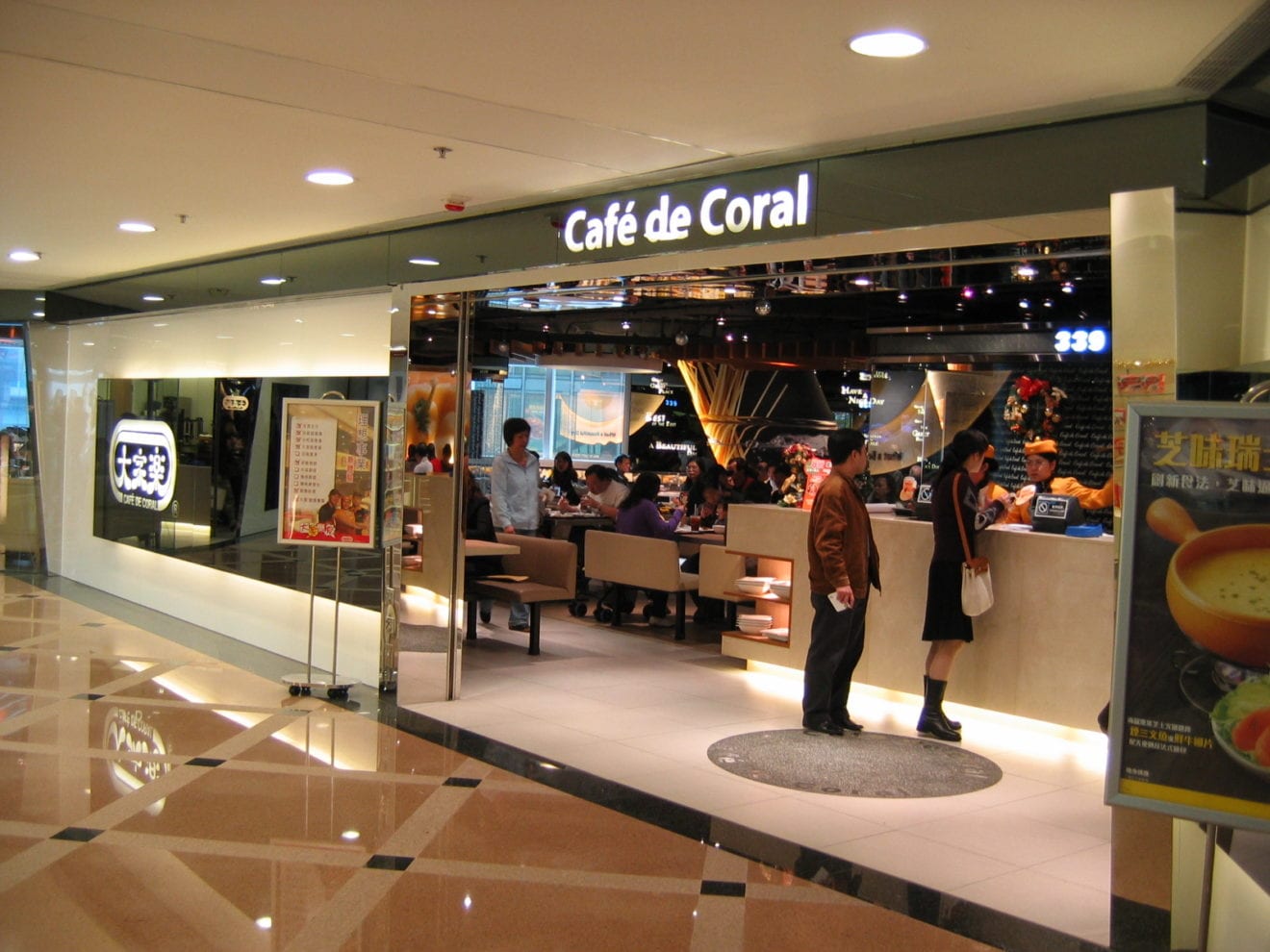
    Cafe de Coral group expects its full-year profit to plunge by up to 90 percent for the March year as the Covid-19 crisis and last year’s protests dented customer traffic.

    In a profit warning to shareholders, chairman Sunny Lo said that during the fourth quarter, the group entered into the deficit when the outbreak of Covid-19 occurred.

    “Business operations and consumer spending in the group’s key operating territories have been severely impacted by the outbreak of Covid-19 since January,” he said in a stock-exchange filing. “The group’s business performance, which had already been impacted by poor market conditions and weak consumer sentiment during the first half of the year, was even more significantly impacted during the fourth quarter when our business and operations were further affected by Covid-19.”

    Besides its namesake brand, Cafe de Coral Holdings operates chains including The Spaghetti House, Oliver’s Super Sandwiches, Super Super Congee & Noodles, Shanghai Lao Lao and Mixian Sense.

    During the six months to September 30, Cafe de Coral group recorded a decline in profit of 34.5 percent. Full-year results are expected to be released in mid-June.

    Lo said the group has been closely monitoring market conditions and has adjusted its business strategies and operations to minimize losses. In an attempt to increase sales, the Cafe de Coral group has introduced simplified menus featuring low price meals and extensive promotions.

    “Adapting to social-distancing trends, marketing focus on takeaway and home delivery have increased,” said Lo.

    “The group has also implemented proactive cost control measures on rent, labor and food – and is stringently managing working capital to ensure healthy cash flow and a strong cash position to weather the currently difficult operating environment.”