Tag: Fashion

  • Burberry management take pay shave as luxury brand keeps staff on payroll

    Burberry management take pay shave as luxury brand keeps staff on payroll

    Senior management of British luxury fashion house Burberry has taken a voluntary pay cut and the company has opted to retain base pay for all its employees during the Covid-19 crisis, without relying on UK government support for jobs.

    During the past three months, the firm has temporarily closed retail stores and implemented strict social-distancing protocols.

    As reported last month, Burberry has converted its Castleford trench coat factory into a manufacturer of personal protection equipment (PPE) for medical and care workers during the pandemic.

    “While we continue to take mitigating actions to contain our costs and protect our financial position, we are also committed to safeguarding jobs and supporting the relief efforts during this global health emergency,” said Burberry CEO Marco Gobbetti.

    “I would like to thank our teams for their continued determination and resilience as we continue Thomas Burberry’s legacy of protecting others and caring for the community.”

    Savings on executive salaries between now and June will be contributed to support communities in need globally is additional to the financial donations Burberry has made to vaccine research and charities alleviating food poverty – with monies going towards procuring and distributing PPE, helping food banks and supporting healthcare charities around the world.

  • H&M tops fashion transparency

    H&M tops fashion transparency

    Fashion Revolution has crowned H&M the most transparent fashion business in the world in 2019, scoring 73 percent of a possible 250 points in its annual Fashion Transparency Index.

    The index ranks the world’s largest fashion brands according to how much they disclose about their social and environmental policies, practices and impacts across a number of topics, including animal welfare, forced labor, gender equality, living wages, waste and recycling, and more.

    Following H&M was C&A at 70 percent, and Adidas and Reebok at 69 percent each. The average overall score across the 198 brands reviewed landed at 25 percent, 3 percentage points higher than 2019.

    However, an ongoing issue remains that brands tend to disclose more about the policies in a vacuum, and not touch on how these policies are put into action and detailing outcomes, results, and progress.

    And the types of information that is used on brand websites and documents are generally repeated and slightly altered for each document or page, generally with no substantive difference in what is said.

    “Some brands use a large number of filler words and fluffy explanations and details that obscure what information or data is actually relevant and useful for external stakeholders. We’ve even found instances of conflicting facts and statistics,” Fashion Revolution wrote.

    “It can be counterproductive to transparency and accountability. Not everyone has the hours and days it can sometimes take to decipher what brands are actually disclosing and how to use this information in an effective way.”

    After ranking 220 of the biggest fashion brands in the world, Fashion Revolution laid out actions to be taken in the industry over the next 12 months to improve transparency further.

    Firstly, brands should publicly disclose their suppliers beginning with the first tier, but should continue all the way down to the raw material level.

    Secondly, honoring contracts and paying suppliers through the COVID-19 crisis will help keep supply chain workers employed and supported.

    There should also be more information published about brands’ environmental impacts, including the number of carbon emissions, water consumption, pollution and waste created, as well as what is being done to address these concerns.

    And, finally, Fashion Revolution urges brands to answer customer questions on social media or email with practical information, not just with policy information and brand principles. This way, customers can join brands on their sustainability journeys and help to hold them accountable.

    “Transparency is the first step towards a different culture, one where brands become open and accountable, and customers are ready to become vigilant and ask, ‘who made my clothes?’,” said Fashion Revolution co-founder Orsola de Castro.

  • Cath Kidston to close UK stores and stronger focus on Asia

    Cath Kidston to close UK stores and stronger focus on Asia

    British home-furnishings and apparel retailer Cath Kidston will permanently close all 60 of its stores in the UK, realigning itself as a wholesaler and online brand.

    The locations, currently shuttered due to the coronavirus lockdown, will not reopen once the crisis is over following its parent company Baring Private Equity Asia securing a pre-pack administration deal under which it bought back the brand and online operations.

    The firm’s stores in Asia, including Malaysia, will continue to trade as normal after lockdowns are lifted.

    The closure of physical stores in Britain has put 908 staff out of work, with only 32 positions spared.

    Measures to revive the flailing business were apparently working before the emergence of the coronavirus outbreak.

    “While we are pleased that the future of Cath Kidston has been secured, this is obviously an extremely difficult day as we say goodbye to many colleagues,” said Cath Kidston CEO Melinda Paraie. “Despite our very best efforts, against the backdrop of Covid-19, we were unable to secure a solvent sale of the business which would have allowed us to avoid administration and carry on trading in our current form.

    The brand will live on in the territory as a digital business.

    “Going forward we will continue to help the company grow through its e-commerce platform and international wholesale and franchise businesses,” said a spokesperson for Baring Private Equity Asia, adding that the firm’s management had established “a viable future for the business in the UK.”

  • Vestiaire Collective raises US$64 million in fresh funds

    Vestiaire Collective raises US$64 million in fresh funds

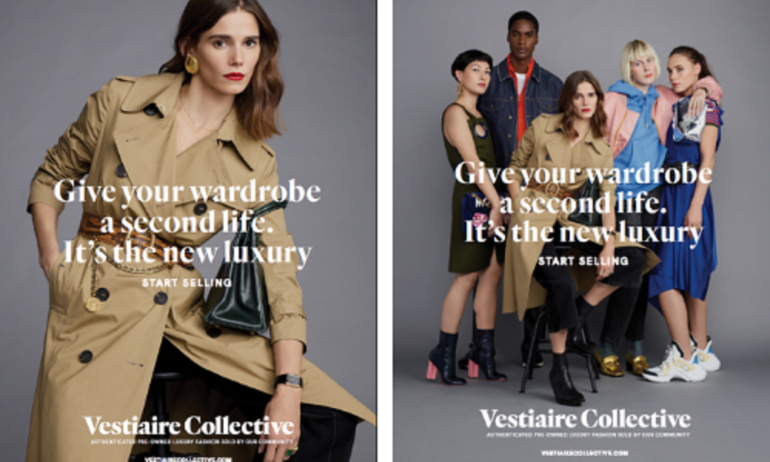
    Vestiaire Collective has raised US$64.1 million in its new funding, with new investors Korelya Capital backed by Korean technology giant Naver, operator of Line.

    Managed by Fidelity International, Vaultier7 and Cuir Invest, the funds will be used to accelerate Vestiaire Collective’s international business beyond the countries where the company’s community is already well established, the company said in a statement.

    With Korelya Capital as a new investor, which is backed by Korean conglomerate Naver, the company hopes to expand its network to Japan and Korea next year.

    “I am personally convinced that this unprecedented period of disruption will not only challenge where we shop but how we shop,” said Max Bittner, CEO of Vestiaire Collective. “Vestiaire Collective was built during the 2008 crisis, and proves today how it can help people in their daily life to make the most out of their belongings, but also to access fashion in a sustainable and conscious way.”

    The round will also be used to expand its direct-shipping service launch in the US this summer followed by Asia later this year, after its successful launch in Europe last year with the growing rate of more than 60 percent month on month.

    “As we all take a step back and contemplate the way we live, we believe consumption patterns are on the verge of a deep structural evolution, and C2C platforms have a strong role to play here,” said Paul Degueuse, general partner of Korelya Capital.

    During the Covid-19 pandemic, Vestiaire Collective launched coronavirus charity sales in the US, European and Asian countries, including Hong Kong and Singapore recently.

    Founded in Paris in 2009, Vestiaire Collective is an online platform offering pre-owned luxury fashion items with the ambition to change the fashion industry to a smarter and more circular system. Vestiaire Collective now has more than 9 million members from more than 90 countries across Europe, the US, Asia and Australia, with 60,000 new items submitted every week.

  • Zalora pursues sustainable fashion ecosystem in Southeast Asia

    Zalora pursues sustainable fashion ecosystem in Southeast Asia

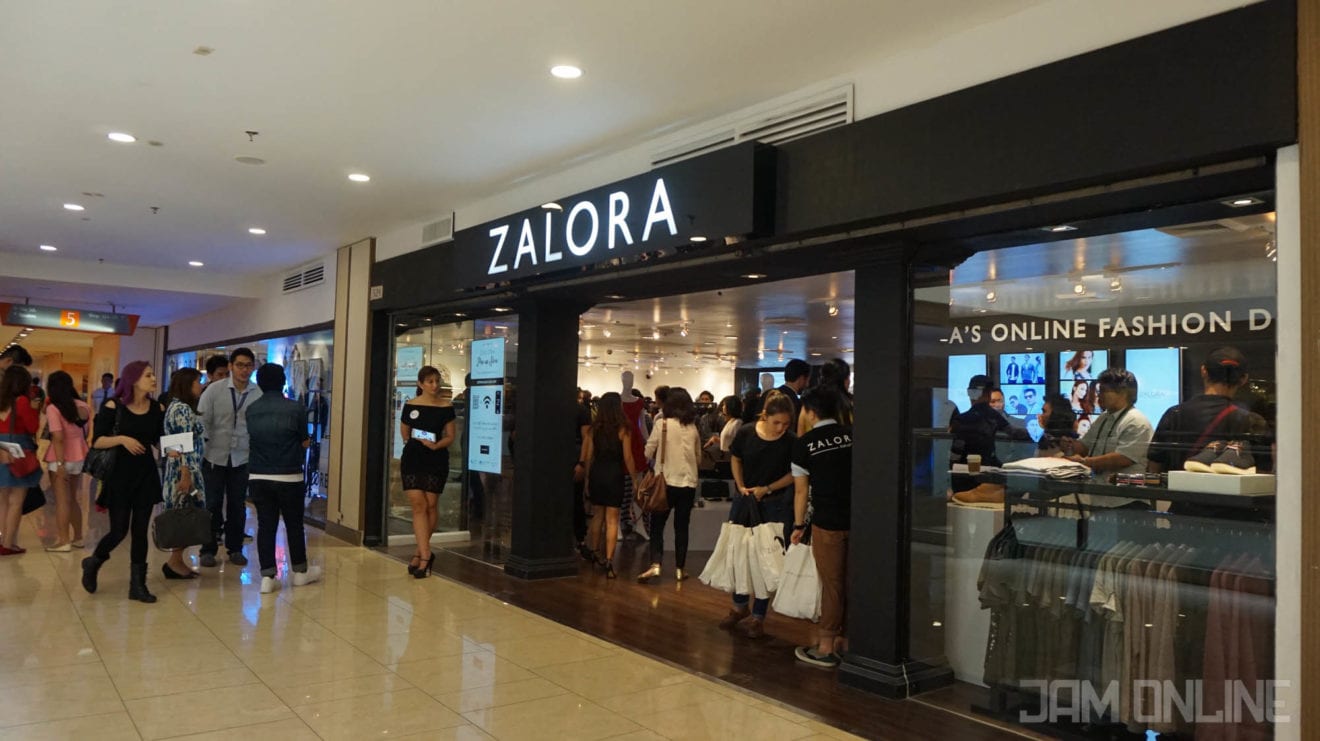
    Zalora is positioning itself as the first online fashion retailer in Southeast Asia to create a sustainable fashion ecosystem, achieving positive change in environmental impact, and inspiring customers to shop in a more conscious way.

    The firm’s new strategy aims to make commitments to customers, brands, vendors, and employees during 2022–2025 period.

    “As a leading fashion e-commerce player that serves millions of customers in the region, we recognize the impact we can have in creating a better future through a sustainable fashion ecosystem in Southeast Asia,” said Zalora CEO Gunjan Soni.

    “We want more consumers today to buy sustainable products and participate in the circular economy. We want to inspire our customers to contribute to these sustainable practices by making it easy for them and educating on benefits.”

    The firm is committing to reducing the impact of its packaging, warehouses, and transportation along its entire supply chain, ensuring that 100 percent of delivery and internal packaging incorporates sustainable materials within two years. It also plans to achieve complete carbon offset from its operations and transport by the end of 2025.

    Zalora is also aiming to help customers shift towards conscious shopping and extending the life cycle of fashion items, aiming for 50 percent of its products to meet its sustainability criteria, with 30 percent of active consumers participating in circular fashion initiatives within the period.

    Another feature of Zalora’s planned sustainable fashion ecosystem is a focus on enhancing supply chain ethical standards and transparency, including the launch of a private label capsule made from sustainable materials. Forty percent of its products will use sustainable materials by 2025.

    It is also asking Zalora employees to contribute to 20,000 community volunteering hours per year by the end of 2025.

    In December last year, the firm partnered with luxury marketplace reseller Style Tribute in Malaysia and Singapore, allowing consumers to purchase pre-loved fashion luxury items on Zalora’s website and mobile app.

  • Resilient LVMH caps sales decline during coronavirus

    Resilient LVMH caps sales decline during coronavirus

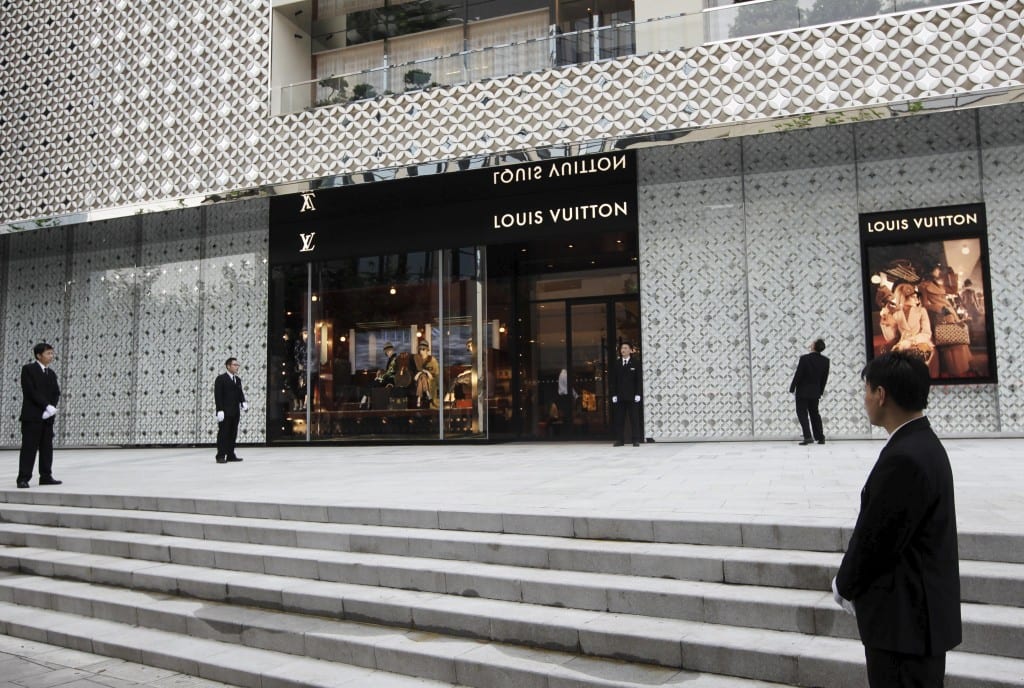
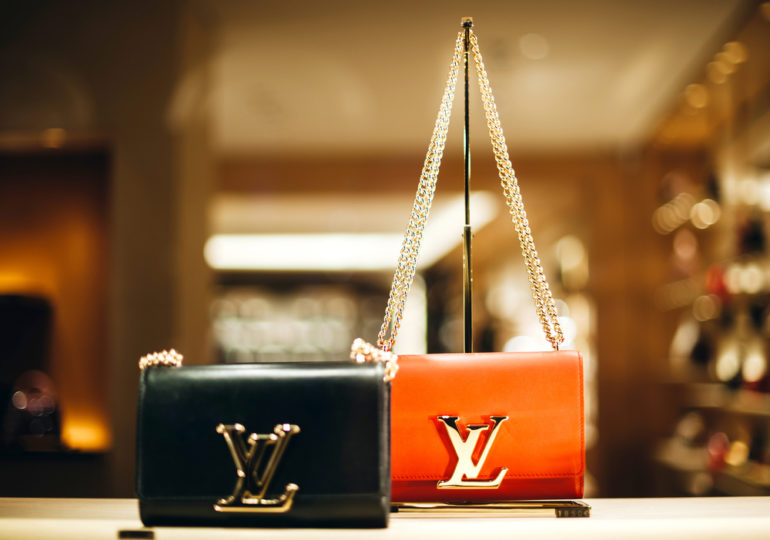
    LVMH has reported a sales decline of 15 percent for the first quarter of this year, a staggering achievement given its most lucrative market, China, was shut down for most of the period.

    “Thanks to everyone’s commitment and the strength of its brands, the LVMH group maintains good resilience in the face of this worldwide challenge,” said Bernard Arnault, chairman and CEO.

    Nevertheless, the company has trimmed its previously announced dividend and Arnault and other executives will work for free during April and May as the company works through the next stage of the coronavirus crisis.

    “For several weeks, our teams have once again demonstrated that excellence, creativity, and responsiveness will allow us not only to overcome this crisis but, above all, to emerge even stronger when it fades,” he said.

    Group-wide revenue reached €10.6 billion for the quarter, with all divisions in the group recording sales declines.

    Worst hit were the watches and jewelry business and selective retailing (including Sephora and DFS) which both fell by 26 percent, largely linked to enforced store closures in Greater China.

    Bvlgari, Tag Heuer and Hublot were particularly hit by store closures in Asia and while all Sephora beauty stores were closed in China for a major part of the quarter, those located in Europe and the US have been closed since mid-March. However, online sales rose “significantly”  over the quarter and shopping in stores has gradually picked up in China since the end of the quarter, the company said.

    DFS experienced “a significant decline” in activity in most destinations as a result of the suspension of international travel.

    A positive currency effect and a policy of firm increases in prices partially offset a decline in volume sold, resulting in a 14-per-cent year-on-year decline in sales for the liquor business group. “The US market demonstrated its good resilience over the period, supported by advance orders from distributors,” the company said. Sales of Hennessy cognac slowed in China due to lower demand linked to the coronavirus pandemic, and the timing of Lunar New Year.

    Sales by LVMH’s perfumes & cosmetics division fell by 19 percent as retailers reduced their inventory levels, however, online sales grew rapidly.

    And the fashion & leather goods business group recorded a 10-per-cent decline in sales, again impacted by store closures, but mitigated in part by strong online growth.

    “LVMH has proven its ability to be resilient in an economic environment disrupted by a serious health crisis that has led to the closure of stores and manufacturing sites in most countries in recent weeks, as well as the suspension of international travel,” the company said in a statement.

    “In a very turbulent context, the group will maintain a strategy focused on preserving the value of its brands, based on the exceptional quality of its products and the responsiveness of its teams. In the current situation, the group will further strengthen its policy of controlling costs and being selective in its investments. The closures of the group’s manufacturing sites and stores in most of the world’s countries in the first half will have an impact on the annual revenue and results. This impact cannot be precisely evaluated at this stage without knowing the timetable for a return to normal business in the different areas where the group operates.

    “We can only hope that the recovery happens gradually from May or June after a second-quarter which will still be very affected by the crisis, in particular in Europe and the US.”
  • Giordano sales drop 34.6 per cent in March quarter

    Giordano sales drop 34.6 per cent in March quarter

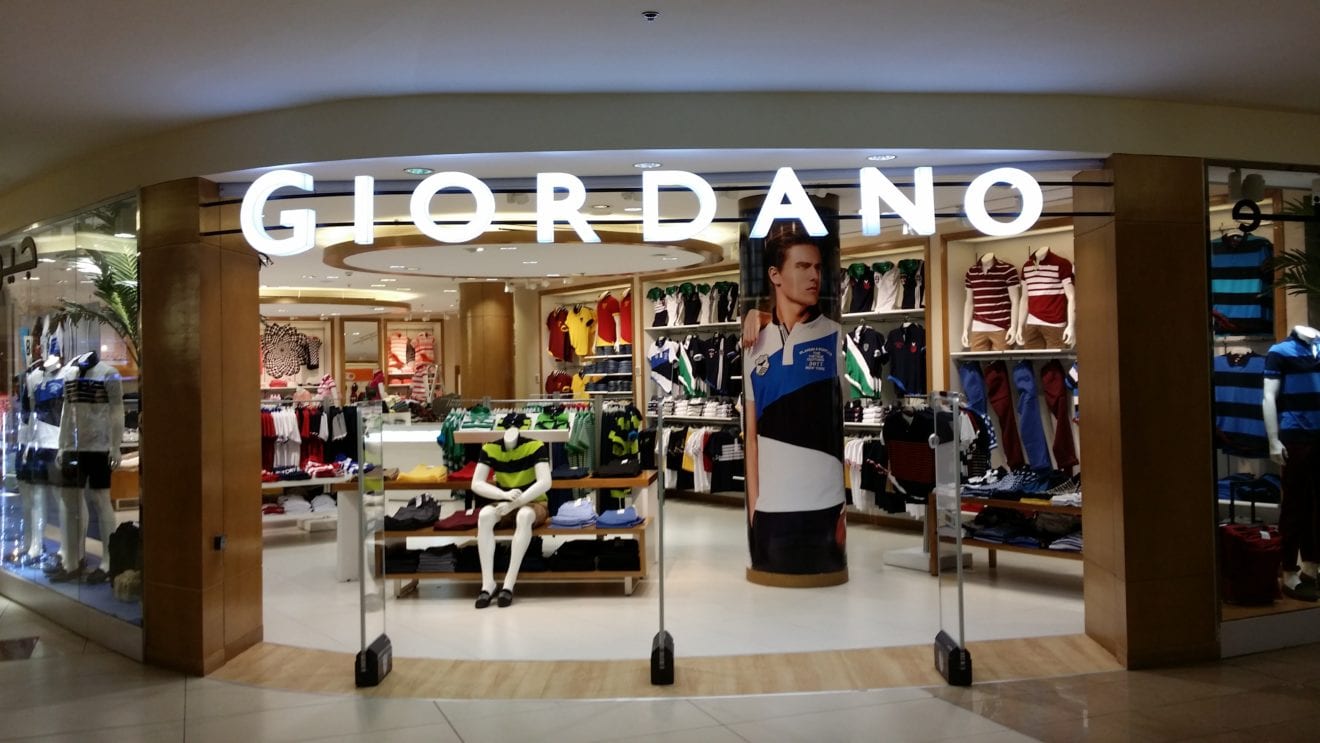
    Fashion group Giordano says its March quarter sales fell by 34.6 percent as the outbreak of the coronavirus pandemic saw stores shuttered in key markets.

    Comparable same-store sales growth was a negative 30.2 percent.

    “Since the outbreak of the Covid-19 pandemic, many countries have implemented public health measures and ‘lockdowns’, often resulting in the halting of social and commercial activities,” the company said in a stock-exchange filing.

    “Moreover, the outcome of the Sino-US trade conflict remains unclear. All of these factors have adversely and significantly affected consumer sentiment and also foot traffic at our shops in various markets.”

    Year on year, Girodano’s global net store count has reduced by 128, most of the closures in Mainland China, where the network has shrunk from 623 to 572. In Hong Kong and Macau the retailer has shuttered a net seven stores.

  • LVMH caps sales decline with 15 percent

    LVMH caps sales decline with 15 percent

    LVMH has reported a sales decline of 15 percent for the first quarter of this year, a staggering achievement given its most lucrative market, China, was shut down for most of the period.

    “Thanks to everyone’s commitment and the strength of its brands, the LVMH group maintains good resilience in the face of this worldwide challenge,” said Bernard Arnault, chairman and CEO.

    Nevertheless, the company has trimmed its previously announced dividend and Arnault and other executives will work for free during April and May as the company works through the next stage of the coronavirus crisis.

    “For several weeks, our teams have once again demonstrated that excellence, creativity and responsiveness will allow us not only to overcome this crisis but, above all, to emerge even stronger when it fades,” he said.

    Group-wide revenue reached €10.6 billion for the quarter, with all divisions in the group recording sales declines.

    Worst hit were the watches and jewelry business and selective retailing (including Sephora and DFS) which both fell by 26 percent, largely linked to enforced store closures in Greater China.

    Bvlgari, Tag Heuer and Hublot were particularly hit by store closures in Asia and while all Sephora beauty stores were closed in China for a major part of the quarter, those located in Europe and the US have been closed since mid-March. However, online sales rose “significantly”  over the quarter and shopping in stores has gradually picked up in China since the end of the quarter, the company said.

    DFS experienced “a significant decline” inactivity in most destinations as a result of the suspension of international travel.

    A positive currency effect and a policy of firm increases in prices partially offset a decline in volume sold, resulting in a 14-per-cent year-on-year decline in sales for the liquor business group. “The US market demonstrated its good resilience over the period, supported by advance orders from distributors,” the company said. Sales of Hennessy cognac slowed in China due to lower demand linked to the coronavirus pandemic, and the timing of Lunar New Year.

    Sales by LVMH’s perfumes & cosmetics division fell by 19 percent as retailers reduced their inventory levels, however, online sales grew rapidly.

    And the fashion & leather goods business group recorded a 10-per-cent decline in sales, again impacted by store closures, but mitigated in part by strong online growth.

    “LVMH has proven its ability to be resilient in an economic environment disrupted by a serious health crisis that has led to the closure of stores and manufacturing sites in most countries in recent weeks, as well as the suspension of international travel,” the company said in a statement.

    “In a very turbulent context, the group will maintain a strategy focused on preserving the value of its brands, based on the exceptional quality of its products and the responsiveness of its teams. In the current situation, the group will further strengthen its policy of controlling costs and being selective in its investments. The closures of the group’s manufacturing sites and stores in most of the world’s countries in the first half will have an impact on the annual revenue and results. This impact cannot be precisely evaluated at this stage without knowing the timetable for a return to normal business in the different areas where the group operates.

    “We can only hope that the recovery happens gradually from May or June after a second-quarter which will still be very affected by the crisis, in particular in Europe and the US.”
  • India is now H&M’s fastest-growing market

    India is now H&M’s fastest-growing market

    Fast-fashion retail giant H&M has labelled India its fastest-growing emerging market.

    The firm is now targeting ₹2,000 crore (US$280,000) in turnover from the territory, a goal it is likely to achieve by the end of this year despite signs of reduced domestic consumption.

    H&M’s growth in the region has benefitted from both online and offline efforts, along with its collaborations with local partners and affordability of the brand. It operates 47 outlets in the country, compared to 22 run by rival firm Zara, with financial figures suggesting it may have a leading edge in terms of sales.

    According to a report in the Business Standard, H&M India country head Janne Einola has indicated H&M will target tier-II and -III markets for future store locations. It is expected to launch up to 10 new Indian stores this year, as well as diversify its product range into different sectors such as home furnishings and beauty, as well as traditional Indian clothing.

  • Sa Sa International sales down as coronavirus bites

    Sa Sa International sales down as coronavirus bites

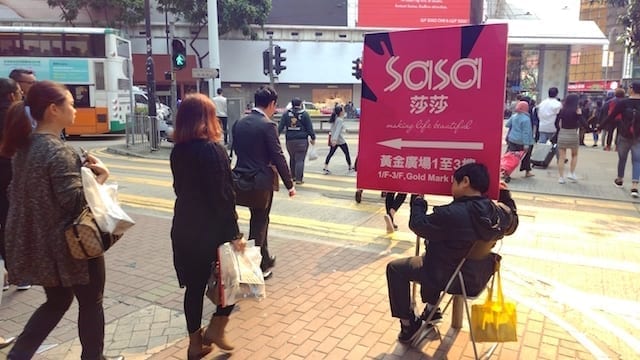
    Fourth-quarter sales of beauty-products retailer Sa Sa International plummeted 62 percent in Hong Kong and Macau as the coronavirus pandemic brought to a halt inbound tourism from Mainland China.

    Sales to mainlanders in Hong Kong and Macau slumped by 80.8 percent. While local customers spent 4.1 percent more during the quarter, the average sale per transaction dropped 20 percent and their overall basket size dropped by 34.6 percent.

    “The rapid outbreak of novel coronavirus around the world has wreaked havoc on the global economy, and the group has been inevitably affected,” said Sa Sa International chairman and CEO Simon Kwok in a quarterly trading update to the Hong Kong stock exchange.

    Group turnover fell 56.5 percent in the three months to March 31, including the permanent closure of its Singapore business

    Strict border controls imposed in Hong Kong to reduce the spread of the virus, the two-week closure of Macau casinos and decreased consumer demand led to the temporary closure of many SaSa stores, with other stores trading shorter hours. Kwok said that while the closures lowered operating costs, they also contributed to the sales decline.

    “In view of the persistent severe operating environment, the group will continue to implement strategies for reducing costs so as to maintain its competitiveness and reduce losses,” said Kwok. “The group will also do its best to protect the livelihood of its staff.”

    Sa Sa International will continue to trim its store network in Hong Kong as leases come up for renewal and the company will continue to pursue rent relief from landlords.

    “Furthermore, the group reduced non-essential and non-productive expenses substantially across all departments, streamlined its organization structure and implemented short-term measures such as reducing salaries and adopting the scheme of unpaid leave to reduce operating costs,” he said.

    With local consumers now accounting for a majority of the group’s overall sales, the company plans to adjust its product mix to meet their demand for protective and pandemic-related.

    products and other beauty items. Slow-selling lines will be dropped and inventory reduced to help preserve cash and reduce the risk of stored products expiring.

    Kwok said that the company has progressively been reducing inventory levels and has adequate cash to meet its current business needs, despite the decline in sales.

    Enforced store closure in China during the quarter saw sales there fall by 51 percent and in Malaysia, where non-essential stores have been ordered closed for six weeks commencing mid-March, sales were down by 16.9 percent.

    The company closed down its Singapore during the quarter shuttering all 21 stores and it has permanently closed 10 stores in Mainland China during the last year, along with six in Hong Kong and Macau and two in Malaysia.

  • True Religion back in bankruptcy as Covid-19 cripples sales

    True Religion back in bankruptcy as Covid-19 cripples sales

    Denim apparel retailer True Religion has filed for bankruptcy for the second time within three years.

    The brand’s latest crisis was brought on by the coronavirus outbreak, which has seen more than 95 percent of the American market under lockdown. In a statement, True Religion said it had found itself unable to wait out the pause in trading.

    The firm’s foremost lenders ABL and Term Loan are investing in the brand’s reorganization efforts under Chapter 11 bankruptcy proceedings, according to CEO Michael Buckley. The firm registered US$100 million in assets against $500 million in liabilities in its court filing this week.

    The firm emerged with a streamlined store network and a stronger financial position after its last bankruptcy, which had the support of lenders and came with an exit strategy pre-mapped out.

    “In the near term, and until our stores open up, we will be continuing as we have,” said Buckley, “to run our e-commerce businesses in the same way we did prior to filing for Chapter 11”.

  • H&M China’s slow recovery paints ‘bleak’ picture of retail post pandemic

    H&M China’s slow recovery paints ‘bleak’ picture of retail post pandemic

    Weekly sales data from H&M China stores are a harbinger of what faces the world’s fashion industry after the coronavirus passes, says GlobalData.

    The data shows that while stores are slowly starting to recover from the peak of the coronavirus pandemic in Mainland China, “there has clearly not been an immediate bounceback,” says principal analyst Honor Strachan.

    “H&M’s performance in China paints a harsh reality for what is to come across much of the world’s major retail markets, with the US, Spain, Italy, Germany, France, Iran, the UK and Turkey now having the highest number of confirmed coronavirus cases (excluding China) leading to significant slumps in consumer spend on fashion. Moreover, H&M operates in a winning segment of the apparel market, it has the scale to negotiate with suppliers, it has a strong physical portfolio where many stores are new or have been modernized, and stores operate in core retail locations – making its recovery more advantageous than many of its rivals, especially smaller domestic chains.”

    “Looking at H&M China’s data, sales were down 79 percent in week 10 despite 89 percent of its stores in the country being open, raising the question whether this is a financially viable strategy in other affected markets due to the burden on operating costs.

    “In China, nearly all retailers have now reopened stores, but consumer propensity to spend is significantly higher than in mature retail markets such as the US and much of western Europe so we expect store reopening schedules and the recovery process to be longer than what we have witnessed in China.”

    Strachan says retailers must start planning a recovery strategy for each country they operate in, taking into account consumer sentiment and confidence, the country’s financial stability, consumer propensity to spend on fashion, online penetration and the time in the season and promotional calendar.

    “All of these factors will impact how and when physical stores should reopen.”

    “Understandably retailers will be keen to reopen stores to clear seasonal stock and recover lost revenue, but the impact on profitability by opening these stores too early could be severe.”

    He says some retailers may need to consider whether consumer demand after the pandemic’s peak will be sufficient to warrant reopening all stores in any one market at once.

    Retailers in some markets around the world will be able to draw on government support to help them through the recovery stage. For example in the UK, business rates have been suspended, and landlords barred from taking back possession of store space due to unpaid rent. Furthermore, in many markets around the world, including in Hong Kong and Singapore, consumers are receiving cash handouts from governments to help stimulate the economy. In others, governments are providing income for furloughed staff and in that case, it may serve retailers’ interests best to keep store staff out of work until consumers resume spending on non-essential items and footfall recovers.

    “Understandably flagship and tier-one stores will be a priority to reopen as soon as possible, but retailers must consider what their neighbors are doing in each location as trading from under-occupied high streets or shopping centers will impede traffic and draw out the recovery period.”

  • Numerous Fashion retailers commit to supporting Covid-19 causes

    Numerous Fashion retailers commit to supporting Covid-19 causes

    Numerous international fashion retailers have pledged to support causes related to the coronavirus outbreak as the pandemic continues.

    Luxury jeweler Tiffany & Co’s charitable foundation will commit US$1 million to Covid-19 related causes. It is allocating $750,000 to the Covid-19 Solidarity Response Fund for the WHO and $250,000 to The New York Community Trust’s NYC Covid-19 Response & Impact Fund.

    The firm has also offered to match employee donations to any qualified nonprofit organization supporting Covid-19 relief dollar for dollar.

    US denim brand AG Jeans will give $1 million to the Covid-19 LA County Response Fund, supporting hospitals and clinics across the states, as well as contribute to rolling out coronavirus testing. It is keeping all staff on full pay at least through to the end of April.

    Luxury group Capri Holdings, owner of the Michael Kors, Versace and Jimmy Choo brands, will give $3 million to Covid-19 relief efforts globally, targeted to each brand’s home territory – New York, Italy, and London respectively.

    Apparel, footwear and accessories business VF Corporation will donate an initial $1.5 million to support local communities around the globe responding to the pandemic. The brand’s foundation is also running a two-for-one community match campaign up to an additional $500,000 on donations from VF employees and consumers who contribute via the company’s giving page.

    VF’s contribution follows its donation in February of $100,000 to assist medical workers and community-led recovery in China.

    Esprit Europe co-founder Jürgen Friedrich, along with his wife Anke, have donated €50,000 to colleagues in China and their families who are affected by the coronavirus. The pair’s foundation works “to conserve nature and empower people”, establishing the basis for people to thrive physically and intellectually.

    Jewelry firm Pandora has committed 10,000 medical masks to Danish hospitals that had originally been earmarked for use in its crafting facilities in Thailand. The masks were assessed as not needed once a local provider was sourced.

    “We are passing on these to employees at Danish hospitals,” said Pandora’s VP of corporate communications and sustainability Mads Twomey-Madsen. “It’s a small gesture to health care workers who around the world are making fantastic efforts in these difficult times.”

  • Vestiaire Collective charity sale in Singapore and Hong Kong kicked off

    Vestiaire Collective charity sale in Singapore and Hong Kong kicked off

    Vestiaire Collective is bringing its coronavirus charity sale to Singapore and Hong Kong this week after launching in US and European countries on April 1.

    The pre-owned luxury fashion platform has partnered with local influencers including Nicola Cheung Young (pictured above), Angie Ng, Antonia Li, Faye Tsui, Justine Lee and Jonathan Cheung to offer their luxury items.

    “At Vestiaire Collective, we stand with everyone affected, and we want to do whatever we can to assist in reducing the impact of Covid-19,” the company said in a statement.

    According to Vestiaire Collective, all proceeds from the sale will be contributed to the Hong Kong and Singapore Red Cross organizations.

    The Collective Charity sale in Singapore and Hong Kong will last for 15 days starting from tomorrow, April 10.

  • Covit-19 virus claims famed shoe designer Sergio Rossi

    Covit-19 virus claims famed shoe designer Sergio Rossi

    Italian shoe designer Sergio Rossi has succumbed to the coronavirus at the age of 84.

    The celebrated figure of the fashion world died on April 2 within days of being hospitalized for the illness. His death was announced by the current CEO of the eponymous brand, who called him a spiritual guide – today more than ever.

    In a tribute to the designer, the New York Times described him as renowned for his “spindly heels and designer collaborations” and “part of the postwar generation that transformed Italian fashion”.

    Rossi was a shoemaker’s son born in a small Italian town, learning the craft of bespoke footwear making from childhood. He founded his own label in 1968. He became a household name in the industry following a series of collaborations with top fashion labels, including Dolce & Gabbana and Versace.

    Rossi’s business was bought by Gucci Group – which later became Kering – in 1999 for about $96 million, but Rossi remained design director and chairman. Kering sold the brand to private-equity company Investindustrial in 2015, which relaunched Sergio Rossi in 2016.

    Rossi’s signature curved sole shoe, the Opanca, remains his foremost legacy in the trade.

    “With the unquenchable fire of your passion, you taught us that there are no limits for those who love what they do,” read a tribute from Rossi’s son, also a shoe designer. “Goodbye maestro.”