Tag: Fashion

  • H&M to supply protective equipment for hospitals

    H&M to supply protective equipment for hospitals

    Sweden fashion retailer H&M is to supply protective equipment to hospitals as they fight the coronavirus outbreak.

    The company said it reached out to the European Union to understand the needs and offer help, which includes opening up its purchasing operations and logistics capabilities.

    “The coronavirus is dramatically affecting each and every one of us,” said Anna Gadda, head of sustainability of H&M. “H&M Group is, like many other organizations, trying our best to help in this extraordinary situation.

    “We see this is as the first step in our efforts to support in any way we can. We are all in this together, and have to approach this as collectively as possible,” she said.

    Recently, the group also donated US$500,000 to the Covid-19 Solidarity Response Fund created by the UN Foundation to support coronavirus prevention

  • Shanghai Fashion Week goes digital with Alibaba

    Shanghai Fashion Week goes digital with Alibaba

    Shanghai Fashion Week is partnering with Alibaba’s B2C marketplace Tmall to hold its first fully digital event due to restrictions on gatherings caused by the coronavirus outbreak.

    The entire roster of runway shows will be streamed online on Tmall from March 24–30. More than 150 international brands and designers will showcase their latest autumn-winter collections via the Alibaba Group digital platforms.

    Readers can watch the opening show of Shanghai Fashion Week here tonight (March 24) at 6pm Beijing time via Taobao Live from your phone or computer watchers of this year’s Shanghai Fashion Week can immediately purchase the items they see on the runway without having to wait for the collections to hit the shelves.

    “We have integrated some of Alibaba’s most advanced technologies to bring a new and elevated experience to consumers,” said Tmall Fashion and FMCG GM Mike Hu. “This partnership with Shanghai Fashion Week allows us to leverage our experience in digitizing brick-and-mortar retail stores and explore a new format for the brand and product launches, bringing together technologies like live-streaming, short-form videos, DingTalk and Tmall Flagship Store 2.0 in a full-chain solution.”

    Covid-19 has forced the cancellation and rescheduling of many global fashion events, including the Milan Fashion Week originally scheduled for February

    Tmall intends for its “cloud launch” format to broaden out the reach and appeal of traditional product-launch events this year. According to material released by the firm, brands will interact with consumers virtually across an extended timeline and physical locations, from warm-up previews to the live broadcast and post-event interviews.

    The platform plans to team up with global brands to launch 360-degree marketing campaigns that cater to Chinese audiences, said Hu.

  • Cath Kidston seeks white knight buyer as strategic review ordered

    Cath Kidston seeks white knight buyer as strategic review ordered

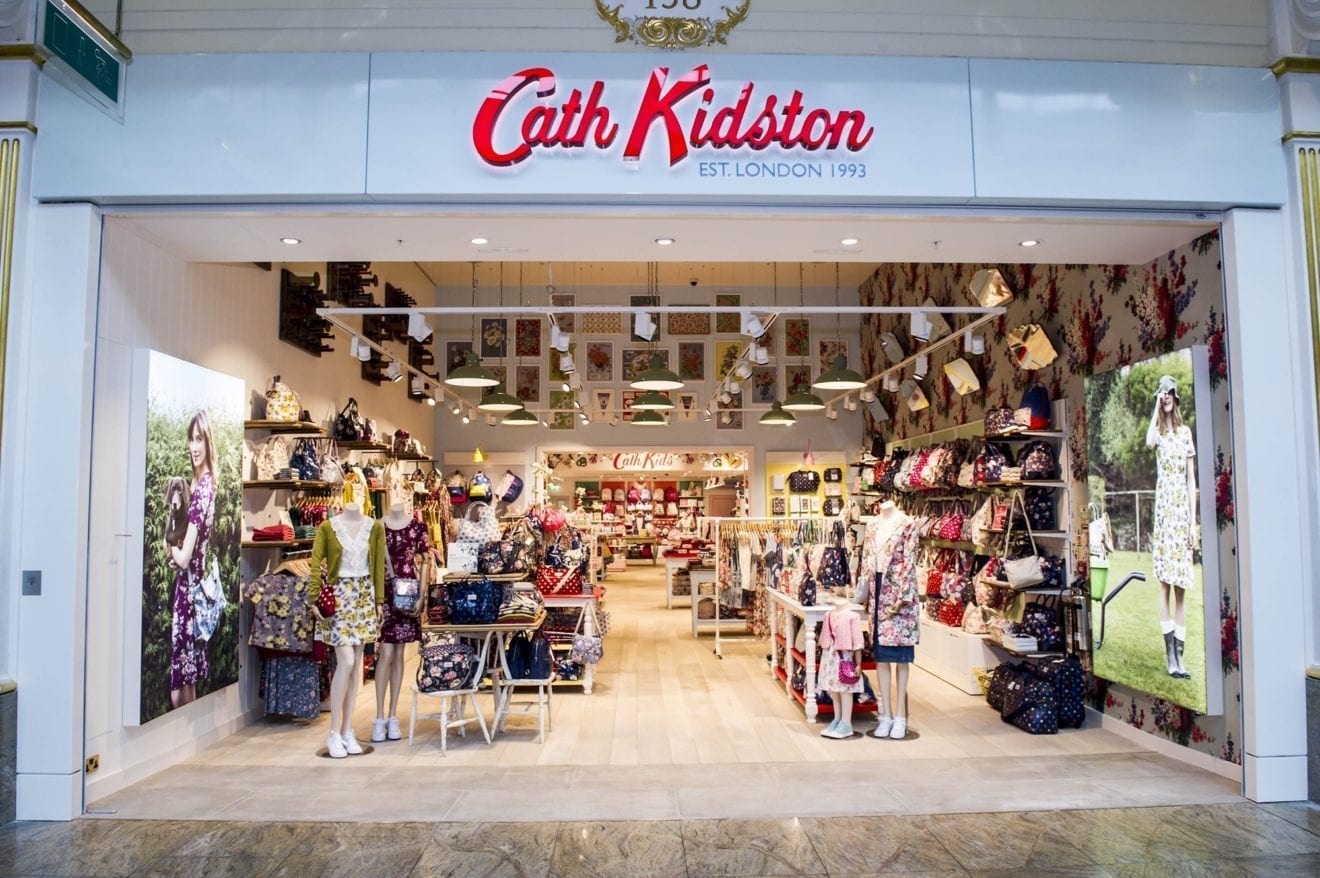
    Cath Kidston has hired external advisers to complete an urgent review of strategic options for the business as it makes a last-minute appeal for a white knight rescuer.

    Owned by Baring Private Equity Asia, the UK-headquartered clothing and homewares retailer was already struggling financially before the advent of the coronavirus which has forced stores to close in multiple markets and seen consumers suspend discretionary shopping.

    The company has about 100 stores internationally, mostly in Asia, and about 60 in the UK with a global payroll of around 2700.

    During the past two full trading years, its losses have totaled around US$31 million and companies invited to submit bids for the business have reportedly been told the company lost a further $13 million in the nine months to last December.

    According to UK media reports, the new CEO Melinda Paraie had achieved some success in turning the company around prior to the advent of the coronavirus crisis. Underperforming stores had been closed, head office staff ranks culled and resources deployed to increasing online sales.

    According to a Sky News report in the UK, potential bidders have been told to submit bids imminently.

    If Cath Kidston collapses, it will follow fellow Asian-owned retail business Laura Ashley, which called in administrators last week. Both brands operate a similar hybrid fashion-homewares retail offer.

  • Pomelo is redefining O2O retailing in SE Asia

    Pomelo is redefining O2O retailing in SE Asia

    As technology increasingly merges online and offline channels, addressing pain points along the purchase journey, a new breed of retail startups is drawing funding from private equity investors. One of the leaders is Bangkok-headquartered Pomelo, co-founded by Korean-American David Jou.  Before Pomelo was born in 2013, Jou co-founded and served as MD of Lazada Thailand and he has acted as an angel investor in several small startups.

    Bangkok in 2013 was already a buzzing creative hub with designers, graphic artists and digitally savvy technology specialists aplenty, a thriving fashion industry and a destination where a growing number of international producers were heading to film movies and television commercials. So Jou sat down with his co-founders and thought: How do we put all of this together and turn it into a business?

    “Back then, the core pillars that are required to get the e-commerce market going were just starting to be put into place: logistics, high-speed internet, smartphones, and a social-media infrastructure. And one of the things that was completely devoid in the region was e-commerce,” he recalls.

    “That was really the inspiration for Pomelo. We said hey, let’s build a direct-to-consumer fashion brand. And we’re going to use digital, we’re going to use social media, we’re going to use technology to really take out the middleman and make the entire process more efficient. We felt like we really had to create a brand for the digital era. So we started working on the idea and launched to the public at the beginning of 2014.”

    In the five years since Pomelo has grown from a fledgling online-only fashion platform to an omnichannel retailer with a presence in five countries serving customers in more than 50.

    In September, the company closed another funding round, securing US$52 million. Investors to date include heavyweights like JD and Thai retail-and-mall conglomerate Central Group who chipped in back in 2017.

    Since then, Pomelo has expanded to Singapore, Hong Kong and Malaysia, grown its gross merchandise volume seven-fold, launched nine physical stores in Thailand and a flagship on Singapore’s Orchard Road. The brand has expanded its product offering even further, launching categories like Purpose, an eco-friendly collection and Beet cosmetics.

    While on the surface Pomelo appears to be a fashion retailer, its raison d’etre is very firmly in developing technology-driven business models. And so as Pomelo has grown in brand awareness it has earned a reputation in Asia for its relentless experimentation, for thinking outside the traditional norms of the rag trade.

    The company’s market-positioning statement is “Fashion born in Asia. On Trend. Online. On The Go”. With K-pop and K-fashion already booming at the time of its launch, Pomelo’s team took inspiration from what was trending on the streets of Seoul. Then they worked on search engine optimization, social media promotions and Facebook to build the brand – “and old-school methods like email”. Recruiting key opinion leaders for live streaming in different markets added further momentum.

    Now, in January 2020, its newest initiative is ‘partner stores’. The company has been building a network of 100 retail outlets in Thailand where people who buy clothing online can have their orders delivered and try them on before taking them home. Or they can return them or order an exchange if the fit is not right, paying for only what they keep. It’s an ingenious solution to one of the most significant pain points in online fashion retailing for vendors: significantly lowering returns which can run as high as 70 percent in some Asian markets.

    Partner stores include cafes, salons, fitness studios, florists and even other clothing stores frequented by its core demographic: females aged 25 to 34.

    “Creating the best omnichannel retail experience means integrating our products with customer lifestyles, and the first 35 partner stores in Thailand allowed us to be where our customers live, work and play,” said Jou.

    The partner stores pay no sign-on fee – in fact, they earn a commission for everything collected from their locations. But they have to meet minimum guidelines, such as a customer-friendly environment and a fitting room. The company will start recruiting Singapore partner stores early this year.

    A world apart

    With a true online-offline approach to business, Pomelo is setting itself aside from traditional fashion brands. Jou believes a critical success factor is that the company approaches customers from the opposite direction to traditional retailers.

    “The brick-and-mortar guys have a product or a business model that they’re pushing and the customer kind of comes at the end of that value chain, whereas we are using customer feedback to really drive our future.”

    Its business model evolved from listening to customer feedback in the early days when it set out to be on-trend.

    “We were working with social media influencers to identify different groups of customers. Then we were designing collections specifically based on their preferences.”

    During that process, over and over again the Pomelo team kept getting the same feedback: ‘We love the brand. We love the style. The price is great. But I don’t feel comfortable buying fashion on the internet. If it doesn’t fit me, I don’t want to deal with the hassle of returns’.”

    The iteration before partner stores was Pomelo Pickup, where customers could try-before they bought at pop-up stores in Bangkok and Singapore, to their own schedule. The feedback was overwhelmingly positive, says Jou.

    This carefully charted course, evolving on listening to customers and solving their problems rather than just churning out high volumes of fast fashion, is clearly what is attracting investors.

    “This is a disruptive time for omnichannel in Asia and Pomelo is in a unique position because of its vertically integrated model and innovative technical abilities,” said Michael Aw, founding partner at Provident Growth Fund, one of the investors in the most recent funding round.

    “We are confident they will lead the way in fashion across Southeast Asia and beyond. Leveraging its direct-to-consumer fashion technology, Pomelo has proven itself a trailblazer in omnichannel fashion since its launch.”

    Jou says Pomelo’s omnichannel strategy is built upon its ability to provide a variety of retail options.

    “As a fashion brand with a technology DNA we place the customer experience at the forefront of everything we do.

    “Everywhere we look, we see opportunities for innovation to reinvent how things are done to create better products, better serve customers, and maximize omnichannel productivity and efficiency. Fashion is as relevant today as ever and we are excited to chart a unique path forward in an effort to reinvent what it means to be a fashion brand,” he concludes.

  • Esprit warns of big loss as Europe shuts down

    Esprit warns of big loss as Europe shuts down

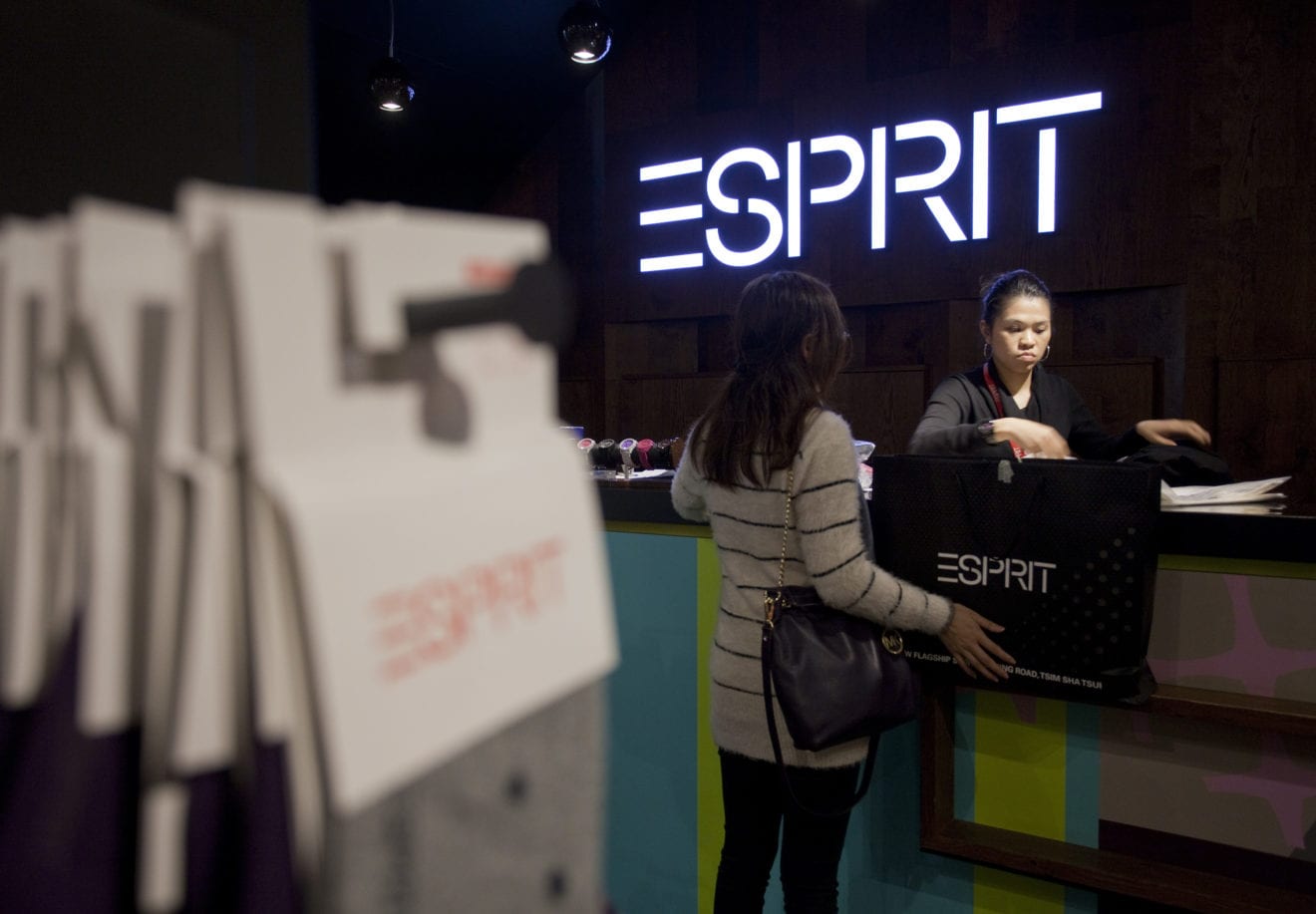
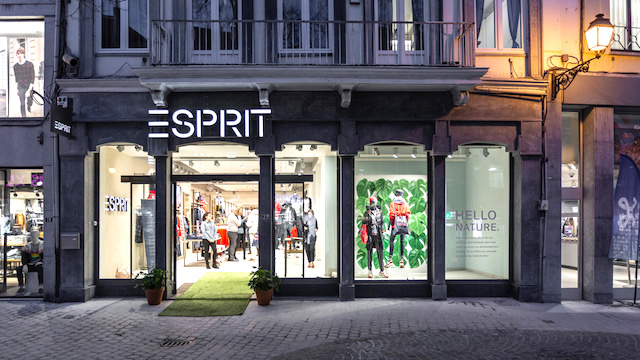
    Fast-fashion retailer Esprit says foot traffic into its stores worldwide have evaporated in the wake of the coronavirus pandemic and warned shareholders to expect a “considerable loss”.

    Public health initiatives enacted in many countries across the world aimed at slowing the spread of the pandemic have resulted in the closure of “a significant number of stores,” said Esprit company secretary Ophelia Lo.

    Public life has been locked down in France, Italy, Spain, Poland and Austria with other European countries most likely to follow, she said. All of those are important markets for Esprit which as part of a major restructuring plan is refocusing its business on Europe.

    “Obviously apparel retail sentiment is at its lowest level possible and store traffic in the group’s retail stores and its partners’ points of sale has subsided entirely,” said Lo.

    “In addition, the logistics of the supply chains of merchandise shipments are significantly affected.”

    Esprit expects the pandemic will “significantly adversely impact the sales of the group” in the second half of the current financial year, ending June 30.

    “As a result, management expects the group to incur a considerable loss in the second half,” said Lo.

    Right now, Esprit management cannot quantify the actual impact of the pandemic on the group’s business performance, given the inability to predict the speed and extent to which the pandemic will spread in markets in which the group and its suppliers operate in, and with no reliable estimation on when the pandemic may be over.

    “The company will continue to diligently assess the impact of the pandemic on the group’s business performance and will make appropriate announcements on updates as and when necessary,” she said.

    Meanwhile, the company will take “all practicable measures to cope with the challenges ahead,” including using working capital management and cost-control measures, and exploring financial support provided by local governments.

  • Laura Ashley’s UK business collapses

    Laura Ashley’s UK business collapses

    Laura Ashley’s UK business has been placed into administration after realizing that even if it could secure funds from a third-party investor it would be too late to save the business.

    the Malaysian-controlled retailer of clothing and homewares was in negotiations with Hillco Capital in a bid to secure a £15 million emergency loan.

    In a statement reported by Retail Gazette, Laura Ashley said its “revised cash flow forecasts and increased uncertainty” mean it would not be able to secure those funds in sufficient time. The coronavirus, it said, “had an immediate and significant impact on trading, and ongoing developments indicate that this will be a sustained national situation”.

    Laura Ashley’s UK business employs 2700 staff across the UK where it operates 150 stores. The immediate consequences for Asian stores is not yet clear.

    Amy Higginbotham, a retail analyst at GlobalData, said while the company was blaming poor recent trading in part on the coronavirus outbreak, the retailer has been struggling for a while.

    “The brand has long been tired and has struggled to regain relevance in both its fashion and home divisions. Financially weak retailers, of which there are many, are likely to follow Laura Ashley into administration given the current crisis. Those retailing non-essential purchases that can easily be deferred will be particularly badly hit,” she said.

    All that aside, Laura Ashley’s UK business has reported a 24-per-cent increase in sales in the seven weeks to March 13.

  • Esprit warns of big loss as Europe shuts down

    Esprit warns of big loss as Europe shuts down

    Fast-fashion retailer Esprit says foot traffic into its stores worldwide have evaporated in the wake of the coronavirus pandemic and warned shareholders to expect a “considerable loss”.

    Public health initiatives enacted in many countries across the world aimed at slowing the spread of the pandemic have resulted in the closure of “a significant number of stores,” said Esprit company secretary Ophelia Lo.

    Public life has been locked down in France, Italy, Spain, Poland and Austria with other European countries most likely to follow, she said. All of those are important markets for Esprit which as part of a major restructuring plan is refocusing its business on Europe.

    “Obviously apparel retail sentiment is at its lowest level possible and store traffic in the group’s retail stores and its partners’ points of sale has subsided entirely,” said Lo.

    “In addition, the logistics of the supply chains of merchandise shipments are significantly affected.”

    Esprit expects the pandemic will “significantly adversely impact the sales of the group” in the second half of the current financial year, ending June 30.

    “As a result, management expects the group to incur a considerable loss in the second half,” said Lo.

    Right now, Esprit management cannot quantify the actual impact of the pandemic on the group’s business performance, given the inability to predict the speed and extent to which the pandemic will spread in markets in which the group and its suppliers operate in, and with no reliable estimation on when the pandemic may be over.

    “The company will continue to diligently assess the impact of the pandemic on the group’s business performance and will make appropriate announcements on updates as and when necessary,” she said.

    Meanwhile, the company will take “all practicable measures to cope with the challenges ahead,” including using working capital management and cost-control measures and exploring financial support provided by local governments.

  • Pandora lays off 180 staff due to reorganization

    Pandora lays off 180 staff due to reorganization

    Danish jewelry giant Pandora has announced a new company structure that will eliminate an organizational layer between the global headquarters and local markets with the aim of getting closer to the customer and speeding up the execution of marketing campaigns and product launches.

    Effective April 2, Pandora will close its three regional organizations (Americas, EMEA, and Asia Pacific) and group the 100-plus markets where it operates into 10 clusters, each headed by a GM.

    The GMs, based in the largest market in each cluster, will report to a newly established chief commercial officer position, who will report directly to Pandora’s president and CEO, Alexander Lacik, and be part of the executive leadership team.

    The three current regional presidents will step down from the executive leadership team and 180 employees from regional offices and markets will leave the company.

    The total cost of the reorganization is expected to amount to around US$197 million, with one-off costs of around $30 million, primarily related to severance payments, additional consultancy support, extraordinary recruitment costs and other costs of closing down the regional offices.

    David Allen, currently president of Pandora EMEA will stay with Pandora and support the company’s turnaround plan, Programme Now, while Sid Keswani, current president of Pandora Americas, will become president of the North America cluster.

    Kenneth Madsen, current president of Pandora Asia Pacific, will leave the company.

    The cost reductions from the redundancies of 180 employees are expected to be largely offset by costs related to the further strengthening of the global organization, limiting the net cost savings.

    Lacik said in a statement that the new structure would ensure feedback from customers was incorporated into new designs more quickly.

    “The reorganization will reduce organizational complexity, enable Pandora to execute with more speed and agility, and add critical capabilities required to support growth,” he said.

  • Giordano looking for global expansion

    Giordano looking for global expansion

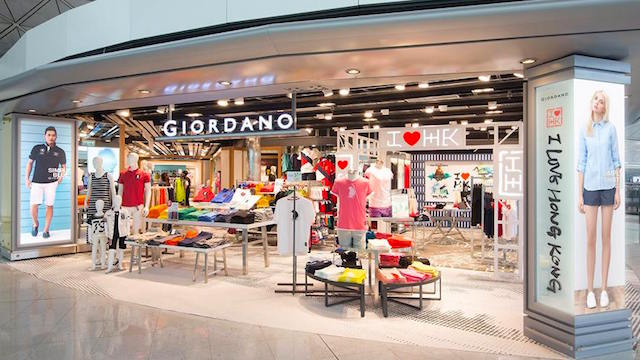
    Giordano group sales fell 11.9 percent last year to HK$4.852 billion (US$624.6 million).

    Sales from physical stores fell by 9.6 percent, while sales to franchisees declined by 24.2 percent, partly due to the tightening of the company’s credit policy in light of weakening economic conditions.

    Excluding the impact of a change in accounting standards to allow a direct comparison of year-on-year results, Giordano would have recorded a profit for the year of HK$289 million ($37 million) for the year, down 39.8 percent. But the group’s gross margin slipped by just 0.3 percent to 58.7 percent.

    In a stock-exchange filing, the company said multiple factors including the Sino-US trade war, social unrest in Hong Kong, and an unseasonably warm winter impacted on sales by dampening consumer sentiment. The worst-hit markets were Hong Kong and Mainland China.

    One of Giordano’s biggest challenges was its e-commerce business on the mainland, where sales dropped 15 percent to HK$267 million ($34.4 million) due to “ferocious competition on established third-party platforms”.

    But e-commerce in other regions recorded strong growth. In Hong Kong “substantial growth” was achieved as the group launched on local third-party platforms such as HKTV Mall.

    “Management is determined to further develop our e-commerce business in all regions by improving the product mix and collaboration with emerging online platforms, the company said.

    In the year ahead, Giordano plans to expand its global footprint. Four franchised stores opened in Mauritius in the second half of last year and this year the company plans openings in India and Kenya. The Middle East and Indonesia businesses recorded sales growth last year, making them “critical markets” for short-term expansion.

    Meanwhile, the company expects the coronavirus outbreak to affect its business “significantly” in the first quarter of this year. “Nevertheless, with a secure brand positioning and quality merchandise, management is confident of overcoming the challenges ahead. Management will further strengthen the group’s financial position through a combination of strategies and actions.”

    The group plans a more cautious approach in Mainland China and Hong Kong this year and will instead focus on overseas markets, especially the Middle East and developing markets in Southeast Asia – Vietnam and Indonesia.

  • Le Saunda profit downhill as store network slashed

    Le Saunda profit downhill as store network slashed

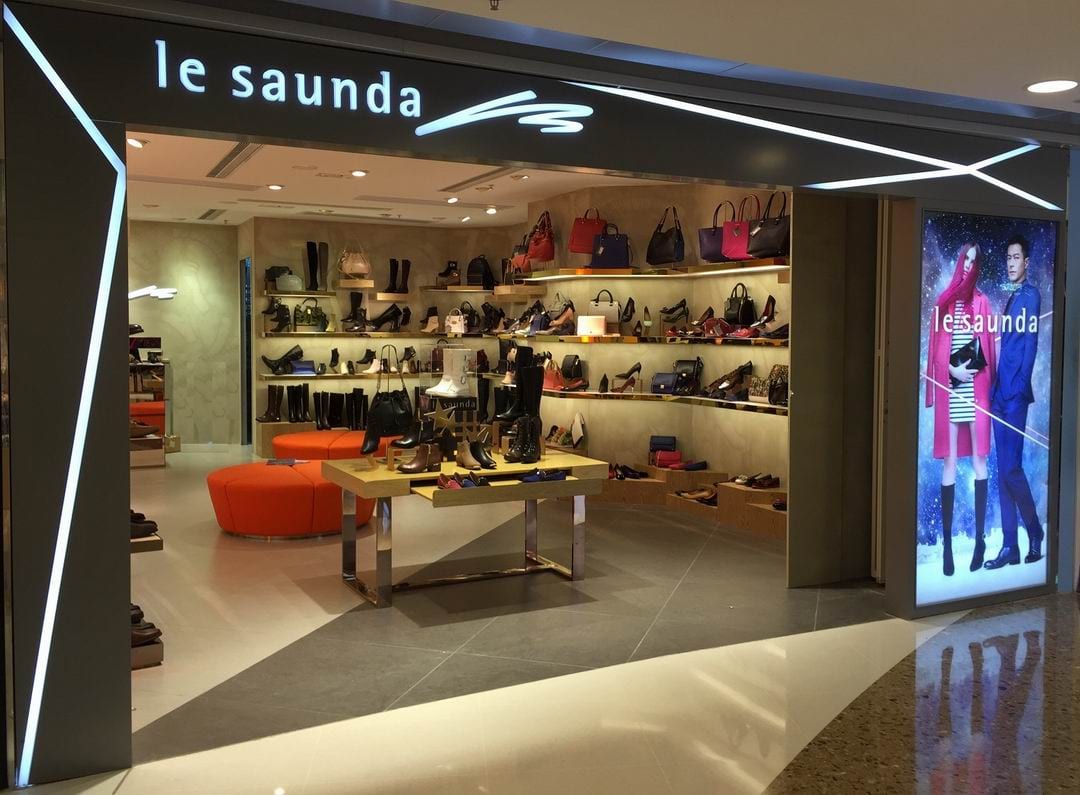
    Le Saunda sales slumped in the latest quarter as the Hong Kong footwear retailer slashed its store network.

    In a stock-exchange announcement covering the fourth quarter, Le Saunda sales declined by 30.9 percent for the three months to February. It also noted a same-store sales decline of 18.5 percent, compared to last year.

    Le Saunda currently operates 441 outlets in Mainland China, Hong Kong and Macau, including 55 franchised outlets – 85 fewer stores than it held as of February last year.

    Despite the drop in sales at Le Saunda’s physical stores, the firm’s e-commerce business saw a total growth of 7.2 percent compared to last year.

  • Struggling Shandong Ruyi fails to support Bally buy

    Struggling Shandong Ruyi fails to support Bally buy

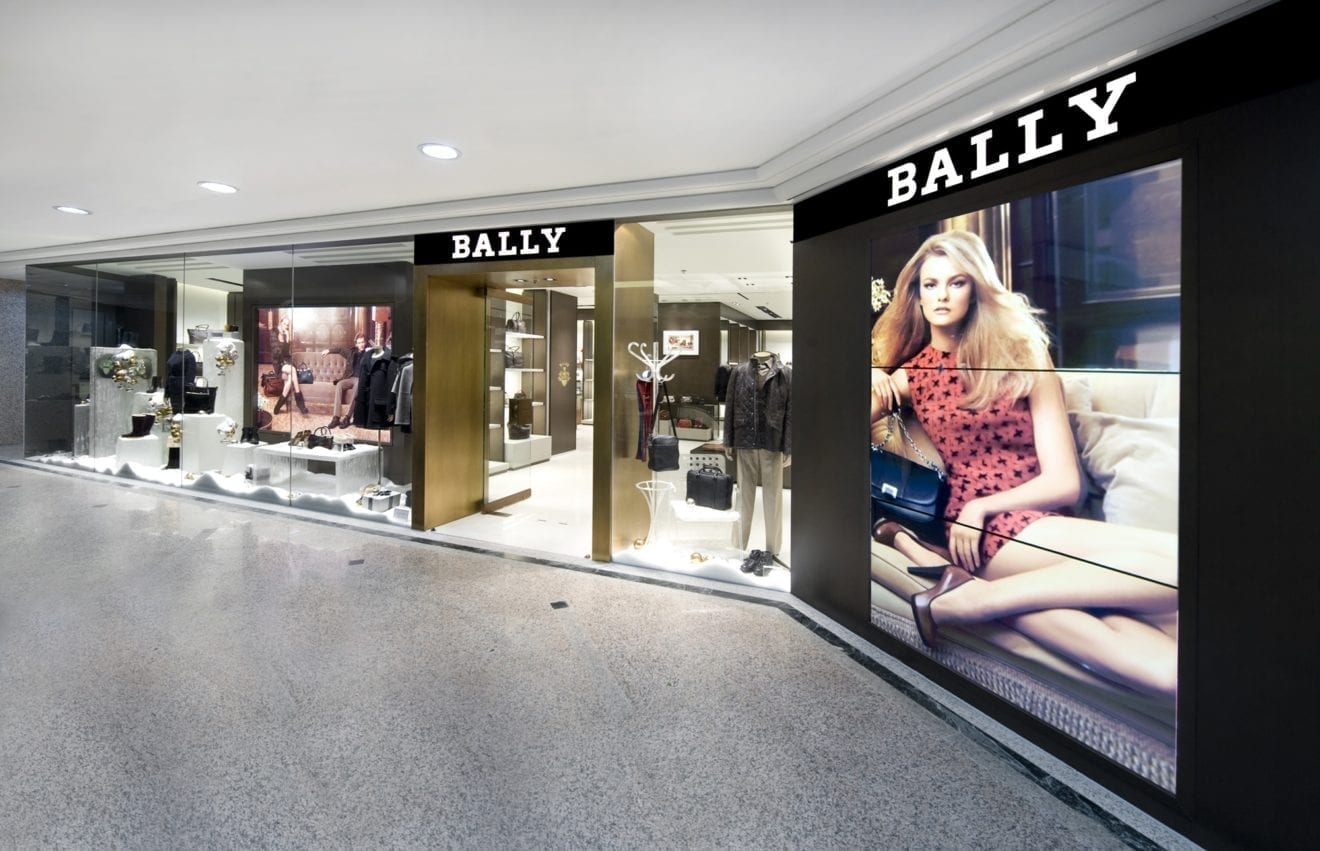
    Chinese apparel group Shandong Ruyi has been unsuccessful in raising funds to settle its planned purchase of Swiss luxury brand Bally.

    According to a Reuters report, the potential deal has been in the works for more than two years and would have required funding of US$600 million. Since making the agreement, the firm has suffered financial difficulties, with the recent coronavirus outbreak proving the final insurmountable hurdle against the transaction.

    Shandong Ruyi has already spent billions of dollars in purchasing luxury brands from Europe, including Aquascutum and SMCP brands Sandro, Maje and Claudie Pierlot, with a view to establishing a major luxury fashion house to rival the likes of LVMH, which has brought significant pressure to bear on the firm’s own financing. It also bought the iconic Lycra business last year.

    Sales of its newly purchased brands have suffered heavily during the epidemic.

    The firm recently suffered negative publicity for its difficulties settling payment for a controlling stake in Israeli menswear group Bagir. Another disgruntled partner, Japanese clothing group Renown, has reported losses caused by failure to collect debts from Ruyi, while Portuguese tailoring company Calvelex has also moved to sue Ruyi for non-payment of debts.

  • Fendi Venice boutique opens in San Marco

    Fendi Venice boutique opens in San Marco

    Italian luxury brand Fendi has launched a new flagship boutique in Larga dell’Ascensione in the Venetian district of San Marco

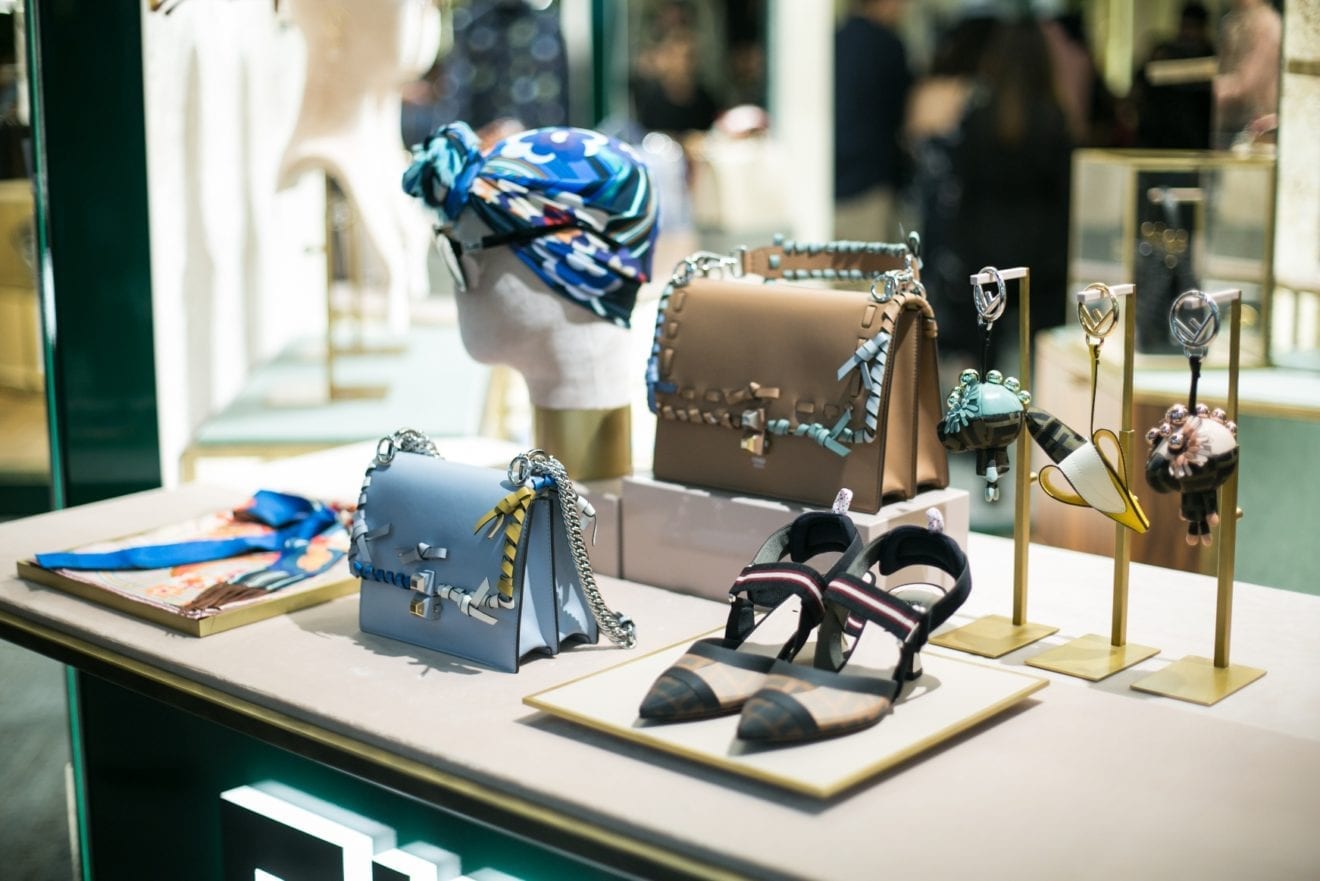
    The Fendi Venice boutique, which retails women’s and men’s clothing through to bags and accessories, is located in a 180sqm space within a roughly century-old palace furnished with terrazzo stone floors, diamond-shaped ceilings, and walls with marmolino finishes. The room also features large windows that flood each room with natural light, creating a see-through effect for stores spread over four floors.

    The women’s bag and accessory floor display products on ivory leather shelves supported by a champagne-gold metal-tube structure. The second floor is divided into two rooms, with a corner for women’s clothing and shoes surrounded by light champagne-gold thread curtains and purple carpeting and featuring luxurious vintage furniture.

    The men’s floor of the Fendi Venetian boutique is also divided into two rooms set in green colors. Gold metal detail and forest-green leather stand against a carpet of the same shade. Briar timber rotating counters, green satin, and satin-finished steel also feature in the space. The fourth and top floors are VIP rooms and luxurious terraces unified with a sky-blue theme, with a geometric stucco motif and a convex witch-eye mirror on the wall against turquoise velvet furniture.

    The terrace, surrounded by untouched vegetation, houses the Fendi Casa outdoor collection.

  • Influencers interested in The R Collective x Net-A-Porter campaign

    Influencers interested in The R Collective x Net-A-Porter campaign

    Upcycling fashion label The R Collective has unveiled a new campaign highlighting the advances in sustainability through its upcycling projects across Asia.

    The campaign features global fashion influencers promoting how creativity and sustainable design can reduce waste in the fashion industry, at a time when global fashion weeks are facing consumers’ continued protests about fashion’s environmental impact.

    It has been launched to support The R Collective’s new upcycled collection created exclusively for Net A Porter’s ​Net Sustain program.

    The R Collective collects excess textiles from luxury brands, mills, and manufacturers that may otherwise have ended up in landfills, incinerated or converted into the stuffing. The label uses the fabrics in new designs.

    Influencers involved in the campaign include Thai actress and singer Mint Pattarasaya as well as fashion stylist Justine Lee and Peony Lim, Fabienne, Cherry Mui and Victoria Onken from the UK, Hong Kong and the Netherlands. They all wear apparel created from ‘rescued fabrics’.

    “Fashion reflects our times,” said fashion writer Susie Lau. “Over the years, I’ve been watching the next generation of sustainable designers drive change. When you look at these The R Collective designs, you can sense a certain language from the designer. By rethinking fashion at the drawing board and reusing unwanted fabrics, there is a real sense of purpose to this collection. With our collective changing attitude towards sustainability in fashion a better fashion industry is not a distant hope, but a distinct reality.”

    Mint Pattarasaya said it was inspiring to witness the collection being sewn in her home city, Bangkok.

    “For this video, I witnessed firsthand the designers’ visions transformed by local garment workers, showing that fashion can be good for all.”

    The fashion industry continues to battle to reduce its 92 million tons of industrial textile waste generated every year and its estimated 10 percent contribution to global greenhouse gas emissions.

  • Hop Lun signs licensing deal with Janet Reger Lingerie

    Hop Lun signs licensing deal with Janet Reger Lingerie

    British lingerie brand Janet Reger has signed a new global licensing deal with Hong Kong’s Hop Lun, one of the world’s largest lingerie and swimwear designers and producers.

    A newly launched diffusion line ‘Janet Reger Rouge’ is the first move by the 50-year-old brand Janet Reger to democratize its lingerie offer on a global scale.

    Founded in the 1960s by Janet Reger, who died in 2005, the brand is now run by her daughter Aliza who continues to uphold the label’s mantra of “Confident Beauty Undressed”.

    “Hop Lun’s expertise and manufacturing capabilities paired with the Reger heritage make the perfect partnership,” said Aliza Reger.

    Described as ‘age agnostic’, ‘Janet Reger Rouge’ covers four design stories and spans 36 pieces, all aimed at the contemporary woman.

    Erik Ryd, Hop Lun’s founder and CEO said it is amazing to think that more than 50 years ago Janet Reger was the first lingerie brand that really celebrated being a woman.

    “This ethos still exists today and we are excited about both the collaboration and the opportunity to bring the Janet Reger Rouge brand to new, global markets”.

    Hop Lun, founded in 1992, provides fashion lingerie and swimwear to major global brands and retailers. The company also founded its own retail brand 6ixty8ight.

  • H&M looking to open stores in smaller cities in India

    H&M looking to open stores in smaller cities in India

    H&M in India is planning a broad expansion beyond tier I cities into smaller population centers.

    The move is in response to a burgeoning demand for its apparel items in tier II and II cities within the territory and continues the brand’s rapid growth in the Indian market, where it has recently partnered with local e-commerce platforms to strengthen its digital footprint.

    “What is clearly evident from our online platform is we see a great demand in tier II and III cities,” said H&M India country manager Janne Einola. “Tier II cities have been working very well for us… We have been testing in tier III cities like Coimbatore and Jalandhar. And these cities have been promising. This is the reason why I feel confident that we can grow in India. We will open quite a lot in Tier II cities and some of them in Tier 1.”

    H&M in India achieved a 43-per-cent sales growth last financial year despite a significantly slower growth rate during the period. Around half of its current locations within India are in tier II cities, and the firm reportedly takes a far greater proportion of online sales within India than the global average of 24 percent.

    H&M in India is planning to launch its first Indian ethnic wear collection next month in partnership with designer Sabyasachi Mukherjee.