Tag: Fashion

  • Shanghai Fashion Week to continue despite coronavirus threat

    Shanghai Fashion Week to continue despite coronavirus threat

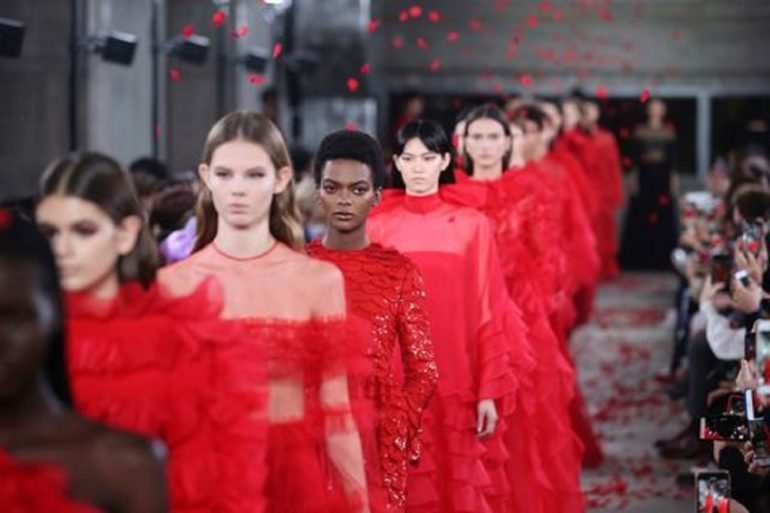
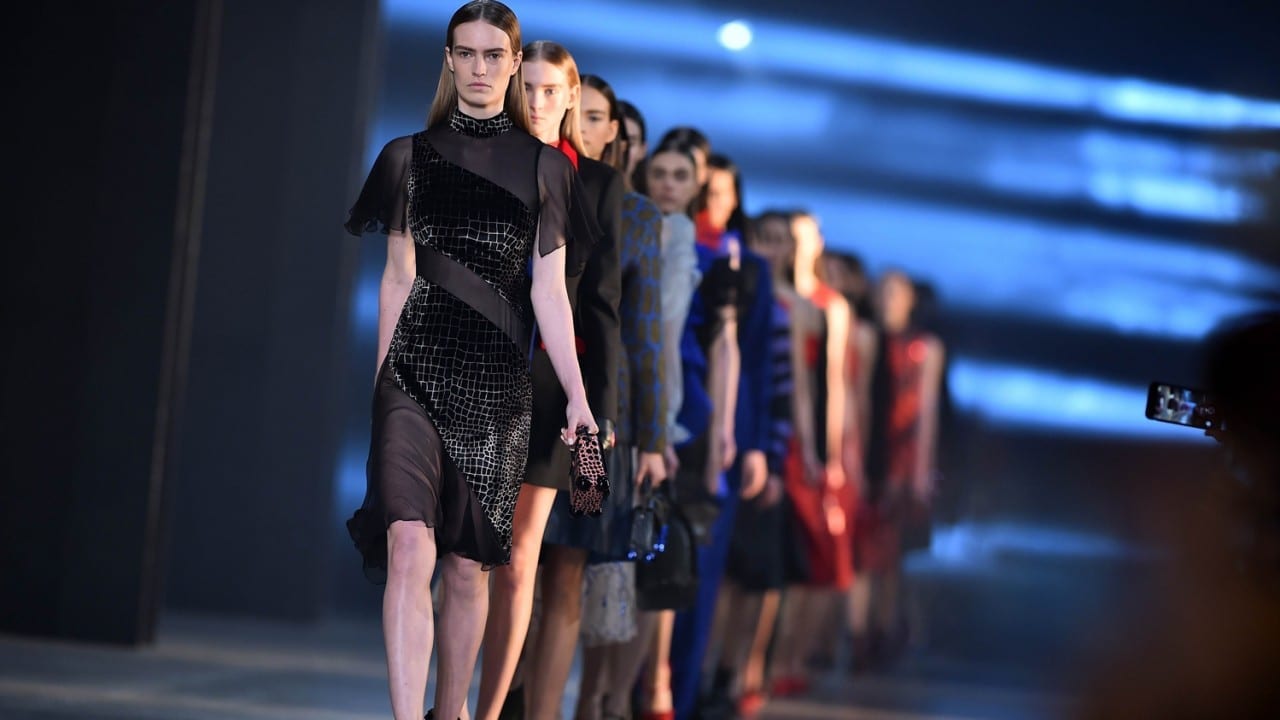
    Shanghai Fashion Week organizers announced that the event will proceed after early fears it would be postponed due to the coronavirus outbreak.

    The organizers released a statement saying Shanghai Fashion Week will be held on the same dates earlier scheduled: March 24-30.

    Since the coronavirus crisis began in late January, Chinese fashion industry professionals have been unable to participate in fashion weeks held in London, Milan, and Paris. But they are expected to participate in the coming event where more than 100 Chinese designers and brands are expected to showcase their 2020 Autumn/Winter designs.

    Live Streaming is also expected to be used in marketing their Spring/Summer products.

    “We hope this new form will allow designers to try different ways to display their design and different channels to market and sell,” vice secretary of Shanghai Fashion Week committee, Lu Xiaolei said.

  • India is now H&M’s fastest-growing market

    India is now H&M’s fastest-growing market

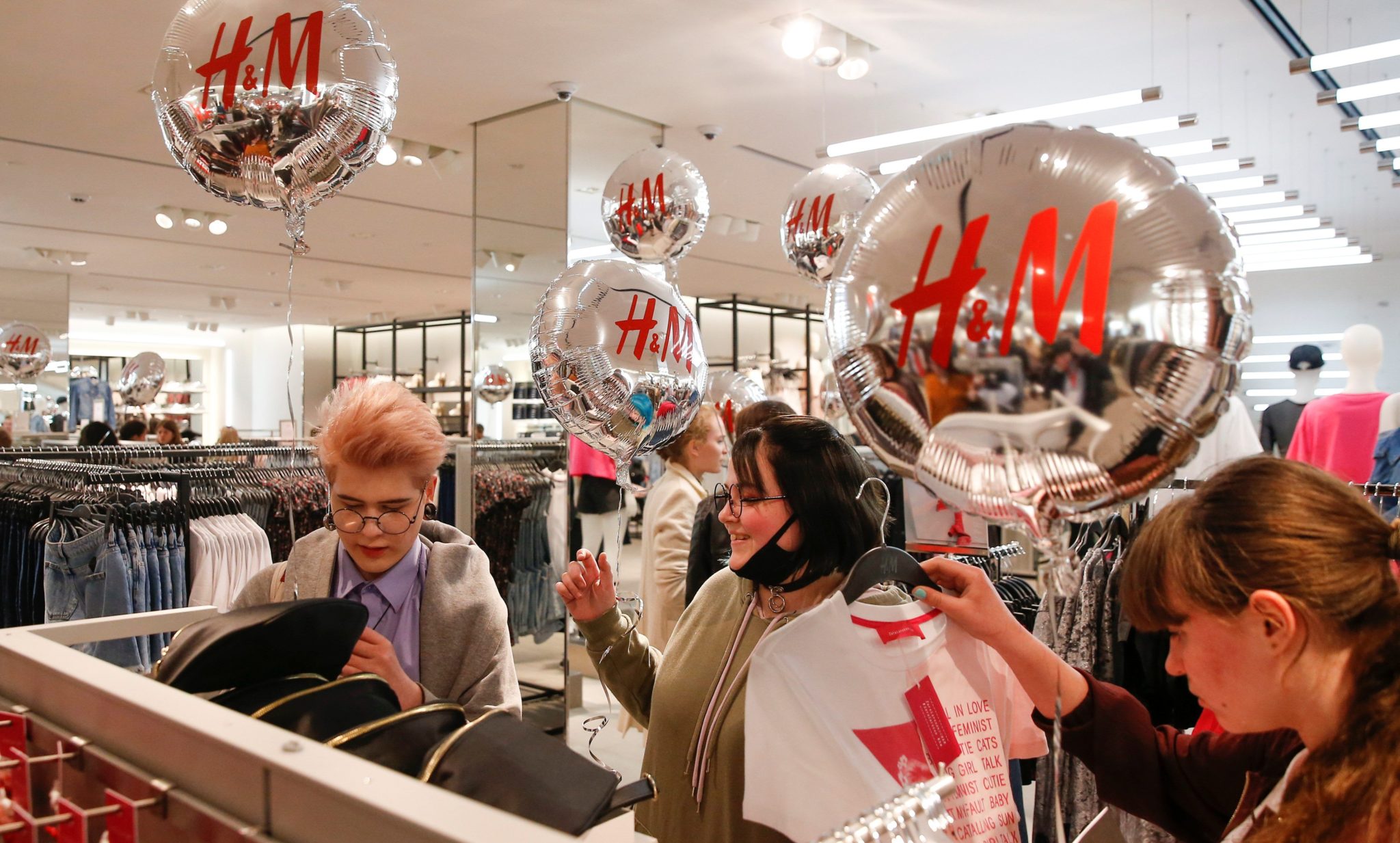
    Fast-fashion retail giant H&M has labeled India its fastest-growing emerging market.

    The firm is now targeting ₹2,000 crores (US$280,000) in turnover from the territory, a goal it is likely to achieve by the end of this year despite signs of reduced domestic consumption.

    H&M’s growth in the region has benefitted from both online and offline efforts, along with its collaborations with local partners and the affordability of the brand. It operates 47 outlets in the country, compared to 22 run by rival firm Zara, with financial figures suggesting it may have a leading edge in terms of sales.

    According to a report in the Business Standard, H&M India country head Janne Einola has indicated H&M will target tier-II and -III markets for future store locations. It is expected to launch up to 10 new Indian stores this year, as well as diversify its product range into different sectors such as home furnishings and beauty, as well as traditional Indian clothing.

  • India became H&M’s fastest-growing market

    India became H&M’s fastest-growing market

    Fast-fashion retail giant H&M has labeled India as its fastest-growing emerging market.

    The firm is now targeting ₹2,000 crore (US$280,000) in turnover from the territory, a goal it is likely to achieve by the end of this year despite signs of reduced domestic consumption.

    H&M’s growth in the region has benefitted from both online and offline efforts, along with its collaborations with local partners and the affordability of the brand. It operates 47 outlets in the country, compared to 22 run by rival firm Zara, with financial figures suggesting it may have a leading edge in terms of sales.

    According to a report in the Business Standard, H&M India country head Janne Einola has indicated H&M will target tier-II and -III markets for future store locations. It is expected to launch up to 10 new Indian stores this year, as well as diversify its product range into different sectors such as home furnishings and beauty, as well as traditional Indian clothing.

  • Forever 21’s new owners tap H&M executive to lead turnaround

    Forever 21’s new owners tap H&M executive to lead turnaround

    The new owners of failed US fast-fashion firm Forever 21 have appointed a key H&M executive to take charge of a turnaround plan.

    Two of the chain’s landlords, Simon Property Group and Brookfield Property Partners, teamed with Authentic Brands Group to purchase the business for a bargain-basement price of just US$81.1 million. However, the consortium has also assumed some $300 million in liabilities as part of the deal.

    Former H&M US president Daniel Kulle has been appointed the firm’s new CEO. He will work with the new owners to maintain the majority of the 450-odd stores across the US. Some overseas stores will be licensed to local operators. The owners will seek to expand the brand throughout China, Southeast Asia and in other key markets, having already launched an online-first strategy.

    Under Kulle’s leadership, the brand will focus on current design trends, speed to market, sustainability and a younger target audience.

    “Forever 21 is a powerful retail brand with incredible consumer reach and a wealth of untapped potential,” said ABG founder, chairman, and CEO Jamie Salter. “We’re looking forward to working with the Forever 21 team and our global partners. Together, we’ll revitalize the brand’s core business and connect with audiences around the world through new product offerings and experiences.”

  • Hong Kong Fashion Week and Spring Fairs postponed

    Hong Kong Fashion Week and Spring Fairs postponed

    Hong Kong Fashion Week and seven other Spring Fairs which were scheduled for April have been deferred until July 25-28, due to the coronavirus crisis.

    “The safety of exhibitors and buyers has always been a priority,” the organizer of the events, the Hong Kong Trade Development Council (HKTDC) said in an email announcing the postponements.

    “Considering the current development of the novel coronavirus outbreak, and in line with the health measures taken by the Hong Kong SAR Government, a decision has been made in consultation with industry representatives to reschedule eight HKTDC trade fairs.”

    The fairs are Hong Kong Fashion Week, Hong Kong International Lighting Fair (Spring Edition), Hong Kong Electronics Fair (Spring Edition), International ICT Expo, Hong Kong Houseware Fair, Hong Kong International Home Textiles and Furnishings Fair, Hong Kong Gifts & Premium Fair and the International Printing & Packaging Fair.

    “As always, the HKTDC will make every effort to provide fair participants with safe, efficient and effective trading platforms in the future, while helping enterprises maximize their business opportunities through multiple global channels,” the statement concluded.

  • Denim makers welcome novel sustainability initiatives

    Denim makers welcome novel sustainability initiatives

    Global denim makers have long faced questions over their sustainability credentials, but recent developments across the industry are helping to show it in a more positive light.

    From the amount of water required to produce a pair of jeans, to the chemicals used in production, the sector is starting to make a concerted effort to move away from the stigma it has attracted over the years.

    Among efforts to drive change is the move by denim conference Kingpins Transformers to become the Transformers Foundation, a non-profit entity focused on driving change in key areas of the denim supply chain such as social responsibility, sustainable cotton, responsible chemical management and consumer education.

    Elsewhere, experts from denim makers have contributed to the ‘Jeans Redesign Guidelines’ to help fashion brands and manufacturers make jeans that meet minimum requirements for durability, material health, recyclability and traceability.

    In terms of product development, Spanish manufacturer Tejidos Royo has collaborated on an environmentally friendly indigo yarn-dyeing process that uses foam instead of water. According to the firm, Dry Indigo uses zero water in the dyeing process, reduces energy consumption by 65 percent during manufacture, and uses 89 percent fewer chemical products. It is also said to completely eliminate wastewater discharge.

    Industry heavyweight Gap announced last summer its Banana Republic brand would pilot the technology.

    US start-up Tinctorium is also attempting to eliminate the need for toxic chemicals in the color production process by producing indigo dye using bio-engineered bacteria. The bacteria secrete an indigo precursor that is mixed with an enzyme to create a liquid indigo solution that can be directly applied using existing denim equipment.

    However, while there has been a marked shift in the sector, denim makers and fashion brands must not rest on their laurels. There remains a great deal of work to be done to further improve the denim supply chain.

  • Embattled Esprit posts another loss as sales tumble SE Asia

    Embattled Esprit posts another loss as sales tumble SE Asia

    Embattled fashion label Esprit posted another loss in the December half-year, as sales plunged by HK$1 billion – largely due to a major store cull in Asia.

    Esprit recorded a loss of HK$331 million (US$42.46 million) for the period, compared with a $1.773 billion (US$227 million) deficit in the December 2018 half. The previous year’s figures were impacted by one-off restructuring costs and write-downs associated with implementing its strategic plan.

    Global sales were down from $6.766 billion ($867.931 million) to $5.763 billion ($739.249 million). In Asia, the company reported a sales decline of 40 percent, as it heavily rationalized its store network.

    Despite the red ink, Esprit’s management says the execution of its strategic plan to restructure the company and revitalize the brand “has continued to progress well and is on track”.

    “Overall, the management is pleased with the performance of the group for the six months … as we have delivered financial results in line with management expectation despite the challenging market conditions,” it said in a results filing.

    Asia, where Esprit has stores in China, Singapore, Malaysia, Taiwan, Hong Kong, Macau, Thailand and the Philippines, accounted for just 7.2 percent of group sales in the period. Sales across the region fell 40 percent year on year, mainly due to a 36-per-cent reduction in the trading area as unprofitable stores were closed.

    The Asian network was culled from 82 standalone stores on January 1 to just 55 by December 31 and concession counters from 111 to 75. All 33 outlet stores in the region were closed last year.

    “Consumer traffic remains one of the biggest problems for retail in the region which recorded a decline in comparable consumer traffic of approximately 23 percent. Comp-store sales in the region declined by 16.9 percent,” the company said.

    In China, Esprit entered into a partnership with Mulsanne Group to manage the market, which it says will create a strong base for the brand, improve the relevance and accelerate growth.

    In Europe, which now accounts for 45 percent of its sales, the company has increased the proportion of stock sold at full price, improved its gross profit margin and grew comp-store sales in three of the six months.

    Global operating costs were slashed by 20 percent during the half-year, and underlying operations “almost broke even” with a loss of HK$15 million (US$1.9 million).

    “Today the group’s business is in a much better state than 12 months ago,” the company said in its results filing. “It is leaner, quicker, fitter, more agile, and is well along the way to creating a new culture which is all about empowering and having fun while delivering results.”
  • Burberry delivers AR technology to Google Search

    Burberry delivers AR technology to Google Search

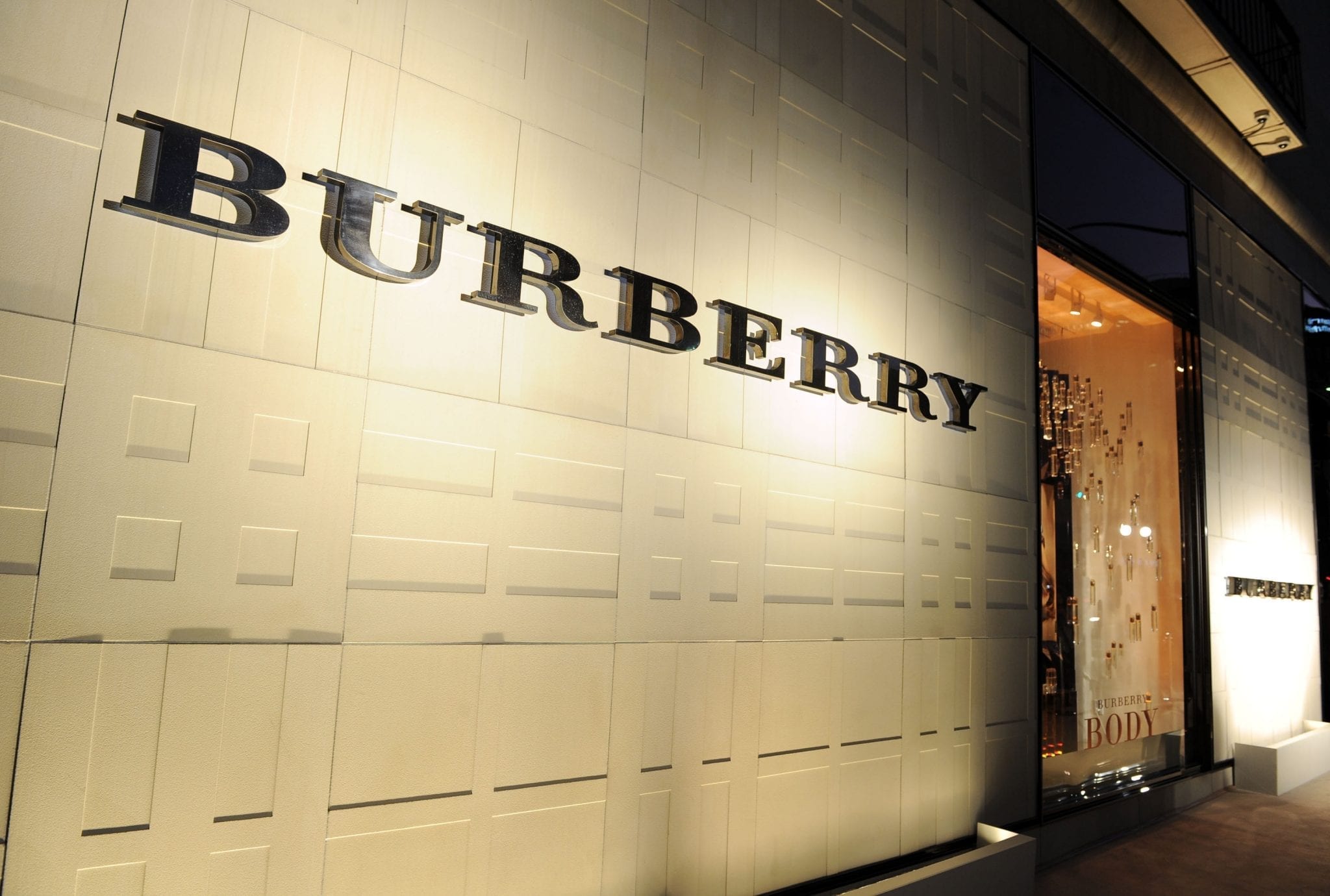
    International luxury brand Burberry has launched an Augmented Reality (AR) shopping tool using Google Search that allows consumers to visualize its products within their immediate surroundings.

    The app embeds 3D images of the products in users’ environments as captured via their smartphone cameras, allowing them to “see” their prospective purchases as if they were right in front of them.

    Consumers searching for Burberry products on Google will be able to access the AR images so as to have a clearer conceptualization of the product before purchase. The tool is intended to enhance the inspiration phase of the decision to purchase, which is now thought to be becoming increasingly important for luxury consumers.

    The tool is currently available within searches for the brand’s Black TB bag or Arthur Check Sneaker conducted within the US or UK, with plans for global rollout for a variety of products over the coming months.

  • Online focus pays off as Sabina sales surge

    Online focus pays off as Sabina sales surge

    An aggressive online focus saw listed Thai lingerie retailer Sabina achieve 14.3 percent sales growth last year.

    Sabina CEO Bunchai Punturaumporn, pictured above, said the company’s performance last year outperformed expectations, despite declining consumer purchasing power due to a slowing economy and falling confidence.

    Sales totaled US$103.5 million and net profit reached $13 million.

    In Thailand, Sabina opened two new stores, at Central Village and Samyan Mitrtown, and home-market same-store sales rose 3.7 percent last year.

    But the real growth engine was online, with sales up 32.3 percent year on year.

    “At the end of last year, Priceza studied online sales and found that lingerie was the best-selling product in the fashion category and that Sabina had earned the highest sales online, especially during the 11.11 and 12.12 shopping festivals held in November and December last year,” said Punturaumporn.

    Last year was the first that Sabina had participated in the shopping festivals. Apart from experiencing online success, the company also developed new lingerie collections it says caters to changing demands and requirements of today’s consumers.

    Outside Thailand, Vietnam was a standout market, with Sabina achieving 25.7 percent year-on-year growth there. Cambodia, Laos, and Myanmar also saw good growth, he said.

    Sabina also manufactures products for European retailers, but that side of its business posted a lackluster result, with sales up a mere 0.1 percent.

    Meanwhile, the company says that last year 37 percent of its products were made in China through sub-contract manufacturing with local factories, the majority 63 percent made in its own Thai factories. But since the coronavirus hit this year, Sabina has migrated some contract manufacturing from Mainland China to Vietnam, spreading its risk factor as well as becoming a base for the Vietnamese market, which has shown strong growth potential.

  • Pomelo Becomes First Fashion Brand in Southeast Asia to Launch In-App Livestream with Unveiling of Spring Summer 2020 Collection

    Pomelo Becomes First Fashion Brand in Southeast Asia to Launch In-App Livestream with Unveiling of Spring Summer 2020 Collection

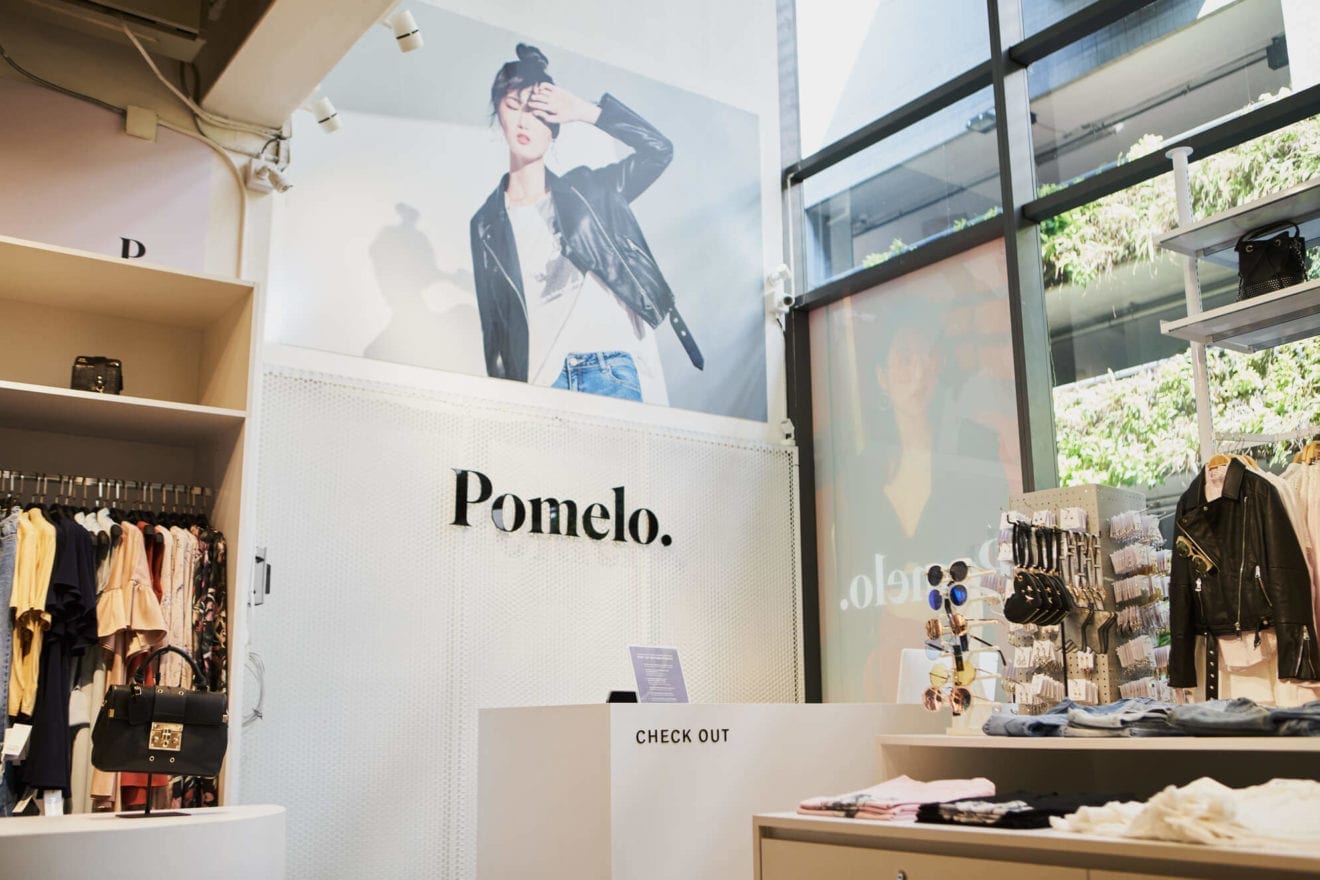
    Pomelo, Asia’s leading omnichannel fashion brand, marks a new decade of innovation and style by debuting its in-app Livestream tech with the launch of its eclectic Spring Summer 2020 Collection. This marks the first time a fashion brand in Southeast Asia is unveiling such an immersive in-app capability, bringing fans closer to the heart of the fashion experience through technological innovation.

    Showcasing a more engaging omnichannel experience, the launch of the Spring Summer 2020 collection will be fully live streamed via the Pomelo app, giving fans an exclusive sneak peek at the collection ahead of its official launch. With special appearances by Pomelo campaign ambassadors including Davika Hoorne, one of Southeast Asia’s most prominent actresses, fans and fashion observers from across the region will be able to catch all of Pomelo’s highly-anticipated content in real-time, beginning with the launch showcase happening on February 27th at 5:30 pm SGT in Singapore. Beyond bringing all the excitement of the launch through live video content, fans can also catch exclusive, on-site interviews with all their favorite fashion personalities from the collection, staying engaged by actively participating in the whole experience through interactive Q&A sessions. Co-developed by Pomelo’s in-house developers, together with interactive streaming and marketing platform Geddit, the in-app Livestream functionality will be fully shoppable from March onwards.

    “As the retail landscape continues to evolve, Pomelo stands out by bringing dynamic experiences to fans that combine shopping with engaging, real-time content. Constant innovation and a strong dedication to reinventing the omnichannel experience are a large part of Pomelo’s DNA, and we’re confident that the launch of the new in-app Livestream feature, amongst other new developments still to come, will enable us to be at the forefront of driving innovation in this industry,” said Jean Thomas, CMO of Pomelo.

    Launching in the lead-up to International Women’s Day, the Spring Summer 2020 collection draws inspiration from six industry game-changers that hail from Southeast Asia, offering a vibrant melange of styles to empower women of all backgrounds, championing self-confidence and inclusivity, while encouraging the community to uplift one another.

    From entertainment moguls to self-made entrepreneurs, the collection tells the stories of trailblazing women who represent different facets of the Pomelo community, including Thailand’s Davika Hoorne, Singapore’s Layla Ong, a wavemaker in the international modelling circuit and Indonesia’s Raline Shah, popular actress and philanthropist. The dynamic roster also includes fitness model and influencer Madi Ross, beauty entrepreneur Jessica Wilson; the co-founder of makeup brand, Sunnies Face, and finally, Asia’s Next Top Model alumni Tuti Noor from Malaysia.

    Inspired by these women and those of the Pomelo community, the latest collection ushers in a spring and summer of transformation. Channelling the vibes of a Palm Springs getaway, the collection features a full pastel palette with hints of summer florals, vibrant ginghams, and pops of eyelet. From airy gowns to tiered silhouettes, the pastel-themed collection is filled with this summer’s must-haves for women from different walks of life, celebrating #POMELOGIRLS on their journeys of self-discovery.

  • Laura Ashley loss doubles but received a financial lifeline

    Laura Ashley loss doubles but received a financial lifeline

    Embattled Malaysian-owned fashion and lifestyle retailer Laura Ashley has reported a 166-per-cent increase in half-year loss to £4 million, citing lower sales of home furnishings and Brexit uncertainty in its key UK market.

    But on a positive side, the company has reached an agreement with its lender Wells Fargo to draw down funds necessary to continue trading as it continues to restructure.

    Group sales fell by 10.8 percent to £109.6 million. While the company blamed the closure of three stores for the decline, same-store sales were down 10.4 percent. Online sales fell by 15.5 percent.

    “The decline in total revenue was due to the market headwinds and weaker consumer spending during the period, which led to a decline in sales of bigger ticket items,” the company said in a result filing.

    “Whilst these results are disappointing, we believe that with the right focus and support, Laura Ashley has a strong future and can be successful again.

    “In the autumn of 2019, we carried out a strategic review of the business to set the future direction of the company and return Laura Ashley to the great British brand that is known and cherished around the world. This includes reconnecting with our traditional values and our strong British heritage.”

    Meanwhile, the company denied reports that it would receive investment funding from Japanese retailer Muji.

    Georgina Sreeves, an associate retail analyst at GlobalData, said that while ‘Laura Ashley’s £20 million lifelines from Wells Fargo gives the company chance of recovery, its results reveal just how much work it will have to do to secure a long term future.

    “Once a British icon, the brand has since lost its charm and notable styles,” she said.

    In an attempt to re-establish its footing in the ranks of British fashion, Laura Ashley recently partnered with British luxury brand, Barbour and launched collaborations with Urban Outfitters and Rag & Bone which Sreeves said will boost Laura Ashley’s relevance. But it needs to do more.

    “The brand should consider a revival of its vintage pieces and prints that have been lost in the attempt at modernizing its image. To garner attention, Laura Ashley should follow suit of Argos, and publicize the archives of its once-famous home decoration catalog, and create capsule collections inspired by its vintage past. To supplement its sustainability, which currently is only held up by its use of local suppliers, the brand should consider creating garments out of leftover, unwanted material, just as Laura Ashley did when the brand was founded.”

    Sreeves added that its hopes to expand in Asia to offset difficulties it is facing in the UK will likely face delays due to the impact of coronavirus on consumer spending.

  • Loss-making Bauhaus to close 10 stores, axe 100 staff

    Loss-making Bauhaus to close 10 stores, axe 100 staff

    Hong Kong fashion group Bauhaus International says it will close up to 10 loss-making stores in Hong Kong.

    The closures will lead to the laying off of 100 staff, over and above the 200 jobs it culled between April and September last year.

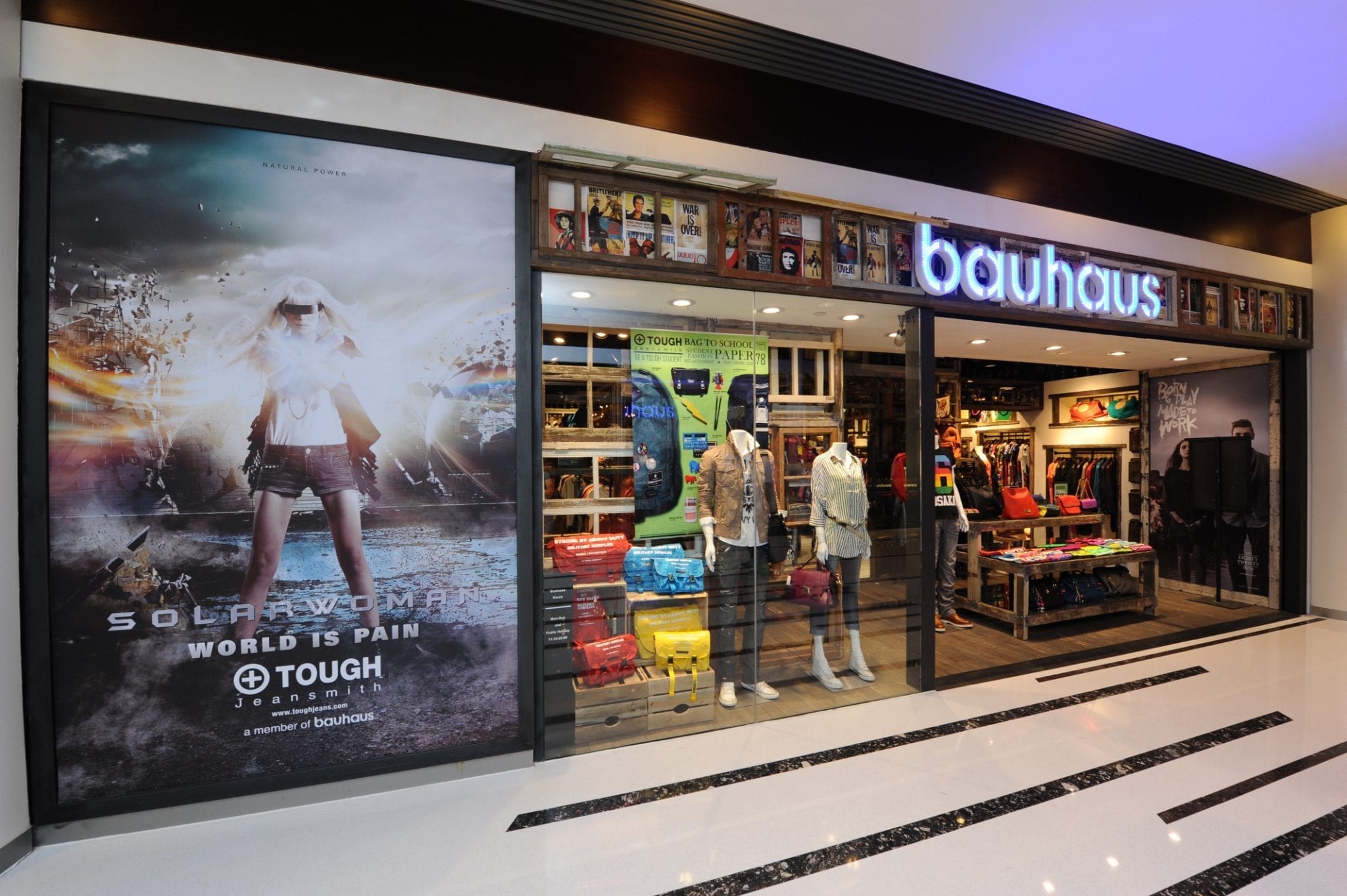
    Bauhaus retails under several of its own labels – Tough, Jeansmith, Salad and 80/20 – across 66 stores in Hong Kong, Macau and Taiwan. The company is also the franchisor for struggling British brand Superdry in Hong Kong.

    The company has blamed the closures on the coronavirus outbreak, which comes on the heels of six tough months for retailers during the anti-extradition bill protests.

    Closing stores before their leases are up is expected to result in a one-off write-off and/or impairment losses of between HK$16 million and HK$50 million, subject to the final results of negotiations between the group and the relevant landlords.

    Bauhaus had announced its exit in China markets just last month but will continue to retail on Tmall and JD.

    Besides its Hong Kong closures, the company is evaluating the closure of as many as half of its retail stores in Taiwan by the end of the 2021 fiscal year. Bauhaus has been recording losses abroad for the last two consecutive years.

    The brand’s net loss was at HK$95.2 million for the six months to September last year, nearly double that of the previous year. The cause of its performance were attributed to the then intensifying China-US trade ware, depreciation of the Renminbi and social unrest.

    The group will continue to focus on rationalizing its operations, reducing structural costs and reinforcing its financial resilience. Meanwhile, 50 Hong Kong retailers with a combined 200 shops are on strike against landlords, demanding for leniency on rent during struggling times.

  • Uniqlo Singapore Switches to Eco-friendly Paper Bagsto Reduce Single-Use Plastic

    Uniqlo Singapore Switches to Eco-friendly Paper Bagsto Reduce Single-Use Plastic

    From 2 March onwards, UNIQLO Singapore will replace plastic shopping bags with eco-friendly paper bags, as part of the company’s global efforts to create a sustainable business that considers for the environment. To further promote reducing the use of traditional shopping bags and making effective use of resources, UNIQLO will be launching a new eco-friendly tote bag at SGD$2.90 and will price its eco-friendly paper shopping bag at SGD$0.10 each.
     
    This comes after the announcement by Fast Retailing Group, the parent company of UNIQLO, in July 2019 to eliminate the use of unnecessary plastic throughout its supply chain, and to reduce the amount of single-use plastic handed to customers, including shopping bags and product packaging. The aim is to reduce single-use plastic by 85% or around 7,800 tons annually by the end of 2020.

    “Respect the Environment” is one of UNIQLO’s six priorities for sustainability, and together with Fast Retailing, it is proceeding to eliminate all forms of waste and establish a business with minimal impact on the environment. Environmental pollution from plastic waste is a growing concern worldwide, and UNIQLO is taking action to reduce unnecessary single-use plastic from its operations. This will help minimise the environmental impact of its business, while offering products and services customers can use with confidence.

  • Bossini profit down as protests hit Hong Kong sales

    Bossini profit down as protests hit Hong Kong sales

    Apparel retailer Bossini has revealed a loss of HK$93.7 million (US$12 million) during the six months to December – more than triple the $25.7 million loss of the same period a year earlier.

    Sales were down 20 percent from $875 million to $699 million ($89.9 million).

    The bleak results were not unexpected, after the company filed a profit warning last week estimating a deficit ranging between $85 million and $105 million.

    While 58 percent of Bossini’s revenue comes from Hong Kong and Macau, the group has a presence in 30 countries and regions around the world and 1086 stores in all, of which 287 are company-run the remainder franchised. China accounts for 23 percent, Taiwan 11 percent and Singapore 8 percent.

    Overall sales per square foot fell 18 percent from $4000 to $3300 across the Bossini network. In Hong Kong and Macau retail sales were down by 29 percent as protests and geopolitical issues decimated the number of inbound mainland Chinese tourists. Sales on the mainland fell by just 3 percent.

    Chairman Bess Tsin said in the interim results that Hong Kong is poised to recover from months of social activities with government stimulus plans long-awaited to ease social and economic hardship, “in spite of political turmoil that will likely continue weighing on domestic activity”.

    “Disastrously, the novel coronavirus infection threat is heavily weighing on inbound tourism and local consumption sentiment is expected to last months, bringing another blow to the fragile economy. The business environment for retail trade has become even more difficult.”

  • Calvin Klein and AllSaints Ban fur Acrross Ranges

    Calvin Klein and AllSaints Ban fur Acrross Ranges

    Hong Kong fashion brands management firm Global Brands Group says it will ban fur across its Calvin Klein and Allsaints clothing ranges.

    The ban is not the group’s first of its kind, according to a report by Livekindly. In recent years it has already moved to ban ostrich skin and angora wool.

    “Peta applauds Global Brands Group for its compassionate and business-savvy decision to ban fur,” said animal rights organization Peta (People for the Ethical Treatment of Animals) executive VP Tracy Reiman, “which shows that the future of fashion is vegan.”

    Other major clothing brands placing similar bans include Gucci, Burberry, Karl Lagerfeld, Prada, and Chanel, as has retail giant Macy’s, owner of Bloomingdales. Gucci’s president and CEO Marco Bizzarri has said publicly that animal fur is “outdated”.

    “Over the past two years, we have been closely following consumer and brand trends, listening to our customers and researching alternatives to fur,” said Macy’s CEO Jeff Gennette. “We’ve listened to our colleagues, including direct feedback from our Go Green Employee Resource Group, and we have met regularly on this topic with the Humane Society of the United States and other NGOs. Macy’s private brands are already fur-free so expanding this practice across all Macy’s, Inc. is the natural next step.”