Tag: Fashion

  • First Tiffany store opens in New Delhi

    First Tiffany store opens in New Delhi

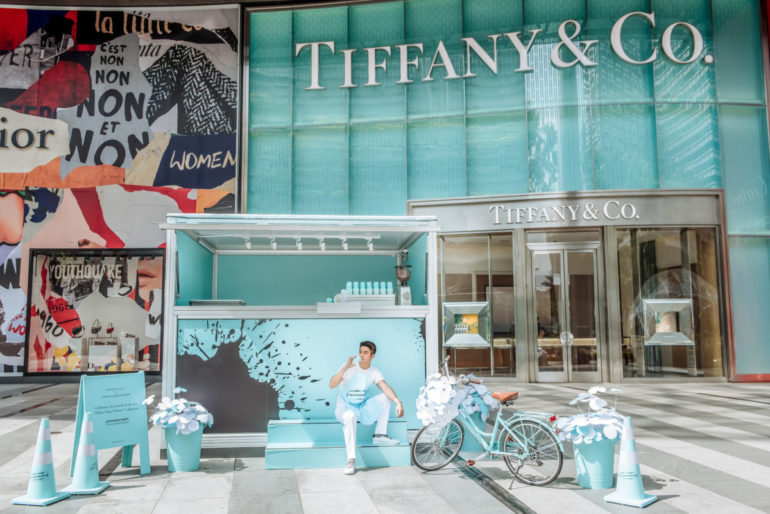
    The first Tiffany India store has opened, located in New Delhi’s upmarket The Chanakya shopping center.

    The 2600sqft store was described as “an important milestone for our iconic brand” by Tiffany & Co CEO Alessandro Bogliolo.

    “As a global luxury jeweler with stores in many of the world’s most important cities, Tiffany’s emergence in New Delhi presents a unique opportunity, particularly given India’s growing luxury consumer base and passion for jewelry,” he said.

    The Tiffany India store stocks the full range of Tiffany’s jewelry collections, hardware, and home & accessories collections.

    Meanwhile, Tiffany & Co shareholders have approved a multibillion-dollar takeover offer by French luxury-goods maker LVMH, scheduled to take effect later this year.

    Tiffany operates more than 300 stores in more than 25 countries, including 80 in the Asia-Pacific region.

  • Conscious consumers a major threat to fashion and footwear retailers

    Conscious consumers a major threat to fashion and footwear retailers

    Conscious consumers pose “the biggest threat to clothing and footwear retailers in 2020” according to research by GlobalData.

    When asked about their intentions last month, 19.2 percent of UK consumers said they planned to spend less than average on retail products, according to the survey of 2000 nationally representative shoppers.

    “A worrying 48.9 percent of these consumers said they are making a conscious effort to buy less stuff,” said Sofie Willmott, lead retail analyst at GlobalData.

    “Although some shoppers will struggle to keep up this mindful mentality past January, the shift away from spending on non-essential retail products is set to continue throughout the year as consumers prioritize spend on holidays, activities and meals out, and especially as sustainability concerns seep into their consciences.

    “With sustainability becoming a bigger consideration for more consumers, the easiest way they can reduce their impact on the environment is by not buying anything new. Buying second-hand items or reducing the number of clothing and footwear products they purchase is a win-win for consumers who are focused on spending their disposable income wisely while also acting in a sustainable way, but these shifting shopping habits will not help struggling retailers in what is already a challenging and highly competitive trading landscape,” said Willmott.

    Early signs of a new wave of conscious consumers came with the results of discount-fashion retailer Primark. For the 16 weeks to January 4, Primark recorded a marginal decline in like-for-like sales. Willmott says that suggests volume growth will be difficult for clothing retailers to achieve this year.

    “In order to thrive in testing times, it is vital that retailers provide transparency in their supply chains and although years of building a production process with the main aim of providing fast fashion at accessible prices will be difficult to transform into an environmentally sustainable operation, retailers should clearly convey the steps they are taking.

    A brand’s positive environmental stance must be communicated through aspects that customers can interact with. For example, & Other Stories offers 10 percent off a purchase when you bring back an empty beauty container and H&M has garment collection bins in store which customers can donate a bag of clothes to and receive a £5 voucher to use at H&M when they spend £25 or more,” she said.

    “Sustainable clothing pioneer Reformation has taken it to more of an extreme giving their customers the option to purchase ‘climate credits’ such as a credit for an international flight for £22 which offsets the carbon emissions.”

  • Amorepacific launching Etude in Indonesia

    Amorepacific launching Etude in Indonesia

    South Korean beauty company Amorepacific Group is set to launch the Etude brand in Indonesia.

    The firm has partnered with local lifestyle retailer PT Mitra Adiperkasa Tbk (MAP) to boost the growth of its business in the territory.

    MAP plans to expand Amorepacific’s presence beyond Jakarta and across Bali, Surabaya and Bandung, giving more local customers better accessibility to the Etude brand, as well as Amorepacific’s other global brands such as Sulwhasoo, Laneige and Innisfree.

    “We are looking forward to working with MAP, the largest retailer in Indonesia to unlock the enormous potential the country has to offer,” said Amorepacific Group president Dong-hyun Bae.

    “With their expertise in retail, MAP and Amorepacific’s global brands are expected to create a great synergy and thereby provide the best quality service to the customers in Indonesia.”

  • Landlords collaborate with Authentic Brands Group to rescue Forever 21

    Landlords collaborate with Authentic Brands Group to rescue Forever 21

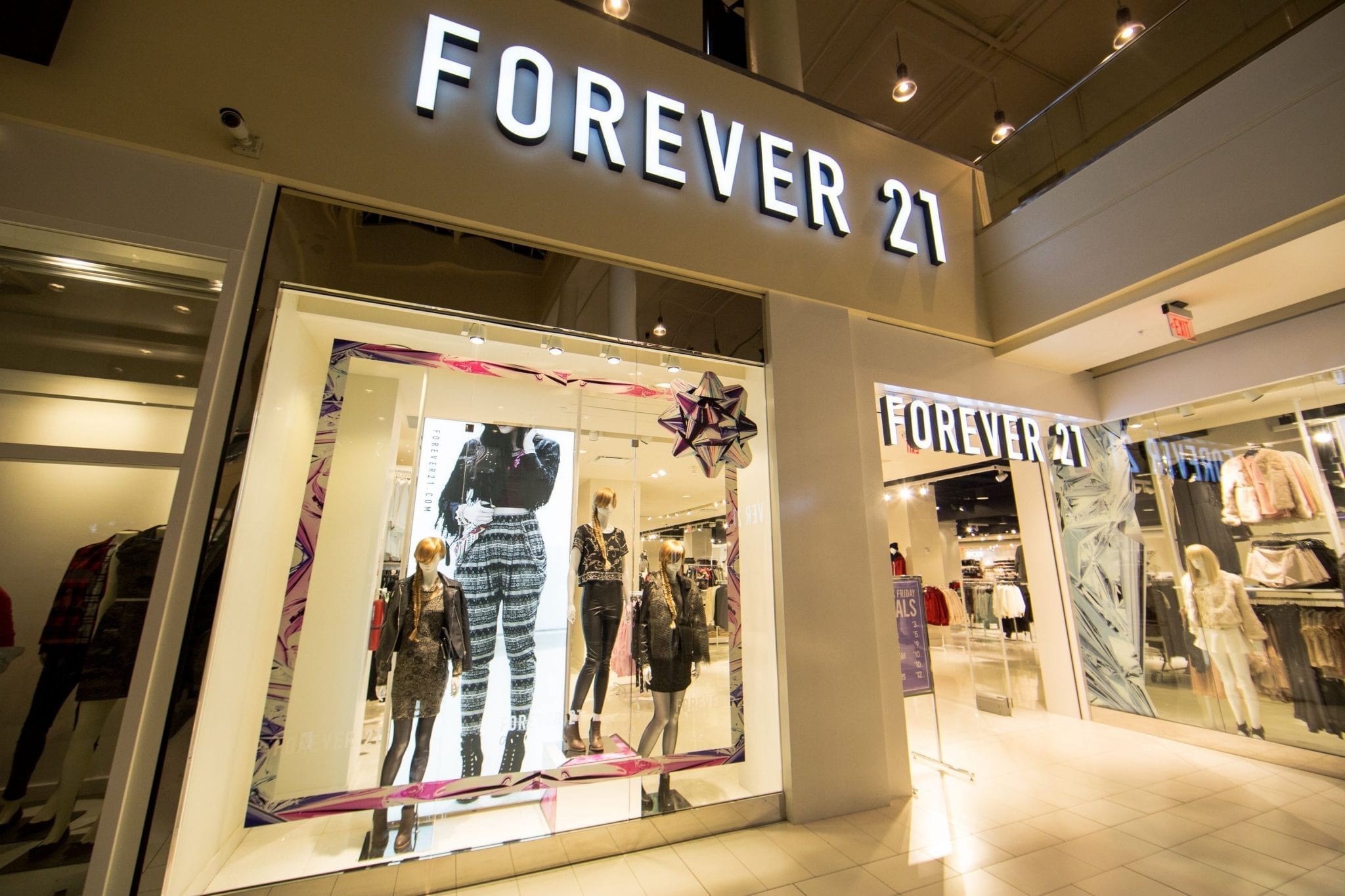
    Control of collapsed Californian fast-fashion chain Forever 21 is about to be handed over to a consortium of creditors led by property companies.

    According to recently filed court documents, Simon Property Group and Brookfield Property Partners along with Authentic Brands Group have agreed to pay US$81 million for Forever 21’s assets, which include its beauty store brand Riley Rose and its online store.

    That’s a stark contrast to Forever 21’s global sales at its peak in 2015 at $4.4 billion and $3.4 billion in 2017.

    Forever 21 is said to owe millions in unpaid rent to Simon and Brookfield and the deal will likely allow the mall operators to keep the stores trading as tenants.

    Authentic Brands Group, which describes itself as “brand owners, curators, and guardians”, has 50 labels in its portfolio, including Nine West, Aeropostale, and Juicy Couture, all rescued from near collapse. Nautica, Muhammid Ali, Spyder, Jones New York, Frye, and Barneys New York are also under its management.

    Forever 21 was founded in 1984 by Korean immigrants Do Won Chang and his wife Jin Sook Chang. It filed for bankruptcy in September last year and has since closed about 100 stores.

    However, in January the company announced a new partnership with e-commerce specialist Global-e to launch a new international online store supporting nearly 100 currencies and more than 150 local and alternative payment methods, along with localized tax collection and duties calculations. The site will feature 21 languages and signals a shift away from physical stores to a strong online presence to protect the brand in the future.

  • Solid H&M results show transformation plan is paying off

    Solid H&M results show transformation plan is paying off

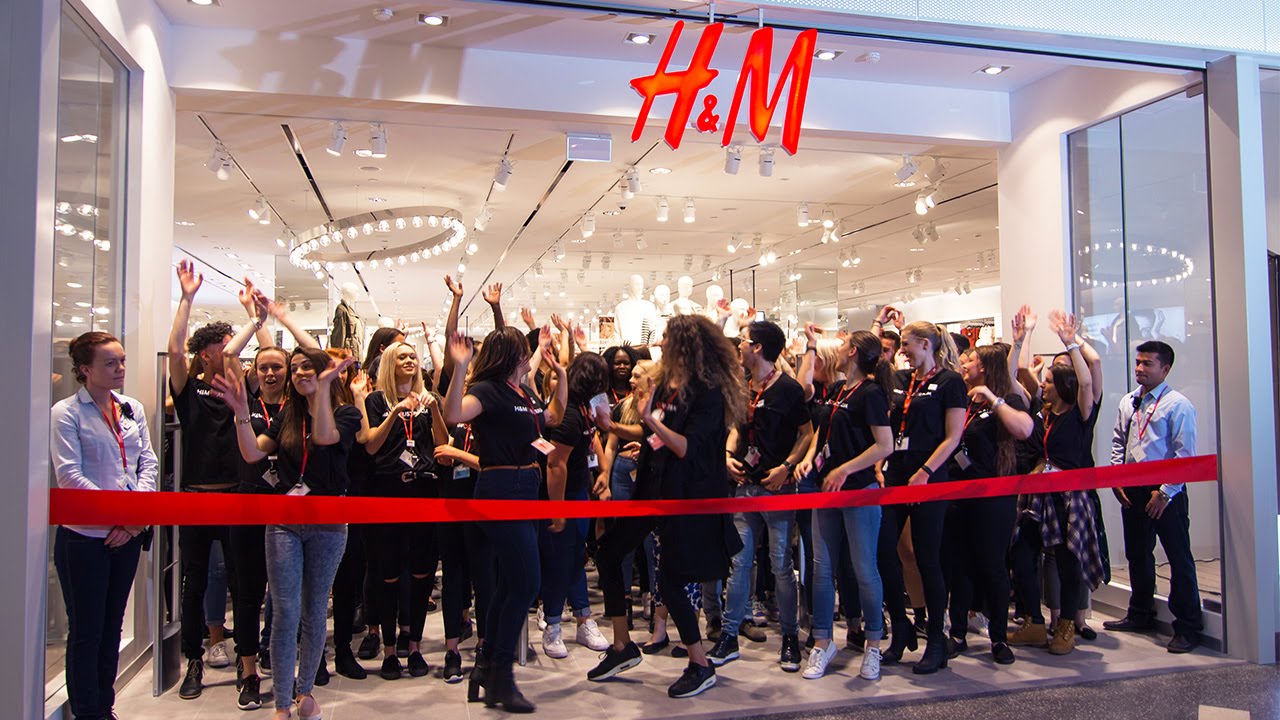
    Increased full-price sales and lower markdowns signal that H&M’s multi-pronged transformation plan is paying off, according to GlobalData analyst Kate Ormrod.

    H&M fourth-quarter sales were affected by the later timing of Black Friday last year, compared with 2018, however that failed to dent an impressive turnaround performance from the Swedish fast-fashion retailer which 12 months ago was struggling to move significant excess inventories. In the second quarter it returned to profitability and Ormrod says a greater focus on online sales, supply-chain management and the fine-tuning of its physical store network have been sound.

    Net sales increased by 11 per cent to US$24.2 billion for the full year and gross profit increased by 9 per cent to $3.5 million. Its fastest growth rate was in India where sales rose by 33 per cent, although the brand is still relatively new to that market.

    Outgoing CEO Karl-Johan Persson, who will soon take over his father’s role as chairman, said the positive performance shows the company is “on the right track”.

    “In view of the ongoing transformation of fashion retail, we have been making significant and necessary investments for several years to secure the H&M group’s position and long-term development,” he said.

    Ormrod says while H&M still has some work to do in order to fully satisfy consumers’ demands, she expects the company to continue to benefit from its vast future-proofing initiatives this year. Net sales over December and January rose by 5 per cent in local-currency terms, up from 4 per cent last year, “emphasising that its appeal and relevance have not wavered,” she said.

    “Optimising its brick-and-mortar business remains a priority with H&M planning to open a net of just 25 stores in the current financial year, with physical expansion in growth markets such as South America and Eastern Europe almost offset by the closure of about 175 stores, primarily in Europe, the US and China.

    “Pressure remains to elevate its remaining stores with a need to drive consistency in in-store presentation and experience at its core H&M fascia. The retailer’s focus on sustainability is market-leading and apt given growing consumer interest, enabling it to deliver fast fashion with a conscience and at the same time casting shade on competitors such as Inditex. However it must continue to invest in areas such as value for money and quality that truly matter as purchase motivators among the majority of its shoppers in order to deliver results.”

    Meanwhile, Helena Helmersson, H&M’s former COO, has taken over as CEO, the first woman to head the company.

  • BlinQ to offer Yoox catalogue in SE Asia

    BlinQ to offer Yoox catalogue in SE Asia

    Bob Chua, founder and CEO of BlinQ​, says the partnership will give Southeast Asian consumers easy access to thousands of new products from high-end brands. “We have been growing quickly, and this partnership provides a greater depth of brands and products to our users in the Southeast Asian region.”

    Chua says BlinQ has more than 30,000 users joining the platform every month and it now boasts high-end brands including Prada, Off-White and Kenzo.

    For Yoox, which has 3 million customers worldwide, the deal will allow it to expand its Southeast Asian customer base.

    The Yoox deal closely follows BlinQ’s launch of a pre-loved offer and Asean Houz – a collection of high-end fashion brands from around the region.

  • Giordano issues profit warning to Stakeholders

    Giordano issues profit warning to Stakeholders

    Giordano International expects profit attributable to shareholders to fall by about 38 percent for the December year, based on a preliminary review of accounts.

    The fashion label issued a statement to the Hong Kong Stock Exchange warning shareholders ahead of a formal results announcement scheduled for March.

    Chairman and CEO Peter Lau said that while the decline in part followed the adoption of new Hong Kong Financial Reporting Standards 16 regarding leases, which took effect on January 1 last year and the impairment loss on right-of-use assets, it also reflected trading conditions.

    “The board is of the view that the decrease is largely confined to Greater China markets, and primarily attributable to, among other matters, the weak retail environment in those regions stemming from the Sino-US trade dispute, an unseasonably warm winter and social issues.”

    He said that despite the decrease which may be recorded in unaudited profit, the board considers the group’s overall business in non-Greater China markets remains healthy and the board remains positive on the long-term prospects of the group.

  • Louis Vuitton inks multi-year marketing deal with NBA

    Louis Vuitton inks multi-year marketing deal with NBA

    French luxury house Louis Vuitton has inked a multi-year marketing deal with the National Basketball Association (NBA), which includes the crafting of the first LVMH official trophy travel case for the US sports organization.

    The deal will also see Louis Vuitton create an annual limited-edition capsule collection, with details to be announced at a later date, the NBA announced.

    The trophy case, hand-crafted in Louis Vuitton’s historic Asnières workshop on the outskirts of Paris, is coated in the House’s emblematic monogram canvas and fitted with traditional brass fixtures.

    It will house and display The Larry O’Brien Trophy that is presented annually in June to the NBA team that wins the finals.

    According to Michael Burke, Louis Vuitton chairman and CEO, Louis Vuitton and the NBA are both icons and leaders in their respective fields, and the joining of the two promises exciting and surprising moments, forging historic memories together.

    Mark Tatum, NBA deputy commissioner and chief operating officer, said the partnership with Louis Vuitton creates a natural synergy with the NBA.

    “The tradition, heritage and identity of Louis Vuitton create a natural synergy with the NBA, and this partnership provides a unique and befitting way to showcase our championship trophy to our fans around the world,” Tatum said.

    The NBA and LVMH did not disclose any financial details or clarify as to how many years the partnership would last.

    The NBA has previously partnered with Swiss watch brand Tissot and ExxonMobil.

  • Indian fashion star Sabyasachi Mukherjee seals deal with H&M

    Indian fashion star Sabyasachi Mukherjee seals deal with H&M

    H&M has collaborated with Indian designer Sabyasachi Mukherjee to launch a new collection this year.

    The Sabyasachi x H&M collaboration themed “Wanderlust” will feature apparel for men and women, jewellery and accessories. “Taking cues from India’s rich textile, craft and history, the collection mixes modern and traditional silhouettes with a nod towards athleisure and glamping,” the company said in a statement.

    “H&M gives us the opportunity to spread the Sabyasachi aesthetic to a wider audience in India and worldwide,” said Sabyasachi Mukherjee. “Having done couture for the majority of my career, it is very exciting to bring that finesse of craft to ‘ready-to-wear’ and create whimsical and fluid silhouettes that bring relaxed sophistication to everyday life.”

    The new collection will be available in stores across India as well as selected flagship stores around the world on April 16, under the label Wanderlust.

    Prior to H&M, Sabyasachi has collaborated with other international designers and brands including Karl Lagerfeld, Christian Louboutin, Pottery Barn, Balmain and Versace.

    Sabyasachi Mukherjee launched his eponymous label in 1999. The designer has 5 flagship stores across India and has also founded Sabyasachi Art Foundation, a tribute to his artist mother.

  • Kenzo opens on Tmall Luxury Pavilion

    Kenzo opens on Tmall Luxury Pavilion

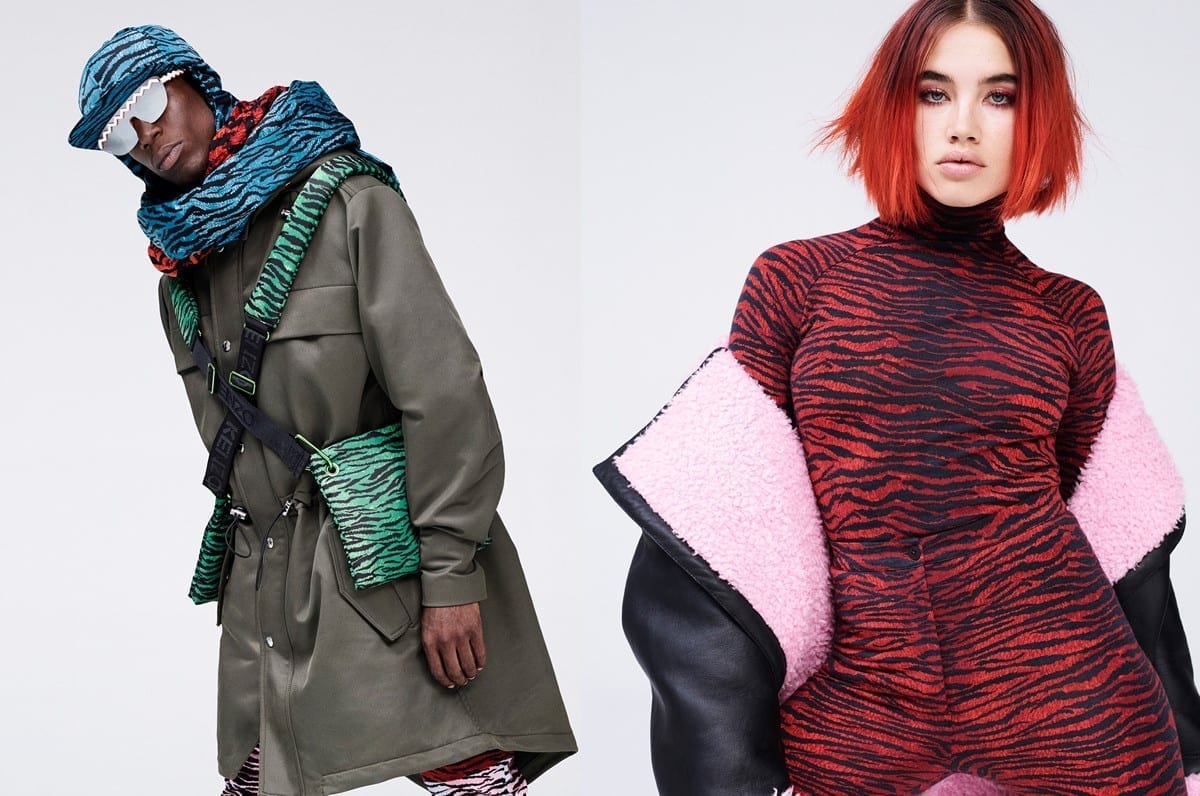
    Luxury fashion brand Kenzo has launched a flagship store on Tmall Luxury Pavilion, marking the brand’s first partnership in China with an e-commerce provider.

    This also makes Kenzo the first LVMH-owned fashion label to open a standalone store on Alibaba Group’s dedicated platform for luxury and premium brands.

    Kenzo’s flagship store features items from its ready-to-wear, footwear, bags and accessories collections. The brand also launched its kung fu-inspired Chinese New Year capsule collection on the Pavilion, featuring Kenzo’s Kung Fu Rat character, a nod to the zodiac animal of the new lunar year.

    Two items from the new capsule,  a red cap and a zipped card case, also made their global debut on the Pavilion.

    To engage young shoppers, the brand also released a Kung Fu Rat-themed animation and interactive racing game inspired by 1950s comics and martial-arts movies from the 1970s. Pavilion users can play the game, featuring Kung Fu Rat and his Chinese-zodiac companions in a race across a hand-painted landscape, to win special perks and benefits.

    As part of the launch, Kenzo is also offering some of its first Pavilion customers special-edition boxes for purchases as well as interest-free, flexible payment options via Ant Financial’s consumer-lending service, Huabei.

  • Burberry bullish despite Hong Kong sales collapsing

    Burberry bullish despite Hong Kong sales collapsing

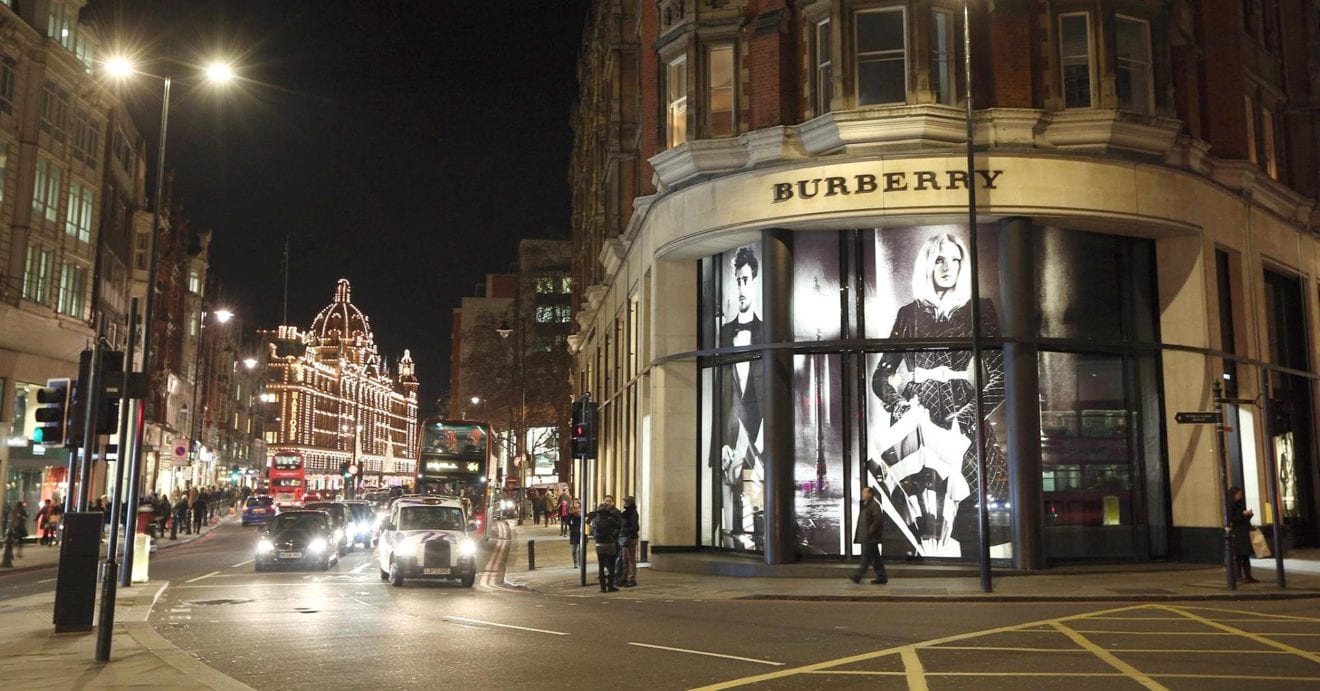
    Burberry sales slumped by half in Hong Kong in the third quarter – but the British luxury-fashion label is lifting its full-year forecast as revenue elsewhere compensates.

    Global same-store sales rose by 3 percent as consumers continued to embrace the new collections overseen by incoming creative director Riccardo Tisci.

    The company said the improvement was underpinned by growth in full-price sales although that was undermined in part by ongoing disruptions in the Hong Kong retail market and lower levels of marked-down inventory available.

    Sales in Asia Pacific grew by a low single-digit percentage driven by Mainland China up mid-teens. American sales were stable, while in Europe, the Middle East and Africa, sales grew by a high single-digit percentage.

    “This was another good quarter as new collections delivered strong growth and we continued to shift consumer perceptions of our brand and align the network to our new creative vision,” said CEO Marco Gobbetti. “While mindful of the uncertain macroeconomic environment, we remain confident in our strategy and the outlook for the full year.

    “We now expect full-year total revenue to grow by a low single-digit percentage at CER compared to previous guidance of broadly stable. Adjusted operating margin is expected to remain broadly stable at CER despite the impact of disruptions in Hong Kong.”

    The company said it was continuing to see a strong response from consumers to Riccardo Tisci’s new collections delivering double-digit growth compared to the prior year. “At the end of the quarter, new products accounted for about 75 percent of the range in mainline stores.”

    In China the company continued to focus on inspiring consumers.

    “At the end of December we launched our Lunar New Year campaign which has generated a strong early consumer response. In addition, preparations are underway to take our Autumn/Winter 2020 runway show to Shanghai in April and open our first social retail store in Shenzhen, in partnership with Tencent, in the first half of next financial year.”

    In Japan, the company opened a new flagship store at the Ginza Marronnier building in Tokyo and globally the company continued to refresh stores with about 60 now completed.

  • Key Esprit hire quits after just one year in the role

    Key Esprit hire quits after just one year in the role

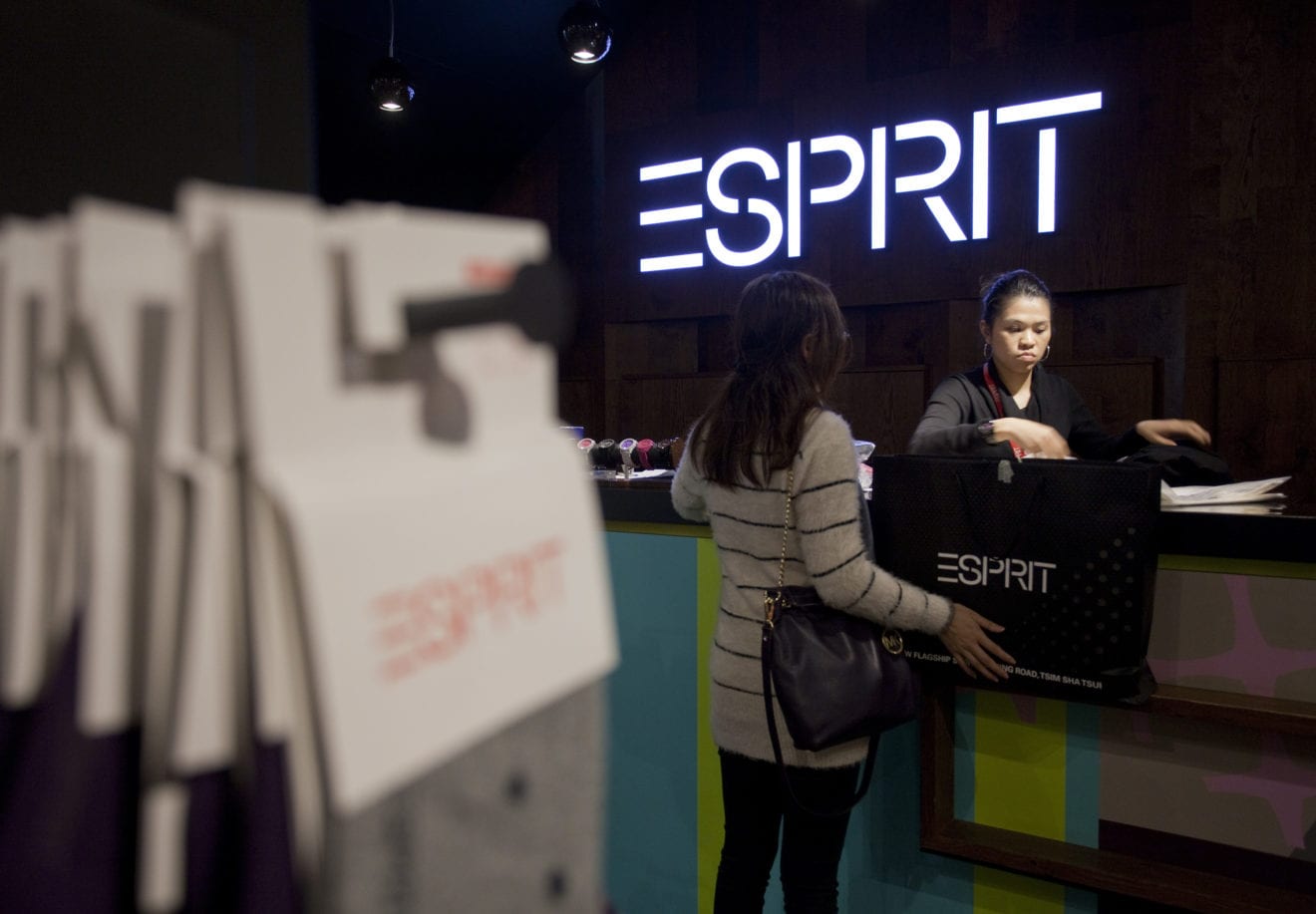
    A key executive hired as part of fashion label Esprit’s turnaround plan has quit unexpectedly after just one year in the role.

    The company revealed in a stock-exchange announcement that chief product and brand officer Mia Ouakim has stepped down from her role at the group to pursue her career outside the company.

    The former Burberry and Tommy Hilfiger executive took the position early last year as part of the struggling fashion retailer’s turnaround plan. The firm said that during her tenure, Ouakim unified the brand and product teams under one strategy and led improvement in product performance by reducing options and establishing “a clear collection architecture”. She additionally spearheaded the development of “important brand-building capsules and collaborations”.

    Esprit’s board has appointed Daniel Mayer, previously the head of wholesale Europe and Americas SVP within the company, as the firm’s incoming CPO.

    “Mayer has a unique understanding of Esprit’s core customer and markets and brings a proven track record in strategy, product development, sales and leadership,” said Esprit.

  • Hugo Boss sales soar in China and online

    Hugo Boss sales soar in China and online

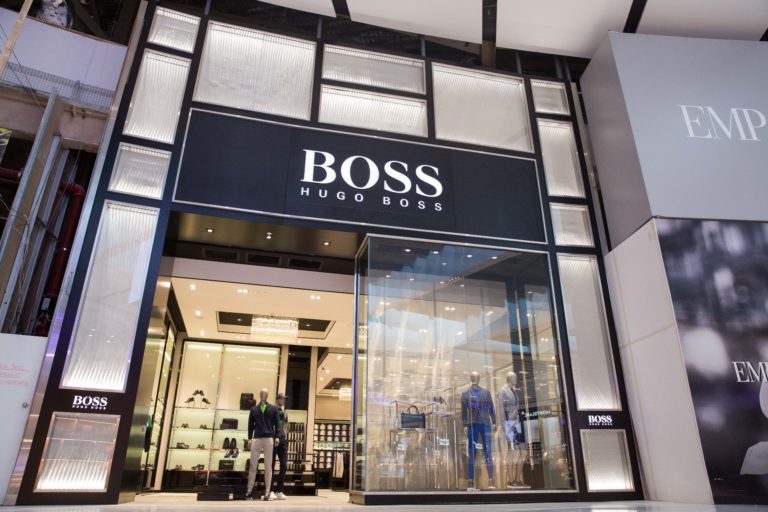
    Fashion label Hugo Boss has reported a staggering 52-per-cent leap in online sales which helped drive a 9 percent boost in operating profit.

    The German brand, which has been struggling lately, says the fourth-quarter sales growth of 4 percent to euro 825 million reflects the impact of store renovations and a new focus online.

    Operating profit for the quarter was euro 122 million, which compensated for a decline in the preceding three quarters.

    The company said the retail market in Hong Kong remained “difficult” in the latest quarter, but the company achieved double-digit sales growth in Mainland China.

    Currency-adjusted sales in the Americas fell by 7 percent after, which was a 1-per-cent improvement on its third-quarter performance there.

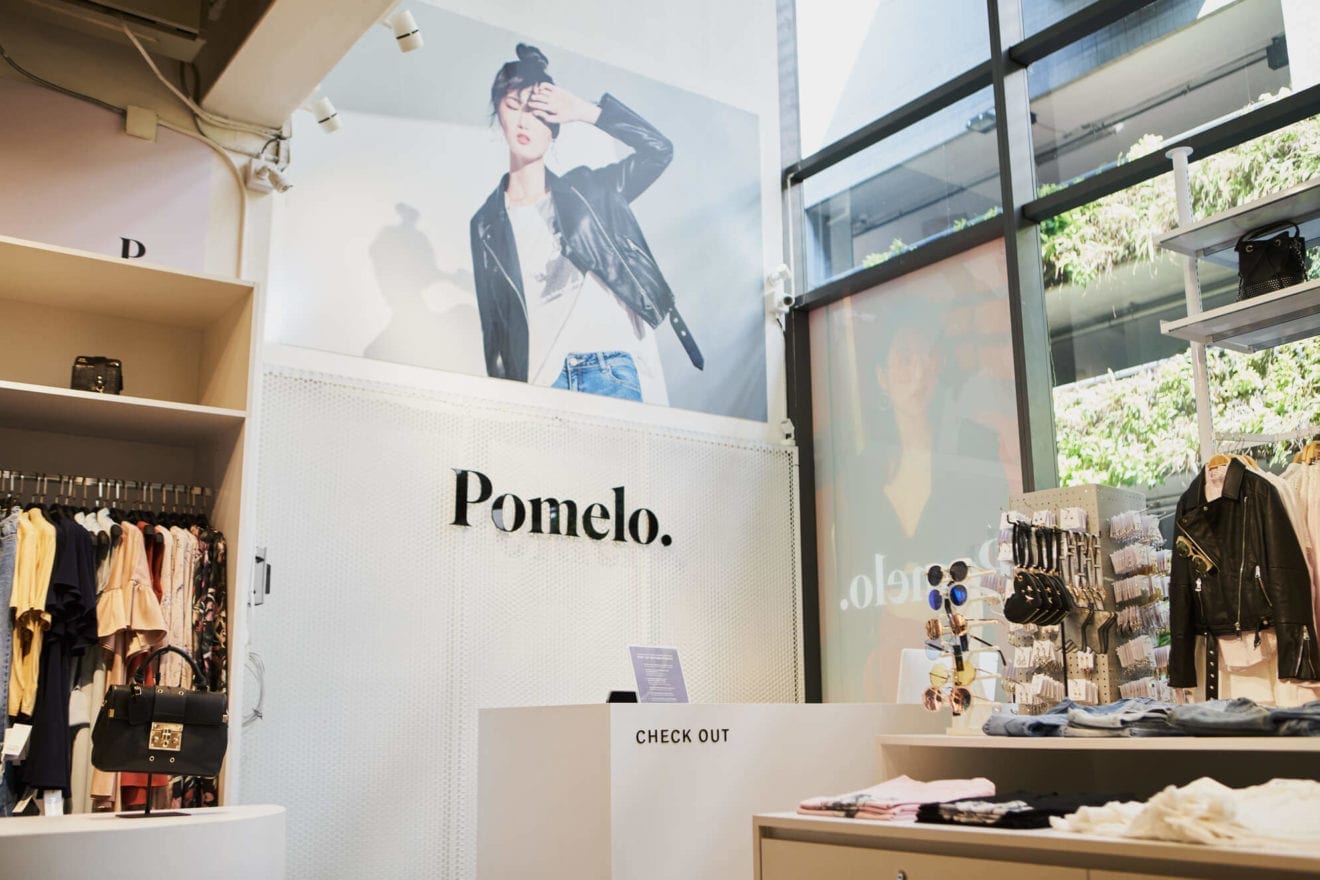
  • Pomelo to absorb Central Group’s Looksi

    Pomelo to absorb Central Group’s Looksi

    Online fashion label Pomelo has completed a deal with Thailand’s Central Group Looksi – previously Zalora – to absorb the online platform.

    Pomelo will add a variety of key international brands currently on Looksi to Pomelo’s app and website, including Adidas, Aldo, Havaianas, Topshop, Guess, Levi Jeans, and Nike.

    “Looksi has been serving Thai fashion e-commerce shoppers since its founding as Zalora in 2012,” said David Jou, CEO and co-founder of Pomelo. “This deal will accelerate Pomelo’s evolution to become a multi-brand fashion platform for fashion lovers all across Southeast Asia.”

    Central Group will remain committed to driving fashion and lifestyle omnichannel retail sales, said a spokesperson.

    As part of the deal, Looksi will no longer operate its app and website and instead join the Pomelo ecosystem. Looksi’s social-media channels will also transition to Pomelo.

    Pomelo previously raised a US$52 million Series C round last September to further its expansion plans across Southeast Asia.

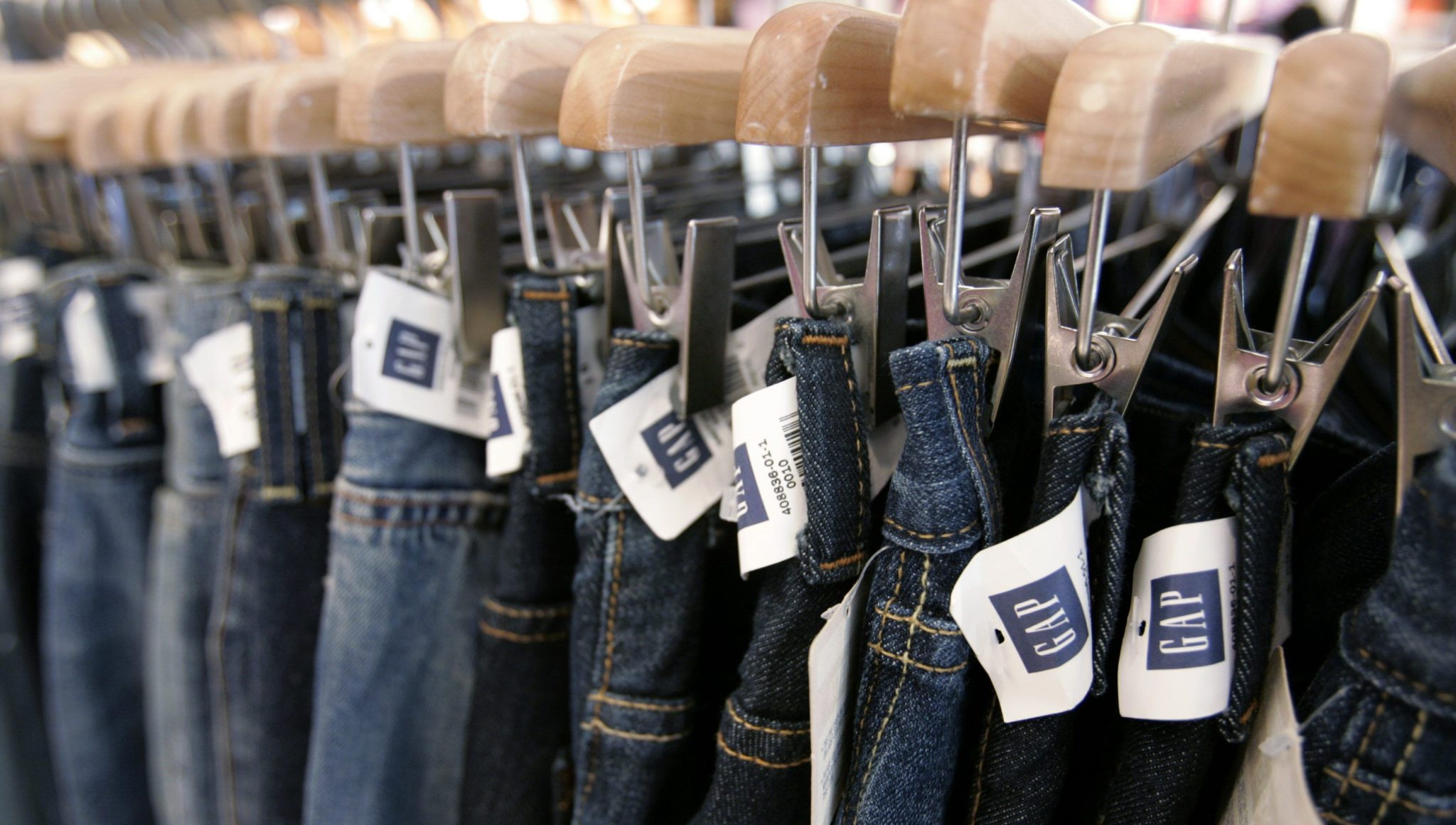
  • Costs cited as Gap cancels Old Navy spinoff plans

    Costs cited as Gap cancels Old Navy spinoff plans

    Gap has nixed plans to spin off its Old Navy subsidiary, saying that after further investigation the costs involved outweighed the benefits.

    “The plan to separate was rooted in our commitment to value creation from our portfolio of iconic brands,” said Robert Fisher, Gap Inc’s interim president and CEO. “While the objectives of the separation remain relevant, our board of directors has concluded that the cost and complexity of splitting into two companies, combined with softer business performance, limited our ability to create appropriate value from separation.

    “The work we’ve done to prepare for the spin shone a bright light on operational inefficiencies and areas for improvement,” he said.

    Meanwhile, the company is now searching for a new CEO to oversee the full portfolio of brands.

    Neil Fiske, president, and CEO of Gap brand who previously led Billabong before moving to Gap in 2018 has left without explanation. Last November, former long-term CEO Art Peck left Gap on the eve of the announcement of the Old Navy spinoff.

    Meanwhile, four of the company’s senior leaders have taken on additional responsibilities reporting to Fisher. Mark Breitbard, president and CEO at Banana Republic, will now lead Gap Inc’s specialty brands, including Gap, Banana Republic, Athleta, Janie and Jack, Intermix and Hill City; Sonia Syngal, president and CEO at Old Navy, will continue to lead that business; Teri List-Stoll, executive VP and CFO, will lead corporate operations related to finance, supply chain, technology, and real estate; and Julie Gruber, executive VP, global general counsel, corporate secretary and chief compliance officer, will lead corporate administrative functions including legal, corporate facilities and services, human resources and communications, loss prevention, sustainability, government affairs and foundation.

    Fisher said the company had “learned a lot” from the preparations to spin off Old Navy and intends to operate Gap Inc in “a more rigorous and transformational manner” in future in a way that empowers its growth brands, Old Navy and Athleta, and appropriately focuses on profitability for Banana Republic and Gap brand.

    “Our board is focused on supporting this work and appointing new leadership with the appropriate experience necessary to lead a portfolio of retail brands and to support our transformation efforts.”

    Meanwhile, as a result of better-than-anticipated promotional levels during the holiday period, particularly at Old Navy, the company now expects its adjusted the fiscal year 2019 earnings per share to be moderately above its previous guidance of $1.70 – $1.75.

    “We are working aggressively to stabilize and improve business results,” said List-Stoll. “We are committed to sharpen strategic focus, tailored operating strategies and operational discipline and accountability that can strengthen the health and profitability of our brands.”