Tag: Fashion

  • New partner signed to manage Esprit Kids range

    New partner signed to manage Esprit Kids range

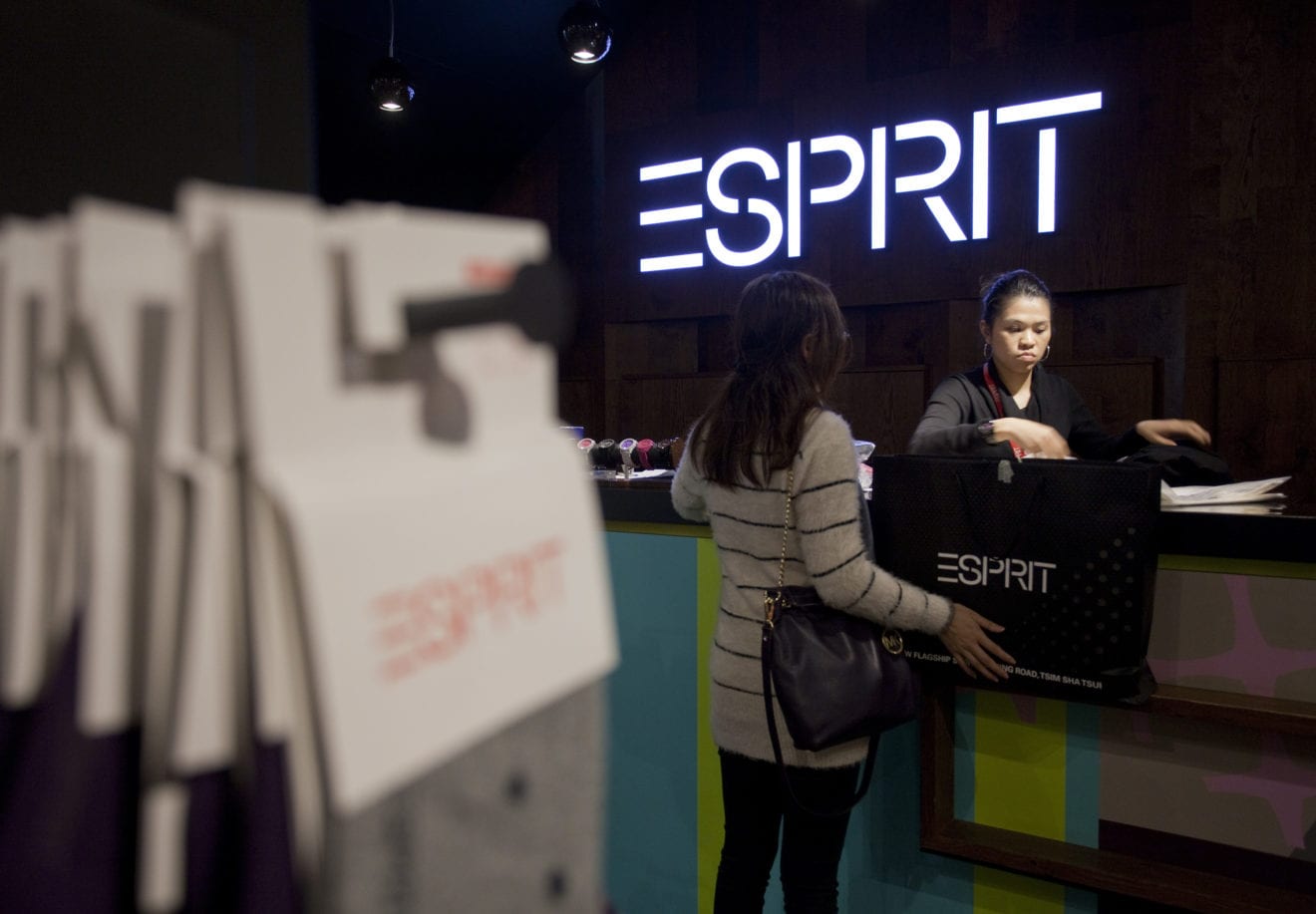
    Hong Kong-headquartered fashion brand Esprit has signed with Kids Fashion Group (KFG) to manage the firm’s design, production, and distribution of the Esprit Kids collection.

    The new contract follows the end of a five-year agreement with French childrenswear retailer Groupe Zannier, which has managed Esprit’s childrenswear brand since first signing in 2015.

    KFG’s first Esprit Kids collection under the new agreement is expected to be released to the market in around July this year. Customers will be able to purchase items from the collection at wholesalers, online and selected retail outlets.

    Kids Fashion Group has a significant distribution network throughout Europe and has a strong sales force in the German market.

    “Kids Fashion Group is a true children’s apparel expert with rich experience in designing and producing high-quality children’s apparel that transport great brand statements,” said Esprit in a statement.

  • Pomelo appoints Anders Heikenfeldt as CRO

    Pomelo appoints Anders Heikenfeldt as CRO

    Asian digital-fashion brand Pomelo has appointed Anders Heikenfeldt as Chief Retail Officer to lead the firm’s retail expansion plans across Southeast Asia.

    Formerly holding senior roles with lingerie chain 6ixty8ight in Hong Kong and with H&M, Heikenfeldt is now responsible for Pomelo’s retail division and is expected to further develop the brand’s omnichannel strategy, establishing seamless experiences across its retail network and online platform.

    Heikenfeldt has more than 10 years of experience in strategic development and refining strategies to enhance the retail experience across various fashion brands, and specializes in expansions into emerging markets.

    “Southeast Asia is an incredibly fast-growing, unique market with so much potential,” said  Anders Heikenfeldt. “I’m excited to be a part of this journey as we continue to expand Pomelo’s retail footprint across the region and provide customers with an innovative, omnichannel shopping experience.”

    Pomelo announced a $52 million Series C financing last September, in order to continue its expansion plans. The firm recently hired more than 200 new employees and is expanding in Thailand and Singapore, opening 10 new retail stores last year.

  • Luxury streetwear label Opening Ceremony to close all stores

    Luxury streetwear label Opening Ceremony to close all stores

    Luxury retailer Opening Ceremony will shutter its entire store network this year.

    The store closures follow the brand’s sale to streetwear brands conglomerate New Guards Group. Boutiques in Japan, New York and Los Angeles will close down permanently as the firm transitions to become a brand only rather than a retail operator.

    “It’s incredibly emotional for us to announce today that we will be closing our Opening Ceremony retail locations sometime in 2020,” wrote founders Carol Lim and Humberto Leon on the brand’s social media page. “We’ve made a decision to focus on growing Opening Ceremony collection and brand with our new partners, New Guards Group, and expand the designs of Opening Ceremony. Our brand takes the beautiful spirit of experimentation, fun, and collaboration embodied in our stores and imbues this energy into the clothing we make.

    “We know our decision may surprise you, and it may be interpreted in many different ways. Ultimately, in this time of immense change in the way that people shop, we still believe in the power of passionate and unique retail. But we also believe in the necessity for change, reflection, and an opportunity to refresh.

    “We are stepping back from multi-brand retail, for a moment, so we can come back with an experience that is just as inspiring, filled with love and relevant for the years ahead as Opening Ceremony has been,” they said.

    Opening Ceremony stores previously carried multiple fashion brands and had a reputation as a somewhat offbeat industry player.

  • Chow Tai Fook closing more Hong Kong stores

    Chow Tai Fook closing more Hong Kong stores

    Chow Tai Fook Jewellery Group has revealed plans to shut about one in five of its Hong Kong stores, the majority of them in prime tourist areas.

    The closures will take effect when leases come up for renewal throughout this year, starting from April according to an emailed statement cited by Bloomberg.

    The move follows announcements by Prada and Louis Vuitton they will not renew their leases on stores in Russell Street and Times Square, respectively. Sasa International has previously said it would close up to 30 stores in Hong Kong.

    The network retrenchments follow rapidly declining retail sales in Hong Kong since June last year, especially in the luxury sector, due to ongoing demonstrations and protests in the streets which have spooked foreign visitors, and declining visitor numbers from tier-1 cities in Mainland China. Jewelers have been hit by volatile gold prices as well, sparked by geopolitical tensions and the Sino-US trade war.

    Chow Tai Fook has not specified exactly how many stores it will close, referring to “in the mid-teens” when asked.

    The stores are primarily located in areas popular with tourists, including Tsim Sha Tsui, Mongkok and Causeway Bay.

    Chow Tai Fook believes a trimmer store network will reduce overheads and improve margins after it experienced three consecutive quarters of declining same-store sales. In the three months to December 31, same-store sales fell 35 percent in value in Hong Kong and Macau and by 47 percent in volume.

    However on the mainland, sales rose 17 percent during the quarter, driven by the rapid expansion of the brand’s store network there; it added a net 279 stores. Same-store sales on the mainland rose by 2 percent.

  • H&M launches Monki stores in the Philippines

    H&M launches Monki stores in the Philippines

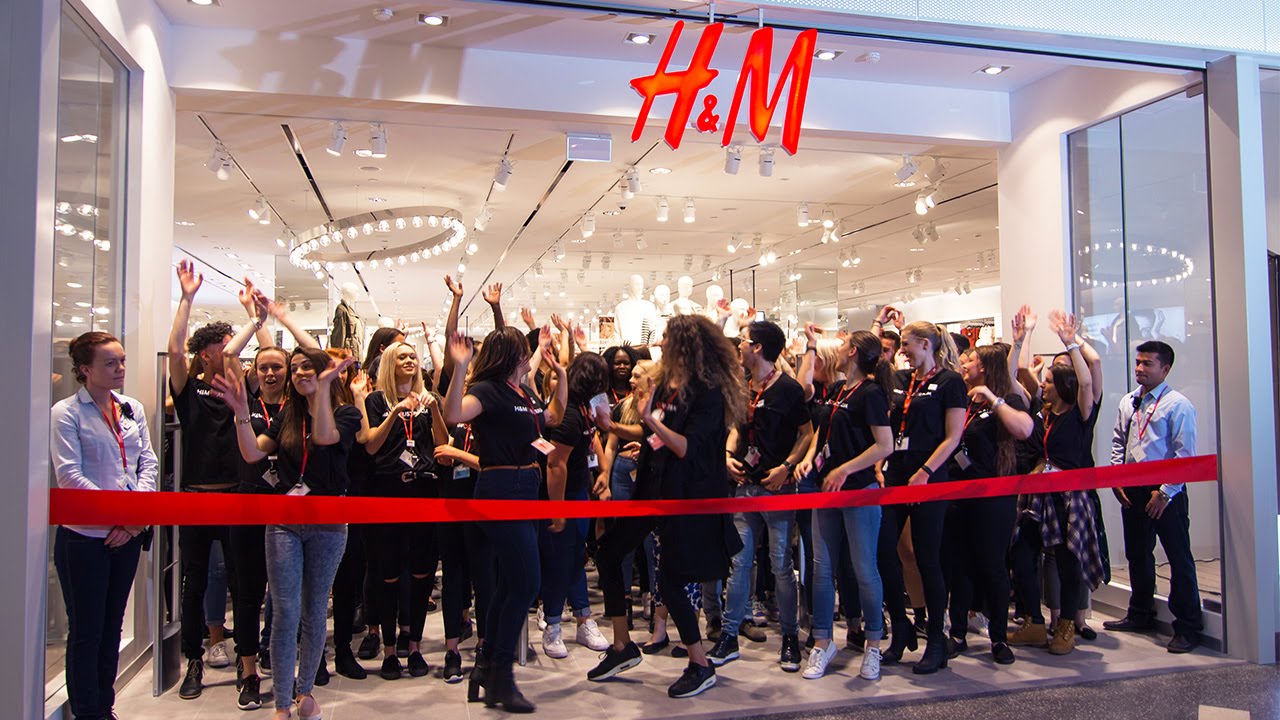
    H&M Group is to launch Monki in the Philippines, the second Southeast Asian market for the Swedish fashion group’s diffusion brand.

    The first store for Monki in the Philippines will open later this year at SM Megamall in Manila and will be followed by a second at SM Mall of Asia.

    “Monki’s mission is to empower young women everywhere and help them feel good about themselves,” said Jennie Dahlin Hansson, MD at Monki. “We can’t wait to get to know a new market and welcome new customers to our global family.”

    Monki in the Philippines’ first store will be designed with glitter, mirrored walls and scallop detailing, in line with the brand’s format in Europe, according to a spokesperson.

    Founded in 2006 in Sweden, Monki joined the H&M group two years later. The company operates 127 stores across 19 countries and regions. The Philippines is the brand’s second destination in Southeast Asia after Malaysia.

  • LG TV lets you shop fashion you see in TV shows

    LG TV lets you shop fashion you see in TV shows

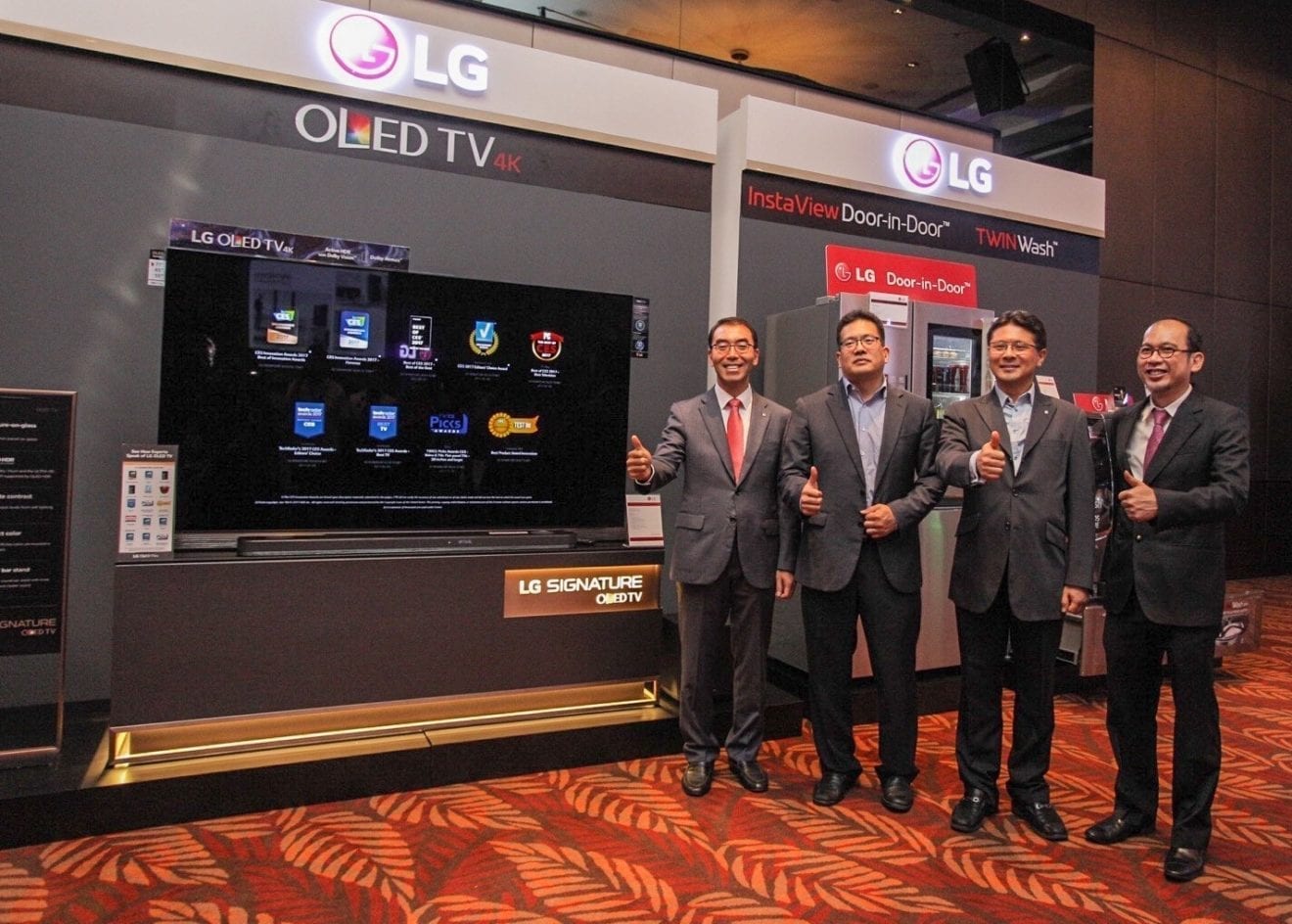
    Video commerce firm TheTake has partnered with smart TV manufacturer LG Electronics and a range of media companies to allow viewers to “shop shows” for fashion, accessories, homeware, tech devices and even menu and recipe items.

    Beginning this spring, owners of LG’s webOS Smart TVs will be able to purchase hundreds of different products identified and tagged by TheTake’s proprietary technology, which has scanned and identified hundreds of items per television episode and film.

    “Shoppable video has been talked about since the days of Rachel’s sweater on ‘Friends’,” said TheTake co-founder and CEO Tyler Cooper. “Previous solutions haven’t addressed the long-tail opportunity where each individual viewer wants to shop for something different. Shoppable video isn’t just about Rachel’s sweater, but also Chandler’s jacket, Joey’s sunglasses, Monica’s couch and so on. To address the full breadth of consumer interest, we leverage machine learning to make more than 500 products shoppable in a given episode of television. We’re excited to bring our AI-powered solution to viewers with LG and our various content partners.”

    With a record amount of TV content produced last year, TheTake’s machine-learning algorithms enable product identification and tagging at scale. TheTake’s technology can currently identify several hundred million products from thousands of retail partners when and where they appear in various TV episodes and movies.

    “The ability to seamlessly shop for the items we see in our favorite shows and movies is something we’ve long wanted to bring to LG smart TV users,” said LG Electronics US head of home entertainment brand marketing Michelle Fernandez. “Now, in partnership with TheTake, we’re introducing the feature on LG’s 2020 smart TVs for the easiest and most consumer-friendly experience for shopping the looks from TV and movies.”

    TheTake’s AI feature will be available on all 2020 LG OLED, LG NanoCell and UHD smart TV models installed with the webOS smart TV platform. TheTake has negotiated an agreement with a large US MVPD to roll out the technology across millions of set-top boxes later this year. And TheTake has also partnered with WarnerMedia, A+E Networks, Crown Media Family Networks, NBC Universal and others to roll out the technology over their various channels throughout the year.

  • Superdry issues profit warning as it ‘fails to resonate with consumers’

    Superdry issues profit warning as it ‘fails to resonate with consumers’

    Superdry has released woeful Christmas results with a sales slump that has forced the retailer to revise its underlying pre-tax profit projection from £41.9 million to be between nil and £10 million for the current year.

    Superdry has claimed the decline in revenue across all channels is down to its focus on a full-price stance, subdued consumer demand and shortages of some of its better-selling products as well as timing issues. During a period of transformation, some hiccups are to be expected, however, problems such as timing issues and failures in inventory management indicate that CEO Julian Dunkerton has not yet been able to significantly impact the product proposition and in turn, the sales performance.

    Investors were spooked by the disappointing results with the share price down 16 percent on Friday morning in London trading.

    There remains an overarching emphasis on returning to full price sales alongside revitalizing the product range but  Superdry must focus on speeding up the implementation of its ‘new design philosophy’ which it announced will not have full impact until Autumn/Winter 2020.  While the product offer is being addressed, given the speed of degradation of the ‘old philosophy’ stock, the retailer must place greater urgency on its design transformation strategy otherwise it risks losing further market share to more nimble competitors.

    One example of those is JD Sports which has gone from strength to strength through constant evolution, implementing an effective merchandising strategy that resonates with its target audience while also partnering up with prominent influencers, helping to keep the brand relevant.

    Superdry must now ensure it uses the expertise of its new creative head, ex-Nike executive Phil Dickenson, to help rapidly restore its style credentials so that it can justify its full-price proposition and breathe some trend-focus into its brand to regain its long lost “cool-factor”.

  • Amorepacific launches 3D face mask-printing technology at CES 2020

    Amorepacific launches 3D face mask-printing technology at CES 2020

    South Korean beauty company Amorepacific has revealed a high-tech 3D face-mask printing system called IOPE Tailored 3D Mask at the annual Consumer Electronics Show in Las Vegas.

    Amorepacific has teamed up with 3D printing-system developer Lincsolution to create a system that prints bespoke face masks.

    Using its own smartphone app to instantly measure users’ facial dimensions, Amorepacific’s printing system designs a personalized hydrogel mask that caters to individual facial features and skin conditions.

    “Digitalisation is making waves in the beauty industry,” said Wonseok Park, senior VP of Amorepacific R&D center’s innovation division. “Amorepacific is actively investing in converging the best of both worlds to develop creative products for our customers.”

    The Amorepacific’s 3D printing technology will be available to its customers at the brand’s Seoul flagship store opening this April through the lab-based skincare brand IOPE.

    Besides the IOPE Tailored 3D Mask, Amorepacific introduced its MakeOn Flexible LED Patch, a flexible LED beauty device. Fitting close to the skin, minimizing light dispersion and maximizing the skincare effect, as well as providing a hands-free wearable experience, the flexible LED device will be available in Korea through the company’s beauty device brand MakeOn this year.

  • Uniqlo lauching Ines De La Fressange collection

    Uniqlo lauching Ines De La Fressange collection

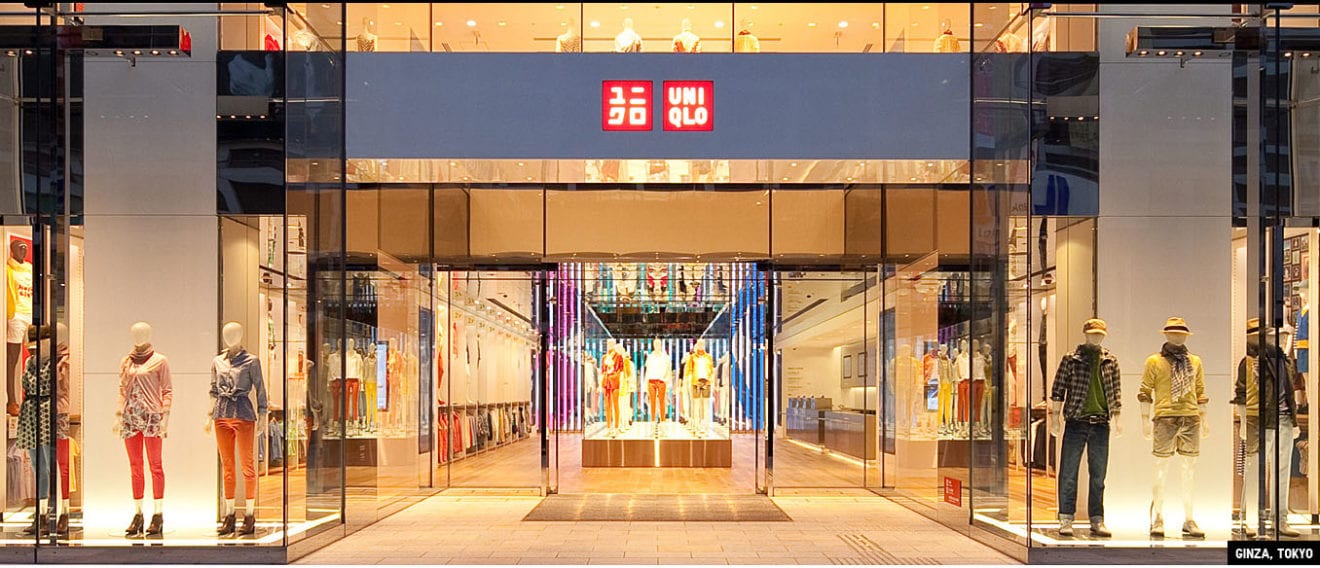
    Japanese apparel retailer Uniqlo will introduce the Ines De La Fressange 2020 Spring/Summer Collection next week.

    Selected items will be available online and at all stores from January 17 and the full collection will be exclusively available online, and in the Uniqlo Singapore stores at VivoCity and Orchard Central store from January 31.

    Ines De La Fressange 2020 Spring/Summer Collection has three main themes: Paris, Guardians, and Muses.

    While the Paris selection features items with masculine looks, including Tilden knitwear and jersey pants with white and green key colors, the Muses-themed range features light dresses with ruffles and prints in relaxing silhouettes.

    Founded by Ines, a French international model, Ines de la Fressange Paris brand symbolizes French chic and is a style icon for women around the globe. It also encompasses Uniqlo’s LifeWear philosophy, providing clothing that is universal in design and comfort and which meets the needs of daily lifestyles.

  • Invincible launches convenience store-inspired capsule collection

    Invincible launches convenience store-inspired capsule collection

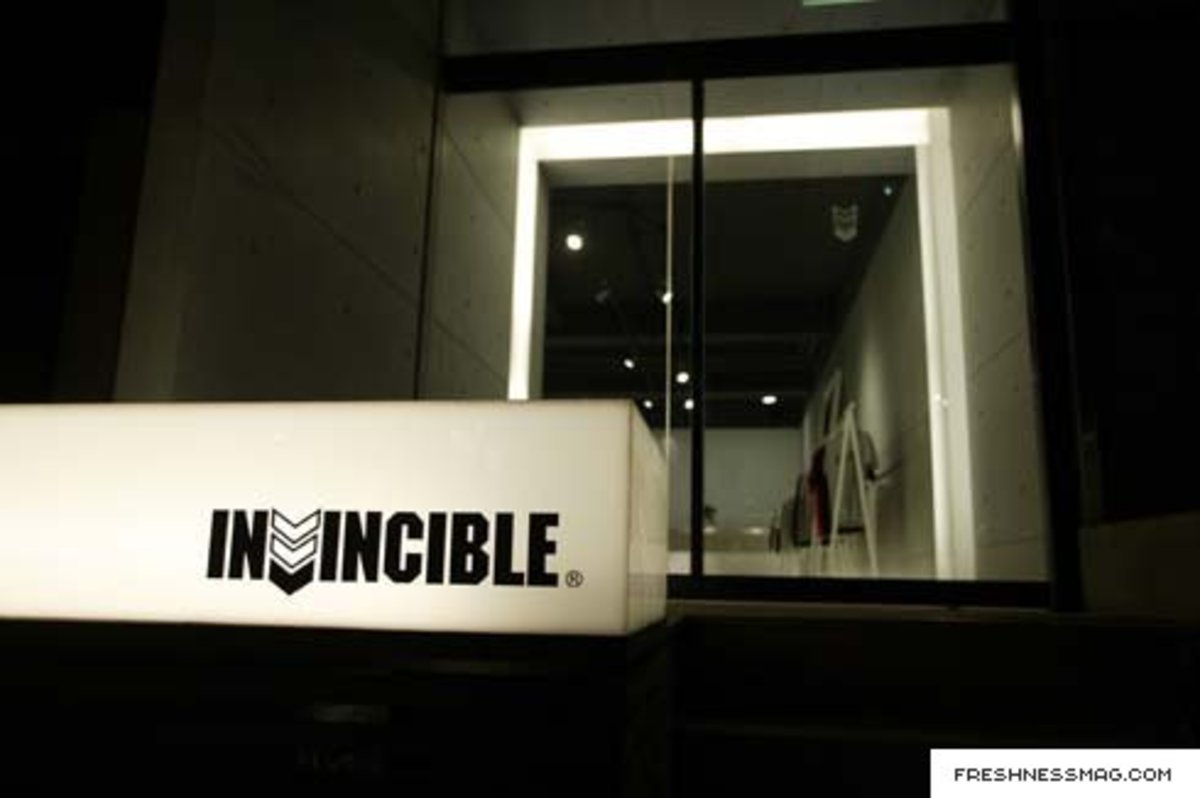
    Japanese retail project The Conveni has entered into a collaboration with the Invincible label.

    The Hiroshi Fujiwara product line, packaged in its signature convenience store aesthetic and carrying both The Conveni and Invincible branding, includes a hoodie, a long-sleeve and short-sleeve T-shirt, and a tote bag.

    The capsule collection features a black and white palette and elongated, dual-colored branding from the principal collaborators. The packaging includes soda cans, food boxes, milk cartons and sandwich packs.

    The collection is available at the Invincible East pop-up store in Da’an, Taipei from January 10 to February 2.

  • Bangladesh garment factories urged to embrace sustainable behavor

    Bangladesh garment factories urged to embrace sustainable behavor

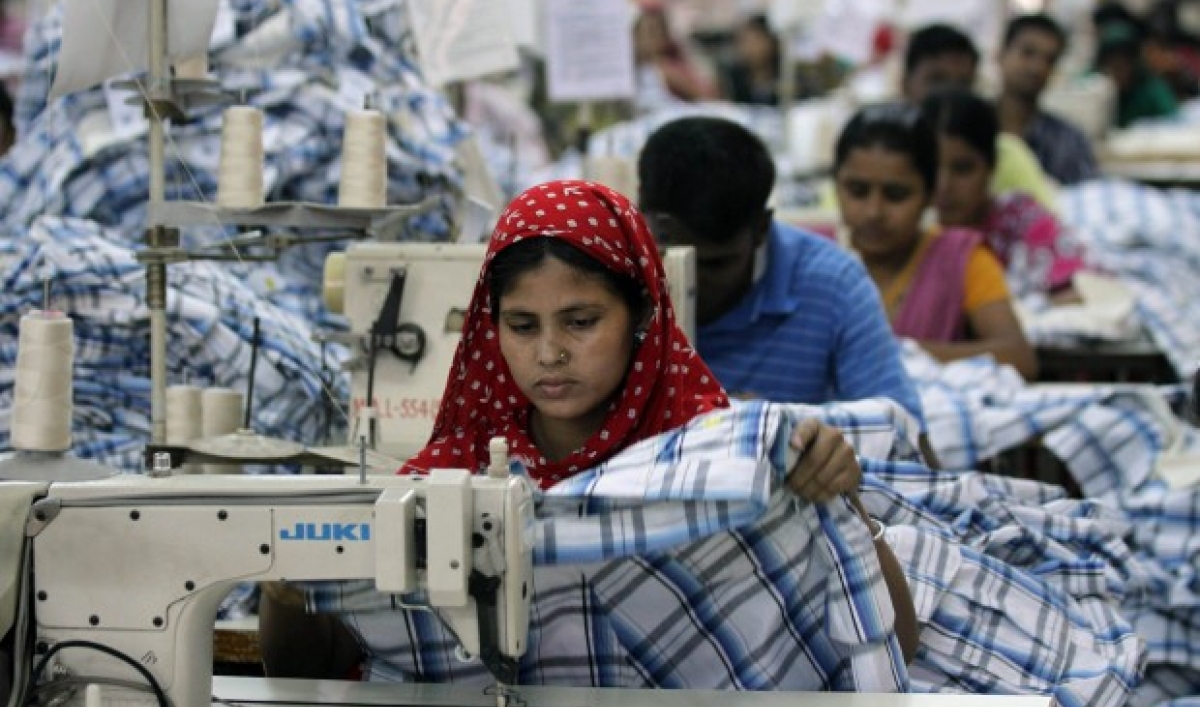
    Bangladesh garment factories must continue to invest in making their operations more sustainable if they hope to win business over other major competing sourcing countries such as Vietnam, Cambodia and Indonesia, says data and analytics company GlobalData.

    In line with this, the country is looking to increase its garment exports from US$34 billion in the financial year ending last June to US$50 billion next year.

    In 2018, 67 factories had adopted the Leadership in Energy and Environmental Design (LEED) certification, which evaluates sustainable sites, water efficiency, energy, indoor environment and innovation. Eight were LEED-platinum certified. But with eco-credentials playing a greater role in how consumers today shop, more factories need to get on board.

    Hannah Abdulla, apparel correspondent at GlobalData, says the owners of Bangladesh garment factories are growing increasingly concerned they are losing business to rival sourcing countries.

    “Where buyers were previously concerned with mass-produced, cheap goods, the focus is now on better quality and sustainably sourced (value-added) items. Green factories have an edge; this is what helps sets them apart from the competition.”

    With Bangladesh looking to increase the investments, big changes need to be made to secure additional business from the higher-paying customer, says Abdulla.

    “While change has happened at several factories, this needs to be scaled up. More factories need to get on board if Bangladesh is going to convince global players it remains a worthy contender in the readymade garment space.

    “For the national industry to be viewed as one that is an environmentally-sustainable apparel sector with an international reputation for good practice, it needs to move beyond a minority of factories implementing sustainable measures.”

  • Forever 21 online store relaunched

    Forever 21 online store relaunched

    Bankrupt US fast-fashion chain Forever 21 is relaunching its e-commerce site to target customers in Asia, Australia and the Americas.

    The troubled retailer has closed more than 100 stores – mostly outside its core US market – since it sought Chapter 11 protection in September. But in a sign it wants to continue to engage with customers in Asia, especially, Forever 21 online has partnered with Global-e to create a new site which will support nearly 100 currencies and more than 150 local and alternative payment methods, along with localized tax collection and duties calculations. The site will feature 21 languages.

    Forever 21 president Alex Ok said the company had noted ongoing demand from customers in markets it has plans to exit.

    “E-commerce forms a large chunk of the profitable core of our operations and as part of our new global strategy, Forever 21 will leverage Global-e’s technology to offer international customers an outstanding online experience,” he said in a statement.

    Matthew Merrilees, Global-e​ CEO for North America, says the global e-commerce market remains an opportunity for Forever 21 online.

    “More than 60 percent of Australian online shoppers and more than 80 percent of Canadian online shoppers are now purchasing from international retailers, and we’re also noticing a growing trend towards cross-border e-commerce from a variety of markets across the Asia-Pacific region,” he said.

    A commentator writing for Retail Dive said pressure on the fast-fashion sector due to growing awareness of sustainability and growth in resale and rental services could impact Forever 21’s recovery strategies.

    “At least in the US, that is driving a slowdown in overall apparel sales and throws Forever 21’s longer-term prospects into question. That may be one reason why, despite centering its post-bankruptcy operations on the US and Latin America, the fast-fashion retailer doesn’t want to completely let go of its potential abroad.”

  • Fashion shoppers seeking brands which reflect their values

    Fashion shoppers seeking brands which reflect their values

    Fashion shoppers will choose their preferred brands in the year ahead based on the beliefs and values they seek, not past loyalties.

    The Samsung Fashion Institute says consumers’ needs will be increasingly fragmented this year and brands are also expected to carry out sophisticated target strategies.

    The institute noted, in the same context, that the nature of the fashion industry is changing from goods to services.

    The changes come as consumers seek alternative consumption, shifting away from the traditional way of spending. The prime examples include H&M and Ganni clothing-rental services.

    The institute suggested that the industry should work on so-called “narrative branding” to shift its perspective toward consumers. The challenge for the industry will be to provide a reason to purchase from a particular brand and to have consumers continue to love the brand.

    “Now, consumers do not choose brands if they do not meet their respective beliefs even if they need them,” said Lim Ji-yeon, director of the Samsung Fashion Institute.

    One example of a reason sought by consumers was “sustainable fashion.” In fact, a platform that only collects sustainable fashion brands is continuing to emerge, targeting consumers who think about the environment.

    Furthermore, clothing-rental services and other clothing services are gaining popularity as more consumers accept clothing as a concept of sharing, not as a subject of ownership.

    “Companies that have failed to respond to the consumer-oriented market structure will not be able to produce results next year,” Lim said, adding this should be a year where companies stay more closely connected to consumers.

  • H&M unveils Chinese New Year collection

    H&M unveils Chinese New Year collection

    A new H&M Chinese New Year collection has been launched, celebrating the Year of the Rat.

    The H&M Chinese New Year collection features more than 100 items including ladieswear, menswear and kidswear and special items featuring cartoon characters.

    Besides classic dresses, sweaters and wardrobe basics like denim and khaki items, the ladieswear range offer tops and accessories featuring Tom and Jerry characters and Minnie Mouse from Disney. A wide range of red and gold accessories is also included to finish off the outfit for Chinese New Year.

    Male customers can pick from quirky tees and printed hoodies for the new year festivities. In line with the athleisure trend, there is also a wide range of tracksuits and sporty accessories like bucket hats, beanies and belt bags for the fashionable go-getter. Mickey Mouse is featured in the collection together with Tom & Jerry, Mighty Mouse as well as The Itchy and Scratchy Show.

    The H&M Chinese New Year collection also features kid’s apparel and colorful prints featuring the auspicious animal of the year. There are also matching dresses from the Mini-Me collection for mums and daughters who love ‘twinning’.

  • Charles & Keith opens more stores in Hong Kong

    Charles & Keith opens more stores in Hong Kong

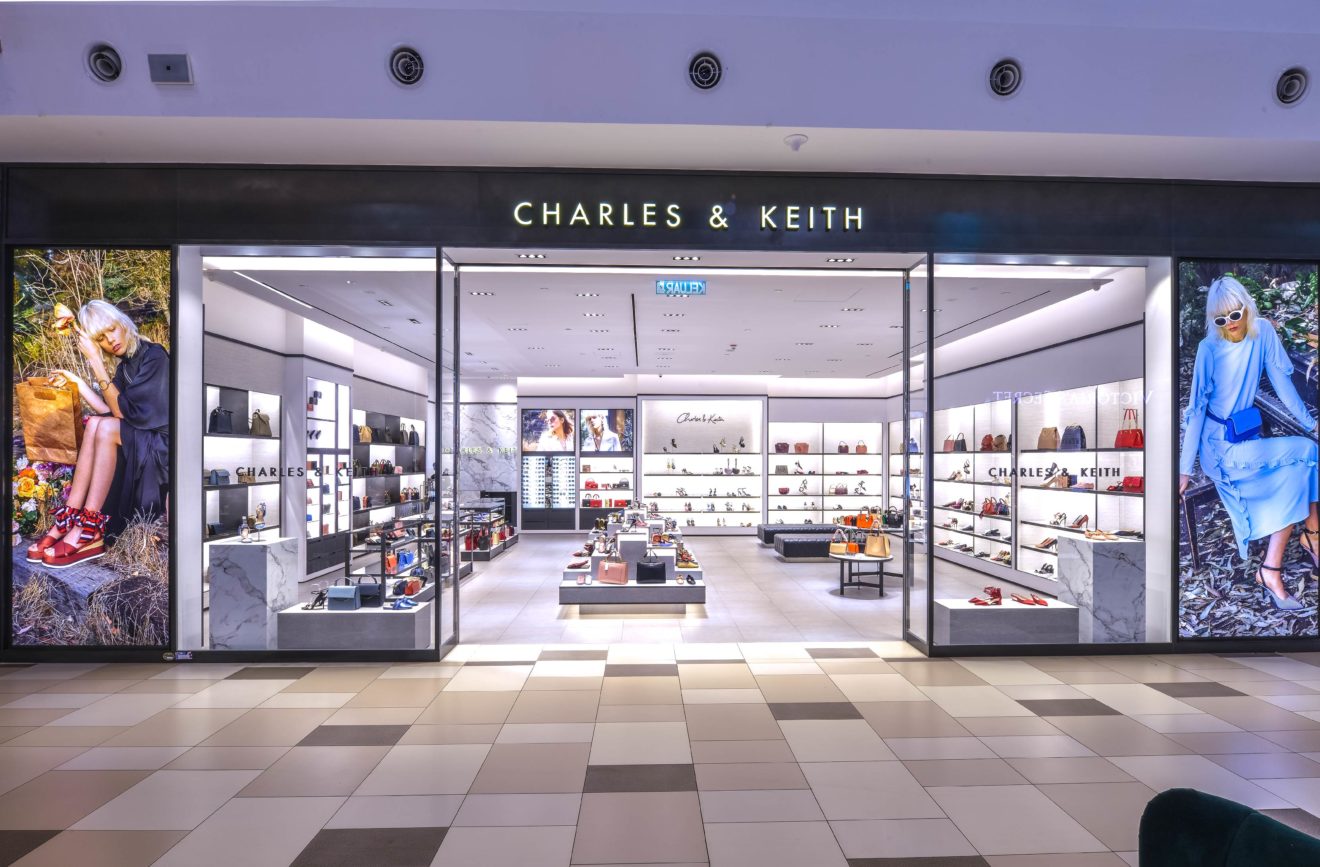
    Singapore footwear and accessories label Charles & Keith is unveiling three new stores at the APM mall, DFS T Galleria Sun Plaza Canton Road and Langham Place in Hong Kong.

    Each of the three new locations caters to a different demographic of shoppers – APM is a day to night shopping mall, while DFS T Galleria offers a luxury travel retail experience; Langham Place is the largest mall in Mong Kok.

    The aesthetic of the new Charles & Keith stores is inspired by a refined brand identity, featuring limestone fixtures in contrast with dark grey powder furnishing, attempting what the brand describes as “a sophisticated simplicity”. To provide customers with a curated experience, each section of the stores communicate different stories of the season.