Tag: Fashion

  • Australian fashion label Tony Bianco to launch in China

    Australian fashion label Tony Bianco to launch in China

    Australian fashion brand Tony Bianco is launching its first international location in Beijing.

    The label is partnering with verteran Chinese retail specialist firm Shanghai Smile Commercial – which has ushered multiple foreign fashion brands into China – in a joint venture to launch the brand in the territory.

    “A few years ago there was a noticeable increase in daigous sourcing the Tony Bianco brand to send back to clients and that has continued to grow, said company director Anthony Bianco in a Ragtrader report. “It was the start of our research phase into what a store in China could hold for a brand like ours.”

    The new store will officially open on December 21 at Chaoyang Joy City, showcasing the brand’s SS19 and AW19 collections.

  • Spanish fashion label Desigual set for India launch

    Spanish fashion label Desigual set for India launch

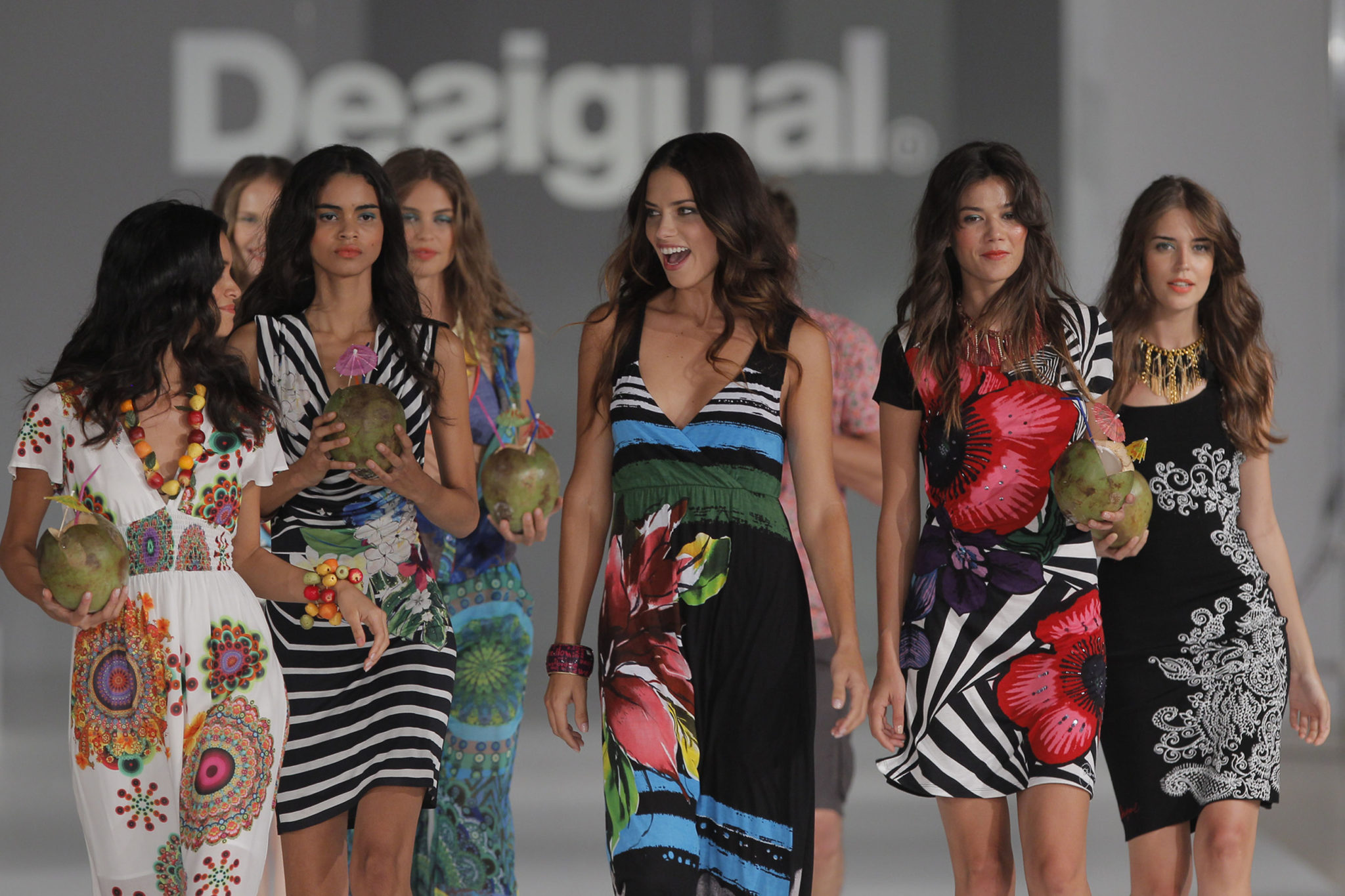
    Spanish fashion label Desigual is set to launch in India. The firm is being introduced to the territory by local retail group Tablez, which is first taking the brand online via Myntra before nationwide openings of physical stores next year. Six stores are planned for top-category cities before openings in multiple tier-2 cities.

    “It gives us immense pleasure to bring the international fashion brand Desigual to India,” said Tablez MD Adeeb Ahamed in a Fibre2Fashion report “The brand’s clothing exudes a character that is unique, which helps people express themselves and be the most authentic.

    “Desigual’s characteristic vibrant designs with a flamboyant splash of colors has a huge potential in the Indian market,.”

    “India is a market whose values are very similar to Desigual’s,” said US and CEEMEA VP Asia Pacific Jordi Balsells. “It’s also a young market that is growing and displays great potential. We believe very strongly in India’s potential in the coming years.”

    Desigual operates in nearly 90 countries via 10 sales channels. It is among several leading global brands being introduced to the territory by Tablez, which currently operates more than 70 outlets globally, with plans to expand to 300 outlets by next year.

  • La Mer opens flagship boutique in Singapore

    La Mer opens flagship boutique in Singapore

    Luxury skincare brand La Mer has opened its first flagship boutique in Marina Bay Sands.

    Occupying a 375sqft space, the new store features gold, cream and forest green as theme colors. The marble floor resembles the sea that “forms the bedrock of the brand’s formulations”.

    Beside its skincare products, the Marina Bay Sands La Mer flagship also offers a wide range of makeup products including foundation, concealer, powder and brushes, all displayed via a consultation area.

    La Mer’s customers can experience a beauty session with different personalized services and treatments in a private facial cabin with the full range of La Mer’s makeup and skincare offerings.

    Owned by the Estee Lauder Group, La Mer has been a solution for those in need of an anti-aging arsenal as its products employ fermented ingredients, sourced from the sea, to rejuvenate and enrich the skin.

  • All SaSa Singapore stores to close as cosmetics retailer exits city

    All SaSa Singapore stores to close as cosmetics retailer exits city

    All 22 SaSa Singapore stores are to be closed down as the Hong Kong-headquartered parent calls an end to six years of ongoing losses in the city.

    The move will see 170 jobs axed and has triggered a series of negotiations with property owners over lease-exit penalties.

    In a statement filed with the stock exchange, chairman and CEO Simon Kwok said the company wants to concentrate its resources on the Hong Kong, Macau, Mainland China and Malaysia markets, as well as its e-commerce business.

    “The local management team in Singapore will commence negotiations with the respective landlords of the Singapore stores promptly with a view to closing the stores as early as possible, but the exact timing for the closing of each individual store is subject to negotiations with individual landlords,” Kwok said.

    The decision follows six consecutive years of losses by the SaSa Singapore business. In the six months to September 30, turnover fell by 4.6 per cent year on year to HK$99.4 million and represented just 2.8 per cent of the group’s total revenue.

    In recent years, SaSa Singapore local management has been restructured, store displays enhanced and product mixes revamped in an attempt to improve sales. “Regrettably, the results were far from satisfactory,” said Kwok.

    While the ongoing protests in Sa Sa International’s home market had no direct effect on the Sa Sa Singapore business, they influenced this week’s decision: Singapore is proving an unnecessary distraction when management needs to focus on maintaining sales and profitability in its core home market.

    “The operating environment … in Hong Kong has become extremely difficult due to a drastic decline in mainland tourist arrivals,” said Kwok. “In view of this unprecedented challenge, the group’s primary goal is to focus resources on its core markets and businesses with growth potential, in order to restore profitability promptly.

    “After careful consideration, the group believes that the closure of its business in Singapore will help improve the performance and profitability of its remaining businesses, and is in the best interests of the group and the shareholders as a whole.”

    Kwok said Malaysia offered Sa Sa International greater sales and profitability opportunities and the team that currently manages both the Singapore and Malaysia markets will now concentrate resources on developing Malaysia.

    “In the meantime, the group will expedite the store expansion in the mainland as well as the development of e-commerce business, so as to capture the lost traffic and sales in Hong Kong.

    “In addition, the group strives to integrate its online and offline businesses for providing better customer experiences and laying a solid foundation for the development of new retail model in the future.”

    He said the termination of SaSa Singapore store leases is not expected to have any significant impact on the operations of the group, as they account for a small percentage of the group’s 265-strong network.
  • China’s Xtep arrives in five more Indian cities

    China’s Xtep arrives in five more Indian cities

    Hong Kong activewear firm Xtep will open new locations in five Indian cities by the end of next year.

    The firm launched in Bengaluru last year, going on to open stores in Chennai, Gurugram, and Thrissur (Kerala). It is expected to open its new locations in Hyderabad, Goa, Kochi, Pune, and Mysuru.

    According to an Economic Times report, the brand’s local director Vijay Chowdhary said the firm will expand next year by “introducing products through a mix of exclusive and multi-brand outlets”.

    Xtep India is preparing to “bring high-tech consumer sports technology and after that will invest in sports infrastructure after assessing the market demand”.

    Xtep currently operates outlets in 20 countries

  • Esprit launches JV to run Mainland China business

    Esprit launches JV to run Mainland China business

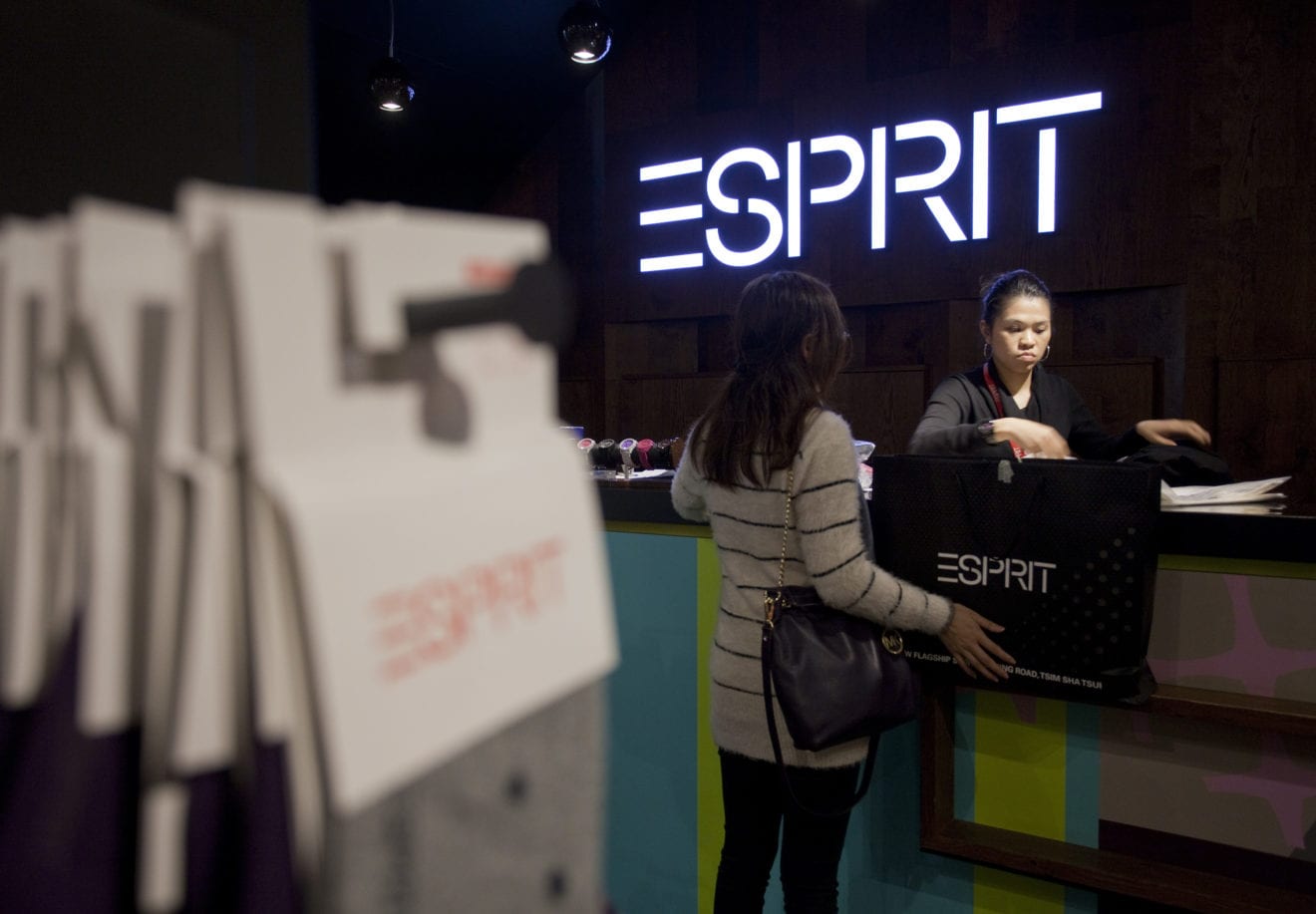
    Hong Kong-listed fashion retailer Esprit has announced a joint venture business to take over the marketing and retailing of its products in Mainland China.

    Through a subsidiary called Million Success, the fashion retailer will hold a 40 percent stake in the Esprit China business, with the majority partner being Mulsanne Group, a company listed in Hong Kong last May. The deal covers the mainland only, not Hong Kong, Macau or Taiwan.

    In a stock-exchange filing on Sunday, Esprit company secretary Patrick Lau Yiu Pong said Mainland China had always been “an important pillar” of Esprit’s strategic plan.

    Subject to regulatory approvals, the joint venture is expected to launch in June next year. Prior to that, Esprit will be closing some underperforming mainland stores, before transferring the assets of the remainder to the JV company.

    “The directors believe that the deal creates a strong base for the Esprit brand to improve the relevance and accelerate growth,” said Pong in the filing.

    Mulsanne Group is an investment holding company engaged in retail and online platforms for menswear, as well as product development. The company’s brands include GXG, GXG Jeans, GXG. Kids, Yatlas and 2XU. The group operates more than 2000 stores across Mainland China.


  • Red tape stunting H&M India growth

    Red tape stunting H&M India growth

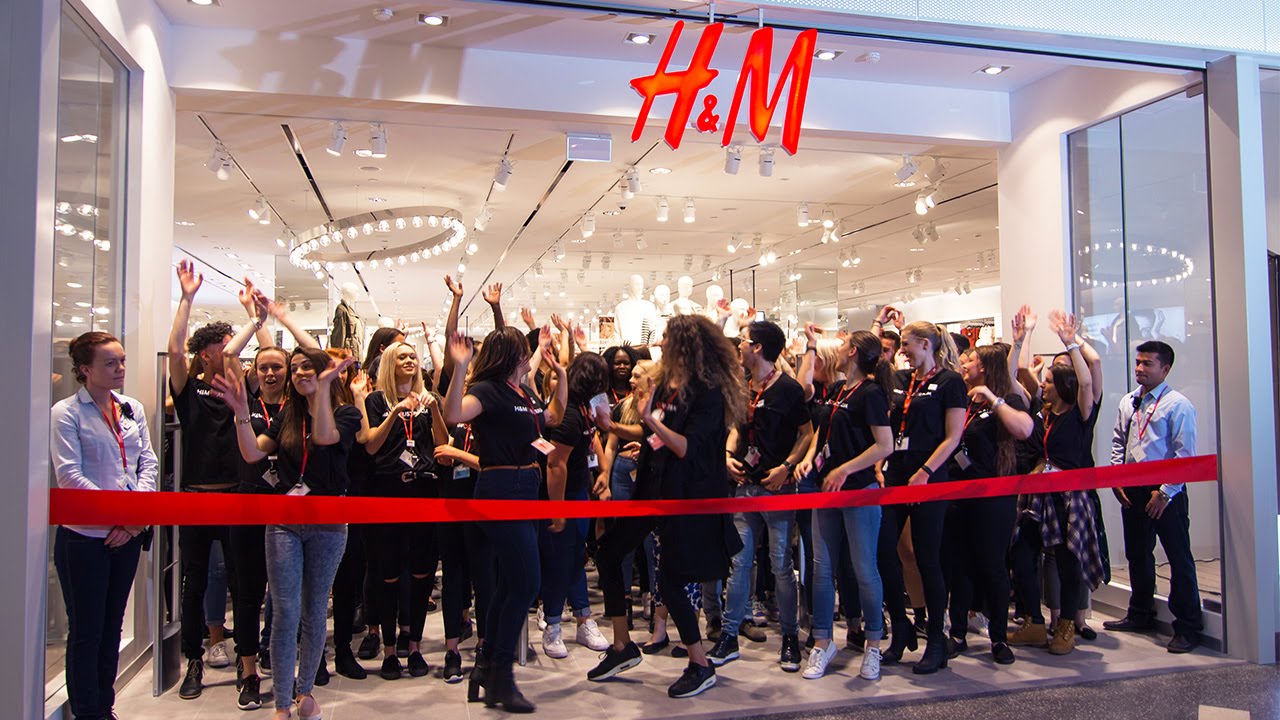
    Bureaucracy is hampering the expansion plans of H&M India according to the Swedish fast-fashion company’s local management.

    The firm’s country manager and CEO for the territory Janne Einola said in an interview that the company is facing delays and challenges in the market, blaming the delays on a difficult business environment and citing regulatory obligations.

    “Most probably we will see opening 100-plus stores in India, but what the time span is, I do not know,” said Einola.

    “The outlook – we thought it would grow faster as per the potential – but what is making it slow is local regulations, which are very costly, take a lot of time and are putting our expansion on slow mode.”

    H&M India operates 45 stores, the most recent one opening in Dehradun. The company’s next store is expected to launch in Jalandhar.

    Meanwhile, H&M India’s online sales account for a larger share of turnover than the 15 percent achieved globally.

  • Hong Kong leather label Rabeanco opens its fifth store in Singapore

    Hong Kong leather label Rabeanco opens its fifth store in Singapore

    Hong Kong leather specialist brand Rabeanco has opened a new flagship store at Changi Jewel, its fifth store in Singapore.

    The new store features a selection of travel convertible bags which can be used as both backpack and shoulder bags. Rabeanco also offers a full range of leather footwear crafted in premium leather including mules, slingbacks, and heels.

    “We design our products for women who are constantly on the go and in need of highly functional yet chic designer leather products,” says Rabeanco’s spokesperson. “We are one of the first brands to introduce premium light-weight leather. This way, women can look stylish without feeling the weight on their shoulders.”

    The price of leather footwear products range from SG$180-330.

    Founded in 1992, Rabeanco operates more than 30 outlets across four markets including Singapore, Hong Kong, Macau and China.

  • Missoni opens flagship store at Singapore’s Marina Bay Sands

    Missoni opens flagship store at Singapore’s Marina Bay Sands

    Luxury fashion retailer Missoni has launched a flagship store at Marina Bay Sands in Singapore

    The 150sqm store stocks a range of womenswear, menswear, beachwear and accessories. A central product featured at the launch is the brand’s new M Missoni collection, created by designer Margherita Maccapani Missoni.

    The launch was celebrated with a cocktail party, attended by local media and celebrities as well as the firm’s creative director and president Angela Missoni.

  • LVMH-Tiffany deal signed

    LVMH-Tiffany deal signed

    Subject to regulatory approvals, the LVMH-Tiffany deal is sealed: the French luxury fashion powerhouse will take over the iconic New York City-headquartered jeweler.

    But it may be mid next year before the transaction is completed after shareholder and regulatory processes are complete.

    LVMH will pay US$135 per share in cash for Tiffany, giving the jeweler an equity value of €14.7 billion or $16.2 billion.

    The LVMH-Tiffany deal provides “an exciting path forward,” said Tiffany chairman Roger N Farah, describing LVMH as “a group that appreciates and will invest in Tiffany’s unique assets and strong human capital, while delivering a compelling price with value certainty to our shareholders”.

    Bernard Arnault, chairman, and CEO of LVMH and now within striking distance of becoming the world’s richest man when this deal is settled, described Tiffany as “a company with an unparalleled heritage and unique position in the global jewelry world”.

    “We have immense respect and admiration for Tiffany and intend to develop this jewel with the same dedication and commitment that we have applied to each and every one of our Maisons. We will be proud to have Tiffany sit alongside our iconic brands and look forward to ensuring that Tiffany continues to thrive for centuries to come.”

    It was a quick deal, coming little more than one month after the rumors of negotiations broke and will mark the beginning of a new chapter in the 180-year-old company’s history.  But the two spokesmen said completing regulatory filings and the formalities of shareholder approval might take until “mid-2020”.

    With more than 300 stores worldwide, Tiffany will give LVMH a strong position in the jewelry sector in which it is underrepresented compared to luxury-goods rival Richemont. The French company says the LVMH-Tiffany deal will strengthen its watches and jewelry division and complement its huge portfolio of 75 brands. Most significantly, it gives the luxury retail group a strong presence in the key US market.

    Farah said Tiffany undertook “a thoughtful internal process” and sought expert external advice before agreeing to terms with LVMH.

  • Marie France Van Damme opens stores in Miami

    Marie France Van Damme opens stores in Miami

    Hong Kong-based designer Marie France Van Damme has entered into a long-term lease agreement with Bal Harbour Shops in Florida.

    The luxury resort wear designer initially opened her first Florida store at Bal Harbour Shops in January last year as a temporary pop-up shop, which operated through to last July. The updated boutique will reopen in its new unit in January.

    The new 800sqft store will continue to offer Marie France Van Damme’s exclusive collections of “Dolce Vita” essentials, including day dresses and evening wear, resort wear, bathing suits, and caftans.

    The boutique will feature teak wood, bronze panels, and embossed crocodile leathers with textiles and finishes reflective of the designer’s flagships in London and Hong Kong.

    “Miami is a vibrant fashion capital,” said Van Damme. “Like me, our customer travels around the world, and she needs to find things that will look beautiful during the day as well as at night; from the beach to a cocktail or dinner in the evening. It has always been a dream of mine to open a store at Bal Harbour Shops, and after extending our pop-up shop there as a result of a successful year, we are honored to create a more permanent home for our clients in one of the world’s most exclusive luxury shopping destinations.”

    Marie France Van Damme plans to continue to open new stores across the globe, focusing on cities that both inspire the designer and appeal to her “sophisticated, jet-set clientele”.

  • United Colors of Benetton expanding into Myanmar

    United Colors of Benetton expanding into Myanmar

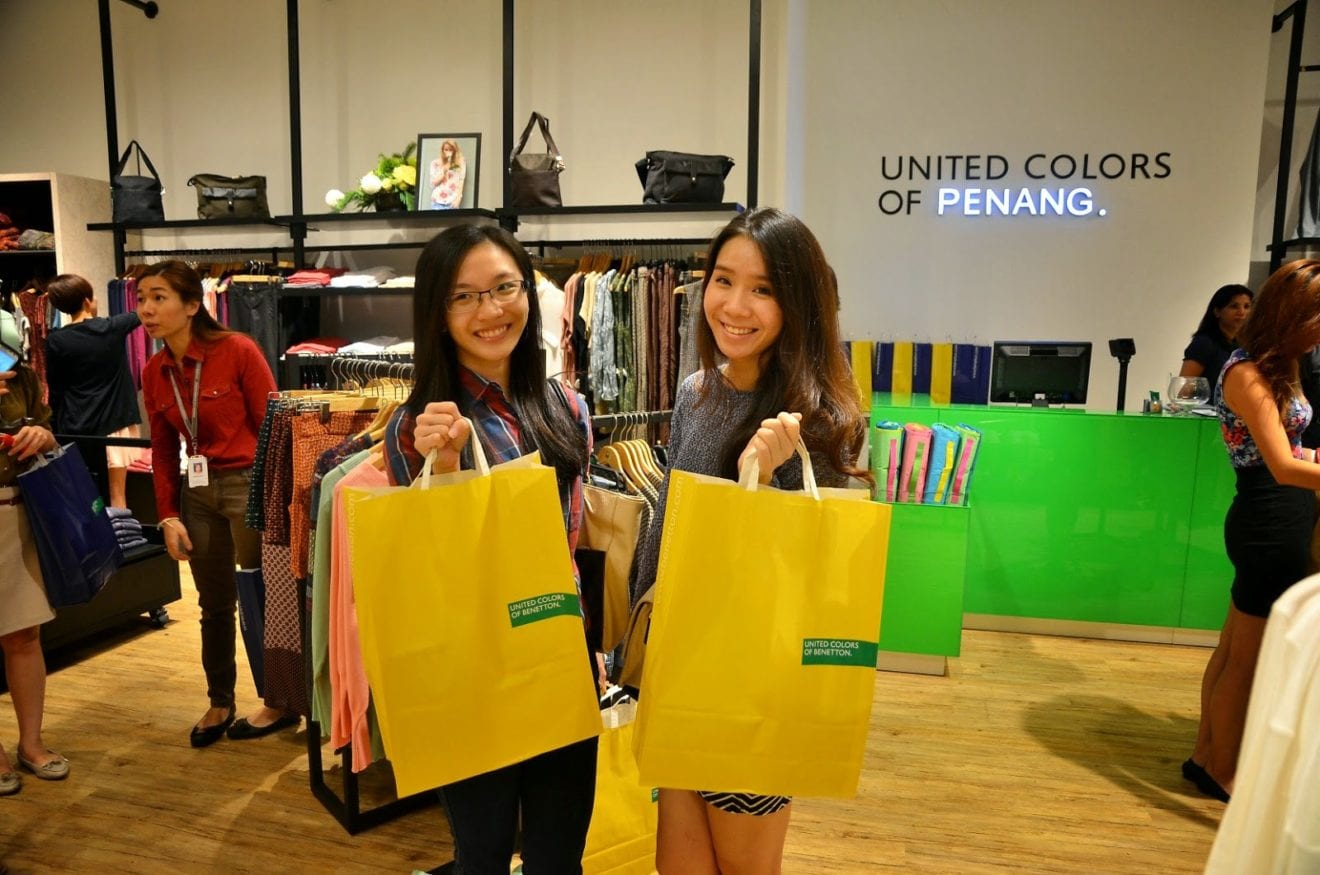
    Italian fashion brand United Colors of Benetton, has released a new collection to celebrate its presence in the Burmese market.

    Benetton entered Myanmar in October 2017 and now has two stores in prominent areas, with plans to further expand its base in the territory over the coming decade. Benetton Group has a global network of 5000 stores.

    “We brought our strong heritage to Myanmar in October 2017 with our first store in Junction City Level 2,” read a statement from the brand.

    “We further expanded with the store in Yangon International Airport … We have interesting plans of expansion in Myanmar next year and are looking forward to catering to the audience with our unique product offering. We have received an overwhelming response so far and will strive towards exciting our consumers with knit, colors and sustainability.”

    With the new global creative director Jean-Charles de Castelbajac coming onboard, Benetton has showcased two collections – The Rainbow Machine and The Colour Wave at Milan Fashion Week (AW2019 & SS2020). The collection is expected to hit Myanmar stores in the coming year.

    Benetton’s AW2019 collection has hit stores to offer a chic winter to fashion enthusiasts in the region. The collection was celebrated with a special showcase followed by a creative session at the Junction City store on November 17 attended by the city’s glitterati.

  • Gap’s outlook is gloomy due to week profits

    Gap’s outlook is gloomy due to week profits

    There is no real surprise from Gap’s third-quarter figures released last week: sales are poor, profit is weak – although marginally better than forecast – and the outlook remains gloomy.

    Given the relative lack of effort from management on resolving the underlying issues plaguing the company, it would be unreasonable to expect a different outcome. However, there is some hope that the recent change in the CEO may result in a more aggressive pace of advancement. (Art Peck stepped down from the role earlier this month after five years in the role and a replacement is being sought).

    The biggest problem within the company is the Gap brand. Here total sales within the US fell by 6.6 percent over the prior year, while global comparable sales fell by 7 percent. As much as Gap remains a sizeable business, it continues to suffer from customer attrition as shoppers defect or reduce the amount they spend at Gap in favor of other retailers. The reason for this is relatively simple: assortments are dull, and every new season Gap churns out more of the same bland product rather than innovating and trying new things. This makes it very easy for consumers to overlook Gap.

    It used to be the case that, in the absence of compelling ranges, Gap could use discounting as a mechanism to drive customer interest and footfall. However, over the past half-year, this has become far less effective. Part of this is down to the fact that discounting has become a lot more prevalent elsewhere in the market, which means shoppers have a lot more choice of stores they can visit to get discounted goods. But part also is down to fatigue with Gap itself: offering 40- or 50-per-cent off may have once been eye-catching, but Gap has educated consumers to expect this to be offered as standard.

    Unfortunately, there is no real remedy to the discounting-drug other than for Gap to rebuild its proposition and give customers new reasons to buy.

    While the Gap story is an old one, Old Navy’s recent slide from grace is a more interesting tale. Previously Old Navy had been motoring along nicely, posting consistently good sales results. However, last quarter US sales shrunk and these quarter sales are flat.

    Admittedly, Old Navy has been lapping tough prior year comparatives, however, we believe there is more to the waning performance. Extensive discounting elsewhere in the market has been unhelpful, especially as it has pulled some more price-sensitive family shoppers away from Old Navy. But the biggest reason for underperformance has been a series of missteps on assortments. Usually, Old Navy can be relied upon to produce good seasonal edits that reflect fashion trends. Over the past two seasons, these have largely been absent, and the range has become tired and relatively bland.

    In a highly competitive environment, this isn’t good enough to drive growth and it leaves Old Navy exposed to players like Target which has been making excellent progress in apparel. Unfortunately, question marks over the future of Old Navy are unhelpful when Gap Inc is looking to spin the business off.

    In a rare turn of events, Banana Republic is the star of the show with a 4.3-per-cent uplift in total sales in the US. Improvements to the quality and some better pieces within the assortment have helped to lift conversion and basket sizes from existing customers. A continued recovery at the brand will be helpful to the group, not least because within the US Banana Republic’s sales are now only a fraction behind those of Gap – so it is able to make a more meaningful contribution to the top line.

    Overall, Gap remains in a very weak position and the spin-off of Old Navy will do nothing to remedy this. The change of management provides the company with an opportunity to shift its mindset. Whether it grasps it remains to be seen.

  • Uniqlo Korea sparks controversy

    Uniqlo Korea sparks controversy

    Uniqlo Korea has sparked yet another round of controversy, this time by distributing free Heattech shirts as part of a new marketing offensive.

    The Japanese apparel company, as part of its 15th Anniversary promotional event, is giving away 100,000 heat-tech shirts on a first-come, first-served basis to all customers purchasing a product, regardless of the price, at Uniqlo Korea offline stores.

    Since the promotion can end early if daily quotas are reached, it wasn’t difficult to find people lining up at stores early in the morning, causing an uproar on South Korean social media.

    Despite the negative reaction, Uniqlo distributed a press release to promote the giveaway, demonstrating its intention to address the public head-on by turning it into ‘noise marketing’.

    South Koreans are increasingly divided over the issue as social figures are joining the debate.

    “The number of customers at Uniqlo soared ever since the giveaway, despite the fact they can’t choose the size or color of the shirt,” said Prof Seo Kyung-duk from Sungshin Women’s University, a Korean PR activist.

    “Why do we have to go there, out of all places, to get free clothes?”

    In contrast, others implicitly argue that, while they respect one’s own belief, the boycott movement should not be forced on anyone.

    The fact that Uniqlo products are being sold online, while offline stores are empty, shows there is a large population of so-called ‘shy Uniqlo’, ‘shy Japan’ consumers in the country.

    Uniqlo Korea sales have plunged in recent months due to an ongoing boycott of Japanese brands and retail networks relating to a lack of apology over the occupation of Korea during the Second World War.

  • Kjus ski wear to open Beijing flagship store

    Kjus ski wear to open Beijing flagship store

    Swiss-based ski wear brand Kjus is to open its flagship store in Beijing next month.

    The flagship store is part of the company’s strategy to expand in Chinese market after progressively entering 33 countries already.

    Designed by 5 Star Plus Retail Design, the flagship store’s concept features the “future-oriented vision of the brand”.

    A Kjus product display, designed with LED touch screen and backplane patterns, is installed on the facade of the store.

    The Kjus China store’s design is the transition from Switzerland original design to futuristic. In order to deliver a futuristic and high-tech vibe, designers choose metal and stone as main materials and make sure there is sufficient clear space for the store.

    Meanwhile, the store draws a connection to the original Switzerland design by using wood on a smaller-scale such as high-rack equipment and wooden table.

    Lighting effects and technological advancements are used to highlight the product features, key products, and collections. A self-illuminated frame structure with a light-transmissive acrylic sheet inside is installed to illustrate the technology of the product. Two main colors of the store are grey and orange.

    Kjus store also features and exclusive VIP lounge and fitting room serving beverage so customers can have a more pleasant shopping experience.