Tag: Fashion

  • First Uniqlo Store opening in Baguio

    First Uniqlo Store opening in Baguio

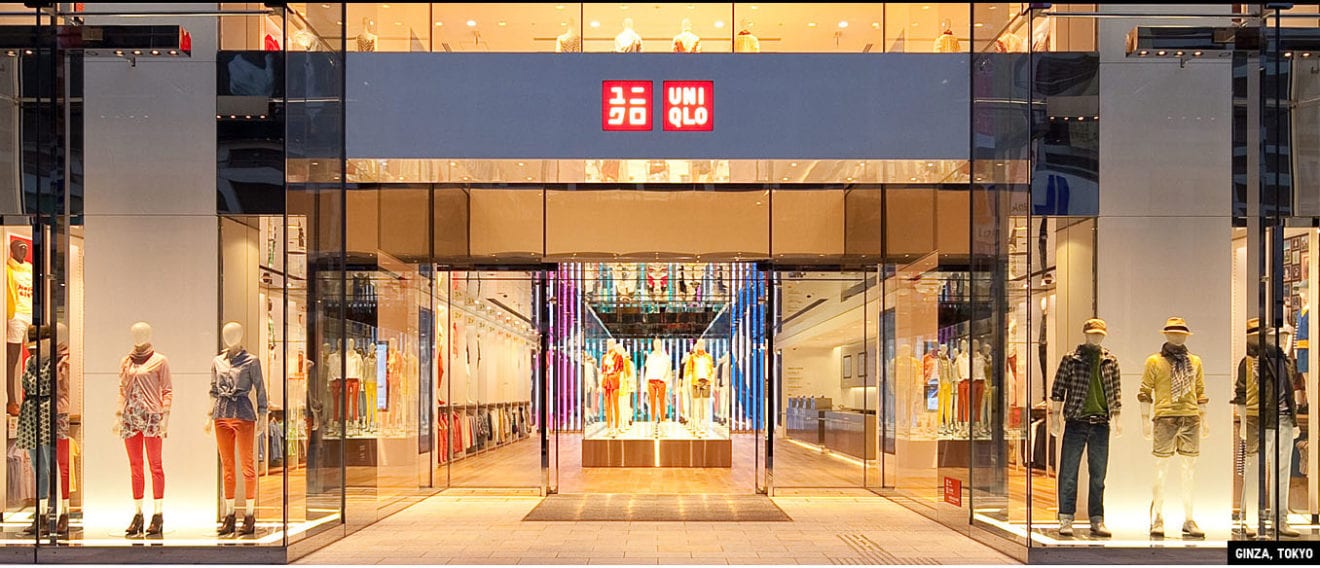
    Japanese retailer Uniqlo is opening its first store in Baguio City on November 29.

    The 859sqm Uniqlo Baguio store at SM City is the brand’s first in the Cordillera region. It will carry its concept ‘Lifewear apparel’, which, according to the company, “comes from the Japanese values of simplicity, high-quality and longevity, made for everyone, everywhere”.

    Uniqlo debuted in the Philippines in 2012 when it opened its first location at SM Mall of Asia in Metro Manila. And in February this year, it began expanding outside Metro Manila, opening at Robinsons Place in Tuguegarao City. The retailer now has around 60 locations nationwide.

    Uniqlo says, it will quadruple its store network in Southeast Asia in the next decade as it recognizes great potential especially in countries including the Philippines and Vietnam, where it is also opening its first store in the country this month.

  • Louis Vuitton flagship opens in Seoul

    Louis Vuitton flagship opens in Seoul

    The new Louis Vuitton Seoul flagship store has opened, its design collaboration with renowned architects Frank Gehry and Peter Marino.

    Located on Cheongdam-dong Avenue in the Gangnam district, Louis Vuitton Maison Seoul features Korean culture-inspired elements, including the Hwaseong Fortress, the swooping movements and white costumes of the traditional Dongnae Hakchum crane dance while maintaining the Gehry-designed curved glass structure inspired by the Fondation Louis Vuitton in Paris.

    “What struck me when I first visited Seoul about 25 years ago, was the relationship between the architecture and the natural landscape. I still remember clearly the powerful impressions I had stepping from the garden of Jongmyo Shrine,” said Frank Gehry. “I am delighted to have designed Louis Vuitton Maison Seoul, reflecting the traditional values of the Korean culture.”

    Designed by Marino, the interior of the store is divided into different areas. The basement and first floor are used as ‘retail universes’, offering mens and womens collections including ready-to-wear, leather goods and accessories.

    The next upper floors feature a private space and an enclosed terrace for intimate dinners and events or exclusive appointments. The top floor is an exhibition zone called Espace Louis Vuitton Seoul, displaying eight emblematic sculptures by Giacometti, that belong to the Collection, including L’homme qui chavire (1950) and Grande Femme II (1960).

    “The interior spaces were designed with a ‘Miesian’ rigour to more strongly emphasise the billowing energetic sculptural quality of Gehry’s exterior,” said Marino.

    “The interior stone flows in from the exterior. The dynamism of the rectangular volumes cleanly contrasts with the baroque glass shields of the building.”

  • Uniqlo sales plunge in South Korea

    Uniqlo sales plunge in South Korea

    Massive discount offers have failed to stem a plunge in Uniqlo sales in South Korea, where the Japanese fashion retailer has been targeted by the boycott movement.

    Rep. Park Kwang-on reported based on a compilation of data collected from eight credit card companies in South Korea that Uniqlo sales last month amounted to 9.1 billion won (US$7.8 million), a mere 33 percent of the sales achieved during the same month last year.

    Uniqlo managed to generate only 8.1 billion won (US$7 million) in sales during the massive discount period held between October 1 and 14, which was 39 percent of sales recorded in the same period last year.

    Uniqlo, celebrating the fall and winter seasons, has renovated stores and began a marketing offensive driven by Furis, Heattech, and other signature brands.

    Since October 3, Uniqlo held a 15th anniversary ‘thank you’ event both online and offline, offering discounts of as much as 50 percent for many of its signature products.

    Reports of several products being sold out online and offline stores crowded by customers seemed to suggest that the boycott movement was in decline.

    Park argued, however, that the boycott movement is still strong.

    Top ten, a local fashion brand run by Shinsung Tongsang Co that is seen by many as an alternative to Uniqlo, saw sales last month rise 61 percent year on year.

    “Despite the discount events, Uniqlo sales are far from recovery,” said Park.

  • M&S halal range destined for Asi

    M&S halal range destined for Asi

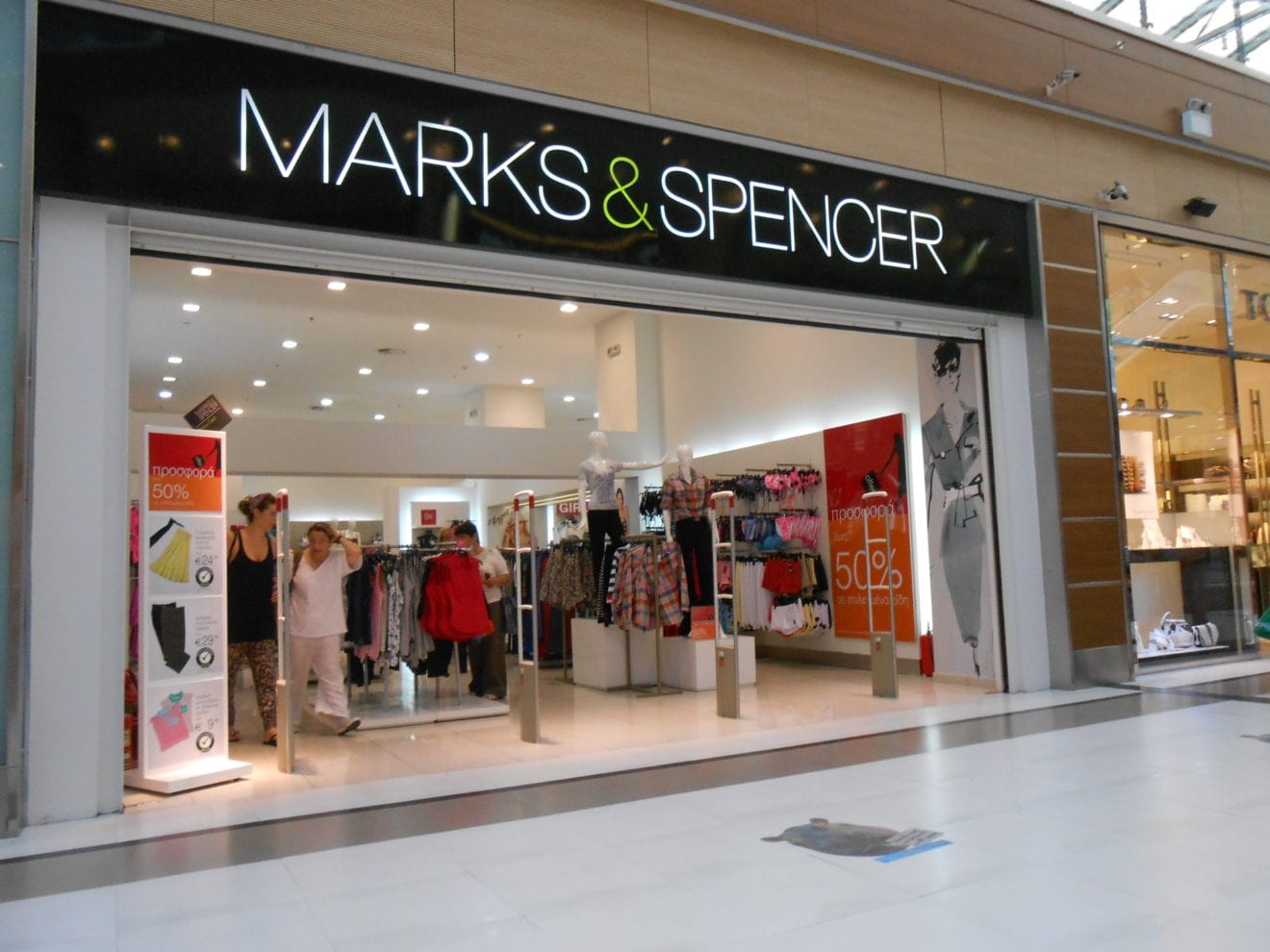
    A new M&S halal range announced in the UK has been confirmed as destined for Asia. The launch of halal-certified ready-meals will make the retailer the first major English supplier in the category.

    The firm’s franchise partner in Singapore, Hong Kong and Dubai, Al-Futtaim, has confirmed it will offer the M&S halal range in its markets, although it is unclear if the arrangement will include Hong Kong.

    The growing Muslim population in the UK has prompted the move, with six chicken-based products going on shelves from tomorrow in 36 Marks & Spencer locations across Britain.

    M&S Food is changing to become more relevant, more often to families across Britain,” said M&S Food MD Stuart Machin. “Our new Halal meal range is a great example of how we are broadening appeal so that more customers can enjoy our delicious, quality food.”

    Whilst some major retailers are starting to stock halal meat, there are still very few opportunities to eat different flavor foods,” said one M&S store manager Simon Pollitt Khan, “such as Italian or more traditional British dishes – in a convenient halal format.”

    The move follows M&S earlier stocking Shazans halal chicken items, which have proved successful in some outlets.

    In the UK the M&S halal range and pricing is as follows:

    • Chicken Arrabbiata – £2.50
    • Chicken & Roasted Mushroom Tagliatelle – £2.50
    • Chicken, Leek and Potato Bake – £3.50
    • Chicken and Vegetable Hotpot – £3.50
    • Chicken Jalfrezi and Rice – £3.50
    • Chicken Tikka Masala and Rice – £3.50
  • Le Saunda turns a profit but faces inventory challenge

    Le Saunda turns a profit but faces inventory challenge

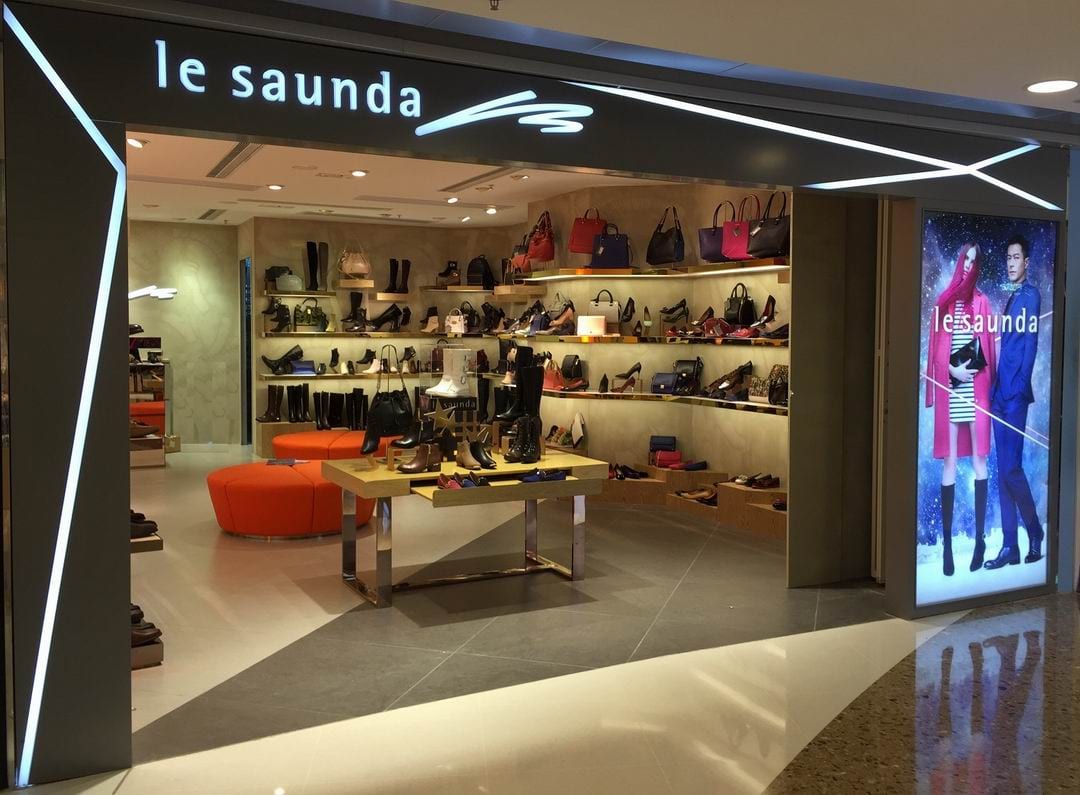
    Shoe retailer Le Saunda is planning to boost its on-sale activity as it battles to reduce its inventory in the wake of falling sales.

    But the company has returned to profitability despite tightened margins in the first half year.

    The company’s sales fell by 18.2 per cent to RMB376.7 million (US$53.5 million) in the six months to August and gross profit fell 16.9 per cent to RMB241.2 million ($34.3 million). Profit attributable to shareholders was RMB2.4 million ($341,000) compared to a loss in the same period last year of RMB9.6 million ($1.36 million).

    Chairman James Ngai said that given the current “gloomy economic conditions” Le Saunda will continue to optimise its distribution network, close down low-profit stores and take “a cautious and prudent approach in business expansion”.

    “It is expected that the group will have a relatively high inventory level for a certain period of time. To maintain a good cash flow condition, the group will boost its sales in the second half of the year. As a result, the group’s gross profit margin and net profit margin will be affected,” he said.

    In the six months to August, the group achieved a gross profit margin of 64 per cent, representing a 0.9-percentage-point improvement year on year.

    That was achieved despite reducing inventory by about 7 per cent, however inventory turnover increased by 58 days to 378 days. Ngai says the group will be focusing on controlling the age of its inventory. As of August 31 about 75 per cent of finished goods had an age of less than one year.

    During the period, same-store sales of Le Saunda shops in Mainland China improved by 3.7 per cent, but the top-line decline was caused by the closure of about 150 outlets.

    In Hong Kong, sales fell 35 per cent as protests caused stores to temporarily shutter and mainland tourists stayed away. The company closed one store during the half year, leaving it with nine in Hong Kong and Macau.

    “The protest activities in Hong Kong are expected to carry on in the short term and it is inevitable that the economy will enter a recession. The group will closely monitor market conditions and strive for better performance in a prudent and pragmatic manner,” said Ngai.

    Online sales fell by 22.6 per cent as the market became increasingly fragmented due to new players launching and consumers increasingly shopping on alternative e-commerce channels such as apps.

    “Facing the market challenges, the group is developing multichannel operations, exploring new resources on e-commerce platforms and continuously improving supply chain efficiency,” he said.

    Le Saunda’s major proprietary brands include Le Saunda, Le Saunda Men, Linea Rosa, Pitti Donna and CNE.
  • Nordstrom opens in New York, and Burberry takes prime position

    Nordstrom opens in New York, and Burberry takes prime position

    US department store Nordstrom has opened a 320,000sqft store in the world’s tallest residential building, Central Park Tower in New York.

    The five-storey store was designed by the firm in collaboration with James Carpenter Design Associates with two underground levels and a curving glass facade. The interior featured LED lighting, glass walls and a chainmail curtain, which is used as a divider between the luxury brands featured in store.

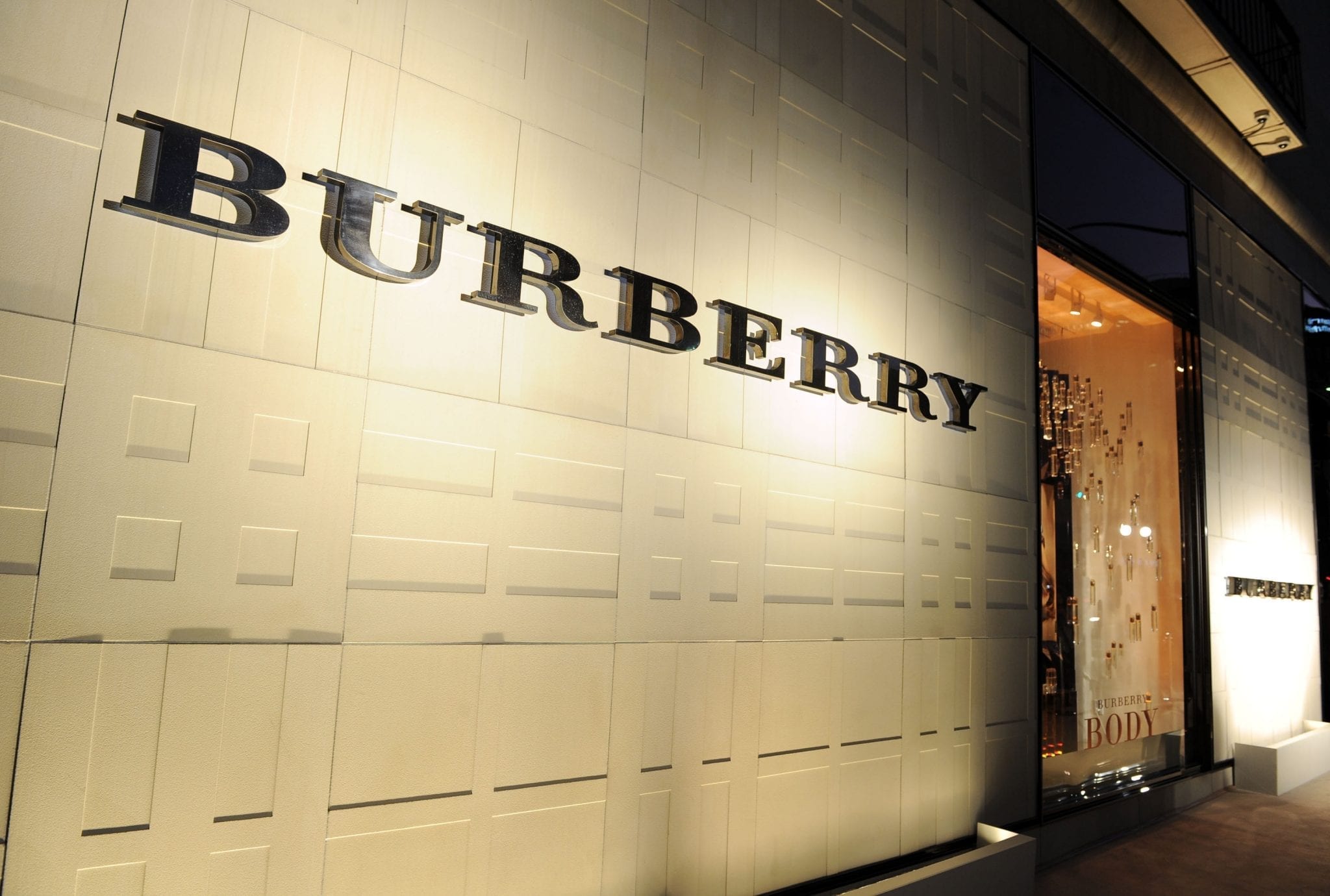
    Luxury house Burberry has become the first brand to take over the store’s concept space with an immersive installation that spans five rooms, which will run through December.

    The installation is an industrial space with cardboard building blocks contrasted against silver and gold mirror cubes. Visitors are welcome to decorate the concept store’s blank windows.

    The temporary space also features a cafe inspired by Burberry’s all-day London cafe Thomas’s.

  • South Korea’s outdoor-fashion industry in ‘dire’ state

    South Korea’s outdoor-fashion industry in ‘dire’ state

    South Korea’s outdoor-fashion industry is in “dire” condition according to a report by Korea Bizwire, with brands and retailers once the leaders of the fashion industry “slowly fading into obscurity”.

    Ashley Son writes that LF, the apparel affiliate of LG Group, plans to gradually shut down all Lafuma stores, a French outdoor brand, by next year.

    And Millet Edelweiss Holdings, Millet’s Korean branch, is looking for companies interested in a potential take-over.

    According to Samsung Fashion Institute, the South Korean outdoor fashion market, which was as large as 7.1 trillion won (US$6.1 billion) back in 2016, shrank to only 4.5 trillion won by 2017.

    K2 Korea’s annual sales dropped from 352.1 billion won in 2016 to 308.8 billion won in 2018. Black Yak’s yearly sales also fell, from 426.7 billion won to 387 billion won over the same period.

    Song says experts cite the overall economic downturn, excessive competition, and the rise of casual fashion as the cause of the demise of South Korea’s outdoor-fashion industry.

    Hiking apparel, once signature products made by outdoor fashion companies, have also been taken over by golf-wear brands.

    With a strong impression among South Koreans that outdoor fashion is for the older generations, younger South Koreans are also shunning outdoor brands.

    “Too many companies are competing in an overheated market, which has resulted in excessive competition as well as slower technological advances,” said a source familiar with the industry.

  • Li & Fung signs Arctic Ocean shipping pledge

    Li & Fung signs Arctic Ocean shipping pledge

    Supply chain solutions firm Li & Fung has signed a pledge under its logistics business LF Logistics to support an initiative to prohibit shipping through the Arctic Ocean.

    The initiative was launched by its customer Nike with Ocean Conservancy.

    Although LF Logistics does not use any Arctic sea routes, the commitment indicates the firm’s willingness to share responsibility for preserving the Arctic.

    A statement released by the firm said that the rapid reduction of Arctic sea ice caused by climate change could possibly increase cargo transportation through Arctic sea routes that were previously unnavigable, offering shorter transit times compared to traditional routes. This raises major environmental risks to marine life as well as the human population that relies on a healthy Arctic ecosystem for its livelihood.

    “We are proud to support Nike’s leading role in this pledge which will help prevent harmful trans-Arctic shipments,” said Li & Fung group president Joseph Phi. “Li & Fung is committed to operate supply chains in a responsible and sustainable manner. We strongly believe in the power of collaboration on urgent action which will bring about a change in the industry and protect the fragile Arctic ecosystem.”

    “Our support to Nike and Ocean Conservancy is critical to the future of this already fragile region,” said Fung Group executive VP sustainability and government and public affairs Harsh Saini. “The severe impact of climate change on the Arctic ecosystem is apparent, as evidenced by the rapid reduction in sea ice. The possibility of increased shipping will have catastrophic effects on our ocean.”

    In August, Fung Group announced its commitment to the Fashion Pact, a coalition of more than 30 global fashion and textile companies pledging to reduce the environmental impact of the fashion industry. Presented at the G7 summit by French president Emmanuel Macron, the Fashion Pact focuses on stopping global warming, restoring biodiversity and protecting the oceans.

    The objectives of Nike and Ocean Conservancy’s Arctic Shipping Pledge closely align with the Fashion Pact as well as Li & Fung’s stand on pollution prevention and the implementation of environmental responsibility programs into its operations and supply chains.

  • Desigual Japan expands as locals embrace edgy label

    Desigual Japan expands as locals embrace edgy label

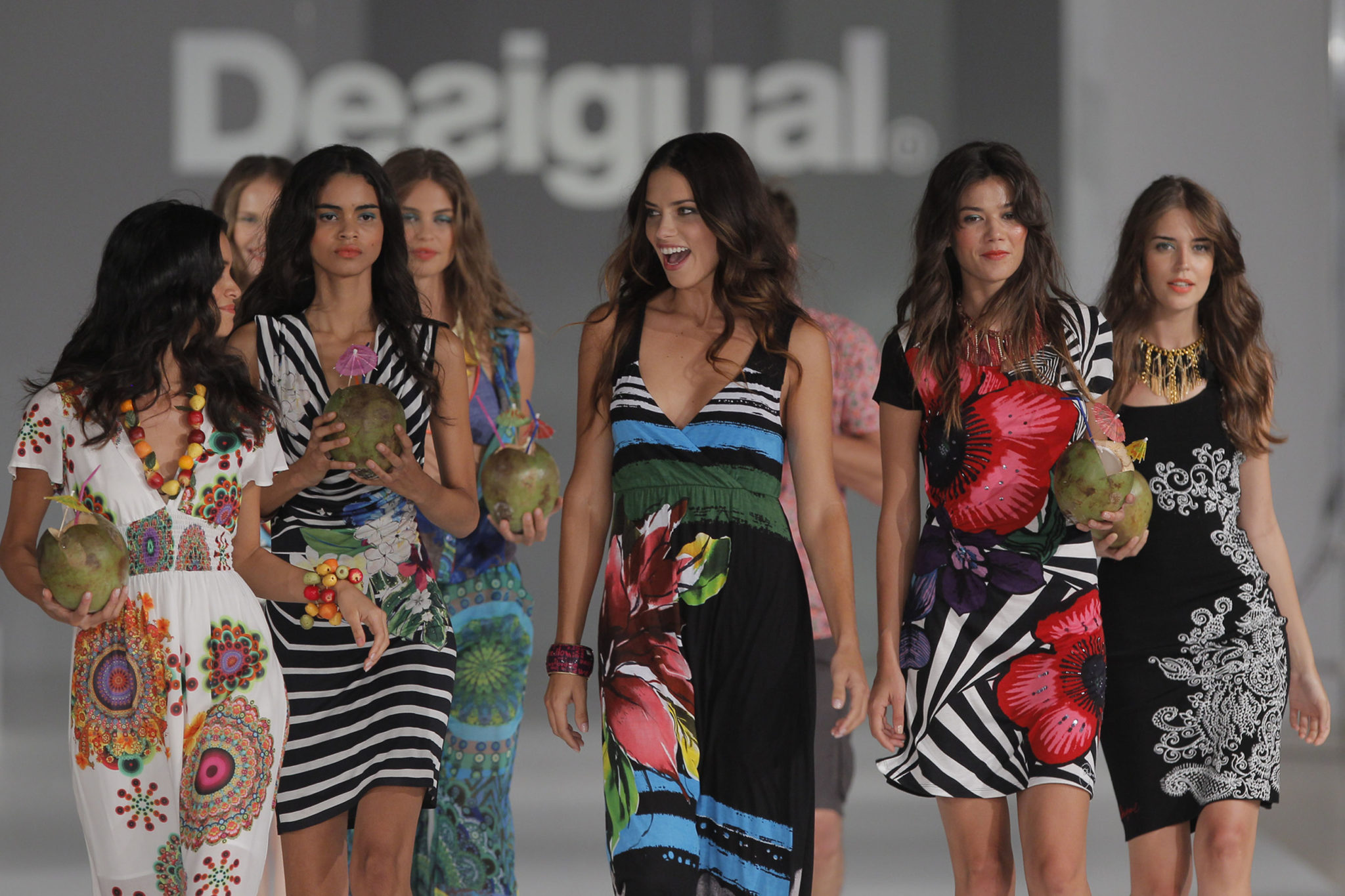
    Desigual Japan has opened its third store as it targets further growth in the country.

    The Spanish fashion brand’s 300sqm store, its largest yet, is located in Nagoya´s Sakae Street, adding to its existing stores in Fukuoka and Tokyo.

    The fashion brand, known for its fun and bright designs, identified Japan as its strongest market outside Europe. In the last year, it says its Japan revenue has increased to €25.2 million from €4.6 million in 2011. It is also bullish this year, having recorded 11 percent revenue growth in the first half.

    Country manager Balazs Krizsanyik said another store is planned for Ginza next year.

    Japan is the only Asian country, where it runs a business across all sales channels, the company says. Besides its own e-commerce site, Desigual also sells through local online e-commerce websites including Zozotown, Rakuten and Amazon.

    Elsewhere in Asia, the brand plans to strengthen business in China and expand its presence in Singapore, India and Malaysia.

  • Gucci powers French Luxury Group Kering’ growth

    Gucci powers French Luxury Group Kering’ growth

    French international luxury group Kering has seen positive trading results brought on by stronger-than-expected sales of its Gucci brand.

    The group is among several luxury houses that have so far managed to ride out interruptions to business caused by 21 weeks of protests in Hong Kong.

    Kering is following a strategy of redistributing stock originally intended for sale in Hong Kong to other markets.

    Gucci has a large store network in Mainland China and South Korea, where spending has picked up among luxury-goods consumers who may otherwise have shopped in Hong Kong. Sales in the territory during China’s Golden Week holiday were underwhelming.

    “The trends are still negative so far in Hong Kong,

  • Uniqlo to quadruple SE Asia retail store network

    Uniqlo to quadruple SE Asia retail store network

    Japanese casual wear retailer Uniqlo plans a four-fold increase in its Southeast Asian store count during the next decade.

    Tadashi Yanai, chairman, and CEO of the firm’s parent company Fast Retailing said in an interview with Nikkei that Uniqlo is seeking a much faster rate of expansion than it took to build its 800-strong network of stores in greater China.

    “Asia, from China to India with 4 billion people, is the world’s only region that is showing steady growth,” said Yanai.

    He said that for the time being, Cambodia, Laos, and Myanmar are not being considered as potential markets for the brand because there are too many opportunities outside those countries.

    Next month the Japanese retailer will open its first store in Vietnam. Located in Ho Chi Minh City, the store will be its largest in Southeast Asia and located across the road from Zara’s two-year-old Vietnam flagship and a rival H&M’s store.

    Uniqlo operates around 2200 outlets internationally.

  • Vans, The North Face parent reports huge Chinese growth

    Vans, The North Face parent reports huge Chinese growth

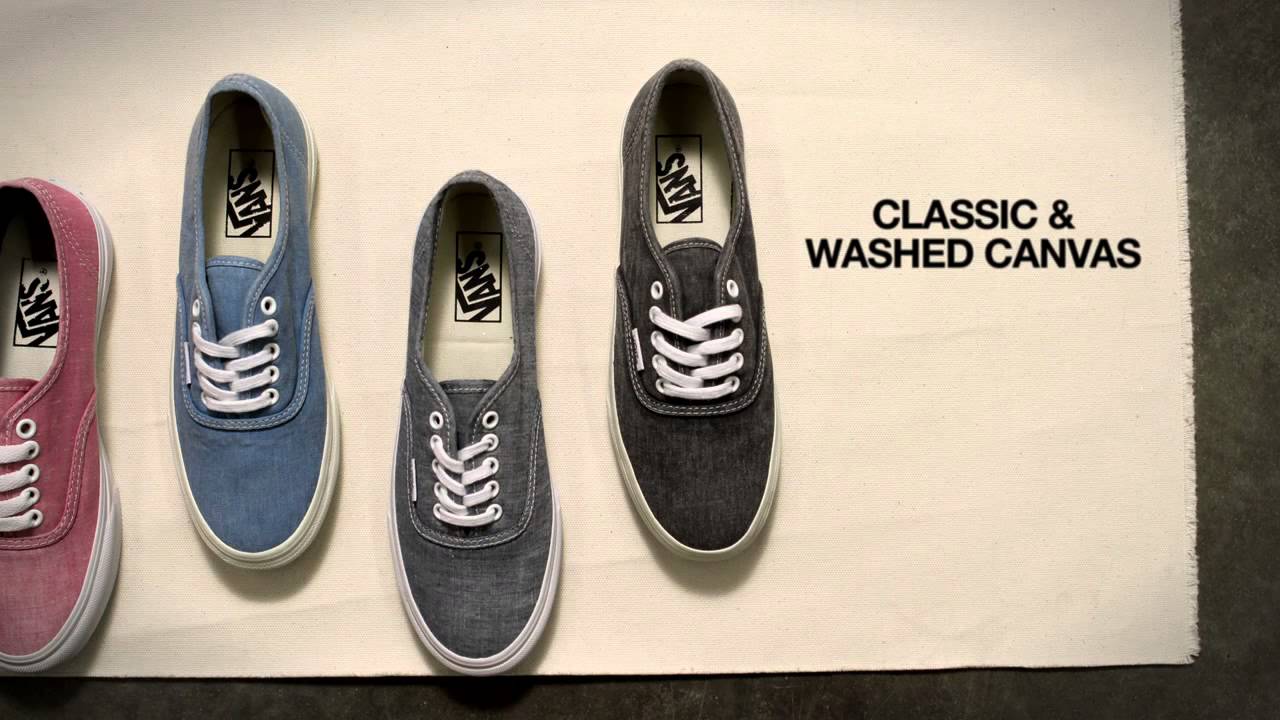
    VF Corporation – parent of brands including Vans and The North Face – says sales in China soared 20 percent in the September quarter.

    Expressed in constant currency terms, they rose by 24 percent year on year.

    The China performance was a key factor in the company’s global sales rising 5 percent in the quarter to US$3.4 billion, or by 6 percent when excluding acquisitions and divestments.

    Globally, Vans led the way with sales up 14 percent and The North Face improved by 8 percent.

    “We’re pleased with the strength of our second-quarter and first-half results, driven by our two largest brands and our international and direct-to-consumer platforms,” said Steve Rendle, chairman, president, and CEO. “The quality and fundamentals of our business remain solid as a result of the focus and strategic execution of our business teams around the globe.”

    He said that despite an increasingly uncertain geopolitical and macroeconomic environment, the company is confident in the trajectory of its business.

    “We remain deeply committed to transforming VF into a more consumer-minded and retail-centric organization while delivering superior returns to shareholders.”

    Gross margin from continuing operations increased 90 basis points to 52.9 percent. Operating income on a reported basis was $579 million.

    The company still expects its full-year revenue to be about $11.8 billion, reflecting the growth of about 6 percent.

  • H&M unveils small format retail stores in Berlin

    H&M unveils small format retail stores in Berlin

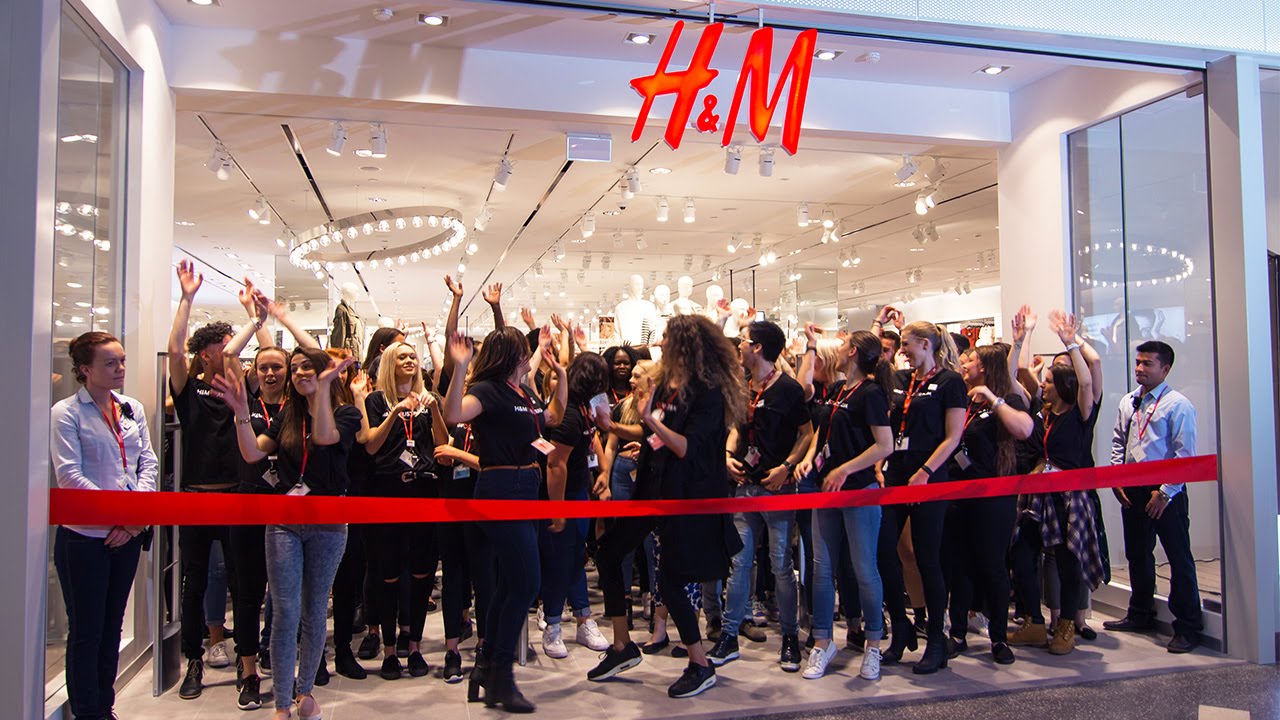
    Fashion retailer H&M has opened a new ‘hyper-local flagship’ in Berlin’s creative Mitte Garden district.

    The 300sqm store, one of the brand’s smallest worldwide, offers curated womenswear, selected external brands, vintage pieces and a showroom for customers. It features curated fashion from H&M’s own assortment as well as selected external brands, most of them Berlin-based.

    The selected assortment is paired with a digital tool offering H&M’s full range where customers can browse and build their looks on their own or aided by a stylist.

    “It’s a test for us as a global retailer to elaborate around how we can be more personal and locally relevant,” said H&M Group laboratory business developer Anna Bergare.

    H&M Mitte Garten will regularly offer events such as lectures, fashion talks, and yoga for its customers. Upcoming trends and looks will be presented in the public showroom. Here consumers can try on and borrow pieces to make sure their future purchases are consciously made.

    “This is a unique location and it has served as a meeting place for Berliners for more than 100 years,” said H&M Germany country manager Thorsten Mindermann. “[It’s] a tradition we want to honor. We aim to offer a neighborhood store serving as a platform for local and global talents within retail, culture, and art.”

    Rentals move in Sweden

    The opening comes as the brand gets ready to debut clothing rentals in its Stockholm flagship store. The brand is offering the chance to rent selected party dresses and skirts from its 2012–2019 Conscious Exclusive collections to members of its customer loyalty program.

    “We have looked at clothing rental for quite some time and are so happy to for the first time soon offer fashion fans the possibility to rent some stunning pieces from our Conscious Exclusive collections,” H&M said head of sustainability Pascal Brun. “We look forward to evaluating this as we are dedicated to change the way fashion is made and consumed today.”

    Members will be able to rent up to three pieces a time for a week at a cost of around SEK350 (US$36) per piece.

  • Uniqlo switches to paper bags

    Uniqlo switches to paper bags

    Japanese retailer Uniqlo has jumped on the sustainability train, eliminating the use of plastic bags in its stores and switching to eco-friendly paper bags later this month.

    The bags will cost 15c in an attempt to encourage customers to bring their own reusable bags and will be launched in phases across the brand’s 21 Australian locations. The store will also sell branded bags made of recycled plastic bottles for $2.90.

    The switch is part of a move to become more environmentally friendly and coincides with the Victorian Government’s single-use plastic shopping bag ban which comes into effect in November.

    “Sustainability has increasingly become a priority on the global agenda and as a leading retailer, it has been crucial for Uniqlo to look at how we can address this key issue, whether from a clothing design perspective, or current in-store practices,” Kensuke Suwa, Uniqlo Australia’s chief operating officer, said.

    “We definitely recognize that Uniqlo has a role to play and the team is consistently exploring new sustainability initiatives to roll out in this market.”

    Woolworths also began offering paper bags earlier this month, in a bid to give more options to customers who forget to bring a reusable bag when shopping.

    “The vast majority of our customers bring their own bags to shop, but we know there are occasions when they forget or visit our stores unplanned,” a Woolworths spokesperson said in a statement to Inside Retail.

    “Some customers have told us they would like the option of a paper bag when this happens.”

    The adoption of paper bags is one part of Uniqlo-owner Fast Retailing’s ongoing efforts to eliminate the use of unnecessary plastic in its supply chain – having committed to reducing the amount of single-use plastics passed on to customers by 85 percent by the end of 2020.

    However, it is also looking at other parts of the supply chain and introducing several initiatives aimed at improving the manufacturing process.

    Uniqlo’s Jeans Innovation Centre has reduced the amount of water used in the washing process of its jeans by an average of 90 percent. The first batch of jeans using this process will be introduced in its 2019 fall/winter season and will be used for all Uniqlo jeans moving forward.

    Additionally, the company announced last year it would begin using a material formed from recycled plastic bottles in items of clothing called ‘Dry-Ex’, and that it would recycle down collected in Japanese stores into new products.

    “Uniqlo is committed to improving the sustainability of society,” Uniqlo founder and chairman Tadashi Yanai previously said.

  • Marie France Van Damme launches Fall 2019 capsule collection

    Marie France Van Damme launches Fall 2019 capsule collection

    Hong Kong-based fashion designer Marie France Van Damme has released a new capsule collection.

    Retailing from US$500–$2000, the new Fall 2019 capsule collection is available as of this month.

    Photographed by Edwin Datoc in the industrial alleys of Kwun Tong in Kowloon – an area is known for its textile industry history and that also houses Marie France Van Damme’s office and atelier for the last 30 years – the campaign features model Hou Jing Cui set against the cityscape.

    “I think of my new capsule collection as the perfect blend of East and West,” said Marie France Van Damme. “Kowloon is the perfect backdrop for my latest collection inspired by the city I love and call home. We are proud of our atelier’s history and heritage and excited to share our new campaign.”

    The collection uses the designer’s signature black, white, and gold palette in luxurious fabrics from French lace to metallic-toned Italian weaves and light Chinese silks. New this season is a collection of full-length lightweight cotton and wool tweed coats.

    Marie France Van Damme has 13 boutiques and more than 100 retail locations in international destinations from London to Dubai.