Tag: Fashion

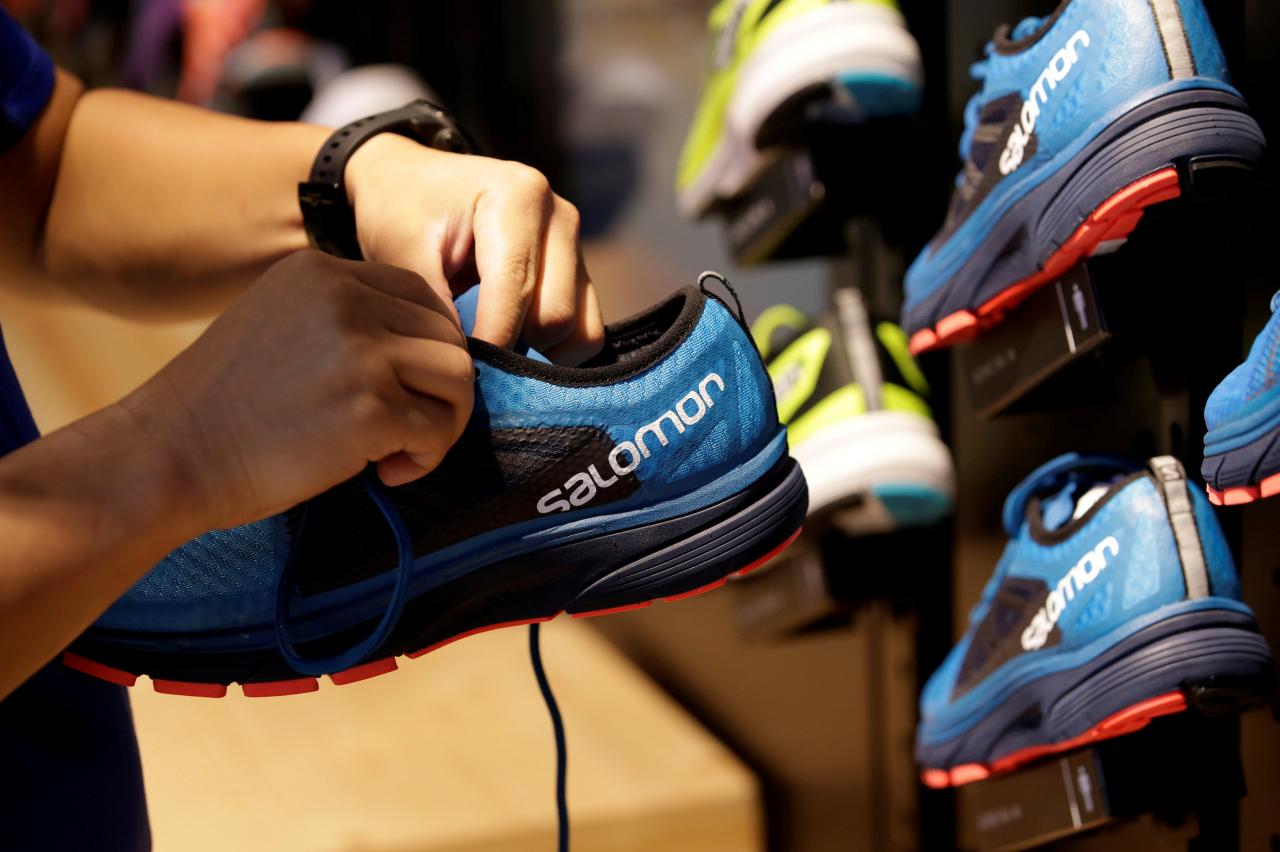
  • New distributor for Salomon Singapore

    New distributor for Salomon Singapore

    Salomon in Singapore has chosen sports retailer Outdoor Venture as its official distributor.

    The Salomon Singapore selection will range from trail running, hiking and performance to apparel. Trail running products are already available across Outdoor Venture’s LivActiv and Running Lab retail outlets. Road Running gear will be sold exclusively at Outdoor Venture-owned stores in January next year.

    “The Salomon trail running line fits perfectly with Outdoor Venture’s portfolio,” said Walter Tan,

    MD at Outdoor Venture. “In our increasingly urbanized society, more and more

    people are heading back to nature in their leisure time. Salomon is a world leader in trail running, and we are excited to be bringing this brand to Singaporeans.

    “We want to give Singaporeans every incentive to reconnect with the great outdoors, and trail running is a great way to do that in a time-efficient manner,” he said.

    Founded in 947 in France, Salomon has been producing and selling premium footwear, winter sports and mountaineering equipment, and sportswear in more than 40 countries.

    Outdoor Venture is a privately owned company based in Singapore, distributing sports gear from major brands, including The North Face and Helly Hansen and now Salomon in Singapore.

  • LVMH results down off Hong Kong protest effect

    LVMH results down off Hong Kong protest effect

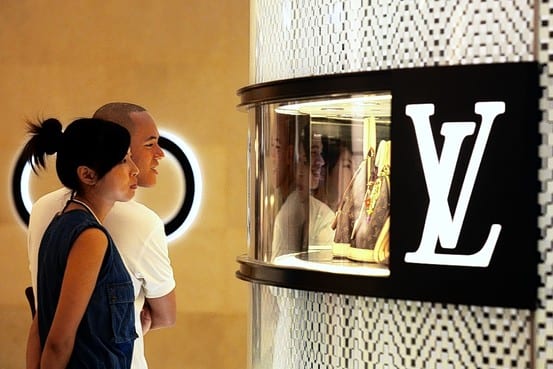
    Luxury goods group LVMH has shrugged off the impact of the recent Hong Kong protests and global economic uncertainty, recording a 19 percent increase in sales of leather goods and fashion during the third quarter.

    The Paris-headquartered group singled out its Louis Vuitton and Christian Dior brands as major contributors to the rise, describing their performance as “remarkable.’.

    Analysts at Bloomberg said the group’s performance allays some concerns about the effects of the Hong Kong disruptions, “showing that the Chinese demand that is increasingly driving growth in the industry remains robust”.

    In short, while Mainland Chinese consumers are shunning Hong Kong, they are still buying goods elsewhere, including at home where tariffs have eased.

    In August, the month when protests closed Hong Kong International Airport and inbound tourist numbers plummeted, luxury goods sales in the territory plunged about 40 percent and some retailers have flagged even greater declines in the subsequent weeks.

    “We believe that the bulk of the Hong Kong weakness has been compensated in other markets,” Citi analyst Thomas Chauvet said in a note, as reported by Bloomberg. “This sets the bar pretty high for peers.”

    LVMH’s share price surged 5.5 percent after the results were released this week and the stock is up by about 45 percent year to date.

    Overall group sales – including through its Sephora cosmetics division – rose 11 percent to US$14.6 billion, well ahead of analyst predictions of around 9 percent.

    “The US and Europe saw good progress in the third quarter, as did Asia, despite the difficult context in Hong Kong,” the company said in an earnings statement.

  • Burberry Hong Kong targets sales hit

    Burberry Hong Kong targets sales hit

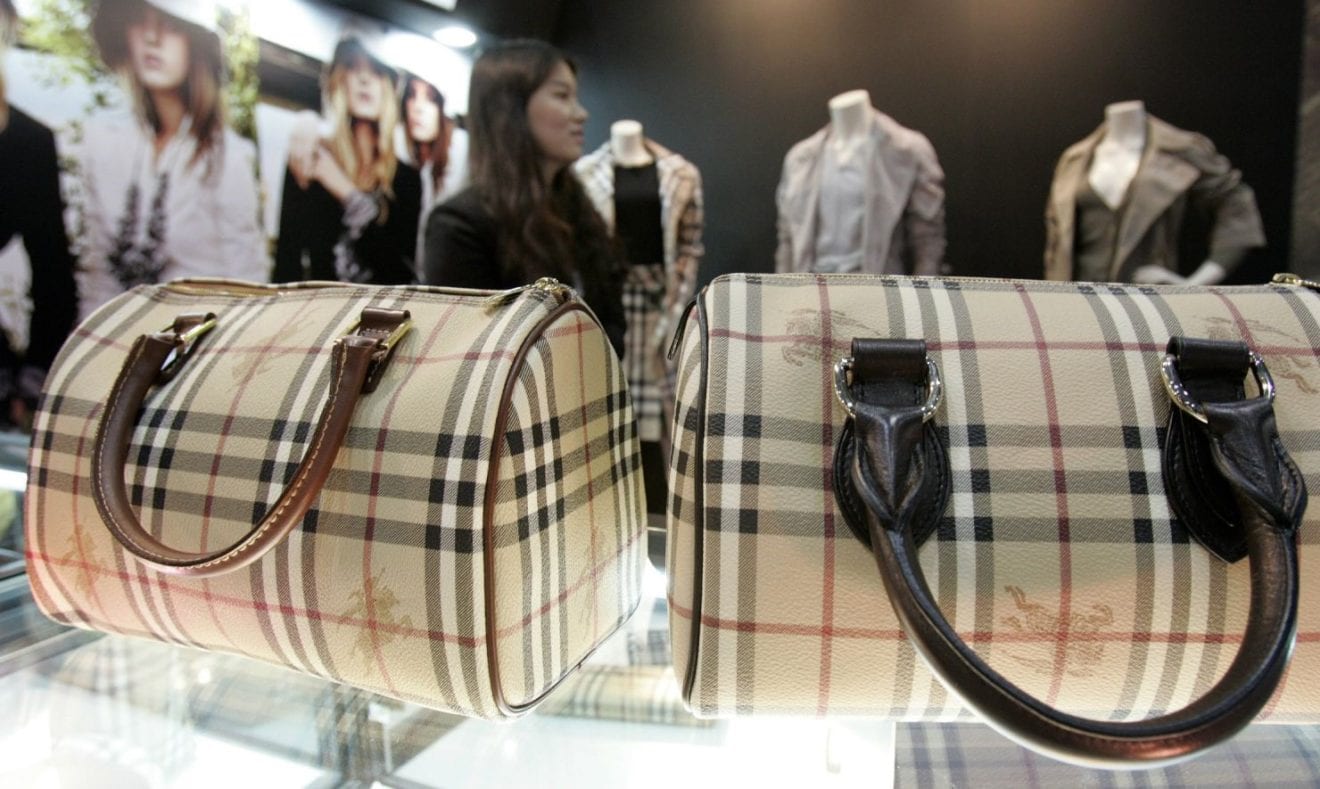
    Analysts are warning that Burberry Hong Kong is bracing for a £100 million hit on sales from the city’s ongoing disorder.

    Burberry has declined to comment on the research note issued by Jefferies and reported by The Telegraph newspaper in London, and further by Retail Gazette.

    As Hong Kong’s protests continue, retail sales have plummeted due to falling visitor numbers. The luxury sector has been hardest hit with sales down between 40 percent and 50 percent brand by brand.

    The Jefferies analysts have projected that Burberry Hong Kong sales are likely to be £100 million lower in the year to next April. However, they added that as much as 50 percent of that shortfall could be mitigated by increased sales in Europe and other parts of Asia.

    Burberry Hong Kong has 10 stores and the city accounts for about 8 percent of group sales.

    Flavio Cereda, a Jefferies analyst, said the seasonal nature of Burberry’s offer exposed it to challenges not faced by other luxury brands, such as, for example, watch houses.

    “The problem with having ready-to-wear in stores which are not shifting is that the stock is seasonal so it’s a pressing problem because it will hit markdowns pretty soon,” Cereda said.

    “You’ve got two issues; you’ve got to divert deliveries and then you’ve got to think about what to do with all the stock in the stores because it’s not selling.

    “The simple solution is don’t deliver stuff to Hong Kong anymore, there’s no point. Or if you’re going to deliver 500 jackets, then deliver 50 instead and ship the rest of them off to Mainland China.”

  • Uniqlo ready to open 60th store in Philippines

    Uniqlo ready to open 60th store in Philippines

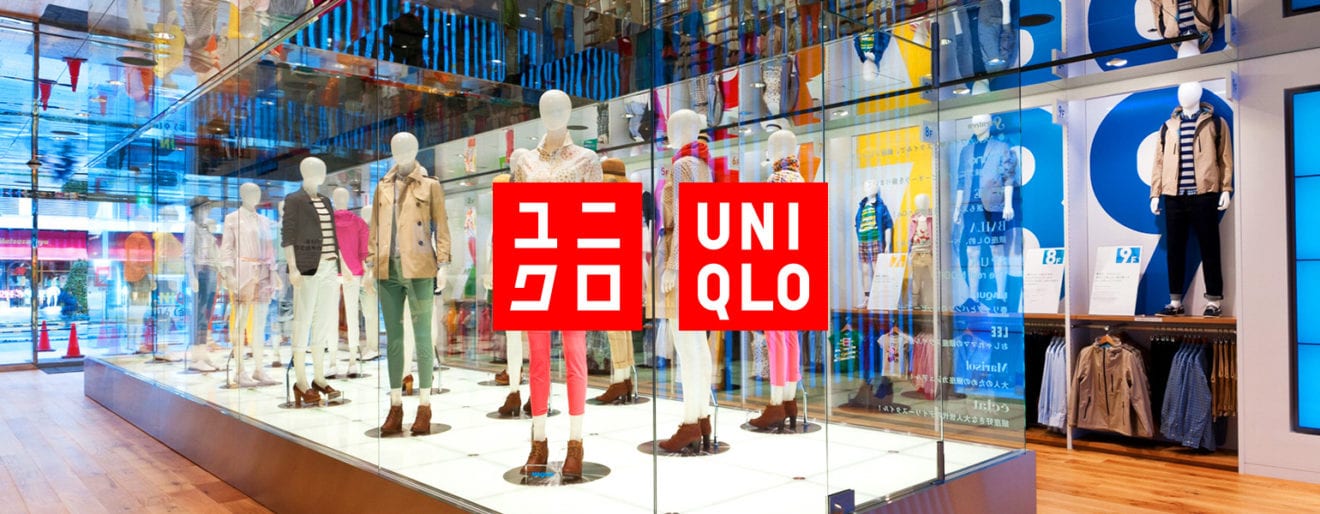
    Uniqlo Philippines will open its 60th store next week, at Ayala Malls Capitol Central in Bacolod.

    The Japanese fast-fashion brand has been undertaking a rapid rollout of stores in the country with the latest store – to open on October 18 – the ninth in the Visayas region and the second in Bacolod. Its global flagship store in Glorietta 5, Makati City is the biggest store in the Philippines and in Southeast Asia.

    “We really see and feel the warm reception of the people from your community,” Uniqlo Philippines marketing head Camille Pacis told the Philippine News Agency. “That’s why we are expanding more. We recognize the growth and the potential of Bacolod.

    “(This) marks the growing commitment of Uniqlo to provide simple, innovative, and high-quality clothing to the Filipinos. In all our existing stores, the reception of our customers has been very good.”

    Uniqlo Philippines will partner with the Negrense Volunteers for Change (NVC) Foundation in a charitable outreach to donate clothing to two communities within the city.

  • Caps from the Philippines crosses borders

    Caps from the Philippines crosses borders

    A Philippine ad agency has created a streetwear brand to test its digital marketing strategies – and now it has gone global.

    What? Caps, developed by Eggshell Worldwide, led by Mark Wesley Pahate now ships to 220 countries worldwide, in partnership with FedEx, and after its early success, the company is now looking at adding streetwear staples such as hoodies, socks, and shoes, with the vision to grow into a full-blown lifestyle brand.

    “Since I’m a fan of streetwear, we decided to go with fitted caps,” says Pahate.

    “Internationally, it is a really big market, valued around US$300 billion and growing. Young people drawn to streetwear comprise a vibrant community and an evolving hub of creativity. You will be surprised by a lot of independent streetwear brands we have here in the Philippines, and how popular they are in the international market.”

    Featuring street style, What? Cap has generated a buzz among youth who want to express themselves through fashion. Neighbouring streetwear hubs Taiwan and Singapore are the biggest target markets for the company.

    “Our products appeal to the two markets we identified for What? Caps: Streetwear fans and cap collectors.” Pahate says. “We connect with customers through social media. From there, we lead them to our website where they can shop.”

    For any brand, it is a badge of success to cross borders. After steadily gaining traction in Southeast Asia and the Middle East, Pahate says they are now beginning to penetrate the US. This increase in demand and destinations, he says, was made possible by their logistics provider, FedEx which has integrated its delivery system into What? Caps’ website, even though it is still a fledgling business.

  • Shiseido takes over Drunk Elephant

    Shiseido takes over Drunk Elephant

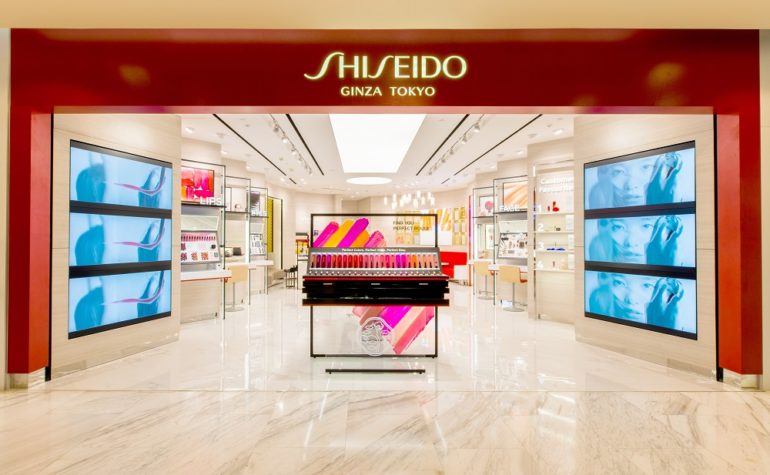
    Cosmetics giant Shiseido is to buy Drunk Elephant, a fast-growing prestige skincare brand recognized for clean product development.

    Drunk Elephant, founded in 2012 by Tiffany Masterson as a “solutions-oriented, cross-generational brand for all skin types”, has since grown exponentially across a range of consumer demographics including Gen Z and Millennials. The brand’s curated range features biocompatible ingredients to benefit the skin’s health and support the products’ formulations.

    The brand will leverage Shiseido’s global platform and resources to expand into new and existing markets both in the Americas and internationally including Europe and Asia.

    “This transaction is squarely aligned with Shiseido’s Vision 2020 goal of accelerating growth and creating value through strategic partnerships,” said Shiseido president and CEO Masahiko Uotani.

    “Drunk Elephant’s approach strongly resonates with its highly engaged and loyal consumers, who value the integrity and effectiveness of Drunk Elephant’s formulations combined with a fun, curious approach.”

    “This new and incredibly exciting partnership builds on Shiseido’s significant momentum and successful track record of acquiring distinctive, best-in-class brands,” said Shiseido Americas CEO and chief growth officer Marc Rey. “Drunk Elephant is changing the way people understand and experience beauty by offering products that are effective and clean compatible.

    “Drunk Elephant is built on a strong brand foundation and a unique philosophy that fits perfectly with Shiseido’s values and skincare heritage. Our innovative and people-first cultures are well aligned, and we share an unwavering commitment to our consumers. I also believe the brand will contribute to the business performance of Shiseido Americas. We are thrilled to welcome Tiffany and the Drunk Elephant team to the Shiseido family and I know they will feel at home from day one.”

    “I started this business as an industry outsider, and from the beginning, I did things a little differently,” said Drunk Elephant founding partner and chief creative officer Tiffany Masterson. “To join with a powerhouse beauty company such as Shiseido that leads the industry in innovation and global excellence is a dream come true for me and for Drunk Elephant. We share similar values, most importantly an unwavering commitment to the consumer. I chose a partner who will let the brand continue to be itself, with the same formulations and the same team.”

    The transaction was led by Shiseido Americas and the New York-based Shiseido Global M&A team, in close coordination with the company’s headquarters. Upon closing, Drunk Elephant will operate within Shiseido Americas, and Tiffany Masterson will continue in her role as chief creative officer and assume the additional role of president, reporting directly to Marc Rey. The transaction, in which Shiseido engaged Jeffries, is subject to customary regulatory approvals and closing conditions and is expected to close before year-end.

  • City Chic broadens US reach with e-commerce acquisition

    City Chic broadens US reach with e-commerce acquisition

    Over a year after divesting the Millers, Crossroads, Katies, Autograph and Rivers businesses to Noni B, and putting more focus on its flagship plus-size brand, City Chic Collective has announced it will acquire US specialty retailer Avenue’s e-commerce assets.

    The US Bankruptcy Court approved the brand’s proposed US$16.5 million acquisition of Avenue’s assets after the brand entered chapter 11 bankruptcy in August.

    City Chic runs operates more than 104 physical stores across New Zealand and Australia, and operates in the USA online as well as through wholesale partnerships with major US retailers such as Macys and Nordstrom.

    According to City Chic, the acquisition will provide the business with a broader reach within the US plus-size market, and expects it will deliver accretive growth for the business’ international operations.

    “Avenue’s e-commerce assets represent a unique opportunity to accelerate our US customer growth and expand across plus size segments,” City Chic chief executive Phil Ryan said.

    “This acquisition delivers on our vision of ‘leading a world of curves’. It means that City Chic now has a portfolio, or a collective, of online business that we can leverage to further build our Northern Hemisphere presence.

    “Our City Chic, Avenue and Hips & Curves brands will allow us to speak to more plus size women and deliver on-trend, well-fitting garments across multiple price points.”

    Online sales across New Zealand, Australia and the US made up 44 percent of total sales for City Chic in FY19.

    In April, City Chic also acquired US online plus-size intimates brand Hips & Curves for US$2 million.

    The shift away from multi-brand retailing toward a more focused approach has made a significant impact on City Chic’s performance – with stock price rising from approximately 80 cents in June of 2018, when the Specialty Fashion divestments were made, to $2.80 per share last week.

    The retailer posted strong sales over its first year as a standalone business, with revenue improving 12.6 percent to $148.4 million, while comparable sales grew 12.2 per cent.

  • Desigual partners with Zalora in Singapore

    Desigual partners with Zalora in Singapore

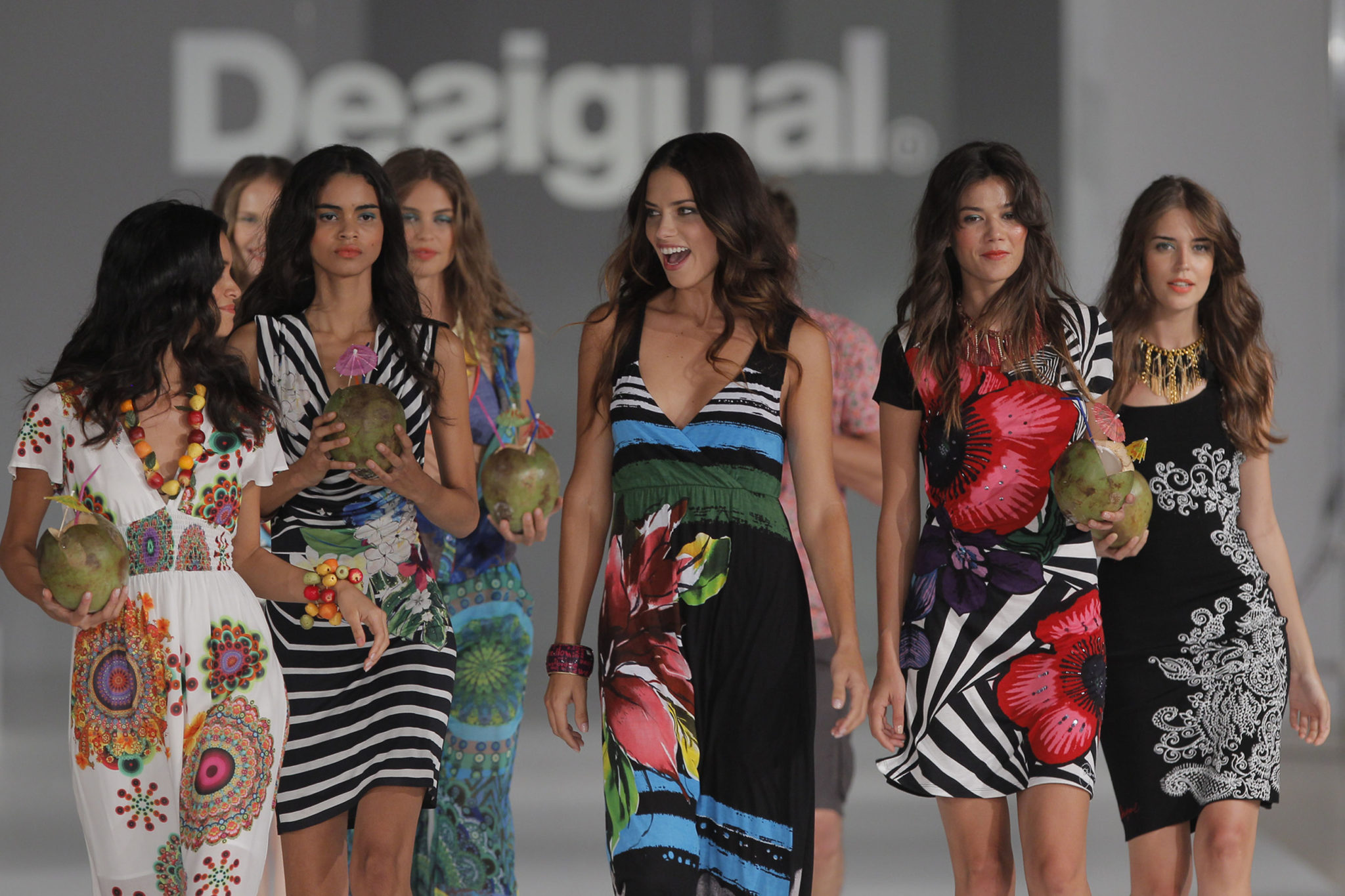
    Spanish fashion brand Desigual has partnered with Zalora in Singapore to co-host a VIP event and present the label’s Fall Winter 2019 collection in Singa

    The event connected Desigual’s “brand DNA” with Singapore’s local arts scene. The brand set up an interactive artwork from Singapore’s Band of Doodlers for their guests to draw and paint with their creativity.

    The fashion company introduced Desigual’s Fall Winter 2019 Collection through an art performance from Silent Stars Entertainment with dancers wearing the collection.

    Founded in 1984, Desigual recently decided to permanently reverse its logo, highlighting the word “Desigual” which means “different” in Spanish.

  • Burberry partners with The RealReal to promote circular fashion trend

    Burberry partners with The RealReal to promote circular fashion trend

    Global luxury brand Burberry has collaborated with The RealReal, an authenticated luxury consignment marketplace, to help promote the concept of circular fashion.

    The purpose of the partnership is to promote the advantages of a circular economy for fashion by encouraging customers to give unwanted branded items a second lease of life through resale, as billions of dollars are lost annually due to clothing not being used or recycled effectively.

    “Leading the way in creating a more circular economy for fashion is a key element of our responsibility agenda,” said Pam Batty, VP corporate responsibility at Burberry. “The RealReal shares our ambition to promote the circular economy and keep clothing in use for longer. We know that the enduring quality of Burberry pieces means their appeal and value is long-lasting. Through this new partnership, we hope to not only champion a more circular future but encourage consumers to consider all the options available to them when they’re looking to refresh their wardrobes.”

    According to The RealReal, resale demand for Burberry has increased by 64 percent year on year, with searches for Burberry on the site rising fastest among millennials and Gen Z customers.

    “A brand as storied as Burberry embracing the circular economy demonstrates the power of resale’s impact on both the luxury market and the planet,” said Julie Wainwright, CEO of The RealReal. “I hope together we’ll be a part of pioneering a future in which circularity is a consideration for every luxury brand.”

    Burberry and The RealReal have contributed to Materials for the Arts to support its work in helping people reconsider the way they look at materials and waste, raise awareness of the importance of creative reuse.

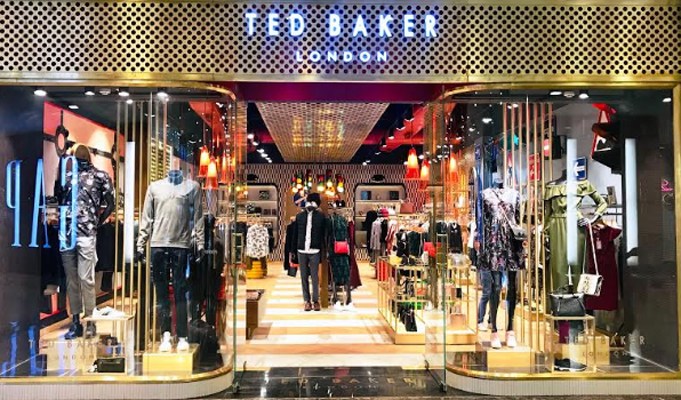
  • Asia cited as Ted Baker swings to a loss

    Asia cited as Ted Baker swings to a loss

    UK fashion house Ted Baker has slumped into the red in the first half of the year, its position not helped by a 15.2-per-cent fall in sales in Asia.

    Global revenue was down by a more modest 0.7 percent (or by 2.5 percent in constant currency) to £303.8 million, but pre-tax profit turned from a £25 million surplus in the first half of last year to a loss of £2.7 million. The company took a £11.8 million one-off hit on the restructure of its Asian business, where it has appointed partners in Greater China and Japan, and £3.5 million relating to the purchase of a footwear business in January.

    Sales in Asia were £9.5 million and sales per square foot excluding e-commerce sales decreased by 4.6 percent.

    E-commerce concession businesses in China and Japan delivered sales of £1.4 million, down from £1.7 million, which represented 14.7 percent of Ted Baker’s Asian sales.

    Licensed stores across Asia continued to perform well with existing license partners in Thailand, Singapore and India opening new stores. However, in Indonesia and South Korea, several partner stores were closed.

    Despite the loss, Ted Baker is optimistic about its future prospects, saying its Autumn/Winter collections have been well received and that it is excited about new product initiatives including monthly product drops and speed to market developments.

    “Despite the structural challenges and cyclical pressures on the industry, we remain confident in Ted Baker’s ability to navigate the market and further develop as a global lifestyle brand,” the company said in a results statement. “This confidence remains underpinned by the group’s flexible, omnichannel model, the continuing strength of the brand, and the skill, passion and commitment of our talented teams worldwide.

    “We are continuing to pro-actively manage the significant challenges impacting our sector including weak consumer spending, macro-economic uncertainty, and the accelerating channel shift towards e-commerce. However, we are not immune to these pressures which have impacted our financial performance during the first half of the year.”

    Emily Salter, retail analyst at GlobalData, said it was worrying that Ted Baker’s online sales had declined given its strong multichannel proposition.

    “The retailer can therefore not solely blame the troubles of the physical high street for its fall from grace, as it has previously performed strongly online even as retail revenue growth became more subdued. This points to more significant problems with demand for the brand and the impacts of regular discounting.”

    Salter says that for Ted Baker to be able to revive itself without its founder and former leader playing a key role, it needs to re-establish its brand identity, retain its loyal shopper base and reduce its reliance on discounting.

    “The retailer should take the opportunity to poach Karen Millen and Coast shoppers who are reluctant to purchase online, as the premium brands’ stores and concessions are now closed as a result of the acquisition by the Boohoo group. Ted Baker should review its sales channels, as it sells through department store retailers and online pureplays, leaving it exposed to the troubles of players such as House of Fraser and Debenhams. Moving its childrenswear license from Debenhams to Next in Spring 2020 will help to address this as Next’s leading online platform will be able to generate much stronger growth than the embattled department store,” she said.
     

  • Pomelo plans extra 100-strong store expansion in Thailand, Singapore

    Pomelo plans extra 100-strong store expansion in Thailand, Singapore

    Fashion-tech brand Pomelo plans to launch 100 additional Pomelo Partner stores by December on the back of a US$52 million Series C fundraising.

    The brand is intending to solidify its omnichannel retail presence in Asia, starting with Thailand.

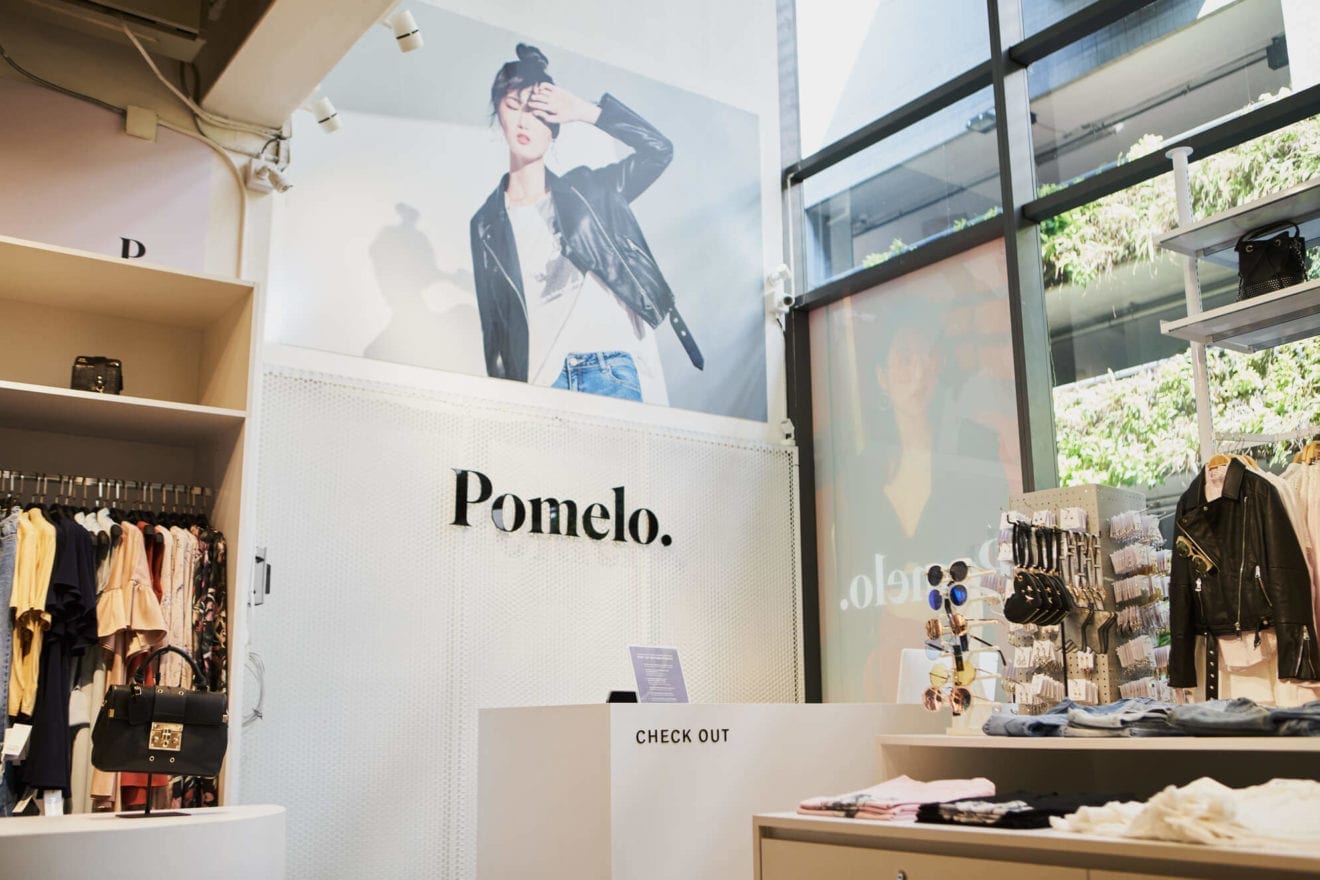
    Pomelo Partner stores function as pick-up locations where customers can have their Pomelo items delivered, try on the items and pay only for what they choose to take home. The stores target a demographic of 25 to 34, and are located in convenient suburban locations such as cafes, salons, fitness studios, florists and even other clothing stores frequented by its customers.

    “Creating the best omnichannel retail experience means integrating our products with customer lifestyles, and the first 35 Partners in Thailand allow us to be where our customers live, work and play,” said Pomelo CEO and co-founder David Jou. “The growth of this network in the coming months makes returns easier and allows customers to try on and pay for only products they love with ease at a location nearest to them.”

    The Pomelo Partner store network is set to grow from the current 35 in Thailand to 100-strong come the end of the year. It also plans to cover all provinces in Thailand and then Singapore in preparation for further international expansion; it currently seeks Pomelo Partner store potentials in Singapore and looks to launch the first partner store in the territory by early next year.

    Currently, Pomelo’s nine retail stores and nine pickup locations across Thailand are strategically located in high-traffic urban locations.

  • Japanese label Onward to slash store network

    Japanese label Onward to slash store network

    Japanese label Onward is preparing to shutter around one in five of its global outlets.

    The move preempts the firm’s crossover towards e-commerce at a time when its physical stores – most of which sell from department stores in Japan – are experiencing a drop in customer demand.

    Onward is expected to adjust its financial forecast in line with anticipated costs arising from the store shutdowns resulting in a net loss of around ¥30 billion (US$278 million). The firm has not recorded a loss within the past 11 years.

    Employees of the Japanese label Onward who are affected by the closures are likely to be reassigned to roles in expanding the brand’s e-commerce business.

  • Asia cited as Ted Baker heads to a loss

    Asia cited as Ted Baker heads to a loss

    UK fashion house Ted Baker has slumped into the red in the first half of the year, its position not helped by a 15.2-per-cent fall in sales in Asia.

    Global revenue was down by a more modest 0.7 percent (or by 2.5 percent in constant currency) to £303.8 million, but pre-tax profit turned from a £25 million surplus in the first half of last year to a loss of £2.7 million. The company took a £11.8 million one-off hit on the restructure of its Asian business, where it has appointed partners in Greater China and Japan, and £3.5 million relating to the purchase of a footwear business in January.

    Sales in Asia were £9.5 million and sales per square foot excluding e-commerce sales decreased by 4.6 percent.

    E-commerce concession businesses in China and Japan delivered sales of £1.4 million, down from £1.7 million, which represented 14.7 percent of Ted Baker’s Asian sales.

    Licensed stores across Asia continued to perform well with existing licence partners in Thailand, Singapore and India opening new stores. However, in Indonesia and South Korea, several partner stores were closed.

    Despite the loss, Ted Baker is optimistic about its future prospects, saying its Autumn/Winter collections have been well received and that it is excited about new product initiatives including monthly product drops and speed to market developments.

    “Despite the structural challenges and cyclical pressures on the industry, we remain confident in Ted Baker’s ability to navigate the market and further develop as a global lifestyle brand,” the company said in a results statement. “This confidence remains underpinned by the group’s flexible, omni-channel model, the continuing strength of the brand, and the skill, passion and commitment of our talented teams worldwide.

    “We are continuing to pro-actively manage the significant challenges impacting our sector including weak consumer spending, macro-economic uncertainty, and the accelerating channel shift towards e-commerce. However, we are not immune to these pressures which have impacted our financial performance during the first half of the year.”

    Emily Salter, retail analyst at GlobalData, said it was worrying that Ted Baker’s online sales had declined given its strong multichannel proposition.

    “The retailer can therefore not solely blame the troubles of the physical high street for its fall from grace, as it has previously performed strongly online even as retail revenue growth became more subdued. This points to more significant problems with demand for the brand and the impacts of regular discounting.”

    Salter says that for Ted Baker to be able to revive itself without its founder and former leader playing a key role, it needs to re-establish its brand identity, retain its loyal shopper base and reduce its reliance on discounting.

    “The retailer should take the opportunity to poach Karen Millen and Coast shoppers who are reluctant to purchase online, as the premium brands’ stores and concessions are now closed as a result of the acquisition by the Boohoo group. Ted Baker should review its sales channels, as it sells through department store retailers and online pureplays, leaving it exposed to the troubles of players such as House of Fraser and Debenhams. Moving its childrenswear license from Debenhams to Next in Spring 2020 will help to address this as Next’s leading online platform will be able to generate much stronger growth than the embattled department store,” she said.
  • H&M profit soars in latest quarter

    H&M profit soars in latest quarter

    H&M’s pre-tax profit rose 25 percent in the latest quarter to US$506 million as the Swedish-headquartered global fast-fashion retailer trimmed its inventory and customers embraced its summer range.

    “The new season has got off to a promising start,” said CEO Karl-Johan Persson.

    Globally, net sales rose by 12 percent in the third quarter to $6.35 billion, helped by a 30-per-cent jump in online sales. In the US market, where it has been struggling, it cut prices on core lines to reduce inventory, and sales rose 19 percent.

    Kate Ormrod, lead retail analyst at GlobalData, said the results showed H&M’s strategic overhaul – in which it has embraced the shift away from physical retail to digital – is beginning to reap rewards.

    The increase in full-price sales and a reduction in markdowns resulted in the group’s first double-digit growth in operating profit and its first quarterly increase since the second quarter of 2016/17.

    The Swedish retailer now expects to only open around a net 120 stores this year, a further reduction on the 175 stores originally planned – although expansion in growth markets remains a priority. Ormrod said that while Persson says a ‘high level of activity’ remains in its transformation work, the scale and coverage of its investment, extending to almost all parts of its business, is notable, and signifies the evolution of the retailer as it strives to satisfy changing consumer demands.

    “This year has not been without its challenges, however, especially in the UK, and while it remains under pressure from value rivals as well as more frequent discounting from mid-market players, H&M’s proposition continues to resonate,” she said.

    Ormrod also praised H&M’s commitment to embracing sustainability.

    “Its longstanding commitment to sustainability sets it apart from other value players and with new initiatives such as green home delivery (for example via cars that run on biogas) in the Netherlands and trialing clothing rental in Stockholm in the autumn, H&M has found its niche which it can continue to exploit as consumer focus on sustainability grows.”

    However, she offered a cautious response to news leaked last month that H&M-branded stores are to trial selling third-party products.

    “While the idea holds merit to extend its reach and bolster appeal, with sister brands & Other Stories and Arket already selling external brands, taking on Asos and Zalando is a big ask, so third-party brands are unlikely to become a cornerstone of its proposition.”

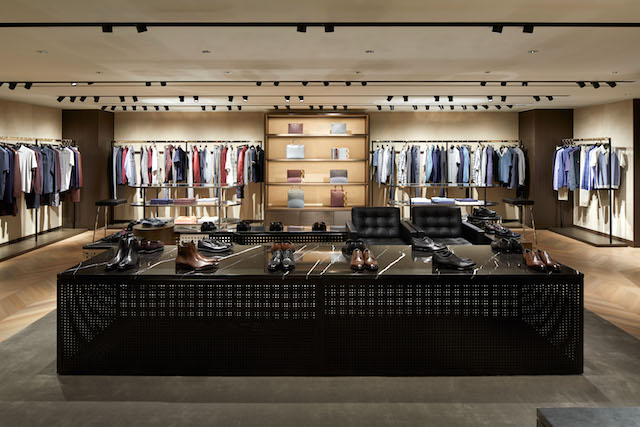
  • Dunhill opens two new stores in South Korea

    Dunhill opens two new stores in South Korea

    British luxury menswear house Dunhill has opened two new retail locations in South Korea.

    The new stores are situated within Lotte department stores in the Seoul district of Jamsil and Southern city of Busan, continuing the brand’s expansion strategy in Asia and paving the way for a third store opening in spring next year.

    The stores’ designs are purposed to create clean and contemporary spaces through an interplay of bronzed brass and walnut wood together with glass and metal details – recognizable codes of the house.

    “The opening of two new stores in South Korea is an incredibly exciting, strategic milestone for Dunhill as we endeavor to re-introduce our new vision for the house within this important market,” said the firm’s CEO Andrew Maag. “We are proud to partner with Lotte, whose exceptional reputation within the region will be key in once again establishing our position as the leading luxury British menswear brand.”