Tag: Fashion

  • OnTheList launched in Shanghai

    OnTheList launched in Shanghai

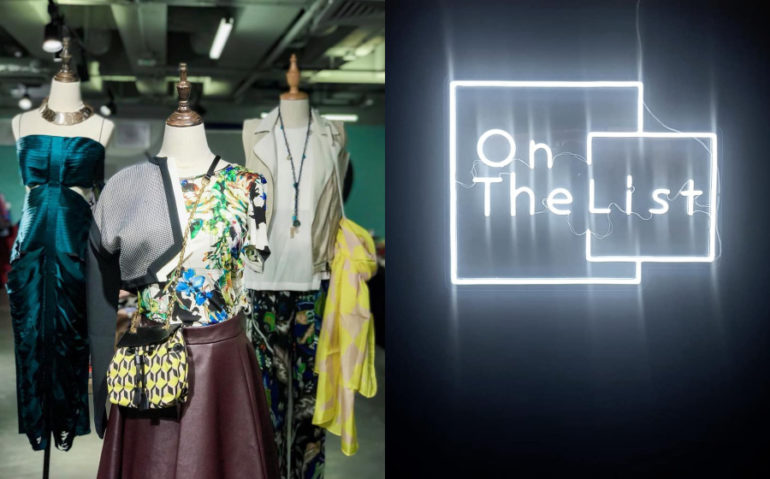
    Hong Kong flash-sale pioneer OnTheList will hold its first Shanghai event this week.

    Co-founder & CFO Diego Dultzin Lacoste says the flash sale will be conducted for fashion distributor ImagineX and feature the brands Club Monaco and Juicy Couture. Products will be discounted by up to 80 per cent and 90 per cent respectively.

    OnTheList turned three in January and during that time has expanded from running short-term sales in pop-up spaces to having its own permanent store in Hong Kong’s Central, adding online sales in Hong Kong and expanding into Singapore and Taiwan.

    Earlier this year, Lacoste confirmed the company was looking to start offline sales in other markets including Malaysia, Thailand and Australia.

    “For [these] markets, we plan to roll out next year. As we work very closely with the brands who are our most important partners, we will likely open first in the markets where the brands have the most immediate needs,” he said.

    The Shanghai event runs from Thursday through to Saturday at Garden Square on Beijing Road.

  • French Connection sales fail to inspire customers

    French Connection sales fail to inspire customers

    The latest French Connection sales figures will do little to inspire prospective bidders as the company searches for a white knight.

    Pippa Stephens, retail analyst at GlobalData, says that despite the French Connection sale process being extended by three months in June, the ailing retailer has prolonged this further, as it continues talks with “several interested parties”.

    Group sales for the first half were down £7.1 million – by 12.2 per cent – to £51 million, and underlying profit remains in the red.

    “Its performance is doing little to assure prospective buyers of its future potential, however new ownership should allow for an essential revamp of its ranges and store estate to try to regain appeal among shoppers,” says Stephens.

    “French Connection’s product offer lacks originality and direction, with limited newness across seasons, lagging behind other premium competitors like Whistles and Reiss, so a fresh perspective from its design team is crucial to reignite shopper interest.”

    Although group sales are still declining due to store closures and a shift in wholesale orders into the second half of the year, the retailer’s UK/Europe like-for-like sales show an improvement having shuttered nine underperforming locations in the first half, including two off-price outlets.

    “French Connection must continue to review its remaining estate and carefully plan to transition customers to its online platform to avoid shopper desertion – especially its department store concession customers,” says Stephens.

    “Its new concept store in London, which opened in July, has shown reassuring results, with exclusive products, a large homewares offer and a coffee shop supporting footfall. If successful, this should be rolled out to a handful of its large regional stores to help reinvigorate the brand and improve shopper perception.”

    French Connection sales online have continued to decline, down £600,000, or 9.6 per cent, during the first half, despite the UK online clothing market forecast to grow by 7.4 per cent this year.

    “With a greater focus previously put on third party operations, such as Next and Asos, French Connection must ensure that this does not cannibalise its own sales. It needs to invest in its own website, with shorter delivery lead times, and enhanced style inspiration to increase engagement,” concludes Stephens.

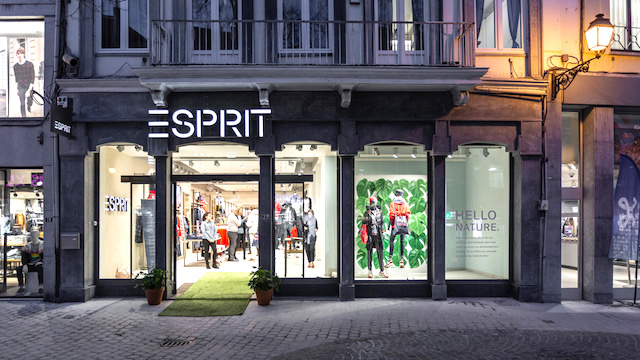
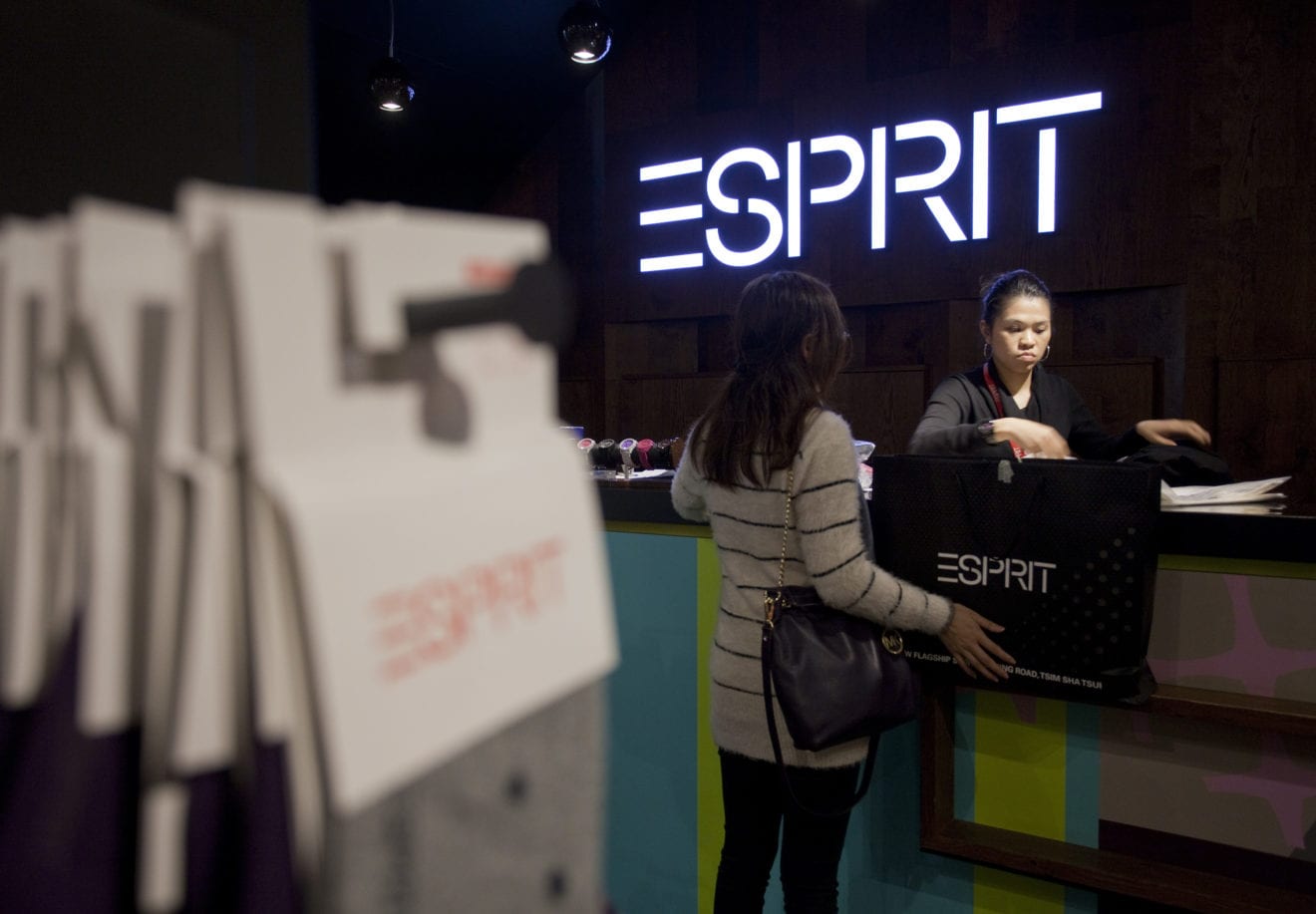
  • Another huge loss for retailer Esprit

    Another huge loss for retailer Esprit

    More writedowns and restructuring costs have seen fashion retailer Esprit post another full-year loss, but the company is adamant its recovery plan is beginning to show results.

    With fewer stores, sales were down in all of its markets, but executive chairman Dr Raymond Or told shareholders in results filed overnight that the second half-year showed a significantly reduced operating loss.

    Group sales for the year to June 30 were HK$12.9 billion (US$1.65 billion), down from $15.5 billion last year. The group recorded a loss attributable to shareholders of $2.14 billion, an improvement on last year’s $2.55 billion.

    Or said the group’s underlying operations (before exceptional items, interest and taxation; its LBIT) improved from $909 million last year to $587 million this year.

    Esprit has launched a multi-year strategic plan to turn around its losses by improving the product, right-sizing its store network and restructure behind-the-scenes operations. Or said that plan only started to take effect in the second half of the year, when the LBIT was down from $773 million to $255 million.

    “This improvement in performance was primarily the result of our proactive and decisive cost control initiatives highlighted by actions to eliminate loss-making stores as well as bold measures to right-size the organization and our global distribution network, including the downsizing of corporate offices so as to achieve savings across all key cost lines. Taken as a whole, these initiatives resulted in savings in regular operating expenses of $1.742 million or 16.6 percent in local currency terms; thus we are well on track to achieve the targeted annualized expenses savings of $2 billion over two years from the 2017/18 level.

    “These savings have significantly reduced our cost base and will provide a leaner platform that we can leverage in the future as we embark on top-line growth,” said Or.

    “The last financial year marked a year of significant changes for the group and will be remembered as being pivotal towards the turnaround and restoration of … Esprit.”

    He said retailer Esprit now has a clear strategic plan and the right team in place to return Esprit to sustainable growth and profitability.

    The bottom line was heavily impacted by one-off restructuring costs which accounted for the bulk of $1.493 billion in exceptional expenses for the year.

    After several years of multi-billion dollar losses, one of the reasons Esprit has survived when other fashion retailers might have collapsed is that the group is debt free. At the end of June it still had a $3.282 billion cash balance.

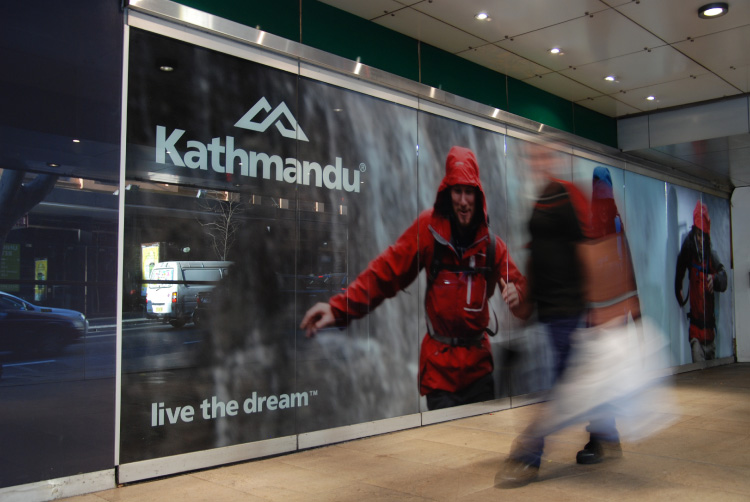
  • Kathmandu posts record profit

    Kathmandu posts record profit

    Strong sales growth in Kathmandu’s Australian business and North American wholesale operations drove another year of record profit for the outdoor apparel and equipment retailer.

    Just days after announcing it has become the biggest B Corp in ANZ, the retailer on Wednesday reported a 9.7 percent increase in total sales to NZ$545.6 million ($505 million).

    Gross profit was up 5.4 per cent to NZ$332.5 million ($307.8 million), and earnings before interest, tax, depreciation, and amortization increased 10.9 per cent to NZ$99.6 million ($92.2 million). Net profit after tax was up 13.6 per cent to NZ$57.6 million ($53.3 million).

    Excluding Oboz, the North American hiking boot brand that Kathmandu acquired in April 2018, sales were up 2.1 percent at constant exchange rates in FY19.

    In Australia, Kathmandu’s largest market, total sales were up 4.5 percent year on year and same-store sales were up 2.7 percent. Total sales fell 3.1 percent and same-store sales dropped 3.9 per cen in New Zealand, where the brand was founded in 1987.

    Oboz saw a 30 per cent sales increase on a pro forma basis to US$44.6 million ($65.1 million), as Kathmandu expanded its wholesale operations in North America. Earnings before interest and tax increased 38.6 per cent of US$7.9 million ($11.5 million) on a pro forma basis.

    “We’re really happy with those numbers,” Xavier Simonet, Kathmandu CEO, said on a media call on Wednesday.

    Simonet said the retailer had maintained its momentum in the first seven weeks of FY20, with 6.1 percent growth in same-store sales, though the crucial trading period in the first half is yet to come.

    Kathmandu would continue to focus on driving sales and profit growth in its core markets of Australia and New Zealand, Simonet said, and on enhancing the customer experience through digital.

    The retailer reported online sales growth of 9.2 percent at constant exchange rates. E-commerce now accounts for 10.1 percent of direct-to-consumer sales, up slightly from FY18, when online accounted for 9.4 percent of sales.

    Kathmandu had 2.2 million members in its Summit Club loyalty program as at June 30, 2019, a 12.4 percent increase on the previous corresponding period. Simonet called the program an “immensely powerful tool”, with members spending 29 percent more per transaction than non-members.

    Total operating expenses increased 3.7 percent to NZ$234 million ($216.6 million) in FY19, including an NZ$11.8 million ($10.9 million) incremental increase related to the first full-year inclusion of Oboz and the establishment costs for Oboz North America. As a percentage of sales, however, operating expenses fell 2.5 percent to 42.9 percent, reflecting the benefits of diversification into wholesale.

    The retailer spent NZ$15.7 million ($14.3 million) on new stores and refurbishments and paid down NZ$14 million ($13 million) of net debt in FY19. Kathmandu had NZ$19.3 million in net debt as at July 31, 2019.

    Kathmandu declared a final dividend of NZ$0.12 ($0.11) per share, taking the full-year dividend to a record NZ$0.16 ($0.15) per share.The final dividend will be fully imputed for New Zealand shareholders and fully franked for Australian shareholders.

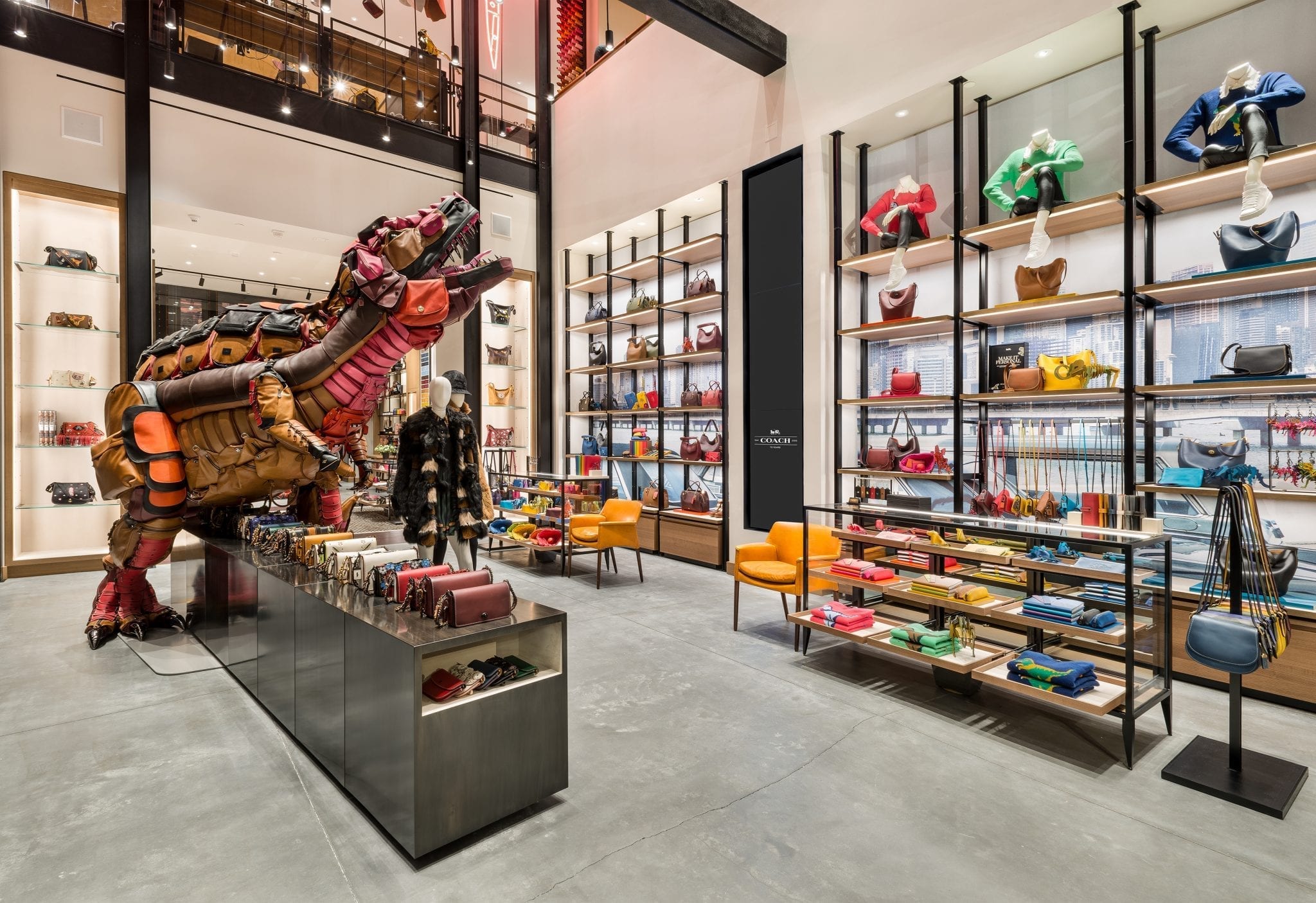
  • Coach, Kate Spade parent strikes strategic alliance with Tmall China

    Coach, Kate Spade parent strikes strategic alliance with Tmall China

    US-based luxury retail company Tapestry has entered into a strategic alliance with Alibaba’s Tmall platform to boost the sale of its Coach, Kate Spade, and Stuart Weitzman products online in China.

    The partnership, announced last week, will see Tapestry unveil flagship stores for its suite of luxury brands on Tmall later this month, where it will offer exclusive products and personalized content and services to Chinese shoppers.

    The partnership reflects a step forward in Tapestry’s ChinaNext strategy, which aims to grow the company’s China business and gather digital learnings that can be leveraged in other markets.

    Currently, less than 20 percent of Tapestry’s revenue comes from China. The company is looking to increase that figure by tapping into Tmall’s active user base of over 750 million shoppers.

    “Tapestry is committed to the Chinese market. We have a leadership position in China and all of our brands have a tremendous opportunity for further growth,” Jide Zeitlin, Tapestry CEO and chairman, said in a statement.

    “Given Tapestry’s focus on customer experience, creating innovative strategic partnerships with leaders such as Tmall helps us to connect our unique lifestyle brands with the important fashion and digitally savvy Chinese consumer,” he said.

    Beyond the new digital flagships, Tapestry is also working with Alibaba on intellectual property rights protection. Coach is a member of the Alibaba Anti-Counterfeiting Alliance and leverages the e-commerce company’s tools, technology and cooperation initiatives to protect its brand.

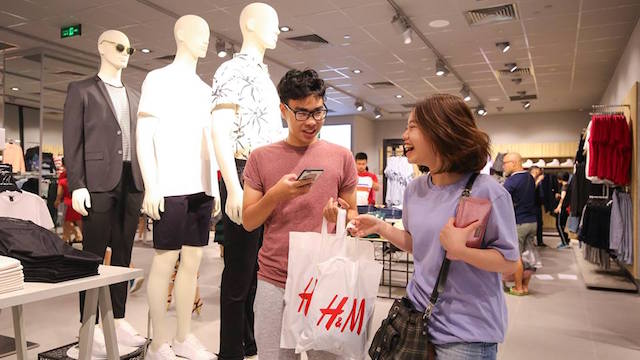
  • Sales at H&M stores sees strong growth

    Sales at H&M stores sees strong growth

    Sales at H&M stores worldwide rose by the steepest rate in three years in the third quarter.

    “Well-received summer collections and increased market share confirm that the H&M group is on the right track with its transformation work,” the company said in a statement.

    Net sales rose by 12 per cent to US$6.48 billion in the three months to August 31, marking the company’s fifth consecutive quarterly increase. Excluding currency fluctuations, sales were up by 8 per cent.

    However, analysts took a little of the gloss off the figures pointing out that during the comparable period a year ago, the company’s turnover was hit by difficulties implementing a new logistics system in some markets.

    Besides its namesake brand, H&M operates Arket, Weekday, Cos, Monki, and & Other Stories.

    Full-year results will be released on October 3.

    While the global third-quarter result was strong, sales at H&M stores in the UK have plummeted, leading to a 71.2-per-cent crash in full-year pre-tax profits to £10.72 million, according to figures obtained by Retail Gazette.

  • Uniqlo India to open its first store in New Delhi

    Uniqlo India to open its first store in New Delhi

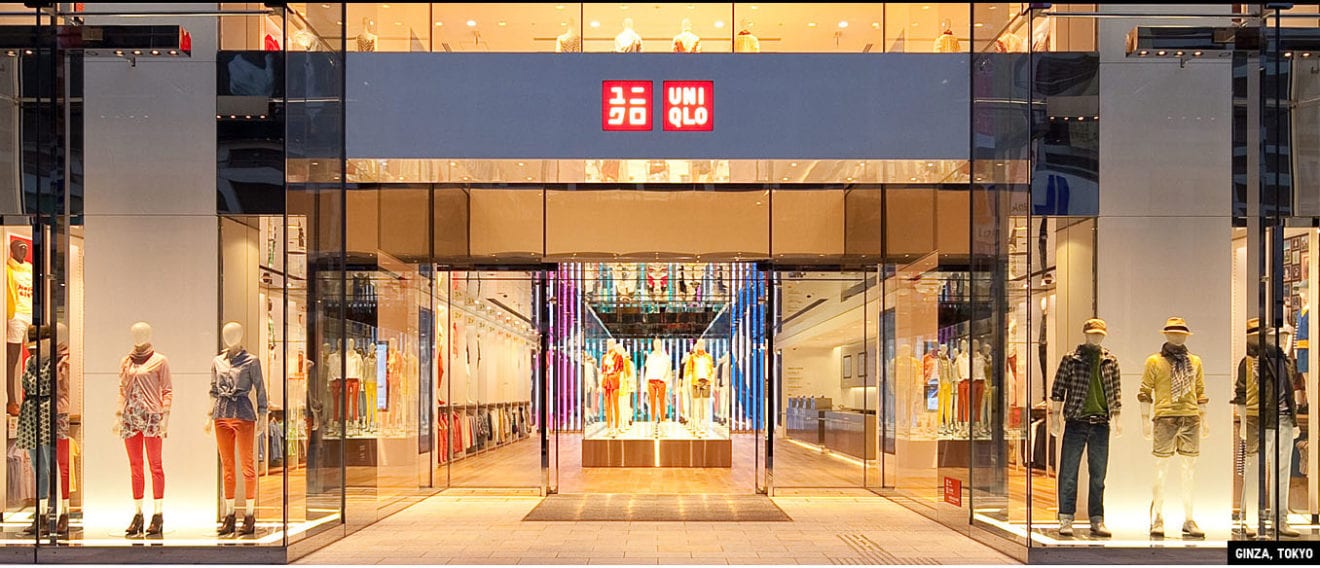
    Uniqlo India will launch its first store on October 4 in New Delhi.

    The store marks the brand’s first foray into the Indian market, located in Ambience Mall Vasant Kunj. It has been promoted via a series of cube-like installations throughout the city that features elements of Indian culture.

    “We are very excited to announce the opening date,” said Uniqlo CEO Tomohiko Sei. “We look forward to formally opening our doors to the Indian customers and offering Uniqlo’s high quality, highly functional apparel that we call Lifewear starting from Delhi at Ambience Mall Vasant Kunj.”

    The first 500 shoppers at the new Uniqlo India store will receive t-shirts of their choice.

  • Inditex achieves record first-half sales

    Inditex achieves record first-half sales

    Zara parent Inditex achieved record revenue and profits during the first half of this year.

    Net sales rose 7 per cent year on year to €12.82 billion, while net profit rose 10 per cent to €1.55 billion.

    According to Inditex executive chairman Pablo Isla, the results reflected strong first-half performance, with like-for-like growth across all brands and geographies.

    “The investments we have made in the stores as well as in logistics and technology have been key elements in the development of our customer focused integrated online and offline store platform,” Isla said.

    However, gross margin stayed steady at 56.8 per cent, up from 56.7 per cent. According to Isla, the business works to maintain gross margin, rather than maximise it.

    “We are always thinking about the medium and the long-term evolution of the company,” Isla told analysts.

    “Gross margin is a combination of many different things. You have, of course, the like-for-likes as growth. You have the product mix. You have the fashion trends. You have currencies. You have raw material costs. There are many, many elements involved.”

    Inditex said it opened, enlarged and refurbished stores across all regions during the half year, and continued to expand its online platform into new markets – seeing 7420 stores open across 96 markets, with 62 sporting the group’s online platform.

    During the beginning of its second half, Inditex has seen sales in local currencies increased 8 per cent for the period between August 1 and September 8.

    The business expects like-for-like sales growth of between 4 and 6 per cent for the full year.

  • Pomelo secures US$52 million investment for expansion

    Pomelo secures US$52 million investment for expansion

    Leading omnichannel fashion company Pomelo has secured US$52 million in funding, making it the first Thai startup to raise a Series C funding round.

    Investors include Central Group, Provident Growth Fund, InterVest Star SEA Growth Fund, Andre Hoffman, Toivo Annus, Lombard Private Equity, Ambient Sound Investments OU and The Luxembourg Company Deverel.

    After raising US$19 million in its Series B round in November 2017, Pomelo has expanded into Hong Kong and Malaysia, grown gross merchandise volume seven-fold, launched eight physical stores in Thailand and opened a flagship store in the heart of Orchard Road. The brand has expanded its product offering further, launching categories like Purpose, an eco-friendly collection, Beet cosmetics and Pomelo Man, its menswear label.

    “This is a disruptive time for omnichannel in Asia,” said Provident Growth Fund founding partner Michael Aw. “Pomelo is in a unique position because of its vertically integrated model and innovative technical abilities. We are confident they will lead the way in fashion across Southeast Asia and beyond.”

    Using direct-to-consumer technology, Pomelo has been involved in omnichannel fashion since its launch in 2013.About 30 per cent of orders are delivered through its Pomelo Pick-up channel, which allows customers to try before they buy.

    “Pomelo is much more than an online fashion brand,” said Pomelo CEO David Jou. “As a fashion-tech company, we are developing a proprietary catalogue of innovative technologies that will allow us to unlock significant hidden value that exists in the branded fashion business today. Everywhere we look, we see opportunities for innovation to reinvent how things are done to create better products, better serve customers, and maximise omnichannel productivity and efficiency.

    “Fashion is as relevant today as ever and we are excited to chart a unique path forward in an effort to reinvent what it means to be a fashion brand.”

    Co-founder Casey Liang said technology has always been a big focus for the company, which will be looking at big data and AI for pricing and design, as well as e-commerce personalisation in the future.

    “We want to integrate the omnichannel experience even deeper by connecting the Pomelo universe with the customer through a proprietary tech stack. Additionally, we would like to further expand our supply chain automation platform, Henry.”

  • Alice McCall opens permanent pop-up store

    Alice McCall opens permanent pop-up store

    Designer womenswear brand Alice McCall has opened a permanent sale pop-up in Westfield’s Warringah Mall, where it will clear previous season styles for $150 and under.

    The permanent pop-up follows a series of successful warehouse sales in Sydney, Melbourne, and Brisbane this year, and is in response to “overwhelming demand” from customers, Alice McCall said in a statement.

    “Keeping up with the demand for our warehouse sales has kept us busy this year. To minimize our resources producing these, yet be able to provide our customers with a sale pop-up they can shop regularly, makes a lot of sense to us as a business,” Nicole Macey, Alice McCall’s GM, said.

    Founded by stylist Alice McCall in 2004, the designer label is known for its feminine party dresses, playsuits and separates, which sell for upwards of $400, and has been worn by pop icons, including Ariana Grande, Katy Perry, and Kylie Minogue.

    The retailer said it would provide the same premium boutique experience at its Warringah Mall location, which retains its luxurious interior, including signature gold fixtures and pastel furnishings, though every garment costs $150 or less.

    Macey said she did not believe the sale pop-up would diminish Alice McCall’s brand value, an argument other upmarket brands have used for physically destroying out-of-date stock, rather than selling at a discount.

    “Our customers are quite savvy, and as much as they’re in search of a discount, they’re also aware that our best-selling styles sell out. Sometimes, very quickly,” she said.

    Macey said one of the brand’s new season styles, the Zen Dress, sold through 96 percent in one day.

    “We are fortunate to maintain full-price sales where our most wanted, new season styles are concerned,” she said.

    “While some customers are happy to wait to purchase past seasons at heavily reduced prices, there is still a strong appetite for the newest must-have styles.”

    Macey noted that retailers increasingly are being held to account for the lifecycle of the garments they produce, and that warehouse sales have proved an effective stock exit strategy for the brand.

    “We all want to see fashion’s footprint reduced, so brands are working on ways in which they can contribute, feasibly. For us, helping find a home for every piece we create is important, regardless of its age,” she said.

    Macey said Alice McCall would continue to evaluate warehouse sale opportunities in locations outside NSW as and when the demand exists.

  • New Look same-store sales down

    New Look same-store sales down

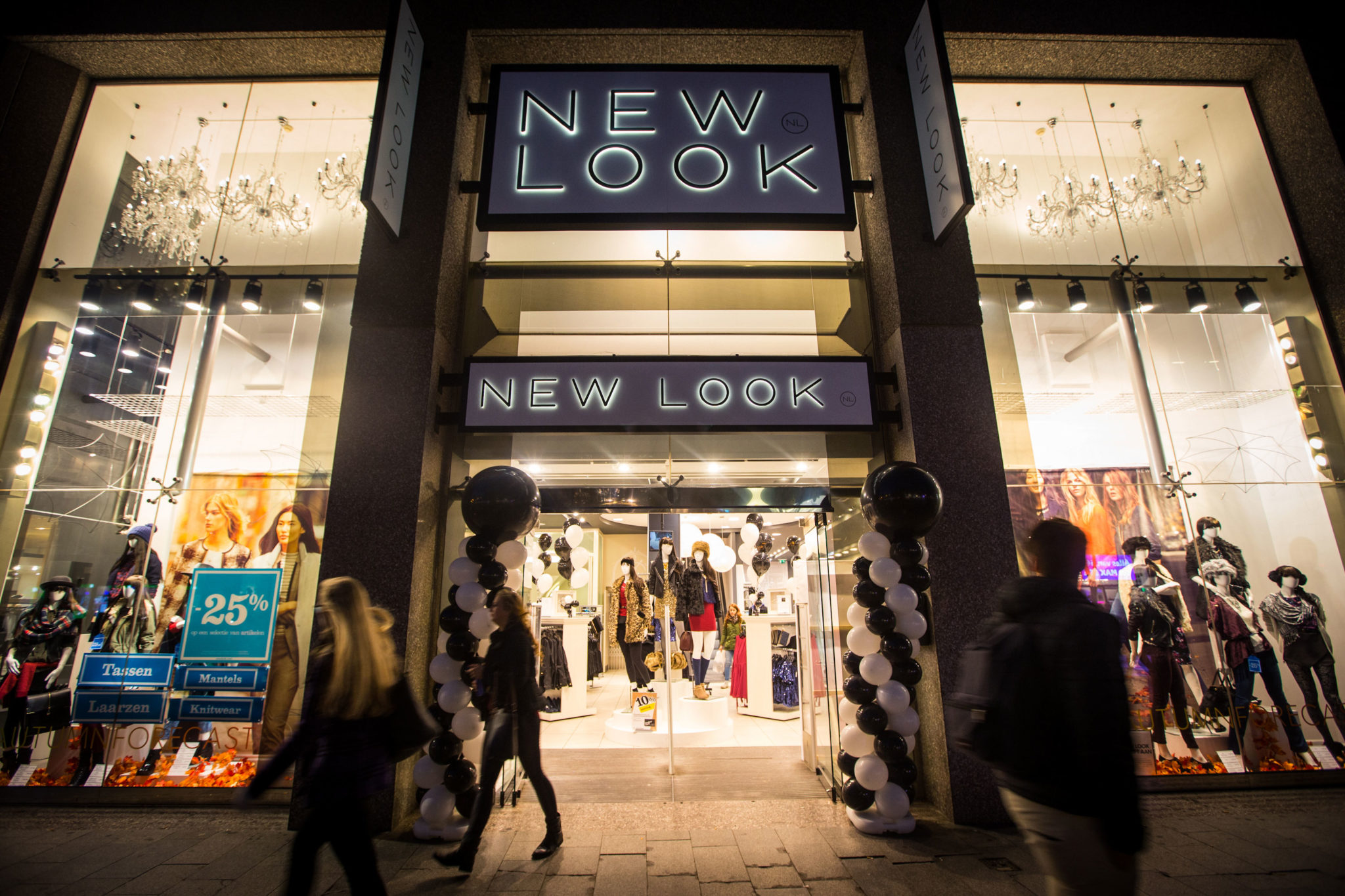
    Same-store sales fell by 10.1 percent in the first quarter for UK-headquartered fashion retailer New Look.

    For the 13 weeks to June 29, the company says it was affected by bad weather which led to lower footfall in stores, compounded by consumer uncertainty surrounding the Brexit crisis.

    Combined UK and Ireland retail sales fell by £35.5 million (14.1 percent) to £210.3 million for the quarter.

    Pippa Stephens, a retail analyst at GlobalData, says the retailer is continuing to struggle as it progresses with its transformation process, which includes closing stores, axing menswear from physical locations and attempting to revive the broad appeal of its products.

    She said that with falling like-for-like sales in its core business, the company must continue to focus on improving its remaining stores to boost footfall.

    “With like-for-like sales rising 2.2 percent for the first eight weeks of the second quarter, New Look is starting to show signs of green shoots. While its ‘Revive’ program for refurbishing its smaller destinations will help to attract shoppers, it should also improve its visual merchandising by displaying products more clearly to enhance the shopping experience, as its stores often feel cluttered – making them difficult to browse,” said Stephens.

    While consumers are shifting to shopping online, New Look’s e-commerce sales have continued to decline, with group sales (excluding third-party e-commerce) falling £1.3 million to £38.1 million.

    “Although its digital channel outperformed versus total sales, New Look must drive more traffic onto its site through increased digital marketing, and by offering more affordable and convenient delivery options,” said Stephens.

    “Although the high prices of its fulfilment options will make its online channel more profitable, uncompetitive prices are off-putting for shoppers, hindering conversion. Its delivery-saver scheme is priced at £19.99, double that of other value players like PrettyLittleThing and Boohoo.com, so this should be lowered to become more competitive.”

  • Laura Ashley appoints IMG as licensing partner for China

    Laura Ashley appoints IMG as licensing partner for China

    Fashion and home-furnishings retailer Laura Ashley has appointed IMG to exclusively license the brand in Mainland China, Hong Kong, and Taiwan.

    Home decor and furnishings will be the initial core focus for Laura Ashley’s entry into Mainland China with future extensions into women’s apparel, fashion accessories, and personal care – all product areas that the Laura Ashley brand has developed over the course of its history in the UK, Europe and the US.

    “We are delighted to have appointed IMG on an exclusive basis to help us develop our brand presence in China, Hong Kong, and Taiwan,” said Laura Ashley COO Sean Anglim. “We look forward to working closely with IMG to build a strong and sustainable business in these territories over the years to come.”

    “The Laura Ashley brand is loved around the world for its quintessentially English heritage and romantic floral designs,” said IMG president of licensing Bruno Maglione. “China has long been the furniture production capital of the world for export, but now with urbanization and a growing middle class, expenditure in home furnishings and decor has become an increasing priority of the Chinese consumer. This is an ideal time for a brand like Laura Ashley to enter the market with its distinctive design aesthetic.”

    Increased purchasing power in China has led to the growth of the furniture market, according to the National Bureau of Statistics – total sales of furniture manufacturing enterprises grew 10 percent year-on-year to more than US$130 billion in 2017.

  • Generation Z behind demand for male makeup

    Generation Z behind demand for male makeup

    The cosmetics industry is paying close attention to a surge in interest in male makeup – being driven by generation Z.

    South Korean manufacturer and retailer AmorePacific has just launched its first male makeup brand, BeReady – 74 years after the company’s creation.

    According to a survey by the Consumer Trend Center at Seoul National University, three out of 10 men in generation Z reported using face makeup more than twice a week. Furthermore, more than half experimented with colored makeup in middle school.

    AmorePacific says it plans to introduce products specifically targeting generation Z men in rapid succession.

    Another South Korean cosmetics firm, Aekyung Industrial, which is currently focusing on expanding its beauty range, launched the Sneaky brand in March.

    Since most male consumers purchase cosmetics online, Aekyung opted for an online distribution network. Sunscreen and lip balm are currently the most popular products at the online store.

    The sales figure backs up the interest of generation Z men in makeup.

    Olive Young, a major health and beauty (H&B) chain store, has also launched sales of male cosmetics products. Sales of male tinted cosmetics rose 77 per cent in the first half of this year compared to last.

    That figure surpasses the 40 per cent annual growth rate of men’s makeup for the past three years.

    Sales of base products such as cushions for men and BB and CC cream are also on the rise, up 43 per cent in the first half from a year earlier.

    “Not only cushion products, but also men’s color lip balm and eyebrow products are particularly popular,” an Olive Young spokesperson said.

  • Esprit unveils its future proof store design in Beijing

    Esprit unveils its future proof store design in Beijing

    Fashion label Esprit has unveiled a new concept store in Beijing as it continues its long journey of reinvention.

    “Our new store in Beijing is a showcase for the Esprit brand,” said Esprit Group CEO Anders Kristiansen. “With surprising and functional design details and bright and social spaces, we think this is a great expression of the spirit of Esprit.”

    Hong Kong-listed Esprit sees China as a key market in its bid to resurrect its brand reputation, sales and profitability: it wants to open 220 stores on the mainland by 2023 and as many as 80 elsewhere in Asia.

    The most remarkable feature of the Beijing store which opened last week is the huge prominent opaque brand name across the store’s glass street frontage. Inside the design has been described as a blend of “California cool”, bold graphics and bright colours. The store was designed by Ettore Sottsass.

    A strategic change to the store layout is the relocation of the cashier’s counter into the middle of the store, a move aimed at optimising the interaction between store staff and customers.

    “This forms a social hub that invites customers to stay, converse and relax and further experience the Esprit brand,” said a spokesperson.

    Across the whole store, the space is clean and uncluttered, putting the focus back on the product.

    “Open areas encourage exploration and give space to create stories around the collections,” the spokesperson said.

    While features of the store are likely to be rolled out across Esprit’s global markets, for now the company wants to assess the impact on sales and customer engagement to refine the model.

  • Top young Hong Kong fashion designers revealed

    Top young Hong Kong fashion designers revealed

    This year’s top young Hong Kong fashion designers have been revealed, capping off the Centrestage festival.

    Three winners of the 2019 Hong Kong Young Fashion Designers’ Contest (YDC) were chosen from a final pool of 16.

    Champion Wilson Yip received a monetary reward together with a one-month internship working in the studio of Japanese fashion designer Mihara Yasuhiro, sponsored by Sun Hing Knitting Factory.

    Yip’s prizewinning “Forgetful Still” was a whimsical collection inspired by the aesthetic of absentmindedness. Yip also took the Best Footwear Design Award.

    Designer Louis Chow was named first runner-up for his collection “Already But Not Yet”, while the award for second runner-up and new talent was given to Enzo Chan for his “Since 1996”.

    The judges assessed the top young Hong Kong fashion designers’ works based on creativity, originality, market potential, craftsmanship, use of fabrics and overall aesthetics, and offered expert feedback to each of the participants. VIP Judge Mihara Yasuhiro had particular praise for the winning piece, saying that Champion Wilson Yip “managed to paint fashion over the backdrop of everyday life, using elements of daily wear and injecting them with novelty and creativity”.

    The YDC has been organized by the HKTDC for more than four decades with the objective of nurturing and promoting young fashion talent. In 2012, to further promote the international visibility of local Hong Kong designers, the HKTDC launched fashionally.com, an online platform that showcases the work of local labels and talents to link them with global industry insiders and opportunities.