Tag: Fashion

  • Japan’s Yohji Yamamoto opens its first store in Greater China

    Japan’s Yohji Yamamoto opens its first store in Greater China

    Japanese fashion label Yohji Yamamoto is opening in Hong Kong. Set to be the brand’s first flagship in Greater China, the store will be located at the new cultural-retail destination K11 Musea, set to be known for its immersive experiences of art, culture and commerce.

    With a floor space of more than 2000sqft, the store is located next to the mall entrance for high visibility. Its minimalist entrance design is intended to blend with the vast green exterior of the galleria.

    The store was designed by Michael Sypkens, a Dutch-Japanese architect who co-founded the Japan-based design office Oso. Sypkens, who had worked with famous Japanese architect Kengo Kuma, blends Western architecture with Japanese design. The store’s look is inspired by the same “Japanese Garden” concept that inspires Yohji Yamamoto himself.

    The whole store gives off a stark, monochrome look with a space filled with cement – lined with large cubes of an imitation tetrapod structure that reflects its closeness to Victoria Harbour. By recreating nature in the bustling waterfront area, it attempts to cultivate a quiet and comfortable shopping atmosphere for store visitors.

    Yohji Yamamoto, 75, is a Japanese fashion designer who splits his time between Tokyo and Paris. He is renowned for his avant-garde tailoring which feature strong Japanese design influence.

  • Adairs finally delivers first profit in New Zealand

    Adairs finally delivers first profit in New Zealand

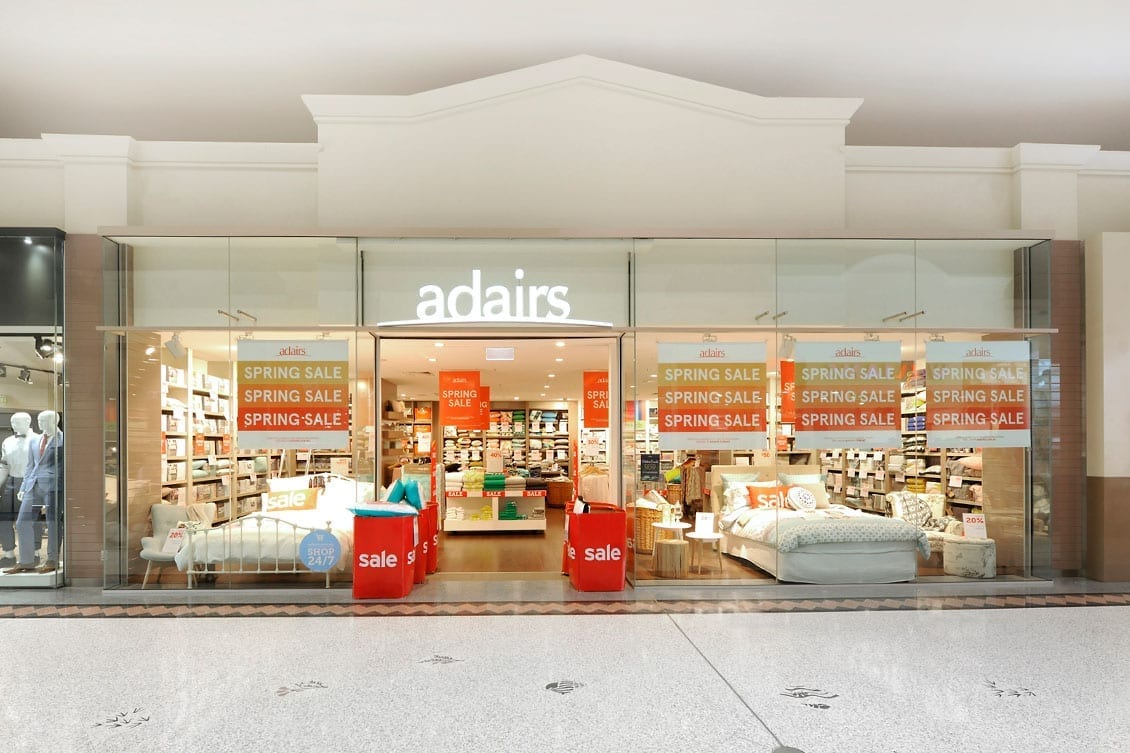
    Homewares business Adairs delivered its first profitable year in New Zealand in FY19, with work done on the local supply chain significantly assisting sales, along with improving brand awareness.

    New Zealand saw sales growth of over 25 percent during FY20.

    According to Adairs chief executive and managing director Mark Ronan, the lessons learned in New Zealand will assist the business as it looks to expand into further markets – when the right opportunity arises.

    On a group level, Adairs saw net profit slip despite sales and gross profit improving as a result of a weaker Australian dollar and the costs of a growing distribution network over the year to 30 June, 2019.

    Total sales increased 9.7 percent to A$344.4 million ($365.2 million), with Adairs’ online channel growing 41.7 percent during the year – now contributing 17 percent of overall sales.

    Despite relatively strong sales numbers, Adairs net profit fell 1.3 percent to A$29.6 million ($31.39 million).

    Ronan said the group results were attributed to an unrelenting focus on delivering excellent retail execution, and an understanding of what the business’ customers want both online and offline.

    Part of this understanding comes from the business’ loyalty offering, Linen Lovers, which grew 17 percent over the year. Linen Lovers members contributed 75 percent of all sales.

    According to Ronan, Adairs is not quite operating at best-practice in its omnichannel operations, which gives the business a lot of room for growth in the online space.

    Cost of doing business grew by A$15.2 million ($16.12 million) (, or 11 percent, due to efforts to restructure the business’ supply chain network in order to provide agile, the best-in-class capability to accommodate future demand.

    “We are addressing our short-term supply chain issues and have a clear process to finalize the long term solution,” Ronan said.

    “We see this as an opportunity to contribute to building and sustaining our competitive advantage. In the last 12 months, we have made strategic hires in key areas of our business, [and] we are in a strong position to deliver a great retail experience.”

    However, Ronan acknowledges that the current retail climate brings its own set of challenges.

    “While the macro environment is challenging, our strategies of product differentiation, range expansion, more inspiring and larger store formats, and an unwavering focus on customer service will all play a key role in growing both like-for-like and total sales in FY20,” Ronan said.

    During FY20, Adairs expects to open between four to six new stores across Australia and New Zealand, and forecasts total sales of between A$360 million and A$375 million ($381 million and $397.7 million) to deliver an EBIT of between A$43 million and A$46 million ($45.6 million and $48.79 million).

  • Online fashion-tech startup Salt Attire launches its offline retail experience

    Online fashion-tech startup Salt Attire launches its offline retail experience

    Online fashion tech startup for women’s workwear Salt Attire has launched its first offline experience store in Gurgaon.

    Located at Galleria Market in Gurgaon, the store will feature premium collections of workwear apparel, jewellery and accessories.

    Apart from ready-to-pick garments, Salt Attire offers bespoke clothing, tailored to customer measurements, based on an on-demand manufacturing model at no additional cost. The store helps customers tailor the items to their body measurements and get hands-on help and guidance to attain the perfect fit.

    After realising the gap in India when it comes to high-quality formals, business casuals and workwear for women, and understanding that the demand for such clothing is only going to increase as more women are entering the workforce, founder Dipti Tolani conceptualised a one-stop store for 9 am–9 pm clothing needs, where any piece of clothing that selected could be worn both to work and after.

    “The store has been a need at multiple levels,” said Tolani. “Firstly, we had a lot of requests to come and visit us in person and inquiries for a store visit. Until now, we had been hosting some of our existing customers in our office itself. Customers now have a lot more freedom to customise as per their preferences in-store; styles, fabric, etc,” she said.

    “Also, given our price points, which are relatively in the premium range compared to the other fast fashion e-commerce websites, the offline, in-store experience is a better offering for customers who want to touch-feel the fabric and try on the garments first.”

    The growth trajectory of the company is not limited to apparel but also involves finely crafted minimalistic jewelry suited to the working professional. By next month, the brand will also launch a formal handbags category.

    Planning to launch multiple offline stores in major cities by next year, the firm aims to offer other verticals as well to capture a larger section of urban consumers.

  • Gap’s second quarter sales decline reflects ‘a company in retreat’

    Gap’s second quarter sales decline reflects ‘a company in retreat’

    Gap’s second quarter has proven to be mostly a continuation of the first, with negative results across nearly all segments of the business.

    This is hardly surprising as the fundamental trading strategy has not shifted, so there is little reason to expect a different outcome. In this context the CEO’s assertion that Gap is “running towards” the next step in its evolution is rather misleading. In our view, the company tends to move at what can best be described as a glacial pace.

    As usual, the main issues come from the Gap brand where global comparable sales fell by a sharp 7 per cent, a figure made all the worse by the fact that the decline comes off a 5-per-cent dip last year. Within the US, total sales at the Gap brand dropped by 11.4 per cent.

    Some – but by no means all – of this was down to store closures. However, on an underlying basis it is very clear that Gap’s products remain firmly out of fashion with consumers. GlobalData Retail’s research shows shoppers are in retreat from Gap and – worryingly – discounting is becoming an increasingly ineffective tool in drawing them in to stores and online even to browse. Over Gap’s second quarter, some of this may have been down to the generally elevated level of discounting in the apparel market, but we also attribute the complete dearth of newness and inspiration within Gap ranges for the decline in shopper numbers.

    None of this is new. It is an old story that has been told time and again. However, our fear is that instead of bottoming out, the declines at Gap could accelerate if the consumer economy softens. When money is tight it is very easy for consumers to avoid spending at retailers that give them no compelling reason to do so – and Gap fits perfectly into this category.

    Old Navy, which usually comes to the rescue of the group, also had a bad quarter. On a global basis, comparable sales slid by 5 per cent. Within the US, total sales were down by a more modest 1.2 per cent. Most of the blame for the softness could be attributed to market dynamics, which remained poor over most of the second quarter. However, from store visits some of the product missteps from early in the year were not corrected and the assortments going into the summer selling season were less compelling than usual.

    There is scope for Old Navy to make the necessary corrections as it heads into fall, but a bad third quarter will throw up major questions as to whether the brand has lost its once golden touch. This would be a disastrous prospect for Gap as it looks to spin off the business.

    Fortunately, there were some better numbers from Banana Republic, at least within the US where total sales rose by 3.1 per cent. Improvements to quality and some better pieces within the assortment have helped to lift conversion and basket sizes from existing customers. While Banana Republic remains a shadow of its former self, there is reason to believe it is on the road to recovery. That said, we do not think much of the initiative to get into the rental business. For a brand of Banana Republic’s price point and position, we do not see rental as the right solution and believe the company would be better advised to continue focusing on developing compelling products and rebuilding its reputation.

    Away from the big three brands, there are clear signs of progress with Athleta which is growing rapidly thanks to new store openings and good brand traction. This business has good forward potential and over the next few years should make a more meaningful contribution to the company’s growth and bottom line.

    Overall, the high-level view is that Gap is a company in retreat. Its profits and sales are in decline and it doesn’t seem to have many credible plans to reverse that position.

  • Salt Attire Startup launches its offline retail experience

    Salt Attire Startup launches its offline retail experience

    Online fashion tech startup for women’s workwear Salt Attire has launched its first offline experience store in Gurgaon.

    Located at Galleria Market in Gurgaon, the store will feature premium collections of workwear apparel, jewellery and accessories.

    Apart from ready-to-pick garments, Salt Attire offers bespoke clothing, tailored to customer measurements, based on an on-demand manufacturing model at no additional cost. The store helps customers tailor the items to their body measurements and get hands-on help and guidance to attain the perfect fit.

    After realising the gap in India when it comes to high-quality formals, business casuals and workwear for women, and understanding that the demand for such clothing is only going to increase as more women are entering the workforce, founder Dipti Tolani conceptualised a one-stop store for 9 am–9 pm clothing needs, where any piece of clothing that selected could be worn both to work and after.

    “The store has been a need at multiple levels,” said Tolani. “Firstly, we had a lot of requests to come and visit us in person and inquiries for a store visit. Until now, we had been hosting some of our existing customers in our office itself. Customers now have a lot more freedom to customise as per their preferences in-store; styles, fabric, etc,” she said.

    “Also, given our price points, which are relatively in the premium range compared to the other fast fashion e-commerce websites, the offline, in-store experience is a better offering for customers who want to touch-feel the fabric and try on the garments first.”

    The growth trajectory of the company is not limited to apparel but also involves finely crafted minimalistic jewelry suited to the working professional. By next month, the brand will also launch a formal handbags category.

    Planning to launch multiple offline stores in major cities by next year, the firm aims to offer other verticals as well to capture a larger section of urban consumers.

  • Uniqlo Indonesia plans several new stores

    Uniqlo Indonesia plans several new stores

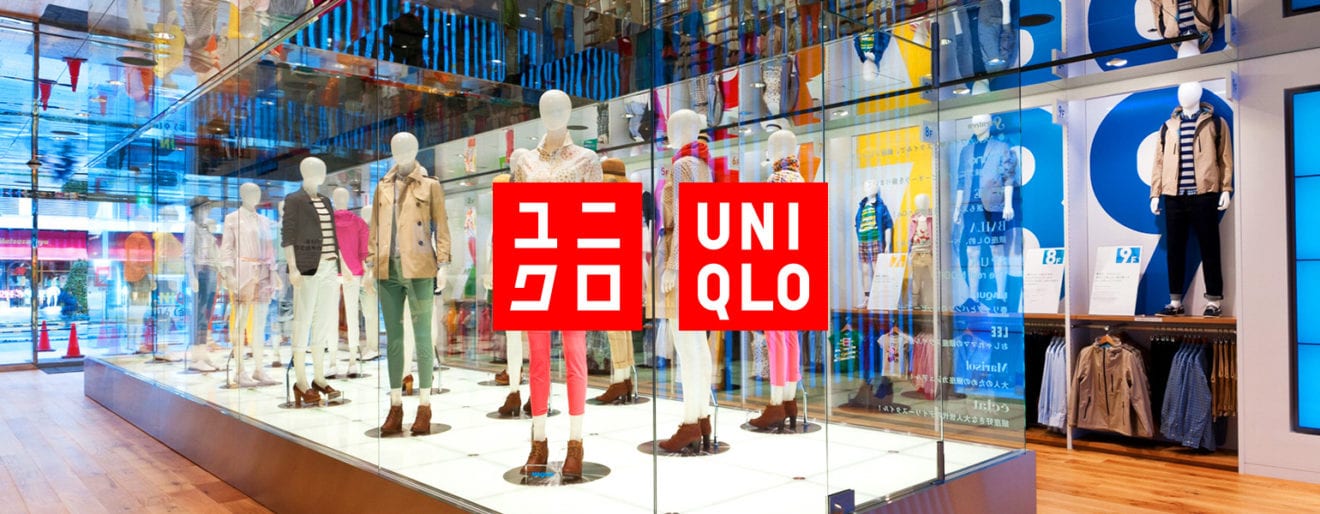
    Japanese clothing retailer Uniqlo in Indonesia is set to launch new outlets in Batam, as well as Jakarta and Bekasi next month.

    The Batam store, opening in the Grand Batam mall in Penuin, Lubuk Baja, will be the first Uniqlo in Indonesia to be located in the city. The company hopes it will help locals avoid travelling to other cities to purchase the brand’s collections.

    The new Jakarta outlet is slated for Mall of Indonesia in Kelapa Gading, while the Bekasi opening is at Grand Galaxy Park – bringing the total number of locations in the territory to 29 stores in nine cities.

    “The addition of stores in Jakarta and Bekasi will further strengthen our presence in providing our Lifewear products and services in these cities,” said Uniqlo Indonesia’s president director of PT Fast Retailing Naoki Kamogawa.

  • Cosmo Lady’s CEO leaves

    Cosmo Lady’s CEO leaves

    Chinese fashion label Cosmo Lady’s CEO Zheng Yaonan has resigned. The resignation took effect as of yesterday, with Zheng remaining as the chairman of the board and an executive director of the company. He is replaced by new CEO Siu Ka Lok, who has been appointed to the position with immediate effect.

    Zheng was chairman, CEO and an executive director of the company since its Hong Long Stock Exchange listing in June 2014. He voluntarily resigned his post as CEO for the purposes of improving the firm’s operating results and enhancing the corporate governance of the group, splitting the roles of chairman and CEO, according to a company stock-exchange filing.

    As CEO, Siu’s major duty will be to manage the intimate wear business of the group, responsible for planning the group’s strategic development, implementing the resultant strategies, policies and regulations, and supervising the daily work of core senior officers.

    Siu was formerly the senior VP of Adidas Greater China.

  • How Sustainable Fashion Will Affect Asia

    How Sustainable Fashion Will Affect Asia

    The impact of climate change, plastic pollution and poor working conditions are subjects that are frequently covered by news outlets across the world. The airing of David Attenborough’s Blue Planet series on the BBC brought widespread attention to our need to reduce the amount of waste we throw away, whilst climate activists are increasingly making headlines in their quest to change public opinion.

    A large majority of consumers are continuing to choose to overlook the social and environmental costs of fast fashion, but these factors have affected the way a growing number of people look at fashion. This has seen many consumers looking to move away from “fast fashion” to more sustainable options. These options have included clothing that is more durable, products that are produced in more ethical ways, and even renting products rather than buying.

    Asia Dominates the Fashion Industry

    Whilst many of the world’s most famous fashion houses are based in European capitals like London, Milan, and Paris, the bulk of the work in the fashion industry is undertaken in Asia. Of the top 10 producers of cotton, Asian countries take 6 places, growing approximately 70% of the world’s cotton. In addition, the majority of the worlds garment manufacturing takes place in Asia, with countries including Bangladesh, Vietnam and China producing significant amounts of apparel each year.

    The move towards sustainable fashion will place pressure on these producers of cotton to look for less polluting farming methods and systems that prevent overconsumption of water.

    It’s not just the manufacturing side of fashion that Asia dominates. The Asia-Pacific region makes up 37.1% of the global clothing market, generating over $3 trillion of sales each year. Estimates vary, but some sources claim that over two-thirds of the sales are generated in China alone.

    Clothing For Non-Fashion Businesses

    The prevalence of fast fashion is everywhere, not just within the fashion industry. As well as retailers selling fashion items as part of their main business model, many businesses also use branded clothing as part of their marketing and customer retention strategies, or to create additional revenue streams beyond their main activities. For example, PokerStars uses its Rewards Store to allow its customers to purchase PokerStars branded products with loyalty points. These products include printed t-shirts and caps, featuring the company’s branding in a bid to create a sense of belonging and community amongst its customers.

    Similar approaches have been taken by YouTube vloggers such as BeatTheBush and ADVChina who have clothing stores to sell products to their fans. The huge market for these types of products has opened up opportunities for businesses dedicated to providing retail ready clothing products to brands that do not have fashion retailing as their main aim.

    Recycling Services

    Whilst reducing consumption is a difficult balancing act for businesses that are also looking to increase sales, recycling can help to create a closed loop of consumption. Clothing retailers are beginning to trial recycling schemes where customers can bring back old clothes to be recycled whilst they buy new ones. Some brands have even gone on to offer a discount or rebate to customers that engage in this recycling, but not all have gone this far. It is likely that more retailers will follow suit so as to not be seen falling behind in terms of sustainability.

    The Rise of New Players

    In western countries, sustainable fashion is being driven by smaller brands and startups. These smaller players are finding it hard to make a significant impact, and have remained a niche within the much larger fashion industry. Similar trends are likely to occur within Asia, at least for the time being as the majority of consumers seem happy to trade off improved ethics for lower prices.

    In Summary

    The fashion industry is slowly transitioning to keep up with the demand of consumers looking for improved ethics. However, whilst a small section of the market is looking for sustainable clothing the vast majority of consumers continue to place greater value on price than on ethics. Increases in recycling services and new, smaller players entering the market will be the main areas for the foreseeable future.


  • Tarocash, owner of YD looking to expand

    Tarocash, owner of YD looking to expand

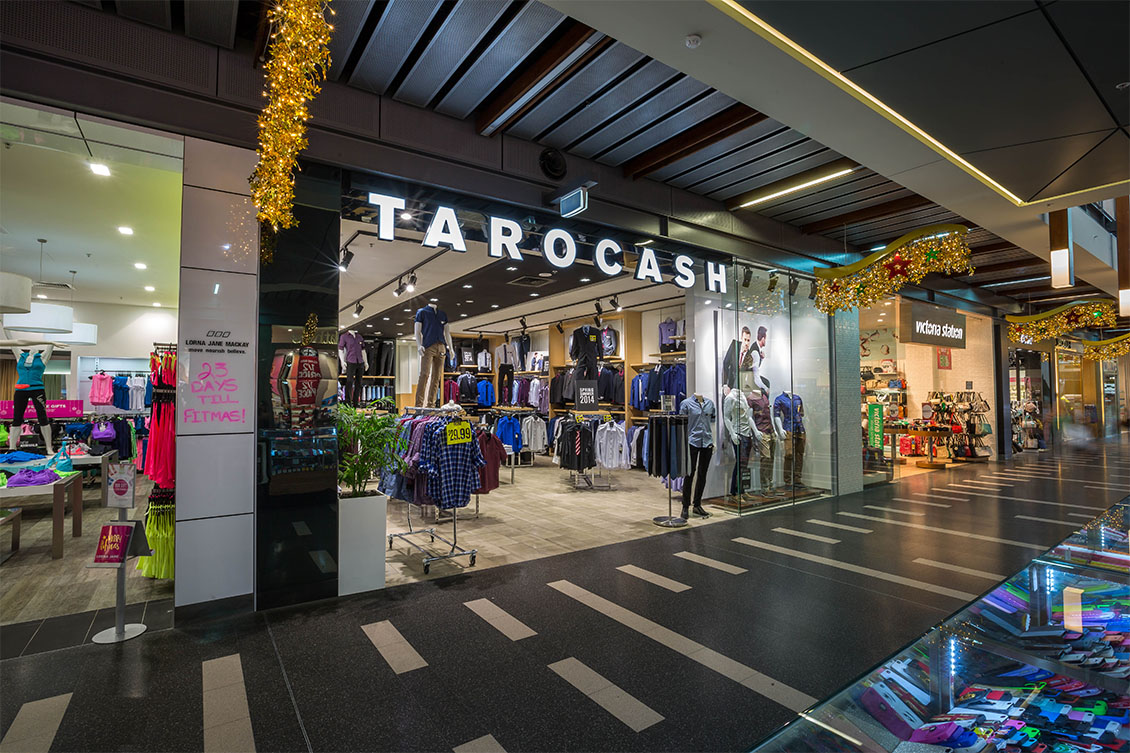
    Retail Apparel Group-owner The Foschini Group has lauded the Australian retail market and indicated it is gearing up for further expansion throughout Australia and New Zealand.

    The South African retail group, which owns local brands such as yd., Connor, Tarocash, Johnny Bigg, and Rockwear, said topline growth in Australia is in the double-digit, and it’s planning to introduce more of its brands to the region – namely jewelry brand American Swiss.

    TFG chief executive Anthony Thunström told a media roundtable the company sees significant opportunity in the Australian and New Zealand market.

    “Australia has not been in a recession since 1990 – it is almost the polar opposite to SA with unemployment also at record lows,” Thunström said.

    “Retail is not by any means easy there with the high costs around rentals and other operational costs, so there is little margin for error to get it right or wrong.”

    While David Jones-owner Woolworths Holdings has struggled in the Australian market, having recently booked a $437.4 million impairment against the department store due to economic headwinds, The Foschini Group has found success in multiple markets by focusing on delivering a more niche offering.

    Thunström said the business doesn’t dictate from afar what will be successful in the Australian market but instead purchased the business with strong leadership teams in order to allow them to steer the local offering.

    “If we went to Australia or the UK and tried to run the business ourselves, we would end up in tears,” Thunström said.

    “There are too many local nuances.”

    According to Business Report, the retail group said it will inject R500 million ($48 million) into technology in order to get ahead of the changing retail market – having witnessed its online sales increase 57.2 percent over the year to March.

  • Uniqlo Philippines opens first roadside store

    Uniqlo Philippines opens first roadside store

    Uniqlo in the Philippines has opened its first roadside store, stepping outside of its traditional shopping-mall base.

    The new 1518sqm outlet at Westgate Alabang, situated 22 km south of Manila, is surrounded by local communities with residential areas, office buildings, restaurants, and schools. The store carries a full range of Uniqlo LifeWear items for men, women, kids, and babies.

    “Uniqlo in the Philippines is embracing a new business model by transforming from a mall-only business to newer various types of store for rapid expansion,” said Uniqlo Philippines COO Masayoshi Nakamura.

    “Uniqlo in the Philippines aims to boost the vitality of the local area by becoming a lifestyle and cultural hub and a driver of local economic development and prosperity. The first roadside store in the Philippines aims to closely engage with the local community by improving convenience for customers and attracting new and sustainable businesses to the area.

    Nakamura said the fast-fashion retailer is now planning to open Uniqlo roadside stores outside Japan in markets including South Korea, Taiwan, and Thailand.

  • Sephora Hong Kong confirms September opening and promises new brands

    Sephora Hong Kong confirms September opening and promises new brands

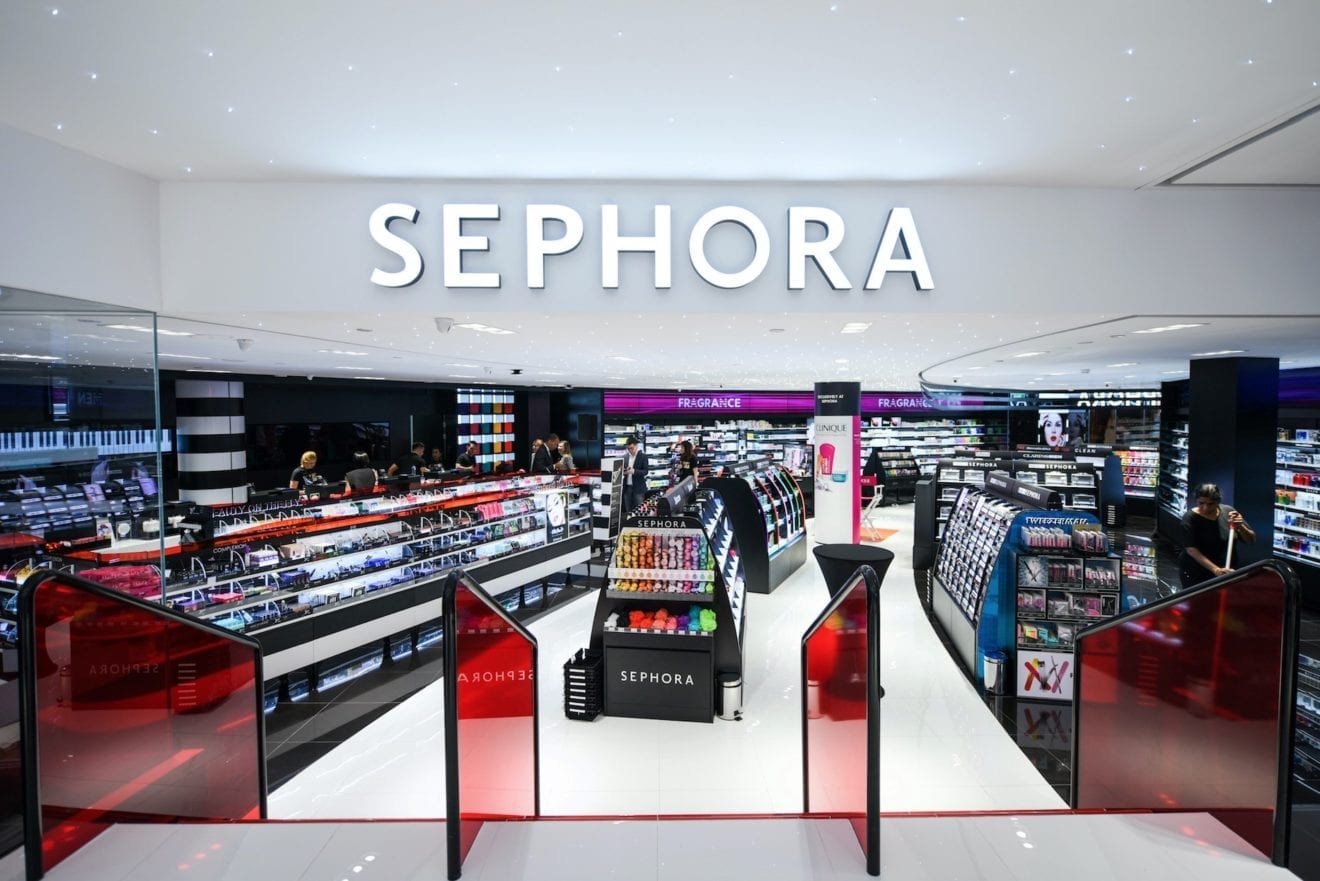
    Sephora Hong Kong will open its new flagship store at IFC mall in “early September” the company announced yesterday.

    And the LVMH-owned beauty retailer has promised to launch more than 40 brands onto the Hong Kong market, “new and exclusive” to the territory. These include what the company describes as “cult beauty favourites” such as Drunk Elephant, Sunday Riley, Huda Beauty, Anastasia Beverly Hills and Fenty Beauty; and niche fragrance labels including Clean Reserve, Kayali, Bon Parfumeur and Maison Margiela.

    Sephora Hong Kong will also introduce new beauty and fragrance brands that are making their debut in the market such as Loewe, Tarte, IT Cosmetics and Jack Black.

    “We are really proud of the exciting brand portfolio for our new store,” said Benjamin Vuchot, Asia president at Sephora.

    “We believe the new Sephora Hong Kong will be the ultimate one-stop beauty destination in the region that consumers will find joy in exploring the countless products and services on offer.”

    Vuchot believes Sephora will offer the most extensive brand portfolio in the market, supported by a unique omni-channel model dedicated to offering an “unparalleled shopping experience in-store and online through its upgraded e-commerce platform”.

    More brands will be added later – both instore and online – to provide customers with “endless new discoveries” across different categories.

    Beyond the new brands, Sephora Hong Kong will also be launching new, innovative customer services, including Virtual Artist, a new beauty app designed to offer customers an opportunity to try on and compare different products digitally.

    Online bookings will be taken for a variety of personalised services at the Sephora Beauty Studio.

    On launch day, Sephora will offer a complimentary ferry ride between Tsim Sha Tsui and Central on the opening day. The first 300 customers to visit the new Sephora Hong Kong store will be given a goodie bag with a curated selection of Sephora products.

    Sephora Hong Kong has confirmed it will open eight stores in the territory, with the second planned for Windsor House in Causeway Bay in the fourth quarter of this year. Six more will follow over a two-year time frame, their locations not yet revealed.

  • Fashion label launches Hello Kitty clothing line

    Fashion label launches Hello Kitty clothing line

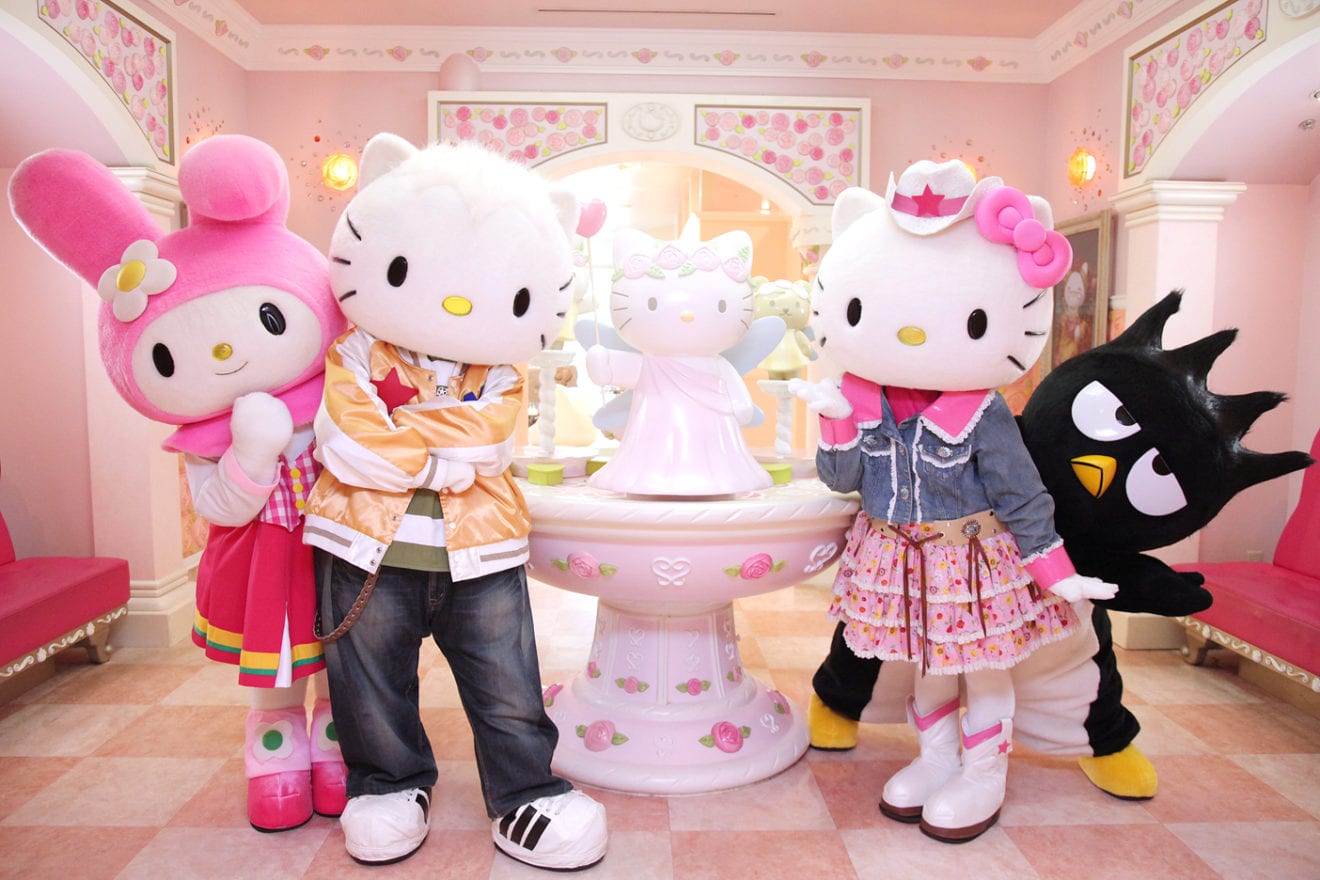
    Local fashion label Ruby is launching a limited-edition collection of Hello Kitty-licenced products, including t-shirts, sweatshirts, oversized hoodies and activewear.

    The collection, Ruby x Hello Kitty, will be available in stores and online from August 16, and is expected to take the brand’s customers on a trip down memory lane.

    “This collection with Sanrio has been so exciting,” said Deanna Didovich, Ruby’s creative director, said in a statement.

    “Growing up I collected anything Hello Kitty! There’s no doubt Ruby x Hello Kitty will be one to remember,” she said.

    The collection also includes several non-licensed products, including a satin skirt and bomber jacket set designed to be mixed and matched with the streetwear pieces, as well as a denim jacket and mini-skirt.

    The Hello Kitty activewear set is made from econyl fibre, which is nylon that is 100 per cent regenerated from recovered fishnets and nylon waste. This helps to reduce the global warming impact of nylon by up to 80 per cent.

    Ruby and its sister label, Liam, are increasingly incorporating sustainable materials into their collections.

  • The North Face reveals future plans with NY opening

    The North Face reveals future plans with NY opening

    Activewear label The North Face has initiated its global retail strategy with the opening of a new store in Manhattan’s SoHo neighbourhood last Friday.

    The brand will transform its existing locations to create a stronger connection with consumers and evolve The North Face retail environment into a space that feels more like the brand and less like a store.

    The 8000sqft venue is the first of a number of planned updates to the brand’s locations globally, including Seattle and Cherry Hill, NJ in the coming weeks, as well as locations in Europe later this autumn. The North Face is aiming to refresh the majority of its fleet of stores by the end of 2024.

    The North Face set out to design a store to reflect its brand positioning as premium, long-lasting and sustainably built. The SoHo location and all new stores moving forward will feature FSC certified reclaimed wood, steel, granite and low VOC paints. The environments are purposefully designed for longevity and to avoid the need for wasteful refurbishing throughout the years.

    “Our stores will continue to offer a convenient and seamless shopping experience, but it is no longer the sole mission of the store,” said VP of direct to consumer Mark Parker.

    “We’re now focused on creating an environment that highlights our heritage and allows consumers to deeply connect with the brand as they prepare for their own exploration, wherever it may be.”

    Elements of the new space include a museum-like archive of The North Face athlete expeditions and significant products, a signature half dome scent, and a team of “guides”, equipped to offer gear and exploration recommendations tailored to local adventure.

  • Versace adds gloss to Capri results

    Versace adds gloss to Capri results

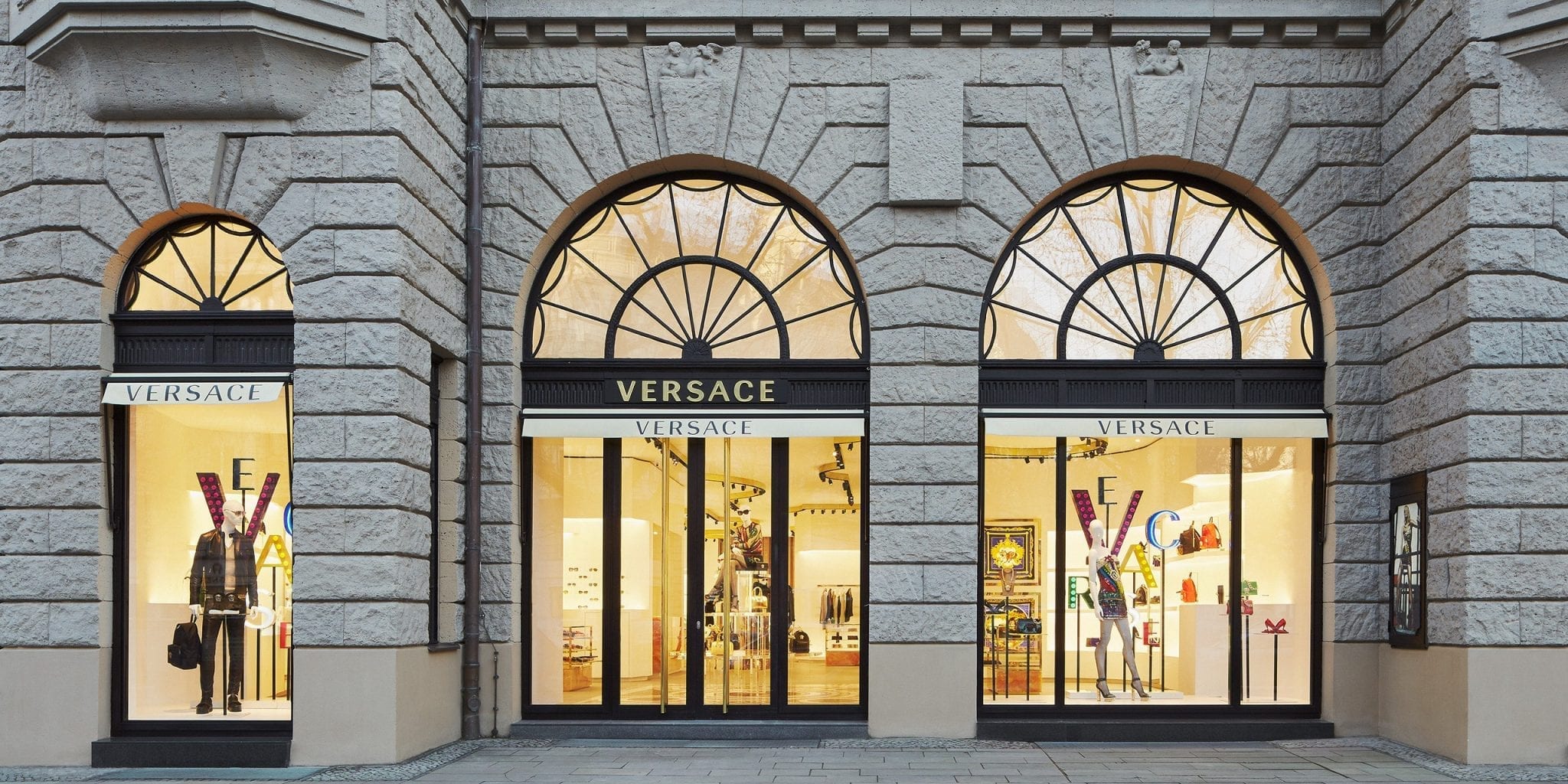
    At headline level, the latest Capri results looks to have been a good quarter for the fashion retail owner, with revenues up by a solid 11.9 percent.

    However, the results are far from spectacular. The uplift in revenue is all a function of the inclusion of sales from Versace, which was not part of the group at this point last year. Revenue at the two other brand houses – Michael Kors and Jimmy Choo – both fell significantly.

    Moreover, margins at both divisions declined, contributing to a 70.2 percent dip in operating income. All the metrics are going in the wrong direction and run counter to Capri’s business plan for strengthening profitability as it advances to being an US$8 billion business.

    Michael Kors is the most problematic part of the business and the brand starts the new fiscal year in the same way as it ended the last one – with a decline in overall revenue. The difference from last year is that the pace of decline has accelerated, underpinned by a modest deterioration in comparable sales. As much as Capri blames the poor performance on its efforts to rebalance the brand, the weak numbers have more to do with a lack of underlying enthusiasm from some of the audiences it wants and needs to reach.

    Part of the issue is the baggage that Michael Kors still carries from the days when it expanded to the point of ubiquity: there are still lingering perceptions that the brand is unsophisticated and lacks the refinement of labels like Coach. None of this is aided by the fact that Michael Kors deliberately plays up its edgy nature with some bold and occasionally gaudy designs supported by marketing and promotion that can appear gauche. These things may differentiate the brand from more conservative rivals, but they do little to increase its appeal.

    To be fair, Michael Kors also has products that are elegant and its newer menswear ranges are designed to be fashionable and functional and so come across as more conservative. However, these get lost in the wider image of the company and make the offer look unfocused and schizophrenic. Michael Kors is still a brand that is unsure of its identity and this does not bode well for future growth.

    Jimmy Choo’s heritage is more conservative, and its backstory is one of the elegant products with interesting fashion twists. However, the influence of Michael Kors is starting to rub off and the brand is becoming more focused on the bling with a pinch of ostentatiousness thrown in for good measure – as is exemplified by the new logo and some of the new non-footwear product launches. Attempts to amplify the brand are not necessarily wrong, but the methods being used have the potential to alienate existing customers and drag the brand into territory where it cannot thrive.

    The integration of Versace represents an opportunity for Michael Kors and in terms of styling and brand attitude, the division is a good fit for the ethos of the whole group. The challenge is to bring discipline to a logo that is larger than life, but which often lacks focus and coherence. We are generally supportive of the vision to grow share in menswear and activewear and to expand the store footprint. However, a lot of work on the overall brand vision is still needed to create a compelling offer for the customer.

    Overall, Capri is fulfilling its vision to create a house of luxury brands. Unfortunately, it currently has a collection of brands that need a lot of work in order to reach their potential. We reserve judgement on whether current management can deliver the long-term growth plans they have set out.

  • Kathmandu lifts same-store sales in FY19

    Kathmandu lifts same-store sales in FY19

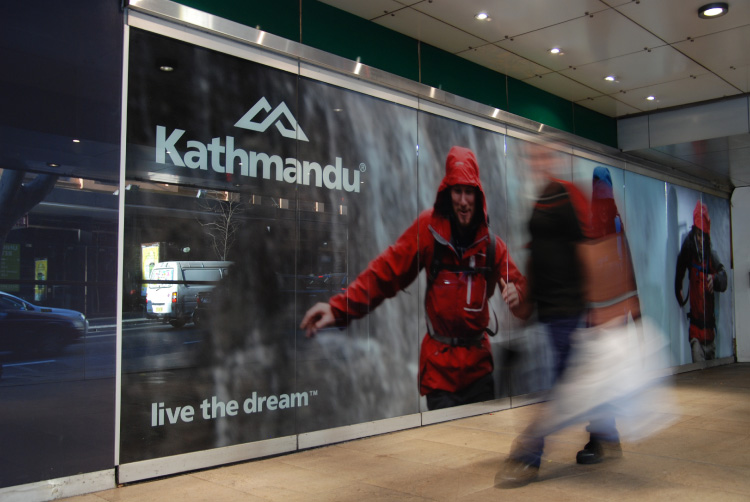
    Kathmandu has reported a 2.7 percent year-on-year increase in same-store sales in Australia in FY19, and a 3.9 percent decline in same-store sales in New Zealand year on year.

    Overall, group same-store sales grew 0.6 percent year on year in FY19, the outdoor retailer said in a trading update on its unaudited full-year results on Thursday.

    Total sales across the business grew 9.6 percent to $520 million (NZ$545 million) compared to the year prior, with Kathmandu seeing strong performance in Australia during the second half of the financial year.

    According to Kathmandu managing director and chief executive Xavier Simonet, this was due to strong winter sales in Australia, as well as the continued performance of footwear brand Oboz.

    US-based footwear brand Oboz, acquired in April 2018, is expected to see continued growth in FY20 and beyond, according to Simonet.

    The business expects to see net profit of between $52.9 million (NZ$55.5 million) and $54.3 million (NZ$57 million), based off of an EBIT of between $78.7 million (NZ$82.5 million) and $80.1 million (NZ$84 million).

    This is compared to last year’s net profit of $48.1 million (NZ$50.5 million) and $71.1 million (NZ$74.6 million).

    Kathmandu expects to release its audited full-year results in late September.

    Simonet has previously stated international growth remains a priority moving forward.

    Kathmandu appointed Amy Beck as president of its North American business in January of this year as part of this international push.

    “Kathmandu is on a journey of transformation,” Simonet said, noting that profit growth in the core Australasian business would be used to fund investment into future growth.

    “While we are focused on driving growth for our core Kathmandu business in Australia and New Zealand, we are also step by step diversifying our channels, brand and markets, particularly through Oboz which has delivered strong growth.”