Tag: Fashion

  • Victoria’s Secret controversial marketing chief stops

    Victoria’s Secret controversial marketing chief stops

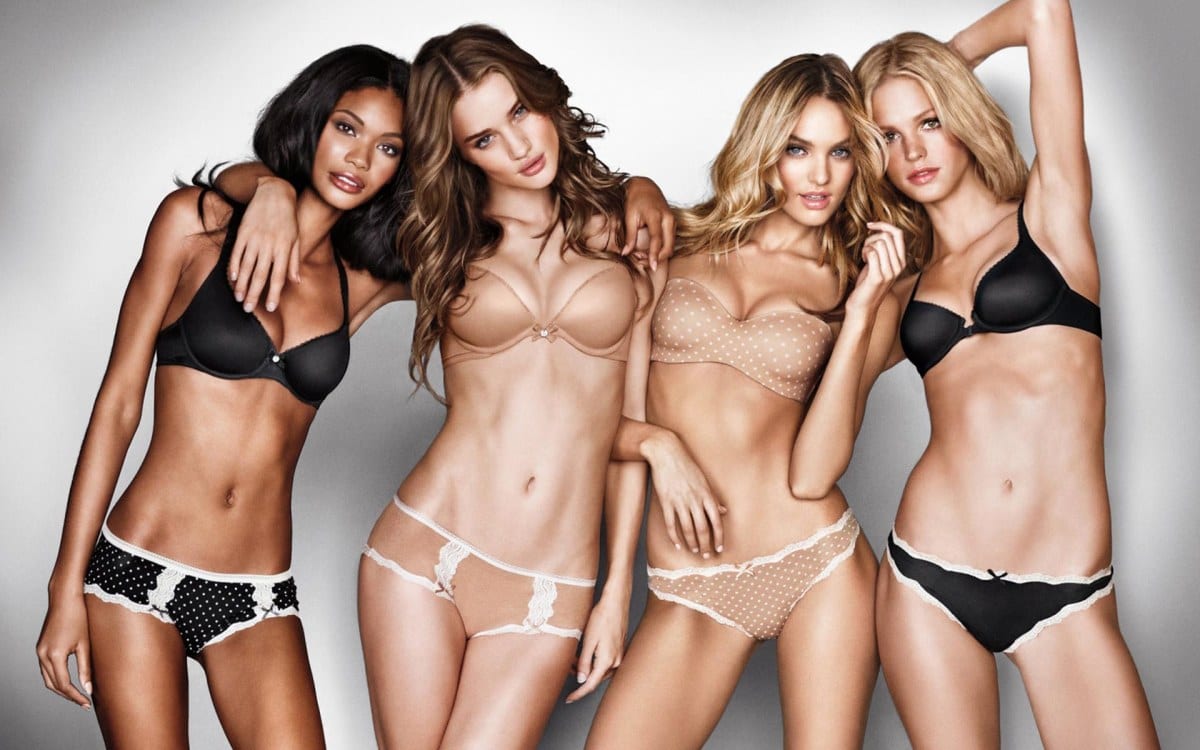
    Longtime Victoria’s Secret chief marketing officer Edward Razek will resign following months of negative PR centered on his comments about plus-size and transgender models in a Vogue interview.

    Edward Razek, who has personally selected the lingerie brand’s models for more than 15 years, said in the interview that such models had no place at Victoria’s Secret’s fashion shows, a remark well out of step with contemporary attitudes in the industry and among the general public.

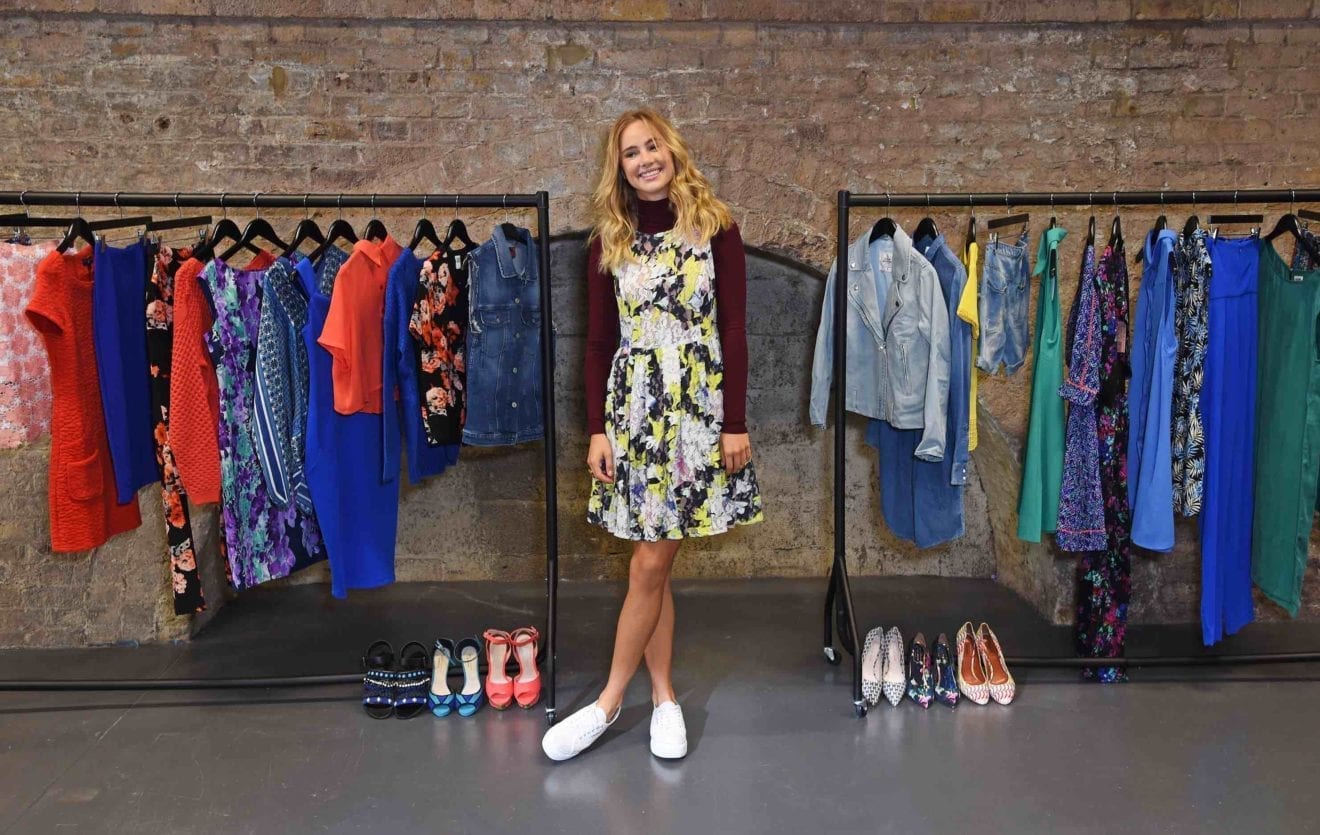
    His departure came within days of Victoria’s Secret announcing its first steps toward inclusivity with the appointment of Brazilian transgender model Valentina Sampaio, (pictured above).

    “A few weeks ago, I shared with Les [Wexner, Victoria’s Secret owner L Brands’ CEO] my desire to retire sometime around mid-August,” said Edward Razek. “It was a tough conversation to have because, as some of you must know, we have shared so much together for so many years.”

    The departure comes at a point when more than 100 models have signed an open letter to Victoria’s Secret out of concern for the safety of women aspiring to model for the lingerie brand, following allegations of sexual misconduct directed at photographers who worked with the brand. The company has also been tainted by widespread media coverage of links between Wexner and disgraced sex offender Jeffrey Epstein, now in jail on charges relating to procuring sex with minors.

    “Corporations tend to treat the discovery of abuses as public-relations crises to be managed rather than human-rights violations to be remedied,” said founder and executive director of The Model Alliance Sara Ziff. “The Respect Program provides Victoria’s Secret an opportunity not only to right the wrongs of the past but also to work towards prevention.”

    Ed Wolf, L Brands’ senior VP of brand and creative, and Bob Campbell, VP of creative for Victoria’s Secret, will take over from Edward Razek until a permanent replacement is found.
  • Pomelo Purpose range now features recycled PET fabrics

    Pomelo Purpose range now features recycled PET fabrics

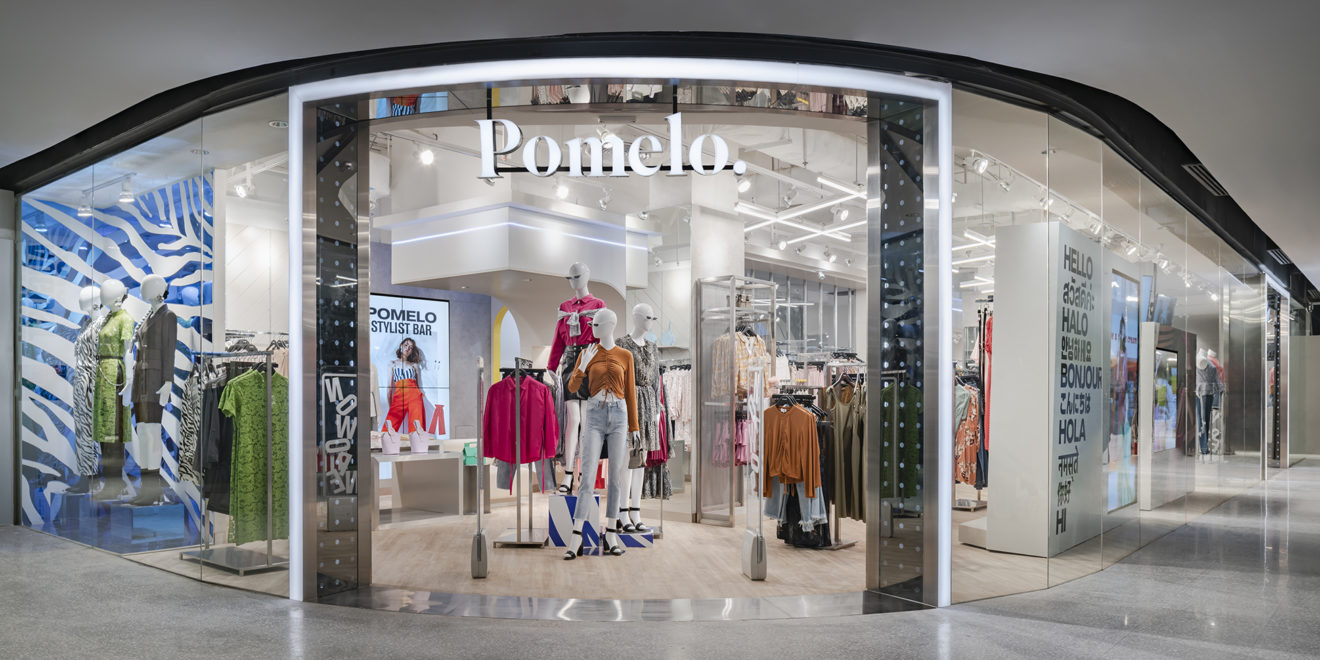
    Omnichannel fashion brand Pomelo has released a third collection for its permanent sustainable line Purpose.

    Seeking to lead the sustainability charge in the Southeast Asian fashion industry, the brand will be introducing Recycled PET (RPET) material to its Pomelo Purpose production processes for the first time.

    As with the brand’s previous Pomelo Purpose collection, which placed a focus on clothing made exclusively from organic fabrics, dyes and cruelty-free materials, this collection intentionally incorporates eco-friendly practices from within the supply chain. Aiming to bring awareness to the importance of building sustainable fashion futures, the latest addition to the Purpose line is produced using RPET material and organically-sourced fabrics including linen, cotton, and natural dye.

    RPET material, which is obtained from EcoMax, one of the few Asian suppliers of environmentally-friendly renewable fabric, is made from 100-per-cent post-consumer PET bottles that would otherwise enter landfills or pollute natural habitats. By incorporating RPET material into the production of Purpose pieces, Pomelo hopes to create higher-quality, lasting pieces that ease production pressures on finite natural resources.

    Pomelo is encouraging its customers to drop off used clothing at its select partnered locations and offline stores, including the newly-opened Singapore flagship store at 313@Somerset. Pomelo Purpose shoppers can also schedule free pick-ups by scanning a QR code stitched into their Purpose products. All collected clothing is then redistributed to underprivileged partner communities, organisations and charities in Thailand, Singapore and Indonesia.

    “Purpose by Pomelo has led the way for the fashion industry in the region to adopt environmentally-friendly practices through sustainable materials and processes,” said Pomelo CEO David Jou. “With this launch, we are hoping to make an even bigger impact by providing all Pomelo shoppers an opportunity to start their recycling journey using our free pick up service. We’re very excited to continue bringing innovation to this very important topic.”

    From now until September 5, all Pomelo online customers in Singapore, Thailand and Indonesia will be able to book a free pick-up for up to 3kg of used clothing via the Pomelo App. After the promotional period, free pick-ups will be limited to first-time Pomelo Purpose shoppers only.

  • City Chain sales down as store network shrinks

    City Chain sales down as store network shrinks

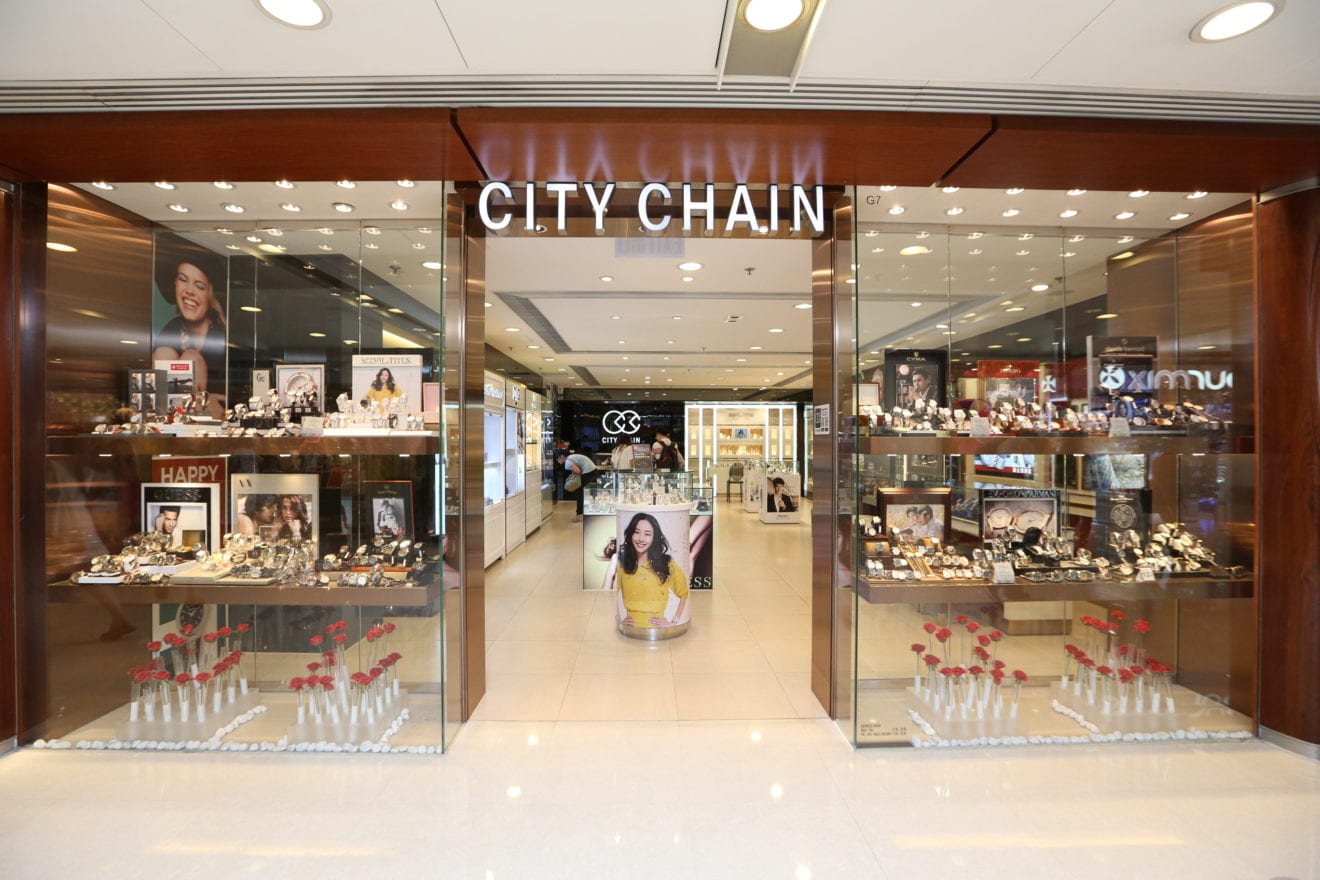
    City Chain sales plunged 20 percent across Greater China in the three months to June.

    Hong Kong-headquartered parent Stelux International – which spun off its eyewear business last year – said the watch-retailing chain’s poor performance was due to a 14.8-per-cent contraction of its store network and “softened consumer demand”.

    Group-wide turnover fell 18.8 percent to HK$235.3 million for the June quarter.

    City Chain sales in Greater China reached $167.1 million in the quarter, down 20.1 percent, with the store network down from 135 at the end of June last year to just 102.

    Sales in Southeast Asia fell 15.3 percent to $68.2 million with the store network down 36 over a year to 208.

  • Online fashion retailer Boohoo ready to buy Karen Millen and Coast

    Online fashion retailer Boohoo ready to buy Karen Millen and Coast

    Fast-growing pure-play online fashion retailer Boohoo is preparing to acquire the Karen Millan and Coast brands.

    According to sources quoted by Sky News, Karen Millen will be placed in administration as early as today, UK time, in what is termed a “pre-pack administration” where the new buyer acquires the assets relatively unencumbered.

    The deal – assuming it proceeds – is remarkable in that it reflects the power of new-generation online retailers being in a place to pounce on struggling brands like Karen Millen, itself an icon of the high-street fashion scene.

    Boohoo Group, listed on AIM, a subsidiary of the London Stock Exchange, owns a controlling share in PrettyLittleThing. Last month, thanks to an association with reality TV series Love Island and high-profile celebrity endorsements, Boohoo overtook Asos as the most valuable online fashion retailer in the UK, its valuation touching £2.35 billion. Its share price has surged 29 percent this calendar year.

    According to Sky News’ sources, Karen Millen is about to appoint Deloitte as administrator of the business, preparing the way for Boohoo to proceed with the purchase.

    The two fashion labels have been on the market for six weeks during which management attempted to secure a sale of the business while it remained solvent. Karen Millen bought Coast out of administration last October. Karen Millen and Coast were both previously owned by Icelandic bank Kaupthing.

  • Simone Rocha opens store on Hong Kong

    Simone Rocha opens store on Hong Kong

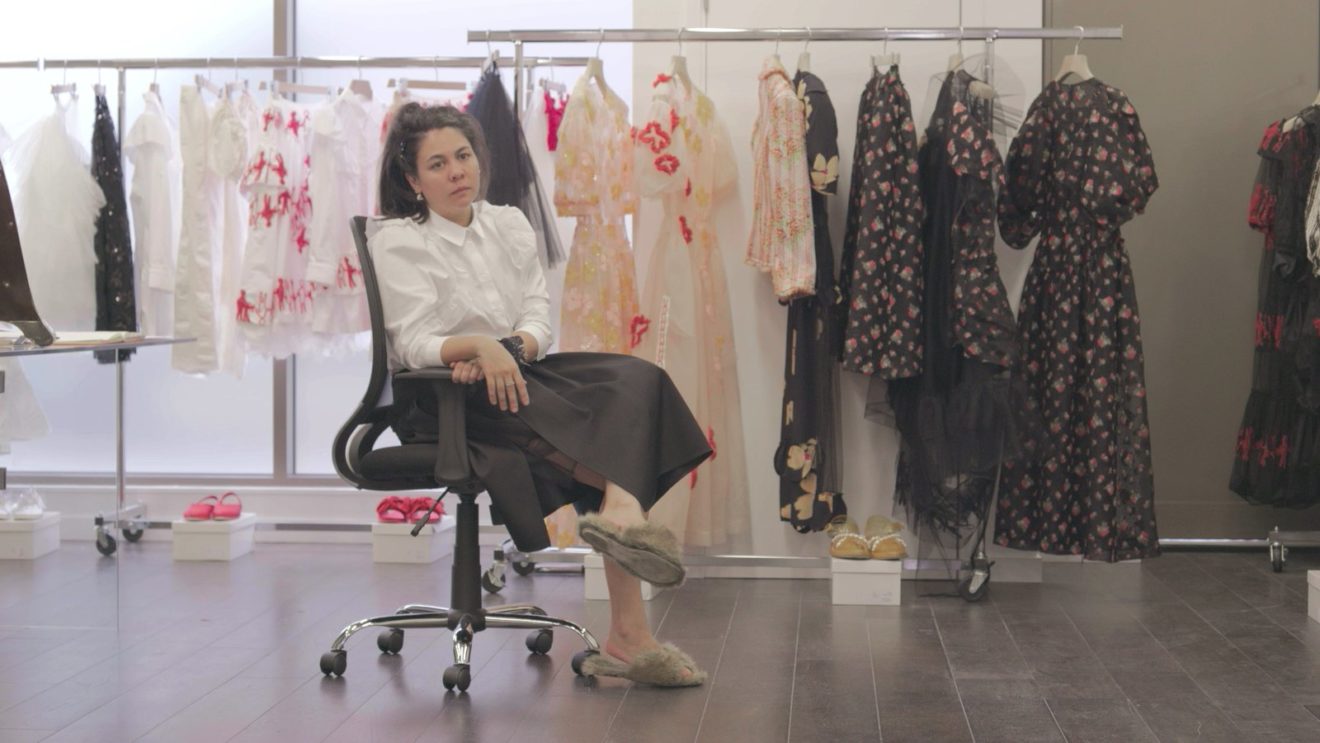
    Fashion label Simone Rocha has launched a brand-new store in Central.

    The store is only the third standalone Simone Rocha outlet in the world since its first opening in London in 2015, which was followed by a store New York two years later. Each new store is designed to invoke an intimate and unique retail atmosphere, offering customers a chance to engage with the clothes physically and to experience and understand the fabrics up close.

    “I am very proud to be opening my first stand-alone store in Hong Kong,” said designer Simone Rocha, “with the support of I.T Group after our long-term relationship of eight years. Their belief in my vision and creativity makes me very excited for our upcoming journey together.”

    The 900sqft store is located on Ice House Street. It features Simone’s signature perspex furniture and hand-made sculptures, a balance of craft and modern materials that will be reimagined within the store each season. Alongside these interiors are hand-molded floral cornicing, pink marble and curated art pieces.

    “The unique aesthetic and brand values of Simone Rocha have always been in line with the philosophy and vision of I.T Group,” said I.T Group executive director and CEO Kar-Wai Sham.

    “We see great potential in the brand’s development in the Greater China market, and it gives us great delight to partner with Simone Rocha in opening the label’s first store in Asia.”

  • Ralph Lauren opening five new stores this year

    Ralph Lauren opening five new stores this year

    US fashion brand Ralph Lauren is ramping up its presence in Australia with the launch of its first standalone women’s store in Sydney’s CBD last month.

    The store, located in the iconic Queen Victoria Building, is part of the transformation over the last five years of the brand’s previously known ‘Blue Label’ into ‘Polo Ralph Lauren for Women’.

    “Polo Ralph Lauren for Men is well-established in the Australian market and we see an opportunity for our women’s business to grow as we further expand our offering across different channels,” the brand said.

    Four more stores carrying both womenswear and menswear collections are slated to open across the country in September and October. The stores will be located in Indooroopilly and Sunshine Plaza in Queensland, Melbourne Emporium in Victoria and Canberra Centre in the ACT.

    “The store openings build on Ralph Lauren’s targeted expansion across Australia and around the world as part of its Next Great Chapter strategy to deliver sustainable, long-term growth and value creation,” the brand said.

    The brand said it is committed to the expansion of the Polo Ralph Lauren business in Australia, where it is distributed through owned, standalone stores, as well as through David Jones, Myer and Glue, and online through The Iconic.

    The business has a 25-year history in Australia. Initially operating as a licenced brand, Polo Ralph Lauren took back control of the local business in 2013.

  • Hush Puppies breaks out of “vicious cycle”

    Hush Puppies breaks out of “vicious cycle”

    Iconic footwear brand Hush Puppies is undergoing a major brand transformation in Australia, backed by updated modern collections designed to appeal to younger customers, fun collaborations and an upcoming gamification campaign in September.

    Traditionally known as the comfort footwear choice for grandparents, the local team has “really spun this brand on its head”, according to general manager, Charlene Perera.

    “It’s a 61-year-old brand and we had gotten to this point where we had gotten old with our customer. We were doing the same things, expecting a different result. It’s a vicious cycle so many retailers get into,” she said.

    “It took us probably a year and a half to find our feet and being predominantly wholesale with a smaller retail network, it took a lot longer to turn it around. But the last two years for us have just been on the up, which has been really amazing for a heritage rand in this climate. So we’ve seen growth across our retail network, online and our department stores.”

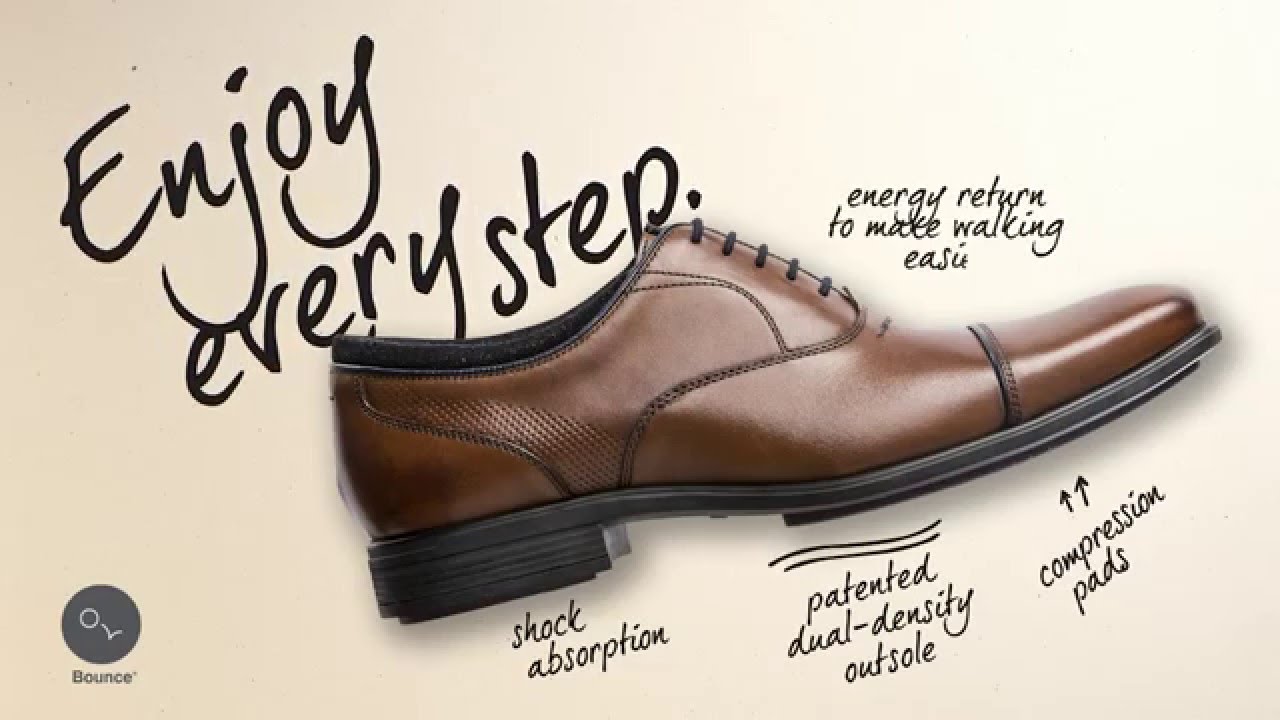
    Next month, as part of a campaign to promote the bounce technology within their shoes, Hush Puppies will launch an online game on its website for customers, which will be promoted for four weeks across radio stations in Melbourne, Sydney and Brisbane.

    In each state, Hush Puppies will run an activation, where radio announcers representing customers at the top of the leaderboard will then battle it out against each other in zorb balls.

    According to Perera, it is these “unexpected” and fun initiatives that have helped to re-direct the brand and give it new life.

    “For our 60th birthday last year, we threw a party, we invited all the buyers into our office, the customers that shop in our store, all our team and we raffled off the car on the night. It was a massive party, you know. It’s fun stuff and I don’t think other brands are doing it. And I think those little things go a really long way,” she said.

    Earlier this year, Hush Puppies was the official shoe of Mardi Gras and a sparkly pair of shoes was created specifically for the event. When the brand turned 60 last year, it went on a music road trip around Australia, paying homage to the rich rock ‘n’ roll history behind the brand – musician Keith Richards famously wore a pair during a Rolling Stones concert.

    According to Perera, while Hush Puppies is based in the US, the brand turnaround has largely been led by the Australian team, which designs 90 percent of the local collection.

    The updated Hush Puppies range is now focused on the everyday woman who wants both style and comfort.

    However, there has since been a global push by Hush Puppies in the US towards an updated collection of the brand’s famous Power Walkers.

    “I think in the women’s space, we had really allowed ourselves to get old, we were aging with our customer,” Perera said.

    “It’s fun for us to be able to have a bit of tongue in cheek. We know that they the Power Walker were the grandpa shoes that everyone relates to Hush Puppies, but in slightly less cooler colors. The heart of the brand for me is it’s a happy brand and optimistic – it’s backed by a little dog!”

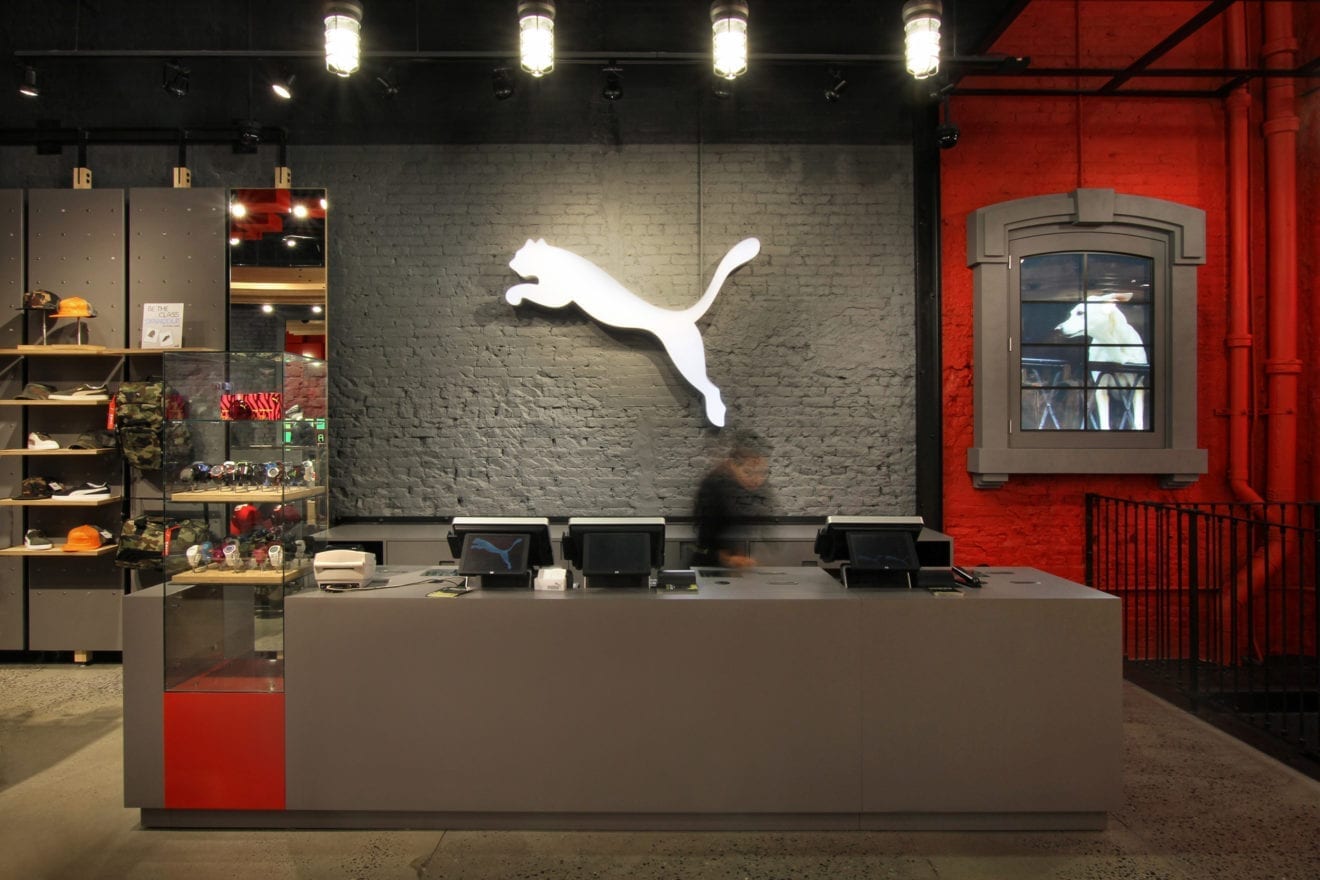
  • Puma sales drops as 233 new stores open across China

    Puma sales drops as 233 new stores open across China

    Puma sales surged by 15.5 per cent on a currency-adjusted basis in the first half of this year, to €2.546 billion.

    The Asia-Pacific region led the way, with sales soaring 21.6 per cent in the second quarter, closely followed by the Americas, up by 19.7 per cent. Net earnings rose by 46.3 per cent to €144.1 million.

    “The second quarter of 2019 developed very positively for us, with sales growing 15.7 per cent currency-adjusted and earnings before interest and tax increasing 39 per cent,” said CEO Bjorn Gulden. “All divisions and all regions saw healthy improvement.”

    New styles of footwear sold well, apparel continued to be strong, replenishment orders for both apparel and footwear developed and the company’s direct-to-consumer business also performed well, he said.

    Within Asia, China was the main growth driver for the sportswear brand, without breaking down Puma sales figures by market.

    From a product-division perspective, the sales growth was driven by double-digit growth in apparel with an increase of 24.8 per cent as well as in footwear, which grew by 11.7 per cent.

    Wholesale continued to drive growth with an increase of 13.8 per cent currency-adjusted, supported by the strong performance of key accounts. Sales through Puma’s owned-and-operated retail sales increased by 21.5 per cent currency-adjusted to €599.6 million including e-commerce.

    In China Puma opened a net 33 owned-and-operated retail stores during the first six months and its partners a further 200.

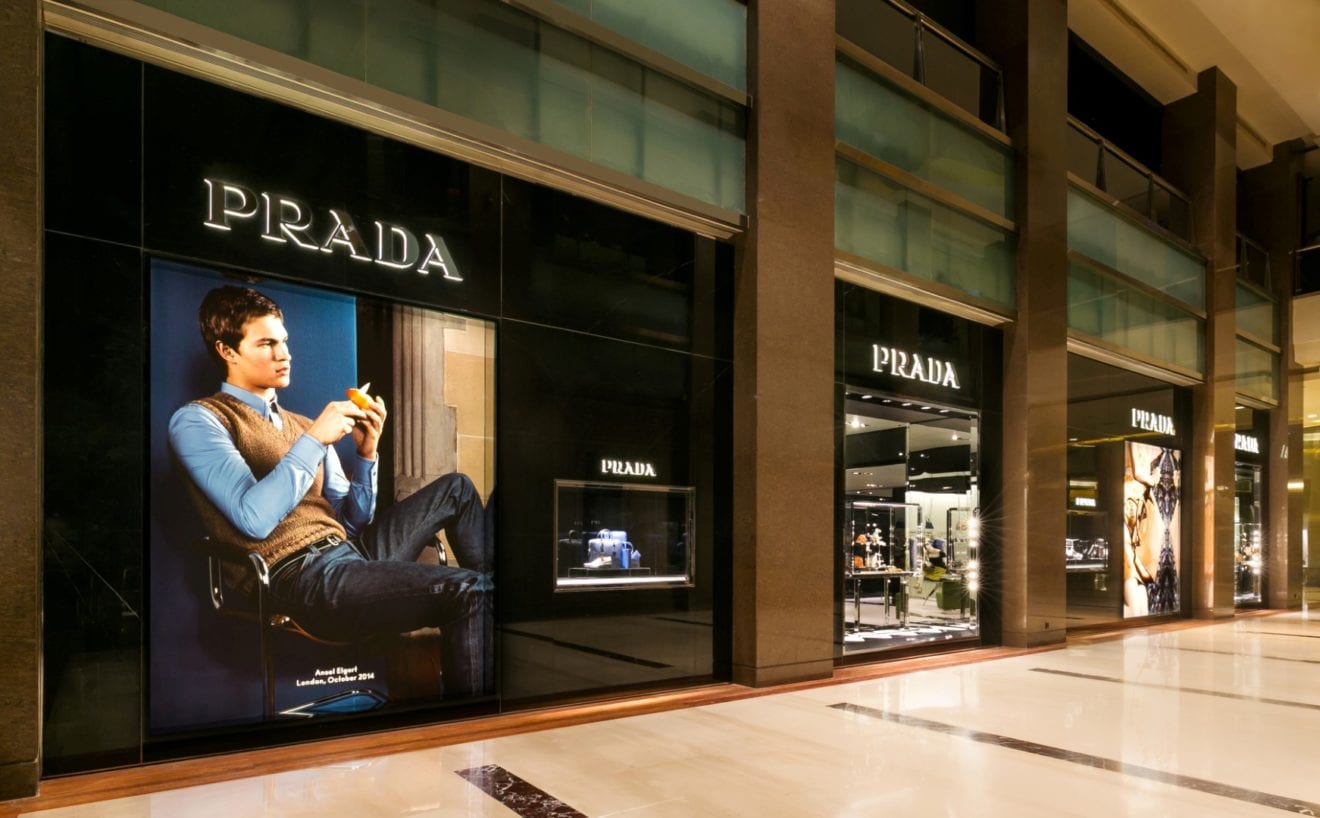
  • Prada sales rise as markdowns capped

    Prada sales rise as markdowns capped

    Prada sales rose 2 percent in the first half of the year, as improving full-price sales and solid growth in its wholesale channel offset the impact of a move to cut back on markdowns.

    The Hong Kong-listed Italian luxury fashion group said this year it would stop offering end-of-season promotions in its stores and be more selective with wholesalers to support full-price sales to lift margins and protect its brands.

    Prada sales had risen last year for the first time in four years, helped by a new strategy aimed at rejuvenating the brand, which focused on renovating shops, new products, and digital sales.

    In the first half of 2019, revenue totaled US$1.73 billion, which was flat when stripping out the impact of currency swings.

    The retail network declined 3 percent affected by the phase-out of markdown sales, while the wholesale channel rose 14 percent driven by online sales, with the rationalization not having any impact yeton that part of the business.

    Prada warned however it will affect results in the short-term.

    Operating profit, or earnings before interest and taxes (EBIT), decreased 13 percent to US$166 million, equivalent to 9.6 percent of sales. The group’s operating profit margin has been declining every year since 2012 when it stood at 27 percent.

  • Fashion tech startup MadThread raised US$500,000

    Fashion tech startup MadThread raised US$500,000

    Singapore fashion tech startup MadThread has raised US$500,000 in seed funding. The deal was managed by AngelCentral, an angel investment community that supports startups in Southeast Asia, and Phey Teck Moh. Eleven other investors also participated.

    Founded in 2018, MadThread offers rental fashion via a subscription model. It aims to build a one-stop online platform for consumers to experience and experiment with various fashion brands on demand.

    “We’re on a mission to curate and partner with the very best of emerging and established fashion labels to give our customers access to an unlimited ‘closet in the cloud’ at a monthly flat fee,” said Nicole Hu, founder and CEO of MadThread.

    Before the seeding round, Madthread had received a six-figure investment.

  • Goxip expands into Singapore as APAC push gains pace

    Goxip expands into Singapore as APAC push gains pace

    Hong Kong and Malaysian mobile fashion-and-beauty marketplace Goxip will launch in Singapore on August 19. The service has more than 600,000 active monthly users in Hong Kong alone and counts luxury retailers such as Net-a-Porter, Farfetch, and Asos as well as brands like Nike, Alexander McQueen and Topshop among its partners and advertisers.

    As part of the launch, Goxip will invest in offline/online media and influencer marketing, leveraging its RewardSnap KOL monetization network.

    The launch will follow a whole redesign of the website and app’s look and feel in order to appeal even more to Singaporean consumers. It aims at educating Singaporeans on how Goxip is used to search, compare and shop products from global retailers in a few clicks.

    “I believe Singapore to be an extremely good opportunity for Goxip to expand its user base and sales,” said Goxip co-founder and CEO Juliette Gimenez.

    “We reached over 15 million in sales in Hong Kong in the last two years, with over 600,000 monthly active users and close to 1 million downloads of our app globally. Singaporeans and Hong Kongers are very similar in terms of purchasing behavior, expat demographics, and internationalization. This tops our confidence to scale further and reach new heights in Singapore!”

    The expansion is part of Goxip’s strategy to penetrate more APAC countries on top of its home base of Hong Kong. Goxip gained significant traction in Hong Kong since its launch in 2017 and plans to expand to further areas such as the Middle East and Oceania. Goxip’s team is also increasing in size to allow its business to grow and launch new features for its website and app.

    “We are building a strong team in Hong Kong to support Goxip expansion and improve performance further,” said Goxip’s VP marketing Michele Tardelli. “Our brand is well-known in Hong Kong and our track record proves that product/market fit is there. Now it’s time to get Singaporeans to know us, engage with our website/app and shop. We have a holistic marketing plan to make this happen.”

  • Sands Macao Fashion Week 2019 insights

    Sands Macao Fashion Week 2019 insights

    Sands Resorts Macao will host the Sands Macao Fashion Week 2019 from October 17 to 23 with a week of fashion shows, exhibitions and promotions.

    The event, being held for the third time, is designed to showcase the many retail outlets at Sands Shoppes Macao and the upcoming autumn/winter collections. Apart from the opening night invitation-only event, all other events are free and open to the general public. With approximately 850 stores, Sands Shoppes Macao is the territory’s largest duty-free luxury-shopping experience.

    Sands Macao Fashion Week 2019 will feature a packed program, showcasing leading luxury and lifestyle brands across The Shoppes at Venetian, The Shoppes at Four Seasons, The Shoppes at Cotai Central and The Shoppes at Parisian. The week will be launched with a glamorous event for VIP guests, media and key industry influencers.

    Aimed at both the fashion industry and the general public, Sands Macao Fashion Week 2019 will present a series of ready-to-wear group runway shows spotlighting current collections together with various retail workshops and initiatives across the integrated resort.

    As with the two previous events, outstanding local designers hosted by the Macau Productivity and Technology Transfer Center (CPTTM) will again be invited to participate in Sands Macao Fashion Week 2019 as part of Sands China Ltd.’s ongoing campaign to support Macao’s cultural and creative industries.

    “Following its launch two years ago, Sands Macao Fashion Week continues to go from strength to strength,” said Las Vegas Sands Corp’s executive VP of global retail, David Sylvester.

    “As with the previous editions, this year’s SMFW will represent a celebration of all things fashion, taking in some of the biggest brands alongside boutique labels, with a spotlight on Macao’s homegrown fashion industry. We’re anticipating a thrilling week.”

    Sands Macao Fashion Week 2019 will also feature offers and exclusive promotions on a wide range of products.

  • China key driver for Hermes sales growth

    China key driver for Hermes sales growth

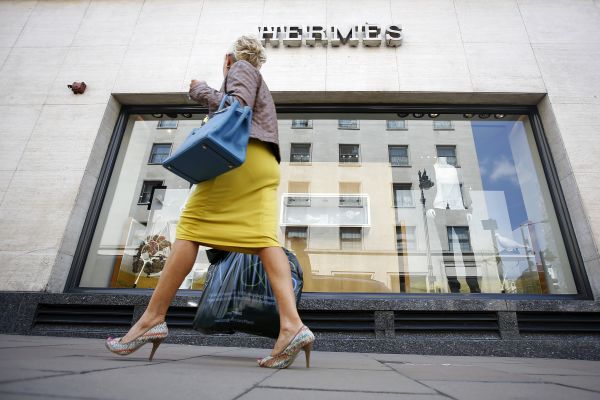
    Chinese consumers have been credited with driving a 14.7 per cent rise in Hermes’ sales in the June quarter.

    While the Sino-US trade war may have been impacting on many brands, subduing consumer confidence and generating uncertainty, the French luxury leather retailer seems immune to the tempest.

    Sales reached €1.67 billion, exceeding analysts forecasts, with first-half sales totalling €3.28 billion.

    “Hermes sales were very dynamic in the first half of 2019, in all regions and in all business lines,” said CEO Axel Dumas.

    The fastest-growing region, however, was Asia (excluding Japan) where sales soared 18.6 per cent in the second quarter, excluding currency effects. Hermes referred to “positive momentum in continental China and double-digit growth in all other countries in the area” in a statement.

    Eric du Halgouet, Hermes’ finance director, said sales in Hong Kong rose by a double-digit rate during the first half year, despite the impact of June’s pro-democracy demonstrations when two of the company’s stores had to close briefly.

    Sales in Japan rose by nearly 10 per cent.

    Sales of the company’s core business lines, including handbags, rose by 12.2 per cent, while ready-to-wear fashion and accessories achieved 16.9 per cent growth.

    Jewellery and homewares posted the highest growth, at 21 per cent.

    In the statement, Hermes said that despite growing economic, geopolitical and monetary uncertainties around the world, the group confirms an ambitious goal for revenue growth in the medium term, at constant exchange rates.

  • Hong Kong protests affect Richemont sales

    Hong Kong protests affect Richemont sales

    Protests in Hong Kong have likely contributed to an unexpected drop in revenues for Richemont sales in a key luxury market.

    The Cartier timepiece brand owner saw a 2-per-cent drop in sales in the last quarter and experienced a 3.9-per-cent fall in its stock price.

    The effect has not been across the board within the luxury sector: competitors Burberry and Swatch announced positive results for the period, although Swatch did also note the impact on sales following the highly publicized protests.

    Part of the difference in results lies in a recent inventory glut for Richemont over the past two-to-three years, compelling the firm to buy back unsold products from the market. According to the firm, the measured distribution tactics are intended to make its products scarcer, and that its new watches will be released in the next quarter.

    Shipments of Swiss watches to Hong Kong dropped 27 percent in June, averaging 6.6 percent for the first half. The decline corresponds with a general drop in Swiss watch exports, which fell 11 percent in June, partially set off by a boom in the mainland Chinese luxury industry, shifting sales away from Hong Kong where margins are typically higher due to lower taxes.

    Boosted sales on the mainland did help Richemont post a 9-per-cent rise in comparable revenue for the quarter to June 30, offsetting the effect of the Hong Kong protests.

  • Uniqlo India set to open first three stores

    Uniqlo India set to open first three stores

    Uniqlo India is counting down to the launch of its first three stores in India.

    The Japanese fast-fashion retailer first announced plans to open in India in late 2017 and it has taken more than 18 months to secure necessary approvals, locations and prepare operations.

    The stores will open in Delhi-NCR, with the first 35,000sqft outlet due to start trading in three months’ time. The move is part of the brand’s global strategy to gain ground on rival brands Zara and H&M.

    “The opening of our first store, Uniqlo Ambience Mall Vasant Kunj, followed by a second and third store a little later represents a significant step in our company’s global strategy,” said Uniqlo founder and Fast Retailing chairman, president and CEO Tadashi Yanai.

    A Uniqlo India spokesperson added: “Given the size and fast growth of the Indian market, the launch will for the first time involve three separate stores to be able to offer LifeWear to as many people as possible”.

    “We have to do the best price point based on our quality,” said the firm’s head of research & development Yuki Katsuta. “I have confidence in our price and also our value. Of course, we know, maybe our price point is slightly more expensive than your local market. People feel that it’s a little bit more expensive to what they’re used to buying. But at the same time, we have confidence that once they buy it we don’t let them down.”

    Uniqlo India has been helped by the government’s relaxation of sourcing restrictions for single-brand retailers, which currently stand at 30 per cent mandatory local sourcing.