Tag: Fashion

  • Net-A-Porter targets high end with EIP Prive

    Net-A-Porter targets high end with EIP Prive

    Net-A-Porter will this month launch EIP Prive, an invitation-only luxury digital destination for its most loyal customers to discover the world’s most sought-after high jewelry and watches.

    The company describes the new services as taking the experience of a private jewelry salon into the digital realm. It will be offered to customers in more than 170 countries, including across Asia.

    “The private and personalized online space will offer the ultimate immersive and interactive experience for traditionally offline and highly renowned jewelry maisons,” the company said. Boehmer et Bassenge, Piaget, Boghossian, Bayco, Nadia Morgenthaler and Giampiero Bodino will be the first brands featured on EIP Prive.

    The service will include access to a dedicated personal shopper who will help EIPs (Extremely Important People) select from the curated collection.

    “Building on the success of our Fine Jewelry & Watch suite, we are delighted to introduce a special collection of exquisite, high jewelry pieces at Net-A-Porter,” said Alison Loehnis, president at Net-A-Porter and Mr Porter. “EIP Prive will offer clients a truly unique opportunity to discover the world’s most exclusive high jewelry maisons through a highly personalized, invitation-only service.”

    Along with private viewings of the newest standout, rare jewels and exclusive collections, EIP Prive customers will have access to personalised services including customization, bespoke requests and sourcing incredible, one-of-a-kind pieces.

    EIP Prive will launch as an invitation-only service in July, with further expansions into watches and men’s planned for late 2019, further establishing Net-A-Porter and Mr Porter as the go-to authorities in the high jewelry and watch space.

    Net-A-Porter says its personal shoppers will receive diamond and gemstone education from the Gemological Institute of America.

  • Moda Operandi launches Store in China

    Moda Operandi launches Store in China

    Fashion-discovery platform Moda Operandi has appointed Ming Yang as the firm’s new MD for China.

    While Moda Operandi has served the Chinese customer for years, Ming’s appointment represents Moda’s official entry into the region. She will build a strategy, operations, marketing, and personal styling programs from Shanghai.

    “Ming’s experience successfully shaping major US and UK-based retail brands to fit the needs of the Chinese luxury consumer is unparalleled,” said CEO of Moda Operandi Ganesh Srivats. “At Moda, we’re committed to becoming part of the local fabric in China, building our China operation from the ground-up, and ultimately being the pre-eminent luxury fashion platform for Chinese consumers. Ming has just the experience to get us there.”

    Ming will be Moda Operandi’s first employee in China, growing the company’s Shanghai team and overseeing all of Moda Operandi’s business strategy and operations in Mainland China.

  • Dickson Concepts reveals Hilfiger business deal

    Dickson Concepts reveals Hilfiger business deal

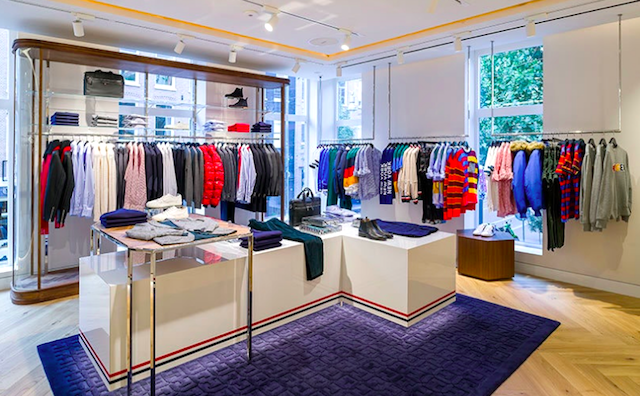
    Dickson Concepts has revealed details of the termination of its licence to sell Tommy Hilfiger products in Hong Kong, Macau, Taiwan, Singapore and Malaysia.

    The move, announced in March, is party of an international plan by Tommy Hilfiger’s parent PVH Corp to regain direct control of the brand in markets where it previously worked through third parties, like Dickson Concepts.

    The termination of the licence took effect on Monday of this week and resulted in PVH paying Dickson Concepts US$52.6 million, being the estimated terminal payment of $63.8 million less a deducted aggregate escrow of $11.2 million.

    PVH Corp, which also counts Calvin Klein, Van Heusen, Izod, Arrow, Warner’s, Olga and Geoffrey Beene in its portfolio, said the deal is in line with the company’s strategy of gaining more direct control over its brands.

    “This transaction demonstrates our commitment to making strategic investments to support the long term growth of PVH and our Tommy Hilfiger business, while leveraging our well-established infrastructure, our leadership expertise and strong brand momentum across both our Tommy Hilfiger and Calvin Klein businesses in the region,” said Emanuel Chirico, PVH Corp’s chairman and CEO at the time the move was announced.

    Dickson Concepts chairman and founder Dickson Poon in a stock exchange filing that the group “will continue the development of its other luxury brand name businesses and actively seek new investment opportunities to diversify and broaden its earnings base”.

  • Superdry outlines expansion plans

    Superdry outlines expansion plans

    Off the back of its recent bricks-and-mortar entry into New Zealand, streetwear brand Superdry is now set to expand across Sydney and Melbourne in August and September.

    Over the next two months, Superdry will be opening stores at The Glen Shopping Centre and Essendon in Victoria and Homebush DFO in Sydney, in addition to its next store in New Zealand in Queenstown.

    Superdry’s Auckland store opened in April this year and according to general brand manager at Superdry, Antony Hampson, the business is already achieving double digit sales growth versus its target.

    “We’ve always had a good wholesale distribution in New Zealand, so we knew there was an appetite for the brand and it was the right time,” Hampson told Inside Retail.

    “It was important for us to present New Zealand with our full concept and all our product lines in one store. The response has been fantastic, people have really taken to the monobrand concept and appreciated the new silhouette and styles we’re offering.”

    In addition to the new Auckland store, Superdry also localised the New Zealand e-commerce site in April, which was previously operated through the UK. Now that the site runs from Australia and the distribution centre is based in Melbourne, New Zealand customers can enjoy speedier delivery and a more consistent customer experience.

    “We’ve been able to open up a significant amount of our stock across all our network to our customer base. The distribution centre is in Melbourne, but we offer a ship-from-store functionality, which is important from a stock efficiency perspective,” explained Hampson.

    “We’re able to showcase stock in the distribution centre, as well as stock that may no longer be there but is available in stores, even fragmented stock, which they can purchase it online. That accounts for 30 per cent of our transactions.”

    Challenges ahead

    However, in other areas of the business, Superdry has faced some issues, notably the delay of the release of its annual results to July 10. Earlier in the year, founder Julian Dunkerton also warned that the gross profit of the entire year would be lower than current market expectations, due to changes in management and weaknesses in its on- and offline channels.

    “We’re a separate entity in Australia and we’re fairly isolated from the rest of the world. We’ve built a strong business in the last 10 years where we’ve grown substantially, but the investments have been smart so we have haven’t overcapitalised. We still see opportunities to grow,” Hampson explained.

    “I think a lot of the challenges that the brand has faced particularly in the UK have been driven from the top in terms of a conflict of strategic direction. That’s seen the founder [Dunkerton] voted back onto the board, which will straight away provide more clarity and understanding of what the direction is moving forward.”

    Hampson also pointed to the fact that given Superdry traditionally makes most of its sales from winter products, the brand has also been impacted by the warmer weather, like many other brands in the UK market.

    A focus on the customer

    In the next financial year, Superdry is planning to continue growing its commerce channel. According to Hampson, the brand has invested in new software to better communicate and segment its customer base and its CRM capability is much more advanced than it was 12-18 months ago.

    “That will allow us to understand our customers’ shopping habits in more detail and target customers more relevantly which will help to increase the purchase frequency in our database, which is an important factor amongst the doom and gloom around retail,” he said. “You have to continue to engage and grow your customer base and offer different products they wouldn’t have purchased into before.”

    Over the next year, the brand’s in-store merchandising will also evolve into a more clean, streamlined and contemporary experience for customers, Hampson added. However, given Superdry’s shift in recent years towards becoming more of a lifestyle brand, product options will always be a priority in-store.

    “Superdry was founded based on three key product categories – fleece, jackets and t-shirts. And although they will always remain the core centre of our narrative and we’ll continue to innovate and evolve across the categories, we also play in denim, shorts, shirting, accessories and footwear. So it’s important that from a customer perspective, we’re showcasing all of those additional product lines…to give customers an opportunity to buy into product they may not have otherwise and give them another reason to shop with Superdry.”

  • Zimmermann opens first outlet in Italy

    Zimmermann opens first outlet in Italy

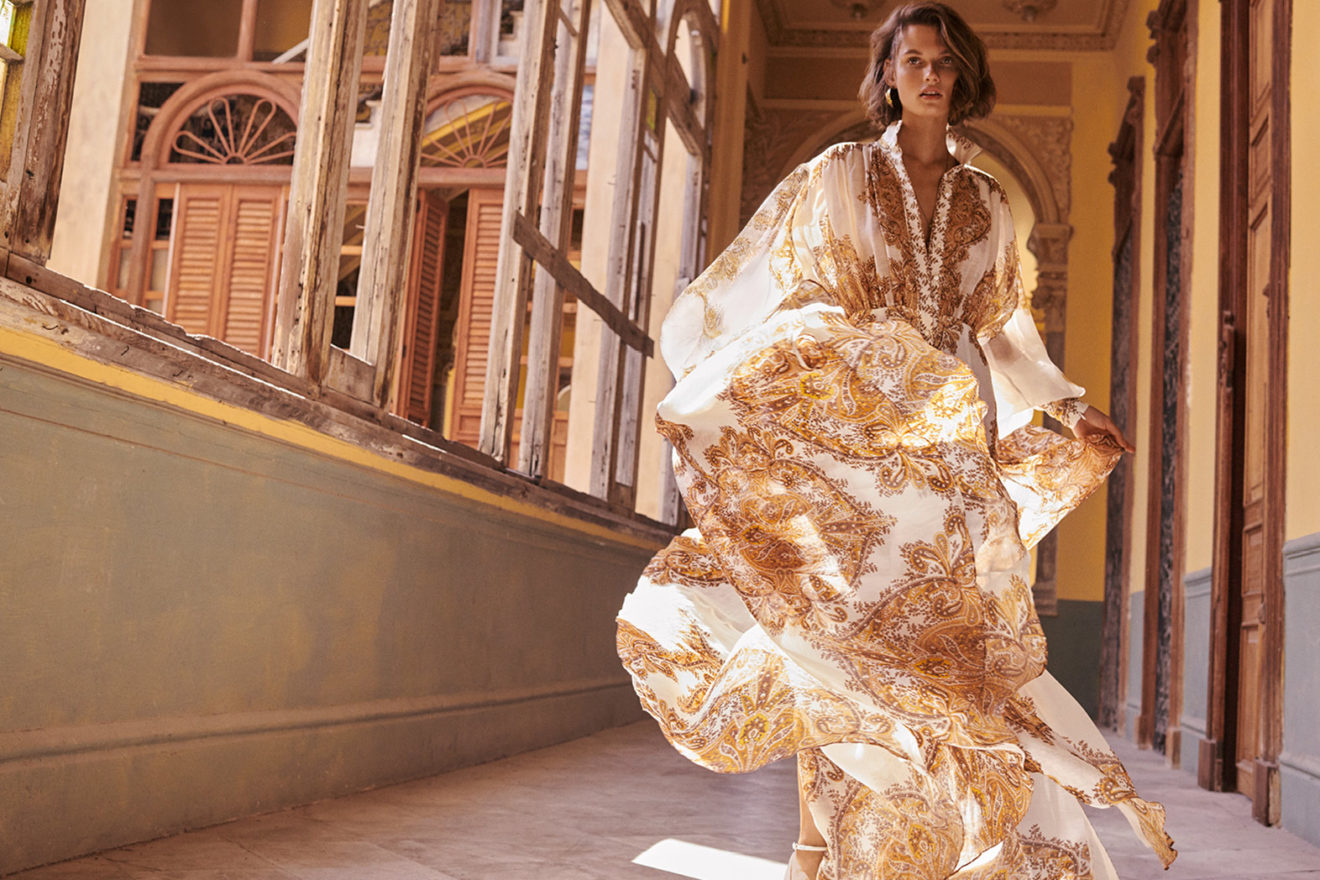
    Luxury fashion brand Zimmermann has opened a new boutique on the Amalfi Coast in Capri, Italy.

    Designed by Australian architect Don McQualter of Studio McQualter, the 734sqf (68sqm) store aims to convey a “relaxed femininity, an air of freshness and light, and unyielding optimism”.

    Zimmermann calls it a physical embodiment of the brand.

    “We are very excited to be opening our store in Capri. It’s our first Zimmermann boutique in Italy and it’s a dream to have a store in such an iconic European seaside destination,” said Nicky Zimmermann, the brand’s creative director and co-founder.

    “We thought it was such a perfect location to bring a part of Zimmermann to the Amalfi Coast.”

    Located on Via Vittorio Emanuele, the boutique’s subdued pink facade is in keeping with the local palette. Its interior features custom metalwork, light fixtures, display tables, millwork and visual merchandising fixtures – all designed by Studio McQualter.

    Artworks by Australian artist Tom Polo and the rich fabric palette of the fitting rooms add vibrancy to the space.

    The store is the brand’s first in Italy and follows the opening of boutiques in London in 2017 and St. Tropez in 2018. Zimmermann said it plans to open a fourth European store in Paris in July.

    Sisters Nicky and Simone Zimmermann launched the new boutique with a two-day celebration, starting with an intimate dinner by the sea on Thursday, June 27th, followed by a scenic lunch and all-day party at Villa Bismarck on Friday, June 28th.

    A bevy of celebrities were in attendance, including actresses Katie Holmes and Laura Dern; models Karolina Kurkova, Gemma Ward and Arizona Muse; and Australian style authorities, Yasmin Sewell and Laura Brown, among others.

  • Uniqlo opens another Australian store

    Uniqlo opens another Australian store

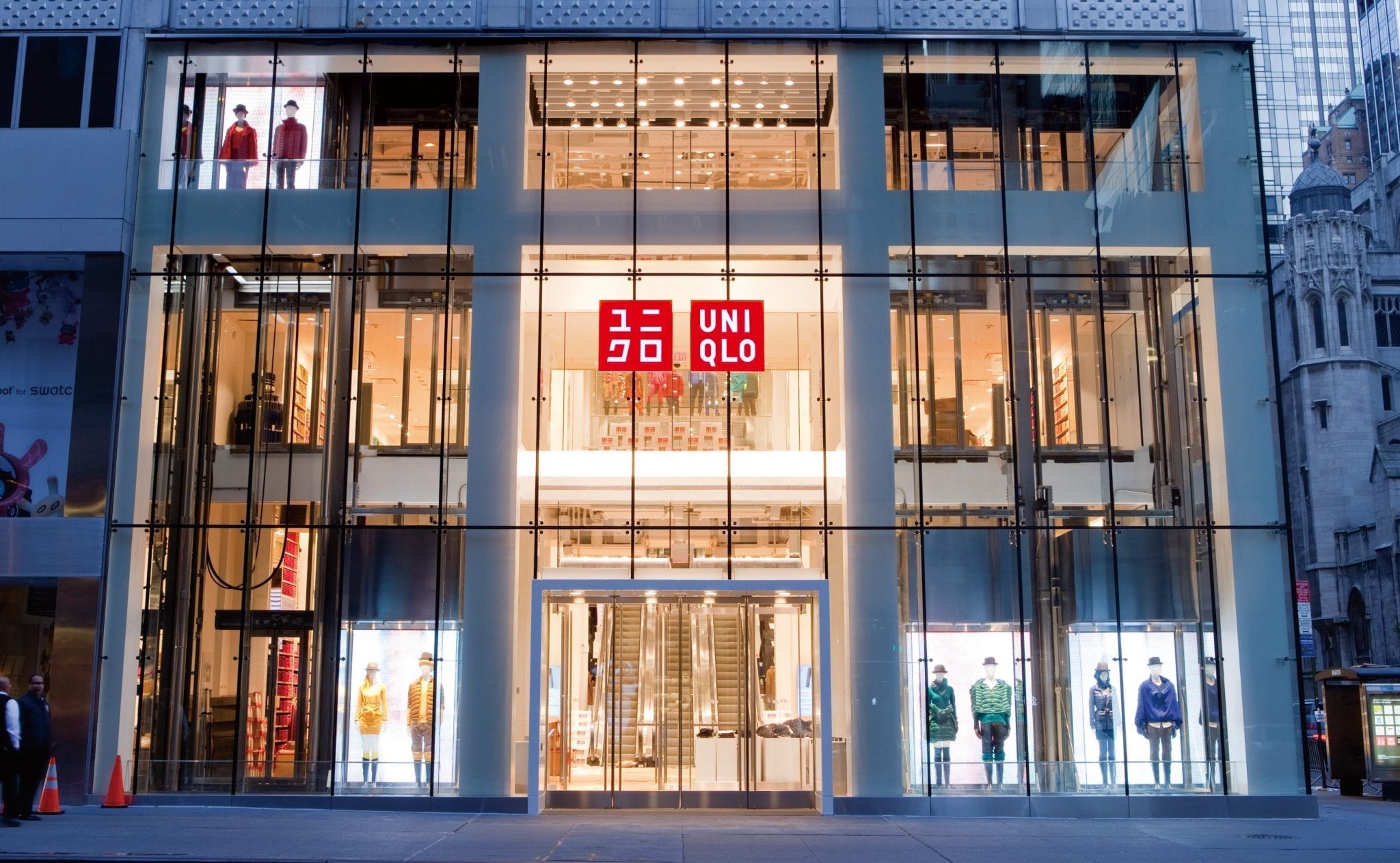
    Fast fashion retailer Uniqlo said it will open its 20th store in Australia on July 4 at Northland Shopping Centre.

    The new store, set in 888sqm of retail space, will take the retailer’s store count in Victoria to eight.

    According to the Japanese retailer, the Uniqlo Northland store will feature the brand’s LifeWear apparel for men, women, kids, and babies.

    “The opening of our twentieth site in Australia is a significant milestone that demonstrates our commitment to finding the right locations to extend our LifeWear message to all Australians,” said Kensuke Suwa, Uniqlo Australia chief operating officer.

    “Our offering of high-quality products at an affordable price, paired with exemplary customer service is resonating with Australians and we look forward to continuing our growth in 2019 and beyond.”

    The doors will open to consumers at 10 am after an official ribbon cutting ceremony and Japanese drumming celebration.

  • DFS and Parfums Christian Dior launch DFS X Dior Summer Party pop ups

    DFS and Parfums Christian Dior launch DFS X Dior Summer Party pop ups

    International travel retailer DFS Group has partnered with Christian Dior Parfums on a pop-up concept to launch July 1 in Macau.

    The DFS x Dior Summer Party pop-up experience, celebrating the arrival of summer, kicks off in T Galleria by DFS, Macau through to July 31 before traveling across DFS’s global network of retail stores.

    The DFS x Dior Summer Party presents exclusive products designed for world travellers seeking to look and feel their best across all time zones.

    “We aspire to tantalize our traveling customers’ senses,” said DFS Group’s senior VP of beauty Christophe Marque, “and this beautiful pop-up is a perfect example of our commitment to combining exclusivity and entertainment with world-class brands.”

    “Parfums Christian Dior and DFS have always shared a powerful synergy when it comes to providing excitement and innovation to our customers,” said Dior Travel regional retail director Leonardo Ferracina. “Our exclusive Dior Summer Party pop-up for DFS is an indulgent start to an exciting and vibrant Summer, enriched with the signature of our Dior products.”

  • SMCP Taking over men’s luxury brand De Fursac

    SMCP Taking over men’s luxury brand De Fursac

    Chinese-controlled affordable luxury fashion group SMCP has agreed to buy French luxury menswear label De Fursac.

    The deal – the value of which was not disclosed – gives SMCP an entry into the menswear category and will complement its existing labels Sandro, Maje and Claudie Pierlot.

    In a regulatory filing, Shandong Ruyi said the deal would be financed from debt but would increase earnings-per-share immediately.

    Last year, De Fursac’s sales reached €41.4 million last year and it achieved like-for-like sales growth of 5.4 percent.

    SMCP CEO Daniel Lalonde said De Fursac gives his company a unique opportunity to accelerate its strategy by tapping into a new segment in the fast-growing men’s accessible luxury market.

    “De Fursac is an outstanding brand, poised for growth through international expansion, with the support of our expertise.”

  • H&M to scale back store openings and focus on E-commerce

    H&M to scale back store openings and focus on E-commerce

    H&M says it will scale back its store-opening program in the year ahead, and reported strong sales in its stores this month.

    The company had already announced a 5 per cent increase in same-store sales in the second quarter; now it is estimating June’s growth at 12 per cent. It is also selling more stock at full price, lessening its reliance on discounting which had been necessary to shift an unusually high inventory during the last year.

    “Inventory increased by less than sales, the composition of inventory is better and markdowns are lower,” said CEO Karl-Johan Persson during an investor conference call. “We will see more improvements, it’s heading in the right direction.”

    As the company slows its rate of store openings, forecasting 130 now rather than the 175 flagged earlier, it will invest more on building up its e-commerce business.

    “We have decided in certain markets to hold back from new openings. We think rents are higher than they should be,” Persson said.

    Kate Ormrod, lead retail analyst at GlobalData, says the company’s results and Persson’s comments shows H&M remains on track with its transformation plan.

    “Efforts to strengthen its product ranges and availability are clearly resonating with shoppers, helping to drive full price sales and reduce markdowns. One sticking point for the first half remains profitability, with operating profit still down on the year, and margin falling from 7.3 per cent to 6.4 per cent. The true test of its strategy lies in the second half where tougher comparatives can be found – although with the retailer reporting a strong June, … the signs are encouraging.”

    She said that having been a laggard for so long in e-commerce, H&M’s investment continues apace as the retailer is still yet to fully harness the opportunities that lie within online.

    “While it now plans fewer store openings, minimising costs, the new strategy puts pressure on H&M’s existing stores and online operations to deliver.”

  • Fred Segal looking for Asian expansion

    Fred Segal looking for Asian expansion

    US West Coast fashion and lifestyle retailer Fred Segal is eyeing expansion into China as its new owner Global Icons seeks to revive the 57-year-old brand. In an interview, Fred Segal president John Frierson said the European and Asian markets are big focuses for the company, singling out the growing spending power of Chinese Gen Z and millennial consumers.

    He said the company will be announcing “significant” plans for physical retail within Asia within the next few weeks, led by “big partners” in the region.

    Jeff Lotman, CEO of Global Icons and Fred Segal chairman, said the company was in final discussions with multibillion-dollar trading companies in China, South Korea and Japan. Stores in those markets would follow debuts in Taiwan and Malaysia last year under the company’s previous ownership.

    Global Icons has offices in Hong Kong and the company has secured licensing deals with brands as diverse as Hostess and Lamborghini.

    Fred Segal, a tailor, founded his retail brand in 1961. It peaked in the 1990s and early 2000s when it became the first to sell Kate Spade and Juicy Couture, and was shopped by celebrities including Paris Hilton and the Olsen twins.

    The company operates through licensees in international markets and has already announced plans to open at least 20 stores this year.

    “To really have next-level success means going out and creating our own line of products, and selling the Los Angeles lifestyle to the world,” Lotman said. “We can no longer just be US-centric.”

    He said he wants the international stores to retain Fred Segal’s retail signatures, including multiple brands, emerging designers, events and a restaurant.

    Added Frierson: “We’re lucky in that we’re not trying to harvest the value of the brand, but we’re trying to grow it. And we have a tremendous amount of growth to do in the next 10 years.”

  • Zara parent fast-tracks online expansion

    Zara parent fast-tracks online expansion

    Clothing retailer Inditex has announced the launch of online platforms in nine new markets and says it will open in 10 more this autumn to meet its 2020 vision.

    Zara launched an online store in Brazil during the first quarter, and has recently inaugurated its platforms in Morocco, Egypt, Lebanon, Israel, Serbia, Indonesia, the United Arab Emirates and Saudi Arabia.

    This autumn, Inditex said it will launch Zara online platforms in South Africa, Qatar, Kuwait, Bahrain, Oman, Jordan, Colombia, Philippines and Ukraine.

    Last year, Inditex chairman and outgoing CEO Pablo Isla announced all products from the company’s brands will be made available online by 2020, including markets where it does not have any stores.

    Inditex posted a 5 per cent increase in net sales in the first quarter from February 1 to April 30, which, according to the company, has reached a new record of €5.93 billion ($9.48 billion), driven by the ongoing digital transformation of its integrated store and online sales platform.

    Store and online sales increased by 9.5 per cent in local currencies from May 1 to June 7 and from February 1 to June 7, sales increased 6.5 per cent in local currencies.

    During the first quarter, the company has opened new physical stores in 23 different markets and is also in the process of expanding, refurbishing and absorbing stores as part of the process of differentiating its sales footprint.

    “Among the stores worth highlighting are the Zara store that opened in Hudson Yards in New York, in the US, one of the world’s highest-profile retail developments, the new store on Rue Jean de Rouiffe in Cannes, France, and the store in the Time World Mall in Daejeon, South Korea,” Inditex stated.

    Massimo Dutti also opened a new store in Ibiza fitted with ‘scan-and-shop’ technology and click and collect. The store also features the brand’s new ‘style advisor’ and ‘express alteratrions’ services with same-day collection or delivery in three hours.

    The brand also opened a new store in the Manama shopping centre in Bahrain and flagship stores in Seoul, South Korea and Vladivostok, Russia, in the Kalina Mall, which also welcomed Bershka, Stradivarius, Oysho, Pull&Bear and Zara Home stores during the quarter. Oysho made its debut in Latvia and Singapore and opened a huge flagship store, spanning over 2200sqm, in Mallorca, on the emblematic Paseo del Born, while Stradivarius opened its doors on France’s Cote d’Azur, specifically in Cagnes-Sur-Mer, and Zara Home opened its maiden store in Bulgaria.

    According to Inditex, all of these new stores are fitted with the latest customer-oriented technology and all of the breakthroughs on the eco-efficiency front, bringing the store count meeting the group’s green criteria to 90 per cent of the total, in line with its commitment to making the platform fully sustainable by 2020.

    Isla had said earlier all of the group’s brands will be adopting an integrated stock management system by 2020 in all the countries where there is a physical store presence.

    Other than Zara, the world’s largest clothing retailer also sells the brands, Massimo Dutti, Pull & Bear, Bershka, Stradivarius, Oysho and Uterque across its network of almost 7,500 physical shops. It also operates online in 49 markets.

    Underpinned by sales growth in all geographies and at every brand, the group’s solid operating performance lifted net profit to €734 million, a growth of 10 per cent year-on-year.

    Excluding the effect of IFRS on leases from February 1, EBITDA grew 9 per cent, EBIT 7 per cent and net profit 7 per cent.

    “The recent figures demonstrate solidity of the company’s model, whose profitability and cash flow generation continues to grow owing to the group’s commitment to customer-driven quality fashion,” Isla said, emphasising the “strong momentum in the digital transformation of the integrated store and online sales platform and in sustainability as a key pillar of the company’s strategy.”
  • How Ferragamo veteran Sofia Ciucchi revived heritage brand Il Bisonte for millennials

    How Ferragamo veteran Sofia Ciucchi revived heritage brand Il Bisonte for millennials

    Luxury label Il Bisonte has come a long way from a family-owned retailer to a landmark flagship store in Harbour City which opened this month.

    Il Bisonte may not be the first Italian brand that comes to mind, but this artisanal leather label has been in existence for more than 50 years, heralding from Florence. For 20 years, the brand was distributed at a nifty mom-and-pop store in the neighbourhood mall of Heng Fa Chuen and had acquired a loyal following from local residents.

    In 2015 British private equity firm Palamon Capital Partners acquired Il Bisonte, seizing back full control from franchisees to begin direct selling. The new owners recruited Sophia Ciucchi from Italian luxury house Salvatore Ferragamo, appointed her CEO of Il Bisonte and charged her with revitalising and reawakening the sleeping brand.

    Proving her success, Il Bisonte has just been sold to Look Holdings Inc for €100 million.

    Originally operating under a wholesale model, Il Bisonte has its footprints on a global level at renowned department stores and through local distributors.

    “A couple of years ago, Japan represented 80 per cent of our sales,” explains Ciucchi. “At the end of last year, it was reduced to less than 50 per cent because the rest of the word was growing so much faster.

    “Europe and the Middle East have made a high contribution and the US is also growing. So, I think it’s a question of rebalancing and making our brand more international in the rest of Asia and the US.”

    For a long time, Il Bisonte has largely been focusing on developing its presence in the US, Europe and Japan and only now has it decided to re-enter Hong Kong with a strong foothold of the market.

    Now with a new flagship at Harbour City, Il Bisonte is also guaranteed strong exposure to Mainland Chinese shoppers ahead of a planned store roll out on the mainland.

    “Hong Kong is a strategic market for Asia, especially China and other Southeast Asia markets,” said Ciucchi.

    The business in Hong Kong is headed by retail manager Charles Lo, who says the company’s initial location at IFC mall ensured high visibility and established a strong market positioning in the territory. That drew approaches from other mall operators wanting the brand in their properties.

    Despite Japan being its best-selling market, Ciucchi has no imminent plans to buy out local partnerships and begin direct selling there.

    Ciucchi says due to the unique nature of the Japanese market and the characteristics of local shoppers often hard to grasp, the brand feels more confident having locals continue the label’s success there. If it’s not broken, don’t fix it is Ciucchi’s mantra.

    Endorsing the circular economy

    Il Bisonte crafts its handbags and accessories from bull-calf leather which ages with time and wear, giving it a distinctive look and making its pieces transgenerational. This inspired the brand to open a secondhand marketplace within its New York flagship store, and online. Consumers can resell their own pieces or purchase from others, embracing the circular economy.

    Not only does this initiative coincide with the brand’s heritage background, but pre-loved goods are much more welcomed by eco-conscious millennials these days. With luxury brands usually unwilling to see their products displayed on second-hand platforms, Il Bisonte’s open embrace of the pre-loved strategy makes it somewhat unique in the sector.

    Future digital plans

    Another of Ciucchi’s innovative strategies is to leverage the brand’s founder Wanny Di Filippo, a cigar-toting, bearded icon of Italian fashion.

    Il Bisonte has animated his character into a cartoon series, titled “Dreams Come True” to connect with the millennials and give the brand a more youthful approach. This storytelling is intended to evoke imagination and creativity, embodying the core values of the brand and share the story of how Di Filippo founded the brand.

    Next, in a clear progression of its revival strategy, Ciucchi is looking into converting Il Bisonte into an omnichannel brand next, starting with a new e-commerce platform by next fall. From there on, she hopes to create a holistic ecosystem by connecting all retail channels together.

  • UOB and Zilingo tie up to drive the growth of ASEAN’s fashion industry

    UOB and Zilingo tie up to drive the growth of ASEAN’s fashion industry

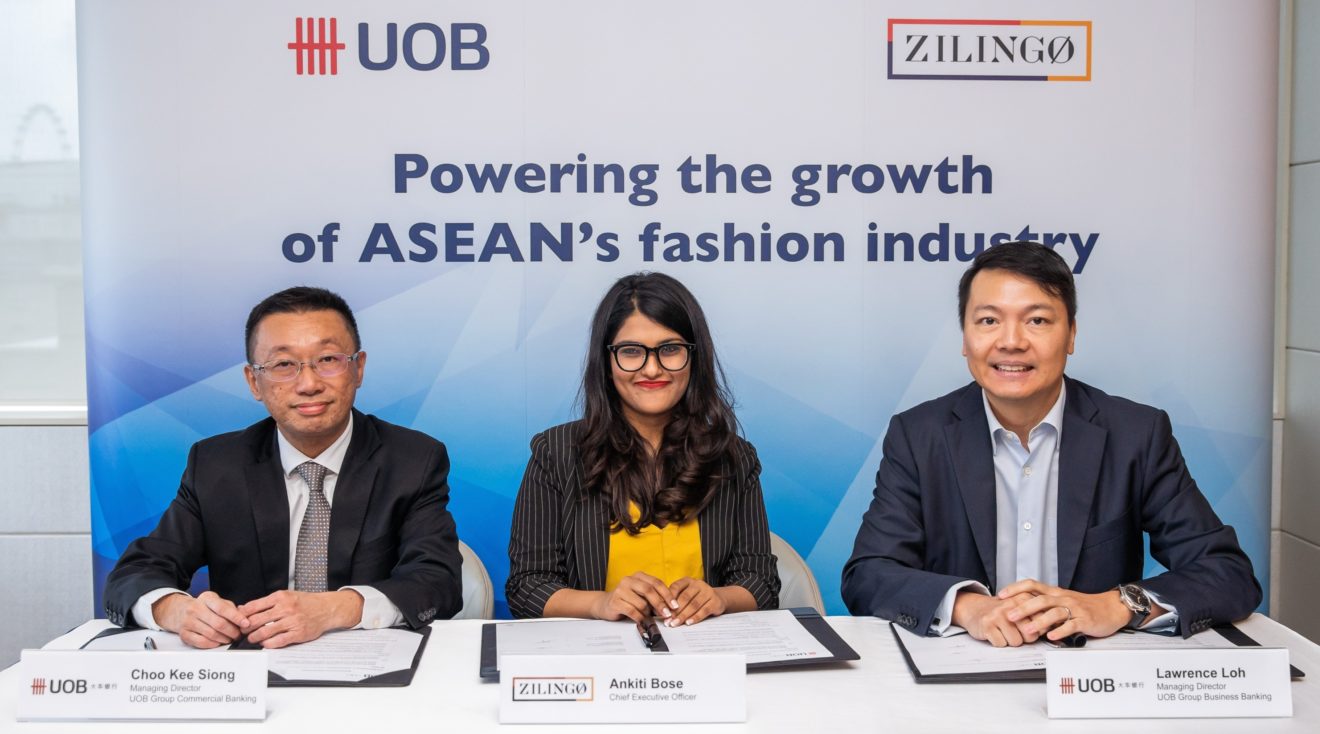
    United Overseas Bank Limited (UOB) and Zilingo, a fashion and lifestyle e-commerce platform, today announced that they have signed a Memorandum of Understanding (MOU) to support the growth of ASEAN’s fashion industry. Under the MOU, businesses on Zilingo’s platform, which are mostly small- and medium-sized enterprises (SMEs), will be able to access UOB’s banking solutions through the e-commerce platform. The greater access to banking solutions will enable Zilingo’s merchants and manufacturers across the region to manage their cash flow better and to grow their businesses more efficiently and easily.

    Ms Ankiti Bose, CEO and Co-founder, Zilingo, said, “Through this collaboration with UOB, we want to reaffirm our commitment towards empowering merchants and manufacturers with everything they need to run their business. Where businesses may find difficulty in accessing capital due to insufficient financial records, Zilingo’s unique position as a connector of the fashion supply chain will allow us to leverage a bird’s eye view of the supply chain to make a comprehensive assessment of the business’ capabilities and value proposition”.

    Mr Choo Kee Siong, Head of Industry Groups, Group Commercial Banking, UOB, said, “At UOB, we have been working with various ecosystem partners to offer our banking products and services to companies across entire supply chains, helping them pursue growth strategies and seize business opportunities. Through our MOU with Zilingo, fashion businesses across ASEAN will be able to access our comprehensive range of banking solutions seamlessly to meet their operational and financial needs.” In addition to supporting Zilingo’s merchants, UOB will also explore support for the e-commerce platform in a number of other areas, from cash management and foreign exchange services to workplace banking services

  • Tata Group Launching first fast-fashion chain

    Tata Group Launching first fast-fashion chain

    Zara’s Indian partner Tata Group is launching its own fashionable apparel chain in the territory with prices well below Zara levels.

    Tata’s retail offshoot Trent Ltd has launched an “extreme-fast-fashion” model that brings new styles from the runway to the store within two weeks, similar to Zara’s own timeline.

    Trent is seeking to launch 40 locations the flagship Westside chain per year as well as hundreds of mass-market Zudio stores for budget items. The chain is targeting fashion-conscious Indian consumers without the means to afford Zara items, with a view to becoming as ubiquitous in Asia as Zara is in Western markets.

    The firm has a strong focus on fashion-savvy staff, and spends 65 per cent more on personnel per square foot than its local competitors.

    “The middle class is growing, incomes have grown, Indians are traveling more and they have more money to spend,” said chairman Noel Tata. “Now that we’ve built this capability and this model that’s working so well, it’s time to grow faster … The value proposition we offer is much stronger than the international brands.”

    Less than a quarter of Indian households earnt US$8500 or more last year.

  • Fresh capital for Vestiaire Collective to fund Asian expansion

    Fresh capital for Vestiaire Collective to fund Asian expansion

    Pre-owned luxury fashion retailer Vestiaire Collective has completed a €40 million round of financing led by BPIFrance and new CEO Max Bittner.

    The new round is expected to facilitate the launch of new technology solutions for the fashion ecosystem, empower its community through the lens of its platform, and fuel continued international growth.

    The investment will sustain Asian growth momentum where Vestiaire sees a 140 per cent GMV growth in the second quarter of this year, as well as the recent launch of numerous new markets including Taiwan, Thailand, Indonesia, India, Malaysia, UAE, Saudi Arabia, Israel, Brazil and Mexico.

    Vestiaire Collective has expressed ambitions to revolutionise the industry, and will soon be launching tech and data-driven solutions to empower its global community, brands and retailers in driving the adoption of sustainable and circular consumption. The firm believes that resale holds a pivotal role in driving the fashion ecosystem towards a more sustainable behaviour.

    This new round of funding confirms investor confidence in a large global opportunity for Vestiaire Collective’s business model. Currently, 79 per cent of the French-headquartered company’s transactions are already generated cross-border.

    With the funding, Vestiaire Collective also plans to expand its international recruitment drive. Since the arrival of Max Bittner, the company has successfully recruited 120 new talents from more than 20 nationalities across six offices, with a specific emphasis on growing the tech and data teams.

    Bittner said he plans to scale the business and continue to revolutionise the fashion industry together with co-founders Fanny Moizant and Sophie Hersan and the rest of the team.

    “We want to build an international tech and data first company, leveraging Vestiaire Collective’s incredible brand and fashion DNA”

    “Vestiaire Collective is uniquely positioned to thrive from the shift of consumer behavior towards a circular economy and digital,” added BPIFrance principal Charlotte Corbaz. “We are delighted to support Max and his team in the transformation of the fashion industry. We strongly believe its approach to combine tech and data to the fashion DNA of the company will allow them to become the worldwide leader in its market.”