Tag: Fashion

  • Vestiaire Collective raises €40 million additional funding to provide technology solutions for the fashion ecosystem

    Vestiaire Collective raises €40 million additional funding to provide technology solutions for the fashion ecosystem

    Vestiaire Collective, the global community for luxury and premium pre-owned fashion, announced today the completion of a €40 million round of financing led by Bpifrance and new CEO, Max Bittner. The new round will facilitate the launch new technology solutions for the fashion ecosystem, empower its community through the lens of its platform and fuel continued international growth, and beyond.

    Under the guidance of CEO, Max Bittner, Vestiaire Collective has huge ambitions to revolutionize the industry and will soon be launching innovative tech and data driven solutions to empower its global community, as well the brands and retailers alike in driving the adoption of sustainable and circular consumption. Resale is holding a pivotal role in driving the fashion ecosystem towards a more sustainable behaviour.

    This new round of funding confirms investors’ belief in the large global opportunity for Vestiaire Collective’s business model and will allow for further acceleration of its international business beyond the countries where the company’s community is already well established. Currently, 79% of the French headquartered company’s transactions are already generated cross-border.

    The investment will sustain Asian growth momentum where Vestiaire Collective sees a 140% GMV growth in Q2 2019, as well as the recent launch of numerous new markets including Taiwan, Thailand, Indonesia, India, Malaysia, UAE, Saudi Arabia, Israel, Brazil and Mexico.

    With the funding, Vestiaire Collective plans to expand its international recruitment drive. Since the arrival of Max Bittner, the company has successfully recruited 120 new talents from more than 20 nationalities across six offices, with a specific emphasis on growing the tech and data teams.
  • Prada Thunder pop-up Store opens at Harbour City

    Prada Thunder pop-up Store opens at Harbour City

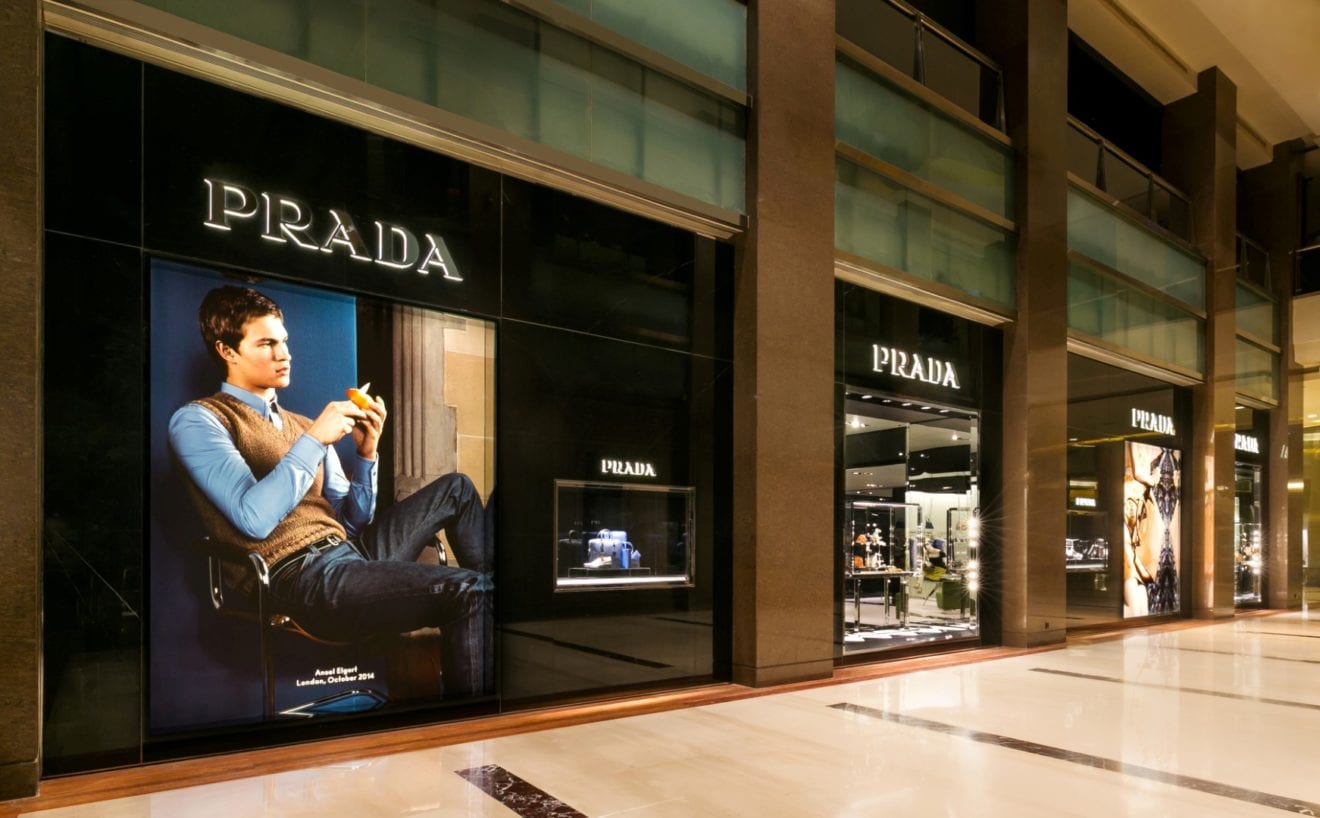
    Luxury fashion house Prada has launched a pop-up store at Atrium II in Harbour City to introduce its Prada Thunder project.

    The store showcases a selection of ready to wear, bags, shoes and accessories for men and women, featuring Prada Menswear and Womenswear Fall/Winter 2019 prints designed by artist Jeanne Detallante exclusively for the brand. Symbols from the Frankenstein’s monster universe as well as his Bride – the heart, the electric rose and the thunder – are used to augment these original items sold in matching packaging.

    The Prada Thunder pop up will remain open until July 1, dedicated to the theme and inspired by “the romantic and gothic atmosphere” of the collection. A wallpaper – entitled Alternating Currents – depicts silhouettes of male and female figures against a glowing vista of moorlands and cliffs, while display cases and dimly illuminated transparent tables evoke the concept of a surreal laboratory.

    Prada Thunder will also be presented in Prada’s Canton Road store with a special display from July 2 to 28.

  • Asian expansion contributes to loss for Mulberry

    Asian expansion contributes to loss for Mulberry

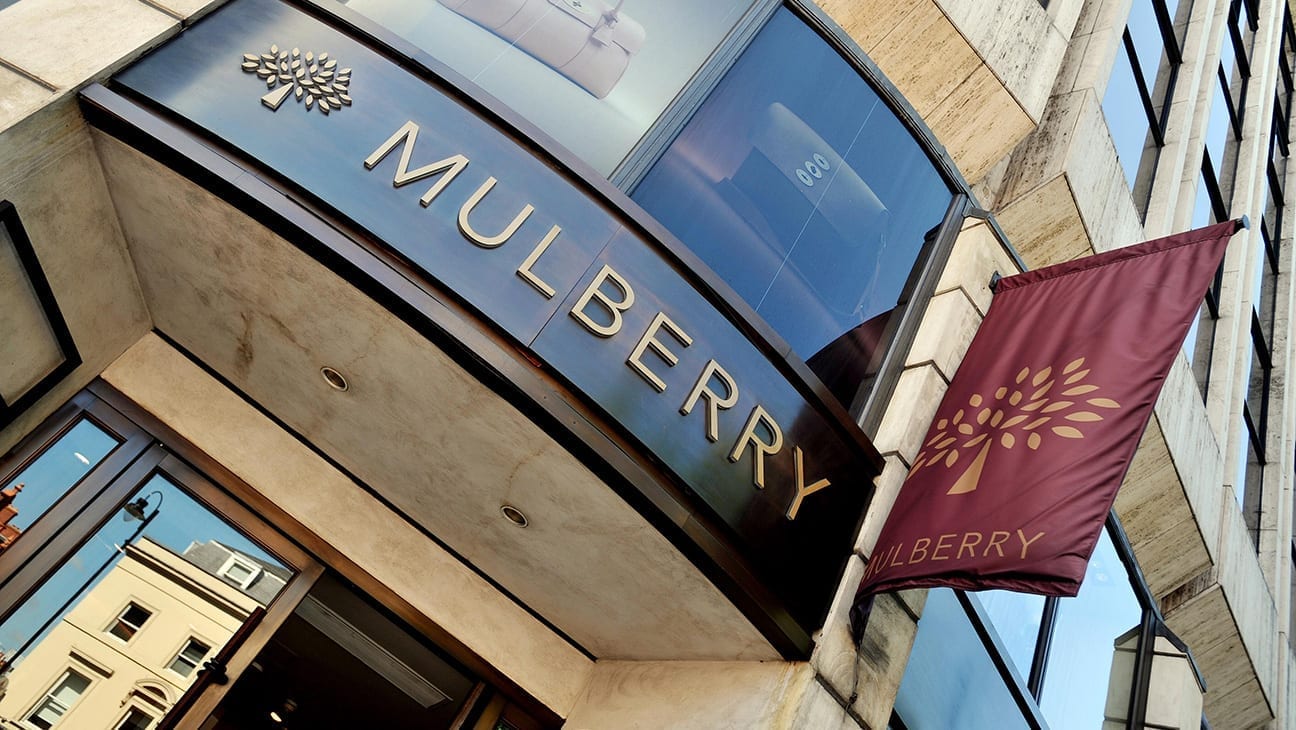
    Expansion into Asia has weighed on British luxury bag label Mulberry’s bottom line, but the company is confident the foray will bear fruit.

    Mulberry reported a pre-tax loss of £5 million in the year to March 30, a sharp contrast to a £6.9 million pre-tax profit the previous year.

    The other major contributor to the loss was the collapse of British department store House of Fraser which cost it £2.1 million and worsening the impact of a “challenging” UK domestic market. Sales fell 2 per cent to £166.3 million.

    During the year, Mulberry opened new business subsidiaries in Japan and South Korea along with new stores in New York and Dubai as it focuses on international markets for sustained future growth. Revenue from overseas rose 7 per cent for the year, compensating in part for a 6 per cent drop in domestic sales. Online sales rose 27 per cent

    “The group has delivered results in line with expectations and is making good progress in advancing its international strategy and direct to customer model whilst managing a challenging UK market,” said CEO Thierry Andretta.

    “Looking ahead, we anticipate that international and digital sales will continue to grow whilst UK retail trading conditions are expected to remain uncertain. The group plans to invest further in its new Asian entities during this development phase, enhance its global digital platform and optimise the UK network,” he said.

    Sales in the 11 weeks to June 15 were up 13 per cent.

    Chloe Collins, senior retail analyst at GlobalData, said Mulberry needs to seek new and inspiring ways to attract new customers via increased social media and marketing campaigns.’

    She said Mulberry’s expansion of its lifestyle-product offer – it launched its first eyewear range last year – and its plans to increase the depth in its range of trainers are a wise move to capitalise on the trend for athleisure and competing with the likes of Isabel Marant and Golden Goose.

    “However, it must be careful that this does not distract design focus from its core handbags offer, where developments and upgrades are still necessary to maintain shopper appeal.”

    She said teaming up with fast-growing technology platform Farfetch for a new digital concession in April, will help Mulberry increase its reach and bolster sales, both in the UK and internationally.

  • Lagerfeld’s legacy: double-digit growth and €10 billion

    Lagerfeld’s legacy: double-digit growth and €10 billion

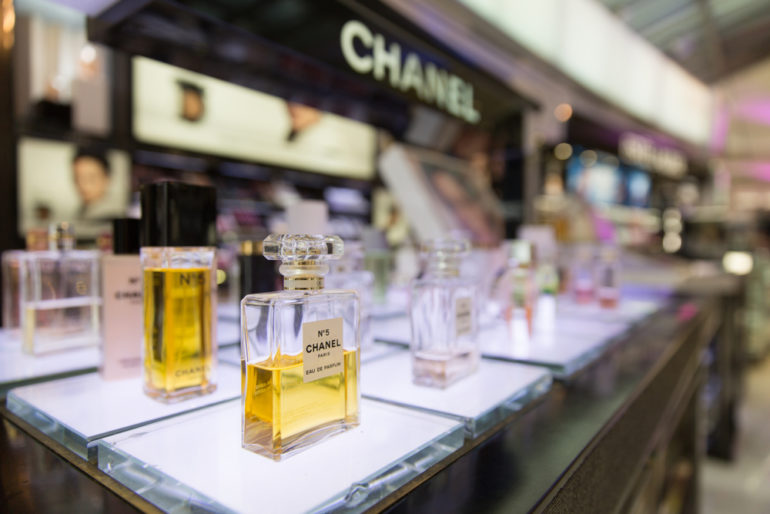
    Fashion icon Karl Lagerfeld delivered French maison Chanel a stunning legacy in the final year of his life. Chanel, privately owned, has revealed financial information only twice in its 109-year history. But yesterday, finance chief Philippe Blondiaux took the extraordinary step of announcing the brand had achieved global sales of almost €10 billion last year, in an apparent tribute to the designer, who died in February, aged 85. Profit exceeded €3 billion.

    The company also achieved double-digit sales growth “with great performances in leather goods and ready-to-wear”. But that was all the notoriously secretive company revealed, other than to reassert the company was not for sale, thus dashing any interpretation the details were released to pique the interest of prospective bidders.

    Chanel is owned by the Wertheimer family. Geneva-based Gerard Paul Philippe Wertheimer, 69, controls the business in partnership with his brother, Alain, 70. The former has an estimated worth of US$15.3 billion, with the pair ranking fourth and fifth on France’s rich list and among the 40 wealthiest people on the planet.

    Lagerfeld died of cancer, but reportedly worked until the end, such was his passion for his craft.

    Analysts estimate Chanel to be worth in the vicinity of $20 billion, making it one of the world’s most valuable fashion brands, and certainly one of the largest still in private ownership.

    In turnover, it is catching archrival Louis Vuitton, whose sales exceeded $10 billion last year.

    Far from resting on its laurels, Chanel invested an estimated $1 billion in digital innovation last year, embracing online, social media and seamless online/offline integration and in-store technology.

  • ABCDior pop-up Opening in Singapore

    ABCDior pop-up Opening in Singapore

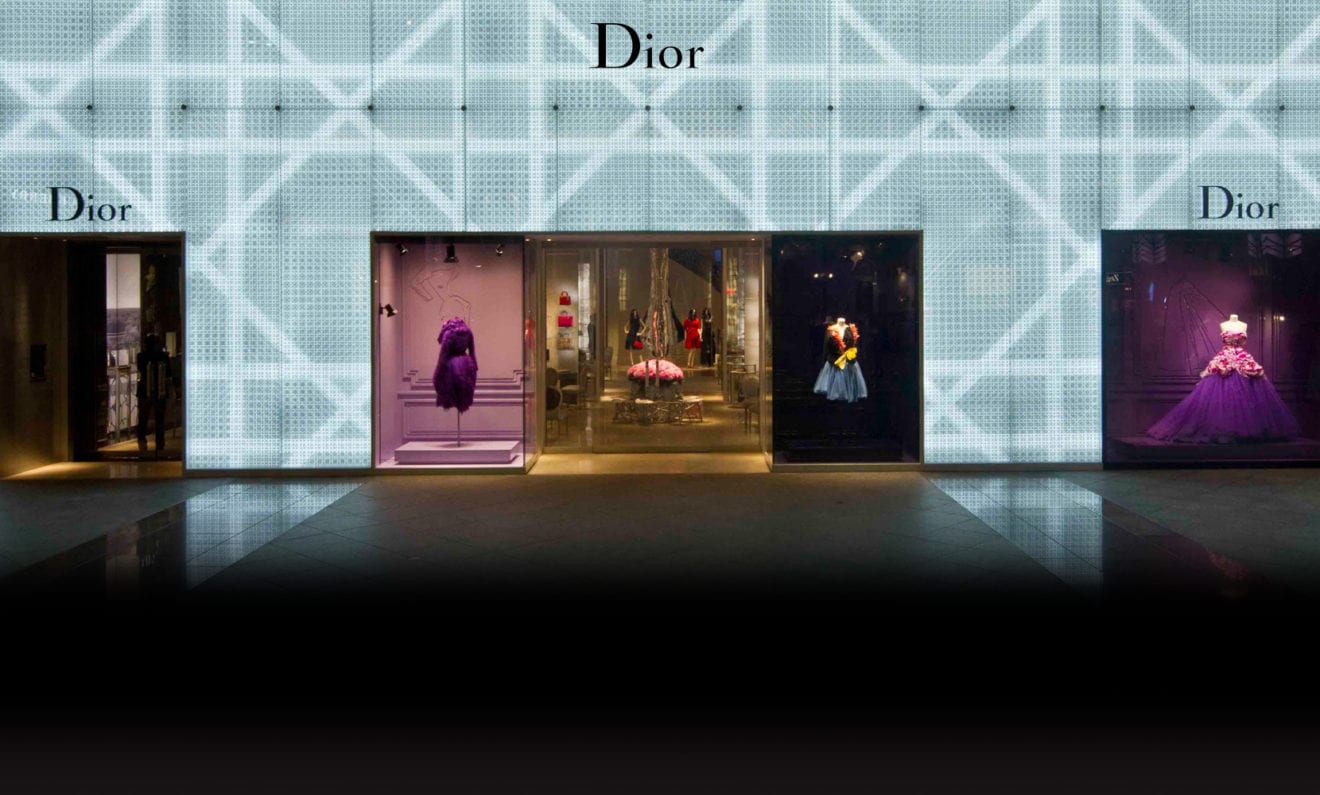
    French fashion house Dior will launch its personalised ABCDior pop-up store in Singapore.

    Located at the Dior boutique in Marina Bay Sands, the pop up will allow customers to embroider their names, initials or letters on a selection of Dior goods, ranging from its Book Tote, the Diorcamp bags, as well as the Walk ‘n’ Dior sneakers.

    These items are made in the Oblique canvas, featuring the interlocking Dior logo.

    The pop-up will run from June 20 to July 14.

  • Cosmetics, holiday season bouy China retail sales growth

    Cosmetics, holiday season bouy China retail sales growth

    The rate of China retail sales growth rose for the second consecutive month in May, buoyed by the holiday season.

    According to government data, retail sales rose 8.6 percent, which followed 8.3 percent growth in April and 7.2 percent in March.

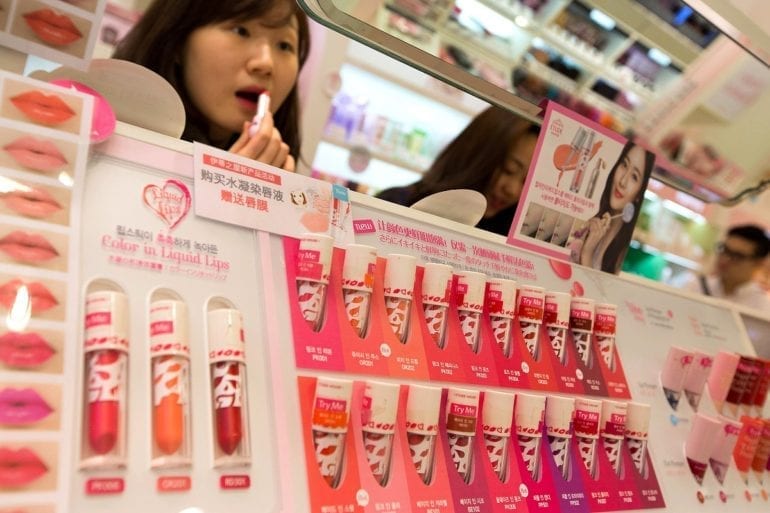
    The strongest-performing categories were cosmetics, where sales rose by 16.7 percent, food up 11.4 percent, beverages up 12.7 percent, and daily goods, up 11.4 percent.

    The weakest categories included apparel and footwear, down 4.1 percent, and jewelry, down 4.7 percent.

    Despite efforts by the Chinese government to encourage consumers to upgrade home appliances, that sector remained subdued, growing at 5.8 percent in May and 6.4 percent year to date.

    The growth rate encouraged Jeffries Hong Kong equity analyst Summer Wang to express confidence in Chinese retail companies.

    “We stay bullish on function-led premiumization and content-driven consumption,” she said in a  research note.

    May’s China retail sales growth exceeded the consensus of analysts by about half a percentage point. Excluding inflation, the growth rate was estimated at 6.4 percent in May, following 5.1 percent in April.

    Urban sales rose 8.5 percent, while rural sales were up 9 percent.

    Sales of goods online grew by 21.7 percent in May and now account for 18.9 percent of total China retail sales.

  • Chanel Not For Sale

    Chanel Not For Sale

    Luxury fashion house Chanel has dispelled rumours it was planning a stock market listing after posting higher annual sales and profits on Monday.

    The company also announced it is not for sale.

    The French fashion label, owned by the Wertheimer family, said sales rose to nearly $11.1 billion (A$21.29 billion) in the year under the late designer Karl Lagerfeld who passed away last February.

    This is only the second time the luxury brand has publicly announced its results in its 109-year history.

    According to a CNBC report, Chanel’s chief financial officer Philippe Blondiaux had said the company was not for sale and has denied IPO claims.

    “We’ve got to live with the fact that we are one of the most desirable brands in the market,” Blondiaux said. “These rumours will unfortunately keep coming back on a regular basis.”

    “Chanel needs to remain independent, in order to have the freedom to make choices that go against the grain, such as no longer using exotic animal skins, or by harmonising prices.”

    The fashion house, which was founded by Coco Chanel in 1910, announced it saw a 12.5 per cent increase in its 2018 revenues to $11.12 billion, while net profits rose 16.4 per cent to $2.17 billion.

    The company has seen growth across all of its markets last year, led by Asia Pacific where sales increased 19.9 per cent. Sales in Europe rose 7.8 per cent and in the Americas 7.4 per cent.

    The report indicated strong demand from wealthy Chinese consumers both in Europe and overseas has fuelled higher sales and profits in the luxury industry, in spite of a trade dispute between the United States and China.

    Virginie Viard took over as Chanel’s new creative chief and delivered her first solo collection last month for the brand.

  • Gentle Monster launching kids collection

    Gentle Monster launching kids collection

    Gentle Monster Kids makes its debut in Singapore at its Marina Bay Sands flagship.

    Inspired by young creators and “little kids with big dreams”, the collection includes six designs: Chapssal, Eastmoon, Jackbye, Newturtle, Peggy, and Ribbon.

    The Chapssal tortoise cat-eye frames feature narrow, UV protection lenses with raised corners, etched with the Gentle Monster logo.

    These designs are shrunken versions of the brand’s signature pieces from its 2019 range, and are made through a campaign that features Coco Pink Princess, an eight-year-old Instagram style icon from Japan.

  • Zara owner Inditex’s omnichannel strategy helps boost sales

    Zara owner Inditex’s omnichannel strategy helps boost sales

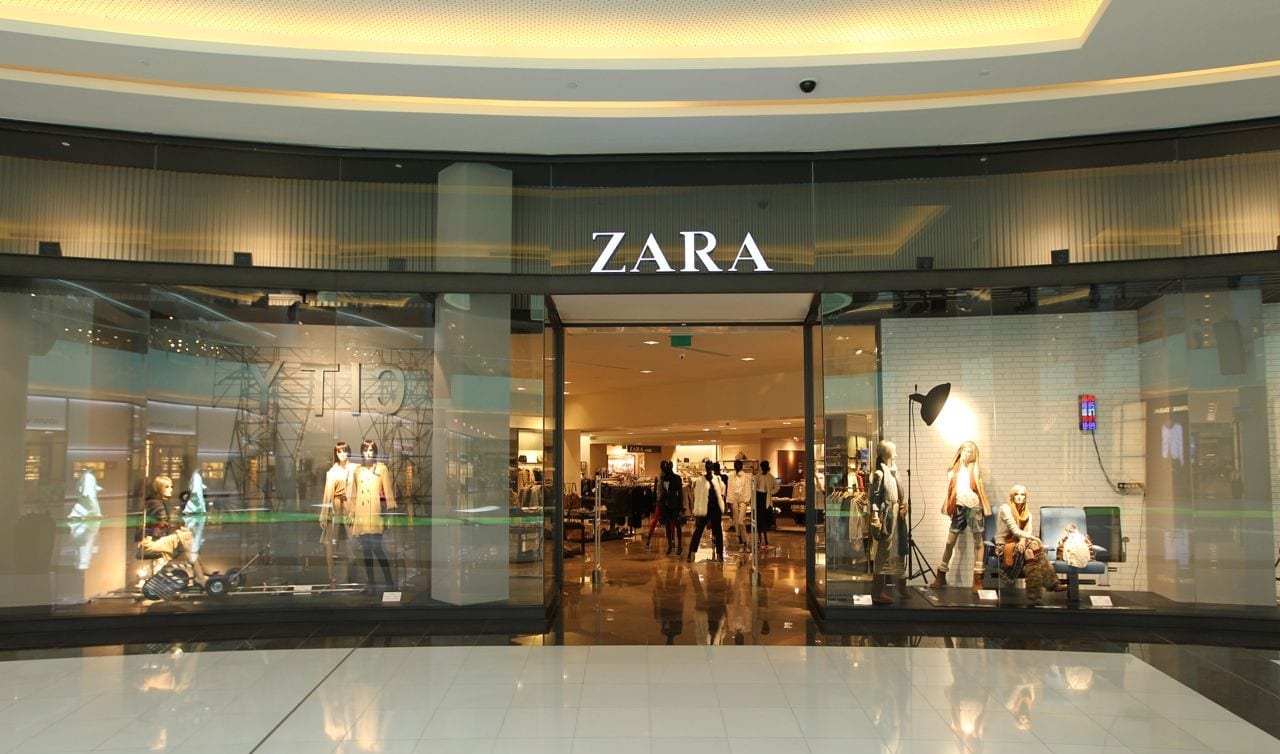
    Clothing retailer Inditex has posted record first-quarter sales and a rise in profits helped by the retailer’s push of stitching together its online and physical businesses.

    The fashion retailer’s online business, which accounts for 12 per cent of its net sales, and expansion plans have contributed to its robust first quarter sales of €5.927 billion ($10.18 billion), up 5 per cent from last year’s €5.654 billion ($9.56 billion).

    Net profit amounted to €734 million ($1.26 billion), up more than 10 per cent in the first quarter of 2018. The company’s net cash position increased by 9 per cent to €6.66 billion ($11.44 billion).

    The retailer, which owns the brands Zara and Pull & Bear, said its in-store and online sales showed a 9.5 per cent increase in local currencies between May 1 and June 7 – up from the 6.5 per cent in the previous corresponding period.

    “The figures demonstrate the solidarity of the company’s model, whose profitability and cash flow generation continues to grow owing to the group’s commitment to customer-driven quality fashion,” said Pablo Isla, Inditex’s chairman and outgoing CEO.

    Isla underscored the strong momentum in the digital transformation of the integrated store and online sales platform and sustainability as key pillars of the company’s strategy.

    Last month, the retailer has named chief operating officer Carlos Crespo as its new chief executive to spearhead a bigger push into e-commerce.

    Crespo will continue in his existing position until his appointment as CEO becomes effective in July, when he will begin taking some of the responsibilities currently held by executive chairman and current CEO Pablo Isla, the company announced.

    The appointment of Crespo, who oversaw the integration of Inditex’s online and bricks-and-mortar stores, puts an emphasis on the retail giant’s digital efforts amid changing consumer habits.

    Last year, Isla announced all products from all Inditex’s brands will be made available online by 2020, including markets where it does not have any stores.

    Other than Zara and Pull & Bear, the world’s largest clothing retailer also sells the brands, Massimo Dutti, Bershka, Stradivarius, Oysho and Uterque across its network of almost 7,500 physical shops. It also operates online in 49 markets.

    Isla also said all of the group’s brands will be adopting an integrated stock management system by 2020 in all the countries where there is a physical store presence.

  • H&M’s & Other Stories Launching on Tmall

    H&M’s & Other Stories Launching on Tmall

    H&M Group’s womenswear brand & Other Stories will launch a Tmall flagship store in the fall, making the Alibaba Group-owned B2C online marketplace the label’s first official sales channel in China.

    The Tmall store will offer collections designed by its three ateliers in Paris, Stockholm and Los Angeles, ranging from shoes, bags and jewelry to accessories and ready-to-wear items, according to a release.

    “This collaboration marks another important milestone in our long-standing partnership with H&M Group brands, and we look forward to continue working together to bring elevated shopping experiences to Chinese consumers,” said Jessica Liu, GM of Tmall Fashion and Luxury.

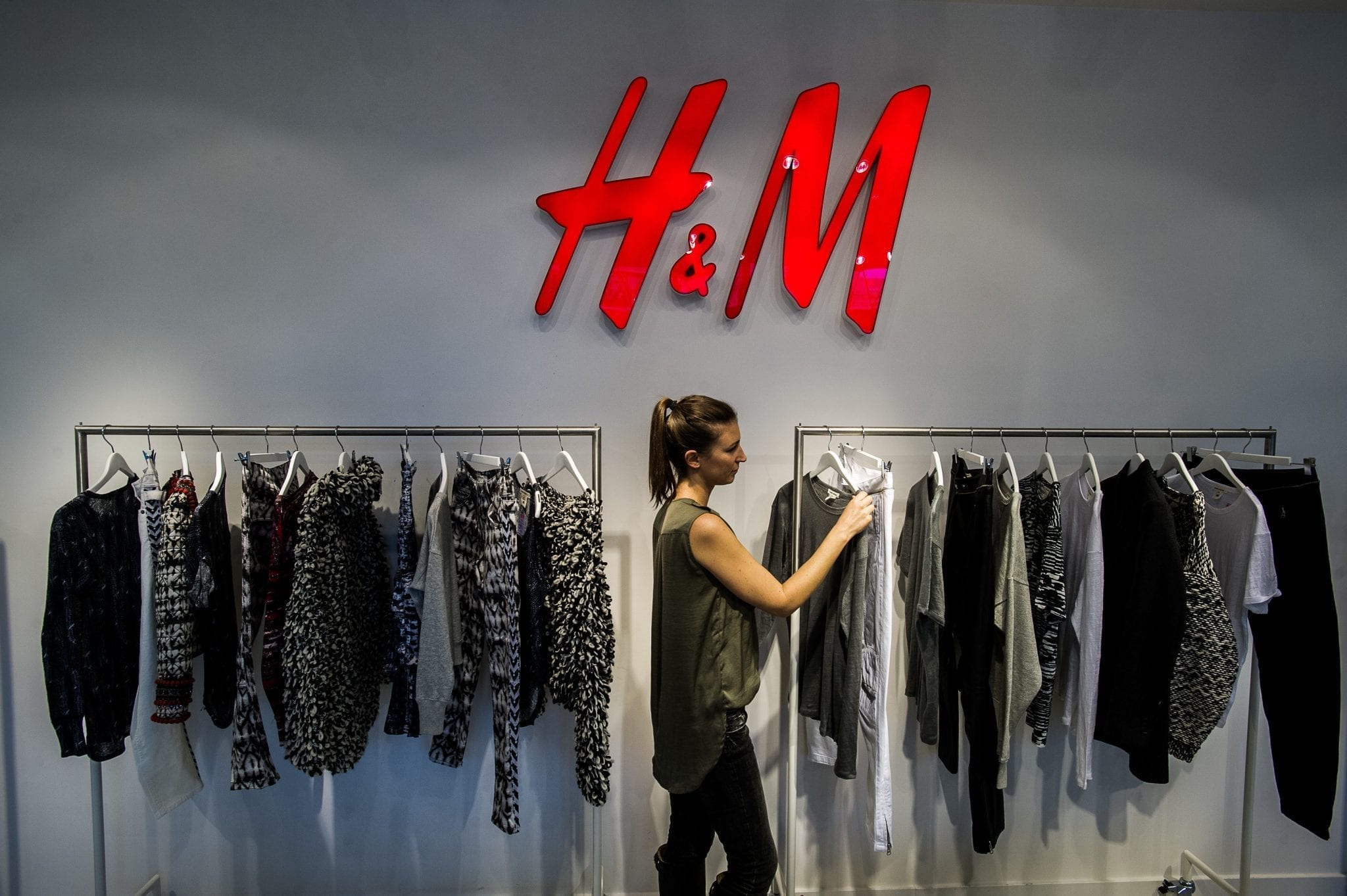
    & Other Stories will be the fourth H&M brand to join Tmall, following the Swedish fashion group’s namesake H&M brand and home-accessories brand H&M Home last year. H&M’s street-style label Monki opened a flagship store in 2016. The fast-fashion giant also owns denim lines Weekday and Cheap Monday, boutique-style label Cos, as well as the fashion-and-lifestyle brand Arket.

    “We look forward to the launch this autumn and can’t wait to get to know our Chinese customers and seeing their interpretations of our wardrobe treasures,” & Other Stories MD Sanna Lindberg said.

    Launched in 2013, & Other Stories operates 70 stores worldwide, while its online shop currently delivers to 15 countries in Europe, the U.S. and Korea.

  • Fosun Fashion seeking investors

    Fosun Fashion seeking investors

    Chinese conglomerate Fosun is looking to sell a stake in its luxury fashion business, which includes Lanvin.

    According to a report by Bloomberg, an investor is being sought for the Fosun Fashion unit to help revamp and grow the business.

    Fosun’s fashion division owns shareholdings of varying size in German fashion retailer Tom Tailor,US women’s fashion label St John Knits, Greek jeweller Follie Folli and Italian suit maker Raffaele Caruso. The company’s industrial division owns a majority stake in Wolford, the Austrian textile maker.

    Bloomberg reports Fosun is seeking US$100 million and is negotiating with several prospective partners including Asian family businesses.

    Investors who come on board may stand to gain from an IPO of Fosun Fashion in Paris under consideration for several years in the future, according to Bloomberg sources.

    In the meantime, the capital would be used to grow the brands and boost profitability.

    If a suitable partner cannot be located, Fosun may invest more of its own funds in the business.

  • Calvin Klein has a new CEO

    Calvin Klein has a new CEO

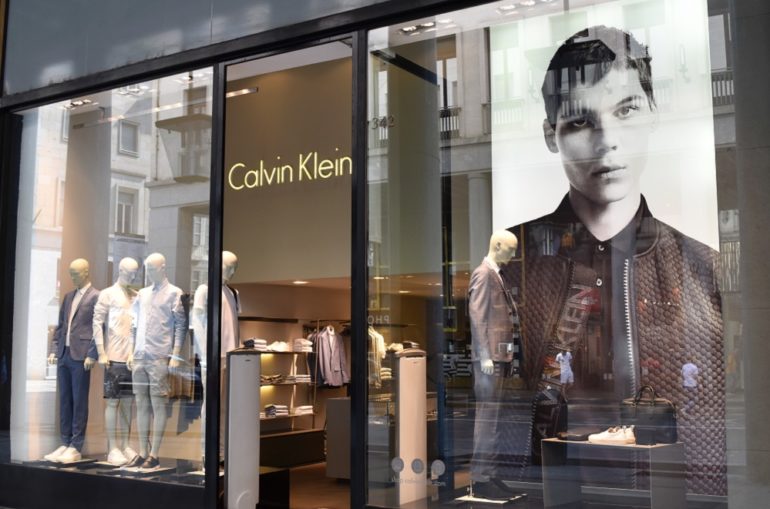
    PVH Corp has named Cheryl Abel-Hodges as the new Calvin Klein CEO, replacing Steve Shiffman.

    Abel-Hodges had previously served as group president, Calvin Klein North America and The Underwear Group. In her new role, she reports to Stefan Larsson, PVH’s president.

    Since joining PVH in 2006, Abel-Hodges has held various leadership positions across the organisation. As group president for Calvin Klein North America, she helped set the strategic direction for the brand, driving a consumer-centric approach. Within The Underwear Group, Abel-Hodges led the development of PVH’s underwear platform, overseeing design, merchandising, product development and planning for all of PVH’s underwear and women’s intimates businesses.

    “I have great confidence that Cheryl is the right person to lead the Calvin Klein brand,” said PVH Corp chairman and CEO Emanuel Chirico. “Her strong management abilities, together with her consistent track record for operational excellence, will provide strong direction for the Calvin Klein team. I believe this leadership change, coupled with our incredible management teams around the world, will allow us to capture the brand’s long-term growth potential.”

    Outgoing Calvin Klein CEO Steve Shiffman is leaving the company to pursue other interests.

    PVH’s brand portfolio includes Calvin Klein and Tommy Hilfiger.

  • Zara Posts Dramatic Growth in Vietnam

    Zara Posts Dramatic Growth in Vietnam

    Zara is outpacing archrival H&M in one of their fastest-growing markets, Vietnam.

    Zara Vietnam’s revenue reached US$73 million last year, six times the 2017 figure.

    The Spanish fast-fashion retailer has opened two stores in Vietnam – one in Hanoi and one in Ho Chi Minh City.

    During three years of operations, Zara Vietnam has achieved US$128 million. Rival H&M, which runs seven Vietnam stores, reportedly achieved revenue of $33 million last year, double that of its first year in the country.

    Along with three other Inditex’s brands, Massimo Dutti, Pull & Bear and Stradivarius, Zara is distributed by Indonesia’s Mitra Adiperkasa Group.

    According to Mitra Adiperkasa’s financial report, Zara remains its main revenue earner and Vietnam is its second-largest market after Indonesia.

    The company’s revenues in Vietnam last year were almost double the previous year’s figure and four times higher than its sales in Thailand.

  • Farfetch opens flagship on JD.com China

    Farfetch opens flagship on JD.com China

    Farfetch China has opened a flagship store on JD, one of its strategic investors.

    The move follows Farfetch China’s purchase of Toplife announced in February and gives the global luxury-fashion technology platform access to more than 300 million customers in Mainland China.

    According to a statement, Farfetch now has a ‘Level 1’ entry point on the JD app, providing customers with instant access to more than 3000 brands via Farfetch’s network of more than 1000 luxury brand and boutique partners.

    “The partnership builds on the existing successful relationship between Farfetch and JD, started in July 2017,” said Farfetch China MD Judy Liu.

    Since then, the fashion platform has built its China presence by sharing JD’s logistics capabilities and its insights into the behaviour of Chinese luxury consumers.

    “Brands crave ever-better access to the Chinese market, and we are thrilled to deliver this for them,” said Liu.

    “This is an important expansion of our strategic partnership with JD, which strengthens the Farfetch China business as part of our truly global offering. Being able to offer the full suite of Farfetch’s technology and logistics platform to brands wanting to reach high-end Chinese consumers is a major competitive advantage as we seek to continue to grow market share in the rapidly expanding online luxury market.”

  • Ted Baker reaches balancing point

    Ted Baker reaches balancing point

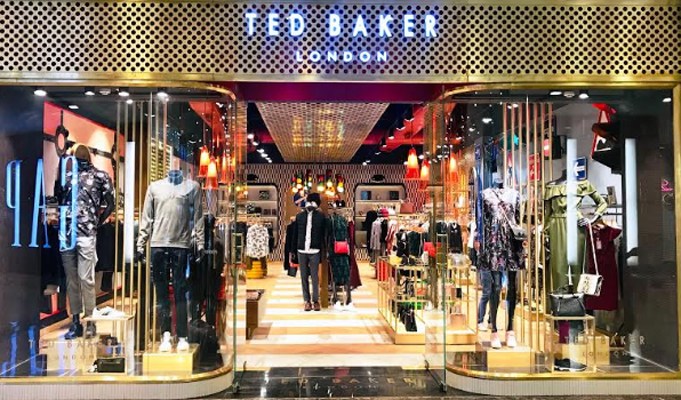
    Shares in UK-headquartered Ted Baker slumped 25 per cent as the latest financial results show the fashion label may be losing its mojo.

    After years of strong growth, the previously infallible Ted Baker says retail revenue fell by 1.1 per cent on a reported basis, and by 2.9 per cent at constant currency during the 19 weeks to June 8. The company warned shareholders its profit for the current financial year may fall by as much as 20 per cent to somewhere in the range of £50 million to £60 million.

    CEO Lindsay Page blamed the result on weaker trading due to unseasonable weather in North America and a highly promotional retail environment worldwide which impacted on gross margins.

    “As a team, we are proactively addressing the challenges we face as an industry,” said Page.

    “Several of our new product initiatives will commence imminently and we are confident in our collections for the coming season. We are relentlessly focused on achieving cost efficiencies as well as further cost savings throughout the business.”

    Sofie Willmott, lead retail analyst at GlobalData, believes Ted Baker is suffering from overexposure.

    “As a result of its past success and demand for the brand, Ted Baker products are widely available from department store players like John Lewis and House of Fraser, and online pureplays including Asos and Very.co.uk. But overexposure can damage brand appeal particularly when it is positioned at a premium level.

    “Alongside this, the struggles of department store retailers coupled with the misconduct allegations against the brand’s founder, Ray Kelvin, who stepped down permanently in March, will not have helped its performance. To reverse its sales decline, Ted Baker must rein in the number of distribution partners it has, to reaffirm its premium positioning.”

    Willmott said Ted Baker has reached a point where “it will either sink or swim”.

    “For the brand to be able to survive without its former leader and retain its loyal shopper base, it must seize the opportunity to shake up the business and re-establish its brand identity.”