Tag: Fashion

  • H&M LGBTQI range celebrates ‘love for all’

    H&M LGBTQI range celebrates ‘love for all’

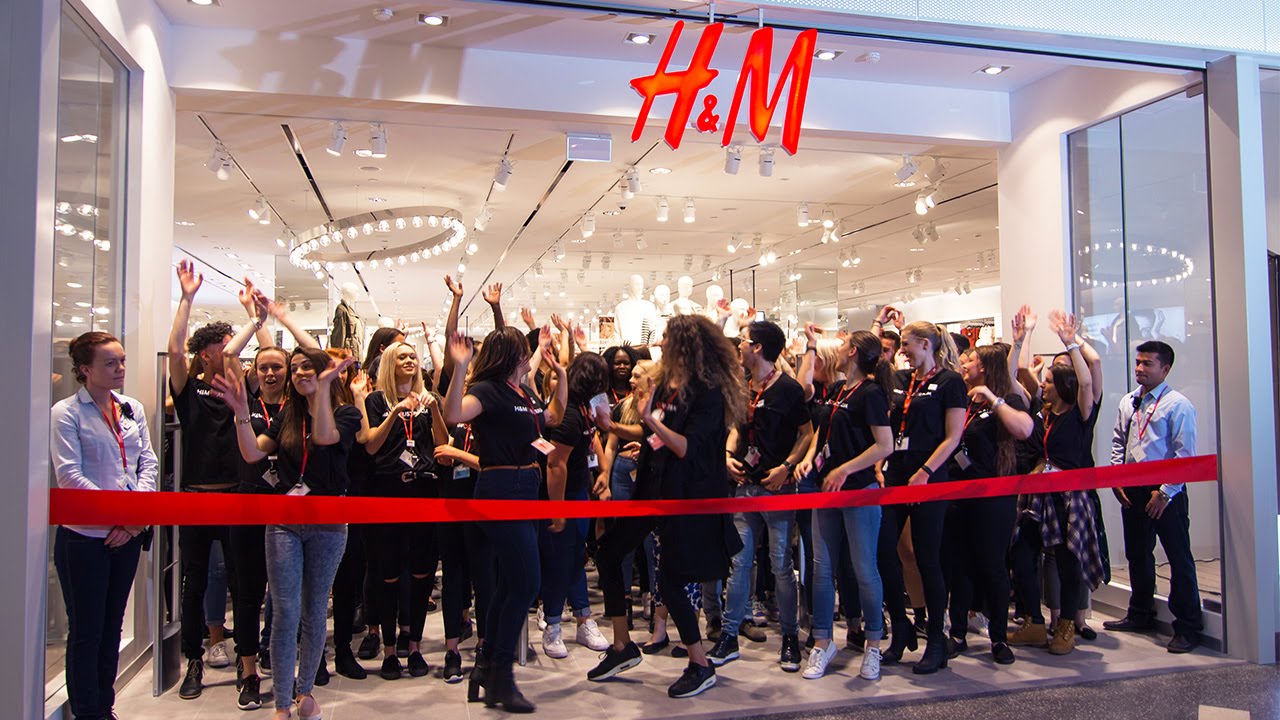
    Global fashion retailer H&M is supporting “love for all” with a new capsule collection celebrating equality.

    The H&M LGBTQI range will be available in selected stores worldwide and on hm.com from this month.

    Celebrating “everybody’s right to love whoever they want”, the fast-fashion brand’s show of support for LGBTQI equality is a capsule collection for women, men and non-binary individuals. The range features slogan t-shirts, sportswear-inspired garments and fun accessories.

    “We wanted to create a certain vibe with a colourful collection – vibrant, statement-making and joyful,” said H&M’s head of design Emily Bjorkeheim. “There´s actually a lot of mixing and matching that can be done, which reinforces H&M’s messages of inclusivity and equality. Anyone can find their favourite piece and simply wear it with self-confidence.”

    The H&M LGBTQI capsule collection includes tops and t-shirts with graphic prints championing diversity, equality and pride as well as rainbow colours. Silhouettes range from cropped and boxy to body-hugging and sporty – all with a retro nod while remaining modern in expression.

    “H&M strives to be a mirror of global society, one that fully embraces a central message of ‘Love for All’, standing up for people’s right to love whoever they want, wherever they are,” said H&M’s global marketing and communications director Sara Spannar. “We are proud to continue our support for LGBTQI equality by celebrating love and raising awareness about the fight for equal rights, diversity and inclusivity.”

    H&M is donating 10 per cent of capsule sales to the UN Free & Equal campaign for equal rights and fair treatment for lesbian, gay, bi, trans and intersex people around the world.
  • Tapestry plans Network Expansion in Asia

    Tapestry plans Network Expansion in Asia

    Tapestry, the parent of Coach, Kate Spade and Stuart Weitzman, plans to open about 100 stores in Asia this year, most of them in China.

    The company is focusing its growth on regions where it believes it is underrepresented, namely Greater China, Southeast Asia and Europe.

    According to the company’s latest results filing, it plans to open between 60 and 70 new Kate Spade stores this year and another 30 for Stuart Weitzman.

    “China has emerged as the second-largest luxury market in the world according to Euromonitor, and we expect the country to continue to drive growth for Coach, and Tapestry, over the foreseeable future,” the company said.

    Coach’s comparable-store sales rose by 1 per cent during the third quarter, or by 2 per cent on a constant-currency basis, driven by strong international growth and increased online sales.

    Strong consumer demand has fuelled sustained growth for the business in China during recent years and that trend continued in the third quarter when sales growth there outperformed that of other geographical markets.

    Third-quarter revenue reached US$1.3 billion.

  • Goodbaby opens Chengdu Flagshop Store

    Goodbaby opens Chengdu Flagshop Store

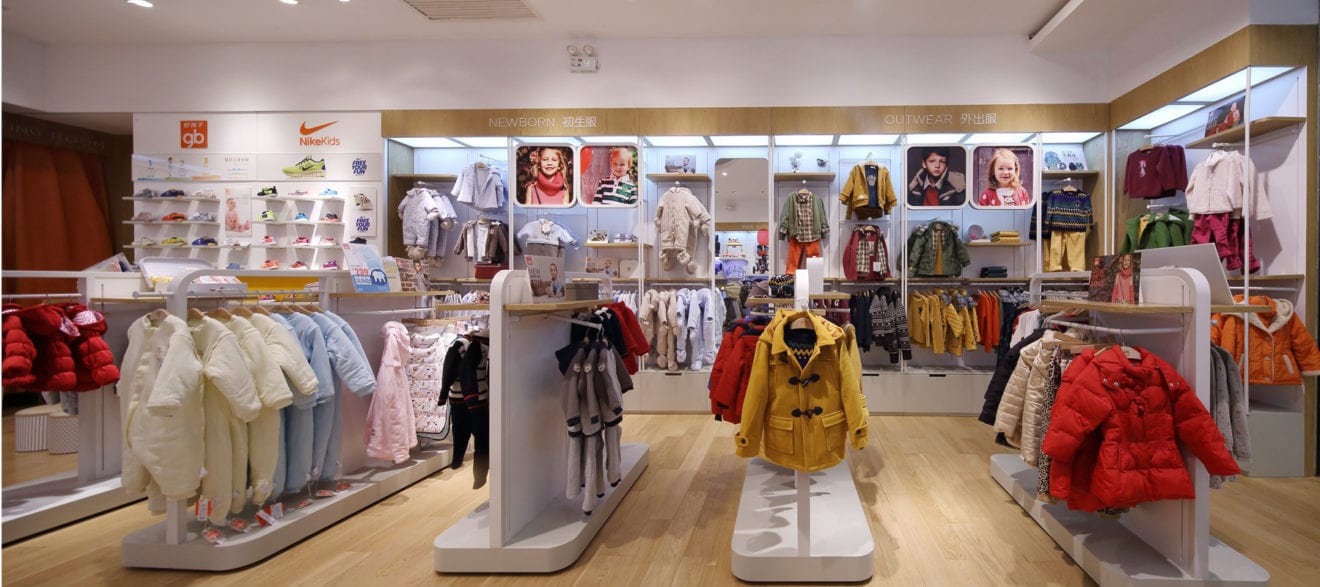
    Goodbaby International has opened two flagship stores in Chengdu, China.

    One of the new stores is located at International Finance Square (IFS), the other at Chengdu Joy City. Both opened last Saturday.

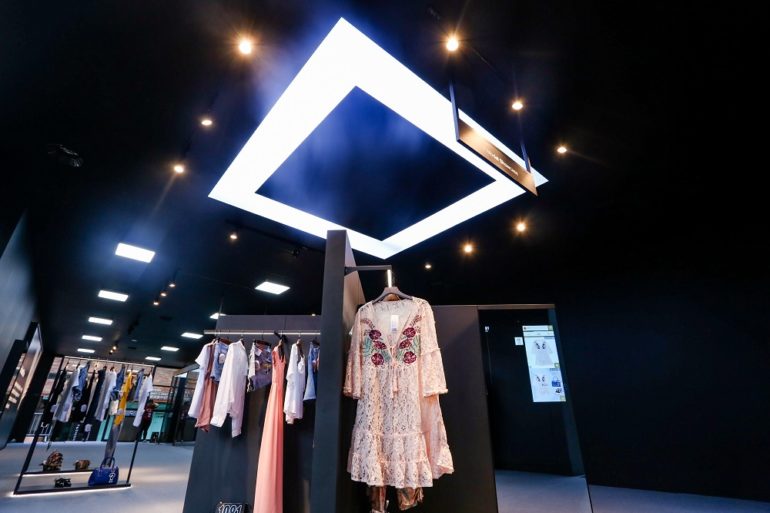
    The stores represent the parenting-products retailer newest offline store model and were designed by an unnamed “well-known designer” who has previously cooperated with many globally renowned luxury concept stores.

    “The key to mom-and-child products lies in experience,” said Goodbaby China CEO Jiang Rongfen.

    “The new global flagship stores are designed with both the sensitive and sensible factors of the consumers’ shopping behaviors in mind.”

    The designer aimed to create an immersive, scenario-based smart lifestyle environment for parenting families, where consumers can experience and interact with the products to make better shopping decisions with the help of AI, VR and AR technologies, as well as making one-stop shopping convenient.

    “Our goal is to make every customer willing to share their satisfactory experience with their friends,” Jiang said.

    With Chengdu considered an up and coming fashion hub in China, Goodbaby decided to launch its new Hey Box smart products at the two flagship stores.

    “It is usually said that winning Chengdu’s consumers is a big step towards winning China’s consumers,” said Jiang.

    Goodbaby was set up in China 1989 as a global company with local operations in China, Germany and the US. At the core of its range are baby carriages and child car seats.

  • Prada to cull wholesale sales channels

    Prada to cull wholesale sales channels

    Italian luxury fashion label Prada is to cull its wholesale distributor list, in order to take more direct control of pricing.

    In a short filing with the Hong Kong stock exchange (where the company is listed), Prada said that its board has analyzed in detail the structure of its wholesale channels “and noted the growing complexity and fragmentation of the wholesale market”.

    Consequently, the board has resolved in favor of additional rationalization of its network of independent partners.

    “The Prada Group considers it essential to ensure greater consistency in pricing policies across retail and digital channels,” said chairman Carlo Mazzi in the filing.

    “This strategic review is intended to further strengthen the Prada Group brands with the aim of supporting sustainable long-term growth.”

    The statement offered no further details of how the rationalization would be undertaken or how many wholesalers would be culled, although it is apparent online distribution may be most affected.

    Like many luxury brands, Prada wants to maintain relative product pricing between wholesalers and its own stores, in much the same way Apple has succeeded globally.

  • 10 Corso Como Leaving Shanghai

    10 Corso Como Leaving Shanghai

    Italian fashion concept store 10 Corso Como is withdrawing from China.

    The firm’s Shanghai retail outlet, which has been open since 2013, will be shuttered late this month in the absence of interest in a license and lease renewal from its local partner Trendy Group.

    The Milanese brand launched its early version of the concept store format at the beginning of the 90s, leading to global popularity and continuing global expansion – its New York location opened just late last year.

    Trendy Group is a late 90s fashion conglomerate that operates more than 3000 retail locations in almost 300 cities worldwide, and holds brands such as Ochirly, Five Plus, Coven Garden, Trendiano and Miss Sixty.

  • Missguided First Vietnam’s Store Opening

    Missguided First Vietnam’s Store Opening

    UK-based fashion brand Missguided Vietnam has opened its first store.

    Located on Level 2 of Ho Chi Minh City’s Saigon Centre, the new store is a part of the brand’s expansion internationally, which follows rationalization in its home market. The label has also opened its first franchised store in Dubai Mall, under a partnership with retail group Azadea.

    More stores are poised to open in the UAE, Qatar, Saudi Arabia, Kuwait, Bahrain, Jordan, Lebanon, and Egypt.

    Early February, Missguided closed its flagship in London’s Westfield Stratford City, which was also its first brick-and-mortar store, after three years of operating.

    The loss-making 20,000sqft store reportedly had two years left on the lease but Missguided negotiated to exit early.

    The brand now has only one store in the UK, at Bluewater shopping center in Kent.

  • Sandro IFC store Opens with Fresh Feel

    Sandro IFC store Opens with Fresh Feel

    The Sandro IFC Mall store has been expanded and relocated, the design upgraded design to introduce the French affordable luxury brand’s newest retail design concept.

    The 139sqm store features both menswear and womenswear collections and is the first boutique in Asia to present the brand’s new interior style.

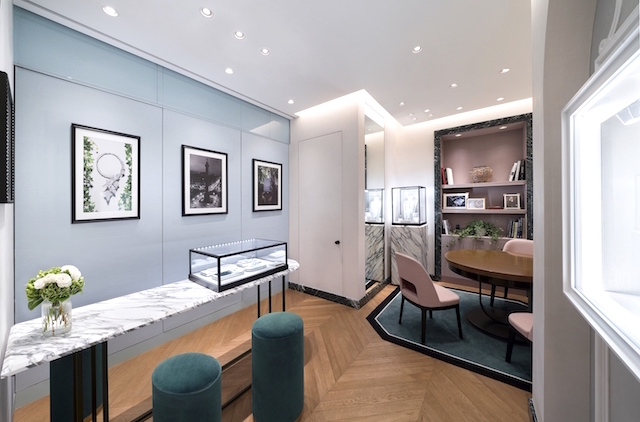
    Accented by a contemporary design and modern decor, the boutique showcases the most diverse range from the brand in an understated setting with Marimorino texture finish walls and Herringbone wooden floors, complete with wooden furniture and an LED video panel showcasing the latest digital content and materials from the brand.

    Sandro operates more than 600 points of sales worldwide, almost a third of which are located in Asia.

  • Burberry’s new creative director already showing positive impact

    Burberry’s new creative director already showing positive impact

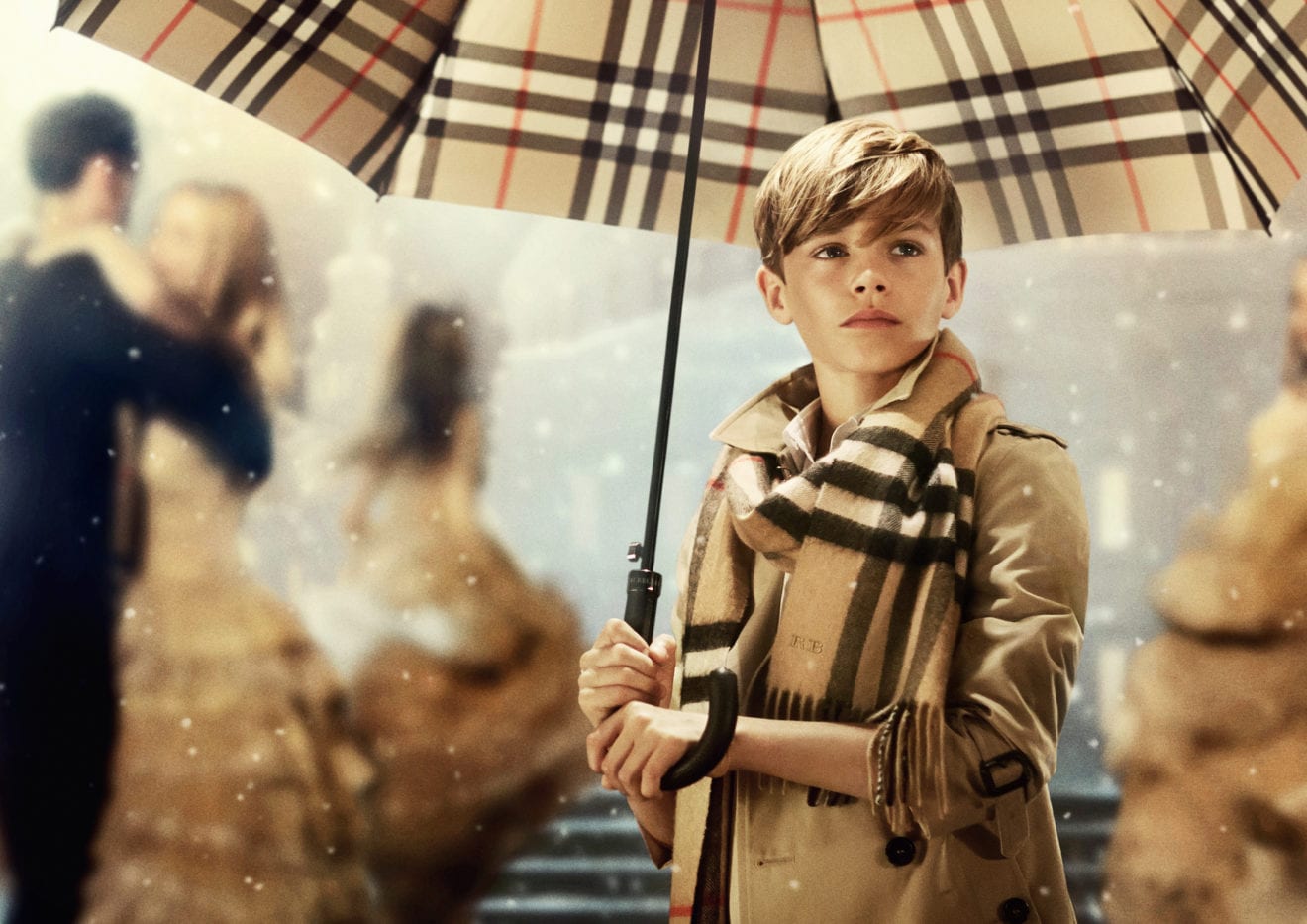
    New creative director already making a difference says analyst after stable sales reported. The high-profile appointment of Burberry’s new creative director Ricardo Tisci appears to be paying off after the company reported comparable revenue up by 2.3 percent for the last financial year.

    That figure excludes a decline in the wholesale beauty business which transferred to a licensing model last year with the inclusive sales figure down 1 percent. Total sales were £2.72 billion.

    “The buzz surrounding Ricardo’s appointment has paid off,” observed Chloe Collins, senior retail analyst at GlobalData.

    “With his first collections, which started dropping into stores in February, receiving widespread praise and achieving double-digit percentage growth on the year, it has given the brand a much-needed refresh as it ran the risk of becoming outdated and repetitive,” she said.

    “His dark grungy styles previously seen at Givenchy have provided a welcome update to Burberry’s classic tailoring and neutral tones, with the brand also given a new modernized monogram logo, however, it must be careful to not lose the traditional British heritage it is famous for.”

    In Asia, the Americas, Europe, the Middle East and Africa, sales rose in the low single digits, making the company’s UK home market the star performer in the mid-single digit percentage range, largely due to increased tourist spending.

    Burberry CEO Marco Gobbetti said sales would have been higher had the company had more product in stores at the end of the financial year.

    “We need to get the products in the stores to start to see the reaction of customers,” he said.

    In the year ahead, the company plans to refurbish about 80 of its flagship stores and close about 38 smaller boutiques in secondary locations.

    The company reported a 6 percent decline in operating profit to £438 million pounds, largely caused by foreign exchange movements and investment in new products.

    Meanwhile, the brand’s digital offer has improved through increased reach through social media, and greater use of influencers among other factors, said Collins.

    “Burberry must continue to invest in technology and marketing to build its online sales further, and find a way to import these innovations into its store portfolio,” she said.

  • Fendi Open Flagship Store in Queensland

    Fendi Open Flagship Store in Queensland

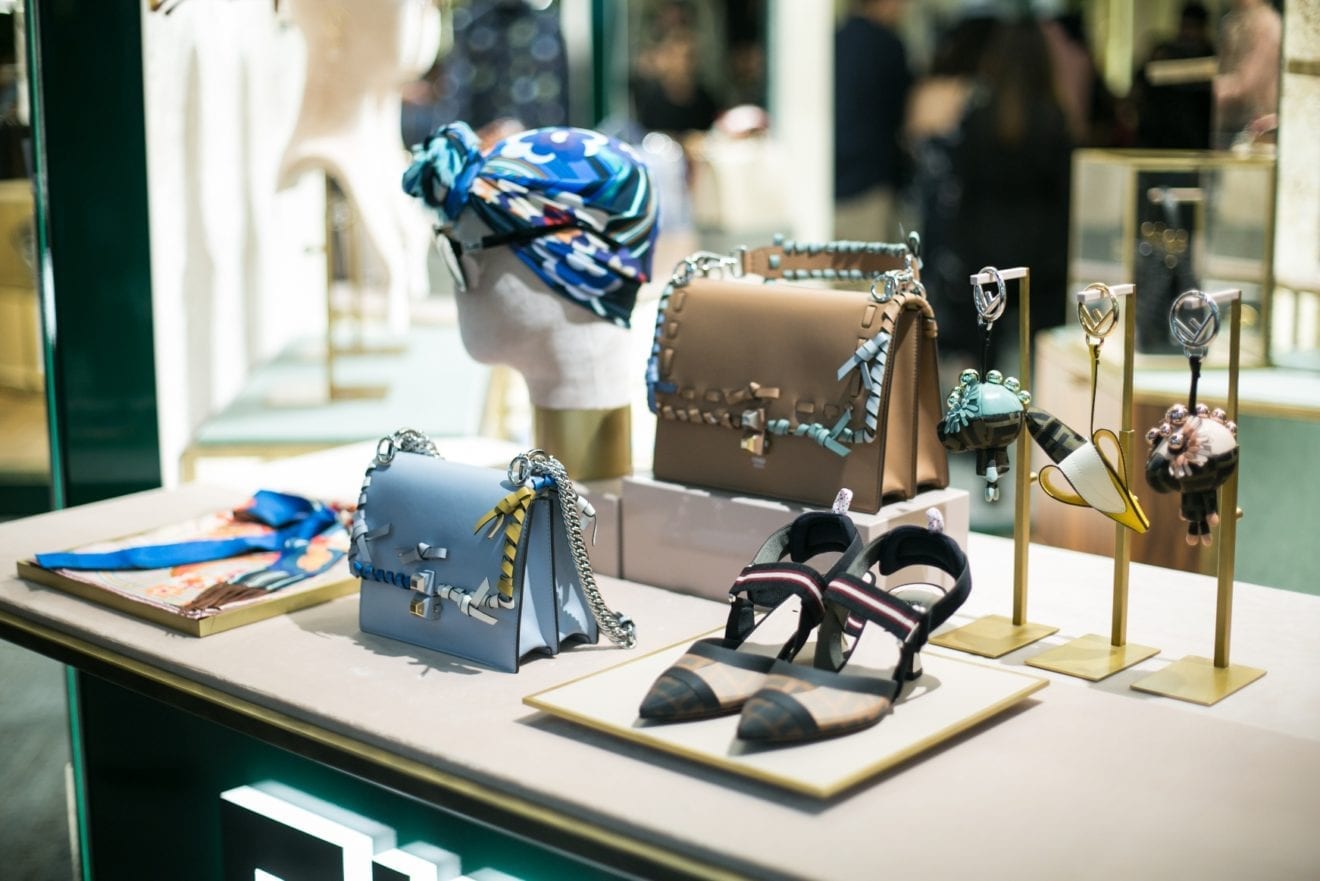
    Italian fashion house Fendi unveiled its first flagship store in Queensland on Thursday, becoming the latest in a series of global luxury brands to set up shop in the Sunshine State.

    The store, located in Vicinity Centres’ QueensPlaza shopping center in Brisbane, features high-end details such as stone walls, marble inlay and gold accents throughout. It is the brand’s 7th location in Australia.

    Fendi is the latest international luxury brand to arrive at QueensPlaza in recent months, following the addition of Saint Laurent earlier this year and Dior at the end of 2018. The shopping center now offers 10 luxury brands, including Chanel, Zimmermann, Scanlan Theodore and Camilla, capping off a $36 million development by Vicinity.

    Earlier in the week, QueensPlaza also welcomed the new luxury dining venue Stanton Cafe and Bar. Seating 180 and offering breakfast, lunch and dinner, the restaurant is an Instagram-worthy hot spot overlooking Queen Street Mall and with views of the CBD.

    Designed by award-winning interior designer Melissa Collison, the restaurant features an eclectic style with 1940s chandeliers, antique furniture, hand-woven Persian rugs, and bespoke wallpaper. Hatted head chef Daniel Jones and Dean Blanchard and their team oversee the menu.

    In addition to offering shoppers a place to relax, Stanton Cafe and Bar will also be hosting a range of masterclasses to educate and entertain, with topics ranging from champagne tasting to Napoli pizza making and barista classes.

    Customers can also download an app that they can use to place their food or coffee order before they arrive and pay for their order.

  • Amazon accelerates Australian Online Fashion Offerings

    Amazon accelerates Australian Online Fashion Offerings

    Amazon Australia has been connecting with fashionistas in Sydney this week, where thousands of designers, retailers, celebrities and fans have gathered to see the latest looks at the Mercedes-Benz Fashion Week Australia (MBFWA).

    As an official sponsor of the event, along with the likes of Moet & Chandon, Swarovski and Superga, Amazon has built an Instagram-worthy pop-up at Carriageworks.

    Visitors can try on some of the local brands available on Amazon and capture the perfect ‘selfie moment’ against four different backdrops, including a mint green oasis based on the products available through Amazon’s Travel range, a Bonds jungle, and a resort-style changing room.

    Amazon said the activation is designed to provide a memorable and educational experience for both industry and consumer guests.

    “We are really excited to be a part of the Mercedes Benz Fashion Week, alongside established and emerging brands,” Angela Langmann, head of Amazon Fashion, said in a statement.

    Since launching in December 2017, Amazon Fashion has rapidly grown its range. It now has tens of millions of products across clothing, shoes and accessories from over 1000 brands.

    In addition, the number of Australian brands on the platform has quadrupled from 33 to 150, with that number continuing to grow, according to Langmann.

    “At Amazon Fashion we celebrate local Aussie brands and build a shopping experience that helps our customers discover emerging and established Australian brands,” she said.

    Some of the more established Australian fashion brands on the platform include Talulah, Stevie May, Senso, Oroton, Three of Something, Finders, Bendon, Review and Lorna Jane, alongside small and medium-sized local businesses like sunglasses brand Local Supply, hat brand Will & Bear and footwear brand Wild Rhino.

    “One of the most powerful things about Amazon Fashion is that a customer can shop from major brands like Calvin Klein and Levis, buy from small and medium-sized local businesses like Local Supply, Will & Bear and Wild Rhino and from more established Aussie brands like Talulah, Stevie May, Senso, Oroton, Three of Something, Finders, Bendon, Review and Lorna Jane,” Langmann said.

    In terms of what’s next for Amazon Fashion in Australia, Langmann said the company is constantly looking for new ways to innovate within the fashion space and is exploring various avenues.

    In the US, the e-commerce giant has launched services like Prime Wardrobe, which gives customers seven days to order clothes and shoes and try them on at home, before they need to pay for the items they want to keep.

    This service so far is not available in Australia.

  • Google to measure Fashion Industrie’s environmental impact

    Google to measure Fashion Industrie’s environmental impact

    Google has announced a new pilot project to help fashion brands measure the environmental impact associated with the production of their raw materials, including water and pesticide usage in the production of cotton, and deforestation to make viscose.

    The pilot project, announced at Copenhagen Fashion Summit on Wednesday, will see the tech giant partner with leading sustainable fashion brand, Stella McCartney.

    “At Stella McCartney we have been continuously focusing on looking at responsible and sustainable ways to conduct ourselves in fashion, it is at the heart of what we do,” Stella McCartney said in a statement about the pilot project.

    “We are trying our best – we aren’t perfect, but we are opening a conversation that hasn’t really been had in the history of fashion.”

    The fashion industry is considered to be one of the most polluting industries on the planet, accounting for 20 percent of wastewater and 10 percent of carbon emissions globally, according to a 2018 report by the United Nations.

    Another report by Boston Consulting Group and Global Fashion Agenda found that much of this impact occurs at the raw materials stage in the production process, where brands have little to no visibility.

    Indeed, while a growing number of brands are taking important steps to reduce plastic waste in their packaging and launch takeback schemes to keep old clothing, shoes, and accessories out of a landfill, few have been able to make a difference at the source.

    “This is an industry-wide problem, where supply chains are highly fragmented and with little transparency,” Nick Martin, head of retail at Google Cloud, said in a statement.

    But the tech giant believes it can put its data collection and analysis expertise to good use in this space.

    The company is now building a tool on Google Cloud that uses machine learning to give brands a more comprehensive view into their supply chain, particularly at the level of raw material production, known within the industry as ‘Tier 4’.

    The tool will include data sources that allow companies to better measure the environmental impact of their raw materials, including air pollution, greenhouse gas emissions, land use and water scarcity.

    “Our goal is not only to be able to determine the impact of producing these raw materials but also compare the impacts of these in different regions where they are produced,” Martin said.

    “We’ll be looking initially at cotton and viscose, each chosen due to the scale of their production, data availability and impact considerations.”

    Google noted that cotton accounts for 25 percent of all fibers used by the fashion industry, and its production is a big driver of water and pesticide use. Viscose production is smaller but growing in demand, and has links to the destruction of forests – some endangered – which are critical in mitigating carbon emissions.

    Based on the effectiveness of the pilot, Google is considering possibilities for expansion into a wider variety of key textiles in the market down the line.

    “This is the first phase of our experiment. We are actively working with fashion brands, experts, NGOs and industry bodies with the ambition of creating an open industry-wide tool, and plan to continue driving collaboration with other key players – large and small,” Martin said.

    Google developed the tool after working with Current Global, an innovation consultancy that helps brands become more sustainable.

  • Van Heusen India opens Flagship Store in Mumbai

    Van Heusen India opens Flagship Store in Mumbai

    Indian formal wear brand Van Heusen has opened a new upscale fashion store in Bandra.

    With the launch of the new Linking Road store, Van Heusen India now operates 16 stores in Mumbai. The expansive store is spread across 2200sqft, offering an array of wardrobe options for both men and women ranging from corporate suits to fashion jackets, casual work-wear to club wear

    “Van Heusen has over the last decade carved a niche for itself as a renowned fashion brand with a strong presence across leading cities and towns of India,” said the firm’s COO Abhay Bahugune. “Today, Van Heusen enjoys a high recall value and is perceived as a brand that provides power dressing to young professionals.”

  • Uniqlo shoppers Details Leaked Online

    Uniqlo shoppers Details Leaked Online

    Uniqlo parent Fast Retailing announced hackers may have gained access to personal information of 461,091 accounts registered on the company’s Japanese shopping websites.

    The retailer said in a statement Monday the hackers may have accessed customers’ personal information, purchase history and partial credit card numbers of some of the users of its Uniqlo Japan and GU Japan online stores from April 23 to May 10 by means of list type account hacking.

    List type account hacking is when user IDs and passwords are potentially leaked from other services or sites.

    The company said it is still investigating the breach and added the number of incidents and circumstances may change during the course of the investigation.

    In the meantime, the Japanese retailer advised its online store’s customers, the number of which the company has not disclosed, to use unique passwords and to avoid using passwords used from other websites to lower the chances of hackers accessing their accounts.

    “Fast Retailing sincerely apologizes for the trouble and concern this has caused to its customers and all others involved,” the company said.

    “Going forward, the company will further strengthen its security measures and take steps to ensure safety, in order to prevent similar incidents in the future.”

    The retailer said information that was potentially accessed includes:

    • Customer name (last name and first name)
    • The customer address (postal code, address, and apartment number)
    • Customer phone number, mobile phone number, email address, gender, date of birth, purchase history, and clothing measurements
    • Receiver name (last name and first name), address, and phone number
    • Customer partial credit card information (cardholder name, expiration date, and a portion of credit card number). The credit card numbers potentially accessed are hidden, other than the first four and last four digits. In addition, the CVV number (credit card security code) is not displayed or stored.

    In its announcement, Fast Retailing said it has identified the origin of the communication from which the unauthorized logins were attempted and has blocked access. The company added it is strengthening monitoring of other access points.

    The Japanese retailer said it has already disabled the passwords for the 461,091 user IDs that were compromised and is sending individual e-mails to each person affected, requesting that they reset their password.

    Fast Retailing has also filed a report of damages regarding the unauthorized logins with the Tokyo Metropolitan Police.

    Online sales made up 9.9 percent of Uniqlo sales in Japan and 20 percent in China in the company’s first-half report. The company said overall online sales rose 30.3 percent in that report.

  • Kiwis invest Money into Ethical Fashion Brand

    Kiwis invest Money into Ethical Fashion Brand

    With 14 days left to hit their minimum target, New Zealand-based ethical fashion brand Little Yellow Bird announced it has raised over $151,563 in its equity crowdfunding campaign.

    The Wellington-based company is offering Kiwis the chance to invest in the company for as little as $500 to scale its impact, grow the product range and make ethical fashion mainstream. The company also plans to expand internationally.

    Little Yellow Bird hopes to raise a minimum of $750,000 with its equity crowdfunding campaign on PledgeMe as it aims to become New Zealand’s first community-owned ethical fashion brand.

    “We are expanding, and we want to scale our voice and impact,” said Samantha Jones, Little Yellow Bird founder.

    Jones said the best way to do this was by having a community of values-aligned investors.

    Little Yellow Bird uses 100 per cent organic, rain-fed cotton and non-toxic dyes and follows a zero waste policy in its factories, saving millions of litres of water each year.

    With the fashion industry named as one of the biggest contributors to climate change across the world, producing about 10 per cent of greenhouse gas emissions, Yellowbird said it is “absolutely committed to ethical manufacturing.”

    “We track every single item of clothing from source to sale, and we ensure we have transparency across the entire supply chain for our products.”

  • Victoria’s Secret drops Broadcasted Fashion Shows

    Victoria’s Secret drops Broadcasted Fashion Shows

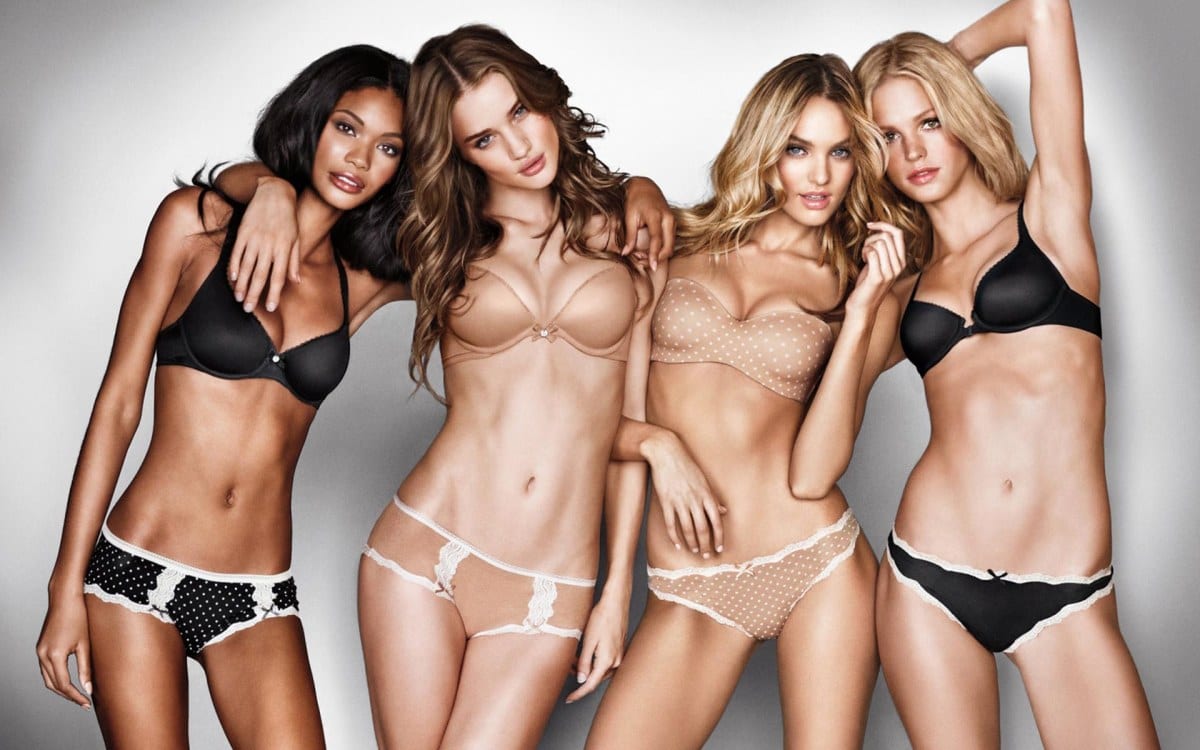
    A root-and-branch review of the Victoria’s Secret business has spelled the end of its famed televised catwalk shows – and even its giant flagship stores may be under threat.

    The world’s most famous lingerie retailer is trying to arrest falling sales and counter competition from the likes of American Eagle Outfitters’ Aerie and Rihanna’s lingerie company Savage X Fenty.

    Recognizing it needs to reconnect with its core customer base, L Brands founder and chairman Leslie Wexner together with recently hired CEO John Mehas, are “re-birthing the brand” through a strategic review.

    “Fashion is a business of change. We must evolve and change to grow,” Wexner said in an internal memo to staff passed on to CBS News. “For the past few months, we’ve said that we are taking a fresh look at every aspect of our business – from merchandising, marketing and brand positioning, to our real estate portfolio, digital business and cost structure … literally everything. We have made enormous progress in a very short time, and are looking forward to a successful fall and holiday with an elevated, fashion-forward assortment.”

    An early decision is that the Victoria’s Secret Fashion Show will no longer screen on national television in the US.

    “Going forward we don’t believe network television is the right fit,” said Wexner in the memo.

    “In 2019 and beyond, we’re focusing on developing exciting and dynamic content and a new kind of event — delivered to our customers on platforms that she’s glued to … and in ways that will push the boundaries of fashion in the global digital age.”

    The annual show was launched in 1995, debuting on network television in 2001. However last year’s audience on ABC was 3.27 million, the smallest to date and less than half the viewership of two years earlier.

    The Victoria’s Secret business has taken some hits in the court of public opinion during recent years. The format of the show, featuring models in scanty costume lingerie has been labeled out of touch in an era where #MeToo movement is reshaping attitudes. Last year, the company was embroiled in controversy after former chief marketing officer Ed Razek said he would not use transgender or plus-sized models in its campaigns.

    Institutional shareholders are demanding higher returns, many lobbying for a spin-off of the highly profitable Bath & Body Works subsidiary.

    Early responses to Victoria’s Secret’s review appear positive. Analyst Lee Peterson, executive VP at Dublin-based retail consultancy WD Partners, said the lingerie giant appeared to be taking the right steps.

    “Everything [Wexner] said – albeit a little tardy – is the right thing to do,” he said. “It seems to me they had an epiphany and realized it’s a new age. You can’t do anything in retail for 20 years and not change.

    “Don’t forget Victoria’s Secret is still more than 60 percent of the market. It’s a big ship to turn around,” said Peterson.