Tag: Fashion

  • Cotton On Group launches in India

    Cotton On Group launches in India

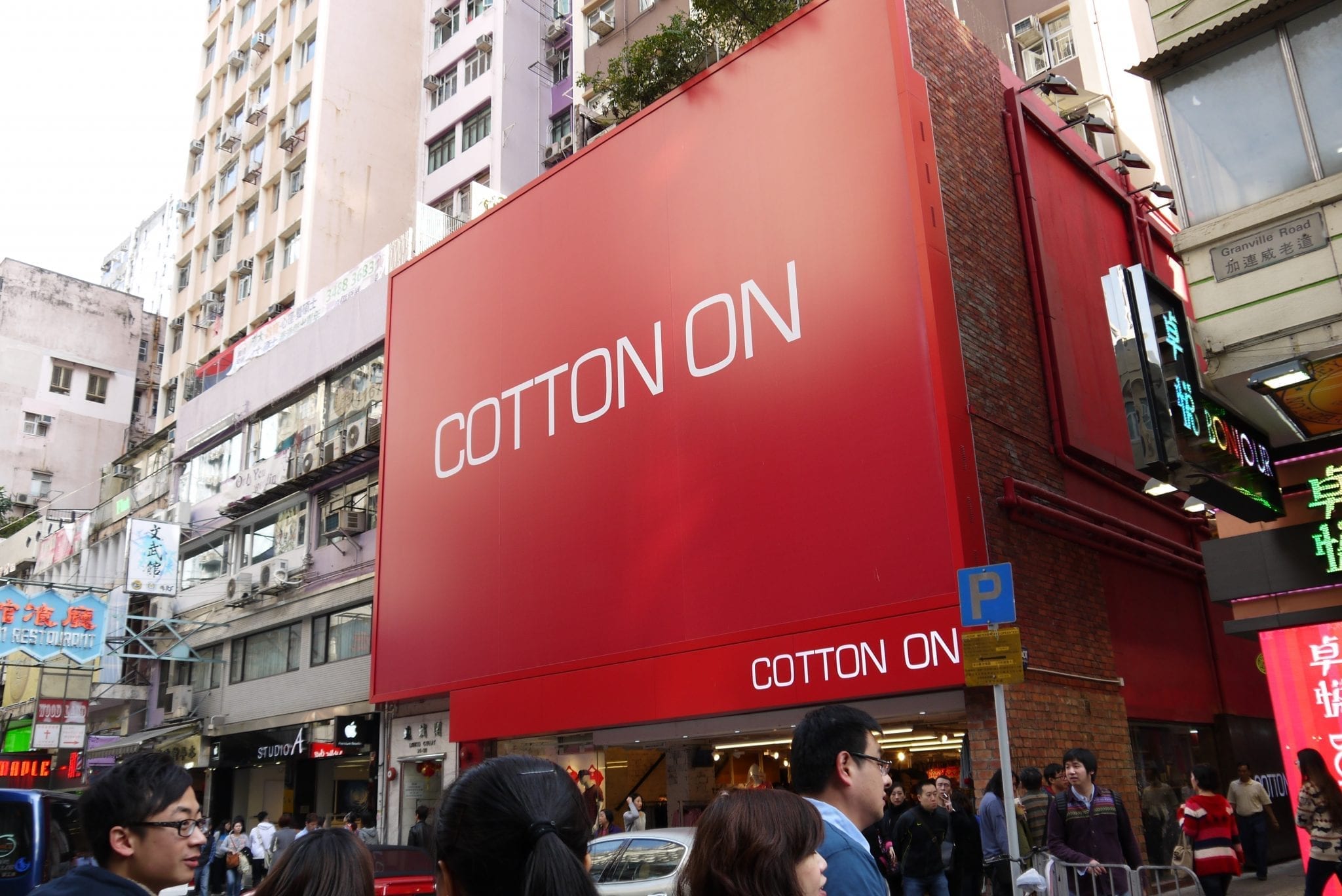
    One of Australia’s largest fashion retailers, Cotton On Group, is launching in India, with a first flagship store scheduled to open in the second half of next year.

    In advance of the company’s physical stores, Cotton On will sell fashion products online on the Myntra platform, in a move seen as a challenge to Sweden’s H&M and california’s Forever 21.

    The first flagship store will open in either Delhi or Mumbai in the third or fourth quarter of next year.

    Cotton On’s local partner is AVS Global Network, which has reportedly secured an 18-month exclusive contract to sell fashion on Flipkart, Myntra and Jabong.

    “About 77 per cent of online fashion brand consumers use either Flipkart, Myntra or Jabong to shop, as they have a high brand-recall value,” said AVS cofounder Sumanto Das. “This is why we thought it would be wise to introduce Cotton On to India through these platforms.”

    Cotton On Group, which owns the namesake brand along with Factorie, Ruby (shoes), Typo (stationery), Supre and Lost, was founded in 1991. It has already expanded into Singapore, Hong Kong, South Africa and New Zealand, among other markets with about 1500 stores worldwide.
  • Amazon Fashion drops first influencer collection

    Amazon Fashion drops first influencer collection

    Amazon Fashion has just released the first collection from an influencer as part of its new shopping experience, The Drop.

    For the next 30 hours, customers will be able to purchase pieces made on-demand from the collection designed by influencer Paola Alberdi via the Amazon app or mobile browser. The Drop collections are available in more than 100 countries and regions.

    Fashionistas are encouraged to sign up for Amazon text alerts, as the next Drop influencer collaboration could be released at any time. Other influencers slated to design future collections include Emi Suzuki, Sierra Furtado, Leonie Hanne and Patricia Bright.

    “Influencers are able to turn their creativity and style into beautifully designed collections that capture the latest street style trends from around the world,” said a statement from Amazon.

    “Amazon Fashion is excited to enable influencers to be designers and bring fresh Fashion assortments directly to customers via The Drop.”

    Amazon Fashion is also offering Staples By The Drop, wardrobe staple pieces to complement the influencer collections.

    “I am beyond grateful to Amazon for entrusting me to be the first influencer to launch The Drop, their innovative new shopping experience. I have worked hard for many years to create a brand that is true to myself and did the same with this collection,” said Alberdi.

    “Fashion can be so expensive but my belief is that it should not have to be expensive to feel beautiful. The primary goal of my collection is simply to help women feel good about themselves. I’m so excited to share these pieces with the world!”

    Other retail brands have been tapping into the power of influencers and collaborating with them on collections for some time, such as Nordstrom, which is currently selling the Cupcakes and Cashmere range from fashion blogger and designer, Emily Schuman.

    When the department store engaged with influencer Arielle Charna in 2017, her collection reportedly brought in $1 million in sales in less than 24 hours, according to an article from Fashionista.

  • Versace to expand Asian store network

    Versace to expand Asian store network

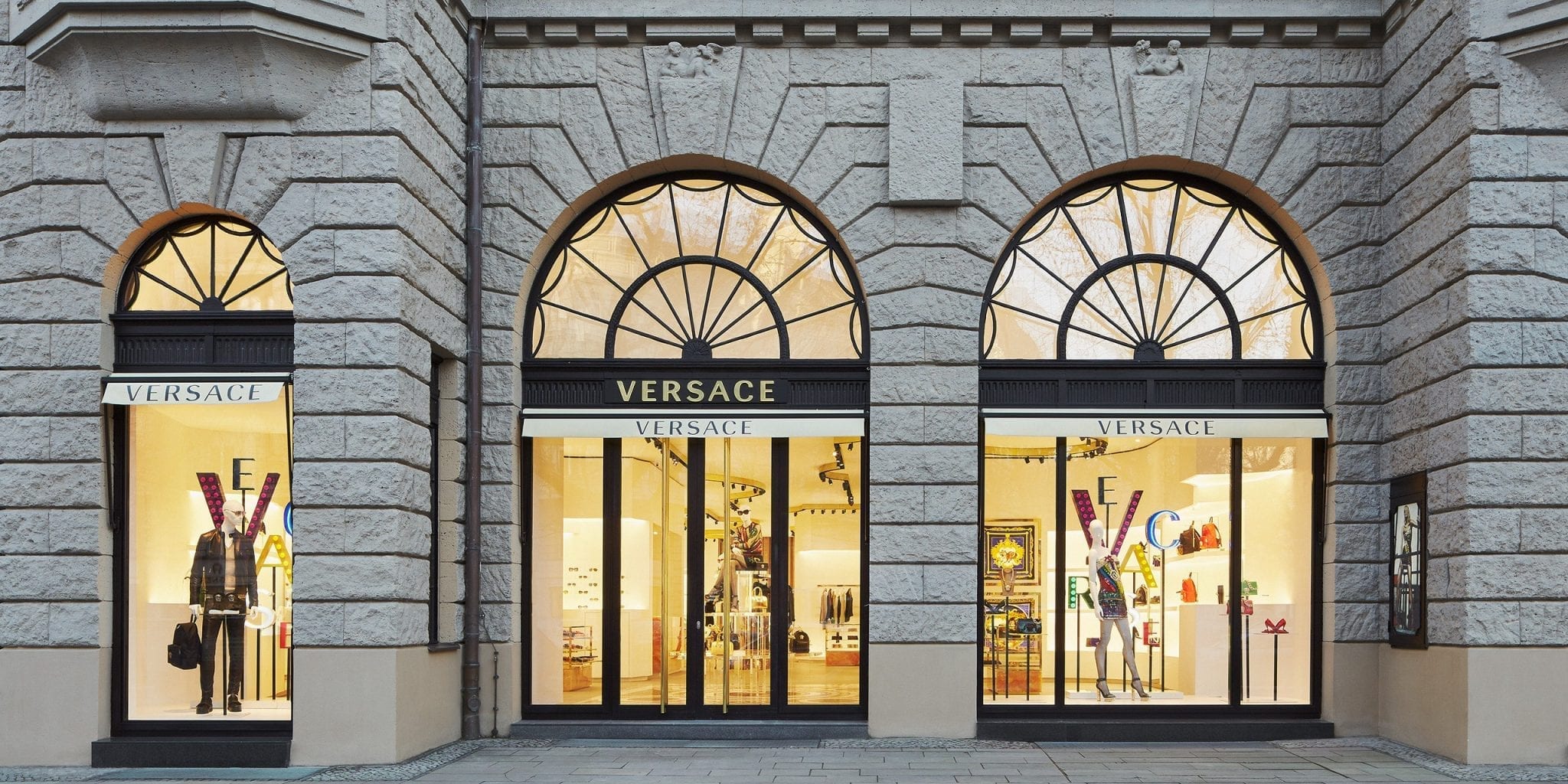
    More stores, broader range, fewer brands as fashion icon tries to double sales. Versace will open its largest store yet in China this week, part of a concerted plan by the fashion label’s new owners to expand its footprint globally.

    Capri Holdings, which also owns Michael Kors and Jimmy Choo, bought Versace from Donatella Versace late last year for US$2.2 billion. It is now implementing a plan to double the label’s worldwide sales with at least 112 new stores scheduled by 2022 along with a refurbishment program for the existing network. The new Beijing store – details of which are scant at present – is a key step in that plan.

    Worldwide, Versace has 188 stores currently and wants to reach 300 within three years. Asia will be a big benefactor from the plan, already accounting for more than half the network. China alone has 40.

    Along with new openings and revamps of existing stores, Versace will boost its product offer, adding more handbags, footwear and leather goods to its high-end clothing range. Accessories currently account for just 35 per cent of Versace’s sales and the company wants to lift that to 60 per cent.

    “It’s very clear: The productivity in our stores is not what it should be,” CEO Jonathan Akeroyd told an investors briefing this week. He plans to double the sales per square foot across the network.

    “We need to rapidly increase productivity and this will really be the real driver to take us to our US$2 billion revenue target.”

    Versace’s marketing strategy will be revised, with less focus on fashion shows in favour of a stronger social media presence.

    The company has quietly dropped its diffusion brands Versace Collection and Versace Versus and new stores will all bear the core Versace brand name alone.

  • Lower tourist spend hits Tiffany & Co sales

    Lower tourist spend hits Tiffany & Co sales

    Tiffany & Co sales were hit by what CEO Alessando Bogliolo described as “dramatically lower worldwide spending attributed to foreign tourists” during the first quarter.

    Globally, sales fell by 3 per cent in the three months to April 30, to US$1 billion and comparable sales fell by 5 per cent. “Significant foreign exchange headwinds” were also responsible for the result, with sales down a more modest 2 per cent on a constant-currency basis.

    While not releasing breakdowns by country, Bogliolo said global sales attributed to local customers, led by sales in China, grew year on year. “We believe this growth in sales to local customers reflects progress in executing our strategic priorities, including innovations across products, communications and the customer experience, and that Tiffany is positioned for improving trends in the second half of 2019.”

    Net earnings of $125 million were 12 per cent lower than the prior year’s $142 million.

    Tiffany & Co sales in Asia-Pacific declined 1 per cent to $324 million and comparable sales declined 5 per cent due to the effect of foreign currency translation; on a constant-exchange-rate basis, total sales rose 3 per cent and comparable sales were unchanged.

    “These results reflected a continuation of strong growth in Mainland China and mixed results in other markets,” the company said in a statement. “These sales results also reflected lower spending attributed to foreign tourists.”

    In Japan, total net sales declined 4 per cent to $145 million and comparable sales declined 4 per cent, but on a constant-exchange-rate basis, total sales and comparable sales were equal to the prior year. These results were also affected by lower spending attributed to foreign tourists.

    In Europe, total net Tiffany & Co sales declined 4 per cent to $102 million and comparable sales declined 7 per cent. In the Americas, total net sales declined 4 per cent to $406 million, and comparable sales declined 5 per cent.

  • Australian brand house Gazal bought by PVH

    Australian brand house Gazal bought by PVH

    PVH has finalised the acquisition of Gazal Corporation, the Calvin Klein and Tommy Hilfiger-owner’s long-term partner in Australia, showing an increased commitment to the region.

    The acquisition gives PVH ownership of the Calvin Klein, Van Heusen, Nancy Ganz, Pierre Cardin, Fred Bracks, and Paramount brands in the region, and supports the group’s strategy to have a more direct hand in the direction of its brands in the Asia-pacific region – having recently re-purchased the licence in Hong Kong, Macau, Singapore, Malaysia and Taiwan.

    “Our decision to acquire Gazal is aligned with PVH’s strategic priority to expand our worldwide reach by assuming more direct control over our brands’ regional licensed businesses,” PVH chairman and chief executive Emanual Chirico said in a statement.

    “By joining forces now, we believe we’re well positioned to capture the significant growth in the Australia and New Zealand markets.

    “We are pleased to welcome Gazal into our PVH family and continue driving our business forward together.”

    As part of the acquisition, four key members of Gazal’s executive team are expected to remain in their respective roles for at least two years, having entered new employment agreements.

    According to Tommy Hilfiger global chief executive Daniel Grieder, this strategy will allow the brand to introduce a wider range of product lines, as well as offer an elevated and more immersive brand experience.

    “Building on our strong existing regional foundation, we plan to accelerate the growth of the Tommy Hilfiger business and invest further in driving the expansion of the brand,” Grieder previously said.

    Calvin Klein has also been expanding its focus in Australia, opening its first multi-brand store in Queensland’s Sunshine Plaza – the brand’s 32nd in Australia – as well as a more directed digital strategy.

    Steven Shiffman, chief executive officer at Calvin Klein, recently unveiled a number of initiatives meant to push the brand forward, while tailoring it to changing consumer wants and needs.

    One of these initiatives is a dedicated, regional e-commerce strategy, as well as the potential for as many as 100 stores opened across Australia and New Zealand.

    This decision was made in order to minimise the brands’ reliance on the Australian department store sector.

  • Lacoste launching shoppable TV during Tennis – French Open

    Lacoste launching shoppable TV during Tennis – French Open

    French fashion retailer Lacoste will give viewers of the 2019 French Open an opportunity to purchase its products during the first NBC televised match of the brand’s ambassador Novak Djokovic.

    NBCUniversal will launch its shoppable TV experience with Lacoste during the French Open from Roland-Garros, giving viewers a chance to shop the Lacoste X Novak Djokovic Collection in real time through “on-air shoppable moments”.

    Viewers will have the opportunity to purchase the products alongside NBCUniversal stories, shows and sporting events.

    According to NBCUniversal, this is the first time this technology will be used on national television to activate direct sales, combining the scale and reach of television and the ease of e-commerce to reinvent the commerce experience.

    Throughout Djokovic’s televised matches, NBC Sports will alert viewers to hold their phone cameras up to the screen during an “On-Air Shoppable Moment” to purchase pieces from the Lacoste X Novak Djokovic Collection.

    The shopper will then be taken directly to www.lacoste.com to complete the purchase. Djokovic will wear two statement outfits – one in bright orange and one in black and white, which will be available through ShoppableTV alongside other pieces in the collection.

    “For the first time ever fans can shop the Lacoste X Novak Djokovic Collection while watching him play in real time,” said Josh Feldman, executive vice president, head of Marketing and Advertising Creative, NBCUniversal.

    “And this is just the beginning. ShoppableTV will revolutionise the way millions of viewers will watch television and purchase the brands they love across the entire NBCUniversal portfolio.”

    NBC will have live coverage of the 2019 French Open from Roland-Garros this weekend.

  • UNIQLO’s Latest MANGA UT Collection Celebrates Japan’s World-famous Manga and Anime

    UNIQLO’s Latest MANGA UT Collection Celebrates Japan’s World-famous Manga and Anime

    UNIQLO’s graphic T-shirt brand, UT, launches the latest MANGA UT collection, with themes from globally popular manga and anime series. The collection is available at all UNIQLO stores through UNIQLO.com, with specific titles launching on May 27 and June 10. This year’s lineup includes a women’s range, allowing a broader range of customers to enjoy wearing their favourite manga and anime titles. Selected items from the Kids’ UT line up will only be available online and at Orchard Central Global Flagship store.

    New series appearing for the first time in this collection include Detective Conan and Boruto: Naruto Next Generations. The lineup comprises styles from a total of 14 masterpieces of manga and anime, including anime based on Weekly Shonen Jump’s Naruto: Shippuden and Gin Tama, legendary works Yu Yu Hakusho and Hunter × Hunter, and popular Weekly Shonen Sunday titles Urusei Yatsura, Ranma ½, and Inuyasha.

  • H&M India charts stable growth path as profit rise

    H&M India charts stable growth path as profit rise

    H&M India reportedly surpassed Rs 1100 crores (US$157.6 million) in sales in the 12 months to November, just three years after the Swedish fast-fashion label entered the market.

    There are now 42 H&M India stores trading and consumer demand continues to meet the pace of expansion. That means that the Indian business has not been swamped with unsold inventories requiring aggressive discounting strategies, in contrast to most other  international markets in which H&M trades.

    “H&M India’s expansion strategy has been successful and the company has been expanding in the right way,” observed Shubhangi Bidwe of Fashion United.

    “A tight control on expenditure, including ad spend, economies of scale, well-managed back-end, lower product prices and penetration in tier 2 and tier 3 cities have helped the brand grow faster in India compared to most of its peers.”

    Given the footfall H&M stores attract, the brand is coveted among shopping centre managers in India who typically place them in anchor spaces.

    The company plans to continue to open new stores at the rate of about one per month. Online, the brand is registering double-digit sales growth.

  • Abercrombie & Fitch Closing Shops

    Abercrombie & Fitch Closing Shops

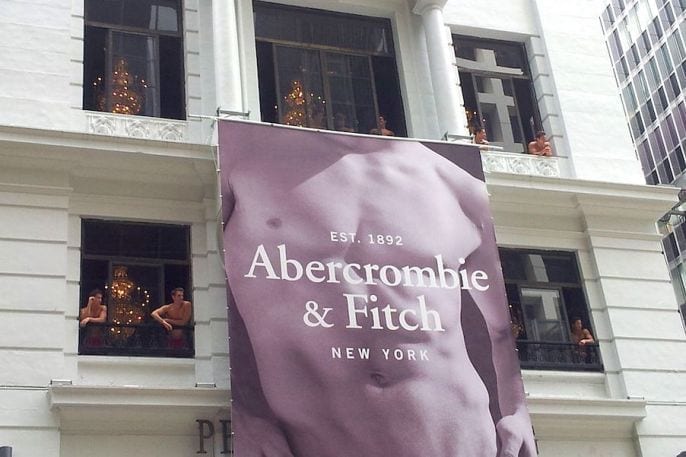
    Fashion retailer Abercrombie & Fitch is continuing to shutter Hollister and A&F flagship stores across the globe, with its Fukuoka store in Japan one of the next three on the list.

    Starting with the high-profile Pedder Street store in Hong Kong’s Central in the first quarter of the 2017 financial year, Abercrombie & Fitch embarked on what it describes as a “global store network optimization” program.

    Overnight, the company said it will close its SoHo Hollister flagship store in New York City and has exercised kick-out clauses for its A&F flagship locations in Fukuoka and Milan, Italy.  “Today’s announcements build on the closures of the Hong Kong and Copenhagen, Denmark A&F flagship locations. These actions represent important ongoing steps in the company’s global store network optimization efforts as it continues to pivot away from large format stores to smaller, omnichannel-focused brand experiences,” the company said in an earnings statement.

    While the Pedder Street store was vacated two years ago – and remains empty to this day – it took until this year for the company to close its second, in Copenhagen, Denmark. Now the flagship-closure program is gaining pace.

    The Hollister store will close in the second quarter of the current fiscal year and the Milan store by year’s end. The Japanese store will close in the second half of next year.

    “In aggregate, the Copenhagen, SoHo, Milan and Fukuoka locations represented less than 1 percent of total net sales in fiscal 2018. The SoHo and Fukuoka closures are expected to result in pre-tax lease-related net charges in the second quarter of fiscal 2019 of approximately US$45 million. The charges related to the Copenhagen and Milan closures are not expected to be significant in fiscal 2019,” the company said.

    But Abercrombie & Fitch stressed it was not reducing its store network.

    “The company remains on track to deliver approximately 85 new experiences through new stores, remodels and right-sizes this year.”

    First-quarter loss reduced

    Meanwhile, the company reported worldwide net sales rose by 2 percent to $734 million in the first quarter to May 4. Comp sales rose by 1 percent following a 5 percent increase in the same period last year and the company posted an operating loss of $27.3 million, less than half that of last year’s first quarter.

    “We achieved our seventh consecutive quarter of positive comparable sales fuelled by ongoing strength at Hollister and a return to positive comps at Abercrombie,” said CEO Fran Horowitz.

    “This contributed to top-line growth, operating margin improvement and a net loss reduction compared to last year.”

    Horowitz said the company remains focused on its transformation initiatives, with global store network optimization a key priority.

    “We continue to believe in stores and are committed to delivering intimate, omnichannel brand experiences that closely align with our customers’ needs.”

  • Global slump for Gap sales during the First Months this Year

    Global slump for Gap sales during the First Months this Year

    Gap Inc sales have slumped globally and across the whole company with the Gap brand the worst performer, down 10 per cent.

    “This quarter was extremely challenging, and we are not at all satisfied with our results,” said president and CEO Art Peck in a results release. “We are committed to improving our execution and performance this year.”

    Against a first-quarter Gap Inc sales increase of 1 per cent last year, group sales fell 4 per cent in the three months to May 4. Worldwide comp sales for the Gap brand were down 10 per cent (compared with 4 per cent in the same period a year ago), for Banana Republic by 3 per cent (compared with 3 per cent growth last year) and for Old Navy – the star of the group in recent quarters – by 1 per cent (verses positive 3 per cent last year).

    The poor results come as Gap Inc prepares to split its business into two separate entities, both listed: one owning the value-focused Old Navy brand, the other the more premium offer of Gap and Banana Republic.

    Peck said Gap Inc remains confident in its plan to separate the two businesses next year, “and we are focused on setting up both companies for long term value creation and profitable growth”.

    Net Gap Inc sales for the quarter were US$3.7 billion and gross profit was down 6 per cent to $1.34 billion.

    The company ended the quarter with a merchandise inventory worth $2.24 billion – a figure 10 per cent higher than at the same time last year – but attributed that in part to the acquisition of the Janie and Jack business, increased in-transit times and net year-on-year store network growth.

    Gap Inc ended the first quarter with 3849 store locations in 44 countries, of which 3335 were company-operated.

  • Bossini loss likely to be four times that of last year

    Bossini loss likely to be four times that of last year

    Bossini has issued a profit warning saying unseasonal weather and weak consumer sentiment is impacting sales.

    In a stock exchange filing in Hong Kong, where the company is listed, Bossini chairwoman Bess Tsin said unaudited consolidated management accounts of the group for the 10 months to April 30 indicate a loss attributable to shareholders of about HK$92 million (US$11.7 million) for the period.

    “Based on the management accounts and the information currently available, the group expects that the loss attributable to owners for the year ending June 30 would be higher than that shown in the management accounts by about 35 per cent.”

    That would equate to about $124 million, more than four times last year’s loss of $29 million.

    She said the final figure would depend on the trading results for May and June.

  • Little Yellow Bird Raised Half Million Dollar in Crowdfunding Campaign

    Little Yellow Bird Raised Half Million Dollar in Crowdfunding Campaign

    Little Yellow Bird has raised over $440,000 in an equity fundraising campaign – having passed its minimum funding figure of $300,000, and becoming New Zealand’s self-professed ‘first community-owned ethical fashion brand’.

    The campaign has only hours left, has attracted over 220 backers, and will see Little Yellow Bird scale itself up with the aim of increasing market reach, growing sales and its leadership team, and expanding into new markets.

    Expansion plans also include a clothes recycling program, which the company calls a “crucial next step for sustainable change” in its industry.

    “We’re more than just a clothing brand,” Little Yellow Bird founder Samantha Jones said.

    “We’re telling the story about where and how our products are made and are working tirelessly to provide employment opportunities in the communities where our clothes come from.”

    At the end of the funding period, the ownership of the business’ shares will be split between campaign investors, Jones, and female-founder focused Lightning Lab XX at $1 a share.

    The brand uses rain-fed, organic cotton grown without the use of pesticides or chemicals, while its factories use zero-waste initiatives. The business is working to minimize waste and utilizes closed loop systems to do this.

  • Poney flagship Store in KL opens at Central iCity

    Poney flagship Store in KL opens at Central iCity

    Malaysian childrenswear retailer Poney has opened a flagship store in the new Central iCity shopping centre.

    Poney Group has three brands – Poney, Baby Poney and Poney Enfants, offering apparel and accessories for newborns, toddlers and children aged up to 12 years old.

    The new boutique displays the full range in a bright, light setting, located next to Trudy & Teddy.

    Central iCity is the first shopping centre in Malaysia’s capital city to be opened by Thailand’s Central Group. It also features a Sogo department store and Malaysia’s 500th (and the world’s 15,000th) AS Watson store.

    Founded in 1992 by Albert Tan and his wife Sharon Ng, Poney Group began with consignment counters inside department stores before opening its first boutique in The Mines Shopping Mall in 1997. A flagship store opened in Suria KLCC two years later.

    The company has since expanded in Malaysia and offshore into markets including Singapore, China, Indonesia and the Middle East.

  • New CEO For Zara Owned Inditex

    New CEO For Zara Owned Inditex

    Zara owner Inditex has named chief operating officer Carlos Crespo as its new chief executive to spearhead a bigger push into e-commerce.

    Crespo will continue in his existing position until his appointment as CEO becomes effective in July, when he will begin taking some of the responsibilities currently held by executive chairman and current CEO Pablo Isla, the company announced.

    The appointment of Crespo, who oversaw the integration of Inditex’s online and bricks-and-mortar stores, puts an emphasis on the retail giant’s digital efforts amid changing consumer habits.

    Isla said Crespo’s contribution to the company in this new role will be vital “at a time marked by Inditex’s strategic digital transformation and far-reaching commitment to sustainability”.

    Isla, who until now has held the positions of both chairman and CEO, will continue to lead the apparel company as executive chair. Crespo will work with Isla to define the overall company strategy, Inditex said.

    The new chief joined Inditex in 2001 as the head of accounting policies in the finance department. Going forward, he will be responsible for technology, procurement and sustainability.

    “I am very excited to play a role at this important time for the company in which digital transformation and sustainability in all its manifestations represent exciting challenges,” Crespo said.

    Last year, Isla announced all products from all Inditex’s brands will be made available online by 2020, including markets where it does not have any stores.

    Other than Zara, the world’s largest clothing retailer also sells the brands Pull & Bear, Massimo Dutti, Bershka, Stradivarius, Oysho and Uterque across its network of almost 7,500 physical shops. It also operates online in 49 markets.

    Isla also said all of the group’s brands will be adopting an integrated stock management system by 2020 in all the countries where there is a physical store presence.

  • Fred Perry x Amy Hong Kong Launches Winehouse Collection

    Fred Perry x Amy Hong Kong Launches Winehouse Collection

    Fashion brand Fred Perry has released a new crossover collection as part of its continuing collaboration with the Amy Winehouse Foundation.

    The Fred Perry x Amy Winehouse Collection takes influences from Winehouse’s first designs for the brand, with pieces rooted in the singer’s distinctive sportswear and pin-up silhouettes. For May, there are three iterations of the Fred Perry shirt inspired by Winehouse’s styling and distinctive tattoos.

    The partnership makes a contribution each season to support the charity’s work with young people suffering from drug and alcohol problems. The latest Fred Perry x Amy Winehouse SU19 Crossover Collection is available this month at the Fred Perry store in Times Square, Causeway Bay.