Tag: Fashion

  • Blackstone makes initial investment in Indian fashion sector

    Blackstone makes initial investment in Indian fashion sector

    International private equity firm Blackstone has invested roughly US$244 million in debentures in Future Lifestyle Fashions holding company Ryka Commercial Ventures.

    The deal is accompanied by Blackstone’s acquisition of a 6-per-cent shareholding in Future Lifestyle. The firm is now Ryka’s sole financial partner.

    “This is our first investment in this sector,” said Blackstone’s head of tactical opportunities, Asia Kishore Moorjani in a DealStreetAsia report. “We look forward to being a value-added investor as FLFL and the Future Group continue to cater to the fashion needs of aspiring India.”

    The funds have been used to resolve all Ryka’s existing financial obligations.

    “Blackstone will support us in the continued growth of our fashion business, bringing global perspectives that will help us take FLFL to the next level,” said Future Group CEO Kishore Biyani.

  • Tigerlily finally unveils new look across stores

    Tigerlily finally unveils new look across stores

    After a much-anticipated wait, the Australian designer brand Tigerlily has today unveiled a new look and branding across its stores, website and social media, alongside the launch of its dreamy resort 2020 campaign.

    In December, the retailer will open its flagship store at Melbourne Emporium, the first to reflect the brand’s new direction. The store design was inspired by exotic hotels and faraway holidays.

    Tigerlily began teasing customers with its relaunch almost two weeks ago when it wiped the contents of its entire Instagram and began slowly posting sneak peek preview videos and imagery.

    “Tigerlily feels like it has traveled the world and it is inviting us to come along on holidays”, Tigerlily CEO Chris Buchanan said in a statement. “And, as we expand into new markets and grow with our consumer, comes a refreshed look and perspective for the brand.”

    “She is a curious explorer with an adventurous spirit;a dreamer enchanted by discovery who lives for the experience. Each collection we create is aspirational but accessible for women, who embrace curiosity for exploring the new things.”

    The new resort 2020 campaign was inspired by the tropical holiday vibe of 1960s Hawaii and showcases the brand’s vibrant prints and effortless silhouettes.

    According to Buchanan, under the brand transformation, Tigerlily’s collections will take on a more sophisticated approach and next year, it will start delivering two collections per season to better serve international customers.

    Its ready-to-wear collection will feature more elevated and contemporary designers at high price points, while its Holiday Edit collection will focus on swimwear and over swim.

    “I think everyone remembers Tigerlily as a swimwear brand, but for 15 years, we’ve been a clothing brand. There’s no better way to celebrate 20 years of being one of Australia’s most iconic brands than to start a new journey and really create some clarity around who we are and what we do,” Buchanan said

  • Sephora launches first WA pop-up inside David Jones

    Sephora launches first WA pop-up inside David Jones

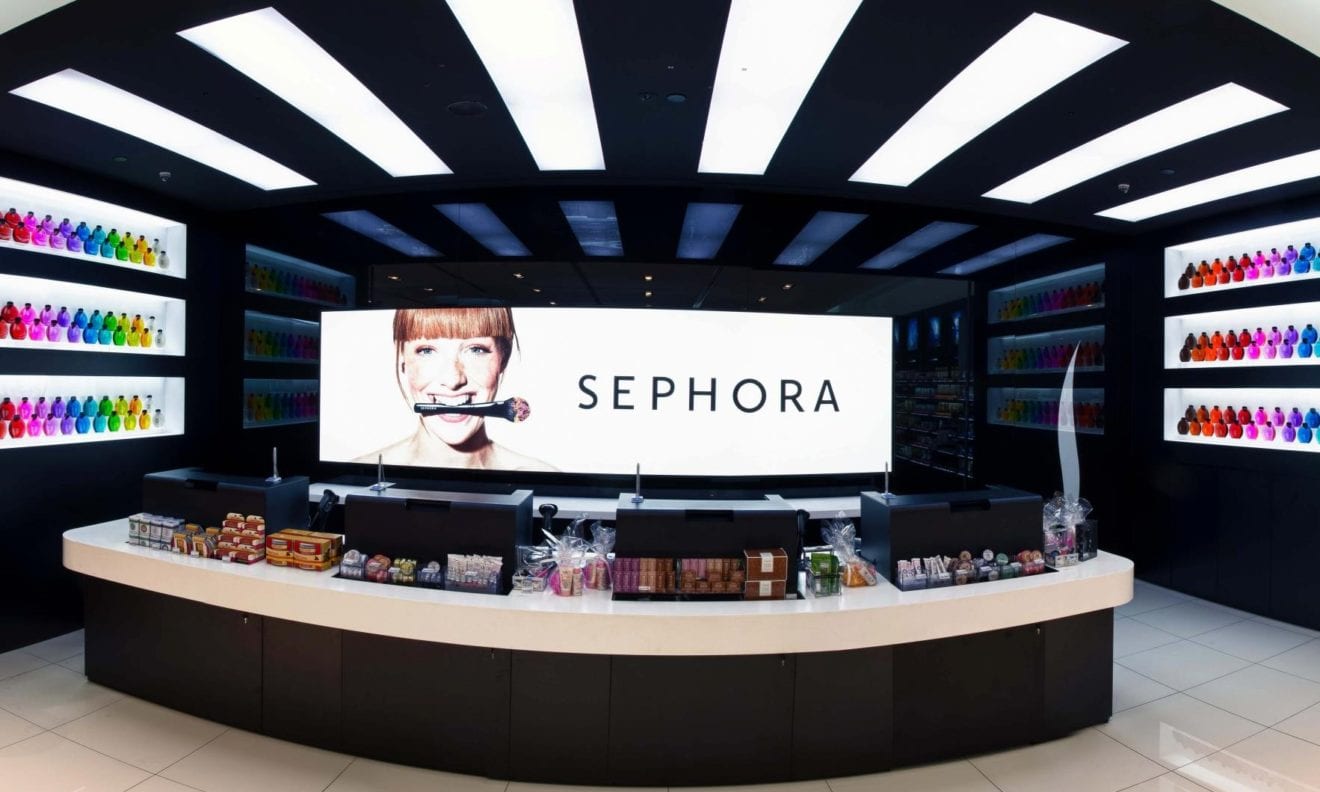
    Beauty brand Sephora has launched its first location in Western Australia, housed within the David Jones in Claremont Quarter Shopping Centre, Perth.

    The pop-up will run until January, or until stock runs out, and will offer Christmas Gift collections that feature products from Huda Beauty, Becca Cosmetics and Fenty Beauty.

    Perth property group Hawaiian general manager of shopping centers Scott Greenwood said the pop-up will give Perth beauty fans the chance to get their hands on international cosmetic brands in time for Christmas.

    “We are proud we can assist our retailers offering international brands to Claremont Quarter shoppers,” Greenwood said.

    “The pop-up Sephora has arrived in David Jones just in time for people to start their Christmas Shopping.

    “It will also be warmly welcomed by those who love the Sephora brand but until now have only been able to access products online or interstate.”

    Sephora signed a strategic partnership with David Jones in 2018, which at the time resulted in the opening of a concept store in David Jones’ Bourke Street, Melbourne flagship.

    The launch of the pop-up continues this partnership, as well as Sephora’s expansion into new locations in Australia, has launched its first store in Rundle Mall, South Australia in October.

    Parent company LVMH recently revealed a solid third-quarter result, with all business groups and regions contributing to an 11 percent increase in revenue.

    Sephora itself continued to see strong organic growth, especially in Asia and the Middle East, and enjoyed rapid online revenue growth.

  • Fashion industry ‘waking up’ to benefits of blockchain technology, robotics

    Fashion industry ‘waking up’ to benefits of blockchain technology, robotics

    Blockchain and robotics are becoming increasingly popular in the global fashion industry as brands look to increase transparency and improve efficiencies, according to GlobalData.

    While it is still in its infancy, blockchain technology has the potential to transform the global supply chain, says Michelle Russell, apparel correspondent at GlobalData. She says that during the last few years, the adoption of blockchain technology amongst apparel and textile companies has grown substantially as the pressure to have more visibility in the supply chain ramps up.

    “Its uses are varied as companies use the ledger to address problems in unethical behavior, excess waste, the origin of goods, and counterfeiting.”

    German start-up Retraced recently launched a blockchain-based transparency solution that it is trialing with a number of fashion brands. Other examples include OpenSC which received US$4 million in seed funding for its platform that aims to build transparency around commodities known to have significant environmental or human rights risks within their supply chain and Waste2Wear’s launch of the world’s first ocean plastic-based fabrics collection that is fully traceable using blockchain technology.

    “Blockchain is undoubtedly helping the apparel and textile industry overcome many of its problems,” continues Russell.

    “While still in its infancy there are undoubtedly many bumps to be ironed out, such as the need for common standards and regulations. However, despite the challenges, the increased adoption of blockchain shows there is a need for this type of technology in the industry and its potential is substantial.”

    Integrating robotics

    Meanwhile, apparel brands are beginning to realize the benefits of integrating robotics in their supply chains as a way of improving their speed-to-market, says Hannah Abdulla, also an apparel correspondent at GlobalData.

    “To meet consumer demand for accessing the latest trends more quickly, we’re seeing brands using robotics, which allows faster and greater output, as well as higher efficiencies in warehouse operations.

    “Of course, critics may argue such technology could lead to a reduction in manpower but, if the appetite for apparel and footwear continues to grow and demand for the latest trends continues to intensify, brands will be left with no choice, but to harness robotics.”

    Adidas recently announced it was deploying Speedfactory technologies at two Asian suppliers, enabling accelerated speed-to-market, and quicker response time to trends, a shift to mass personalization, efficiency, and greater sustainability. In a similar move, the Japanese owner of Uniqlo, Fast Retailing, has employed two robotic start-ups to help improve efficiencies in warehousing and distribution.

    “In today’s world, speed is everything,” adds Abdulla. “Consumers want access to the latest trends and they aren’t willing to wait. Employing robotic technologies in

  • Hong Kong streetwear retailer Popcorn General Store opens in Manila

    Hong Kong streetwear retailer Popcorn General Store opens in Manila

    Hong Kong urban fashion retailer Popcorn General Store has launched in the Philippines at Ayala Mall Manila Bay in Pasay City.

    A PhilStar report lists a range of popular streetwear brands available at the store such as Supreme, ASSC, Chinatown Market, Rip N Dip, Wood Wood, Magic Stick, Ise, FR2, Carrots FDNMTL, and BBC.

    Popcorn also retails lifestyle products such as limited edition phone cases, skateboard decks, lighters, caps and keychains.

  • Burberry shrugs off Hong Kong woes, delivering solid growth

    Burberry shrugs off Hong Kong woes, delivering solid growth

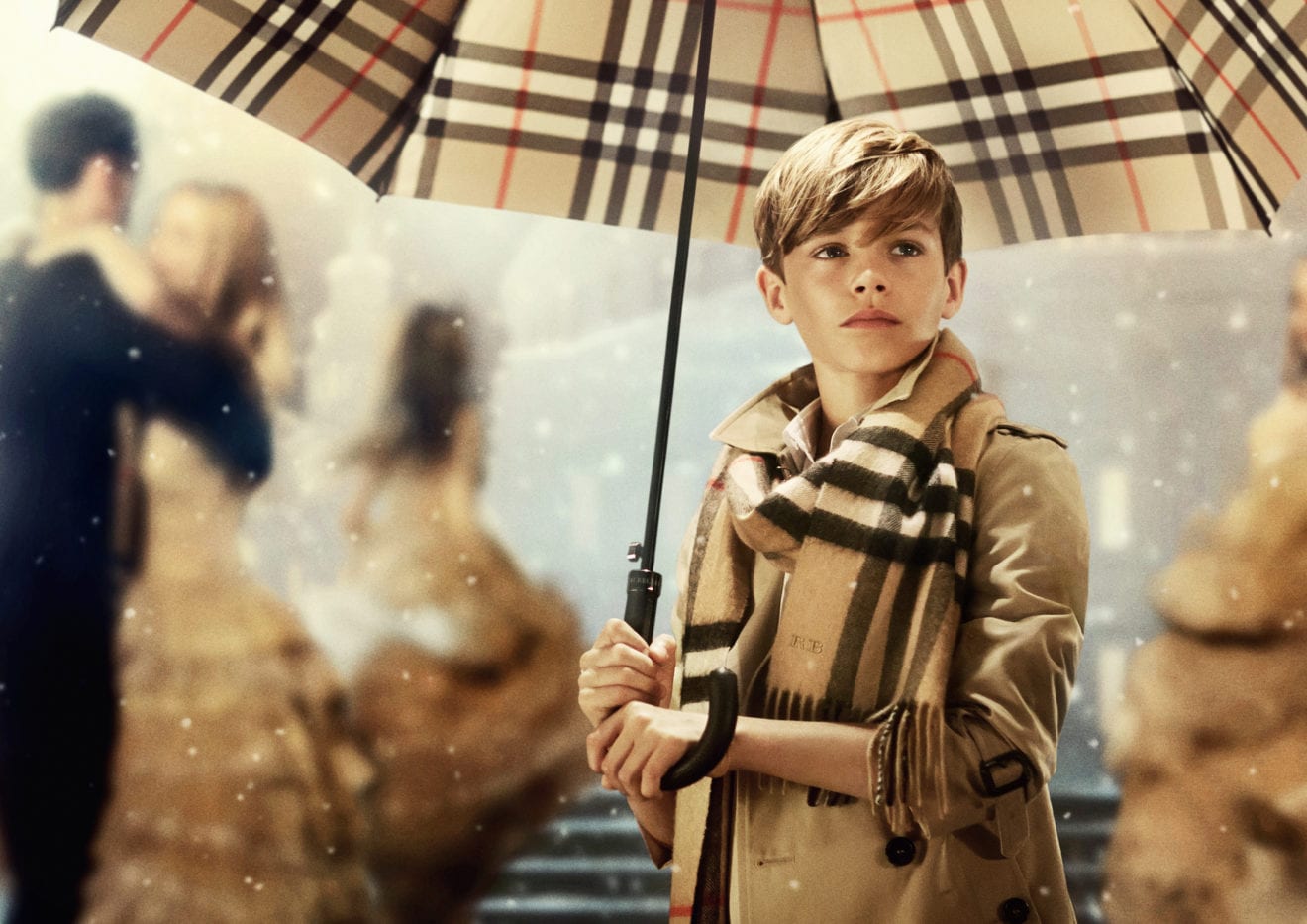
    British fashion house Burberry has reported sales and profit increases in the first half-year, despite the turmoil in Hong Kong, one of its largest international markets.

    “We are pleased with our performance in the half, as we remain on track to deliver the first phase of our strategy,” said Marco Gobbetti, CEO of the Hong Kong-listed fashion company.

    “We delivered financial results in line with guidance despite the decline in Hong Kong and we confirm our outlook for the full year.”

    During the six months to September 30, Burberry achieved comp-store sales growth of 4 percent – or £61 million – to £1.281 billion and adjusted operating profit growth of 15.9 percent to £202 million.

    Gobbetti said customer response to its new products has been positive, delivering strong double-digit growth. “We also continued to strengthen momentum around our brand and transform our distribution.”

    Chloe Collins, senior retail analyst at GlobalData, said credit for Burberry’s turnaround is due to new creative director Riccardo Tisci, as his collections now dominate the product assortment, achieving double-digit growth and now accounting for 70 percent of the range,

    “Tisci’s modern and edgy re-imagining of Burberry’s classic and traditionally British fashion styles, with a heavy focus on the new monogram logo, have transformed the brand, helping it appeal to a younger audience, who will then carry their desire for the brand with them as they age.”

    She said the menswear categories reacted particularly well within the half, with sales lifting by 12.3 percent as Tisci’s new designs incorporate more streetwear elements to capitalize on the athleisure trend. Womenswear performance was also strong, with revenue growing by 7.7 percent, however sales of accessories were disappointing, dropping 2.5 percent.

    “With new styles, including the signature TB bag, reportedly receiving positive reactions, Burberry must heavily promote these via social media and give them prominent positioning in stores to maximise Christmas gifting opportunities and achieve stronger results for the third quarter.”

  • Foreign brands eager to enter booming fashion market

    Foreign brands eager to enter booming fashion market

    Major international brands are setting up shop in Vietnam and expanding quickly to tap a rapidly growing fashion market.  Last week Japanese casual wear retailer Uniqlo announced it would open its first store in the country in Ho Chi Minh City’s District 1 on December 6. The 3,000-square-meter store would be one of its biggest in Southeast Asia, the firm said.

    Opening stores in Vietnam is critical to Uniqlo’s expansion plans in Southeast Asia. As of last year it had 213 stores in the region, and plans to have 400 by 2022, Tadashi Yanai, CEO of Fast Retailing Group, which owns a 75 percent stake in Uniqlo, said.

    It is the latest in an expanding list of around 200 foreign fashion brands that have entered Vietnam, including Zara, H&M, Giordano, Mango, Topshop, Gap, and Old Navy.

    Vietnam, with its young demographic, growing incomes and 95 million population, is considered a hugely promising market. Foreign brands are attracted to its 15-20 percent annual growth, according to the chairman of the Vietnam Retailers Association, Dinh Thi My Loan.

    Vietnamese consumers are also shifting towards prioritizing items like clothes and fashion. In a report released last year market research firm Nielsen said clothes were Vietnamese consumers’ third spending priority after food and saving.

    The survey also found that Vietnam ranked third globally in the number of people fond of branded goods after only China and India.

    Laura McCullough, a senior Nielsen executive, said: “The change in the level of wealth of Vietnamese people enables them to buy international standard products and services. More and more Vietnamese are choosing to buy luxury goods or exclusive products.”

    Thanks to the Vietnamese fondness for fast fashion, Zara’s revenues in Vietnam doubled to VND1.7 trillion ($73.27 million) last year, four times its Thailand sales, the company said in its latest financial report.

    In 2018, H&M announced revenues of over VND763 billion ($32.89 million), nearly four times higher than what it had collected in 2017 when it opened its first store in Vietnam. While British brand Topshop has filed for bankruptcy and closed all of its stores in the U.S., the former maintains four stores in Vietnam.

    Vietnamese retail group Seedcom estimates the fashion industry to be worth $5 billion in 2018 and to reach $7 billion by 2023.

    German market analysis firm Statistics Portal expects 22.5 percent annual growth in 2017-22 while Nielsen forecasts 15-20 percent growth.

    Foreigners buying up local units

    Foreign investors have also been trying to enter with a series of acquisitions in the last few years. In September Japanese fashion company Stripe International acquired Global Fashion, which owns women’s footwear brand Vascara, for an undisclosed sum.

    Vascara, launched in 2007, has 134 stores nationwide. Stripe first came to Vietnam in 2017, and earlier acquired another fashion brand, NEM, which has 90 stores.

    In February Japanese buyout firm Advantage Partners acquired Elise Fashion, one of Vietnam’s major women’s fashion chains, again for an undisclosed sum.

    Elise, founded in 2011, targets women in the 20-45 age range and has 95 stores across Vietnam, with operations vertically integrated from design and manufacturing to customer-facing sales and retail.

    With financing from Stripe, Elise hopes to double the number of outlets and quadruple revenues in the next four years.

    According to Le Tien Truong, general director of the Vietnam National Textile and Garment Group (Vinatex), foreign players have bigger strengths in finance and human resources, and modern management methods.However, industry insiders are worried that the rapid expansion of major global fashion brands could overpower local brands such as Viettien, Canifa, Ninomaxx, and YaMe.

    Besides, many local businesses still do subcontracting work for foreign brands, the lowest level in the value scale in the fashion industry, he told the media.

    Robert Tran, CEO of U.S.-based RBNC Consulting, said: “The textile and apparel industry is too focused on outsourcing, big orders, competing for exports, and collecting wages, and is not investing in fashion design. So the term ‘fashion technology’ seems to have been forgotten in Vietnam.”

    “Asian countries like Japan, South Korea, Singapore, and Thailand all have domestic fashion brands, while it is difficult for international visitors to come to Vietnam to find a true Vietnamese fashion brand other than in traditional products such as “ao dai”, which can be purchased at medium prices.”

    Truong warned that if Vietnamese fashion houses do not change their mindset, consolidate their brands and create their own designs, they would forever be outsourcers for other countries.

    Seedcom founder and CEO Dinh Anh Huan said to remain competitive, Vietnamese retailers should use technology to understand consumer behavior, focus on digital marketing and develop online shopping channels to bring a better shopping experience to customers.

    The Vietnam Retailers Association (VRA) estimates there were 200 foreign brands in Vietnam by 2017-end, accounting for roughly 60 percent of the market.

    Zara, H&M and Mango are the three most recognised brands in Vietnam, followed by Gap, Forever 21 and Giordano, according to a survey done by market research firm Q&Me in September.


  • Lotte steers Rezolve to South Korea

    Lotte steers Rezolve to South Korea

    South Korean retail conglomerate Lotte is bringing London mobile shopping tech startup Rezolve into its market.

    The Korean firm will incorporate the startup’s IT product, which allows customers to take advantage of deals in print by scanning them with their mobile devices in Lotte’s supermarket app. Lotte earns a large proportion of its supermarket revenues – last year valued at KRW17.8 billion (US$15.3 million) – via its printed promotional brochures.

    “Rezolve provides a way for consumers to deepen their engagement with their favourite brands and Lotte Corporation, being one of the world’s largest conglomerates spanning food and beverage to department stores to hotels and theme parks, the possibilities of what can be achieved through Rezolve and a smartphone are endless,” Rezolve’s CEO and founder Dan Wagner told City AM in London.

    “Mobile devices have become the go-to method for people to explore and connect with brands and Rezolve is rapidly becoming the standard for the world’s leading companies.”

    The deal is Rezolve’s largest yet, compared with the firm’s existing operations in China, India and Taiwan. Sainsbury CEO Justin King is currently poised to join Rezolve’s board as an advisor.

  • Chinese fashion group EP Yaying to expand into the US and Australia

    Chinese fashion group EP Yaying to expand into the US and Australia

    Chinese fashion group EP Yaying is planning to expand beyond Asia by launching in the US and Australia by next year.

    The group is bullish about the increasing popularity of the Chinese culture-inspired fashion and believes it will resonate with foreign consumers.

    EP Yaying started as a small garment factory in 1988 and in 2016, it has adopted a dual-brand development strategy to cater to different customer bases. Its EP brand offers contemporary international fashion styles while Yaying focuses on “deep exploration of China’s traditional culture, aesthetics, fashion and craftsmanship for modern women with exquisite Chinese cultural identity”.

    Today, the fashion group owns and operates multiple luxury fashion brands, with a store network of over 500 in more than 210 cities across China and Malaysia.

    The group has recently launched a solo fashion show for its Yaying brand, featuring its 2020 haute couture collection, which is described as “a testament to the grandeur of the brand’s vision and the global relevance of its exquisite Chinese culture in picturesque fashion”.

    The 2020 haute couture collection, designed by creative director Chen Xi, features motifs of Chinese fans, from geometric tailoring and structures that allude to ceremonial fans used by the royal family to symbolize their majesty, to precise hand-pleating techniques that resemble the three-dimensional texture of traditional folding fans.

    Xi said the collection is inspired by The Forbidden City, which is celebrating its 600th anniversary next year, and a tribute to the finest of Chinese aesthetics and craftsmanship.

    EP Yaying will also build a 15,000sqm HWA Fashion and Arts Centre, which will house fashion, arts and cultural spaces. The center, to be opened to the public, is part of the group’s social responsibility initiative to foster increasing international cultural and artistic exchanges.

    “We will continue to create more value for our customers and contribute to the great rejuvenation of Chinese culture in the global fashion industry,” said chairman Zhang Hwaming.

  • Stüssy Hong Kong opened

    Stüssy Hong Kong opened

    American clothing brand Stüssy is preparing to launch in Hong Kong, having just redesigned its Seoul location.

    The Hong Kong store will follow the design language established in the brand’s London, Los Angeles, Seoul and Amsterdam outlets as conceptualized by design firm W&PA.

    The Hong Kong launch, scheduled for tomorrow will reveal a range of items exclusive to the region, including canvas shop jackets, printed hoodies and crewneck sweaters.

  • Giordano opens new-generation store in Dubai

    Giordano opens new-generation store in Dubai

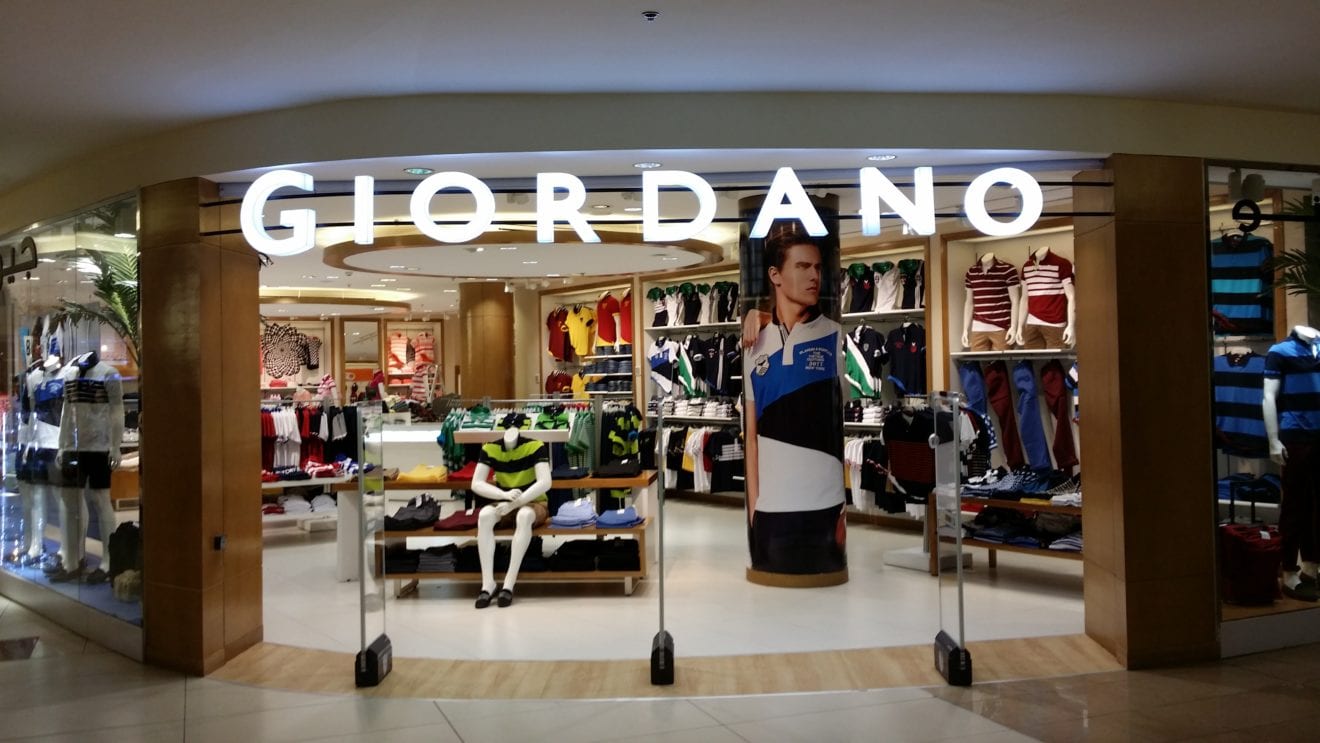
    Hong Kong-listed apparel brand Giordano has revealed a new generation store design in its fully renovated store in Mirdif City Centre in Dubai.

    The 2000sqft store has a fresh new look embracing a more refined concept with the space maximized for product displays and customer interaction, including wider entrances and larger, more comfortable fitting rooms.

    Energy-efficient LED lights are used to enhance the customer experience while minimizing the store’s carbon footprint.

    “As we upgrade our stores’ design, we are confident of attracting more customers to come and shop at our shops,” said Giordano Middle East MD Ishwar Chugani.

    Following more than 25 years of brand growth, Giordano has opened eight new stores this year and plans to roll out the new design concept across the Middle East region. Giordano is also expanding to new markets with the opening of stores in South Africa, Mongolia, France and Mauritius.

  • Nike brings personalization service to Australia

    Nike brings personalization service to Australia

    Nike has brought its popular ‘Nike By You’ customization service to Australia.

    Launching in Nike’s redesigned Melbourne Central store, which opened last Friday, the service allows customers to personalize their Nike sneakers and apparel by printing and engraving their chosen initials or phrase on items and choosing colored laces for sneakers.

    “Having the ability to personalize your Nike sneakers and apparel is something that we’ve seen resonates globally, and we’re excited to be giving our consumers the opportunity to connect their style and creativity to Nike,” Ashley Reade, Nike Pacific general manager, said in a statement.

    Nike was an early mover in the personalization trend in retail, launching its NikeID service in 1999. The founders of Shoes of Prey, a design-your-own-shoe brand that launched in 2011, before closing down last year, explicitly referenced Nike in their pitches to investors.

    Brands like The Daily Edited and July, which allow customers to monogram their products, indicate that customization continues to resonate with shoppers.

    “We look forward to delivering uniquely personal and innovative experiences with the best of Nike products and services to Australian consumers,” Reade said.

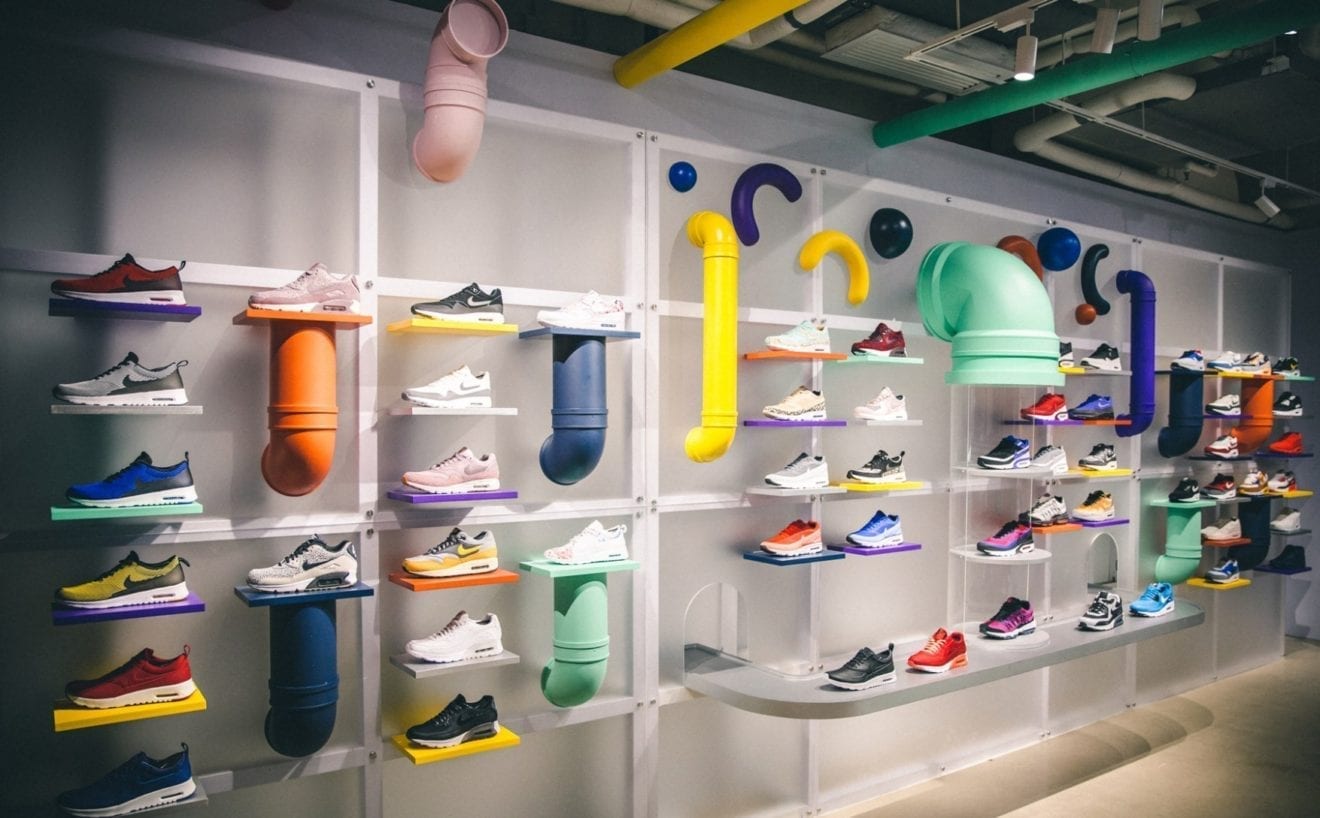
    In addition to the ‘Nike By You’ service, the redesigned Melbourne store features a 35 percent bigger footwear offering with 115 different sneaker silhouettes, including an increased Nike Air Jordan offering and exclusive Nike sneaker collaborations

    The store also features a strong women’s apparel collection with more than 50 bra and tight options, including a one-to-one bra fitting and styling services, and an increased focus on other forms of sport, such as yoga, pilates and dance.

    “We are continuing our commitment to better serve female consumers through innovation and services that fuel her journey with sport,” Angie Callaway, APLA Nike Stores general manager, said in a statement.

    “One-to-one services and a great representation of Nike sportswear and women’s apparel create a more meaningful and personalized shopping experience for our female consumer.”

    The store also features artwork by local Melbourne artist David C. Morton.

  • Taipei Adidas pop up features capsule collection with Descendant

    Taipei Adidas pop up features capsule collection with Descendant

    Wtaps founder Tetsu Nishiyama’s casual label Descendant has released a collaboration with Adidas.

    “Keep Rolling” is a capsule collection of graphic tee shirts, tracksuits, and sneakers, now offered at a special pop-up store at Taiwan’s Invincible store in Taipei.

    According to a Hypebeast report, the collaboration includes the new “Crustar” silhouette that “merges the Campus and Rivalry sneaker styles … additionally, the sneaker is paired with a matching series of wearables including paneled track jackets, complementing pants, a high-necked pullover, and the monochrome ‘Game Jersey’”.

    The collaboration will also be available on the Adidas Japan web store until November 17.

  • Esprit results signal looks promising

    Esprit results signal looks promising

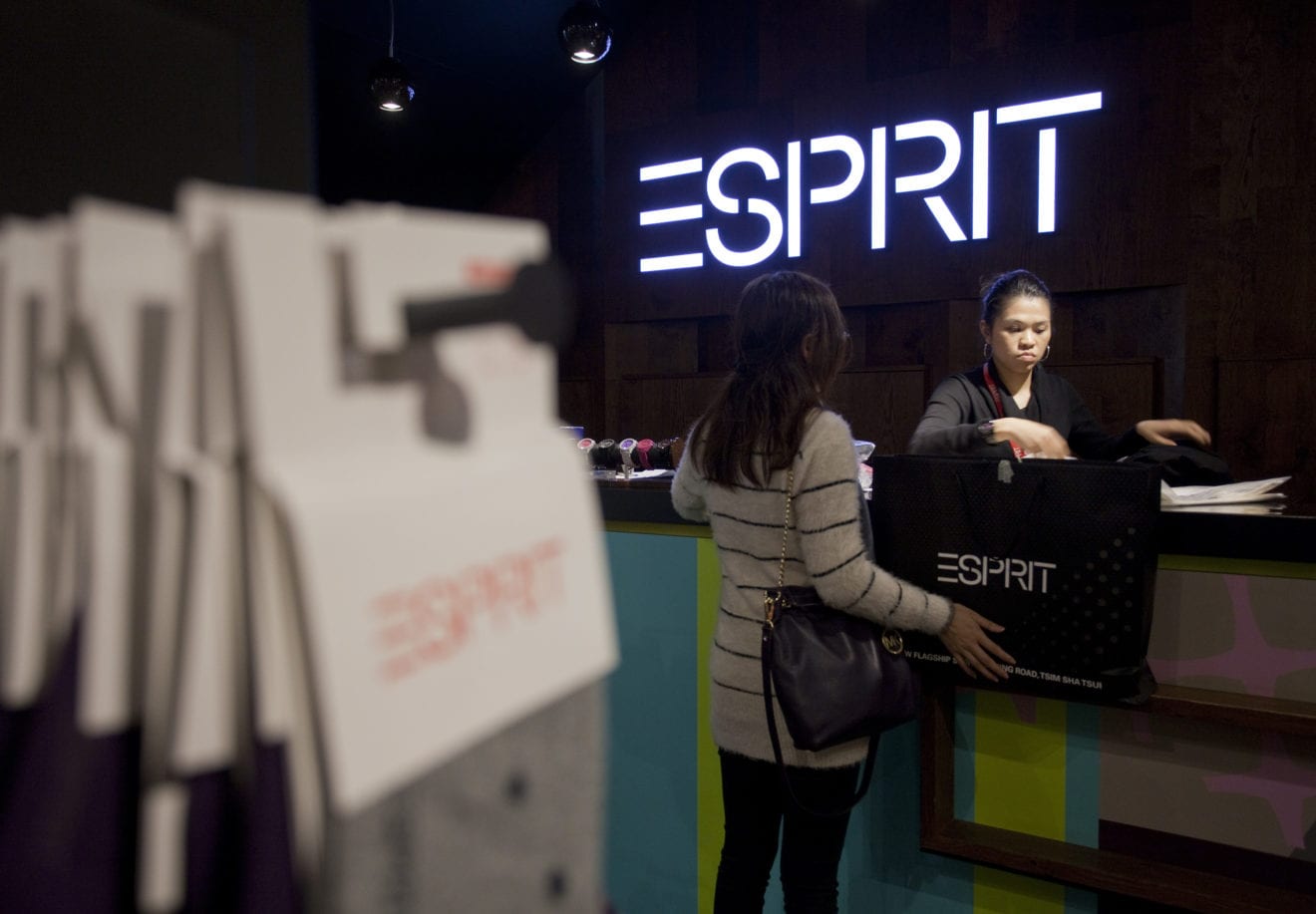
    Embattled fashion retailer Esprit believes its first-quarter results prove its restructuring program is on track.

    The Hong Kong-listed company recorded a year-on-year global sales decline of 10.8 percent in local currency terms. But in a stock-exchange filing, the company said the pressure from falling sales was “more than compensated by significant cost savings which led to an improvement in our operating results”. The company did not release profit figures, only sales data.

    In the filing, Esprit said management was “encouraged by the progress made” in the three months to September 30 and “is confident that the group is on the right track to recovery”.

    Esprit sales in Asia fell 44.4 percent from HK$314 million (US$40 million) to $175 million ($22.3 million), however the brand performed better in Europe where sales fell 11.6 percent (or 7.4 percent on a currency-neutral basis) from $3.02 billion ($385.5 million) to $2.671 billion ($340.9 million). Total group sales were $2.846 billion ($363.3 million), the 10.8 percent decline comparing favorably to a 14 percent decline in company-controlled retail space.

    The company said in the core European market, which accounts for 85.7 percent of its revenue, it achieved small comp-store sales growth in August and September. A reduction in discounting saw comp-store gross profit improve, but it did not release figures.

    In Germany, wholesale sales which have declined every quarter for seven straight years, improved by 1.8 percent in the latest quarter.

    “This is an encouraging development thanks to ongoing progress made in building a best-in-class wholesale model to serve our wholesale partners,” the company said.

    Again, while not releasing figures, Esprit said reduced operating expenses due to reduced headcounts, the closure or resizing of unprofitable stores, and a persistent discipline on cost control and efficiency measures enabled it to reduce operating expenses “significantly”.

  • First Uniqlo store in Vietnam to open next month

    First Uniqlo store in Vietnam to open next month

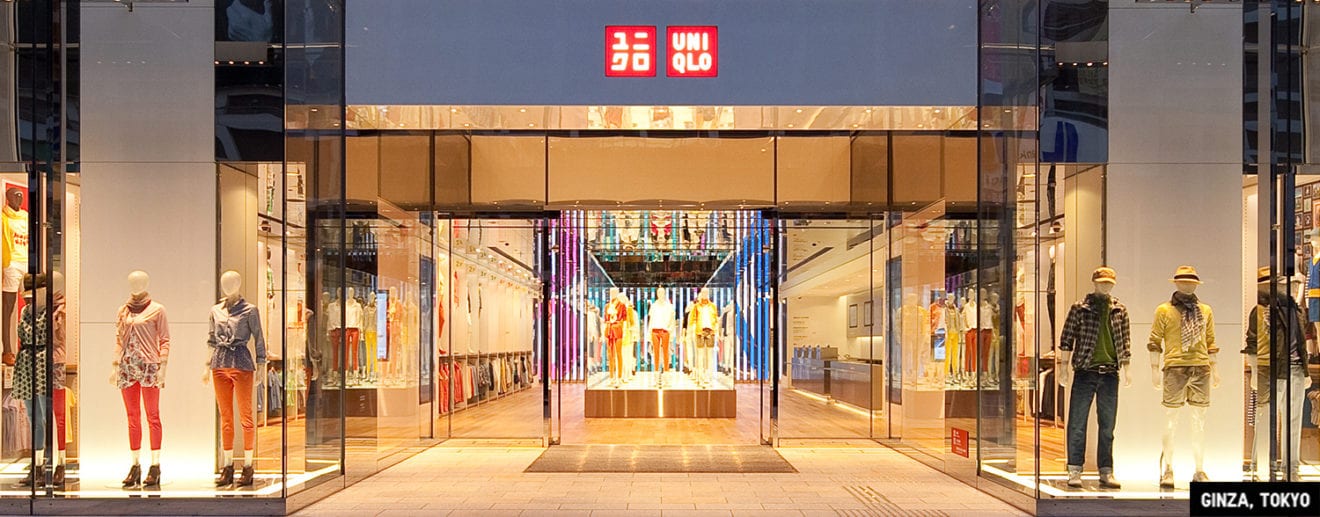
    The first store of Japanese casual wear retailer Uniqlo will open December 6 in Ho Chi Minh City’s District 1, the company said in a statement.

    The 3,000 square meter store, one of its biggest in Southeast Asia, will be located at the Parkson Saigon Tourist Plaza on Dong Khoi Road.

    Uniqlo started listing products for men, women and children on its Vietnamese website last month.

    Also last month, it began recruiting salesclerks in Hanoi, after establishing its Vietnam business with a charter capital of $8.8 million. Apparel company Fast Retailing Singapore owns a 75 percent stake and Japan’s Mitsubishi Corporation the rest.

    The brand had 213 stores in the Southeast Asia as of last year and plans to have 400 by 2022. Globally, it now has over 2,200 stores in 24 countries and territories.

    Vietnam’s fashion market is estimated to grow to over $3.8 billion this year and over $5 billion by 2021, according to BMI Research.