Tag: Fashion

  • Asia’s Fashion Giant Urban Revivo Makes Strategic Inroad Into Europe With Uk Flagship Store

    Asia’s Fashion Giant Urban Revivo Makes Strategic Inroad Into Europe With Uk Flagship Store

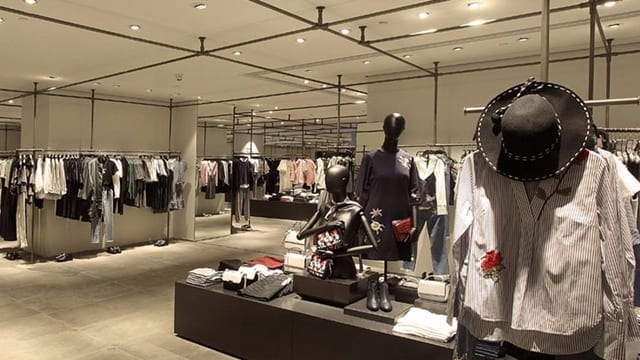
    Urban Revivo, a leading fashion brand from Asia often dubbed as “the Zara of Asia,” has recently launched its flagship store in the UK, on Neal Street in Covent Garden. The 515 square meter store is nestled among unique boutique stores and established heritage brands, marking a strategic inroad into Europe’s vibrant fashion industry and demonstrating the brand’s global ambitions.

    Establishing a Global Presence

    Urban Revivo, founded in 2006, has expanded rapidly across Asia, with over 400 stores spread across China, Southeast Asia, and recently, the United States. The company’s launch in Covent Garden follows its debut in New York’s SoHo district in February, and is set to be followed by further entries into other global fashion hubs including Hong Kong and Tokyo.

    The Covent Garden location offers an exciting opportunity for Urban Revivo to engage with London’s dynamic fashion scene. Vivian Chen, CEO of Urban Revivo International, recognizes that the introduction of new brands often face high entry barriers, necessitating time for consumers to build trust and familiarity. Approximately 60% of the Covent Garden store’s offerings are designed by the company’s London-based European Design Center. This reflects the brand’s “quiet luxury” aesthetic, which Chen describes as a blend of timeless sophistication and subtle individuality.

    Adapting to Different Markets

    Urban Revivo is quick to adapt its brand to resonate with the distinct tastes of its different markets. Chen notes that the European market values longevity in design, quiet luxury, and a clear brand identity, differing from Asian markets, particularly China, where fast-changing fashion trends and brand experimentation are more prevalent.

    Boasting design centers in Guangzhou and London, Urban Revivo is building a connecting bridge between Eastern and Western aesthetics, aiming to create a brand that resonates globally. The brand plans to replicate its successful consumer research and feedback system, which is supported by millions of members, in the UK and European markets.

    Challenges and Opportunities

    Chen recognizes that Europe, home to three major fashion capitals, presents unique challenges due to its rich tradition of art and fashion, and consumers with avant-garde perspectives on cultural trends. However, the company’s success in the UK market serves as a solid foundation for its expansion into the broader European market and other new regions.

    While Urban Revivo is characterized by its fast-fashion model, with a typical turnaround from trend to retail shelf in just 10 days, its approach is more considered. The London store, for example, carries only 800 Stock Keeping Units (SKUs).

    Future Ventures

    Urban Revivo’s global expansion plan includes new ventures into Hong Kong and Tokyo, two of Asia’s most mature and fashion-forward markets. The company plans to open a flagship store in Hong Kong’s Harbour City, a luxury shopping destination in Tsim Sha Tsui, and is preparing to debut its store in Japan’s fashion capital, Tokyo, by the end of this year.

    Questions & Answers

    What is Urban Revivo’s expansion strategy?
    Urban Revivo’s expansion strategy involves establishing a presence in global fashion capitals such as London, New York, Hong Kong, and Tokyo, and adapting its brand to resonate with the distinct tastes of its different markets.

    How does Urban Revivo’s approach differ from traditional fast-fashion brands?
    Unlike traditional fast-fashion brands that flood stores with high-volume, high-turnover SKUs, Urban Revivo’s strategy is more measured. The London store, for example, carries only 800 SKUs.

    What are Urban Revivo’s future expansion plans?
    Urban Revivo plans to expand into Hong Kong and Tokyo, two of Asia’s most mature and style-conscious markets. The company will open a flagship store in Hong Kong’s Harbour City and is preparing to debut its store in Japan’s fashion capital, Tokyo, by the end of this year.
  • Gap Inc. Partners With Google Cloud, Leveraging Ai To Revolutionize Retail And Customer Experience

    Gap Inc. Partners With Google Cloud, Leveraging Ai To Revolutionize Retail And Customer Experience

    Gap Inc. has joined forces with Google Cloud in a multi-year partnership aimed at fast-tracking the company’s tech strategy through the application of artificial intelligence (AI). The overarching objective is to bolster operations and improve consumer interactions throughout its various brands.

    Harnessing the Power of AI

    According to Sven Gerjets, Gap Inc’s Chief Technology Officer, the company is embracing AI as a transformative tool in retail, building its future tech roadmap around it.

    He stated, “This partnership offers us the proficiency and speed to integrate AI throughout our operations, enabling our teams, igniting creativity, and delivering to our customers more swiftly and with a higher degree of personalisation than ever before.”

    The collaboration with Google Cloud will equip Gap with a cohesive, AI-powered platform devised to enhance product development, planning, and pricing processes. This will spark creativity and efficiency across all its brands, which include Old Navy, Gap, Banana Republic, and Athleta.

    To facilitate product design, customer experience, and employee enablement, Gap will utilize Google Cloud technologies such as Gemini, Vertex AI, and BigQuery.

    Reinventing Retail with AI

    Thomas Kurian, CEO of Google Cloud, expressed his enthusiasm about the partnership, saying it’s about revolutionising the retail landscape with AI and supporting Gap in leading the industry in terms of speed, personalisation, and game-changing customer experiences.

    With AI, Gap envisages creating a hyper-personalised shopping experience for consumers, enabling stronger storytelling and relevance to engage a wider audience. Furthermore, Google AI will assist Gap in optimizing ad placements and fortifying omnichannel marketing through Google Ads.

    Gap has already begun leveraging AI tools to aid employees in decision-making and execution, thereby enhancing efficiency.

    Sven Gerjets stated, “By re-engineering our workflows and empowering every employee with AI, we are allowing Gap Inc teams to concentrate on creativity, culture, and customer connection, while preserving the company’s human-centric DNA at the heart of innovation.”

    Questions & Answers

    What is the aim of the partnership between Gap Inc and Google Cloud?
    The partnership aims to accelerate Gap Inc’s tech strategy through AI, thereby improving operations and customer experiences across all of its brands.

    How will Gap Inc implement Google Cloud technologies?
    Gap Inc will utilize Google Cloud technologies to enhance product development, planning, and pricing procedures, and streamline product design, customer experience, and employee enablement.

    How will AI effect the shopping experience for Gap Inc’s customers?
    With AI, Gap Inc aims to create a hyper-personalised shopping experience for customers, enabling stronger storytelling and reach to a wider audience.

  • Uniqlo’s Bold Expansion In U.s. Amid Rising Tariffs: A Strategy For Success?

    Uniqlo’s Bold Expansion In U.s. Amid Rising Tariffs: A Strategy For Success?

    In the face of ever-changing tariffs and an increase in living costs that have impacted consumer spending, many brands are struggling to maintain a physical retail presence, let alone expand it. However, one international retailer is boldly rising to this challenge: Uniqlo.

    Uniqlo’s Expansion Plans

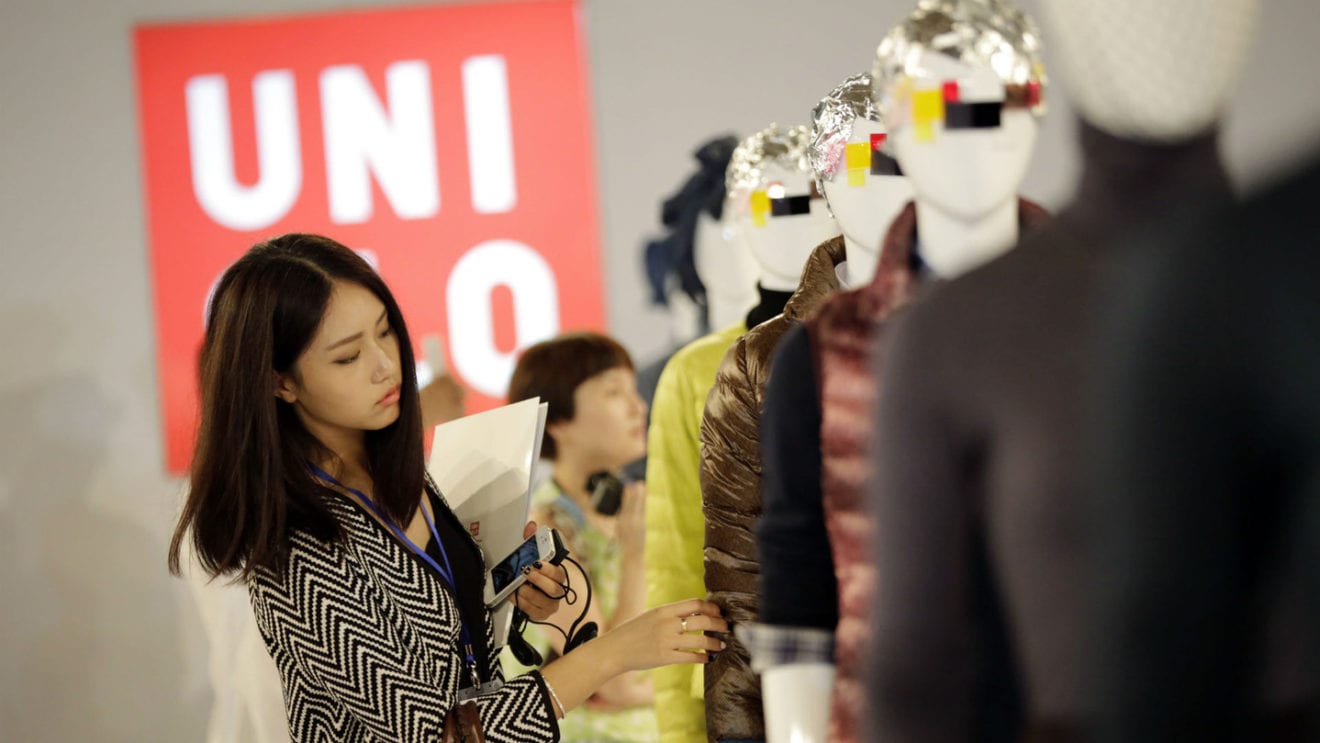
    This week, the Japanese retail and lifestyle behemoth Uniqlo announced plans to expand its retail footprint in the United States by 2026. The expansion entails the opening of flagship stores in Chicago and San Francisco, and four new locations in New York City.

    Uniqlo plans to inaugurate a total of 11 new stores across the United States in the forthcoming spring/summer season, increasing the total number of its American stores to 89. This is a significant milestone for the clothing titan.

    Uniqlo’s management had previously announced their intention to add between 20 and 30 new locations every year in North America, aiming for a goal of 200 stores by 2027.

    Christine Russo, Principal of Retail Creative and Consulting Agency (RCCA), noted that although Uniqlo is slightly off its projected schedule with its current 76 stores, geopolitical instability and tariffs are likely the cause.

    Russo explained that the timing of Uniqlo’s expansion aligns with the rise of “recession-core”, a consumer behavior trend that emerges during economic downturns. This trend is characterized by a preference for minimalism, with consumers opting for practical, versatile, and durable clothing over more flamboyant items that have a shorter shelf life.

    Uniqlo’s Appeal to Consumers

    Uniqlo has garnered consumer attention with its commitment to steadfast quality, a stark contrast to other fast-fashion brands. The company offers durable basics and a limited number of designs per season, and their dedication to technological innovation is evident in their patented Heatech and Airism fabrics.

    Neil Saunders, Managing Director of Global Data, also believes that Uniqlo’s appeal lies in its commitment to creating sturdy, yet stylish basic wardrobe items. He stated that Uniqlo’s reputation for quality distinguishes it from other fast-fashion competitors, a characteristic that appeals to shoppers who prefer to buy durable items that last.

    Moreover, Uniqlo has made significant efforts to create engaging store environments in its U.S. locations that encourage consumers to browse and make purchases. For instance, several U.S. stores now offer services that were once exclusive to its Asian locations, including custom embroidery and clothing repair services.

    The Brand’s Future Growth

    Despite its success in the U.S. market, Uniqlo has yet to fully penetrate this retail region. Saunders believes that Uniqlo’s expansion plans will allow the brand to establish a presence in larger cities where they can open flagship stores, thus increasing brand visibility and potentially boosting sales volume in the U.S.

    Uniqlo’s unique differentiation points, according to style publications such as Esquire and GQ, include a carefully curated selection of items ranging from innovative products designed to combat extreme temperature variations to the perfect everyday white t-shirt. The brand’s methodical approach to growth and consistency in quality underscore its enduring appeal.

    Questions & Answers

    What is Uniqlo’s expansion plan in the U.S.?
    Uniqlo plans to open 11 new stores across the U.S. in the forthcoming spring/summer season, bringing the total number of its American stores to 89.

    What makes Uniqlo stand out from other fast-fashion brands?
    Uniqlo distinguishes itself with its commitment to quality, offering durable, basic clothing items and a limited number of designs each season. The company’s focus on technological innovation is also prominent, as reflected in their patented Heatech and Airism fabrics.

    How is Uniqlo planning to increase its brand visibility and sales in the U.S.?
    Uniqlo aims to increase its brand visibility and sales by expanding into larger cities where it can establish flagship stores. It also continues to offer engaging store environments and services that encourage consumers to browse and make purchases.

  • Highsnobiety Shifts Focus From E-commerce To Cultural Influence; Overhaul Impacts 50 Roles, Transforms Flagship Store

    Highsnobiety Shifts Focus From E-commerce To Cultural Influence; Overhaul Impacts 50 Roles, Transforms Flagship Store

    Berlin-based platform Highsnobiety is set to halt its e-commerce operations by the end of the current year in a strategic pivot towards its foundational publishing and cultural agency operations.

    Restructuring and Refocusing

    As part of a larger restructuring process within the company, about 50 roles across the retail and associated departments are anticipated to be impacted. Highsnobiety is taking measures to ensure that the employees affected by this decision are given adequate support throughout the transition period.

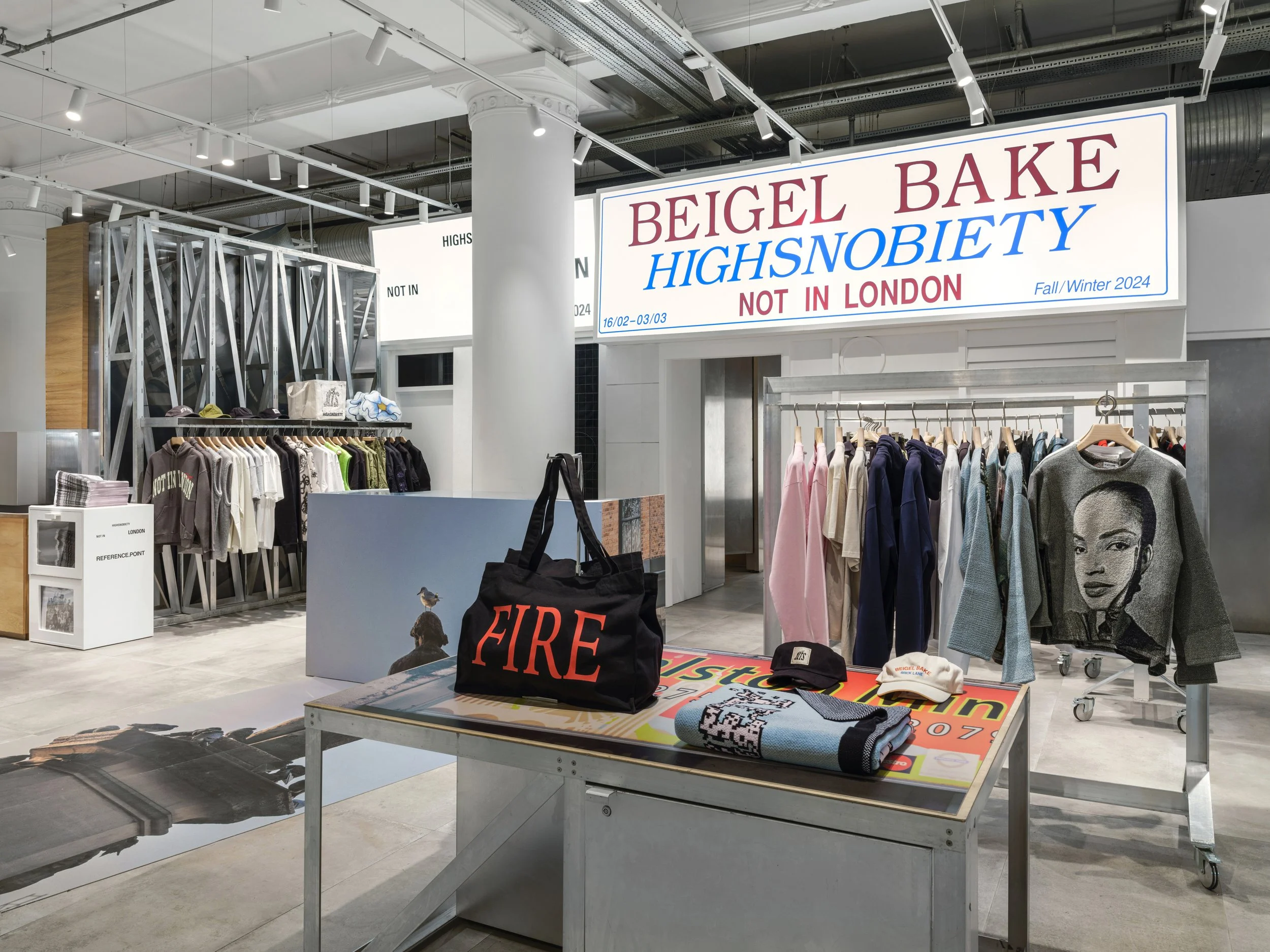
    Notably, this overhaul will also affect the brand’s flagship store, situated on Berlin’s Unter den Linden Boulevard. Having been opened just last year, the store is slated to undergo a significant transformation. The space will be repurposed into a hub for brand collaborations, activations, and temporary pop-up experiences.

    From Digital Publication to E-Commerce

    Highsnobiety was originally established as a digital publication focusing on youth culture and the streetwear segment. In an attempt to enrich its editorial content, the company ventured into e-commerce in 2019 by launching a platform that offered a curated selection of fashion and lifestyle products. This included collaborations with several prominent brands.

    However, upon reflection, the company has concluded that it can make its most meaningful long-term contributions by influencing culture, rather than running a third-party retail model.

    Shaping Culture

    David Fischer, the founder and CEO of Highsnobiety, reflected on the ethos of the company. He emphasized that Highsnobiety has always aimed to help its community understand emerging trends and aid brands in gaining credibility with relevant audiences.

    In the last half a decade, Highsnobiety has successfully created cultural moments that have extended far beyond the realm of traditional publishing. Fischer expressed that looking forward, the company’s focus and efforts will be squarely directed at continuing this cultural influence.

    Questions & Answers

    What changes is Highsnobiety making?
    Highsnobiety is terminating its e-commerce operations by the end of the year and refocusing on its original publishing and cultural agency operations.

    What is the impact of this decision on the company’s employees?
    Approximately 50 roles related to retail and associated departments are expected to be affected. However, Highsnobiety is working to provide ample support to the affected employees throughout the transition.

    How is Highsnobiety’s flagship store on Berlin’s Unter den Linden Boulevard being restructured?
    The flagship store will be transformed into a space for brand activations, collaborations, and temporary pop-up experiences.

  • Style Theory Shuts Down: High Operational Costs, Investor Departure Mark End Of Fashion Rental Platform

    Style Theory Shuts Down: High Operational Costs, Investor Departure Mark End Of Fashion Rental Platform

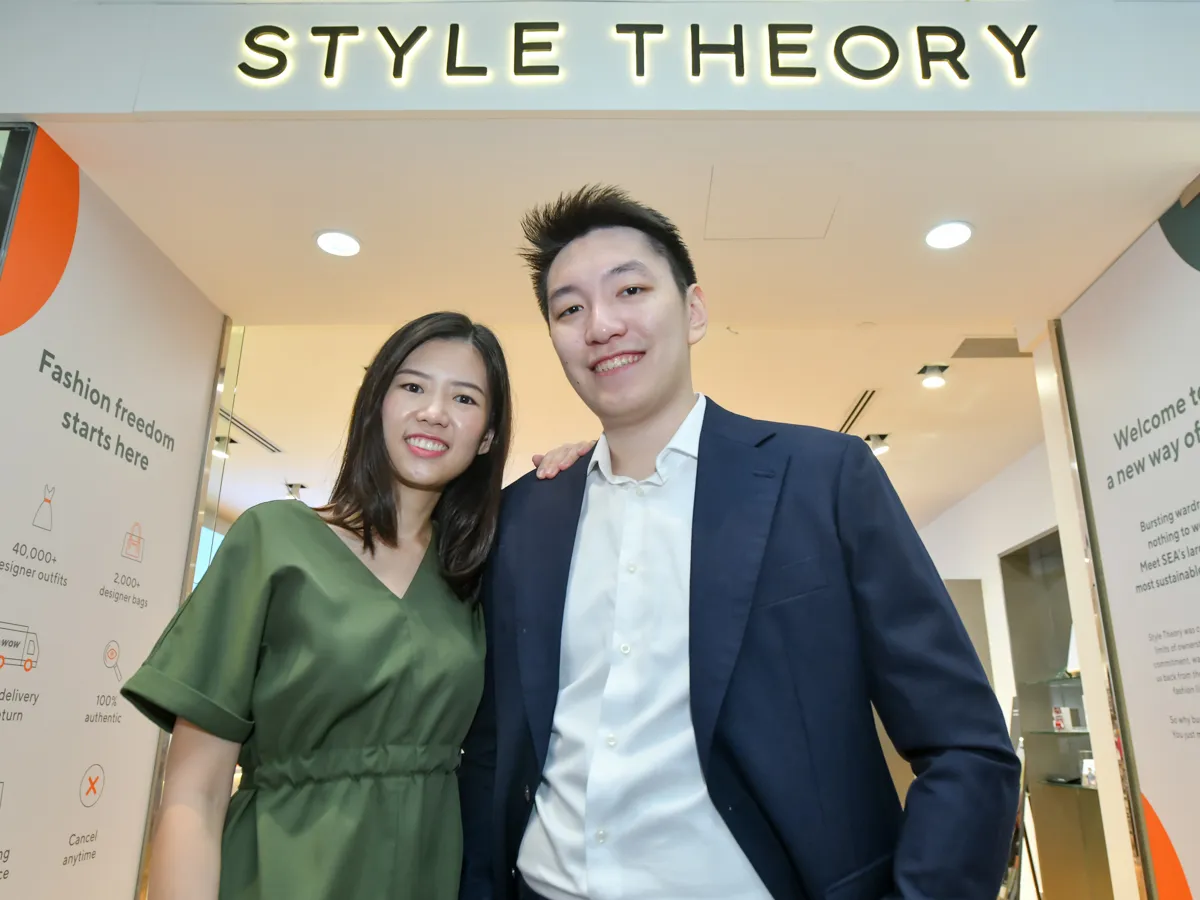
    Style Theory, a Singapore-based online clothing rental platform, has recently ceased operations due to increasing operational costs and the departure of its key investors.

    Established in 2016, Style Theory functioned as an online rental platform that operated on a subscription basis. For monthly fees ranging from $89 to $149, it provided its customers with access to designer clothing and fashionable accessories via its proprietary app.

    The company announced on its online platform that it discontinued its subscription service as of September 30. All related services including rental, delivery, membership, support among others, were also discontinued. Customers were alerted that unused points would not be refunded and they could retain any rented items indefinitely.

    The firm will go into liquidation, and those owed money will be classified as creditors. The economic climate, which the company describes as increasingly challenging, along with rising costs and unforeseen circumstances, including the withdrawal of key investors, were cited as the main factors behind this decision.

    Style Theory was supported by notable investors including Alpha JWC Ventures, Quest Ventures, The Paradise Group, and SoftBank Ventures Asia.

    The decision to shut down was not taken lightly, as stated by the founders. The main mission of Style Theory, since its inception, was to make fashion more sustainable, accessible, and circular. The unexpected discontinuation of services is regrettable, and the company sincerely apologizes for any disappointment caused. The founders assured that every possible alternative was considered before reaching this conclusion.

    This closure follows the shut down of the company’s operations in Indonesia in June. The company stated at that time that it wanted to concentrate its resources on strengthening its foundations in Singapore and Hong Kong.

    Questions & Answers

    Why has Style Theory ceased operations?
    Style Theory has ceased operations due to escalating operational costs and the departure of key investors.

    What happens to the customers who have unused points?
    Customers were informed that their unused points would not be refundable. They can, however, keep any items they have currently rented indefinitely.

    What was the primary mission of Style Theory?
    The primary mission of Style Theory was to make fashion more sustainable, accessible, and circular. The company aimed to achieve this through its online rental platform.

  • H&M Leverages Young Filipino Talent to Fuel Exciting Growth Opportunities

    H&M Leverages Young Filipino Talent to Fuel Exciting Growth Opportunities

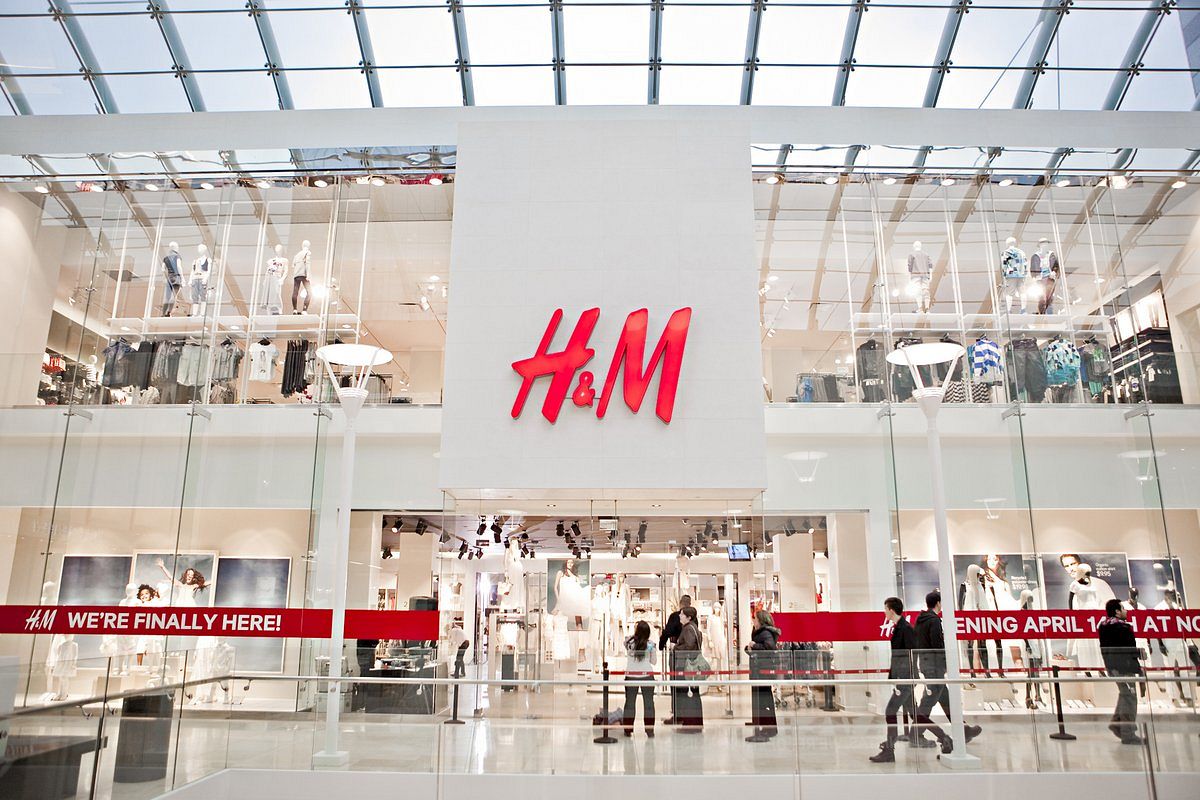
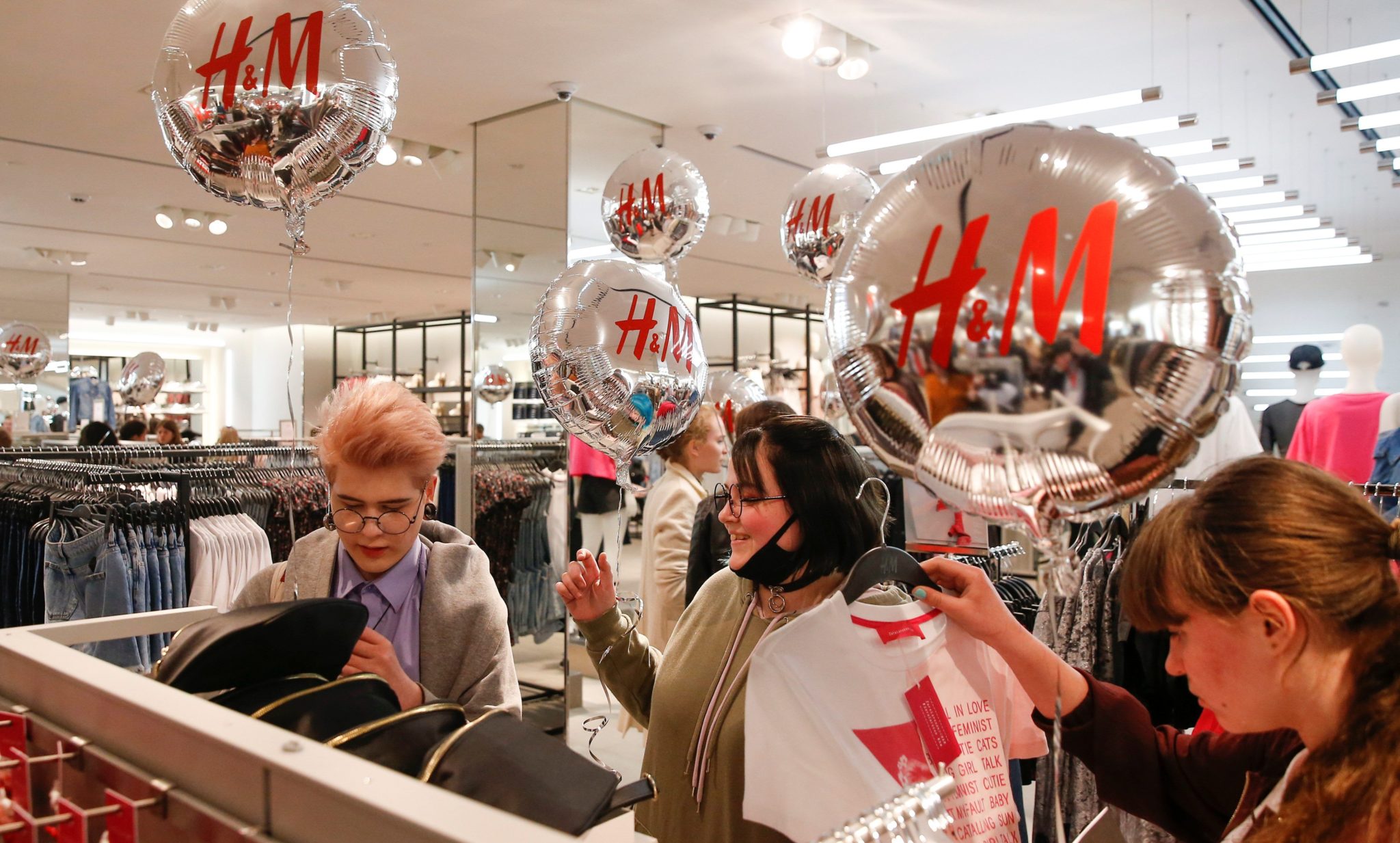
    H&M is setting its sights on the vibrant youth demographic of the Philippines as a catalyst for its growth in Asia, according to Saed El-Achkar, the Regional Manager and CEO of H&M’s Greater China and East Asia Regions. With nearly 11 years of presence in the archipelago, boasting 41 stores and a thriving online platform, the Swedish fashion behemoth recognizes that a confluence of trends is reshaping the Philippine retail landscape.

    Youthful Energy Driving Fashion Consumption

    At the heart of this transformation is the country’s youthful population, with an average age of just 27 years—a statistic that ignites enthusiasm in a way that’s rare in many corners of the globe. “That’s something that you cannot find in many countries around the world, which is incredibly exciting and interesting,” El-Achkar remarked. This youthful energy isn’t just about age; it fuels a fierce passion for fashion and a lifestyle reflective of broader global trends.

    Fashion-forward and Digitally Savvy Shoppers

    Filipino consumers are not just buyers; they are fashion-hungry individuals eager to express their style. El-Achkar emphasized their positive outlook, stating, “Customers are fashion hungry, enthusiastic about life, happy. People want to look good, feel good and be nice, and then continuously celebrate, which is super exciting.” This zest for life, coupled with their strong digital habits, paints a picture of an engaged consumer base. “The Filipino customer is very social, not only physically, but also digitally,” he explained. Their presence on platforms like Instagram and TikTok enhances their connection to fashion, making them a dream audience for any retailer, including H&M.

    Strategic Importance and Cultural Resonance

    Beyond just numbers, the Philippines’ geographic and cultural positioning plays a crucial role in H&M’s regional strategy. Nestled in Southeast Asia, the nation benefits from rich diversity and a growing appetite for international fashion trends. As El-Achkar highlighted, the way Filipino customers perceive fashion and their openness to global trends make the country a pivotal market for the brand. “It is incredibly important for us,” he affirmed.

    A Vision for the Future: Enhancing Customer Engagement

    Looking forward, H&M’s mission is clear: to deepen customer engagement by enriching both in-store and online shopping experiences. “Our journey or our mission is to liberate fashion for the many, make sure that fashion is as close as possible to all our customers… by elevating the fashion level, by elevating the experience, both in our stores and on our online platform,” said El-Achkar. This dual focus on enhanced experience and personal connection is designed to build lasting relationships with consumers, ensuring H&M remains a staple in Filipino wardrobes for years to come.

    Questions & Answers

    What is H&M’s primary strategy in the Philippines?
    H&M aims to capitalize on the youthful and digitally engaged population of the Philippines to drive its growth in the region.

    How does H&M view the Filipino consumer’s relationship with fashion?
    H&M sees Filipino consumers as enthusiastic and fashion-conscious, enjoying both life and personal expression through style.

    What role does digital engagement play in H&M’s approach?
    Digital engagement is crucial, as Filipino customers are highly active on social media platforms, enhancing their connection to fashion brands.

  • Monclos Unveils Flagship Store In Seoul: A Sensory Experience In Farm-to-beauty Retail Innovation

    Monclos Unveils Flagship Store In Seoul: A Sensory Experience In Farm-to-beauty Retail Innovation

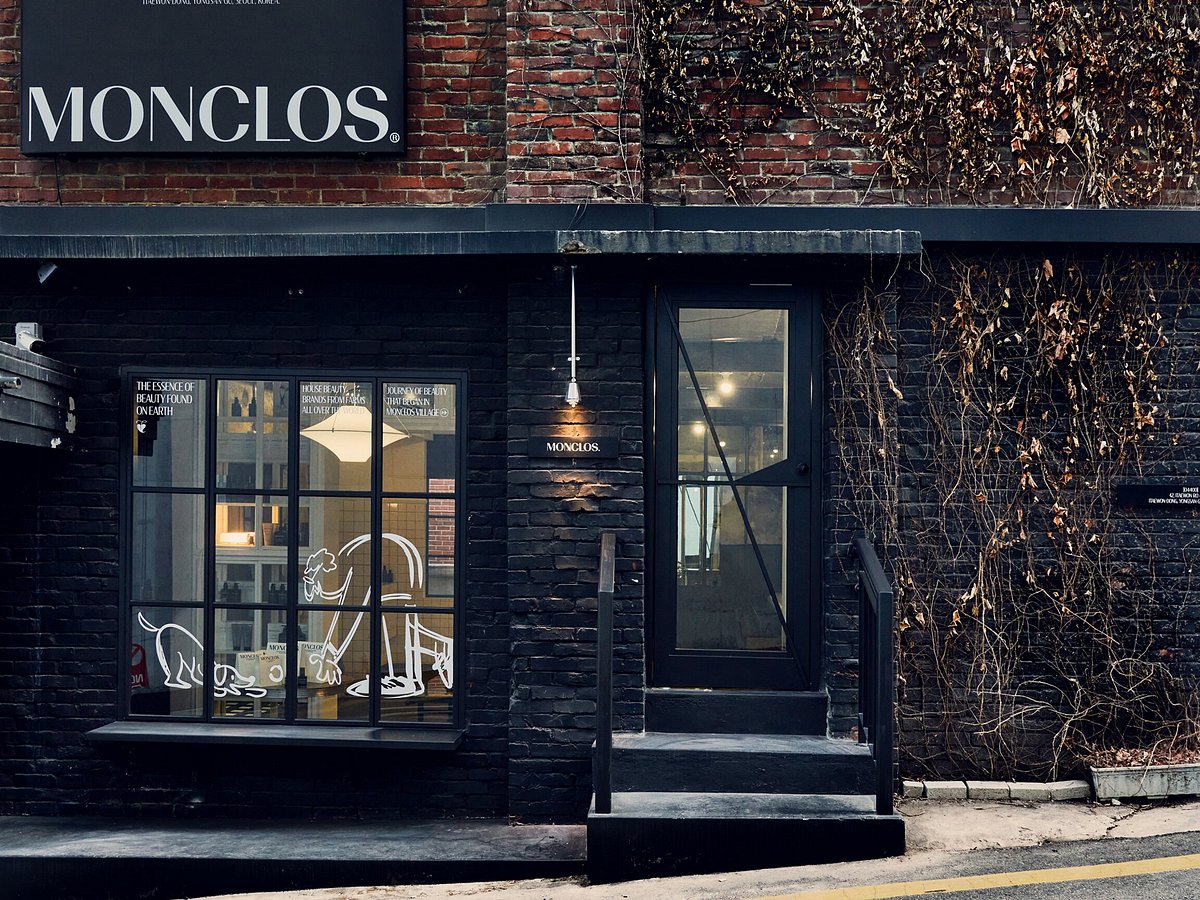
    Monclos, a renowned South Korean beauty brand, recently announced the unveiling of its premiere flagship store, located in the bustling neighborhood of Hannam-dong in Seoul.

    Store Design and Layout

    The store’s design is a reflection of Monclos’ unique farm-to-beauty ethos, with its exterior adorned with a lush curtain of vines, an industrial-style framework, and domestic-style tiles. The interior of the store is partitioned into three distinct areas: a product testing zone dedicated to hair and body care items, a home fragrance section, and a gift area.

    Monclos places a strong emphasis on sensory engagement, creating an inviting environment where products are artfully displayed to mimic common home settings, a departure from the more traditional retail shelving approach.

    Unique Features and In-Store Experience

    The home fragrance zone offers a stunning view of a seasonal mini-garden that transforms throughout the year, adding a dynamic touch of nature to the shopping experience. Additionally, elements of the brand’s farm-inspired characters are subtly integrated into the store’s design.

    The store also offers customers the chance to put a personalized touch on their shopping experience, with the ability to create their own customized hand creams while in-store.

    A Living, Evolving Space

    Monclos describes its Hannam flagship store as a vibrant, living entity that evolves and matures with its visitors. The company emphasizes that the products on offer are not merely for purchase but are designed to infuse everyday life with a refreshing touch and awaken the senses in new and exciting ways.

    Questions & Answers

    What are the unique features of Monclos’ flagship store?
    Monclos’ flagship store features a design inspired by their farm-to-beauty ethos, with areas dedicated to product testing, home fragrances, and gifts. The store is also home to a seasonal mini-garden and offers customers the opportunity to create personalized hand creams.

    How does Monclos’ new flagship store differ from traditional retail spaces?
    Monclos’ new flagship store veers away from conventional retail layouts, instead featuring product displays that mimic everyday home settings. This creates an engaging, sensory shopping experience that offers a refreshing departure from more traditional retail environments.

    What is the vision behind Monclos’ Hannam flagship store?
    Monclos views its new flagship store as a dynamic and evolving space that grows and matures with its visitors. Products are presented not just as items for purchase, but as elements designed to rejuvenate daily life and awaken the senses.

  • H&M Eyes Expansion In Ho Chi Minh City Amid Southeast Asia Growth Strategy

    H&M Eyes Expansion In Ho Chi Minh City Amid Southeast Asia Growth Strategy

    The Swedish fast-fashion behemoth, H&M, is set to broaden its reach in Ho Chi Minh City, a bustling retail hotspot in Vietnam, as a crucial part of its larger growth strategy for Southeast Asia.

    Expansion Plans for H&M in Vietnam

    According to local sources, H&M Vietnam is actively scouting for opportunities to inaugurate new stores in the city’s prime commercial hubs. As it stands, the brand runs 14 stores throughout the country, with plans to increase this to 20 in the upcoming years. A significant emphasis is being placed on the city center of Ho Chi Minh City for these new store openings.

    In order to ensure a smooth expansion, H&M is diligently navigating local lease processes and adhering to regulatory requirements.

    H&M’s Growth in Vietnam and Beyond

    H&M ventured into the Vietnamese market in 2017. Despite this, its store count remains small when stacked against other markets in the region, such as Malaysia, Thailand, and the Philippines.

    However, it’s worth noting that the brand is experiencing a global resurgence, with its operating profit witnessing a 40 percent surge to US$523 million in this year’s third quarter. Additionally, their operating margin has also seen a rise, going up from 5.9 to 8.6 percent.

    Questions & Answers

    When did H&M first enter the Vietnamese market?
    H&M first entered the Vietnamese market in 2017.

    How many stores does H&M currently operate in Vietnam?
    At present, H&M operates 14 stores across Vietnam.

    What are H&M’s expansion plans in Vietnam?
    H&M plans to grow its presence in Vietnam by increasing its store count from 14 to 20 in the coming years, with a particular focus on central Ho Chi Minh City.

  • Billionaire Boys Club And Tuborg Debut Music-inspired Streetwear Collection In China

    Billionaire Boys Club And Tuborg Debut Music-inspired Streetwear Collection In China

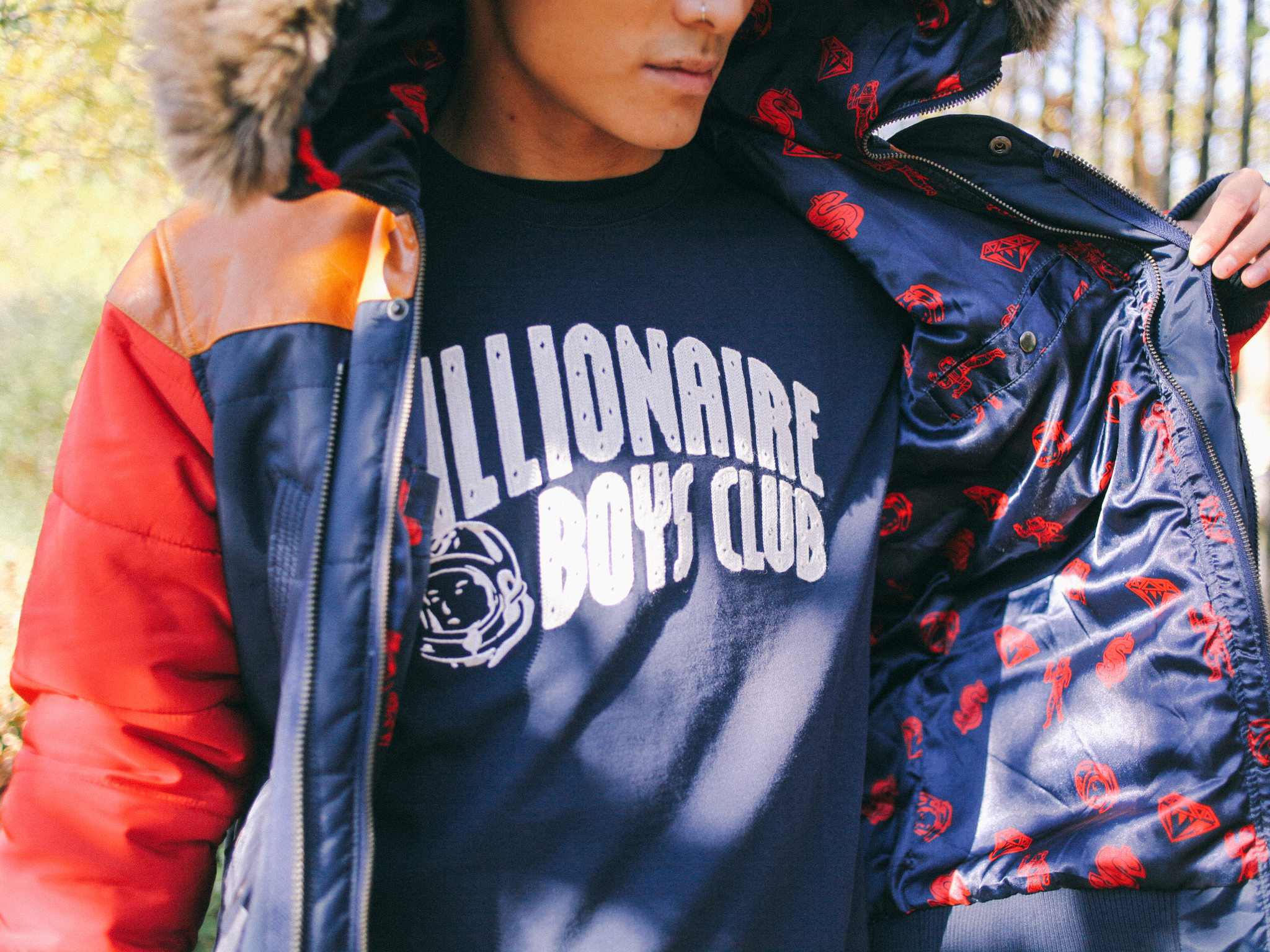
    Esteemed New York-based streetwear label, Billionaire Boys Club (BBC), has announced a unique partnership with the noteworthy Dutch lager brand, Tuborg, to launch an exclusive limited-edition collection.

    The collaboration will be introduced to China via dedicated pop-up stores in the cities of Guizhou and Zhengzhou. Under the compelling theme “Live a Billion Lives Again,” the pop-ups will provide a first-hand look at this much-anticipated collection.

    Billionaire Boys Club, co-founded by globally recognized artist and singer, Pharrell Williams, has cultivated a reputation for its luxury streetwear pieces that are deeply influenced by music. The new capsule collection features an exciting range of products that showcase this unique music-inspired aesthetic including graphic T-shirts, caps, keychains, and playing cards that channel the essence of urban street art.

    Jeff Chong, a leading executive of international premium brands at Carlsberg Asia, the parent company of Tuborg, acknowledged the significance of the collaboration. According to him, the partnership underscores Tuborg’s ongoing commitment to music culture and its aspiration to resonate with a younger demographic of consumers.

    Chong further emphasized, “This collaboration reflects the shared vision and synergy between two brands that genuinely connect with the spirit of youth.”

    Tuborg has confirmed plans to expand the launch of the capsule collection to other Asian markets. At the same time, BBC has committed to promoting the line on a global scale through its extensive retail network in the United States.

    Questions & Answers

    Who are the collaborators for the exclusive capsule collection?
    Billionaire Boys Club, a New York streetwear label, and Tuborg, a Dutch lager brand, are the collaborators for this collection.

    Where will the collaboration debut, and what is the theme of the launch?
    The collaboration will debut in China through pop-up stores in Guizhou and Zhengzhou, under the theme “Live a Billion Lives Again.”

    What does the capsule collection include?
    The collection includes products like graphic T-shirts, caps, keychains, and street art-inspired playing cards.

  • Kao Corporation Targets $2.68b In Sales With Major Cosmetics Business Revamp

    Kao Corporation Targets $2.68b In Sales With Major Cosmetics Business Revamp

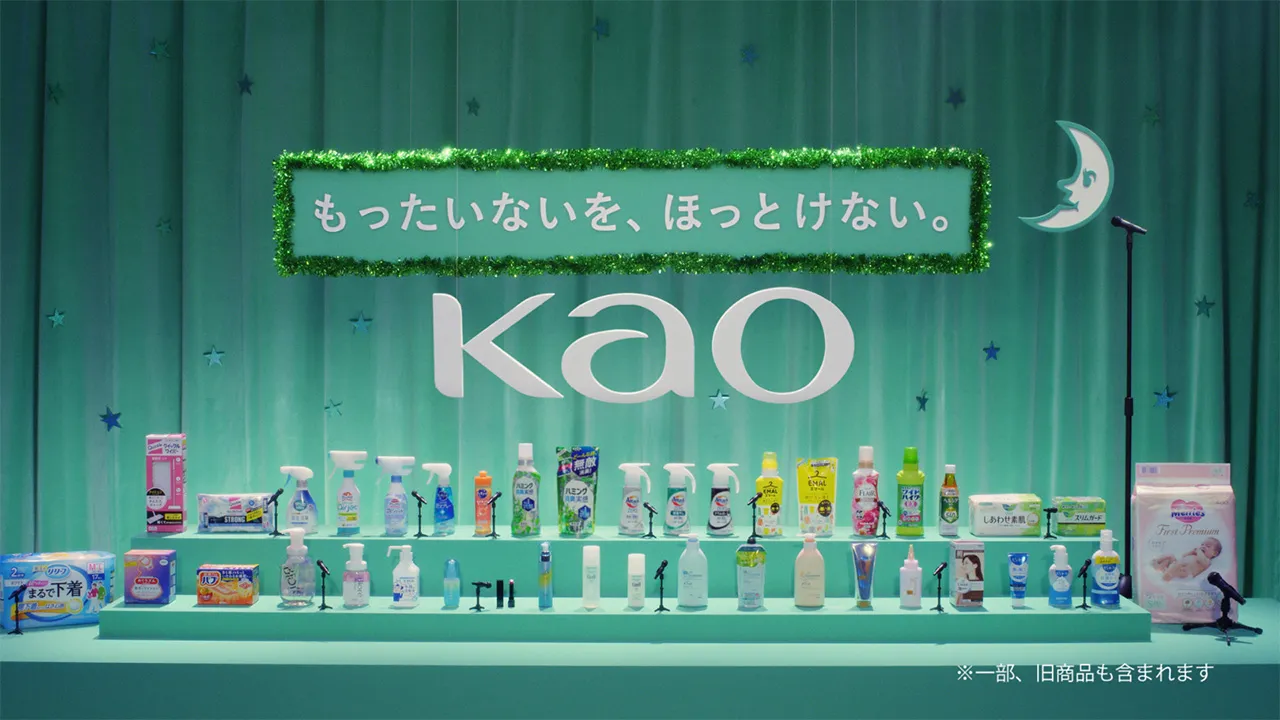
    Kao Corporation, a Tokyo-based company specializing in chemicals and cosmetics, has recently revealed plans to revamp its cosmetics business. The strategy will focus on the growth and expansion of its six core brands.

    The New Strategy

    Kao’s primary goal is to achieve a net sales target of 400 billion yen (US$2.68 billion), alongside an operating margin of 15 percent, as early as possible after 2030. To this end, the company will concentrate its growth and development efforts on six brands: Sensai, Molton Brown, Kanebo, Sofina, Curel, and Kate. The expansion strategy will be tailored to the specific markets where these brands meet consumer demands.

    As part of this reorganization, skincare brand Curel is expected to experience accelerated growth. The company plans to increase Curel’s store presence in Europe by sixfold, aiming to generate 50 percent of the brand’s total sales outside Japan by 2027.

    Focusing on the European and Asian Markets

    Sensai and Molton Brown, two brands that have proven successful among European consumers, will pivot their growth strategy to target the Asian luxury market. The company’s ambitious aims include a 150 percent increase in Sensai sales and a doubling of Molton Brown sales in Asia by 2027.

    For Kanebo and Kate, Kao plans to adapt their expansion to the distinctive characteristics of each Asian market, using Thailand as the initial target market. The company hopes to boost sales of these two brands by 150 percent in Thailand by 2027.

    In a simultaneous move, Kao intends to consolidate Sofina and its sub-brands under one umbrella. The aim is to enhance Sofina’s sales in Asia by 50 percent by 2027.

    Enhancing Profitability and Long-Term Growth

    Beyond brand-specific expansion plans, Kao’s revamp includes a broader focus on improving profitability and fostering long-term growth. This will involve the implementation of core technologies, cost reductions through improved supply chain management, and the application of digital and AI technologies.

    The restructuring process will be spearheaded by Tomoko Uchiyama, executive officer and president of global consumer care – cosmetics business, who began her role in January.

    Uchiyama emphasized the company’s adaptability in the face of change, explaining, “Our cosmetics business has the flexibility to respond to changing times and market dynamics with a diverse portfolio of brands.” She assured that, coupled with the robust foundation of the Kao Group, the company is well-positioned to pioneer advancement of globalization.

    In addition to cosmetics, Kao’s business segments also include hygiene living care (which counts Attack and Laurier among its brands), health beauty care (owner of Biore, among others), and chemical products.

    Questions & Answers

    What are the core brands Kao Corporation is focusing on?
    Kao Corporation will be focusing on the expansion of Sensai, Molton Brown, Kanebo, Sofina, Curel, and Kate.

    What are the business goals of Kao Corporation under the new strategy?
    The company aims to achieve a net sales target of 400 billion yen (US$2.68 billion) and an operating margin of 15 percent, as early as possible after 2030.

    Who will be leading the restructuring process at Kao Corporation?
    The restructuring process will be led by Tomoko Uchiyama, executive officer and president of global consumer care – cosmetics business.

  • Uniqlo To Open Largest Flagship Store In Shanghai: A Fusion Of Fashion, Sustainability, And Technology

    Uniqlo To Open Largest Flagship Store In Shanghai: A Fusion Of Fashion, Sustainability, And Technology

    Once again, China’s industrial landscape is buzzing with activity as renowned fast-fashion brand Uniqlo makes its latest move to capture the hearts of local consumers. The company has announced plans to open its largest flagship store in Shanghai this Friday, covering an impressive 4,000 square meters in the bustling heart of Huaihai Road, a district synonymous with style and culture. This flagship store is set to become a mecca for fans of the brand, equipped with an extensive range of offerings that reflect the latest in apparel trends while keeping Uniqlo’s signature simplicity and comfort in mind.

    New Heights in Urban Retail

    Uniqlo is not merely expanding its footprint; it is embracing a new era of urban retail. This forthcoming flagship store promises a shopping experience tailored to both local tastes and global trends. “Shanghai exemplifies the forward-thinking spirit of urban life,” said a Uniqlo spokesperson, adding a poetic twist to the brand’s commitment to innovation. With the new store, Uniqlo aims to provide both aesthetics and functionality that resonate with the fast-paced lifestyle of city dwellers.

    Focus on Sustainability and Local Culture

    True to its mission, Uniqlo is putting sustainability at the forefront of its operations. Many of the items in the new flagship will feature eco-friendly materials, reinforcing the brand’s dedication to reducing its environmental impact. In addition, the store will showcase local artists through engaging displays, blending fashion with cultural creativity. Customers can expect to encounter a vibrant mural that reflects the city’s spirit and diversity, an artful touch that adds flair to the shopping environment.

    A Store Like No Other

    What’s particularly striking about this store, however, is its integration of technology. With interactive kiosks and augmented reality elements enhancing the shopping experience, customers are invited to engage with products in new, imaginative ways. It almost feels as if the store could come alive and recommend outfits based on your mood, adding an element of whimsy to the retail journey.

    As Uniqlo gears up for this grand opening, it’s clear that the brand is not just setting up a new retail outlet but is making a bold statement about the future of shopping in a rapidly evolving market. The store not only serves as a retail location but as a cultural hub, bringing together fashion, technology, and sustainability under one roof.

    Questions & Answers

    What is unique about Uniqlo’s new flagship store in Shanghai?
    The flagship store stands out with its massive 4,000 square meters of space, interactive technology, and a focus on sustainability, offering customers a distinctive shopping experience that integrates fashion with local culture.

    How does Uniqlo plan to incorporate local culture into its flagship store?
    Uniqlo is incorporating local culture by featuring displays from local artists and a vibrant mural that reflects the city’s spirit, blending fashion with the rich cultural tapestry of Shanghai.

    What are some of the eco-friendly initiatives within the new store?
    The flagship will showcase items made from sustainable materials, aligning with Uniqlo’s commitment to reducing its environmental impact and promoting responsible consumption.

  • H&M Reports 40% Surge In Operating Profit Despite Market Uncertainties And Outlet Reduction

    H&M Reports 40% Surge In Operating Profit Despite Market Uncertainties And Outlet Reduction

    In the third quarter of this year, Swedish fashion conglomerate H&M reported an operating profit increase of 40% to US$523 million, with its operating margin escalating from 5.9% to 8.6%.

    Key Factors driving the Increase

    The company attributed the favorable performance to enhanced customer offerings, better gross margin, and effective cost control. The company’s gross profit reached US$3.19 billion, with the gross margin rising to 52.9%, a substantial increase from the 51.1% recorded in the same period the previous year.

    Despite a 4% decrease in the number of outlets, H&M still managed to boost its sales in local currencies by 2% compared to the same timeframe last year. Nonetheless, the company’s net sales dropped slightly from US$6.24 billion to US$6.03 billion, a decrease largely influenced by a currency translation effect on the SEK.

    Company’s Strategy amidst Uncertainty

    H&M CEO Daniel Erver acknowledged the ongoing market uncertainty and the cautious consumer behavior it has bred. Despite these challenges, Erver emphasized the company’s unwavering focus on improving its customer offerings and maintaining value for money. Erver believes that the company’s strong culture, combined with effective cost control and flexibility, provides a stable foundation for achieving long-term, profitable, and sustainable growth in an increasingly complex environment. The company remains committed to its ambitious sustainability goals.

    Expansion and Digital Transformation

    H&M marked its entry into the Brazilian market in August by launching its first physical and online stores. The company also opened a new flagship store in Paris’ Le Marais, featuring a curated selection and a novel interior design concept. As part of its global strategy, H&M introduced its revamped digital store earlier this year. The brand is focused on upgrading a significant portion of its physical stores by improving layouts, presentations, and incorporating technology to elevate the customer experience.

    Questions & Answers

    What factors contributed to H&M’s increase in operating profit?
    Enhancements in customer offerings, improved gross margin, and effective cost control led to an increase in H&M’s operating profit.

    How is H&M adapting to the ongoing market uncertainty?
    Despite market uncertainties, H&M is focusing on its customer offerings and maintaining value for money. The company aims to leverage its strong culture, effective cost control, and flexibility to achieve long-term, sustainable growth.

    What are H&M’s recent expansion and digital transformation initiatives?
    H&M recently entered the Brazilian market with both physical and online stores. The company has also launched an upgraded digital store and is working on improving the layouts, presentations, and in-store technology at many of its global outlets.

  • Tokyo Streetwear Label 9090 Breaks Into Chinese Market, Championing 90s Nostalgia For Gen Z Shoppers

    Tokyo Streetwear Label 9090 Breaks Into Chinese Market, Championing 90s Nostalgia For Gen Z Shoppers

    Born and bred in Tokyo, the streetwear label 9090 has recently made its debut in the Chinese market. This expansion was facilitated via collaborations with Yutori Group and BranDNA, with the first step being the launch of a pop-up store in Shanghai.

    9090 is recognized for its unique fusion of a nostalgic 90s youth culture and contemporary streetwear design. The label’s distinct style is what sets it apart from the competition.

    BranDNA’s CEO, James Chen, attributes the introduction of this Japanese brand to the demands of China’s Gen Z consumers. He stated that these young shoppers are on the lookout for individuality, cultural depth, and affordable yet trendy fashion.

    Chen explained, “The rebellious spirit embodied by the 1990s deeply resonates with this generation. We believe that 9090 has the potential to set fresh trends in the market.”

    To further establish 9090’s presence in China, Yutori and BranDNA have plans to broaden the brand’s reach. These include opening more pop-up stores, forming retail partnerships, and pursuing collaborations, with the end goal being to make this brand more easily accessible to local consumers.

    BranDNA has previously successfully introduced over 40 international brands into the Chinese market, comprising top labels like 7 For All Mankind, BCBG Maxazria, Ben Sherman, Hydrogen, Body Glove, Dakine, Porsche Design, Bric’s, and Borghese.

    Questions & Answers

    What is the 9090 brand known for?
    The 9090 brand is renowned for its fusion of nostalgic 90s culture and modern streetwear aesthetics.

    Why did BranDNA introduce the 9090 brand to China?
    BranDNA CEO James Chen cited the demands of Gen Z consumers for personalized, culturally rich, and affordable trendy fashion as the reason behind the introduction of 9090 to the Chinese market.

    How do Yutori and BranDNA plan to expand 9090’s presence in China?
    The expansion plans include opening additional pop-up stores, establishing retail partnerships, and initiating collaborations to make the brand more available to local consumers.

  • Cartier Unveils Asia’s Largest Store In Tokyo, Melding Luxury With Traditional Japanese Aesthetics

    Cartier Unveils Asia’s Largest Store In Tokyo, Melding Luxury With Traditional Japanese Aesthetics

    Cartier, the renowned luxury goods purveyor, has recently inaugurated its most expansive retail location in Asia. The store is situated in Tokyo’s posh Ginza district, a hub of high-end shopping and fashion.

    Store Design and Features

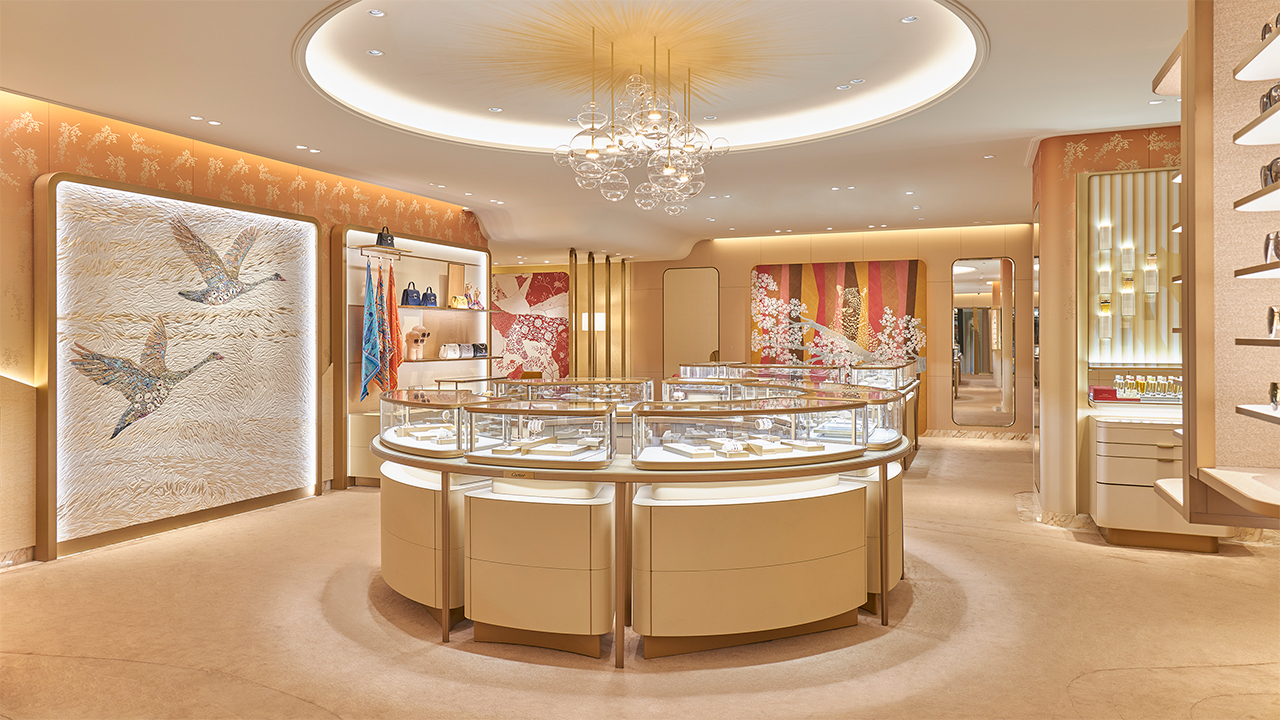
    The flagship store sprawls over four storeys of the Hulic Ginza Sukiyabashi Building. The exterior has been conceptualized and executed by the Tokyo-based Klein Dytham Architecture (KDA). The design places a strong emphasis on the traditional Japanese artistry, drawing inspiration from conventional Japanese textiles, patterns, and art forms, thereby giving a distinct, culturally representative facade to the store. The geometric fan patterns layered on the store’s exterior not only add texture but also pay a subtle homage to the country’s art and craft legacy.

    On the inside, the store follows a minimalist yet elegant aesthetic. It has stone flooring and displays a range of Cartier’s offerings, including jewelry, timepieces, accessories, gifts, and fragrances. The interior design carries the same Japan-inspired theme, featuring various art installations from local artists scattered throughout the space. The most striking feature of the store’s interior is the ceiling. Designed to resemble origami, it covers the entire space, invoking the imagery of a traditional Japanese umbrella.

    The store also houses two additional zones, each dedicated to salon and garden themes. These spaces provide customers with a place to rest and leisurely browse between shopping. The top floor of the store accommodates the ‘Residences’, private spaces intended for exclusive events and special reservations.

    Cartier’s Expansion in Asia

    This move is a testament to Cartier’s ongoing expansion efforts in the Asian market. In August, the luxury retailer opened a duplex boutique in Bangkok. The boutique’s design carefully integrates elements of Thai heritage with Cartier’s signature craftsmanship, reflecting the brand’s commitment to celebrate and incorporate local culture into their store designs.

    Questions & Answers

    What inspired the design of Cartier’s new store in Tokyo?
    The design of the new Cartier store in Tokyo is inspired by traditional Japanese fabrics, artwork, and geometric patterns.

    What does the interior of the store feature?
    The interior of the store features art installations by Japanese artists, stone flooring, and a range of Cartier products like watches, jewelry, and fragrances.

    What are the ‘Residences’ within the store?
    The ‘Residences’ are private spaces located on the top floor of the store that are intended for special event reservations and exclusive use.

  • LVMH’s Bernard Arnault Challenges Proposed Billionaire Tax, Sparking Controversy in France’s Wealth Debate

    LVMH’s Bernard Arnault Challenges Proposed Billionaire Tax, Sparking Controversy in France’s Wealth Debate

    In a robust defense of wealth and economic freedom, Bernard Arnault, the chairman and CEO of LVMH and France’s wealthiest individual, has vehemently criticized a proposed 2% tax targeting billionaires, labeling it a direct threat to the nation’s economic stability.

    The proposed tax aims to levy a charge on fortunes exceeding 100 million euros (around $117 million) and has garnered increasing political momentum in France. Prime Minister Sébastien Lecornu is under pressure from the Socialist Party to integrate the measure into the 2026 budget, with failing to do so possibly leading to a confidence vote that could destabilize his government.

    Arnault did not hold back in an interview asserting, “This is clearly not a technical or economic debate, but rather a clearly stated desire to destroy the French economy.” He directed his ire at the proposal’s main architect, economist Gabriel Zucman, dismissing him as “first and foremost a far-left activist” leveraging “pseudo-academic competence” to undermine the economic system he believes is essential for societal welfare.

    In a spirited rebuttal, Zucman, who teaches at France’s École Normale Supérieure and the University of California, Berkeley, defended his position. “I’ve never been an activist for any movement or party,” he stated on X, emphasizing that his research is based on empirical analysis rather than ideological bias.

    Though Zucman has been affiliated with left-leaning economic initiatives, he has consistently argued that the super-wealthy are often paying a disproportionately lower share of taxes compared to average citizens. The proposed tax, according to Zucman, seeks to bridge that widening divide.

    Public sentiment appears to sway in favor of the tax, with an Ifop poll commissioned by the Socialist Party revealing an impressive 86% approval rate among respondents. This support highlights a growing desire for equity in the tax system, indicating a potential shift in societal perspectives toward wealth distribution in France.

    Questions & Answers

    What is the proposed billionaire tax in France?
    The proposed 2% tax would apply to fortunes exceeding 100 million euros ($117 million) and is aimed at addressing perceived inequities in the tax burden among the ultra-wealthy.

    Who is Gabriel Zucman, and what is his stance on the wealthy’s tax contributions?
    Gabriel Zucman is a prominent economist advocating for the tax, arguing that the ultra-rich pay a lower tax rate relative to their wealth compared to average citizens, and he believes the proposed tax would help close this gap.

    What level of public support does the tax have?
    Recent polling indicates strong public backing for the tax, with 86% of respondents approving of the initiative, reflecting a potential shift in attitudes toward wealth distribution and tax fairness in France.